


Need Expert Advice?Our Gurus Can Help
The Career Gurus
 HR, Leadership coachAdarsh Rai
 International Education CounsellorDr Karan Gupta
 NEET, Medical, Pharmacy CareersDr Nagarajan J S K
  Leadership CoachInderpaul Singh
 IIT-JEE, GATE ExpertRajesh Kumar Singh
 Start-Up ExpertNripen Bhatt
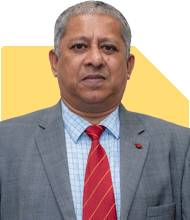 Career CounsellorProf Suvasish Mukhopadhyay
 Leadership, HR ExpertShekhar Kumar
 Career Management, Skills Development ExpertOnkar Singh
 HR ExpertMayank Rautela
 Study Abroad ExpertDr Pananjay K Tiwari
 Career And Placement ConsultantPradeep Pramanik
 MHT-CET, IIT-JEE, NEET-UG ExpertRadheshyam Zanwar
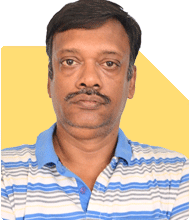 Tech Careers and Skill Development ExpertDr Dipankar Dutta
 AI Tech ExpertKasam Shaikh
 Tech Career ExpertAasif Ahmed Khan
  Career CounsellorNayagam P P
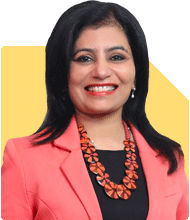 Image Coach, Soft Skills TrainerArchana Deshpande
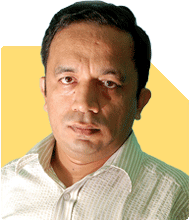 Start-up Mentor; E-commerce, EdTech ExpertVishal Bisht
 Soft Skills TrainerMaxim Emmanuel
 Workplace ExpertKrishna Kumar
 Leadership Coach, Corporate TrainerDr Radhakrishnan Pillai
 Edtech/Online Education ExpertRohit Gupta
 Hiring, Leadership ExpertRajesh Nair
 Internship, Online Education ExpertSarvesh Agrawal
 HR ExpertAbhishek Shah
 CAT, Management ExpertAashish Sood
 CAT, XAT, CMAT, CET ExpertPatrick Dsouza
 Tech Entrepreneur, EducationistChocko Valliappa
 Education ExpertMayank Kumar
 Start-up MentorBaqar Iftikhar Naqvi
 Entrepreneurship ExpertHarsh Bharwani
 Personality Development Expert, Career CoachAshwini Dasgupta
 HR, Recruitment ExpertNitin Sathe
 Study Abroad ExpertSushil Sukhwani
 Tech Career Counselling ExpertSaurabh Saxena
 Visas, Study Abroad ExpertGeeta Ratra
 VC, Angel Investing, Entrepreneurship ExpertChandu Nair
 Self-improvement ExpertVirender Kapoor
 HR ExpertKhevna Shah
 Start-up ExpertAnkit Kedia
 IIT-JEE, NEET-UG, SAT, CLAT, CA, CS Exam ExpertMayank Chandel


Browse rediffGurus answers related to 'Career' below
Dr Nagarajan J S K |1604 Answers |Ask -Follow
NEET, Medical, Pharmacy Careers - Answered on Jul 06, 2025

Dr Nagarajan J S K |1604 Answers |Ask -Follow
NEET, Medical, Pharmacy Careers - Answered on Jul 06, 2025
Asked by Anonymous - Jul 06, 2025

I had got 686th rank in niper exam anot not got qualify mark in GPAT. Shall i attend couselling in mohali for getting admission in Mpharma from niper institution
Ans: HI,
NO. The counseling for NIPER, Mohali (other NIPERs) is based on both NIPER JEE rank and the qualifying scores in GPAT or other relevant national-level exams.
BEST WISHES.
(more)
NO. The counseling for NIPER, Mohali (other NIPERs) is based on both NIPER JEE rank and the qualifying scores in GPAT or other relevant national-level exams.
BEST WISHES.
Dr Nagarajan J S K |1604 Answers |Ask -Follow
NEET, Medical, Pharmacy Careers - Answered on Jul 06, 2025

Dr Nagarajan J S K |1604 Answers |Ask -Follow
NEET, Medical, Pharmacy Careers - Answered on Jul 06, 2025

Dr Nagarajan J S K |1604 Answers |Ask -Follow
NEET, Medical, Pharmacy Careers - Answered on Jul 06, 2025


Hi Sir, I have question about branch preferences in BITS pilani, My son is a dual degree (MSC Economics) student As per his 1st year CGPA 7.38, He has option to choose branches for B.E in Electronics & Instrumention, Mechanical, Chemical & Civil, As per you What should be branch preference order.Thanjs
Ans: The order is as follows:
1. Electronic and instrumentation
2. Mechanical
3. Chemical
4. Civil
Best wishes.
(more)
1. Electronic and instrumentation
2. Mechanical
3. Chemical
4. Civil
Best wishes.
Dr Nagarajan J S K |1604 Answers |Ask -Follow
NEET, Medical, Pharmacy Careers - Answered on Jul 06, 2025
Asked by Anonymous - Jul 06, 2025Hindi
Dr Nagarajan J S K |1604 Answers |Ask -Follow
NEET, Medical, Pharmacy Careers - Answered on Jul 06, 2025


Dr Nagarajan J S K |1604 Answers |Ask -Follow
NEET, Medical, Pharmacy Careers - Answered on Jul 06, 2025

Dr Nagarajan J S K |1604 Answers |Ask -Follow
NEET, Medical, Pharmacy Careers - Answered on Jul 06, 2025
Asked by Anonymous - Jul 04, 2025Hindi
Dr Nagarajan J S K |1604 Answers |Ask -Follow
NEET, Medical, Pharmacy Careers - Answered on Jul 06, 2025

Dr Nagarajan J S K |1604 Answers |Ask -Follow
NEET, Medical, Pharmacy Careers - Answered on Jul 06, 2025


We belong to category 1 caste, I am a govt employee having salary more than ten lakhs per annum. I have taken OBC non creamy layer certificate for my son as I am not a Group A or Group B. Now for joining kcet income certificate to be given. I got income certificate stating that more than ten lakhs. Will state government, income certificate will not exclude salary earnings as like OBC non creamy layer conditions.
Ans: HI Madam,
OBC is possible and not OBC-NCL (your income is more than 10LPA).
(more)
OBC is possible and not OBC-NCL (your income is more than 10LPA).
Dr Nagarajan J S K |1604 Answers |Ask -Follow
NEET, Medical, Pharmacy Careers - Answered on Jul 06, 2025
Asked by Anonymous - Jul 03, 2025Hindi
Dr Nagarajan J S K |1604 Answers |Ask -Follow
NEET, Medical, Pharmacy Careers - Answered on Jul 06, 2025
Asked by Anonymous - Jun 27, 2025Hindi

Hey sir need your guidance
I have scored 300 marks in neet 2025 obc category 2nd drop... sir actually my preparation was on the point and I solved question correctly but during omr filling I got panicked and filled omr in wrong sequence due to which my score has dropped so much down ..... sir I am not getting anything what to do should I apply for couselling or not or should sir I am not considering bams bhms bums.. in cbse class 12th I have scored 86% from PCB + IP stream... sir I am in dilemma that should I change my stream and do bca+ mca or partial drop something cause being doctor was never my dream and I was interested in computer since class 10th that's the reason I have choosed IP in class 11th and 12th ..... Sir I am not getting anything can you please guide me what to do now
Ans: HI
Why do you want to BCA and an MCA? After PG?
(more)
Why do you want to BCA and an MCA? After PG?
Dr Nagarajan J S K |1604 Answers |Ask -Follow
NEET, Medical, Pharmacy Careers - Answered on Jul 06, 2025
Asked by Anonymous - Jun 29, 2025Hindi

I secured AIR 418 in IAT 2025....marks- 176....is their a chance of IISC Bangalore. Since this time the neet and jee channels are closed.... Can the cutoff go down. Also there was tremendous rank inflation this time in IAT.
Ans: Hi
You did not mention your category. Possibilities are there If you belong to OBC.
(more)
You did not mention your category. Possibilities are there If you belong to OBC.
Dr Nagarajan J S K |1604 Answers |Ask -Follow
NEET, Medical, Pharmacy Careers - Answered on Jul 06, 2025

Dr Nagarajan J S K |1604 Answers |Ask -Follow
NEET, Medical, Pharmacy Careers - Answered on Jul 06, 2025

Dr Nagarajan J S K |1604 Answers |Ask -Follow
NEET, Medical, Pharmacy Careers - Answered on Jul 06, 2025

Dr Nagarajan J S K |1604 Answers |Ask -Follow
NEET, Medical, Pharmacy Careers - Answered on Jul 06, 2025

I had got 79.35 in mains paper 2 I'm interested in architecture and my rank in OBC NCL was 4150. Are there any chances to get seat in any NIT I didn't get seat in round 1, 2 and 3 are there any chances to get seat on NIT till last round ?
Ans: HI Manisha,
Challenging one. Do continue participating in the counseling process for the updates..
(more)
Challenging one. Do continue participating in the counseling process for the updates..
Dr Nagarajan J S K |1604 Answers |Ask -Follow
NEET, Medical, Pharmacy Careers - Answered on Jul 06, 2025
Asked by Anonymous - Jul 03, 2025Hindi
Dr Nagarajan J S K |1604 Answers |Ask -Follow
NEET, Medical, Pharmacy Careers - Answered on Jul 06, 2025
Asked by Anonymous - Jul 03, 2025Hindi
Nayagam P P |8071 Answers |Ask -Follow
Career Counsellor - Answered on Jul 06, 2025

Hello sir I passed my class 12th in 2024 mpboard . So I'm not eligible for JEE Advanced 2026 but can I give my class 12th again under mpboard for year 2025-26 . Then will I be eligible for jee advanced 2026? please sir reply
Ans: Candidates must have appeared for their Class XII (or equivalent) examination for the first time in either 2024 or 2025 with Physics, Chemistry and Mathematics as compulsory subjects and may attempt JEE Advanced twice in consecutive years. Having passed MP Board Class XII in 2024 already fulfils the “first?appearance” criterion for JEE Advanced 2026, so repeating Class XII in 2025 does not change your eligibility status and is unnecessary.
Proceed to register for JEE Advanced 2026 without re-sitting MP Board Class XII exams, as your 2024 appearance already makes you eligible (if you fulfill other conditions such as minimum pass marks required etc.).
(more)
Proceed to register for JEE Advanced 2026 without re-sitting MP Board Class XII exams, as your 2024 appearance already makes you eligible (if you fulfill other conditions such as minimum pass marks required etc.).
Dr Nagarajan J S K |1604 Answers |Ask -Follow
NEET, Medical, Pharmacy Careers - Answered on Jul 06, 2025
Asked by Anonymous - Jul 03, 2025Hindi

Nayagam P P |8071 Answers |Ask -Follow
Career Counsellor - Answered on Jul 06, 2025
Asked by Anonymous - Jul 06, 2025Hindi

Hello,
I have secured an OBC category rank of 3800 in the IISER Aptitude Test (IAT) 2025.
Could someone please guide me on which IISERs I might have a chance of getting admission into at this rank? Also, if there are chances in later counselling rounds, kindly let me know.
Any insights based on previous years' cutoffs or trends would be appreciated.
Thank you.
Ans: Candidates must have appeared for their Class XII (or equivalent) examination for the first time in either 2024 or 2025 with Physics, Chemistry and Mathematics as compulsory subjects and may attempt JEE Advanced twice in consecutive years. Having passed MP Board Class XII in 2024 already fulfils the “first?appearance” criterion for JEE Advanced 2026, so repeating Class XII in 2025 does not change your eligibility status and is unnecessary.
Proceed to register for JEE Advanced 2026 without re-sitting MP Board Class XII exams, as your 2024 appearance already makes you eligible (if you fulfill other criteria such as minimum percentage of marks etc.). All the BEST for Admission & a Prosperous Future!
Follow RediffGURUS to Know More on 'Careers | Money | Health | Relationships'.
(more)
Proceed to register for JEE Advanced 2026 without re-sitting MP Board Class XII exams, as your 2024 appearance already makes you eligible (if you fulfill other criteria such as minimum percentage of marks etc.). All the BEST for Admission & a Prosperous Future!
Follow RediffGURUS to Know More on 'Careers | Money | Health | Relationships'.
Dr Nagarajan J S K |1604 Answers |Ask -Follow
NEET, Medical, Pharmacy Careers - Answered on Jul 06, 2025

Nayagam P P |8071 Answers |Ask -Follow
Career Counsellor - Answered on Jul 06, 2025

Sir please guide the order, IIIT Hyderabad ECE, IIT Kharagpur Mathematics and Computing , or BITS Pilani Mathematics and Computing 5yr.
Kindly advise
Ans: Utpal, All three programmes deliver rigorous academics through NAAC/NBA?accredited curricula taught by predominantly PhD?qualified faculty, feature specialized labs (IIIT Hyderabad’s VLSI and communications; IIT KGP’s computational and statistical modeling; BITS Pilani’s data?science and scientific computing facilities), and ensure strong industry linkages with mandatory internships. IIIT Hyderabad ECE achieved a 98.8% BTech placement rate in 2024 with an average package of ?21.39 LPA and top?tier recruiters across telecom and embedded systems. IIT Kharagpur’s five-year Integrated BSc (Hons)+MSc in Mathematics & Computing sustains research-driven learning, placed ~70 students in its inaugural years with an average package of ?21.2 LPA and highest offers exceeding ?1.7 Cr, reflecting its finance-tech recruiter appeal. BITS Pilani’s four-year BE Mathematics & Computing (NIRF #20) offers curriculum flexibility, ~90% first-degree placement consistency, an overall average of ?20.09 LPA and median of ?18 LPA across 500+ recruiters.
For exceptional core?hardware roles and near?universal campus recruitment, the recommendation is IIIT Hyderabad ECE. For a research-intensive, finance-tech pathway with dual-degree depth, choose IIT Kharagpur Mathematics & Computing. Lastly, for broad computational foundations with flexible degree options and strong overall placements, opt for BITS Pilani Mathematics & Computing. All the BEST for Admission & a Prosperous Future!
Follow RediffGURUS to Know More on 'Careers | Money | Health | Relationships'.
(more)
For exceptional core?hardware roles and near?universal campus recruitment, the recommendation is IIIT Hyderabad ECE. For a research-intensive, finance-tech pathway with dual-degree depth, choose IIT Kharagpur Mathematics & Computing. Lastly, for broad computational foundations with flexible degree options and strong overall placements, opt for BITS Pilani Mathematics & Computing. All the BEST for Admission & a Prosperous Future!
Follow RediffGURUS to Know More on 'Careers | Money | Health | Relationships'.
Dr Nagarajan J S K |1604 Answers |Ask -Follow
NEET, Medical, Pharmacy Careers - Answered on Jul 06, 2025
Asked by Anonymous - Jul 03, 2025Hindi

Nayagam P P |8071 Answers |Ask -Follow
Career Counsellor - Answered on Jul 06, 2025

I got 98.87 in mhtcet , I'm a female obc candidate. Is it possible for admission in coep, vjti, spit, pict for cse, ai-ds, it or lastly entc??
Please recommend a preference order.
Ans: Shifa, With a 98.87 percentile in MHT-CET under the OBC category, you qualify for assured All-India-Quota seats at COEP, VJTI, SPIT and PICT (for ENTC), all of which are NBA/NAAC-accredited with PhD-faculty, advanced labs, strong industry collaborations, mandatory internships and 75–95 percent placement consistency over the last three years. At COEP Pune, CSE closes around 97.68 percentile for GOBCS candidates, and IT and ENTC cutoffs are similarly within reach. VJTI Mumbai’s GOBCS cutoffs for CSE (94.9–96.82 percentile), IT (99.92 percentile for OPENS; roughly 96 percentile GOBCS), and ENTC (99.69 percentile OPENS; ~99 percentile GOBCS) ensure admission viability. SPIT Mumbai’s DEFOBCS cutoff for CSE is 97.85 percentile and GOBCS 98.87 percentile, with ENTC GOBCS at 96.75 percentile. PICT Pune admits GOBCS candidates in ENTC from 98.82 percentile, though CSE, IT and AI & DS require ≥99.5 percentile. Each institute offers robust placement cells engaging top recruiters and modern infrastructure to support both core and tech careers.
For the strongest software-driven outcomes, the recommendation is SPIT Mumbai CSE. Next, prioritize VJTI Mumbai CSE, COEP Pune CSE, SPIT ENTC, VJTI ENTC, and PICT Pune ENTC based on your percentile and placement consistency. All the BEST for Admission & a Prosperous Future!
Follow RediffGURUS to Know More on 'Careers | Money | Health | Relationships'.
(more)
For the strongest software-driven outcomes, the recommendation is SPIT Mumbai CSE. Next, prioritize VJTI Mumbai CSE, COEP Pune CSE, SPIT ENTC, VJTI ENTC, and PICT Pune ENTC based on your percentile and placement consistency. All the BEST for Admission & a Prosperous Future!
Follow RediffGURUS to Know More on 'Careers | Money | Health | Relationships'.
Dr Nagarajan J S K |1604 Answers |Ask -Follow
NEET, Medical, Pharmacy Careers - Answered on Jul 06, 2025
Asked by Anonymous - Jul 03, 2025Hindi
Dr Nagarajan J S K |1604 Answers |Ask -Follow
NEET, Medical, Pharmacy Careers - Answered on Jul 06, 2025

Nayagam P P |8071 Answers |Ask -Follow
Career Counsellor - Answered on Jul 06, 2025

Sir I've got 93.10 in mhtcet.I'm getting ECE in MIT WPU PUNE with 50 percent scholarship and chemical/material science engineering with 100 scholarship in same college. Which branch should I go for?
Ans: Kumari, MIT WPU Pune’s B.Tech programmes in Electronics & Communication Engineering and Chemical/Materials Science Engineering both hold NBA alignment and AICTE approval, delivered by PhD-qualified faculty in specialized labs—EDA and VLSI labs for ECE, and unit-operations, reaction-engineering and materials-characterization labs for Chemical/Materials Engineering. ECE graduates have achieved 70–80% placement consistency over the past three years, engaging recruiters across telecom, IoT and embedded systems domains, and benefit from mandatory industry internships and a dedicated career-development cell. Chemical/Materials Engineering records around 75–85% branch-wise placements with core-process, biotech and advanced-materials firms, supported by live projects in green chemistry and process simulation, and internships with companies like Reliance and Honeywell. Both branches leverage MIT WPU’s 1,600+ industry connections, experiential “Practice School” model and 80% overall placement median, ensuring strong employability outcomes.
recommendation
Electronics & Communication Engineering is recommended for a technology-driven future that offers broader software-electronics roles and higher median recruiter engagement. If you prefer core-process expertise, materials innovation, and stronger scholarships, choose Chemical/Materials Science Engineering. MY SUGGESTION: Prefer ECE over Chemical/Material. All the BEST for Admission & a Prosperous Future!
Follow RediffGURUS to Know More on 'Careers | Money | Health | Relationships'.
(more)
recommendation
Electronics & Communication Engineering is recommended for a technology-driven future that offers broader software-electronics roles and higher median recruiter engagement. If you prefer core-process expertise, materials innovation, and stronger scholarships, choose Chemical/Materials Science Engineering. MY SUGGESTION: Prefer ECE over Chemical/Material. All the BEST for Admission & a Prosperous Future!
Follow RediffGURUS to Know More on 'Careers | Money | Health | Relationships'.
Dr Nagarajan J S K |1604 Answers |Ask -Follow
NEET, Medical, Pharmacy Careers - Answered on Jul 06, 2025

Nayagam P P |8071 Answers |Ask -Follow
Career Counsellor - Answered on Jul 06, 2025
Asked by Anonymous - Jul 06, 2025Hindi
Mathematics and computing in iipe or csc in jntu.. please advice
Ans: IIPE’s B.Tech in Mathematics & Computing is offered by an Institute of National Importance with an interdisciplinary curriculum blending deep mathematical theory and modern computing applications, PhD-qualified faculty drawn from IITs and industry, specialized AI/ML/Data Science labs, mandatory practical projects and a 93.75% placement rate across B.Tech programs. Pros include focused analytics training, small peer cohort, cutting-edge research exposure, strong industry tie-ups in energy-data domains and close mentorship. Cons involve a nascent alumni base, limited program track record, fewer generalist recruiters, lesser brand visibility compared to older IITs, and geographic distance from major tech hubs.
JNTU Hyderabad’s CSE, with NAAC A+ accreditation, offers a comprehensive core-to-emerging-tech syllabus, robust infrastructure (networking, cybersecurity and software-engineering labs), large alumni network, extensive corporate partnerships and an 87.62% UG placement rate with leading recruiters through its dedicated Training & Placement Cell. Pros include proven placement consistency, vast peer and research community, diverse elective options, strong academic reputation and central Hyderabad location. Cons include large batch sizes, bureaucratic processes, less personalized mentorship, curriculum slower to adapt to niche trends and potential campus overcrowding.
For specialized analytics and close mentorship within an Institute of National Importance framework, recommendation is IIPE Mathematics & Computing. If you seek broader recruiter access, a large peer network and established CSE reputation, choose JNTU Hyderabad CSE. All the BEST for Admission & a Prosperous Future!
Follow RediffGURUS to Know More on 'Careers | Money | Health | Relationships'.
(more)
JNTU Hyderabad’s CSE, with NAAC A+ accreditation, offers a comprehensive core-to-emerging-tech syllabus, robust infrastructure (networking, cybersecurity and software-engineering labs), large alumni network, extensive corporate partnerships and an 87.62% UG placement rate with leading recruiters through its dedicated Training & Placement Cell. Pros include proven placement consistency, vast peer and research community, diverse elective options, strong academic reputation and central Hyderabad location. Cons include large batch sizes, bureaucratic processes, less personalized mentorship, curriculum slower to adapt to niche trends and potential campus overcrowding.
For specialized analytics and close mentorship within an Institute of National Importance framework, recommendation is IIPE Mathematics & Computing. If you seek broader recruiter access, a large peer network and established CSE reputation, choose JNTU Hyderabad CSE. All the BEST for Admission & a Prosperous Future!
Follow RediffGURUS to Know More on 'Careers | Money | Health | Relationships'.
Dr Nagarajan J S K |1604 Answers |Ask -Follow
NEET, Medical, Pharmacy Careers - Answered on Jul 06, 2025
Asked by Anonymous - Jul 03, 2025Hindi
Nayagam P P |8071 Answers |Ask -Follow
Career Counsellor - Answered on Jul 06, 2025

Iiit jabalpur ece or iiit kota cse which is better
Ans: Abhishek, IIITDM Jabalpur’s Electronics & Communication Engineering is offered by an Institute of National Importance with NBA accreditation, PhD?qualified faculty and 14 specialized labs (VLSI, signal processing, embedded systems and communications), facilitating mandatory internships and interdisciplinary projects; over the last three years, approximately 80–90% of ECE students secured placements, achieving an average package near ?25 LPA . IIIT Kota’s Computer Science & Engineering, also an Institute of National Importance under PPP, features NBA?aligned curricula, experienced PhD faculty, modern AI/ML and software development labs, and industry tie?ups for project?based learning; its CSE branch recorded a 77.06% placement rate with an average package of ?13.39 LPA and median ?10 LPA in 2024 . Both institutes ensure rigorous academics, robust infrastructure, active placement cells and strong recruiter networks, but differ in core focus and placement outcomes.
For higher ECE placement metrics, specialized hardware labs and stronger average packages, the recommendation is IIITDM Jabalpur ECE. If software development, collaborative coding projects and a solid foundational CSE curriculum with assured admissions appeal more, choose IIIT Kota CSE. All the BEST for Admission & a Prosperous Future!
Follow RediffGURUS to Know More on 'Careers | Money | Health | Relationships'.
(more)
For higher ECE placement metrics, specialized hardware labs and stronger average packages, the recommendation is IIITDM Jabalpur ECE. If software development, collaborative coding projects and a solid foundational CSE curriculum with assured admissions appeal more, choose IIIT Kota CSE. All the BEST for Admission & a Prosperous Future!
Follow RediffGURUS to Know More on 'Careers | Money | Health | Relationships'.
Nayagam P P |8071 Answers |Ask -Follow
Career Counsellor - Answered on Jul 06, 2025
Asked by Anonymous - Jul 06, 2025Hindi

Sir please opine.
Should mechanical be preferred over energy engineering at IIT Bombay?
Ans: Mechanical Engineering at IIT Bombay combines a broad foundational curriculum—covering design, thermal/fluid sciences, manufacturing and mechatronics—with 30+ specialized labs (CFD, robotics, micro?forming) and 61 faculty engaged in core and emerging research areas. It achieves a 90.9% placement rate over the past three years with recruiters spanning automotive to aerospace. Pros include versatile career paths in automotive, aerospace, consulting, and IT; a strong alumni network; proven research facilities; robust industry collaborations; and high demand for design and simulation skills. Cons involve large batch sizes, intense academic rigor, competitive selection for top roles, slower start?up recruitment, and a heavier theoretical load.
Energy Engineering’s five?year B.Tech-M.Tech program integrates mechanical, electrical, and chemical engineering inputs in energy conversion, renewable systems, power electronics and energy policy, supported by advanced labs (solar, fuel cell, thermal)—and records up to 95.5% placement consistency. Pros encompass niche expertise in sustainable and conventional energy systems, dual?degree advantage, applied research opportunities, strong governmental and industry ties in energy, and high median offers. Cons include a narrower recruiter base compared to core mechanical, limited seat intake, an evolving curriculum, fewer mainstream core roles, and reliance on energy?sector cycles.
For broader core?engineering versatility, diverse recruiter engagement, and established placement consistency, the recommendation is Mechanical Engineering. If you seek specialized expertise in sustainable energy with dual?degree credentials and slightly higher placement percentages, choose Energy Engineering. All the BEST for Admission & a Prosperous Future!
Follow RediffGURUS to Know More on 'Careers | Money | Health | Relationships'.
(more)
Energy Engineering’s five?year B.Tech-M.Tech program integrates mechanical, electrical, and chemical engineering inputs in energy conversion, renewable systems, power electronics and energy policy, supported by advanced labs (solar, fuel cell, thermal)—and records up to 95.5% placement consistency. Pros encompass niche expertise in sustainable and conventional energy systems, dual?degree advantage, applied research opportunities, strong governmental and industry ties in energy, and high median offers. Cons include a narrower recruiter base compared to core mechanical, limited seat intake, an evolving curriculum, fewer mainstream core roles, and reliance on energy?sector cycles.
For broader core?engineering versatility, diverse recruiter engagement, and established placement consistency, the recommendation is Mechanical Engineering. If you seek specialized expertise in sustainable energy with dual?degree credentials and slightly higher placement percentages, choose Energy Engineering. All the BEST for Admission & a Prosperous Future!
Follow RediffGURUS to Know More on 'Careers | Money | Health | Relationships'.
Dr Nagarajan J S K |1604 Answers |Ask -Follow
NEET, Medical, Pharmacy Careers - Answered on Jul 06, 2025
Asked by Anonymous - Jul 03, 2025Hindi
Prof Suvasish Mukhopadhyay |2330 Answers |Ask -Follow
Career Counsellor - Answered on Jul 06, 2025
Asked by Anonymous - Jul 06, 2025Hindi
My son got 26k rank in Kcet and he prefers CS branch and he is fine with ECe branch, which colleges are good in Blre he can get?
Ans: With a KCET rank of 26,000, you have a good chance of getting into several Bangalore colleges, especially for branches like Mechanical, Civil, and Electrical Engineering. Some of the colleges to consider include: The Oxford College of Engineering, Dayananda Sagar Academy of Technology and Management, and RNS Institute of Technology.
(more)
Dr Nagarajan J S K |1604 Answers |Ask -Follow
NEET, Medical, Pharmacy Careers - Answered on Jul 06, 2025

Prof Suvasish Mukhopadhyay |2330 Answers |Ask -Follow
Career Counsellor - Answered on Jul 06, 2025

Prof Suvasish Mukhopadhyay |2330 Answers |Ask -Follow
Career Counsellor - Answered on Jul 06, 2025
Asked by Anonymous - Jul 06, 2025Hindi
Dr Nagarajan J S K |1604 Answers |Ask -Follow
NEET, Medical, Pharmacy Careers - Answered on Jul 06, 2025
Asked by Anonymous - Jul 03, 2025Hindi
Hi everyone
I need some help. I am looking for a good NDA exam coaching center in Chennai. Please give your suggestions. Thank you in advance.
Ans: HI
Have to Google it and we are not in a position to advertise in this platform.
Have to Google it and we are not in a position to advertise in this platform.
Asked on - Jul 06, 2025 | Answered on Jul 06, 2025
That I already did sir. Nowadays most of the reviews are fake in google. That's why I looking for expert suggestions.
Ans: Yes. I do agree. Visit the coaching institutes that are available in Chennai, and interact with the concerned experts regarding the coaching. If you are satisfied with their approach, then you can proceed..... That's the only option.
Dr Nagarajan J S K |1604 Answers |Ask -Follow
NEET, Medical, Pharmacy Careers - Answered on Jul 06, 2025

sir please answer my question.
sir my daughter has got offer from rgipt university , should we accept it or not? she has also sat for jossa and would get niat ranchi in subsequent rounds. she has also given wbjee but still its result is not out, so we cannot think out what to do
Ans: HI Satyajit,
RGIPT is BETTER (It's a national institute).
BEST WISHES.
(more)
RGIPT is BETTER (It's a national institute).
BEST WISHES.
Dr Nagarajan J S K |1604 Answers |Ask -Follow
NEET, Medical, Pharmacy Careers - Answered on Jul 06, 2025

Radheshyam Zanwar |4878 Answers |Ask -Follow
MHT-CET, IIT-JEE, NEET-UG Expert - Answered on Jul 06, 2025
Asked by Anonymous - Jul 06, 2025Hindi
I got iit madras ece and bits pilani cse which one to choose
Ans: Hello dear.
Both are strong options and have brand value. Here, your interest matters more. Suggesting only the brand name is not possible. Prefer CSE @ BITS Pilani if possible. The final decision will be yours.
Good luck!
Follow me if you like this reply. Thanks!
Radheshyam
(more)
Both are strong options and have brand value. Here, your interest matters more. Suggesting only the brand name is not possible. Prefer CSE @ BITS Pilani if possible. The final decision will be yours.
Good luck!
Follow me if you like this reply. Thanks!
Radheshyam
Nayagam P P |8071 Answers |Ask -Follow
Career Counsellor - Answered on Jul 06, 2025


Sir I have got thapar coep and manipal jaipur cse and jiit noida cse. What should I choose and. Please give me a rough idea of average packages of these colleges.
Ans: Thapar Institute of Engineering and Technology’s Computer Science and Engineering program boasts a near-100% placement rate for CSE, with an average package consistently around the upper end of double-digit lakhs over the last three years. College of Engineering Pune’s CSE department achieves placement rates above 85% with an average package slightly below Thapar’s yet still in the double-digit lakh range, demonstrating strong industry engagement and core-IT recruiter presence. Manipal University Jaipur’s CSE yields an 88–98% placement consistency with average packages in the high single-digit lakh range, underpinned by a robust placement cell and partnerships with major tech companies. JIIT Noida’s CSE has recorded a 93–100% placement rate, averaging just under double-digit lakhs, driven by a diverse recruiter base and proactive training initiatives. All four institutions provide PhD-qualified faculty, modern computing labs, mandatory internships and active career-development support, positioning graduates for both software and emerging-tech roles.
For the highest average compensation trends, recommendation is Thapar CSE. Next, choose COEP Pune CSE, followed by Manipal Jaipur CSE, and then JIIT Noida CSE, based on last three years’ salary records. All the BEST for Admission & a Prosperous Future!
Follow RediffGURUS to Know More on 'Careers | Money | Health | Relationships'.
(more)
For the highest average compensation trends, recommendation is Thapar CSE. Next, choose COEP Pune CSE, followed by Manipal Jaipur CSE, and then JIIT Noida CSE, based on last three years’ salary records. All the BEST for Admission & a Prosperous Future!
Follow RediffGURUS to Know More on 'Careers | Money | Health | Relationships'.
Radheshyam Zanwar |4878 Answers |Ask -Follow
MHT-CET, IIT-JEE, NEET-UG Expert - Answered on Jul 06, 2025

Is MIT Mechatronics (Manipal Campus) a Good Option to OPT for ? What are the Future carrer prospects for Mechatronics Engineers in India ? Job Opportunities, Salary Packages ?
Ans: Hello Raj
Yes. You can choose MIT Manipal. Mechatronics engineers in India have promising career prospects in automation, robotics, manufacturing, automotive, aerospace, and IoT sectors. Demand is rising in industries that utilize smart systems and AI-driven machines. Opportunities are available in companies like Tata, Siemens, ABB, Bosch, and startups, but recommending PG for more bright prospectus. The final decision will be yours.
Good luck!
Follow me if you like this reply. Thanks!
Radheshyam
(more)
Yes. You can choose MIT Manipal. Mechatronics engineers in India have promising career prospects in automation, robotics, manufacturing, automotive, aerospace, and IoT sectors. Demand is rising in industries that utilize smart systems and AI-driven machines. Opportunities are available in companies like Tata, Siemens, ABB, Bosch, and startups, but recommending PG for more bright prospectus. The final decision will be yours.
Good luck!
Follow me if you like this reply. Thanks!
Radheshyam
Radheshyam Zanwar |4878 Answers |Ask -Follow
MHT-CET, IIT-JEE, NEET-UG Expert - Answered on Jul 06, 2025

My daughter got Pharmaceuitcal Engineering in Varanasi IIT, is it good sir
Ans: Hello Subbaraju.
Yes, Pharmaceutical Engineering at IIT BHU (Varanasi) is a good choice, especially for careers in drug development, research, chemical industries, or higher studies abroad. It offers strong infrastructure and the prestige of an IIT. Opt for it if you're interested in pharma, biotech, or research. If not, then do not go without interest and under the name of the IIT brand. Always respect your interests first. The final choice will be yours.
Good luck!
Follow me if you like this reply. Thanks!
Radheshyam
(more)
Yes, Pharmaceutical Engineering at IIT BHU (Varanasi) is a good choice, especially for careers in drug development, research, chemical industries, or higher studies abroad. It offers strong infrastructure and the prestige of an IIT. Opt for it if you're interested in pharma, biotech, or research. If not, then do not go without interest and under the name of the IIT brand. Always respect your interests first. The final choice will be yours.
Good luck!
Follow me if you like this reply. Thanks!
Radheshyam
Nayagam P P |8071 Answers |Ask -Follow
Career Counsellor - Answered on Jul 06, 2025

Mera class 12 mei 77% aaya hai aur jee main mei 70 percentile aur rank 446555 aaya hai kya mujhe koi cse ke liye koi acha college suggest kar sakta hai
Ans: Ankit, 70 percentile aur rank 446555 ke saath aapke paas several good engineering colleges mein CSE ke liye admission opportunities hai. Northern India mein aise many private universities aur colleges hai jo is rank range mein admission accept karte hai. Ye colleges NBA/NAAC accredited hai, experienced faculty provide karte hai, modern labs aur infrastructure hai, strong industry partnerships maintain karte hai, aur consistent placement records ke saath 70-90% placement rates achieve karte hai.
Yahan 10 main colleges ki list hai jo aapke score range mein admission offer kar sakte hai:
Amity University Noida - NAAC A+ accredited with 80-90% CSE placement rates, modern AI/ML labs, industry partnerships with Amazon, Google, Microsoft. Sharda University Greater Noida - 91-95% B.Tech placement rate with highest package ?40 LPA, 450+ recruiters including Fortune 500 companies. Mangalmay Institute of Engineering & Technology Greater Noida - NAAC A+ accredited, AKTU affiliated with 80% placement rate, highest package ?12.4 LPA. Lovely Professional University Punjab - Direct admission possible with scholarships for JEE Main qualifiers. Chandigarh University Punjab - Expected cutoff up to 5,00,000 rank with good placement support. UPES Dehradun - Expected cutoff up to 5,00,000 rank with industry-focused curriculum. Galgotia University Greater Noida - Accepts rank up to 6,00,000 with decent placement records. KIIT University Bhubaneswar - Expected cutoff up to 4,50,000 rank. Graphic Era University Dehradun - Accepts rank up to 4,50,000 with good infrastructure. Invertis University Bareilly - Accepts JEE Main scores with affordable fees structure.
Final Suggestion: Sabse pehle Amity University Noida CSE ko consider karo kyunki iska strong placement record, industry connections aur modern infrastructure hai. Dusre options mein Sharda University Greater Noida aur Mangalmay Institute Greater Noida bhi excellent choices hai jo affordable fees ke saath good placement opportunities provide karte hai. All the BEST for Admission & a Prosperous Future!
Follow RediffGURUS to Know More on 'Careers | Money | Health | Relationships'.
(more)
Yahan 10 main colleges ki list hai jo aapke score range mein admission offer kar sakte hai:
Amity University Noida - NAAC A+ accredited with 80-90% CSE placement rates, modern AI/ML labs, industry partnerships with Amazon, Google, Microsoft. Sharda University Greater Noida - 91-95% B.Tech placement rate with highest package ?40 LPA, 450+ recruiters including Fortune 500 companies. Mangalmay Institute of Engineering & Technology Greater Noida - NAAC A+ accredited, AKTU affiliated with 80% placement rate, highest package ?12.4 LPA. Lovely Professional University Punjab - Direct admission possible with scholarships for JEE Main qualifiers. Chandigarh University Punjab - Expected cutoff up to 5,00,000 rank with good placement support. UPES Dehradun - Expected cutoff up to 5,00,000 rank with industry-focused curriculum. Galgotia University Greater Noida - Accepts rank up to 6,00,000 with decent placement records. KIIT University Bhubaneswar - Expected cutoff up to 4,50,000 rank. Graphic Era University Dehradun - Accepts rank up to 4,50,000 with good infrastructure. Invertis University Bareilly - Accepts JEE Main scores with affordable fees structure.
Final Suggestion: Sabse pehle Amity University Noida CSE ko consider karo kyunki iska strong placement record, industry connections aur modern infrastructure hai. Dusre options mein Sharda University Greater Noida aur Mangalmay Institute Greater Noida bhi excellent choices hai jo affordable fees ke saath good placement opportunities provide karte hai. All the BEST for Admission & a Prosperous Future!
Follow RediffGURUS to Know More on 'Careers | Money | Health | Relationships'.
Prof Suvasish Mukhopadhyay |2330 Answers |Ask -Follow
Career Counsellor - Answered on Jul 06, 2025

Prof Suvasish Mukhopadhyay |2330 Answers |Ask -Follow
Career Counsellor - Answered on Jul 06, 2025
Asked by Anonymous - Jul 06, 2025Hindi
Loading...Please wait!
DISCLAIMER: The content of this post by the expert is the personal view of the rediffGURU. Investment in securities market are subject to market risks. Read all the related document carefully before investing. The securities quoted are for illustration only and are not recommendatory. Users are advised to pursue the information provided by the rediffGURU only as a source of information and as a point of reference and to rely on their own judgement when making a decision. RediffGURUS is an intermediary as per India's Information Technology Act.
Close
x