


विशेषज्ञ की सलाह चाहिए?हमारे गुरु मदद कर सकते हैं
67 Year Old After Pacemaker: Can I Still Do Yoga?

Radhika Iyer | Answer |Ask -Follow
Yoga Expert - Answered on Apr 12, 2024
Radhika Iyer is a yogini, mountaineer and philanthropist.
After being diagnosed with cancer, Radhika benefitted from training in yoga and meditation.
In 2009, she founded the yoga studio Raa Foundation to share what she had learnt. She has also founded Anahata Organics, a sustainable lifestyle brand.
Radhika has been helping individuals develop a positive mindset through wellness activities that engage the mind, body and soul for over two decades now.... more
After being diagnosed with cancer, Radhika benefitted from training in yoga and meditation.
In 2009, she founded the yoga studio Raa Foundation to share what she had learnt. She has also founded Anahata Organics, a sustainable lifestyle brand.
Radhika has been helping individuals develop a positive mindset through wellness activities that engage the mind, body and soul for over two decades now.... more
Asked by Anonymous - Aug 21, 2023English
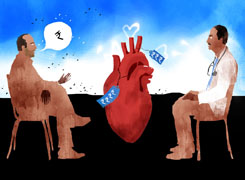
नमस्ते, मैं 67 साल का आदमी हूँ और मुझे पेसमेकर लगाया गया है। मैं अब शारीरिक रूप से ठीक हूँ। पेसमेकर लगाने से पहले मैं योग (बेसिक) करता था। क्या अब मैं कुछ योग कर सकता हूँ?
Ans: नमस्ते
सबसे अच्छा होगा कि आप कुछ बुनियादी स्ट्रेचिंग और सूक्ष्मक्रियाओं से शुरुआत करें। इससे भी बेहतर होगा कि आप इसे कुछ समय के लिए किसी शिक्षक के मार्गदर्शन में शुरू करें। सरल अनुलोम विलोम प्राणायाम आपके फेफड़ों को अधिक ताकत देगा और आपके हृदय में ऑक्सीजन युक्त रक्त प्रवाह में मदद करेगा। लेकिन मैं दृढ़ता से सुझाव दूंगा कि आप पहले अपने डॉक्टर से बात करें।
सबसे अच्छा होगा कि आप कुछ बुनियादी स्ट्रेचिंग और सूक्ष्मक्रियाओं से शुरुआत करें। इससे भी बेहतर होगा कि आप इसे कुछ समय के लिए किसी शिक्षक के मार्गदर्शन में शुरू करें। सरल अनुलोम विलोम प्राणायाम आपके फेफड़ों को अधिक ताकत देगा और आपके हृदय में ऑक्सीजन युक्त रक्त प्रवाह में मदद करेगा। लेकिन मैं दृढ़ता से सुझाव दूंगा कि आप पहले अपने डॉक्टर से बात करें।
DISCLAIMER: The answer provided by rediffGURUS is for informational and general awareness purposes only. It is not a substitute for professional medical diagnosis or treatment.
HealthReply


आप नीचे ऐसेही प्रश्न और उत्तर देखना पसंद कर सकते हैं

Roopashree Sharma | Answer |Ask -Follow
Yoga, Naturopathy Expert - Answered on Jun 19, 2023


Radhika Iyer | Answer |Ask -Follow
Yoga Expert - Answered on Jun 21, 2023


Radhika Iyer | Answer |Ask -Follow
Yoga Expert - Answered on Feb 01, 2024

Radhika Iyer | Answer |Ask -Follow
Yoga Expert - Answered on Feb 16, 2024
Asked by Anonymous - Jan 20, 2024English


Nidhi Gupta | Answer |Ask -Follow
Physiotherapist - Answered on Feb 04, 2025

नवीनतम प्रश्न

Nayagam P P |11420 Answers |Ask -Follow
Career Counsellor - Answered on May 11, 2026


Radheshyam Zanwar |7259 Answers |Ask -Follow
MHT-CET, IIT-JEE, NEET-UG Expert - Answered on May 11, 2026
Asked by Anonymous - May 11, 2026English

Nayagam P P |11420 Answers |Ask -Follow
Career Counsellor - Answered on May 11, 2026


Radheshyam Zanwar |7259 Answers |Ask -Follow
MHT-CET, IIT-JEE, NEET-UG Expert - Answered on May 11, 2026
Nayagam P P |11420 Answers |Ask -Follow
Career Counsellor - Answered on May 11, 2026
Radheshyam Zanwar |7259 Answers |Ask -Follow
MHT-CET, IIT-JEE, NEET-UG Expert - Answered on May 11, 2026
Radheshyam Zanwar |7259 Answers |Ask -Follow
MHT-CET, IIT-JEE, NEET-UG Expert - Answered on May 11, 2026
Nayagam P P |11420 Answers |Ask -Follow
Career Counsellor - Answered on May 11, 2026
Radheshyam Zanwar |7259 Answers |Ask -Follow
MHT-CET, IIT-JEE, NEET-UG Expert - Answered on May 11, 2026
Asked by Anonymous - May 11, 2026English

नमस्कार सर, मेरी बेटी ने जेईई में 2 लाख रैंक हासिल की है और वह ओबीसी एनसीएल श्रेणी से है। क्या उसे किसी भी कॉलेज, एनआईटी या सरकारी कॉलेज में सीएसई और केमिकल इंजीनियरिंग जैसी कोर शाखाओं में दाखिला मिल सकता है? कृपया मुझे बताएं।
Ans: एनआईटी में सीएसई में प्रवेश पाना बहुत मुश्किल है, शायद सीएसएबी के विशेष दौरों में निचले/नए संस्थानों में ही प्रवेश मिल पाता है। लेकिन कुछ निचले स्तर के एनआईटी, तृतीय स्तरीय इंजीनियरिंग संस्थानों और राज्य सरकार के इंजीनियरिंग कॉलेजों में केमिकल, सिविल, मैकेनिकल या प्रोडक्शन जैसी कोर शाखाओं में प्रवेश पाने की उसकी संभावना है।
शुभकामनाएं।
अगर आपको यह जवाब मिले तो मुझे फॉलो करें।
राधेश्याम
शुभकामनाएं।
अगर आपको यह जवाब मिले तो मुझे फॉलो करें।
राधेश्याम
Asked on - May 11, 2026 | Answered on May 11, 2026
क्या आप कॉलेज का नाम बता सकते हैं?
Ans: कम प्रतिष्ठित/नए एनआईटी और तृतीय स्तरीय संस्थान। आप नए एनआईटी और तृतीय स्तरीय संस्थानों की सूची ऑनलाइन प्राप्त कर सकते हैं।
Radheshyam Zanwar |7259 Answers |Ask -Follow
MHT-CET, IIT-JEE, NEET-UG Expert - Answered on May 11, 2026
