Home > Career > Question
Need Expert Advice?Our Gurus Can Help
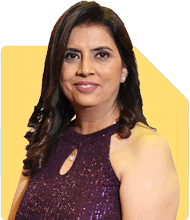
Geeta

Geeta Ratra  | Answer  |Ask -

Visas, Study Abroad Expert - Answered on Feb 01, 2023

Geeta Ratra has been an immigration expert for more than two decades and has strong knowledge of international immigration policies and procedures. She is vice president, operations, at Abhinav Immigration Services. Besides visa and immigration services, they also provide study abroad advice that includes application assistance, counselling and university shortlisting.... more
Asked by Anonymous - Jan 31, 2023Hindi
Listen
Career

Hello Geeta, Do you have any advice for my 20-year-old daughter on terms of safety, who is traveling to Hong Kong this summer to study abroad?

Ans: Hong Kong is very safe & secure for International Students. Every year Many students travel to Hong Kong for their further studies. However, you can consult a travel agency before visiting a specific area. These companies will advise you on the neighborhoods you can visit and the ones to avoid. You can also hire them for your visit. These travel agencies can help ensure you enjoy your Hong Kong visit safely.
Career

You may like to see similar questions and answers below

Sushil

Sushil Sukhwani  | Answer  |Ask -

Study Abroad Expert - Answered on Aug 04, 2023

Listen
Career
My daughter 24 years old wants to pursue her MS course in UK. She is B Tech (Mech). She has offers from a few univs in UK. As a parent, what factors I need to worry about her studies in UK. Is the country safe & sound and what are the dos & don'ts that one needs to be particularly careful about. By Bunty.
Ans: Dear Bunty,

To begin with, thank you for contacting us. Parental worry for your daughter's safety while she attends her MS program in the UK is quite understandable. International students frequently choose to study in UK because it is regarded as a safe, stable nation with a strong educational system. But just like anywhere else, there are some things to think about and some dos and don'ts to remember to ensure your daughter has a safe and fun time there:

1. Accommodation: Help your daughter locate safe housing close to her institution. For overseas students, on-campus housing is frequently available and should be taken into consideration.

2. Planning Your Budget: Ascertain that she has a well-thought-out budget and enough money to cover her living expenses, tuition, and any other unexpected costs.

3. Medical Insurance: Ensure she has complete health insurance coverage while in the UK. Some universities provide overseas students with health insurance policies.

4. Emergency Numbers: Provide your daughter with emergency contact information, viz., your phone number and that of the closest embassy or consulate.

5. Transportation: Familiarize your daughter with her city's public transportation system and educate her on travel safety precautions.

6. Campus Resources: Encourage her to become acquainted with the campus resources, support services, and student helplines offered to overseas students.

7. Cultural Awareness: Remind your daughter to observe UK cultural customs and standards with respect. Encourage her to appreciate variety and become familiar with British culture.

8. Socializing: To enhance her experience and create a network of allies, encourage her to make friends, join clubs or societies, and partake in university events.

9. Emergency Planning: Teach her what to do in the event of crises, viz., natural catastrophes or other unforeseen circumstances.

10. Time Management: Encourage her to prioritize her time wisely by juggling her academic, social life, and personal needs.

11. Travel Security: Remind her to be cautious when traveling, especially at night, and to avoid areas that are poorly lighted or secluded.

12. Personal Possessions: Encourage her to safeguard her possessions and remain alert at all times, especially in crowded areas.

13. Visa and Immigration Adherence: Make sure she is informed of her visa obligations and abides by all UK immigration laws while she is there.

While the UK is typically a safe place, it's still important to be on guard and take the appropriate safety measures everywhere you go. Your daughter can have a fruitful and fulfilling experience while pursuing her MS in the UK if she is well-informed and prepared. Maintain regular contact with her, offer support, and address any worries she may have to ensure she has a happy and fulfilling time overseas.

For more information, you can visit our website.

..Read more

Career

Career Coach  | Answer  |Ask -

Workplace Expert - Answered on Jan 31, 2024

Asked by Anonymous - Jan 31, 2024Hindi
Listen
Career
My daughter wants to pursue medicine in Ukraine. However, I am concerned about her safety. Could you provide some information on the current safety conditions for international students? If Ukraine is not a viable option, what are the better alternatives for pursuing a degree similar to MBBS in affordable countries with stable academic environments?
Ans: I understand your concerns about your daughter's safety in Ukraine. Unfortunately, due to the ongoing war in eastern Ukraine, the country is currently not a safe environment for international students. The Ukrainian Ministry of Foreign Affairs advises against travel to all regions of the country, and many universities have been forced to close or move online.

Here are some alternatives to consider for pursuing a degree similar to MBBS in affordable countries with stable academic environments:

Option 1: Other European countries:

- Poland: Poland offers affordable medical degrees in English for international students. The country has a well-developed healthcare system and a strong academic reputation.
- Germany: Germany offers high-quality medical education at public universities tuition-free for international students. However, the learning language is German, so your daughter would need to demonstrate language proficiency.
- Romania: Romania is another affordable option for medical studies with many universities offering programs in English. The country is a member of the European Union, providing your daughter with opportunities for studying or working abroad after graduation.

Option 2: Asian countries:

- India: India has a large number of medical schools offering MBBS degrees, and many of them are recognized internationally. The cost of studying medicine in India is relatively low compared to other countries. However, Indian medical schools are known for their competitive entrance exams and rigorous coursework.
- Philippines: The Philippines is another popular destination for international students to study medicine. The country has a long history of medical education, and many programs are taught in English. Additionally, the cost of living in the Philippines is relatively low.
- China: China has a growing number of medical schools offering English-language programs. The quality of medical education in China is improving rapidly, and the country is investing heavily in its healthcare system. However, the language barrier and cultural differences may be challenging for some students.

Option 3: Other options:

- Consider online medical schools: Some universities offer online medical degree programs that can be completed from anywhere in the world. This could be a good option for your daughter if she is concerned about traveling to another country.
- Research scholarships and grants: Many scholarships and grants are available for international students studying medicine. This could help to offset the cost of tuition and living expenses.

It is important to carefully research all of your options before making a decision. You should consider factors such as the cost of tuition and living expenses, the quality of the academic program, the language of instruction, and the safety of the country. You should also talk to your daughter about her preferences and goals for her medical career.

I hope this information is helpful. Please let me know if you have any other questions.

..Read more

Anu

Anu Krishna  |1746 Answers  |Ask -

Relationships Expert, Mind Coach - Answered on Feb 18, 2025

Asked by Anonymous - Feb 18, 2025Hindi
Listen
Relationship
As a concerned parent, I am deeply troubled by the recent tragic incident involving a Nepali student at KIIT. Given the reports of unrest and safety concerns, what can we as parents do to ensure the well-being of our children who study in other states? How can parents be assured that such incidents will be prevented in the future?
Ans: Dear Anonymous,
It has been a very disturbing incident indeed and as parents it can set off a string of thoughts on children's safety.
As parents what can be done is:
1. Reassure your child that whatever the situation, you are there for them! Just knowing this can ease them in terms of having an open channel of communication with you.
2. Also, being in touch with them not just out of worry BUT to genuinely inspire them can keep them in a motivated space.
3. A semblance of a schedule of visits from either side will ensure that they are always connected with family
4. Encouraging them to pursue cultural events/sports will give them a chance at being in larger groups so they never feel lonely or can't be singled out
5. If your child is someone who is quieter and prefers to be by themselves most times, have regular conversations with them.

There's only so much that you can do as a parent; but I firmly believe and have seen in my experiences while working with youngsters: The ones who have strong family support usually seem to most likely struggle less through these unknown challenges.
And one more thing: Tell them as often as you can: You are loved!

All the best!
Anu Krishna
Mind Coach|NLP Trainer|Author
Drop in: www.unfear.io
Reach me: Facebook: anukrish07/ AND LinkedIn: anukrishna-joyofserving/

..Read more

Latest Questions
Purshotam

Purshotam Lal  |68 Answers  |Ask -

Financial Planner, MF and Insurance Expert - Answered on Dec 17, 2025

Asked by Anonymous - Dec 16, 2025Hindi
Money
Hellow Purshotam Sir, I am 48 year having privet Job. I have started investment from 2017, current value of investment is 82L and having monthly 50K SIP as below. My goal to have 2.5Cr corpus at the age of 58. Please advice... 1. Nippon India small cap -Growth Rs 5,000 2. Sundaram Mid Cap fund Regular plan-Growth Rs 5,000 3. ICICI Prudential Small Cap- Growth Rs 10,000 4. ICICI Prudential Large Cap fund-Growth Rs 5,000 5. ICICI Prudential Balanced Adv. fund-Growth Rs 5,000 6. DSP Small Cap fund Regular Growth Rs 5,000 7. Nippn India Pharma Fund- Growth Rs 5,000 8. SBI focused Fund Regular plan- Growth Rs 5,000 9. SBI Dynamic Asset Allocation Active FoF-Regular-Growth Rs 5,000
Ans: Good Morning dear. Your portfolio is invested in high growth stocks but with a much higher risk. But since it is invested for around 8 years now and still 10 years more you look forward to continue investments, it is fairly a long and desirable period to keep monies in Equity mutual funds. Funds selection is good and you are likely to build a corpus of Rs 2.5 Crore at your Age 58. Only suggestion to you is that you may switch your entire portfolio in 3 parts using bucket strategies before 2 years of your Age 58. One part you should switch to conservative hybrid MF for drawing annuities or SWP (Systematic Withdrawals @ 5 or 6% pa for first 5 years), Second and 3rd part of your corpus you should allocate to Aggressive hybrid mutual funds and Growth Mutual Funds for 8 Years and more respectively. Also at your age 61, 66, 71 likewise switch part of your corpus from Equity MF schemes to conservative hybrid MF schemes for further annuities. Good luck and all the best. If you need guidance please contact a good and certified financial planner or certified financial advisor.

Purshotam, CFP®, MBA, CAIIB, FIII
Certified Financial Planner
Insurance advisor
www.finphoenixinvest.com

...Read more

Ramalingam

Ramalingam Kalirajan  |10899 Answers  |Ask -

Mutual Funds, Financial Planning Expert - Answered on Dec 17, 2025

Money
Hi, I am 32 years old, married, and have a 4-year-old daughter. My monthly take-home salary is 55,000 rupees, and my wife's salary is 31,000 rupees, making our total income 86,000 rupees. I am currently in a lot of debt. Our total EMIs amount to 99,910 rupees (total loans with an average interest rate of 12.5%), and even with my father covering most of the monthly expenses, I still spend about 10,000 rupees. This leaves me with a shortage of approximately 25,000 rupees (debt) every month. My total debt across various banks is 36,50,000 rupees, and I also have a gold loan of 14 lakhs. I cannot change the EMI or loan tenure for another year. I also have a 2 lakh rupee loan from private lenders at an 18% interest rate. My total debt is over 52 lakhs. Now, with gold and silver prices rising, I'm worried that I won't be able to buy them again. I have an opportunity to get a 2 lakh rupee loan at a 12% interest rate, and I'm thinking of using that money to buy gold and silver and then pledge them at the bank again. Half of my current gold loan is from a similar situation – I took a loan from private lenders, bought gold, and then took a gold loan from the bank to repay the private loan. Given my current situation and my family's circumstances, should I buy more gold or focus on repaying my debts? What should I do? The monthly interest on my loans is approximately 50,000 rupees, meaning 50,000 rupees of my salary goes towards interest every month. What should I do in this situation? I also have an SBI Jan Nivesh SIP of 2000 rupees per month for the last four months. I have no savings left. I am thinking of taking out term insurance and health insurance, but I am hesitating because I don't have the money. I am looking for some suggestions to get out of these debts.
Ans: Your honesty and clarity deserve appreciation.
You have explained everything openly.
That itself shows responsibility and courage.
Your concern for family security is clear.
This situation is stressful but not hopeless.

» Current Financial Snapshot
– You are 32 years old.
– Married with a young daughter.
– Family income is Rs 86,000 monthly.
– Total EMIs exceed total income.
– Monthly deficit exists every month.

» Debt Position Reality
– Total loans exceed Rs 52 lakhs.
– Multiple banks and lenders involved.
– Average interest is very high.
– Private lender interest is dangerous.
– Gold loan exposure is large.

» Cash Flow Mismatch
– Monthly EMIs are around Rs 1 lakh.
– Monthly income is only Rs 86,000.
– Father supports household expenses.
– Still a monthly shortage exists.
– This gap is unsustainable long term.

» Interest Drain Assessment
– Around Rs 50,000 goes as interest monthly.
– Interest gives zero future benefit.
– Half your income is lost to interest.
– This is the core problem.
– Capital is not reducing meaningfully.

» Gold Purchase Thought Analysis
– Fear of rising gold prices is natural.
– Emotional thinking is influencing decisions.
– Buying gold using loans is risky.
– Pledging gold increases debt cycle.
– This strategy already created stress earlier.

» Gold Loan Trap Explanation
– Buying gold using borrowed money is leverage.
– Leverage increases risk in personal finance.
– Gold does not generate income.
– Loan interest keeps accumulating.
– Emotional comfort hides financial damage.

» Clear Answer on Gold Buying
– Do not buy more gold now.
– Do not take fresh loans for gold.
– This will worsen debt burden.
– Price rise fear should be ignored.
– Survival is more important than assets.

» Priority Reset Required
– Debt freedom comes before investments.
– Cash flow stability comes before wealth.
– Insurance comes before gold.
– Family safety comes before emotions.
– Discipline is needed now.

» Private Lender Loan Danger
– 18 percent interest is destructive.
– This loan must be closed first.
– It gives no flexibility.
– It increases stress constantly.
– It affects mental health also.

» Strategy for Private Loan
– Use any possible support to close it.
– Ask family help if possible.
– Sell unused items if required.
– Temporary embarrassment is better than long stress.
– Closing this gives immediate relief.

» Gold Loan Strategy
– Do not increase gold loan amount.
– Avoid rollover behaviour.
– Use bonuses or gifts to reduce principal.
– Do not top up gold loans.
– Reduce dependency gradually.

» Bank Loan Lock Period Reality
– You cannot restructure for one year.
– This period must be survived carefully.
– No new liabilities should be added.
– Expenses must stay minimal.
– Emotional spending must stop.

» Expense Control Measures
– Track every rupee monthly.
– Avoid eating outside.
– Avoid subscriptions and upgrades.
– Delay lifestyle expenses fully.
– Treat this as recovery phase.

» Role of Father’s Support
– Parental support is a blessing.
– Use this support wisely.
– Do not misuse the relief.
– Focus on debt reduction.
– This support is temporary.

» SIP Investment Assessment
– SIP of Rs 2,000 is symbolic.
– It gives psychological comfort only.
– It does not change financial position.
– Debt interest is much higher.
– Pause SIP temporarily if needed.

» Investment Versus Debt Reality
– Paying debt gives guaranteed returns.
– Interest saved equals investment gain.
– No mutual fund can beat 18 percent interest.
– Debt repayment is priority investment now.
– Wealth creation starts after stability.

» Insurance Hesitation Reality
– Term insurance is not optional.
– Health insurance is essential.
– One medical emergency will destroy finances.
– Insurance prevents future debt.
– Low premium options exist.

» Insurance Action Plan
– Take basic term insurance immediately.
– Take basic family health insurance.
– Choose lowest premium coverage.
– Avoid investment linked policies.
– Protection matters more than returns.

» Child Responsibility Perspective
– Your daughter depends fully on you.
– Her education needs future planning.
– But first ensure family survival.
– Debt stress affects parenting quality.
– Stability helps emotional health.

» Psychological Pressure Management
– Fear is driving wrong decisions.
– Gold fear is emotional.
– Loan fear is real.
– Focus on controllable actions.
– Ignore market noise completely.

» What Not To Do Now
– Do not take new loans.
– Do not buy gold or silver.
– Do not lend money to anyone.
– Do not chase investments.
– Do not hide problems.

» What To Do Immediately
– List all loans clearly.
– Mark highest interest loans.
– Target private lender loan first.
– Reduce any discretionary spending.
– Communicate with family honestly.

» One Year Survival Plan
– Focus on EMI discipline.
– Avoid defaults at all costs.
– Build small emergency buffer slowly.
– Accept temporary discomfort.
– One year will change options.

» After One Year Options
– Approach banks for restructuring.
– Request tenure extension.
– Reduce EMI burden.
– Consolidate loans if possible.
– Negotiate interest rates.

» Long Term Recovery Vision
– Debt free life is possible.
– Income will increase with experience.
– Expenses will stabilise.
– This phase will pass.
– Discipline will shape your future.

» Emotional Bond With Gold
– Gold feels like safety.
– But debt is unsafe.
– True security is cash flow.
– True wealth is peace.
– True protection is insurance.

» Family Communication Importance
– Discuss openly with your wife.
– Take joint decisions.
– Avoid blame or guilt.
– Team effort reduces stress.
– You are partners.

» Self Worth Reminder
– Debt does not define character.
– Mistakes happen in life.
– Learning matters more.
– You are responsible and aware.
– That is strength.

» Final Insights
– Do not buy gold now.
– Do not take new loans.
– Focus fully on debt reduction.
– Close private lender loan first.
– Take basic term and health insurance.
– Pause investments if required.
– Control expenses strictly.
– Survive one year patiently.
– Stability will return gradually.
– Your situation is difficult but solvable.

Best Regards,

K. Ramalingam, MBA, CFP,

Chief Financial Planner,

www.holisticinvestment.in

https://www.youtube.com/@HolisticInvestment

...Read more

Ramalingam

Ramalingam Kalirajan  |10899 Answers  |Ask -

Mutual Funds, Financial Planning Expert - Answered on Dec 17, 2025

Money
FINANANCE MINISTER SAYS INDIAN ECONMY IS WELL DEVELOPMENT, EVEN GDP ASLO GROW, THEN WHY SENSEX AND NIFTY NOT INCREASE LAST 15 MONTH?
Ans: Your question shows awareness and maturity.
Many investors think the same way.
Your doubt is valid and practical.
Markets confuse even experienced people.
Let us understand this calmly.

» Economy Growth And Market Movement
– Economy and stock markets are different.
– GDP measures production and services.
– Stock markets measure company profits.
– Both move on different timelines.
– Both react to different triggers.

» What GDP Growth Really Means
– GDP shows overall economic activity.
– It includes government spending.
– It includes consumption and exports.
– It includes informal sectors also.
– Stock markets do not track all these.

» Stock Markets Track Corporate Earnings
– Markets look at listed company profits.
– Only limited companies are listed.
– Many growing sectors are unlisted.
– GDP growth may not reach listed firms.
– Hence market movement differs.

» Timing Difference Between GDP And Markets
– GDP is backward looking data.
– It shows past quarter performance.
– Markets are forward looking.
– Markets price future expectations.
– Expectations may already be priced.

» Valuations Were Already High
– Markets rallied strongly earlier.
– Many stocks became expensive.
– High valuation limits future returns.
– Good news was already discounted.
– Hence sideways movement happened.

» Interest Rates Impact Markets
– Global interest rates increased sharply.
– Higher rates reduce company profits.
– Borrowing becomes costly for businesses.
– Investors prefer safer instruments.
– Equity demand reduces temporarily.

» Global Factors Affect Indian Markets
– Indian markets are not isolated.
– Global fund flows matter.
– Foreign investors moved money out.
– Global uncertainty affects sentiments.
– Markets respond instantly to this.

» Inflation Pressure On Companies
– Inflation increased input costs.
– Raw material prices rose.
– Profit margins got squeezed.
– Revenue growth did not convert to profits.
– Markets react to profit margins.

» Consumption Growth Is Uneven
– Rural demand stayed weak.
– Urban demand was selective.
– Not all sectors benefited equally.
– Some companies struggled to grow.
– Index reflects this mixed picture.

» Government Spending Versus Private Profits
– GDP growth had government support.
– Infrastructure spending boosted numbers.
– Private companies may not benefit immediately.
– Profits lag behind spending.
– Markets wait for confirmation.

» Index Structure Matters
– Sensex and Nifty have limited stocks.
– Heavy weight stocks dominate movement.
– If few large stocks stagnate, index stagnates.
– Many small companies may still grow.
– Index hides internal action.

» Banking And Financial Sector Impact
– Banks carry heavy index weight.
– Credit growth faced challenges.
– Asset quality concerns existed.
– Margin pressure impacted profitability.
– Index movement slowed due to banks.

» IT Sector Headwinds
– IT stocks faced global slowdown.
– Clients reduced technology spending.
– Currency movement affected margins.
– IT has large index weight.
– This dragged overall indices.

» Manufacturing Growth Reality
– Manufacturing growth was uneven.
– Some sectors grew well.
– Others faced cost pressure.
– Capacity utilisation stayed moderate.
– Markets waited for consistency.

» Earnings Growth Matters Most
– Markets follow earnings growth closely.
– GDP growth without earnings disappoints markets.
– Revenue growth alone is insufficient.
– Profit growth must be visible.
– That takes time.

» Political And Policy Expectations
– Markets price policy expectations early.
– When policies are stable, surprise reduces.
– Stability is good for economy.
– But markets need surprises.
– Lack of surprises causes sideways movement.

» Liquidity Cycle Impact
– Liquidity drives market momentum.
– Central banks tightened liquidity.
– Easy money phase ended.
– Markets adjusted to new reality.
– This caused consolidation.

» Retail Investor Behaviour
– Retail participation increased strongly.
– Many investors entered at high levels.
– Markets need digestion time.
– Excess optimism cools down.
– Sideways movement cleans excesses.

» Sensex And Nifty Are Not Economy
– Indices represent limited sectors.
– Economy is much broader.
– MSMEs are not represented.
– Agriculture is not represented.
– Services are partly represented.

» Media Headlines Versus Market Reality
– Media simplifies economic news.
– Positive GDP creates optimism.
– Markets analyse deeper data.
– Profit margins matter more.
– Balance sheets matter more.

» Why Markets Pause During Growth
– Growth phases are not linear.
– Markets move in cycles.
– Pause is healthy.
– It avoids bubbles.
– It creates future opportunity.

» Long Term Market Behaviour
– Markets reward patience.
– Short term stagnation is normal.
– Long term trend follows earnings.
– India’s growth story remains strong.
– Markets will reflect eventually.

» What Investors Should Understand
– Do not link GDP headlines to returns.
– Markets may remain flat despite growth.
– Volatility is part of equity.
– Discipline matters more than timing.
– Asset allocation matters more.

» Index Funds Limitation In Such Phases
– Index funds mirror index movement.
– When index stagnates, returns stagnate.
– No flexibility to avoid weak sectors.
– No active stock selection.
– Investors feel disappointed.

» Why Active Funds Help Here
– Active funds can shift allocations.
– Fund managers avoid weak sectors.
– They identify emerging opportunities.
– They manage downside risk better.
– They add value in sideways markets.

» Role Of Fund Manager Judgment
– Markets need analysis during uncertainty.
– Fund managers study earnings deeply.
– They track sector rotation.
– Index funds lack this intelligence.
– Active approach helps investors.

» Regular Funds Advantage
– Regular funds offer guidance support.
– Certified Financial Planner helps discipline.
– Behaviour management is crucial.
– Panic decisions reduce returns.
– Guidance adds real value.

» Emotional Gap Between Economy And Markets
– Economy gives comfort.
– Markets give anxiety.
– Both are normal reactions.
– Investors must separate emotions.
– Rational thinking is essential.

» What This Phase Actually Signals
– Markets are consolidating gains.
– Valuations are becoming reasonable.
– Earnings visibility is improving slowly.
– This phase builds foundation.
– Next growth phase emerges later.

» Lessons From Past Market Cycles
– Markets never move in straight lines.
– Long flat periods are common.
– Strong rallies follow consolidation.
– Patience rewarded historically.
– Panic punished historically.

» How Investors Should Respond
– Continue disciplined investing.
– Avoid reacting to headlines.
– Focus on long term goals.
– Review asset allocation.
– Stay invested wisely.

» Economy And Market Relationship Summary
– Economy supports long term markets.
– Markets price future profits.
– Timing mismatch creates confusion.
– Both align over longer periods.
– Understanding reduces fear.

» Final Insights
– GDP growth does not guarantee market rise.
– Sensex and Nifty reflect profits, not emotions.
– High valuations limited recent returns.
– Global factors slowed momentum.
– Sideways markets are healthy phases.
– Long term investors should stay disciplined.
– Active management helps during consolidation.
– Patience and clarity create wealth.

Best Regards,

K. Ramalingam, MBA, CFP,

Chief Financial Planner,

www.holisticinvestment.in

https://www.youtube.com/@HolisticInvestment

...Read more

Ramalingam

Ramalingam Kalirajan  |10899 Answers  |Ask -

Mutual Funds, Financial Planning Expert - Answered on Dec 17, 2025

Asked by Anonymous - Dec 17, 2025Hindi
Money
I have taken 1Cr personal loan and started a teading business. My personal loan EMI is Rs 2.6laks. 25 laks top line business in trading with 4 % margin. After this successful completion of 3 years Took a business loan of 2cr and invested in a stone manufacturing took this plant on lease ,this unit run for a six months and because of land dispute it is stopped producing. Through this new investment nothing coming as return moreover now I am paying EMI OF 7.61 lakhs from my 1cr trading business. Right now my creditors is Rs 1.5 cr and debtors is 1.3 cr. New manufacturing debtors recovery only is Rs1cr but takes 6months time. Pls give your valuable suggestions to handle the loans ,EMI and business and cash flow.
Ans: Your courage in sharing full details deserves appreciation.
You took bold risks to grow business scale.
Your intent was growth, not speculation.
Now control and survival matter more than expansion.

» Current Situation Snapshot
– Multiple loans with heavy EMIs exist.
– Cash flow stress is severe.
– One business is active.
– One business is stalled.
– Recovery timing mismatch is hurting liquidity.

» Understanding the Core Problem
– EMI outflow is very high.
– Cash inflow is delayed.
– Capital is blocked in receivables.
– One unit produces zero income.
– Debt servicing depends on one business.

» Emotional Stability First
– Stress clouds financial judgement.
– Panic decisions worsen outcomes.
– Calm thinking improves options.
– Problems are solvable step by step.
– You still have working businesses.

» Trading Business Reality Check
– Trading business generates steady turnover.
– Margin is predictable.
– Cash cycle is shorter.
– This is your lifeline currently.
– Protect this business at any cost.

» Manufacturing Unit Reality Check
– Unit is currently non operational.
– Legal issue stopped production.
– Fixed costs may still continue.
– Loan obligation remains active.
– This unit is draining cash.

» Immediate Priority Definition
– Survival over growth.
– Liquidity over profitability.
– Debt control over expansion.
– Stability over optimism.
– Time is your biggest ally now.

» EMI Burden Assessment
– Personal loan EMI is heavy.
– Business loan EMI is heavier.
– Combined EMI exceeds comfortable cash flow.
– This imbalance cannot continue long.
– Intervention is required urgently.

» Creditor and Debtor Position
– Creditors amount is Rs 1.5 Cr.
– Debtors amount is Rs 1.3 Cr.
– Recovery is delayed.
– Timing mismatch causes pressure.
– Working capital is blocked.

» Recovery From Manufacturing Debtors
– Rs 1 Cr expected in six months.
– This is critical cash inflow.
– Recovery certainty matters.
– Legal enforceability must be checked.
– Follow up must be aggressive.

» Cash Flow Timing Mismatch
– EMIs are monthly fixed.
– Receivables are uncertain and delayed.
– This gap creates default risk.
– Managing timing is crucial.
– Income alone is not enough.

» First Action: Stop All New Investments
– No new business expansion now.
– No additional borrowing.
– No fresh capital deployment.
– Preserve every rupee.
– Focus only on stability.

» Second Action: Ring Fence Trading Business
– Separate trading cash flows clearly.
– Do not divert trading funds.
– Trading business pays EMIs currently.
– Protect working capital strictly.
– This business keeps you alive.

» Third Action: Manufacturing Unit Decision
– Assess legal resolution timeline.
– If delay exceeds viability, exit planning starts.
– Emotional attachment must be avoided.
– Sunk cost should not guide decisions.
– Cash bleeding must stop.

» Manufacturing Unit Exit Strategy
– Explore lease termination options.
– Negotiate with lender for restructuring.
– Offer temporary moratorium if possible.
– Present genuine hardship facts.
– Banks prefer resolution over default.

» Loan Restructuring Importance
– Restructuring is not failure.
– It is a survival tool.
– Approach lenders proactively.
– Show recovery plan clearly.
– Silence worsens lender trust.

» Personal Loan Restructuring
– Personal loans carry highest interest.
– EMI is choking cash flow.
– Request tenure extension.
– Request EMI reduction temporarily.
– Partial prepayment later can be planned.

» Business Loan Restructuring
– Business loan is large.
– Manufacturing stoppage justifies relief.
– Seek moratorium or reduced EMI.
– Submit legal dispute documents.
– Banks understand external disruptions.

» Using Expected Rs 1 Cr Recovery
– Do not spend emotionally.
– Allocate wisely before receipt.
– Priority is EMI reduction.
– Second priority is creditor settlement.
– Third priority is liquidity buffer.

» Allocation Discipline for Recovery Amount
– Clear highest interest dues first.
– Reduce monthly EMI burden permanently.
– Avoid reinvestment temptation.
– Keep cash buffer intact.
– Stability comes before growth.

» Creditor Negotiation Strategy
– Creditors prefer payment certainty.
– Open communication builds trust.
– Offer structured settlement timelines.
– Avoid hiding information.
– Transparency reduces legal escalation.

» Debtor Recovery Acceleration
– Follow up weekly.
– Use legal notices if required.
– Offer small discounts for early payment.
– Faster cash is better than delayed full amount.
– Liquidity beats accounting profits.

» Expense Control Measures
– Reduce personal expenses temporarily.
– Avoid lifestyle inflation.
– Delay non essential purchases.
– Family support is important now.
– This phase is temporary.

» Psychological Trap to Avoid
– Do not chase losses.
– Do not over trade.
– Do not take fresh high interest loans.
– Do not rely on hope alone.
– Discipline beats optimism.

» Risk Management Going Forward
– Avoid concentration in one income source.
– Avoid leverage driven expansion.
– Build cash buffers always.
– Scale only after stabilisation.
– Lessons here are valuable.

» Role of Insurance Policies
– If any investment linked policies exist.
– Review surrender values carefully.
– Liquidity may matter more now.
– Policy loans increase stress.
– Protection and investment must be separated.

» Long Term Financial Health Vision
– First goal is debt reduction.
– Second goal is cash stability.
– Third goal is controlled growth.
– Wealth creation comes later.
– Survival creates future opportunities.

» Family Communication
– Share situation honestly with family.
– Emotional support improves resilience.
– Joint decisions reduce stress.
– Isolation worsens burden.
– You are not alone.

» Time Based Plan Approach
– Next three months focus on liquidity.
– Next six months focus on restructuring.
– Next year focus on debt reduction.
– Growth planning comes later.
– Structured thinking reduces anxiety.

» What Success Looks Like Now
– EMIs aligned with cash flow.
– No overdue payments.
– Trading business protected.
– Manufacturing exposure limited.
– Stress levels reduced.

» Final Insights
– You are facing a cash flow crisis.
– This is not a failure.
– Your assets and skills still exist.
– Immediate control actions can stabilise.
– Restructuring is essential, not optional.
– Protect your profitable business first.
– Use recoveries wisely, not emotionally.
– Patience with discipline will restore balance.

Best Regards,

K. Ramalingam, MBA, CFP,

Chief Financial Planner,

www.holisticinvestment.in

https://www.youtube.com/@HolisticInvestment

...Read more

Ramalingam

Ramalingam Kalirajan  |10899 Answers  |Ask -

Mutual Funds, Financial Planning Expert - Answered on Dec 17, 2025

Asked by Anonymous - Dec 16, 2025Hindi
Money
Dear sir, i have choose sbi retire smart plus 10 years policy. Premium 6lak per annum for 4 years i paid. What happened if i complete the Premium should i wait till maturity. Or surrender after 5 years lock in period. Is it good to be patience till maturity or i will loss money due to inflation.
Ans: Your honesty in asking this question deserves appreciation.
You already paid large premiums with discipline.
That shows commitment to retirement planning.
Now clarity is more important than patience alone.

» Understanding What You Have Chosen
– This is an investment linked insurance policy.
– Insurance and investment are combined here.
– Charges are high in early years.
– Transparency is limited.
– Returns depend on internal fund performance.

» Premium Commitment Review
– You committed Rs.6 lakhs yearly.
– You already paid for four years.
– Total paid amount is significant.
– Cash flow pressure matters here.
– Every rupee must work efficiently.

» Lock-in and Surrender Reality
– Lock-in period is five years.
– Surrender before lock-in causes heavy loss.
– After lock-in, surrender value improves.
– However charges still continue.
– Patience alone does not remove inefficiency.

» Cost Structure Impact
– Mortality charges reduce returns yearly.
– Policy administration charges continue.
– Fund management charges apply separately.
– These reduce compounding power.
– Inflation impact becomes severe.

» Inflation Risk Explanation
– Inflation reduces real value yearly.
– Long holding needs strong growth.
– Such policies give moderate growth.
– Real returns may become negative.
– Retirement needs inflation beating growth.

» Return Expectation Reality
– Projected returns often look attractive.
– Actual returns depend on net allocation.
– Charges reduce effective returns.
– Volatility affects maturity value.
– Expectations must be realistic.

» Insurance and Investment Mixing Issue
– Insurance needs certainty.
– Investments need flexibility.
– Mixing both creates compromise.
– Neither objective is fully met.
– This is a structural weakness.

» Maturity Waiting Option Assessment
– Waiting till maturity avoids surrender loss.
– But opportunity cost remains high.
– Funds remain locked inefficiently.
– Growth may not beat inflation.
– Time lost cannot be recovered.

» Surrender After Lock-in Assessment
– Surrender after five years reduces penalty.
– You regain flexibility of funds.
– Capital can be reallocated better.
– Long term efficiency improves.
– This option deserves serious thought.

» Emotional Attachment Trap
– Past payments create attachment.
– This is a sunk cost.
– Future decisions should be rational.
– Focus on remaining years.
– Do not protect wrong choices.

» Comparison With Pure Investment Options
– Pure investments have lower costs.
– Flexibility is higher.
– Transparency is better.
– Goal alignment is clearer.
– Long term outcomes improve.

» Role of Actively Managed Mutual Funds
– Professional fund managers manage risk.
– Portfolio is reviewed continuously.
– Expenses are lower comparatively.
– Liquidity is superior.
– Compounding works better.

» Why Regular Mutual Fund Route Helps
– Guidance avoids emotional mistakes.
– Asset allocation stays aligned.
– Reviews happen systematically.
– Behavioural discipline improves.
– Long term results stabilise.

» Tax Efficiency Perspective
– Insurance tax benefit looks attractive.
– But returns matter more.
– Low returns waste tax advantage.
– Efficient growth offsets tax cost.
– Net outcome matters finally.

» Retirement Time Horizon Consideration
– Retirement corpus needs growth now.
– Capital protection comes later.
– Inefficient products delay growth.
– Time is precious.
– Every year counts.

» Cash Flow Stress Check
– High premium affects liquidity.
– Emergencies need ready funds.
– Lock-in restricts access.
– Stress impacts peace of mind.
– Simpler structure reduces stress.

» What Patience Really Means
– Patience is good with right products.
– Patience cannot fix poor structure.
– Long holding does not guarantee success.
– Quality matters more than duration.
– Review is wisdom, not impatience.

» When Continuing May Make Sense
– If surrender value is very low.
– If nearing maturity period.
– If cash flow is comfortable.
– If goals are already funded.
– Otherwise review is essential.

» When Exit Is Better
– If inflation erosion is clear.
– If returns lag alternatives.
– If flexibility is needed.
– If retirement gap exists.
– If charges dominate growth.

» 360 Degree Recommendation Thought Process
– Protect what is already paid.
– Avoid further inefficiency.
– Improve future return potential.
– Maintain adequate insurance separately.
– Align investments with retirement goal.

» Insurance Planning Clarity
– Insurance should cover risk only.
– Sum assured must be adequate.
– Premium should be minimal.
– Investment should remain separate.
– This gives clarity and control.

» Behavioural Discipline Going Forward
– Avoid pressure selling products.
– Ask cost related questions.
– Demand transparency.
– Review annually.
– Stay goal focused.

» Final Insights
– You acted responsibly by asking now.
– Product structure is not ideal.
– Inflation risk is real.
– Waiting till maturity may disappoint.
– Surrender after lock-in deserves evaluation.
– Reallocation can improve outcomes.
– Retirement planning needs efficiency.
– Timely correction shows maturity.

Best Regards,

K. Ramalingam, MBA, CFP,

Chief Financial Planner,

www.holisticinvestment.in

https://www.youtube.com/@HolisticInvestment

...Read more

Ramalingam

Ramalingam Kalirajan  |10899 Answers  |Ask -

Mutual Funds, Financial Planning Expert - Answered on Dec 17, 2025

Money
Dear rediffGuru, I am 48 year having private job, I have started MF investment from 2017 and currently monthly SIP 50K as below. I want to have corpus of 2.5 Cr at the age of 58. Please advice me if any changes/increase need in below SIP. 1. Nippon India small cap -Growth Rs 5,000 2. Sundaram Mid Cap fund Regular plan-Growth Rs 5,000 3.ICICI Prudential Small Cap- Growth Rs 10,000 4. ICICI Prudential Large Cap fund-Growth Rs 5,000 5. ICICI Prudential Balanced Adv. fund-Growth Rs 5,000 6. DSP Small Cap fund Regular Growth Rs 5,000 7. Nippn India Pharma Fund- Growth Rs 5,000 8. SBI focused Fund Regular plan- Growth Rs 5,000 9. SBI Dynamic Asset Allocation Active FoF-Regular-Growth Rs 5,000
Ans: Your discipline since 2017 deserves real appreciation.
You stayed invested for many years.
You already think long term.
This habit creates wealth over time.

» Your Goal Clarity
– You want Rs.2.5 Crores by age fifty-eight.
– You have ten years left.
– Time is still supportive.
– Regular investing helps greatly.
– Clarity itself improves outcomes.

» Present Investment Effort
– Monthly SIP is Rs.50,000.
– Investments are fully market linked.
– Exposure is mainly equity oriented.
– Risk appetite looks high.
– Commitment level is good.

» Portfolio Structure Observation
– Too many funds exist.
– Categories are repeating often.
– Small companies exposure is heavy.
– Sector exposure is present.
– Portfolio looks cluttered.

» Small Company Funds Concentration
– Many funds invest in smaller businesses.
– These funds give high returns sometimes.
– They also fall sharply during stress.
– Volatility increases with age.
– This needs careful control.

» Mid and Large Company Exposure
– Mid company exposure is moderate.
– Large company exposure looks limited.
– Large companies provide stability.
– Stability matters nearing retirement.
– Balance is essential now.

» Sector Focus Risks
– Sector funds depend on one theme.
– Performance cycles are unpredictable.
– Long underperformance periods happen.
– SIP discipline becomes difficult.
– Allocation should be limited.

» Dynamic Allocation Exposure
– Asset allocation funds manage equity levels.
– They help reduce downside risk.
– They suit late career investors.
– Allocation size matters.
– One such fund is enough.

» Over Diversification Concern
– Many funds dilute impact.
– Monitoring becomes difficult.
– Overlap increases silently.
– Returns may disappoint.
– Simplicity improves control.

» Suitability for Ten Year Horizon
– Ten years is medium term.
– Aggressive risk needs moderation.
– Capital protection gains importance.
– Drawdowns hurt goals.
– Adjustments are timely now.

» Expected Corpus Reality Check
– Rs.50,000 SIP alone may fall short.
– Market returns are uncertain.
– Inflation eats purchasing power.
– Increasing SIP helps.
– Step-up becomes very important.

» Importance of SIP Increase
– Income generally rises with age.
– SIP should rise yearly.
– Even small increases help.
– This supports target achievement.
– Discipline matters more than returns.

» Asset Allocation Improvement
– Equity should remain primary.
– Debt exposure should slowly increase.
– Stability increases closer to goal.
– This reduces panic risk.
– Allocation needs yearly review.

» Why Active Management Matters
– Actively managed funds adjust portfolios.
– Fund managers handle valuation risks.
– They exit overheated stocks.
– Index funds fall fully with markets.
– Passive funds offer no protection.

» Disadvantages of Index Investing
– No downside control exists.
– Full market falls are painful.
– Retirement timing risk increases.
– Investor emotions suffer.
– Active funds suit your stage better.

» Why Regular Plans Help
– Guidance improves behaviour.
– Rebalancing happens on time.
– Panic decisions reduce.
– Long term discipline strengthens.
– Cost difference is justified.

» Monitoring and Review Discipline
– Annual review is essential.
– Performance alone is insufficient.
– Risk alignment must be checked.
– Goal progress should be tracked.
– Reviews avoid surprises later.

» Tax Awareness During Accumulation
– Equity gains face capital gains tax.
– Long-term gains have exemptions.
– Short-term gains cost more.
– Holding period matters.
– Churning should be avoided.

» Emergency and Protection Planning
– Emergency fund is important.
– Job risk always exists.
– Insurance coverage should be adequate.
– Medical costs rise fast.
– Protection safeguards investments.

» Retirement Age Shift Possibility
– Retirement may shift slightly.
– Working longer reduces pressure.
– Even two extra years help.
– Flexibility increases success.
– Keep this option open.

» Behavioural Discipline Importance
– Market falls test patience.
– SIP continuity builds wealth.
– Stopping SIP hurts goals.
– Emotions damage returns.
– Discipline protects outcomes.

» Key Portfolio Refinement Direction
– Reduce fund count gradually.
– Avoid repeated category exposure.
– Increase large company allocation.
– Limit sector exposure.
– Maintain one dynamic allocation option.

» SIP Amount Enhancement Guidance
– Increase SIP annually.
– Use bonuses wisely.
– Direct increments into SIPs.
– This bridges corpus gap.
– Consistency beats timing.

» Goal Tracking Approach
– Review goal progress yearly.
– Adjust SIP if needed.
– Markets change yearly.
– Plans must adapt.
– Static plans fail often.

» Role of a Certified Financial Planner
– Helps align risk with age.
– Simplifies portfolio structure.
– Ensures tax efficiency.
– Supports emotional discipline.
– Improves goal probability.

» Final Insights
– Your investing habit is strong.
– Goal clarity is impressive.
– Portfolio needs simplification.
– Risk needs gradual control.
– SIP increase is necessary.
– Active funds suit your stage.
– Discipline will decide success.
– Time is still on your side.

Best Regards,

K. Ramalingam, MBA, CFP,

Chief Financial Planner,

www.holisticinvestment.in

https://www.youtube.com/@HolisticInvestment

...Read more

DISCLAIMER: The content of this post by the expert is the personal view of the rediffGURU. Investment in securities market are subject to market risks. Read all the related document carefully before investing. The securities quoted are for illustration only and are not recommendatory. Users are advised to pursue the information provided by the rediffGURU only as a source of information and as a point of reference and to rely on their own judgement when making a decision. RediffGURUS is an intermediary as per India's Information Technology Act.

Close  

You haven't logged in yet. To ask a question, Please Log in below
Login

A verification OTP will be sent to this
Mobile Number / Email

Enter OTP
A 6 digit code has been sent to

Resend OTP in120seconds

Dear User, You have not registered yet. Please register by filling the fields below to get expert answers from our Gurus
Sign up

By signing up, you agree to our
Terms & Conditions and Privacy Policy

Already have an account?

Enter OTP
A 6 digit code has been sent to Mobile

Resend OTP in120seconds

x