Home > Career > Question
Need Expert Advice?Our Gurus Can Help

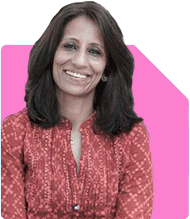
Radheshyam

Radheshyam Zanwar  |6777 Answers  |Ask -

MHT-CET, IIT-JEE, NEET-UG Expert - Answered on Dec 16, 2025

Radheshyam Zanwar is the founder of Zanwar Classes which prepares aspirants for competitive exams such as MHT-CET, IIT-JEE and NEET-UG.
Based in Aurangabad, Maharashtra, it provides coaching for Class 10 and Class 12 students as well.
Since the last 25 years, Radheshyam has been teaching mathematics to Class 11 and Class 12 students and coaching them for engineering and medical entrance examinations.
Radheshyam completed his civil engineering from the Government Engineering College in Aurangabad.... more
UTPAL Question by UTPAL on Dec 16, 2025Hindi
Career

I have rt in chemistry in 2024 after that i give improvement exam one time and not solved and after that i did not fill any form to solve it I want to solve it now and i have no idea how to clear it in 2024 I have to give board exam again??or i have to clear rt ??

Ans: If you still have RT (Repeat in Theory) in Chemistry and haven't cleared it through the improvement or supplementary exam, you must retake the Chemistry board exam (usually as a private candidate, according to board rules) to clear the RT; it cannot be cleared without taking the exam again. However, it is strongly advised to contact the school or college administrative office for the latest updates on RT rules.

Good luck.
Follow me if you receive this reply.
Radheshyam
Career

You may like to see similar questions and answers below

Latest Questions
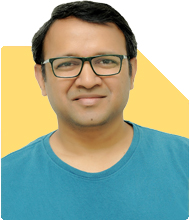
Ramalingam

Ramalingam Kalirajan  |10969 Answers  |Ask -

Mutual Funds, Financial Planning Expert - Answered on Jan 19, 2026

Money
Hi Sir, My Name is Ravi Kumar and by professional IT Solution Consultant. My goal is buy a Home value is around 50L, Please suggest to me which funds I should continue, stop or reduce? Any better fund categories or asset allocation you would suggest? I would like a brief review of my mutual fund portfolio and guidance on whether I should continue, rebalance or make any changes Current Mutual Fund Portfolio:-| ABSL Multi Cap Fund – SIP ₹3,000 (Dec 2021), Partial withdrawal and reinvestment done, Current value: ₹1.71 lakh Invested: ₹1.35 lakh, | Quant Active Fund – SIP ₹10,000 (Dec 2023), Current value: ₹2.25 lakh Invested: ₹2.40 lakh, | Nippon India Small Cap Fund – SIP ₹2,500 (Jan 2024), Current value: ₹58,016 Invested: ₹57,500,| Franklin India ELSS Tax Saver Fund – SIP ₹5,000 (Jan 2025), Current value: ₹56,260 Invested: ₹55,000, | ABSL Digital India Fund – SIP ₹2,500 (Jan 2025), Current value: ₹23,218 Invested: ₹22,500, | ABSL Nifty India Defence Index Fund – SIP ₹1,000 (Jan 2025), Current value: ₹10,044 Invested: ₹8,914, | HDFC Flexi Cap Fund – SIP ₹6,000 (Apr 2025) + ₹18,000 lump sum, Current value: ₹68,663 Invested: ₹66,000, | Franklin India ELSS Tax Saver Fund – Lump sum 5000 Current value: ₹5,109 (Some SIPs were paused for a few months in 2025 due to personal reasons.)
Ans: I appreciate your discipline and transparency.
You have started investing early.
You are thinking about a clear life goal.
Buying a home shows responsibility and vision.

Your effort deserves structured guidance.
Your portfolio needs refinement, not rejection.
Clarity will reduce stress and improve outcomes.

» Understanding Your Primary Goal
– Your main goal is home purchase.
– Target value is around Rs.50 lakh.
– This is a medium-term goal.
– The goal is non-negotiable.

Home buying needs certainty.
Volatility must be controlled here.

» Time Horizon Assessment
– You did not mention exact purchase year.
– Likely within five to seven years.
– This period is sensitive to market swings.

Risk must be moderated.
Capital safety matters more than returns.

» Your Current Mutual Fund Structure
– Portfolio is equity heavy.
– Exposure is scattered across many themes.
– Overlap risk is visible.
– Goal alignment is weak currently.

Returns look acceptable.
Structure needs correction.

» Review of Multi Cap Exposure
– Multi cap gives flexibility.
– Fund manager shifts allocation across market caps.
– This suits uncertain market phases.

– Continue this category.
– SIP amount is reasonable.

No immediate action needed here.

» Review of Active Diversified Equity Exposure
– Active diversified funds suit long-term wealth creation.
– They adjust sector and stock exposure.

– However, volatility can be high short term.
– Your home goal needs stability.

– SIP amount should be moderated.

Reduce dependency for home goal.

» Review of Small Cap Exposure
– Small caps are high risk.
– Returns come with sharp volatility.
– Drawdowns can be deep and long.

– This category is unsuitable for home purchase goals.
– Emotional stress can be high.

– Stop further SIPs here.

Allow existing units to grow.

» Review of ELSS Exposure
– ELSS funds serve tax saving purpose.
– Lock-in reduces liquidity risk.

– Your exposure is reasonable.
– Avoid adding more beyond tax needs.

– ELSS should not fund home purchase.

Use it only for tax planning.

» Review of Sectoral Technology Exposure
– Sector funds are cyclical.
– Performance depends on global trends.
– Timing matters significantly.

– High concentration risk exists.
– Sectoral funds are not goal-friendly.

– Stop fresh SIPs here.

Do not add more money.

» Review of Defence Index Exposure
– This is a thematic index product.
– Index funds follow momentum blindly.

– No downside control exists.
– Valuations are ignored completely.

– Volatility can surprise investors.

This category is unsuitable for your goal.

» Why Index Funds Are Risky Here
– Index funds fall fully during corrections.
– No active risk management happens.
– No profit booking discipline exists.

– They suit long horizons only.
– Home goal needs predictability.

Actively managed funds are better.

» Review of Flexi Cap Exposure
– Flexi cap funds are versatile.
– Managers move between segments.

– This suits changing market cycles.
– SIP amount is reasonable.

– Continue this category.

This fund supports long-term growth.

» Overall Portfolio Diagnosis
– Too many equity categories.
– Too many themes.
– Too much volatility for home goal.

– Goal clarity is missing.

This needs correction now.

» Goal-Based Asset Segregation
– Separate home goal money.
– Separate long-term wealth money.

Mixing goals creates confusion.

» Home Purchase Money Strategy
– Capital safety is priority.
– Growth is secondary.
– Liquidity is important.

Avoid aggressive equity here.

» Suitable Categories for Home Goal
– Conservative hybrid strategies.
– Short to medium duration debt strategies.
– Balanced allocation approaches.

These reduce volatility.

» Why Not Pure Equity for Home Goal
– Market timing risk exists.
– A crash near purchase date hurts badly.

– Loan dependency may increase.

Safety beats returns here.

» Long-Term Wealth Portion Strategy
– Equity can be used here.
– Time absorbs volatility.

– Active management helps discipline.

This part can grow steadily.

» SIP Realignment Suggestion
– Reduce total equity SIP exposure.
– Redirect some SIPs to stable categories.

– Stop thematic and small cap SIPs.

This aligns with home goal.

» Handling Existing Investments
– Do not exit everything suddenly.
– Gradual rebalancing is better.

– Emotional decisions cause regret.

Take phased action.

» Why Regular Mutual Fund Route Helps
– Guidance ensures discipline.
– Behavioural mistakes reduce.

– Portfolio reviews stay objective.

– Long-term success improves.

» Disadvantages of Direct Investing Without Guidance
– Investors chase performance.
– Panic during volatility increases.

– Wrong exits destroy returns.

Guidance protects behaviour.

» Tax Awareness for Your Planning
– Equity mutual fund gains have clear rules.
– Long-term gains above threshold are taxed.

– Short-term gains attract higher tax.

Avoid frequent churn.

» Emergency Fund Check
– Ensure six months expenses aside.
– Do not invest emergency money.

This avoids forced redemptions.

» Insurance Check Brief
– Ensure adequate term cover.
– Health cover should be sufficient.

Do not mix insurance with investment.

» Psychological Comfort Matters
– Portfolio should allow peaceful sleep.
– Stress reduces decision quality.

Stability improves consistency.

» Timeline Discipline
– Review portfolio yearly.
– Adjust as home purchase nears.

Reduce equity exposure gradually.

» Avoid These Mistakes Now
– Avoid chasing last year’s returns.
– Avoid adding new themes.
– Avoid frequent switching.

Simplicity works best.

» Role of a Certified Financial Planner
– Helps align investments with goals.
– Helps manage risk objectively.

– Helps control emotions.

This adds long-term value.

» Final Insights
– Your intent to buy a home is strong.
– Your investment journey has started well.
– Portfolio needs goal alignment.
– Small caps and themes add unnecessary risk.
– Index based themes lack downside protection.
– Actively managed diversified funds suit you better.
– Separate home goal from wealth goal.
– Reduce volatility as purchase nears.
– Discipline will decide success, not returns.
– With correction now, your goal is achievable.

Best Regards,

K. Ramalingam, MBA, CFP,

Chief Financial Planner,

www.holisticinvestment.in

https://www.youtube.com/@HolisticInvestment

...Read more

Ramalingam

Ramalingam Kalirajan  |10969 Answers  |Ask -

Mutual Funds, Financial Planning Expert - Answered on Jan 19, 2026

Asked by Anonymous - Jan 19, 2026Hindi
Money
I would like to retire next year. I am a male, aged 50+. I currently have around 2.8 crore in cash, including all my savings. In addition, I receive rental income of 1 lakh per month from my properties. I also own a few plots, which I do not plan to sell. However, I intend to construct a house after retirement, partly for self-use and partly for rental income. My total immovable assets, excluding cash, are approximately 5 crore (3 crore in flats and 2 crore in plots). I have zero outstanding loans. I have a daughter who is currently pursuing engineering. After retirement, I may continue working. I could join an engineering college as a lecturer, take up online technical work, or open a coaching center, which would provide some additional income. My current monthly expenses are around 35,000–40,000. At present, I am working in the tech industry with an annual package of 50 lakh. Please advise on the following: Is it a wise decision to retire next year? How should I invest my money to generate better returns post-retirement? Should I work for a couple more years to accumulate additional savings?
Ans: You are in a very strong and rare position at this age.
Very few people reach this level of clarity and asset strength by 50+.

1. Big Picture Assessment of Your Financial Position

Let us first look at where you stand today.

Age: 50+

Cash and liquid savings: ~ Rs.2.8 crore

Rental income: Rs.1 lakh per month

Monthly living expenses: Rs.35,000–40,000

No loans or liabilities

Immoveable assets: ~ Rs.5 crore

High current income: Rs.50 lakh per annum

Daughter’s education ongoing

Scope for post-retirement income

This is an exceptionally strong balance sheet.

Even without future income, your current assets can support you comfortably.

2. Is It Wise to Retire Next Year?
Financially

From a purely financial perspective, yes, you can afford to retire next year.

Here is why:

Your rental income alone covers expenses more than twice.

Your expense-to-asset ratio is very low.

You have large surplus cash reserves.

You have zero debt risk.

Your basic living costs are already “self-funded”.

This puts you in the financial freedom zone, not just retirement.

Emotionally and Practically

However, retirement is not only about money.

At 50+, the real questions are:

Do you enjoy your current work?

Does work affect your health or peace?

Do you have a plan for mental engagement post-retirement?

If work feels stressful or meaningless now, retirement makes sense.
If work still excites you and is not harming health, continuing has value.

3. Should You Work a Few More Years?

This is not a necessity.
This is an option.

Working 2–3 more years gives you:

Extra cushion for your daughter’s milestones

Lower pressure on investments later

More flexibility during house construction

Psychological comfort during transition

But remember:

You are already financially independent.
Additional work improves comfort, not survival.

A soft retirement may suit you best.

4. Soft Retirement Strategy (Highly Suitable for You)

Instead of full retirement next year, consider this:

Exit high-pressure tech role

Shift to lower-stress income roles

Choose flexible, interest-based work

Examples you already mentioned:

Lecturer role in engineering college

Online technical consulting

Coaching or mentoring centre

These give:

Mental engagement

Social interaction

Supplemental income

Identity continuity

This reduces withdrawal pressure from investments.

5. Understanding Your Post-Retirement Cash Flow

Let us simplify.

Monthly Inflows (Conservative View)

Rental income: Rs.1 lakh

Optional work income: variable

Monthly Outflows

Living expenses: Rs.40,000

Education support: manageable from surplus

You already have monthly surplus, even after retirement.

This means your investments do not need to generate income immediately.

That is a luxury position.

6. How Should You Invest Rs.2.8 Crore Post-Retirement?

The goal is preservation + steady growth + flexibility.

Not aggressive chasing.

Core Principles

Protect capital

Beat inflation gently

Maintain liquidity

Avoid concentration risk

7. Do Not Invest Everything at Once

This is very important.

Markets move in cycles

Emotional comfort matters post-retirement

Deploy funds in phases.

Keep at least:

2–3 years of expenses in very stable assets

This ensures peace during market volatility.

8. Asset Allocation Philosophy for You

Given your position:

You do NOT need high risk

You still need some growth

You need simplicity

A balanced approach works best.

Why Equity Still Matters

Retirement can last 30+ years

Inflation slowly erodes purchasing power

Some equity exposure protects long-term value.

Why Not High Equity

Rental income already provides stability

Large capital drawdowns affect peace

Moderation is key.

9. Why Actively Managed Funds Suit You

At this stage:

Market volatility matters more than returns

Downside protection is important

Actively managed funds:

Adjust portfolios based on valuations

Reduce exposure during extreme phases

Focus on risk control

Passive products simply follow markets up and down.

10. Avoid These Post-Retirement Mistakes

Avoid insurance-linked investment products

Avoid locking money for long durations

Avoid chasing “guaranteed high returns”

Avoid managing too many products

Simplicity protects peace.

11. SWP Can Be Used Later, Not Immediately

You do not need income withdrawals now.

That is excellent.

Let your investments grow quietly for a few years.

Later, if required:

SWP can generate tax-efficient monthly income

Rental income reduces withdrawal pressure

This extends corpus life significantly.

12. Construction of New House

This is an important future expense.

Key suggestions:

Keep construction money separate

Do not expose it to market volatility

Phase construction aligned with cash flow

Avoid funding construction entirely from volatile assets.

13. Daughter’s Education and Responsibilities

Engineering education expenses are manageable with your cash position.

No aggressive investment is needed for this goal.

Focus on stability, not returns.

14. Estate Planning Is Now Critical

At your asset level:

Update nominations

Write a clear will

Simplify asset structure

This protects family peace.

15. Psychological Aspect of Retirement

Many high earners struggle with:

Sudden loss of routine

Identity shift

Over-monitoring investments

Continuing some work avoids this trap.

16. Final Recommendation on Retirement Timing
Financial Answer

You can retire next year without fear.

Practical Answer

A gradual transition is wiser.

Reduce intensity now

Exit fully in 1–2 years

Build alternate engagement

This balances money, health, and purpose.

17. Final Insights

You are financially independent already

Your rental income is a major strength

Rs.2.8 crore cash gives unmatched flexibility

You do not need aggressive returns

Capital protection matters more now

Soft retirement suits your profile best

Continue light work if it gives joy

Invest calmly, not urgently

Peace and flexibility are your real wealth

You have done extremely well.
The next phase should be calm, flexible, and purposeful.

Best Regards,

K. Ramalingam, MBA, CFP,

Chief Financial Planner,

www.holisticinvestment.in

https://www.youtube.com/@HolisticInvestment

...Read more

Anu

Anu Krishna  |1762 Answers  |Ask -

Relationships Expert, Mind Coach - Answered on Jan 19, 2026

Asked by Anonymous - Jan 06, 2026Hindi
Relationship
Is a joint family better than living separate? My boyfriend is a Gujarati who has always lived in a joint family. He is 32 and they do business together as a family. That's a tradition for over 80 years now. Every one has separate rooms, businesses. But they prefer and try to have one meal together. I am 27, an MBA from a Tamil family. I have cousins and grandparents but we have always been a nuclear family travelling betweeen Mumbai and Pune. I have a younger sister who lives with my parents in Pune. I find the concept of joint family too overwhelming. I am okay to meet them during festivals but living in the same house with so many people is making me uncomfortable. I love my BF so much that I might just agree to make him happy but deep inside I know I will regret the decision. I feel it is so unfair that I have to choose between following his tradition and my comfort and peace. He doesn't mind if I eat non veg outside the house. There are no other discomfort or disagreement areas apart from this. His parents have accepted me as their daughter and I find it hard to tell them I want to live separate. What should I do?
Ans: Dear Anonymous,
Well, maybe this could have been a criterion to discuss if you had thought of an arranged marriage. But with choosing your life partner, there's always going to be things that will stare you down that you might not be willing to accept.
But well, one can't have it all; I highly doubt that your boyfriend is going to be the one to disturb an age-old tradition and you surely do not want to be the one who is blamed for him breaking that tradition, yeah?
So, I guess it's a 'sit-down' time where the two of you talk about this very important situation. There is a value system clash and this could be a potential cause for unwanted rifts in future if either of you compromises. So, iron this out before you take take that leap into marriage.

All the best!
Anu Krishna
Mind Coach|NLP Trainer|Author
Drop in: www.unfear.io
Reach me: Facebook: anukrish07/ AND LinkedIn: anukrishna-joyofserving/

...Read more

Anu

Anu Krishna  |1762 Answers  |Ask -

Relationships Expert, Mind Coach - Answered on Jan 19, 2026

Ramalingam

Ramalingam Kalirajan  |10969 Answers  |Ask -

Mutual Funds, Financial Planning Expert - Answered on Jan 19, 2026

Asked by Anonymous - Jan 17, 2026Hindi
Money
Hello, I am 60 years old and recently retired. I am likely to get around ₹ 55 Lacs as retirement benefits in a month. Can you please suggest where I should invest this total fund ? I don't have any liability. I can take moderate risk and can park this fund for 5 years and then start SWP from the accumulated value from sixth year onwards. Can you please suggest best ways to invest ?
Ans: First, I appreciate your disciplined working life and clean financial position.
Reaching retirement without liabilities is a big achievement.
Your clarity about time horizon and SWP shows good planning maturity.

I will respond as a Certified Financial Planner.
The focus will be stability, income, and inflation protection.

» Understanding Your Current Situation
– Age is sixty years.
– Recently retired from active service.
– Retirement corpus expected is Rs.55 lakh.
– No loans or liabilities.
– Moderate risk capacity stated clearly.
– Investment horizon before income is five years.
– SWP planned from sixth year onwards.

This is a balanced and workable situation.

» Key Objectives for This Corpus
– Capital protection is essential.
– Regular income should be predictable.
– Inflation impact must be managed.
– Volatility should remain controlled.
– Liquidity must be available when needed.

All decisions must respect these goals.

» Important Reality at This Life Stage
– Capital preservation matters more than aggressive growth.
– Large drawdowns become stressful post retirement.
– Income planning must be structured.

Risk should be measured and purposeful.

» Common Mistake to Avoid Now
– Avoid investing entire amount in one asset.
– Avoid chasing high return promises.
– Avoid locking money in rigid products.

Flexibility is very important now.

» Why Bank Deposits Alone Are Not Enough
– Interest may not beat inflation.
– Taxation reduces real return.
– Reinvestment risk exists after maturity.

They are safe but incomplete solutions.

» Why Equity Still Has a Role
– Retirement can last twenty five years or more.
– Inflation slowly erodes purchasing power.

Some growth asset exposure is necessary.

» Why Full Equity Is Not Suitable
– Market volatility impacts mental peace.
– Sequence risk affects early withdrawals.

Balance is the correct approach.

» Suggested Overall Allocation Thought Process
– One part for stability.
– One part for income planning.
– One part for inflation protection.

This creates a strong retirement structure.

» Phase One: First Five Years Accumulation
– This phase builds a base for SWP.
– Income is not required immediately.

Returns should be steady, not aggressive.

» Role of Debt-Oriented Mutual Funds
– They provide stability.
– They reduce volatility.
– They support predictable cash flows.

These are suitable for retirement phase.

» Why Not Traditional Guaranteed Products
– Returns may not match inflation.
– Lock-in limits flexibility.

Liquidity matters during retirement.

» Role of Equity-Oriented Mutual Funds
– Equity supports long-term sustainability.
– Active management helps risk control.

This portion should be moderate.

» Why Actively Managed Funds Are Better Here
– Markets change frequently.
– Active funds adjust allocations.

Index-based products lack downside control.

» Disadvantages of Index Funds in Retirement
– Full market falls affect corpus.
– No valuation discipline.
– No flexibility during stress phases.

Actively managed funds handle volatility better.

» Five-Year Parking Strategy Logic
– Money should not sit idle.
– It should grow with controlled risk.

Gradual appreciation builds SWP base.

» SWP Planning From Sixth Year
– SWP converts corpus into monthly income.
– It is tax efficient when planned well.

Regular income without selling entire corpus.

» Tax Perspective on Withdrawals
– Equity mutual fund long-term gains have favourable tax rules.
– Debt fund taxation depends on income slab.

Tax planning improves net income.

» Why SWP Is Better Than Fixed Interest Income
– Flexible withdrawal amount.
– Better tax efficiency.
– Capital continues to work.

This suits retirement income needs.

» Liquidity Advantage
– Funds can be accessed anytime.
– Medical or family needs can be met.

This gives peace of mind.

» Inflation Protection Over Long Retirement
– Expenses rise every year.
– Static income loses value.

Growth assets protect purchasing power.

» Risk Management During SWP
– Withdraw only required amount.
– Avoid large withdrawals during market falls.

Discipline preserves corpus.

» Rebalancing Importance
– Asset allocation changes over time.
– Annual review helps correct imbalance.

This keeps risk aligned.

» Emergency Reserve Even After Retirement
– Keep separate emergency buffer.
– This avoids forced withdrawals.

Medical expenses can be sudden.

» Psychological Comfort Matters
– Retirement income should be stress free.
– Daily market tracking is unnecessary.

Simple structure works best.

» What You Should Avoid
– Avoid insurance-linked investment plans.
– Avoid high yield debt promises.
– Avoid unregulated products.

Safety and clarity come first.

» How a Certified Financial Planner Adds Value
– Helps structure SWP efficiently.
– Helps manage taxes and risk.
– Helps maintain discipline during market cycles.

Guidance reduces costly mistakes.

» Periodic Review Framework
– Review once every year.
– Adjust withdrawals if required.
– Adjust allocation with age.

This ensures sustainability.

» Family Considerations
– Nomination must be updated.
– Simplicity helps family members.

Clear structure avoids confusion.

» Finally
– Rs.55 lakh is a meaningful retirement corpus.
– Your zero liability status is a strength.
– Moderate risk approach is appropriate.
– Balanced allocation works best.
– Five-year accumulation before SWP is sensible.
– Controlled equity exposure protects inflation.
– Debt provides stability and income planning.
– SWP offers tax efficient regular income.
– Periodic review ensures long-term comfort.
– Retirement can be peaceful and dignified.

Best Regards,

K. Ramalingam, MBA, CFP,

Chief Financial Planner,

www.holisticinvestment.in

https://www.youtube.com/@HolisticInvestment

...Read more

Ramalingam

Ramalingam Kalirajan  |10969 Answers  |Ask -

Mutual Funds, Financial Planning Expert - Answered on Jan 19, 2026

Asked by Anonymous - Jan 17, 2026Hindi
Money
Sir,I am a 30 year old unmarried woman with a salary of 1L/m and no liabilities.Currently I have about 17L in my savings account which I would like to invest properly...I have few lakhs in stock although I dont have much idea in equities.kindly advise a plan(I don’t wish to take much risk).I have a life insurance and a health insurance
Ans: I truly appreciate your clarity and discipline at a young age.
Your honesty about risk comfort shows maturity.
You are already ahead of many peers.

» Your Current Financial Position
– Age is thirty years.
– Monthly income is Rs.1 lakh.
– No liabilities or loans.
– Savings account balance is around Rs.17 lakh.
– Some exposure to direct stocks.
– Limited equity knowledge acknowledged.
– Life insurance is already in place.
– Health insurance is already active.

This is a strong base.
You have flexibility and time advantage.

» Key Strengths in Your Situation
– Stable income stream.
– No financial pressure from EMIs.
– High surplus cash available.
– Insurance cover already arranged.
– Long investment horizon ahead.

These strengths must be used carefully.

» Key Risks If Action Is Delayed
– Savings account gives very low real return.
– Inflation slowly eats purchasing power.
– Large idle cash reduces long-term wealth.
– Emotional stock investing may cause stress.

Money must work for you.

» Understanding Your Risk Preference
– You clearly prefer lower volatility.
– You do not want aggressive equity exposure.
– You want peace with progress.

This is perfectly fine.
Every plan must respect behaviour.

» Purpose of This Plan
– Protect capital first.
– Beat inflation steadily.
– Maintain liquidity.
– Build long-term wealth gradually.
– Avoid emotional investing mistakes.

» First Step: Emergency Fund Structure
– Emergency money should be separate.
– Keep expenses of six to nine months.
– Monthly expense assumed moderate.

– Keep emergency money in safe instruments.
– Do not invest this part in equity.

– This gives mental comfort.

» Why Savings Account Alone Is Not Enough
– Interest is very low.
– Inflation is much higher.
– Real value keeps falling.

– Savings account is only for transactions.

» Handling Your Existing Savings Balance
– Rs.17 lakh should not be invested at once.
– Phased approach is safer emotionally.
– Sudden deployment causes regret risk.

– Gradual movement brings discipline.

» Treatment of Existing Direct Stocks
– Since equity knowledge is limited, caution is needed.
– Direct stocks demand time and skill.

– Emotional decisions cause losses.

– Do not add more direct stocks now.
– Hold existing stocks calmly.

– Review quality and concentration later.

» Why Not Aggressive Equity Now
– Low risk preference must be respected.
– High volatility may cause panic.

– Behaviour matters more than returns.

» Ideal Asset Allocation Thought Process
– Some equity is still needed.
– Equity fights inflation.
– Debt provides stability.

– Balance is key.

» Conservative Growth Framework
– Majority in stable assets.
– Smaller portion in growth assets.
– Regular investing over lump sums.

This reduces stress.

» Role of Mutual Funds in Your Case
– Mutual funds offer professional management.
– They suit investors without market expertise.

– Diversification reduces individual stock risk.

– They are transparent and flexible.

» Why Actively Managed Funds Suit You
– Market cycles change frequently.
– Active managers adjust portfolios.

– Passive products follow markets blindly.

– In volatile phases, active management helps.

» Why Index-Based Products Are Not Ideal
– Index funds move fully with markets.
– No downside control.
– No valuation discipline.

– High volatility affects conservative investors.

– Active funds aim to manage risk better.

» Why Regular Mutual Fund Route Is Helpful
– Professional guidance supports discipline.
– Ongoing review helps avoid mistakes.

– Behaviour coaching is critical.

– Long-term success depends on consistency.

» How Much Equity Exposure Is Sensible
– Equity is required for long-term goals.
– But exposure should be controlled.

– Moderate allocation suits you best.

– Increase exposure gradually with comfort.

» Structuring Your Monthly Cash Flow
– Income is Rs.1 lakh monthly.
– You should invest regularly.

– Regular investing reduces timing risk.

– SIPs suit salaried investors well.

» Deployment of Existing Rs.17 Lakh
– Do not invest entire amount immediately.
– Use phased deployment over months.

– Keep part as safety buffer.

– Invest gradually into chosen categories.

» Short-Term Needs Planning
– Any near-term goals must be parked safely.
– Avoid equity for short-term needs.

– Stability matters more than return here.

» Medium-Term Goals Consideration
– Career transitions.
– Marriage planning.
– Skill upgrades.

– These goals need balanced planning.

» Long-Term Goals Awareness
– Retirement planning.
– Financial independence.
– Lifestyle freedom.

– Equity plays bigger role here.

» Why Starting Early Helps You
– Time is your biggest asset.
– Compounding works silently.

– Even moderate returns grow meaningfully.

» Tax Efficiency Awareness
– Equity mutual funds have clear tax rules.
– Long-term gains enjoy favourable taxation.

– Tax efficiency improves net returns.

» Liquidity Advantage of Mutual Funds
– You can redeem anytime.
– No heavy exit penalties.

– This flexibility suits changing life stages.

» Behavioural Advantage of Systematic Investing
– Removes emotional decision making.
– Avoids market timing stress.

– Creates investing habit.

» Investment Discipline Matters More Than Returns
– Consistency builds wealth.
– Discipline beats brilliance.

– Calm investing wins long-term.

» Risk Management Philosophy
– Avoid concentration risk.
– Avoid chasing performance.

– Avoid reacting to short-term noise.

» What You Should Avoid Now
– Avoid high-risk trading.
– Avoid tips and rumours.

– Avoid complex products.

– Avoid insurance-linked investment plans.

» Insurance Check Brief
– You already have life insurance.
– Ensure it is pure protection.

– Coverage should match responsibilities.

– Avoid mixing insurance with investment.

» Health Insurance Check Brief
– Health cover is already active.
– Ensure adequate sum insured.

– Include room rent flexibility.

– This protects your savings.

» Psychological Comfort Is Important
– Investment should not disturb sleep.
– Peace matters as much as growth.

– Conservative growth is sustainable.

» How This Plan Evolves Over Time
– Risk appetite may improve with knowledge.
– Income will likely grow.

– Allocation can be adjusted gradually.

» Periodic Review Importance
– Review once or twice yearly.
– Adjust based on life changes.

– Avoid frequent tinkering.

» Why You Should Not Rush Decisions
– Markets will always offer opportunities.
– Missing one phase is okay.

– Wrong decisions cost more.

» Role of a Certified Financial Planner
– Helps structure goals clearly.
– Helps manage behaviour.

– Provides objective review.

– Prevents costly emotional mistakes.

» Confidence Building Over Time
– Understanding improves with experience.
– Comfort with equity grows gradually.

– Patience builds confidence.

» Finally
– You are in a very strong position.
– Your income and savings give freedom.
– Low risk preference is acceptable.
– Structured investing is the solution.
– Gradual deployment reduces stress.
– Mutual funds suit your profile well.
– Avoid complex and mixed products.
– Focus on discipline, balance, and time.
– Wealth will grow steadily and safely.

Best Regards,

K. Ramalingam, MBA, CFP,

Chief Financial Planner,

www.holisticinvestment.in

https://www.youtube.com/@HolisticInvestment

...Read more

DISCLAIMER: The content of this post by the expert is the personal view of the rediffGURU. Investment in securities market are subject to market risks. Read all the related document carefully before investing. The securities quoted are for illustration only and are not recommendatory. Users are advised to pursue the information provided by the rediffGURU only as a source of information and as a point of reference and to rely on their own judgement when making a decision. RediffGURUS is an intermediary as per India's Information Technology Act.

Close  

You haven't logged in yet. To ask a question, Please Log in below
Login

A verification OTP will be sent to this
Mobile Number / Email

Enter OTP
A 6 digit code has been sent to

Resend OTP in120seconds

Dear User, You have not registered yet. Please register by filling the fields below to get expert answers from our Gurus
Sign up

By signing up, you agree to our
Terms & Conditions and Privacy Policy

Already have an account?

Enter OTP
A 6 digit code has been sent to Mobile

Resend OTP in120seconds

x