विशेषज्ञ की सलाह चाहिए?हमारे गुरु मदद कर सकते हैं
Ramalingam

Ramalingam Kalirajan  |11503 Answers  |Ask -

Mutual Funds, Financial Planning Expert - Answered on May 30, 2025

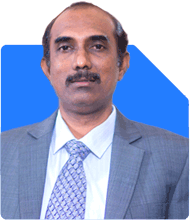
Ramalingam Kalirajan has over 26 years of experience in MF distribution and wealth management. He holds an MBA in Finance from the University of Madras and is a CFP (Certified Financial Planner) credentialed professional. He is the Director of Holistic Investment, a Chennai-based AMFI-registered Mutual Fund Distribution (ARN-4188) and APMI-registered PMS Distribution firm (APRN07386), helping clients build long-term wealth through mutual funds and other investment solutions.... more
Rajesh Question by Rajesh on May 30, 2025
Money

sir, am 26 year old and have some SIPs for Rs 1000 each. 1. QUANT SMALL CAP FUND DIRECT 2. NIPPON INDIA LARGE CAP DIRECT 3. MIRAE ASSEST ELSS TAX SAVER 4. UTI NIFTY 50 5. PARAG PARIKH FLEXI CAP 6. TATA MIDCAP GROWTH DIRECT 7. TATA SMALL CAP DIRECT my question is, these are good SIPs for next 10-15 years ? second is i want to invest 10000 more per month, please let me know which SIPs will be good for next 15 years. Thanks

Ans: At age 26, it is appreciable that you have started investing early.

It shows responsibility towards your future financial goals.

Your current SIPs are diversified across multiple categories.

But some of these SIPs may not be aligned well for long-term consistency.

Let us now review each one professionally.

1. Quant Small Cap Fund - Direct

Small caps can be volatile.

This fund is aggressive and high-risk.

Direct plans have no guidance or monitoring.

This may affect long-term performance.

Switching to a regular plan with a Certified Financial Planner is better.

This will ensure proper guidance and rebalancing.

2. Nippon India Large Cap - Direct

Large caps offer stability in a portfolio.

However, this fund’s long-term consistency is not very strong.

Also, direct plans lack expert monitoring.

A regular plan through a CFP ensures better handholding.

Tracking and performance review becomes easier.

3. Mirae Asset ELSS Tax Saver

This fund is decent for tax saving.

It is diversified and has shown fair returns.

However, regular review is still needed.

A regular plan helps with documentation and timely alerts.

Switching to regular mode can be beneficial in the long run.

4. UTI Nifty 50 - Direct

This is an index fund.

Index funds only mirror the market.

They do not aim to beat the market.

They lack human intelligence and flexibility.

They don’t perform well during corrections or sideways markets.

Actively managed funds have higher potential.

They can outperform in changing market situations.

Consider replacing this with a well-managed large cap fund.

In regular plan through CFP, you get guided fund selection.

5. Parag Parikh Flexi Cap

Flexi cap funds provide flexibility across market segments.

This fund has been popular recently.

But it has higher exposure to international stocks.

This brings currency risk and regulatory risks.

Also, it may overlap with other holdings.

You should regularly monitor for overlap and concentration.

Again, direct mode has no professional review.

6. Tata Midcap Growth - Direct

Midcaps are good for long-term.

But they need close tracking due to higher volatility.

A regular plan with expert guidance is ideal.

Direct mode will not help during market correction periods.

Switching to regular mode will ensure ongoing support.

7. Tata Small Cap - Direct

Small caps are risky in short to medium term.

This should not be your core holding.

Should be allocated only with close guidance.

Again, direct plans can go off-track without support.

If unmanaged, can bring portfolio imbalance.

Assessment of Direct Funds: Key Concerns

Direct funds may look cheaper in expense.

But they lack professional support and review.

There is no monitoring of changes in fund quality.

You may miss timely exits and rebalancing.

A Certified Financial Planner guides with logic and analysis.

They also help align your funds with your goals.

Regular plans have MFD support and rebalancing discipline.

They protect from behavioural mistakes during market volatility.

Overall, regular funds with expert guidance bring higher net value.

What Can Be Done with Your Existing SIPs?

You can consider the following changes:

Discontinue index fund (UTI Nifty 50) SIP.


Reduce exposure to direct small and midcap funds.


Switch from direct plans to regular plans via a Certified Financial Planner.


Ensure SIPs are part of a professionally constructed portfolio.


Ensure proper asset allocation, fund category balancing and tax efficiency.


New SIP of Rs 10,000 per Month – Suggestions

For your new Rs 10,000 monthly SIP, here is a 360-degree plan:

Allocate across diversified categories.


Ensure each fund has low overlap and different market focus.


Invest in 3 to 4 funds max.


All in regular mode with CFP-led support.


Avoid index funds, as they only match market returns.


Go for actively managed funds with proven history.


Include large-cap, mid-cap and flexi-cap mix.


Monitor quarterly with your Certified Financial Planner.


Additional Guidance for 15-Year Wealth Building

At 26, your time horizon is excellent.

But long-term wealth creation needs more than just SIPs.

It needs strategy and discipline.

Below are key steps for a full-circle approach:

Set clear financial goals: Home, car, retirement, child education etc.


Link SIPs to each goal separately.


Keep emergency fund in place (6 months expenses).


Get sufficient life and health insurance (pure protection plans).


Avoid investment-cum-insurance products.


They give low returns and poor insurance.


Do not mix insurance with investment.


Track your SIP performance annually.


Rebalance if some funds underperform.


Maintain asset allocation: Equity, Debt and Liquid.


Avoid emotional reactions during market dips.


Stay invested with guidance from your CFP.


Be aware of taxation rules on equity and debt funds.


LTCG on equity above Rs 1.25 lakh is taxed at 12.5%.


STCG on equity is taxed at 20%.


Debt fund gains are taxed as per income slab.


Regular plan MFD and CFP helps with all tax planning.


What Not to Do in the Next 15 Years

Don’t invest in index funds.


They lack active strategy.


Don’t choose funds by past returns only.


Don’t use direct funds without financial expertise.


Don’t invest in real estate for returns.


Don’t invest in annuity products for retirement.


Don’t mix investment and insurance.


Don’t make decisions based on short-term news or noise.


Don’t stop SIPs during market corrections.


Role of a Certified Financial Planner

A Certified Financial Planner helps you:

Set goals based on life stages.


Create custom SIP and lump sum plans.


Select the best active funds for your goals.


Rebalance annually to stay on track.


Plan taxes as per latest rules.


Protect wealth with right insurances.


Build retirement with strategic planning.


Create a total financial blueprint for life.


Keep emotions out of financial decisions.


Final Insights

You have taken a great step by starting early.

But choosing the right funds is key.

More important is monitoring them regularly.

Direct plans lack this important support.

Switching to regular plans under CFP brings value.

Also, add Rs 10,000 new SIP with proper strategy.

Don’t follow trends.

Stay committed and review annually.

Avoid overlapping funds and unnecessary risks.

Have a complete financial roadmap in place.

You are building your future.

Make each rupee work with expert guidance.

This 360-degree approach will lead to better outcomes.

You will be financially secure and confident.

Take the next steps with clarity and care.

Best Regards,

K. Ramalingam, MBA, CFP,

Chief Financial Planner,

www.holisticinvestment.in
https://www.youtube.com/@HolisticInvestment
DISCLAIMER: The content of this post by the expert is the personal view of the rediffGURU. Users are advised to pursue the information provided by the rediffGURU only as a source of information to be as a point of reference and to rely on their own judgement when making a decision.
Money

आप नीचे ऐसेही प्रश्न और उत्तर देखना पसंद कर सकते हैं

Moneywize

Moneywize   | Answer  |Ask -

Financial Planner - Answered on Jun 11, 2024

Asked by Anonymous - Jun 09, 2024English
Money
कृपया मेरी SIP की समीक्षा करें। क्या ये दीर्घकालिक निवेश के लिए अच्छे हैं? कोटक मल्टीकैप फंड - 6500 रुपये प्रति माह एचडीएफसी स्मॉलकैप डायरेक्ट - 6500 रुपये प्रति माह एसबीआई ब्लूचिप फंड डायरेक्ट ग्रोथ - 6500 रुपये प्रति माह यूटीआई एग्रेसिव हाइब्रिड फंड - 6500 रुपये प्रति माह एचडीएफसी मिड कैप अवसर - 6500 रुपये प्रति माह कुल निवेश 32500 रुपये प्रति माह है।
Ans: आपकी व्यवस्थित निवेश योजनाएँ (SIP) विभिन्न प्रकार के इक्विटी फंडों में फैले एक विविध पोर्टफोलियो को दर्शाती हैं। यहाँ प्रत्येक फंड की विस्तृत समीक्षा दी गई है, साथ ही दीर्घकालिक निवेश के लिए विचार भी दिए गए हैं:

1. कोटक मल्टीकैप फंड - 6500 रुपये प्रति माह

• प्रकार: मल्टीकैप फंड
• लाभ: बड़े, मध्यम और छोटे कैप स्टॉक में विविधतापूर्ण निवेश प्रदान करता है, जो जोखिम और रिटर्न को संतुलित करने में मदद करता है। ये फंड बहुमुखी हैं और विभिन्न बाजार स्थितियों के अनुकूल हो सकते हैं।
• नुकसान: बाजार के रुझान और फंड मैनेजर की रणनीति के आधार पर प्रदर्शन में काफी भिन्नता हो सकती है।

2. एचडीएफसी स्मॉलकैप डायरेक्ट - 6500 रुपये प्रति माह

• प्रकार: स्मॉल कैप फंड
• लाभ: स्मॉल कैप फंड में उच्च रिटर्न की संभावना होती है क्योंकि वे विकास क्षमता वाली उभरती कंपनियों में निवेश करते हैं।
• नुकसान: अस्थिरता और कम लिक्विडिटी के कारण उच्च जोखिम। उच्च जोखिम सहनशीलता और दीर्घकालिक क्षितिज वाले निवेशकों के लिए उपयुक्त।

3. एसबीआई ब्लूचिप फंड डायरेक्ट ग्रोथ - 6500 रुपये प्रति माह

• प्रकार: लार्ज कैप फंड
• फायदे: स्थिर प्रदर्शन वाली स्थापित कंपनियों में निवेश करता है। मिड और स्मॉल कैप फंड की तुलना में कम जोखिम।
• नुकसान: आम तौर पर, रिटर्न मध्यम लेकिन स्थिर होता है, जो बुल मार्केट में मिड और स्मॉल कैप फंड से कम हो सकता है।

4. यूटीआई एग्रेसिव हाइब्रिड फंड - 6500 रुपये प्रति माह

• प्रकार: हाइब्रिड फंड (एग्रेसिव)
• फायदे: इक्विटी और डेट इंस्ट्रूमेंट के मिश्रण में निवेश करके जोखिम को संतुलित करता है। शुद्ध इक्विटी फंड की तुलना में कम अस्थिरता के साथ मध्यम रिटर्न की संभावना।
• नुकसान: इक्विटी हिस्सा अभी भी अस्थिर हो सकता है, और डेट हिस्सा शुद्ध इक्विटी फंड की तुलना में कम रिटर्न दे सकता है।

5. एचडीएफसी मिड कैप अवसर - 6500 रुपये प्रति माह

• प्रकार: मिड कैप फंड
• फायदे: मिड कैप फंड में लार्ज कैप फंड की तुलना में अधिक रिटर्न की संभावना होती है और स्मॉल कैप फंड की तुलना में कम अस्थिर होते हैं। वे विकास की संभावना वाली कंपनियों में निवेश करते हैं।

नुकसान: लार्ज कैप फंड की तुलना में जोखिम अधिक है, लेकिन स्मॉल कैप फंड की तुलना में कम है। बाजार की स्थितियां प्रदर्शन को काफी हद तक प्रभावित कर सकती हैं।

पोर्टफोलियो विश्लेषण:

• विविधीकरण: आपका पोर्टफोलियो विभिन्न बाजार पूंजीकरण (लार्ज कैप, मिड कैप और स्मॉल कैप) और फंड प्रकारों (मल्टीकैप और हाइब्रिड) में अच्छी तरह से विविधीकृत है, जो जोखिम को फैलाने में मदद करता है।

• जोखिम प्रोफ़ाइल: स्मॉल कैप और मिड कैप फंड को शामिल करने से समग्र जोखिम बढ़ता है, लेकिन उच्च रिटर्न की संभावना भी बढ़ जाती है। हाइब्रिड फंड अपने ऋण घटक के साथ स्थिरता की एक परत जोड़ता है।

• निवेश क्षितिज: लंबी अवधि के निवेश (5-10 साल या उससे अधिक) के लिए, यह मिश्रण आम तौर पर अच्छा होता है क्योंकि यह अधिक अस्थिर स्मॉल और मिड कैप फंड को अपनी विकास क्षमता का एहसास करने का समय देता है।

• मासिक योगदान: कुल 32,500 रुपये प्रति माह एक पर्याप्त और सुसंगत निवेश है, जो समय के साथ चक्रवृद्धि और धन सृजन के लिए फायदेमंद है।

सिफारिशें:

• प्रदर्शन की निगरानी करें: इन फंडों के प्रदर्शन की नियमित रूप से समीक्षा करें। जबकि दीर्घकालिक निवेशों को बार-बार नहीं बदलना चाहिए, यह सुनिश्चित करना महत्वपूर्ण है कि फंड आपकी अपेक्षाओं और बाजार स्थितियों के अनुरूप प्रदर्शन कर रहे हैं। फंड मैनेजर में बदलाव: फंड प्रबंधन टीम में किसी भी बदलाव पर नज़र रखें, क्योंकि इससे फंड के प्रदर्शन पर असर पड़ सकता है। पोर्टफोलियो को पुनर्संतुलित करें: जीवन के लक्ष्यों, बाजार स्थितियों और फंड के प्रदर्शन के आधार पर समय-समय पर अपने पोर्टफोलियो को पुनर्संतुलित करें। जोखिम सहनशीलता: समय-समय पर अपनी जोखिम सहनशीलता का आकलन करें। यदि आपकी जोखिम उठाने की क्षमता कम हो जाती है, तो कुछ निवेशों को उच्च जोखिम वाले फंड (जैसे छोटे और मध्यम कैप) से अधिक स्थिर विकल्पों (जैसे बड़े कैप या हाइब्रिड फंड) में स्थानांतरित करने पर विचार करें। कुल मिलाकर, आपके SIP अच्छी तरह से सोचे-समझे और दीर्घकालिक निवेश के लिए उपयुक्त प्रतीत होते हैं, बशर्ते आप संबंधित जोखिमों से सहज हों और अपने पोर्टफोलियो की सक्रिय रूप से निगरानी करें।

..Read more

Ramalingam

Ramalingam Kalirajan  |11503 Answers  |Ask -

Mutual Funds, Financial Planning Expert - Answered on Jul 27, 2024

Asked by Anonymous - Jun 12, 2024English
Money
सर, मैं नया हूँ और मैंने इस महीने से 7 हज़ार की SIP में निवेश करना शुरू किया है: क्वांट स्मॉल कैप फंड डायरेक्ट -1000, टाटा स्मॉल कैप फंड-500, क्वांट मिड कैप फंड डायरेक्ट-1000, निप्पॉन इंडिया लार्ज कैप-1000, यूटीआई निफ्टी 50 इंडेक्स फंड - 2000, जेएम फ्लेक्सी कैप फंड डायरेक्ट-500, आदित्य बिड़ला सनलाइफ पीएसयू इक्विटी-1000 कृपया मुझे बताएं कि क्या ये फंड अच्छे हैं और साथ ही मैं इन SIP को 10 साल तक रखने की योजना बना रहा हूँ।
Ans: आपका वर्तमान निवेश पोर्टफोलियो

आपने SIP के ज़रिए हर महीने 7,000 रुपये निवेश करना शुरू कर दिया है. यह आपके वित्तीय भविष्य के निर्माण की दिशा में एक बढ़िया कदम है. आपके पोर्टफोलियो में स्मॉल कैप, मिड कैप, लार्ज कैप, फ्लेक्सी कैप, इंडेक्स और सेक्टोरल फंड का मिश्रण शामिल है. यहाँ आपके विकल्पों का विश्लेषण दिया गया है:

स्मॉल कैप फंड: 1,500 रुपये
मिड कैप फंड: 1,000 रुपये
लार्ज कैप फंड: 1,000 रुपये
इंडेक्स फंड: 2,000 रुपये
फ्लेक्सी कैप फंड: 500 रुपये
सेक्टोरल फंड: 1,000 रुपये
आपके पोर्टफोलियो का मूल्यांकन

1. स्मॉल कैप फंड

स्मॉल कैप फंड उच्च रिटर्न दे सकते हैं. हालाँकि, वे उच्च जोखिम के साथ आते हैं. स्मॉल कैप फंड में 1,500 रुपये रखना स्वीकार्य है, लेकिन अस्थिरता के लिए तैयार रहें.

2. मिड कैप फंड

मिड कैप फंड जोखिम और रिटर्न को संतुलित करते हैं. इनमें मध्यम जोखिम के साथ वृद्धि की संभावना है। यहाँ आपका 1,000 रुपये का निवेश सही जगह पर है।

3. लार्ज कैप फंड

लार्ज कैप फंड ज़्यादा स्थिर होते हैं। वे स्थिर रिटर्न देते हैं। लार्ज कैप फंड में आपका 1,000 रुपये का निवेश स्थिरता के लिए अच्छा है।

4. इंडेक्स फंड

इंडेक्स फंड बाज़ार को ट्रैक करते हैं। हालाँकि, वे बाज़ार में होने वाले बदलावों के हिसाब से खुद को ढाल नहीं पाते। इससे रिटर्न सीमित हो सकता है। इसके बजाय, बेहतर प्रदर्शन के लिए सक्रिय रूप से प्रबंधित फंड पर विचार करें।

5. फ्लेक्सी कैप फंड

फ्लेक्सी कैप फंड लचीलापन प्रदान करते हैं। वे सभी मार्केट कैप में निवेश करते हैं। फ्लेक्सी कैप फंड में आपका 500 रुपये का निवेश विविधीकरण के लिए एक अच्छा विकल्प है।

6. सेक्टोरल फंड

सेक्टोरल फंड खास सेक्टर पर ध्यान केंद्रित करते हैं। उनमें ज़्यादा जोखिम होता है। सेक्टोरल फंड में 1,000 रुपये का निवेश ठीक है, लेकिन सेक्टर के प्रदर्शन पर नज़र रखें।

इंडेक्स फंड के नुकसान

इंडेक्स फंड बाज़ार की नकल करते हैं। वे बाज़ार की स्थितियों के हिसाब से खुद को ढाल नहीं पाते। इससे संभावित रिटर्न सीमित हो सकता है। सक्रिय रूप से प्रबंधित फंड पेशेवर प्रबंधन प्रदान करते हैं। वे बाजार में होने वाले बदलावों के अनुसार खुद को ढाल लेते हैं और अवसरों का लाभ उठाते हैं।

डायरेक्ट फंड के नुकसान

डायरेक्ट फंड को लगातार निगरानी की आवश्यकता होती है। इसके लिए आपको अपने पोर्टफोलियो को सक्रिय रूप से प्रबंधित और पुनर्संतुलित करने की आवश्यकता होती है। यह समय लेने वाला हो सकता है। प्रमाणित वित्तीय योजनाकार (सीएफपी) के माध्यम से प्रबंधित नियमित फंड पेशेवर सलाह और प्रबंधन प्रदान करते हैं।

सक्रिय रूप से प्रबंधित फंड के लाभ

सक्रिय रूप से प्रबंधित फंड का लक्ष्य बाजार से बेहतर प्रदर्शन करना है। इन्हें विशेषज्ञों द्वारा प्रबंधित किया जाता है जो रणनीतिक निर्णय लेते हैं। ये फंड इंडेक्स फंड की तुलना में अधिक रिटर्न दे सकते हैं।

अतिरिक्त निवेश के लिए सुझाव

चूंकि आप इन एसआईपी को 10 साल के क्षितिज के लिए रखने की योजना बना रहे हैं, इसलिए इन अतिरिक्त निवेशों पर विचार करें:

1. संतुलित एडवांटेज फंड

ये फंड इक्विटी-डेट मिश्रण को समायोजित करते हैं। ये स्थिरता के साथ विकास प्रदान करते हैं।

2. अंतर्राष्ट्रीय फंड

ये फंड वैश्विक स्तर पर निवेश करते हैं। ये भारतीय बाजारों से परे विविधीकरण प्रदान करते हैं।

3. डेट फंड

ये फंड स्थिरता प्रदान करते हैं। ये आपके पोर्टफोलियो को संतुलित करने के लिए अच्छे हैं।

व्यवस्थित निवेश योजना (SIP)

अपने SIP दृष्टिकोण को जारी रखें। यह अनुशासित निवेश में मदद करता है। SIP खरीद लागत को भी औसत करता है, जिससे बाजार समय जोखिम कम होता है।

समीक्षा करें और पुनर्संतुलन करें

अपने पोर्टफोलियो की नियमित समीक्षा करें। सुनिश्चित करें कि यह आपके लक्ष्यों और जोखिम सहनशीलता के अनुरूप है। यदि आवश्यक हो तो समायोजन करें।

एक प्रमाणित वित्तीय योजनाकार से परामर्श करें

एक CFP आपको अनुकूलित सलाह दे सकता है। वे आपके पोर्टफोलियो को पेशेवर रूप से प्रबंधित करते हैं और सुनिश्चित करते हैं कि आपके निवेश आपके लक्ष्यों के अनुरूप हों।

अंतिम अंतर्दृष्टि

आपके वर्तमान म्यूचुअल फंड निवेश विविध हैं। हालाँकि, इंडेक्स फंड को सक्रिय रूप से प्रबंधित फंड से बदलने पर विचार करें। इससे आपके रिटर्न में वृद्धि हो सकती है।

संतुलित लाभ, अंतर्राष्ट्रीय और ऋण फंड के साथ और अधिक विविधता लाएं। SIP जारी रखें और पेशेवर सलाह के लिए CFP से परामर्श करें।

सादर,

के. रामलिंगम, एमबीए, सीएफपी,

मुख्य वित्तीय योजनाकार,

www.holisticinvestment.in

..Read more

Ramalingam

Ramalingam Kalirajan  |11503 Answers  |Ask -

Mutual Funds, Financial Planning Expert - Answered on Jun 19, 2024

Asked by Anonymous - Jun 19, 2024English
Money
महोदय, मैं नया हूँ और मैंने इस महीने से 7 हजार की एसआईपी में निवेश करना शुरू किया है: क्वांट स्मॉल कैप फंड डायरेक्ट -1000, टाटा स्मॉल कैप फंड -500, क्वांट मिड कैप फंड डायरेक्ट - 1000, निप्पॉन इंडिया लार्ज कैप -1000, यूटीआई निफ्टी 50 इंडेक्स फंड - 2000, जेएम फ्लेक्सी कैप फंड डायरेक्ट -500, आदित्य बिड़ला सनलाइफ पीएसयू इक्विटी -1000 कृपया मुझे बताएं कि क्या ये फंड अच्छे हैं और साथ ही मैंने इन एसआईपी को 10 साल के क्षितिज के लिए रखने की योजना बनाई है।
Ans: आइए विस्तृत विश्लेषण में उतरें और आपको 10 साल के क्षितिज के लिए अपने SIP निवेश पर व्यापक मार्गदर्शन प्रदान करें। व्यवस्थित निवेश योजना शुरू करने में आपकी पहल को देखकर बहुत अच्छा लगा। यहाँ आपके निवेश पोर्टफोलियो का विस्तृत मूल्यांकन है, जिसमें विभिन्न पहलुओं पर ध्यान केंद्रित किया गया है, ताकि आप अपनी पसंद के निहितार्थों को समझ सकें और सूचित निर्णय ले सकें।

अपने वर्तमान निवेश पोर्टफोलियो को समझना
आपने अपने SIP के लिए म्यूचुअल फंड का एक विविध मिश्रण चुना है, जो एक अच्छी रणनीति है। यह विविधता जोखिम को फैलाने और बाजार के विभिन्न क्षेत्रों से विकास को पकड़ने में मदद करती है। आइए अपने निवेश को श्रेणियों में विभाजित करें और प्रत्येक का विश्लेषण करें:

स्मॉल कैप फंड: आपने दो स्मॉल कैप फंड में निवेश किया है। स्मॉल कैप फंड में उच्च विकास की क्षमता होती है, लेकिन वे उच्च अस्थिरता के साथ भी आते हैं।

मिड कैप फंड: आपने मिड कैप फंड को फंड आवंटित किया है। मिड कैप विकास क्षमता और जोखिम के बीच संतुलन बनाते हैं।

लार्ज कैप फंड: आपने लार्ज कैप फंड चुना है, जो स्मॉल और मिड कैप फंड की तुलना में कम जोखिम के साथ आपके पोर्टफोलियो को स्थिरता प्रदान करता है।

इंडेक्स फंड: आपने इंडेक्स फंड में निवेश किया है, जिसका उद्देश्य निफ्टी 50 इंडेक्स के प्रदर्शन को दोहराना है।

फ्लेक्सी कैप फंड: आपने फ्लेक्सी कैप फंड में निवेश किया है, जो मार्केट कैप में निवेश करने की सुविधा प्रदान करता है।

सेक्टर-विशिष्ट फंड: आपने पीएसयू इक्विटी फंड में फंड आवंटित किया है। सेक्टर-विशिष्ट फंड अस्थिर हो सकते हैं और अक्सर सेक्टर के प्रदर्शन पर निर्भर होते हैं।

स्मॉल कैप फंड का मूल्यांकन
स्मॉल कैप फंड प्रभावशाली रिटर्न दे सकते हैं, खासकर बढ़ती अर्थव्यवस्था में। हालांकि, वे अत्यधिक अस्थिर होते हैं और बाजार में उतार-चढ़ाव के प्रति संवेदनशील होते हैं। 10 साल के क्षितिज पर, ये फंड पर्याप्त वृद्धि प्रदान कर सकते हैं यदि कंपनियां अच्छा प्रदर्शन करती हैं।

लाभ:

उच्च विकास क्षमता।
तेजी वाले बाजार में फायदेमंद।
नुकसान:

उच्च अस्थिरता।
बाजार में गिरावट के दौरान महत्वपूर्ण नुकसान का जोखिम।
मिड कैप फंड: विकास और स्थिरता को संतुलित करना
मिड कैप फंड छोटे कैप की उच्च विकास क्षमता और बड़े कैप की स्थिरता के बीच संतुलन प्रदान करते हैं। ये फंड मध्यम आकार की कंपनियों में निवेश करते हैं जिनमें महत्वपूर्ण विकास क्षमता होती है और जो छोटे कैप की तुलना में अधिक स्थिर होती हैं।

लाभ:

अच्छे रिटर्न की संभावना।
छोटे कैप की तुलना में मध्यम जोखिम।

नुकसान:

अस्थिर हो सकता है।
जोखिमों को कम करने के लिए लंबे निवेश क्षितिज की आवश्यकता होती है।
बड़े कैप फंड: स्थिरता और लगातार रिटर्न
बड़े कैप फंड एक ठोस ट्रैक रिकॉर्ड वाली अच्छी तरह से स्थापित कंपनियों में निवेश करते हैं। ये फंड आपके पोर्टफोलियो को स्थिरता प्रदान करते हैं और छोटे और मध्यम कैप फंड की तुलना में कम अस्थिर होते हैं।

लाभ:

कम जोखिम और अस्थिरता।
लंबी अवधि में लगातार रिटर्न।
नुकसान:

छोटे और मध्यम कैप की तुलना में कम विकास क्षमता।
रिटर्न मामूली हो सकता है।
इंडेक्स फंड: एक महत्वपूर्ण विश्लेषण
आपने एक इंडेक्स फंड में निवेश किया है जो निफ्टी 50 को ट्रैक करता है। इंडेक्स फंड निष्क्रिय रूप से प्रबंधित होते हैं और इंडेक्स के प्रदर्शन को दोहराने का लक्ष्य रखते हैं। जबकि वे विविधीकरण और कम व्यय अनुपात प्रदान करते हैं, कुछ कमियाँ हैं:

नुकसान:

इंडेक्स के प्रदर्शन तक सीमित।
बाजार से बेहतर प्रदर्शन नहीं कर सकते।
बाजार में गिरावट को संभालने के लिए सक्रिय प्रबंधन की कमी।
सक्रिय रूप से प्रबंधित फंड के लाभ:
बाजार से बेहतर प्रदर्शन करने की क्षमता।
जोखिमों को कम करने के लिए सक्रिय प्रबंधन।
बदलती बाजार स्थितियों में लचीलापन।
फ्लेक्सी कैप फंड: बहुमुखी और अनुकूल
फ्लेक्सी कैप फंड बहुमुखी हैं क्योंकि वे विभिन्न बाजार पूंजीकरणों में निवेश कर सकते हैं। यह लचीलापन फंड मैनेजर को किसी भी सेगमेंट में अवसरों का लाभ उठाने की अनुमति देता है।

लाभ:
बाजार पूंजीकरण में विविधीकरण।
बाजार स्थितियों के अनुकूल होने की क्षमता।
नुकसान:
प्रदर्शन फंड मैनेजर की विशेषज्ञता पर अत्यधिक निर्भर है।
व्यय अनुपात अधिक हो सकता है।
क्षेत्र-विशिष्ट फंड: संकेन्द्रित जोखिम
आपने पीएसयू इक्विटी फंड में निवेश किया है, जो सार्वजनिक क्षेत्र के उपक्रमों पर केंद्रित है। यदि क्षेत्र अच्छा प्रदर्शन करता है तो क्षेत्र-विशिष्ट फंड फायदेमंद हो सकते हैं, लेकिन अत्यधिक जोखिम भरे होते हैं।
लाभ:
क्षेत्र अच्छा प्रदर्शन करता है तो उच्च रिटर्न।
किसी विशिष्ट क्षेत्र में लक्षित निवेश।
नुकसान:
एक क्षेत्र में संकेन्द्रण के कारण उच्च जोखिम।
प्रदर्शन क्षेत्र-निर्भर है और अस्थिर हो सकता है।
सक्रिय बनाम प्रत्यक्ष फंड: विचार
आपने प्रत्यक्ष फंड चुना है, जिसका अर्थ है कि आप मध्यस्थों के बिना सीधे म्यूचुअल फंड कंपनी के साथ निवेश करते हैं। जबकि इससे कमीशन शुल्क पर बचत हो सकती है, प्रमाणित वित्तीय योजनाकार (सीएफपी) के माध्यम से निवेश करने के फायदे हैं:
प्रत्यक्ष फंड के नुकसान:
पूरी तरह से शोध और समझ की आवश्यकता है।
फंड चयन और प्रबंधन में कोई पेशेवर मार्गदर्शन नहीं।
सीएफपी के माध्यम से निवेश करने के लाभ:
विशेषज्ञ सलाह और अनुकूलित निवेश रणनीतियाँ।
नियमित पोर्टफोलियो समीक्षा और समायोजन।
बाजार के रुझान और अवसरों की बेहतर समझ।
दीर्घकालिक निवेश रणनीति
10 साल का निवेश क्षितिज एक पर्याप्त अवधि है, जो आपको बाजार की अस्थिरता से निपटने और चक्रवृद्धि रिटर्न से लाभ उठाने की अनुमति देता है। यहां बताया गया है कि आप अपने निवेश का अधिकतम लाभ कैसे उठा सकते हैं:

1. SIP के साथ लगातार बने रहें:
रुपये की लागत औसत से लाभ उठाने के लिए अपने SIP को नियमित रूप से जारी रखें, जो कीमतों के कम होने पर अधिक यूनिट खरीदने और कीमतों के अधिक होने पर कम यूनिट खरीदने में मदद करता है।

2. अपने पोर्टफोलियो में विविधता लाएं:
सुनिश्चित करें कि आपका पोर्टफोलियो विभिन्न मार्केट कैप और सेक्टर में विविधतापूर्ण बना रहे ताकि जोखिम को फैलाया जा सके और विभिन्न सेगमेंट से विकास को पकड़ा जा सके।

3. समीक्षा और पुनर्संतुलन:
यह सुनिश्चित करने के लिए कि यह आपके वित्तीय लक्ष्यों के साथ संरेखित है, CFP के साथ समय-समय पर अपने पोर्टफोलियो की समीक्षा करें। पुनर्संतुलन वांछित परिसंपत्ति आवंटन को बनाए रखने में मदद करता है।

4. प्रदर्शन की निगरानी करें:
अपने फंड के प्रदर्शन को ट्रैक करें और उनकी तुलना बेंचमार्क इंडेक्स से करें। यदि कोई फंड लगातार खराब प्रदर्शन करता है, तो बेहतर प्रदर्शन करने वाले विकल्पों पर स्विच करने पर विचार करें।

5. वित्तीय लक्ष्यों पर ध्यान दें:
अपने निवेश को विशिष्ट वित्तीय लक्ष्यों, जैसे कि सेवानिवृत्ति, बच्चों की शिक्षा, या घर खरीदना, के साथ संरेखित करें। इससे अनुशासन और ध्यान बनाए रखने में मदद मिलती है।

अंतिम अंतर्दृष्टि
10 साल के क्षितिज के लिए SIP में निवेश करना एक स्मार्ट विकल्प है। आपने विभिन्न प्रकार के फंडों में विविधता लाई है, जो सराहनीय है। हालाँकि, अपने पोर्टफोलियो की नियमित समीक्षा करना, विशेषज्ञ की सलाह लेना और आवश्यकतानुसार समायोजन करना महत्वपूर्ण है। बाजार के रुझानों के बारे में जानकारी रखें और अपने निवेश के साथ सुसंगत रहें। आपकी वित्तीय यात्रा एक मैराथन है, स्प्रिंट नहीं। धैर्य और विवेकपूर्ण निर्णय लेने से, आप अपने वित्तीय लक्ष्यों को प्राप्त करने की संभावना रखते हैं।

सादर,

के. रामलिंगम, एमबीए, सीएफपी

मुख्य वित्तीय योजनाकार

www.holisticinvestment.in

..Read more

Ramalingam

Ramalingam Kalirajan  |11503 Answers  |Ask -

Mutual Funds, Financial Planning Expert - Answered on Jul 14, 2024

Asked by Anonymous - Jul 14, 2024English
Money
मैं 37 साल का हूँ और सरकारी कर्मचारी हूँ। मैंने हाल ही में चार फंड में SIP शुरू किया है 1.मिराए एसेट लार्ज एंड मिडकैप फंड डायरेक्ट ग्रोथ._1k 2.क्वांट लार्ज एंड मिडकैप फंड डायरेक्ट ग्रोथ_1k 3.कोटक इक्विटी ऑपर्च्युनिटीज फंड डायरेक्ट ग्रोथ_1k 4.आईसीआईसीआई प्रूडेंशियल रिटायरमेंट फंड प्योर इक्विटी प्लान डायरेक्ट ग्रोथ -5k क्या यह 10 साल की अवधि के लिए अच्छा है? और अगर मैं 5k और निवेश करना चाहता हूँ तो मुझे 15 से 20 साल की अवधि के लिए कहाँ निवेश करना चाहिए। कृपया सलाह दें। धन्यवाद
Ans: 37 साल की उम्र में सरकारी कर्मचारी के तौर पर भविष्य के लिए योजना बनाना बहुत ज़रूरी है। म्यूचुअल फंड में SIP शुरू करना एक समझदारी भरा कदम है, लेकिन अपनी रणनीति का मूल्यांकन और उसे बेहतर बनाने से आपके रिटर्न को बेहतर बनाया जा सकता है। यह विश्लेषण आपको आपके मौजूदा निवेशों के बारे में बताएगा और लंबी अवधि के लिए अतिरिक्त विकल्प सुझाएगा।

मौजूदा SIP विश्लेषण

आपने 10 साल के नज़रिए से चार म्यूचुअल फंड में SIP शुरू किए हैं:

मिराए एसेट लार्ज एंड मिडकैप फंड

क्वांट लार्ज एंड मिडकैप फंड

कोटक इक्विटी ऑपर्च्युनिटीज फंड

ICICI प्रूडेंशियल रिटायरमेंट फंड प्योर इक्विटी प्लान
इन फंड में आपका मौजूदा आवंटन सराहनीय है। आइए लाभों और संभावित सुधारों का मूल्यांकन करें।

1. मिराए एसेट लार्ज एंड मिडकैप फंड

यह फंड लार्ज और मिडकैप दोनों तरह के शेयरों में निवेश करता है। यह मिडकैप से ग्रोथ की संभावना और लार्जकैप से स्थिरता प्रदान करता है। यह संतुलित दृष्टिकोण लंबी अवधि में अच्छे रिटर्न दे सकता है।

2. क्वांट लार्ज एंड मिडकैप फंड

मिराए एसेट फंड की तरह, यह फंड भी लार्ज और मिडकैप स्टॉक के बीच विविधता लाता है। विकास के लक्ष्य को प्राप्त करते हुए जोखिम को कम करने के लिए विविधता लाना एक महत्वपूर्ण रणनीति है।

3. कोटक इक्विटी अवसर फंड

यह फंड सभी मार्केट कैप में इक्विटी अवसरों पर ध्यान केंद्रित करता है। यह अच्छे प्रबंधन और लगातार प्रदर्शन के लिए जाना जाता है। यह आपके पोर्टफोलियो में विविधता लाता है।

4. आईसीआईसीआई प्रूडेंशियल रिटायरमेंट फंड प्योर इक्विटी प्लान

यह फंड रिटायरमेंट जैसे दीर्घकालिक लक्ष्यों के लिए बनाया गया है। यह मुख्य रूप से इक्विटी में निवेश करता है, जो लंबी अवधि में अधिक रिटर्न दे सकता है।

आपके पोर्टफोलियो में वर्तमान में लार्ज-कैप स्थिरता और मिड-कैप विकास क्षमता का अच्छा मिश्रण है। हालाँकि, चूँकि आप 15-20 साल के दीर्घकालिक निवेश क्षितिज पर विचार कर रहे हैं, तो आइए देखें कि आप प्रति माह 5,000 रुपये अतिरिक्त कहाँ निवेश कर सकते हैं।

डायरेक्ट फंड बनाम रेगुलर फंड का मूल्यांकन

आपने डायरेक्ट प्लान में निवेश किया है, जिसमें आम तौर पर कम व्यय अनुपात होता है। हालांकि, प्रमाणित वित्तीय योजनाकार (CFP) के माध्यम से रेगुलर फंड के अपने फायदे हैं। CFP आपके पोर्टफोलियो में व्यक्तिगत सलाह, समय पर समीक्षा और समायोजन प्रदान करता है। ये सेवाएँ संभावित रूप से आपके निवेश प्रदर्शन को बढ़ा सकती हैं, जो थोड़े अधिक व्यय अनुपात को उचित ठहराती हैं।

दीर्घकालिक निवेश रणनीति

15-20 वर्षों के दीर्घकालिक निवेश क्षितिज के लिए, निम्नलिखित कारकों पर विचार करें:

विविधीकरण: विभिन्न परिसंपत्ति वर्गों और क्षेत्रों में निवेश फैलाएं।

जोखिम सहनशीलता: अपनी जोखिम उठाने की क्षमता को समझें और उसके अनुसार निवेश करें।

लगातार समीक्षा: बाजार की स्थितियों और व्यक्तिगत लक्ष्यों के आधार पर अपने पोर्टफोलियो की नियमित समीक्षा करें और उसे समायोजित करें।

अनुशंसित निवेश मार्ग

प्रति माह अतिरिक्त 5,000 रुपये निवेश करने के लिए, यहाँ कुछ फंड और रणनीतियाँ हैं जिन पर विचार किया जाना चाहिए:

1. फ्लेक्सी कैप फंड

फ्लेक्सी कैप फंड विभिन्न बाजार पूंजीकरणों में स्टॉक में निवेश करते हैं। वे बाजार की स्थितियों के आधार पर लार्ज, मिड और स्मॉल कैप के बीच निवेश को स्थानांतरित करने की सुविधा प्रदान करते हैं। यह गतिशील आवंटन स्पेक्ट्रम भर में अवसरों को पकड़ सकता है और लंबी अवधि में मजबूत रिटर्न प्रदान कर सकता है।

2. मिड कैप फंड

मिड कैप फंड उच्च विकास क्षमता वाली मध्यम आकार की कंपनियों पर ध्यान केंद्रित करते हैं। ये कंपनियाँ अक्सर बड़ी कैप की तुलना में तेज़ी से बढ़ती हैं और अधिक रिटर्न दे सकती हैं। हालाँकि, वे अधिक जोखिम के साथ आती हैं, जो लंबी अवधि के लिए उपयुक्त हैं।

3. सेक्टोरल या थीमैटिक फंड

ये फंड प्रौद्योगिकी, स्वास्थ्य सेवा या वित्तीय सेवाओं जैसे विशिष्ट क्षेत्रों में निवेश करते हैं। बढ़ते क्षेत्र में निवेश करने से पर्याप्त रिटर्न मिल सकता है। हालाँकि, वे जोखिम भरे होते हैं और उन्हें सावधानीपूर्वक चयन और समय की आवश्यकता होती है। उदाहरण के लिए, भारत में स्वास्थ्य सेवा क्षेत्र बढ़ती स्वास्थ्य जागरूकता और खर्च के कारण महत्वपूर्ण वृद्धि के लिए तैयार है।

4. अंतर्राष्ट्रीय फंड

अंतर्राष्ट्रीय फंड में निवेश करने से वैश्विक बाजारों में निवेश मिलता है। यह विविधीकरण भारतीय बाजार से जुड़े जोखिम को कम कर सकता है। यह आपको विकसित अर्थव्यवस्थाओं और उभरते बाजारों के विकास को भुनाने की भी अनुमति देता है। उदाहरण के लिए, यूएस टेक्नोलॉजी स्टॉक में निवेश करने वाला फंड उच्च विकास क्षमता प्रदान कर सकता है।

5. संतुलित या हाइब्रिड फंड

संतुलित फंड इक्विटी और डेट इंस्ट्रूमेंट दोनों में निवेश करते हैं। वे इक्विटी के साथ विकास की संभावना और ऋण के साथ स्थिरता प्रदान करते हैं। यह मिश्रण मध्यम जोखिम सहनशीलता और दीर्घकालिक निवेश के लिए उपयुक्त हो सकता है। ये फंड बाजार में उतार-चढ़ाव के दौरान एक कुशन प्रदान कर सकते हैं, जिससे सहज रिटर्न सुनिश्चित होता है।

6. मल्टी-एसेट फंड

मल्टी-एसेट फंड इक्विटी, डेट और गोल्ड सहित विभिन्न एसेट क्लास में विविधता लाते हैं। यह विविधता जोखिम को कम करती है और स्थिर रिटर्न प्रदान कर सकती है। कई परिसंपत्तियों में निवेश करने से बाजार में उतार-चढ़ाव के खिलाफ पोर्टफोलियो को संतुलित करने में मदद मिलती है।

सक्रिय रूप से प्रबंधित फंड के लाभ

जबकि इंडेक्स फंड निष्क्रिय रूप से बाजार सूचकांकों को ट्रैक करते हैं, सक्रिय रूप से प्रबंधित फंड में फंड मैनेजर रणनीतिक निर्णय लेते हैं। सक्रिय रूप से प्रबंधित फंड का लक्ष्य बाजार से बेहतर प्रदर्शन करना है, जिससे उच्च रिटर्न मिलता है। वे बाजार के रुझान, आर्थिक स्थितियों और कंपनी के प्रदर्शन के आधार पर पोर्टफोलियो को समायोजित करते हैं। यह सक्रिय प्रबंधन थोड़े अधिक व्यय अनुपात को सही ठहराता है, क्योंकि यह संभावित रूप से निष्क्रिय फंडों की तुलना में बेहतर रिटर्न दे सकता है।

रणनीति को लागू करना

विश्लेषण के आधार पर, आपके अतिरिक्त 5,000 रुपये के निवेश के लिए सुझाया गया आवंटन इस प्रकार है:

फ्लेक्सी कैप फंड: 1,500 रुपये
मिड कैप फंड: 1,000 रुपये
सेक्टोरल/थीमैटिक फंड: 1,000 रुपये
इंटरनेशनल फंड: 1,000 रुपये
मल्टी-एसेट फंड: 500 रुपये
यह आवंटन विकास क्षमता और जोखिम शमन का संतुलित मिश्रण प्रदान करता है।

नियमित समीक्षा और समायोजन

निवेश एक बार की गतिविधि नहीं है। अपने पोर्टफोलियो की नियमित समीक्षा करें ताकि यह सुनिश्चित हो सके कि यह आपके लक्ष्यों के अनुरूप है। एक प्रमाणित वित्तीय योजनाकार इस प्रक्रिया में सहायता कर सकता है, जो बाजार के रुझानों और आपकी बदलती वित्तीय स्थिति के आधार पर अंतर्दृष्टि और समायोजन प्रदान करता है।

अंतिम अंतर्दृष्टि

दीर्घकालिक निवेश के लिए रणनीतिक दृष्टिकोण की आवश्यकता होती है। आपकी वर्तमान SIP एक अच्छी शुरुआत है, और अतिरिक्त 5,000 रुपये के निवेश के साथ, आप अपने पोर्टफोलियो को और मजबूत कर सकते हैं। विभिन्न परिसंपत्ति वर्गों और क्षेत्रों में विविधीकरण रिटर्न को अधिकतम करने और जोखिम को कम करने की कुंजी है।

प्रमाणित वित्तीय योजनाकार के माध्यम से नियमित फंड के लाभों पर विचार करें। जबकि उनके पास उच्च व्यय अनुपात हैं, व्यक्तिगत सलाह और सक्रिय प्रबंधन आपके निवेश प्रदर्शन को बढ़ा सकते हैं।

फ्लेक्सी कैप, मिड कैप, सेक्टोरल/थीमैटिक, इंटरनेशनल और मल्टी-एसेट फंड के संतुलित मिश्रण पर ध्यान दें। यह विविध दृष्टिकोण बाजारों और क्षेत्रों में विकास के अवसरों को पकड़ सकता है, जिससे एक मजबूत और लचीला पोर्टफोलियो सुनिश्चित होता है।

अपने निवेशों की नियमित समीक्षा करें, प्रदर्शन और बाजार की स्थितियों के आधार पर समायोजन करें और अपने दीर्घकालिक लक्ष्यों के प्रति प्रतिबद्ध रहें। सावधानीपूर्वक योजना और रणनीतिक निवेश के साथ, आप अपनी भविष्य की जरूरतों के लिए पर्याप्त कोष बना सकते हैं।

सादर,

के. रामलिंगम, एमबीए, सीएफपी

मुख्य वित्तीय योजनाकार

www.holisticinvestment.in

..Read more

नवीनतम प्रश्न
Ramalingam

Ramalingam Kalirajan  |11503 Answers  |Ask -

Mutual Funds, Financial Planning Expert - Answered on Nov 17, 2026

Money
ant to invest 125000/- in equity today. which is best script I can invest in it?
Ans: Investing Rs.1,25,000 in equity is a good step towards wealth creation. However, rather than investing the entire amount in one individual share, I would suggest considering diversified equity mutual funds.

» Individual Shares vs Mutual Funds

– Investing in one or two shares exposes your money to company-specific risks.
– You need to regularly track company performance, valuations and business developments.
– Mutual funds provide diversification across multiple companies and sectors.
– Actively managed mutual funds also have professional fund management and research support.

» My Suggestion

Consider investing through diversified actively managed equity mutual funds, based on your investment horizon and risk appetite.

– Flexi-cap funds for diversified exposure across market capitalisations.
– Large-cap funds for exposure to established companies.
– Mid-cap funds for investors with a higher risk appetite and longer investment horizon.

If you are investing for less than 5 years, equity may not be suitable for this amount.

» Regular Plan vs Direct Plan

Although direct plans have lower expense ratios, they require you to independently select funds, monitor performance and review your portfolio.

Regular plans through an AMFI-registered MFD provide ongoing guidance, portfolio reviews and support in aligning investments with your financial goals.

» Finally

My preference would be to build a diversified mutual fund portfolio rather than depend on a single stock.

The right allocation depends on your existing investments, investment horizon and risk appetite.

Best Regards,

K. Ramalingam, MBA, CFP,

AMFI-Registered MFD – ARN 4188

www.holisticinvestment.in

https://www.linkedin.com/in/ramalingamcfp/
...Read more

Ramalingam

Ramalingam Kalirajan  |11503 Answers  |Ask -

Mutual Funds, Financial Planning Expert - Answered on Nov 17, 2026

Asked by Anonymous - Nov 16, 2026
Money
Monthly In Hand salary : 1.75L(Post Deduction) Yearly Bonus : 2.3L Age : 39yrs , 1 kid in UKG (5 YO). Salary Deductions: EPF: 16.5K+16.5K, ESPP: 26K, NPS: 13.5K(Total: 72.5K investments) Monthly Investments : LIC Jeevan Anand Premium : 3K, Bandhan Small Cap Fund - Direct Plan - Growth : 7K, ICICI Pru Focused Fund - Direct Plan - Growth : 7K, PPFAS Flexi Cap Fund Growth : 11K, Edelweiss MidCap Fund - Direct-Growth: 10K, ICICI Gold ETF: 5K (Total : 40K ) Current Portfolio: PF Balance : 39L, LIC Jeevan Anand : Sum assured 7L for 20 yrs Started in 2011 , NPS Balance : 10.9L, Company Vested Stocks : 27.5L, Mutual Funds : 13.3L, Indian Stocks: 4L, FD: 2.5L, Savings Account: 5.5L, KVP : 30L (earmarked for kid education) Current Expense: Monthly Expense: 1L (including EMI). Staying in own House with EMI closed. Home loan for additional property ongoing with 41K EMI for 15 years. Term Insurance premium: 35K per annum for 2Cr cover (pay for 10Years covered till 60) and Health Cover(Family floater) for 10L at 17K per annum Looking for advice on existing investments and if I need to do any changes to optimise it in a better way.
Ans: You have built a good financial foundation at 39. Your EPF, NPS, company stocks, mutual funds and dedicated education savings provide a strong starting point.

Your savings discipline is also good. However, there are a few areas where changes can improve diversification, liquidity and long-term wealth creation.

» 1. Overall Financial Position

Your current financial assets are approximately Rs.1.33 Crores, excluding the LIC policy value.

– EPF: Rs.39 Lakhs
– NPS: Rs.10.9 Lakhs
– Company vested stocks: Rs.27.5 Lakhs
– Mutual Funds: Rs.13.3 Lakhs
– Indian stocks: Rs.4 Lakhs
– FD: Rs.2.5 Lakhs
– Savings account: Rs.5.5 Lakhs
– KVP: Rs.30 Lakhs (earmarked for child's education)

This is a good asset base at 39.

However, I notice that a significant portion of your wealth is in EPF, company stocks and KVP. Your diversified equity mutual fund portfolio is relatively small.

» 2. Review Your Existing Mutual Fund Portfolio

Your current SIP is Rs.40,000 per month.

You have exposure to:

– Small-cap funds
– Focused equity funds
– Flexi-cap funds
– Mid-cap funds
– Gold

The overall selection covers different market segments. However, having different fund categories does not always mean proper diversification.

My observations:

– Small-cap and mid-cap funds carry higher volatility. Keep their combined allocation within a suitable limit.
– Focused funds have limited stock holdings and can carry higher concentration risk.
– Flexi-cap funds can provide diversification across large, mid and small companies.
– Check the overlap between your funds. Some may hold similar stocks.

I would prefer a portfolio with a strong diversified equity core rather than too many overlapping funds.

You may continue the existing SIP discipline, but review the allocation before adding more funds.

» 3. Direct Plans vs Regular Plans

You are currently investing in direct plans in some funds.

Direct plans have lower expense ratios, but there are some limitations:

– You need to independently select and monitor the funds.
– Portfolio overlap and asset allocation need regular review.
– You need to decide when to rebalance or change investments.
– There is no dedicated MFD support for portfolio reviews and ongoing guidance.

Regular plans through an AMFI-registered MFD have a higher expense ratio because they include distributor commission.

However, you also get ongoing investment support, portfolio monitoring, goal-based reviews and assistance during market volatility.

The choice should depend on whether you want to manage the portfolio independently or need ongoing professional support.

» 4. Company Stocks – An Important Area to Review

Your vested company stocks are worth Rs.27.5 Lakhs.

This is one area I would pay attention to.

You already depend on your employer for your monthly salary. A large investment in the same company increases your overall exposure to one organisation.

If the company faces business challenges, both your employment and investment value could be affected.

My suggestion:

– Avoid allowing company stocks to become an excessively large part of your portfolio.
– Consider gradually diversifying some holdings.
– Check the tax implications and applicable employee stock plan restrictions before selling.
– Avoid automatically reinvesting all future vested stocks in the same company.

Your investments should be diversified beyond your employer.

» 5. EPF, NPS and PPF-Type Investments

Your EPF balance of Rs.39 Lakhs and NPS balance of Rs.10.9 Lakhs provide a good retirement foundation.

Continue these investments.

However, consider the following:

– Review your NPS asset allocation based on your retirement age.
– Check whether your overall retirement portfolio has adequate equity exposure.
– Avoid excessive concentration in fixed-income investments simply because they appear safer.
– Keep reviewing your retirement corpus along with your mutual fund investments.

Your retirement planning should consider all these assets together.

» 6. KVP – Child Education Corpus

You have Rs.30 Lakhs earmarked for your child's education.

This is a positive step.

Your child is currently five years old, so higher education is still several years away.

However, education costs will increase over time.

My suggestion:

– Estimate the likely higher education expenses.
– Keep the required amount aligned with the education timeline.
– Review whether the existing KVP maturity value will be sufficient.
– Avoid taking unnecessary equity risk with money needed for near-term education expenses.

Do not mix this corpus with your retirement investments.

» 7. LIC Jeevan Anand – Review the Policy

Your policy started in 2011, with a sum assured of Rs.7 Lakhs and a 20-year term.

Since you have already paid premiums for many years, review the following:

– Current surrender value.
– Paid-up value.
– Maturity benefit.
– Remaining premium commitment.
– Actual life cover available.

Compare the future benefits with the remaining premiums before deciding whether to continue or surrender.

Your Rs.2 Crore term insurance is the main life protection for your family. The LIC policy should be assessed separately as an investment-cum-insurance product.

» 8. Loan and Cash Flow Management

You have an additional property loan with an EMI of Rs.41,000 for 15 years.

Your current monthly expenses are Rs.1 Lakh, including EMI.

Since you have a young child and a long-term investment horizon:

– Avoid unnecessary additional borrowing.
– Continue maintaining sufficient liquidity.
– Consider part-prepayment if the loan interest rate is high and your cash flow permits.
– Do not use your entire savings for loan closure.

Your FD and savings account together provide Rs.8 Lakhs.

This is useful liquidity. However, maintain an emergency reserve covering at least 6–9 months of essential expenses and EMI commitments.

» 9. Insurance Protection

Your Rs.2 Crore term cover is a good starting point.

However, check whether it is adequate considering your outstanding loan, child's education and family's future expenses.

Your family floater health cover of Rs.10 Lakhs may be on the lower side for a family living in a metro like Mumbai.

I suggest reviewing:

– Increasing the base health cover, if affordable.
– Adding a suitable super top-up policy.
– Checking room rent limits, co-payment and pre-existing disease conditions.

» 10. My Suggested Investment Approach

You are already investing substantially every month through EPF, NPS, ESPP and mutual funds.

I would focus on improving the quality of your existing portfolio rather than simply increasing the number of investments.

My broad approach would be:

– Continue EPF and NPS contributions.
– Review and diversify company stock exposure.
– Maintain your child's education corpus separately.
– Simplify overlapping mutual fund investments.
– Maintain suitable large-cap, flexi-cap and mid/small-cap exposure based on risk capacity.
– Keep gold as a diversifier, not as the main wealth creation asset.
– Increase SIPs with future salary increments.

» Final Insights

At 39, you have around 16–21 years before a typical retirement age of 55–60.

Your current financial position gives you a good head start.

However, I see three areas that deserve attention:
1. Your company stock exposure is relatively high.
2. Your mutual fund portfolio needs better diversification and overlap analysis.
3. Your retirement and child's education goals need separate projections.
I would not recommend making major changes to all your investments immediately. A structured review can help identify what to retain, modify and gradually diversify.

The objective should be to build a strong retirement corpus, fund your child's higher education and remain financially secure even if your employment situation changes.

Best Regards,

K. Ramalingam, MBA, CFP,

AMFI-Registered MFD – ARN 4188

www.holisticinvestment.in

https://www.linkedin.com/in/ramalingamcfp/

...Read more

Anu

Anu Krishna  |1832 Answers  |Ask -

Relationships Expert, Mind Coach - Answered on Nov 17, 2026

Asked by Anonymous - Nov 10, 2026
Relationship
Is it okay to fake a marriage? A friend recently advised that all marriages require some sort of compromise. Usually one partner compromises more than the other. And after certain years, the one who compromises the most tends to feel betrayed and taken for granted. I have been feeling the same. After 22 years of marriage, I have realised that my partner never understood my likes, dislikes or took a stand for me. But he expects me to behave normally about it. We have two kids and I don't want to lie to them. They are 13 and 17. How to tell them what I am going through? Will it create more differences in our family? I am not working, I am 12th pass. I am a housewife. How can I deal with this situation?
Ans: Dear Anonymous,
It's possible to fake anything BUT for how long?
My suggestion will usually be: work on it and if you can't or don't want to, then work around it...
Start to build a life that also keeps you in the center of it all so that you keep your identity as a woman with likes, dislikes, desires, opinions...it will help you navigate your marriage better.
In my opinion, telling the children who are not old enough to understand will only make matters worse for you...Talk to your husband instead and if that isn't going to change anything and you still want to be in the marriage, start finding ways to navigate through it...
Build your identity; SOON!!!!!!!

All the best!
Anu Krishna
Mind Coach|NLP Trainer|Author
Drop in: www.unfear.io
Reach me: Facebook: anukrish07/ AND LinkedIn: anukrishna-joyofserving/

...Read more

Anu

Anu Krishna  |1832 Answers  |Ask -

Relationships Expert, Mind Coach - Answered on Nov 17, 2026

Asked by Anonymous - Oct 26, 2026
DISCLAIMER: The content of this post by the expert is the personal view of the rediffGURU. Investment in securities market are subject to market risks. Read all the related document carefully before investing. The securities quoted are for illustration only and are not recommendatory. Users are advised to pursue the information provided by the rediffGURU only as a source of information and as a point of reference and to rely on their own judgement when making a decision. RediffGURUS is an intermediary as per India's Information Technology Act.

Close  

You haven't logged in yet. To ask a question, Please Log in below
Login

A verification OTP will be sent to this
Mobile Number / Email

Enter OTP
A 6 digit code has been sent to

Resend OTP in120seconds

Dear User, You have not registered yet. Please register by filling the fields below to get expert answers from our Gurus
Sign up

By signing up, you agree to our
Terms & Conditions and Privacy Policy

Already have an account?

Enter OTP
A 6 digit code has been sent to Mobile

Resend OTP in120seconds

x