


Need Expert Advice?Our Gurus Can Help
The Money Gurus
 Tax ExpertYogendra Arora
 Tax ExpertVipul Bhavsar
 MF, PF ExpertJanak Patel
 MF, PF ExpertNitin Narkhede
 Financial PlannerHemant Bokil
 Financial PlannerVivek Shah
 Stock Market ExpertSamraat Jadhav
 MF Expert, Financial PlannerDev Ashish
 Financial PlannerAnil Rego
 Tax ExpertMahesh Padmanabhan
 Tax, MF ExpertVivek Lala
 Tax ExpertT S Khurana
  Financial PlannerJinal Mehta
 Financial PlannerAdvait Arora
 Tax ExpertSamkit Maniar
 Tax ExpertMihir Tanna
 Financial PlannerSunil Lala
 Mutual Funds, Financial Planning ExpertRamalingam Kalirajan
 Mutual Fund ExpertUlhas Joshi
 Mutual Funds ExpertNikunj Saraf
 Insurance ExpertSanjib Jha
 Tax ExpertTejas Chokshi
 Stock Market ExpertJigar Patel


Browse rediffGurus answers related to 'Money' below
Ramalingam Kalirajan |9852 Answers |Ask -Follow
Mutual Funds, Financial Planning Expert - Answered on Jul 25, 2025
Asked by Anonymous - Jul 11, 2025Hindi

My husband recently turned 60
Iam concerned about certain decisions he had taken in the recent past and would like guidance
He bought a small flat 4 years ago with a loan from LIC on a 14 year old term
He is a Consultant with serious health issues hence no insurance was given for the housing loan
His income is about a lakh and above as and when there are projects and his treatment and medications coast roughly around 40k
Loan amount is about 30k
His credit card is used the max and now he has to pay 5lakh to clear the same
I have few policies in my name and no major savings as the financial scenario had always been like whatever money comes goes into repaying the loan even the savings were spent that way
Iam 56 and dont have a job
Kindly let me know if thwre is any way we can get out of this mess atleast now
Ans: It’s not easy to speak openly about financial struggles. You've shown great strength and awareness. At this stage in life, decisions can feel heavy. But with the right steps, clarity and control can still be brought back.
You both are doing your best despite health and income challenges. Let us now analyse your case carefully and guide you with a step-by-step 360-degree plan. The goal is to reduce stress, regain control, and protect the future.
? Understanding the Current Financial Picture
– Your husband is 60. He works as a consultant.
– His income depends on projects. There is no steady monthly income.
– Health issues are serious. Treatment and medicines cost around Rs 40,000 monthly.
– The housing loan was taken 4 years ago from LIC Housing. Loan tenure is 14 years.
– Loan EMI is Rs 30,000 per month (assumed from your message).
– Credit card outstanding is Rs 5 lakhs. It is maxed out.
– There’s no insurance cover on the home loan due to health issues.
– You are 56. No current job or steady income.
– All savings have been used to repay loans.
– There are some policies in your name but no mention of maturity values.
Your family is clearly under debt pressure, health costs, and irregular income. But there are ways to restructure and rebuild slowly.
? First Focus – Debt Prioritisation and Restructuring
– Housing loan is Rs 30,000 EMI and will go on for 10 more years.
– Credit card dues are Rs 5 lakhs, with very high interest (35–45% annually).
– This is a red flag. You are in a repayment trap.
– Credit card dues must be handled first.
Take the following steps urgently:
– Stop using the credit card completely. Block it if needed.
– Approach the card issuer and request for a settlement plan or restructuring.
– Explain your financial condition clearly and ask for an interest waiver or long-term EMI option.
– In many cases, they agree to settle dues if you show inability to pay.
– Try to convert this Rs 5 lakh into a structured EMI plan.
– Target Rs 8,000–Rs 10,000 per month repayment with 0% interest if possible.
Reducing card interest will ease pressure on your cash flow.
? Second Focus – Managing the Home Loan
– LIC Housing Finance loans are generally inflexible but not impossible to manage.
– Contact them and ask for EMI reduction or tenure extension due to health issues.
– If the EMI of Rs 30,000 is becoming unaffordable, request for temporary EMI holiday.
– Check if interest-only payment is allowed for 6–12 months.
– Many lenders offer relief support in hardship. You must proactively ask.
– If no help from LIC, explore balance transfer to another lender with flexible terms.
– Try cooperative banks or smaller NBFCs who allow interest-only payments.
Home loan is a secured loan. So restructuring is possible. But early action is critical.
? Third Focus – Health Expenses and Alternatives
– Rs 40,000 per month for health care is too high, especially with debt.
– List down current medicines, tests, and treatments being done.
– Check if government hospitals or charitable trusts can offer the same at lower cost.
– For chronic diseases, many NGOs and pharma companies offer medicine at reduced cost.
– Apply for patient support programs from pharma brands.
– Also, check Ayushman Bharat scheme eligibility (depending on your card status).
– You may be eligible for free or subsidised treatment in empanelled hospitals.
– Ask doctors if generic medicines are available to reduce cost.
Reducing health cost by even Rs 10,000 monthly will help debt repayment.
? Fourth Focus – Your Role and Income Options
– You are 56. You are mentally active and seeking solutions. That is admirable.
– If possible, consider part-time or home-based earning.
– Areas like online tutoring, typing work, spoken English classes, or sewing can work.
– Even Rs 5000 per month income from your side will ease pressure.
– You can also try selling small food items, pickles, or snacks if you enjoy cooking.
– Many ladies your age run online micro-businesses using WhatsApp groups.
– Don’t aim for big income. Just stable and regular inflow is enough.
– This can also boost your confidence and create emotional stability.
You can become a contributor, not just a dependent.
? Fifth Focus – Review of Insurance and Existing Policies
– Your husband has no insurance on home loan due to health issues.
– You have few policies. But details are not shared.
Do this immediately:
– List down all policy names, premium paid, start year, and current surrender value.
– Avoid keeping traditional plans that give 3–4% return.
– If the plans are ULIPs, endowment, or money-back, surrender them if not maturing soon.
– Reinvest only after loans are under control.
– At this stage, you should not have insurance-linked investments.
– If any policy is about to mature in the next 2 years, wait and use maturity money for debt.
Cash flow must come first. Insurance-based savings can wait.
? Sixth Focus – Future Protection Must Be Minimal Yet Strong
– You both are nearing retirement or already retired in practical terms.
– Your future needs financial stability more than return.
Take these steps only when loans reduce:
– Get a small health insurance policy for yourself, if not already covered.
– If no insurer accepts due to age or health, keep Rs 50,000 to Rs 1 lakh in savings only for medical use.
– Don’t take annuity or pension plans. They lock up money.
– Don’t buy any new LIC or investment policy now.
– Protect your current income and reduce expenses. That itself is protection.
At your age, liquidity is more important than return.
? Seventh Focus – Mental Health and Family Discussion
– Stress is high in your household. Medical, financial, and emotional load is heavy.
– Please have an open talk with your husband and close family.
– Involve your children or siblings if they can support emotionally or financially.
– Sometimes even Rs 50,000 short-term help from a relative can reduce credit card stress.
– If not financially, ask for their help to handle bank or credit calls or paperwork.
– Support reduces burden on your mind. That helps in decision-making.
– Also, try simple breathing or spiritual practice. Inner strength helps in hard times.
Mental peace gives space for financial recovery.
? Eighth Focus – Role of Certified Financial Planner
– Your situation involves debt, illness, no regular income, and weak insurance.
– You should consult a Certified Financial Planner (CFP) to restructure cash flow.
– They will help create a plan that focuses on survival first, savings later.
– A CFP can also assess your old policies and guide surrender or hold.
– They give monthly tracking support. That will keep you disciplined.
– Most importantly, they will not try to sell products. They give strategy.
Right financial guidance now can protect your remaining 20+ years of life.
? Ninth Focus – What to Avoid at This Stage
– Don’t take any new loans to repay old ones.
– Don’t fall for agents who offer "loan on property without CIBIL check".
– Don’t invest in any product promising fixed income of 10% or more.
– Don’t invest in real estate or gold.
– Don’t buy new insurance policies now.
– Don’t take personal loans from NBFCs without checking full charges.
– Avoid investing in direct mutual funds without guidance.
This is the time to protect what you have. Not to grow. Safety first.
? Finally – Your Way Forward, One Step at a Time
– List all loans, dues, and policies on paper today itself.
– Contact credit card company and negotiate for restructuring.
– Reach out to LIC Housing and request temporary EMI relief.
– Cut health care costs where possible using trust hospitals and generic medicines.
– Explore small income ideas from home. Use your time as an asset.
– Review and possibly surrender low-value policies in your name.
– Get emotional support from family and mental clarity from a Certified Financial Planner.
– Start saving Rs 1000 monthly after all this. Slowly build emergency fund.
It is never too late to clean up and rebuild. Step by step, it is possible.
Best Regards,
K. Ramalingam, MBA, CFP,
Chief Financial Planner,
www.holisticinvestment.in
https://www.youtube.com/@HolisticInvestment
(more)
You both are doing your best despite health and income challenges. Let us now analyse your case carefully and guide you with a step-by-step 360-degree plan. The goal is to reduce stress, regain control, and protect the future.
? Understanding the Current Financial Picture
– Your husband is 60. He works as a consultant.
– His income depends on projects. There is no steady monthly income.
– Health issues are serious. Treatment and medicines cost around Rs 40,000 monthly.
– The housing loan was taken 4 years ago from LIC Housing. Loan tenure is 14 years.
– Loan EMI is Rs 30,000 per month (assumed from your message).
– Credit card outstanding is Rs 5 lakhs. It is maxed out.
– There’s no insurance cover on the home loan due to health issues.
– You are 56. No current job or steady income.
– All savings have been used to repay loans.
– There are some policies in your name but no mention of maturity values.
Your family is clearly under debt pressure, health costs, and irregular income. But there are ways to restructure and rebuild slowly.
? First Focus – Debt Prioritisation and Restructuring
– Housing loan is Rs 30,000 EMI and will go on for 10 more years.
– Credit card dues are Rs 5 lakhs, with very high interest (35–45% annually).
– This is a red flag. You are in a repayment trap.
– Credit card dues must be handled first.
Take the following steps urgently:
– Stop using the credit card completely. Block it if needed.
– Approach the card issuer and request for a settlement plan or restructuring.
– Explain your financial condition clearly and ask for an interest waiver or long-term EMI option.
– In many cases, they agree to settle dues if you show inability to pay.
– Try to convert this Rs 5 lakh into a structured EMI plan.
– Target Rs 8,000–Rs 10,000 per month repayment with 0% interest if possible.
Reducing card interest will ease pressure on your cash flow.
? Second Focus – Managing the Home Loan
– LIC Housing Finance loans are generally inflexible but not impossible to manage.
– Contact them and ask for EMI reduction or tenure extension due to health issues.
– If the EMI of Rs 30,000 is becoming unaffordable, request for temporary EMI holiday.
– Check if interest-only payment is allowed for 6–12 months.
– Many lenders offer relief support in hardship. You must proactively ask.
– If no help from LIC, explore balance transfer to another lender with flexible terms.
– Try cooperative banks or smaller NBFCs who allow interest-only payments.
Home loan is a secured loan. So restructuring is possible. But early action is critical.
? Third Focus – Health Expenses and Alternatives
– Rs 40,000 per month for health care is too high, especially with debt.
– List down current medicines, tests, and treatments being done.
– Check if government hospitals or charitable trusts can offer the same at lower cost.
– For chronic diseases, many NGOs and pharma companies offer medicine at reduced cost.
– Apply for patient support programs from pharma brands.
– Also, check Ayushman Bharat scheme eligibility (depending on your card status).
– You may be eligible for free or subsidised treatment in empanelled hospitals.
– Ask doctors if generic medicines are available to reduce cost.
Reducing health cost by even Rs 10,000 monthly will help debt repayment.
? Fourth Focus – Your Role and Income Options
– You are 56. You are mentally active and seeking solutions. That is admirable.
– If possible, consider part-time or home-based earning.
– Areas like online tutoring, typing work, spoken English classes, or sewing can work.
– Even Rs 5000 per month income from your side will ease pressure.
– You can also try selling small food items, pickles, or snacks if you enjoy cooking.
– Many ladies your age run online micro-businesses using WhatsApp groups.
– Don’t aim for big income. Just stable and regular inflow is enough.
– This can also boost your confidence and create emotional stability.
You can become a contributor, not just a dependent.
? Fifth Focus – Review of Insurance and Existing Policies
– Your husband has no insurance on home loan due to health issues.
– You have few policies. But details are not shared.
Do this immediately:
– List down all policy names, premium paid, start year, and current surrender value.
– Avoid keeping traditional plans that give 3–4% return.
– If the plans are ULIPs, endowment, or money-back, surrender them if not maturing soon.
– Reinvest only after loans are under control.
– At this stage, you should not have insurance-linked investments.
– If any policy is about to mature in the next 2 years, wait and use maturity money for debt.
Cash flow must come first. Insurance-based savings can wait.
? Sixth Focus – Future Protection Must Be Minimal Yet Strong
– You both are nearing retirement or already retired in practical terms.
– Your future needs financial stability more than return.
Take these steps only when loans reduce:
– Get a small health insurance policy for yourself, if not already covered.
– If no insurer accepts due to age or health, keep Rs 50,000 to Rs 1 lakh in savings only for medical use.
– Don’t take annuity or pension plans. They lock up money.
– Don’t buy any new LIC or investment policy now.
– Protect your current income and reduce expenses. That itself is protection.
At your age, liquidity is more important than return.
? Seventh Focus – Mental Health and Family Discussion
– Stress is high in your household. Medical, financial, and emotional load is heavy.
– Please have an open talk with your husband and close family.
– Involve your children or siblings if they can support emotionally or financially.
– Sometimes even Rs 50,000 short-term help from a relative can reduce credit card stress.
– If not financially, ask for their help to handle bank or credit calls or paperwork.
– Support reduces burden on your mind. That helps in decision-making.
– Also, try simple breathing or spiritual practice. Inner strength helps in hard times.
Mental peace gives space for financial recovery.
? Eighth Focus – Role of Certified Financial Planner
– Your situation involves debt, illness, no regular income, and weak insurance.
– You should consult a Certified Financial Planner (CFP) to restructure cash flow.
– They will help create a plan that focuses on survival first, savings later.
– A CFP can also assess your old policies and guide surrender or hold.
– They give monthly tracking support. That will keep you disciplined.
– Most importantly, they will not try to sell products. They give strategy.
Right financial guidance now can protect your remaining 20+ years of life.
? Ninth Focus – What to Avoid at This Stage
– Don’t take any new loans to repay old ones.
– Don’t fall for agents who offer "loan on property without CIBIL check".
– Don’t invest in any product promising fixed income of 10% or more.
– Don’t invest in real estate or gold.
– Don’t buy new insurance policies now.
– Don’t take personal loans from NBFCs without checking full charges.
– Avoid investing in direct mutual funds without guidance.
This is the time to protect what you have. Not to grow. Safety first.
? Finally – Your Way Forward, One Step at a Time
– List all loans, dues, and policies on paper today itself.
– Contact credit card company and negotiate for restructuring.
– Reach out to LIC Housing and request temporary EMI relief.
– Cut health care costs where possible using trust hospitals and generic medicines.
– Explore small income ideas from home. Use your time as an asset.
– Review and possibly surrender low-value policies in your name.
– Get emotional support from family and mental clarity from a Certified Financial Planner.
– Start saving Rs 1000 monthly after all this. Slowly build emergency fund.
It is never too late to clean up and rebuild. Step by step, it is possible.
Best Regards,
K. Ramalingam, MBA, CFP,
Chief Financial Planner,
www.holisticinvestment.in
https://www.youtube.com/@HolisticInvestment
Ramalingam Kalirajan |9852 Answers |Ask -Follow
Mutual Funds, Financial Planning Expert - Answered on Jul 25, 2025


Hi sir/madam
we have lot of debts total 65laks debt including credit card s and Loan and in law's debt , because of bad cibil score we are not getting any bank loans .. we have upto 50laks debt from different different people only and remaining are credit cards and loan in that we are paying high interest for some amount..I have 2years old child due to take Care of him left my job last year and only income is from my husband side that is monthly 72000 ... Lot of pressure no savings and we don't have any property.. only one house in village that's belongs to in law's,how we can get out from this situation ... Please guide me in the right way ... Thank you Sir
Ans: You are managing a very difficult phase with great courage. Taking care of a 2-year-old, managing debts, and surviving on one income needs strength. That is commendable. There is always a way out, and step by step, things can be brought under control. Let us assess your situation and guide you with a 360-degree plan.
Let us start with each area.
? Current Debt Situation – Assessment and Analysis
– Your total debt is around Rs 65 lakhs.
– Out of this, Rs 50 lakhs is from private sources like friends, relatives, and others.
– The remaining includes credit card dues and loans from banks or NBFCs.
– Credit cards usually charge very high interest. Sometimes it goes above 40% annually.
– Loans from informal sources may also have high interest, and may not offer flexibility.
– Your family income is Rs 72,000 per month.
– No savings are left. You are paying EMIs and interests mostly.
This is a high debt-to-income ratio. Your first goal should be reducing the financial stress.
? Your Current Life Priorities
– Your child is 2 years old and needs full-time care.
– You are currently not working. That limits income inflow.
– You stay in a house which is in your in-laws' name.
– There is no other property or asset for liquidation.
– You are not eligible for formal loans due to poor CIBIL score.
You are in a repayment trap. So planning cash flow is the first step. Let us go ahead.
? Immediate Steps to Reduce Monthly Pressure
– Prepare a simple monthly budget with basic needs only.
– Cut all non-essential expenses like OTT subscriptions, outings, or extra phone plans.
– Set aside a fixed monthly amount only for basic household needs.
– Whatever remains should go for EMI and loan interest.
– Check if some credit card EMIs can be converted into longer-term EMIs at lower rate.
– Talk to credit card companies. Request them to restructure dues based on your situation.
– In some cases, they may reduce interest or give longer repayment time.
– Prioritise repayment of highest-interest loans first. Credit cards are usually on top.
Even Rs 3000 saved monthly can make a difference in this cycle over time.
? Family and Social Debt – A Special Strategy Needed
– You mentioned Rs 50 lakhs is taken from different individuals.
– These are often friends, relatives, or informal contacts.
– Arrange all these borrowings on paper.
– Write down names, total borrowed, repayment timeline, and interest agreed.
– Some of them may have flexible repayment expectations.
– Be honest and explain your situation to them openly.
– Request for time, restructuring, or even a temporary pause.
– You may be surprised. Many people value honesty and will support.
– Try to combine these into 3-4 groups based on urgency.
– Prioritise those who are putting more pressure or charging high interest.
Consolidating this data is emotionally hard but will reduce stress later.
? Improving Your Credit Health Gradually
– Bad CIBIL score can be improved. But it takes time and method.
– Keep paying minimum dues on credit cards on time.
– Avoid new missed payments at all cost.
– Do not apply for any more loans now. That will reduce your credit score further.
– Keep only 1 or 2 cards active, close or block others to reduce temptation.
– Use those cards for basic needs only, if needed.
– Repay small loans or cards first and get them closed.
– One closed loan improves your credit history.
– Within 12 to 18 months, you can start seeing better credit score trends.
Your CIBIL score is not permanent. It is only temporary and can be corrected.
? Exploring Income Opportunities – Even If Small
– Your husband is earning Rs 72,000. That is a good base income.
– Any small income from your side will help boost cash flow.
– Since you are at home with a child, try online work options.
– Content writing, tutoring, transcription, or simple data entry are good starts.
– You can teach basic classes to 1-2 kids from home, if possible.
– Try homemade food orders, tiffin services, or simple snacks selling.
– Even if you earn Rs 5000 to Rs 8000 monthly, it will help.
– Focus on work that doesn’t affect child care but gives steady income.
When income grows, debt pressure automatically reduces. Even small income is useful.
? Financial Habits – A Strong Foundation Needed
– Start a habit of noting down expenses daily in a diary or app.
– Encourage your husband also to track and review monthly spending.
– Build a monthly review routine on 1st of every month.
– Mark which debts you are closing slowly.
– Celebrate small wins. It will keep you both motivated.
– Avoid cash spending. Use digital modes to track better.
– Avoid lending money to anyone during this phase.
– Focus only on your financial health and goals.
Discipline is more powerful than income in managing financial stress.
? Insurance – Protection Must Be Revisited
– Check if your husband has term insurance. If not, take one urgently.
– It should cover 10-15 times of his annual income.
– Avoid ULIPs, traditional endowment, or money-back plans.
– Those are expensive and give low return.
– Just go for pure term life cover. Premium is low.
– Health insurance must be active. That should cover you, your husband and child.
– Hospital expenses can break your budget and create more loans.
– If you don’t have cover, take a family floater with minimum Rs 5 lakhs.
– Don’t depend on employer insurance alone.
Protection gives peace of mind when income is limited and loans are high.
? Investment Planning – Not Now, But Keep This in Mind
– Right now, investment is not your priority.
– Your focus should be only on loan reduction and cash flow improvement.
– Once you start saving at least Rs 5000 monthly, then think of investing.
– When you are ready, start investing via regular funds with the help of a Certified Financial Planner.
– Don’t go for direct funds. Those require expertise and time, which you may not have now.
– Regular plans through an expert will help with proper review, rebalancing and risk reduction.
– Start with low-risk balanced or hybrid funds when ready.
– Don’t go for index funds. They work without active decision-making.
– In your situation, you need strategy, not passive management.
First fix your financial house. Then slowly move to investments with guidance.
? Role of Certified Financial Planner – Not Optional in Your Case
– Your situation is complex and emotional.
– A Certified Financial Planner (CFP) can guide with full planning.
– They will not only suggest mutual funds.
– They help in budgeting, debt reduction, insurance, investments, and long-term financial goals.
– They will track your debt movement and coach you through recovery.
– You can also ask them to talk to creditors if needed.
– Having a professional removes pressure from your mind.
– It creates direction, accountability and hope.
You are not alone. Support from a planner is like having a coach for your money.
? Emotional and Family Support – Use It Well
– Please share your situation with close family members.
– Ask if any of them can give interest-free loans or support.
– Even a short-term pause in debt collection will help you breathe.
– Encourage your husband to take care of his mental health too.
– Managing pressure daily affects relationships.
– Talk regularly. Plan together. Review every week.
– Avoid blame games or finger-pointing. That delays recovery.
Staying united as a family is your biggest strength right now.
? Legal Angle – Keep This in Mind
– If any creditor is harassing or threatening illegally, take legal help.
– Credit card companies cannot visit home or threaten physically.
– You can file a police complaint if anyone behaves violently.
– Keep written communication for all deals. Avoid oral agreements.
– In extreme cases, you can explore legal debt relief options.
– These include debt settlement, restructuring, or insolvency code (if no way out).
– But that should be last option after all other steps.
Use law as support, not a first step. Prevention is better than conflict.
? Finally – Hope and Direction Are Both Possible
– You are already brave to face this head-on.
– You have taken a wise first step by seeking guidance.
– Now break your goals into 3 parts: reduce debt, increase income, protect future.
– Step by step, reduce one high-interest debt.
– Stay consistent with your tracking and discipline.
– Your situation can change within 2-3 years with small steady actions.
– Don’t lose hope. Your child will grow. Your income will grow.
– Start now. Stay focused. Keep building small wins every month.
We believe in your recovery and future progress.
Best Regards,
K. Ramalingam, MBA, CFP,
Chief Financial Planner,
www.holisticinvestment.in
https://www.youtube.com/@HolisticInvestment
(more)
Let us start with each area.
? Current Debt Situation – Assessment and Analysis
– Your total debt is around Rs 65 lakhs.
– Out of this, Rs 50 lakhs is from private sources like friends, relatives, and others.
– The remaining includes credit card dues and loans from banks or NBFCs.
– Credit cards usually charge very high interest. Sometimes it goes above 40% annually.
– Loans from informal sources may also have high interest, and may not offer flexibility.
– Your family income is Rs 72,000 per month.
– No savings are left. You are paying EMIs and interests mostly.
This is a high debt-to-income ratio. Your first goal should be reducing the financial stress.
? Your Current Life Priorities
– Your child is 2 years old and needs full-time care.
– You are currently not working. That limits income inflow.
– You stay in a house which is in your in-laws' name.
– There is no other property or asset for liquidation.
– You are not eligible for formal loans due to poor CIBIL score.
You are in a repayment trap. So planning cash flow is the first step. Let us go ahead.
? Immediate Steps to Reduce Monthly Pressure
– Prepare a simple monthly budget with basic needs only.
– Cut all non-essential expenses like OTT subscriptions, outings, or extra phone plans.
– Set aside a fixed monthly amount only for basic household needs.
– Whatever remains should go for EMI and loan interest.
– Check if some credit card EMIs can be converted into longer-term EMIs at lower rate.
– Talk to credit card companies. Request them to restructure dues based on your situation.
– In some cases, they may reduce interest or give longer repayment time.
– Prioritise repayment of highest-interest loans first. Credit cards are usually on top.
Even Rs 3000 saved monthly can make a difference in this cycle over time.
? Family and Social Debt – A Special Strategy Needed
– You mentioned Rs 50 lakhs is taken from different individuals.
– These are often friends, relatives, or informal contacts.
– Arrange all these borrowings on paper.
– Write down names, total borrowed, repayment timeline, and interest agreed.
– Some of them may have flexible repayment expectations.
– Be honest and explain your situation to them openly.
– Request for time, restructuring, or even a temporary pause.
– You may be surprised. Many people value honesty and will support.
– Try to combine these into 3-4 groups based on urgency.
– Prioritise those who are putting more pressure or charging high interest.
Consolidating this data is emotionally hard but will reduce stress later.
? Improving Your Credit Health Gradually
– Bad CIBIL score can be improved. But it takes time and method.
– Keep paying minimum dues on credit cards on time.
– Avoid new missed payments at all cost.
– Do not apply for any more loans now. That will reduce your credit score further.
– Keep only 1 or 2 cards active, close or block others to reduce temptation.
– Use those cards for basic needs only, if needed.
– Repay small loans or cards first and get them closed.
– One closed loan improves your credit history.
– Within 12 to 18 months, you can start seeing better credit score trends.
Your CIBIL score is not permanent. It is only temporary and can be corrected.
? Exploring Income Opportunities – Even If Small
– Your husband is earning Rs 72,000. That is a good base income.
– Any small income from your side will help boost cash flow.
– Since you are at home with a child, try online work options.
– Content writing, tutoring, transcription, or simple data entry are good starts.
– You can teach basic classes to 1-2 kids from home, if possible.
– Try homemade food orders, tiffin services, or simple snacks selling.
– Even if you earn Rs 5000 to Rs 8000 monthly, it will help.
– Focus on work that doesn’t affect child care but gives steady income.
When income grows, debt pressure automatically reduces. Even small income is useful.
? Financial Habits – A Strong Foundation Needed
– Start a habit of noting down expenses daily in a diary or app.
– Encourage your husband also to track and review monthly spending.
– Build a monthly review routine on 1st of every month.
– Mark which debts you are closing slowly.
– Celebrate small wins. It will keep you both motivated.
– Avoid cash spending. Use digital modes to track better.
– Avoid lending money to anyone during this phase.
– Focus only on your financial health and goals.
Discipline is more powerful than income in managing financial stress.
? Insurance – Protection Must Be Revisited
– Check if your husband has term insurance. If not, take one urgently.
– It should cover 10-15 times of his annual income.
– Avoid ULIPs, traditional endowment, or money-back plans.
– Those are expensive and give low return.
– Just go for pure term life cover. Premium is low.
– Health insurance must be active. That should cover you, your husband and child.
– Hospital expenses can break your budget and create more loans.
– If you don’t have cover, take a family floater with minimum Rs 5 lakhs.
– Don’t depend on employer insurance alone.
Protection gives peace of mind when income is limited and loans are high.
? Investment Planning – Not Now, But Keep This in Mind
– Right now, investment is not your priority.
– Your focus should be only on loan reduction and cash flow improvement.
– Once you start saving at least Rs 5000 monthly, then think of investing.
– When you are ready, start investing via regular funds with the help of a Certified Financial Planner.
– Don’t go for direct funds. Those require expertise and time, which you may not have now.
– Regular plans through an expert will help with proper review, rebalancing and risk reduction.
– Start with low-risk balanced or hybrid funds when ready.
– Don’t go for index funds. They work without active decision-making.
– In your situation, you need strategy, not passive management.
First fix your financial house. Then slowly move to investments with guidance.
? Role of Certified Financial Planner – Not Optional in Your Case
– Your situation is complex and emotional.
– A Certified Financial Planner (CFP) can guide with full planning.
– They will not only suggest mutual funds.
– They help in budgeting, debt reduction, insurance, investments, and long-term financial goals.
– They will track your debt movement and coach you through recovery.
– You can also ask them to talk to creditors if needed.
– Having a professional removes pressure from your mind.
– It creates direction, accountability and hope.
You are not alone. Support from a planner is like having a coach for your money.
? Emotional and Family Support – Use It Well
– Please share your situation with close family members.
– Ask if any of them can give interest-free loans or support.
– Even a short-term pause in debt collection will help you breathe.
– Encourage your husband to take care of his mental health too.
– Managing pressure daily affects relationships.
– Talk regularly. Plan together. Review every week.
– Avoid blame games or finger-pointing. That delays recovery.
Staying united as a family is your biggest strength right now.
? Legal Angle – Keep This in Mind
– If any creditor is harassing or threatening illegally, take legal help.
– Credit card companies cannot visit home or threaten physically.
– You can file a police complaint if anyone behaves violently.
– Keep written communication for all deals. Avoid oral agreements.
– In extreme cases, you can explore legal debt relief options.
– These include debt settlement, restructuring, or insolvency code (if no way out).
– But that should be last option after all other steps.
Use law as support, not a first step. Prevention is better than conflict.
? Finally – Hope and Direction Are Both Possible
– You are already brave to face this head-on.
– You have taken a wise first step by seeking guidance.
– Now break your goals into 3 parts: reduce debt, increase income, protect future.
– Step by step, reduce one high-interest debt.
– Stay consistent with your tracking and discipline.
– Your situation can change within 2-3 years with small steady actions.
– Don’t lose hope. Your child will grow. Your income will grow.
– Start now. Stay focused. Keep building small wins every month.
We believe in your recovery and future progress.
Best Regards,
K. Ramalingam, MBA, CFP,
Chief Financial Planner,
www.holisticinvestment.in
https://www.youtube.com/@HolisticInvestment
T S Khurana |500 Answers |Ask -Follow
Tax Expert - Answered on Jul 25, 2025
Asked by Anonymous - Jul 18, 2025Hindi

I have a 6-year recurring deposit which will get matured in Aug-2028. My question is on when to pay tax for this deposit. Should it be paid every year based on interest accrued every year OR only once, at the time of actual interest credit into the account?
Ans: It is always better to pay income tax on accrued interest every year, instead of paying the same in one year (at the end). Tax payable would be less if paid on yearly basis (due to tax rate slabs) & in many cases it may get covered under exemptions. Payment at the end of RD is advisable only in cases where you are getting retired or when you income in coming years is going to fall due to any reason.
Most welcome for any further clarifications. Thanks.
(more)
Most welcome for any further clarifications. Thanks.
T S Khurana |500 Answers |Ask -Follow
Tax Expert - Answered on Jul 25, 2025
Asked by Anonymous - Jul 22, 2025Hindi

I have recently moved to US under L1 visa for work. Am I supposed to pay tax on my investment amount for the FD, mf I have in my Indian demat account? I have around 23 lakhs invested in MF, 46k in stocks and 10lakhs in PPF. Should I move out my money?
Ans: 01. You are supposed to pay income tax on your income, which is earned or received in India, i.e., Income from MFs, Capital Gains on Stocks & any other income if any. Interest on PPF is mentioned in ITR for information purposes only and this interest earned is exempt from tax.
02. You need not to more out your money from these account& may keep as it is and earn interest and appreciation on the same.
Most welcome for any further clarifications. Thanks.
(more)
02. You need not to more out your money from these account& may keep as it is and earn interest and appreciation on the same.
Most welcome for any further clarifications. Thanks.
T S Khurana |500 Answers |Ask -Follow
Tax Expert - Answered on Jul 25, 2025

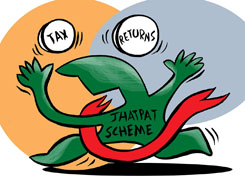
Hello Sir, I got laid off in April and received a severance pay of 10 L out of which 1.74 L was deducted as tax and I received 8.36 L in total. I was unemployed in Apr and May and joined a new job in June with 8 LPA package. I have a 2 part question. 1. Which regime tax option should I choose for this year, old or new for max ITR? 2. I want to invest this 8L and where should I invest in, keeping in mind I want keep 5 L as my wedding fund which can happen in 6-12 months.
Ans: 01. Kindly calculate your tax liability with complete details for the year under reference, under both options. Choose the best one in favour of you.
02. Considering limited details disclosed by you, generally, new tax regime should be more suitable, in your case.
Most welcome for any further clarifications. Thanks.
(more)
02. Considering limited details disclosed by you, generally, new tax regime should be more suitable, in your case.
Most welcome for any further clarifications. Thanks.
T S Khurana |500 Answers |Ask -Follow
Tax Expert - Answered on Jul 25, 2025


Thank you, but this LTCG and STCG is applicable only for now; this may vary at the time of withdrawal (say after 12-15 years). There are possibilities that there may no to Capital Gain Tax or even no income Tax.. so considering Tax aspect is not a material I feel. Thanks for your guidence and valid inputs.
Ans: Yes. You can plan your tax liability at the time when it is applicable.
Most welcome for any further clarifications. Thanks.
(more)
Most welcome for any further clarifications. Thanks.
Samraat Jadhav |2392 Answers |Ask -Follow
Stock Market Expert - Answered on Jul 25, 2025


Hello Jadhav Sir,
Hope your doing well.
Sir i had purchased gnfc stocks 63 shares @797 price & had kept it for long term investment.
on 12 may 2025 it was sold without my consent & bought back the next day leading to 20 k loss for me.
On inquiring the same with groww app support team ,they said it was due technical glitch & nothing can be done with this.
how should i pursue this matter?
Kindly guide.
Ans: first, please write a complaint to their compliance officer, you will find the details on the contract note. If you are not satisfied with their response, then you can approach SEBI through the following link. https://scores.sebi.gov.in/
(more)
Samraat Jadhav |2392 Answers |Ask -Follow
Stock Market Expert - Answered on Jul 24, 2025


Maine 1995 bazar se jvsl ke full paid 500 share kharida tha jo uski aaj kya value hai
Ans: The Merger in 2005 into Jsw Steel decrease the shares to 80 and then stock split of jsw steel in 2017 makes it 800.
ab aap jsw steel ka jo price hain usse multiply kijiye, value aapko pata chal jayegi.
plz note: this calculation is based on information available on public domain. The correct calculation will be done by Kfintech who are the registrar for this issue. I would suggest connecting with them and get the right information.
(more)
ab aap jsw steel ka jo price hain usse multiply kijiye, value aapko pata chal jayegi.
plz note: this calculation is based on information available on public domain. The correct calculation will be done by Kfintech who are the registrar for this issue. I would suggest connecting with them and get the right information.
Ramalingam Kalirajan |9852 Answers |Ask -Follow
Mutual Funds, Financial Planning Expert - Answered on Jul 24, 2025
Asked by Anonymous - May 26, 2025Hindi

I need to get my son admitted into Engineering college. The total tution fees along with hostel fees is 30 Lakhs. The first year fees will be taken care with the money I have right now. My PPF is maturing in Mar 26 and the maturity amount will be 23 lakhs. I have MF whose valuation as on date is 65 lakhs. What do you suggest as to how to take care of Son's education....
Ans: You’ve already built a strong base.
You have the first-year fees covered. You have PPF maturity in 2026. You have Rs 65 lakhs in mutual funds. This is a position of strength.
Now let’s look at your situation with a 360-degree view and create a simple, low-stress education funding plan.
? Know the Payment Timeline for College Education
– Total education cost is Rs 30 lakhs for 4 years.
– First year is already taken care of.
– That leaves Rs 22 to 23 lakhs needed over the next 3 years.
– That will likely be paid in parts—one year at a time.
– So cash flow planning is better than full lump sum withdrawal.
– Avoid selling full amount now just to keep it aside in a bank.
– Instead, match redemptions with yearly requirements.
? Don’t Use Mutual Funds Randomly – Plan Withdrawals Smartly
– You have Rs 65 lakhs worth of mutual funds.
– Don’t rush to redeem it all.
– Instead, identify how much is needed and when.
– Sell only what’s needed each year, not the entire value now.
– Equity mutual funds fluctuate. So redeem 4–6 months before fee due.
– That gives time to handle market volatility.
– You also save on emotional panic.
– Use systematic withdrawal if needed for cash flow.
– Monitor market trends and sell into strength, not weakness.
? Don’t Ignore PPF – It’s a Powerful Resource
– Your PPF is maturing in March 2026.
– Maturity value is Rs 23 lakhs.
– You can plan to use it for 3rd or 4th year fees.
– PPF maturity is tax-free. That’s a big plus.
– Use this amount for the last part of the education goal.
– This reduces the burden on your mutual funds.
– Also, keep the money in PPF until it is fully required.
– Don’t withdraw early unless there’s a big gap.
– Redeem mutual funds first if market conditions are favourable.
? Keep One Year Fee in a Safer Parking Option
– Before each academic year starts, move next year’s fees into a safer fund.
– Use a short-term debt mutual fund or overnight fund.
– These are not volatile and keep your capital safe.
– This will help you avoid sudden shocks at the time of fee payment.
– Redeem equity fund gradually and move it to safety bucket.
– Avoid waiting until the last minute.
– Mutual fund NAVs can drop quickly in market panic.
– Lock in gains ahead of time to ensure stability.
? Don’t Take an Education Loan Unnecessarily
– You have enough personal funds.
– Loans should be last option, not first.
– Interest burden will affect your future goals.
– Paying out of your own wealth is much better.
– Avoid the mindset of using loan for tax benefit.
– Tax benefit is small compared to interest cost.
– Also, repaying loans takes away flexibility.
– You’re in a position to stay loan-free. Keep it that way.
? Maintain Your Other Financial Goals
– Don’t divert all money into education planning.
– You may also have retirement or emergency fund needs.
– Keep Rs 5 to 6 lakhs as emergency fund always.
– Don’t compromise on long-term financial health.
– Split your mutual fund portfolio accordingly.
– Allocate only Rs 22 to 23 lakhs for this goal.
– Keep the rest for other life goals.
– Don’t mix long-term and short-term plans in one place.
? Don’t Use Sector or Thematic Funds for Education
– These funds are risky and unpredictable.
– They are not goal-friendly for short timelines.
– Their performance depends on external triggers.
– Education goals need steady, safe growth.
– Choose hybrid or large-cap oriented active funds for withdrawals.
– Use debt funds or liquid funds for near-term parking.
– Don’t hold gold funds or international funds for this purpose.
– Exit such funds in a phased and timely manner.
? Plan Redemptions Tax-Efficiently
– Mutual fund redemptions have tax impact.
– Equity fund LTCG above Rs 1.25 lakh taxed at 12.5%.
– STCG is taxed at 20%.
– So stagger your withdrawals to reduce tax impact.
– Avoid selling everything in one financial year.
– Plan in such a way that you redeem before March each year.
– Spread the redemption across 3 years.
– This smoothens tax liability and reduces strain.
? Avoid Index Funds and Direct Plans for Such Goals
– Index funds don’t protect downside.
– They just mirror market moves.
– They fall heavily when market crashes.
– No one controls risk in index funds.
– Actively managed funds offer better downside protection.
– They adjust sector weights when needed.
– Your money gets some risk management from the fund manager.
– For important goals like education, control is important.
– Direct plans don’t give you expert guidance.
– At this stage, you need planned redemption, taxation advice, and risk control.
– A CFP offering regular plans gives you goal-linked clarity.
– That support is worth much more than 0.5% saved.
? What You Can Do Now – Simple Action Points
– Identify the exact yearly requirement for your son’s education.
– Tag Rs 22–23 lakhs worth of mutual funds for this goal.
– Review those fund types and categories.
– Exit thematic and volatile funds linked to this allocation.
– Retain large-cap, hybrid or conservative fund types.
– Move Year 2 fees into a short-term debt fund now.
– Plan Year 3 redemptions in early 2025.
– Keep Year 4 for PPF maturity in March 2026.
– Rest of your MF portfolio can stay invested for long-term growth.
– Track your fund performance every 6 months.
– Don’t get affected by short-term news or market noise.
– Use a Certified Financial Planner to re-check portfolio alignment.
? Balance Emotion with Practicality
– Education is a deeply emotional goal.
– But don’t let fear or urgency drive decisions.
– Structured planning gives better outcomes.
– You already have most resources available.
– Just aligning timing, tax, and safety will give you success.
– This is not the time to chase high returns.
– This is the time to protect and use wealth wisely.
– Avoid surprises by preparing early for each year’s need.
– You don’t have to sell more than needed.
– Peace of mind is more valuable than percentage returns.
? Finally
– You’ve done the hard work already.
– You’ve created wealth. You’re ready for your son’s future.
– Now just match withdrawals with goals.
– Keep your mutual fund redemptions phased and tax-smart.
– Use PPF maturity with a clear timeline.
– Avoid loans, panic-selling, or overexposure to risk.
– Stay guided, focused, and balanced.
– A Certified Financial Planner can help map this in detail.
– Education is a noble goal. You’ve built the base. You just need smart execution now.
Best Regards,
K. Ramalingam, MBA, CFP,
Chief Financial Planner,
www.holisticinvestment.in
https://www.youtube.com/@HolisticInvestment
(more)
You have the first-year fees covered. You have PPF maturity in 2026. You have Rs 65 lakhs in mutual funds. This is a position of strength.
Now let’s look at your situation with a 360-degree view and create a simple, low-stress education funding plan.
? Know the Payment Timeline for College Education
– Total education cost is Rs 30 lakhs for 4 years.
– First year is already taken care of.
– That leaves Rs 22 to 23 lakhs needed over the next 3 years.
– That will likely be paid in parts—one year at a time.
– So cash flow planning is better than full lump sum withdrawal.
– Avoid selling full amount now just to keep it aside in a bank.
– Instead, match redemptions with yearly requirements.
? Don’t Use Mutual Funds Randomly – Plan Withdrawals Smartly
– You have Rs 65 lakhs worth of mutual funds.
– Don’t rush to redeem it all.
– Instead, identify how much is needed and when.
– Sell only what’s needed each year, not the entire value now.
– Equity mutual funds fluctuate. So redeem 4–6 months before fee due.
– That gives time to handle market volatility.
– You also save on emotional panic.
– Use systematic withdrawal if needed for cash flow.
– Monitor market trends and sell into strength, not weakness.
? Don’t Ignore PPF – It’s a Powerful Resource
– Your PPF is maturing in March 2026.
– Maturity value is Rs 23 lakhs.
– You can plan to use it for 3rd or 4th year fees.
– PPF maturity is tax-free. That’s a big plus.
– Use this amount for the last part of the education goal.
– This reduces the burden on your mutual funds.
– Also, keep the money in PPF until it is fully required.
– Don’t withdraw early unless there’s a big gap.
– Redeem mutual funds first if market conditions are favourable.
? Keep One Year Fee in a Safer Parking Option
– Before each academic year starts, move next year’s fees into a safer fund.
– Use a short-term debt mutual fund or overnight fund.
– These are not volatile and keep your capital safe.
– This will help you avoid sudden shocks at the time of fee payment.
– Redeem equity fund gradually and move it to safety bucket.
– Avoid waiting until the last minute.
– Mutual fund NAVs can drop quickly in market panic.
– Lock in gains ahead of time to ensure stability.
? Don’t Take an Education Loan Unnecessarily
– You have enough personal funds.
– Loans should be last option, not first.
– Interest burden will affect your future goals.
– Paying out of your own wealth is much better.
– Avoid the mindset of using loan for tax benefit.
– Tax benefit is small compared to interest cost.
– Also, repaying loans takes away flexibility.
– You’re in a position to stay loan-free. Keep it that way.
? Maintain Your Other Financial Goals
– Don’t divert all money into education planning.
– You may also have retirement or emergency fund needs.
– Keep Rs 5 to 6 lakhs as emergency fund always.
– Don’t compromise on long-term financial health.
– Split your mutual fund portfolio accordingly.
– Allocate only Rs 22 to 23 lakhs for this goal.
– Keep the rest for other life goals.
– Don’t mix long-term and short-term plans in one place.
? Don’t Use Sector or Thematic Funds for Education
– These funds are risky and unpredictable.
– They are not goal-friendly for short timelines.
– Their performance depends on external triggers.
– Education goals need steady, safe growth.
– Choose hybrid or large-cap oriented active funds for withdrawals.
– Use debt funds or liquid funds for near-term parking.
– Don’t hold gold funds or international funds for this purpose.
– Exit such funds in a phased and timely manner.
? Plan Redemptions Tax-Efficiently
– Mutual fund redemptions have tax impact.
– Equity fund LTCG above Rs 1.25 lakh taxed at 12.5%.
– STCG is taxed at 20%.
– So stagger your withdrawals to reduce tax impact.
– Avoid selling everything in one financial year.
– Plan in such a way that you redeem before March each year.
– Spread the redemption across 3 years.
– This smoothens tax liability and reduces strain.
? Avoid Index Funds and Direct Plans for Such Goals
– Index funds don’t protect downside.
– They just mirror market moves.
– They fall heavily when market crashes.
– No one controls risk in index funds.
– Actively managed funds offer better downside protection.
– They adjust sector weights when needed.
– Your money gets some risk management from the fund manager.
– For important goals like education, control is important.
– Direct plans don’t give you expert guidance.
– At this stage, you need planned redemption, taxation advice, and risk control.
– A CFP offering regular plans gives you goal-linked clarity.
– That support is worth much more than 0.5% saved.
? What You Can Do Now – Simple Action Points
– Identify the exact yearly requirement for your son’s education.
– Tag Rs 22–23 lakhs worth of mutual funds for this goal.
– Review those fund types and categories.
– Exit thematic and volatile funds linked to this allocation.
– Retain large-cap, hybrid or conservative fund types.
– Move Year 2 fees into a short-term debt fund now.
– Plan Year 3 redemptions in early 2025.
– Keep Year 4 for PPF maturity in March 2026.
– Rest of your MF portfolio can stay invested for long-term growth.
– Track your fund performance every 6 months.
– Don’t get affected by short-term news or market noise.
– Use a Certified Financial Planner to re-check portfolio alignment.
? Balance Emotion with Practicality
– Education is a deeply emotional goal.
– But don’t let fear or urgency drive decisions.
– Structured planning gives better outcomes.
– You already have most resources available.
– Just aligning timing, tax, and safety will give you success.
– This is not the time to chase high returns.
– This is the time to protect and use wealth wisely.
– Avoid surprises by preparing early for each year’s need.
– You don’t have to sell more than needed.
– Peace of mind is more valuable than percentage returns.
? Finally
– You’ve done the hard work already.
– You’ve created wealth. You’re ready for your son’s future.
– Now just match withdrawals with goals.
– Keep your mutual fund redemptions phased and tax-smart.
– Use PPF maturity with a clear timeline.
– Avoid loans, panic-selling, or overexposure to risk.
– Stay guided, focused, and balanced.
– A Certified Financial Planner can help map this in detail.
– Education is a noble goal. You’ve built the base. You just need smart execution now.
Best Regards,
K. Ramalingam, MBA, CFP,
Chief Financial Planner,
www.holisticinvestment.in
https://www.youtube.com/@HolisticInvestment
Ramalingam Kalirajan |9852 Answers |Ask -Follow
Mutual Funds, Financial Planning Expert - Answered on Jul 24, 2025


Hi Sir. Hope you are doing well and thanks for the earlier great replies. My issue now is the fact that since i had more then 13 Mutual funds and all of them under Regular scheme and all this time, not a single fund manager called me nor guided me so i thought it foolish to pay for a service that i didn't get. Now i have cancelled all the SIPs but not withdrawn. So i have already invested in
1) Nippon India Gold Savings Fund -Direct- Rs 5000
2) HDFC Manufacturing Fund - Direct - Rs 5000.
I am shying away from both Mid caps and Small caps as in most of the news it mentions that they are very much overvalued. Since i am planning to invest in another house, i might need this money and i dont want a major shock at the time of redemption.
Now that you know my background, my question is- 1) can you suggest me some Mutual funds that are balanced both in terms of safety and growth? and 2) How many active mutual funds that one should ideally have? Is 13 a little too much. Large caps dont seem to give good returns in my view. Kindly share your thoughts.
Ans: You’ve already taken some wise steps.
You’ve invested. You’ve questioned the value received. You’ve paused, not withdrawn. That’s mature thinking.
Let’s build a 360-degree response, based on your needs and plans ahead.
? Regular Plan vs Direct Plan – Your Experience Matters
– You had over 13 mutual funds under regular plans.
– You didn’t get any guidance from those associated with the fund houses.
– That’s a genuine disappointment and very valid concern.
– But this is not a problem with regular plans themselves.
– The issue lies in choosing the wrong distributor or agent.
– Regular plans offer one big benefit: personalised advisory.
– But only if it comes from a Certified Financial Planner with accountability.
– If the CFP is involved, they guide you, monitor your portfolio, and advise proactively.
– Direct funds remove the support system.
– They expect you to do research, reviews, and rebalancing yourself.
– This is risky unless you’re experienced and emotionally detached from markets.
– So don’t judge regular plans as bad.
– Choose the right person behind the plan instead.
– A MFD with CFP certification gives goal-based strategies, not product pushing.
? Why 13 Mutual Funds is Excess
– Investing in too many funds leads to portfolio overlap.
– You may have five funds holding the same stocks.
– That kills the purpose of diversification.
– It adds confusion and dilutes tracking.
– Also, too many funds don’t always mean better returns.
– In fact, performance gets harder to monitor.
– Ideally, 5 to 7 funds are enough for most goals.
– Fund count depends on goals, not market fear or FOMO.
– Less funds with proper allocation perform better than a scattered portfolio.
? Fear of Mid and Small Caps – Your Caution is Logical
– News mentions overvaluation in mid and small caps.
– It’s partially true, especially in short-term perspective.
– These funds give higher growth, but come with sharper falls.
– Since you’re planning to buy a house, you need safer growth.
– You cannot afford capital loss when you need liquidity.
– So you’re right in avoiding these for now.
– Your awareness shows maturity. That’s a strength.
? Current Funds in Direct Plan – Key Observations
– You mentioned investing in Gold Savings and Manufacturing funds.
– Both are sector-focused or thematic in nature.
– Gold fund tracks international gold prices indirectly.
– Manufacturing fund is theme-based and comes with high sector risk.
– These are not ideal for short-term or house-linked goals.
– These should not be your core portfolio.
– You should avoid thematic or sector funds unless you have other base funds.
– Since real estate purchase is likely, shift your focus to hybrid funds now.
– These offer balance between growth and safety.
– Also, they handle short-term volatility better.
? Balanced Fund Category – Ideal for Your Current Need
– You need a mix of growth and capital safety.
– Hybrid funds (also called balanced funds) offer this mix.
– They combine equity and debt in one product.
– There are types of hybrid funds: conservative, balanced, aggressive.
– Choose based on your time frame and risk comfort.
– A certified planner can help fine-tune this selection.
– These funds adjust exposure based on market mood.
– They help protect you from big shocks at redemption.
– They also reduce emotional panic during market noise.
– For home-related goals, hybrid is a sensible category to start.
? Large Caps – Don’t Judge Them on Recent Performance
– Many feel large caps are underperforming.
– But their role is different from mid or small caps.
– They bring stability, not excitement.
– In market correction, large caps fall less.
– That’s why they remain core part of any smart portfolio.
– Don’t remove them completely. Use them with right expectation.
– If you chase returns only, you’ll move portfolio every year.
– That hurts wealth creation.
– Stick with proven active large cap funds chosen via proper research.
– A fund’s past one-year return is not the right way to judge.
? Keep Your Investment House-Goal Ready
– You said you might need funds for buying another house.
– So you must avoid funds with high equity exposure now.
– Any money needed within 3 years should not go into pure equity.
– Use conservative hybrid funds or short-term debt funds instead.
– These give low-to-moderate growth with limited volatility.
– That helps you when you redeem the funds later.
– You won’t get any major shocks.
– Capital safety becomes more important than chasing returns.
– Once house purchase is done, you can take higher equity exposure again.
? Mutual Fund Portfolio Structure – Keep It Clean
Equity allocation: Choose 2 or 3 diversified active equity funds.
Hybrid allocation: Choose 1 or 2 based on time frame.
Debt allocation: If goal is near, add 1 short-term or dynamic debt fund.
Avoid sector funds, international funds, NFOs, and FOMO-driven launches.
No need to hold more than 5–7 mutual funds.
Keep one fund per category. Don’t duplicate.
Stick to regular plans only via a committed CFP.
Review every 6 months. Don’t overreact to news or media noise.
? Avoid Direct Plans – Especially When Goals Are Emotional
– Direct plans offer low expense ratio. But there is no support.
– It suits those who study markets, monitor funds, and know asset allocation.
– But most investors don’t have that time or bandwidth.
– When goals like buying a house or child education come, panic starts.
– Direct plans offer no guidance at that stage.
– A CFP helps you with exit planning, taxation, rebalancing, and goal alignment.
– Paying a little extra gives clarity, confidence, and peace of mind.
– With regular plans via CFP, you gain professional handholding.
– That is more valuable than 0.5% savings in expense ratio.
? Final Insights
– You’ve done more right things than you give yourself credit for.
– You paused SIPs. You questioned your old strategy. You stayed invested.
– That itself shows you are thinking wisely now.
– Rebuild your portfolio with 5–7 active funds only.
– Avoid direct plans. Choose regular route with a Certified Financial Planner.
– Exit from sector or thematic funds slowly, if they don’t match your goals.
– Shift towards balanced hybrid or short-term debt options for near-term goals.
– Don’t chase return percentages. Chase risk control and goal alignment.
– You will create wealth by staying invested, reviewing smartly, and getting expert support.
– Avoid being your own advisor in complex times.
– Take help. Grow steady. Stay confident.
Best Regards,
K. Ramalingam, MBA, CFP,
Chief Financial Planner,
www.holisticinvestment.in
https://www.youtube.com/@HolisticInvestment
(more)
You’ve invested. You’ve questioned the value received. You’ve paused, not withdrawn. That’s mature thinking.
Let’s build a 360-degree response, based on your needs and plans ahead.
? Regular Plan vs Direct Plan – Your Experience Matters
– You had over 13 mutual funds under regular plans.
– You didn’t get any guidance from those associated with the fund houses.
– That’s a genuine disappointment and very valid concern.
– But this is not a problem with regular plans themselves.
– The issue lies in choosing the wrong distributor or agent.
– Regular plans offer one big benefit: personalised advisory.
– But only if it comes from a Certified Financial Planner with accountability.
– If the CFP is involved, they guide you, monitor your portfolio, and advise proactively.
– Direct funds remove the support system.
– They expect you to do research, reviews, and rebalancing yourself.
– This is risky unless you’re experienced and emotionally detached from markets.
– So don’t judge regular plans as bad.
– Choose the right person behind the plan instead.
– A MFD with CFP certification gives goal-based strategies, not product pushing.
? Why 13 Mutual Funds is Excess
– Investing in too many funds leads to portfolio overlap.
– You may have five funds holding the same stocks.
– That kills the purpose of diversification.
– It adds confusion and dilutes tracking.
– Also, too many funds don’t always mean better returns.
– In fact, performance gets harder to monitor.
– Ideally, 5 to 7 funds are enough for most goals.
– Fund count depends on goals, not market fear or FOMO.
– Less funds with proper allocation perform better than a scattered portfolio.
? Fear of Mid and Small Caps – Your Caution is Logical
– News mentions overvaluation in mid and small caps.
– It’s partially true, especially in short-term perspective.
– These funds give higher growth, but come with sharper falls.
– Since you’re planning to buy a house, you need safer growth.
– You cannot afford capital loss when you need liquidity.
– So you’re right in avoiding these for now.
– Your awareness shows maturity. That’s a strength.
? Current Funds in Direct Plan – Key Observations
– You mentioned investing in Gold Savings and Manufacturing funds.
– Both are sector-focused or thematic in nature.
– Gold fund tracks international gold prices indirectly.
– Manufacturing fund is theme-based and comes with high sector risk.
– These are not ideal for short-term or house-linked goals.
– These should not be your core portfolio.
– You should avoid thematic or sector funds unless you have other base funds.
– Since real estate purchase is likely, shift your focus to hybrid funds now.
– These offer balance between growth and safety.
– Also, they handle short-term volatility better.
? Balanced Fund Category – Ideal for Your Current Need
– You need a mix of growth and capital safety.
– Hybrid funds (also called balanced funds) offer this mix.
– They combine equity and debt in one product.
– There are types of hybrid funds: conservative, balanced, aggressive.
– Choose based on your time frame and risk comfort.
– A certified planner can help fine-tune this selection.
– These funds adjust exposure based on market mood.
– They help protect you from big shocks at redemption.
– They also reduce emotional panic during market noise.
– For home-related goals, hybrid is a sensible category to start.
? Large Caps – Don’t Judge Them on Recent Performance
– Many feel large caps are underperforming.
– But their role is different from mid or small caps.
– They bring stability, not excitement.
– In market correction, large caps fall less.
– That’s why they remain core part of any smart portfolio.
– Don’t remove them completely. Use them with right expectation.
– If you chase returns only, you’ll move portfolio every year.
– That hurts wealth creation.
– Stick with proven active large cap funds chosen via proper research.
– A fund’s past one-year return is not the right way to judge.
? Keep Your Investment House-Goal Ready
– You said you might need funds for buying another house.
– So you must avoid funds with high equity exposure now.
– Any money needed within 3 years should not go into pure equity.
– Use conservative hybrid funds or short-term debt funds instead.
– These give low-to-moderate growth with limited volatility.
– That helps you when you redeem the funds later.
– You won’t get any major shocks.
– Capital safety becomes more important than chasing returns.
– Once house purchase is done, you can take higher equity exposure again.
? Mutual Fund Portfolio Structure – Keep It Clean
Equity allocation: Choose 2 or 3 diversified active equity funds.
Hybrid allocation: Choose 1 or 2 based on time frame.
Debt allocation: If goal is near, add 1 short-term or dynamic debt fund.
Avoid sector funds, international funds, NFOs, and FOMO-driven launches.
No need to hold more than 5–7 mutual funds.
Keep one fund per category. Don’t duplicate.
Stick to regular plans only via a committed CFP.
Review every 6 months. Don’t overreact to news or media noise.
? Avoid Direct Plans – Especially When Goals Are Emotional
– Direct plans offer low expense ratio. But there is no support.
– It suits those who study markets, monitor funds, and know asset allocation.
– But most investors don’t have that time or bandwidth.
– When goals like buying a house or child education come, panic starts.
– Direct plans offer no guidance at that stage.
– A CFP helps you with exit planning, taxation, rebalancing, and goal alignment.
– Paying a little extra gives clarity, confidence, and peace of mind.
– With regular plans via CFP, you gain professional handholding.
– That is more valuable than 0.5% savings in expense ratio.
? Final Insights
– You’ve done more right things than you give yourself credit for.
– You paused SIPs. You questioned your old strategy. You stayed invested.
– That itself shows you are thinking wisely now.
– Rebuild your portfolio with 5–7 active funds only.
– Avoid direct plans. Choose regular route with a Certified Financial Planner.
– Exit from sector or thematic funds slowly, if they don’t match your goals.
– Shift towards balanced hybrid or short-term debt options for near-term goals.
– Don’t chase return percentages. Chase risk control and goal alignment.
– You will create wealth by staying invested, reviewing smartly, and getting expert support.
– Avoid being your own advisor in complex times.
– Take help. Grow steady. Stay confident.
Best Regards,
K. Ramalingam, MBA, CFP,
Chief Financial Planner,
www.holisticinvestment.in
https://www.youtube.com/@HolisticInvestment
Ramalingam Kalirajan |9852 Answers |Ask -Follow
Mutual Funds, Financial Planning Expert - Answered on Jul 24, 2025
Asked by Anonymous - Jul 24, 2025Hindi

I'm a 35-year-old single mom with two kids and a monthly income of 1.2L. I bought a 2BHK five years ago on loan (24L still unpaid) thinking it was a smart investment, but I now live on rent closer to my kids' school. The flat is lying vacant, maintenance and EMIs eat up 28K monthly. I don't have any SIPs, insurance, or emergency fund. I have only EPF from my last job (3.5L). Should I sell the flat at a loss and restart my financial life? Please help
Ans: You’ve built a life for your kids. That’s inspiring.
Buying a house seemed right at that time. But priorities change. Kids and stability matter more now.
Your question is bold and brave. Let's create a complete action plan, covering all sides.
? Income and Financial Situation
– You earn Rs 1.2 lakh per month. That’s a strong base.
– You are a single mother. So financial discipline is even more important.
– Your home loan EMI and flat maintenance are Rs 28,000 monthly.
– You also pay rent for another house. That’s double housing cost.
– No SIPs, no insurance, and no emergency fund adds pressure.
– You have Rs 3.5 lakh in EPF. It’s not liquid, but helpful.
– You’re emotionally and financially stuck between two homes.
? Understand the Financial Drain
– The flat is lying vacant. So no rent income is coming from it.
– But maintenance and EMI continue every month.
– This is dead weight in your monthly cash flow.
– That Rs 28,000 is about 23% of your income.
– Plus, rent from your current home takes more money.
– You are losing both money and mental peace.
– You are not wrong. But now it’s time to act smart.
? Home is Not Always a Good Investment
– Many people assume a house is an “asset”.
– But if it doesn’t give income or use, it’s a liability.
– Appreciation in price is never guaranteed.
– You still owe Rs 24 lakh loan on it.
– And there is no tenant, no resale clarity, no usage.
– So the flat is not helping you build wealth or cash flow.
– This is not your fault. It’s a common mistake.
? Should You Sell the Flat?
– If you continue holding, you will bleed money monthly.
– You will delay SIPs, emergency fund, and insurance.
– You are always short of breath in your budget.
– If you sell now, even at a small loss, the burden ends.
– Your mind and money become free.
– Loss hurts now. But you’ll recover faster.
– In a few years, you’ll thank yourself for this reset.
– Sell it. Pay off the home loan fully.
? Use the Sale Wisely
– From the sale proceeds, clear the entire home loan.
– If anything remains, keep Rs 1.5–2 lakh as emergency fund.
– This is your lifeboat for future shocks.
– Don’t rush into new real estate or other risky investments.
– Protect this money like oxygen.
– Put it in a separate bank account.
– Let it stay there until you plan your investments properly.
– You can’t grow wealth without safety first.
? Don’t Fall for “It’s a Loss” Emotion
– Selling at a small loss is not failure.
– Every month you hold is a bigger invisible loss.
– Loan interest, flat maintenance, and missed investments cost you more.
– You are losing time, money, and peace monthly.
– The earlier you exit, the cleaner the slate.
– Let go with purpose, not guilt.
– This is financial self-respect.
– It’s not giving up. It’s moving forward.
? Get Basic Insurance First
– Start with term life insurance. Cover at least Rs 50 lakh to Rs 1 crore.
– You are the only earner. So this is must-have.
– Premium is low if taken early and directly.
– No need to buy investment-linked plans.
– Avoid ULIPs or endowment policies.
– Choose pure term insurance with claim settlement ratio above 95%.
– Also get family floater health insurance.
– Medical expenses can destroy years of savings.
? Start Emergency Fund Immediately
– After selling the flat, build Rs 1.5–2 lakh liquid fund.
– Keep it in a separate savings account.
– Don’t invest it. Don’t touch it for shopping.
– This is your financial safety button.
– You need 4–6 months of expenses in hand.
– EPF is not an emergency fund.
– Liquid cash gives confidence and reduces anxiety.
– It helps avoid loans and credit card usage in crisis.
? Begin SIPs Gradually
– Once flat is sold, you’ll have monthly EMI savings.
– Use that freed-up money for SIPs in mutual funds.
– Don’t go for direct funds.
– Direct funds need self-analysis, which takes time and expertise.
– Better to go through MFD backed by a Certified Financial Planner.
– They guide based on your goals, not market hype.
– Regular plans through CFPs offer tailored planning and personal attention.
– Performance difference is worth the fee.
? Avoid Index Funds for Now
– Index funds are passive. They follow the market, but give no flexibility.
– In volatile times, active funds protect downside better.
– You need risk-managed growth, not just tracking.
– Actively managed funds are researched by professionals.
– With CFP support, you get the right mix of equity and debt.
– Index funds don’t offer this personalised strategy.
– Avoid them until your goals are solid and risk is low.
? Don’t Buy Real Estate Again for Investment
– You saw it yourself—it’s not liquid.
– It blocks money and creates stress when unsold or vacant.
– Maintenance, taxes, and EMI make it expensive.
– Investment should give flexibility, growth, and liquidity.
– Mutual funds and bonds are better for wealth building.
– Never mix investment with emotion or family pressure.
– Don’t fall for “real estate is always good” myth.
– Keep your money mobile and free.
? Take Small Steps to Stabilise
– First, fix your cash flow.
– Sell the house. Pay off debt.
– Start insurance. Build emergency fund.
– Then start SIPs with just Rs 5,000 monthly.
– Even small investments grow when done regularly.
– Don’t compare with others. Run your race.
– Every step will reduce pressure on your mind.
– You will sleep better and plan better.
? Get Professional Guidance
– A Certified Financial Planner will guide goal-wise.
– They help you avoid product traps and wrong decisions.
– They give a personalised investment mix.
– They also help balance risk, insurance, tax, and retirement.
– Don’t rely only on app suggestions or blogs.
– Your situation needs hand-holding and accountability.
– With a CFP, you can focus on parenting, not portfolio alone.
– Peace of mind is the real return.
? Finally
– You are strong. You’re holding two lives together.
– Selling the flat is not weakness. It’s smart clarity.
– It opens room for savings, insurance, and future goals.
– Let go of losses now to build gains later.
– Start fresh with safety and small steps.
– You are not late. You are just about to restart.
– And this time, it will be on your terms.
Best Regards,
K. Ramalingam, MBA, CFP,
Chief Financial Planner,
www.holisticinvestment.in
https://www.youtube.com/@HolisticInvestment
(more)
Buying a house seemed right at that time. But priorities change. Kids and stability matter more now.
Your question is bold and brave. Let's create a complete action plan, covering all sides.
? Income and Financial Situation
– You earn Rs 1.2 lakh per month. That’s a strong base.
– You are a single mother. So financial discipline is even more important.
– Your home loan EMI and flat maintenance are Rs 28,000 monthly.
– You also pay rent for another house. That’s double housing cost.
– No SIPs, no insurance, and no emergency fund adds pressure.
– You have Rs 3.5 lakh in EPF. It’s not liquid, but helpful.
– You’re emotionally and financially stuck between two homes.
? Understand the Financial Drain
– The flat is lying vacant. So no rent income is coming from it.
– But maintenance and EMI continue every month.
– This is dead weight in your monthly cash flow.
– That Rs 28,000 is about 23% of your income.
– Plus, rent from your current home takes more money.
– You are losing both money and mental peace.
– You are not wrong. But now it’s time to act smart.
? Home is Not Always a Good Investment
– Many people assume a house is an “asset”.
– But if it doesn’t give income or use, it’s a liability.
– Appreciation in price is never guaranteed.
– You still owe Rs 24 lakh loan on it.
– And there is no tenant, no resale clarity, no usage.
– So the flat is not helping you build wealth or cash flow.
– This is not your fault. It’s a common mistake.
? Should You Sell the Flat?
– If you continue holding, you will bleed money monthly.
– You will delay SIPs, emergency fund, and insurance.
– You are always short of breath in your budget.
– If you sell now, even at a small loss, the burden ends.
– Your mind and money become free.
– Loss hurts now. But you’ll recover faster.
– In a few years, you’ll thank yourself for this reset.
– Sell it. Pay off the home loan fully.
? Use the Sale Wisely
– From the sale proceeds, clear the entire home loan.
– If anything remains, keep Rs 1.5–2 lakh as emergency fund.
– This is your lifeboat for future shocks.
– Don’t rush into new real estate or other risky investments.
– Protect this money like oxygen.
– Put it in a separate bank account.
– Let it stay there until you plan your investments properly.
– You can’t grow wealth without safety first.
? Don’t Fall for “It’s a Loss” Emotion
– Selling at a small loss is not failure.
– Every month you hold is a bigger invisible loss.
– Loan interest, flat maintenance, and missed investments cost you more.
– You are losing time, money, and peace monthly.
– The earlier you exit, the cleaner the slate.
– Let go with purpose, not guilt.
– This is financial self-respect.
– It’s not giving up. It’s moving forward.
? Get Basic Insurance First
– Start with term life insurance. Cover at least Rs 50 lakh to Rs 1 crore.
– You are the only earner. So this is must-have.
– Premium is low if taken early and directly.
– No need to buy investment-linked plans.
– Avoid ULIPs or endowment policies.
– Choose pure term insurance with claim settlement ratio above 95%.
– Also get family floater health insurance.
– Medical expenses can destroy years of savings.
? Start Emergency Fund Immediately
– After selling the flat, build Rs 1.5–2 lakh liquid fund.
– Keep it in a separate savings account.
– Don’t invest it. Don’t touch it for shopping.
– This is your financial safety button.
– You need 4–6 months of expenses in hand.
– EPF is not an emergency fund.
– Liquid cash gives confidence and reduces anxiety.
– It helps avoid loans and credit card usage in crisis.
? Begin SIPs Gradually
– Once flat is sold, you’ll have monthly EMI savings.
– Use that freed-up money for SIPs in mutual funds.
– Don’t go for direct funds.
– Direct funds need self-analysis, which takes time and expertise.
– Better to go through MFD backed by a Certified Financial Planner.
– They guide based on your goals, not market hype.
– Regular plans through CFPs offer tailored planning and personal attention.
– Performance difference is worth the fee.
? Avoid Index Funds for Now
– Index funds are passive. They follow the market, but give no flexibility.
– In volatile times, active funds protect downside better.
– You need risk-managed growth, not just tracking.
– Actively managed funds are researched by professionals.
– With CFP support, you get the right mix of equity and debt.
– Index funds don’t offer this personalised strategy.
– Avoid them until your goals are solid and risk is low.
? Don’t Buy Real Estate Again for Investment
– You saw it yourself—it’s not liquid.
– It blocks money and creates stress when unsold or vacant.
– Maintenance, taxes, and EMI make it expensive.
– Investment should give flexibility, growth, and liquidity.
– Mutual funds and bonds are better for wealth building.
– Never mix investment with emotion or family pressure.
– Don’t fall for “real estate is always good” myth.
– Keep your money mobile and free.
? Take Small Steps to Stabilise
– First, fix your cash flow.
– Sell the house. Pay off debt.
– Start insurance. Build emergency fund.
– Then start SIPs with just Rs 5,000 monthly.
– Even small investments grow when done regularly.
– Don’t compare with others. Run your race.
– Every step will reduce pressure on your mind.
– You will sleep better and plan better.
? Get Professional Guidance
– A Certified Financial Planner will guide goal-wise.
– They help you avoid product traps and wrong decisions.
– They give a personalised investment mix.
– They also help balance risk, insurance, tax, and retirement.
– Don’t rely only on app suggestions or blogs.
– Your situation needs hand-holding and accountability.
– With a CFP, you can focus on parenting, not portfolio alone.
– Peace of mind is the real return.
? Finally
– You are strong. You’re holding two lives together.
– Selling the flat is not weakness. It’s smart clarity.
– It opens room for savings, insurance, and future goals.
– Let go of losses now to build gains later.
– Start fresh with safety and small steps.
– You are not late. You are just about to restart.
– And this time, it will be on your terms.
Best Regards,
K. Ramalingam, MBA, CFP,
Chief Financial Planner,
www.holisticinvestment.in
https://www.youtube.com/@HolisticInvestment
Ramalingam Kalirajan |9852 Answers |Ask -Follow
Mutual Funds, Financial Planning Expert - Answered on Jul 24, 2025
Asked by Anonymous - Jul 24, 2025Hindi

Hi, I'm 38, married, and work in a private firm in Bengaluru. My take-home salary is around 1.5 lakhs, but after paying EMIs on two personal loans and one credit card, I barely have anything left for monthly expenses. I have exhausted my emergency fund, I have no SIPs or investments, and feel like I'm drowning. Every month I fall short by Rs 30,000 so I have started borrowing from friends and family. I know I've messed up. I am looking for a new job too. Can someone please help me fix this before it's too late?
Ans: Thank you for opening up. You’ve taken the first brave step—asking for help.
This shows you are ready to take control. That’s powerful.
Let us now build your way back—step by step.
Here’s a full 360-degree plan to bring financial stability and peace into your life.
? Understanding Your Income and Current Crisis
– Your take-home salary is Rs 1.5 lakh per month.
– After EMI payments, you are left with almost nothing.
– You have no savings or SIPs now.
– You’re short by Rs 30,000 every month.
– You're borrowing from friends and family to manage this gap.
– This is not sustainable. You know this already.
– You feel overwhelmed. But this is fixable with action.
– Let’s work together to stop the leak and rebuild slowly.
? Identify the Root of the Problem
– Two personal loans and one credit card are eating your income.
– The EMIs are too high for your current income.
– There is no room left for expenses or savings.
– Borrowing to cover basics is pushing you into deeper stress.
– First, you need to reduce monthly outflow.
– Second, you must stop new borrowing immediately.
– Third, focus only on survival and recovery right now.
– Not investment, not returns—just stability first.
? First Step: List All Your Loans and EMIs
– Write down each loan and credit card separately.
– Note the outstanding balance, interest rate, and monthly EMI.
– Also write how many months are left to repay.
– This gives clarity on what is causing the biggest drain.
– Don’t keep it in your head. Put it on paper.
– You cannot fix what you cannot measure.
– Once written, we can plan a way to restructure.
? Negotiate and Consolidate the Loans
– Contact your bank or lender. Ask to restructure the personal loans.
– Request for lower EMI with longer repayment period.
– This will reduce monthly pressure.
– Ask if they can consolidate both loans into one.
– This makes it easier to manage and track.
– If you have a good repayment record, they may agree.
– Some banks offer “loan against salary” with lower interest.
– Avoid using credit cards to pay other loans. That adds burden.
? Tackle the Credit Card First
– Credit card interest is the highest. Around 36–42% yearly.
– This is a silent killer of your money.
– Try to pay off the full amount urgently.
– If that is not possible, take a small personal loan and close it.
– A loan with 12–14% interest is better than card interest.
– Stop using the card completely for now.
– Freeze it, hide it, or delete it from apps.
– You can use it again only after financial recovery.
? Cut Down All Non-Essential Expenses
– Go through your monthly expenses line by line.
– Remove anything that is not absolutely needed.
– Cancel subscriptions, online shopping, food delivery, etc.
– Use public transport or carpool if possible.
– Inform family about your financial reset plan.
– Say “No” to social spending without guilt.
– This is temporary, but crucial for your bounce-back.
– Every Rs 500 saved gives you some breathing room.
? Emergency Fund is Gone – That’s Okay
– You said your emergency fund is already used.
– That’s exactly what it is for. So don’t feel bad.
– Once we reduce EMIs and stop borrowing, we will rebuild it.
– First goal is just to survive without taking new loans.
– Then create Rs 20,000–30,000 as new emergency buffer.
– Even Rs 5,000 per month is enough to start.
– This is your safety net when life surprises you.
? Job Change Can Help, But Not the Only Way
– You are looking for a new job. That’s good.
– A salary hike will help ease the pressure.
– But don't wait only for new job to take action.
– Job search takes time and is not always predictable.
– Start cost cutting and loan restructuring immediately.
– Once new job comes, use extra income to pay debts faster.
– Not for upgrading lifestyle again. At least not now.
? Family Support: Use It Wisely
– You are borrowing Rs 30,000 monthly from friends or family.
– This cannot go on forever. It strains relationships.
– Instead, ask for a one-time support amount.
– Use that to pay off high-interest debt (credit card, small loan).
– Promise them you won’t borrow again.
– This gives them confidence. It gives you dignity.
– Don’t ask again next month unless it's emergency.
– Honor even informal loans seriously. Trust matters.
? Avoid Emotional Purchases and Financial Guilt
– It’s easy to feel guilt for not providing luxuries to family.
– But this phase needs practical living, not perfection.
– Your self-worth is not your income or loan status.
– Kids need your time, not toys.
– Spouse needs your love, not costly gifts.
– Focus on survival now. Dreams can wait for 12 months.
– Debt freedom is the biggest gift you can give them.
? No Investments or SIPs Yet – That’s Okay
– Don’t start SIPs now. Not even small ones.
– Your focus is to reduce EMI and avoid new borrowing.
– SIPs can come later once budget is balanced.
– Starting investment without emergency fund is risky.
– Build base first, then add investments layer later.
– Don't follow social media advice blindly.
– First fix leaks. Then fill the tank.
? Use a Certified Financial Planner (CFP)
– Not a bank agent or random YouTube advice.
– A CFP will give you step-by-step, personal plan.
– They work with your exact numbers and give real options.
– Avoid direct funds or online-only apps now.
– You need human advice, not just technology.
– Regular funds with CFP-backed MFDs help with handholding.
– You don’t need fancy returns now. You need guidance.
? Psychological Reset is Important
– You said “I’ve messed up.” That’s not fully true.
– You are still earning Rs 1.5 lakh. That’s a strength.
– You are aware of the problem. That’s maturity.
– You are taking help. That’s responsibility.
– Mistakes are not failures. They are signals for course correction.
– What you do now will shape next 10 years.
– Stay calm. Stay honest. Stay consistent.
? Long-Term Actions After Recovery
– Once loans are under control, save 3 months expenses.
– After that, start SIPs for long-term goals.
– Begin with a balanced fund via CFP.
– Build retirement corpus slowly.
– Use insurance for risk protection, not for investment.
– Don’t buy ULIPs or endowment plans.
– Don’t chase high-return apps or crypto.
– Keep your money plan simple and stress-free.
? Finally
– You are not drowning. You are realising and acting.
– Cut expenses. Restructure loans. Pay off credit card.
– Avoid new loans and new EMIs.
– Pause SIPs and luxuries temporarily.
– Create 2–3 small wins each month.
– Keep written budget. Track every rupee.
– Get help from Certified Financial Planner for steady direction.
– Future is still yours to shape.
Best Regards,
K. Ramalingam, MBA, CFP,
Chief Financial Planner,
www.holisticinvestment.in
https://www.youtube.com/@HolisticInvestment
(more)
This shows you are ready to take control. That’s powerful.
Let us now build your way back—step by step.
Here’s a full 360-degree plan to bring financial stability and peace into your life.
? Understanding Your Income and Current Crisis
– Your take-home salary is Rs 1.5 lakh per month.
– After EMI payments, you are left with almost nothing.
– You have no savings or SIPs now.
– You’re short by Rs 30,000 every month.
– You're borrowing from friends and family to manage this gap.
– This is not sustainable. You know this already.
– You feel overwhelmed. But this is fixable with action.
– Let’s work together to stop the leak and rebuild slowly.
? Identify the Root of the Problem
– Two personal loans and one credit card are eating your income.
– The EMIs are too high for your current income.
– There is no room left for expenses or savings.
– Borrowing to cover basics is pushing you into deeper stress.
– First, you need to reduce monthly outflow.
– Second, you must stop new borrowing immediately.
– Third, focus only on survival and recovery right now.
– Not investment, not returns—just stability first.
? First Step: List All Your Loans and EMIs
– Write down each loan and credit card separately.
– Note the outstanding balance, interest rate, and monthly EMI.
– Also write how many months are left to repay.
– This gives clarity on what is causing the biggest drain.
– Don’t keep it in your head. Put it on paper.
– You cannot fix what you cannot measure.
– Once written, we can plan a way to restructure.
? Negotiate and Consolidate the Loans
– Contact your bank or lender. Ask to restructure the personal loans.
– Request for lower EMI with longer repayment period.
– This will reduce monthly pressure.
– Ask if they can consolidate both loans into one.
– This makes it easier to manage and track.
– If you have a good repayment record, they may agree.
– Some banks offer “loan against salary” with lower interest.
– Avoid using credit cards to pay other loans. That adds burden.
? Tackle the Credit Card First
– Credit card interest is the highest. Around 36–42% yearly.
– This is a silent killer of your money.
– Try to pay off the full amount urgently.
– If that is not possible, take a small personal loan and close it.
– A loan with 12–14% interest is better than card interest.
– Stop using the card completely for now.
– Freeze it, hide it, or delete it from apps.
– You can use it again only after financial recovery.
? Cut Down All Non-Essential Expenses
– Go through your monthly expenses line by line.
– Remove anything that is not absolutely needed.
– Cancel subscriptions, online shopping, food delivery, etc.
– Use public transport or carpool if possible.
– Inform family about your financial reset plan.
– Say “No” to social spending without guilt.
– This is temporary, but crucial for your bounce-back.
– Every Rs 500 saved gives you some breathing room.
? Emergency Fund is Gone – That’s Okay
– You said your emergency fund is already used.
– That’s exactly what it is for. So don’t feel bad.
– Once we reduce EMIs and stop borrowing, we will rebuild it.
– First goal is just to survive without taking new loans.
– Then create Rs 20,000–30,000 as new emergency buffer.
– Even Rs 5,000 per month is enough to start.
– This is your safety net when life surprises you.
? Job Change Can Help, But Not the Only Way
– You are looking for a new job. That’s good.
– A salary hike will help ease the pressure.
– But don't wait only for new job to take action.
– Job search takes time and is not always predictable.
– Start cost cutting and loan restructuring immediately.
– Once new job comes, use extra income to pay debts faster.
– Not for upgrading lifestyle again. At least not now.
? Family Support: Use It Wisely
– You are borrowing Rs 30,000 monthly from friends or family.
– This cannot go on forever. It strains relationships.
– Instead, ask for a one-time support amount.
– Use that to pay off high-interest debt (credit card, small loan).
– Promise them you won’t borrow again.
– This gives them confidence. It gives you dignity.
– Don’t ask again next month unless it's emergency.
– Honor even informal loans seriously. Trust matters.
? Avoid Emotional Purchases and Financial Guilt
– It’s easy to feel guilt for not providing luxuries to family.
– But this phase needs practical living, not perfection.
– Your self-worth is not your income or loan status.
– Kids need your time, not toys.
– Spouse needs your love, not costly gifts.
– Focus on survival now. Dreams can wait for 12 months.
– Debt freedom is the biggest gift you can give them.
? No Investments or SIPs Yet – That’s Okay
– Don’t start SIPs now. Not even small ones.
– Your focus is to reduce EMI and avoid new borrowing.
– SIPs can come later once budget is balanced.
– Starting investment without emergency fund is risky.
– Build base first, then add investments layer later.
– Don't follow social media advice blindly.
– First fix leaks. Then fill the tank.
? Use a Certified Financial Planner (CFP)
– Not a bank agent or random YouTube advice.
– A CFP will give you step-by-step, personal plan.
– They work with your exact numbers and give real options.
– Avoid direct funds or online-only apps now.
– You need human advice, not just technology.
– Regular funds with CFP-backed MFDs help with handholding.
– You don’t need fancy returns now. You need guidance.
? Psychological Reset is Important
– You said “I’ve messed up.” That’s not fully true.
– You are still earning Rs 1.5 lakh. That’s a strength.
– You are aware of the problem. That’s maturity.
– You are taking help. That’s responsibility.
– Mistakes are not failures. They are signals for course correction.
– What you do now will shape next 10 years.
– Stay calm. Stay honest. Stay consistent.
? Long-Term Actions After Recovery
– Once loans are under control, save 3 months expenses.
– After that, start SIPs for long-term goals.
– Begin with a balanced fund via CFP.
– Build retirement corpus slowly.
– Use insurance for risk protection, not for investment.
– Don’t buy ULIPs or endowment plans.
– Don’t chase high-return apps or crypto.
– Keep your money plan simple and stress-free.
? Finally
– You are not drowning. You are realising and acting.
– Cut expenses. Restructure loans. Pay off credit card.
– Avoid new loans and new EMIs.
– Pause SIPs and luxuries temporarily.
– Create 2–3 small wins each month.
– Keep written budget. Track every rupee.
– Get help from Certified Financial Planner for steady direction.
– Future is still yours to shape.
Best Regards,
K. Ramalingam, MBA, CFP,
Chief Financial Planner,
www.holisticinvestment.in
https://www.youtube.com/@HolisticInvestment
Ramalingam Kalirajan |9852 Answers |Ask -Follow
Mutual Funds, Financial Planning Expert - Answered on Jul 24, 2025


My name is Pradeepa,36 yrs old and I m widower.i have 2 kids (8yrs and 6yrs).Now I m working as a Teacher got monthly 13500 and I got rent from my house portion which is 8000 and also got 3000 from tution.This is my earning.My monthly expenditure is 15000 and remain for my kids school fees.i could not able to do any savings from this money.i bought one plot when my husband alive.The rate is 21Lakhs. In that ,16 Lakhs got loan last oct,2024.Now outstanding is 1550000.i try to be sale my plot but it could be late process.but I need to pay monthly EMI of 15840. I have only170gm jewels.which option I can take.can mortgage the jewel and pay the EMI or Sell the jewels and pay the EMI.If I sell the jewel ,I got only 13L only.then need remain 2.5L.or if i mortgage ,then i having two loans(plot and jewel).I m not sure when the plot wil sale.i have big confusion in this.plz give clarity.
Ans: Pradeepa, you are already doing your best in a difficult situation.
Raising two children, running a home, managing loans, and still trying to plan—takes great strength.
You have taken very wise steps so far. Let’s now go step-by-step and bring clarity.
This reply gives you a full 360-degree view on what to do next.
? Your Current Income and Expenses
– Your total monthly income is Rs 24,500.
– It includes salary (Rs 13,500), house rent (Rs 8,000), tuition income (Rs 3,000).
– Your basic expenses are Rs 15,000. That leaves Rs 9,500.
– But your plot EMI is Rs 15,840. So, you have a monthly shortage.
– You are managing this somehow now. But it is not sustainable.
? Plot Loan is Creating Financial Pressure
– Your plot loan is about Rs 15.5 lakh now.
– Monthly EMI is Rs 15,840. It is higher than your monthly savings.
– Right now, you are borrowing or delaying something to pay this EMI.
– This pressure will increase over time if the plot doesn’t get sold soon.
– The loan is not for a house you live in. It’s for a plot.
– Plot is not giving you income, only expenses.
– Paying EMI every month without savings is risky for future.
– So this loan needs to be addressed first.
? Possibility of Selling the Plot
– You said plot is valued at Rs 21 lakh.
– Selling may take time, but the sooner it sells, the better.
– Don’t wait for higher price. Selling now reduces your EMI burden.
– Even if you get Rs 18–19 lakh, you can close the loan.
– You may also get extra money after clearing loan.
– Talk to a trusted agent, keep price realistic, and push the sale.
– Mention that EMI is becoming difficult while negotiating.
? Option 1: Mortgage the Jewellery
– You have 170 grams of gold. That’s a valuable asset.
– You may get Rs 6–7 lakh loan depending on purity.
– But this creates a second loan. Now you will have two EMIs.
– It solves the problem only for short time.
– You will have to pay interest monthly for gold loan.
– It gives you time but not complete relief.
– It’s only a temporary bandage, not a full solution.
– Use this only if you are sure plot will sell in next 3–4 months.
– Else, second loan will also become a problem.
? Option 2: Sell the Jewellery
– You said you may get Rs 13 lakh for the gold.
– Selling will reduce your plot loan from Rs 15.5 lakh to Rs 2.5 lakh.
– This brings your EMI down to Rs 3,000 approx.
– This is very easy to handle from your income.
– It will immediately reduce stress.
– You can save the monthly gap of Rs 13,000.
– Once the plot is sold, use balance money to rebuild gold slowly.
– You can buy back gold in future when you are financially strong.
– This gives you peace and breathing space now.
– Also helps you build small emergency savings again.
– For now, this is the better option compared to mortgaging.
– You reduce loan and don’t add more.
? Which Option Is Better for Your Situation
– Selling the gold is a better option.
– It gives you permanent relief.
– You will only have one small EMI to manage.
– Mortgage is only a short-term help, but adds new stress.
– Avoid having two loans if income is tight.
– Selling gold may be emotionally hard, but it is practical now.
– Peace of mind for you and your children is more valuable.
? Things to Avoid Now
– Don’t borrow from relatives or private lenders.
– Don’t take personal loan to close plot loan.
– Don’t wait too long for plot price to go up.
– Don’t sell gold and keep plot loan running.
– Don’t ignore insurance for yourself.
– If you don’t have term insurance, consider it once EMI is under control.
? What You Can Do Once Pressure Is Reduced
– Once you sell jewellery and reduce EMI, you’ll save Rs 13,000 monthly.
– Use part of that to build emergency savings.
– Keep 3 months of expenses in bank savings or recurring deposit.
– Start small savings for kids' education.
– Begin with Rs 1,000 SIP per child in equity mutual fund via Certified Financial Planner.
– You can increase SIP slowly every year.
– Don’t worry about returns now. Focus on regular saving habit.
– Use mutual funds through Certified Planner who can help with goal-based planning.
– Avoid investing through direct mutual funds. It doesn’t give guidance or reminders.
– Use regular plans with advice. That gives clarity, reviews, and support.
? Protecting Your Children’s Future
– Keep life insurance active. Use term insurance if not yet done.
– It’s cheap and gives big cover for your children.
– Don’t mix insurance and investment. ULIPs and endowments don’t help now.
– For both kids, open savings account. Teach them value of saving.
– Focus on building stable income and health.
– Education is your biggest gift to them.
– Stay strong. You're already doing the right things.
? Simple Plan Going Forward
– Sell gold. Reduce loan. Keep only one EMI.
– Try to close plot loan when buyer comes.
– Save the EMI difference every month.
– Build 3-month emergency fund.
– Start SIPs slowly for kids.
– Rebuild gold in small parts in future.
– Don't add new loans unless emergency.
– Keep a written budget and stick to it.
– Meet Certified Financial Planner once things settle.
? Emotional Strength and Practical Choices
– Selling gold may feel like a loss. But it’s not.
– It’s a step towards freedom from pressure.
– You are not losing asset, you are gaining peace.
– Your late husband would have wanted you to live stress-free.
– Gold can be bought again, but mental health can’t.
– Your kids need a peaceful mother more than gold.
? Finally
– You are handling a difficult situation with courage.
– Selling the gold now is wiser than mortgaging it.
– Reduce EMI stress. Save what you can.
– Focus on income, savings and education.
– Keep your life simple and debt-free.
– You have already shown great strength.
– Keep going step by step. Peace will come.
Best Regards,
K. Ramalingam, MBA, CFP,
Chief Financial Planner,
www.holisticinvestment.in
https://www.youtube.com/@HolisticInvestment
(more)
Raising two children, running a home, managing loans, and still trying to plan—takes great strength.
You have taken very wise steps so far. Let’s now go step-by-step and bring clarity.
This reply gives you a full 360-degree view on what to do next.
? Your Current Income and Expenses
– Your total monthly income is Rs 24,500.
– It includes salary (Rs 13,500), house rent (Rs 8,000), tuition income (Rs 3,000).
– Your basic expenses are Rs 15,000. That leaves Rs 9,500.
– But your plot EMI is Rs 15,840. So, you have a monthly shortage.
– You are managing this somehow now. But it is not sustainable.
? Plot Loan is Creating Financial Pressure
– Your plot loan is about Rs 15.5 lakh now.
– Monthly EMI is Rs 15,840. It is higher than your monthly savings.
– Right now, you are borrowing or delaying something to pay this EMI.
– This pressure will increase over time if the plot doesn’t get sold soon.
– The loan is not for a house you live in. It’s for a plot.
– Plot is not giving you income, only expenses.
– Paying EMI every month without savings is risky for future.
– So this loan needs to be addressed first.
? Possibility of Selling the Plot
– You said plot is valued at Rs 21 lakh.
– Selling may take time, but the sooner it sells, the better.
– Don’t wait for higher price. Selling now reduces your EMI burden.
– Even if you get Rs 18–19 lakh, you can close the loan.
– You may also get extra money after clearing loan.
– Talk to a trusted agent, keep price realistic, and push the sale.
– Mention that EMI is becoming difficult while negotiating.
? Option 1: Mortgage the Jewellery
– You have 170 grams of gold. That’s a valuable asset.
– You may get Rs 6–7 lakh loan depending on purity.
– But this creates a second loan. Now you will have two EMIs.
– It solves the problem only for short time.
– You will have to pay interest monthly for gold loan.
– It gives you time but not complete relief.
– It’s only a temporary bandage, not a full solution.
– Use this only if you are sure plot will sell in next 3–4 months.
– Else, second loan will also become a problem.
? Option 2: Sell the Jewellery
– You said you may get Rs 13 lakh for the gold.
– Selling will reduce your plot loan from Rs 15.5 lakh to Rs 2.5 lakh.
– This brings your EMI down to Rs 3,000 approx.
– This is very easy to handle from your income.
– It will immediately reduce stress.
– You can save the monthly gap of Rs 13,000.
– Once the plot is sold, use balance money to rebuild gold slowly.
– You can buy back gold in future when you are financially strong.
– This gives you peace and breathing space now.
– Also helps you build small emergency savings again.
– For now, this is the better option compared to mortgaging.
– You reduce loan and don’t add more.
? Which Option Is Better for Your Situation
– Selling the gold is a better option.
– It gives you permanent relief.
– You will only have one small EMI to manage.
– Mortgage is only a short-term help, but adds new stress.
– Avoid having two loans if income is tight.
– Selling gold may be emotionally hard, but it is practical now.
– Peace of mind for you and your children is more valuable.
? Things to Avoid Now
– Don’t borrow from relatives or private lenders.
– Don’t take personal loan to close plot loan.
– Don’t wait too long for plot price to go up.
– Don’t sell gold and keep plot loan running.
– Don’t ignore insurance for yourself.
– If you don’t have term insurance, consider it once EMI is under control.
? What You Can Do Once Pressure Is Reduced
– Once you sell jewellery and reduce EMI, you’ll save Rs 13,000 monthly.
– Use part of that to build emergency savings.
– Keep 3 months of expenses in bank savings or recurring deposit.
– Start small savings for kids' education.
– Begin with Rs 1,000 SIP per child in equity mutual fund via Certified Financial Planner.
– You can increase SIP slowly every year.
– Don’t worry about returns now. Focus on regular saving habit.
– Use mutual funds through Certified Planner who can help with goal-based planning.
– Avoid investing through direct mutual funds. It doesn’t give guidance or reminders.
– Use regular plans with advice. That gives clarity, reviews, and support.
? Protecting Your Children’s Future
– Keep life insurance active. Use term insurance if not yet done.
– It’s cheap and gives big cover for your children.
– Don’t mix insurance and investment. ULIPs and endowments don’t help now.
– For both kids, open savings account. Teach them value of saving.
– Focus on building stable income and health.
– Education is your biggest gift to them.
– Stay strong. You're already doing the right things.
? Simple Plan Going Forward
– Sell gold. Reduce loan. Keep only one EMI.
– Try to close plot loan when buyer comes.
– Save the EMI difference every month.
– Build 3-month emergency fund.
– Start SIPs slowly for kids.
– Rebuild gold in small parts in future.
– Don't add new loans unless emergency.
– Keep a written budget and stick to it.
– Meet Certified Financial Planner once things settle.
? Emotional Strength and Practical Choices
– Selling gold may feel like a loss. But it’s not.
– It’s a step towards freedom from pressure.
– You are not losing asset, you are gaining peace.
– Your late husband would have wanted you to live stress-free.
– Gold can be bought again, but mental health can’t.
– Your kids need a peaceful mother more than gold.
? Finally
– You are handling a difficult situation with courage.
– Selling the gold now is wiser than mortgaging it.
– Reduce EMI stress. Save what you can.
– Focus on income, savings and education.
– Keep your life simple and debt-free.
– You have already shown great strength.
– Keep going step by step. Peace will come.
Best Regards,
K. Ramalingam, MBA, CFP,
Chief Financial Planner,
www.holisticinvestment.in
https://www.youtube.com/@HolisticInvestment
Ramalingam Kalirajan |9852 Answers |Ask -Follow
Mutual Funds, Financial Planning Expert - Answered on Jul 24, 2025
Asked by Anonymous - Jul 23, 2025Hindi

Hello Sir, Hope this mail finds you well ! I am a salaried person and in the high tax bracket. I have few STPs from debt fund to Equity fund. However I find that the STPs are incurring a STCG tax and need to report in my ITR. Since I am saving for my children, I plan to start STPs directly in the name of my 2 minor daughters (aged 13 & 7 yrs, they have their individual PAN / Aadhaar card/Bank Account) with my wife as guardian (she has no personal income). Will these help me avoid the STCG tax ?If I wish to continue the STP for 5-10 yrs, will Arbritage fund be better option (since it is more tax efficient) or there is some other debt fund which I can use for monthly STP into Equity fund of my minor children ? What are the advantages and disadvantages of this strategy. Please advise. Thanks.
Ans: You have asked a very thoughtful and important question.
It’s clear that you are planning with clarity and foresight.
Starting STPs for your children’s goals with tax awareness is a smart step.
Your strategy needs to be reviewed carefully from tax, structure, control, and efficiency angles.
Let’s look at it from all sides. Below is a detailed 360-degree perspective to guide you.
? Tax on STPs from Debt to Equity Fund
– STPs are treated as systematic redemption from the source fund.
– If you are using a debt fund for STP, each unit gets redeemed monthly.
– Every redemption triggers capital gain, even if automated via STP.
– As per latest rule, any capital gain from debt fund—short or long—is taxed as per slab.
– Since you are in high tax bracket, every monthly STP triggers income-taxable gain.
– Yes, this is inconvenient. But it’s how taxation works under the new rule.
? Setting Up Investments in Minor Daughters’ Name
– Children’s names in investments offer emotional attachment and tracking clarity.
– But taxation of minor’s income doesn’t work like adult income.
– As per clubbing provisions, a minor child’s income gets clubbed with parent’s income.
– If wife has no income, gains from minors' funds will be clubbed with your income.
– Even if your wife is the guardian, the income is still taxable in your hands.
– Hence, just naming the STPs in child’s PAN doesn’t remove your tax burden.
– Tax authorities look at source of funds, not just the name on the folio.
– The only exemption: if the income is from skill or talent of the minor. This doesn’t apply here.
– Therefore, this strategy won’t help you avoid STCG or slab-level tax.
? Should You Still Invest in Children’s Name?
– Yes, you can continue investing in their names for discipline and tracking.
– It will build a dedicated fund for each child’s education or marriage.
– But do not expect tax savings from it.
– You can also assign a separate folio in your own name for each child’s goal.
– That will simplify control and tax reporting for you.
– Ultimately, it’s about mental clarity, not legal tax separation.
? Arbitrage Funds as STP Source: Tax Perspective
– Arbitrage funds are equity-oriented.
– They buy and sell same stocks in different markets.
– These funds get equity tax treatment, not debt.
– So, gains after 1 year are long-term and taxed at 12.5% above Rs 1.25 lakh.
– Short-term gains (within 12 months) taxed at 20%.
– Since STPs happen monthly, each redemption is short-term in nature.
– So arbitrage STP will attract 20% STCG for the first 12 months.
– If the gain is small each month, actual tax may be minimal.
– Still, STCG is unavoidable if STP period is less than 1 year.
? Pros of Arbitrage Funds for STP
– Taxed like equity, which is lower than debt slab tax if held >1 year.
– More stable than equity, less volatile than hybrid funds.
– Gives slightly better post-tax return than savings account.
– Can act as a semi-liquid park for short-to-medium term.
– Ideal if STP is expected to last over 12 months.
– Arbitrage strategy is lower risk compared to other equity funds.
? Cons of Arbitrage Funds for STP
– Returns are not fixed. They vary between 4% to 6% generally.
– During low market volatility, even 3.5% returns happen.
– Not suitable for goals that need predictable capital.
– Returns may not beat inflation consistently.
– Redemption within 12 months means 20% tax on gains.
– Not completely tax-free as assumed by many.
? Is Arbitrage Better Than Liquid or Debt Funds for STP?
– It depends on STP period and tax bracket.
– In your case, high tax bracket makes debt fund less efficient.
– Arbitrage may offer better post-tax outcome for STPs over 12+ months.
– For STPs under 6 months, liquid funds give safety and predictability.
– Hybrid conservative funds offer balance but carry some volatility.
– There is no one-size-fits-all. Period, goal, and tax impact must be checked.
? STP vs Lump Sum: For Long-Term Goals
– STP is great when you have lump sum ready but want to reduce equity risk.
– It reduces timing risk of equity market entry.
– Useful when investing for child’s future, wedding, or college goals.
– But each STP leg still creates taxable transaction from source fund.
– If your holding period of source fund is long, tax gets lower.
– But if STP is short and frequent, tax gets reported every time.
? How to Manage STP Tax with Less Stress
– Choose source fund as equity-oriented hybrid fund, if tax is concern.
– Or use arbitrage fund if STP is for 12+ months.
– Make sure gains stay below Rs 1.25 lakh annually to avoid LTCG tax.
– Keep STP value per month moderate.
– Avoid creating multiple STPs from multiple source funds.
– File capital gain report from CAMS/KFintech every year for ITR.
– Maintain a spreadsheet to track monthly redemptions and capital gain.
– Plan STPs to align with ITR deadlines to reduce pressure.
? Use Regular Funds Through CFP-Associated MFD
– Direct plans don’t give handholding. Mistakes can be costly over years.
– Regular funds allow Certified Financial Planners to monitor and guide.
– Fund selection, asset allocation, and tax tracking becomes easier.
– You also avoid the stress of chasing returns or timing markets.
– Regular plans come with expert insights. They’re ideal for goal-based STPs.
– Especially helpful when you have minor children and long-term goals.
– Taxation, fund switch, and rebalancing needs a reliable guide.
– Choose someone with CFP credential to stay informed and aligned.
? Why Not Index Funds or ETFs for STP Target?
– Index funds do not adapt during market corrections.
– STP to index funds may not give downside protection.
– Index funds are passive and don’t manage volatility.
– Active funds with professional management adjust to changing economy.
– Active equity mutual funds suit child goals better than index funds.
– Especially when horizon is 5–10 years or more.
– ETFs also have liquidity and tracking error issues.
– Don’t use passive funds for planned goals unless supported by solid advisory.
? Better Alternatives for STP Source Fund
– Arbitrage funds: Suitable if 12+ months STP horizon is fixed.
– Ultra short duration funds: If you prefer safety over tax-efficiency.
– Conservative hybrid funds: Moderate growth, better taxation if equity heavy.
– Liquid funds: Good for 3–6 month STP where capital must stay intact.
– Choose fund based on child goal timeline, not only on tax.
? Strategic Suggestions for Your Children’s Plan
– Maintain separate SIP or STP for each child’s goal.
– Name folios clearly for tracking – “Daughter Edu 2032”, etc.
– Don’t combine funds. Keep child-wise goals separate.
– Avoid using these folios for any other personal expense.
– Review every 12 months and adjust STP amount as needed.
– Continue investing even if market fluctuates. Child’s future is priority.
– Don’t try to time the market using STP. Stick to system.
? Finally
– STP is a smart tool. But it doesn’t avoid tax.
– Investing in minor daughter’s name won’t reduce STCG burden.
– Arbitrage fund helps if you plan for 12+ months.
– Clubbing provision nullifies tax-saving intention in minor folios.
– Use STP mainly for risk reduction, not tax saving.
– Tax will happen, but can be managed smartly with proper fund choice.
– Maintain discipline, review yearly, and always align with your goal.
– With a Certified Financial Planner, your long-term strategy will stay efficient and stress-free.
Best Regards,
K. Ramalingam, MBA, CFP,
Chief Financial Planner,
www.holisticinvestment.in
https://www.youtube.com/@HolisticInvestment
(more)
It’s clear that you are planning with clarity and foresight.
Starting STPs for your children’s goals with tax awareness is a smart step.
Your strategy needs to be reviewed carefully from tax, structure, control, and efficiency angles.
Let’s look at it from all sides. Below is a detailed 360-degree perspective to guide you.
? Tax on STPs from Debt to Equity Fund
– STPs are treated as systematic redemption from the source fund.
– If you are using a debt fund for STP, each unit gets redeemed monthly.
– Every redemption triggers capital gain, even if automated via STP.
– As per latest rule, any capital gain from debt fund—short or long—is taxed as per slab.
– Since you are in high tax bracket, every monthly STP triggers income-taxable gain.
– Yes, this is inconvenient. But it’s how taxation works under the new rule.
? Setting Up Investments in Minor Daughters’ Name
– Children’s names in investments offer emotional attachment and tracking clarity.
– But taxation of minor’s income doesn’t work like adult income.
– As per clubbing provisions, a minor child’s income gets clubbed with parent’s income.
– If wife has no income, gains from minors' funds will be clubbed with your income.
– Even if your wife is the guardian, the income is still taxable in your hands.
– Hence, just naming the STPs in child’s PAN doesn’t remove your tax burden.
– Tax authorities look at source of funds, not just the name on the folio.
– The only exemption: if the income is from skill or talent of the minor. This doesn’t apply here.
– Therefore, this strategy won’t help you avoid STCG or slab-level tax.
? Should You Still Invest in Children’s Name?
– Yes, you can continue investing in their names for discipline and tracking.
– It will build a dedicated fund for each child’s education or marriage.
– But do not expect tax savings from it.
– You can also assign a separate folio in your own name for each child’s goal.
– That will simplify control and tax reporting for you.
– Ultimately, it’s about mental clarity, not legal tax separation.
? Arbitrage Funds as STP Source: Tax Perspective
– Arbitrage funds are equity-oriented.
– They buy and sell same stocks in different markets.
– These funds get equity tax treatment, not debt.
– So, gains after 1 year are long-term and taxed at 12.5% above Rs 1.25 lakh.
– Short-term gains (within 12 months) taxed at 20%.
– Since STPs happen monthly, each redemption is short-term in nature.
– So arbitrage STP will attract 20% STCG for the first 12 months.
– If the gain is small each month, actual tax may be minimal.
– Still, STCG is unavoidable if STP period is less than 1 year.
? Pros of Arbitrage Funds for STP
– Taxed like equity, which is lower than debt slab tax if held >1 year.
– More stable than equity, less volatile than hybrid funds.
– Gives slightly better post-tax return than savings account.
– Can act as a semi-liquid park for short-to-medium term.
– Ideal if STP is expected to last over 12 months.
– Arbitrage strategy is lower risk compared to other equity funds.
? Cons of Arbitrage Funds for STP
– Returns are not fixed. They vary between 4% to 6% generally.
– During low market volatility, even 3.5% returns happen.
– Not suitable for goals that need predictable capital.
– Returns may not beat inflation consistently.
– Redemption within 12 months means 20% tax on gains.
– Not completely tax-free as assumed by many.
? Is Arbitrage Better Than Liquid or Debt Funds for STP?
– It depends on STP period and tax bracket.
– In your case, high tax bracket makes debt fund less efficient.
– Arbitrage may offer better post-tax outcome for STPs over 12+ months.
– For STPs under 6 months, liquid funds give safety and predictability.
– Hybrid conservative funds offer balance but carry some volatility.
– There is no one-size-fits-all. Period, goal, and tax impact must be checked.
? STP vs Lump Sum: For Long-Term Goals
– STP is great when you have lump sum ready but want to reduce equity risk.
– It reduces timing risk of equity market entry.
– Useful when investing for child’s future, wedding, or college goals.
– But each STP leg still creates taxable transaction from source fund.
– If your holding period of source fund is long, tax gets lower.
– But if STP is short and frequent, tax gets reported every time.
? How to Manage STP Tax with Less Stress
– Choose source fund as equity-oriented hybrid fund, if tax is concern.
– Or use arbitrage fund if STP is for 12+ months.
– Make sure gains stay below Rs 1.25 lakh annually to avoid LTCG tax.
– Keep STP value per month moderate.
– Avoid creating multiple STPs from multiple source funds.
– File capital gain report from CAMS/KFintech every year for ITR.
– Maintain a spreadsheet to track monthly redemptions and capital gain.
– Plan STPs to align with ITR deadlines to reduce pressure.
? Use Regular Funds Through CFP-Associated MFD
– Direct plans don’t give handholding. Mistakes can be costly over years.
– Regular funds allow Certified Financial Planners to monitor and guide.
– Fund selection, asset allocation, and tax tracking becomes easier.
– You also avoid the stress of chasing returns or timing markets.
– Regular plans come with expert insights. They’re ideal for goal-based STPs.
– Especially helpful when you have minor children and long-term goals.
– Taxation, fund switch, and rebalancing needs a reliable guide.
– Choose someone with CFP credential to stay informed and aligned.
? Why Not Index Funds or ETFs for STP Target?
– Index funds do not adapt during market corrections.
– STP to index funds may not give downside protection.
– Index funds are passive and don’t manage volatility.
– Active funds with professional management adjust to changing economy.
– Active equity mutual funds suit child goals better than index funds.
– Especially when horizon is 5–10 years or more.
– ETFs also have liquidity and tracking error issues.
– Don’t use passive funds for planned goals unless supported by solid advisory.
? Better Alternatives for STP Source Fund
– Arbitrage funds: Suitable if 12+ months STP horizon is fixed.
– Ultra short duration funds: If you prefer safety over tax-efficiency.
– Conservative hybrid funds: Moderate growth, better taxation if equity heavy.
– Liquid funds: Good for 3–6 month STP where capital must stay intact.
– Choose fund based on child goal timeline, not only on tax.
? Strategic Suggestions for Your Children’s Plan
– Maintain separate SIP or STP for each child’s goal.
– Name folios clearly for tracking – “Daughter Edu 2032”, etc.
– Don’t combine funds. Keep child-wise goals separate.
– Avoid using these folios for any other personal expense.
– Review every 12 months and adjust STP amount as needed.
– Continue investing even if market fluctuates. Child’s future is priority.
– Don’t try to time the market using STP. Stick to system.
? Finally
– STP is a smart tool. But it doesn’t avoid tax.
– Investing in minor daughter’s name won’t reduce STCG burden.
– Arbitrage fund helps if you plan for 12+ months.
– Clubbing provision nullifies tax-saving intention in minor folios.
– Use STP mainly for risk reduction, not tax saving.
– Tax will happen, but can be managed smartly with proper fund choice.
– Maintain discipline, review yearly, and always align with your goal.
– With a Certified Financial Planner, your long-term strategy will stay efficient and stress-free.
Best Regards,
K. Ramalingam, MBA, CFP,
Chief Financial Planner,
www.holisticinvestment.in
https://www.youtube.com/@HolisticInvestment
Ramalingam Kalirajan |9852 Answers |Ask -Follow
Mutual Funds, Financial Planning Expert - Answered on Jul 24, 2025
Asked by Anonymous - Jul 24, 2025Hindi

I'm 35, a single mom with two kids and a 32 L home loan, trying to balance EMIs, school fees and my own retirement savings. I earn 1.2 lakh per month and invest about 30% of my salary. Every CA I have met gives me conflicting advice on where and how to invest. Some say ELSS is better than PPF for long-term tax-saving; others push me toward NPS for retirement benefits. Honestly I'm exhausted comparing mutual funds, fixed deposits, and new-age fintech apps promising double-digit returns. Am I doing the right thing by maxing out my Section 80C with a mix of PPF and SIPs? Can you please tell me the best investment strategy that gives me tax benefits and future security, without all the daily stress?
Ans: You are already doing a great job managing a lot on your plate.
Balancing a Rs 32 Lakh home loan, raising two kids, and managing investments is not easy.
You are saving 30% of your income. That’s excellent and rare. Most don’t.
Let’s now give you a full, structured, stress-free and practical strategy that works for your current stage of life.
Here’s a detailed 360-degree investment and money management plan—focused on tax savings, growth, and peace of mind.
? Income, Expenses, and Budget Control
– Your monthly income is Rs 1.2 lakh. This is a strong base.
– Housing loan EMI and school fees are heavy, but manageable with discipline.
– Continue budgeting monthly expenses tightly. Every small saving adds up.
– Keep separate bank accounts for monthly expenses, EMIs, and savings.
– Keep 3 months of expenses as emergency money. Use a sweep-in FD or liquid fund.
– Avoid buying gadgets or luxury items on EMIs. Delay them if needed.
– Say no to lifestyle inflation. Kids grow, but so should your peace of mind.
? Home Loan: Don’t Rush to Prepay Yet
– Don’t rush to prepay your home loan unless interest is above 9.5%.
– Continue regular EMIs and claim full tax benefits under Section 80C and 24(b).
– Use extra money for investments instead of prepaying the loan right now.
– If your loan rate is too high, consider negotiating with the lender or refinancing.
– Use any salary hike to either increase SIP or part prepay only after creating emergency corpus.
? Tax-Saving: Mixing PPF and SIPs is a Wise Move
– PPF gives safety, tax benefits, and long-term compounding.
– It creates a low-risk, retirement-friendly portion of your wealth.
– Equity mutual fund SIPs offer higher long-term growth and liquidity.
– Mixing them under Section 80C is a sound idea. You’re doing this right.
– Avoid locking all 80C money in only one option like insurance or only PPF.
– SIPs in tax-saving mutual funds (called ELSS) give flexibility and liquidity.
– ELSS also has the shortest lock-in under 80C (only 3 years).
– Don’t fall for insurance plans sold for 80C. They are not wealth creators.
– No single 80C product can do everything. Diversification is key.
? Equity Mutual Funds: Better Than Other Instruments for Growth
– SIPs in equity mutual funds offer long-term wealth creation.
– Keep SIP amount at least 15% of your monthly income if possible.
– ELSS is useful if it fits under 80C limit. For more growth, use diversified equity funds.
– Avoid schemes that promise double-digit fixed returns. Risk is very high.
– Don't stop SIPs if market falls. That’s the best time to keep investing.
– Review performance once a year. Don't check daily or weekly.
– Equity is volatile in short term. But long-term gives better inflation-beating growth.
? PPF: Simple and Safe for Long-Term Security
– Continue investing in PPF every year for safety and tax-free maturity.
– It brings balance to your portfolio by being a stable fixed income product.
– PPF also helps you build retirement corpus slowly and steadily.
– Don’t treat it like an expense. Treat it as a future security tool.
– Keep investing Rs 1.5 lakh per year if you can afford. It compounds tax-free.
? NPS: Only If You Can Lock-In for Long
– NPS offers extra tax benefit under Section 80CCD(1B).
– But it comes with lock-in till 60 years. Withdrawals are also limited.
– Choose NPS only if you don’t need that money for children’s goals.
– It is good if retirement is your top priority.
– But remember, 40% of the corpus must be used for pension.
– NPS is best suited when you can invest for 20+ years.
? Avoid Direct Mutual Funds, Use Regular Plans via Certified MFDs
– Direct funds look cheaper. But they lack guidance. Mistakes can cost more.
– A Certified Financial Planner using regular funds gives ongoing support.
– Regular plans come with slightly higher cost, but better portfolio discipline.
– They help you avoid emotional decisions, switching, and timing errors.
– Investing through a professional gives peace of mind.
– It’s like having a doctor for your financial health.
? Don’t Fall for Index Funds and Their Hype
– Index funds are passive. They don’t adjust to market changes.
– Actively managed funds can change stocks when markets shift.
– Active funds can outperform in volatile Indian markets.
– Index funds lack downside protection. Active funds do better when markets fall.
– You need flexibility, not just low cost.
– Your situation demands intelligent management, not robotic investing.
? Insurance: Don’t Mix with Investment
– Buy only term insurance. It’s pure life cover and very cheap.
– ULIPs or traditional endowment plans are not for investing.
– They offer low returns and high charges.
– If you hold such policies, surrender them (if over 3 or 5 years old).
– Use the surrender value to invest in equity mutual funds.
– For kids, don’t buy child plans. Use SIPs in mutual funds instead.
? Children's Education and Future Goals
– Open a separate SIP for each child’s education.
– Use long-term diversified equity funds for this goal.
– Increase SIP yearly as income grows.
– You need at least 10–12 years to build a good corpus.
– Don’t depend on education loans in future. Start investing now.
– Keep each child’s goal in a separate mutual fund folio for clarity.
– Don’t touch this money for any other reason.
? Retirement Planning is a Must, Even Now
– You are 35 now. Retirement could be 55 or 60.
– You have about 20+ years. That’s good time to build wealth.
– Don’t delay retirement planning just because kids are priority.
– Create a separate SIP only for retirement.
– Mix equity mutual funds with PPF and maybe NPS (if you’re sure).
– The earlier you start, the less you’ll have to save later.
– Goal-based investment works better than scattered savings.
– Don’t rely only on EPF or home value for retirement.
? Fintech Apps Promising High Returns: Stay Away
– Apps that promise 14–18% returns regularly are risky.
– Most of these are unregulated or lightly monitored.
– Stick to SEBI-regulated mutual funds and RBI-backed savings.
– Your money is not for experiments. Keep it safe and growing.
– Don’t chase trends or tips from YouTube or WhatsApp.
– Simpler, long-term investing works better than fancy platforms.
– Don’t combine banking, insurance, and investing in one app.
? Managing Stress and Simplicity in Portfolio
– Too many options cause stress. Keep your portfolio simple.
– 3 to 4 mutual funds are enough.
– Don’t check NAVs daily. Once in a year is enough.
– Choose monthly SIP auto-debit. Forget it till review time.
– A mix of ELSS, diversified equity, and hybrid funds work best.
– Add PPF and term insurance. That’s your complete package.
– Keep 1 liquid fund or sweep FD for emergencies.
– Don’t keep more than 20% in bank FDs beyond 1 year.
? Yearly Review and Discipline
– Set one date every year to review investments.
– Take help from a Certified Financial Planner for rebalancing.
– Avoid emotional decisions during market highs or crashes.
– Stick to your plan. Patience pays in 5 to 10 years.
– Reassess insurance and goals every 2–3 years.
– Don’t change funds too often. Let compounding do the work.
? Your Situation Deserves Hope and Confidence
– You’re doing better than most. You’re saving, investing and planning.
– Your current approach—80C mix of PPF and SIP—is sound and efficient.
– You don’t need to chase every new scheme. Stay focused.
– Every rupee saved now gives you freedom later.
– Don’t compare with others. Your life, goals, and kids are unique.
– Be consistent, not perfect. Financial freedom is a journey.
? Finally
– You already have discipline and clarity.
– Add professional support, remove complexity, and follow a focused plan.
– Avoid hype, avoid stress.
– Let your investments work silently in the background.
– Build wealth with peace, not pressure.
– Your kids and future self will thank you.
Best Regards,
K. Ramalingam, MBA, CFP,
Chief Financial Planner,
www.holisticinvestment.in
https://www.youtube.com/@HolisticInvestment
(more)
Balancing a Rs 32 Lakh home loan, raising two kids, and managing investments is not easy.
You are saving 30% of your income. That’s excellent and rare. Most don’t.
Let’s now give you a full, structured, stress-free and practical strategy that works for your current stage of life.
Here’s a detailed 360-degree investment and money management plan—focused on tax savings, growth, and peace of mind.
? Income, Expenses, and Budget Control
– Your monthly income is Rs 1.2 lakh. This is a strong base.
– Housing loan EMI and school fees are heavy, but manageable with discipline.
– Continue budgeting monthly expenses tightly. Every small saving adds up.
– Keep separate bank accounts for monthly expenses, EMIs, and savings.
– Keep 3 months of expenses as emergency money. Use a sweep-in FD or liquid fund.
– Avoid buying gadgets or luxury items on EMIs. Delay them if needed.
– Say no to lifestyle inflation. Kids grow, but so should your peace of mind.
? Home Loan: Don’t Rush to Prepay Yet
– Don’t rush to prepay your home loan unless interest is above 9.5%.
– Continue regular EMIs and claim full tax benefits under Section 80C and 24(b).
– Use extra money for investments instead of prepaying the loan right now.
– If your loan rate is too high, consider negotiating with the lender or refinancing.
– Use any salary hike to either increase SIP or part prepay only after creating emergency corpus.
? Tax-Saving: Mixing PPF and SIPs is a Wise Move
– PPF gives safety, tax benefits, and long-term compounding.
– It creates a low-risk, retirement-friendly portion of your wealth.
– Equity mutual fund SIPs offer higher long-term growth and liquidity.
– Mixing them under Section 80C is a sound idea. You’re doing this right.
– Avoid locking all 80C money in only one option like insurance or only PPF.
– SIPs in tax-saving mutual funds (called ELSS) give flexibility and liquidity.
– ELSS also has the shortest lock-in under 80C (only 3 years).
– Don’t fall for insurance plans sold for 80C. They are not wealth creators.
– No single 80C product can do everything. Diversification is key.
? Equity Mutual Funds: Better Than Other Instruments for Growth
– SIPs in equity mutual funds offer long-term wealth creation.
– Keep SIP amount at least 15% of your monthly income if possible.
– ELSS is useful if it fits under 80C limit. For more growth, use diversified equity funds.
– Avoid schemes that promise double-digit fixed returns. Risk is very high.
– Don't stop SIPs if market falls. That’s the best time to keep investing.
– Review performance once a year. Don't check daily or weekly.
– Equity is volatile in short term. But long-term gives better inflation-beating growth.
? PPF: Simple and Safe for Long-Term Security
– Continue investing in PPF every year for safety and tax-free maturity.
– It brings balance to your portfolio by being a stable fixed income product.
– PPF also helps you build retirement corpus slowly and steadily.
– Don’t treat it like an expense. Treat it as a future security tool.
– Keep investing Rs 1.5 lakh per year if you can afford. It compounds tax-free.
? NPS: Only If You Can Lock-In for Long
– NPS offers extra tax benefit under Section 80CCD(1B).
– But it comes with lock-in till 60 years. Withdrawals are also limited.
– Choose NPS only if you don’t need that money for children’s goals.
– It is good if retirement is your top priority.
– But remember, 40% of the corpus must be used for pension.
– NPS is best suited when you can invest for 20+ years.
? Avoid Direct Mutual Funds, Use Regular Plans via Certified MFDs
– Direct funds look cheaper. But they lack guidance. Mistakes can cost more.
– A Certified Financial Planner using regular funds gives ongoing support.
– Regular plans come with slightly higher cost, but better portfolio discipline.
– They help you avoid emotional decisions, switching, and timing errors.
– Investing through a professional gives peace of mind.
– It’s like having a doctor for your financial health.
? Don’t Fall for Index Funds and Their Hype
– Index funds are passive. They don’t adjust to market changes.
– Actively managed funds can change stocks when markets shift.
– Active funds can outperform in volatile Indian markets.
– Index funds lack downside protection. Active funds do better when markets fall.
– You need flexibility, not just low cost.
– Your situation demands intelligent management, not robotic investing.
? Insurance: Don’t Mix with Investment
– Buy only term insurance. It’s pure life cover and very cheap.
– ULIPs or traditional endowment plans are not for investing.
– They offer low returns and high charges.
– If you hold such policies, surrender them (if over 3 or 5 years old).
– Use the surrender value to invest in equity mutual funds.
– For kids, don’t buy child plans. Use SIPs in mutual funds instead.
? Children's Education and Future Goals
– Open a separate SIP for each child’s education.
– Use long-term diversified equity funds for this goal.
– Increase SIP yearly as income grows.
– You need at least 10–12 years to build a good corpus.
– Don’t depend on education loans in future. Start investing now.
– Keep each child’s goal in a separate mutual fund folio for clarity.
– Don’t touch this money for any other reason.
? Retirement Planning is a Must, Even Now
– You are 35 now. Retirement could be 55 or 60.
– You have about 20+ years. That’s good time to build wealth.
– Don’t delay retirement planning just because kids are priority.
– Create a separate SIP only for retirement.
– Mix equity mutual funds with PPF and maybe NPS (if you’re sure).
– The earlier you start, the less you’ll have to save later.
– Goal-based investment works better than scattered savings.
– Don’t rely only on EPF or home value for retirement.
? Fintech Apps Promising High Returns: Stay Away
– Apps that promise 14–18% returns regularly are risky.
– Most of these are unregulated or lightly monitored.
– Stick to SEBI-regulated mutual funds and RBI-backed savings.
– Your money is not for experiments. Keep it safe and growing.
– Don’t chase trends or tips from YouTube or WhatsApp.
– Simpler, long-term investing works better than fancy platforms.
– Don’t combine banking, insurance, and investing in one app.
? Managing Stress and Simplicity in Portfolio
– Too many options cause stress. Keep your portfolio simple.
– 3 to 4 mutual funds are enough.
– Don’t check NAVs daily. Once in a year is enough.
– Choose monthly SIP auto-debit. Forget it till review time.
– A mix of ELSS, diversified equity, and hybrid funds work best.
– Add PPF and term insurance. That’s your complete package.
– Keep 1 liquid fund or sweep FD for emergencies.
– Don’t keep more than 20% in bank FDs beyond 1 year.
? Yearly Review and Discipline
– Set one date every year to review investments.
– Take help from a Certified Financial Planner for rebalancing.
– Avoid emotional decisions during market highs or crashes.
– Stick to your plan. Patience pays in 5 to 10 years.
– Reassess insurance and goals every 2–3 years.
– Don’t change funds too often. Let compounding do the work.
? Your Situation Deserves Hope and Confidence
– You’re doing better than most. You’re saving, investing and planning.
– Your current approach—80C mix of PPF and SIP—is sound and efficient.
– You don’t need to chase every new scheme. Stay focused.
– Every rupee saved now gives you freedom later.
– Don’t compare with others. Your life, goals, and kids are unique.
– Be consistent, not perfect. Financial freedom is a journey.
? Finally
– You already have discipline and clarity.
– Add professional support, remove complexity, and follow a focused plan.
– Avoid hype, avoid stress.
– Let your investments work silently in the background.
– Build wealth with peace, not pressure.
– Your kids and future self will thank you.
Best Regards,
K. Ramalingam, MBA, CFP,
Chief Financial Planner,
www.holisticinvestment.in
https://www.youtube.com/@HolisticInvestment
Samraat Jadhav |2392 Answers |Ask -Follow
Stock Market Expert - Answered on Jul 23, 2025


Sunil Lala |222 Answers |Ask -Follow
Financial Planner - Answered on Jul 23, 2025
Asked by Anonymous - Jul 20, 2025Hindi

Hi, I am earning 1.20 lakhs per month, and investing 10000/month in Canara Robeco Bluechip Equity Fund, 2000/ month in HDFC small cap fund, 12500/month in PPF, 5000/month in LIC and around 18k per month in EPF. Apart from this, the monthly expenses would be around 35k including house rent and other expenses. As of now, I don't have any EMIs. I need to get around 5 Cr at the age of 45. Are these investments enough to reach my goal, or do I need to invest more? If so, where can I invest? Early on around 70k paying school fees for my kid as well
Ans: Hello, heavy investments in PPF and EPF of 30500 p.m. are going to lock your money away for 15 years at a fixed rate of income (usually 7.1%). If you are wanting to have such long-term vision to lock away funds, why not invest in equity mutual funds where you are going to make much better returns over the next 15 years (till 2040?!). I do no know what is your age today, but if you are investing in PPF I am assuming you have atleast 15 years on your life to achieve the corpus of 5Cr, so a simple SIP of 85k a month over the next 15 years which will give you returns of 15% CAGR is enough to get to 5Cr corpus.
There are still a lot of details to be factored in while planning for the retirement corpus for which I will need to have a detailed conversation with you, if you are interested as well do visit my website www.slwealthsolutions.com
(more)
There are still a lot of details to be factored in while planning for the retirement corpus for which I will need to have a detailed conversation with you, if you are interested as well do visit my website www.slwealthsolutions.com
Ramalingam Kalirajan |9852 Answers |Ask -Follow
Mutual Funds, Financial Planning Expert - Answered on Jul 23, 2025


what is the taxablity of student studing abroad. IS the foreign part time income earned taxable in India ?
Ans: If the student is Non-Resident Indian (NRI) for that financial year, then:
– Foreign part-time income is not taxable in India.
– Only income earned in India is taxable in India.
If the student is Resident, then:
– Global income, including foreign part-time income, is taxable in India.
Best Regards,
K. Ramalingam, MBA, CFP,
Chief Financial Planner,
www.holisticinvestment.in
https://www.youtube.com/@HolisticInvestment
(more)
– Foreign part-time income is not taxable in India.
– Only income earned in India is taxable in India.
If the student is Resident, then:
– Global income, including foreign part-time income, is taxable in India.
Best Regards,
K. Ramalingam, MBA, CFP,
Chief Financial Planner,
www.holisticinvestment.in
https://www.youtube.com/@HolisticInvestment
Ramalingam Kalirajan |9852 Answers |Ask -Follow
Mutual Funds, Financial Planning Expert - Answered on Jul 23, 2025


Hi Anil sir,
I am 35 years old and I m quitting job for not able balance work and personal life balance.
I have plan to start a small business with 10 lakhs capital. Which will help me for monthly expenses.
After 10 lakhs investment in business am left with below.
23 lakhs in EPFO
Liquid cash at Bank 10 lakhs
FIXED Deposit 10 lakhs
Investment in ULIP 3.25 lakhs
Investment in Equity stocks 1.5 lakhs
Home lease 15 lakhs
Term loan 1 cr
10 lakhs investment at 1.5% monthly income in personal.
2 plots in Bangalore worth 30 lakhs inc both.
Mutual fund investment lump sum from last 3 months.
Parag parekh flexi cap 30000
ICICI Pru multi asset 20000
HDFC Balanced advantage reguler 10000
Quant quantamental reg 15000
Motilal Oswal large and mid cap 20000
I have 2 kids one is of 3 years and one of 2 months.
Pls suggest the plan to generate good returns for my children education and secured future.
Ans: You are making bold and thoughtful decisions. Planning for your kids’ future and quitting job for peace is brave. Now, let’s look at your total position from a 360-degree view and build a strong plan.
? Current Financial Picture
– You are 35 years old
– Planning to start a business with Rs. 10 lakh capital
– Have Rs. 23 lakh in EPFO
– Rs. 10 lakh liquid cash in bank
– Rs. 10 lakh in fixed deposit
– Rs. 3.25 lakh in ULIP
– Rs. 1.5 lakh in direct equity
– Rs. 10 lakh earning 1.5% monthly = Rs. 15,000/month
– Rs. 15 lakh home lease amount
– Rs. 1 crore term loan (unclear usage)
– Two plots worth Rs. 30 lakh
– Mutual fund lumpsum investments Rs. 95,000 across 5 funds
– You have two small children
You have reasonable liquidity, moderate risk investments, and business support.
But some areas need changes to ensure strong child future and stable income.
? Assessment of Monthly Cash Flow
You have:
– Rs. 10 lakh giving 1.5% monthly = Rs. 15,000 income
– Business expected to support expenses
– Rs. 10 lakh liquid cash available
– Rs. 10 lakh in FD gives interest income
Monthly inflow is mixed and semi-stable.
You must create more consistent monthly returns.
Relying only on business is risky.
? Home Lease and Term Loan Evaluation
Rs. 15 lakh lease may be refundable after some years.
Rs. 1 crore term loan is a major liability.
You did not mention EMI amount.
Please ensure this EMI is manageable through business income.
If the EMI is high, reduce business risk and build emergency buffer.
Also avoid fresh borrowings.
Paying EMI on time is important to protect credit score and mental peace.
? ULIP Investment Suggestion
You have Rs. 3.25 lakh in ULIP.
ULIPs have high charges and low transparency.
Returns are poor in most cases.
If lock-in is over, surrender and shift to mutual funds.
If lock-in not over, wait till maturity and don’t put more money.
Insurance and investment should never be mixed.
ULIP is neither a good investment nor good insurance.
? Direct Equity Assessment
You have Rs. 1.5 lakh in direct stocks.
Keep it only if you understand the market.
Else move it to diversified mutual funds.
Direct stocks are high-risk.
You may not get time to track regularly due to business and kids.
? EPFO Retirement Savings
Rs. 23 lakh in EPFO is strong
This is your retirement base
Do not withdraw unless it’s an emergency
Let it stay and grow safely
It is also tax-free
This will be useful after age 58
? Liquid Cash and FD Use
Rs. 10 lakh liquid in bank and Rs. 10 lakh in FD is good safety
But liquid bank savings earn very low return
Move Rs. 5 lakh to liquid mutual fund or ultra-short-term fund
Let the FD stay for safety but don’t increase more FD
Your business will bring uncertain income in the start
So this buffer is important for 12–18 months
? Income Generating Investment Review
Rs. 10 lakh earning 1.5% monthly is excellent
This is Rs. 15,000 passive monthly income
This should be treated as family safety support
Don’t use principal unless in emergency
This is better than FD or rental
Let this continue for your monthly needs
? Real Estate Evaluation
You have 2 plots worth Rs. 30 lakh
We do not recommend real estate as investment
Land gives no monthly return
Also hard to sell when urgent cash is needed
Do not count this in active wealth building
Hold only for personal or long-term use
? Mutual Fund Portfolio Review
You invested Rs. 95,000 lump sum recently. Funds include:
– Flexi cap
– Multi asset
– Balanced advantage
– Quantamental
– Large and midcap
This shows good diversification.
But all are new investments.
Please do not expect fast growth in 3 months.
Mutual funds need 5–7 years to show results.
Also, fund selection is important.
You invested in regular plans. That’s very good.
Regular plans offer:
– Fund selection by expert
– Periodic review
– Goal-based guidance
Avoid direct funds because:
– No advisor support
– Wrong selection risk
– No emotional support during market fall
Regular plan with MFD and CFP helps build long-term wealth.
? Investment Plan for Children’s Future
You have 2 kids – age 3 and 2 months
Their education and marriage need focused planning
You have 15+ years before expenses start
Start SIP of Rs. 10,000/month for child education
Split like:
– Rs. 4,000 in large cap
– Rs. 3,000 in flexi cap
– Rs. 3,000 in hybrid fund
You can add SIP in child-specific fund also
Increase SIP by 10% every year
Don’t invest in child ULIPs or insurance plans
They give low return and high charges
You can also start Sukanya Samriddhi if both are daughters
Use PPF only for long-term safe part
For marriage, start SIP of Rs. 5,000 separately
Keep the investments simple and goal-linked
? Business Protection Strategy
Business is your new income source
It takes time to give stable profit
Please set aside 12–18 months of expenses in emergency fund
Use part of FD or liquid cash for this
Don’t use child education fund for business needs
Track business income every month
Avoid mixing business cash with personal
Do not take fresh loans unless urgent
Build slowly and safely
? Insurance Protection
You must have term insurance now
Sum assured should be 15–20 times your annual need
For example, if your need is Rs. 6 lakh/year, insure for Rs. 1.2 crore
Also take health insurance for full family
Cover wife and 2 children
Minimum Rs. 10 lakh family floater required
Medical costs are rising fast
Avoid depending only on employer plan if any
? Tax Planning
You can save tax by investing in:
– ELSS mutual funds (Rs. 1.5 lakh under 80C)
– NPS additional Rs. 50,000 under 80CCD(1B)
– Health insurance under 80D
– Interest on education loan under 80E
Use tax-saving only if it aligns with long-term goals
Don’t invest just for tax saving
? Estate and Nomination Planning
Update nominee details in all accounts
This includes:
– Mutual funds
– Bank accounts
– Term insurance
– Fixed deposits
– PPF and EPFO
Also create a basic Will if possible
Name guardians for kids in Will
This helps avoid family disputes later
? Monitoring Strategy
Review all investments every 6 months
Check mutual fund performance and rebalance if needed
Take help from a Certified Financial Planner for yearly review
Don’t make emotional changes due to market noise
Stay focused on long term goals
? Finally
– You are building a brave and responsible path
– Business should be supported by emergency fund
– Kids' education needs SIPs in diversified mutual funds
– Surrender ULIP if lock-in is over
– Avoid new real estate
– Keep term insurance and health cover in place
– Use regular mutual funds via MFD and CFP
– Review all plans every 6 months
– Avoid direct funds and index funds
– Don’t panic in market fall
You are on a strong journey. Keep investing with discipline.
Best Regards,
K. Ramalingam, MBA, CFP,
Chief Financial Planner,
www.holisticinvestment.in
https://www.youtube.com/@HolisticInvestment
(more)
? Current Financial Picture
– You are 35 years old
– Planning to start a business with Rs. 10 lakh capital
– Have Rs. 23 lakh in EPFO
– Rs. 10 lakh liquid cash in bank
– Rs. 10 lakh in fixed deposit
– Rs. 3.25 lakh in ULIP
– Rs. 1.5 lakh in direct equity
– Rs. 10 lakh earning 1.5% monthly = Rs. 15,000/month
– Rs. 15 lakh home lease amount
– Rs. 1 crore term loan (unclear usage)
– Two plots worth Rs. 30 lakh
– Mutual fund lumpsum investments Rs. 95,000 across 5 funds
– You have two small children
You have reasonable liquidity, moderate risk investments, and business support.
But some areas need changes to ensure strong child future and stable income.
? Assessment of Monthly Cash Flow
You have:
– Rs. 10 lakh giving 1.5% monthly = Rs. 15,000 income
– Business expected to support expenses
– Rs. 10 lakh liquid cash available
– Rs. 10 lakh in FD gives interest income
Monthly inflow is mixed and semi-stable.
You must create more consistent monthly returns.
Relying only on business is risky.
? Home Lease and Term Loan Evaluation
Rs. 15 lakh lease may be refundable after some years.
Rs. 1 crore term loan is a major liability.
You did not mention EMI amount.
Please ensure this EMI is manageable through business income.
If the EMI is high, reduce business risk and build emergency buffer.
Also avoid fresh borrowings.
Paying EMI on time is important to protect credit score and mental peace.
? ULIP Investment Suggestion
You have Rs. 3.25 lakh in ULIP.
ULIPs have high charges and low transparency.
Returns are poor in most cases.
If lock-in is over, surrender and shift to mutual funds.
If lock-in not over, wait till maturity and don’t put more money.
Insurance and investment should never be mixed.
ULIP is neither a good investment nor good insurance.
? Direct Equity Assessment
You have Rs. 1.5 lakh in direct stocks.
Keep it only if you understand the market.
Else move it to diversified mutual funds.
Direct stocks are high-risk.
You may not get time to track regularly due to business and kids.
? EPFO Retirement Savings
Rs. 23 lakh in EPFO is strong
This is your retirement base
Do not withdraw unless it’s an emergency
Let it stay and grow safely
It is also tax-free
This will be useful after age 58
? Liquid Cash and FD Use
Rs. 10 lakh liquid in bank and Rs. 10 lakh in FD is good safety
But liquid bank savings earn very low return
Move Rs. 5 lakh to liquid mutual fund or ultra-short-term fund
Let the FD stay for safety but don’t increase more FD
Your business will bring uncertain income in the start
So this buffer is important for 12–18 months
? Income Generating Investment Review
Rs. 10 lakh earning 1.5% monthly is excellent
This is Rs. 15,000 passive monthly income
This should be treated as family safety support
Don’t use principal unless in emergency
This is better than FD or rental
Let this continue for your monthly needs
? Real Estate Evaluation
You have 2 plots worth Rs. 30 lakh
We do not recommend real estate as investment
Land gives no monthly return
Also hard to sell when urgent cash is needed
Do not count this in active wealth building
Hold only for personal or long-term use
? Mutual Fund Portfolio Review
You invested Rs. 95,000 lump sum recently. Funds include:
– Flexi cap
– Multi asset
– Balanced advantage
– Quantamental
– Large and midcap
This shows good diversification.
But all are new investments.
Please do not expect fast growth in 3 months.
Mutual funds need 5–7 years to show results.
Also, fund selection is important.
You invested in regular plans. That’s very good.
Regular plans offer:
– Fund selection by expert
– Periodic review
– Goal-based guidance
Avoid direct funds because:
– No advisor support
– Wrong selection risk
– No emotional support during market fall
Regular plan with MFD and CFP helps build long-term wealth.
? Investment Plan for Children’s Future
You have 2 kids – age 3 and 2 months
Their education and marriage need focused planning
You have 15+ years before expenses start
Start SIP of Rs. 10,000/month for child education
Split like:
– Rs. 4,000 in large cap
– Rs. 3,000 in flexi cap
– Rs. 3,000 in hybrid fund
You can add SIP in child-specific fund also
Increase SIP by 10% every year
Don’t invest in child ULIPs or insurance plans
They give low return and high charges
You can also start Sukanya Samriddhi if both are daughters
Use PPF only for long-term safe part
For marriage, start SIP of Rs. 5,000 separately
Keep the investments simple and goal-linked
? Business Protection Strategy
Business is your new income source
It takes time to give stable profit
Please set aside 12–18 months of expenses in emergency fund
Use part of FD or liquid cash for this
Don’t use child education fund for business needs
Track business income every month
Avoid mixing business cash with personal
Do not take fresh loans unless urgent
Build slowly and safely
? Insurance Protection
You must have term insurance now
Sum assured should be 15–20 times your annual need
For example, if your need is Rs. 6 lakh/year, insure for Rs. 1.2 crore
Also take health insurance for full family
Cover wife and 2 children
Minimum Rs. 10 lakh family floater required
Medical costs are rising fast
Avoid depending only on employer plan if any
? Tax Planning
You can save tax by investing in:
– ELSS mutual funds (Rs. 1.5 lakh under 80C)
– NPS additional Rs. 50,000 under 80CCD(1B)
– Health insurance under 80D
– Interest on education loan under 80E
Use tax-saving only if it aligns with long-term goals
Don’t invest just for tax saving
? Estate and Nomination Planning
Update nominee details in all accounts
This includes:
– Mutual funds
– Bank accounts
– Term insurance
– Fixed deposits
– PPF and EPFO
Also create a basic Will if possible
Name guardians for kids in Will
This helps avoid family disputes later
? Monitoring Strategy
Review all investments every 6 months
Check mutual fund performance and rebalance if needed
Take help from a Certified Financial Planner for yearly review
Don’t make emotional changes due to market noise
Stay focused on long term goals
? Finally
– You are building a brave and responsible path
– Business should be supported by emergency fund
– Kids' education needs SIPs in diversified mutual funds
– Surrender ULIP if lock-in is over
– Avoid new real estate
– Keep term insurance and health cover in place
– Use regular mutual funds via MFD and CFP
– Review all plans every 6 months
– Avoid direct funds and index funds
– Don’t panic in market fall
You are on a strong journey. Keep investing with discipline.
Best Regards,
K. Ramalingam, MBA, CFP,
Chief Financial Planner,
www.holisticinvestment.in
https://www.youtube.com/@HolisticInvestment
Ramalingam Kalirajan |9852 Answers |Ask -Follow
Mutual Funds, Financial Planning Expert - Answered on Jul 23, 2025
Asked by Anonymous - Jul 19, 2025Hindi

I have 15 lakh can suggest me some good invest not much risky , also i need to buy a house by next year too .
Ans: It is wonderful that you have saved Rs.15 lakhs. That shows a good level of financial discipline. You have a house purchase planned for next year. So your priority now is capital safety with some returns. You also want low-risk investments. Let us now work through this from a 360-degree perspective and give you a full plan.
? Understanding the Time Horizon
– You plan to buy a house in one year.
– This means your money cannot stay invested for long.
– When investment time is short, you must avoid market-linked risks.
– Safety of capital becomes more important than high returns.
– So long-term investments or risky funds are not suitable.
? Avoid Long Lock-in Investments
– You may be tempted to invest for higher returns.
– But now is not the right time for that.
– Lock-in products like PPF, ELSS or insurance plans won’t work here.
– You need full access to your funds in a year.
– Any delay in liquidity will affect your house purchase plan.
? Avoid Index Funds and Direct Funds
– You may hear index funds are simple and low-cost.
– But they are not ideal for short-term goals.
– Index funds fall when markets fall.
– There is no active management to protect downside.
– They also lack goal-specific risk adjustment.
– Direct mutual funds may also seem attractive.
– But they don’t come with guidance or monitoring.
– You can miss the exit point.
– Regular mutual funds through an MFD with a CFP offer guidance.
– You get better help in adjusting the plan when needed.
? Keep Money Safe and Liquid
– For your home buying plan, capital safety is first.
– Use low-risk, liquid mutual funds for this.
– These funds allow withdrawal any time.
– They usually give better returns than savings accounts.
– You can also consider ultra-short duration debt funds.
– Avoid taking high credit risk or long duration risk.
– Stay in high quality funds for safety.
? Create a Parking Strategy Till House Purchase
– Don’t keep full Rs.15 lakhs in savings account.
– Park Rs.12–13 lakhs in liquid or ultra-short mutual funds.
– Keep the balance Rs.2–3 lakhs in your bank.
– This gives access to cash when needed.
– You can also use STP to shift into these low-risk funds.
– Certified Financial Planner can guide you with correct fund choices.
? Taxation on Short-Term Mutual Funds
– Since you plan to use this money in 12 months, taxation matters.
– For debt mutual funds, gains are taxed as per your income slab.
– So interest or capital gain from these funds will be added to your income.
– But still, they usually give better post-tax returns than FDs.
– Plus, you get more flexibility and daily access.
? Stay Away from Equity for Now
– Equity mutual funds are not good for short-term.
– Even balanced funds can fall suddenly.
– If market corrects just before your house deal, it can cause loss.
– No time to recover losses in one year.
– So it is better to avoid any equity exposure now.
? Avoid Real Estate Investment Options
– Since you are planning to buy a house to live in, that’s fine.
– But don’t consider real estate as an investment.
– Property is illiquid and requires maintenance.
– It doesn’t give regular income like mutual funds.
– Also, buying for future resale is not wise now.
– Your focus should be on residence, not investment in property.
? Plan Your Cash Flow for Down Payment
– Keep the required down payment ready in liquid form.
– Ensure you don’t invest that amount anywhere risky.
– Discuss loan eligibility with the bank now itself.
– So you will know how much to arrange from your Rs.15 lakhs.
– Don’t commit to any property before confirming loan terms.
? After Buying the House, What Next?
– After your house purchase, remaining funds should be reinvested.
– At that time, time horizon changes.
– You can then consider moderate-risk investment plans.
– Diversify across equity and debt based on your goals.
– Use Certified Financial Planner to create a full financial plan.
? Emergency Fund Reminder
– Do not invest your full Rs.15 lakhs.
– Always keep Rs.2–3 lakhs aside for emergencies.
– Unexpected expenses like medical or job issues can happen.
– Emergency fund must be in liquid mutual fund or bank account.
? Should You Still Use Fixed Deposits?
– FDs are safe but returns are low.
– Also, FD interest is fully taxable.
– Liquidity may also be limited based on the tenure.
– You may lose interest on premature withdrawals.
– Instead, liquid mutual funds are more flexible.
– They give similar or better returns than FDs.
– And you can withdraw in one or two days.
? What If You Delay House Purchase?
– If your plan changes, adjust your investment accordingly.
– If buying after 2–3 years, invest in short-term debt mutual funds.
– If it goes beyond 3 years, consider hybrid funds.
– Gradually increase equity exposure based on new time frame.
– But take this step-by-step with guidance.
? Don’t Use Insurance Plans to Park Money
– Some people use ULIPs or endowment plans for 1–2 year investing.
– These are not suitable at all.
– These come with lock-in and poor liquidity.
– Exit charges are also high in early years.
– So avoid mixing insurance with investment for this goal.
? Avoid High-Risk Products
– Don’t get tempted by NFOs, PMS, or fancy names.
– You don’t need portfolio-level products now.
– Stay simple, safe and goal-focused.
– Mutual funds are good if used wisely.
? Benefits of Using a Certified Financial Planner
– A CFP gives goal-based investment strategy.
– They review your cash flows, taxes and asset safety.
– They also monitor fund performance and suggest changes.
– Regular follow-up and rebalancing are possible.
– You stay emotionally and financially on track.
– This reduces risk of wrong choices.
? Keep House Documents and Budget Clear
– Finalise your house budget based on available funds.
– Avoid over-stretching your budget.
– Keep at least Rs.2–3 lakhs aside even after purchase.
– For registration, furnishing or shifting expenses.
– Maintain a clear file of all receipts and loan papers.
? What to Avoid During This One Year
– Don’t lock money in long-term schemes.
– Don’t take high-risk bets on equity market.
– Don’t lend money to others from this fund.
– Don’t invest in new insurance-linked investments.
– Don’t delay your house planning too late.
? Your Next Steps
– Fix house purchase date clearly.
– Divide money between liquid fund and savings account.
– Discuss fund options with Certified Financial Planner.
– Don’t chase high returns this year.
– Prioritise capital safety and liquidity.
– Once the house is done, revisit your financial goals.
– Start long-term investing from new savings after that.
? Finally
– You’ve saved Rs.15 lakhs which is a strong position.
– Your house goal is near, so focus on safety.
– Keep money flexible and avoid risky products.
– Use a Certified Financial Planner to guide each step.
– Once house purchase is done, invest the rest wisely.
– Stay focused, disciplined, and low-risk for now.
– With the right approach, you’ll meet your goals comfortably.
Best Regards,
K. Ramalingam, MBA, CFP,
Chief Financial Planner,
www.holisticinvestment.in
https://www.youtube.com/@HolisticInvestment
(more)
? Understanding the Time Horizon
– You plan to buy a house in one year.
– This means your money cannot stay invested for long.
– When investment time is short, you must avoid market-linked risks.
– Safety of capital becomes more important than high returns.
– So long-term investments or risky funds are not suitable.
? Avoid Long Lock-in Investments
– You may be tempted to invest for higher returns.
– But now is not the right time for that.
– Lock-in products like PPF, ELSS or insurance plans won’t work here.
– You need full access to your funds in a year.
– Any delay in liquidity will affect your house purchase plan.
? Avoid Index Funds and Direct Funds
– You may hear index funds are simple and low-cost.
– But they are not ideal for short-term goals.
– Index funds fall when markets fall.
– There is no active management to protect downside.
– They also lack goal-specific risk adjustment.
– Direct mutual funds may also seem attractive.
– But they don’t come with guidance or monitoring.
– You can miss the exit point.
– Regular mutual funds through an MFD with a CFP offer guidance.
– You get better help in adjusting the plan when needed.
? Keep Money Safe and Liquid
– For your home buying plan, capital safety is first.
– Use low-risk, liquid mutual funds for this.
– These funds allow withdrawal any time.
– They usually give better returns than savings accounts.
– You can also consider ultra-short duration debt funds.
– Avoid taking high credit risk or long duration risk.
– Stay in high quality funds for safety.
? Create a Parking Strategy Till House Purchase
– Don’t keep full Rs.15 lakhs in savings account.
– Park Rs.12–13 lakhs in liquid or ultra-short mutual funds.
– Keep the balance Rs.2–3 lakhs in your bank.
– This gives access to cash when needed.
– You can also use STP to shift into these low-risk funds.
– Certified Financial Planner can guide you with correct fund choices.
? Taxation on Short-Term Mutual Funds
– Since you plan to use this money in 12 months, taxation matters.
– For debt mutual funds, gains are taxed as per your income slab.
– So interest or capital gain from these funds will be added to your income.
– But still, they usually give better post-tax returns than FDs.
– Plus, you get more flexibility and daily access.
? Stay Away from Equity for Now
– Equity mutual funds are not good for short-term.
– Even balanced funds can fall suddenly.
– If market corrects just before your house deal, it can cause loss.
– No time to recover losses in one year.
– So it is better to avoid any equity exposure now.
? Avoid Real Estate Investment Options
– Since you are planning to buy a house to live in, that’s fine.
– But don’t consider real estate as an investment.
– Property is illiquid and requires maintenance.
– It doesn’t give regular income like mutual funds.
– Also, buying for future resale is not wise now.
– Your focus should be on residence, not investment in property.
? Plan Your Cash Flow for Down Payment
– Keep the required down payment ready in liquid form.
– Ensure you don’t invest that amount anywhere risky.
– Discuss loan eligibility with the bank now itself.
– So you will know how much to arrange from your Rs.15 lakhs.
– Don’t commit to any property before confirming loan terms.
? After Buying the House, What Next?
– After your house purchase, remaining funds should be reinvested.
– At that time, time horizon changes.
– You can then consider moderate-risk investment plans.
– Diversify across equity and debt based on your goals.
– Use Certified Financial Planner to create a full financial plan.
? Emergency Fund Reminder
– Do not invest your full Rs.15 lakhs.
– Always keep Rs.2–3 lakhs aside for emergencies.
– Unexpected expenses like medical or job issues can happen.
– Emergency fund must be in liquid mutual fund or bank account.
? Should You Still Use Fixed Deposits?
– FDs are safe but returns are low.
– Also, FD interest is fully taxable.
– Liquidity may also be limited based on the tenure.
– You may lose interest on premature withdrawals.
– Instead, liquid mutual funds are more flexible.
– They give similar or better returns than FDs.
– And you can withdraw in one or two days.
? What If You Delay House Purchase?
– If your plan changes, adjust your investment accordingly.
– If buying after 2–3 years, invest in short-term debt mutual funds.
– If it goes beyond 3 years, consider hybrid funds.
– Gradually increase equity exposure based on new time frame.
– But take this step-by-step with guidance.
? Don’t Use Insurance Plans to Park Money
– Some people use ULIPs or endowment plans for 1–2 year investing.
– These are not suitable at all.
– These come with lock-in and poor liquidity.
– Exit charges are also high in early years.
– So avoid mixing insurance with investment for this goal.
? Avoid High-Risk Products
– Don’t get tempted by NFOs, PMS, or fancy names.
– You don’t need portfolio-level products now.
– Stay simple, safe and goal-focused.
– Mutual funds are good if used wisely.
? Benefits of Using a Certified Financial Planner
– A CFP gives goal-based investment strategy.
– They review your cash flows, taxes and asset safety.
– They also monitor fund performance and suggest changes.
– Regular follow-up and rebalancing are possible.
– You stay emotionally and financially on track.
– This reduces risk of wrong choices.
? Keep House Documents and Budget Clear
– Finalise your house budget based on available funds.
– Avoid over-stretching your budget.
– Keep at least Rs.2–3 lakhs aside even after purchase.
– For registration, furnishing or shifting expenses.
– Maintain a clear file of all receipts and loan papers.
? What to Avoid During This One Year
– Don’t lock money in long-term schemes.
– Don’t take high-risk bets on equity market.
– Don’t lend money to others from this fund.
– Don’t invest in new insurance-linked investments.
– Don’t delay your house planning too late.
? Your Next Steps
– Fix house purchase date clearly.
– Divide money between liquid fund and savings account.
– Discuss fund options with Certified Financial Planner.
– Don’t chase high returns this year.
– Prioritise capital safety and liquidity.
– Once the house is done, revisit your financial goals.
– Start long-term investing from new savings after that.
? Finally
– You’ve saved Rs.15 lakhs which is a strong position.
– Your house goal is near, so focus on safety.
– Keep money flexible and avoid risky products.
– Use a Certified Financial Planner to guide each step.
– Once house purchase is done, invest the rest wisely.
– Stay focused, disciplined, and low-risk for now.
– With the right approach, you’ll meet your goals comfortably.
Best Regards,
K. Ramalingam, MBA, CFP,
Chief Financial Planner,
www.holisticinvestment.in
https://www.youtube.com/@HolisticInvestment
Ramalingam Kalirajan |9852 Answers |Ask -Follow
Mutual Funds, Financial Planning Expert - Answered on Jul 23, 2025
Asked by Anonymous - Jul 19, 2025Hindi
Hello. I am 39. My Salary is 55k. I want reach 1cr savings by my 50yrs. How can i achieve that? My current insvest is - 4k in MF(6month), 5k in PPF(6month), 5k in market link insurence(4th year running).
Ans: Your Commitment to a Financial Goal
– You are 39 and earning Rs. 55,000 per month.
– You aim to save Rs. 1 crore by age 50.
– This is a focused and time-bound goal.
– Your effort to start investing early is truly good.
– Many people delay planning. You have taken the right step early.
– You already invest in mutual funds, PPF, and a market-linked insurance policy.
? Understanding Your Goal Clearly
– You want Rs. 1 crore in savings within 11 years.
– This is a medium-term financial goal.
– It requires consistent investment discipline.
– Your current investments are a good base to build upon.
– But you will need to optimise and strengthen your plan.
? Evaluating Your Existing Investments
– You invest Rs. 4,000 in mutual funds for the last 6 months.
– Rs. 5,000 in PPF for the last 6 months.
– Rs. 5,000 in a market-linked insurance plan, running for 4 years.
? Issues with Market Linked Insurance Plans
– These plans are costly.
– They have policy charges, mortality charges and fund management charges.
– These eat into your returns.
– Also, lock-in is usually 5 years or more.
– You can’t freely change or withdraw.
– Insurance and investment should never be mixed.
– Pure insurance must come from term policies.
– Investment should come from mutual funds or other instruments.
– Market-linked plans offer neither strong protection nor strong growth.
– You have completed 4 years in this policy.
– Check surrender value now.
– Once lock-in completes (usually after 5 years), plan to exit.
– Shift this amount to mutual funds through SIPs or STPs.
– This will offer better growth and flexibility.
? Review of PPF Investment
– PPF is a safe instrument.
– It gives fixed interest and tax benefit.
– But it has a 15-year lock-in.
– Liquidity is poor in early years.
– Interest rate is not guaranteed.
– It is decided by Government every quarter.
– Returns are low compared to equity.
– It is useful for partial long-term stability.
– You may continue your Rs. 5,000 investment in PPF.
– But don’t increase it further.
– Keep it as one part of your portfolio.
? Mutual Fund Investment Strategy
– Rs. 4,000 SIP is a good start.
– Mutual funds offer higher growth for medium- to long-term goals.
– Your goal is 11 years away.
– This suits equity mutual funds.
– Increase SIP amount gradually as income increases.
– Try to increase it to Rs. 12,000 per month within next 12 months.
– Review SIP every year and step-up further.
– Use actively managed diversified equity mutual funds.
? Avoid Direct Funds – Choose Regular Funds via Certified Professionals
– Direct funds may look cheaper.
– But they do not offer guidance or service.
– Without support, wrong fund choices may happen.
– Many investors stop SIPs in panic due to market movements.
– Regular plans through a CFP and Mutual Fund Distributor (MFD) provide handholding.
– They track your funds and switch when needed.
– They provide asset allocation advice.
– You don’t lose to market noise or confusion.
– The slight extra cost is justified by better results.
? Avoid Index Funds for Your Goal
– Index funds copy a market index blindly.
– They do not beat the market.
– In falling markets, they fall fully.
– In flat markets, they do nothing.
– They don’t protect capital.
– They don’t adjust for quality of stocks.
– Actively managed funds have professional fund managers.
– These managers switch out of weak stocks.
– They seek outperforming companies.
– Actively managed funds are better for wealth creation.
? Protecting Your Goal with Pure Term Insurance
– You have a market-linked insurance plan.
– But this is not pure protection.
– It may not give your family full safety.
– You must take a pure term insurance plan.
– Coverage should be minimum 15 times your annual income.
– So, take a term plan of Rs. 1 crore or more.
– Keep nominee and documentation updated.
– Review it every 5 years.
? Step-by-Step Strategy to Reach Rs. 1 Crore in 11 Years
– Invest Rs. 12,000 per month in mutual funds (gradually step up to this level).
– Continue Rs. 5,000 in PPF as stable component.
– Exit insurance-linked investment after 5 years.
– Shift proceeds to mutual funds.
– Reinvest any annual bonus, increment or windfall.
– Review your portfolio yearly.
– Take help of a Certified Financial Planner.
– Don’t stop SIPs even during market falls.
– Stay invested. Let compounding work.
? Reducing Risk in Final 2–3 Years
– In the 9th or 10th year, reduce equity exposure slowly.
– Move to short-term debt mutual funds.
– This protects gains from market fall.
– Gradual shift avoids volatility shock.
– Don’t wait till last moment to move money.
? Tax Planning and Withdrawal
– For equity mutual funds, gains after 1 year are taxed as LTCG.
– LTCG above Rs. 1.25 lakh is taxed at 12.5%.
– STCG (less than 1 year) is taxed at 20%.
– For PPF, there is no tax at maturity.
– For market-linked insurance, maturity depends on IRDA rules.
– Plan redemptions smartly to reduce tax impact.
– Don’t redeem all in one go. Use phased withdrawal.
? Additional Tips to Accelerate Growth
– Control lifestyle expenses.
– Avoid unnecessary EMIs or credit use.
– Increase SIPs every time you get a hike.
– Even Rs. 1,000 extra per year can grow big in 11 years.
– Track monthly budget.
– Avoid random investments without plan.
– Follow asset allocation strictly.
– Rebalance portfolio every 2 years.
– Focus on consistency. Not timing the market.
? Emotional Discipline is Key
– Markets will go up and down.
– You must ignore short-term noise.
– Don’t stop SIPs when market falls.
– That is the best time to invest more.
– Stay patient. Trust the process.
– Avoid comparing with others.
– Everyone has different goals and timelines.
? Role of Certified Financial Planner
– A CFP helps you build a 360-degree strategy.
– They align investments with life goals.
– They help in rebalancing and review.
– They suggest the right product mix.
– They ensure you don’t fall into insurance traps.
– They help calculate how much SIP is enough.
– Their long-term relationship builds financial discipline.
? Common Mistakes to Avoid
– Don’t buy more insurance-cum-investment products.
– Don’t stop SIPs due to market volatility.
– Don’t take advice from unverified sources.
– Don’t withdraw mutual fund investments before your goal.
– Don’t over-invest in low return options.
– Don’t ignore inflation.
– Rs. 1 crore after 11 years may be worth less.
– So, invest more if possible, for better cushion.
? Role of Emergency Fund and Liquidity
– Keep 3–6 months of expenses in emergency fund.
– Use fixed deposits or liquid funds.
– This helps avoid withdrawing mutual funds.
– Emergency fund gives stability to your plan.
? Cash Flow and Budget Tracking
– Review cash flow regularly.
– Track all expenses monthly.
– Use budgeting apps or manual tracking.
– Identify wasteful spending.
– Redirect savings to SIPs.
? Finally
– You have a clear goal.
– You started early. That gives you an edge.
– Improve SIP amount slowly.
– Exit low-performing products smartly.
– Avoid insurance-investment combos.
– Focus on active mutual funds.
– Use regular plans through CFP-guided MFDs.
– Stay disciplined, invest regularly, and review yearly.
– This journey will surely take you to Rs. 1 crore.
– You can even surpass it with commitment.
Best Regards,
K. Ramalingam, MBA, CFP,
Chief Financial Planner,
www.holisticinvestment.in
https://www.youtube.com/@HolisticInvestment
(more)
– You are 39 and earning Rs. 55,000 per month.
– You aim to save Rs. 1 crore by age 50.
– This is a focused and time-bound goal.
– Your effort to start investing early is truly good.
– Many people delay planning. You have taken the right step early.
– You already invest in mutual funds, PPF, and a market-linked insurance policy.
? Understanding Your Goal Clearly
– You want Rs. 1 crore in savings within 11 years.
– This is a medium-term financial goal.
– It requires consistent investment discipline.
– Your current investments are a good base to build upon.
– But you will need to optimise and strengthen your plan.
? Evaluating Your Existing Investments
– You invest Rs. 4,000 in mutual funds for the last 6 months.
– Rs. 5,000 in PPF for the last 6 months.
– Rs. 5,000 in a market-linked insurance plan, running for 4 years.
? Issues with Market Linked Insurance Plans
– These plans are costly.
– They have policy charges, mortality charges and fund management charges.
– These eat into your returns.
– Also, lock-in is usually 5 years or more.
– You can’t freely change or withdraw.
– Insurance and investment should never be mixed.
– Pure insurance must come from term policies.
– Investment should come from mutual funds or other instruments.
– Market-linked plans offer neither strong protection nor strong growth.
– You have completed 4 years in this policy.
– Check surrender value now.
– Once lock-in completes (usually after 5 years), plan to exit.
– Shift this amount to mutual funds through SIPs or STPs.
– This will offer better growth and flexibility.
? Review of PPF Investment
– PPF is a safe instrument.
– It gives fixed interest and tax benefit.
– But it has a 15-year lock-in.
– Liquidity is poor in early years.
– Interest rate is not guaranteed.
– It is decided by Government every quarter.
– Returns are low compared to equity.
– It is useful for partial long-term stability.
– You may continue your Rs. 5,000 investment in PPF.
– But don’t increase it further.
– Keep it as one part of your portfolio.
? Mutual Fund Investment Strategy
– Rs. 4,000 SIP is a good start.
– Mutual funds offer higher growth for medium- to long-term goals.
– Your goal is 11 years away.
– This suits equity mutual funds.
– Increase SIP amount gradually as income increases.
– Try to increase it to Rs. 12,000 per month within next 12 months.
– Review SIP every year and step-up further.
– Use actively managed diversified equity mutual funds.
? Avoid Direct Funds – Choose Regular Funds via Certified Professionals
– Direct funds may look cheaper.
– But they do not offer guidance or service.
– Without support, wrong fund choices may happen.
– Many investors stop SIPs in panic due to market movements.
– Regular plans through a CFP and Mutual Fund Distributor (MFD) provide handholding.
– They track your funds and switch when needed.
– They provide asset allocation advice.
– You don’t lose to market noise or confusion.
– The slight extra cost is justified by better results.
? Avoid Index Funds for Your Goal
– Index funds copy a market index blindly.
– They do not beat the market.
– In falling markets, they fall fully.
– In flat markets, they do nothing.
– They don’t protect capital.
– They don’t adjust for quality of stocks.
– Actively managed funds have professional fund managers.
– These managers switch out of weak stocks.
– They seek outperforming companies.
– Actively managed funds are better for wealth creation.
? Protecting Your Goal with Pure Term Insurance
– You have a market-linked insurance plan.
– But this is not pure protection.
– It may not give your family full safety.
– You must take a pure term insurance plan.
– Coverage should be minimum 15 times your annual income.
– So, take a term plan of Rs. 1 crore or more.
– Keep nominee and documentation updated.
– Review it every 5 years.
? Step-by-Step Strategy to Reach Rs. 1 Crore in 11 Years
– Invest Rs. 12,000 per month in mutual funds (gradually step up to this level).
– Continue Rs. 5,000 in PPF as stable component.
– Exit insurance-linked investment after 5 years.
– Shift proceeds to mutual funds.
– Reinvest any annual bonus, increment or windfall.
– Review your portfolio yearly.
– Take help of a Certified Financial Planner.
– Don’t stop SIPs even during market falls.
– Stay invested. Let compounding work.
? Reducing Risk in Final 2–3 Years
– In the 9th or 10th year, reduce equity exposure slowly.
– Move to short-term debt mutual funds.
– This protects gains from market fall.
– Gradual shift avoids volatility shock.
– Don’t wait till last moment to move money.
? Tax Planning and Withdrawal
– For equity mutual funds, gains after 1 year are taxed as LTCG.
– LTCG above Rs. 1.25 lakh is taxed at 12.5%.
– STCG (less than 1 year) is taxed at 20%.
– For PPF, there is no tax at maturity.
– For market-linked insurance, maturity depends on IRDA rules.
– Plan redemptions smartly to reduce tax impact.
– Don’t redeem all in one go. Use phased withdrawal.
? Additional Tips to Accelerate Growth
– Control lifestyle expenses.
– Avoid unnecessary EMIs or credit use.
– Increase SIPs every time you get a hike.
– Even Rs. 1,000 extra per year can grow big in 11 years.
– Track monthly budget.
– Avoid random investments without plan.
– Follow asset allocation strictly.
– Rebalance portfolio every 2 years.
– Focus on consistency. Not timing the market.
? Emotional Discipline is Key
– Markets will go up and down.
– You must ignore short-term noise.
– Don’t stop SIPs when market falls.
– That is the best time to invest more.
– Stay patient. Trust the process.
– Avoid comparing with others.
– Everyone has different goals and timelines.
? Role of Certified Financial Planner
– A CFP helps you build a 360-degree strategy.
– They align investments with life goals.
– They help in rebalancing and review.
– They suggest the right product mix.
– They ensure you don’t fall into insurance traps.
– They help calculate how much SIP is enough.
– Their long-term relationship builds financial discipline.
? Common Mistakes to Avoid
– Don’t buy more insurance-cum-investment products.
– Don’t stop SIPs due to market volatility.
– Don’t take advice from unverified sources.
– Don’t withdraw mutual fund investments before your goal.
– Don’t over-invest in low return options.
– Don’t ignore inflation.
– Rs. 1 crore after 11 years may be worth less.
– So, invest more if possible, for better cushion.
? Role of Emergency Fund and Liquidity
– Keep 3–6 months of expenses in emergency fund.
– Use fixed deposits or liquid funds.
– This helps avoid withdrawing mutual funds.
– Emergency fund gives stability to your plan.
? Cash Flow and Budget Tracking
– Review cash flow regularly.
– Track all expenses monthly.
– Use budgeting apps or manual tracking.
– Identify wasteful spending.
– Redirect savings to SIPs.
? Finally
– You have a clear goal.
– You started early. That gives you an edge.
– Improve SIP amount slowly.
– Exit low-performing products smartly.
– Avoid insurance-investment combos.
– Focus on active mutual funds.
– Use regular plans through CFP-guided MFDs.
– Stay disciplined, invest regularly, and review yearly.
– This journey will surely take you to Rs. 1 crore.
– You can even surpass it with commitment.
Best Regards,
K. Ramalingam, MBA, CFP,
Chief Financial Planner,
www.holisticinvestment.in
https://www.youtube.com/@HolisticInvestment
Ramalingam Kalirajan |9852 Answers |Ask -Follow
Mutual Funds, Financial Planning Expert - Answered on Jul 23, 2025

Hello sir I am 37 years govt employee having income of 75000 pm. I have a question how much I have to save and and in which sector to build a regular income after retirement. I have 14000 sip 5000 in sbi multi cap regular fund, 2500 canara robeco, 2000 Dsp elss, 2500 bajaj Finserv, 2500 white oak capital large and mid cap. 700000 in equity market as share with profit and 2500 monthly Lic also 900000 in nps. No debt having with monthly expense 50000. Have a wife and one year small baby girl.
Ans: You are already doing well. Your savings habit is strong. You are caring for your family and thinking long term. That shows wisdom. Now, let us plan for your retirement and future income.
? Monthly Income and Expense Review
– Your monthly salary is Rs. 75,000
– Monthly expenses are Rs. 50,000
– Surplus is Rs. 25,000 every month
– SIP investment is Rs. 14,000/month
– LIC premium is Rs. 2,500/month
– Total invested monthly is Rs. 16,500
– Balance Rs. 8,500 goes to savings or other needs
You are saving more than 30% of income. That is a strong start.
? SIP Portfolio Assessment
You are investing Rs. 14,000 monthly across 5 funds.
Rs. 5,000 in Multi Cap
– Multi cap gives exposure to all cap sizes
– This brings balance to your portfolio
Rs. 2,500 in Canara Robeco
– Fund house is known for performance
– We can’t name scheme, but allocation looks fair
Rs. 2,000 in DSP ELSS
– ELSS is tax saving
– Keep only one ELSS to avoid duplication
– Avoid putting more money here if 80C is already full
Rs. 2,500 in Bajaj Finserv Fund
– Check if it is sectoral or thematic
– Sectoral funds are high risk
– Avoid more than 10% exposure in such schemes
Rs. 2,500 in White Oak Capital
– Large and midcap offers balanced risk
– Good for long term wealth growth
Suggestion:
– Restructure SIP to reduce duplication
– Avoid sector/thematic funds unless you understand the risks
– Keep one ELSS fund only
– Add large cap or hybrid fund for better stability
? Equity Market Investment
– Rs. 7 lakh is in direct equity
– You mentioned it is in profit
– Profit booking may be needed gradually
– Keep only 10-15% of total assets in direct shares
Direct stocks carry high risk.
Unless you track market regularly, reduce allocation gradually.
Redirect some of that into mutual funds.
Mutual funds are managed by experts.
Direct stocks need time, skill and risk-taking ability.
? NPS Portfolio Status
– Rs. 9 lakh in NPS is a good start
– NPS gives you retirement benefit
– It has tax benefit under 80CCD(1B)
Make sure equity exposure in NPS is high now
Gradually reduce equity portion as you near retirement
You can continue contributing Rs. 5,000 to Rs. 10,000 monthly
Use surplus from your savings to top it up
NPS gives decent returns and tax-saving
But do not depend only on NPS
? LIC Premium Evaluation
– You are paying Rs. 2,500/month = Rs. 30,000 yearly
Check if it is term insurance or endowment
If endowment or ULIP:
– Returns are very low
– Policy has lock-in and poor flexibility
– Better to surrender and reinvest in mutual funds
If term plan:
– That is good protection
– Keep cover at least 20 times your annual income
That would be Rs. 1.8 crore at your age
You have a small child. So, term insurance is very important.
? Emergency Fund Requirement
You have a baby girl and wife.
Emergency fund is essential.
Right now, there is no mention of it.
You should save 4 to 6 months of expenses
That means around Rs. 2.5 lakh to Rs. 3 lakh
Put it in a liquid mutual fund or sweep-in FD
Don’t use savings account only.
Emergency fund gives mental peace and protection
? Retirement Planning Objective
Let us assess your future needs.
You are 37 now. Retirement likely at 60
That gives you 23 years to save
Monthly need today is Rs. 50,000
After retirement, you will need more due to inflation
Assume need of Rs. 1.5 lakh/month at 60
You must build a large retirement corpus
Start with investing the current surplus more efficiently
? Sector Suggestions for Future Investments
– Continue in diversified equity mutual funds
– Add balanced advantage or hybrid funds for stability
– Include large cap fund for lower volatility
– Add gold fund for 5-10% allocation
Don’t invest more in ELSS unless tax-saving is pending
Avoid sector-specific or thematic funds unless you fully understand risk
You may add NPS contribution as well for tax benefit
Avoid direct stock trading if not experienced
? Avoid Index Funds and ETFs
You did not mention index funds
Still, let us explain why to avoid them
– Index funds blindly follow the market
– They can’t beat inflation in some cases
– No human management to take decisions
– No protection during market crashes
Actively managed funds do better in Indian markets
Fund manager adjusts strategy based on market conditions
This gives better performance over long term
So, stay with actively managed funds through MFD
? Avoid Direct Funds
You may be using direct plans
Direct plans have lower fees
But they have no guidance or expert support
No one monitors your portfolio regularly
Wrong decisions can cause big loss over time
It is better to invest via regular plans with a Certified Financial Planner
They help you:
– Choose correct funds
– Plan based on life goals
– Review portfolio regularly
– Avoid panic during market falls
You get support, handholding, and long-term discipline
That creates more wealth in the end
? Life and Health Cover Suggestion
You have a wife and baby daughter
Please ensure health insurance is taken for family
Minimum Rs. 10 lakh cover is needed
Buy a family floater plan if not done already
Medical costs are rising fast
Don’t delay this step
Also, review term insurance now
Take a new term policy if existing one is low or endowment
? Child Future Planning
You have a one-year-old daughter
Start investing now for her education and marriage
Target college at 18 and marriage at 25
You need 15+ years to build good fund
Use child-specific mutual fund or large cap fund
Avoid child ULIPs or insurance-linked plans
Invest Rs. 5,000/month now and increase with time
You can also use PPF or Sukanya Samriddhi
Start small, but stay regular
? How to Use Surplus Wisely
Your monthly surplus is around Rs. 8,500
Use it as follows:
– Add Rs. 3,000 more to mutual funds
– Add Rs. 2,000 in NPS or Sukanya Samriddhi
– Use Rs. 2,000 to build emergency fund
– Keep Rs. 1,500 as buffer
Also increase SIPs when income increases
Avoid keeping surplus in savings account
That earns very low interest
? Use of Bonus or Arrears
If you get bonus or arrears:
– Use 50% for investments
– Use 25% for emergency fund
– Use 25% for family or personal needs
Don’t spend all on gadgets or vacation
Invest lump sum in hybrid or flexi cap funds
Let your money grow silently
? Monitoring and Review
Do a portfolio review every 6 months
Track your fund performance and allocation
Avoid stopping SIPs during market fall
Get help from a certified planner if unsure
Stay committed to long-term goals
? Finally
– You have built a strong investment base
– SIPs are well-structured but need a little tuning
– Direct stock exposure should be reduced
– Review LIC and shift to term plan if needed
– Build emergency fund soon
– Increase investments as income grows
– Focus on child future plan and retirement
– Use regular mutual funds with expert help
– Avoid direct and index plans
– Create proper balance between risk and safety
Your financial future looks strong with these improvements
Best Regards,
K. Ramalingam, MBA, CFP,
Chief Financial Planner,
www.holisticinvestment.in
https://www.youtube.com/@HolisticInvestment
(more)
? Monthly Income and Expense Review
– Your monthly salary is Rs. 75,000
– Monthly expenses are Rs. 50,000
– Surplus is Rs. 25,000 every month
– SIP investment is Rs. 14,000/month
– LIC premium is Rs. 2,500/month
– Total invested monthly is Rs. 16,500
– Balance Rs. 8,500 goes to savings or other needs
You are saving more than 30% of income. That is a strong start.
? SIP Portfolio Assessment
You are investing Rs. 14,000 monthly across 5 funds.
Rs. 5,000 in Multi Cap
– Multi cap gives exposure to all cap sizes
– This brings balance to your portfolio
Rs. 2,500 in Canara Robeco
– Fund house is known for performance
– We can’t name scheme, but allocation looks fair
Rs. 2,000 in DSP ELSS
– ELSS is tax saving
– Keep only one ELSS to avoid duplication
– Avoid putting more money here if 80C is already full
Rs. 2,500 in Bajaj Finserv Fund
– Check if it is sectoral or thematic
– Sectoral funds are high risk
– Avoid more than 10% exposure in such schemes
Rs. 2,500 in White Oak Capital
– Large and midcap offers balanced risk
– Good for long term wealth growth
Suggestion:
– Restructure SIP to reduce duplication
– Avoid sector/thematic funds unless you understand the risks
– Keep one ELSS fund only
– Add large cap or hybrid fund for better stability
? Equity Market Investment
– Rs. 7 lakh is in direct equity
– You mentioned it is in profit
– Profit booking may be needed gradually
– Keep only 10-15% of total assets in direct shares
Direct stocks carry high risk.
Unless you track market regularly, reduce allocation gradually.
Redirect some of that into mutual funds.
Mutual funds are managed by experts.
Direct stocks need time, skill and risk-taking ability.
? NPS Portfolio Status
– Rs. 9 lakh in NPS is a good start
– NPS gives you retirement benefit
– It has tax benefit under 80CCD(1B)
Make sure equity exposure in NPS is high now
Gradually reduce equity portion as you near retirement
You can continue contributing Rs. 5,000 to Rs. 10,000 monthly
Use surplus from your savings to top it up
NPS gives decent returns and tax-saving
But do not depend only on NPS
? LIC Premium Evaluation
– You are paying Rs. 2,500/month = Rs. 30,000 yearly
Check if it is term insurance or endowment
If endowment or ULIP:
– Returns are very low
– Policy has lock-in and poor flexibility
– Better to surrender and reinvest in mutual funds
If term plan:
– That is good protection
– Keep cover at least 20 times your annual income
That would be Rs. 1.8 crore at your age
You have a small child. So, term insurance is very important.
? Emergency Fund Requirement
You have a baby girl and wife.
Emergency fund is essential.
Right now, there is no mention of it.
You should save 4 to 6 months of expenses
That means around Rs. 2.5 lakh to Rs. 3 lakh
Put it in a liquid mutual fund or sweep-in FD
Don’t use savings account only.
Emergency fund gives mental peace and protection
? Retirement Planning Objective
Let us assess your future needs.
You are 37 now. Retirement likely at 60
That gives you 23 years to save
Monthly need today is Rs. 50,000
After retirement, you will need more due to inflation
Assume need of Rs. 1.5 lakh/month at 60
You must build a large retirement corpus
Start with investing the current surplus more efficiently
? Sector Suggestions for Future Investments
– Continue in diversified equity mutual funds
– Add balanced advantage or hybrid funds for stability
– Include large cap fund for lower volatility
– Add gold fund for 5-10% allocation
Don’t invest more in ELSS unless tax-saving is pending
Avoid sector-specific or thematic funds unless you fully understand risk
You may add NPS contribution as well for tax benefit
Avoid direct stock trading if not experienced
? Avoid Index Funds and ETFs
You did not mention index funds
Still, let us explain why to avoid them
– Index funds blindly follow the market
– They can’t beat inflation in some cases
– No human management to take decisions
– No protection during market crashes
Actively managed funds do better in Indian markets
Fund manager adjusts strategy based on market conditions
This gives better performance over long term
So, stay with actively managed funds through MFD
? Avoid Direct Funds
You may be using direct plans
Direct plans have lower fees
But they have no guidance or expert support
No one monitors your portfolio regularly
Wrong decisions can cause big loss over time
It is better to invest via regular plans with a Certified Financial Planner
They help you:
– Choose correct funds
– Plan based on life goals
– Review portfolio regularly
– Avoid panic during market falls
You get support, handholding, and long-term discipline
That creates more wealth in the end
? Life and Health Cover Suggestion
You have a wife and baby daughter
Please ensure health insurance is taken for family
Minimum Rs. 10 lakh cover is needed
Buy a family floater plan if not done already
Medical costs are rising fast
Don’t delay this step
Also, review term insurance now
Take a new term policy if existing one is low or endowment
? Child Future Planning
You have a one-year-old daughter
Start investing now for her education and marriage
Target college at 18 and marriage at 25
You need 15+ years to build good fund
Use child-specific mutual fund or large cap fund
Avoid child ULIPs or insurance-linked plans
Invest Rs. 5,000/month now and increase with time
You can also use PPF or Sukanya Samriddhi
Start small, but stay regular
? How to Use Surplus Wisely
Your monthly surplus is around Rs. 8,500
Use it as follows:
– Add Rs. 3,000 more to mutual funds
– Add Rs. 2,000 in NPS or Sukanya Samriddhi
– Use Rs. 2,000 to build emergency fund
– Keep Rs. 1,500 as buffer
Also increase SIPs when income increases
Avoid keeping surplus in savings account
That earns very low interest
? Use of Bonus or Arrears
If you get bonus or arrears:
– Use 50% for investments
– Use 25% for emergency fund
– Use 25% for family or personal needs
Don’t spend all on gadgets or vacation
Invest lump sum in hybrid or flexi cap funds
Let your money grow silently
? Monitoring and Review
Do a portfolio review every 6 months
Track your fund performance and allocation
Avoid stopping SIPs during market fall
Get help from a certified planner if unsure
Stay committed to long-term goals
? Finally
– You have built a strong investment base
– SIPs are well-structured but need a little tuning
– Direct stock exposure should be reduced
– Review LIC and shift to term plan if needed
– Build emergency fund soon
– Increase investments as income grows
– Focus on child future plan and retirement
– Use regular mutual funds with expert help
– Avoid direct and index plans
– Create proper balance between risk and safety
Your financial future looks strong with these improvements
Best Regards,
K. Ramalingam, MBA, CFP,
Chief Financial Planner,
www.holisticinvestment.in
https://www.youtube.com/@HolisticInvestment
Ramalingam Kalirajan |9852 Answers |Ask -Follow
Mutual Funds, Financial Planning Expert - Answered on Jul 23, 2025
Asked by Anonymous - Jul 17, 2025Hindi

Hi, I am 53 years old and working in a private company. My monthly in-hand salary is 1.10 lacs. My monthly expenditure is around 80-k. I have around 23 lacs in EPF, 3 lacs in PPF, and and 18 lacs in FD. I am investing 20 of my basic salary in EE VPF. I don't have any other liabilities. I am paying a rent of Rs 16000 per month. Last year I had sold my 1 BHK flat and invested the amount in FD (the same 18 lacs that I have mentioned earlier). I have 1 lac in a mutual fund. wanted to buy a two-BHK house; my maximum budget is Rs45-50 lacs. Please suggest: 1) Is it advisable to buy a house as I have only 4.5 years left for retirement? 2) How to save money so that I can get Rs 70000-80000 per month post-retirement? Where to invest 3) My son is in 11th Std. How to manage his education cost post-retirement?
Ans: You’ve shown good discipline. Saving Rs.23 lakhs in EPF and Rs.18 lakhs in FD is not easy. At 53, your focus should shift fully towards building a retirement-ready portfolio. Let's now look at this from a 360-degree view and answer all parts step by step.
? Current Financial Snapshot
– Your salary of Rs.1.10 lakh is decent and consistent.
– Monthly expenses are Rs.80,000 including rent.
– You save around Rs.30,000 each month.
– You hold Rs.23 lakhs in EPF, Rs.3 lakhs in PPF, and Rs.18 lakhs in FD.
– VPF is also building your retirement pool.
– No loans or liabilities is a big advantage.
– Your son’s education needs proper planning soon.
? Real Estate Purchase Decision
– Buying a house at this stage needs careful thought.
– You have only 4.5 years to retirement.
– Budgeting Rs.45–50 lakhs for a 2 BHK is high now.
– This move will lock most of your funds in one asset.
– You will reduce your liquidity, which is dangerous post-retirement.
– Real estate needs maintenance and taxes too.
– You’ll also lose rental income from Rs.18 lakhs FD.
– So, buying now is not wise from retirement view.
– Keep flexibility, avoid tying up funds in property.
– Rental home is cheaper than buying at this point.
– Your current Rs.16,000 rent is manageable.
? Retirement Income Goal
– You want Rs.70,000–80,000 per month post-retirement.
– This equals Rs.8.4–9.6 lakhs yearly.
– For that, you need a strong retirement corpus.
– With 4.5 years to build, each rupee matters.
– Your EPF, PPF and VPF will help for base support.
– But FD interest is not enough for inflation-beating returns.
– Shift money into proper mutual fund allocations now.
– Use Certified Financial Planner to design a mix.
– Equity exposure will give better long-term growth.
? Managing Post-Retirement Cash Flow
– Divide your needs into essential and lifestyle goals.
– Essentials like food, health, rent need regular income.
– Lifestyle like travel, gifts, hobbies need flexible income.
– Use Systematic Withdrawal Plans (SWP) from mutual funds.
– They give regular cash flow monthly.
– Avoid using FDs for monthly income.
– FD returns may not beat inflation in future.
– Instead, use hybrid and equity mutual funds.
– Equity funds give better tax treatment and inflation protection.
? Why Not Real Estate for Income?
– Property doesn’t give fixed income like mutual funds.
– Rentals can be uncertain and taxable.
– Maintenance cost can eat your rent earnings.
– Resale value is uncertain, especially after age 60.
– You lose liquidity and flexibility.
– Medical emergency cannot wait for property sale.
– Mutual funds offer easier access and less stress.
? Role of EPF and VPF
– EPF corpus of Rs.23 lakhs is a solid base.
– Continue with VPF till retirement for sure.
– That gives safe, guaranteed savings.
– But this alone cannot give Rs.80,000 monthly.
– EPF interest rate may fall later too.
– It is good for stability, not for full growth.
? What to Do With the Rs.18 Lakh in FD
– FD interest is low and taxable.
– You must shift part of it for better growth.
– Use STP (Systematic Transfer Plan) to equity mutual funds.
– Don’t invest full amount at once.
– Take help from Certified Financial Planner to start this.
– Keep Rs.3–5 lakhs in FD for emergencies.
– Balance should work harder in mutual funds.
– Choose only actively managed mutual funds.
– Avoid index funds.
? Why Avoid Index Funds?
– Index funds just follow market blindly.
– They don’t adjust to changing conditions.
– In bad years, they fall with the market.
– Actively managed funds adjust to risks better.
– Fund managers choose sectors and stocks wisely.
– That gives higher potential returns and less risk.
? Retirement Investment Allocation Plan
– Divide your investments across 3 buckets.
– Bucket 1: Keep 1-2 years’ expenses in liquid funds.
– Bucket 2: Keep 5–7 years in hybrid funds.
– Bucket 3: Keep long-term growth in equity funds.
– This mix gives safety and growth.
– Helps you manage retirement withdrawals smoothly.
? How to Reach Rs.80,000 Monthly Goal
– Invest Rs.30,000 monthly in SIPs till retirement.
– Use mix of hybrid and equity funds.
– Reinvest FD and future savings also.
– By retirement, corpus can support Rs.80,000 monthly.
– Keep reviewing portfolio with CFP every year.
– Don’t stop investing in market dips.
– Instead, increase SIP when market is low.
? Tax Planning After Retirement
– Equity funds now have new tax rules.
– LTCG above Rs.1.25 lakh taxed at 12.5%.
– STCG taxed at 20%.
– Debt fund gains taxed as per slab.
– So, hold equity funds for long term.
– Use SWP for tax-friendly monthly income.
– Avoid large redemptions at once.
– Plan exits carefully with your CFP’s help.
? Managing Your Son’s Education
– He’s in 11th standard now.
– Graduation costs will start within 2 years.
– You must plan from now itself.
– Estimate education costs and set a separate goal.
– Start SIP for this now from monthly savings.
– Use hybrid or short-term mutual funds.
– Don’t touch retirement funds for education.
– Keep goals separate for clarity and tracking.
? Emergency Corpus for Family Safety
– Keep Rs.3–5 lakhs in liquid funds for emergencies.
– This covers medical, rent or family issues.
– Never invest emergency fund in equity.
– Use only highly liquid, safe funds.
– Review amount yearly and top-up if needed.
? Insurance Check
– At 53, health insurance is very important.
– Do you have personal health insurance now?
– If not, get one before age increases premium.
– Avoid policies with co-pay or limits.
– Also take one for your son if not covered.
– Don’t rely only on employer health plan.
– They stop at retirement.
? What to Avoid Now
– Don’t buy property at this stage.
– Don’t put more money in FD.
– Don’t delay SIP investments anymore.
– Don’t mix insurance and investment.
– Don’t depend only on EPF for retirement.
– Don’t invest directly without CFP guidance.
– Don’t buy index funds or ETFs.
? Why Regular Mutual Funds via CFP Are Better
– Direct funds look cheap but offer no support.
– You won’t get regular rebalancing advice.
– No emotional hand-holding in market crashes.
– Regular plans via MFD with CFP give structure.
– They track goals and help avoid costly errors.
– You get personalised fund selection.
– That brings better results and peace of mind.
? Action Plan Summary
– Don’t buy the 2 BHK now.
– Keep renting and use funds for retirement.
– Shift FD slowly to mutual funds via STP.
– Continue VPF till retirement.
– Start SIP of Rs.30,000 monthly in active mutual funds.
– Set separate SIP for your son’s college expenses.
– Keep Rs.3–5 lakh as emergency fund.
– Take personal health insurance for full family.
– Review everything yearly with your CFP.
? Finally
– You’ve managed your money well till now.
– At this stage, focus must shift to safety and income.
– Don’t take big risks with real estate.
– Build retirement portfolio with proper structure.
– Stay invested. Stay committed.
– Your future can be worry-free if you act now.
Best Regards,
K. Ramalingam, MBA, CFP,
Chief Financial Planner,
www.holisticinvestment.in
https://www.youtube.com/@HolisticInvestment
? Current Financial Snapshot
– Your salary of Rs.1.10 lakh is decent and consistent.
– Monthly expenses are Rs.80,000 including rent.
– You save around Rs.30,000 each month.
– You hold Rs.23 lakhs in EPF, Rs.3 lakhs in PPF, and Rs.18 lakhs in FD.
– VPF is also building your retirement pool.
– No loans or liabilities is a big advantage.
– Your son’s education needs proper planning soon.
? Real Estate Purchase Decision
– Buying a house at this stage needs careful thought.
– You have only 4.5 years to retirement.
– Budgeting Rs.45–50 lakhs for a 2 BHK is high now.
– This move will lock most of your funds in one asset.
– You will reduce your liquidity, which is dangerous post-retirement.
– Real estate needs maintenance and taxes too.
– You’ll also lose rental income from Rs.18 lakhs FD.
– So, buying now is not wise from retirement view.
– Keep flexibility, avoid tying up funds in property.
– Rental home is cheaper than buying at this point.
– Your current Rs.16,000 rent is manageable.
? Retirement Income Goal
– You want Rs.70,000–80,000 per month post-retirement.
– This equals Rs.8.4–9.6 lakhs yearly.
– For that, you need a strong retirement corpus.
– With 4.5 years to build, each rupee matters.
– Your EPF, PPF and VPF will help for base support.
– But FD interest is not enough for inflation-beating returns.
– Shift money into proper mutual fund allocations now.
– Use Certified Financial Planner to design a mix.
– Equity exposure will give better long-term growth.
? Managing Post-Retirement Cash Flow
– Divide your needs into essential and lifestyle goals.
– Essentials like food, health, rent need regular income.
– Lifestyle like travel, gifts, hobbies need flexible income.
– Use Systematic Withdrawal Plans (SWP) from mutual funds.
– They give regular cash flow monthly.
– Avoid using FDs for monthly income.
– FD returns may not beat inflation in future.
– Instead, use hybrid and equity mutual funds.
– Equity funds give better tax treatment and inflation protection.
? Why Not Real Estate for Income?
– Property doesn’t give fixed income like mutual funds.
– Rentals can be uncertain and taxable.
– Maintenance cost can eat your rent earnings.
– Resale value is uncertain, especially after age 60.
– You lose liquidity and flexibility.
– Medical emergency cannot wait for property sale.
– Mutual funds offer easier access and less stress.
? Role of EPF and VPF
– EPF corpus of Rs.23 lakhs is a solid base.
– Continue with VPF till retirement for sure.
– That gives safe, guaranteed savings.
– But this alone cannot give Rs.80,000 monthly.
– EPF interest rate may fall later too.
– It is good for stability, not for full growth.
? What to Do With the Rs.18 Lakh in FD
– FD interest is low and taxable.
– You must shift part of it for better growth.
– Use STP (Systematic Transfer Plan) to equity mutual funds.
– Don’t invest full amount at once.
– Take help from Certified Financial Planner to start this.
– Keep Rs.3–5 lakhs in FD for emergencies.
– Balance should work harder in mutual funds.
– Choose only actively managed mutual funds.
– Avoid index funds.
? Why Avoid Index Funds?
– Index funds just follow market blindly.
– They don’t adjust to changing conditions.
– In bad years, they fall with the market.
– Actively managed funds adjust to risks better.
– Fund managers choose sectors and stocks wisely.
– That gives higher potential returns and less risk.
? Retirement Investment Allocation Plan
– Divide your investments across 3 buckets.
– Bucket 1: Keep 1-2 years’ expenses in liquid funds.
– Bucket 2: Keep 5–7 years in hybrid funds.
– Bucket 3: Keep long-term growth in equity funds.
– This mix gives safety and growth.
– Helps you manage retirement withdrawals smoothly.
? How to Reach Rs.80,000 Monthly Goal
– Invest Rs.30,000 monthly in SIPs till retirement.
– Use mix of hybrid and equity funds.
– Reinvest FD and future savings also.
– By retirement, corpus can support Rs.80,000 monthly.
– Keep reviewing portfolio with CFP every year.
– Don’t stop investing in market dips.
– Instead, increase SIP when market is low.
? Tax Planning After Retirement
– Equity funds now have new tax rules.
– LTCG above Rs.1.25 lakh taxed at 12.5%.
– STCG taxed at 20%.
– Debt fund gains taxed as per slab.
– So, hold equity funds for long term.
– Use SWP for tax-friendly monthly income.
– Avoid large redemptions at once.
– Plan exits carefully with your CFP’s help.
? Managing Your Son’s Education
– He’s in 11th standard now.
– Graduation costs will start within 2 years.
– You must plan from now itself.
– Estimate education costs and set a separate goal.
– Start SIP for this now from monthly savings.
– Use hybrid or short-term mutual funds.
– Don’t touch retirement funds for education.
– Keep goals separate for clarity and tracking.
? Emergency Corpus for Family Safety
– Keep Rs.3–5 lakhs in liquid funds for emergencies.
– This covers medical, rent or family issues.
– Never invest emergency fund in equity.
– Use only highly liquid, safe funds.
– Review amount yearly and top-up if needed.
? Insurance Check
– At 53, health insurance is very important.
– Do you have personal health insurance now?
– If not, get one before age increases premium.
– Avoid policies with co-pay or limits.
– Also take one for your son if not covered.
– Don’t rely only on employer health plan.
– They stop at retirement.
? What to Avoid Now
– Don’t buy property at this stage.
– Don’t put more money in FD.
– Don’t delay SIP investments anymore.
– Don’t mix insurance and investment.
– Don’t depend only on EPF for retirement.
– Don’t invest directly without CFP guidance.
– Don’t buy index funds or ETFs.
? Why Regular Mutual Funds via CFP Are Better
– Direct funds look cheap but offer no support.
– You won’t get regular rebalancing advice.
– No emotional hand-holding in market crashes.
– Regular plans via MFD with CFP give structure.
– They track goals and help avoid costly errors.
– You get personalised fund selection.
– That brings better results and peace of mind.
? Action Plan Summary
– Don’t buy the 2 BHK now.
– Keep renting and use funds for retirement.
– Shift FD slowly to mutual funds via STP.
– Continue VPF till retirement.
– Start SIP of Rs.30,000 monthly in active mutual funds.
– Set separate SIP for your son’s college expenses.
– Keep Rs.3–5 lakh as emergency fund.
– Take personal health insurance for full family.
– Review everything yearly with your CFP.
? Finally
– You’ve managed your money well till now.
– At this stage, focus must shift to safety and income.
– Don’t take big risks with real estate.
– Build retirement portfolio with proper structure.
– Stay invested. Stay committed.
– Your future can be worry-free if you act now.
Best Regards,
K. Ramalingam, MBA, CFP,
Chief Financial Planner,
www.holisticinvestment.in
https://www.youtube.com/@HolisticInvestment
Asked on - Jul 23, 2025 | Answered on Jul 23, 2025
Thank you so much, you have explained with so much details, it's going to be really helpful. Than you once again.
Ans: You're welcome! If you have any more questions or need further assistance, feel free to ask. Best wishes on your financial journey!
Best Regards,
K. Ramalingam, MBA, CFP,
Chief Financial Planner,
www.holisticinvestment.in
https://www.youtube.com/@HolisticInvestment
Best Regards,
K. Ramalingam, MBA, CFP,
Chief Financial Planner,
www.holisticinvestment.in
https://www.youtube.com/@HolisticInvestment
Ramalingam Kalirajan |9852 Answers |Ask -Follow
Mutual Funds, Financial Planning Expert - Answered on Jul 23, 2025
Asked by Anonymous - Jul 17, 2025Hindi

Namste Sir
I m central govt employ with salary 85K.
Investment from govt insurance per month - 7.5K
PPF investment - 10Lac and 12k monthly
SIP - 34k monthly ( 15k small, 5k mid, 5flexi and 5 multi, and 4k in contra) and Mf of 2.5lac ( for 10 to 15 yrs)
Annual lic - 16K
Emergency fund - 1Lac
House expense monthly - 25K
Whatever left in monthly i keep in my saving account.
Plz analyse and tell me how is my investment plan should i change anything or leftover amount monthly i should invest somewhere.
Ans: You have done a good job in building a strong investment base.
Your monthly income of Rs. 85,000 is being used meaningfully. You already have SIPs, PPF, LIC, and emergency fund. That shows financial discipline.
Let’s now do a 360-degree review and suggest improvements.
? Income and Expense Summary
– Monthly income: Rs. 85,000
– Monthly house expenses: Rs. 25,000
– Government insurance: Rs. 7,500/month
– SIP investments: Rs. 34,000/month
– PPF: Already Rs. 10 lakh
– Emergency fund: Rs. 1 lakh
– LIC annual premium: Rs. 16,000
– Leftover goes into savings account
You are saving more than 50% of your income. That’s excellent.
? Review of Mutual Fund Allocation
– Rs. 15,000 in small cap is too high
– Rs. 5,000 in mid cap is fine
– Rs. 5,000 in flexi cap and Rs. 5,000 in multi cap adds balance
– Rs. 4,000 in contra adds diversification
But allocation to small cap is almost 45% of total SIP. That’s risky.
Suggestion:
Reduce small cap SIP to Rs. 10,000
Use that Rs. 5,000 in large cap or balanced advantage category
Small caps may give high returns. But risk is also very high.
Balanced allocation across market caps is safer.
? Taxation on Mutual Funds
Please note the new rules:
– Long-term capital gains above Rs. 1.25 lakh taxed at 12.5%
– Short-term capital gains taxed at 20%
– Debt fund gains taxed as per income slab
So holding long-term helps reduce tax burden.
You’re holding for 10 to 15 years. That’s very good.
? Assessment of PPF
You already have Rs. 10 lakh in PPF. That’s good.
It is a safe and tax-free option.
If possible, continue investing Rs. 12,500/month to reach Rs. 1.5 lakh yearly.
This gives assured and stable growth.
You can use it during retirement or for child’s education.
? Government Insurance Deduction
Rs. 7,500 monthly is deducted. Likely goes to group insurance or pension.
That adds a layer of long-term safety.
No action needed here unless it’s excessive.
? LIC Premium Evaluation
You are paying Rs. 16,000 per year in LIC.
It depends on whether it’s term insurance or endowment.
If it is term insurance, continue.
If it is endowment, then it gives low return.
You can surrender that if sum assured is low and term is long.
Reinvest in mutual funds instead.
Endowment or investment-cum-insurance plans are not efficient.
Better to separate insurance and investment.
? Emergency Fund Evaluation
You have Rs. 1 lakh as emergency fund.
That is not sufficient.
Ideally, keep 4 to 6 months of expenses.
That comes to around Rs. 1.5 to 2 lakh.
Keep it in a sweep-in FD or liquid fund.
Savings account gives low return.
So move surplus from savings to liquid fund regularly.
? Leftover Savings Deployment
Whatever is left after expenses, SIPs and LIC, is in savings account.
That doesn’t help in wealth creation.
You can do the following:
– Use surplus to top up PPF
– Add more SIPs in balanced or large cap funds
– Build emergency fund till Rs. 2 lakh
– Allocate some amount to gold mutual funds or SGB
Use STP (Systematic Transfer Plan) from liquid fund to equity SIP
That gives flexibility and better returns than savings account.
? SIP Mode Suggestion: Regular vs Direct
You are likely investing via direct plans.
Let us highlight the downside of direct mutual funds:
– No continuous portfolio review by expert
– Risk of emotional buying/selling without guidance
– No long-term handholding or strategy alignment
Direct plans appear low cost. But wrong fund selection can reduce long-term returns.
Regular plans through a qualified Mutual Fund Distributor with CFP can help in:
– Selecting right funds as per goals
– Rebalancing the portfolio at right time
– Avoiding emotional panic exits during market crash
– Goal-based investing approach
Paying a small fee for expert help adds long-term value.
? Real Estate Not Recommended
We do not recommend real estate as an investment.
It locks large capital.
Returns are uncertain and not tax efficient.
Liquidity is also poor.
Your current approach of SIP + PPF is more effective.
? Need for Term Insurance
There’s no mention of term insurance.
Please take a pure term insurance if not already taken.
Cover should be 15 to 20 times your annual income.
Premium is low and gives financial protection to your family.
? Long-Term Goal Planning
Think of your long-term goals like:
– Retirement
– Child education or marriage
– Medical emergency
You are already building a strong base.
But define goals and attach amounts to them.
This gives purpose to your investment.
? Portfolio Diversification
Your portfolio is equity heavy. That is fine at this age.
But you can also add:
– Hybrid funds
– Gold mutual funds or SGB (for 5-10%)
These reduce portfolio volatility.
Don’t overdo small caps.
Stay invested for long term.
Don’t stop SIPs in market correction.
Continue your current SIPs after reviewing the allocation.
? Use of Bonus or Increments
Any bonus or salary increase can be:
– Partly added to SIPs
– Partly to emergency fund
– Partly to PPF or NPS
This keeps your financial discipline intact.
Avoid lifestyle inflation.
Let your savings rate grow as your income grows.
? Monitoring and Review
Do a review every 6 months.
Check fund performance and portfolio balance.
Rebalance if small caps underperform for long.
Get help from a certified financial planner for review.
Don’t do guess work in portfolio adjustment.
? Avoiding Common Mistakes
Don’t take personal loans or use credit cards unnecessarily.
Avoid investing in ULIPs or endowment policies again.
Don’t invest based on tips or news.
Stick to your goals and review plan regularly.
Focus on simplicity and discipline.
? Finally
– You are doing very well financially
– Your SIP discipline is impressive
– Reduce small cap exposure slightly
– Improve your emergency fund size
– Avoid keeping surplus in savings account
– If LIC is not term plan, consider surrender
– Get term insurance if not done
– Avoid direct funds and seek expert guidance through regular plans
– Stay focused on long-term goals and avoid distractions
This way, you can build a solid and stress-free financial future.
Best Regards,
K. Ramalingam, MBA, CFP,
Chief Financial Planner,
www.holisticinvestment.in
https://www.youtube.com/@HolisticInvestment
(more)
Your monthly income of Rs. 85,000 is being used meaningfully. You already have SIPs, PPF, LIC, and emergency fund. That shows financial discipline.
Let’s now do a 360-degree review and suggest improvements.
? Income and Expense Summary
– Monthly income: Rs. 85,000
– Monthly house expenses: Rs. 25,000
– Government insurance: Rs. 7,500/month
– SIP investments: Rs. 34,000/month
– PPF: Already Rs. 10 lakh
– Emergency fund: Rs. 1 lakh
– LIC annual premium: Rs. 16,000
– Leftover goes into savings account
You are saving more than 50% of your income. That’s excellent.
? Review of Mutual Fund Allocation
– Rs. 15,000 in small cap is too high
– Rs. 5,000 in mid cap is fine
– Rs. 5,000 in flexi cap and Rs. 5,000 in multi cap adds balance
– Rs. 4,000 in contra adds diversification
But allocation to small cap is almost 45% of total SIP. That’s risky.
Suggestion:
Reduce small cap SIP to Rs. 10,000
Use that Rs. 5,000 in large cap or balanced advantage category
Small caps may give high returns. But risk is also very high.
Balanced allocation across market caps is safer.
? Taxation on Mutual Funds
Please note the new rules:
– Long-term capital gains above Rs. 1.25 lakh taxed at 12.5%
– Short-term capital gains taxed at 20%
– Debt fund gains taxed as per income slab
So holding long-term helps reduce tax burden.
You’re holding for 10 to 15 years. That’s very good.
? Assessment of PPF
You already have Rs. 10 lakh in PPF. That’s good.
It is a safe and tax-free option.
If possible, continue investing Rs. 12,500/month to reach Rs. 1.5 lakh yearly.
This gives assured and stable growth.
You can use it during retirement or for child’s education.
? Government Insurance Deduction
Rs. 7,500 monthly is deducted. Likely goes to group insurance or pension.
That adds a layer of long-term safety.
No action needed here unless it’s excessive.
? LIC Premium Evaluation
You are paying Rs. 16,000 per year in LIC.
It depends on whether it’s term insurance or endowment.
If it is term insurance, continue.
If it is endowment, then it gives low return.
You can surrender that if sum assured is low and term is long.
Reinvest in mutual funds instead.
Endowment or investment-cum-insurance plans are not efficient.
Better to separate insurance and investment.
? Emergency Fund Evaluation
You have Rs. 1 lakh as emergency fund.
That is not sufficient.
Ideally, keep 4 to 6 months of expenses.
That comes to around Rs. 1.5 to 2 lakh.
Keep it in a sweep-in FD or liquid fund.
Savings account gives low return.
So move surplus from savings to liquid fund regularly.
? Leftover Savings Deployment
Whatever is left after expenses, SIPs and LIC, is in savings account.
That doesn’t help in wealth creation.
You can do the following:
– Use surplus to top up PPF
– Add more SIPs in balanced or large cap funds
– Build emergency fund till Rs. 2 lakh
– Allocate some amount to gold mutual funds or SGB
Use STP (Systematic Transfer Plan) from liquid fund to equity SIP
That gives flexibility and better returns than savings account.
? SIP Mode Suggestion: Regular vs Direct
You are likely investing via direct plans.
Let us highlight the downside of direct mutual funds:
– No continuous portfolio review by expert
– Risk of emotional buying/selling without guidance
– No long-term handholding or strategy alignment
Direct plans appear low cost. But wrong fund selection can reduce long-term returns.
Regular plans through a qualified Mutual Fund Distributor with CFP can help in:
– Selecting right funds as per goals
– Rebalancing the portfolio at right time
– Avoiding emotional panic exits during market crash
– Goal-based investing approach
Paying a small fee for expert help adds long-term value.
? Real Estate Not Recommended
We do not recommend real estate as an investment.
It locks large capital.
Returns are uncertain and not tax efficient.
Liquidity is also poor.
Your current approach of SIP + PPF is more effective.
? Need for Term Insurance
There’s no mention of term insurance.
Please take a pure term insurance if not already taken.
Cover should be 15 to 20 times your annual income.
Premium is low and gives financial protection to your family.
? Long-Term Goal Planning
Think of your long-term goals like:
– Retirement
– Child education or marriage
– Medical emergency
You are already building a strong base.
But define goals and attach amounts to them.
This gives purpose to your investment.
? Portfolio Diversification
Your portfolio is equity heavy. That is fine at this age.
But you can also add:
– Hybrid funds
– Gold mutual funds or SGB (for 5-10%)
These reduce portfolio volatility.
Don’t overdo small caps.
Stay invested for long term.
Don’t stop SIPs in market correction.
Continue your current SIPs after reviewing the allocation.
? Use of Bonus or Increments
Any bonus or salary increase can be:
– Partly added to SIPs
– Partly to emergency fund
– Partly to PPF or NPS
This keeps your financial discipline intact.
Avoid lifestyle inflation.
Let your savings rate grow as your income grows.
? Monitoring and Review
Do a review every 6 months.
Check fund performance and portfolio balance.
Rebalance if small caps underperform for long.
Get help from a certified financial planner for review.
Don’t do guess work in portfolio adjustment.
? Avoiding Common Mistakes
Don’t take personal loans or use credit cards unnecessarily.
Avoid investing in ULIPs or endowment policies again.
Don’t invest based on tips or news.
Stick to your goals and review plan regularly.
Focus on simplicity and discipline.
? Finally
– You are doing very well financially
– Your SIP discipline is impressive
– Reduce small cap exposure slightly
– Improve your emergency fund size
– Avoid keeping surplus in savings account
– If LIC is not term plan, consider surrender
– Get term insurance if not done
– Avoid direct funds and seek expert guidance through regular plans
– Stay focused on long-term goals and avoid distractions
This way, you can build a solid and stress-free financial future.
Best Regards,
K. Ramalingam, MBA, CFP,
Chief Financial Planner,
www.holisticinvestment.in
https://www.youtube.com/@HolisticInvestment
Ramalingam Kalirajan |9852 Answers |Ask -Follow
Mutual Funds, Financial Planning Expert - Answered on Jul 23, 2025
Asked by Anonymous - Jul 17, 2025Hindi
I am 36year old, my monthly salary is 1lakh 50, I don't have any investment at the moment only
SBI life 5year plan of 1 lakh each, which is started last year.
PNB Metlife 1lakh started this year for 15years.
I don't have decipline investment till now.
Because I have home loan on 43 lack taken in the year 2016.
Personal loan of 10 lakh
Gold loan of 9 lakh
I have three daughters 12/8/1.6
Wife Homemaker
I need help to plan my retirement from the age of 50. As I have health issues because of my night shift.
Also want some corpus amts for there higher studies and their weddings
Ans: You're showing great intent by planning early. Starting now will give you time to correct your financial path and build a better future.
Let us now work through your case from a 360-degree financial planning view.
? Income and Expense Pattern
– Your monthly salary of Rs.1.5 lakh is strong at this age.
– But your current EMI outgo is quite high.
– This limits your ability to invest consistently.
– First focus should be to fix your cash flow.
– Your future depends on how well you manage this now.
? Existing Insurance Plans
– SBI Life and PNB MetLife are insurance-cum-investment plans.
– These are not wealth creation tools.
– The returns from such plans are poor, usually less than inflation.
– Since these are recent, surrendering now will minimise loss.
– Reinvest the surrendered money into mutual funds.
– Only do this through a Certified Financial Planner.
? Debt Position Review
– Your home loan of Rs.43 lakh is over 8 years old.
– Personal loan of Rs.10 lakh and gold loan of Rs.9 lakh are heavy burdens.
– Together, your EMIs are eating into your income.
– First, stop taking new loans.
– Then start a repayment strategy with a priority list.
? Loan Repayment Strategy
– Focus on closing personal loan first.
– It likely carries the highest interest rate.
– Then pay off gold loan.
– Try part-payment of home loan each year from bonuses or incentives.
– Avoid restructuring or rollover of loans.
– This gives only short-term relief, long-term pain.
? Emergency Fund Creation
– Keep 4-6 months of expenses as emergency fund.
– Use liquid mutual funds through Certified Financial Planner.
– Never use your children’s money or insurance for emergencies.
– This fund will save you from taking new loans again.
? Medical and Life Insurance First
– Your health issue needs attention in planning.
– Take a separate health insurance policy for yourself and family.
– Avoid depending on company insurance alone.
– Also take a pure term insurance for Rs.1 crore at least.
– It is cheaper and more useful than ULIPs or endowment plans.
? Children’s Education and Marriage Planning
– Your daughters are young. You have time to plan.
– You need separate goals for each child’s education and marriage.
– Use long-term mutual funds via Certified Financial Planner.
– Invest monthly through SIPs in diversified funds.
– Start small, increase every 6 months.
– Use separate SIPs for each goal to track progress.
? Retirement Planning from Age 50
– You have 14 years left till 50.
– This is a good time to build wealth, if planned properly.
– You must aim to retire all loans in next 6 years.
– From then, redirect all EMI money into retirement investments.
– Use diversified equity mutual funds through regular route.
– Always invest through MFD guided by a Certified Financial Planner.
? Why Not Direct Funds?
– Direct funds may seem cheaper due to lower expense ratio.
– But they lack proper guidance.
– You may pick wrong funds or exit early during market fall.
– Regular funds via MFD and CFP give disciplined guidance.
– Helps with periodic rebalancing and behavioural coaching.
– Better long-term outcome than DIY investing.
? Why Not Index Funds?
– Index funds just copy market, no human judgment.
– They fail to protect you during market downs.
– Actively managed funds aim for better returns.
– Professional fund managers help adjust based on risk.
– For important goals like retirement or children’s future, active funds are better.
? Monthly Investment Allocation Plan (Post-Debt Repayment Phase)
– After loan repayment, start SIPs with Rs.40,000 monthly.
– Split across retirement, daughters’ education, and their weddings.
– Review funds every year with your CFP.
– Step-up SIPs by 10% yearly for faster wealth creation.
– Use ELSS only for tax saving, not as a main plan.
? Building Retirement Corpus
– Focus on equity mutual funds in early years.
– Switch slowly to hybrid funds by age 48.
– Ensure you build a corpus for at least 30 years of retirement.
– Don’t depend on pension plans or annuities.
– Keep investments liquid and flexible.
– Use SWP (Systematic Withdrawal Plan) after 50.
? Taxation Aspects
– Equity mutual funds now have new rules.
– LTCG above Rs.1.25 lakh is taxed at 12.5%.
– STCG is taxed at 20%.
– Debt mutual fund gains are taxed as per your income tax slab.
– Plan exits carefully with help from your CFP.
– Don’t exit in panic. That leads to more tax.
? Improving Financial Discipline
– Use auto-debit for SIPs to create discipline.
– Don’t pause SIPs during market crash.
– Instead increase them if possible.
– Track your goals every 6 months.
– Keep family involved in financial awareness.
? Important Reminders
– Cancel any unnecessary expenses and luxury spending.
– Use bonuses for loan prepayment or lump sum investing.
– Don’t invest randomly without a goal.
– Avoid trading, crypto or speculative assets.
– Stay patient and focused on long-term plans.
? What to Do with Surrender Value from SBI Life and PNB MetLife?
– Check surrender value with insurer.
– Take help from Certified Financial Planner for reinvestment.
– Put that amount into debt mutual funds first.
– Then stagger it into equity funds via STP (Systematic Transfer Plan).
– This avoids market timing and gives better returns.
? Role of Certified Financial Planner
– They help you build a full financial roadmap.
– Assist in goal tracking, fund selection, and reviews.
– They also manage risks and improve decision-making.
– Their guidance prevents emotional mistakes during market changes.
– They help create a plan that works even in health issues or emergencies.
? What You Should Not Do
– Don’t depend on insurance for wealth creation.
– Don’t invest without understanding the product.
– Don’t stop investments in fear of market.
– Don’t use credit card or loans for investing.
– Don’t chase returns without a goal.
? Finally
– You are at the perfect stage to take control.
– Prioritise debt reduction in the next 3-5 years.
– Start investing small, build discipline slowly.
– Protect your family with insurance.
– Prepare well for your daughters’ future.
– Secure your own retirement with a long-term strategy.
– Stay committed, consistent, and confident.
You can turn your finances around with the right guidance.
Best Regards,
K. Ramalingam, MBA, CFP,
Chief Financial Planner,
www.holisticinvestment.in
https://www.youtube.com/@HolisticInvestment
(more)
Let us now work through your case from a 360-degree financial planning view.
? Income and Expense Pattern
– Your monthly salary of Rs.1.5 lakh is strong at this age.
– But your current EMI outgo is quite high.
– This limits your ability to invest consistently.
– First focus should be to fix your cash flow.
– Your future depends on how well you manage this now.
? Existing Insurance Plans
– SBI Life and PNB MetLife are insurance-cum-investment plans.
– These are not wealth creation tools.
– The returns from such plans are poor, usually less than inflation.
– Since these are recent, surrendering now will minimise loss.
– Reinvest the surrendered money into mutual funds.
– Only do this through a Certified Financial Planner.
? Debt Position Review
– Your home loan of Rs.43 lakh is over 8 years old.
– Personal loan of Rs.10 lakh and gold loan of Rs.9 lakh are heavy burdens.
– Together, your EMIs are eating into your income.
– First, stop taking new loans.
– Then start a repayment strategy with a priority list.
? Loan Repayment Strategy
– Focus on closing personal loan first.
– It likely carries the highest interest rate.
– Then pay off gold loan.
– Try part-payment of home loan each year from bonuses or incentives.
– Avoid restructuring or rollover of loans.
– This gives only short-term relief, long-term pain.
? Emergency Fund Creation
– Keep 4-6 months of expenses as emergency fund.
– Use liquid mutual funds through Certified Financial Planner.
– Never use your children’s money or insurance for emergencies.
– This fund will save you from taking new loans again.
? Medical and Life Insurance First
– Your health issue needs attention in planning.
– Take a separate health insurance policy for yourself and family.
– Avoid depending on company insurance alone.
– Also take a pure term insurance for Rs.1 crore at least.
– It is cheaper and more useful than ULIPs or endowment plans.
? Children’s Education and Marriage Planning
– Your daughters are young. You have time to plan.
– You need separate goals for each child’s education and marriage.
– Use long-term mutual funds via Certified Financial Planner.
– Invest monthly through SIPs in diversified funds.
– Start small, increase every 6 months.
– Use separate SIPs for each goal to track progress.
? Retirement Planning from Age 50
– You have 14 years left till 50.
– This is a good time to build wealth, if planned properly.
– You must aim to retire all loans in next 6 years.
– From then, redirect all EMI money into retirement investments.
– Use diversified equity mutual funds through regular route.
– Always invest through MFD guided by a Certified Financial Planner.
? Why Not Direct Funds?
– Direct funds may seem cheaper due to lower expense ratio.
– But they lack proper guidance.
– You may pick wrong funds or exit early during market fall.
– Regular funds via MFD and CFP give disciplined guidance.
– Helps with periodic rebalancing and behavioural coaching.
– Better long-term outcome than DIY investing.
? Why Not Index Funds?
– Index funds just copy market, no human judgment.
– They fail to protect you during market downs.
– Actively managed funds aim for better returns.
– Professional fund managers help adjust based on risk.
– For important goals like retirement or children’s future, active funds are better.
? Monthly Investment Allocation Plan (Post-Debt Repayment Phase)
– After loan repayment, start SIPs with Rs.40,000 monthly.
– Split across retirement, daughters’ education, and their weddings.
– Review funds every year with your CFP.
– Step-up SIPs by 10% yearly for faster wealth creation.
– Use ELSS only for tax saving, not as a main plan.
? Building Retirement Corpus
– Focus on equity mutual funds in early years.
– Switch slowly to hybrid funds by age 48.
– Ensure you build a corpus for at least 30 years of retirement.
– Don’t depend on pension plans or annuities.
– Keep investments liquid and flexible.
– Use SWP (Systematic Withdrawal Plan) after 50.
? Taxation Aspects
– Equity mutual funds now have new rules.
– LTCG above Rs.1.25 lakh is taxed at 12.5%.
– STCG is taxed at 20%.
– Debt mutual fund gains are taxed as per your income tax slab.
– Plan exits carefully with help from your CFP.
– Don’t exit in panic. That leads to more tax.
? Improving Financial Discipline
– Use auto-debit for SIPs to create discipline.
– Don’t pause SIPs during market crash.
– Instead increase them if possible.
– Track your goals every 6 months.
– Keep family involved in financial awareness.
? Important Reminders
– Cancel any unnecessary expenses and luxury spending.
– Use bonuses for loan prepayment or lump sum investing.
– Don’t invest randomly without a goal.
– Avoid trading, crypto or speculative assets.
– Stay patient and focused on long-term plans.
? What to Do with Surrender Value from SBI Life and PNB MetLife?
– Check surrender value with insurer.
– Take help from Certified Financial Planner for reinvestment.
– Put that amount into debt mutual funds first.
– Then stagger it into equity funds via STP (Systematic Transfer Plan).
– This avoids market timing and gives better returns.
? Role of Certified Financial Planner
– They help you build a full financial roadmap.
– Assist in goal tracking, fund selection, and reviews.
– They also manage risks and improve decision-making.
– Their guidance prevents emotional mistakes during market changes.
– They help create a plan that works even in health issues or emergencies.
? What You Should Not Do
– Don’t depend on insurance for wealth creation.
– Don’t invest without understanding the product.
– Don’t stop investments in fear of market.
– Don’t use credit card or loans for investing.
– Don’t chase returns without a goal.
? Finally
– You are at the perfect stage to take control.
– Prioritise debt reduction in the next 3-5 years.
– Start investing small, build discipline slowly.
– Protect your family with insurance.
– Prepare well for your daughters’ future.
– Secure your own retirement with a long-term strategy.
– Stay committed, consistent, and confident.
You can turn your finances around with the right guidance.
Best Regards,
K. Ramalingam, MBA, CFP,
Chief Financial Planner,
www.holisticinvestment.in
https://www.youtube.com/@HolisticInvestment
Ramalingam Kalirajan |9852 Answers |Ask -Follow
Mutual Funds, Financial Planning Expert - Answered on Jul 23, 2025
Asked by Anonymous - Jul 16, 2025Hindi

Hello Experts. I am currently 44 years old with a take home of 1.9L per month. I started my SIP a little late but now created a fund of about 65L and counting. My SIP per month is 70K. I have a home loan of 38.5L for which I need to pay an EMI of 35K per month for the next 19 years. I also took a car loan via LAS option for 16L for which I am paying 32K per month, which I need to continue for the next 7 years. I have a 14y old daughter and a 9 year old son for whom I need to set financial goals for both their education and their marriage. I also bought a term life insurance for 1.5 Cr covered until 80 years of my age, for which I pay 3k per month. I also bought a health insurance of 1 Cr for my family for which I pay 22k premium per annum. I am expecting at least 2 lakh per month earnings after my retirement in the first year of my retirement and with a 10% increase each year from next year onwards. Assuming that my salary wont increase from here onwards, based on the given details, can you please let me know how many more years I need to work to close all my outstanding loans in advance, achieve my financial goals and retire peacefully.
Ans: ? Income and Cash Flow Assessment
– Your monthly take-home is Rs. 1.9L.
– SIP of Rs. 70K shows strong commitment to wealth building.
– Home loan EMI is Rs. 35K for 19 years.
– Car loan EMI is Rs. 32K for 7 years.
– You are left with Rs. 53K monthly after SIP and both EMIs.
– Annual bonus, if any, has not been mentioned.
– Assuming no other income, we’ll assess from this base.
? Existing Asset Position and Growth Potential
– You have Rs. 65L in mutual funds.
– With Rs. 70K monthly SIP, it will grow significantly.
– Assuming 11–12% CAGR, your corpus will double in 6–7 years.
– You are in a good position if you stay consistent.
– But ongoing liabilities must be addressed tactically.
? Loan Commitments and Pre-Closure Plan
– Home loan: Rs. 38.5L balance, EMI Rs. 35K, tenure 19 years.
– Car loan (LAS): Rs. 16L, EMI Rs. 32K, tenure 7 years.
– Together they consume Rs. 67K monthly.
– Car loan, being shorter-term and interest-heavy, needs early closure.
– Consider prepaying it within 3–4 years.
– Prioritise pre-closing LAS over home loan.
– Use annual surplus, bonuses, or part-redemptions if needed.
– Once car loan closes, redirect that EMI to SIP or home loan prepayment.
– Home loan tenure is too long. Aim to finish it in 12 years instead of 19.
– Start part-prepayments once car loan is done.
? Children’s Education and Marriage Goals
– Daughter is 14. Assume UG at 18 and PG at 22.
– Son is 9. His UG will start in 9 years.
– UG + PG for each child may cost Rs. 40–50L, inflation adjusted.
– That means approx. Rs. 1 crore for both, just for education.
– Marriage expenses, depending on values, may need Rs. 25–30L per child.
– Combined goal: Rs. 1.5–1.6 crore over 15 years.
– This is achievable if SIPs continue, and step-up is added later.
– Start a goal-based SIP for each child separately.
– Use diversified hybrid and large cap funds for safety.
– Add a smaller SIP in debt funds or recurring deposits for near-term UG goals.
– Avoid investing for child goals in real estate.
– Avoid ULIPs or endowment plans. Mutual funds are better.
? Insurance Coverage Analysis
– Term insurance of Rs. 1.5 crore is adequate for now.
– If liabilities stay for long, top-up may be needed.
– Check if current sum covers 10–12x annual income + liabilities + child education.
– Health insurance of Rs. 1 crore is strong.
– Confirm that the plan covers all family members adequately.
– Add Rs. 25K–50K emergency fund each year for uncovered risks.
? Retirement Income Expectations
– You want Rs. 2L/month post-retirement with 10% annual inflation.
– That means approx. Rs. 3.5–4 crore corpus needed at retirement (starting).
– Retirement likely at 60, gives you 16 more years to invest.
– With Rs. 70K SIP monthly, and consistent returns, you will cross Rs. 3 crore in 12 years.
– You can reach Rs. 4–4.5 crore in 15–16 years, if no major withdrawal.
– Continue SIPs without break.
– Step up SIPs by 10% yearly once car loan is closed.
– Avoid pausing SIPs during market dips.
– Don’t shift to low-return options like annuities at retirement.
? Direct vs Regular Mutual Funds
– You might consider direct funds for lower expense ratio.
– But managing portfolio alone has drawbacks.
– Missed rebalancing, goal mismatch, emotional decisions can hurt returns.
– Regular funds through a CFP-backed MFD give guided support.
– You’ll get portfolio reviews, goal alignment, and behaviour correction.
– Long-term wealth building is smoother with professional help.
– Also helps during market volatility or life transitions.
? Why Index Funds May Not Suit Your Case
– Index funds don’t adapt to market cycles or downturns.
– They mirror the market – even in crashes.
– No downside protection is offered.
– No active effort to beat inflation or build alpha.
– Actively managed funds select best opportunities.
– Better suited for targeted, goal-based planning.
– You need active decisions as retirement, education, and prepayments are involved.
? Adjusting Your Budget for Better Financial Control
– Current EMI and SIP commitments take Rs. 1.37L monthly.
– You are left with approx. Rs. 53K.
– From this, build emergency fund of at least 6 months’ expenses.
– Any bonuses or windfall gains should go into goal-specific investments.
– Avoid discretionary lifestyle inflation.
– Monitor expenses every quarter.
– Build sinking funds for big-ticket spends.
? Investment Hygiene for Better Results
– Track SIP performance at least once a year.
– Don’t switch funds frequently.
– Avoid NFOs and fancy schemes.
– Don’t stop SIPs during bad markets. That’s when units are cheaper.
– Keep asset allocation 70:30 for growth vs stability till age 55.
– After that, reduce equity gradually.
– Consider SWP (Systematic Withdrawal Plan) after 60 for monthly income.
? Career and Income Planning
– You are 44 now. You may need to work till age 58–60.
– That gives you 14–16 years more to invest.
– If income stagnates, focus on skill-building or side income.
– Don’t depend only on salary.
– Passive income from MF dividends or interest may grow later.
– Consider family members contributing to saving if needed.
? Ideal Timeline to Close Loans and Retire
– You can close car loan in 3–4 years with planning.
– After that, shift that EMI to either SIP or home loan prepay.
– Prepay home loan over 12 years instead of 19.
– That means you can be loan-free by 56.
– By that time, your corpus may cross Rs. 4 crore.
– If education and marriage goals are funded separately, retirement goal stays safe.
– You can consider retirement by 58.
– Earlier retirement possible only if side income or corpus increases.
– Keep flexible view but plan with discipline.
? Possible Risks to Watch Out
– Job loss or income drop: Keep 6–9 months emergency fund.
– Health issues: Keep increasing health cover and personal buffer.
– Inflation in education or lifestyle: Review goals every 2 years.
– Market corrections: Don’t stop SIPs during downturns.
– Dependency on real estate or illiquid assets: Avoid for goals.
? Final Insights
– You are on the right path with good SIP and insurance.
– Reduce high-interest loan first, then focus on long-term wealth.
– Fund education, marriage, and retirement through separate plans.
– Use help of a Certified Financial Planner for fund selection and review.
– Stay consistent and disciplined.
– Peaceful retirement is achievable by 58 with your effort.
Best Regards,
K. Ramalingam, MBA, CFP,
Chief Financial Planner,
www.holisticinvestment.in
https://www.youtube.com/@HolisticInvestment
(more)
– Your monthly take-home is Rs. 1.9L.
– SIP of Rs. 70K shows strong commitment to wealth building.
– Home loan EMI is Rs. 35K for 19 years.
– Car loan EMI is Rs. 32K for 7 years.
– You are left with Rs. 53K monthly after SIP and both EMIs.
– Annual bonus, if any, has not been mentioned.
– Assuming no other income, we’ll assess from this base.
? Existing Asset Position and Growth Potential
– You have Rs. 65L in mutual funds.
– With Rs. 70K monthly SIP, it will grow significantly.
– Assuming 11–12% CAGR, your corpus will double in 6–7 years.
– You are in a good position if you stay consistent.
– But ongoing liabilities must be addressed tactically.
? Loan Commitments and Pre-Closure Plan
– Home loan: Rs. 38.5L balance, EMI Rs. 35K, tenure 19 years.
– Car loan (LAS): Rs. 16L, EMI Rs. 32K, tenure 7 years.
– Together they consume Rs. 67K monthly.
– Car loan, being shorter-term and interest-heavy, needs early closure.
– Consider prepaying it within 3–4 years.
– Prioritise pre-closing LAS over home loan.
– Use annual surplus, bonuses, or part-redemptions if needed.
– Once car loan closes, redirect that EMI to SIP or home loan prepayment.
– Home loan tenure is too long. Aim to finish it in 12 years instead of 19.
– Start part-prepayments once car loan is done.
? Children’s Education and Marriage Goals
– Daughter is 14. Assume UG at 18 and PG at 22.
– Son is 9. His UG will start in 9 years.
– UG + PG for each child may cost Rs. 40–50L, inflation adjusted.
– That means approx. Rs. 1 crore for both, just for education.
– Marriage expenses, depending on values, may need Rs. 25–30L per child.
– Combined goal: Rs. 1.5–1.6 crore over 15 years.
– This is achievable if SIPs continue, and step-up is added later.
– Start a goal-based SIP for each child separately.
– Use diversified hybrid and large cap funds for safety.
– Add a smaller SIP in debt funds or recurring deposits for near-term UG goals.
– Avoid investing for child goals in real estate.
– Avoid ULIPs or endowment plans. Mutual funds are better.
? Insurance Coverage Analysis
– Term insurance of Rs. 1.5 crore is adequate for now.
– If liabilities stay for long, top-up may be needed.
– Check if current sum covers 10–12x annual income + liabilities + child education.
– Health insurance of Rs. 1 crore is strong.
– Confirm that the plan covers all family members adequately.
– Add Rs. 25K–50K emergency fund each year for uncovered risks.
? Retirement Income Expectations
– You want Rs. 2L/month post-retirement with 10% annual inflation.
– That means approx. Rs. 3.5–4 crore corpus needed at retirement (starting).
– Retirement likely at 60, gives you 16 more years to invest.
– With Rs. 70K SIP monthly, and consistent returns, you will cross Rs. 3 crore in 12 years.
– You can reach Rs. 4–4.5 crore in 15–16 years, if no major withdrawal.
– Continue SIPs without break.
– Step up SIPs by 10% yearly once car loan is closed.
– Avoid pausing SIPs during market dips.
– Don’t shift to low-return options like annuities at retirement.
? Direct vs Regular Mutual Funds
– You might consider direct funds for lower expense ratio.
– But managing portfolio alone has drawbacks.
– Missed rebalancing, goal mismatch, emotional decisions can hurt returns.
– Regular funds through a CFP-backed MFD give guided support.
– You’ll get portfolio reviews, goal alignment, and behaviour correction.
– Long-term wealth building is smoother with professional help.
– Also helps during market volatility or life transitions.
? Why Index Funds May Not Suit Your Case
– Index funds don’t adapt to market cycles or downturns.
– They mirror the market – even in crashes.
– No downside protection is offered.
– No active effort to beat inflation or build alpha.
– Actively managed funds select best opportunities.
– Better suited for targeted, goal-based planning.
– You need active decisions as retirement, education, and prepayments are involved.
? Adjusting Your Budget for Better Financial Control
– Current EMI and SIP commitments take Rs. 1.37L monthly.
– You are left with approx. Rs. 53K.
– From this, build emergency fund of at least 6 months’ expenses.
– Any bonuses or windfall gains should go into goal-specific investments.
– Avoid discretionary lifestyle inflation.
– Monitor expenses every quarter.
– Build sinking funds for big-ticket spends.
? Investment Hygiene for Better Results
– Track SIP performance at least once a year.
– Don’t switch funds frequently.
– Avoid NFOs and fancy schemes.
– Don’t stop SIPs during bad markets. That’s when units are cheaper.
– Keep asset allocation 70:30 for growth vs stability till age 55.
– After that, reduce equity gradually.
– Consider SWP (Systematic Withdrawal Plan) after 60 for monthly income.
? Career and Income Planning
– You are 44 now. You may need to work till age 58–60.
– That gives you 14–16 years more to invest.
– If income stagnates, focus on skill-building or side income.
– Don’t depend only on salary.
– Passive income from MF dividends or interest may grow later.
– Consider family members contributing to saving if needed.
? Ideal Timeline to Close Loans and Retire
– You can close car loan in 3–4 years with planning.
– After that, shift that EMI to either SIP or home loan prepay.
– Prepay home loan over 12 years instead of 19.
– That means you can be loan-free by 56.
– By that time, your corpus may cross Rs. 4 crore.
– If education and marriage goals are funded separately, retirement goal stays safe.
– You can consider retirement by 58.
– Earlier retirement possible only if side income or corpus increases.
– Keep flexible view but plan with discipline.
? Possible Risks to Watch Out
– Job loss or income drop: Keep 6–9 months emergency fund.
– Health issues: Keep increasing health cover and personal buffer.
– Inflation in education or lifestyle: Review goals every 2 years.
– Market corrections: Don’t stop SIPs during downturns.
– Dependency on real estate or illiquid assets: Avoid for goals.
? Final Insights
– You are on the right path with good SIP and insurance.
– Reduce high-interest loan first, then focus on long-term wealth.
– Fund education, marriage, and retirement through separate plans.
– Use help of a Certified Financial Planner for fund selection and review.
– Stay consistent and disciplined.
– Peaceful retirement is achievable by 58 with your effort.
Best Regards,
K. Ramalingam, MBA, CFP,
Chief Financial Planner,
www.holisticinvestment.in
https://www.youtube.com/@HolisticInvestment
Ramalingam Kalirajan |9852 Answers |Ask -Follow
Mutual Funds, Financial Planning Expert - Answered on Jul 23, 2025
Asked by Anonymous - Jul 15, 2025Hindi

I am 37 yrs old, with in hand salary 2 lac/month, wife earn 1.2 lac /month,
We own our home and get rented income of 24000/month.
I have 2 aditional properties worth 1.5 crore.
I want to save atleast 2 crore in next 6 year's.
I am planning to invest in equity large cap
Ans: Current Financial Discipline
– It is good to see structured thinking in your financial life.
– Owning a house without loan adds strength to your financial base.
– Regular income from salary and rent provides stable cash flow.
– Your clear goal of Rs 2 crore in 6 years shows focus and seriousness.
? Evaluation of Income and Cash Flow
– Your family earns Rs 3.44 lakh per month in total.
– This is a healthy and stable income at your age.
– Your rental income of Rs 24,000 adds a passive inflow.
– You have capacity to invest well every month.
– You may aim to invest Rs 1.2 to 1.4 lakh per month consistently.
? Review of Existing Assets and Holdings
– Your two extra properties worth Rs 1.5 crore are non-productive financially.
– These are illiquid and not ideal for fast financial growth.
– Real estate has high maintenance cost, poor liquidity, and limited flexibility.
– You should not depend on them for your Rs 2 crore goal.
? Clarity on Financial Goal
– Saving Rs 2 crore in 6 years is a short to medium-term goal.
– The required growth rate is high.
– Hence, proper planning is critical.
– Only safe or low-return options will not be enough for this goal.
? Analysis of Equity Large Cap Plan
– Large cap funds offer stability and decent long-term growth.
– But they may not always generate high returns in 6 years.
– They are less volatile than mid or small cap funds.
– Yet, they still carry market risk and are not suitable alone.
? Disadvantages of Index Funds for Your Goal
– Index funds only copy the stock index.
– They don’t aim to outperform.
– This limits your return potential.
– In short-term periods, index funds can underperform due to market cycles.
– Index funds do not adjust based on market conditions.
– Actively managed funds can do that and aim for better returns.
– For your 6-year goal, active management helps to reduce risk and improve return.
? Role of Actively Managed Equity Mutual Funds
– Actively managed funds are led by expert fund managers.
– They analyse companies and change holdings as per market trends.
– This provides better downside protection.
– Also, the scope for outperforming index is higher.
– In a 6-year window, this edge is crucial.
– They bring better risk-adjusted returns than index funds.
? Investment Strategy for 2 Crore Goal
– Use a diversified approach across multiple fund types.
– Combine large cap, flexi cap, and focused equity funds.
– Add a small portion in mid-cap fund for extra growth potential.
– Choose only quality funds with good track record.
– Avoid chasing high return schemes with high risk.
? Systematic Investment is Key
– Invest monthly through SIP in mutual funds.
– SIP gives discipline and averages your cost.
– It removes emotional decisions based on market movement.
– Start with a high SIP amount, ideally Rs 1.2 lakh to Rs 1.4 lakh.
– Review it yearly with help of Certified Financial Planner.
– Increase SIP if income rises.
? Use of Regular Funds via Certified Financial Planner
– Avoid direct mutual funds in your case.
– Direct plans have no advisory support.
– It’s hard to track and adjust on your own.
– Direct plans don’t give personal advice during market crash or goal changes.
– Instead, use regular plans with guidance of a Certified Financial Planner.
– Regular plans offer service, portfolio review, rebalancing and behavioural support.
– The small cost is worth the long-term value.
? Avoiding Investment-Insurance Products
– If you own ULIP or endowment plans, recheck their real returns.
– They give poor returns with high cost and lock-in.
– They don’t support wealth creation in short periods.
– If you hold such policies, consider surrendering them.
– Reinvest that money in mutual funds for better growth.
? Emergency Planning and Liquidity
– Keep at least 6 months’ expense as emergency fund.
– Don’t invest this in market-linked products.
– Use liquid or ultra-short term mutual funds.
– This gives safety and quick access.
– Don’t depend on property sale for emergencies.
? Taxation and Its Impact on Planning
– For equity mutual funds, STCG is taxed at 20%.
– LTCG above Rs 1.25 lakh is taxed at 12.5%.
– These new rules apply when you redeem or switch funds.
– Taxation planning is important during final year of your goal.
– Debt fund taxation is as per your income tax slab.
– Your current income falls in high tax bracket.
– Avoid unnecessary exits to reduce tax impact.
? Goal Protection with Term Insurance
– Protect your goal with simple term insurance.
– If you are not adequately covered, take one now.
– Cover should be 10 to 15 times your annual income.
– Don’t mix investment with insurance.
– Also get health cover for family with Rs 10 to Rs 15 lakh.
– Medical emergencies can delay your financial goals.
? Review of Current Lifestyle Expenses
– Monitor lifestyle expenses to increase monthly surplus.
– Avoid unplanned purchases, EMIs, or lifestyle inflation.
– Save any salary hike directly into SIP.
– Increase SIP every year in line with income.
? Wife’s Income and Joint Planning
– Include your wife’s income in the planning.
– Allocate some SIPs from her salary too.
– Make investments in her name for taxation efficiency.
– Joint goal planning strengthens long-term success.
? Rebalancing and Annual Review
– Every year, check your investment progress.
– Adjust SIP amount if needed.
– Rebalance the fund mix as per market trends.
– Do this with support from a Certified Financial Planner.
– Don’t stop SIP during market fall.
– In fact, SIPs work better in down markets due to lower NAV.
? Importance of Retirement Planning Too
– While saving Rs 2 crore is a strong goal, plan for retirement too.
– Start a separate SIP for long-term wealth.
– Even Rs 10,000 per month can grow big in 20 years.
– Don’t delay long-term planning due to short-term goals.
– Future inflation and medical costs will be very high.
? Don’t Depend on Property for Goals
– Your Rs 1.5 crore worth property can’t fund the Rs 2 crore goal on time.
– Selling property is time-consuming and uncertain.
– Market prices and buyers may not work in your favour.
– Focus on financial assets for all life goals.
? Final Insights
– Your income gives you a great chance to reach Rs 2 crore in 6 years.
– But success depends on how well and consistently you invest.
– Avoid wrong products and shortcuts.
– Use actively managed mutual funds through a Certified Financial Planner.
– Track your progress yearly and stay disciplined.
– Keep insurance, emergency fund, tax and risk in check.
– Avoid index funds and direct funds in your case.
– Protect your goals from market panic and poor decisions.
– This 360-degree strategy will help you build wealth confidently.
Best Regards,
K. Ramalingam, MBA, CFP,
Chief Financial Planner,
www.holisticinvestment.in
https://www.youtube.com/@HolisticInvestment
(more)
– It is good to see structured thinking in your financial life.
– Owning a house without loan adds strength to your financial base.
– Regular income from salary and rent provides stable cash flow.
– Your clear goal of Rs 2 crore in 6 years shows focus and seriousness.
? Evaluation of Income and Cash Flow
– Your family earns Rs 3.44 lakh per month in total.
– This is a healthy and stable income at your age.
– Your rental income of Rs 24,000 adds a passive inflow.
– You have capacity to invest well every month.
– You may aim to invest Rs 1.2 to 1.4 lakh per month consistently.
? Review of Existing Assets and Holdings
– Your two extra properties worth Rs 1.5 crore are non-productive financially.
– These are illiquid and not ideal for fast financial growth.
– Real estate has high maintenance cost, poor liquidity, and limited flexibility.
– You should not depend on them for your Rs 2 crore goal.
? Clarity on Financial Goal
– Saving Rs 2 crore in 6 years is a short to medium-term goal.
– The required growth rate is high.
– Hence, proper planning is critical.
– Only safe or low-return options will not be enough for this goal.
? Analysis of Equity Large Cap Plan
– Large cap funds offer stability and decent long-term growth.
– But they may not always generate high returns in 6 years.
– They are less volatile than mid or small cap funds.
– Yet, they still carry market risk and are not suitable alone.
? Disadvantages of Index Funds for Your Goal
– Index funds only copy the stock index.
– They don’t aim to outperform.
– This limits your return potential.
– In short-term periods, index funds can underperform due to market cycles.
– Index funds do not adjust based on market conditions.
– Actively managed funds can do that and aim for better returns.
– For your 6-year goal, active management helps to reduce risk and improve return.
? Role of Actively Managed Equity Mutual Funds
– Actively managed funds are led by expert fund managers.
– They analyse companies and change holdings as per market trends.
– This provides better downside protection.
– Also, the scope for outperforming index is higher.
– In a 6-year window, this edge is crucial.
– They bring better risk-adjusted returns than index funds.
? Investment Strategy for 2 Crore Goal
– Use a diversified approach across multiple fund types.
– Combine large cap, flexi cap, and focused equity funds.
– Add a small portion in mid-cap fund for extra growth potential.
– Choose only quality funds with good track record.
– Avoid chasing high return schemes with high risk.
? Systematic Investment is Key
– Invest monthly through SIP in mutual funds.
– SIP gives discipline and averages your cost.
– It removes emotional decisions based on market movement.
– Start with a high SIP amount, ideally Rs 1.2 lakh to Rs 1.4 lakh.
– Review it yearly with help of Certified Financial Planner.
– Increase SIP if income rises.
? Use of Regular Funds via Certified Financial Planner
– Avoid direct mutual funds in your case.
– Direct plans have no advisory support.
– It’s hard to track and adjust on your own.
– Direct plans don’t give personal advice during market crash or goal changes.
– Instead, use regular plans with guidance of a Certified Financial Planner.
– Regular plans offer service, portfolio review, rebalancing and behavioural support.
– The small cost is worth the long-term value.
? Avoiding Investment-Insurance Products
– If you own ULIP or endowment plans, recheck their real returns.
– They give poor returns with high cost and lock-in.
– They don’t support wealth creation in short periods.
– If you hold such policies, consider surrendering them.
– Reinvest that money in mutual funds for better growth.
? Emergency Planning and Liquidity
– Keep at least 6 months’ expense as emergency fund.
– Don’t invest this in market-linked products.
– Use liquid or ultra-short term mutual funds.
– This gives safety and quick access.
– Don’t depend on property sale for emergencies.
? Taxation and Its Impact on Planning
– For equity mutual funds, STCG is taxed at 20%.
– LTCG above Rs 1.25 lakh is taxed at 12.5%.
– These new rules apply when you redeem or switch funds.
– Taxation planning is important during final year of your goal.
– Debt fund taxation is as per your income tax slab.
– Your current income falls in high tax bracket.
– Avoid unnecessary exits to reduce tax impact.
? Goal Protection with Term Insurance
– Protect your goal with simple term insurance.
– If you are not adequately covered, take one now.
– Cover should be 10 to 15 times your annual income.
– Don’t mix investment with insurance.
– Also get health cover for family with Rs 10 to Rs 15 lakh.
– Medical emergencies can delay your financial goals.
? Review of Current Lifestyle Expenses
– Monitor lifestyle expenses to increase monthly surplus.
– Avoid unplanned purchases, EMIs, or lifestyle inflation.
– Save any salary hike directly into SIP.
– Increase SIP every year in line with income.
? Wife’s Income and Joint Planning
– Include your wife’s income in the planning.
– Allocate some SIPs from her salary too.
– Make investments in her name for taxation efficiency.
– Joint goal planning strengthens long-term success.
? Rebalancing and Annual Review
– Every year, check your investment progress.
– Adjust SIP amount if needed.
– Rebalance the fund mix as per market trends.
– Do this with support from a Certified Financial Planner.
– Don’t stop SIP during market fall.
– In fact, SIPs work better in down markets due to lower NAV.
? Importance of Retirement Planning Too
– While saving Rs 2 crore is a strong goal, plan for retirement too.
– Start a separate SIP for long-term wealth.
– Even Rs 10,000 per month can grow big in 20 years.
– Don’t delay long-term planning due to short-term goals.
– Future inflation and medical costs will be very high.
? Don’t Depend on Property for Goals
– Your Rs 1.5 crore worth property can’t fund the Rs 2 crore goal on time.
– Selling property is time-consuming and uncertain.
– Market prices and buyers may not work in your favour.
– Focus on financial assets for all life goals.
? Final Insights
– Your income gives you a great chance to reach Rs 2 crore in 6 years.
– But success depends on how well and consistently you invest.
– Avoid wrong products and shortcuts.
– Use actively managed mutual funds through a Certified Financial Planner.
– Track your progress yearly and stay disciplined.
– Keep insurance, emergency fund, tax and risk in check.
– Avoid index funds and direct funds in your case.
– Protect your goals from market panic and poor decisions.
– This 360-degree strategy will help you build wealth confidently.
Best Regards,
K. Ramalingam, MBA, CFP,
Chief Financial Planner,
www.holisticinvestment.in
https://www.youtube.com/@HolisticInvestment
Ramalingam Kalirajan |9852 Answers |Ask -Follow
Mutual Funds, Financial Planning Expert - Answered on Jul 23, 2025
Asked by Anonymous - Jul 15, 2025Hindi

Hello Sir
My take home is about 2lakhs post tax,
Have 2 home loans. One home is on rent getting around 25k per month. Curent outstanding is near about 15 lakhs.
Another loan is outstanding about 96lakhs.
Have 2 kids aged 11 and 3. For Daughter PPF account balance as of now is ~14 lakhs.
NPS monthly is about 11.5 k on tier 1. Curent NPS tier one balance ~6 lakhs.
Tier 2 balance ~ 1 lakh. Invests on tier 2 approximately 30-40k per year.
Have Few LIC policies as well.
Have tata AIA ULIP term insurance of 1 CR. Also invests approximately 5k per month on Direct mutual fund. Have emergency fund approximately 15Lakhs.
Planning to sell one house, would you suggest to foreclose the maximum amount of 2nd home loan to have a better money flow at hand or invest it wisely?
Ans: ? Income and Overall Cash Flow
– Your monthly take-home is strong at Rs 2 lakhs post-tax.
– Rental income of Rs 25,000 adds a good passive flow.
– Home loan EMIs can take a significant chunk of your income.
– Two kids' future needs will need careful planning and funding.
– Strong and stable cash flow gives you options to grow wealth smartly.
? Existing Home Loans and Liabilities
– First loan has Rs 15 lakhs outstanding; home is on rent.
– Second loan is quite large with Rs 96 lakhs outstanding.
– Interest outgo will be high on this second home loan.
– Home loan tax benefits are limited beyond a point.
– Loans can create long-term stress if not balanced with returns.
– You must analyse EMI vs benefit carefully for both loans.
? Rental Property Evaluation
– Rental yield is approximately 2% on property value.
– This return is very low when compared with other financial assets.
– Property also comes with tax, maintenance, and tenant risks.
– Liquidity is another concern with physical property assets.
– Rental income is taxable, which further reduces its benefit.
? Foreclosure Decision and Cash Flow Improvement
– Selling the property and using funds to reduce loan is wise.
– Especially foreclosing the second larger loan is smarter.
– Foreclosure helps in improving cash flow instantly.
– You will save a large interest outgo over years.
– Without EMIs, you’ll have higher surplus to invest.
– Emotional attachment to home shouldn’t outweigh financial logic.
– Pay off maximum possible on the 96L loan.
– Partial foreclosure is also a good start if full closure not possible.
– Prioritise freeing up income for kids’ goals and your retirement.
? Emergency Fund Management
– Rs 15 lakhs emergency fund is excellent.
– Keep 6-9 months’ expenses always liquid.
– Remaining can be put in short-term debt mutual funds.
– This can give better returns than savings accounts.
? NPS Investment Strategy
– Monthly Rs 11.5k in Tier 1 is a healthy long-term habit.
– Current corpus of Rs 6 lakhs is on track.
– NPS is tax-efficient and supports retirement planning well.
– Tier 2 corpus of Rs 1 lakh and annual Rs 30-40k addition is fine.
– But NPS Tier 2 is not tax-friendly for withdrawals.
– Better to use this only as satellite allocation.
? Mutual Fund Investment Assessment
– Rs 5,000 monthly in direct mutual funds is positive.
– But direct funds lack professional advisory support.
– Many miss rebalancing, tracking and scheme changes.
– Investing through regular funds with a Certified Financial Planner helps.
– CFP-backed MFDs give disciplined strategy, reviews, and emotional support.
– Their expertise ensures schemes match your risk and goals.
– Paying a small trail fee is worth the long-term benefits.
– Direct funds may work for DIY experts but most investors struggle.
– You can gradually shift existing direct holdings to regular plans.
– This way, your investments will be monitored consistently.
? Insurance Portfolio Review
– Tata AIA ULIP term plan of Rs 1 crore is noted.
– ULIP is not a pure term plan; it’s mix of insurance and investment.
– ULIP charges are higher and returns unpredictable.
– Better to hold a separate term plan and separate investment plans.
– If Tata AIA plan is mainly ULIP, consider surrendering it.
– Redeploy proceeds into diversified mutual funds via regular route.
– Term cover of Rs 1 crore is on lower side for you.
– You can evaluate increasing cover to 15-20 times your annual income.
– Term insurance should only cover income replacement needs.
? LIC Policy Review and Action
– LIC policies usually have low returns around 4-5%.
– These are often endowment or money-back types.
– They are not effective as long-term wealth builders.
– Evaluate surrendering them if minimum term lock is complete.
– Redeploy amount in mutual funds aligned with your goals.
– Only then compounding will work in your favour.
? Kids’ Future and Education Planning
– Daughter’s PPF balance of Rs 14 lakhs is a great start.
– You should continue investing yearly in PPF for her.
– But PPF alone won’t fund higher education fully.
– Add mutual fund SIPs with 10-15 year view for both kids.
– Use equity mutual funds for long-term compounding.
– Ensure these investments are goal-specific and regularly reviewed.
– For the 3-year-old, you have more time to build wealth.
– Start small SIPs and increase every year with income growth.
– This way, you won’t depend on loans later for education.
? Retirement Planning and Your Future Needs
– Retirement is the biggest and longest goal.
– Your NPS is good but should be supplemented.
– Invest more in equity mutual funds for higher post-retirement corpus.
– Use mid-cap and flexi-cap categories to balance risk and reward.
– Review NPS allocation regularly to ensure equity-debt balance is right.
– No pension from LIC or ULIP will be sufficient post-retirement.
– Only a strong mutual fund portfolio can provide income later.
– Maintain discipline and avoid withdrawing unless urgent.
? Real Estate vs Financial Assets Comparison
– Real estate gives poor liquidity and low rental yield.
– Costs like tax, repairs, registration reduce net gains.
– Financial assets are better for goal-based planning.
– They are flexible, transparent, and easier to rebalance.
– Selling one house and shifting to mutual funds is wise.
– You can hold one primary home and focus on financial assets.
– Don't rely on property appreciation for future security.
? Tax Efficiency and Wealth Creation
– Mutual funds offer better tax-adjusted returns than property or ULIPs.
– Equity mutual funds now taxed at 12.5% on gains above Rs 1.25L yearly.
– Short-term gains taxed at 20% if sold within 1 year.
– Debt funds taxed as per income slab both short and long term.
– Tax planning should not drive investment alone.
– Focus on after-tax returns and goal fitment.
– Avoid mixing insurance and investment for tax saving alone.
– Use ELSS for 80C instead of LIC or ULIPs.
? Behavioural Discipline and Tracking
– Most wealth creation is about consistency and review.
– Working with a CFP gives structure and behavioural support.
– Avoid panic during market drops and greed during rallies.
– Track goals, not just returns.
– Make annual reviews a habit.
– Rebalancing is needed as life stages and goals evolve.
– CFP can guide in adjusting allocations with changing priorities.
? Estate and Succession Planning
– As you build wealth, plan nomination and will writing too.
– Use proper documentation for all financial assets.
– Update nominees on insurance, NPS, mutual funds, PPF etc.
– Consider writing a registered Will for smooth transition later.
– Educate spouse about key accounts and policies.
? Final Insights
– Sell the rental home and reduce the larger loan as first step.
– Freeing your cash flow is more powerful than small rental income.
– Shift from direct to regular mutual funds via CFP-led MFDs.
– Review and consider surrendering low-yield LIC and ULIPs.
– Increase SIPs towards kids’ education and your retirement.
– Protect your family with an adequate term plan.
– Build wealth with goal-focused, reviewed, and disciplined investing.
– Work with a CFP to get holistic, unbiased, and structured guidance.
– Always prioritise simplicity, liquidity, and transparency in your finances.
– Let your money give you peace and not stress.
Best Regards,
K. Ramalingam, MBA, CFP,
Chief Financial Planner,
www.holisticinvestment.in
https://www.youtube.com/@HolisticInvestment
(more)
– Your monthly take-home is strong at Rs 2 lakhs post-tax.
– Rental income of Rs 25,000 adds a good passive flow.
– Home loan EMIs can take a significant chunk of your income.
– Two kids' future needs will need careful planning and funding.
– Strong and stable cash flow gives you options to grow wealth smartly.
? Existing Home Loans and Liabilities
– First loan has Rs 15 lakhs outstanding; home is on rent.
– Second loan is quite large with Rs 96 lakhs outstanding.
– Interest outgo will be high on this second home loan.
– Home loan tax benefits are limited beyond a point.
– Loans can create long-term stress if not balanced with returns.
– You must analyse EMI vs benefit carefully for both loans.
? Rental Property Evaluation
– Rental yield is approximately 2% on property value.
– This return is very low when compared with other financial assets.
– Property also comes with tax, maintenance, and tenant risks.
– Liquidity is another concern with physical property assets.
– Rental income is taxable, which further reduces its benefit.
? Foreclosure Decision and Cash Flow Improvement
– Selling the property and using funds to reduce loan is wise.
– Especially foreclosing the second larger loan is smarter.
– Foreclosure helps in improving cash flow instantly.
– You will save a large interest outgo over years.
– Without EMIs, you’ll have higher surplus to invest.
– Emotional attachment to home shouldn’t outweigh financial logic.
– Pay off maximum possible on the 96L loan.
– Partial foreclosure is also a good start if full closure not possible.
– Prioritise freeing up income for kids’ goals and your retirement.
? Emergency Fund Management
– Rs 15 lakhs emergency fund is excellent.
– Keep 6-9 months’ expenses always liquid.
– Remaining can be put in short-term debt mutual funds.
– This can give better returns than savings accounts.
? NPS Investment Strategy
– Monthly Rs 11.5k in Tier 1 is a healthy long-term habit.
– Current corpus of Rs 6 lakhs is on track.
– NPS is tax-efficient and supports retirement planning well.
– Tier 2 corpus of Rs 1 lakh and annual Rs 30-40k addition is fine.
– But NPS Tier 2 is not tax-friendly for withdrawals.
– Better to use this only as satellite allocation.
? Mutual Fund Investment Assessment
– Rs 5,000 monthly in direct mutual funds is positive.
– But direct funds lack professional advisory support.
– Many miss rebalancing, tracking and scheme changes.
– Investing through regular funds with a Certified Financial Planner helps.
– CFP-backed MFDs give disciplined strategy, reviews, and emotional support.
– Their expertise ensures schemes match your risk and goals.
– Paying a small trail fee is worth the long-term benefits.
– Direct funds may work for DIY experts but most investors struggle.
– You can gradually shift existing direct holdings to regular plans.
– This way, your investments will be monitored consistently.
? Insurance Portfolio Review
– Tata AIA ULIP term plan of Rs 1 crore is noted.
– ULIP is not a pure term plan; it’s mix of insurance and investment.
– ULIP charges are higher and returns unpredictable.
– Better to hold a separate term plan and separate investment plans.
– If Tata AIA plan is mainly ULIP, consider surrendering it.
– Redeploy proceeds into diversified mutual funds via regular route.
– Term cover of Rs 1 crore is on lower side for you.
– You can evaluate increasing cover to 15-20 times your annual income.
– Term insurance should only cover income replacement needs.
? LIC Policy Review and Action
– LIC policies usually have low returns around 4-5%.
– These are often endowment or money-back types.
– They are not effective as long-term wealth builders.
– Evaluate surrendering them if minimum term lock is complete.
– Redeploy amount in mutual funds aligned with your goals.
– Only then compounding will work in your favour.
? Kids’ Future and Education Planning
– Daughter’s PPF balance of Rs 14 lakhs is a great start.
– You should continue investing yearly in PPF for her.
– But PPF alone won’t fund higher education fully.
– Add mutual fund SIPs with 10-15 year view for both kids.
– Use equity mutual funds for long-term compounding.
– Ensure these investments are goal-specific and regularly reviewed.
– For the 3-year-old, you have more time to build wealth.
– Start small SIPs and increase every year with income growth.
– This way, you won’t depend on loans later for education.
? Retirement Planning and Your Future Needs
– Retirement is the biggest and longest goal.
– Your NPS is good but should be supplemented.
– Invest more in equity mutual funds for higher post-retirement corpus.
– Use mid-cap and flexi-cap categories to balance risk and reward.
– Review NPS allocation regularly to ensure equity-debt balance is right.
– No pension from LIC or ULIP will be sufficient post-retirement.
– Only a strong mutual fund portfolio can provide income later.
– Maintain discipline and avoid withdrawing unless urgent.
? Real Estate vs Financial Assets Comparison
– Real estate gives poor liquidity and low rental yield.
– Costs like tax, repairs, registration reduce net gains.
– Financial assets are better for goal-based planning.
– They are flexible, transparent, and easier to rebalance.
– Selling one house and shifting to mutual funds is wise.
– You can hold one primary home and focus on financial assets.
– Don't rely on property appreciation for future security.
? Tax Efficiency and Wealth Creation
– Mutual funds offer better tax-adjusted returns than property or ULIPs.
– Equity mutual funds now taxed at 12.5% on gains above Rs 1.25L yearly.
– Short-term gains taxed at 20% if sold within 1 year.
– Debt funds taxed as per income slab both short and long term.
– Tax planning should not drive investment alone.
– Focus on after-tax returns and goal fitment.
– Avoid mixing insurance and investment for tax saving alone.
– Use ELSS for 80C instead of LIC or ULIPs.
? Behavioural Discipline and Tracking
– Most wealth creation is about consistency and review.
– Working with a CFP gives structure and behavioural support.
– Avoid panic during market drops and greed during rallies.
– Track goals, not just returns.
– Make annual reviews a habit.
– Rebalancing is needed as life stages and goals evolve.
– CFP can guide in adjusting allocations with changing priorities.
? Estate and Succession Planning
– As you build wealth, plan nomination and will writing too.
– Use proper documentation for all financial assets.
– Update nominees on insurance, NPS, mutual funds, PPF etc.
– Consider writing a registered Will for smooth transition later.
– Educate spouse about key accounts and policies.
? Final Insights
– Sell the rental home and reduce the larger loan as first step.
– Freeing your cash flow is more powerful than small rental income.
– Shift from direct to regular mutual funds via CFP-led MFDs.
– Review and consider surrendering low-yield LIC and ULIPs.
– Increase SIPs towards kids’ education and your retirement.
– Protect your family with an adequate term plan.
– Build wealth with goal-focused, reviewed, and disciplined investing.
– Work with a CFP to get holistic, unbiased, and structured guidance.
– Always prioritise simplicity, liquidity, and transparency in your finances.
– Let your money give you peace and not stress.
Best Regards,
K. Ramalingam, MBA, CFP,
Chief Financial Planner,
www.holisticinvestment.in
https://www.youtube.com/@HolisticInvestment
Ramalingam Kalirajan |9852 Answers |Ask -Follow
Mutual Funds, Financial Planning Expert - Answered on Jul 23, 2025


Sir, My wife and my son have Thalesemmia minor. I have indivual health insurance policy but I am not getting Top Up from Them as they say that they are havingThalesemmia minor. Can you pls suggest how to ensure coverage under Top up
Ans: ? Understanding Thalassemia Minor and Insurance
– Thalassemia minor is usually not critical or high-risk.
– But many insurers treat it as a pre-existing condition.
– This may lead to Top-up policy rejections.
? Steps to Get Coverage
– Approach multiple insurers, not just one.
– Some insurers allow Top-up with loading or exclusions.
– Apply with full medical disclosure.
– Work through an experienced health insurance agent.
– A Certified Financial Planner can connect you with specialist insurance partners.
? Use Group Insurance
– Check if your employer provides family floater or group cover.
– Group policies often cover pre-existing conditions without restrictions.
– Some banks also offer group mediclaim with flexible entry.
? Final Insights
– Try other insurers with underwriting flexibility.
– Use group or corporate health insurance for wider acceptance.
– Work with a CFP who can guide you through insurer negotiations.
Best Regards,
K. Ramalingam, MBA, CFP,
Chief Financial Planner,
www.holisticinvestment.in
https://www.youtube.com/@HolisticInvestment
(more)
– Thalassemia minor is usually not critical or high-risk.
– But many insurers treat it as a pre-existing condition.
– This may lead to Top-up policy rejections.
? Steps to Get Coverage
– Approach multiple insurers, not just one.
– Some insurers allow Top-up with loading or exclusions.
– Apply with full medical disclosure.
– Work through an experienced health insurance agent.
– A Certified Financial Planner can connect you with specialist insurance partners.
? Use Group Insurance
– Check if your employer provides family floater or group cover.
– Group policies often cover pre-existing conditions without restrictions.
– Some banks also offer group mediclaim with flexible entry.
? Final Insights
– Try other insurers with underwriting flexibility.
– Use group or corporate health insurance for wider acceptance.
– Work with a CFP who can guide you through insurer negotiations.
Best Regards,
K. Ramalingam, MBA, CFP,
Chief Financial Planner,
www.holisticinvestment.in
https://www.youtube.com/@HolisticInvestment
Ramalingam Kalirajan |9852 Answers |Ask -Follow
Mutual Funds, Financial Planning Expert - Answered on Jul 23, 2025


hi , i am 45 years old, earning abt 2.3 l/month. i have 47k emi of home loan and 25 k as sip from last 3 years. inssurance amount 60 k/year and mediclaim of abt 20k/annum. i need about 5l/year for graduation of my son from next year. i need to know that whether i continue sip or go for prepayment of home loan. which is better ?
Ans: ? Income and Expense Structure
– Your monthly income is Rs. 2.3 lakh.
– EMI is Rs. 47,000 monthly, which is about 20% of your income.
– SIP contribution is Rs. 25,000 monthly, which is close to 11%.
– Insurance premium is Rs. 60,000 annually.
– Mediclaim costs you Rs. 20,000 yearly.
– Starting next year, Rs. 5 lakh per annum is needed for son's graduation.
Your monthly surplus after EMI and SIP is around Rs. 1.58 lakh before regular expenses. This gives you decent flexibility.
? Evaluating Your Home Loan Prepayment Option
– Your loan EMI is within manageable range.
– Prepaying home loan reduces long-term interest cost.
– But home loan also gives tax benefits under Section 80C and 24(b).
– Prepaying now may reduce liquidity for other goals.
– Since education cost is near, liquidity matters more.
So prepaying home loan now is not ideal. Focus should be on maintaining cash flow.
? Importance of Continuing SIPs
– SIPs build long-term wealth through compounding.
– You already have 3 years of SIP track record.
– Market cycles may affect short-term SIP results.
– But SIPs reward discipline over longer periods.
– Pausing SIPs may break long-term compounding cycle.
Continuing SIPs ensures stability in your future goals like retirement or child’s post-graduation.
? Preparing for Upcoming Education Expense
– Rs. 5 lakh yearly will be a significant recurring expense.
– This equals about Rs. 42,000 per month.
– You must start setting aside this amount separately now.
– Use a mix of liquid funds or ultra short-term funds.
– This will give you easy access and better return than savings account.
Start a new bucket just for education cost and do not mix it with other goals.
? Reassessing Your Insurance Policies
– You spend Rs. 60,000 per year on insurance.
– Check if they are investment-cum-insurance plans.
– ULIPs or endowment plans give low return and poor flexibility.
– They should be surrendered and proceeds moved to mutual funds.
A simple term plan is better. You get high cover at low cost.
? Role of Certified Financial Planner for Holistic Review
– A Certified Financial Planner will review goals and structure.
– They look at risk, returns, taxation, and goal alignment.
– Regular reviews help ensure you stay on track.
– Mutual fund investments through a CFP give you personal guidance.
– MFDs with CFP credentials offer customised and disciplined investing.
Avoid direct mutual funds as they do not provide goal tracking or personal assistance.
? Disadvantages of Direct Mutual Funds
– Direct funds miss expert hand-holding and financial discipline.
– There's no one to help during market volatility.
– Many investors exit at wrong time without guidance.
– There’s no customisation of asset allocation.
– Long-term wealth-building needs a human expert by your side.
It is always better to invest via a mutual fund distributor with CFP credentials.
? Compare Home Loan Prepayment vs SIPs
– Home loan prepayment gives emotional relief.
– But it blocks capital which may be needed elsewhere.
– Prepayment gives fixed saving of interest.
– But mutual funds offer higher return potential over long term.
– SIPs can be aligned to your retirement or child’s future education.
Continue SIPs and do not prepay loan for now.
? Risk of Stopping SIPs Now
– Market can give best returns when least expected.
– By stopping SIPs, you may miss rally phase.
– You already built SIP momentum for 3 years.
– Breaking it now reduces long-term compounding.
– SIPs are most efficient when done uninterrupted for 10+ years.
You must stay invested through ups and downs.
? Better Use of Surplus Income
– After all fixed commitments, you still have good monthly surplus.
– Set aside Rs. 42,000 monthly for upcoming education needs.
– Keep this in short-term mutual funds for next 3–4 years.
– Do not use equity funds for near-term goals.
– Review cash flow monthly and adjust accordingly.
This gives you liquidity, growth, and peace of mind.
? Asset Allocation Strategy
– Have mix of equity and debt mutual funds for different goals.
– Equity funds for long-term goals like retirement or child’s post-grad.
– Debt or liquid funds for short-term needs like next year's college fees.
– Maintain 6 months of expenses in emergency fund.
– Avoid investing everything in one asset class.
Balanced allocation lowers risk and improves return stability.
? Education Goal Planning
– Graduation cost for your son is immediate.
– Start earmarking this separately in liquid form.
– Do not depend on equity SIPs for this.
– Withdraw from liquid funds when the need arises.
– Never break long-term SIPs for short-term need.
Tag every investment to a goal for clarity and better tracking.
? Debt Fund Taxation Rules
– For debt funds, gains are taxed as per your income slab.
– No benefit of indexation anymore.
– Yet, they offer better returns than FDs in most cases.
– Liquidity is better too compared to fixed deposits.
– They are suitable for short-to-medium goals.
Debt mutual funds should be part of every plan.
? Equity Fund Taxation Rules
– Long-term capital gains above Rs. 1.25 lakh are taxed at 12.5%.
– Short-term capital gains are taxed at 20%.
– Still, equity funds offer higher long-term post-tax returns.
– Stay invested longer to reduce taxation impact.
– Use equity only for goals beyond 5 years.
Proper tax planning improves real returns over time.
? Why Actively Managed Mutual Funds are Better
– Index funds only copy the market.
– They do not beat inflation always.
– Actively managed funds aim to outperform.
– A skilled fund manager adjusts portfolio during volatility.
– Especially in India, market inefficiencies can be captured actively.
Choose actively managed funds through a CFP.
? When to Consider Home Loan Prepayment
– If your education need is fully met.
– And surplus cash is consistently available.
– Then consider partial prepayment once a year.
– Do not use emergency funds or SIPs for this.
– Make sure your other goals are not disturbed.
It should be the last priority after all goal investments are on track.
? Goal Mapping Is Important
– Every rupee should be mapped to a goal.
– Unplanned savings often get spent.
– Prioritise education and retirement before other goals.
– Maintain proper cash flow visibility for next 3–5 years.
– Use goal-specific mutual funds advised by CFP.
Structure gives clarity and confidence.
? Final Insights
– Do not stop your SIPs. They are critical for long-term goals.
– Do not prepay home loan now. Liquidity is more important today.
– Start saving separately for your son’s education now.
– Check if your insurance policies are investment-based. If yes, surrender and reinvest.
– Avoid direct mutual funds. Invest via MFDs with CFP guidance for personalised tracking.
– Use actively managed mutual funds over index funds for better performance.
– Maintain asset mix between equity and debt based on goal timelines.
– Ensure 360-degree planning across all your financial priorities.
Best Regards,
K. Ramalingam, MBA, CFP,
Chief Financial Planner,
www.holisticinvestment.in
https://www.youtube.com/@HolisticInvestment
(more)
– Your monthly income is Rs. 2.3 lakh.
– EMI is Rs. 47,000 monthly, which is about 20% of your income.
– SIP contribution is Rs. 25,000 monthly, which is close to 11%.
– Insurance premium is Rs. 60,000 annually.
– Mediclaim costs you Rs. 20,000 yearly.
– Starting next year, Rs. 5 lakh per annum is needed for son's graduation.
Your monthly surplus after EMI and SIP is around Rs. 1.58 lakh before regular expenses. This gives you decent flexibility.
? Evaluating Your Home Loan Prepayment Option
– Your loan EMI is within manageable range.
– Prepaying home loan reduces long-term interest cost.
– But home loan also gives tax benefits under Section 80C and 24(b).
– Prepaying now may reduce liquidity for other goals.
– Since education cost is near, liquidity matters more.
So prepaying home loan now is not ideal. Focus should be on maintaining cash flow.
? Importance of Continuing SIPs
– SIPs build long-term wealth through compounding.
– You already have 3 years of SIP track record.
– Market cycles may affect short-term SIP results.
– But SIPs reward discipline over longer periods.
– Pausing SIPs may break long-term compounding cycle.
Continuing SIPs ensures stability in your future goals like retirement or child’s post-graduation.
? Preparing for Upcoming Education Expense
– Rs. 5 lakh yearly will be a significant recurring expense.
– This equals about Rs. 42,000 per month.
– You must start setting aside this amount separately now.
– Use a mix of liquid funds or ultra short-term funds.
– This will give you easy access and better return than savings account.
Start a new bucket just for education cost and do not mix it with other goals.
? Reassessing Your Insurance Policies
– You spend Rs. 60,000 per year on insurance.
– Check if they are investment-cum-insurance plans.
– ULIPs or endowment plans give low return and poor flexibility.
– They should be surrendered and proceeds moved to mutual funds.
A simple term plan is better. You get high cover at low cost.
? Role of Certified Financial Planner for Holistic Review
– A Certified Financial Planner will review goals and structure.
– They look at risk, returns, taxation, and goal alignment.
– Regular reviews help ensure you stay on track.
– Mutual fund investments through a CFP give you personal guidance.
– MFDs with CFP credentials offer customised and disciplined investing.
Avoid direct mutual funds as they do not provide goal tracking or personal assistance.
? Disadvantages of Direct Mutual Funds
– Direct funds miss expert hand-holding and financial discipline.
– There's no one to help during market volatility.
– Many investors exit at wrong time without guidance.
– There’s no customisation of asset allocation.
– Long-term wealth-building needs a human expert by your side.
It is always better to invest via a mutual fund distributor with CFP credentials.
? Compare Home Loan Prepayment vs SIPs
– Home loan prepayment gives emotional relief.
– But it blocks capital which may be needed elsewhere.
– Prepayment gives fixed saving of interest.
– But mutual funds offer higher return potential over long term.
– SIPs can be aligned to your retirement or child’s future education.
Continue SIPs and do not prepay loan for now.
? Risk of Stopping SIPs Now
– Market can give best returns when least expected.
– By stopping SIPs, you may miss rally phase.
– You already built SIP momentum for 3 years.
– Breaking it now reduces long-term compounding.
– SIPs are most efficient when done uninterrupted for 10+ years.
You must stay invested through ups and downs.
? Better Use of Surplus Income
– After all fixed commitments, you still have good monthly surplus.
– Set aside Rs. 42,000 monthly for upcoming education needs.
– Keep this in short-term mutual funds for next 3–4 years.
– Do not use equity funds for near-term goals.
– Review cash flow monthly and adjust accordingly.
This gives you liquidity, growth, and peace of mind.
? Asset Allocation Strategy
– Have mix of equity and debt mutual funds for different goals.
– Equity funds for long-term goals like retirement or child’s post-grad.
– Debt or liquid funds for short-term needs like next year's college fees.
– Maintain 6 months of expenses in emergency fund.
– Avoid investing everything in one asset class.
Balanced allocation lowers risk and improves return stability.
? Education Goal Planning
– Graduation cost for your son is immediate.
– Start earmarking this separately in liquid form.
– Do not depend on equity SIPs for this.
– Withdraw from liquid funds when the need arises.
– Never break long-term SIPs for short-term need.
Tag every investment to a goal for clarity and better tracking.
? Debt Fund Taxation Rules
– For debt funds, gains are taxed as per your income slab.
– No benefit of indexation anymore.
– Yet, they offer better returns than FDs in most cases.
– Liquidity is better too compared to fixed deposits.
– They are suitable for short-to-medium goals.
Debt mutual funds should be part of every plan.
? Equity Fund Taxation Rules
– Long-term capital gains above Rs. 1.25 lakh are taxed at 12.5%.
– Short-term capital gains are taxed at 20%.
– Still, equity funds offer higher long-term post-tax returns.
– Stay invested longer to reduce taxation impact.
– Use equity only for goals beyond 5 years.
Proper tax planning improves real returns over time.
? Why Actively Managed Mutual Funds are Better
– Index funds only copy the market.
– They do not beat inflation always.
– Actively managed funds aim to outperform.
– A skilled fund manager adjusts portfolio during volatility.
– Especially in India, market inefficiencies can be captured actively.
Choose actively managed funds through a CFP.
? When to Consider Home Loan Prepayment
– If your education need is fully met.
– And surplus cash is consistently available.
– Then consider partial prepayment once a year.
– Do not use emergency funds or SIPs for this.
– Make sure your other goals are not disturbed.
It should be the last priority after all goal investments are on track.
? Goal Mapping Is Important
– Every rupee should be mapped to a goal.
– Unplanned savings often get spent.
– Prioritise education and retirement before other goals.
– Maintain proper cash flow visibility for next 3–5 years.
– Use goal-specific mutual funds advised by CFP.
Structure gives clarity and confidence.
? Final Insights
– Do not stop your SIPs. They are critical for long-term goals.
– Do not prepay home loan now. Liquidity is more important today.
– Start saving separately for your son’s education now.
– Check if your insurance policies are investment-based. If yes, surrender and reinvest.
– Avoid direct mutual funds. Invest via MFDs with CFP guidance for personalised tracking.
– Use actively managed mutual funds over index funds for better performance.
– Maintain asset mix between equity and debt based on goal timelines.
– Ensure 360-degree planning across all your financial priorities.
Best Regards,
K. Ramalingam, MBA, CFP,
Chief Financial Planner,
www.holisticinvestment.in
https://www.youtube.com/@HolisticInvestment
Ramalingam Kalirajan |9852 Answers |Ask -Follow
Mutual Funds, Financial Planning Expert - Answered on Jul 23, 2025
Asked by Anonymous - Jul 19, 2025Hindi

I'm 29 years old, not married, live with my parents (own house).
My take home is 1.40L. I have a few EMIs - car loan of 24k for next 2.5 years , I bought a plot and have a loan of 16k with 16 months remaining, personal loan emi 15k with 24 months remaining. I have a term insurance of 1Cr and LIC for 12k and other emis of 15k. I also have 5L loan to pay to my brother (no interest) which I have to payback in a year.
My investments are -
I have 9L in mutual funds. 2L in FD. 1.5L in stocks. My monthly expenses is around 20k
Kindly help me plan my finances accordingly and plan for my future as well.
Ans: You are doing well for your age. Good to see your income, investments, and responsibility taken seriously. Managing EMIs, helping family, and building assets – that is a strong foundation.
? Income, EMIs, and Expense Summary
– Your monthly income is Rs.1.40 lakh
– Car loan EMI: Rs.24,000 (2.5 years remaining)
– Plot loan EMI: Rs.16,000 (16 months left)
– Personal loan EMI: Rs.15,000 (24 months left)
– Other EMIs: Rs.15,000 (purpose not clear – but we’ll consider it)
– Loan to brother: Rs.5 lakh (to repay in 1 year, no interest)
– Monthly expenses: Rs.20,000
So total monthly outgo (EMIs + expenses) is Rs.90,000. That leaves approx. Rs.50,000 monthly surplus.
Your loans are structured but heavy. The good part is – many are short term. That gives room for recovery and growth soon.
? Existing Assets and Investments
– Mutual funds: Rs.9 lakh
– Fixed deposit: Rs.2 lakh
– Stocks: Rs.1.5 lakh
– Term insurance of Rs.1 crore
– LIC with Rs.12,000 premium (details not shared – assuming endowment)
This is a fair start. The investment size is good considering your age and EMI pressure. You are not neglecting your future.
But some adjustments are needed to make it sharper and better aligned.
? Loan Management – Clear Priority Plan
At 29, your top priority should be clearing high-cost loans. Here's a plan:
– First, repay the Rs.5 lakh loan to your brother within 12 months as promised
– Allocate Rs.42,000 every month for 12 months for this
– This should be non-negotiable. No partial delay
Once this is done, focus on clearing the plot loan and personal loan faster. Even though they have short terms, prepaying saves interest.
Car loan is big at Rs.24,000 EMI. But since only 2.5 years are left, let it run unless there’s a windfall.
For now, don’t take any new loans. Not even for investment.
Don’t use FD or MF lump sum to prepay. Keep those for emergencies and growth. Use only surplus income.
? Emergency Fund – Build and Maintain Stability
FD of Rs.2 lakh is good. But ideally, emergency fund should be equal to 6 months of total expenses and EMIs.
In your case, total monthly outgo is Rs.90,000. So emergency reserve should be Rs.5–6 lakh minimum.
Top up your FD by Rs.3 lakh over the next 12–18 months. Or shift part of mutual funds to a liquid or ultra-short debt fund for this purpose.
This fund must not be touched for investing or spending.
? Insurance Review – Smart Protection First
Term insurance of Rs.1 crore is the right decision at your age. Well done.
Please check these:
– Policy must cover till age 60 or 65
– Premium should be regular pay, not single or limited pay
– Claim settlement ratio of the insurer should be 95% or more
Now about the LIC policy of Rs.12,000 yearly:
– If it's a traditional endowment policy, returns will be low (around 4–5%)
– These policies mix insurance and investment poorly
If the policy is older than 5 years and surrender value is more than premiums paid, consider surrendering. Invest the amount in mutual funds aligned to your goals.
If not yet 5 years, stop future premiums after minimum term and make it paid-up. Redirect that money into long-term SIPs.
Keep insurance and investment separate. That gives more clarity and better return.
? Mutual Fund Portfolio – Evaluate, Clean, and Strengthen
You already have Rs.9 lakh in mutual funds. That is excellent for your age.
But now do this:
– Review the number of funds
– Avoid overlapping schemes of the same category
– Retain only quality funds with long-term track record
– Ensure proper mix of large-cap, mid-cap, flexi-cap, and hybrid if needed
Avoid holding too many funds. 4 to 6 well-chosen funds are more than enough.
Ensure the funds are regular plans and are tracked by a qualified MFD with CFP credentials. This ensures fund review, guidance, and rebalancing when needed.
If you hold direct plans, reconsider. While it avoids commission, there’s no guidance.
Mistakes in direct funds (wrong category, poor timing, panic exit) often reduce return more than any fee saved.
Also avoid index funds or ETFs. These don’t adjust during market falls. Active funds provide better downside protection and selection flexibility.
? Stock Holdings – Control Exposure and Risk
Stocks worth Rs.1.5 lakh is okay for your age. Keep direct equity below 10–15% of your portfolio.
Do not increase exposure here unless you have deep knowledge, time, and discipline.
Avoid using stocks for short-term goals.
If you are not tracking regularly, consider shifting future equity investments to diversified equity mutual funds.
These are better managed, tax efficient, and monitored professionally.
? Monthly Surplus – Where and How to Allocate
After all expenses and EMIs, you have approx. Rs.50,000 surplus monthly. Here's how to use it wisely:
– Rs.42,000 towards loan to brother (for next 12 months)
– Rs.3,000 SIP in hybrid mutual fund (for flexibility and stability)
– Rs.5,000 SIP in large or flexi cap fund (for long-term growth)
After 12 months, when the brother’s loan ends, restructure again:
– Rs.15,000 to clear other loans faster
– Rs.10,000 increase SIP
– Rs.5,000 to FD or debt fund as emergency
– Keep Rs.10,000 for variable goals (travel, skills, etc.)
Review this distribution yearly.
? Future Goals – Plan Now, Not Later
Even though you’re not married, you must prepare now. Think 5–10 years ahead.
Likely future goals include:
– Marriage
– House furnishing or interiors
– Starting business or higher education
– Buying a second car (later)
– Retirement (yes, even from now)
Assign timelines to each goal. Begin SIPs accordingly.
Short goals (2–4 years): hybrid funds or short-term debt funds.
Long goals (5+ years): diversified equity mutual funds.
Avoid mixing timelines in one fund. Each goal should have its own basket.
Don’t invest in real estate again just for investment. Your plot purchase is enough for now. Adding more adds risk and reduces liquidity.
? Tax Planning and Structure
You have high EMIs and likely high interest paid. But you can still plan for tax efficiency.
Do these:
– Use 80C: LIC, PF, ELSS SIPs, and home loan principal
– Use 80D: medical insurance for self and parents
– Home loan interest: under 24(b) limit
– Use LTCG limit of Rs.1.25 lakh in equity mutual fund sales smartly
Always redeem mutual funds in a structured way. Avoid excess STCG which is taxed at 20%.
Take help from your MFD (with CFP credentials) to plan redemptions better.
? Review and Rebalancing – Don’t Skip This
At least once in 6 months, do a full portfolio review.
– Check fund performance
– Adjust SIPs as per changing goals
– Reduce overlapping schemes
– Rebalance equity and debt if asset mix shifts
If equity goes above 75% due to rise in market, shift some gains to hybrid or debt.
This avoids future shocks and protects capital.
? Habits to Maintain for Wealth Building
– Keep expense below 40–45% of income
– Avoid impulsive purchases or lifestyle inflation
– Review EMIs before taking new loans
– Keep insurance simple and clean – term only
– Increase SIPs every year by 10–15%
– Avoid loans for consumption
– Don’t check market daily. Focus on goals instead
Stability and discipline matter more than chasing hot stocks.
? Finally
You are off to a strong financial start. You’ve taken responsibility at a young age.
Your EMIs are structured, and your surplus is healthy. Once short-term loans are over, your investable surplus will grow fast.
Use this time to streamline your portfolio, cut down debt, and set up strong SIPs.
Build goal-wise investments through mutual funds. Track using professional guidance through a certified MFD.
Avoid direct funds if you cannot monitor. Avoid index funds as they don’t protect during market downs.
Stick to active funds and review portfolio twice a year.
Keep insurance pure. Keep investing simple.
This 360-degree plan will ensure financial freedom, peace of mind, and smart growth for your future.
Best Regards,
K. Ramalingam, MBA, CFP
Chief Financial Planner
www.holisticinvestment.in
https://www.youtube.com/@HolisticInvestment
(more)
? Income, EMIs, and Expense Summary
– Your monthly income is Rs.1.40 lakh
– Car loan EMI: Rs.24,000 (2.5 years remaining)
– Plot loan EMI: Rs.16,000 (16 months left)
– Personal loan EMI: Rs.15,000 (24 months left)
– Other EMIs: Rs.15,000 (purpose not clear – but we’ll consider it)
– Loan to brother: Rs.5 lakh (to repay in 1 year, no interest)
– Monthly expenses: Rs.20,000
So total monthly outgo (EMIs + expenses) is Rs.90,000. That leaves approx. Rs.50,000 monthly surplus.
Your loans are structured but heavy. The good part is – many are short term. That gives room for recovery and growth soon.
? Existing Assets and Investments
– Mutual funds: Rs.9 lakh
– Fixed deposit: Rs.2 lakh
– Stocks: Rs.1.5 lakh
– Term insurance of Rs.1 crore
– LIC with Rs.12,000 premium (details not shared – assuming endowment)
This is a fair start. The investment size is good considering your age and EMI pressure. You are not neglecting your future.
But some adjustments are needed to make it sharper and better aligned.
? Loan Management – Clear Priority Plan
At 29, your top priority should be clearing high-cost loans. Here's a plan:
– First, repay the Rs.5 lakh loan to your brother within 12 months as promised
– Allocate Rs.42,000 every month for 12 months for this
– This should be non-negotiable. No partial delay
Once this is done, focus on clearing the plot loan and personal loan faster. Even though they have short terms, prepaying saves interest.
Car loan is big at Rs.24,000 EMI. But since only 2.5 years are left, let it run unless there’s a windfall.
For now, don’t take any new loans. Not even for investment.
Don’t use FD or MF lump sum to prepay. Keep those for emergencies and growth. Use only surplus income.
? Emergency Fund – Build and Maintain Stability
FD of Rs.2 lakh is good. But ideally, emergency fund should be equal to 6 months of total expenses and EMIs.
In your case, total monthly outgo is Rs.90,000. So emergency reserve should be Rs.5–6 lakh minimum.
Top up your FD by Rs.3 lakh over the next 12–18 months. Or shift part of mutual funds to a liquid or ultra-short debt fund for this purpose.
This fund must not be touched for investing or spending.
? Insurance Review – Smart Protection First
Term insurance of Rs.1 crore is the right decision at your age. Well done.
Please check these:
– Policy must cover till age 60 or 65
– Premium should be regular pay, not single or limited pay
– Claim settlement ratio of the insurer should be 95% or more
Now about the LIC policy of Rs.12,000 yearly:
– If it's a traditional endowment policy, returns will be low (around 4–5%)
– These policies mix insurance and investment poorly
If the policy is older than 5 years and surrender value is more than premiums paid, consider surrendering. Invest the amount in mutual funds aligned to your goals.
If not yet 5 years, stop future premiums after minimum term and make it paid-up. Redirect that money into long-term SIPs.
Keep insurance and investment separate. That gives more clarity and better return.
? Mutual Fund Portfolio – Evaluate, Clean, and Strengthen
You already have Rs.9 lakh in mutual funds. That is excellent for your age.
But now do this:
– Review the number of funds
– Avoid overlapping schemes of the same category
– Retain only quality funds with long-term track record
– Ensure proper mix of large-cap, mid-cap, flexi-cap, and hybrid if needed
Avoid holding too many funds. 4 to 6 well-chosen funds are more than enough.
Ensure the funds are regular plans and are tracked by a qualified MFD with CFP credentials. This ensures fund review, guidance, and rebalancing when needed.
If you hold direct plans, reconsider. While it avoids commission, there’s no guidance.
Mistakes in direct funds (wrong category, poor timing, panic exit) often reduce return more than any fee saved.
Also avoid index funds or ETFs. These don’t adjust during market falls. Active funds provide better downside protection and selection flexibility.
? Stock Holdings – Control Exposure and Risk
Stocks worth Rs.1.5 lakh is okay for your age. Keep direct equity below 10–15% of your portfolio.
Do not increase exposure here unless you have deep knowledge, time, and discipline.
Avoid using stocks for short-term goals.
If you are not tracking regularly, consider shifting future equity investments to diversified equity mutual funds.
These are better managed, tax efficient, and monitored professionally.
? Monthly Surplus – Where and How to Allocate
After all expenses and EMIs, you have approx. Rs.50,000 surplus monthly. Here's how to use it wisely:
– Rs.42,000 towards loan to brother (for next 12 months)
– Rs.3,000 SIP in hybrid mutual fund (for flexibility and stability)
– Rs.5,000 SIP in large or flexi cap fund (for long-term growth)
After 12 months, when the brother’s loan ends, restructure again:
– Rs.15,000 to clear other loans faster
– Rs.10,000 increase SIP
– Rs.5,000 to FD or debt fund as emergency
– Keep Rs.10,000 for variable goals (travel, skills, etc.)
Review this distribution yearly.
? Future Goals – Plan Now, Not Later
Even though you’re not married, you must prepare now. Think 5–10 years ahead.
Likely future goals include:
– Marriage
– House furnishing or interiors
– Starting business or higher education
– Buying a second car (later)
– Retirement (yes, even from now)
Assign timelines to each goal. Begin SIPs accordingly.
Short goals (2–4 years): hybrid funds or short-term debt funds.
Long goals (5+ years): diversified equity mutual funds.
Avoid mixing timelines in one fund. Each goal should have its own basket.
Don’t invest in real estate again just for investment. Your plot purchase is enough for now. Adding more adds risk and reduces liquidity.
? Tax Planning and Structure
You have high EMIs and likely high interest paid. But you can still plan for tax efficiency.
Do these:
– Use 80C: LIC, PF, ELSS SIPs, and home loan principal
– Use 80D: medical insurance for self and parents
– Home loan interest: under 24(b) limit
– Use LTCG limit of Rs.1.25 lakh in equity mutual fund sales smartly
Always redeem mutual funds in a structured way. Avoid excess STCG which is taxed at 20%.
Take help from your MFD (with CFP credentials) to plan redemptions better.
? Review and Rebalancing – Don’t Skip This
At least once in 6 months, do a full portfolio review.
– Check fund performance
– Adjust SIPs as per changing goals
– Reduce overlapping schemes
– Rebalance equity and debt if asset mix shifts
If equity goes above 75% due to rise in market, shift some gains to hybrid or debt.
This avoids future shocks and protects capital.
? Habits to Maintain for Wealth Building
– Keep expense below 40–45% of income
– Avoid impulsive purchases or lifestyle inflation
– Review EMIs before taking new loans
– Keep insurance simple and clean – term only
– Increase SIPs every year by 10–15%
– Avoid loans for consumption
– Don’t check market daily. Focus on goals instead
Stability and discipline matter more than chasing hot stocks.
? Finally
You are off to a strong financial start. You’ve taken responsibility at a young age.
Your EMIs are structured, and your surplus is healthy. Once short-term loans are over, your investable surplus will grow fast.
Use this time to streamline your portfolio, cut down debt, and set up strong SIPs.
Build goal-wise investments through mutual funds. Track using professional guidance through a certified MFD.
Avoid direct funds if you cannot monitor. Avoid index funds as they don’t protect during market downs.
Stick to active funds and review portfolio twice a year.
Keep insurance pure. Keep investing simple.
This 360-degree plan will ensure financial freedom, peace of mind, and smart growth for your future.
Best Regards,
K. Ramalingam, MBA, CFP
Chief Financial Planner
www.holisticinvestment.in
https://www.youtube.com/@HolisticInvestment
Sunil Lala |222 Answers |Ask -Follow
Financial Planner - Answered on Jul 23, 2025
Asked by Anonymous - Jul 19, 2025Hindi

Hi I am 38 years old and my monthly salary is 1.18 lakh. Stock investment of 180000 and I have FDs of of 1400000. I have a home loan for which i am paying EMI of 25000 and the loan tenure is next 12 years. I have been investing in monthly sip of Rs 27500 and the accumulated corpus is appx 19 lakh from this Sip. RD of 2500 every month for 1 year and the maturity goes to PPF every year in April. Gold invest of 4000 monthly from which i buy physical gold every year. Monthly expenses of Rs 42000. I have a daughter who is 4.8 yrs old.
I want to build a retirement corpus of 5 cr.
Also I wish to work till 55.
Suggest if i have to increase my investment every month??also suggest other investment instruments to build retirement corpus.
Ans: Hello, you do not need to invest in RD which is transferring to PPF because that money is getting locked @7.1% for 15 years, if you wish to lock your money away for such a long time, equity mutual funds is the best place because it will generate much more returns than a fixed instrument like PPF. From your details, there's a 55k balance of which you are investing 25.5k in Mutual Funds via SIPs, 2.5k per month in RD (not required) and 4k per month in gold, there still remains some amount monthly that must be lying idle in your bank account.
To have a corpus of 5Cr in the next 17 years, you need to reshuffle your lumpsum investments (1.8L stocks, 14L FDs and 19L mutual funds totalling to ~35L) and if you can find assets that can yield a 15% CAGR over next 17 years, you should reach your goal.
I would be delighted to have a detailed conversation and help you reach your retirement goal + create your daughter's education and marriage corpus, if you are interested to have a detailed conversation as well please visit my website www.slwealthsolutions.com
(more)
To have a corpus of 5Cr in the next 17 years, you need to reshuffle your lumpsum investments (1.8L stocks, 14L FDs and 19L mutual funds totalling to ~35L) and if you can find assets that can yield a 15% CAGR over next 17 years, you should reach your goal.
I would be delighted to have a detailed conversation and help you reach your retirement goal + create your daughter's education and marriage corpus, if you are interested to have a detailed conversation as well please visit my website www.slwealthsolutions.com
Ramalingam Kalirajan |9852 Answers |Ask -Follow
Mutual Funds, Financial Planning Expert - Answered on Jul 23, 2025


Hello Ramalingam kalirajan ji, Thank you so much for your valuable Advice. Actually those regular funds are from my wife's portfolio. Intentionally taken direct fund in my portfolio just to avoid paying extra expense. Hope the collection is okay.
ULIP was taken for the property loan amount of 35 lakhs and will remain for another 5 years but the good thing is it will be tax free as it is not beyond 2 lakhs. Also doing prepayments of 1 lakh yearly.
Could you suggest a good balanced or hybrid fund ? Should that be regular only?
Ans: You are taking ownership of your finances with clarity and maturity. That itself is rare and inspiring. It shows great commitment towards your family’s future.
You’ve made efforts to split regular and direct mutual fund investments between yourself and your wife. While the intention to save cost is understandable, there are some things to evaluate.
Let’s go step-by-step and give you a comprehensive answer.
? Direct Funds vs Regular Funds – Practical Comparison
– Direct funds save cost on paper
– But they come with no guidance or review
– Most investors pick funds and then forget to track
– Or they panic and redeem at the wrong time
Regular funds through a trusted MFD with CFP credential offer a structured approach. They don’t just sell. They plan, review, and course-correct regularly. This guidance avoids bigger losses caused by wrong fund choices or untimely exits.
A direct fund may save 0.5% annually. But one wrong step can cost 10% or more. Also, direct portals don’t offer help for goal tracking, asset allocation, or rebalancing.
So, saving cost in direct funds is not always actual saving. It’s like skipping a doctor to avoid consultation fee but taking wrong medicine later.
For your personal portfolio also, consider moving to regular mode through a CFP-backed MFD. It brings clarity, consistency, and accountability.
? ULIP for Loan Safety – Should You Continue or Replan?
You mentioned the ULIP was taken in context of the Rs.35 lakh property loan. That shows your intention to manage risk. That’s good.
But we must now assess the usefulness of this ULIP:
– Is the ULIP life cover adequate for the loan?
– Is the return from ULIP better than mutual funds?
– What are the fund charges, mortality charges, and lock-in impact?
– Is it the right tool to secure loan or would term insurance be better?
ULIPs mix insurance and investment. But they do neither very efficiently.
If the policy is still early stage, and fund value is less than premiums paid, you may wait for breakeven.
But if it’s already 5+ years old, and surrender value is better, then consider surrender. Redirect that money to a balanced mutual fund or into goal-based SIPs.
Also, buy a separate term insurance of Rs.1 crore or more. That will give better coverage at lower cost. It will also protect your loan liability better.
? Balanced or Hybrid Fund – Is It Suitable for You Now?
Yes. A hybrid fund is a good fit now. You have medium risk tolerance and long-term goals.
Balanced or hybrid funds offer stability and growth together. They invest partly in equity and partly in debt. This reduces volatility.
Ideal use cases for hybrid funds in your case:
– Wealth building for retirement
– Medium-term goals (5 to 10 years)
– Parking bonus or surplus with moderate growth expectation
They help maintain discipline. They avoid overreaction during market falls.
They are managed by professionals. So asset allocation is adjusted based on market trends.
Also, taxation for equity-oriented hybrid funds is like equity funds:
– LTCG above Rs.1.25 lakh is taxed at 12.5%
– STCG is taxed at 20%
This is manageable if you hold long term.
? How to Choose the Right Hybrid Fund
Avoid selecting just on recent returns. Look at these factors:
– Fund house credibility
– Consistency in 5-year and 7-year rolling returns
– Expense ratio (for regular funds)
– Asset mix of equity vs debt
– Experience of the fund manager
Ask your MFD (who is a CFP) to shortlist a fund that suits your goals and style.
Avoid NFOs or very aggressive hybrid funds. Stick to proven performers with consistent history.
Start SIP or lump sum depending on your cash flow and comfort.
? Should Hybrid Fund Be Regular or Direct?
Go for regular plan through a certified MFD. Here’s why:
– Hybrid funds need ongoing monitoring
– Market and interest cycles impact returns
– Rebalancing needs timing and experience
– Direct plans miss this guidance completely
Also, if you ever stop SIPs or redeem by mistake in a direct fund, no one flags it. In regular mode, a CFP-backed MFD can alert, review, and guide you.
Think of it as a co-pilot for your financial journey. It’s not just cost. It’s confidence and continuity.
Paying 0.5% extra for proper planning is not expense. It is smart investing.
? How Hybrid Funds Fit in Your Bigger Picture
You can use hybrid funds for these purposes:
– Long-term corpus along with equity funds
– Parallel support for retirement
– Buffer fund for kid’s higher education
– Better alternative to fixed deposits or recurring deposits
It is more tax efficient than FDs.
You can even use them for prepayment reserves for home loan. Park Rs.1 lakh bonus every year here and redeem after 3 years for tax efficiency.
Hybrid funds are flexible and have wide use across life stages.
They can be part of core portfolio when equity funds look risky and debt looks unattractive.
They bring peace of mind to first-time mutual fund investors too.
? Additional Tips for Smarter Portfolio Building
– Have clear goals before selecting any fund
– Align each SIP or investment with a named goal
– Always diversify across equity, hybrid, and debt funds
– Don’t keep too many overlapping funds
– Review portfolio every 6 months
– Track how each fund contributes to each goal
Maintain a goal-wise investment tracker. Your MFD can help prepare one.
Avoid switching funds frequently. Stick to quality funds with patience.
Rebalance once a year, not more often.
Never redeem funds without checking tax impact.
Keep some SIPs running even during market dips. That gives long-term advantage.
? Your Existing Portfolio – Some Adjustments to Consider
– Continue wife’s investments in regular mutual funds
– Shift your direct funds gradually to regular route through goal-based plans
– Consider surrendering ULIP if it crosses breakeven and doesn’t serve goal
– Use hybrid fund (in regular mode) for next 5-10 year goals
– Don’t use mutual funds for short-term needs (less than 1 year)
– Keep ULIP-free structure going forward. Pure insurance + pure investment combo is better
Each fund should either support a future goal or act as emergency or debt repayment reserve.
Let your CFP-backed MFD help map this clearly. That way, no fund lies idle or misaligned.
? Review of Your Current Decisions – Positives and Suggestions
– You are doing Rs.1 lakh home loan prepayment yearly. Very good
– You’ve structured insurance to protect loan. But review if ULIP is ideal for that
– You have split portfolios between you and wife. Great for tax efficiency
– Direct funds saved cost, but they also reduced expert support. Consider shifting
– You want hybrid fund for stability. That’s a good next step
With a few fine-tunings, your structure can become a model financial plan.
This also sets a solid financial culture in your family. Your kids will learn from you.
? Finally
You are thinking long term. You are open to learning. That is powerful.
Mutual funds are flexible, tax-friendly and suited for Indian families today.
Hybrid funds are useful, especially when you want balance between growth and protection.
But selection, review, and alignment to goals matter more than past returns or cost savings.
Don’t go solo in a complex market. Use regular funds via a CFP-backed MFD.
It gives structure, reviews, goal tracking, and peace of mind.
Use hybrid funds as a bridge between safety and growth. You can start now and build further in steps.
This 360-degree approach keeps your loans, education goals, retirement needs and family security in harmony.
Let this financial journey be simple, strong and structured.
Best Regards,
K. Ramalingam, MBA, CFP,
Chief Financial Planner,
www.holisticinvestment.in
https://www.youtube.com/@HolisticInvestment
(more)
You’ve made efforts to split regular and direct mutual fund investments between yourself and your wife. While the intention to save cost is understandable, there are some things to evaluate.
Let’s go step-by-step and give you a comprehensive answer.
? Direct Funds vs Regular Funds – Practical Comparison
– Direct funds save cost on paper
– But they come with no guidance or review
– Most investors pick funds and then forget to track
– Or they panic and redeem at the wrong time
Regular funds through a trusted MFD with CFP credential offer a structured approach. They don’t just sell. They plan, review, and course-correct regularly. This guidance avoids bigger losses caused by wrong fund choices or untimely exits.
A direct fund may save 0.5% annually. But one wrong step can cost 10% or more. Also, direct portals don’t offer help for goal tracking, asset allocation, or rebalancing.
So, saving cost in direct funds is not always actual saving. It’s like skipping a doctor to avoid consultation fee but taking wrong medicine later.
For your personal portfolio also, consider moving to regular mode through a CFP-backed MFD. It brings clarity, consistency, and accountability.
? ULIP for Loan Safety – Should You Continue or Replan?
You mentioned the ULIP was taken in context of the Rs.35 lakh property loan. That shows your intention to manage risk. That’s good.
But we must now assess the usefulness of this ULIP:
– Is the ULIP life cover adequate for the loan?
– Is the return from ULIP better than mutual funds?
– What are the fund charges, mortality charges, and lock-in impact?
– Is it the right tool to secure loan or would term insurance be better?
ULIPs mix insurance and investment. But they do neither very efficiently.
If the policy is still early stage, and fund value is less than premiums paid, you may wait for breakeven.
But if it’s already 5+ years old, and surrender value is better, then consider surrender. Redirect that money to a balanced mutual fund or into goal-based SIPs.
Also, buy a separate term insurance of Rs.1 crore or more. That will give better coverage at lower cost. It will also protect your loan liability better.
? Balanced or Hybrid Fund – Is It Suitable for You Now?
Yes. A hybrid fund is a good fit now. You have medium risk tolerance and long-term goals.
Balanced or hybrid funds offer stability and growth together. They invest partly in equity and partly in debt. This reduces volatility.
Ideal use cases for hybrid funds in your case:
– Wealth building for retirement
– Medium-term goals (5 to 10 years)
– Parking bonus or surplus with moderate growth expectation
They help maintain discipline. They avoid overreaction during market falls.
They are managed by professionals. So asset allocation is adjusted based on market trends.
Also, taxation for equity-oriented hybrid funds is like equity funds:
– LTCG above Rs.1.25 lakh is taxed at 12.5%
– STCG is taxed at 20%
This is manageable if you hold long term.
? How to Choose the Right Hybrid Fund
Avoid selecting just on recent returns. Look at these factors:
– Fund house credibility
– Consistency in 5-year and 7-year rolling returns
– Expense ratio (for regular funds)
– Asset mix of equity vs debt
– Experience of the fund manager
Ask your MFD (who is a CFP) to shortlist a fund that suits your goals and style.
Avoid NFOs or very aggressive hybrid funds. Stick to proven performers with consistent history.
Start SIP or lump sum depending on your cash flow and comfort.
? Should Hybrid Fund Be Regular or Direct?
Go for regular plan through a certified MFD. Here’s why:
– Hybrid funds need ongoing monitoring
– Market and interest cycles impact returns
– Rebalancing needs timing and experience
– Direct plans miss this guidance completely
Also, if you ever stop SIPs or redeem by mistake in a direct fund, no one flags it. In regular mode, a CFP-backed MFD can alert, review, and guide you.
Think of it as a co-pilot for your financial journey. It’s not just cost. It’s confidence and continuity.
Paying 0.5% extra for proper planning is not expense. It is smart investing.
? How Hybrid Funds Fit in Your Bigger Picture
You can use hybrid funds for these purposes:
– Long-term corpus along with equity funds
– Parallel support for retirement
– Buffer fund for kid’s higher education
– Better alternative to fixed deposits or recurring deposits
It is more tax efficient than FDs.
You can even use them for prepayment reserves for home loan. Park Rs.1 lakh bonus every year here and redeem after 3 years for tax efficiency.
Hybrid funds are flexible and have wide use across life stages.
They can be part of core portfolio when equity funds look risky and debt looks unattractive.
They bring peace of mind to first-time mutual fund investors too.
? Additional Tips for Smarter Portfolio Building
– Have clear goals before selecting any fund
– Align each SIP or investment with a named goal
– Always diversify across equity, hybrid, and debt funds
– Don’t keep too many overlapping funds
– Review portfolio every 6 months
– Track how each fund contributes to each goal
Maintain a goal-wise investment tracker. Your MFD can help prepare one.
Avoid switching funds frequently. Stick to quality funds with patience.
Rebalance once a year, not more often.
Never redeem funds without checking tax impact.
Keep some SIPs running even during market dips. That gives long-term advantage.
? Your Existing Portfolio – Some Adjustments to Consider
– Continue wife’s investments in regular mutual funds
– Shift your direct funds gradually to regular route through goal-based plans
– Consider surrendering ULIP if it crosses breakeven and doesn’t serve goal
– Use hybrid fund (in regular mode) for next 5-10 year goals
– Don’t use mutual funds for short-term needs (less than 1 year)
– Keep ULIP-free structure going forward. Pure insurance + pure investment combo is better
Each fund should either support a future goal or act as emergency or debt repayment reserve.
Let your CFP-backed MFD help map this clearly. That way, no fund lies idle or misaligned.
? Review of Your Current Decisions – Positives and Suggestions
– You are doing Rs.1 lakh home loan prepayment yearly. Very good
– You’ve structured insurance to protect loan. But review if ULIP is ideal for that
– You have split portfolios between you and wife. Great for tax efficiency
– Direct funds saved cost, but they also reduced expert support. Consider shifting
– You want hybrid fund for stability. That’s a good next step
With a few fine-tunings, your structure can become a model financial plan.
This also sets a solid financial culture in your family. Your kids will learn from you.
? Finally
You are thinking long term. You are open to learning. That is powerful.
Mutual funds are flexible, tax-friendly and suited for Indian families today.
Hybrid funds are useful, especially when you want balance between growth and protection.
But selection, review, and alignment to goals matter more than past returns or cost savings.
Don’t go solo in a complex market. Use regular funds via a CFP-backed MFD.
It gives structure, reviews, goal tracking, and peace of mind.
Use hybrid funds as a bridge between safety and growth. You can start now and build further in steps.
This 360-degree approach keeps your loans, education goals, retirement needs and family security in harmony.
Let this financial journey be simple, strong and structured.
Best Regards,
K. Ramalingam, MBA, CFP,
Chief Financial Planner,
www.holisticinvestment.in
https://www.youtube.com/@HolisticInvestment
Ramalingam Kalirajan |9852 Answers |Ask -Follow
Mutual Funds, Financial Planning Expert - Answered on Jul 23, 2025

Hi!
This is Surya!
I'm salaried with 18lac CTC, taje home around 1.1lac, monthly PF 26K including employer contribution.
I have monthly 8k sip, 5k in TATA Ulip, 10lac family medical insurance personally and 5lac corporate family insurance from my company.
Monthly expenses is 35k, plus school fees 15k, home loan emi 22k (16.5L loan), jewel loan outstanding 8lac.
Let me know best option to diversify funds to close jewel loan + home loan in 40 yrs.
Also some higher education funds for my 2 kids aged 5yrs and 2 yrs at 18yrs
Ans: You've done a good job in setting a structure already with SIPs, insurance, and disciplined expense habits. You are taking solid steps and deserve appreciation.
Let us assess your situation from all angles and provide a comprehensive plan that works for your goals, which are:
– Closing the jewel and home loan
– Planning higher education for two kids
– Managing your expenses wisely and investing for long-term wealth creation
Let’s look at this in detail from a Certified Financial Planner’s perspective.
? Income and Expense Summary
– Your monthly take-home is Rs.1.1 lakh
– PF contribution of Rs.26,000 monthly (includes employer share)
– SIP of Rs.8,000 and TATA ULIP Rs.5,000
– Family and corporate medical covers are in place
– Monthly expenses Rs.35,000
– School fees Rs.15,000
– Home loan EMI Rs.22,000
– Outstanding jewel loan of Rs.8 lakh
Your total monthly outgo is close to Rs.85,000 excluding investments. So surplus available is approx. Rs.25,000 per month. This is a decent start.
? Immediate Concerns – Jewel Loan
– The jewel loan outstanding of Rs.8 lakh is a burden
– Interest rates are usually high on such loans
– Aim to clear this before you plan anything else
– Treat this as a financial emergency
Instead of continuing the ULIP of Rs.5,000 per month, consider surrendering it if it’s older than 5 years and value is higher than premiums paid. TATA ULIP charges are usually high. Return is often less than equity mutual funds.
Redirect that Rs.5,000 to increase the EMI or build a reserve to prepay the jewel loan.
Also, pause SIP of Rs.8,000 for 1 year and use the Rs.13,000 (SIP + ULIP) to repay the jewel loan faster.
If this continues for 12 months, you will save approx. Rs.1.5 lakh in a year. Use this for partial repayment.
Next, use bonus, incentives or PF loan (if allowed) to reduce this further.
Once this is closed, resume SIPs and long-term plans.
? Home Loan – Long-Term but Needs Attention
– Home loan of Rs.16.5 lakh is not urgent to close
– Interest is usually lower and offers tax benefit
– Don't rush to prepay this aggressively now
– Once jewel loan is cleared, you can plan part prepayments every year
Use yearly bonus or tax refund to part-prepay 10% of home loan every year. This will cut interest burden and reduce the term too. Avoid topping up this loan for consumption.
? Emergency Fund and Insurance Cover
– You already have Rs.15 lakh of medical insurance (corporate + personal)
– This is good coverage for your family size
– Ensure the personal policy is a family floater with no claim bonus benefit
Keep an emergency fund equal to at least 6 months of expenses + EMIs. Around Rs.3 lakh minimum.
Start building this gradually in a liquid mutual fund or sweep-in FD. This will help in emergencies without breaking investments.
Also, consider a term insurance of Rs.1 crore or more. This is missing in your profile. If anything happens to you, this will secure your family’s future.
Avoid insurance policies which combine investment. They give poor returns and high charges.
? Higher Education Planning for Children
– Your kids are aged 5 and 2 years
– You have 13 and 16 years before their college needs
– Goal should be to build minimum Rs.35-40 lakh for each child at age 18
Start SIPs of Rs.5,000 each for both kids. Once jewel loan is cleared, this will be possible.
Choose actively managed diversified mutual funds with a mix of large and mid cap styles. These perform better over long term vs index funds.
Many people fall for index funds due to low cost. But in India, active funds usually beat index returns. They manage risks better during market corrections. Fund managers adapt to market cycles. Index funds don’t.
Also avoid ETFs and passive investing for kids’ goals. You need capital protection with decent growth.
Start with equity mutual funds now since the goal is 13+ years away. Closer to the goal, shift gradually to debt mutual funds to avoid market risk near college age.
Regularly monitor the funds with the help of an MFD who is a CFP. He can suggest switches if the fund underperforms.
Use regular funds over direct plans. Direct funds lack hand-holding, advice and portfolio reviews. Mistakes in fund selection and timing may cost you more than the 0.5%-0.7% commission in regular plans.
? Investment Plan Post Jewel Loan Repayment
After the jewel loan is cleared, here’s a suggested monthly flow:
– Rs.8,000 SIP for kids’ higher education
– Rs.10,000 towards emergency fund till Rs.3 lakh built
– Rs.5,000 part prepay home loan yearly (lump sum mode)
– Rs.5,000 continue SIP for long-term wealth building
– Rs.5,000 invest for your retirement corpus
This way, every rupee has a purpose. No leakage or confusion.
Also, review your SIPs every year. Increase them by 10% annually if salary increases. This keeps pace with inflation.
? Retirement Planning and Wealth Building
Right now, you haven’t mentioned specific retirement corpus. But this is a vital goal.
Use your existing EPF, but don’t depend only on that.
Once jewel loan is over and kids' SIPs are going, start a Rs.5,000 monthly SIP in diversified equity funds for retirement. Increase to Rs.10,000 in future.
Do not touch this corpus for any other goal.
Use ELSS for tax savings under 80C if needed. It also gives wealth creation.
Avoid buying endowment or traditional life policies. These give low return and lock-in your money.
Mutual funds are more flexible and transparent.
? Tax Planning
Maximise 80C with EPF, term insurance premium, ELSS and school tuition.
Also consider 80D benefit for health insurance.
Avoid investing just for tax savings. It must align with goals.
Mutual fund taxation must be kept in mind. For equity mutual funds:
– Short term capital gain taxed at 20%
– Long term capital gain above Rs.1.25 lakh taxed at 12.5%
Debt mutual funds are taxed as per your slab.
So plan redemptions smartly with help of MFD or CFP.
? Review Plan Regularly
Create a financial calendar. Review SIPs, fund performance, loans every 6 months.
Track how much of each goal is funded and how much pending.
Avoid frequent changes. Be consistent. Compounding rewards discipline.
? Mistakes to Avoid
– Continuing ULIP for long if not suitable. Consider exit if charges are high.
– Mixing insurance and investment
– Using direct mutual funds without support
– Using index funds or passive products for long term goals
– Ignoring term insurance or emergency fund
– Delaying kids' higher education planning
– Not part-prepaying high-interest loans like jewel loans
? Final Insights
Your financial habits are on the right track. You are saving and planning early.
Repaying the jewel loan must be your top priority. This will ease cash flow.
Once that’s over, you can balance between home loan, kids' education and retirement.
Use mutual funds with guidance. Choose active, diversified funds and review performance.
Avoid mixing insurance and investment. Use pure term insurance and mutual funds separately.
Build financial safety net with emergency fund and regular reviews.
This holistic plan ensures your family’s needs, your peace of mind and long-term wealth.
Best Regards,
K. Ramalingam, MBA, CFP,
Chief Financial Planner,
www.holisticinvestment.in
https://www.youtube.com/@HolisticInvestment
(more)
Let us assess your situation from all angles and provide a comprehensive plan that works for your goals, which are:
– Closing the jewel and home loan
– Planning higher education for two kids
– Managing your expenses wisely and investing for long-term wealth creation
Let’s look at this in detail from a Certified Financial Planner’s perspective.
? Income and Expense Summary
– Your monthly take-home is Rs.1.1 lakh
– PF contribution of Rs.26,000 monthly (includes employer share)
– SIP of Rs.8,000 and TATA ULIP Rs.5,000
– Family and corporate medical covers are in place
– Monthly expenses Rs.35,000
– School fees Rs.15,000
– Home loan EMI Rs.22,000
– Outstanding jewel loan of Rs.8 lakh
Your total monthly outgo is close to Rs.85,000 excluding investments. So surplus available is approx. Rs.25,000 per month. This is a decent start.
? Immediate Concerns – Jewel Loan
– The jewel loan outstanding of Rs.8 lakh is a burden
– Interest rates are usually high on such loans
– Aim to clear this before you plan anything else
– Treat this as a financial emergency
Instead of continuing the ULIP of Rs.5,000 per month, consider surrendering it if it’s older than 5 years and value is higher than premiums paid. TATA ULIP charges are usually high. Return is often less than equity mutual funds.
Redirect that Rs.5,000 to increase the EMI or build a reserve to prepay the jewel loan.
Also, pause SIP of Rs.8,000 for 1 year and use the Rs.13,000 (SIP + ULIP) to repay the jewel loan faster.
If this continues for 12 months, you will save approx. Rs.1.5 lakh in a year. Use this for partial repayment.
Next, use bonus, incentives or PF loan (if allowed) to reduce this further.
Once this is closed, resume SIPs and long-term plans.
? Home Loan – Long-Term but Needs Attention
– Home loan of Rs.16.5 lakh is not urgent to close
– Interest is usually lower and offers tax benefit
– Don't rush to prepay this aggressively now
– Once jewel loan is cleared, you can plan part prepayments every year
Use yearly bonus or tax refund to part-prepay 10% of home loan every year. This will cut interest burden and reduce the term too. Avoid topping up this loan for consumption.
? Emergency Fund and Insurance Cover
– You already have Rs.15 lakh of medical insurance (corporate + personal)
– This is good coverage for your family size
– Ensure the personal policy is a family floater with no claim bonus benefit
Keep an emergency fund equal to at least 6 months of expenses + EMIs. Around Rs.3 lakh minimum.
Start building this gradually in a liquid mutual fund or sweep-in FD. This will help in emergencies without breaking investments.
Also, consider a term insurance of Rs.1 crore or more. This is missing in your profile. If anything happens to you, this will secure your family’s future.
Avoid insurance policies which combine investment. They give poor returns and high charges.
? Higher Education Planning for Children
– Your kids are aged 5 and 2 years
– You have 13 and 16 years before their college needs
– Goal should be to build minimum Rs.35-40 lakh for each child at age 18
Start SIPs of Rs.5,000 each for both kids. Once jewel loan is cleared, this will be possible.
Choose actively managed diversified mutual funds with a mix of large and mid cap styles. These perform better over long term vs index funds.
Many people fall for index funds due to low cost. But in India, active funds usually beat index returns. They manage risks better during market corrections. Fund managers adapt to market cycles. Index funds don’t.
Also avoid ETFs and passive investing for kids’ goals. You need capital protection with decent growth.
Start with equity mutual funds now since the goal is 13+ years away. Closer to the goal, shift gradually to debt mutual funds to avoid market risk near college age.
Regularly monitor the funds with the help of an MFD who is a CFP. He can suggest switches if the fund underperforms.
Use regular funds over direct plans. Direct funds lack hand-holding, advice and portfolio reviews. Mistakes in fund selection and timing may cost you more than the 0.5%-0.7% commission in regular plans.
? Investment Plan Post Jewel Loan Repayment
After the jewel loan is cleared, here’s a suggested monthly flow:
– Rs.8,000 SIP for kids’ higher education
– Rs.10,000 towards emergency fund till Rs.3 lakh built
– Rs.5,000 part prepay home loan yearly (lump sum mode)
– Rs.5,000 continue SIP for long-term wealth building
– Rs.5,000 invest for your retirement corpus
This way, every rupee has a purpose. No leakage or confusion.
Also, review your SIPs every year. Increase them by 10% annually if salary increases. This keeps pace with inflation.
? Retirement Planning and Wealth Building
Right now, you haven’t mentioned specific retirement corpus. But this is a vital goal.
Use your existing EPF, but don’t depend only on that.
Once jewel loan is over and kids' SIPs are going, start a Rs.5,000 monthly SIP in diversified equity funds for retirement. Increase to Rs.10,000 in future.
Do not touch this corpus for any other goal.
Use ELSS for tax savings under 80C if needed. It also gives wealth creation.
Avoid buying endowment or traditional life policies. These give low return and lock-in your money.
Mutual funds are more flexible and transparent.
? Tax Planning
Maximise 80C with EPF, term insurance premium, ELSS and school tuition.
Also consider 80D benefit for health insurance.
Avoid investing just for tax savings. It must align with goals.
Mutual fund taxation must be kept in mind. For equity mutual funds:
– Short term capital gain taxed at 20%
– Long term capital gain above Rs.1.25 lakh taxed at 12.5%
Debt mutual funds are taxed as per your slab.
So plan redemptions smartly with help of MFD or CFP.
? Review Plan Regularly
Create a financial calendar. Review SIPs, fund performance, loans every 6 months.
Track how much of each goal is funded and how much pending.
Avoid frequent changes. Be consistent. Compounding rewards discipline.
? Mistakes to Avoid
– Continuing ULIP for long if not suitable. Consider exit if charges are high.
– Mixing insurance and investment
– Using direct mutual funds without support
– Using index funds or passive products for long term goals
– Ignoring term insurance or emergency fund
– Delaying kids' higher education planning
– Not part-prepaying high-interest loans like jewel loans
? Final Insights
Your financial habits are on the right track. You are saving and planning early.
Repaying the jewel loan must be your top priority. This will ease cash flow.
Once that’s over, you can balance between home loan, kids' education and retirement.
Use mutual funds with guidance. Choose active, diversified funds and review performance.
Avoid mixing insurance and investment. Use pure term insurance and mutual funds separately.
Build financial safety net with emergency fund and regular reviews.
This holistic plan ensures your family’s needs, your peace of mind and long-term wealth.
Best Regards,
K. Ramalingam, MBA, CFP,
Chief Financial Planner,
www.holisticinvestment.in
https://www.youtube.com/@HolisticInvestment
Sunil Lala |222 Answers |Ask -Follow
Financial Planner - Answered on Jul 22, 2025
Asked by Anonymous - Jul 19, 2025Hindi
Hi,
I am 37 years old, married but no kids. Plan to have a kid in next 18-24 months. My current investments include 25lakh in PPF, 45 lakh in EPF, 98 lakh in MF, 20 lakh in stocks and 50 lakh in NSC/KVP, 15 Lakh in NPS & 10 Lakh SGB. My monthly in hand is 2.5 Lakh. My SIP is 60k per month spread across 8 MFs including Index, MidCap, BlueChip & Arbitrage funds. Have a car loan with 40k EMI. My monthly expenses are approx. 75k. With a kid planned in 18-24 months and monthly expenses growing to 1.25 lakh. I have my own house and have no EMIs for it.
Major future expenses shall include 1 international trip once in every 2 years (approx 3 lakh at current value each trip post retirement), kids education (20 lakh for Grad & 50 lakh for PG at current value) , marriage (approx 30-40 lakh @ current value) etc.
How much savings do I need to safely retired by 48-50. Also, by how much shall I increase my SIP to achieve financial independence by 48-50 years with Life expectancy until approx. 75 yrs.
Ans: Hello, you have a lot of money parked in investments that are not liquid at all. For eg, money locked in PPF, EPF (70L) is not considered a liquid asset and may pose a problem in case need arises in near future. Also, 50L in NSC/KVP, 15L in NPS and 10L in SGB are investments that are not yielding optimum returns. You have 98L worth of MFs and I'm sure you have seen the growth rate, and even after seeing that you have decided to lock your money in low yielding assets that are barely beating the inflation. Your SIP decisions of Index funds, Bluechips and Arbitrage funds are also ineffecient since you have a lot of investible time in your hand to make generational returns over long periods of time.
I understand your financial goals w.r.t to your child and retirement, but there still seems some data that may be required on my end in order to help you with apt advice about planning for the future. But as of now, from the data you have shared, I would humbly advice you to stop investing in assets that are illiquid in nature or are not yielding optimum returns for you like investments in PPF, EPF, NPS, NSC and SGBs.
I'll be very happy to discuss more with you about your scenario, and if you are interested do have a look at my website www.slwealthsolutions.com
(more)
I understand your financial goals w.r.t to your child and retirement, but there still seems some data that may be required on my end in order to help you with apt advice about planning for the future. But as of now, from the data you have shared, I would humbly advice you to stop investing in assets that are illiquid in nature or are not yielding optimum returns for you like investments in PPF, EPF, NPS, NSC and SGBs.
I'll be very happy to discuss more with you about your scenario, and if you are interested do have a look at my website www.slwealthsolutions.com
Ramalingam Kalirajan |9852 Answers |Ask -Follow
Mutual Funds, Financial Planning Expert - Answered on Jul 22, 2025
Asked by Anonymous - Jul 18, 2025Hindi
I have a 6 year fixed deposit which will pay at maturity in Sep-2027. My question is on when to pay tax for this deposit. Should it be paid every year based on interest accrued every year OR only once, at the time of actual interest credit into the account?
Ans: Understanding Taxation on Fixed Deposit Interest
– Interest on fixed deposits is taxable under “Income from Other Sources.”
– Tax is not based on when interest is received.
– It is based on when the interest accrues.
– This is true even if the FD pays only at maturity.
? When Does Interest Accrue?
– Interest accrues every financial year, not just on maturity.
– Banks calculate interest every quarter or half-year.
– Even for reinvestment FDs, interest is earned yearly.
– The entire interest is paid at maturity, but accrues yearly.
? Taxation is Based on Accrual Method
– As per Income Tax Act, interest must be declared yearly.
– This is known as “accrual basis of taxation.”
– Ignoring this may result in tax demand and penalty later.
? Common Misunderstanding About Tax on FDs
– Many believe tax is due only when FD matures.
– This is incorrect under the Income Tax rules.
– This assumption may cause large tax outflow in maturity year.
– Also, it may attract interest and penalty from IT department.
? Your Obligation Each Year
– Every year you must estimate interest accrued.
– Add it to your total income while filing ITR.
– Pay tax as per your income slab on that amount.
– This is applicable even if the interest is not paid out.
? Where to Find Yearly Accrued Interest
– Ask your bank for yearly interest accrual certificate.
– Usually available in April each year.
– This helps in proper tax reporting in your return.
? Tax Deduction at Source (TDS) on FDs
– Banks deduct TDS if interest exceeds Rs. 40,000 per year.
– For senior citizens, this limit is Rs. 50,000.
– TDS is 10%, provided PAN is updated.
– If PAN is missing, TDS can be at 20%.
– TDS is not the final tax liability.
– You still need to calculate your slab tax.
– If you fall in higher tax slab, pay balance tax.
– If your slab is lower, claim refund of excess TDS.
? If You Ignore Annual Reporting
– Tax department can track FD accrual via Form 26AS.
– Interest is also shown in AIS (Annual Information Statement).
– If you don’t report interest, it raises red flags.
– In future scrutiny, you may face tax demand and penalty.
? Tax Planning Suggestions
– Ask bank for Form 16A or interest certificate every year.
– Add accrued interest to your income in your return.
– Pay self-assessment tax if needed before 31st July.
– This avoids last-minute surprise tax burden at maturity.
– Also avoids interest under section 234B and 234C.
? Impact on Overall Financial Planning
– FDs give assured returns but interest is fully taxable.
– This makes post-tax return low for many investors.
– Consider this tax aspect while comparing with other investments.
– For high income earners, debt mutual funds may be better.
– They offer indexation benefit and lower tax impact over time.
? Should You Break FD to Avoid Annual Tax?
– No need to break FD.
– Just declare interest every year properly.
– Even if maturity is far, show yearly interest accrual.
– Maturity proceeds will be tax-free if already declared yearly.
? Tax Filing and Documentation Tips
– Maintain record of FD opening date, amount and maturity date.
– Keep bank’s yearly interest certificate safely.
– While filing ITR, enter interest under “Income from Other Sources.”
– Match with AIS data to avoid mismatch.
– If mismatch found, explain with proof during ITR processing.
? What Happens on Maturity Year?
– In maturity year, you receive full interest and principal.
– But only declare the last year’s interest in ITR.
– Don’t report entire 6 years’ interest again.
– That would mean double taxation.
– Maturity amount already includes taxed portion.
? If You Missed Reporting in Earlier Years
– You can revise past returns for last 2 assessment years.
– File revised returns and pay tax with interest.
– Better to rectify voluntarily than face penalty later.
? Key Tax Rule to Remember
– Interest earned is taxable on accrual basis.
– Even if payment is made on maturity only.
– Pay tax each year, not just in maturity year.
? Ideal Tracking Practice
– Maintain Excel sheet for FD investments.
– Note FD amount, start and end date, and yearly interest.
– Add this value every year while filing your ITR.
? Benefit of Declaring Yearly Interest
– You avoid tax shock in final year.
– You avoid penalty, interest, and notice from IT department.
– You show income transparently.
– This helps in home loan, visa, and other financial proofs.
? Role of a Certified Financial Planner
– A CFP can help optimise tax-efficiency of your investments.
– Can help plan maturity of FD with other cashflows.
– Can suggest better options if tax is reducing returns.
– Regular reviews with a CFP help avoid such confusions.
? Disadvantages of Fixed Deposits
– Returns are low compared to inflation.
– Taxable every year.
– No indexation benefit.
– TDS cuts liquidity.
– Not suitable for long-term wealth creation.
? Alternative Options for Tax Efficiency
– Actively managed debt mutual funds offer better post-tax return.
– They allow better planning for income and withdrawals.
– Short-term and long-term capital gains can be staggered.
– Professional fund manager brings risk control.
– Certified Financial Planner and trusted MFD can help align these.
? Don’t Fall for Index Fund Hype
– Index funds offer low-cost but no flexibility.
– No scope of outperformance during market shifts.
– Poor downside protection in falling markets.
– Better to use actively managed funds guided by experts.
– This helps optimise portfolio across market cycles.
? Disadvantages of Direct Mutual Funds
– Direct plans need your own research and monitoring.
– No access to guidance from a certified mutual fund distributor.
– Most investors lack time or knowledge for this.
– Errors in fund selection or exit timing hurt returns.
– Regular plans via MFD give advice, handholding and long-term value.
– A CFP-aligned MFD ensures aligned goals, reviews and discipline.
? Don’t Rely on Endowment or Investment Policies
– If you hold LIC or Postal policies for investment, evaluate ROI.
– Most of them yield low post-tax returns.
– Consider surrender and reinvest into better options via SIPs.
– A Certified Financial Planner can help this switch efficiently.
? Final Insights
– Tax on FD interest must be paid every year, not just at maturity.
– Interest accrues yearly and is taxable even if not received.
– TDS doesn’t mean your full tax is paid.
– Declare interest each year in ITR.
– Collect interest certificate yearly for accurate tax filing.
– For better returns, explore tax-efficient debt mutual funds.
– Avoid direct funds and index funds without advice.
– Get professional support from CFP and trusted MFD.
Best Regards,
K. Ramalingam, MBA, CFP,
Chief Financial Planner,
www.holisticinvestment.in
https://www.youtube.com/@HolisticInvestment
(more)
– Interest on fixed deposits is taxable under “Income from Other Sources.”
– Tax is not based on when interest is received.
– It is based on when the interest accrues.
– This is true even if the FD pays only at maturity.
? When Does Interest Accrue?
– Interest accrues every financial year, not just on maturity.
– Banks calculate interest every quarter or half-year.
– Even for reinvestment FDs, interest is earned yearly.
– The entire interest is paid at maturity, but accrues yearly.
? Taxation is Based on Accrual Method
– As per Income Tax Act, interest must be declared yearly.
– This is known as “accrual basis of taxation.”
– Ignoring this may result in tax demand and penalty later.
? Common Misunderstanding About Tax on FDs
– Many believe tax is due only when FD matures.
– This is incorrect under the Income Tax rules.
– This assumption may cause large tax outflow in maturity year.
– Also, it may attract interest and penalty from IT department.
? Your Obligation Each Year
– Every year you must estimate interest accrued.
– Add it to your total income while filing ITR.
– Pay tax as per your income slab on that amount.
– This is applicable even if the interest is not paid out.
? Where to Find Yearly Accrued Interest
– Ask your bank for yearly interest accrual certificate.
– Usually available in April each year.
– This helps in proper tax reporting in your return.
? Tax Deduction at Source (TDS) on FDs
– Banks deduct TDS if interest exceeds Rs. 40,000 per year.
– For senior citizens, this limit is Rs. 50,000.
– TDS is 10%, provided PAN is updated.
– If PAN is missing, TDS can be at 20%.
– TDS is not the final tax liability.
– You still need to calculate your slab tax.
– If you fall in higher tax slab, pay balance tax.
– If your slab is lower, claim refund of excess TDS.
? If You Ignore Annual Reporting
– Tax department can track FD accrual via Form 26AS.
– Interest is also shown in AIS (Annual Information Statement).
– If you don’t report interest, it raises red flags.
– In future scrutiny, you may face tax demand and penalty.
? Tax Planning Suggestions
– Ask bank for Form 16A or interest certificate every year.
– Add accrued interest to your income in your return.
– Pay self-assessment tax if needed before 31st July.
– This avoids last-minute surprise tax burden at maturity.
– Also avoids interest under section 234B and 234C.
? Impact on Overall Financial Planning
– FDs give assured returns but interest is fully taxable.
– This makes post-tax return low for many investors.
– Consider this tax aspect while comparing with other investments.
– For high income earners, debt mutual funds may be better.
– They offer indexation benefit and lower tax impact over time.
? Should You Break FD to Avoid Annual Tax?
– No need to break FD.
– Just declare interest every year properly.
– Even if maturity is far, show yearly interest accrual.
– Maturity proceeds will be tax-free if already declared yearly.
? Tax Filing and Documentation Tips
– Maintain record of FD opening date, amount and maturity date.
– Keep bank’s yearly interest certificate safely.
– While filing ITR, enter interest under “Income from Other Sources.”
– Match with AIS data to avoid mismatch.
– If mismatch found, explain with proof during ITR processing.
? What Happens on Maturity Year?
– In maturity year, you receive full interest and principal.
– But only declare the last year’s interest in ITR.
– Don’t report entire 6 years’ interest again.
– That would mean double taxation.
– Maturity amount already includes taxed portion.
? If You Missed Reporting in Earlier Years
– You can revise past returns for last 2 assessment years.
– File revised returns and pay tax with interest.
– Better to rectify voluntarily than face penalty later.
? Key Tax Rule to Remember
– Interest earned is taxable on accrual basis.
– Even if payment is made on maturity only.
– Pay tax each year, not just in maturity year.
? Ideal Tracking Practice
– Maintain Excel sheet for FD investments.
– Note FD amount, start and end date, and yearly interest.
– Add this value every year while filing your ITR.
? Benefit of Declaring Yearly Interest
– You avoid tax shock in final year.
– You avoid penalty, interest, and notice from IT department.
– You show income transparently.
– This helps in home loan, visa, and other financial proofs.
? Role of a Certified Financial Planner
– A CFP can help optimise tax-efficiency of your investments.
– Can help plan maturity of FD with other cashflows.
– Can suggest better options if tax is reducing returns.
– Regular reviews with a CFP help avoid such confusions.
? Disadvantages of Fixed Deposits
– Returns are low compared to inflation.
– Taxable every year.
– No indexation benefit.
– TDS cuts liquidity.
– Not suitable for long-term wealth creation.
? Alternative Options for Tax Efficiency
– Actively managed debt mutual funds offer better post-tax return.
– They allow better planning for income and withdrawals.
– Short-term and long-term capital gains can be staggered.
– Professional fund manager brings risk control.
– Certified Financial Planner and trusted MFD can help align these.
? Don’t Fall for Index Fund Hype
– Index funds offer low-cost but no flexibility.
– No scope of outperformance during market shifts.
– Poor downside protection in falling markets.
– Better to use actively managed funds guided by experts.
– This helps optimise portfolio across market cycles.
? Disadvantages of Direct Mutual Funds
– Direct plans need your own research and monitoring.
– No access to guidance from a certified mutual fund distributor.
– Most investors lack time or knowledge for this.
– Errors in fund selection or exit timing hurt returns.
– Regular plans via MFD give advice, handholding and long-term value.
– A CFP-aligned MFD ensures aligned goals, reviews and discipline.
? Don’t Rely on Endowment or Investment Policies
– If you hold LIC or Postal policies for investment, evaluate ROI.
– Most of them yield low post-tax returns.
– Consider surrender and reinvest into better options via SIPs.
– A Certified Financial Planner can help this switch efficiently.
? Final Insights
– Tax on FD interest must be paid every year, not just at maturity.
– Interest accrues yearly and is taxable even if not received.
– TDS doesn’t mean your full tax is paid.
– Declare interest each year in ITR.
– Collect interest certificate yearly for accurate tax filing.
– For better returns, explore tax-efficient debt mutual funds.
– Avoid direct funds and index funds without advice.
– Get professional support from CFP and trusted MFD.
Best Regards,
K. Ramalingam, MBA, CFP,
Chief Financial Planner,
www.holisticinvestment.in
https://www.youtube.com/@HolisticInvestment
Ramalingam Kalirajan |9852 Answers |Ask -Follow
Mutual Funds, Financial Planning Expert - Answered on Jul 22, 2025

I am a Govt. employee, aged 41 years and retiring in the year 2044. My net salary is Rs. 47K per month, after deducting almost 5K in NPS, presently have an amount of approx. 4 lak. in NPS account. I have a LIC plan, depositing 5k per month, maturing in the year 2039, assured wealth return is Rs. 21 Lakh plus additional 10 lakh death benefit. I have only a son, aged 6 years. I have a PPF account adding minimal amount whenever I save, maturing in 2033 and presently have a amount of Rs. 1.7 lakh. Plus, I have a loan of Rs. 10.5K per month, ending in June 2027. My first preferences is to accumulate wealth for my son's education. Second, is to buy a car. And third is to buy a peice of land to build house. My monthly expenses is in between 25K to 30K per month. Please suggest....
Ans: You have already taken thoughtful steps. Your goals are clear and well-prioritised. Now let’s do a complete 360-degree analysis.
Your profile shows that you are sincere and serious. Let us create a clear path forward.
? Income, Salary and Monthly Commitments
– Your net salary is Rs. 47,000 per month.
– NPS contribution of Rs. 5,000 is already deducted from salary.
– Loan EMI is Rs. 10,500 per month till June 2027.
– Monthly living expenses are between Rs. 25,000 and Rs. 30,000.
– LIC premium is Rs. 5,000 monthly.
– You have limited room for investment surplus right now.
– But this will improve after June 2027.
? Analysis of NPS Account
– NPS balance is Rs. 4 lakh as of now.
– You are contributing Rs. 5,000 monthly.
– That will continue till retirement in 2044.
– NPS is a disciplined and tax-efficient tool for retirement.
– Let it grow without any withdrawals.
– Avoid reducing the NPS contribution in future.
– After retirement, only 60% of the corpus will be tax-free.
– Remaining 40% may require annuity or structured withdrawal.
– NPS alone may not be enough for full retirement need.
? LIC Policy Assessment
– You pay Rs. 5,000 monthly till 2039.
– Policy offers Rs. 21 lakh maturity with Rs. 10 lakh death benefit.
– LIC is a mix of insurance and low-return savings.
– Estimated return is likely around 4% to 5% per year.
– You may consider surrendering this plan.
– Reinvest this into long-term mutual funds.
– Mutual funds offer higher returns and better flexibility.
– Insurance should always be separate from investments.
– Use term insurance for risk coverage.
– Use mutual funds for wealth creation.
? Review of PPF Account
– You are contributing a small amount irregularly.
– Current balance is Rs. 1.7 lakh.
– Maturity is due in 2033.
– PPF is safe and tax-free.
– But it offers modest returns of 7–7.5%.
– Use this only as part of your debt portion.
– Avoid treating it as your main growth engine.
– Increase contribution slightly if possible.
– But don’t overdepend on it for goals like education or retirement.
? Current Debt Structure and EMI Analysis
– EMI of Rs. 10,500 will end in June 2027.
– That’s about 25% of your current investable surplus.
– Once cleared, you will have higher monthly savings.
– Do not take another loan immediately after this one ends.
– Use that EMI amount for goal-based SIPs.
– Avoid using loan for buying car or land.
– Try to stay debt-free after 2027.
– That will help you build wealth faster.
? Insurance Planning Review
– LIC is not term insurance.
– You did not mention any pure term plan.
– Please buy one immediately with Rs. 50 lakh to Rs. 1 crore cover.
– It is low-cost and essential to protect your family.
– If anything happens to you, your son’s future is at risk.
– Term insurance is the best way to secure his education and upbringing.
– Review and ensure nominee names are correctly added.
? Goal 1: Your Son’s Education Planning
– Your son is 6 years old now.
– Engineering or medical education costs can be high.
– It may require Rs. 25–30 lakh or more in total.
– You have 10–12 years to plan this goal.
– Start a separate SIP dedicated only for this purpose.
– Choose diversified mutual funds with active management.
– Avoid direct or index funds.
– Direct funds lack expert guidance and periodic review.
– Index funds only copy market and offer no protection.
– Instead, regular mutual funds through a Certified Financial Planner are better.
– You will get yearly reviews and strategy adjustments.
– Increase SIP once your loan EMI ends in 2027.
– If possible, start with Rs. 3,000–5,000 monthly from now.
– Even this small start will grow with time.
? Goal 2: Buying a Car
– A car is a depreciating asset.
– It should never be bought with long-term loans.
– Try to buy a car with savings only.
– Delay the purchase till after 2027.
– You can set up a 3-year recurring deposit or short-term SIP.
– Use balanced or hybrid mutual funds for this goal.
– Do not disturb your son’s education corpus for car buying.
– Keep car budget simple and realistic.
– Avoid costly models with high EMI burden.
– Remember, a car is a comfort, not a goal.
? Goal 3: Buying a Piece of Land
– Real estate for living is a lifestyle choice.
– But do not treat it as an investment.
– Real estate lacks liquidity and transparency.
– Also, it brings added costs like stamp duty and maintenance.
– If you must buy land, do it only after key goals are covered.
– Never delay your child’s education or retirement for this.
– Avoid taking a big home loan again.
– If you still wish to buy land, start a separate SIP now.
– Use equity mutual funds with 8+ years horizon.
– Do not compromise your other long-term financial goals for land.
? Emergency Fund Planning
– You didn’t mention any emergency corpus.
– This is very important for salaried families.
– You need at least Rs. 1.5–2 lakh in liquid funds.
– Build this over the next 6–8 months.
– Use liquid or ultra-short mutual funds for this.
– Don’t keep money idle in savings bank account.
– This money is for medical, job loss, or family emergencies.
? Long-Term Retirement Strategy
– You retire in 2044, which gives 19 years.
– NPS will continue to grow till then.
– But NPS alone is not enough.
– Start a separate retirement-focused SIP now.
– Choose long-term equity mutual funds with active fund managers.
– Direct or index funds don’t give such customisation.
– Regular mutual funds via CFP-led guidance bring structure.
– Post 2027, increase retirement SIPs aggressively.
– Build two retirement sources – NPS and mutual funds.
– This dual structure gives tax and liquidity balance.
– Avoid any plans that mix insurance with retirement.
? Suggested Cash Flow Plan From Now
– Monthly net income is Rs. 47,000.
– EMI is Rs. 10,500 till 2027.
– LIC premium is Rs. 5,000.
– Expenses are Rs. 30,000 at max.
– That leaves very limited room today.
– Still, try SIP of Rs. 2,000–3,000 for your son’s goal.
– Also set aside Rs. 1,000 in liquid fund as emergency base.
– After EMI ends in 2027, divert that full amount to SIPs.
– Split that into retirement, car, and home planning SIPs.
– Don’t increase lifestyle expenses after loan closure.
– Instead, increase savings commitment.
? Maintain Financial Discipline
– Avoid borrowing for car, travel, or celebrations.
– Track all your expenses monthly using an app or diary.
– Update nominee details in all your accounts.
– Review all your investments every 6 months.
– Set financial reminders for SIP dates and insurance renewals.
– Don’t stop SIPs even if market goes down.
– Stay invested for long-term compounding.
? Benefits of Active Mutual Funds Over Index and Direct Funds
– Index funds copy market and offer no active strategy.
– They can fall badly when markets crash.
– They don’t help in risk reduction.
– Direct mutual funds are also risky for non-experts.
– They give no guidance, no regular review, and no help during crisis.
– Regular mutual funds through a Certified Financial Planner are better.
– You get yearly check-ups, goal mapping, and corrections.
– A planner keeps your emotions under control.
– That helps build long-term wealth safely.
? Finally
– You have good habits and clear goals.
– But some product choices need correction.
– Surrender the LIC and replace it with term insurance.
– Build your son’s education fund with SIP.
– Create a car fund only with savings.
– Don’t rush into land purchase.
– Build emergency fund and retirement fund gradually.
– After 2027, your cash flow will improve.
– Use that to increase SIPs and reach your goals easily.
Best Regards,
K. Ramalingam, MBA, CFP,
Chief Financial Planner,
www.holisticinvestment.in
https://www.youtube.com/@HolisticInvestment
(more)
Your profile shows that you are sincere and serious. Let us create a clear path forward.
? Income, Salary and Monthly Commitments
– Your net salary is Rs. 47,000 per month.
– NPS contribution of Rs. 5,000 is already deducted from salary.
– Loan EMI is Rs. 10,500 per month till June 2027.
– Monthly living expenses are between Rs. 25,000 and Rs. 30,000.
– LIC premium is Rs. 5,000 monthly.
– You have limited room for investment surplus right now.
– But this will improve after June 2027.
? Analysis of NPS Account
– NPS balance is Rs. 4 lakh as of now.
– You are contributing Rs. 5,000 monthly.
– That will continue till retirement in 2044.
– NPS is a disciplined and tax-efficient tool for retirement.
– Let it grow without any withdrawals.
– Avoid reducing the NPS contribution in future.
– After retirement, only 60% of the corpus will be tax-free.
– Remaining 40% may require annuity or structured withdrawal.
– NPS alone may not be enough for full retirement need.
? LIC Policy Assessment
– You pay Rs. 5,000 monthly till 2039.
– Policy offers Rs. 21 lakh maturity with Rs. 10 lakh death benefit.
– LIC is a mix of insurance and low-return savings.
– Estimated return is likely around 4% to 5% per year.
– You may consider surrendering this plan.
– Reinvest this into long-term mutual funds.
– Mutual funds offer higher returns and better flexibility.
– Insurance should always be separate from investments.
– Use term insurance for risk coverage.
– Use mutual funds for wealth creation.
? Review of PPF Account
– You are contributing a small amount irregularly.
– Current balance is Rs. 1.7 lakh.
– Maturity is due in 2033.
– PPF is safe and tax-free.
– But it offers modest returns of 7–7.5%.
– Use this only as part of your debt portion.
– Avoid treating it as your main growth engine.
– Increase contribution slightly if possible.
– But don’t overdepend on it for goals like education or retirement.
? Current Debt Structure and EMI Analysis
– EMI of Rs. 10,500 will end in June 2027.
– That’s about 25% of your current investable surplus.
– Once cleared, you will have higher monthly savings.
– Do not take another loan immediately after this one ends.
– Use that EMI amount for goal-based SIPs.
– Avoid using loan for buying car or land.
– Try to stay debt-free after 2027.
– That will help you build wealth faster.
? Insurance Planning Review
– LIC is not term insurance.
– You did not mention any pure term plan.
– Please buy one immediately with Rs. 50 lakh to Rs. 1 crore cover.
– It is low-cost and essential to protect your family.
– If anything happens to you, your son’s future is at risk.
– Term insurance is the best way to secure his education and upbringing.
– Review and ensure nominee names are correctly added.
? Goal 1: Your Son’s Education Planning
– Your son is 6 years old now.
– Engineering or medical education costs can be high.
– It may require Rs. 25–30 lakh or more in total.
– You have 10–12 years to plan this goal.
– Start a separate SIP dedicated only for this purpose.
– Choose diversified mutual funds with active management.
– Avoid direct or index funds.
– Direct funds lack expert guidance and periodic review.
– Index funds only copy market and offer no protection.
– Instead, regular mutual funds through a Certified Financial Planner are better.
– You will get yearly reviews and strategy adjustments.
– Increase SIP once your loan EMI ends in 2027.
– If possible, start with Rs. 3,000–5,000 monthly from now.
– Even this small start will grow with time.
? Goal 2: Buying a Car
– A car is a depreciating asset.
– It should never be bought with long-term loans.
– Try to buy a car with savings only.
– Delay the purchase till after 2027.
– You can set up a 3-year recurring deposit or short-term SIP.
– Use balanced or hybrid mutual funds for this goal.
– Do not disturb your son’s education corpus for car buying.
– Keep car budget simple and realistic.
– Avoid costly models with high EMI burden.
– Remember, a car is a comfort, not a goal.
? Goal 3: Buying a Piece of Land
– Real estate for living is a lifestyle choice.
– But do not treat it as an investment.
– Real estate lacks liquidity and transparency.
– Also, it brings added costs like stamp duty and maintenance.
– If you must buy land, do it only after key goals are covered.
– Never delay your child’s education or retirement for this.
– Avoid taking a big home loan again.
– If you still wish to buy land, start a separate SIP now.
– Use equity mutual funds with 8+ years horizon.
– Do not compromise your other long-term financial goals for land.
? Emergency Fund Planning
– You didn’t mention any emergency corpus.
– This is very important for salaried families.
– You need at least Rs. 1.5–2 lakh in liquid funds.
– Build this over the next 6–8 months.
– Use liquid or ultra-short mutual funds for this.
– Don’t keep money idle in savings bank account.
– This money is for medical, job loss, or family emergencies.
? Long-Term Retirement Strategy
– You retire in 2044, which gives 19 years.
– NPS will continue to grow till then.
– But NPS alone is not enough.
– Start a separate retirement-focused SIP now.
– Choose long-term equity mutual funds with active fund managers.
– Direct or index funds don’t give such customisation.
– Regular mutual funds via CFP-led guidance bring structure.
– Post 2027, increase retirement SIPs aggressively.
– Build two retirement sources – NPS and mutual funds.
– This dual structure gives tax and liquidity balance.
– Avoid any plans that mix insurance with retirement.
? Suggested Cash Flow Plan From Now
– Monthly net income is Rs. 47,000.
– EMI is Rs. 10,500 till 2027.
– LIC premium is Rs. 5,000.
– Expenses are Rs. 30,000 at max.
– That leaves very limited room today.
– Still, try SIP of Rs. 2,000–3,000 for your son’s goal.
– Also set aside Rs. 1,000 in liquid fund as emergency base.
– After EMI ends in 2027, divert that full amount to SIPs.
– Split that into retirement, car, and home planning SIPs.
– Don’t increase lifestyle expenses after loan closure.
– Instead, increase savings commitment.
? Maintain Financial Discipline
– Avoid borrowing for car, travel, or celebrations.
– Track all your expenses monthly using an app or diary.
– Update nominee details in all your accounts.
– Review all your investments every 6 months.
– Set financial reminders for SIP dates and insurance renewals.
– Don’t stop SIPs even if market goes down.
– Stay invested for long-term compounding.
? Benefits of Active Mutual Funds Over Index and Direct Funds
– Index funds copy market and offer no active strategy.
– They can fall badly when markets crash.
– They don’t help in risk reduction.
– Direct mutual funds are also risky for non-experts.
– They give no guidance, no regular review, and no help during crisis.
– Regular mutual funds through a Certified Financial Planner are better.
– You get yearly check-ups, goal mapping, and corrections.
– A planner keeps your emotions under control.
– That helps build long-term wealth safely.
? Finally
– You have good habits and clear goals.
– But some product choices need correction.
– Surrender the LIC and replace it with term insurance.
– Build your son’s education fund with SIP.
– Create a car fund only with savings.
– Don’t rush into land purchase.
– Build emergency fund and retirement fund gradually.
– After 2027, your cash flow will improve.
– Use that to increase SIPs and reach your goals easily.
Best Regards,
K. Ramalingam, MBA, CFP,
Chief Financial Planner,
www.holisticinvestment.in
https://www.youtube.com/@HolisticInvestment
Ramalingam Kalirajan |9852 Answers |Ask -Follow
Mutual Funds, Financial Planning Expert - Answered on Jul 22, 2025
Asked by Anonymous - Jul 18, 2025Hindi

I am a 30-year-old married and salaried person with a monthly disposable income of 1L. I took a home loan of 62 lakhs for a period of 33 years at an interest rate of 7.6%. I have set my monthly EMI at 58,640, of which 20,000 is contributed by my parents, who are currently staying at home. Due to my job, I live in a different city and pay rent of 17k per month. As far as investment is concerned, I am currently investing 15k per month through SIP: 7.5k each in Axis Small Cap Fund and Quant Small Cap Fund. The total valuation of my mutual fund portfolio is 1.54 lakhs. I also have shares with current value of 2.44 lakhs. The priority is to accumulate for the emergency fund, how much and how it should be planned? My long term goal is to have a good corpus considering inflation and I also want to buy a second home (optional if possible)
Ans: You are 30, married, salaried, and have Rs?1 lakh disposable monthly income. EMI on home loan is Rs?58,640, partly funded by parents. Rent is Rs?17,000. You invest Rs?15,000 monthly in small-cap SIPs. Your MF value is Rs?1.54 lakh, and stocks are Rs?2.44 lakh. Your priority is an emergency fund. You also aim to build long-term wealth and possibly buy a second home. Let us build a 360-degree plan, step by step:
? Emergency Fund Requirement and Planning
– You need an emergency fund of 6–12 months of expenses.
– Including rent and EMI, your monthly outgo is ~Rs?1.17 lakh.
– A 6-month fund would be ~Rs?7 lakh; 12-month fund ~Rs?14 lakh.
– Keep it in a mix of savings account and liquid mutual fund (regular plan).
– Start by saving Rs?10,000–20,000 monthly into these vehicles.
– Once you reach Rs?7 lakh, maintain it.
– Don’t use this fund for home purchase or investment.
? Review of Current Equity Allocation
– You invest in two small-cap funds currently.
– Small-cap funds are highly volatile.
– Overexposure can lead to risk, especially early in career.
– Your current MF portfolio of Rs?1.5 lakh may swing sharply.
– Consider switching some allocation into large-cap or balanced equity.
– Add a flexi-cap or multi-cap fund for diversification.
– We will restructure this later after emergency fund buildup.
? Direct Stocks Exposure
– Your stocks are Rs?2.44 lakh.
– Direct equity without constant tracking adds risk.
– Avoid adding more stocks for now.
– Consider shifting some equity into actively managed mutual funds.
– This gives better diversification and professional oversight.
? Goal: Build Long-Term Corpus
– Your long-term goal is financial independence.
– You also think of a second home eventually.
– Set time horizon: say 10–15 years for home and retirement.
– Once emergency fund is built, increase SIPs to Rs?25,000–30,000 monthly.
– Allocate across flexi-cap, balanced advantage, and moderate small-cap.
– Use regular plans via a Certified Financial Planner for guidance.
? Home Loan Dynamics
– EMI is high, but parents fund part of it.
– EMI remains manageable vs your disposable income.
– Prepayment shouldn’t be rushed.
– Focus on increasing investments first.
– When surplus grows, you can prepay in parts.
– This reduces loan term gradually without sacrificing flow.
? Planning for Second Home
– Particle planning is fine once emergency fund is ready.
– Given your EMI, rent, and savings capacity, wait 2–3 years.
– In that time, grow collateral through mutual funds.
– Aim for 20–30% down payment ready in 3 years.
– Avoid new home loan stress early in your journey.
? Mutual Fund Strategy and Structure
– Avoid index funds; they are passive and offer no downside buffer.
– Actively managed funds help manage risk dynamically.
– Stay invested through market cycles.
– Use regular plan via CFP or MFD to get review, not direct plans.
– Small-cap funds remain part of your portfolio, but reduce weight to 20% of equity.
– Add 40% in large/multi-cap and 40% in balanced advantage/flexi-cap funds.
? Monthly Investment Roadmap
Start with this structure after emergency fund is strong:
Flexi/Multi-Cap Fund: Rs?10,000 monthly
Large-Cap/Split between two funds: Rs?8,000
Small-Cap Fund: Rs?5,000
Balanced Advantage Fund: Rs?7,000
This gives equity allocation of ~Rs?30,000.
Add liquid fund SIP of Rs?10,000 until emergency corpus is fully built.
Shift RD gradually into these SIPs.
? Emergency Fund SIP vs RD
– Replace RD of Rs?3,000 monthly into liquid fund SIP.
– Add Rs?7,000 extra to reach emergency goal sooner.
– After emergency corpus is Rs?7 lakh, stop RD and continue equity SIPs.
? Debt Allocation for Short-Term Needs
– Keep Rs?20,000 monthly in liquid or short-term debt fund.
– This ensures liquidity and better returns than bank FD.
– Use it for unforeseen cash demands.
? Insurance Coverage Review
– No mention of health or life insurance yet.
– You are homeowner and husband; insurance is key.
– Buy term insurance of at least Rs?1 crore.
– Buy family health insurance covering spouse, with maternity/child cover.
– This gives protection in worst-case scenarios.
? Tax Considerations
– Home loan interest and principal repayment provide Section 80C and 24(b) benefits.
– Mutual fund LTCG above Rs?1.25 lakh taxed at 12.5%.
– STCG taxed at 20%.
– Plan equity redemptions smartly to minimise tax impact.
– Liquid fund exit tax depends on holding tenure and slab.
– Consider capital gains tax while planning future withdrawals.
? Goal-Based Asset Segmentation
Emergency Fund: Savings + liquid fund
Home Loan Prepayment/Advance: Paid from surplus after 2–3 years
Long-Term Corpus: Equity-heavy mutual funds
Second Home Savings: Equity + liquid mix aligned with a 5-year plan
This segmentation helps you see results and track progress.
? Periodic Review
– Every 6 months, review emergency corpus, SIP allocations, and goals.
– Rebalance equity vs debt if market fluctuations push overweight.
– Increase SIPs by 10% annually or with salary hikes.
– Track progress toward second home corpus.
– Adjust as life events occur.
? Final Insights
– Your financial base (Rs?1 lakh disposable) is strong.
– Slight changes in allocation help efficiency.
– Build emergency fund first (target Rs?7–10 lakh).
– Balance equity portfolio for growth and stability.
– Maintain EMI discipline; enhance investment flow gradually.
– Plan for second home after emergency safety.
– Add health and term insurance now.
– Keep tax implications in mind.
– Review and adapt as you progress.
You are ahead. With discipline and structure, you’ll meet both your goals.
Best Regards,
K. Ramalingam, MBA, CFP,
Chief Financial Planner,
www.holisticinvestment.in
https://www.youtube.com/@HolisticInvestment
(more)
? Emergency Fund Requirement and Planning
– You need an emergency fund of 6–12 months of expenses.
– Including rent and EMI, your monthly outgo is ~Rs?1.17 lakh.
– A 6-month fund would be ~Rs?7 lakh; 12-month fund ~Rs?14 lakh.
– Keep it in a mix of savings account and liquid mutual fund (regular plan).
– Start by saving Rs?10,000–20,000 monthly into these vehicles.
– Once you reach Rs?7 lakh, maintain it.
– Don’t use this fund for home purchase or investment.
? Review of Current Equity Allocation
– You invest in two small-cap funds currently.
– Small-cap funds are highly volatile.
– Overexposure can lead to risk, especially early in career.
– Your current MF portfolio of Rs?1.5 lakh may swing sharply.
– Consider switching some allocation into large-cap or balanced equity.
– Add a flexi-cap or multi-cap fund for diversification.
– We will restructure this later after emergency fund buildup.
? Direct Stocks Exposure
– Your stocks are Rs?2.44 lakh.
– Direct equity without constant tracking adds risk.
– Avoid adding more stocks for now.
– Consider shifting some equity into actively managed mutual funds.
– This gives better diversification and professional oversight.
? Goal: Build Long-Term Corpus
– Your long-term goal is financial independence.
– You also think of a second home eventually.
– Set time horizon: say 10–15 years for home and retirement.
– Once emergency fund is built, increase SIPs to Rs?25,000–30,000 monthly.
– Allocate across flexi-cap, balanced advantage, and moderate small-cap.
– Use regular plans via a Certified Financial Planner for guidance.
? Home Loan Dynamics
– EMI is high, but parents fund part of it.
– EMI remains manageable vs your disposable income.
– Prepayment shouldn’t be rushed.
– Focus on increasing investments first.
– When surplus grows, you can prepay in parts.
– This reduces loan term gradually without sacrificing flow.
? Planning for Second Home
– Particle planning is fine once emergency fund is ready.
– Given your EMI, rent, and savings capacity, wait 2–3 years.
– In that time, grow collateral through mutual funds.
– Aim for 20–30% down payment ready in 3 years.
– Avoid new home loan stress early in your journey.
? Mutual Fund Strategy and Structure
– Avoid index funds; they are passive and offer no downside buffer.
– Actively managed funds help manage risk dynamically.
– Stay invested through market cycles.
– Use regular plan via CFP or MFD to get review, not direct plans.
– Small-cap funds remain part of your portfolio, but reduce weight to 20% of equity.
– Add 40% in large/multi-cap and 40% in balanced advantage/flexi-cap funds.
? Monthly Investment Roadmap
Start with this structure after emergency fund is strong:
Flexi/Multi-Cap Fund: Rs?10,000 monthly
Large-Cap/Split between two funds: Rs?8,000
Small-Cap Fund: Rs?5,000
Balanced Advantage Fund: Rs?7,000
This gives equity allocation of ~Rs?30,000.
Add liquid fund SIP of Rs?10,000 until emergency corpus is fully built.
Shift RD gradually into these SIPs.
? Emergency Fund SIP vs RD
– Replace RD of Rs?3,000 monthly into liquid fund SIP.
– Add Rs?7,000 extra to reach emergency goal sooner.
– After emergency corpus is Rs?7 lakh, stop RD and continue equity SIPs.
? Debt Allocation for Short-Term Needs
– Keep Rs?20,000 monthly in liquid or short-term debt fund.
– This ensures liquidity and better returns than bank FD.
– Use it for unforeseen cash demands.
? Insurance Coverage Review
– No mention of health or life insurance yet.
– You are homeowner and husband; insurance is key.
– Buy term insurance of at least Rs?1 crore.
– Buy family health insurance covering spouse, with maternity/child cover.
– This gives protection in worst-case scenarios.
? Tax Considerations
– Home loan interest and principal repayment provide Section 80C and 24(b) benefits.
– Mutual fund LTCG above Rs?1.25 lakh taxed at 12.5%.
– STCG taxed at 20%.
– Plan equity redemptions smartly to minimise tax impact.
– Liquid fund exit tax depends on holding tenure and slab.
– Consider capital gains tax while planning future withdrawals.
? Goal-Based Asset Segmentation
Emergency Fund: Savings + liquid fund
Home Loan Prepayment/Advance: Paid from surplus after 2–3 years
Long-Term Corpus: Equity-heavy mutual funds
Second Home Savings: Equity + liquid mix aligned with a 5-year plan
This segmentation helps you see results and track progress.
? Periodic Review
– Every 6 months, review emergency corpus, SIP allocations, and goals.
– Rebalance equity vs debt if market fluctuations push overweight.
– Increase SIPs by 10% annually or with salary hikes.
– Track progress toward second home corpus.
– Adjust as life events occur.
? Final Insights
– Your financial base (Rs?1 lakh disposable) is strong.
– Slight changes in allocation help efficiency.
– Build emergency fund first (target Rs?7–10 lakh).
– Balance equity portfolio for growth and stability.
– Maintain EMI discipline; enhance investment flow gradually.
– Plan for second home after emergency safety.
– Add health and term insurance now.
– Keep tax implications in mind.
– Review and adapt as you progress.
You are ahead. With discipline and structure, you’ll meet both your goals.
Best Regards,
K. Ramalingam, MBA, CFP,
Chief Financial Planner,
www.holisticinvestment.in
https://www.youtube.com/@HolisticInvestment
Ramalingam Kalirajan |9852 Answers |Ask -Follow
Mutual Funds, Financial Planning Expert - Answered on Jul 22, 2025
Asked by Anonymous - Jul 17, 2025Hindi

I have invested 65 lacs in an underconstruction residential flat in Nov 2024which possession is expected in Dec 2027..50% payment has been given to builder and sale deed has been done..I have also sold a commercial property in June 2025 for 1.15 cr..will I be able to use the capital gain for already purchased underconstruction flat to save my income tax ..please guide..
Ans: You invested Rs.?65?lakh in an under-construction flat (purchased Nov 2024, possession in Dec 2027). You’ve paid 50% and executed the sale deed. You sold a commercial property in June 2025 for Rs.?1.15?crore. You wish to know if gains from that sale can be used tax-efficiently by applying them toward your current flat purchase. Let’s explore carefully from all angles.
? What Is Your Capital Gain Status?
– You sold the commercial property in June 2025.
– That counts as a long-term capital asset.
– Indexation benefit applies if held for over 24 months.
– If bought more than 2 years earlier, it’s a long-term gain.
You can compute your taxable gain using indexed cost. This will reduce your tax liability significantly.
? Key Tax Rule: Exemption Using Reinvestment
– Section 54F allows exemption if you reinvest sale proceeds into a residential property.
– The new property must be purchased or under construction.
– You must invest within specified periods.
The flat you purchased in Nov 2024 is under-construction, so it may qualify. But detail matters.
? Conditions Under Section 54F
– You must invest the net sale proceeds fully into a residential property.
– You bought the new flat before or within 2 years of sale.
– You must complete construction within 3 years of sale.
– Unsurpassed funds become taxable.
– You must not hold more than one residential property at sale time.
Check off each:
You haven’t completed construction yet.
Purchase occurred before sale or within 2 years.
You must complete by June 2028 (i.e., within 3 years).
So far, you meet timelines.
? How Much Can You Exempt?
– Exemption is proportional to amount reinvested vs proceeds.
– If full proceeds are used, full gain is exempt.
– If only part is used, exemption is partial.
Your sale fetched Rs.?1.15?crore. You invested Rs.?65?lakh so far.
Thus Rs.?50?lakh remains to be invested by Dec 2027 or by sale of new flat (within 3 years).
Exemption equal to Rs.?65?lakh / Rs.?1.15?crore portion.
Balance gain above that proportion becomes taxable.
? Timeline You Should Meet
Sale date: June 2025 → 3-year window ends June 2028.
So you must complete construction and register possession transaction by June 2028.
Ensure builder’s possession date of Dec 2027 gives enough latitude.
? Using Capital Gain Account Scheme
– If you can’t invest full proceeds before filing ITR, you can deposit balance in Capital Gain Account Scheme.
– That deposited amount must be used within allowed period.
– Until used, exemption holds.
This helps meet exemption while ensuring proper use.
? What If You Don’t Reinvest Full Amount?
– Only the reinvested portion is exempt.
– Unused capital gain becomes taxable in that financial year.
– Therefore, plan whether to invest balance of Rs.?50?lakh.
? Long-Term Gain Tax Calculation Example
– Assume indexed profit was Rs.?40?lakh.
– If you reinvest Rs.?65?lakh fully, entire gain is exempt.
– If you reinvest Rs.?35?lakh only, exemption proportion = 35/115.
– Rest becomes taxable.
So invest wisely. Full exemption depends on complete reinvestment.
? Your Action Steps
– Ensure that new flat purchase is registered before June 2027.
– Keep track of total payments made before due date.
– After purchase, invest balance sale proceeds into Capital Gain Account Scheme if needed.
– Use deposit and payments toward construction by June 2028.
– At ITR filing, submit proof of purchase, payments, and bank statement of deposit.
Your tax officer will check these.
? Multiple Property or Joint Ownership?
– You should not hold any other new property at sale time.
– Joint ownership of original home is allowed.
If you already own another residential property before sale, then Section 54F exemption won’t apply.
? If Construction Gets Delayed
– If builder delays possession beyond Dec 2027, your exemption eligibility still holds as long as possession is before June 2028.
– If builder delays further beyond June 2028, your exemption may be in jeopardy.
– In that case, un-invested capital gain becomes taxable.
So keep proof of builder timeline and extension documents.
? What Happens on Flat Possession?
– After possession and registration, your flat becomes the asset for exemption.
– Any remaining funds deposited in CGAS must be withdrawn/used within allowed time.
– Copies of registration and builder receipts are needed at ITR time.
? If You Repay Loan Instead?
– You can use sale proceeds to pay loan on flat.
– This counts as investment in property.
– Accounts for Section 54F exemption.
This helps utilize funds fully while getting exemption.
? Importance of Record Keeping
– Retain sale deed and purchase deed.
– Keep all builder payment receipts.
– Maintain CGAS deposit challans.
– Builders estimates on completion timelines.
– These help support exemption claims.
Poor documentation may invite inquiries.
? Alternative: Invest into Capital Gain Bonds?
– Under Section 54EC, you can invest in specified bonds within 6 months of sale.
– But the lock-in is 5 years.
– And you can invest only up to Rs. 50 lakh in one financial year.
– These bonds offer exemption on gain only partially.
If you need liquidity soon, CGAS route is better.
? Consider Portfolio Re-balancing
– You already invested Rs.?65 lakh in real estate.
– That is now an illiquid asset.
– Remaining sale proceeds should fund new flat (an asset for same purpose).
– Do not extend to investment property.
– Keep any extra funds in mutual funds for future goals.
That builds long-term wealth and liquidity.
? Mutual Funds vs Real Asset Balance
– Real estate helps save tax via Section 54F.
– But real estate is not a productive investment.
– Mutual fund SIPs offer better return, liquidity, and diversification.
– Once you complete flat investment, any residual amount should go into actively managed equity funds.
– This avoids over-exposure to property and boosts net worth.
? Role of a Certified Financial Planner
– CFP can draft your tax filing plan.
– They ensure exemption is claimed properly.
– They optimise reinvestment and use of CGAS.
– They also crafting your post-leverage portfolio structure.
– They guide review of mutual funds for future goals.
Your situation merits full CFP involvement.
? Timing: When to File ITR?
– Sale happened in FY?2024–25; file ITR after March 2026.
– If you complete flat purchase by Dec 2027, report in ITR FY?2027–28.
– Or deposit in CGAS before due of ITR FY?2024–25 to claim in that year.
Work with your taxation team to align documentation.
? Final Insights
– You qualify for Section 54F exemption for your under-construction flat.
– Exemption is proportional to reinvestment amount in flat.
– Invest full Rs.?1.15?crore sale proceeds to fully exempt tax.
– If you fall short, can use CGAS till June 2028.
– Maintain records of payment and possession.
– Avoid holding another residential property.
– Post-construction, SEBI the residual should be parked in equity.
– MF investments give better growth and liquidity.
Your current plan is workable. Just follow timelines and documentation to secure your exemption.
Best Regards,
K. Ramalingam, MBA, CFP,
Chief Financial Planner,
www.holisticinvestment.in
https://www.youtube.com/@HolisticInvestment
(more)
? What Is Your Capital Gain Status?
– You sold the commercial property in June 2025.
– That counts as a long-term capital asset.
– Indexation benefit applies if held for over 24 months.
– If bought more than 2 years earlier, it’s a long-term gain.
You can compute your taxable gain using indexed cost. This will reduce your tax liability significantly.
? Key Tax Rule: Exemption Using Reinvestment
– Section 54F allows exemption if you reinvest sale proceeds into a residential property.
– The new property must be purchased or under construction.
– You must invest within specified periods.
The flat you purchased in Nov 2024 is under-construction, so it may qualify. But detail matters.
? Conditions Under Section 54F
– You must invest the net sale proceeds fully into a residential property.
– You bought the new flat before or within 2 years of sale.
– You must complete construction within 3 years of sale.
– Unsurpassed funds become taxable.
– You must not hold more than one residential property at sale time.
Check off each:
You haven’t completed construction yet.
Purchase occurred before sale or within 2 years.
You must complete by June 2028 (i.e., within 3 years).
So far, you meet timelines.
? How Much Can You Exempt?
– Exemption is proportional to amount reinvested vs proceeds.
– If full proceeds are used, full gain is exempt.
– If only part is used, exemption is partial.
Your sale fetched Rs.?1.15?crore. You invested Rs.?65?lakh so far.
Thus Rs.?50?lakh remains to be invested by Dec 2027 or by sale of new flat (within 3 years).
Exemption equal to Rs.?65?lakh / Rs.?1.15?crore portion.
Balance gain above that proportion becomes taxable.
? Timeline You Should Meet
Sale date: June 2025 → 3-year window ends June 2028.
So you must complete construction and register possession transaction by June 2028.
Ensure builder’s possession date of Dec 2027 gives enough latitude.
? Using Capital Gain Account Scheme
– If you can’t invest full proceeds before filing ITR, you can deposit balance in Capital Gain Account Scheme.
– That deposited amount must be used within allowed period.
– Until used, exemption holds.
This helps meet exemption while ensuring proper use.
? What If You Don’t Reinvest Full Amount?
– Only the reinvested portion is exempt.
– Unused capital gain becomes taxable in that financial year.
– Therefore, plan whether to invest balance of Rs.?50?lakh.
? Long-Term Gain Tax Calculation Example
– Assume indexed profit was Rs.?40?lakh.
– If you reinvest Rs.?65?lakh fully, entire gain is exempt.
– If you reinvest Rs.?35?lakh only, exemption proportion = 35/115.
– Rest becomes taxable.
So invest wisely. Full exemption depends on complete reinvestment.
? Your Action Steps
– Ensure that new flat purchase is registered before June 2027.
– Keep track of total payments made before due date.
– After purchase, invest balance sale proceeds into Capital Gain Account Scheme if needed.
– Use deposit and payments toward construction by June 2028.
– At ITR filing, submit proof of purchase, payments, and bank statement of deposit.
Your tax officer will check these.
? Multiple Property or Joint Ownership?
– You should not hold any other new property at sale time.
– Joint ownership of original home is allowed.
If you already own another residential property before sale, then Section 54F exemption won’t apply.
? If Construction Gets Delayed
– If builder delays possession beyond Dec 2027, your exemption eligibility still holds as long as possession is before June 2028.
– If builder delays further beyond June 2028, your exemption may be in jeopardy.
– In that case, un-invested capital gain becomes taxable.
So keep proof of builder timeline and extension documents.
? What Happens on Flat Possession?
– After possession and registration, your flat becomes the asset for exemption.
– Any remaining funds deposited in CGAS must be withdrawn/used within allowed time.
– Copies of registration and builder receipts are needed at ITR time.
? If You Repay Loan Instead?
– You can use sale proceeds to pay loan on flat.
– This counts as investment in property.
– Accounts for Section 54F exemption.
This helps utilize funds fully while getting exemption.
? Importance of Record Keeping
– Retain sale deed and purchase deed.
– Keep all builder payment receipts.
– Maintain CGAS deposit challans.
– Builders estimates on completion timelines.
– These help support exemption claims.
Poor documentation may invite inquiries.
? Alternative: Invest into Capital Gain Bonds?
– Under Section 54EC, you can invest in specified bonds within 6 months of sale.
– But the lock-in is 5 years.
– And you can invest only up to Rs. 50 lakh in one financial year.
– These bonds offer exemption on gain only partially.
If you need liquidity soon, CGAS route is better.
? Consider Portfolio Re-balancing
– You already invested Rs.?65 lakh in real estate.
– That is now an illiquid asset.
– Remaining sale proceeds should fund new flat (an asset for same purpose).
– Do not extend to investment property.
– Keep any extra funds in mutual funds for future goals.
That builds long-term wealth and liquidity.
? Mutual Funds vs Real Asset Balance
– Real estate helps save tax via Section 54F.
– But real estate is not a productive investment.
– Mutual fund SIPs offer better return, liquidity, and diversification.
– Once you complete flat investment, any residual amount should go into actively managed equity funds.
– This avoids over-exposure to property and boosts net worth.
? Role of a Certified Financial Planner
– CFP can draft your tax filing plan.
– They ensure exemption is claimed properly.
– They optimise reinvestment and use of CGAS.
– They also crafting your post-leverage portfolio structure.
– They guide review of mutual funds for future goals.
Your situation merits full CFP involvement.
? Timing: When to File ITR?
– Sale happened in FY?2024–25; file ITR after March 2026.
– If you complete flat purchase by Dec 2027, report in ITR FY?2027–28.
– Or deposit in CGAS before due of ITR FY?2024–25 to claim in that year.
Work with your taxation team to align documentation.
? Final Insights
– You qualify for Section 54F exemption for your under-construction flat.
– Exemption is proportional to reinvestment amount in flat.
– Invest full Rs.?1.15?crore sale proceeds to fully exempt tax.
– If you fall short, can use CGAS till June 2028.
– Maintain records of payment and possession.
– Avoid holding another residential property.
– Post-construction, SEBI the residual should be parked in equity.
– MF investments give better growth and liquidity.
Your current plan is workable. Just follow timelines and documentation to secure your exemption.
Best Regards,
K. Ramalingam, MBA, CFP,
Chief Financial Planner,
www.holisticinvestment.in
https://www.youtube.com/@HolisticInvestment
Ramalingam Kalirajan |9852 Answers |Ask -Follow
Mutual Funds, Financial Planning Expert - Answered on Jul 22, 2025

Hello Sir, me & wife both are working with in hand salary of 1.4 for me & 86k per month from wife. We have a Home loan of 42.74 lacs (EMI- 39K paid by wife), and that house we have let out at monthly 17K. Besides this we have SIPs 6k me & 10k wife. My SIP is in Liquid fund for Emergency Fund where current balance is 1.47 lac and wife MF SIP has around 4.8 Lacs, and have gold worth 6 Lacs. We both have sufficient Term Insurances (1Cr each)& Health Insurances (SI 10 Lacs) We look after our parents as well where I pay 18k monthly & she pays 15k monthly to her parents. Parents Health Insurances with SI 10 Lacs is also taken care by us and currently premium paid & insurance secured till 2027. Moreover I have OD of 30 Lacs where current outstanding is at 27.30 lacs for which I pay monthly approx 40k interest and make monthly part payment between 10-15k. We are staying in rented premises and overall monthly lifestyle expenses including rent are at 45k. I am looking for a way I can fast track or balance transfer my OD to better interest rate (17.75% currently) or Personal Loan with flexibility of monthly part payments. Other option I was trying to figure out to reduce the outgo of plain interest on this OD is whether it is possible that I transfer my monthly salary to OD Account and then do all the monthly expenses by withdrawing from OD on day to day basis. That will reduce the monthly interest component. I believe. Or if there is any other way or strategy I can work on to Fastrack the repayment. Appreciate your guidance.
Ans: You are managing many responsibilities together. You and your wife have good income, solid insurance cover, and clear intentions. That is the right foundation. Now let’s look at your financial situation fully.
This review is from a 360-degree view and gives guidance on each key area.
? Income and Expense Flow: Basic Cash Flow Status
– You earn Rs. 1.4 lakh per month.
– Your wife earns Rs. 86,000 monthly.
– That makes Rs. 2.26 lakh total monthly income.
– Lifestyle expenses, including rent, are Rs. 45,000.
– Parents support adds Rs. 33,000 monthly.
– Your wife pays Rs. 39,000 EMI for home loan.
– You pay Rs. 40,000 monthly as OD interest.
– Net, over Rs. 1.5 lakh is committed every month.
– That leaves around Rs. 75,000 buffer, which is tight.
? SIPs and Emergency Fund Structure
– Your SIP of Rs. 6,000 goes to a liquid fund.
– That’s a good way to build an emergency fund.
– Current balance is Rs. 1.47 lakh.
– Maintain at least 3–6 months of expenses here.
– With lifestyle cost of Rs. 45,000, keep Rs. 2.5–3 lakh as goal.
– Don’t use this money for OD or debt repayment.
– Emergency fund is protection, not investment.
– Wife's SIP is Rs. 10,000 into mutual funds.
– That has built Rs. 4.8 lakh corpus so far.
– Try not to redeem this for short-term needs.
– Keep it growing for long-term wealth creation.
? Review of Gold Holding
– You own gold worth Rs. 6 lakh.
– Gold is not ideal for income or liquidity.
– But it can be used for emergency borrowing.
– You may use a gold loan at 9–10% rate.
– This is far better than your OD interest of 17.75%.
– If gold loan is taken, use it to reduce OD outstanding.
– Do not sell gold unless repayment pressure is too high.
? Review of Term and Health Insurance
– Both of you have Rs. 1 crore term cover each.
– That is suitable for your income level.
– Health insurance of Rs. 10 lakh is adequate.
– Parent’s cover is also in place till 2027.
– You have done well in this area.
– Continue annual health check-ups to reduce medical surprises.
– Keep top-up options ready as health costs rise every year.
? Review of Home Loan and Rental Income
– Home loan of Rs. 42.74 lakh is in your wife’s name.
– EMI of Rs. 39,000 is paid by her.
– Property fetches rent of Rs. 17,000 monthly.
– Effective EMI burden is about Rs. 22,000 net.
– Interest on home loan is around 8.5% typically.
– There’s no urgent need to prepay this loan.
– Let the rent support EMI partially.
– Focus on OD repayment instead, as that’s costlier.
? Overdraft Facility (OD): Core Issue
– Your OD limit is Rs. 30 lakh.
– Outstanding is Rs. 27.3 lakh.
– Monthly interest of Rs. 40,000 is very high.
– OD interest rate of 17.75% is excessive.
– This is your highest-priority liability.
– You make monthly repayments of Rs. 10,000–15,000.
– This is good discipline, but we need faster strategy.
? Salary Credit to OD Account: Analysis
– You are considering crediting salary to OD account.
– This can reduce daily average balance, hence lower interest.
– Yes, this helps reduce the interest outgo.
– But you need tight budgeting to avoid overspending.
– Use OD only for fixed monthly expenses.
– Track every withdrawal to avoid misuse of limit.
– If discipline is strong, this can lower interest by 5–10%.
– This is a smart temporary measure, but not a solution.
– Your actual solution lies in replacing OD with lower-cost loan.
? Option to Transfer OD to Personal Loan
– Personal loans come at 11%–13% interest rates.
– That’s much lower than 17.75% of OD.
– But not all personal loans allow part payments.
– You need flexibility for partial monthly repayments.
– Check lenders that offer such flexible terms.
– A reducing interest EMI loan is better than OD.
– Explore balance transfer to top banks or NBFCs.
– A longer tenure lowers EMI but increases total cost.
– Choose tenure wisely to balance EMI vs interest.
– If you can prepay aggressively, choose shorter tenure.
? Alternative Strategy: Loan Against Mutual Funds
– You have Rs. 4.8 lakh in equity mutual funds.
– Loan against mutual funds is possible.
– This will give you 7%–9% interest rates.
– You can use this to reduce OD amount.
– It’s better than continuing at 17.75% interest.
– Repay the OD slowly while servicing lower loan.
– This keeps your investments intact and reduces interest cost.
? Alternative Strategy: Loan Against Gold
– You hold Rs. 6 lakh gold.
– Take a gold loan for Rs. 4 lakh.
– Use that to reduce OD balance.
– Gold loans offer flexible repayments too.
– Their interest rate is lower than personal loans.
– Use gold only if cashflow pressure is intense.
? OD Restructuring with Bank
– Talk to your bank for OD interest rate reduction.
– Ask if they can convert OD to a term loan.
– Many banks offer restructuring to salaried professionals.
– Show them your regular salary and credit score.
– Some banks offer ‘Smart OD’ or flexi-loan products.
– Negotiate a lower rate or flexible EMI-based structure.
– Bank may prefer it over constant OD defaults.
? Improving Monthly Surplus: Key Actions
– Reduce personal expenses by 5–10% wherever possible.
– Postpone big-ticket purchases for next 2 years.
– Allocate your surplus only to repay OD.
– After OD is closed, increase SIPs to Rs. 25,000–30,000.
– You will have Rs. 50,000–60,000 available monthly after OD.
– That will make wealth grow much faster.
? Maintain Financial Discipline: Crucial Habit
– Don’t use credit card for cash flow gaps.
– Avoid switching funds between personal and business use.
– Track every income and expense monthly.
– Maintain a spreadsheet or app for financial overview.
– Review all loan statements every quarter.
– Check CIBIL score yearly.
– Don’t let lifestyle inflate before OD is closed.
? Avoid Direct and Index Mutual Funds
– You mentioned mutual funds in your plan.
– If you are using direct funds, it lacks proper tracking.
– Direct funds don’t offer regular portfolio review.
– They miss rebalancing and suitability matching.
– Instead, use regular mutual funds with expert guidance.
– A Certified Financial Planner can align your SIPs to goals.
– Index funds only mirror the market blindly.
– They underperform in sideways or falling markets.
– Actively managed funds can adjust sectors and reduce loss.
– This improves returns over the long term.
? Financial Strategy for Next 2–3 Years
– Focus only on reducing OD fully.
– Do not take new loans unless emergency.
– Use gold loan or MF loan only to replace OD.
– Refinance OD into a personal loan if terms are flexible.
– Maintain your emergency fund above Rs. 2.5 lakh.
– Don’t stop any existing SIPs unless absolutely needed.
– Don’t redeem mutual funds unless for refinancing at lower cost.
– Keep tracking your financial health every month.
– Engage a Certified Financial Planner for quarterly review.
– Once OD is cleared, you can accelerate long-term wealth building.
? Finally
– Your income is strong, and your intent is focused.
– The OD at 17.75% is the only real problem.
– Salary credit to OD account can help a bit.
– But real solution lies in replacing OD with lower-cost loan.
– Use gold or MF loan as second line support.
– Maintain SIPs, insurance, and emergency fund without compromise.
– Once OD is zero, increase your SIPs aggressively.
– Keep all financial planning aligned to your life goals.
Best Regards,
K. Ramalingam, MBA, CFP,
Chief Financial Planner,
www.holisticinvestment.in
https://www.youtube.com/@HolisticInvestment
(more)
This review is from a 360-degree view and gives guidance on each key area.
? Income and Expense Flow: Basic Cash Flow Status
– You earn Rs. 1.4 lakh per month.
– Your wife earns Rs. 86,000 monthly.
– That makes Rs. 2.26 lakh total monthly income.
– Lifestyle expenses, including rent, are Rs. 45,000.
– Parents support adds Rs. 33,000 monthly.
– Your wife pays Rs. 39,000 EMI for home loan.
– You pay Rs. 40,000 monthly as OD interest.
– Net, over Rs. 1.5 lakh is committed every month.
– That leaves around Rs. 75,000 buffer, which is tight.
? SIPs and Emergency Fund Structure
– Your SIP of Rs. 6,000 goes to a liquid fund.
– That’s a good way to build an emergency fund.
– Current balance is Rs. 1.47 lakh.
– Maintain at least 3–6 months of expenses here.
– With lifestyle cost of Rs. 45,000, keep Rs. 2.5–3 lakh as goal.
– Don’t use this money for OD or debt repayment.
– Emergency fund is protection, not investment.
– Wife's SIP is Rs. 10,000 into mutual funds.
– That has built Rs. 4.8 lakh corpus so far.
– Try not to redeem this for short-term needs.
– Keep it growing for long-term wealth creation.
? Review of Gold Holding
– You own gold worth Rs. 6 lakh.
– Gold is not ideal for income or liquidity.
– But it can be used for emergency borrowing.
– You may use a gold loan at 9–10% rate.
– This is far better than your OD interest of 17.75%.
– If gold loan is taken, use it to reduce OD outstanding.
– Do not sell gold unless repayment pressure is too high.
? Review of Term and Health Insurance
– Both of you have Rs. 1 crore term cover each.
– That is suitable for your income level.
– Health insurance of Rs. 10 lakh is adequate.
– Parent’s cover is also in place till 2027.
– You have done well in this area.
– Continue annual health check-ups to reduce medical surprises.
– Keep top-up options ready as health costs rise every year.
? Review of Home Loan and Rental Income
– Home loan of Rs. 42.74 lakh is in your wife’s name.
– EMI of Rs. 39,000 is paid by her.
– Property fetches rent of Rs. 17,000 monthly.
– Effective EMI burden is about Rs. 22,000 net.
– Interest on home loan is around 8.5% typically.
– There’s no urgent need to prepay this loan.
– Let the rent support EMI partially.
– Focus on OD repayment instead, as that’s costlier.
? Overdraft Facility (OD): Core Issue
– Your OD limit is Rs. 30 lakh.
– Outstanding is Rs. 27.3 lakh.
– Monthly interest of Rs. 40,000 is very high.
– OD interest rate of 17.75% is excessive.
– This is your highest-priority liability.
– You make monthly repayments of Rs. 10,000–15,000.
– This is good discipline, but we need faster strategy.
? Salary Credit to OD Account: Analysis
– You are considering crediting salary to OD account.
– This can reduce daily average balance, hence lower interest.
– Yes, this helps reduce the interest outgo.
– But you need tight budgeting to avoid overspending.
– Use OD only for fixed monthly expenses.
– Track every withdrawal to avoid misuse of limit.
– If discipline is strong, this can lower interest by 5–10%.
– This is a smart temporary measure, but not a solution.
– Your actual solution lies in replacing OD with lower-cost loan.
? Option to Transfer OD to Personal Loan
– Personal loans come at 11%–13% interest rates.
– That’s much lower than 17.75% of OD.
– But not all personal loans allow part payments.
– You need flexibility for partial monthly repayments.
– Check lenders that offer such flexible terms.
– A reducing interest EMI loan is better than OD.
– Explore balance transfer to top banks or NBFCs.
– A longer tenure lowers EMI but increases total cost.
– Choose tenure wisely to balance EMI vs interest.
– If you can prepay aggressively, choose shorter tenure.
? Alternative Strategy: Loan Against Mutual Funds
– You have Rs. 4.8 lakh in equity mutual funds.
– Loan against mutual funds is possible.
– This will give you 7%–9% interest rates.
– You can use this to reduce OD amount.
– It’s better than continuing at 17.75% interest.
– Repay the OD slowly while servicing lower loan.
– This keeps your investments intact and reduces interest cost.
? Alternative Strategy: Loan Against Gold
– You hold Rs. 6 lakh gold.
– Take a gold loan for Rs. 4 lakh.
– Use that to reduce OD balance.
– Gold loans offer flexible repayments too.
– Their interest rate is lower than personal loans.
– Use gold only if cashflow pressure is intense.
? OD Restructuring with Bank
– Talk to your bank for OD interest rate reduction.
– Ask if they can convert OD to a term loan.
– Many banks offer restructuring to salaried professionals.
– Show them your regular salary and credit score.
– Some banks offer ‘Smart OD’ or flexi-loan products.
– Negotiate a lower rate or flexible EMI-based structure.
– Bank may prefer it over constant OD defaults.
? Improving Monthly Surplus: Key Actions
– Reduce personal expenses by 5–10% wherever possible.
– Postpone big-ticket purchases for next 2 years.
– Allocate your surplus only to repay OD.
– After OD is closed, increase SIPs to Rs. 25,000–30,000.
– You will have Rs. 50,000–60,000 available monthly after OD.
– That will make wealth grow much faster.
? Maintain Financial Discipline: Crucial Habit
– Don’t use credit card for cash flow gaps.
– Avoid switching funds between personal and business use.
– Track every income and expense monthly.
– Maintain a spreadsheet or app for financial overview.
– Review all loan statements every quarter.
– Check CIBIL score yearly.
– Don’t let lifestyle inflate before OD is closed.
? Avoid Direct and Index Mutual Funds
– You mentioned mutual funds in your plan.
– If you are using direct funds, it lacks proper tracking.
– Direct funds don’t offer regular portfolio review.
– They miss rebalancing and suitability matching.
– Instead, use regular mutual funds with expert guidance.
– A Certified Financial Planner can align your SIPs to goals.
– Index funds only mirror the market blindly.
– They underperform in sideways or falling markets.
– Actively managed funds can adjust sectors and reduce loss.
– This improves returns over the long term.
? Financial Strategy for Next 2–3 Years
– Focus only on reducing OD fully.
– Do not take new loans unless emergency.
– Use gold loan or MF loan only to replace OD.
– Refinance OD into a personal loan if terms are flexible.
– Maintain your emergency fund above Rs. 2.5 lakh.
– Don’t stop any existing SIPs unless absolutely needed.
– Don’t redeem mutual funds unless for refinancing at lower cost.
– Keep tracking your financial health every month.
– Engage a Certified Financial Planner for quarterly review.
– Once OD is cleared, you can accelerate long-term wealth building.
? Finally
– Your income is strong, and your intent is focused.
– The OD at 17.75% is the only real problem.
– Salary credit to OD account can help a bit.
– But real solution lies in replacing OD with lower-cost loan.
– Use gold or MF loan as second line support.
– Maintain SIPs, insurance, and emergency fund without compromise.
– Once OD is zero, increase your SIPs aggressively.
– Keep all financial planning aligned to your life goals.
Best Regards,
K. Ramalingam, MBA, CFP,
Chief Financial Planner,
www.holisticinvestment.in
https://www.youtube.com/@HolisticInvestment
Ramalingam Kalirajan |9852 Answers |Ask -Follow
Mutual Funds, Financial Planning Expert - Answered on Jul 22, 2025


Hi , I am at 43 and bit worried about my future, currently I am at 120k in hand salary and I am investing 20k every month in SIP and paying 45k rent , I have some savings and want to invest more so that I can plan my earlier retirement, plz suggest, also if I will do 50L swp how much I can get every month
Ans: You are 43 years old. Your in-hand salary is Rs. 1.2 lakh. You are investing Rs. 20,000 in SIP. Your rent is Rs. 45,000 per month. You have some savings and want to invest more. Your goal is early retirement. You also asked about SWP from Rs. 50 lakhs. Let’s now plan a complete and long-term approach for your goals.
? Understand Your Current Situation
– You are still in your wealth-building years.
– Your SIP of Rs. 20,000 is a good starting step.
– You are spending about 37% of income on rent.
– You want to invest more to build a retirement corpus.
– You are thinking about retirement before 60.
? Clarify Your Retirement Vision
– Early retirement means more years without income.
– You need a larger retirement corpus for that.
– Decide your retirement age clearly: 50, 55, or 58.
– Also fix your post-retirement monthly income need.
– Consider inflation while planning future expenses.
? How Much You Should Invest Now
– Rs. 20,000 SIP alone is not enough for early retirement.
– Increase your monthly investment to Rs. 40,000–45,000.
– If you get bonus or variable pay, invest that too.
– Step up SIPs by 10% every year if possible.
– More early investment brings more compounding power.
? Optimise Your Expense Structure
– Your rent is quite high at Rs. 45,000.
– If possible, reduce rent or relocate after 1–2 years.
– Save extra amount into SIPs or retirement bucket.
– Avoid loans unless for emergency or necessity.
– Every rupee saved adds to future freedom.
? Build a Clear Investment Strategy
– Divide your investments in equity and hybrid funds.
– Equity funds grow your money for long-term.
– Hybrid funds give balance of growth and safety.
– Choose regular plans through MFD backed by CFP.
– This gives professional guidance and emotional handholding.
? Why Not Direct Mutual Funds
– Direct plans are for DIY investors only.
– They need close monitoring and rebalancing.
– You miss professional review during market ups and downs.
– Panic selling is common in direct plan investors.
– With regular plans, an MFD with CFP supports you.
– Portfolio review and exit timing become efficient.
? Why Actively Managed Funds Are Better
– Index funds copy the market blindly.
– No manager to protect your money in crashes.
– No flexibility to shift sectors during corrections.
– Actively managed funds adjust to market cycles.
– They reduce downside and improve risk-adjusted returns.
– Your retirement corpus stays more stable and strong.
? Diversify Across Goals and Time Frames
– Short-term needs should be in debt-oriented funds.
– Medium-term can be in hybrid or balanced funds.
– Long-term corpus can be in equity funds.
– Use separate folios for each goal to track.
– This gives clarity and proper alignment.
? How to Use Rs. 50 Lakh for SWP
– SWP means Systematic Withdrawal Plan from mutual funds.
– If you invest Rs. 50 lakhs, monthly income depends on withdrawal rate.
– 5% withdrawal gives around Rs. 20,000 per month.
– 6% withdrawal gives about Rs. 25,000 monthly.
– Too high withdrawal may reduce capital fast.
– Moderate rate helps maintain the capital for longer.
? Tax Impact of SWP under New Rules
– First withdrawals use gains, then principal.
– For equity funds:
LTCG above Rs. 1.25 lakh taxed at 12.5%.
STCG taxed at 20%.
– For debt funds: taxed as per income slab.
– Use hybrid equity-oriented funds for SWP to save tax.
– An MFD with CFP will help manage this well.
? Keep Emergency and Insurance in Place
– Maintain Rs. 2–3 lakhs for emergencies in savings.
– Ensure health insurance is active and sufficient.
– Take term life insurance till retirement goal.
– Do not mix insurance and investment.
– Avoid ULIPs, endowment or other combo products.
? If You Hold LIC, ULIP or Traditional Policies
– Check surrender value of existing policies.
– Most give very low returns (around 4–5%).
– Consider surrendering and reinvesting in mutual funds.
– Ensure proper asset allocation and risk alignment.
– Reinvest through an MFD with CFP backing.
? Plan Retirement Corpus Carefully
– Your target monthly income should be inflation adjusted.
– For example, Rs. 50,000/month now becomes Rs. 1 lakh in 15 years.
– You may need around Rs. 2–3 crore at retirement.
– SIPs, top-ups, bonuses must support this target.
– Keep tracking and adjusting yearly.
? SWP Should Not Be Your Only Plan
– SWP works best with long-term hybrid funds.
– Combine with debt funds, SCSS, and POMIS post-retirement.
– Don’t rely on SWP alone for monthly income.
– Maintain some liquidity for unexpected expenses.
? Review Your Portfolio Every 6 Months
– Asset allocation should change as you age.
– Reduce equity as you near retirement.
– Increase hybrid or debt components gradually.
– Rebalancing should be done regularly with professional help.
– An MFD with CFP does this with logic, not emotion.
? Mistakes to Avoid in Retirement Planning
– Don’t start late or delay investing.
– Don’t stop SIPs due to short-term worries.
– Don’t mix insurance and investment.
– Don’t invest in products promising quick profits.
– Don’t trust social media finance trends without review.
? How to Think About Financial Freedom
– Financial freedom is not sudden or fixed.
– It is planned over 10–15 years with discipline.
– Monthly investing is the strongest tool.
– Your spending and savings pattern matter equally.
– Retirement means freedom from stress, not work always.
? What to Do Right Now
– Review your expenses and see where you can cut.
– Increase SIPs gradually, even Rs. 2,000 extra helps.
– Invest bonuses or tax refunds directly.
– Build emergency fund if not already done.
– Take health and term insurance seriously.
– Talk to a Certified Financial Planner and set goals.
? Finally
– At 43, you are at the right age to plan early retirement.
– Increase investments and reduce unnecessary expenses.
– Avoid risky shortcuts or unproven products.
– Use professional help and stay focused on your goals.
– SWP can support income, but only with good planning.
– Your dreams are valid if backed by proper execution.
Best Regards,
K. Ramalingam, MBA, CFP,
Chief Financial Planner,
www.holisticinvestment.in
https://www.youtube.com/@HolisticInvestment
(more)
? Understand Your Current Situation
– You are still in your wealth-building years.
– Your SIP of Rs. 20,000 is a good starting step.
– You are spending about 37% of income on rent.
– You want to invest more to build a retirement corpus.
– You are thinking about retirement before 60.
? Clarify Your Retirement Vision
– Early retirement means more years without income.
– You need a larger retirement corpus for that.
– Decide your retirement age clearly: 50, 55, or 58.
– Also fix your post-retirement monthly income need.
– Consider inflation while planning future expenses.
? How Much You Should Invest Now
– Rs. 20,000 SIP alone is not enough for early retirement.
– Increase your monthly investment to Rs. 40,000–45,000.
– If you get bonus or variable pay, invest that too.
– Step up SIPs by 10% every year if possible.
– More early investment brings more compounding power.
? Optimise Your Expense Structure
– Your rent is quite high at Rs. 45,000.
– If possible, reduce rent or relocate after 1–2 years.
– Save extra amount into SIPs or retirement bucket.
– Avoid loans unless for emergency or necessity.
– Every rupee saved adds to future freedom.
? Build a Clear Investment Strategy
– Divide your investments in equity and hybrid funds.
– Equity funds grow your money for long-term.
– Hybrid funds give balance of growth and safety.
– Choose regular plans through MFD backed by CFP.
– This gives professional guidance and emotional handholding.
? Why Not Direct Mutual Funds
– Direct plans are for DIY investors only.
– They need close monitoring and rebalancing.
– You miss professional review during market ups and downs.
– Panic selling is common in direct plan investors.
– With regular plans, an MFD with CFP supports you.
– Portfolio review and exit timing become efficient.
? Why Actively Managed Funds Are Better
– Index funds copy the market blindly.
– No manager to protect your money in crashes.
– No flexibility to shift sectors during corrections.
– Actively managed funds adjust to market cycles.
– They reduce downside and improve risk-adjusted returns.
– Your retirement corpus stays more stable and strong.
? Diversify Across Goals and Time Frames
– Short-term needs should be in debt-oriented funds.
– Medium-term can be in hybrid or balanced funds.
– Long-term corpus can be in equity funds.
– Use separate folios for each goal to track.
– This gives clarity and proper alignment.
? How to Use Rs. 50 Lakh for SWP
– SWP means Systematic Withdrawal Plan from mutual funds.
– If you invest Rs. 50 lakhs, monthly income depends on withdrawal rate.
– 5% withdrawal gives around Rs. 20,000 per month.
– 6% withdrawal gives about Rs. 25,000 monthly.
– Too high withdrawal may reduce capital fast.
– Moderate rate helps maintain the capital for longer.
? Tax Impact of SWP under New Rules
– First withdrawals use gains, then principal.
– For equity funds:
LTCG above Rs. 1.25 lakh taxed at 12.5%.
STCG taxed at 20%.
– For debt funds: taxed as per income slab.
– Use hybrid equity-oriented funds for SWP to save tax.
– An MFD with CFP will help manage this well.
? Keep Emergency and Insurance in Place
– Maintain Rs. 2–3 lakhs for emergencies in savings.
– Ensure health insurance is active and sufficient.
– Take term life insurance till retirement goal.
– Do not mix insurance and investment.
– Avoid ULIPs, endowment or other combo products.
? If You Hold LIC, ULIP or Traditional Policies
– Check surrender value of existing policies.
– Most give very low returns (around 4–5%).
– Consider surrendering and reinvesting in mutual funds.
– Ensure proper asset allocation and risk alignment.
– Reinvest through an MFD with CFP backing.
? Plan Retirement Corpus Carefully
– Your target monthly income should be inflation adjusted.
– For example, Rs. 50,000/month now becomes Rs. 1 lakh in 15 years.
– You may need around Rs. 2–3 crore at retirement.
– SIPs, top-ups, bonuses must support this target.
– Keep tracking and adjusting yearly.
? SWP Should Not Be Your Only Plan
– SWP works best with long-term hybrid funds.
– Combine with debt funds, SCSS, and POMIS post-retirement.
– Don’t rely on SWP alone for monthly income.
– Maintain some liquidity for unexpected expenses.
? Review Your Portfolio Every 6 Months
– Asset allocation should change as you age.
– Reduce equity as you near retirement.
– Increase hybrid or debt components gradually.
– Rebalancing should be done regularly with professional help.
– An MFD with CFP does this with logic, not emotion.
? Mistakes to Avoid in Retirement Planning
– Don’t start late or delay investing.
– Don’t stop SIPs due to short-term worries.
– Don’t mix insurance and investment.
– Don’t invest in products promising quick profits.
– Don’t trust social media finance trends without review.
? How to Think About Financial Freedom
– Financial freedom is not sudden or fixed.
– It is planned over 10–15 years with discipline.
– Monthly investing is the strongest tool.
– Your spending and savings pattern matter equally.
– Retirement means freedom from stress, not work always.
? What to Do Right Now
– Review your expenses and see where you can cut.
– Increase SIPs gradually, even Rs. 2,000 extra helps.
– Invest bonuses or tax refunds directly.
– Build emergency fund if not already done.
– Take health and term insurance seriously.
– Talk to a Certified Financial Planner and set goals.
? Finally
– At 43, you are at the right age to plan early retirement.
– Increase investments and reduce unnecessary expenses.
– Avoid risky shortcuts or unproven products.
– Use professional help and stay focused on your goals.
– SWP can support income, but only with good planning.
– Your dreams are valid if backed by proper execution.
Best Regards,
K. Ramalingam, MBA, CFP,
Chief Financial Planner,
www.holisticinvestment.in
https://www.youtube.com/@HolisticInvestment
Ramalingam Kalirajan |9852 Answers |Ask -Follow
Mutual Funds, Financial Planning Expert - Answered on Jul 22, 2025
Asked by Anonymous - Jul 17, 2025Hindi
Hi Hemant,
I am 49 years old . Have my wife, no children. No debt. I need to know my financial independence readiness
Yearly expenses: 10 lacs
Staying in my own property in a Tier 2 town and plan to move to Tier3 post retirement.
EPF : 66 lacs, PPF 31.5 lacs, NPS: 34 lacs, Superannuation: 5 lacs
Stocks :19 lacs, Equity/Agressive hybrid funds : 23 lacs
liquid Debt fund :11 lac
Gold ETf :12 lacs
Arbitrage Fund (received money) : 2 Cr. Plan for STP to Hybrid/LargeCap fund
Health insurance: 95 lacs
Lic (money back in 2026): 20 lac (expected money back amt)
Ans: You are 49, live debt-free, and have solid assets. You and your wife have no children. You spend Rs?10?lakh a year, stay in your own Tier?2 home, and plan to relocate to Tier?3 post?retirement. Let’s evaluate your financial independence readiness in depth.
? Income and Lifestyle Post?Retirement
– You currently spend Rs?10?lakh per year.
– In Tier?3, cost of living will be even lower.
– You won’t have EMI or rental expenses.
– Your post?retirement expense may drop to Rs?8?lakh/year.
– Conservative withdrawal rate of 4% needs Rs?2?crore corpus.
– You have several streams of retirement capital.
– We’ll see if combined assets can support you.
? Current Asset Allocation Snapshot
– EPF: Rs?66?lakh (locked till retirement)
– PPF: Rs?31.5?lakh (locked with partial withdrawal rules)
– NPS: Rs?34?lakh (mostly locked; small portion withdrawable)
– Superannuation: Rs?5?lakh (fund payout)
– Equity/Aggressive Hybrid Funds: Rs?23?lakh
– Stocks: Rs?19?lakh
– Liquid/Debt Funds: Rs?11?lakh
– Gold ETF: Rs?12?lakh
– Arbitrage Fund: Rs?2?crore (liquid asset)
– LIC Money?back due in 2026: Rs?20?lakh
Your total portfolio is around Rs?4?21.5?lakh. This includes both equity and debt.
? Liquidity and Accessibility
– EPF, PPF, NPS are largely locked post?retirement.
– Arbitrage fund is fully liquid; good transition tool.
– Superannuation payout will come at retirement.
– Money-back LIC policy returns Rs?20?lakh in 2026.
– Equity funds and stocks are partly liquid.
– All this gives flexibility to cover expenses.
? Asset Allocation by Class
– Equity (stocks + equity funds): ~Rs?42?lakh
– Debt (liquid, PPF, EPF, NPS portion): ~Rs?1?42?lakh
– Gold: Rs?12?lakh
– Arbitrage: Rs?2?00?lakh
– LIC: Rs?20?lakh
Your portfolio is skewed towards debt and liquid assets, making longevity of Rs?2?crore target feasible.
? Equity vs Debt Ratio
– Current equity exposure is ~10% of total net worth.
– This is low for a 49?year?old with 15–20 years until late 60s.
– Equity helps protect against inflation and increases long?term returns.
– You should consider raising equity to 25–35% gradually.
– Use STP from arbitrage to equity to avoid lump-sum risk.
? Purpose of Arbitrage Fund Corpus
– Rs?2?crore in arbitrage is too high.
– Arbitrage returns are low post?GST and tax.
– Holding so much may underperform even FD in real terms.
– Use STP to move Rs?1?crore gradually into equity/flexi/hybrid.
– Keep a portion as safety cushion, especially for pre?retirement years.
? STP Strategy Suggestion
– Start STP of Rs?20,000–25,000 monthly into large/hybrid equity.
– This gives cost averaging and equity build?up.
– Over four years it shifts Rs?1?lakh per year.
– After 5 years, you would have moved most arbitrage money.
? Equity Fund Type Preference
– Use actively managed flexi?cap, multi?cap, or balanced advantage.
– These funds offer downside protection in volatile markets.
– Avoid index funds and ETFs for goal fulfilment.
– Active funds align better with long?term preservation goals.
? Use of Gold ETF
– You have Rs?12?lakh in Gold ETF.
– Gold hedges inflation but is volatile in short?term.
– Maintain 5–10% allocation, not more.
– This is adequate for portfolio balance.
? LIC Money?Back Benefit in 2026
– You will get Rs?20?lakh from LIC plan.
– Plan to invest this amount back into STP or liquid fund.
– Use for near?retirement buffer or big expense.
– Don’t withdraw lump?sum; reallocate to align with your risk-profile.
? Retirement Corpus Requirement
– You need Rs?2?crore for Rs?8?lakh annual living at 4% withdrawal.
– With downgrading expense vs Tier?3, goal may be Rs?1.6?crore.
– You already have Rs?4?21?lakh liquid to semi-liquid.
– PSUs/locked: Rs?1?36.5?lakh (PPF), Rs?66?lakh (EPF), Rs?34?lakh (NPS), Rs?5?lakh superannuation = Rs?2?41.5?lakh.
– Equity + arbitrage + gold + LIC = ~Rs?2?02?lakh lakh? Wait clarifying sums:
Let’s recalc:
EPF 66 + PPF 31.5 + NPS 34 + Super 5 = Rs?1?36.5. Oops. Actually that’s 66+31.5+34+5=Rs?136.5 lakh = Rs?1.365 crore locked.
Equity/Aggressive 23 + Stocks 19 = Rs?42 lakh.
Liquid/Debt 11, Gold 12, Arbitrage 200, LIC 20 = Rs 243 lakh.
Thus total = 136.5 + 42 + 243 = Rs?421.5 lakh.
Fully available pre?retirement = ~ Rs?243 lakh. Locked = 136.5 lakh.
– So total post?retirement corpus can be Rs?4.22 crore.
Using only withdrawals from Rs?2–2.5 crore side, you're covered. The locked corpus can remain untouched.
? Tax-Efficient Withdrawal Planning
– Equity and arbitrage fund withdrawals have tax implications.
– Equity LTCG above Rs 1.25 lakh taxed at 12.5%.
– Debt/fixed funds taxed as per slab.
– PPF and EPF are tax?free if conditions are met.
– NPS has 60% withdrawal tax rules.
– Use staggered redemptions from equity to minimize tax.
– Withdraw earnings first, not principal.
– Consult CFP/MFD before large withdrawals.
? Health and Critical-Care Cover
– You have Rs?95?lakh health insurance.
– Confirm it’s family floater including spouse.
– Consider adding Rs?5?lakh critical illness rider.
– This covers serious diseases needing high cost.
– Keep renewing and reviewing health plan yearly.
? Income Generation Post-Retirement
– Post-retirement, EPF corpus returns interest.
– PPF gives ~7–8% fixed annually.
– NPS provides equity and bond returns.
– But relax on withdrawals till retirement.
– Use arbitrage and equity SIP for inflation buffer post-retirement.
– RS?8?lakh annual spending can be drawn selectively.
? Lifestyle Inflation and Budgeting
– Tier?3 relocation reduces lifestyle cost.
– Still, inflation will rise living cost over years.
– Raise corpus target gradually each year.
– Yearly review of expenses helps future alignments.
– Adjust withdrawal rate based on inflation.
? 360?Degree Estate and Succession Planning
– With no children, ensure spouse’s future security.
– Make a will and ensure nominee updates.
– Link insurance, bank accounts, EPF/NPS nominee correctly.
– Keep all documents well-organised.
– Store digital copy and safe deposit version.
? Risk Mitigation and Portfolio Rebalancing
– Re-balance portfolio annually.
– Keep equity at 25–35%, rest in debt/liquid/gold.
– Move equity gains to debt when above range.
– Post-retirement, reduce equity gradually.
– Maintain buffer for emergencies and health shock.
? Monitoring and Professional Review
– Review with CFP or MFD every 6–12 months.
– Track STP execution, asset mix, tax planning.
– Adjust health cover and riders as necessary.
– Stay informed but avoid impulsive shifts.
? Final Insights
– You have strong net worth over Rs?4?crore already.
– You are well above Rs?2?crore retirement corpus needed.
– Required corpus likely Rs?2–2.5 crore in today’s terms.
– Adjust for inflation until your retirement year.
– Use STP to channel arbitrage into active equity systematically.
– Increase equity allocation for growth buffer.
– Maintain health/critical insurance and plan estate well.
– Rebalance yearly and manage tax in withdrawals.
– Finally, your financial independence is well on track.
Your financial freedom is within reach. A clear, goal?oriented structure now ensures worry?free retirement years.
Best Regards,
K. Ramalingam, MBA, CFP,
Chief Financial Planner,
www.holisticinvestment.in
https://www.youtube.com/@HolisticInvestment
(more)
? Income and Lifestyle Post?Retirement
– You currently spend Rs?10?lakh per year.
– In Tier?3, cost of living will be even lower.
– You won’t have EMI or rental expenses.
– Your post?retirement expense may drop to Rs?8?lakh/year.
– Conservative withdrawal rate of 4% needs Rs?2?crore corpus.
– You have several streams of retirement capital.
– We’ll see if combined assets can support you.
? Current Asset Allocation Snapshot
– EPF: Rs?66?lakh (locked till retirement)
– PPF: Rs?31.5?lakh (locked with partial withdrawal rules)
– NPS: Rs?34?lakh (mostly locked; small portion withdrawable)
– Superannuation: Rs?5?lakh (fund payout)
– Equity/Aggressive Hybrid Funds: Rs?23?lakh
– Stocks: Rs?19?lakh
– Liquid/Debt Funds: Rs?11?lakh
– Gold ETF: Rs?12?lakh
– Arbitrage Fund: Rs?2?crore (liquid asset)
– LIC Money?back due in 2026: Rs?20?lakh
Your total portfolio is around Rs?4?21.5?lakh. This includes both equity and debt.
? Liquidity and Accessibility
– EPF, PPF, NPS are largely locked post?retirement.
– Arbitrage fund is fully liquid; good transition tool.
– Superannuation payout will come at retirement.
– Money-back LIC policy returns Rs?20?lakh in 2026.
– Equity funds and stocks are partly liquid.
– All this gives flexibility to cover expenses.
? Asset Allocation by Class
– Equity (stocks + equity funds): ~Rs?42?lakh
– Debt (liquid, PPF, EPF, NPS portion): ~Rs?1?42?lakh
– Gold: Rs?12?lakh
– Arbitrage: Rs?2?00?lakh
– LIC: Rs?20?lakh
Your portfolio is skewed towards debt and liquid assets, making longevity of Rs?2?crore target feasible.
? Equity vs Debt Ratio
– Current equity exposure is ~10% of total net worth.
– This is low for a 49?year?old with 15–20 years until late 60s.
– Equity helps protect against inflation and increases long?term returns.
– You should consider raising equity to 25–35% gradually.
– Use STP from arbitrage to equity to avoid lump-sum risk.
? Purpose of Arbitrage Fund Corpus
– Rs?2?crore in arbitrage is too high.
– Arbitrage returns are low post?GST and tax.
– Holding so much may underperform even FD in real terms.
– Use STP to move Rs?1?crore gradually into equity/flexi/hybrid.
– Keep a portion as safety cushion, especially for pre?retirement years.
? STP Strategy Suggestion
– Start STP of Rs?20,000–25,000 monthly into large/hybrid equity.
– This gives cost averaging and equity build?up.
– Over four years it shifts Rs?1?lakh per year.
– After 5 years, you would have moved most arbitrage money.
? Equity Fund Type Preference
– Use actively managed flexi?cap, multi?cap, or balanced advantage.
– These funds offer downside protection in volatile markets.
– Avoid index funds and ETFs for goal fulfilment.
– Active funds align better with long?term preservation goals.
? Use of Gold ETF
– You have Rs?12?lakh in Gold ETF.
– Gold hedges inflation but is volatile in short?term.
– Maintain 5–10% allocation, not more.
– This is adequate for portfolio balance.
? LIC Money?Back Benefit in 2026
– You will get Rs?20?lakh from LIC plan.
– Plan to invest this amount back into STP or liquid fund.
– Use for near?retirement buffer or big expense.
– Don’t withdraw lump?sum; reallocate to align with your risk-profile.
? Retirement Corpus Requirement
– You need Rs?2?crore for Rs?8?lakh annual living at 4% withdrawal.
– With downgrading expense vs Tier?3, goal may be Rs?1.6?crore.
– You already have Rs?4?21?lakh liquid to semi-liquid.
– PSUs/locked: Rs?1?36.5?lakh (PPF), Rs?66?lakh (EPF), Rs?34?lakh (NPS), Rs?5?lakh superannuation = Rs?2?41.5?lakh.
– Equity + arbitrage + gold + LIC = ~Rs?2?02?lakh lakh? Wait clarifying sums:
Let’s recalc:
EPF 66 + PPF 31.5 + NPS 34 + Super 5 = Rs?1?36.5. Oops. Actually that’s 66+31.5+34+5=Rs?136.5 lakh = Rs?1.365 crore locked.
Equity/Aggressive 23 + Stocks 19 = Rs?42 lakh.
Liquid/Debt 11, Gold 12, Arbitrage 200, LIC 20 = Rs 243 lakh.
Thus total = 136.5 + 42 + 243 = Rs?421.5 lakh.
Fully available pre?retirement = ~ Rs?243 lakh. Locked = 136.5 lakh.
– So total post?retirement corpus can be Rs?4.22 crore.
Using only withdrawals from Rs?2–2.5 crore side, you're covered. The locked corpus can remain untouched.
? Tax-Efficient Withdrawal Planning
– Equity and arbitrage fund withdrawals have tax implications.
– Equity LTCG above Rs 1.25 lakh taxed at 12.5%.
– Debt/fixed funds taxed as per slab.
– PPF and EPF are tax?free if conditions are met.
– NPS has 60% withdrawal tax rules.
– Use staggered redemptions from equity to minimize tax.
– Withdraw earnings first, not principal.
– Consult CFP/MFD before large withdrawals.
? Health and Critical-Care Cover
– You have Rs?95?lakh health insurance.
– Confirm it’s family floater including spouse.
– Consider adding Rs?5?lakh critical illness rider.
– This covers serious diseases needing high cost.
– Keep renewing and reviewing health plan yearly.
? Income Generation Post-Retirement
– Post-retirement, EPF corpus returns interest.
– PPF gives ~7–8% fixed annually.
– NPS provides equity and bond returns.
– But relax on withdrawals till retirement.
– Use arbitrage and equity SIP for inflation buffer post-retirement.
– RS?8?lakh annual spending can be drawn selectively.
? Lifestyle Inflation and Budgeting
– Tier?3 relocation reduces lifestyle cost.
– Still, inflation will rise living cost over years.
– Raise corpus target gradually each year.
– Yearly review of expenses helps future alignments.
– Adjust withdrawal rate based on inflation.
? 360?Degree Estate and Succession Planning
– With no children, ensure spouse’s future security.
– Make a will and ensure nominee updates.
– Link insurance, bank accounts, EPF/NPS nominee correctly.
– Keep all documents well-organised.
– Store digital copy and safe deposit version.
? Risk Mitigation and Portfolio Rebalancing
– Re-balance portfolio annually.
– Keep equity at 25–35%, rest in debt/liquid/gold.
– Move equity gains to debt when above range.
– Post-retirement, reduce equity gradually.
– Maintain buffer for emergencies and health shock.
? Monitoring and Professional Review
– Review with CFP or MFD every 6–12 months.
– Track STP execution, asset mix, tax planning.
– Adjust health cover and riders as necessary.
– Stay informed but avoid impulsive shifts.
? Final Insights
– You have strong net worth over Rs?4?crore already.
– You are well above Rs?2?crore retirement corpus needed.
– Required corpus likely Rs?2–2.5 crore in today’s terms.
– Adjust for inflation until your retirement year.
– Use STP to channel arbitrage into active equity systematically.
– Increase equity allocation for growth buffer.
– Maintain health/critical insurance and plan estate well.
– Rebalance yearly and manage tax in withdrawals.
– Finally, your financial independence is well on track.
Your financial freedom is within reach. A clear, goal?oriented structure now ensures worry?free retirement years.
Best Regards,
K. Ramalingam, MBA, CFP,
Chief Financial Planner,
www.holisticinvestment.in
https://www.youtube.com/@HolisticInvestment
Ramalingam Kalirajan |9852 Answers |Ask -Follow
Mutual Funds, Financial Planning Expert - Answered on Jul 22, 2025

I am 45 years old I have savings of 60 lac including SIP/ PF/LIC , I am investing in SIP 21k per month, I have running loan of 12 lac against housing and 2.5 years are remaining for closure , I am paying 43500/M EMI against this loan (Loan out standing is 11 lac as on date), i have 1 cr properties including this loan property, I have two kinds with are studying in 10 and 6 respectively, kindly review my plan and suggest for better child education, kids are interested in engineering field, I want 5cr at the time of retirement.
I also have 50 lac term plan and 7 lac health insurance
Ans: You have taken good steps so far. However, a 360-degree review will help align your actions with your long-term goals.
Let’s review and improve your financial roadmap from all angles.
? Savings and Investments: Current Position
– You have built Rs. 60 lakh in total savings. That is encouraging.
– Your SIP of Rs. 21,000 monthly is a good ongoing commitment.
– You hold EPF/PF and LIC. We will assess the LIC part shortly.
– A term insurance of Rs. 50 lakh is good, but may need enhancement.
– Rs. 7 lakh health insurance is satisfactory for now.
– Your total outstanding loan is Rs. 11 lakh.
– EMI of Rs. 43,500/month is a large chunk of outgo.
– Property value of Rs. 1 crore includes the mortgaged one.
? Review of Loan and EMI Commitments
– Your housing loan has only 2.5 years left.
– Try not to prepay if the interest rate is below 8.5%.
– Continue EMI and preserve liquidity for education and investment.
– If EMI is straining cash flow, partial prepayment may help.
– Avoid taking any new loans till this one is cleared.
? LIC and Insurance Policies Review
– You mentioned LIC as part of your Rs. 60 lakh savings.
– If you hold LIC policies with insurance + investment mix, review returns.
– Typically, they deliver 4% to 5% net annual returns.
– You should consider surrendering such policies.
– Reinvest that money into diversified mutual funds.
– This will enhance returns and give more liquidity.
? Review of SIPs: Improving Structure
– Rs. 21,000 SIP is a good monthly habit.
– Ensure the SIPs are in diversified, actively managed funds.
– Direct funds may seem cheaper but lack guidance.
– A Certified Financial Planner and Mutual Fund Distributor offers regular review.
– Regular funds give trail-based service and handholding.
– This ensures that your SIPs are well-aligned to your changing goals.
? Avoiding Direct and Index Funds
– Direct mutual funds may not suit long-term non-DIY investors.
– Lack of regular reviews can reduce overall performance.
– Index funds only mirror the market.
– They can’t outperform in falling or sideways markets.
– Active funds, managed by professionals, adapt to changes.
– This gives you better compounding over the long term.
? Child Education Planning: Immediate Priority
– Your elder child is in Class 10.
– In 2 years, engineering education cost will begin.
– For IIT/NIT or private colleges, you will need Rs. 30–40 lakh over time.
– Start creating a separate goal-based corpus today.
– Dedicate a new set of SIPs for this goal.
– Use short- and medium-term debt + hybrid funds as the horizon is near.
– Avoid using real estate for funding this goal.
– Real estate is illiquid and not a reliable education planning asset.
– Do not break existing long-term SIPs for education.
– Instead, channel bonuses, fixed deposits, or partial redemptions from LIC.
– Ensure the education fund is secure, liquid, and growing.
? Retirement Goal of Rs. 5 Crore: Planning Forward
– You are 45 now and have 15 years till 60.
– Your target of Rs. 5 crore is realistic with discipline.
– Continue your current SIPs and increase them annually.
– Even a 10% annual increase can have huge impact.
– You can start goal-specific SIPs earmarked only for retirement.
– Avoid using this corpus for other needs like weddings or education.
– Split investments between equity mutual funds and NPS for long term.
– Ensure asset allocation is periodically rebalanced.
– Do not withdraw PF at job switch or pre-retirement.
– Keep EPF/VPF growing till retirement for safe capital.
? Risk Cover: Life and Health Protection
– Rs. 50 lakh term cover is modest considering your goals.
– Ideally, life cover should be 10–15x of annual expenses + loans.
– You are the key provider for two kids.
– Enhance term plan to Rs. 1.5 crore at least.
– It is cheap at your age and gives peace of mind.
– Health insurance of Rs. 7 lakh is good as a start.
– Ensure you have family floater with critical illness benefit.
– Buy super top-up to enhance cover affordably.
– Avoid depending only on employer insurance.
? Emergency Fund: Liquidity Planning
– Maintain minimum 6–9 months of expenses as emergency corpus.
– That is around Rs. 5–6 lakh at your spending level.
– Keep this in liquid mutual funds or sweep-in FDs.
– Never touch this fund for investments or EMIs.
– This gives stability during job changes or family emergencies.
? Estate and Goal Protection Planning
– Prepare a basic Will for clarity on asset transfer.
– Assign nominees to all insurance, MF, and bank accounts.
– Use joint holding and power of attorney where required.
– This avoids legal issues in your absence.
– Educate spouse about location and structure of investments.
– Keep a simple document with all financial details.
? Children’s Future: Balance Dreams with Planning
– Your children are leaning towards engineering.
– Fees for IITs are low, but coaching, hostel, and other costs are high.
– Private colleges can cost Rs. 10–15 lakh per child per course.
– Plan separately for education and marriage.
– Keep their future financially independent of your retirement plan.
– You can also consider small scholarships or education loans if needed.
– Do not compromise retirement for children’s goals.
– A Certified Financial Planner can help simulate education and retirement goals together.
? Strategy for the Next 5 Years
– Repay the housing loan fully over 2.5 years.
– Increase SIPs after EMI burden ends.
– Shift LIC investments to mutual funds.
– Create separate SIPs for children’s education and marriage.
– Enhance term cover and top-up your health policy.
– Track your net worth and asset allocation every 6 months.
– Use regular mutual funds through a Certified Financial Planner.
– Avoid DIY mistakes that can derail your goals.
? Tax Planning and Capital Gains
– Be mindful of new mutual fund tax rules.
– Equity fund LTCG above Rs. 1.25 lakh is taxed at 12.5%.
– Equity STCG is taxed at 20%.
– Debt fund gains are taxed as per your income slab.
– Use tax harvesting methods if gains are nearing threshold.
– Keep capital gain statements updated every year.
? Investment Discipline and Growth Outlook
– Automate your investments through SIP/STP modes.
– Avoid timing the market. Stay invested through cycles.
– Rebalance your portfolio yearly based on risk appetite.
– Avoid frequent switches between funds.
– Use performance reviews with a Certified Financial Planner.
– Focus on time in market rather than timing the market.
– Avoid high-risk options like ULIPs, PMS, NFOs, or stock tips.
? Avoid Common Mistakes
– Don’t redeem mutual funds prematurely.
– Don’t borrow for investing or insuring.
– Don’t over-allocate to real estate.
– Don’t use index or direct mutual funds without guided support.
– Don’t mix insurance with investment again.
– Don’t miss documentation and nomination hygiene.
? Finally
– You are doing well, but scope for improvement is strong.
– Focus now should be on creating goal-based portfolios.
– Move out of underperforming LIC and fixed instruments.
– Protect your family better with proper insurance.
– Separate kids’ future from your retirement goal.
– Use expert guidance to stay on track for Rs. 5 crore goal.
– Maintain liquidity, discipline, and a regular review structure.
– Align all financial decisions with long-term life priorities.
Best Regards,
K. Ramalingam, MBA, CFP,
Chief Financial Planner,
www.holisticinvestment.in
https://www.youtube.com/@HolisticInvestment
(more)
Let’s review and improve your financial roadmap from all angles.
? Savings and Investments: Current Position
– You have built Rs. 60 lakh in total savings. That is encouraging.
– Your SIP of Rs. 21,000 monthly is a good ongoing commitment.
– You hold EPF/PF and LIC. We will assess the LIC part shortly.
– A term insurance of Rs. 50 lakh is good, but may need enhancement.
– Rs. 7 lakh health insurance is satisfactory for now.
– Your total outstanding loan is Rs. 11 lakh.
– EMI of Rs. 43,500/month is a large chunk of outgo.
– Property value of Rs. 1 crore includes the mortgaged one.
? Review of Loan and EMI Commitments
– Your housing loan has only 2.5 years left.
– Try not to prepay if the interest rate is below 8.5%.
– Continue EMI and preserve liquidity for education and investment.
– If EMI is straining cash flow, partial prepayment may help.
– Avoid taking any new loans till this one is cleared.
? LIC and Insurance Policies Review
– You mentioned LIC as part of your Rs. 60 lakh savings.
– If you hold LIC policies with insurance + investment mix, review returns.
– Typically, they deliver 4% to 5% net annual returns.
– You should consider surrendering such policies.
– Reinvest that money into diversified mutual funds.
– This will enhance returns and give more liquidity.
? Review of SIPs: Improving Structure
– Rs. 21,000 SIP is a good monthly habit.
– Ensure the SIPs are in diversified, actively managed funds.
– Direct funds may seem cheaper but lack guidance.
– A Certified Financial Planner and Mutual Fund Distributor offers regular review.
– Regular funds give trail-based service and handholding.
– This ensures that your SIPs are well-aligned to your changing goals.
? Avoiding Direct and Index Funds
– Direct mutual funds may not suit long-term non-DIY investors.
– Lack of regular reviews can reduce overall performance.
– Index funds only mirror the market.
– They can’t outperform in falling or sideways markets.
– Active funds, managed by professionals, adapt to changes.
– This gives you better compounding over the long term.
? Child Education Planning: Immediate Priority
– Your elder child is in Class 10.
– In 2 years, engineering education cost will begin.
– For IIT/NIT or private colleges, you will need Rs. 30–40 lakh over time.
– Start creating a separate goal-based corpus today.
– Dedicate a new set of SIPs for this goal.
– Use short- and medium-term debt + hybrid funds as the horizon is near.
– Avoid using real estate for funding this goal.
– Real estate is illiquid and not a reliable education planning asset.
– Do not break existing long-term SIPs for education.
– Instead, channel bonuses, fixed deposits, or partial redemptions from LIC.
– Ensure the education fund is secure, liquid, and growing.
? Retirement Goal of Rs. 5 Crore: Planning Forward
– You are 45 now and have 15 years till 60.
– Your target of Rs. 5 crore is realistic with discipline.
– Continue your current SIPs and increase them annually.
– Even a 10% annual increase can have huge impact.
– You can start goal-specific SIPs earmarked only for retirement.
– Avoid using this corpus for other needs like weddings or education.
– Split investments between equity mutual funds and NPS for long term.
– Ensure asset allocation is periodically rebalanced.
– Do not withdraw PF at job switch or pre-retirement.
– Keep EPF/VPF growing till retirement for safe capital.
? Risk Cover: Life and Health Protection
– Rs. 50 lakh term cover is modest considering your goals.
– Ideally, life cover should be 10–15x of annual expenses + loans.
– You are the key provider for two kids.
– Enhance term plan to Rs. 1.5 crore at least.
– It is cheap at your age and gives peace of mind.
– Health insurance of Rs. 7 lakh is good as a start.
– Ensure you have family floater with critical illness benefit.
– Buy super top-up to enhance cover affordably.
– Avoid depending only on employer insurance.
? Emergency Fund: Liquidity Planning
– Maintain minimum 6–9 months of expenses as emergency corpus.
– That is around Rs. 5–6 lakh at your spending level.
– Keep this in liquid mutual funds or sweep-in FDs.
– Never touch this fund for investments or EMIs.
– This gives stability during job changes or family emergencies.
? Estate and Goal Protection Planning
– Prepare a basic Will for clarity on asset transfer.
– Assign nominees to all insurance, MF, and bank accounts.
– Use joint holding and power of attorney where required.
– This avoids legal issues in your absence.
– Educate spouse about location and structure of investments.
– Keep a simple document with all financial details.
? Children’s Future: Balance Dreams with Planning
– Your children are leaning towards engineering.
– Fees for IITs are low, but coaching, hostel, and other costs are high.
– Private colleges can cost Rs. 10–15 lakh per child per course.
– Plan separately for education and marriage.
– Keep their future financially independent of your retirement plan.
– You can also consider small scholarships or education loans if needed.
– Do not compromise retirement for children’s goals.
– A Certified Financial Planner can help simulate education and retirement goals together.
? Strategy for the Next 5 Years
– Repay the housing loan fully over 2.5 years.
– Increase SIPs after EMI burden ends.
– Shift LIC investments to mutual funds.
– Create separate SIPs for children’s education and marriage.
– Enhance term cover and top-up your health policy.
– Track your net worth and asset allocation every 6 months.
– Use regular mutual funds through a Certified Financial Planner.
– Avoid DIY mistakes that can derail your goals.
? Tax Planning and Capital Gains
– Be mindful of new mutual fund tax rules.
– Equity fund LTCG above Rs. 1.25 lakh is taxed at 12.5%.
– Equity STCG is taxed at 20%.
– Debt fund gains are taxed as per your income slab.
– Use tax harvesting methods if gains are nearing threshold.
– Keep capital gain statements updated every year.
? Investment Discipline and Growth Outlook
– Automate your investments through SIP/STP modes.
– Avoid timing the market. Stay invested through cycles.
– Rebalance your portfolio yearly based on risk appetite.
– Avoid frequent switches between funds.
– Use performance reviews with a Certified Financial Planner.
– Focus on time in market rather than timing the market.
– Avoid high-risk options like ULIPs, PMS, NFOs, or stock tips.
? Avoid Common Mistakes
– Don’t redeem mutual funds prematurely.
– Don’t borrow for investing or insuring.
– Don’t over-allocate to real estate.
– Don’t use index or direct mutual funds without guided support.
– Don’t mix insurance with investment again.
– Don’t miss documentation and nomination hygiene.
? Finally
– You are doing well, but scope for improvement is strong.
– Focus now should be on creating goal-based portfolios.
– Move out of underperforming LIC and fixed instruments.
– Protect your family better with proper insurance.
– Separate kids’ future from your retirement goal.
– Use expert guidance to stay on track for Rs. 5 crore goal.
– Maintain liquidity, discipline, and a regular review structure.
– Align all financial decisions with long-term life priorities.
Best Regards,
K. Ramalingam, MBA, CFP,
Chief Financial Planner,
www.holisticinvestment.in
https://www.youtube.com/@HolisticInvestment
Ramalingam Kalirajan |9852 Answers |Ask -Follow
Mutual Funds, Financial Planning Expert - Answered on Jul 22, 2025


So many add in face book that invest 21000 trading through ai & get finacial freedom. Is it true ?
Ans: Many people fall into traps like this. Let's understand this issue clearly and from all sides. You mentioned an ad claiming you can invest Rs. 21,000 and get financial freedom using AI trading. These are very risky promises. You need to be very cautious.
Let’s do a full 360-degree review before you trust such ideas.
? What These Ads Usually Claim
– They promise high daily or weekly returns.
– They show fake screenshots of big profits.
– They say AI or automation will make money for you.
– They show luxury cars, villas, and easy life.
– They use words like “passive income” and “financial freedom”.
– They try to sell “dreams” not real investment.
? What Really Happens Behind These Ads
– Most of these are scams or misleading trading setups.
– Some operate like MLM or Ponzi schemes.
– They ask for initial investment, then demand more.
– They do not follow SEBI or RBI rules.
– Your money may not come back at all.
– You may also get trapped legally in a scam.
? Why You Should Not Fall for These
– No one can predict market with perfect accuracy.
– AI trading has risk, even for experts.
– Retail investors are often the losers in such platforms.
– There is no transparency in such systems.
– No SEBI registered platform will give such promises.
– Easy money never exists in investing.
? Difference Between Real Investments and Such Scams
– Real investment is slow, steady, and requires planning.
– It does not give daily or weekly profits.
– Real financial freedom needs time and discipline.
– Real investments are done through mutual funds, PF, NPS.
– You work with a Certified Financial Planner for guidance.
– Real investing respects your life goals and risk appetite.
? Why Quick-Rich Schemes Fail Always
– They don’t follow basic rules of investing.
– They focus on attracting people with greed.
– They work till new people put money.
– Once that stops, everything collapses.
– Most people lose everything they invest.
– You may not even get back the original Rs. 21,000.
? Don’t Mix AI Buzzword with Real Investment
– AI is just a tool, not magic.
– Even AI models can’t remove market risks.
– It may help trained traders, not common investors.
– Trusting unknown AI platforms is extremely dangerous.
– SEBI or RBI doesn’t approve any AI-only trading product.
– Always check credentials of the platform and people.
? How Certified Financial Planners Help Instead
– They help create a realistic goal-based plan.
– They review your income, expenses, and life goals.
– They guide you in selecting mutual funds wisely.
– They help with asset allocation and rebalancing.
– They monitor market trends and adjust your portfolio.
– Their advice is built around your needs and not trends.
? Why Mutual Funds Are Better Than Such Traps
– Mutual funds are SEBI-regulated and transparent.
– You get regular statements and track returns.
– You have liquidity, flexibility, and lower risk.
– Mutual funds give compounding over time.
– You can invest monthly in SIPs starting from Rs. 500.
– You can also set up Systematic Withdrawal Plans later.
? Avoid Direct Plans Without Proper Knowledge
– Direct mutual funds need constant monitoring.
– You have to review fund performance alone.
– You miss personalised help and portfolio rebalancing.
– In market downturns, you may panic or exit wrongly.
– Regular funds with CFP-backed MFD give better hand-holding.
– Their support during volatility protects your emotions and money.
? Don’t Choose Index Funds at Retirement Stage
– Index funds are fully equity-based and volatile.
– They don’t have fund manager protection.
– If market crashes, you lose without control.
– No option to move to safer sectors or bonds.
– Actively managed funds adjust according to market changes.
– At your age or risk level, safety is key.
? How You Should Plan for Financial Freedom Instead
– Set a goal for monthly income or retirement fund.
– Decide how much risk you can take.
– Build a mix of safe and moderate-return products.
– Invest through certified MFD with CFP support.
– Start SIPs if you are earning monthly.
– Avoid any investment that promises fixed profits from stock market.
? Red Flags to Watch in Ads Like These
– Guaranteed returns without risk mentioned.
– Asking for urgent payments via UPI or crypto.
– No registered office or license numbers shown.
– Promises like “double in 3 months”.
– Referral schemes for earning income.
– Contact details keep changing.
? What You Can Do If Already Trapped
– Stop further investments or top-ups.
– File a complaint at cybercrime.gov.in.
– Inform your bank to watch suspicious activity.
– Try to recover funds if any wallet traceable.
– Warn others and share your experience if safe.
– Talk to a Certified Financial Planner for safe investment guidance.
? Final Insights
– Rs. 21,000 will not give you financial freedom overnight.
– Real freedom comes from long-term, smart investing.
– Avoid risky AI trading or fake wealth creation systems.
– Protect your money by asking the right questions.
– Work with experts who are SEBI-registered and hold CFP.
– Keep your goals realistic and stay committed.
– Greed often causes losses, patience brings true wealth.
Best Regards,
K. Ramalingam, MBA, CFP,
Chief Financial Planner,
www.holisticinvestment.in
https://www.youtube.com/@HolisticInvestment
(more)
Let’s do a full 360-degree review before you trust such ideas.
? What These Ads Usually Claim
– They promise high daily or weekly returns.
– They show fake screenshots of big profits.
– They say AI or automation will make money for you.
– They show luxury cars, villas, and easy life.
– They use words like “passive income” and “financial freedom”.
– They try to sell “dreams” not real investment.
? What Really Happens Behind These Ads
– Most of these are scams or misleading trading setups.
– Some operate like MLM or Ponzi schemes.
– They ask for initial investment, then demand more.
– They do not follow SEBI or RBI rules.
– Your money may not come back at all.
– You may also get trapped legally in a scam.
? Why You Should Not Fall for These
– No one can predict market with perfect accuracy.
– AI trading has risk, even for experts.
– Retail investors are often the losers in such platforms.
– There is no transparency in such systems.
– No SEBI registered platform will give such promises.
– Easy money never exists in investing.
? Difference Between Real Investments and Such Scams
– Real investment is slow, steady, and requires planning.
– It does not give daily or weekly profits.
– Real financial freedom needs time and discipline.
– Real investments are done through mutual funds, PF, NPS.
– You work with a Certified Financial Planner for guidance.
– Real investing respects your life goals and risk appetite.
? Why Quick-Rich Schemes Fail Always
– They don’t follow basic rules of investing.
– They focus on attracting people with greed.
– They work till new people put money.
– Once that stops, everything collapses.
– Most people lose everything they invest.
– You may not even get back the original Rs. 21,000.
? Don’t Mix AI Buzzword with Real Investment
– AI is just a tool, not magic.
– Even AI models can’t remove market risks.
– It may help trained traders, not common investors.
– Trusting unknown AI platforms is extremely dangerous.
– SEBI or RBI doesn’t approve any AI-only trading product.
– Always check credentials of the platform and people.
? How Certified Financial Planners Help Instead
– They help create a realistic goal-based plan.
– They review your income, expenses, and life goals.
– They guide you in selecting mutual funds wisely.
– They help with asset allocation and rebalancing.
– They monitor market trends and adjust your portfolio.
– Their advice is built around your needs and not trends.
? Why Mutual Funds Are Better Than Such Traps
– Mutual funds are SEBI-regulated and transparent.
– You get regular statements and track returns.
– You have liquidity, flexibility, and lower risk.
– Mutual funds give compounding over time.
– You can invest monthly in SIPs starting from Rs. 500.
– You can also set up Systematic Withdrawal Plans later.
? Avoid Direct Plans Without Proper Knowledge
– Direct mutual funds need constant monitoring.
– You have to review fund performance alone.
– You miss personalised help and portfolio rebalancing.
– In market downturns, you may panic or exit wrongly.
– Regular funds with CFP-backed MFD give better hand-holding.
– Their support during volatility protects your emotions and money.
? Don’t Choose Index Funds at Retirement Stage
– Index funds are fully equity-based and volatile.
– They don’t have fund manager protection.
– If market crashes, you lose without control.
– No option to move to safer sectors or bonds.
– Actively managed funds adjust according to market changes.
– At your age or risk level, safety is key.
? How You Should Plan for Financial Freedom Instead
– Set a goal for monthly income or retirement fund.
– Decide how much risk you can take.
– Build a mix of safe and moderate-return products.
– Invest through certified MFD with CFP support.
– Start SIPs if you are earning monthly.
– Avoid any investment that promises fixed profits from stock market.
? Red Flags to Watch in Ads Like These
– Guaranteed returns without risk mentioned.
– Asking for urgent payments via UPI or crypto.
– No registered office or license numbers shown.
– Promises like “double in 3 months”.
– Referral schemes for earning income.
– Contact details keep changing.
? What You Can Do If Already Trapped
– Stop further investments or top-ups.
– File a complaint at cybercrime.gov.in.
– Inform your bank to watch suspicious activity.
– Try to recover funds if any wallet traceable.
– Warn others and share your experience if safe.
– Talk to a Certified Financial Planner for safe investment guidance.
? Final Insights
– Rs. 21,000 will not give you financial freedom overnight.
– Real freedom comes from long-term, smart investing.
– Avoid risky AI trading or fake wealth creation systems.
– Protect your money by asking the right questions.
– Work with experts who are SEBI-registered and hold CFP.
– Keep your goals realistic and stay committed.
– Greed often causes losses, patience brings true wealth.
Best Regards,
K. Ramalingam, MBA, CFP,
Chief Financial Planner,
www.holisticinvestment.in
https://www.youtube.com/@HolisticInvestment
Ramalingam Kalirajan |9852 Answers |Ask -Follow
Mutual Funds, Financial Planning Expert - Answered on Jul 22, 2025
Asked by Anonymous - Jul 15, 2025Hindi
Hi ,
I am 37 year old with in-hand salary of 90k, I have home loan with monthly installment of 25k. Lic -1 lakh annually
RD -3000 monthly SSY for daughter 1500 monthly. What else should I do.. My monthly expense is around 35k
Ans: You are 37 with in-hand salary of Rs 90,000 per month. You repay Rs 25,000 EMI for your home loan. You invest in LIC of Rs 1 lakh annually. You also invest Rs 3,000 monthly in RD and Rs 1,500 monthly in SSY for your daughter. Your monthly expenses are around Rs 35,000.
You are doing well in structured savings. Let’s plan further with a clear, goal-oriented and complete approach.
? Your Current Expense, Saving & Investment Overview
– In?hand salary: Rs 90,000 monthly
– Home loan EMI: Rs 25,000 monthly
– Monthly expenses: Rs 35,000
– Monthly RD: Rs 3,000
– SSY for daughter: Rs 1,500
– LIC premium: Rs 1 lakh annually (~Rs 8,300 monthly)
Your monthly outflows:
EMI + expense + RD + SSY + LIC premium = Rs 72,800
This leaves around Rs 17,200 for additional saving or investments. That is good base to build on.
? Emergency Fund Creation
– You currently don’t mention any emergency fund
– You must build at least 6 months of expenses
– Expenses include EMI, monthly expense and minor running costs
– That totals to around Rs 3–4 lakh
– Keep this in FD or liquid mutual fund in regular plan
– Don’t touch this money for other uses
– Emergency fund prevents taking unwanted debt later
? Insurance Health and Life Cover
– You have an LIC policy; check its type
– If it is traditional or endowment, it gives small cover
– Life cover must be at least 10–12 times yearly income
– Term insurance is cheaper and gives high cover
– Health insurance must cover family including wife and daughter
– Choose a good floater policy for all
– If current health cover is employer-only, buy separate family health plan
? Rating the LIC Policy
– You pay Rs 1 lakh annually in LIC
– But endowment or money-back plans give returns close to 4–5%
– That is lower than inflation
– Returns are poor and money locks in for long
– Better to surrender and reinvest in mutual funds
– But check if agent benefit is lost upon surrender
– Taking step-up early will improve your financial growth
? Goal-Based vs Savings-Based Investment
– RD and SSY are safe instruments
– But they offer low return
– That’s OK for small goals like daughter's schooling
– Mutual funds offer better growth for long-term goals
– Especially equity funds through SIP
– Avoid index based ETFs for long goals
– Actively managed funds offer downside protection
– Regular plan via MFD ensures review and handholding
? Debt Management and Prepayment
– Home loan EMI is Rs 25,000
– That is healthy as long as EMI
(more)
You are doing well in structured savings. Let’s plan further with a clear, goal-oriented and complete approach.
? Your Current Expense, Saving & Investment Overview
– In?hand salary: Rs 90,000 monthly
– Home loan EMI: Rs 25,000 monthly
– Monthly expenses: Rs 35,000
– Monthly RD: Rs 3,000
– SSY for daughter: Rs 1,500
– LIC premium: Rs 1 lakh annually (~Rs 8,300 monthly)
Your monthly outflows:
EMI + expense + RD + SSY + LIC premium = Rs 72,800
This leaves around Rs 17,200 for additional saving or investments. That is good base to build on.
? Emergency Fund Creation
– You currently don’t mention any emergency fund
– You must build at least 6 months of expenses
– Expenses include EMI, monthly expense and minor running costs
– That totals to around Rs 3–4 lakh
– Keep this in FD or liquid mutual fund in regular plan
– Don’t touch this money for other uses
– Emergency fund prevents taking unwanted debt later
? Insurance Health and Life Cover
– You have an LIC policy; check its type
– If it is traditional or endowment, it gives small cover
– Life cover must be at least 10–12 times yearly income
– Term insurance is cheaper and gives high cover
– Health insurance must cover family including wife and daughter
– Choose a good floater policy for all
– If current health cover is employer-only, buy separate family health plan
? Rating the LIC Policy
– You pay Rs 1 lakh annually in LIC
– But endowment or money-back plans give returns close to 4–5%
– That is lower than inflation
– Returns are poor and money locks in for long
– Better to surrender and reinvest in mutual funds
– But check if agent benefit is lost upon surrender
– Taking step-up early will improve your financial growth
? Goal-Based vs Savings-Based Investment
– RD and SSY are safe instruments
– But they offer low return
– That’s OK for small goals like daughter's schooling
– Mutual funds offer better growth for long-term goals
– Especially equity funds through SIP
– Avoid index based ETFs for long goals
– Actively managed funds offer downside protection
– Regular plan via MFD ensures review and handholding
? Debt Management and Prepayment
– Home loan EMI is Rs 25,000
– That is healthy as long as EMI
Ramalingam Kalirajan |9852 Answers |Ask -Follow
Mutual Funds, Financial Planning Expert - Answered on Jul 22, 2025
Asked by Anonymous - Jul 15, 2025Hindi
Hi sir,
I am a 35 year old working in a private company. I earn around 1.6 lakh a month.
My savings are as follows:
Mutual Funds -70 lakhs,
FD - 18 lakhs
ESOPs - 40 lakhs
NPS - 11 lakhs
EPF - 13 lakhs
Direct stocks - 10 lakhs
SGB - 6 lakhs
Others - 5 lakhs
My monthly investments are around 25k and I try to invest any surplus at the end of the month.
I have no emi now. My wife is also working and makes around 80k. We have a 1 year old son. My wife invests around 5k every month but has good savings in gold e
I am looking to purchase a flat in Bangalore to stay. How do I plan this? Our budget is around 1 cr.
Ans: You are 35, earning Rs 1.6 lakh monthly. You hold strong investments. You live with your wife and a 1-year-old son. Your wife also earns Rs 80,000 monthly. You plan to buy a flat in Bangalore worth around Rs 1 crore.
Let’s go step-by-step to plan this smartly.
? Current Asset Assessment
– You have Rs 70 lakh in mutual funds.
– Rs 18 lakh is parked in fixed deposits.
– You hold Rs 40 lakh worth of ESOPs.
– NPS is at Rs 11 lakh.
– EPF savings stand at Rs 13 lakh.
– You also have Rs 10 lakh in direct stocks.
– SGB worth Rs 6 lakh is part of your assets.
– Others total Rs 5 lakh.
Your total financial net worth is above Rs 1.7 crore. This is a solid base at age 35.
? Monthly Investment Pattern
– You invest Rs 25,000 regularly.
– Any month-end surplus is also invested.
– Your wife contributes Rs 5,000 monthly.
– She has good savings in gold as well.
You are disciplined. That’s excellent. You’re building long-term wealth quietly.
? Debt Status and Cash Flow
– You have no EMIs now.
– That gives you high monthly liquidity.
– Both you and your spouse are earning.
This gives flexibility in planning a property purchase. Your financial strength is good.
? Property Purchase Budgeting
– You want to buy a flat for self-use.
– Your budget is around Rs 1 crore.
That is a reasonable figure. With your current net worth, it is feasible.
But the question is how you should fund this home without disturbing long-term wealth.
Let’s explore that part.
? Using Your FD for Property
– You have Rs 18 lakh in fixed deposits.
– These are safe, but give low returns.
– You can use Rs 10–12 lakh from here.
– Keep Rs 6–8 lakh as liquidity buffer.
That takes care of part down payment. Use only partial FD. Don’t empty this corpus.
? Using Mutual Funds for Purchase
– You have Rs 70 lakh in mutual funds.
– This is your wealth creation engine.
Avoid touching mutual funds meant for long-term goals like retirement, child’s future or financial independence.
If some portion is parked for short-term, then use that only. Otherwise, avoid redeeming equity funds.
Equity mutual funds work best when untouched for 10+ years. Use only non-core funds if you must.
Also, remember taxation:
– Equity mutual fund LTCG above Rs 1.25 lakh is taxed at 12.5%.
– STCG is taxed at 20%.
Avoid redeeming large amounts from mutual funds in one shot. Split redemption across financial years if possible.
? Using ESOPs for Home Buying
– You hold Rs 40 lakh in ESOPs.
– ESOPs are linked to your employer’s stock.
– That means they carry concentration risk.
You should gradually reduce ESOP exposure. Diversify into mutual funds.
You can consider selling some ESOPs to raise property funds. This is better than redeeming mutual funds.
But don’t rush. Check for tax impact. Coordinate selling with a CFP or MFD to reduce tax load.
Also, check if ESOPs are vested, liquid and tradable easily.
Use part of this for home purchase. Retain some for future value gain.
? Using SGB, EPF, NPS, Stocks
– Don’t redeem SGB now. Gold works as a hedge.
– EPF and NPS are for retirement. Don’t touch these.
– Direct stocks are only Rs 10 lakh. Avoid using them unless market is high.
Use only liquid and low-return assets for home buying. Never use long-term retirement assets.
? Ideal Funding Strategy
Let’s break this into a simple plan:
– Use Rs 10–12 lakh from FD.
– Use Rs 10–15 lakh from ESOPs.
– Add Rs 3–5 lakh from any liquid mutual funds.
– Remaining Rs 70 lakh can be home loan.
You get tax benefits on home loan interest and principal. You also maintain investments.
You can prepay loan slowly using bonuses or surpluses later.
? Monthly Affordability of EMI
– With Rs 1.6 lakh income and no EMI,
– You can easily handle Rs 35,000 to Rs 45,000 EMI.
– This is less than 30% of your income.
Even if your wife’s income is not counted, your EMI comfort is high.
So home loan is manageable and strategic.
? Emergency Fund Position
– Keep at least Rs 8–10 lakh as emergency fund.
– Use FD or liquid mutual funds for this.
– Never put emergency fund into real estate.
Emergency money protects you from job loss, medical shock or market correction.
Don’t weaken this for down payment.
? Wife’s Financial Role
– Your wife earns Rs 80,000 monthly.
– She also saves and invests.
She can take part ownership of the flat. That improves loan eligibility and tax planning.
Let her contribute to EMI or home expenses. It increases joint accountability.
Also, ask her to slowly increase monthly investment from Rs 5,000 to Rs 10,000 or more.
She has potential to grow her own corpus.
? Child’s Future Planning
– Your son is 1 year old.
– Plan for his school, college, and higher education.
Use separate mutual fund SIPs tagged to these goals. Don’t mix with property planning.
Avoid touching those funds for flat or loan.
Long-term child goals should grow untouched for 15–20 years.
? Insurance Cover for Protection
– You are planning a big home investment.
– Make sure you have proper term insurance.
– Cover should be minimum 15–20 times your annual income.
If your income is Rs 20 lakh/year, get at least Rs 3–4 crore term cover.
Same for health insurance. Cover whole family adequately.
This ensures your family is protected in worst-case scenarios.
? Regular Plan vs Direct Plan Review
– You likely invest in a mix of plans.
– If some are direct plans, do check performance.
Direct plans give no advice or support. You carry all risk alone.
Regular plans through CFP or MFD give guidance, review, and correction support.
When doing large decisions like property purchase, advice from a CFP-backed MFD becomes very useful.
So keep major goals aligned with regular plan route.
? Real Estate Is Not an Investment
– You are buying a flat to stay. That is fine.
– But don’t treat real estate as an investment.
Real estate has hidden costs. There’s low liquidity. Long holding periods. Legal risks.
Also, returns are low after factoring taxes, interest, and maintenance.
So don’t add more property for investment.
Focus instead on growing mutual fund corpus via SIP.
? Finally
– Your financial base is strong.
– Buying your own home is possible now.
– Use fixed deposits and ESOPs wisely.
– Take a home loan for the rest.
– Don’t touch long-term assets like EPF, NPS or core mutual funds.
– Keep emergency fund untouched.
– Plan EMIs carefully. Prepay slowly.
– Protect with insurance.
– Keep growing mutual fund SIPs.
– Don’t depend on real estate for wealth creation.
– Review your financial plan each year with a CFP.
– Avoid direct plans if you need support or review.
– Guide your wife to increase monthly investment.
– Start dedicated SIPs for child’s education and future.
This is how you buy a house and continue building wealth.
Best Regards,
K. Ramalingam, MBA, CFP,
Chief Financial Planner,
www.holisticinvestment.in
https://www.youtube.com/@HolisticInvestment
(more)
Let’s go step-by-step to plan this smartly.
? Current Asset Assessment
– You have Rs 70 lakh in mutual funds.
– Rs 18 lakh is parked in fixed deposits.
– You hold Rs 40 lakh worth of ESOPs.
– NPS is at Rs 11 lakh.
– EPF savings stand at Rs 13 lakh.
– You also have Rs 10 lakh in direct stocks.
– SGB worth Rs 6 lakh is part of your assets.
– Others total Rs 5 lakh.
Your total financial net worth is above Rs 1.7 crore. This is a solid base at age 35.
? Monthly Investment Pattern
– You invest Rs 25,000 regularly.
– Any month-end surplus is also invested.
– Your wife contributes Rs 5,000 monthly.
– She has good savings in gold as well.
You are disciplined. That’s excellent. You’re building long-term wealth quietly.
? Debt Status and Cash Flow
– You have no EMIs now.
– That gives you high monthly liquidity.
– Both you and your spouse are earning.
This gives flexibility in planning a property purchase. Your financial strength is good.
? Property Purchase Budgeting
– You want to buy a flat for self-use.
– Your budget is around Rs 1 crore.
That is a reasonable figure. With your current net worth, it is feasible.
But the question is how you should fund this home without disturbing long-term wealth.
Let’s explore that part.
? Using Your FD for Property
– You have Rs 18 lakh in fixed deposits.
– These are safe, but give low returns.
– You can use Rs 10–12 lakh from here.
– Keep Rs 6–8 lakh as liquidity buffer.
That takes care of part down payment. Use only partial FD. Don’t empty this corpus.
? Using Mutual Funds for Purchase
– You have Rs 70 lakh in mutual funds.
– This is your wealth creation engine.
Avoid touching mutual funds meant for long-term goals like retirement, child’s future or financial independence.
If some portion is parked for short-term, then use that only. Otherwise, avoid redeeming equity funds.
Equity mutual funds work best when untouched for 10+ years. Use only non-core funds if you must.
Also, remember taxation:
– Equity mutual fund LTCG above Rs 1.25 lakh is taxed at 12.5%.
– STCG is taxed at 20%.
Avoid redeeming large amounts from mutual funds in one shot. Split redemption across financial years if possible.
? Using ESOPs for Home Buying
– You hold Rs 40 lakh in ESOPs.
– ESOPs are linked to your employer’s stock.
– That means they carry concentration risk.
You should gradually reduce ESOP exposure. Diversify into mutual funds.
You can consider selling some ESOPs to raise property funds. This is better than redeeming mutual funds.
But don’t rush. Check for tax impact. Coordinate selling with a CFP or MFD to reduce tax load.
Also, check if ESOPs are vested, liquid and tradable easily.
Use part of this for home purchase. Retain some for future value gain.
? Using SGB, EPF, NPS, Stocks
– Don’t redeem SGB now. Gold works as a hedge.
– EPF and NPS are for retirement. Don’t touch these.
– Direct stocks are only Rs 10 lakh. Avoid using them unless market is high.
Use only liquid and low-return assets for home buying. Never use long-term retirement assets.
? Ideal Funding Strategy
Let’s break this into a simple plan:
– Use Rs 10–12 lakh from FD.
– Use Rs 10–15 lakh from ESOPs.
– Add Rs 3–5 lakh from any liquid mutual funds.
– Remaining Rs 70 lakh can be home loan.
You get tax benefits on home loan interest and principal. You also maintain investments.
You can prepay loan slowly using bonuses or surpluses later.
? Monthly Affordability of EMI
– With Rs 1.6 lakh income and no EMI,
– You can easily handle Rs 35,000 to Rs 45,000 EMI.
– This is less than 30% of your income.
Even if your wife’s income is not counted, your EMI comfort is high.
So home loan is manageable and strategic.
? Emergency Fund Position
– Keep at least Rs 8–10 lakh as emergency fund.
– Use FD or liquid mutual funds for this.
– Never put emergency fund into real estate.
Emergency money protects you from job loss, medical shock or market correction.
Don’t weaken this for down payment.
? Wife’s Financial Role
– Your wife earns Rs 80,000 monthly.
– She also saves and invests.
She can take part ownership of the flat. That improves loan eligibility and tax planning.
Let her contribute to EMI or home expenses. It increases joint accountability.
Also, ask her to slowly increase monthly investment from Rs 5,000 to Rs 10,000 or more.
She has potential to grow her own corpus.
? Child’s Future Planning
– Your son is 1 year old.
– Plan for his school, college, and higher education.
Use separate mutual fund SIPs tagged to these goals. Don’t mix with property planning.
Avoid touching those funds for flat or loan.
Long-term child goals should grow untouched for 15–20 years.
? Insurance Cover for Protection
– You are planning a big home investment.
– Make sure you have proper term insurance.
– Cover should be minimum 15–20 times your annual income.
If your income is Rs 20 lakh/year, get at least Rs 3–4 crore term cover.
Same for health insurance. Cover whole family adequately.
This ensures your family is protected in worst-case scenarios.
? Regular Plan vs Direct Plan Review
– You likely invest in a mix of plans.
– If some are direct plans, do check performance.
Direct plans give no advice or support. You carry all risk alone.
Regular plans through CFP or MFD give guidance, review, and correction support.
When doing large decisions like property purchase, advice from a CFP-backed MFD becomes very useful.
So keep major goals aligned with regular plan route.
? Real Estate Is Not an Investment
– You are buying a flat to stay. That is fine.
– But don’t treat real estate as an investment.
Real estate has hidden costs. There’s low liquidity. Long holding periods. Legal risks.
Also, returns are low after factoring taxes, interest, and maintenance.
So don’t add more property for investment.
Focus instead on growing mutual fund corpus via SIP.
? Finally
– Your financial base is strong.
– Buying your own home is possible now.
– Use fixed deposits and ESOPs wisely.
– Take a home loan for the rest.
– Don’t touch long-term assets like EPF, NPS or core mutual funds.
– Keep emergency fund untouched.
– Plan EMIs carefully. Prepay slowly.
– Protect with insurance.
– Keep growing mutual fund SIPs.
– Don’t depend on real estate for wealth creation.
– Review your financial plan each year with a CFP.
– Avoid direct plans if you need support or review.
– Guide your wife to increase monthly investment.
– Start dedicated SIPs for child’s education and future.
This is how you buy a house and continue building wealth.
Best Regards,
K. Ramalingam, MBA, CFP,
Chief Financial Planner,
www.holisticinvestment.in
https://www.youtube.com/@HolisticInvestment
Ramalingam Kalirajan |9852 Answers |Ask -Follow
Mutual Funds, Financial Planning Expert - Answered on Jul 22, 2025
Asked by Anonymous - Jul 15, 2025Hindi
I have 20,00,000 in my NRE bank account in one bank and 47,00,000 in another. I am a NRI but now my visa is cancelled. I am 65 years old and I want to invest my money wisely to meet my expenses. Kindly suggest me a systematic monthly income plan.
Ans: You are 65 years old. Your visa is cancelled. You now need a steady income. You also have Rs. 67 lakhs in NRE bank accounts. Your focus should now be on safety, steady income, and tax efficiency. Let’s assess your situation and build a 360-degree monthly income plan.
? Understand Your Current Status
– You are now a resident Indian after visa cancellation.
– NRE accounts need to be re-designated.
– Convert them to resident accounts or RFC accounts, as applicable.
– Reclassification is necessary to follow RBI rules.
– Keep documentation ready for the bank to process this.
– Your future investments must follow resident norms.
? Define the Purpose of This Corpus
– You want monthly income from your Rs. 67 lakhs.
– Capital safety is a priority at your age.
– Income should beat inflation at least partially.
– Some part can be left for emergencies or rising medical costs.
? Immediate Steps to Take Before Investing
– Keep Rs. 3 to 5 lakhs in a resident savings account.
– This will act as an emergency buffer.
– Update KYC with Indian address and resident status.
– Ask your bank for Form 15H submission if your income is low.
– This will help avoid TDS deduction.
? Asset Allocation Strategy for Income Generation
– You need a balanced approach, not high-risk products.
– Divide the corpus across low-risk, medium-risk, and growth-oriented options.
– Suggested allocation can be:
Rs. 15 lakhs in Senior Citizen Savings Scheme (SCSS)
Rs. 15 lakhs in Post Office Monthly Income Scheme (POMIS)
Rs. 25 lakhs in Hybrid Mutual Funds (via SWP)
Rs. 7 lakhs in Corporate Bonds or AAA-rated Company FDs
Rs. 5 lakhs in Savings for emergency and liquidity
? Senior Citizen Savings Scheme (SCSS)
– Interest around 8.2% per annum, paid quarterly.
– Lock-in of 5 years, extendable by 3 years.
– Max limit per individual is Rs. 30 lakhs.
– You may split across your and spouse’s name if applicable.
– Very safe as it's backed by Government.
– Taxable interest, but TDS can be avoided with Form 15H.
? Post Office Monthly Income Scheme (POMIS)
– Interest is paid monthly, around 7.4% currently.
– Lock-in period is 5 years.
– Max limit is Rs. 9 lakhs for single, Rs. 15 lakhs jointly.
– You can split across self and spouse again if needed.
– It is also very low risk.
– Good for steady cash flow every month.
? Hybrid Mutual Funds for Systematic Withdrawal
– Use conservative or balanced hybrid mutual funds.
– These are a mix of equity and debt, with moderate risk.
– You can invest and start SWP (Systematic Withdrawal Plan).
– SWP can give fixed monthly income.
– Example: Rs. 20 lakhs at 6% annual withdrawal gives Rs. 10,000/month.
– Potential for capital appreciation also exists.
– Best to invest in regular plans through a Mutual Fund Distributor (MFD).
– An MFD with CFP credential offers continuous support.
? Why Regular Plans Over Direct Plans
– Direct plans need self-monitoring and decision-making.
– Most investors miss proper rebalancing or exit timing.
– Regular plans give access to a Certified Financial Planner’s expertise.
– They do portfolio reviews, rebalancing, tax advice, goal alignment.
– Their ongoing support helps in market fluctuations and changes in needs.
– Long-term value from advice is much higher than expense ratio difference.
? Disadvantages of Index Funds in Your Case
– Index funds are fully equity-linked, highly volatile.
– They lack downside protection in market falls.
– No fund manager to act during market corrections.
– They offer no stability which is needed at your age.
– Active funds adjust to market cycles, sectors, and themes.
– They suit better for long-term growth goals, not retirement income.
? Corporate FDs or Bonds for Additional Income
– AAA-rated NBFC or PSU bonds are safer than bank FDs.
– They offer interest between 7% to 8.25%.
– Choose companies with good credit ratings only.
– Interest is taxable as per your slab.
– Use these for staggered maturity over 1–3 years.
– Don't put more than Rs. 2–3 lakhs in one issuer.
? Tax Efficiency for Monthly Withdrawals
– Interest from SCSS, POMIS, FDs is taxable.
– Use Form 15H if your total income is below taxable limit.
– Mutual fund SWP is more tax-efficient.
– LTCG on equity funds taxed only if above Rs. 1.25 lakh at 12.5%.
– STCG on equity funds is 20%.
– Debt fund withdrawals taxed as per your income slab.
? Reinvestment Strategy for Growth and Longevity
– Keep a part invested for long-term appreciation.
– Rs. 5–10 lakhs in equity-oriented hybrid mutual funds is good.
– These are not for income but to beat long-term inflation.
– Reinvest SWP surplus or excess cash periodically.
– This helps in reducing capital depletion.
? Review Insurance Policies (if any)
– If you hold old LIC endowment or ULIPs, evaluate them.
– Return from such policies is low, around 4% to 5%.
– Surrender them only after reviewing surrender value.
– Reinvest in mutual funds with MFD+CFP support.
– Avoid insurance-based products for income or investment now.
? Avoid Risky or Locked-In Products
– Do not invest in annuities. They offer poor returns.
– Avoid PMS, ULIPs, and market-linked insurance policies.
– Avoid products with high commissions and long lock-ins.
– Safety and access to money is very important now.
? How to Set Up the Monthly Income
– SCSS and POMIS will give quarterly or monthly interest.
– SWP from hybrid funds gives fixed monthly withdrawal.
– Corporate FDs can give quarterly or half-yearly payouts.
– Align different products to pay in staggered intervals.
– This ensures income comes throughout the month.
? Maintain Liquidity and Rebalance Periodically
– Keep Rs. 3–5 lakhs liquid at all times.
– Review investments every 6 months.
– Rebalance if market conditions change.
– Involve an MFD with CFP credential for regular support.
– Avoid taking fresh risk as income is the main goal now.
? Your Ideal Investment Structure (Example Only)
– SCSS: Rs. 15 lakhs
– POMIS: Rs. 15 lakhs
– Hybrid Mutual Funds: Rs. 25 lakhs (with SWP of Rs. 12K–15K/month)
– Corporate FDs/Bonds: Rs. 7 lakhs
– Emergency Fund: Rs. 5 lakhs
This portfolio gives Rs. 35,000–40,000/month approx.
Income will depend on fund SWP settings and interest payouts.
? Finally
– Your focus should be steady income with peace of mind.
– Avoid high-return temptations or risky products.
– Choose products with low risk and proven track record.
– Take help of a certified financial planner regularly.
– Rebalance when needed and stay invested wisely.
– This will help you stay independent, stress-free, and financially secure.
Best Regards,
K. Ramalingam, MBA, CFP,
Chief Financial Planner,
www.holisticinvestment.in
https://www.youtube.com/@HolisticInvestment
(more)
? Understand Your Current Status
– You are now a resident Indian after visa cancellation.
– NRE accounts need to be re-designated.
– Convert them to resident accounts or RFC accounts, as applicable.
– Reclassification is necessary to follow RBI rules.
– Keep documentation ready for the bank to process this.
– Your future investments must follow resident norms.
? Define the Purpose of This Corpus
– You want monthly income from your Rs. 67 lakhs.
– Capital safety is a priority at your age.
– Income should beat inflation at least partially.
– Some part can be left for emergencies or rising medical costs.
? Immediate Steps to Take Before Investing
– Keep Rs. 3 to 5 lakhs in a resident savings account.
– This will act as an emergency buffer.
– Update KYC with Indian address and resident status.
– Ask your bank for Form 15H submission if your income is low.
– This will help avoid TDS deduction.
? Asset Allocation Strategy for Income Generation
– You need a balanced approach, not high-risk products.
– Divide the corpus across low-risk, medium-risk, and growth-oriented options.
– Suggested allocation can be:
Rs. 15 lakhs in Senior Citizen Savings Scheme (SCSS)
Rs. 15 lakhs in Post Office Monthly Income Scheme (POMIS)
Rs. 25 lakhs in Hybrid Mutual Funds (via SWP)
Rs. 7 lakhs in Corporate Bonds or AAA-rated Company FDs
Rs. 5 lakhs in Savings for emergency and liquidity
? Senior Citizen Savings Scheme (SCSS)
– Interest around 8.2% per annum, paid quarterly.
– Lock-in of 5 years, extendable by 3 years.
– Max limit per individual is Rs. 30 lakhs.
– You may split across your and spouse’s name if applicable.
– Very safe as it's backed by Government.
– Taxable interest, but TDS can be avoided with Form 15H.
? Post Office Monthly Income Scheme (POMIS)
– Interest is paid monthly, around 7.4% currently.
– Lock-in period is 5 years.
– Max limit is Rs. 9 lakhs for single, Rs. 15 lakhs jointly.
– You can split across self and spouse again if needed.
– It is also very low risk.
– Good for steady cash flow every month.
? Hybrid Mutual Funds for Systematic Withdrawal
– Use conservative or balanced hybrid mutual funds.
– These are a mix of equity and debt, with moderate risk.
– You can invest and start SWP (Systematic Withdrawal Plan).
– SWP can give fixed monthly income.
– Example: Rs. 20 lakhs at 6% annual withdrawal gives Rs. 10,000/month.
– Potential for capital appreciation also exists.
– Best to invest in regular plans through a Mutual Fund Distributor (MFD).
– An MFD with CFP credential offers continuous support.
? Why Regular Plans Over Direct Plans
– Direct plans need self-monitoring and decision-making.
– Most investors miss proper rebalancing or exit timing.
– Regular plans give access to a Certified Financial Planner’s expertise.
– They do portfolio reviews, rebalancing, tax advice, goal alignment.
– Their ongoing support helps in market fluctuations and changes in needs.
– Long-term value from advice is much higher than expense ratio difference.
? Disadvantages of Index Funds in Your Case
– Index funds are fully equity-linked, highly volatile.
– They lack downside protection in market falls.
– No fund manager to act during market corrections.
– They offer no stability which is needed at your age.
– Active funds adjust to market cycles, sectors, and themes.
– They suit better for long-term growth goals, not retirement income.
? Corporate FDs or Bonds for Additional Income
– AAA-rated NBFC or PSU bonds are safer than bank FDs.
– They offer interest between 7% to 8.25%.
– Choose companies with good credit ratings only.
– Interest is taxable as per your slab.
– Use these for staggered maturity over 1–3 years.
– Don't put more than Rs. 2–3 lakhs in one issuer.
? Tax Efficiency for Monthly Withdrawals
– Interest from SCSS, POMIS, FDs is taxable.
– Use Form 15H if your total income is below taxable limit.
– Mutual fund SWP is more tax-efficient.
– LTCG on equity funds taxed only if above Rs. 1.25 lakh at 12.5%.
– STCG on equity funds is 20%.
– Debt fund withdrawals taxed as per your income slab.
? Reinvestment Strategy for Growth and Longevity
– Keep a part invested for long-term appreciation.
– Rs. 5–10 lakhs in equity-oriented hybrid mutual funds is good.
– These are not for income but to beat long-term inflation.
– Reinvest SWP surplus or excess cash periodically.
– This helps in reducing capital depletion.
? Review Insurance Policies (if any)
– If you hold old LIC endowment or ULIPs, evaluate them.
– Return from such policies is low, around 4% to 5%.
– Surrender them only after reviewing surrender value.
– Reinvest in mutual funds with MFD+CFP support.
– Avoid insurance-based products for income or investment now.
? Avoid Risky or Locked-In Products
– Do not invest in annuities. They offer poor returns.
– Avoid PMS, ULIPs, and market-linked insurance policies.
– Avoid products with high commissions and long lock-ins.
– Safety and access to money is very important now.
? How to Set Up the Monthly Income
– SCSS and POMIS will give quarterly or monthly interest.
– SWP from hybrid funds gives fixed monthly withdrawal.
– Corporate FDs can give quarterly or half-yearly payouts.
– Align different products to pay in staggered intervals.
– This ensures income comes throughout the month.
? Maintain Liquidity and Rebalance Periodically
– Keep Rs. 3–5 lakhs liquid at all times.
– Review investments every 6 months.
– Rebalance if market conditions change.
– Involve an MFD with CFP credential for regular support.
– Avoid taking fresh risk as income is the main goal now.
? Your Ideal Investment Structure (Example Only)
– SCSS: Rs. 15 lakhs
– POMIS: Rs. 15 lakhs
– Hybrid Mutual Funds: Rs. 25 lakhs (with SWP of Rs. 12K–15K/month)
– Corporate FDs/Bonds: Rs. 7 lakhs
– Emergency Fund: Rs. 5 lakhs
This portfolio gives Rs. 35,000–40,000/month approx.
Income will depend on fund SWP settings and interest payouts.
? Finally
– Your focus should be steady income with peace of mind.
– Avoid high-return temptations or risky products.
– Choose products with low risk and proven track record.
– Take help of a certified financial planner regularly.
– Rebalance when needed and stay invested wisely.
– This will help you stay independent, stress-free, and financially secure.
Best Regards,
K. Ramalingam, MBA, CFP,
Chief Financial Planner,
www.holisticinvestment.in
https://www.youtube.com/@HolisticInvestment
Ramalingam Kalirajan |9852 Answers |Ask -Follow
Mutual Funds, Financial Planning Expert - Answered on Jul 22, 2025

Hi, Would like to know if I can accumulate 1cr with my Mutual Funds portfolio and in how many years.
Parag Parikh Flexi Cap(direct) - SIP- 3000/-
Bandhan Small Cap(direct) - SIP - 2000/-
SBI Small Cap(direct) - SIP - 3000/-
Edelweiss Mid Cap(direct) - SIP - 2000/-
Invesco Small Cap(regular) - SIP - 3000/-
WhiteOak Multi Cap(regular) - lumpsum - 2 lakh {Adding around 25k every 6 months depending on savings}
I am also putting around 4000/- to 5000/- every 30th or 31st of the month depending on my month end savings in Parag, Bandhan, SBI, Edelweiss funds.
Moreover, I had invested in Quant Mid cap(direct) fund with 60,000/- just in case if I need some money in future so will use this fund only w/o touching any of the above funds.
Started my investment from last 6-8 months only and I am 33 years old.
Apart from this I am also putting in PPF- 1.5lakhs, NPS- 50k, HDFC ULIP(5th and last year)- 1.35 lakhs yearly.
Please suggest me with any change required in above portfolio as I am thinking to add 1 gold ETF fund as well. Also, not expecting 'Consult a Financial Advisor' messages as I have some regular funds as well from my Fund broker. Please suggest something solid.
Ans: You’re 33. You’ve started SIPs 6–8 months ago. You invest in multiple mutual funds. You also invest in PPF, NPS and a ULIP. You’ve added lumpsum too. You wish to create Rs 1 crore. You also wish to know how many years it can take.
Let’s do a full 360-degree assessment.
? Current Investment Behaviour
– You have 5 SIPs in equity mutual funds.
– Amount is around Rs 15,000 monthly.
– You also add Rs 4,000–5,000 more at month-end.
– Every 6 months, you invest Rs 25,000 lump sum.
– In total, around Rs 2.5–2.7 lakh/year in mutual funds.
– You’ve also added Rs 2 lakh in one regular multicap fund.
– Rs 60,000 in a midcap fund as buffer for future need.
You’re consistent and focused. That’s a great start.
? Good Habits You’ve Already Built
– You are disciplined with SIPs.
– You try to save and invest whatever is left monthly.
– You use mix of small, mid, flexi and multi-cap funds.
– You plan to keep some money aside for emergencies.
– You don’t touch long-term funds.
– You’re thinking ahead already.
This is a solid habit at 33. Keep it going.
? Investment Tools Beyond Mutual Funds
– You invest Rs 1.5 lakh yearly in PPF.
– Rs 50,000 goes to NPS.
– You also pay Rs 1.35 lakh/year into a ULIP.
These are long-term assets. They help in retirement and tax-saving. But let’s analyse deeper.
? Review of ULIP Investment
– ULIPs combine insurance and investment.
– You are in 5th and final year.
– These have high charges in early years.
– Returns are less than mutual funds.
– ULIP is also not flexible like SIPs.
– It is not ideal for long-term wealth.
Now that 5 years are over, exit ULIP after lock-in. Shift that money into mutual funds. That will give better compounding.
? Small Cap Fund Allocation Review
– You have 3 small cap funds in your portfolio.
– Monthly investment is around Rs 8,000.
– This is over 50% of your SIP value.
This is very high for small cap exposure. Small caps are risky. They are volatile. Not for short-term. Not for over-allocation.
Reduce small cap to 20–25% of your total mutual fund SIP. Shift extra amount to large or flexi-cap categories. This will balance risk.
? Direct Plans vs Regular Plans
– You use both direct and regular plans.
– Many SIPs are in direct mode.
– Only 1–2 funds are through MFD.
Direct funds lack handholding. No guidance during market falls. No review support.
Regular funds through CFP or MFD offer ongoing advice. Fund switch, goal tracking and rebalancing is easier. Stay connected with your MFD for right direction.
For long-term goals like Rs 1 crore, regular plan with personalised help is better.
? Adding Gold ETF: A Good Idea?
– You plan to add gold ETF.
– Gold helps diversify your portfolio.
– But ETFs are index-tracking tools.
– They don’t suit every investor.
Gold ETF lacks active management. It needs demat and timing. Gold also does not give regular income. It shines only during global fear or inflation.
If you want gold for balance, consider gold mutual fund (regular plan). You can also invest in digital gold over time, but keep exposure below 10% of total portfolio.
Avoid adding gold just for trend-following.
? Importance of Goal-based Investment
– You want to create Rs 1 crore corpus.
– That’s a great milestone.
– But time-frame is not clearly mentioned.
– You must fix a target year or age.
If you want Rs 1 crore in 12–15 years, current pace may be enough. But for 8–10 years, increase monthly SIP slowly.
Split this into a clear goal. Add a goal tag to your SIPs – like retirement, child’s future, home buying etc. It gives direction.
Without clear goals, SIPs become scattered. You lose clarity.
? Emergency Fund: Still Missing
– You said Rs 60,000 is kept in one fund as backup.
– That’s a good start.
– But not a complete emergency corpus.
– You should build at least Rs 3–5 lakh for emergencies.
Keep this in a mix of savings account and liquid fund (regular plan). Don’t keep it in equity mutual funds.
This gives safety and quick access. It protects long-term SIPs from being broken.
Emergency planning is part of solid wealth planning.
? Review of Mutual Fund Count
– You are holding 6+ mutual funds.
– 3 are small cap funds.
– Others are multi or midcap.
Having too many funds causes overlap. Reduces clarity. Gives no extra return.
You can reduce funds by merging similar ones. Choose one strong performer from each category.
1 flexi/multi cap
1 midcap
1 small cap
1 balanced advantage or hybrid fund
This setup gives full market coverage. Fewer funds are easy to monitor. Discuss fund switch with your MFD or CFP.
? SIP Growth and Step-up Strategy
– You invest around Rs 18,000 monthly now.
– Add Rs 25,000 every 6 months.
– This shows you can invest more with time.
Each year, increase SIP by 10% or more. Even Rs 2,000 hike yearly can speed up your goal.
Step-up strategy multiplies wealth without burden. It is very effective from age 33 to 45.
This also adjusts for inflation automatically.
? Role of PPF and NPS in Retirement
– PPF gives fixed returns, around 7–8%.
– It is good for stability.
– NPS gives equity exposure for long-term growth.
Both should continue. They work well with mutual funds.
Use mutual funds for aggressive growth. Use PPF and NPS for stable base. Together, they create a balanced retirement plan.
? Tax Implications You Should Know
– New rule: Equity mutual fund LTCG above Rs 1.25 lakh is taxed at 12.5%.
– STCG is taxed at 20%.
– PPF is fully tax-free.
– NPS has tax benefit under Section 80CCD.
– ULIP returns are taxable if premium exceeds Rs 2.5 lakh yearly.
Plan your redemptions to stay within tax limits. Keep equity fund withdrawal slow and phased after 10 years.
Take help from your MFD/CFP for tax-efficient planning.
? How Long to Reach Rs 1 Crore?
– With current SIP and savings, Rs 1 crore is possible.
– If you keep Rs 18,000/month SIP plus Rs 50,000 yearly top-up,
– You may reach Rs 1 crore in 13–15 years.
Faster growth is possible if you hike SIP every year. Early hike gives long compounding.
If you target 10 years, then SIP must go up to Rs 22,000–25,000 monthly. This is also possible with step-up.
Stay consistent and increase savings slowly. Compounding will do the rest.
? Why You Must Review Every Year
– Fund performance keeps changing.
– Some funds may lag.
– Risk level may change.
– New life goals may come.
Do yearly review with your MFD or CFP. Align investments with your goals.
Avoid chasing short-term returns. Stick with your structure. Long-term wins happen slowly.
? Final Insights
– You have a good investment base.
– ULIP is better closed after 5 years.
– Shift to mutual funds for better return.
– Reduce small cap exposure for safety.
– Limit fund count to 4–5 only.
– Build emergency fund in savings + liquid fund.
– Avoid gold ETF. It adds complexity.
– Add goals and track separately.
– Keep increasing SIP yearly.
– Use regular plans with support from CFP/MFD.
– Stay invested long-term.
– Do annual review every year.
Rs 1 crore is possible. So is more. You just need to stay patient and steady.
Best Regards,
K. Ramalingam, MBA, CFP,
Chief Financial Planner,
www.holisticinvestment.in
https://www.youtube.com/@HolisticInvestment
(more)
Let’s do a full 360-degree assessment.
? Current Investment Behaviour
– You have 5 SIPs in equity mutual funds.
– Amount is around Rs 15,000 monthly.
– You also add Rs 4,000–5,000 more at month-end.
– Every 6 months, you invest Rs 25,000 lump sum.
– In total, around Rs 2.5–2.7 lakh/year in mutual funds.
– You’ve also added Rs 2 lakh in one regular multicap fund.
– Rs 60,000 in a midcap fund as buffer for future need.
You’re consistent and focused. That’s a great start.
? Good Habits You’ve Already Built
– You are disciplined with SIPs.
– You try to save and invest whatever is left monthly.
– You use mix of small, mid, flexi and multi-cap funds.
– You plan to keep some money aside for emergencies.
– You don’t touch long-term funds.
– You’re thinking ahead already.
This is a solid habit at 33. Keep it going.
? Investment Tools Beyond Mutual Funds
– You invest Rs 1.5 lakh yearly in PPF.
– Rs 50,000 goes to NPS.
– You also pay Rs 1.35 lakh/year into a ULIP.
These are long-term assets. They help in retirement and tax-saving. But let’s analyse deeper.
? Review of ULIP Investment
– ULIPs combine insurance and investment.
– You are in 5th and final year.
– These have high charges in early years.
– Returns are less than mutual funds.
– ULIP is also not flexible like SIPs.
– It is not ideal for long-term wealth.
Now that 5 years are over, exit ULIP after lock-in. Shift that money into mutual funds. That will give better compounding.
? Small Cap Fund Allocation Review
– You have 3 small cap funds in your portfolio.
– Monthly investment is around Rs 8,000.
– This is over 50% of your SIP value.
This is very high for small cap exposure. Small caps are risky. They are volatile. Not for short-term. Not for over-allocation.
Reduce small cap to 20–25% of your total mutual fund SIP. Shift extra amount to large or flexi-cap categories. This will balance risk.
? Direct Plans vs Regular Plans
– You use both direct and regular plans.
– Many SIPs are in direct mode.
– Only 1–2 funds are through MFD.
Direct funds lack handholding. No guidance during market falls. No review support.
Regular funds through CFP or MFD offer ongoing advice. Fund switch, goal tracking and rebalancing is easier. Stay connected with your MFD for right direction.
For long-term goals like Rs 1 crore, regular plan with personalised help is better.
? Adding Gold ETF: A Good Idea?
– You plan to add gold ETF.
– Gold helps diversify your portfolio.
– But ETFs are index-tracking tools.
– They don’t suit every investor.
Gold ETF lacks active management. It needs demat and timing. Gold also does not give regular income. It shines only during global fear or inflation.
If you want gold for balance, consider gold mutual fund (regular plan). You can also invest in digital gold over time, but keep exposure below 10% of total portfolio.
Avoid adding gold just for trend-following.
? Importance of Goal-based Investment
– You want to create Rs 1 crore corpus.
– That’s a great milestone.
– But time-frame is not clearly mentioned.
– You must fix a target year or age.
If you want Rs 1 crore in 12–15 years, current pace may be enough. But for 8–10 years, increase monthly SIP slowly.
Split this into a clear goal. Add a goal tag to your SIPs – like retirement, child’s future, home buying etc. It gives direction.
Without clear goals, SIPs become scattered. You lose clarity.
? Emergency Fund: Still Missing
– You said Rs 60,000 is kept in one fund as backup.
– That’s a good start.
– But not a complete emergency corpus.
– You should build at least Rs 3–5 lakh for emergencies.
Keep this in a mix of savings account and liquid fund (regular plan). Don’t keep it in equity mutual funds.
This gives safety and quick access. It protects long-term SIPs from being broken.
Emergency planning is part of solid wealth planning.
? Review of Mutual Fund Count
– You are holding 6+ mutual funds.
– 3 are small cap funds.
– Others are multi or midcap.
Having too many funds causes overlap. Reduces clarity. Gives no extra return.
You can reduce funds by merging similar ones. Choose one strong performer from each category.
1 flexi/multi cap
1 midcap
1 small cap
1 balanced advantage or hybrid fund
This setup gives full market coverage. Fewer funds are easy to monitor. Discuss fund switch with your MFD or CFP.
? SIP Growth and Step-up Strategy
– You invest around Rs 18,000 monthly now.
– Add Rs 25,000 every 6 months.
– This shows you can invest more with time.
Each year, increase SIP by 10% or more. Even Rs 2,000 hike yearly can speed up your goal.
Step-up strategy multiplies wealth without burden. It is very effective from age 33 to 45.
This also adjusts for inflation automatically.
? Role of PPF and NPS in Retirement
– PPF gives fixed returns, around 7–8%.
– It is good for stability.
– NPS gives equity exposure for long-term growth.
Both should continue. They work well with mutual funds.
Use mutual funds for aggressive growth. Use PPF and NPS for stable base. Together, they create a balanced retirement plan.
? Tax Implications You Should Know
– New rule: Equity mutual fund LTCG above Rs 1.25 lakh is taxed at 12.5%.
– STCG is taxed at 20%.
– PPF is fully tax-free.
– NPS has tax benefit under Section 80CCD.
– ULIP returns are taxable if premium exceeds Rs 2.5 lakh yearly.
Plan your redemptions to stay within tax limits. Keep equity fund withdrawal slow and phased after 10 years.
Take help from your MFD/CFP for tax-efficient planning.
? How Long to Reach Rs 1 Crore?
– With current SIP and savings, Rs 1 crore is possible.
– If you keep Rs 18,000/month SIP plus Rs 50,000 yearly top-up,
– You may reach Rs 1 crore in 13–15 years.
Faster growth is possible if you hike SIP every year. Early hike gives long compounding.
If you target 10 years, then SIP must go up to Rs 22,000–25,000 monthly. This is also possible with step-up.
Stay consistent and increase savings slowly. Compounding will do the rest.
? Why You Must Review Every Year
– Fund performance keeps changing.
– Some funds may lag.
– Risk level may change.
– New life goals may come.
Do yearly review with your MFD or CFP. Align investments with your goals.
Avoid chasing short-term returns. Stick with your structure. Long-term wins happen slowly.
? Final Insights
– You have a good investment base.
– ULIP is better closed after 5 years.
– Shift to mutual funds for better return.
– Reduce small cap exposure for safety.
– Limit fund count to 4–5 only.
– Build emergency fund in savings + liquid fund.
– Avoid gold ETF. It adds complexity.
– Add goals and track separately.
– Keep increasing SIP yearly.
– Use regular plans with support from CFP/MFD.
– Stay invested long-term.
– Do annual review every year.
Rs 1 crore is possible. So is more. You just need to stay patient and steady.
Best Regards,
K. Ramalingam, MBA, CFP,
Chief Financial Planner,
www.holisticinvestment.in
https://www.youtube.com/@HolisticInvestment
Ramalingam Kalirajan |9852 Answers |Ask -Follow
Mutual Funds, Financial Planning Expert - Answered on Jul 22, 2025


I am 27 years old i buy LIC's New Jeevan Labh Plan Plan -936 With Commencement date:28/07/2022 With Instalment Premium: 45,027.00 Per Year and I have LIC's Jeevan Umang Plan (945) With Commencement Date:-28/07/2022 With Instalment Premium: 66386.00 Per Year . My monthly income is eighty thousand Than What should I do With LIC Policy can I Surrender it or Something else
Ans: You are 27 years old. Your income is Rs. 80,000 per month. You are paying Rs. 45,027 annually for LIC’s New Jeevan Labh (Plan 936). You are also paying Rs. 66,386 annually for LIC’s Jeevan Umang (Plan 945). Both started on 28/07/2022. Combined, you are paying Rs. 1,11,413 per year. That is around Rs. 9,284 per month.
Let’s assess this from all angles.
? Your Age and Financial Advantage
– You are just 27 years old now.
– You have long working life ahead.
– This is the best time to build wealth.
– Time is your biggest asset right now.
– Small changes now will give big results later.
– Your current income is good.
– Rs. 80,000 per month gives you high saving potential.
– You are on the right track to start financial planning early.
? What LIC Policies Really Do
– Jeevan Labh and Jeevan Umang are traditional LIC policies.
– These are investment plus insurance plans.
– They offer low life cover.
– They offer very low returns.
– Returns are around 4% to 5% only.
– This is even lower than inflation.
– So your money loses value over time.
– You pay regular premium but get poor growth.
– These plans are not good for wealth creation.
? Problems With Investment-Cum-Insurance Plans
– These plans mix two different goals.
– One is protection, other is wealth building.
– But neither goal is fully achieved.
– Insurance cover is too low for your need.
– Investment return is too small for your future.
– Your money gets locked for long term.
– There is very low liquidity in such plans.
– You can’t withdraw when you need.
– If you miss premium, policy may lapse.
– It becomes a burden without good benefit.
? Better Way to Do Insurance
– Insurance is only for protection.
– For that, buy a pure term insurance plan.
– It is cheaper and gives high life cover.
– Premium will be very low at your age.
– You can get Rs. 1 crore cover at low cost.
– That will protect your family fully.
– Don’t use LIC traditional plans for insurance needs.
? Better Way to Do Investment
– Investment is for growth of money.
– Use mutual funds for this purpose.
– Start SIPs in actively managed mutual funds.
– These funds grow with market and give better returns.
– Index funds are not good for you.
– Index funds only copy the market blindly.
– They fall badly when market crashes.
– They don’t protect your money in tough times.
– Actively managed funds adjust risk and return.
– They are better for a long-term investor like you.
? Disadvantages of Continuing LIC Plans
– You will pay high premiums every year.
– Your returns will stay very low.
– You will not be able to stop in middle.
– You lose flexibility with your money.
– In future, you may need that money.
– But these plans lock it for 15–20 years.
– If you surrender later, you get less than what you paid.
– So, more delay will lead to more loss.
? Can You Surrender Now?
– Yes, you can surrender the plans now.
– But you have completed only 2 years.
– So surrender value will be low now.
– Still, it is better to stop early than regret later.
– You can consider paid-up option also.
– But that also gives poor return.
– The best step is to stop both policies.
– Take the loss now and secure your future better.
– Redeploy that money into mutual funds.
? What You Should Do Now
– First, buy a term insurance plan.
– This gives full life protection at low cost.
– Second, stop both LIC policies immediately.
– Don’t renew premium this July 2025.
– Third, start SIPs of Rs. 9,000 monthly in mutual funds.
– Choose 2 or 3 actively managed mutual funds.
– Use different types like large-cap, flexi-cap, hybrid.
– Start with regular plans through a Certified Financial Planner.
– Don’t go with direct mutual fund apps.
? Why Regular Funds Through CFP Are Better
– Direct funds offer no support.
– No one tells you when to change funds.
– During market fall, you may panic and stop SIPs.
– That harms your goals and confidence.
– Regular funds with CFP and MFD guidance give direction.
– CFP gives full financial planning service.
– They help in goal setting, rebalancing and exit strategy.
– Regular mode is more suitable for working individuals.
– Focus on value, not just cost.
? What Happens If You Delay Action
– You will continue paying Rs. 1.1 lakh yearly.
– For 20 years, this is over Rs. 22 lakh.
– You may get Rs. 30–32 lakh after 25 years.
– But value of money will reduce due to inflation.
– You are locking your potential wealth for poor gain.
– If you act now, your money will grow better.
– Mutual funds can build Rs. 1 crore in 25 years.
– But traditional LIC plans can’t reach there.
? Tax Benefit is Not Enough Reason
– LIC policies offer 80C benefit.
– But that’s not enough to keep bad investment.
– ELSS mutual fund also gives same benefit.
– And gives higher returns than LIC plans.
– Tax-saving should not be your main reason to invest.
– Return, liquidity and flexibility are more important.
? Protecting Your Financial Future
– You are young and earning well.
– This is the best time to invest right.
– Avoid emotional attachment to LIC policies.
– Take informed decision with full calculation.
– Focus on long-term wealth creation.
– Your financial freedom depends on your decisions today.
– Choose flexible, high-growth investment options.
– Stay protected with proper term insurance.
? Role of a Certified Financial Planner
– A CFP helps build your financial foundation.
– They create a plan based on your life goals.
– They track your progress and help in rebalancing.
– They also help in choosing right SIPs and insurance.
– A CFP ensures you don’t make random decisions.
– Instead of following crowd, you follow a structured path.
– Your money works better with CFP guidance.
? Finally
– You are still early in your working life.
– But LIC policies are not suitable for you.
– They give low return, low cover, and low flexibility.
– You should stop both plans now.
– Buy a good term insurance policy.
– Start mutual fund SIPs in regular plan through CFP.
– Plan your future with full awareness and proper support.
– Take this small step today.
– It will give you peace and growth for many years ahead.
Best Regards,
K. Ramalingam, MBA, CFP,
Chief Financial Planner,
www.holisticinvestment.in
https://www.youtube.com/@HolisticInvestment
(more)
Let’s assess this from all angles.
? Your Age and Financial Advantage
– You are just 27 years old now.
– You have long working life ahead.
– This is the best time to build wealth.
– Time is your biggest asset right now.
– Small changes now will give big results later.
– Your current income is good.
– Rs. 80,000 per month gives you high saving potential.
– You are on the right track to start financial planning early.
? What LIC Policies Really Do
– Jeevan Labh and Jeevan Umang are traditional LIC policies.
– These are investment plus insurance plans.
– They offer low life cover.
– They offer very low returns.
– Returns are around 4% to 5% only.
– This is even lower than inflation.
– So your money loses value over time.
– You pay regular premium but get poor growth.
– These plans are not good for wealth creation.
? Problems With Investment-Cum-Insurance Plans
– These plans mix two different goals.
– One is protection, other is wealth building.
– But neither goal is fully achieved.
– Insurance cover is too low for your need.
– Investment return is too small for your future.
– Your money gets locked for long term.
– There is very low liquidity in such plans.
– You can’t withdraw when you need.
– If you miss premium, policy may lapse.
– It becomes a burden without good benefit.
? Better Way to Do Insurance
– Insurance is only for protection.
– For that, buy a pure term insurance plan.
– It is cheaper and gives high life cover.
– Premium will be very low at your age.
– You can get Rs. 1 crore cover at low cost.
– That will protect your family fully.
– Don’t use LIC traditional plans for insurance needs.
? Better Way to Do Investment
– Investment is for growth of money.
– Use mutual funds for this purpose.
– Start SIPs in actively managed mutual funds.
– These funds grow with market and give better returns.
– Index funds are not good for you.
– Index funds only copy the market blindly.
– They fall badly when market crashes.
– They don’t protect your money in tough times.
– Actively managed funds adjust risk and return.
– They are better for a long-term investor like you.
? Disadvantages of Continuing LIC Plans
– You will pay high premiums every year.
– Your returns will stay very low.
– You will not be able to stop in middle.
– You lose flexibility with your money.
– In future, you may need that money.
– But these plans lock it for 15–20 years.
– If you surrender later, you get less than what you paid.
– So, more delay will lead to more loss.
? Can You Surrender Now?
– Yes, you can surrender the plans now.
– But you have completed only 2 years.
– So surrender value will be low now.
– Still, it is better to stop early than regret later.
– You can consider paid-up option also.
– But that also gives poor return.
– The best step is to stop both policies.
– Take the loss now and secure your future better.
– Redeploy that money into mutual funds.
? What You Should Do Now
– First, buy a term insurance plan.
– This gives full life protection at low cost.
– Second, stop both LIC policies immediately.
– Don’t renew premium this July 2025.
– Third, start SIPs of Rs. 9,000 monthly in mutual funds.
– Choose 2 or 3 actively managed mutual funds.
– Use different types like large-cap, flexi-cap, hybrid.
– Start with regular plans through a Certified Financial Planner.
– Don’t go with direct mutual fund apps.
? Why Regular Funds Through CFP Are Better
– Direct funds offer no support.
– No one tells you when to change funds.
– During market fall, you may panic and stop SIPs.
– That harms your goals and confidence.
– Regular funds with CFP and MFD guidance give direction.
– CFP gives full financial planning service.
– They help in goal setting, rebalancing and exit strategy.
– Regular mode is more suitable for working individuals.
– Focus on value, not just cost.
? What Happens If You Delay Action
– You will continue paying Rs. 1.1 lakh yearly.
– For 20 years, this is over Rs. 22 lakh.
– You may get Rs. 30–32 lakh after 25 years.
– But value of money will reduce due to inflation.
– You are locking your potential wealth for poor gain.
– If you act now, your money will grow better.
– Mutual funds can build Rs. 1 crore in 25 years.
– But traditional LIC plans can’t reach there.
? Tax Benefit is Not Enough Reason
– LIC policies offer 80C benefit.
– But that’s not enough to keep bad investment.
– ELSS mutual fund also gives same benefit.
– And gives higher returns than LIC plans.
– Tax-saving should not be your main reason to invest.
– Return, liquidity and flexibility are more important.
? Protecting Your Financial Future
– You are young and earning well.
– This is the best time to invest right.
– Avoid emotional attachment to LIC policies.
– Take informed decision with full calculation.
– Focus on long-term wealth creation.
– Your financial freedom depends on your decisions today.
– Choose flexible, high-growth investment options.
– Stay protected with proper term insurance.
? Role of a Certified Financial Planner
– A CFP helps build your financial foundation.
– They create a plan based on your life goals.
– They track your progress and help in rebalancing.
– They also help in choosing right SIPs and insurance.
– A CFP ensures you don’t make random decisions.
– Instead of following crowd, you follow a structured path.
– Your money works better with CFP guidance.
? Finally
– You are still early in your working life.
– But LIC policies are not suitable for you.
– They give low return, low cover, and low flexibility.
– You should stop both plans now.
– Buy a good term insurance policy.
– Start mutual fund SIPs in regular plan through CFP.
– Plan your future with full awareness and proper support.
– Take this small step today.
– It will give you peace and growth for many years ahead.
Best Regards,
K. Ramalingam, MBA, CFP,
Chief Financial Planner,
www.holisticinvestment.in
https://www.youtube.com/@HolisticInvestment
Ramalingam Kalirajan |9852 Answers |Ask -Follow
Mutual Funds, Financial Planning Expert - Answered on Jul 22, 2025
Asked by Anonymous - Jun 29, 2025Hindi
I am 35 year old, my family net income is 2 lakhs, have 3 residential old flats , all three are on loan the loan rate is 6.5 percent as they are subsidized and also completely own a plot....the combined circle rate of above properties is 2.5Cr. The combined outstandin loan amount for 3 flats is 1.3Cr. Also have 10 lakh personal loan with 8.5 percent and another 20 lakh with 10.5 percent for duration of 7 years and another loan of 15 lakhs with 9.5 percent for period of 15 years. The income from flats is 25k. Net deductions is around 1.5 lakh and we are left with 50 plus 25 rent, total 75k..in which expenses are 40k and savings are only 35k. NPS contribution on family is around 50 lakhs both being psu employees with 35k contribution to NPS monthly. Am i taking too much stress having high debt to income ratio...or am i on right path...?
Ans: You are 35 years old. Your total family income is Rs. 2 lakh per month. You own 3 old flats (on loan) and one plot (fully owned). Your loan burden is high, with both home and personal loans.
You’re contributing Rs. 35,000 monthly to NPS. You are left with Rs. 75,000 after EMI and deductions. Expenses are Rs. 40,000 and savings Rs. 35,000.
Let us review your situation with care and give complete clarity.
? Family Income and Monthly Flow
– Rs. 2 lakh income is stable and strong.
– You are PSU employees. So job security is high.
– Rent income is Rs. 25,000 per month.
– After EMIs and deductions, you keep Rs. 75,000 monthly.
– This includes the rent inflow.
– Your lifestyle expenses are Rs. 40,000.
– That leaves Rs. 35,000 monthly for savings.
– You are handling things, but pressure is rising.
? Loan Portfolio Evaluation
– Three home loans total to Rs. 1.3 crore.
– Personal loans are another Rs. 45 lakh in total.
– You have Rs. 10 lakh loan at 8.5% interest.
– Another Rs. 20 lakh loan at 10.5% for 7 years.
– One more Rs. 15 lakh loan at 9.5% for 15 years.
– These personal loans carry high interest.
– Your debt to income ratio is very tight.
– Most of your income goes in EMI and NPS.
– High debt can create stress later.
? Real Estate Exposure is Very High
– You have 3 flats already on loan.
– You also own a plot completely.
– Combined circle rate of all is Rs. 2.5 crore.
– But this value is not liquid.
– Real estate gives poor cash flow.
– You earn only Rs. 25,000 rent from three flats.
– That is very low return for such high asset base.
– Flats need maintenance, taxes, and tenant risk.
– Real estate is not suitable for high growth.
– It is also difficult to sell fast in need.
– Avoid adding more property now.
– You are over-exposed already.
? Personal Loans are Draining Your Cash
– Personal loans are expensive.
– Their interest is higher than home loans.
– Their tax benefit is also low.
– First priority should be to reduce these loans.
– Begin with the Rs. 10 lakh loan at 8.5%.
– After that, target Rs. 20 lakh loan at 10.5%.
– Don’t stretch repayment over long term.
– Use any lump sum or annual bonus to reduce this.
? Emergency Reserve is Missing
– No mention of emergency fund in your statement.
– You must have at least Rs. 3–4 lakh in liquid assets.
– This helps during sudden medical, job, or repair issues.
– Emergency fund should be in FD or liquid mutual fund.
– Without this, you may borrow again.
– Create this reserve before making new investments.
? NPS Corpus and Contribution
– Your family NPS corpus is already Rs. 50 lakh.
– Monthly contribution is Rs. 35,000.
– This is good for long-term retirement.
– But NPS is locked till age 60.
– It has very low liquidity.
– You cannot use NPS for education or loan repayment.
– So don’t increase NPS beyond current level.
– Focus now on flexible investments.
– SIPs in mutual funds are better for mid-term goals.
? Real Estate: Capital is Locked
– The Rs. 2.5 crore property value is not usable now.
– You cannot access that money fast.
– Also, rent returns are very low.
– Property resale takes long time.
– Price may not match the circle rate.
– So, don’t count property as investment growth tool.
– Real estate is not productive asset for your case.
? Financial Stress Indicators
– High EMI and low surplus shows financial strain.
– Rs. 1.5 lakh deduction is very high from Rs. 2 lakh income.
– Only Rs. 35,000 is left for saving.
– This is just 17.5% of income.
– Ideally, savings should be above 30–35%.
– Your income is strong, but debt is heavy.
– You are able to manage now.
– But one emergency can shake your plan.
? Steps to Reduce Financial Pressure
– Stop new property purchases immediately.
– Focus only on clearing personal loans first.
– Sell any underused flat if needed.
– Use that to reduce debt sharply.
– A one-time flat sale can free monthly EMI.
– This improves cash flow immediately.
– Also pause all non-essential expenses.
– Control lifestyle for 12–18 months strictly.
? Mutual Funds Can Offer Liquidity and Growth
– You should start monthly SIPs now.
– Actively managed mutual funds are good for growth.
– Index funds only copy the market.
– They offer no risk control in fall.
– Active funds are handled by skilled fund managers.
– They protect downside and capture upside.
– Use regular plans via Certified Financial Planner.
– Direct mutual funds give no emotional support.
– CFP and MFD will guide properly.
? Insurance Planning Must Be Reviewed
– No details given about life or health insurance.
– You must have pure term insurance policy.
– It should be 10–12 times your yearly income.
– Avoid ULIP and investment-insurance mixes.
– Also ensure family has health insurance cover.
– Dependents should not suffer due to loan pressure.
– Insurance gives mental peace during hard times.
? Children’s Future Needs Separate Planning
– If you have kids, education planning is must.
– Don’t use property for education.
– Start SIPs separately for their future.
– Keep it untouched till goal is near.
– Don’t delay children’s SIPs to clear loan.
– Balance both together with help of CFP.
? Debt Reduction Strategy
– Prioritise repayment based on interest rate.
– Begin with highest interest loan.
– Don’t break NPS or PF for loan.
– Use annual income growth to repay faster.
– Explore switching personal loan to lower interest if possible.
– Avoid balance transfer charges or hidden fees.
– Don’t take fresh loans for old loan closure.
? Tax Planning Should Be Aligned
– NPS already covers Section 80C and 80CCD.
– Avoid putting extra money into tax-saving FDs.
– Don’t use insurance for tax saving.
– Use ELSS only through regular route.
– Review tax impact on rental income also.
– CFP will structure this with clarity.
? Real Estate Exit Options
– If one flat is old and unused, consider selling.
– Don’t wait for market peak.
– Selling one flat and closing personal loans is better.
– This improves cash flow every month.
– It also increases peace of mind.
– Discuss exit planning with a CFP.
? Review and Monitor Monthly
– Every month, check EMI and saving ratio.
– Track how much loan is reducing.
– Maintain one personal cash flow sheet.
– This builds discipline and awareness.
– Meet a Certified Financial Planner every 6 months.
? Avoid New Commitments or Expenses
– Don’t upgrade car or home now.
– Don’t plan international travel soon.
– Avoid luxury or social pressure expenses.
– Focus only on stabilising your cash flow.
– In future, you will have flexibility.
– First, reduce debt and build financial strength.
? Mental and Emotional Well-Being
– High loans can impact mental peace.
– You are working hard to manage it.
– A structured plan gives relief and clarity.
– Don’t compare with others.
– Your assets are high but locked.
– Shift focus to cash flow and liquidity now.
? Finally
– Your income is strong. But loan load is very high.
– You are managing, but not freely.
– Your property assets are over-weighted.
– Rent income is not enough for value they hold.
– Sell one property if needed and reduce loan.
– Reduce personal loans first. Then focus on wealth.
– Start SIPs in mutual funds for liquidity and growth.
– Avoid real estate as investment.
– Work closely with a Certified Financial Planner.
– Recheck every 6 months for progress.
– Your peace of mind is also part of your financial health.
Best Regards,
K. Ramalingam, MBA, CFP,
Chief Financial Planner,
www.holisticinvestment.in
https://www.youtube.com/@HolisticInvestment
(more)
You’re contributing Rs. 35,000 monthly to NPS. You are left with Rs. 75,000 after EMI and deductions. Expenses are Rs. 40,000 and savings Rs. 35,000.
Let us review your situation with care and give complete clarity.
? Family Income and Monthly Flow
– Rs. 2 lakh income is stable and strong.
– You are PSU employees. So job security is high.
– Rent income is Rs. 25,000 per month.
– After EMIs and deductions, you keep Rs. 75,000 monthly.
– This includes the rent inflow.
– Your lifestyle expenses are Rs. 40,000.
– That leaves Rs. 35,000 monthly for savings.
– You are handling things, but pressure is rising.
? Loan Portfolio Evaluation
– Three home loans total to Rs. 1.3 crore.
– Personal loans are another Rs. 45 lakh in total.
– You have Rs. 10 lakh loan at 8.5% interest.
– Another Rs. 20 lakh loan at 10.5% for 7 years.
– One more Rs. 15 lakh loan at 9.5% for 15 years.
– These personal loans carry high interest.
– Your debt to income ratio is very tight.
– Most of your income goes in EMI and NPS.
– High debt can create stress later.
? Real Estate Exposure is Very High
– You have 3 flats already on loan.
– You also own a plot completely.
– Combined circle rate of all is Rs. 2.5 crore.
– But this value is not liquid.
– Real estate gives poor cash flow.
– You earn only Rs. 25,000 rent from three flats.
– That is very low return for such high asset base.
– Flats need maintenance, taxes, and tenant risk.
– Real estate is not suitable for high growth.
– It is also difficult to sell fast in need.
– Avoid adding more property now.
– You are over-exposed already.
? Personal Loans are Draining Your Cash
– Personal loans are expensive.
– Their interest is higher than home loans.
– Their tax benefit is also low.
– First priority should be to reduce these loans.
– Begin with the Rs. 10 lakh loan at 8.5%.
– After that, target Rs. 20 lakh loan at 10.5%.
– Don’t stretch repayment over long term.
– Use any lump sum or annual bonus to reduce this.
? Emergency Reserve is Missing
– No mention of emergency fund in your statement.
– You must have at least Rs. 3–4 lakh in liquid assets.
– This helps during sudden medical, job, or repair issues.
– Emergency fund should be in FD or liquid mutual fund.
– Without this, you may borrow again.
– Create this reserve before making new investments.
? NPS Corpus and Contribution
– Your family NPS corpus is already Rs. 50 lakh.
– Monthly contribution is Rs. 35,000.
– This is good for long-term retirement.
– But NPS is locked till age 60.
– It has very low liquidity.
– You cannot use NPS for education or loan repayment.
– So don’t increase NPS beyond current level.
– Focus now on flexible investments.
– SIPs in mutual funds are better for mid-term goals.
? Real Estate: Capital is Locked
– The Rs. 2.5 crore property value is not usable now.
– You cannot access that money fast.
– Also, rent returns are very low.
– Property resale takes long time.
– Price may not match the circle rate.
– So, don’t count property as investment growth tool.
– Real estate is not productive asset for your case.
? Financial Stress Indicators
– High EMI and low surplus shows financial strain.
– Rs. 1.5 lakh deduction is very high from Rs. 2 lakh income.
– Only Rs. 35,000 is left for saving.
– This is just 17.5% of income.
– Ideally, savings should be above 30–35%.
– Your income is strong, but debt is heavy.
– You are able to manage now.
– But one emergency can shake your plan.
? Steps to Reduce Financial Pressure
– Stop new property purchases immediately.
– Focus only on clearing personal loans first.
– Sell any underused flat if needed.
– Use that to reduce debt sharply.
– A one-time flat sale can free monthly EMI.
– This improves cash flow immediately.
– Also pause all non-essential expenses.
– Control lifestyle for 12–18 months strictly.
? Mutual Funds Can Offer Liquidity and Growth
– You should start monthly SIPs now.
– Actively managed mutual funds are good for growth.
– Index funds only copy the market.
– They offer no risk control in fall.
– Active funds are handled by skilled fund managers.
– They protect downside and capture upside.
– Use regular plans via Certified Financial Planner.
– Direct mutual funds give no emotional support.
– CFP and MFD will guide properly.
? Insurance Planning Must Be Reviewed
– No details given about life or health insurance.
– You must have pure term insurance policy.
– It should be 10–12 times your yearly income.
– Avoid ULIP and investment-insurance mixes.
– Also ensure family has health insurance cover.
– Dependents should not suffer due to loan pressure.
– Insurance gives mental peace during hard times.
? Children’s Future Needs Separate Planning
– If you have kids, education planning is must.
– Don’t use property for education.
– Start SIPs separately for their future.
– Keep it untouched till goal is near.
– Don’t delay children’s SIPs to clear loan.
– Balance both together with help of CFP.
? Debt Reduction Strategy
– Prioritise repayment based on interest rate.
– Begin with highest interest loan.
– Don’t break NPS or PF for loan.
– Use annual income growth to repay faster.
– Explore switching personal loan to lower interest if possible.
– Avoid balance transfer charges or hidden fees.
– Don’t take fresh loans for old loan closure.
? Tax Planning Should Be Aligned
– NPS already covers Section 80C and 80CCD.
– Avoid putting extra money into tax-saving FDs.
– Don’t use insurance for tax saving.
– Use ELSS only through regular route.
– Review tax impact on rental income also.
– CFP will structure this with clarity.
? Real Estate Exit Options
– If one flat is old and unused, consider selling.
– Don’t wait for market peak.
– Selling one flat and closing personal loans is better.
– This improves cash flow every month.
– It also increases peace of mind.
– Discuss exit planning with a CFP.
? Review and Monitor Monthly
– Every month, check EMI and saving ratio.
– Track how much loan is reducing.
– Maintain one personal cash flow sheet.
– This builds discipline and awareness.
– Meet a Certified Financial Planner every 6 months.
? Avoid New Commitments or Expenses
– Don’t upgrade car or home now.
– Don’t plan international travel soon.
– Avoid luxury or social pressure expenses.
– Focus only on stabilising your cash flow.
– In future, you will have flexibility.
– First, reduce debt and build financial strength.
? Mental and Emotional Well-Being
– High loans can impact mental peace.
– You are working hard to manage it.
– A structured plan gives relief and clarity.
– Don’t compare with others.
– Your assets are high but locked.
– Shift focus to cash flow and liquidity now.
? Finally
– Your income is strong. But loan load is very high.
– You are managing, but not freely.
– Your property assets are over-weighted.
– Rent income is not enough for value they hold.
– Sell one property if needed and reduce loan.
– Reduce personal loans first. Then focus on wealth.
– Start SIPs in mutual funds for liquidity and growth.
– Avoid real estate as investment.
– Work closely with a Certified Financial Planner.
– Recheck every 6 months for progress.
– Your peace of mind is also part of your financial health.
Best Regards,
K. Ramalingam, MBA, CFP,
Chief Financial Planner,
www.holisticinvestment.in
https://www.youtube.com/@HolisticInvestment
Loading...Please wait!
DISCLAIMER: The content of this post by the expert is the personal view of the rediffGURU. Investment in securities market are subject to market risks. Read all the related document carefully before investing. The securities quoted are for illustration only and are not recommendatory. Users are advised to pursue the information provided by the rediffGURU only as a source of information and as a point of reference and to rely on their own judgement when making a decision. RediffGURUS is an intermediary as per India's Information Technology Act.
Close
x