Home > Relationship > Question
Need Expert Advice?Our Gurus Can Help
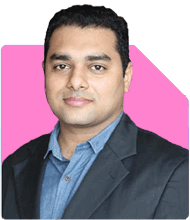
Ravi

Ravi Mittal  |678 Answers  |Ask -

Dating, Relationships Expert - Answered on Oct 27, 2025

Ravi Mittal is an expert on dating and relationships.
He founded QuackQuack, an online dating platform, in 2010 with just two people. Today, it has over 20 million users in India.... more
Asked by Anonymous - Oct 27, 2025Hindi

Relationship

Hello there! There is an introverted boy I have liked for over a year now. 5 month ago I asked him out on a date and he rejected me. He said he wasn’t dating anyone at the moment. It is true, he never dated anyone and hasn’t since then. Now he is acting strangely and hangs out with me more, stares at me, seems nervous, has hour long conversations with me about his dreams and goals, and his family. We know each other a lot better now but he is confusing me completely. Is there something i could say to get an answer? It is driving me crazy. There is another guy who likes me and I feel so bad because I like him too but not as much as this other guy!!

Ans: Dear Anonymous,
I understand your confusion but it is entirely possible that he is sharing all of these with you as a friend. There’s another possibility; maybe his feelings for you have changed and he does like you now. Feelings aren’t always set in stone, you know. My suggestion is to have a clear conversation about this with him. If you still feel the same way for him, let him know that and ask if he feels similarly about you. This way, you will have clarity. And if he isn’t into you romantically, you can explore other possibilities outside of this one relationship that did not happen.

I hope this helps.

You may like to see similar questions and answers below

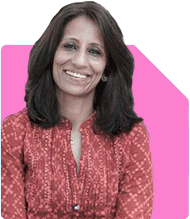
Anu

Anu Krishna  |1754 Answers  |Ask -

Relationships Expert, Mind Coach - Answered on Apr 27, 2022

Listen
Relationship
Hi Anu, How are you? Hope you are doing well. So my situation is: I'm 23 years old. Due to my extremely toxic past experiences in relationships, I chose to be single to bring a balance in my life. I have been single for almost a year now. But last month I was on a sabbatical. I had travelling plans but I had to cancel everything due to the rise in the covid19 pandemic. I joined a dating app (I swore that I would never use a dating app. But then this year I wanted to do something that I would never consider doing. So I decided to join a dating app just to see what goes in there). I wasn't looking for any relationship or anything like that. I was mostly fine with my single life (except the physical intimacy part of course). Then I got matches with guys. But I had no interest in any of them. I chatted with a couple of them but got bored within minutes. I matched with a guy and started talking to him. He seemed nice from the start. I could connect with him very easily. We were on an equal intellectual level. But that was just day 1. From day2, he was not really into the conversation. He was only answering my questions, not really asking anything. But while talking, he clearly told me that he wasn't into relationships or dating currently as he broke up 1 year ago and needed time to clear his mind space. I didn't really care about all this stuff since I wasn't looking for anything at all. But his prosaic interview type answers were very irritating and I had to get back to my work too. So I deleted my profile without apprising him anything and by that time we already connected on IG. But after that conversation, he was kind of all over my mind. It was really difficult for me to focus on my work for the next 2-3 days. So I thought if I text with him for 2-3 days, I would be fine probably. But when I texted him on IG, he wasn't surprised that I’d deleted my profile on that dating app without even telling him anything. Moreover, he was texting in a very formal manner. After a while, he stopped replying. I didn't text after that. I was done with him.Since that day, my mind has been craving for his attention. I know that he isn't the guy I should spend my time with no matter how good I found him initially. But my focus and concentration is really getting affected by his thoughts. On VDay I thought maybe he was going to ask me out(because last month he made it conspicuous that he was going to meet me on V -day). But he is a ghost now. Please tell me how do I erase his thoughts from my mind totally so that I can focus on my work as I have piles of work to get done.
Ans:

Dear SD,

Ghosting of a high order.

Why exactly were you anticipating him to give you all the attention?

Why were you craving for validation from someone who you haven’t chatted or met with?

Why did you base so many emotions on a ‘connection’ that wasn’t one in the first place?

Dating apps are an ocean of people who have different needs to be met and distractions are heavy.

Every moment, the mind is seeking an association with a new person in the hope that he or she will be better than the previous one.

How did you expect him to feel the same way as you did at that very moment? Maybe it’s time to introspect what you learned during your sabbatical.

Did you pour enough self-love so that you wouldn’t wait for someone else to love you? If No, then time to step back and validate yourself for ONCE.

You must learn to look at yourself with a fresh pair of eyes, laud yourself and love yourself even more.

Fill yourself with so much care are love that the next time, you are on an APP, it’s for a very good reason and with a lot of confidence that you can hold your space and not get swayed by who is messaging or who isn’t!

Life offers you with so many opportunities to change from within; start right away and as far as this “Ghost Guy”, even if he is back, he will scout around for more greener pastures as far as an unsteady mind goes.

So you possibly might just be one of them. Investing so much time in all of this is straining.

Join groups that meet often and on a common theme and maybe you might find someone interesting and someone who has similar values and ideals as you.

Good luck to a new way of thinking and acting!

..Read more

Anu

Anu Krishna  |1754 Answers  |Ask -

Relationships Expert, Mind Coach - Answered on Nov 15, 2023

Asked by Anonymous - Nov 01, 2023Hindi
Listen
Relationship
Dear Anu; This happened a long time ago. But i still need to get it off my chest. Over 15 years ago i used to chat with a boy Mr. Y on social media/ messenger. Both of us were in early twenties. We used to talk till late nights on messenger and i thought it was more of a one sided thing and i thought i was the only one who was emotionally involved. Until his brother once approached me saying that Mr. Y will never tell me about his real feelings for me since he is incredibly shy and introverted. And whether i wanted to take this forward . Anyway his Dad didnt really approve and Mr. Y didnt know about this either. We continued to chat on messenger and also met a few times but only with friends. We had also exchanged numbers and would send forwarded messages to each other; nothing personal. Over the next year the messenger conversations fizzled out and we would only exchange forwarded messages. He never did ask me out even once. However i heard from common friends that he was saying stuff like i am inundating him with mesages; and how he was really not into me. But he never asked me to stop sending forwarded messages either. One day he messaged me saying that he will be going out of country and then he didnot message me or stay in contact with me for almost a year. I changed my location to another city after a year( work) and did mesage him just updating about my new number. He then got in touch with me; visited me once all by himself( apparently he had some work in this city) and asked me out . I asked him why now and he replied that he had asked a close friend of his; and the friend had adviced him to ask me out. We spent some time together and next day he told me not to tell his other friends that we had met. By this time i was quite fed up and the year that he did a dissapearing act I was seeing someone who was confidant and wasnt afraid of showing his affection for me. So eventually i told Mr. Y that i am seeing someone and then we barely met after this. A year later; on his social media account i saw his conversations with another where he told about his love for a girl and how it did not progress since he never declared his feelings for her. Anyway what i need to know 1) why did he ghost me? 2) If he did love me as his brother proclaimed; why did he boast to his friends that he I was chasing him? 3) is this person narcissist? 4) Did i totally misjudge the situation? Somehow after all these years; I still fell i was misled or wronged and at times i feel that i dodged a bullet! I want someone i.e. You to give me a fresh perspective. We are not in touch now. Sometimes things trouble you later in life and this incident probably is one of those. Would appreciate if you could shed some light. Anju
Ans: Dear Anonymous,
1) why did he ghost me?
Why do people ghost others? Either they are not interested or are embarrassed with that someone or are unsure about them.

2) If he did love me as his brother proclaimed; why did he boast to his friends that he I was chasing him?
His brother told you, he didn't right? And it's great to boast to friends about a girl chasing him right? It pegs him right on top within his social circle.

3) is this person narcissist? - That is something that needs more contexts to come to a conclusion. But, from what you have shared, he seems to love to control the happenings in his life, his way irrespective of how it might impact you. Walking in and out of your life at his whim, is a red flag for sure!

4) Did i totally misjudge the situation? - Quite possible that you did. But hey, maybe you were just playing to what you saw and responding to it. He seems unavailable and available when he feels like. Do you want to be available for a person who lacks basic respect for your time?

Also, the fact that he did not declare is feelings for the other girl should also tell you that he did the same with you as well. He is perhaps not ready for a commitment. Why waste time and energy on someone like that? Why chase someone who likes to be chased but won't stop to think of whether he can make a commitment? He seems to love the attention but will not reciprocate the same.

This might give you a perspective on what you have been doing so far and what must you do from hereon...

All the best!

..Read more

Kanchan

Kanchan Rai  |648 Answers  |Ask -

Relationships Expert, Mind Coach - Answered on Nov 04, 2024

Listen
Relationship
He rejected me but still went to my class to see me one glance.Before Our last class I said him to meet with me I want to say you something.He came to meet with me but he was too late and our tiffin break time is over so I don't say anything to him. We just looking each other for some seconds.Then I said him if you want you can go .He don't go instantly.He looking at me for while and then go to his class.Whenever he sees me he start blushing and feel nervous.Many times I found him staring at me.He is a introvert guy .But still when we met with each other he making eye contact with me. My question is if he doesn't love me how can he maintain eye contact with me like this .He is not that handsome but he is really good student.I truly love him and Cried a lot for him but he don't know anything.I texted him sometimes but he don't look interested.But always I see him I feel like he have also feelings for me .His eyes tell me he love me but he rejected me .Why?. I can't able to forget him .I tried to my best to forget him but I failed . What should I do now?I really badly want to know his feelings for me because if he sees me only as a friend he doesn't go to my class to see me a glance.Why he blushing around me? How to know his true feelings?What should I do?How to forget or get him? I'm clueless.Please help me????????
Ans: It sounds like you’re dealing with a complicated mix of emotions, and the signals you’re picking up from him are understandably confusing. From everything you’ve described, it seems that he has a genuine respect and perhaps a friendly affection for you, but he may not be sure of or ready to pursue a romantic connection. Introverts, especially, can be complex; they may struggle to express their feelings, and small gestures, like making eye contact or blushing, might be signs of nervousness rather than attraction. This doesn’t mean he doesn’t appreciate or like you—it simply means he may be holding back, perhaps because of his own personal reasons or boundaries.

His rejection, though, is an important thing to consider. Often, when someone clearly communicates that they don’t feel the same way, it’s best to respect that as his truth for now, even if he seems to act otherwise sometimes. I understand this can be very hard, especially when you feel so strongly for him. But you need to protect your own feelings, too, and holding on to small signs might only add to your hurt and confusion.

If you feel it’s absolutely necessary to know how he truly feels, one approach could be to have a simple, direct conversation. Explain to him, in a calm and open way, that you value his friendship and respect his initial decision, but you’d appreciate clarity because lingering uncertainty is making it hard for you to move on. However, be prepared for any outcome. If he reaffirms his feelings of friendship only, try to accept that as his final answer.

In the meantime, put some of your focus back onto yourself. I know it sounds easier said than done, but investing energy in your interests, your growth, and friendships that uplift you can really help you feel less reliant on what he may or may not feel. Surround yourself with supportive people who remind you of your worth and help you feel loved and valued.

Love and connection should make you feel secure, cherished, and clear about where you stand. By focusing on yourself and letting him be, you’ll naturally create space for clarity—and eventually, perhaps, for someone whose feelings for you are just as strong and straightforward as yours are for them.

..Read more

Latest Questions
Ramalingam

Ramalingam Kalirajan  |10906 Answers  |Ask -

Mutual Funds, Financial Planning Expert - Answered on Dec 19, 2025

Asked by Anonymous - Dec 19, 2025Hindi
Money
I have a credit card written off status on my cibil . This is about 2 lakhs on 2 credit card. I made last payment in 2019 and was unable to make payments later as I lost my job.Now i have stable job and can pay off 2 lkahs, My worry is will the bank take 2 laksh or add interest on that and ask me to pay 8 or 10 lakhs for this ? can anyone advice if this situation is similar and have you heard about any solutions . I can make payment of 2 lakhs outstandng as reflecting in my cibil report
Ans: First, appreciate your honesty and responsibility.
You faced job loss and survived a difficult phase.
Now you have income and intent to close dues.
That itself is a strong and positive step.

There are solutions available.

What “written off” actually means

– “Written off” does not mean loan is forgiven.
– It means bank stopped active recovery temporarily.
– The amount is still legally payable.
– Bank or recovery agency can approach you.

– CIBIL shows this as serious default.
– But it is not a criminal case.

Your biggest worry clarified clearly
Will bank ask Rs. 8–10 lakhs now?

In most practical cases, NO.

– Banks rarely recover full inflated amounts.
– Interest technically keeps accruing.
– But banks know recovery is difficult.

– They prefer one-time settlement.
– They want closure, not long fights.

What usually happens in real life

– Outstanding shown may be Rs. 2 lakhs.
– Bank internal system may show higher amount.

– They may initially demand more.
– This is a negotiation starting point.

– Final settlement usually happens near:
– Principal amount
– Or slightly above principal

– Rs. 8–10 lakhs demand is rarely enforced.

Why your position is actually strong

– Default happened due to job loss.
– Time gap is several years.
– Account is already written off.

– You are now willing to pay.
– You can offer lump sum.

Banks respect lump sum offers.

What you should NOT do

– Do not panic and pay blindly.
– Do not accept verbal promises.
– Do not pay without written confirmation.

– Do not pay partial amounts casually.
– That weakens your negotiation position.

Correct step-by-step approach
Step 1: Contact bank recovery department

– Call customer care.
– Ask for recovery or settlement team.
– Avoid agents initially.

Step 2: Ask for settlement option

Use clear language:
– You lost job earlier.
– Situation is stable now.
– You want to close accounts fully.

Ask specifically for:
– One Time Settlement option
– Written settlement letter

Step 3: Negotiate calmly

– Start by offering Rs. 2 lakhs.
– Mention it matches CIBIL outstanding.

– Bank may counter with higher number.
– This is normal negotiation.

– Many cases close between:
– 100% to 130% of principal

Rarely more, if negotiated well.

Important: Written settlement letter

Before paying anything, ensure letter states:

– Full and final settlement
– No further dues will remain
– Account will be closed
– CIBIL status will be updated

Never rely on phone assurance.

How payment should be made

– Pay only to bank account.
– Avoid cash payments.
– Keep receipts safely.

– After payment, collect closure letter.

Impact on your CIBIL score

Be very clear on this point.

– “Written off” will not disappear immediately.
– Settlement changes status to “Settled”.

– “Settled” is better than “Written off”.
– But still considered negative initially.

– Score improves gradually over time.

What improves CIBIL after settlement

– No new defaults
– Timely payments on future credit
– Low credit utilisation
– Patience

Usually improvement seen within 12–24 months.

Should you wait or settle now?

Settling now is better because:

– Old defaults block future loans.
– Housing loan becomes difficult.
– Car loan interest becomes high.

– Emotional stress continues otherwise.

Closure brings mental relief.

Common fear: “What if they harass me?”

– Harassment has reduced significantly.
– RBI rules are stricter now.
– Written settlement protects you.

– If harassment happens, complain formally.

Have others faced this situation?

Yes, thousands.

– Many lost jobs after 2018–2020.
– Credit card defaults increased widely.

– Most cases got settled reasonably.
– You are not alone.

Things working in your favour

– Old default
– Written-off status already marked
– Willingness to pay lump sum
– Stable income now

This gives negotiation power.

After settlement: what next

– Avoid credit cards initially.
– Start with small secured products.

– Pay everything on time.
– Keep credit usage low.

– Score will heal gradually.

Final reassurance

You will not be forced to pay Rs. 8–10 lakhs suddenly.
Banks prefer realistic recovery.
Your readiness to pay Rs. 2 lakhs is valuable.

Handle this calmly and formally.
Take everything in writing.
You are doing the right thing now.

...Read more

Nayagam P

Nayagam P P  |10859 Answers  |Ask -

Career Counsellor - Answered on Dec 19, 2025

Asked by Anonymous - Dec 18, 2025Hindi
Career
I am 41 year's old bp and sugar patient i completed 3years articleship for the purpose CA cource,now iam looking for paid assistant Job because still iam not clear my ipcc exams salary very low 10k per month,can I quit finance and accounting job because of my health please advise or suggest
Ans: At 41 years old with hypertension and diabetes, having completed 3 years of CA articleship but unable to clear IPCC exams while earning ?10,000 monthly, continuing in high-stress finance/accounting roles presents genuine health risks. Research confirms that sedentary, high-pressure accounting and finance jobs significantly exacerbate hypertension and Type 2 Diabetes through chronic stress, irregular routines, and poor sleep quality—particularly affecting professionals aged 35-50. Yes, quitting finance is medically justified. Rather than abandoning your accounting foundation, strategically transition to less stressful, specialized accounting/finance roles utilizing your three years of articleship experience while prioritizing health. Pursue three alternative certifications requiring 6-18 months of flexible, online study—compatible with managing your health conditions while maintaining income. These certifications leverage your existing accounting knowledge, command premium salaries (?6-12 LPA+), offer remote/flexible work options reducing stress, and require minimal additional skill upgradation beyond what you've already invested.? Option 1 – Certified Fraud Examiner (CFE) / Forensic Accounting Specialist: Complete NISM Forensic Investigation Level 1&2 (100% online, 6-12 months) or Indiaforensic's Certified Forensic Accounting Professional (distance learning, flexible). Your CA articleship background is ideal for fraud detection roles. Salary: ?6-9 LPA; Stress Level: Moderate (deadline-driven analysis, not client management); Work-Life Balance: High (project-based, remote-capable); Skill Upgradation Needed: Fraud investigation techniques, financial forensics software—both taught in certification.? Option 2 – ACCA (Association of Chartered Accountants) or US CPA: More flexible than CA (study at own pace, global recognition, no lengthy articleship repeat). ACCA requires 13-15 months online study with five paper exemptions (since you've completed articleship); US CPA takes 12 months post-articleship. Salary: ?7-12 LPA (India), higher internationally; Stress Level: Lower (flexible study schedule, no rigid mentorship like CA); Work-Life Balance: Excellent (flexible learning, no daily office stress initially); Skill Upgradation: International accounting standards, tax practices, audit frameworks—all covered in coursework. Option 3 – CMA USA (Cost & Management Accounting): Specializes in management accounting and financial planning vs. auditing. Requires two exams, 200 study hours total, completable in 8-12 months. Highly preferred by MNCs, IT companies, startups for finance manager/FP&A roles. Salary: ?8-12 LPA initially, potentially ?20+ LPA as Finance Manager/CFO; Stress Level: Low (CMA roles focus on strategic planning, less client pressure); Work-Life Balance: Excellent (corporate roles often more structured than CA practice); Skill Upgradation: Management accounting principles, data analytics, financial modeling—valuable for modern finance roles.? Final Advice: Quit immediately if current role is deteriorating health. Register for ACCA or US CPA within 30 days—most flexible, globally recognized, requiring minimal additional investment. Simultaneously pursue Forensic Accounting certification (6-month concurrent track) as backup specialization. Target roles as Compliance Analyst, Forensic Accountant, or Corporate Finance Manager—all leverage your articleship, offer 40-45 hour weeks (vs. CA practice's 50-60), enable remote work, and command ?8-12 LPA within 18 months. Your health is irreplaceable; your accounting foundation is valuable enough to transition strategically rather than completely exit.? All the BEST for a Prosperous Future!

Follow RediffGURUS to Know More on 'Careers | Money | Health | Relationships'.

...Read more

Ramalingam

Ramalingam Kalirajan  |10906 Answers  |Ask -

Mutual Funds, Financial Planning Expert - Answered on Dec 19, 2025

Money
I am 62 years of age. i have bought Max life smart wealth long term plan policy and Max life smart life advantage growth per pulse insta income fixed returns policies 2 /3 years ago. Are these policies good as i want to get benefits when i am alive. is there a way i can close " max life smart wealth long term plan policy ", as i am facing difficulty in paying up the premium. The agents don't give clear picture. please suggest.
Ans: You have shown courage by asking the right question.
Many seniors suffer silently with unsuitable policies.
Your concern about living benefits is very valid.
Your age makes clarity extremely important now.

» Your current life stage reality
– You are 62 years old.
– You are in active retirement planning phase.
– Capital protection matters more than growth.

– Cash flow comfort is critical.
– Stress-free income is more important than returns.
– Long lock-ins create anxiety now.

» Understanding the type of policies you bought
– These are investment-cum-insurance policies.
– They mix protection and investment together.

– Such products are complex by design.
– Benefits are spread over long durations.

– Charges are high in early years.
– Liquidity remains very limited initially.

» Core issue with such policies at your age
– These policies suit younger earners better.
– They need long holding periods.

– At 62, time horizon is shorter.
– You need access to money now.

– Premium commitment becomes stressful.
– Returns remain unclear for many years.

» Focus on your stated need
– You want benefits while alive.
– You want income and flexibility.

– You do not want confusion.
– You want transparency.

– This is absolutely reasonable.

» Reality check on living benefits
– Living benefits are slow in such policies.
– Early years give very little value.

– Most benefits come much later.
– This delays usefulness.

– Income promises are often misunderstood.
– Actual cash flow is usually low.

» Why agents fail to give clarity
– Products are difficult to explain honestly.
– Commissions are front-loaded.

– Explanations focus on maturity numbers.
– Risks and lock-ins get downplayed.

– This creates disappointment later.

» Premium stress is a clear warning sign
– Difficulty paying premium is serious.
– It should never be ignored.

– Forced continuation hurts retirement peace.
– This signals mismatch with your needs.

» Can such policies be closed
– Yes, they can be exited.
– Exit terms depend on policy status.

– Minimum holding period usually applies.
– After that, surrender becomes possible.

– You may receive surrender value.
– This value is often lower initially.

» Emotional barrier around surrender
– Many seniors fear losing money.
– This fear delays correct decisions.

– Continuing wrong products increases loss.
– Early correction reduces damage.

» Assessment of continuing versus exiting
– Continuing means more premium burden.
– Returns remain uncertain.

– Liquidity stays restricted.
– Stress continues every year.

– Exiting stops further premium drain.
– Money becomes usable elsewhere.

» Income needs in retirement
– Retirement needs predictable cash flow.
– Expenses do not wait for maturity.

– Medical costs rise unexpectedly.
– Family support needs flexibility.

– Locked products reduce confidence.

» Insurance versus investment separation
– Insurance should protect, not invest.
– Investment should grow or give income.

– Mixing both causes confusion.
– Separation improves clarity.

» What a Certified Financial Planner would assess
– Your regular expenses.
– Your emergency fund adequacy.

– Your health cover sufficiency.
– Your existing liquid assets.

– Your comfort with volatility.

» Action regarding investment-cum-insurance policies
– These policies are not ideal now.
– They strain cash flow.

– They do not give immediate income.
– They reduce flexibility.

– Surrender should be seriously considered.

» How to approach surrender decision calmly
– First, ask for surrender value statement.
– Ask insurer directly, not agents.

– Request written breakup.
– Include all charges.

– Compare future premiums versus surrender value.

» Important surrender-related points
– Surrender value may seem low.
– This is common in early years.

– Focus on future peace, not past loss.
– Stop throwing good money after bad.

» Tax aspect awareness
– Surrender proceeds may have tax impact.
– This depends on policy structure.

– Get clarity before final action.
– Plan withdrawal carefully.

» What to do after surrender
– Do not keep money idle.
– Reinvest based on retirement needs.

– Focus on income generation.
– Focus on capital safety.

» Suitable investment approach after exit
– Use diversified mutual fund solutions.
– Choose conservative to balanced options.

– Prefer actively managed funds.
– They adjust during market changes.

» Why index funds are unsuitable here
– Index funds mirror full market falls.
– No downside protection exists.

– Volatility can disturb sleep.
– Recovery may take time.

– Active funds aim to reduce damage.
– This suits senior investors better.

» Why regular mutual fund route helps
– Guidance is crucial at this age.
– Behaviour control matters.

– Regular reviews prevent mistakes.
– Certified Financial Planner support adds confidence.

– Cost difference is worth guidance.

» Income planning without annuities
– Avoid irreversible income products.
– Keep flexibility alive.

– Use systematic withdrawal approaches.
– Control amount and timing.

» Liquidity planning importance
– Keep enough money accessible.
– Emergencies do not announce arrival.

– Liquidity gives mental comfort.
– Avoid forced asset sales.

» Health expense preparedness
– Health costs rise sharply after sixty.
– Inflation is brutal here.

– Keep separate health contingency fund.
– Do not depend on policy maturity.

» Estate and family clarity
– Ensure nominees are updated.
– Write a clear Will.

– Avoid confusion for family.
– Simplicity matters now.

» Psychological peace as a goal
– Retirement planning is emotional.
– Stress harms health.

– Financial clarity improves wellbeing.
– Confidence comes from control.

» Red flags you should never ignore
– Premium pressure.
– Unclear benefits.

– Long lock-in periods.
– Agent-driven explanations only.

» What you should do immediately
– Ask insurer for surrender details.
– Evaluate calmly with numbers.

– Stop listening only to agents.
– Seek unbiased planning view.

» What not to do
– Do not continue blindly.
– Do not stop premiums without clarity.

– Do not delay decision endlessly.
– Delay increases loss.

» Your age-specific investment mindset
– Growth is secondary now.
– Stability is primary.

– Income visibility is essential.
– Liquidity is non-negotiable.

» Emotional reassurance
– You are not alone.
– Many seniors face similar issues.

– Correcting course is strength.
– It is never too late.

» Final Insights
– These policies are not aligned now.
– Premium stress confirms mismatch.

– Surrender option should be explored seriously.
– Protect peace over promises.

– Shift towards flexible, transparent investments.
– Focus on living benefits and comfort.

– Simplicity will serve you best now.

Best Regards,

K. Ramalingam, MBA, CFP,

Chief Financial Planner,

www.holisticinvestment.in

https://www.youtube.com/@HolisticInvestment

...Read more

Ramalingam

Ramalingam Kalirajan  |10906 Answers  |Ask -

Mutual Funds, Financial Planning Expert - Answered on Dec 19, 2025

Money
Hi Reetika, I am 43 year old. I am currently working in private organization. Having an Investment of 8.0 Lac in NPS, 27 Lac in PF, 4 Lac in PPF and 2.5 Lac in FD. My child is in 11th Science. I have my own house and no any loan. I need to Invest around 80.0 Lac for Child Education, Marriage and Retirement.
Ans: You have taken a sensible start with disciplined savings.
Owning a house without loans is a strong advantage.
Starting early retirement assets shows responsibility.
Your goals are clear and time is still supportive.

» Life stage and responsibility review
– You are 43 years old and employed.
– Your income phase is still growing.
– Your child is in 11th Science.

– Education expenses will start very soon.
– Marriage goals are medium-term.
– Retirement is long-term but critical.

– This stage needs balance, not extremes.
– Growth and safety both are required.

» Current asset structure understanding
– Retirement-linked savings already exist.
– These assets give long-term discipline.

– Provident savings form a stable base.
– Pension-oriented savings add future comfort.

– Public savings give safety and tax efficiency.
– Fixed deposits give short-term liquidity.

– Overall structure is conservative currently.
– Growth assets need gradual strengthening.

» Liquidity and emergency readiness
– Fixed deposits cover immediate needs.
– Emergency risk appears controlled.

– Maintain at least six months expenses.
– This avoids forced investment exits.

– Do not reduce liquidity for long-term goals.

» Education goal time horizon assessment
– Child education starts within few years.
– Expenses will rise sharply during graduation.

– Foreign education may increase cost further.
– This goal needs partial safety focus.

– Avoid market-linked volatility for near-term needs.

» Marriage goal perspective
– Marriage goal is emotional and financial.
– Expenses usually occur after education.

– This allows moderate growth approach.
– Capital protection remains important.

» Retirement goal clarity
– Retirement is still twenty years away.
– Time is your biggest strength.

– Small discipline now creates big comfort later.
– Growth assets must play a key role.

» Gap understanding for Rs. 80 lacs goal
– Your current assets are lower than required.
– This gap is normal at this age.

– Regular investing will bridge the gap.
– Lump sum expectations should be realistic.

– Salary growth will support higher investments later.

» Income utilisation approach
– Salary should fund regular investments.
– Annual increments should raise contributions.

– Bonuses should be goal-based.
– Avoid lifestyle inflation.

» Asset allocation strategy direction
– Future investments must be diversified.
– Do not depend on one asset type.

– Growth-oriented funds suit long-term goals.
– Stable funds suit near-term needs.

– Balance reduces stress during volatility.

» Mutual fund role in your plan
– Mutual funds allow disciplined participation.
– They reduce direct market timing risk.

– Professional management adds value.
– Diversification improves consistency.

– They suit education and retirement goals.

» Why actively managed funds matter
– Markets are volatile and emotional.
– Index funds follow markets blindly.

– Index funds fall fully during downturns.
– There is no downside protection.

– Actively managed funds adjust exposure.
– Fund managers reduce risk during stress.

– They aim to protect capital better.
– This suits family goals.

» Regular investing discipline
– Monthly investing builds habit.
– Market ups and downs get averaged.

– This reduces regret and fear.
– Discipline matters more than timing.

» Direct versus regular fund clarity
– Direct funds need strong self-discipline.
– Monitoring becomes your responsibility.

– Wrong decisions hurt long-term goals.
– Emotional exits are common.

– Regular funds provide guidance.
– Certified Financial Planner support adds value.

– Behaviour control protects returns.

» Tax awareness for mutual funds
– Equity mutual fund long-term gains face tax.
– Gains above Rs. 1.25 lakh are taxed.

– Tax rate is 12.5 percent.
– Short-term equity gains face 20 percent tax.

– Debt fund gains follow slab rates.

– Tax planning must align with withdrawals.

» Education funding investment approach
– Use stable and balanced funds.
– Avoid aggressive exposure close to need.

– Gradually reduce risk as goal nears.
– Protect capital before usage.

» Marriage funding approach
– Balanced growth approach is suitable.
– Do not chase high returns.

– Ensure funds are available on time.

» Retirement funding approach
– Long-term horizon allows growth focus.
– Equity-oriented funds are essential.

– Volatility is acceptable now.
– Time smoothens risk.

» Review of existing retirement assets
– Provident savings ensure base security.
– Pension savings add longevity support.

– These assets should remain untouched.
– They form your safety net.

» Inflation impact awareness
– Education inflation is very high.
– Medical inflation rises faster.

– Retirement expenses increase steadily.
– Growth assets fight inflation.

» Insurance protection check
– Ensure adequate life cover.
– Family must remain protected.

– Health cover must be sufficient.
– Medical costs can derail plans.

» Estate and nomination hygiene
– Ensure nominations are updated.
– Family clarity avoids future stress.

– Consider writing a Will.
– This ensures smooth asset transfer.

» Behavioural discipline importance
– Market noise creates confusion.
– Stick to your plan.

– Avoid frequent changes.
– Consistency brings results.

» Review and tracking rhythm
– Review investments once a year.
– Avoid daily monitoring.

– Adjust based on life changes.
– Keep goals priority-based.

» Risk capacity versus risk tolerance
– Your risk capacity is moderate.
– Your responsibilities are high.

– Avoid extreme strategies.
– Balance comfort and growth.

» Psychological comfort in planning
– Your base is already strong.
– Time supports your goals.

– Discipline will do the heavy work.
– Panic is your biggest enemy.

» Finally
– Yes, achieving Rs. 80 lacs is possible.
– Time and discipline are in your favour.

– Start structured investing immediately.
– Increase contributions with income growth.

– Keep goals separated mentally.
– Stay invested during volatility.

– Your journey looks stable and hopeful.

Best Regards,

K. Ramalingam, MBA, CFP,

Chief Financial Planner,

www.holisticinvestment.in

https://www.youtube.com/@HolisticInvestment

...Read more

Ramalingam

Ramalingam Kalirajan  |10906 Answers  |Ask -

Mutual Funds, Financial Planning Expert - Answered on Dec 19, 2025

Asked by Anonymous - Dec 19, 2025Hindi
Money
Hi , I am 50 years old having wife and 1 kid. I got laid off in March 2025 and currently running my own company since July 2025 where in I had invested Rs. 2.50 lacs. At present I am not taking any money from the company but we are not making any losses either. I am having an Investment of 1) 30 lacs in Saving A/c and FDs. 2) 20 lacs in NSC maturing in year 2030. 3) 9 lacs in Mutual Funds. 4) 45 lacs in Equity which i intend to liquidate and put in Mutual Funds. 5) 75 lacs in PPF, PF & NPS. 6) Wife earning 50 lacs annually. 7) She has 40 lacs in Saving A/c and FDs. 8) 1.20 Cr. in PPF, PF & NPS. 9) We also own 2 properties with current fair market value of Rs. 5 Cr. 10) One property is giving us rent of Rs. 66K per month. 11) Apart from this we are also expecting to get ~ Rs. 2.50 Cr. over next 15 years for the insurance policies getting matured. Expenses & Liabilities: 1) Monthly expenses of Rs. 4.50 lacs which includes Rent, Insurance premium, EMI against Education loan for my kid's, Medical premium, Travel, Grocery and other miscl. expenses. 2) Car loan EMI of 40,000 per month which is included in the Rs. 4.50 lacs monthly expenses. This loan is till March 2027. 3) Education loan of Rs. 1.05 Cr. with current liability of Rs. 80 lacs as we paid Rs. 25 lacs to the Bank as prepayment. We need to spend ~ Rs. 40 lacs more to support for the kid education in USA till year 2027. 4) We intend to pay the entire Education loan by max. 2030. My question is, will this be enough for me and my wife for the retirement as my wife intends to work till 2037 if everything goes fine (when she turns 60) and I will continue running my company looking at taking Rs. 1 lacs per month from it from next FY.
Ans: You have built strong assets with discipline and patience.
Your financial journey shows clarity, courage, and long-term thinking.
Despite job loss, stability is well protected.
Your family position is better than most Indian households.

» Current life stage understanding
– You are 50 years old with working spouse.
– One child pursuing overseas education.
– You are semi-employed through your own business.
– Your wife has strong income visibility.
– This phase needs protection, not aggressive risk.

– Cash flow control matters more than returns now.
– Liquidity planning is extremely important.
– Emotional decisions must be avoided.

» Employment transition and business assessment
– Job loss was sudden but handled calmly.
– Starting your company shows confidence and skill.
– Initial investment of Rs. 2.50 lacs is reasonable.
– Zero loss position is a good sign.

– No salary draw reduces pressure on business.
– Planned Rs. 1 lac monthly draw is sensible.
– This keeps household stability intact.
– Business income should be treated as variable.

– Do not overestimate future business income.
– Use it only as a support pillar.

» Family income stability review
– Wife earning Rs. 50 lacs annually is a major strength.
– Her income anchors your retirement plan.
– Employment till 2037 gives long runway.

– Her savings discipline looks excellent.
– Large retirement corpus already exists.
– This reduces pressure on your assets.

– You should align plans jointly.
– Retirement must be treated as family goal.

» Asset allocation snapshot assessment
– You hold assets across cash, debt, equity, and retirement buckets.
– Diversification already exists.
– That shows mature planning habits.

– Savings and FDs give immediate liquidity.
– NSC gives defined maturity comfort.
– Equity exposure is meaningful.
– Retirement accounts are strong.

– Real estate is end-use, not investment.
– Rental income adds safety.

» Savings accounts and FDs analysis
– Rs. 30 lacs in savings and FDs offer flexibility.
– Wife holding Rs. 40 lacs adds cushion.

– This covers emergencies and education gaps.
– Liquidity is sufficient for next three years.

– Avoid keeping excess idle cash long-term.
– Inflation quietly erodes value.

– Use this bucket for planned withdrawals.

» NSC maturity planning
– Rs. 20 lacs maturing in 2030 is well timed.
– This aligns with education loan closure.

– This can be earmarked for debt repayment.
– Do not link this to retirement spending.

– It gives psychological comfort.

» Mutual fund exposure review
– Existing mutual fund holding is small.
– Rs. 9 lacs needs scaling gradually.

– Your plan to shift equity into funds is wise.
– This improves risk management.

– Mutual funds suit retirement phase better.
– They provide professional management.

– Avoid sudden large transfers.
– Phased movement reduces timing risk.

» Direct equity exposure evaluation
– Rs. 45 lacs in equity needs careful handling.
– Market volatility can hurt emotions.

– Concentration risk exists in direct equity.
– Monitoring requires time and skill.

– Gradual exit is sensible.
– Move funds into diversified mutual funds.

– Avoid panic selling.
– Use market strength periods for exits.

» Retirement accounts strength review
– Combined PF, PPF, and NPS is very strong.
– Your Rs. 75 lacs is meaningful.
– Wife’s Rs. 1.20 Cr is excellent.

– These assets ensure base retirement security.
– They protect longevity risk.

– Do not disturb these accounts prematurely.
– Let compounding continue.

» Real estate role clarity
– Two properties worth Rs. 5 Cr add net worth comfort.
– One property gives Rs. 66k monthly rent.

– Rental income supports expenses partially.
– This reduces portfolio withdrawal stress.

– Do not consider new property investments.
– Focus on financial assets.

» Insurance maturity inflows assessment
– Expected Rs. 2.50 Cr over 15 years is valuable.
– This gives future liquidity.

– These inflows should not be spent casually.
– They must be reinvested wisely.

– Align maturity money with retirement phase.

» Expense structure evaluation
– Monthly expense of Rs. 4.50 lacs is high.
– This includes many essential heads.

– Education, rent, insurance, travel are significant.
– EMI burden is temporary.

– Expenses will reduce after 2027.
– That improves retirement readiness.

» Car loan review
– EMI of Rs. 40,000 till March 2027 is manageable.
– This is already included in expenses.

– No action required here.
– Avoid new vehicle loans.

» Education loan strategy
– Education loan balance of Rs. 80 lacs is large.
– Overseas education requires careful funding.

– Planned additional Rs. 40 lacs till 2027 is realistic.
– Do not compromise retirement assets for education.

– Target full closure by 2030 is practical.
– Use NSC maturity and surplus income.

– Avoid using retirement accounts for repayment.

» Cash flow alignment till 2027
– Wife’s income covers majority expenses.
– Rental income adds support.

– Business draw of Rs. 1 lac helps.
– Savings bridge shortfalls.

– Cash flow mismatch risk is low.

» Retirement readiness assessment
– Combined family net worth is strong.
– Retirement corpus foundation is already built.

– Major expenses peak before 2027.
– After that, burden reduces.

– Wife working till 2037 adds security.
– This delays retirement withdrawals.

» Post-2037 retirement picture
– After wife retires, expenses will drop.
– No education costs.
– No major EMIs.

– Medical costs will rise gradually.
– Planning buffers already exist.

– Rental income continues.

» Mutual fund strategy for future
– Shift equity proceeds into diversified mutual funds.
– Use a mix of growth-oriented and balanced approaches.

– Avoid index-based investing.
– Index funds lack downside protection.

– They move fully with markets.
– No human judgement is applied.

– Actively managed funds adjust allocations.
– They protect better during volatility.

– Skilled managers add value over cycles.

» Direct funds versus regular funds clarity
– Regular funds offer guidance and discipline.
– Ongoing review is critical at this stage.

– Direct funds require self-monitoring.
– Errors can be costly near retirement.

– Behaviour management matters more than cost.
– Professional handholding reduces mistakes.

– Use mutual fund distributors with CFP credentials.

» Tax awareness on mutual funds
– Equity mutual fund LTCG above Rs. 1.25 lakh is taxed.
– Tax rate is 12.5 percent.

– Short-term equity gains face 20 percent tax.
– Debt mutual fund gains follow slab rates.

– Plan withdrawals tax efficiently.
– Do not churn unnecessarily.

» Withdrawal sequencing in retirement
– Start withdrawals from surplus funds first.
– Use rental income for regular expenses.

– Keep retirement accounts untouched initially.
– Delay withdrawals improves longevity.

– Insurance maturity inflows can fund later years.

» Medical and health planning
– Medical inflation is a major risk.
– Ensure adequate health cover.

– Review coverage every three years.
– Build separate medical contingency fund.

– Avoid dipping into equity during emergencies.

» Estate and succession clarity
– Assets are large and diverse.
– Proper nominations are critical.

– Draft a clear Will.
– Review beneficiaries periodically.

– Avoid family disputes later.

» Psychological comfort and risk control
– You are financially strong.
– Avoid fear-driven decisions.

– Avoid chasing returns.
– Stability matters more now.

– Keep plans simple and review yearly.

» Finally
– Yes, your assets are sufficient for retirement.
– Discipline must continue.

– Control expenses during transition years.
– Avoid large lifestyle upgrades.

– Focus on asset allocation, not market timing.
– Your retirement future looks secure.

Best Regards,

K. Ramalingam, MBA, CFP,

Chief Financial Planner,

www.holisticinvestment.in

https://www.youtube.com/@HolisticInvestment

...Read more

Radheshyam

Radheshyam Zanwar  |6751 Answers  |Ask -

MHT-CET, IIT-JEE, NEET-UG Expert - Answered on Dec 19, 2025

Career
Sir i have given 12th in 2025 and passed with 69% but not given jee exam in 2025 and not in 2026 also But i want iit anyhow sir is this possible that i give 12th in 2027 and cleared 75 criteria then give jee mains and also i am eligible for jee advanced
Ans: You have already appeared for and passed the Class 12 examination in 2025. As per the eligibility criteria, only two consecutive attempts for JEE (Advanced) are permitted—the first in 2025 and the second in 2026. Therefore, you will not be eligible to appear for JEE (Advanced) in 2027. Reappearing for Class 12 does not reset or extend JEE (Advanced) eligibility.

However, you can still achieve your goal of studying at an IIT through an alternative and well-established pathway. You may take admission to an undergraduate engineering program of your choice, appear for the GATE examination in your final year, and secure a qualifying score to gain admission to a postgraduate program at a top IIT.

This is a strong and viable route to IIT. At this stage, it would be advisable to move forward by enrolling in an engineering program rather than focusing again on Class 12, JEE Main, or JEE Advanced.

Good luck.
Follow me if you receive this reply.
Radheshyam

...Read more

Reetika

Reetika Sharma  |432 Answers  |Ask -

Financial Planner, MF and Insurance Expert - Answered on Dec 18, 2025

Asked by Anonymous - Dec 16, 2025Hindi
Money
Hello Reetika Mam, I am 48 year having privet Job. I have started investment from 2017, current value of investment is 82L and having monthly 50K SIP as below. My goal to have 2.5Cr corpus at the age of 58. Please advice... 1. Nippon India small cap -Growth Rs 5,000 2. Sundaram Mid Cap fund Regular plan-Growth Rs 5,000 3. ICICI Prudential Small Cap- Growth Rs 10,000 4. ICICI Prudential Large Cap fund-Growth Rs 5,000 5. ICICI Prudential Balanced Adv. fund-Growth Rs 5,000 6. DSP Small Cap fund Regular Growth Rs 5,000 7. Nippn India Pharma Fund- Growth Rs 5,000 8. SBI focused Fund Regular plan- Growth Rs 5,000 9. SBI Dynamic Asset Allocation Active FoF-Regular-Growth Rs 5,000
Ans: Hi,

You can easily achieve your goal of 2.5 crores after 10 years. Your current investment value of 82 lakhs alone can grow to 2.5 crores assuming CAGR of 12% and monthly 50k SIP will give additional 1.1 crores, making a total corpus of 3.6 crores at 58.

But I see a problem with your current allocation. The fund selection is more aligned towards small caps of different AMCs and very concentrated and overlapped portfolio.
You need to diversify it so as to secure your current investment while getting a decent CAGR of 12% over next 10 years.
Focus on changing your current funds to large caps and BAFs and flexicaps and avoid sectoral funds.

You can also work with an advisor to get detailed analysis of your portfolio.
Hence you should consult a professional Certified Financial Planner - a CFP who can guide you with exact funds to invest in keeping in mind your age, requirements, financial goals and risk profile. A CFP periodically reviews your portfolio and suggest any amendments to be made, if required.

Let me know if you need more help.

Best Regards,
Reetika Sharma, Certified Financial Planner
https://www.instagram.com/cfpreetika/

...Read more

Reetika

Reetika Sharma  |432 Answers  |Ask -

Financial Planner, MF and Insurance Expert - Answered on Dec 18, 2025

Money
Hi, I am 32 years old, married, and have a 4-year-old daughter. My monthly take-home salary is 55,000 rupees, and my wife's salary is 31,000 rupees, making our total income 86,000 rupees. I am currently in a lot of debt. Our total EMIs amount to 99,910 rupees (total loans with an average interest rate of 12.5%), and even with my father covering most of the monthly expenses, I still spend about 10,000 rupees. This leaves me with a shortage of approximately 25,000 rupees (debt) every month. My total debt across various banks is 36,50,000 rupees, and I also have a gold loan of 14 lakhs. I cannot change the EMI or loan tenure for another year. I also have a 2 lakh rupee loan from private lenders at an 18% interest rate. My total debt is over 52 lakhs. Now, with gold and silver prices rising, I'm worried that I won't be able to buy them again. I have an opportunity to get a 2 lakh rupee loan at a 12% interest rate, and I'm thinking of using that money to buy gold and silver and then pledge them at the bank again. Half of my current gold loan is from a similar situation – I took a loan from private lenders, bought gold, and then took a gold loan from the bank to repay the private loan. Given my current situation and my family's circumstances, should I buy more gold or focus on repaying my debts? What should I do? The monthly interest on my loans is approximately 50,000 rupees, meaning 50,000 rupees of my salary goes towards interest every month. What should I do in this situation? I also have an SBI Jan Nivesh SIP of 2000 rupees per month for the last four months. I have no savings left. I am thinking of taking out term insurance and health insurance, but I am hesitating because I don't have the money. I am looking for some suggestions to get out of these debts.
Ans: Hi Surya,

You are in a very complicated situation. This whole debt trapped needs to be worked on very judiciously. Let us go through all the aspects in detail.

1. Your total monthly household salary - 86000; monthly expense - 10000 contribution as of now; monthly EMI - approx. 1 lakhs.
2. Current loans - 36.5 lakhs from various banks at 12.5%; Gold Loan - 14 lakhs; private lenders - 2 lakhs at 18% >> totalling to 52 lakhs.
3. 50k interest per month payable - implies capital payment is very less leading to more problem.

- Keen on buying gold with loan. This is where more problem will began. Avoid buying gold using loan.
- Your focus should be on reducing your debt instead of increasing it.

Strategy to follow:
1. Close the loan with higher interest rate - 2 lakh personal lender. This will reduce your EMI and give you more potential to prepay other loans.
2. Try and take financial help from your family in prepaying small loans from banks. This can reduce your burden.
3. If you have any unused assets, can sell them to pay off your loans.

Points to NOTE:
> Avoid taking any more loans.
> When your EMI burden reduces, do make an emergency fund of 2-3 lakhs for yourself for any uncetain situation.
> Make sure to have a health insurance for yourself and family.
> Can stop your investments for now. They are of no use if your EMIs are more than your income. Can start investing once your EMI's reduce atleast by 20-30% for you.

Let me know if you need more help.

Best Regards,
Reetika Sharma, Certified Financial Planner
https://www.instagram.com/cfpreetika/

...Read more

DISCLAIMER: The content of this post by the expert is the personal view of the rediffGURU. Investment in securities market are subject to market risks. Read all the related document carefully before investing. The securities quoted are for illustration only and are not recommendatory. Users are advised to pursue the information provided by the rediffGURU only as a source of information and as a point of reference and to rely on their own judgement when making a decision. RediffGURUS is an intermediary as per India's Information Technology Act.

Close  

You haven't logged in yet. To ask a question, Please Log in below
Login

A verification OTP will be sent to this
Mobile Number / Email

Enter OTP
A 6 digit code has been sent to

Resend OTP in120seconds

Dear User, You have not registered yet. Please register by filling the fields below to get expert answers from our Gurus
Sign up

By signing up, you agree to our
Terms & Conditions and Privacy Policy

Already have an account?

Enter OTP
A 6 digit code has been sent to Mobile

Resend OTP in120seconds

x