Need Expert Advice?Our Gurus Can Help

Ramalingam Kalirajan |10870 Answers |Ask -Follow
Mutual Funds, Financial Planning Expert - Answered on Aug 18, 2025
Ramalingam Kalirajan has over 23 years of experience in mutual funds and financial planning.
He has an MBA in finance from the University of Madras and is a certified financial planner.
He is the director and chief financial planner at Holistic Investment, a Chennai-based firm that offers financial planning and wealth management advice.... more
He has an MBA in finance from the University of Madras and is a certified financial planner.
He is the director and chief financial planner at Holistic Investment, a Chennai-based firm that offers financial planning and wealth management advice.... more
Asked by Anonymous - Aug 02, 2025Hindi
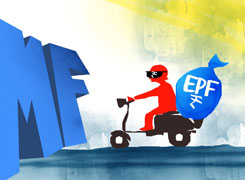
What should I do? Under EPS 95 , EPFO has offered me a higher pension option. On depositing a lump sum of 27L I will get afixed monthly pension of around 36K/month. On my death spouse will get 50%. On her death principal will not be returned. I am 59 and she is 55 and we are in generally good health. I will have to withdraw funds from my portfolio which is giving me CAGR of 11-12%
Ans: You have raised a very important and thoughtful query. It shows your awareness about retirement planning and long-term financial security for your spouse. The choice between a higher EPS pension option and continuing with your existing investment portfolio is a complex one. It has emotional, financial, and legacy aspects. Let us carefully look at this from all angles.
» Safety versus growth
EPS higher pension offers a fixed monthly income. It is safe and predictable.
Your current portfolio gives 11–12% CAGR. It is not fixed but has higher growth.
Pension protects you from market risk. Portfolio protects you from inflation risk.
EPS pension stops with spouse’s lifetime. Portfolio can continue for heirs.
» Opportunity cost of lump sum
You will pay Rs. 27 lakh lump sum now.
This is a large sum to move from growth to fixed return.
At 11–12% CAGR, this amount doubles roughly in 6–7 years.
EPS pension gives Rs. 36,000 per month, fixed for life. No increase with inflation.
» Pension adequacy and inflation impact
Rs. 36,000 per month may feel sufficient today.
After 10–15 years, its value reduces due to inflation.
At 6% inflation, money loses half its value in 12 years.
That means pension may feel very small in your later years.
Your portfolio grows and can beat inflation over long term.
» Spousal security
EPS offers 50% pension to your spouse after you.
But no lump sum is left for heirs after both of you.
Your portfolio, if managed well, can support spouse and still leave inheritance.
This is important because medical and care costs rise in old age.
» Liquidity flexibility
EPS pension locks your Rs. 27 lakh forever. No withdrawal option later.
Your portfolio allows flexibility. You can withdraw more or less as needed.
This helps in medical emergencies, large expenses, or lifestyle needs.
Pension restricts your cash flow to fixed 36,000 only.
» Taxation angle
EPS pension is taxable as per income slab.
No special tax benefit on it.
Your portfolio gives growth. You can manage withdrawals tax efficiently.
Equity mutual funds now have LTCG tax 12.5% above Rs. 1.25 lakh yearly.
This is still tax-efficient compared to pension taxed fully as income.
» Psychological comfort
Pension gives peace of mind with assured monthly cash flow.
Some people value stability more than growth.
Portfolio requires discipline and regular monitoring.
If you are confident with market-linked investments, portfolio may suit you better.
» Risk of outliving income
Pension continues for life and spouse’s life.
So, longevity risk is covered in pension.
Portfolio depends on returns and withdrawal discipline.
If withdrawals are high or markets underperform, risk of depletion exists.
But with proper asset allocation, portfolio can easily last beyond your lifetime.
» Comparison of numbers
Rs. 36,000 per month = Rs. 4.32 lakh yearly.
On Rs. 27 lakh invested, this is about 16% yield.
Sounds attractive compared to 11–12% CAGR of portfolio.
But this 16% is not real yield, because your capital is gone forever.
In portfolio, your capital remains and grows.
In pension, you lose capital value after both lifetimes.
» Legacy planning
EPS pension ends after spouse’s death.
No money passes to children or dependents.
Portfolio creates wealth transfer for next generation.
This is useful if you wish to leave financial support behind.
» Suitability assessment
You are 59, spouse 55, both in good health.
You can expect 25–30 years of retirement.
In long retirement, inflation becomes the biggest enemy.
Fixed pension cannot fight inflation effectively.
Market-linked portfolio with 11–12% CAGR is better against inflation.
If you need peace of mind, consider keeping a mix.
» Balanced approach
You may choose not to shift entire Rs. 27 lakh to EPS pension.
Instead, maintain current portfolio growth and create systematic withdrawal plan.
Withdraw 4–5% annually, which is sustainable for decades.
Keep a part of portfolio in safe debt funds for regular income.
This creates both safety and growth.
Pension option takes away flexibility forever.
» Hidden costs of EPS option
No return of capital after spouse.
No inflation adjustment in pension amount.
Pension fully taxable.
No liquidity during emergencies.
Loss of opportunity to compound at 11–12%.
» Long-term financial security
With portfolio growth, your wealth will likely grow larger even after withdrawals.
Pension ensures stability but sacrifices wealth building and legacy.
Think about whether stability or legacy matters more to you.
» Practical example thinking
Today, your portfolio gives 11–12% CAGR.
If Rs. 27 lakh continues in portfolio, it can double in 7 years.
That means Rs. 54 lakh at age 66.
You can then withdraw more than Rs. 36,000 per month, still keeping capital.
Pension option will remain at 36,000 fixed, losing value every year.
» When pension option makes sense
If your current portfolio was giving low returns, pension may be better.
If you had no discipline with money, pension may suit you.
If you had poor health or short life expectancy, pension could be useful.
But with good health, good returns, and good discipline, portfolio looks stronger.
» Role of Certified Financial Planner
A Certified Financial Planner can design a sustainable withdrawal plan.
Planner can guide on asset allocation between equity and debt for stability.
Planner can plan your tax-efficient withdrawals.
Planner can review cash flow needs and build a balanced income structure.
This gives you pension-like stability with portfolio growth.
» Finally
Based on your age, good health, strong portfolio, and growth rate, EPS higher pension option looks less beneficial. It takes away capital, locks liquidity, gives fixed taxable income, and loses value over time. Your current portfolio is already delivering high growth that can fight inflation, support spouse, and leave legacy for heirs. Instead of moving Rs. 27 lakh into a fixed pension, keeping funds in portfolio with proper planning gives more control, flexibility, and inflation protection. You can structure withdrawals like a self-made pension and enjoy higher security.
Best Regards,
K. Ramalingam, MBA, CFP,
Chief Financial Planner,
www.holisticinvestment.in
https://www.youtube.com/@HolisticInvestment
» Safety versus growth
EPS higher pension offers a fixed monthly income. It is safe and predictable.
Your current portfolio gives 11–12% CAGR. It is not fixed but has higher growth.
Pension protects you from market risk. Portfolio protects you from inflation risk.
EPS pension stops with spouse’s lifetime. Portfolio can continue for heirs.
» Opportunity cost of lump sum
You will pay Rs. 27 lakh lump sum now.
This is a large sum to move from growth to fixed return.
At 11–12% CAGR, this amount doubles roughly in 6–7 years.
EPS pension gives Rs. 36,000 per month, fixed for life. No increase with inflation.
» Pension adequacy and inflation impact
Rs. 36,000 per month may feel sufficient today.
After 10–15 years, its value reduces due to inflation.
At 6% inflation, money loses half its value in 12 years.
That means pension may feel very small in your later years.
Your portfolio grows and can beat inflation over long term.
» Spousal security
EPS offers 50% pension to your spouse after you.
But no lump sum is left for heirs after both of you.
Your portfolio, if managed well, can support spouse and still leave inheritance.
This is important because medical and care costs rise in old age.
» Liquidity flexibility
EPS pension locks your Rs. 27 lakh forever. No withdrawal option later.
Your portfolio allows flexibility. You can withdraw more or less as needed.
This helps in medical emergencies, large expenses, or lifestyle needs.
Pension restricts your cash flow to fixed 36,000 only.
» Taxation angle
EPS pension is taxable as per income slab.
No special tax benefit on it.
Your portfolio gives growth. You can manage withdrawals tax efficiently.
Equity mutual funds now have LTCG tax 12.5% above Rs. 1.25 lakh yearly.
This is still tax-efficient compared to pension taxed fully as income.
» Psychological comfort
Pension gives peace of mind with assured monthly cash flow.
Some people value stability more than growth.
Portfolio requires discipline and regular monitoring.
If you are confident with market-linked investments, portfolio may suit you better.
» Risk of outliving income
Pension continues for life and spouse’s life.
So, longevity risk is covered in pension.
Portfolio depends on returns and withdrawal discipline.
If withdrawals are high or markets underperform, risk of depletion exists.
But with proper asset allocation, portfolio can easily last beyond your lifetime.
» Comparison of numbers
Rs. 36,000 per month = Rs. 4.32 lakh yearly.
On Rs. 27 lakh invested, this is about 16% yield.
Sounds attractive compared to 11–12% CAGR of portfolio.
But this 16% is not real yield, because your capital is gone forever.
In portfolio, your capital remains and grows.
In pension, you lose capital value after both lifetimes.
» Legacy planning
EPS pension ends after spouse’s death.
No money passes to children or dependents.
Portfolio creates wealth transfer for next generation.
This is useful if you wish to leave financial support behind.
» Suitability assessment
You are 59, spouse 55, both in good health.
You can expect 25–30 years of retirement.
In long retirement, inflation becomes the biggest enemy.
Fixed pension cannot fight inflation effectively.
Market-linked portfolio with 11–12% CAGR is better against inflation.
If you need peace of mind, consider keeping a mix.
» Balanced approach
You may choose not to shift entire Rs. 27 lakh to EPS pension.
Instead, maintain current portfolio growth and create systematic withdrawal plan.
Withdraw 4–5% annually, which is sustainable for decades.
Keep a part of portfolio in safe debt funds for regular income.
This creates both safety and growth.
Pension option takes away flexibility forever.
» Hidden costs of EPS option
No return of capital after spouse.
No inflation adjustment in pension amount.
Pension fully taxable.
No liquidity during emergencies.
Loss of opportunity to compound at 11–12%.
» Long-term financial security
With portfolio growth, your wealth will likely grow larger even after withdrawals.
Pension ensures stability but sacrifices wealth building and legacy.
Think about whether stability or legacy matters more to you.
» Practical example thinking
Today, your portfolio gives 11–12% CAGR.
If Rs. 27 lakh continues in portfolio, it can double in 7 years.
That means Rs. 54 lakh at age 66.
You can then withdraw more than Rs. 36,000 per month, still keeping capital.
Pension option will remain at 36,000 fixed, losing value every year.
» When pension option makes sense
If your current portfolio was giving low returns, pension may be better.
If you had no discipline with money, pension may suit you.
If you had poor health or short life expectancy, pension could be useful.
But with good health, good returns, and good discipline, portfolio looks stronger.
» Role of Certified Financial Planner
A Certified Financial Planner can design a sustainable withdrawal plan.
Planner can guide on asset allocation between equity and debt for stability.
Planner can plan your tax-efficient withdrawals.
Planner can review cash flow needs and build a balanced income structure.
This gives you pension-like stability with portfolio growth.
» Finally
Based on your age, good health, strong portfolio, and growth rate, EPS higher pension option looks less beneficial. It takes away capital, locks liquidity, gives fixed taxable income, and loses value over time. Your current portfolio is already delivering high growth that can fight inflation, support spouse, and leave legacy for heirs. Instead of moving Rs. 27 lakh into a fixed pension, keeping funds in portfolio with proper planning gives more control, flexibility, and inflation protection. You can structure withdrawals like a self-made pension and enjoy higher security.
Best Regards,
K. Ramalingam, MBA, CFP,
Chief Financial Planner,
www.holisticinvestment.in
https://www.youtube.com/@HolisticInvestment
DISCLAIMER: The content of this post by the expert is the personal view of the rediffGURU. Users are advised to pursue the information provided by the rediffGURU only as a source of information to be as a point of reference and to rely on their own judgement when making a decision.
MoneyReply


You may like to see similar questions and answers below

Sunil Lala | Answer |Ask -Follow
Financial Planner - Answered on Feb 16, 2023

Sanjeev Govila | Answer |Ask -Follow
Financial Planner - Answered on Feb 19, 2023

Ramalingam Kalirajan |10870 Answers |Ask -Follow
Mutual Funds, Financial Planning Expert - Answered on May 26, 2024
Latest Questions

Dr Dipankar Dutta |1837 Answers |Ask -Follow
Tech Careers and Skill Development Expert - Answered on Dec 05, 2025



Dr Shyam Jamalabad |108 Answers |Ask -Follow
Dentist - Answered on Dec 05, 2025

Dr Shyam Jamalabad |108 Answers |Ask -Follow
Dentist - Answered on Dec 05, 2025

Dr Shyam Jamalabad |108 Answers |Ask -Follow
Dentist - Answered on Dec 05, 2025
Dr Dipankar Dutta |1837 Answers |Ask -Follow
Tech Careers and Skill Development Expert - Answered on Dec 05, 2025



Ulhas Joshi |280 Answers |Ask -Follow
Mutual Fund Expert - Answered on Dec 05, 2025


Dr Dipankar Dutta |1837 Answers |Ask -Follow
Tech Careers and Skill Development Expert - Answered on Dec 04, 2025



Ravi Mittal |676 Answers |Ask -Follow
Dating, Relationships Expert - Answered on Dec 04, 2025


Anu Krishna |1745 Answers |Ask -Follow
Relationships Expert, Mind Coach - Answered on Dec 04, 2025

Anu Krishna |1745 Answers |Ask -Follow
Relationships Expert, Mind Coach - Answered on Dec 04, 2025