Home > Career > Question
Need Expert Advice?Our Gurus Can Help
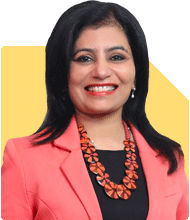
Ashwini

Ashwini Dasgupta  | Answer  |Ask -

Personality Development Expert, Career Coach - Answered on May 26, 2025

Ashwini Dasgupta is a personality development coach and a neuro-linguistic programming trainer.
She has 15 years of experience training corporate professionals and has worked at Amazon, JP Morgan, Nomura and Satyam among others.
As a career coach, Ashwini specialises in helping growth-minded IT corporate managers develop their self-worth and create the right mindset so that they can achieve their career goals.
Besides corporate training, she offers personal consultations as well.
Ashwini holds a master’s degree in human resources from the Narsee Monjee Institute of Management Studies, Mumbai, and is a certified NLP trainer from the National Federation of NeuroLinguistic Programming, USA.
She has completed her soft skills training and image consultancy course from the Image Consulting Business Institute, Mumbai
Ashwini is also a PoSH trainer, certified by the Society for Human Resource Management.... more
Asked by Anonymous - Mar 09, 2025

Career

My boss is a micromanager and wants me to quit. It is affecting my quality of work. What should I do?

Ans: Dear Sir/ Madam,

Here, important is to protect your mental peace
Have a strategic communication without sounding defensive
Speak to HR ( if you trust the system)
Document the incidences and micromanagement
Keep written records/ emails etc
Start planning your exit

Hope this helps

Thanks
Ashwini
www.ashwinidasgupta..com
Thanks
Ashwini
Career

You may like to see similar questions and answers below
Career

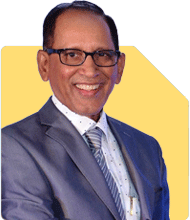
Career Coach  | Answer  |Ask -

Workplace Expert - Answered on Feb 21, 2024

Asked by Anonymous - Feb 21, 2024Hindi
Listen
Career
My manager is mentally harassing me. I work 14-16 hours a day. Even during weekends he calls to discuss work and says it's important and urgent. My family is very upset. I have tried to say no many times but he continues to behave in the same way. I can't quit until I find a better job. This job is important for my career. What should I do?
Ans: I'm sorry to hear that you're going through this challenging situation. It's crucial to address workplace harassment and maintain a healthy work-life balance. Here are some steps you could consider:

1. Document Everything: Keep a record of the instances of harassment, including dates, times, what was said or done, and how it made you feel. Documentation can be helpful if you need to escalate the situation later.

2. Set Boundaries: Clearly communicate your boundaries to your manager. Let them know that you're willing to work hard during regular working hours but that you need time off during evenings and weekends to rest and spend time with your family.

3. Use Assertive Communication: When your manager calls you during your off hours, politely remind them of the boundaries you've set and suggest scheduling a discussion during regular working hours unless it's genuinely urgent.

4. Seek Support: Talk to HR or another trusted superior about the situation. They may be able to intervene and provide support or mediation. If your company has an employee assistance program (EAP), consider reaching out to them for guidance.

5. Know Your Rights: Familiarize yourself with your company's policies on harassment and discrimination. If your manager's behavior constitutes harassment, you have the right to take action to stop it.

6. Consider Legal Options: If the harassment persists and affects your well-being or career prospects, you may need to consider legal action. Consult with an employment lawyer to understand your rights and options.

7. Explore Other Job Opportunities: Start actively looking for other job opportunities that align with your career goals and values. Having alternative options can provide you with more leverage in dealing with your current situation.

8. Take Care of Yourself: Prioritize self-care during this stressful time. Make time for activities that help you relax and recharge, and lean on your support network for emotional support.

Remember that no job is worth sacrificing your mental health and well-being. It's essential to advocate for yourself and take steps to address the harassment you're experiencing.

..Read more

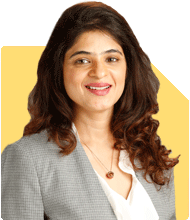
Archana

Archana Deshpande  | Answer  |Ask -

Image Coach, Soft Skills Trainer - Answered on May 20, 2024

Asked by Anonymous - Apr 29, 2024Hindi
Listen
Career
I am software engineer aged 30 years. My manager is a sadist doesn't understand anything technically and always pester us on non essential things that doesn't matter at all in the work and deliverables. We are getting frustrated most of the times. Always blames others for his/her own mistakes. Always divides and rule the team. Always wants to go out and party even if there is lot of work and end of the day, asks for the work status. I do not want to leave the company but doesn't bare this manager at all. Please suggest what to do. I am at my low.
Ans: Hello!!
Most of us have had managers at some point in our careers, while some are helpful, compassionate, and capable, others may not meet these standards, clearly yours is not meeting the standards!! Dealing with challenging managers can be, well, a challenge. Be courageous and face the challenge, you are not a newbie you are a strong 30 yr old man.
When I worked in the corporate world, what I heard most of the times was that people don't leave a company, they leave bad bosses. Throughout your question you have always mentioned a "we", that means this bad boss is affecting many more people.
You have these options-
1. you all can send a signed petition about this boss, post this to the HR
2. nobody has to suffer at work, there will always be a way out, look for it
3. you be sincere in your work and deliver, develop a thick skin and don't allow this boss to affect you
3.if nothing works then quit, do whatever it takes to be peaceful at work

I am sure a smart 30 yr old software engineer like you "can" and "will" find a solution to this problem by choosing your options wisely and looking into what is important for you!

All the best!!

..Read more

Archana

Archana Deshpande  | Answer  |Ask -

Image Coach, Soft Skills Trainer - Answered on Nov 18, 2024

Asked by Anonymous - Oct 16, 2024Hindi
Listen
Career
My manager is constantly manipulating his boss about me. Everyone in my team is aware that she is increasingly insecure about my success and feels threatened by me. She often gives incorrect and incomplete feedback due to which my manager feels that my manager is more efficient than I am. In the past, 4 people have quit or been foced to resign due to these politics. Should I also quit and move to another company or should I talk to the manager about this? Pls help
Ans: Hi!!

When I was working in the corporate world, the oft repeated quote was, "people don't leave the company ,they leave bad bosses".
Your manager's boss is your super boss, rt? Can't you go and speak to him directly and put your concerns across?
I am sure the HR must have noticed that people are quitting and might have explored the reasons why they are doing so too, do check with them.
I fail to understand why women should not cooperate with each other. You can also explore the option of talking directly to the manager and telling her if your actions in any way have caused some misunderstanding and if she says yes then you are willing to clear them. Also tell her that you are not eyeing her post and you are just trying to do your job well. I did the same with one of my bosses, it worked for me, we became the best of friends, we are still in touch. You need to think which is your best option and choose one from all the possible solutions I have mentioned. You can always quit, that's the last option I feel..

Hoping you choose wisely..All the very best!!

..Read more

Latest Questions
Anu

Anu Krishna  |1746 Answers  |Ask -

Relationships Expert, Mind Coach - Answered on Dec 08, 2025

Ramalingam

Ramalingam Kalirajan  |10874 Answers  |Ask -

Mutual Funds, Financial Planning Expert - Answered on Dec 08, 2025

Asked by Anonymous - Dec 08, 2025Hindi
Money
Hi i am 40M. would request your help to understand what should be the corpus required for retirement as i want to get retired in next 3-5yrs. currently my take home is 2.3L monthly & my wife also works but leaving the job in next 2-3 months. we have a daughter 10yrs, currently i stay on rent and total monthly expense is 1.1L month. once i will retire we will shift in our own parental flat, where hopefully there will be no rent. current Investments 1. 50L in REC bonds getting matured in 2029 2. 42L in stocks 3. 17L in MF 4. 16L FD 5. 15L in PPF 6. 1.3L SIP monthly i do My Wife Investments 1. 30L corpus 2. flat with current value 40L and we get rental of 10K monthly. Please guide what should be the retirement corpus required combined to retire, assuming i need 75L for my daughter post grad and marriage and we would be requiring 75K monthly for our expenses after retiring
Ans: You have explained your income, goals, current assets, and future plans with great clarity. Your early planning spirit is strong. This gives a very good base. You can reach a peaceful retirement with smart steps in the next few years.

» Your Current Position

You are 40 years old. You plan to retire in 3 to 5 years. You earn Rs 2.3 lakh per month. Your wife also works but will stop working soon. You have one daughter aged 10. Your current monthly cost is around Rs 1.1 lakh. This cost will reduce after retirement because you will shift to your parental flat.

Your investment base is already good. You have saved in bonds, stocks, mutual funds, PPF, FD, and SIP. Your wife also has her own savings and rental income from a flat. All these create a good starting point.

This early base helps you plan stronger. It also gives room for more shaping. You are on the right road.

» Your Family Goals

You need Rs 75 lakh for your daughter’s higher education and marriage.

You want Rs 75,000 per month for family living after retirement.

You want to retire in 3 to 5 years.

You will shift to your parental flat after retirement.

You will have rental income of Rs 10,000 from your wife’s flat.

These goals are clear. They give direction. They allow a strong plan.

» Your Present Investments

Your investments include:

Rs 50 lakh in REC bonds maturing in 2029.

Rs 42 lakh in stocks.

Rs 17 lakh in mutual funds.

Rs 16 lakh in fixed deposits.

Rs 15 lakh in PPF.

Rs 1.3 lakh as monthly SIP.

Your wife holds:

Rs 30 lakh corpus.

A flat worth Rs 40 lakh with rent of Rs 10,000 each month.

Your combined net worth is healthy. This gives good power to build your retirement fund in the coming years.

» Understanding Your Expense Need After Retirement

You expect Rs 75,000 per month after retirement. This includes all basic needs. You will not have rent. That reduces cost. This assumption looks fair today.

Your cost will rise with inflation. So you must plan for rising needs. A strong retirement corpus must support rising cost for 40 to 45 years because you are retiring early.

An early retirement needs a large buffer. So you need safety along with growth. Your plan must include growth assets and safety assets.

» How Much Monthly Income You Will Need Later

Rs 75,000 per month is Rs 9 lakh per year. In future years, this cost can rise. If we assume steady rise, your future cost will be much higher.

So the retirement corpus must be designed to:

Give monthly income.

Beat inflation.

Support you for 40 to 45 years.

Protect your family even in market down cycles.

Allow flexibility if your needs change.

A strong retirement fund must support both safety and long-term growth.

» How Much Corpus You Should Target

A safe target is a large and flexible corpus that can support long years without running out of money. For early retirement, the usual thumb rule suggests a very high number. This is because you need income for many decades.

You need a corpus big enough to produce rising income. You also need a cushion for unexpected health costs, lifestyle shocks, and inflation changes.

Your target retirement corpus should be in a strong range. For your needs of Rs 75,000 per month and for goals like daughter’s education and marriage, you should aim for a combined retirement readiness corpus in the higher bracket.

A safe range for your family would be a very large number crossing multiple crores. This large range gives you:

Income safety.

Inflation protection.

Peace during market cycles.

Comfort in long life.

Room for daughter’s future.

Strong backup for health.

You are already on the way due to your existing assets. You will reach close to this range with systematic building over the next 3 to 5 years.

» Why You Need This Larger Corpus

You will retire early. That means more years of living from your corpus. Your corpus must not fall early. It must grow even after retirement. It must give monthly income and long-term family protection.

This is only possible when the corpus is strong and well-structured. A weak corpus creates stress. A strong corpus creates freedom.

Also, your daughter’s future cost must be kept aside. This must be parked in a separate fund. This must not touch your retirement money.

A strong corpus makes these two worlds separate and safe.

» Your Existing Assets and Their Strength

You already have good diversification:

Bonds give safety.

Stocks give growth.

Mutual funds give managed growth.

FD gives stability.

PPF gives tax-free long-term savings.

This blend is already a good start. But you need to make the blend more structured for early retirement.

Your Rs 1.3 lakh monthly SIP is also strong. It builds your future fast. You should continue.

Your wife’s rental income is small but steady. This adds strength.

Your combined financial base can reach your retirement target if you refine your allocation now.

» Your Daughter’s Future Fund Need

You need Rs 75 lakh for your daughter’s education and marriage. You should keep this goal separate from your retirement goal.

Your current SIP and future allocations should create a dedicated fund for this goal. A long-term fund can grow well when managed actively.

Do not mix this fund with your retirement needs. Mixing leads to shortage in old age. Always keep this corpus ring-fenced.

» A Strong Asset Mix For Your Retirement Path

A balanced mix is needed. You need growth assets to beat inflation. You also need stable assets for income.

You must avoid index funds because they do not give flexibility. Index funds follow a fixed index. They cannot make active changes in different markets. They cannot move to better stocks when markets change. They force you to stay in weak sectors for long. They also do not help you in down cycles because they cannot protect you by shifting to safer options. This can hurt retirement planning.

Actively managed funds are better because:

They give active asset selection.

They give scope for better returns.

They give flexibility to change sectors.

They give downside management.

They give access to a skilled fund manager.

They support long-term planning more safely.

Direct plans also carry risk. Direct plans do not give guidance. They do not give behavioural support. They do not give market timing help. They do not give portfolio shaping. They leave all the judgement to you. One mistake can cost years of wealth.

Regular plans with guidance from a Certified Financial Planner help you shape decisions. They help you remain disciplined. They help you avoid panic. They help you decide allocation changes at the right time. This saves wealth in long-term.

» How Your Investment Journey Should Grow in the Next 3–5 Years

Continue your SIP.

Increase SIP when your income rises.

Shift part of your stock holding into planned long-term mutual funds to reduce concentration risk.

Build a defined daughter’s education fund.

Keep a part of your REC bond maturity amount for long-term.

Avoid locking too much into fixed deposits for long periods.

Build a safety fund for one year of expenses.

This will create a full structure.

» Your Rental Income Role

Your rental income of Rs 10,000 per month is small but steady. Over time it will rise. This income will support your monthly cash flow after retirement.

You can use this for utilities or health insurance premiums. This gives a cushion.

» Your Emergency Buffer

You should keep at least one year of essential cost in a safe place. This can be in a liquid account or short-term fund. This protects you in shocks.

Since you plan early retirement, a strong buffer is important. It gives peace even in low months.

» A Structured Retirement Approach

A complete retirement plan for you should include:

A clear monthly income plan after retirement.

A corpus that can grow and protect.

A rising income system that matches inflation.

A separate daughter’s future fund.

A health cover plan for your family.

A tax-efficient withdrawal plan.

A market cycle plan to protect you in tough times.

This holistic approach keeps your family strong for decades.

» What You Should Build by Retirement Year

Your aim should be to reach a strong multi-crore range in investments before retirement. You already hold a large amount. You will add more in the next 3 to 5 years through SIP, stock growth, bond maturity, and disciplined saving.

Once you reach your target range, you can start the shifting process:

Move a part to stable assets.

Keep a part in long-term growth assets.

Create a monthly income strategy.

Keep a reserve bucket.

Keep a child future bucket.

Keep a long-term growth bucket.

This structure protects you in all market conditions.

» Final Insights

Your financial journey is already strong. You have a good income. You have saved well. You have multiple asset types. You have a clear timeline. And you have clear goals. This foundation is solid.

In the next 3 to 5 years, your focus should be on growing your combined corpus to a strong multi-crore range, keeping a separate fund for your daughter, reducing risk in unplanned assets, and building a stable long-term structure.

With the present path and a disciplined structure, you can retire peacefully and support your family with confidence for many decades.

Best Regards,

K. Ramalingam, MBA, CFP,
Chief Financial Planner,
www.holisticinvestment.in

https://www.youtube.com/@HolisticInvestment

...Read more

Samraat

Samraat Jadhav  |2499 Answers  |Ask -

Stock Market Expert - Answered on Dec 08, 2025

Ramalingam

Ramalingam Kalirajan  |10874 Answers  |Ask -

Mutual Funds, Financial Planning Expert - Answered on Dec 08, 2025

Money
Hello my name is saket, I monthly salary is 43k and my saving is zero. My Rent is 15 k and 10 k i send to my parents. How can i save money and investments.
Ans: 1. Your Current Monthly Numbers

Salary: Rs 43,000

Rent: Rs 15,000

Support to parents: Rs 10,000

Left with: Rs 18,000 for food, travel, bills, and savings

You have very little room, but saving is still possible if done smartly.

2. First Step: Build a Small Emergency Buffer

You must build Rs 10,000 to Rs 20,000 emergency money.
This protects you from taking loans for small issues.

How to build it:

Save Rs 3,000 to Rs 5,000 every month in a simple bank savings account

Do this for the next few months

Don’t touch it unless truly needed

3. Create a Mini Budget (Very Simple One)

Try this split from the remaining Rs 18,000:

Daily living (food + transport): Rs 10,000 – 11,000

Personal expenses (phone, internet, basics): Rs 3,000 – 4,000

Savings + investments: Rs 3,000 – 5,000

If this feels difficult, reduce food/transport costs by small adjustments.

4. Where to Invest Once You Have Emergency Money

(For minors: This is general education. For actual investing, get guidance from a trusted adult or family member.)

After you build emergency money, start small monthly investing.

You can begin with:

Rs 1,000 to Rs 2,000 SIP in a simple, diversified equity fund

Increase the SIP whenever salary increases or expenses reduce

Avoid complicated products.
Keep it simple.
Focus on consistency.

5. Easy Practical Ways to Increase Saving

These small moves help a lot:

Avoid food delivery

Use public transport as much as possible

Reduce subscriptions you don’t use

Fix a daily expense limit

Keep a separate bank account only for savings

Even Rs 200 saved daily = Rs 6,000 monthly.

6. Increase Income Slowly

Try small income boosters:

Weekend tutoring

Freelancing

Part-time projects

Selling old gadgets

Learning new skills for future salary growth

Even Rs 3,000 extra income changes your savings life.

7. Build the Habit First

The amount doesn’t matter in the beginning.
The habit matters more.

Even saving Rs 500 every month is better than zero.
Once salary grows, you will already know how to save.

Best Regards,

K. Ramalingam, MBA, CFP,

Chief Financial Planner,

www.holisticinvestment.in

https://www.youtube.com/@HolisticInvestment

...Read more

DISCLAIMER: The content of this post by the expert is the personal view of the rediffGURU. Investment in securities market are subject to market risks. Read all the related document carefully before investing. The securities quoted are for illustration only and are not recommendatory. Users are advised to pursue the information provided by the rediffGURU only as a source of information and as a point of reference and to rely on their own judgement when making a decision. RediffGURUS is an intermediary as per India's Information Technology Act.

Close  

You haven't logged in yet. To ask a question, Please Log in below
Login

A verification OTP will be sent to this
Mobile Number / Email

Enter OTP
A 6 digit code has been sent to

Resend OTP in120seconds

Dear User, You have not registered yet. Please register by filling the fields below to get expert answers from our Gurus
Sign up

By signing up, you agree to our
Terms & Conditions and Privacy Policy

Already have an account?

Enter OTP
A 6 digit code has been sent to Mobile

Resend OTP in120seconds

x