Home > Money > Question
विशेषज्ञ की सलाह चाहिए?हमारे गुरु मदद कर सकते हैं
Janak

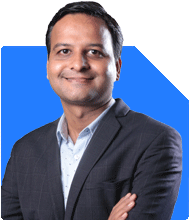
Janak Patel  |74 Answers  |Ask -

MF, PF Expert - Answered on Jul 15, 2025

Janak Patel is a certified financial planner accredited by the Financial Planning Standards Board, India.
He is the CEO and founder of InfiniumWealth, a firm that specialises in designing goal-specific financial plans tailored to help clients achieve their life goals.
Janak holds an MBA degree in finance from the Welingkar Institute of Management Development and Research, Mumbai, and has over 15 years of experience in the field of personal finance. ... more
Asked by Anonymous - Jul 12, 2025English

Money

नमस्ते, मेरी उम्र 40 वर्ष है। मेरा बेटा तीसरी कक्षा में पढ़ता है। मेरी सैलरी 1.1 लाख प्रति माह है। मेरे पास 50 लाख की एफडी, 2 लाख का ईपीएफ और 2.5 लाख की नकदी है। कृपया मुझे रिटायरमेंट के लिए सुझाव दें।

Ans: नमस्ते,

सेवानिवृत्ति से पहले आपके पास लगभग 15-20 साल हैं और यह एक अच्छा रिटायरमेंट फंड इकट्ठा करने के लिए एक अच्छा समय है।

इस दौरान भी आपके बेटे की शिक्षा आपकी प्राथमिकता रहेगी। मान लीजिए कि आप अपनी मासिक आय से कम से कम उसकी 10वीं/12वीं कक्षा तक उसकी शिक्षा का खर्च उठा सकते हैं। आप उसके ग्रेजुएशन/पोस्टग्रेजुएशन के लिए एक राशि तय कर सकते हैं जो आप उसे देना चाहते हैं। उदाहरण के लिए, अगर आप उसके 18 साल के होने पर 10 लाख रुपये देना चाहते हैं, तो आपको 12% रिटर्न मानकर म्यूचुअल फंड में 2000 रुपये की मासिक SIP राशि का निवेश शुरू करना होगा। इस प्रकार, आवश्यक राशि के आधार पर आप आवश्यक SIP राशि की गणना कर सकते हैं।

आपके पास 2 लाख रुपये का EPF है जो आज पर्याप्त नहीं है, लेकिन अगर आप योगदान जारी रखते हैं और 15 साल बाद यह एक अच्छी खासी रकम हो सकती है। लेकिन फिर भी यह रिटायरमेंट के लिए पर्याप्त नहीं हो सकती है, इसलिए आप इसे अपनी सेवानिवृत्ति का हिस्सा/योगदान मान सकते हैं।

तो चलिए आपके FD पर नज़र डालते हैं - आपके FD में 50 लाख रुपये हैं। उन पर 7% ब्याज मिलने पर भी आप मुद्रास्फीति को मात नहीं दे पाएँगे क्योंकि आपको ब्याज आय पर कर देना होगा।
इस पैसे से बेहतर रिटर्न मिलने की संभावना है और यह न केवल मुद्रास्फीति को मात दे सकता है, बल्कि एक सेवानिवृत्ति कोष भी बना सकता है जो 20 वर्षों के लिए पर्याप्त हो सकता है (यह आपके खर्चों पर भी निर्भर करता है)।

यदि आप इन 50 लाख रुपये को बाँटकर 5 लाख रुपये आपात स्थिति के लिए FD में रखते हैं, तो आप शेष 45 लाख रुपये का निवेश करके एक अच्छा कोष बना सकते हैं।
यदि आप म्यूचुअल फंड में 45 लाख रुपये निवेश करते हैं और 15 वर्षों में 12% का रिटर्न मानते हैं, तो आपके पास लगभग 2.70 करोड़ रुपये का कोष होगा।
सेवानिवृत्ति के लिए 15-20 वर्ष होने पर, आपके पास अपने लक्ष्यों को प्राप्त करने का एक फायदा है।

हालाँकि ये आँकड़े अभी अच्छे लग सकते हैं, लेकिन इनका मूल्यांकन आपके मासिक खर्चों, जीवन के अन्य लक्ष्यों, बेटे की शिक्षा संबंधी ज़रूरतों आदि जैसे अन्य सभी मानदंडों के साथ किया जाना चाहिए।

मेरा सुझाव है कि आप किसी वित्तीय सलाहकार या शुल्क-आधारित सलाहकार से परामर्श लें और एक ऐसी वित्तीय योजना के सभी पहलुओं पर चर्चा करें जो सेवानिवृत्ति और अन्य सभी लक्ष्यों को कवर करे। यह योजना आपको भविष्य के लिए बेहतर तैयारी करने में मदद करेगी और आपको विकल्प और उन्हें प्राप्त करने के लिए एक स्पष्ट रोडमैप प्रदान करेगी। इसमें स्वास्थ्य और जीवन बीमा के पहलुओं को भी शामिल किया जाएगा।

धन्यवाद एवं सादर
जनक पटेल
प्रमाणित वित्तीय योजनाकार।
DISCLAIMER: The content of this post by the expert is the personal view of the rediffGURU. Users are advised to pursue the information provided by the rediffGURU only as a source of information to be as a point of reference and to rely on their own judgement when making a decision.
Money

आप नीचे ऐसेही प्रश्न और उत्तर देखना पसंद कर सकते हैं

Ramalingam

Ramalingam Kalirajan  |11056 Answers  |Ask -

Mutual Funds, Financial Planning Expert - Answered on Jan 23, 2025

Asked by Anonymous - Jan 22, 2025English
Money
मैं 40 साल का हूँ और मेरी 1 बेटी है जो 8 साल की है। मेरा मासिक खर्च 60 हज़ार है। मेरे पास PF में 30 लाख, स्टॉक में 25 लाख, FD में 40 लाख, 50 लाख कैश, 35 लाख सोना, खुद का अपार्टमेंट है, कोई लोन नहीं है, रियल एस्टेट में 4 करोड़ हैं। कृपया सुझाव दें कि अगर मैं अगले 2 सालों में रिटायर होना चाहता हूँ तो मुझे क्या करना चाहिए।
Ans: आप विविध निवेशों और बिना किसी देनदारी के साथ एक बेहतरीन वित्तीय स्थिति में हैं। आपकी संपत्तियाँ, जिनमें रियल एस्टेट भी शामिल है, समय से पहले रिटायरमेंट के लिए एक मजबूत आधार प्रदान करती हैं। आइए अपने वित्तीय विवरणों की समीक्षा करें और वित्तीय स्वतंत्रता प्राप्त करने और रिटायरमेंट के बाद एक आरामदायक जीवनशैली बनाए रखने के लिए एक योजना बनाएँ।

मौजूदा वित्तीय संसाधन
भविष्य निधि (PF): रु. 30 लाख - एक स्थिर, कम जोखिम वाला निवेश।

शेयर: रु. 25 लाख - विकास की संभावना प्रदान करता है, लेकिन बाजार जोखिम के साथ आता है।

सावधि जमा (FD): रु. 40 लाख - एक सुरक्षित लेकिन कम-उपज वाला निवेश।

नकद: रु. 50 लाख - तरलता सुनिश्चित करता है, लेकिन रिटर्न नहीं देता।

सोना: रु. 35 लाख - मुद्रास्फीति के खिलाफ बचाव लेकिन आय सृजन पर कम।

रियल एस्टेट: रु. 4 करोड़ - महत्वपूर्ण संपत्ति लेकिन किराए पर दिए जाने या बेचे जाने तक तरलता की कमी है।

खुद का अपार्टमेंट: आवास सुरक्षा सुनिश्चित करने वाली ऋण-मुक्त संपत्ति।

मासिक व्यय आकलन
आपके वर्तमान मासिक व्यय 60,000 रुपये हैं।

भविष्य की जरूरतों का अनुमान लगाने के लिए इस राशि को मुद्रास्फीति के लिए समायोजित करें (6-7% वार्षिक मान लें)।

दो वर्षों में, आपके मासिक व्यय लगभग 68,000-70,000 रुपये तक बढ़ जाएंगे।

सेवानिवृत्ति लक्ष्य
आपके लक्ष्यों में शामिल होना चाहिए:

जीवन के लिए एक स्थिर आय सुनिश्चित करना।

अपनी बेटी की उच्च शिक्षा और विवाह के लिए धन जुटाना।

मुद्रास्फीति और स्वास्थ्य सेवा लागतों का प्रबंधन करना।

अपनी संपत्ति को संरक्षित करना और इसे अगली पीढ़ी को सौंपना।

एसेट एलोकेशन रणनीति
प्रोविडेंट फंड
सेवानिवृत्ति तक पीएफ कॉर्पस को ऐसे ही रखें।

सेवानिवृत्ति के बाद, आय के पूरक के लिए नियमित निकासी के लिए इसका उपयोग करें।

बेहतर लिक्विडिटी के लिए राशि का कुछ हिस्सा सुरक्षित डेट म्यूचुअल फंड में ट्रांसफर करने पर विचार करें।

स्टॉक
अपने स्टॉक पोर्टफोलियो को इक्विटी म्यूचुअल फंड में विविधता प्रदान करें।

सक्रिय रूप से प्रबंधित फंड पेशेवर प्रबंधन और बेहतर दीर्घकालिक रिटर्न प्रदान कर सकते हैं।

केवल प्रत्यक्ष स्टॉक रखने से बचें क्योंकि वे जोखिम भरे होते हैं।

फिक्स्ड डिपॉजिट
फिक्स्ड डिपॉजिट में निवेश कम करें क्योंकि इससे टैक्स के बाद रिटर्न कम मिलता है।

मध्यम जोखिम के साथ अधिक रिटर्न के लिए डेट म्यूचुअल फंड में फंड को फिर से आवंटित करें।

आपातकालीन उपयोग के लिए 10-15 लाख रुपये एफडी में रखें।

नकद
आपातकालीन निधि के रूप में 10-15 लाख रुपये रखें।

शेष 35-40 लाख रुपये हाइब्रिड म्यूचुअल फंड में निवेश करें।

इससे विकास और स्थिरता का संतुलन बना रहेगा।

सोना
सोने को मुख्य रूप से धन संरक्षण उपकरण के रूप में रखें।

सोने में निवेश बढ़ाने से बचें क्योंकि इससे आय नहीं होती।

रियल एस्टेट
मासिक किराये की आय उत्पन्न करने के लिए अपनी किसी रियल एस्टेट प्रॉपर्टी को किराए पर देने का प्रयास करें।

पूरी तरह से रियल एस्टेट पर निर्भर रहने से बचें क्योंकि इसमें लिक्विडिटी की कमी होती है।

खराब प्रदर्शन करने वाली रियल एस्टेट को बेचने और उससे प्राप्त आय को म्यूचुअल फंड में निवेश करने पर विचार करें।

सेवानिवृत्ति आय योजना
व्यवस्थित निकासी
सेवानिवृत्ति के बाद, मासिक आय के लिए म्यूचुअल फंड से व्यवस्थित निकासी योजना (एसडब्ल्यूपी) का उपयोग करें।

एसडब्लूपी से कर-कुशल नियमित नकदी प्रवाह उत्पन्न हो सकता है।

आवश्यकतानुसार पीएफ निकासी के साथ एसडब्लूपी को पूरक करें।

किराये की आय
रियल एस्टेट से किराये की आय आपकी सेवानिवृत्ति आय का एक स्थिर हिस्सा बन सकती है।

संपत्ति के मूल्य पर सालाना 2-3% की रूढ़िवादी किराये की उपज का अनुमान लगाएं।

सोने का मुद्रीकरण
निष्क्रिय सोने पर ब्याज कमाने के लिए सोने के मुद्रीकरण योजनाओं का उपयोग करें।

जब तक बिल्कुल आवश्यक न हो, सोना बेचने से बचें।

बेटी की शिक्षा और विवाह
अपनी बेटी की शिक्षा और विवाह के लिए एक समर्पित कोष शुरू करें।

इक्विटी और संतुलित म्यूचुअल फंड के मिश्रण में 20-25 लाख रुपये का निवेश करें।

सुनिश्चित करें कि निवेश उसकी शैक्षिक मील के पत्थर के अनुरूप हो।

यह सुनिश्चित करने के लिए कि यह भविष्य की जरूरतों को पूरा करता है, समय-समय पर इस कोष की समीक्षा करें।

मुद्रास्फीति प्रबंधन
मुद्रास्फीति समय के साथ आपके कोष के मूल्य को कम कर देगी।

मुद्रास्फीति को मात देने के लिए इक्विटी और ऋण के बीच 60:40 आवंटन बनाए रखें।

इक्विटी एक्सपोजर विकास प्रदान करेगा, जबकि ऋण स्थिरता सुनिश्चित करता है।

स्वास्थ्य सेवा और बीमा
सुनिश्चित करें कि आपके पास अपने और अपने परिवार के लिए पर्याप्त स्वास्थ्य बीमा है।

कम से कम 25-30 लाख रुपये की बीमा राशि चुनें।

अतिरिक्त कवरेज के लिए सुपर टॉप-अप प्लान जोड़ने पर विचार करें।

अगर आपके पास टर्म इंश्योरेंस नहीं है, तो अपनी बेटी के स्वतंत्र होने तक पॉलिसी लेने पर विचार करें।

कर-कुशल योजना
इक्विटी म्यूचुअल फंड लंबी अवधि के कर लाभ प्रदान करते हैं। 1.25 लाख रुपये से अधिक के लाभ पर 12.5% ​​कर लगता है।

डेट फंड लाभ पर आपके आयकर स्लैब के अनुसार कर लगता है। कर प्रभाव को कम करने के लिए निकासी की सावधानीपूर्वक योजना बनाएं।

किराये की आय कर योग्य है। कर योग्य आय को कम करने के लिए संपत्ति कर और रखरखाव लागत जैसी कटौती का उपयोग करें।

निवेश पुनर्संतुलन
अपने पोर्टफोलियो की नियमित समीक्षा करें और उसे पुनर्संतुलित करें।

सेवानिवृत्ति के करीब आने पर उच्च जोखिम वाली संपत्तियों में निवेश कम करें।

स्थिरता के लिए डेट और हाइब्रिड फंड आवंटन बढ़ाएँ।

अंतिम अंतर्दृष्टि
आपके पास जल्दी सेवानिवृत्त होने के लिए एक मजबूत वित्तीय आधार है। लिक्विडिटी, स्थिर आय और मुद्रास्फीति सुरक्षा पर ध्यान दें। किराये की आय, SWP और PF निकासी का मिश्रण एक सुरक्षित सेवानिवृत्ति सुनिश्चित करेगा। प्रमाणित वित्तीय योजनाकार के साथ समय-समय पर समीक्षा करने से आपकी योजना सही दिशा में बनी रहेगी।

सादर,

के. रामलिंगम, एमबीए, सीएफपी,

मुख्य वित्तीय योजनाकार,

www.holisticinvestment.in
https://www.youtube.com/@HolisticInvestment

..Read more

Nitin

Nitin Narkhede  | Answer  |Ask -

MF, PF Expert - Answered on Jan 23, 2025

Asked by Anonymous - Jan 22, 2025English
Listen
Money
मैं 40 साल का हूँ और मेरी 1 बेटी है जो 8 साल की है। मेरा मासिक खर्च 60 हज़ार है। मेरे पास PF में 30 लाख, स्टॉक में 25 लाख, FD में 40 लाख, 50 लाख कैश, 35 लाख सोना, खुद का अपार्टमेंट है, कोई लोन नहीं है, रियल एस्टेट में 4 करोड़ हैं। कृपया सुझाव दें कि अगर मैं अगले 2 सालों में रिटायर होना चाहता हूँ तो मुझे क्या करना चाहिए।
Ans: प्रिय मित्र, 2 साल में रिटायर होने के लिए, आपको अपने मौजूदा मासिक खर्च 60,000 रुपये को पूरा करने के लिए लगभग 2 करोड़ रुपये की राशि की आवश्यकता होगी, जिसे मुद्रास्फीति के लिए समायोजित किया गया है और 30 साल की सेवानिवृत्ति की उम्मीद है। स्थिर वार्षिक आय (~ 10 लाख रुपये) उत्पन्न करने के लिए SCSS, RBI बॉन्ड या डेट म्यूचुअल फंड जैसे फिक्स्ड-इनकम इंस्ट्रूमेंट में 2.5 करोड़ रुपये आवंटित करें। विकास के लिए स्टॉक और इक्विटी म्यूचुअल फंड में 50 लाख रुपये और स्थिरता के लिए बैलेंस्ड म्यूचुअल फंड में 30 लाख रुपये रखें। आपात स्थिति के लिए लिक्विड फंड या FD में 20-30 लाख रुपये रखें। रियल एस्टेट के लिए, अपना प्राथमिक निवास बनाए रखें और अन्य संपत्तियों से किराये की आय का पता लगाएं। लिक्विडिटी के लिए विविध परिसंपत्तियों में पुनर्निवेश करने के लिए एक संपत्ति बेचने पर विचार करें। PPF और इक्विटी फंड के मिश्रण के माध्यम से अपनी बेटी की शिक्षा के लिए 50 लाख रुपये आवंटित करें। मुद्रास्फीति और बाजार में बदलाव को ध्यान में रखते हुए अपने पोर्टफोलियो की नियमित समीक्षा करें। यह योजना आपके परिवार के लिए आरामदायक सेवानिवृत्ति और वित्तीय सुरक्षा सुनिश्चित करती है।
सादर, नितिन नरखेड़े - संस्थापक समृद्धि लाइफस्टाइल हब,
निःशुल्क वेबिनार https://bit.ly/PLH-Webinar

..Read more

Ramalingam

Ramalingam Kalirajan  |11056 Answers  |Ask -

Mutual Funds, Financial Planning Expert - Answered on Jun 05, 2025

Money
Hi sir, im 40 years old and my earning 3.2L per month take home also i get 33 k from hours rent , and my investment is MF 24L ,PPF22L,FD20L and i have 10L reserve for medical ,i want retirement after 5 years with 5 cr corpus please suggest
Ans: You have shown good awareness in planning for early retirement. With a steady income of Rs. 3.2 lakh per month and Rs. 33,000 rent, your financial base is strong. You also have well-placed assets in mutual funds, PPF, FDs, and a medical reserve. Let us evaluate your position step by step and build a 360-degree plan to achieve Rs. 5 crore in 5 years.

Assessing Your Current Financial Strength

You are 40 years old and aim to retire in 5 years. So, time is short.

You have monthly income of Rs. 3.53 lakh including rent. This gives strong cash flow.

Your mutual funds value is Rs. 24 lakh. This is your main wealth builder.

You have Rs. 22 lakh in PPF. This is safe but less liquid.

You also have Rs. 20 lakh in FDs. This earns steady but lower returns.

You kept Rs. 10 lakh as medical reserve. That is wise and needed at your stage.

You have built a good base. But you now need to increase growth speed.

You have only 5 years. So, each rupee must work harder.

We need to review, rebalance, and optimise every investment.

Evaluate Gap Between Today and Target

You want Rs. 5 crore in 5 years. Today your total is Rs. 76 lakh.

That includes Rs. 24 lakh MF, Rs. 22 lakh PPF, Rs. 20 lakh FD, Rs. 10 lakh reserve.

A gap of Rs. 4.24 crore must be covered in 60 months.

This means very high monthly investments and return expectation.

Simple savings won’t be enough. Growth assets must take the lead.

But you also cannot take very high risk due to short time.

So, we must create a strong, balanced plan.

Mutual Funds – The Key Growth Engine

You already have Rs. 24 lakh in mutual funds.

This must be kept and grown. You should not withdraw from it.

Shift to regular plans via a Certified Financial Planner.

Avoid direct plans. They offer no guidance or behaviour support.

Regular plans through a qualified MFD with CFP can give better control.

Focus more on actively managed funds than index funds.

Index funds copy markets. No chance of outperformance.

Active funds aim to beat market. Fund manager’s skill helps.

Add equity-oriented hybrid funds for stability.

They offer both growth and protection in one place.

A Certified Financial Planner can help balance this.

Utilise Fixed Deposits Smartly

You have Rs. 20 lakh in FDs.

These give low returns. But they are liquid and safe.

Keep Rs. 5 lakh in FD as emergency money.

Rest Rs. 15 lakh can be used for step-wise transfer to mutual funds.

Use STP from debt fund to equity fund over 12-18 months.

This reduces market entry risk.

FD interest is taxable. Mutual funds give better post-tax returns.

PPF – Let It Continue Quietly

You have Rs. 22 lakh in PPF.

Keep it untouched till maturity.

Do not count it for retirement corpus.

Use it only after age 60 if needed.

PPF gives safety and tax-free returns.

Boost Monthly Investments with Surplus

You earn Rs. 3.2 lakh salary and Rs. 33,000 rent.

Use this income wisely over next 5 years.

Target to invest Rs. 1.5 lakh to Rs. 1.8 lakh monthly.

Start with this target from now itself.

Split this into SIPs in flexi cap, mid cap and hybrid funds.

SIP gives discipline and rupee-cost averaging benefit.

Revisit every 6 months with a Certified Financial Planner.

Medical Corpus – Keep It Safe

You have kept Rs. 10 lakh aside for medical needs.

Do not mix this with your retirement funds.

Also ensure health insurance is active with high sum insured.

Include a super top-up plan to enhance protection.

Asset Diversification is Critical

Avoid investing more in gold or real estate.

They are not suitable for short term wealth creation.

Gold gives poor long-term returns after tax.

Real estate is illiquid and cannot help monthly goals.

Stay focused on mutual funds and short-term debt tools.

Passive Income Can Also Help

You will stop working in 5 years.

So, build income from mutual fund SWP or rent.

You are already getting Rs. 33,000 rent.

Add more passive income from SWP after retirement.

A Certified Financial Planner can guide on setting up this flow.

Tax Efficiency Should Be Built-In

Equity MF gives tax-free gains till Rs. 1.25 lakh LTCG.

After that, it is taxed at 12.5 percent.

Short-term gains in equity MF are taxed at 20 percent.

Debt MF is taxed as per income tax slab.

So, use proper fund categories based on horizon.

Insurance Check-Up

You didn’t mention term insurance or health coverage.

Ensure you have Rs. 1 crore term cover for family safety.

Keep health insurance separate for you and spouse.

Depend on company group cover only is risky.

Also check if your rent property is insured.

Retirement Corpus Withdrawal Strategy

In 5 years, switch from SIP to SWP in mutual funds.

Build a 2-bucket strategy post-retirement.

Bucket 1 – for 5 years expenses in hybrid/debt funds.

Bucket 2 – rest of funds in equity for long-term growth.

This gives safety and returns both.

Behavioural Discipline is Most Important

Retirement planning needs patience and discipline.

Avoid chasing high return schemes or startups.

Stick to time-tested mutual fund strategies.

Keep emotions out. Take professional help.

Review every year and stay flexible.

Final Insights

You are doing many things right already.

With 5 years left, speed and focus are now key.

Shift surplus from FDs to mutual funds.

Increase SIP amounts. Review progress every 6 months.

Stay focused only on your 5 crore goal.

Avoid unnecessary asset classes like crypto or real estate.

Don’t touch PPF or medical reserve for retirement.

Take help from Certified Financial Planner for execution and monitoring.

Best Regards,
K. Ramalingam, MBA, CFP,
Chief Financial Planner,
www.holisticinvestment.in
https://www.youtube.com/@HolisticInvestment

..Read more

नवीनतम प्रश्न
Radheshyam

Radheshyam Zanwar  |6832 Answers  |Ask -

MHT-CET, IIT-JEE, NEET-UG Expert - Answered on Mar 06, 2026

Asked by Anonymous - Mar 06, 2026
Career
The NEET is 2 months away. I have completed my syllabus but was sick for 1.5 months now. I am getting 348 marks. I feel like I have forgotten everything. How can I score 650+?
Ans: You still have about 8 weeks, which is enough time to make a big jump if you focus on revision + question practice. First, don’t panic about “forgetting everything”; after illness, it’s normal for recall to feel weak, but concepts usually come back quickly with practice. Start by revising Biology daily (2–3 chapters/day) because it gives the fastest score increase. For Physics and Chemistry, revise formulas, key reactions, and then solve topic-wise MCQs the same day to rebuild recall. Take a Full Mock Test every 3–4 days, analyze mistakes carefully, and make a small “error notebook” so you don’t repeat them. Try to solve 120–150 questions daily and spend more time on Biology accuracy, since it’s the easiest way to push your score up quickly. Also, maintain sleep, light exercise, and proper meals so your energy fully returns after being sick. If you stay consistent with revision, mocks, and error analysis for the next two months, jumping from 350 to 600+ is realistic, and 650+ becomes possible with high accuracy.

Practical Advice: You can improve your score from 350 to 650 with thorough study and practice. Saying recall is very easy, but it will only be effective if it was well understood in the past. It is better to choose chapters from PCB where you feel more confident and focus on questions from these chapters in the NEET Exam.
For 650+: You Score like- BIO > 300, PHY > 150, CHE > 200.


Good luck.
Follow me if you receive this reply.
Radheshyam

...Read more

Ramalingam

Ramalingam Kalirajan  |11056 Answers  |Ask -

Mutual Funds, Financial Planning Expert - Answered on Mar 06, 2026

Money
How and where to check the change in benchmark index of a mutual fund from the date of investment.
Ans: It is good that you want to track the benchmark change of your mutual fund. Monitoring this helps you understand whether the fund performance comparison is fair and transparent.

» Why Benchmark Change Matters

– Every mutual fund is compared with a benchmark index
– The benchmark helps you judge if the fund manager is doing better than the market
– If the benchmark changes, past performance comparison may look different

So it is important to know when the benchmark was changed.

» Where to Check Benchmark Changes

You can verify benchmark changes through the following places:

– Mutual fund scheme factsheet

Fund houses publish monthly factsheets

It mentions the current benchmark and sometimes the previous benchmark

– Scheme Information Document (SID)

The SID explains the benchmark used by the fund

When the benchmark changes, the document gets updated

– Addendum or notice issued by the fund house

When a benchmark is changed, the fund house releases an official notice

This is usually available on the AMC website under “Notices” or “Updates”

– Your account statement or email communication

Fund houses normally inform investors through email when such changes happen

» Platforms That Show Benchmark History

You may also check on investment tracking platforms such as:

– Mutual fund research portals
– Registrar websites where your folio is maintained
– Portfolio tracking platforms

These sometimes mention historical benchmark details.

» Practical Tip for Investors

While tracking benchmark change, also observe:

– Whether the new benchmark is more appropriate for the fund category
– Whether the fund is consistently beating the benchmark
– Whether the fund strategy has changed along with the benchmark

If benchmark keeps changing frequently, it deserves closer review.

» Finally

The best place to confirm benchmark change from the exact date is the official communication from the fund house such as SID updates, addendum notices, and monthly factsheets. Keeping these records helps you track whether your fund is truly creating value over time.

Best Regards,

K. Ramalingam, MBA, CFP,

Chief Financial Planner,

www.holisticinvestment.in

https://www.youtube.com/@HolisticInvestment

...Read more

Samraat

Samraat Jadhav  |2555 Answers  |Ask -

Stock Market Expert - Answered on Mar 06, 2026

Reetika

Reetika Sharma  |593 Answers  |Ask -

Financial Planner, MF and Insurance Expert - Answered on Mar 06, 2026

Money
I am doing SIP for following mutual funds, should I adjust my SIP amount between these funds or start investing into new funds also (Small cap or Metal ETFs or others) to get better future returns with some stability. SIP % amount mentioned with each fund, total SIP amount is Rs. 29000 per month. I wish to increase it to Rs. 40000 per month. I have take little risk and looking for 7-10 year horizon. started investing since last 1 year. I am into late 40s. I efficiently use PPF/NPS/SSY for family members. Is it worth to start Vatsalya NPS as well? SBI Equity Hybrid Fund (14%), ICICI Prudential Equity & Debt Fund (14%), Parag Parikh Flexi Cap Fund (17%), HDFC Mid Cap Fund (28%), ICICI Prudential Large Cap Fund (28%)
Ans: Hi SP,

Let us go through the details one at a time.

- You are investing in PPF, NPS n SSY for family. This is good with risk free returns. Continue doing the same.
- No requirement for NPS Vatsalaya for long term.
- You are doing good and your portfolio looks quite balanced considering the amount and % mentioned. You have a good blend of equity and hybrid funds for stability.
- However can consider adding small cap as well for the long term horizon of 10 years. Start a new SIP of 4000 in Axis Small Cap.
- Increase contribution to flexicap fund and SBI Equity Hybrid fund.
- Avoid investing in sectoral funds like metal sectors as these are cyclic performers and not required for your time period.

Overall it looks good but yet you may consider consulting a professional for long term goals and aligning your investments with your goals.
Hence can consult a professional Certified Financial Planner - a CFP who can guide you with exact funds to invest in keeping in mind your age, requirements, financial goals and risk profile. A CFP periodically reviews your portfolio and suggest any amendments to be made, if required.

Let me know if you need more help.

Best Regards,
Reetika Sharma, Certified Financial Planner
https://www.instagram.com/cfpreetika/

...Read more

Dr Nagarajan J S K

Dr Nagarajan J S K   |2625 Answers  |Ask -

NEET, Medical, Pharmacy Careers - Answered on Mar 06, 2026

Asked by Anonymous - Feb 21, 2026
Career
How to get into Maxillofacial Surgery for an Indian Dentist outside India with wanting to further fellow in Maxillofacial Oncosurgery? What examinations to give and also which country doesn't overlaps ENT, Onco and Plastic Surgeons domain for the Maxillofacial Surgery?
Ans: Hi Dr., I have shared a few details regarding your query. If you need any further information, please let me know.

Examinations to Take (International Certification)
To practice internationally, particularly in the above countries, you will need to pass national board exams or international certification exams. 
IBCSOMS Examination (International Board for Certification of Specialists in Oral and Maxillofacial Surgery): This is a globally recognized board certification. Candidates must be graduates of recognized OMFS programs. It includes a comprehensive written and oral examination covering facial oncology, reconstructive surgery, and trauma (Meant for medical fraternity)
UK/Ireland: Membership of the Faculty of Dental Surgery (MFDS) and, critically, the Intercollegiate Specialty Examination FRCS (OMFS). (Meant for Dental fraternity) (Visit the website for the further details.)
USA/Canada: National Board Dental Examination (NBDE) to acquire a DDS/DMD, followed by the American Board of Oral and Maxillofacial Surgery (ABOMS) exam. (obiviouosly dental - visit the webiste)
India: Master of Dental Surgery (MDS) and then Fellow of the Indian Board of Oral & Maxillofacial Surgeons (IBOMS).
Australia: Pursue a career in Oral and Maxillofacial Surgery (OMS) through the RACDS OMS Accredited Training Program which leads to specialist registration as an OMS Surgeon. kindly visit this website for further details.

BEST REGARDS.

...Read more

Mayank

Mayank Chandel  |2641 Answers  |Ask -

IIT-JEE, NEET-UG, SAT, CLAT, CA, CS Exam Expert - Answered on Mar 05, 2026

DISCLAIMER: The content of this post by the expert is the personal view of the rediffGURU. Investment in securities market are subject to market risks. Read all the related document carefully before investing. The securities quoted are for illustration only and are not recommendatory. Users are advised to pursue the information provided by the rediffGURU only as a source of information and as a point of reference and to rely on their own judgement when making a decision. RediffGURUS is an intermediary as per India's Information Technology Act.

Close  

You haven't logged in yet. To ask a question, Please Log in below
Login

A verification OTP will be sent to this
Mobile Number / Email

Enter OTP
A 6 digit code has been sent to

Resend OTP in120seconds

Dear User, You have not registered yet. Please register by filling the fields below to get expert answers from our Gurus
Sign up

By signing up, you agree to our
Terms & Conditions and Privacy Policy

Already have an account?

Enter OTP
A 6 digit code has been sent to Mobile

Resend OTP in120seconds

x