Home > Career > Question
विशेषज्ञ की सलाह चाहिए?हमारे गुरु मदद कर सकते हैं
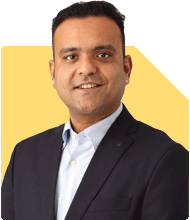
Rohit

Rohit Gupta  | Answer  |Ask -

Edtech/Online Education Expert - Answered on Feb 07, 2024

Rohit Gupta is the co-founder and COO of College Vidya, a one-stop solution for making informed online education choices.
Rohit is a first-generation entrepreneur who currently leads the company’s marketing and operations department.
A TEDx speaker, he was honoured with the ET Leadership Excellence Award 2022 for his effort in helping shape the lives of over 90,000 students through his platform.
Rohit is passionate about the potential of online education and is on a mission to democratise access to quality education and career opportunities.
He completed his schooling from Scholars Home in Dehradun and holds a bachelor’s degree in commerce from Deshbandhu College, Delhi.
... more

Anath Question by Anath on Oct 31, 2023English

Listen
Career

नमस्ते, मैं अनाथ बंधु गायेन हूं। मैं 28 साल का हूं। मेरी शैक्षणिक योग्यता उच्चतर माध्यमिक उत्तीर्ण है। मैं एक बैंक में कैज़ुअल आउटसोर्सिंग स्टाफ (आरबीओ-II, एसबीआई बैंक) के रूप में काम कर रहा हूं। मैं अंग्रेजी भाषा सीख रहा हूं. मेरी आय 8000 रुपये प्रति माह है. मैं अमीर बनना चाहता हूँ मैं क्या कर सकता हूँ?

Ans: नमस्ते अनात, यह सराहनीय है कि आप कड़ी मेहनत कर रहे हैं और अपनी स्थिति को सुधारने के तरीके खोज रहे हैं। अपनी आय बढ़ाने और वित्तीय समृद्धि की दिशा में काम करने के लिए निम्नलिखित कदमों पर विचार करें:

1. शिक्षा और कौशल विकास: चूंकि आप पहले से ही अंग्रेजी सीख रहे हैं, इसलिए अपनी शिक्षा और कौशल विकास में निवेश करना जारी रखें। आगे की शिक्षा या व्यावसायिक प्रशिक्षण कार्यक्रम अपनाने पर विचार करें जो आपकी योग्यता बढ़ा सकते हैं और बेहतर नौकरी के अवसर खोल सकते हैं।

2. करियर में उन्नति: बैंकिंग क्षेत्र में करियर में उन्नति के अवसर तलाशें। अनुभव प्राप्त करने, नए कौशल प्राप्त करने और अपने नियोक्ता को अपना मूल्य प्रदर्शित करने पर काम करें। अपने संगठन या अन्य बैंकों में उच्च वेतन वाले पदों के लिए पदोन्नति की तलाश करें या आवेदन करें।

3. अतिरिक्त हलचल और अतिरिक्त आय के स्रोत: अपनी प्राथमिक नौकरी के बाहर अतिरिक्त आय उत्पन्न करने के तरीके खोजें। इसमें एक छोटा व्यवसाय शुरू करना, फ्रीलांसिंग, या स्टॉक, रियल एस्टेट या ऑनलाइन व्यवसायों जैसी आय पैदा करने वाली संपत्तियों में निवेश करना शामिल हो सकता है।

4. वित्तीय प्रबंधन: बुद्धिमानी से बजट, बचत और निवेश करके अच्छे वित्तीय प्रबंधन का अभ्यास करें। कमाई और दीर्घकालिक संपत्ति को अधिकतम करने के लिए व्यक्तिगत वित्त और धन-निर्माण रणनीतियों के बारे में जानें।

5. नेटवर्किंग और मेंटरशिप: अपने क्षेत्र या उद्योग में सफल व्यक्तियों के साथ संबंध बनाएं जो मार्गदर्शन, सहायता और मेंटरशिप प्रदान कर सकते हैं। नेटवर्किंग नए अवसरों और मूल्यवान कनेक्शनों के द्वार खोल सकती है।

याद रखें, वित्तीय सफलता प्राप्त करने के लिए समय, समर्पण और निरंतरता की आवश्यकता होती है। अपने लक्ष्यों पर ध्यान केंद्रित रखें, सीखना और बढ़ना जारी रखें, और उन्नति और आय वृद्धि के अवसरों का पीछा करने में सक्रिय रहें।
Asked on - Feb 12, 2025 | Not Answered yet
Thanks

आप नीचे ऐसेही प्रश्न और उत्तर देखना पसंद कर सकते हैं

Ramalingam

Ramalingam Kalirajan  |10881 Answers  |Ask -

Mutual Funds, Financial Planning Expert - Answered on Jun 05, 2025

Asked by Anonymous - Jun 03, 2025
Money
I am a Bank My In hand salary after my Housing Loan Emi & Car Loan Emi is 60000. I am having an RD of Rs 10000 / month and SIP of 12000/ Month. Iam 36 years old. How can I create wealth
Ans: You are already taking disciplined steps. That shows your maturity. You are investing through RD and SIP. You also manage home and car EMIs. You are 36 now. It is a great age to build long-term wealth. With some adjustments, you can build a strong financial future.

Let’s look at your situation deeply and in detail. We will take a 360-degree view.

Present Financial Snapshot
Your in-hand income after all EMIs is Rs. 60,000.

You invest Rs. 10,000 in RD monthly.

You invest Rs. 12,000 in mutual fund SIP monthly.

You are 36 years old. That gives you over 20 years to invest.

Appreciate Your Current Habits
You are doing disciplined monthly saving.

You are not spending everything you earn.

You are investing regularly in SIPs. That builds good wealth.

RDs Are Safe but Low in Growth
RDs give fixed interest. They do not beat inflation in the long run.

You pay tax on the interest. That reduces your real return.

Too much RD may slow your wealth creation.

Keep RD only for short-term goals. Like insurance premium or school fees.

SIPs Are Powerful When Done Right
SIPs in mutual funds are growth-friendly.

They work best for long-term wealth building.

SIPs also manage market risk through cost averaging.

Avoid SIPs in index funds. Index funds do not adjust for market changes.

Index Funds vs Actively Managed Funds
Index funds are low cost. But they are unmanaged.

They do not change allocation in bad times.

They follow the market passively. No expert adjustments.

Actively managed funds are handled by trained professionals.

They can shift holdings if sectors fall.

For wealth creation, actively managed funds are better than index funds.

Direct Funds vs Regular Funds
Direct funds seem cheaper. But they miss personal help.

You do not get regular review or support.

You may not switch schemes on time.

Regular funds through a Certified Financial Planner help correct mistakes.

A CFP watches your goals and guides you in tough markets.

For long-term wealth, choose regular funds via a CFP-led distributor.

Debt vs Investment Balancing
You have housing and car loans. Both are EMIs you must honour.

Do not prepay home loan too early. Use that money for investment.

Prepay car loan only if interest is high. Else let it run.

Avoid taking more loans now. It adds pressure.

Reduce any credit card use. Pay in full each month.

How to Allocate Rs. 60,000 Wisely
You already invest Rs. 22,000.

Continue Rs. 12,000 SIP. That must stay intact.

Review your RD. Shift Rs. 5,000 from RD to mutual funds.

Keep remaining Rs. 5,000 of RD for short-term needs.

If possible, start a new SIP of Rs. 5,000 in a goal-based fund.

Emergency Fund Must Be Built Separately
Keep Rs. 1.5–2 lakhs for emergencies.

Use a sweep-in account or liquid fund.

This gives peace during job loss or health issues.

Don’t mix emergency funds with investment funds.

Risk Protection is Non-Negotiable
Buy a pure term insurance. Cover 10–15 times your income.

Do not mix investment and insurance.

Avoid endowment, ULIPs, or money-back policies.

If you already hold LIC or ULIP, assess their returns.

If poor, surrender them and shift to mutual fund investments.

Health Insurance is Essential
Don’t depend only on employer’s health plan.

Buy a family health cover of minimum Rs. 5 lakhs.

Add top-up health plan if budget permits.

Health insurance protects your wealth during illness.

Goal-Based Investment Planning
Create clear goals. House upgrade, children’s education, retirement.

Assign separate SIPs for each goal.

Long-term goals can take equity-based mutual funds.

Short-term goals must stay in debt funds or RDs.

Taxation Awareness is Needed
Equity mutual fund gains above Rs. 1.25 lakh are taxed at 12.5%.

Short-term equity gains are taxed at 20%.

Debt mutual fund gains are taxed as per your income tax slab.

Plan redemptions smartly to reduce tax burden.

Retirement Must Be a Priority
Start a separate SIP for retirement goal.

You have 24 years before age 60. That is a huge asset.

Compounding works best when time is long.

Review the retirement corpus every 3 years.

Keep Monitoring Your Progress
Review investments once in 6 months.

Discuss with a Certified Financial Planner for guidance.

Don’t change schemes due to short-term returns.

Stay focused on goals, not on markets.

Avoid These Common Mistakes
Don’t over-invest in RDs or fixed deposits.

Don’t skip SIPs during market falls. That is when wealth builds.

Don’t take advice from unqualified sources.

Don’t invest in insurance plans with returns.

Don’t delay term insurance or health insurance.

Use Your Bank Job Smartly
You understand financial products. Use that for goal planning.

But still seek expert help from a CFP for objective advice.

Don’t let product-selling pressure affect your personal portfolio.

Lifestyle Control Helps Savings
Increase SIP amount every year by 10–15%.

Avoid lifestyle inflation. Big car, expensive gadgets, unnecessary upgrades.

Save first. Spend later.

Finally
You are already 40% on the right path.

Shift RD money gradually to mutual fund SIPs.

Avoid direct funds. Use regular plans via a CFP-led advisor.

Avoid index funds. They don’t offer expert control in tough markets.

Separate your emergency fund from investments.

Keep increasing your SIPs with every increment.

Prioritise retirement. Secure your future first, before helping others.

Continue with patience and discipline.

Wealth creation is not about speed. It’s about staying consistent.

Best Regards,
K. Ramalingam, MBA, CFP,
Chief Financial Planner,
www.holisticinvestment.in
https://www.youtube.com/@HolisticInvestment

..Read more

नवीनतम प्रश्न
Nayagam P

Nayagam P P  |10854 Answers  |Ask -

Career Counsellor - Answered on Dec 14, 2025

Asked by Anonymous - Dec 12, 2025English
Career
नमस्कार, मैं अभी कक्षा 12 में पढ़ रहा हूँ और JEE की तैयारी कर रहा हूँ। मैंने अभी तक पाठ्यक्रम का 50% भी ठीक से पूरा नहीं किया है, लेकिन मेरा लक्ष्य लगभग 110 अंक प्राप्त करना है। क्या आप इसके लिए कोई कारगर रणनीति बता सकते हैं? मुझे पता है कि लक्ष्य अपेक्षाकृत कम है, लेकिन मुझे श्रेणी आरक्षण प्राप्त है, इसलिए यह पर्याप्त होना चाहिए।
Ans: श्रेणी आरक्षण (अनुसूचित जाति/अनुसूचित जनजाति/अन्य पिछड़ा वर्ग) के साथ, 110 अंक प्राप्त करना बिल्कुल संभव और व्यावहारिक है। 2025 के आंकड़ों के आधार पर, अनुसूचित जाति के उम्मीदवारों ने लगभग 60-65 प्रतिशत अंक प्राप्त किए, और अनुसूचित जनजाति के उम्मीदवारों ने 45-55 प्रतिशत अंक प्राप्त किए। आपका लक्ष्य केवल 37-40% अंक प्राप्त करना है, जो सामान्य वर्ग के मानकों से काफी कम है। इससे आपको वास्तविक लाभ मिलेगा। तत्काल कार्य योजना (दिसंबर 2025 - जनवरी 2026): 4-5 सप्ताह। सप्ताह 1-2: उच्च भार वाले अध्यायों पर ध्यान केंद्रित करें। पूरे पाठ्यक्रम को पूरा करने का प्रयास न करें। इसके बजाय, केवल उन अध्यायों पर ध्यान केंद्रित करें जिनमें अधिकतम भार है और जो अधिक अंक दिलाते हैं: भौतिकी (आधुनिक भौतिकी, विद्युत धारा, कार्य-शक्ति-ऊर्जा, घूर्णन, चुंबकत्व), रसायन विज्ञान (रासायनिक बंधन, ऊष्मागतिकी, समन्वय यौगिक, विद्युत रसायन विज्ञान), और गणित (एकीकरण, अवकलन, सदिश, त्रिविम ज्यामिति, प्रायिकता)। इन अध्यायों का उचित अभ्यास करने से ही 80-100+ अंक प्राप्त किए जा सकते हैं। जिन विषयों का आपने अभी तक अध्ययन नहीं किया है, उन्हें नज़रअंदाज़ करें। सप्ताह 2-3: पिछले वर्ष के प्रश्न (PYQs)। जिन अध्यायों का आप अध्ययन कर रहे हैं, उनके लिए पिछले 10 वर्षों (2015-2025) के JEE Main PYQs हल करें। PYQs से प्रश्नों के पैटर्न और कठिनाई स्तर का पता चलता है। उत्तरों को रटने के बजाय, यह समझने पर ध्यान दें कि उत्तर सही क्यों हैं। सप्ताह 3-4: मॉक टेस्ट और त्रुटि विश्लेषण। समयबद्ध परिस्थितियों में प्रति सप्ताह 2-3 पूर्ण-लंबाई वाले मॉक टेस्ट दें। यह महत्वपूर्ण है क्योंकि मॉक टेस्ट परीक्षा का आत्मविश्वास बढ़ाते हैं, समय प्रबंधन की कमियों को उजागर करते हैं और त्रुटि विश्लेषण पुनरावृत्ति को रोकता है। प्रत्येक गलती को दर्ज करने के लिए एक त्रुटि नोटबुक बनाएँ—यह आपकी पुनरावलोकन मार्गदर्शिका बन जाएगी। सप्ताह 4-5: पुनरावलोकन और सूत्र सुदृढ़ीकरण। प्रत्येक विषय के लिए संक्षिप्त सूत्र पत्रक बनाएँ। सूत्रों और प्रमुख अवधारणाओं की पुनरावलोकन के लिए प्रतिदिन 30 मिनट व्यतीत करें। इस स्तर पर नए विषयों को सीखने से पूरी तरह बचें। अध्ययन अनुसूची (दैनिक): 7-8 घंटे। सुबह (5:00-7:30 बजे): भौतिकी के सिद्धांत + 30 पूर्व-वर्ष के प्रश्न। अवकाश (7:30-8:30 बजे): नाश्ता और विश्राम। मध्य-सुबह (8:30-11:00 बजे): रसायन विज्ञान के सिद्धांत + 20 पूर्व-वर्ष के प्रश्न। दोपहर का भोजन (11:00-1:00 बजे): पूर्ण विश्राम। दोपहर (1:00-3:30 बजे): गणित के सिद्धांत + 30 पूर्व-वर्ष के प्रश्न। शाम (3:30-5:00 बजे): मॉक टेस्ट या त्रुटियों की समीक्षा। रात (7:00-9:00 बजे): सूत्रों का पुनरावलोकन और कमजोर क्षेत्रों पर ध्यान केंद्रित करना। 110 अंक प्राप्त करने की रणनीतिक रणनीति: केवल आत्मविश्वास वाले प्रश्नों को हल करें और कठिन प्रश्नों को छोड़कर नकारात्मक अंकन से बचें। पहले आसान प्रश्न हल करें—परीक्षा में, मध्यम या कठिन प्रश्नों को हल करने से पहले सभी बुनियादी स्तर के प्रश्नों को हल करें। मात्रा के बजाय गुणवत्ता पर ध्यान दें क्योंकि 30 अच्छी तरह से अभ्यास किए गए प्रश्न 100 यादृच्छिक प्रश्नों से बेहतर होते हैं। एनसीईआरटी की अवधारणाओं पर अच्छी पकड़ बना लें क्योंकि अधिकांश जेईई प्रश्न एनसीईआरटी की अवधारणाओं के स्मार्ट अनुप्रयोग पर आधारित होते हैं। अप्रैल 2026 सत्र का लाभ उठाएं। यदि जनवरी में मनचाहे परिणाम नहीं मिलते हैं, तो अप्रैल आपको तैयारी के लिए 3+ महीने का दूसरा मौका देता है। जनवरी को अभ्यास सत्र के रूप में उपयोग करके अपनी कमजोरियों की पहचान करें, फिर फरवरी-मार्च में उन पर गहन ध्यान केंद्रित करें। व्यावहारिक समयसीमा: जनवरी 2026 का लक्ष्य 95-110 अंक है (50% पाठ्यक्रम पर ध्यान केंद्रित करके प्राप्त किया जा सकता है), जबकि अप्रैल 2026 का लक्ष्य 120-130 अंक है (पूरे पाठ्यक्रम और अनुभव के साथ)। आरक्षण के लाभ के कारण आपको अच्छे इंजीनियरिंग कॉलेजों में प्रवेश पाने के लिए लगभग 90-105 अंकों की ही आवश्यकता है। सामान्य श्रेणी के कटऑफ से अपनी तुलना करना बंद करें। सबसे महत्वपूर्ण बात: निरंतरता पूर्णता से बेहतर है। 12 घंटे ध्यान भटकाकर पढ़ने के बजाय प्रतिदिन 6 घंटे ध्यान केंद्रित करके पढ़ें। आपका 110 अंकों का लक्ष्य व्यावहारिक है—इस योजना को अनुशासन के साथ लागू करें। आपके जेईई 2026 के लिए शुभकामनाएं!

करियर | पैसा | स्वास्थ्य | रिश्ते के बारे में अधिक जानने के लिए RediffGURUS को फॉलो करें।

...Read more

Dr Dipankar

Dr Dipankar Dutta  |1840 Answers  |Ask -

Tech Careers and Skill Development Expert - Answered on Dec 13, 2025

Asked by Anonymous - Dec 12, 2025
Career
Dear Sir/Madam, I am currently a 1st year UG student studying engineering in Sairam Engineering College, But there the lack of exposure and strict academics feels so rigid and I don't like it that. It's like they don't gaf about skills but just wants us to memorize things and score a good CGPA, the only skill they want is you to memorize things and pass, there's even special class for students who don't perform well in academics and it is compulsory for them to attend or else the student and his/her parents needs to face authorities who lashes out. My question is when did engineering became something that requires good academics instead of actual learning and skill set. In sairam they provides us a coding platform in which we need to gain the required points for each semester which is ridiculous cuz most of the students here just look at the solution to code instead of actual debugging. I am passionate about engineering so I want to learn and experiment things instead of just memorizing, so I actually consider dropping out and I want to give jee a try and maybe viteee , srmjeee But i heard some people say SRM may provide exposure but not that good in placements. I may not be excellent at studies but my marks are decent. So gimme some insights about SRM and recommend me other colleges/universities which are good at exposure
Ans: First — your frustration is valid

What you are experiencing at Sairam is not engineering, it is rote-based credential production.

“When did engineering become memorizing instead of learning?”

Sadly, this shift happened decades ago in most Tier-3 private colleges in India.

About “coding platforms & points” – your observation is sharp

You are absolutely right:

Mandatory coding points → students copy solutions

Copying ≠ learning

Debugging & thinking are missing

This is pseudo-skill education — it looks modern but produces shallow engineers.

The fact that you noticed this in 1st year already puts you ahead of 80% students.

Should you DROP OUT and prepare for JEE / VITEEE / SRMJEEE?

Although VIT/SRM is better than Sairam Engineering College, but you may face the same problem. You will not face this type of problem only in some top IITs, but getting seat in those IITs will be difficult.
Instead of dropping immediately, consider:

???? Strategy:

Stay enrolled (degree security)

Reduce emotional investment in college rules

Use:

GitHub

Open-source projects

Hackathons

Internships (remote)

Hardware / software self-projects

This way:

College = formality

Learning = self-driven

Risk = minimal

...Read more

Radheshyam

Radheshyam Zanwar  |6744 Answers  |Ask -

MHT-CET, IIT-JEE, NEET-UG Expert - Answered on Dec 13, 2025

Asked by Anonymous - Dec 13, 2025English
Career
Mai bihar board se 10 or 12 kiya hu or jee main bhi diya mera cutoff clear nhi hua or 3 attempt khatam ho gya hai kya mai ab nios board se fir se 12 complete karke jee main or advanced de sakta hu koe problem hogi kya
Ans: हाँ, आप NIOS से 12वीं दोबारा पूरी करके JEE Main में बैठ सकते हैं, लेकिन JEE Advanced में उम्र, प्रयास और उत्तीर्ण होने के वर्ष की पाबंदियाँ हैं, इसलिए JEE (Advanced) के लिए पात्रता अभी भी एक समस्या हो सकती है।

ईमानदारी से कहूँ तो - तीन बार असफल होने के बाद भी आप JEE के पीछे क्यों पड़े हैं? राज्य स्तरीय इंजीनियरिंग परीक्षा देना बेहतर होगा। अपने मनपसंद कॉलेज और शाखा में दाखिला लें। अपनी स्नातक की डिग्री पूरी करें। स्नातक की पढ़ाई के दौरान GATE परीक्षा दें। इसे पास करें। अच्छे स्कोर के साथ आप IIT में स्नातकोत्तर में दाखिला पा सकते हैं। इस रास्ते से IIT का सपना आसानी से पूरा हो सकता है। NIOS बोर्ड से 12वीं पूरी करने के बाद दोबारा JEE देने का कोई मतलब नहीं है। यह सिर्फ समय, पैसा और मेहनत की बर्बादी है।

अंतिम निर्णय आपका होगा! सिर्फ मैं ही सुझाव दे सकता हूँ।

शुभकामनाएँ।
अगर आपको यह जवाब मिले तो मुझे फॉलो करें।

राधेश्याम

...Read more

DISCLAIMER: The content of this post by the expert is the personal view of the rediffGURU. Investment in securities market are subject to market risks. Read all the related document carefully before investing. The securities quoted are for illustration only and are not recommendatory. Users are advised to pursue the information provided by the rediffGURU only as a source of information and as a point of reference and to rely on their own judgement when making a decision. RediffGURUS is an intermediary as per India's Information Technology Act.

Close  

You haven't logged in yet. To ask a question, Please Log in below
Login

A verification OTP will be sent to this
Mobile Number / Email

Enter OTP
A 6 digit code has been sent to

Resend OTP in120seconds

Dear User, You have not registered yet. Please register by filling the fields below to get expert answers from our Gurus
Sign up

By signing up, you agree to our
Terms & Conditions and Privacy Policy

Already have an account?

Enter OTP
A 6 digit code has been sent to Mobile

Resend OTP in120seconds

x