Home > Relationship > Question
Need Expert Advice?Our Gurus Can Help
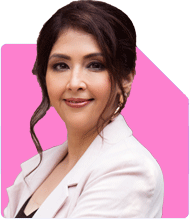
Kanchan

Kanchan Rai  |648 Answers  |Ask -

Relationships Expert, Mind Coach - Answered on Nov 22, 2023

Kanchan Rai has 10 years of experience in therapy, nurturing soft skills and leadership coaching. She is the founder of the Let Us Talk Foundation, which offers mindfulness workshops to help people stay emotionally and mentally healthy.
Rai has a degree in leadership development and customer centricity from Harvard Business School, Boston. She is an internationally certified coach from the International Coaching Federation, a global organisation in professional coaching.... more
Asked by Anonymous - Nov 21, 2023Hindi

Listen
Relationship

Hi, I have been married to my love for the last 20 years and have a 15 yr old son. I had a restaurant for 3 years and had got attracted to the executive chef who later became a partner in my restaurant. He is not married. During these years and from before that my married life had been very depressing. My husband stays abroad for work and even when he comes we do not gel because we have been living away for too long. We don’t relate to each other any more. We also do not have a sex life during the time I had my restaurant. The chef knows all about my family and often have visited and partied with my husband too. We have crossed the line and have still been in love for the last 4 yrs. He is unmarried and is much younger to me but he is fully committed to me. I can’t understand what to do. Please guide.

Ans: hello there,
It sounds like you are in a complex and emotionally challenging situation. Infidelity and emotional involvement with someone outside of your marriage can be difficult to navigate Decisions about relationships and marriages are significant and often take time. Avoid making impulsive decisions and give yourself the time needed to carefully consider your options.Take into account the impact of your decisions on your son. Children can be profoundly affected by changes in their parents' relationship. Ensure that any decisions made consider his well-being Reflect on what you want for your future. Do you want to work on your marriage, or do you feel that it's irreparable? Make decisions based on what aligns with your values and long-term goals. Assess your relationship with the chef. Consider the potential consequences of continuing this relationship, especially given your commitment to your husband. Understand the impact it may have on all parties involved Open and honest communication is crucial. If you haven't already, have a frank conversation with your husband about your feelings, the state of your marriage, and any areas that need improvement. This may be a difficult conversation, but it's an essential step in understanding each other's perspectives.

All the best.

You may like to see similar questions and answers below

Love Guru

Love Guru   | Answer  |Ask -

Relationships Expert - Answered on Apr 16, 2024

Asked by Anonymous - Apr 09, 2024Hindi
Listen
Relationship
Hello madam, i m 32 year married women, my husband love me more than anything, he is good in everything, he take care of me, he bring me whatever i want, he is very good in bed also. We dont have kids because i never loved my husband. Before marriage i had boyfriend, he never accepted me and assured me that he will marry me, so i decided to marry my husband in 2019. Till oct 2022, i used to communicate with my ex boyfriend, but when he got married he stopped calling me and i also stoped thinking about him. Lately, in Sept 2023, i meet guy in my office he is 23, music teacher, not so good looking, not completed graduation, not financial strong but i developed feeling for him. I lied to him, told i am not married, to get close to him. Once my husband caught me cheating with him in whatsapp messages, told me to not do. But still i went ahead to continue my relationship with this young guy and want to live with this guy. I want to divorce and live with young guy. My parents and family love and respect my husband like their own son. I am doing correct or not please suggest me.
Ans: No you certainly are not “doing correct”! Here’s a good man who loves you and treats you well and has forgiven your indiscretions and still you want someone else? You agreed to marry, right - no one put a gun to your head. Now honour that commitment and stop being so fickle-minded. At 23, your boyfriend is really young and immature. Right now you’re all hot and heavy, but give it a minute; realistically your relationship is unlikely to survive in the long run. And you want to hurt your husband and walk out on your marriage for nothing…he’s only ever treated you right. Don’t be a fool!

..Read more

Ravi

Ravi Mittal  |679 Answers  |Ask -

Dating, Relationships Expert - Answered on May 16, 2024

Asked by Anonymous - May 16, 2024Hindi
Listen
Relationship
Dear LG, Please keep this anonymous. I have been married since 6 years. However, since past 5+ years we have not been intimate. We haave a 5&1/2 year kid. Since his birth we have had a lot of differences and his family interference was lot leaving me alone and wounded. I don't stay with my husband and in-laws since then. I had made up that work is worship. But 2 years back I met a colleague. He is 10 years younger to me and we have extremely similar vibes. We enjoy each other's company and cared a lot. Eventually i fell in love with him. But he always knew he wont be able to go against his family. We also had relationship. Now he has strated looking for girls and wants us to stop being intimate. He is saying he wants to be friends and not loose me but not have relationship. We both work together in same space and our area of work is also same. I am unable to forgive my husband and forget this person. He never goes away. He is always there telling that I want to see you happy. He needs me for professional development. And i am not able to loose our relationship. He says physical intimacy only I cant have remaining Im there. Then again says I don’t know when I will be there so I am unable to give assurance or promise. I am tormented with a child, work and my health is getting affected. Can you please help?
Ans: Dear Anonymous,

I am sorry that you are in such a tough spot. My advice would be to move on. Yes, I realize that it is easier said than done but let's put things into perspective- first, you have no future with this man, and he has made it clear. Are you okay to keep hanging on to him while he builds his own life? I am assuming no, especially since you have a child. Second, what about your self-respect? He is directly telling you that this relationship is headed toward a dead end. Do you believe you deserve to be with someone who does not want to settle down with you? I believe you deserve better.

I am not blaming him because he made no promises. You are not to be held guilty either because you were in a tough spot and you grabbed the first emotional support you found. But the current reality is that he wants out. And convincing him to stay is not an option. At this point, moving on with your head held high is the best decision. If you want to accept his friendship, that is completely fine. But if that's too much for you, you can always decline it. I understand that working in the same space with an ex is difficult, but as long as you avoid interacting outside of the office and keep things professional, there should not be an issue. On the emotional front, I won't lie, it will hurt for a while. But this too shall pass. I strongly recommend you not to value yourself so low that you stop believing that you deserve a person who loves you back as much as you love him.

Best Wishes.

..Read more

Anu

Anu Krishna  |1757 Answers  |Ask -

Relationships Expert, Mind Coach - Answered on Oct 01, 2024

Asked by Anonymous - Sep 01, 2024
Relationship
Hello Anu ji. I am 27 years old, I like a married man for past 2 years who is my colleague. He is has a 6-7 years son and a new born daughter. I never planned to tell him about my feelings not knowing he too has same feelings for me one day after getting drunk we kind of confessed and slowly came in relationship. We both love each other a lot but the thing is we can never be together. I am unable to bear this pain and I keep arguing over this with again and again and decided to break it off. He is too emotional and unable to bear this pain. I don't know what to do. I don't even know how to express all of our feelings and situation here. Please advise
Ans: Dear Anonymous,
This relationship is a complex one and will become complicated very soon as it progresses...He will never want to leave his family and why should he? That will hurt you and make things very stressful on you...
Kindly talk about this when you are sane and not in a 'drunken' state. Nothing said in a state of inebriation matter much as when the intoxication wears off, people act all ignorant. So don not give it the importance that you are currently.
So, have a conversation knowing very well that there is a family that he is in and is responsible for and for him that will always be a priority and over a period of time will anger and hurt you.
So, get down to realism away from this fantasy world that you both are in and discuss it practically as adults in a sober state. A lot of revelations will leave you both with a good perspective on what the future can and will be.

All the best!
Anu Krishna
Mind Coach|NLP Trainer|Author
Drop in: www.unfear.io
Reach me: Facebook: anukrish07/ AND LinkedIn: anukrishna-joyofserving/

..Read more

Ravi

Ravi Mittal  |679 Answers  |Ask -

Dating, Relationships Expert - Answered on Feb 18, 2025

Asked by Anonymous - Feb 18, 2025
Relationship
Hi i am a married woman aged 45 years, i am happily married and have a loving husband. My husband travels a lot due to work and my son is studying in college in Pune. Everything was going fine in my life, but few months back a MBA graduate boy 23 years joined our office in my team. He had to report to me, and our company send us for sales corporatemeetings to Mumbai and other cities often. Gradually we became close and he confessed he had a crush on me. I was falttered but told him i am much older and married. Although i was very flattered that he found me attractive. I am tall 5ft 7 inches and kept myself very fit and always men keep hitting on me but i always ignore them. On our last trip together we went for a meal and had a few drinks together. Then i told him i was sleepy and needed to go to my room. He accompanied to my room and had a coffee. I had a bavk ache and he said he can massage me for 5 mins. I hesitantly agreed during the massage one thing led to another and we had sex and since then we have started having sex whenever we travel togther often. He says he truly loves me but for next 5 years he cannot marry anyone. I have now started loving him a lot i often fight with my husband. I want to continue this affair but am afraid if my husband finds out or if people in office come to know. Strangely another young man in office has starterd showing interest in me and asked me out for a coffee. He also says he likes me a lot anf is caring, I am confused shall i also go for a simple coffee. what if my husband or younger boyfriend find out. Is what i am doing wrong, i just want to live my life fully am i wrong ???
Ans: Dear Anonymous,
If you do not have an open marriage, then what you are doing is certainly wrong. When has cheating ever been right? Especially when you did not mention anything wrong with your husband. I am not judging you; but I would suggest that if you want to keep this up, you either come clean to your husband or let him go. This isn't fair. You living your life to the fullest should not harm or hurt others.
Hope this helps.

..Read more

Latest Questions
Ramalingam

Ramalingam Kalirajan  |10924 Answers  |Ask -

Mutual Funds, Financial Planning Expert - Answered on Dec 23, 2025

Money
Hi Sir, I started a SIP of 3k from 3months investing in Nipon India Small Cap fund. I started investing via \xis bank mobile app. Please suggest me if thats the safe way to do through bank app. And I am willing to start another SIP of 3k per month. Planning to do it on groww app. Please suggest some good SIP plans and guide me on how good and safe to start via groww app.
Ans: I appreciate your early step into disciplined investing.
Starting SIPs shows long-term thinking.
Beginning small builds confidence and learning.
Your willingness to ask questions is healthy.

» Your Current SIP Action Review
– You started SIP of Rs 3,000 monthly.
– SIP duration is three months.
– Investment is through a bank mobile app.

This shows good initiative.
Early habits shape future wealth.

» Understanding Your Chosen Fund Category
– The fund belongs to small-sized companies category.
– Such funds are high risk.
– Such funds give high volatility.

Returns can be uneven yearly.
Patience is very important here.

» Suitability Of Small Company Funds
– Small companies grow faster sometimes.
– They also fall harder during corrections.
– Not suitable as first-only investment.

Exposure should be limited initially.
Balance is essential.

» Starting Early
– You started without waiting for perfection.
– Many delay investing unnecessarily.
– Action matters more than perfection.

This mindset helps long-term success.

» Risk Awareness Is Necessary
– Small company funds fluctuate sharply.
– Short-term losses are common.
– Emotional control is required.

Three months is too short to judge.
Time horizon should be long.

» Minimum Suggested Time Horizon
– Such funds need at least seven years.
– Shorter periods cause disappointment.
– SIP helps reduce timing risk.

Consistency matters more than returns initially.

» Bank App As Investment Platform
– Bank apps are generally safe.
– Transactions are regulated.
– Holdings are stored with registrars.

Platform safety is not the main risk.
Investment choice matters more.

» Limitations Of Bank Apps
– Limited guidance provided.
– Product pushing is common.
– Advice is not personalised.

Banks focus on convenience.
Planning depth is usually missing.

» Bank Staff Support Limitations
– Staff change frequently.
– Knowledge levels vary.
– Long-term accountability is absent.

This affects continuity of advice.

» Safety Of Investments Versus Platform
– Funds are held in your PAN.
– Platform failure does not erase investments.
– Units remain safe with fund house.

So platform safety fear is minimal.
Decision quality matters more.

» Planning Another SIP Thought
– You want another Rs 3,000 SIP.
– Total SIP becomes Rs 6,000 monthly.

This is positive growth behaviour.
But structure needs correction.

» Platform Comparison Perspective
– You plan using another app.
– Such apps promote self investing.
– Guidance quality is limited.

Ease should not replace planning.

» Direct Platform Reality Check
– Such apps promote direct plans.
– Expense difference looks attractive.
– But hidden costs exist.

Cost is not only expense ratio.
Mistakes cost more.

» Disadvantages Of Direct Plans
– No personalised advice.
– No behaviour guidance during falls.
– No portfolio review support.

Investors act emotionally without guidance.
This hurts returns badly.

» Decision Errors In Direct Investing
– Panic selling during market falls.
– Overconfidence during rallies.
– Frequent fund switching.

These mistakes destroy compounding.
They are very common.

» Lack Of Accountability In Apps
– Apps do not call you.
– Apps do not stop wrong actions.
– Responsibility lies fully on investor.

This is risky for beginners.

» Why Regular Plans Add Value
– Guidance helps discipline.
– Asset allocation stays balanced.
– Behavioural mistakes reduce.

Value is beyond commission.
Support matters during volatility.

» Role Of MFD With CFP Credential
– Certified Financial Planner gives structure.
– Advice aligns with goals.
– Long-term handholding exists.

This improves investment experience.
Returns become smoother.

» Cost Versus Value Perspective
– Direct plans save small percentage.
– Wrong decisions lose big percentages.

Net outcome matters more.
Peace of mind matters too.

» Your Current Portfolio Concentration Risk
– Only one equity category exposure exists.
– Risk is concentrated.
– Diversification is missing.

This increases volatility risk.
Balance is needed urgently.

» Importance Of Diversification
– Different funds behave differently.
– Market cycles impact unevenly.
– Balance reduces shock.

Diversification improves consistency.

» Ideal SIP Structure For Beginners
– One aggressive component.
– One stable growth component.
– One flexible allocation component.

This spreads risk evenly.
Comfort increases automatically.

» Why Avoid Multiple Apps
– Tracking becomes confusing.
– Discipline weakens.
– Reviews become difficult.

One guided platform is better.
Simplicity improves adherence.

» Data Security Perspective
– Apps are regulated.
– Data security standards exist.
– Risk is minimal.

But advice quality remains missing.

» Behaviour During Market Corrections
– Small company funds fall sharply.
– Beginners panic easily.
– SIP stoppage becomes tempting.

Guidance prevents wrong reactions.

» Emotional Support Value
– Markets test patience.
– Fear appears suddenly.
– Someone must guide.

Apps cannot replace humans here.

» Why Starting With Only Small Companies Is Risky
– Volatility is high.
– Returns are uneven.
– Confidence may break early.

Balanced start builds trust.

» Gradual Exposure Approach
– Start with core stability.
– Add aggression slowly.
– Increase risk with experience.

This improves journey comfort.

» SIP Amount Increase Strategy
– Rs 6,000 is fine initially.
– Increase annually with income growth.
– Discipline matters more than amount.

Time creates wealth here.

» Tax Awareness Brief
– Equity funds tax applies on selling.
– Long-term gains have limits.
– Short-term gains are taxed higher.

Holding longer improves efficiency.

» Avoid Frequent Changes
– Switching funds harms compounding.
– Costs increase silently.
– Discipline reduces regret.

Stick to strategy firmly.

» Monitoring Frequency
– Review once a year.
– Avoid monthly checking.
– Noise causes confusion.

Long-term vision matters.

» Avoid Social Media Influence
– Tips are often misleading.
– Past returns are highlighted.
– Risk is hidden.

Structured advice avoids traps.

» Role Of Goal Mapping
– Define why you invest.
– Time horizon matters.
– Risk choice depends on goals.

Without goals, investing feels stressful.

» Emergency Fund Reminder
– Keep emergency money separate.
– Do not mix with SIPs.
– Liquidity is essential.

This prevents SIP stoppage.

» Insurance And Protection Check
– Health cover should be adequate.
– Life cover matters if dependents exist.

Protection supports investment continuity.

» Long-Term Wealth Mindset
– Wealth grows slowly.
– Patience beats intelligence.
– Process beats prediction.

Consistency wins always.

» Common Beginner Mistakes To Avoid
– Chasing last year returns.
– Using too many apps.
– Ignoring allocation balance.

Awareness saves money.

» How A CFP Helps In SIP Planning
– Designs suitable allocation.
– Reviews yearly changes.
– Guides during volatility.

This partnership adds value.

» Confidence Building Perspective
– You already started investing.
– You are learning actively.
– Improvement is natural.

This journey will get smoother.

» Platform Safety Final View
– Bank app is safe.
– App based platforms are safe.
– Investment safety lies with fund house.

Decision quality matters more.

» Final Insights
– Starting SIP is a good step.
– Small company exposure is risky alone.
– Diversification is necessary now.
– Avoid self-direct platforms initially.
– Regular plans with CFP guidance add value.
– Consistency and discipline build wealth.

You are on the right path.
Correct structure will improve outcomes.

Best Regards,

K. Ramalingam, MBA, CFP,

Chief Financial Planner,

www.holisticinvestment.in

https://www.youtube.com/@HolisticInvestment

...Read more

Radheshyam

Radheshyam Zanwar  |6753 Answers  |Ask -

MHT-CET, IIT-JEE, NEET-UG Expert - Answered on Dec 23, 2025

Ramalingam

Ramalingam Kalirajan  |10924 Answers  |Ask -

Mutual Funds, Financial Planning Expert - Answered on Dec 22, 2025

Asked by Anonymous - Dec 05, 2025Hindi
Money
Sir maine smart wealth builder li hai 50000 yearly installment per 2017 se ab mujhe kitna return milega
Ans: You have taken a wise step by questioning your existing policy.
Such questions show growing financial awareness.
Your intent to understand reality is appreciated.
This mindset protects long-term financial health.

» Understanding Your Policy Basics
– You purchased an insurance cum investment policy.
– The policy started in the year 2017.
– Annual premium paid is Rs 50000.
– Payments have continued with discipline.
– The policy falls under ULIP category.

» Nature of Insurance Cum Investment Policies
– These policies mix insurance and investment.
– Premium does not fully go into investments.
– Initial years have very high charges.
– Net invested amount remains low initially.

» Premiums Paid Versus Actual Investment
– You paid premiums regularly for several years.
– A large portion went towards charges.
– Actual invested value stayed much lower.
– This gap surprises many investors later.

» Charges That Impact Your Returns
– Policy allocation charges apply initially.
– Policy administration charges apply every year.
– Fund management charges continue lifelong.
– Mortality charges increase with age.

» Impact of Initial Policy Years
– First five years carry maximum charges.
– Investment growth remains suppressed initially.
– Compounding effect becomes very weak.
– Recovery takes many additional years.

» Realistic Return Expectation Today
– ULIP returns are usually moderate.
– They struggle to beat inflation consistently.
– Long-term wealth creation remains limited.
– Expectations often differ from actual outcomes.

» What Your Policy Statement Usually Shows
– Fund value remains below total premiums.
– Growth appears slower than promised.
– Charges are not clearly highlighted.
– Returns look confusing and disappointing.

» Direct Answer to Your Return Question
– Exact return needs policy statement review.
– Broadly, returns stay on the lower side.
– Strong wealth creation is unlikely here.
– Long-term opportunity cost becomes high.

» Emotional Attachment With the Policy
– You showed discipline by paying regularly.
– Commitment deserves appreciation.
– However, emotions should not guide decisions.
– Logic must lead financial choices.

» Core Problem With ULIP Structure
– Insurance and investment goals conflict.
– Neither function works efficiently.
– Insurance becomes expensive.
– Investment growth becomes inefficient.

» Correct Role of Insurance
– Insurance should offer pure protection.
– Investment should focus on growth.
– Mixing both weakens outcomes.
– Separation gives better results.

» Current Options Available to You
– Lock-in period is already completed.
– Surrender option is available now.
– This is a decision window.
– Delay increases long-term damage.

» Understanding Policy Surrender
– Surrender returns current fund value.
– Some surrender charges may apply.
– Future premium burden stops immediately.
– Cash flow becomes flexible again.

» Why Surrender Needs Serious Thought
– Continuing premiums lock money inefficiently.
– Better opportunities get missed.
– Inflation keeps eroding real value.
– Early correction limits further loss.

» Importance of Reinvestment After Surrender
– Surrender alone does not solve issues.
– Money must be reinvested wisely.
– Time value of money is critical.
– Proper allocation drives better outcomes.

» Why Mutual Funds Score Better
– Mutual funds offer clear transparency.
– Costs are openly disclosed.
– Portfolio decisions remain flexible.
– Liquidity stays superior.

» Advantage of Actively Managed Funds
– Fund managers respond to market changes.
– Risk is actively monitored.
– Overvalued areas are avoided.
– Long-term consistency improves.

» Difference Between ULIP and Mutual Funds
– ULIPs have rigid structures.
– Mutual funds offer flexibility.
– ULIPs restrict exit options.
– Mutual funds allow easier access.

» Value of Regular Funds Over Direct Routes
– Professional guidance improves discipline.
– Emotional decisions reduce significantly.
– Timely rebalancing becomes possible.
– Long-term goals stay protected.

» Role of a Certified Financial Planner
– A CFP looks at full financial picture.
– Goals guide every recommendation.
– Tax, risk, and time are balanced.
– Product bias is avoided.

» Assessment of Your Existing Policy
– Policy is not aligned for wealth creation.
– Inflation beating is difficult here.
– Opportunity cost is very high.
– Continuation lacks financial logic.

» Risk of Continuing Future Premiums
– Annual Rs 50000 remains locked.
– Flexibility reduces each year.
– Better options remain unused.
– Regret may arise later.

» Suggested Way Forward
– Separate insurance from investment goals.
– Maintain adequate pure protection.
– Focus investments on growth assets.
– Review progress every year.

» Understanding Tax Aspects
– ULIP surrender has specific tax rules.
– Policy duration impacts taxation.
– Proper planning reduces tax stress.
– Panic decisions should be avoided.

» Discipline Needs Correct Direction
– Discipline is a powerful habit.
– Wrong product wastes discipline.
– Right product multiplies results.
– Direction matters more than effort.

» Common Misunderstanding Among Investors
– ULIPs are seen as safe investments.
– Returns remain uncertain.
– Charges increase investment risk.
– Transparency stays limited.

» Handling Agent or Sales Pressure
– Ignore emotional sales arguments.
– Past premiums are sunk costs.
– Focus on future benefits only.
– Rational thinking protects wealth.

» Family Involvement in Decision
– Explain reasoning calmly to family.
– Share long-term impact clearly.
– Transparency builds confidence.
– Support usually follows clarity.

» Reality of Long-Term Wealth Creation
– Wealth builds slowly and steadily.
– Correct product choice is critical.
– Wrong choices delay progress.
– Time once lost never returns.

» Final Insights
– Smart Wealth Builder ULIP offers limited returns.
– Continuing premiums may harm long-term goals.
– Surrender with reinvestment deserves consideration.
– Right planning can restore financial strength.

Best Regards,

K. Ramalingam, MBA, CFP,

Chief Financial Planner,

www.holisticinvestment.in

https://www.youtube.com/@HolisticInvestment

...Read more

Ramalingam

Ramalingam Kalirajan  |10924 Answers  |Ask -

Mutual Funds, Financial Planning Expert - Answered on Dec 22, 2025

Asked by Anonymous - Dec 04, 2025Hindi
Money
Respected Sir, I request your guidance on my long-term corpus allocation and income-stability plan. I am 48 years old, fit, and always ready to take up any work if required. My spouse is extremely supportive in all decisions. My current salary is ₹1,00,000 per month, and I maintain simple living with expenses of around ₹50,000. I have a ₹1-crore liquid corpus, plus ₹10 lakh maintained across bank accounts. I also hold ₹50 lakh term insurance, ₹12 lakh health insurance (plus corporate cover), 50–60 sovereigns of gold, and two small side businesses generating ₹8k–₹12k monthly. I expect to inherit houses from my mother and partly from my in-laws. Since I may soon enter the age category where companies reduce senior staff, I am planning ahead for stability. I intend to invest 70% of the corpus (₹70 lakh) via a one-year STP from a liquid fund: Block A – Hybrid Funds (₹23 lakh): Withdraw ₹35,000/month for 6 years, starting after 2 years. Block B – Aggressive Hybrid Funds (₹24 lakh): No withdrawal for 6 years; start thereafter. Block C – Equity Funds (₹23–24 lakh): Flexicap, Multicap, Nasdaq 100, Large & Midcap; withdrawals after ~16 years. The remaining ₹30 lakh will be kept for 2 years of expenses and emergencies. I also own two plots in Coimbatore and have zero debt. Having lost money earlier due to misplaced trust, I want to ensure my spouse and children remain fully protected. I may add another ₹10 lakh this year. Kindly review and advise.
Ans: I truly appreciate your clarity, discipline, and openness.
Your preparation mindset shows maturity and responsibility.
Your spouse support adds great emotional strength.
Your simplicity creates strong financial resilience.

» Current financial position assessment
– Your income covers expenses comfortably today.
– Monthly surplus gives flexibility and options.
– Liquid corpus provides strong safety cushion.
– No debt reduces stress significantly.
– Insurance coverage shows risk awareness.

This foundation is strong and reassuring.
Many people lack such balance.
You have done many things right.

» Income stability concern at your age
– Corporate roles often change after mid-forties.
– Senior staff costs attract scrutiny.
– Skill relevance becomes critical.
– Mental readiness matters greatly.
– Your willingness to work is a big advantage.

This mindset keeps income risk manageable.
Adaptability is your strongest asset.
Age alone does not stop income.

» Emergency and liquidity structure review
– Rs.30 lakh reserve is sensible.
– Covers expenses for extended uncertainty.
– Helps avoid panic decisions.
– Supports confidence during transitions.
– Should remain low volatility focused.

Liquidity protects dignity during income gaps.
This buffer is essential.
Please keep this untouched.

» One-year STP approach evaluation
– Gradual deployment reduces timing risk.
– Emotional comfort improves discipline.
– Market volatility impact reduces.
– Cash flow planning improves.
– One-year duration is reasonable.

This shows prudence and patience.
It matches your risk awareness.
The approach is balanced.

» Block A allocation assessment
– Hybrid exposure suits near-term income needs.
– Rs.35,000 withdrawal plan is thoughtful.
– Two-year gap allows growth cushion.
– Six-year horizon suits moderated risk.
– Volatility impact remains controlled.

This block supports income continuity.
It reduces reliance on salary later.
Well aligned with stability goals.

» Withdrawal discipline for Block A
– Withdrawals must follow calendar discipline.
– Avoid ad-hoc excess withdrawals.
– Rebalance yearly if needed.
– Market downturns need patience.
– Income expectation must stay realistic.

Discipline protects capital longevity.
Consistency matters more than returns.
Avoid emotional decisions.

» Block B allocation assessment
– Aggressive hybrid suits medium horizon.
– Six-year no-withdrawal is wise.
– Allows compounding to work.
– Adds growth without extreme volatility.
– Bridges income to later years.

This block acts as growth buffer.
It supports inflation protection.
The role is clearly defined.

» Timing risk awareness for Block B
– Markets may underperform sometimes.
– Avoid shifting goalposts frequently.
– Review annually, not monthly.
– Stick to asset role.
– Avoid panic reallocations.

Patience strengthens outcomes here.
Time is your ally.
Let the plan work.

» Block C equity allocation evaluation
– Long horizon suits equity exposure.
– Sixteen-year wait shows maturity.
– Flexibility across styles helps.
– Global exposure adds diversification.
– Volatility tolerance is essential.

This block supports legacy and retirement.
It absorbs market cycles.
Long-term discipline is key.

» About global equity exposure mention
– Passive global products track markets blindly.
– They cannot avoid overvalued phases.
– They ignore local risks.
– Currency movements add uncertainty.
– No downside protection exists.

Actively managed global strategies adapt better.
They adjust allocation dynamically.
They manage risks consciously.

» Why active management suits you
– Markets are not always efficient.
– Skilled managers adjust exposures.
– Valuation awareness protects capital.
– Sector rotation improves outcomes.
– Risk management adds stability.

Your corpus deserves thoughtful handling.
Blind tracking increases drawdown risk.
Active oversight matters.

» Tax awareness on future withdrawals
– Equity withdrawals face capital gains tax.
– Long holding reduces tax impact.
– Planning withdrawals avoids sudden tax spikes.
– Debt taxation follows slab rates.
– Phasing withdrawals helps efficiency.

Tax planning supports net income stability.
Avoid lump sum redemptions later.
Timing improves outcomes.

» Gold holding perspective
– Physical gold gives emotional comfort.
– Acts as crisis hedge.
– Liquidity may vary.
– Storage and purity matter.
– Avoid excessive concentration.

Your gold quantity is meaningful.
Do not increase further aggressively.
Treat it as insurance asset.

» Side business income assessment
– Rs.8k to Rs.12k adds resilience.
– Diversifies income sources.
– Builds entrepreneurial confidence.
– Can scale with effort.
– Supports self-worth during transitions.

This income reduces pressure on investments.
Small streams matter greatly.
Nurture them patiently.

» Future inheritance expectations
– Inheritance should not be core plan.
– Timing remains uncertain.
– Legal processes take time.
– Maintenance costs may arise.
– Emotional factors also matter.

It is good as bonus.
Do not depend emotionally.
Plan independently always.

» Protection focus for spouse and children
– Term cover may need review.
– Inflation reduces real protection.
– Income replacement must be sufficient.
– Health cover looks adequate now.
– Claim experience matters more than premium.

Insurance is safety net.
It protects dreams, not wealth.
Periodic review is essential.

» Estate planning importance
– Nomination should be updated.
– Will drafting avoids disputes.
– Asset clarity reduces stress.
– Guardianship clarity protects children.
– Transparency builds family confidence.

This step gives peace.
It ensures smooth transfer.
Please prioritise this soon.

» Behavioural learning from past losses
– Trust without verification caused pain.
– Emotional decisions led to loss.
– Lessons are valuable now.
– Caution will protect future.
– Awareness builds resilience.

Do not regret past events.
They shaped your prudence today.
Growth often comes from pain.

» Risk capacity versus risk tolerance
– Capacity is strong due to corpus.
– Tolerance seems moderate and thoughtful.
– Plan reflects balanced mindset.
– Avoid chasing higher risk now.
– Stability matters more than maximisation.

This alignment is healthy.
Mismatch causes stress later.
You are balanced here.

» Adding Rs.10 lakh this year
– Deploy gradually with discipline.
– Align with existing blocks.
– Avoid impulsive lump sum.
– Maintain liquidity buffer intact.
– Reassess asset mix gently.

Incremental additions strengthen plan.
Avoid overcomplication.
Simplicity sustains discipline.

» Rebalancing philosophy
– Review allocation annually.
– Rebalance based on role drift.
– Avoid reacting to headlines.
– Discipline beats prediction.
– Process ensures consistency.

Rebalancing controls risk silently.
It keeps plan aligned.
Make it routine.

» Income gap scenario planning
– Salary loss may occur unexpectedly.
– Emergency fund buys time.
– Block A supports cash flow later.
– Side income adds cushion.
– Willpower supports action.

This layered structure is sensible.
Multiple supports reduce anxiety.
Hope remains intact.

» Mental and physical readiness
– Fitness supports earning ability.
– Confidence attracts opportunities.
– Willingness to work reduces fear.
– Skills update improves relevance.
– Mindset shapes outcomes.

Health is wealth truly.
Your fitness is an asset.
Protect it always.

» Avoiding common mistakes ahead
– Do not over-monitor markets.
– Do not compare with others.
– Do not chase trending ideas.
– Do not ignore reviews.
– Do not neglect family communication.

Stability comes from calm action.
Noise distracts focus.
Stick to plan.

» Role of guidance support
– Complex life phases need clarity.
– Independent perspective helps objectivity.
– Regular reviews improve discipline.
– Emotional buffering is valuable.
– Structure beats guesswork.

Support does not mean dependence.
It means accountability.
That protects long-term goals.

» Finally
– Your plan shows maturity and balance.
– Safety, growth, and income are aligned.
– Liquidity and discipline are strong.
– Family protection focus is clear.
– With patience, stability is achievable.

You have prepared thoughtfully.
Your confidence will grow with execution.
Stay steady and hopeful.

Best Regards,

K. Ramalingam, MBA, CFP,

Chief Financial Planner,

www.holisticinvestment.in

https://www.youtube.com/@HolisticInvestment

...Read more

Ramalingam

Ramalingam Kalirajan  |10924 Answers  |Ask -

Mutual Funds, Financial Planning Expert - Answered on Dec 22, 2025

Asked by Anonymous - Dec 06, 2025Hindi
Money
Hi Sir! I am 34 years old and pregnant . Currently I have 42 lakhs loan. My salary is 75000 rs. I have 6 personal loans and 3 CC. I never missed payments. Now I’m getting lot of burden. I had to take back to back loans to pay off another loan. Biggest loan I have is from HDFC bank and current outstanding principle is 27 lakhs. Could you please help how can I get out of this situation? Can I ask for HDFC bank for 1 year of moratorium and pay pending loans 1st ? I’m really in stressful situation. My HDFC emi is 66700 rs. Currently I am paying minimum amount of 1 credit card and rest 2 I’m paying full but again withdrawing money for expenses. I stay on rent for which I have to pay 13k extra. My total emis are 150000. Please suggest how can I get out of this. Also can I ask for settlement? If bank give settlement option then will they give me option to pay in installments? Or how ? Because I can not pay one time amount
Ans: I truly appreciate your honesty and courage in sharing everything clearly.
Reaching out during stress shows strength, not weakness.
Your discipline in never missing payments deserves respect.
Pregnancy with financial pressure is emotionally heavy.
You still have options and hope.

» Your Current Life Stage And Emotional Context
– You are 34 years old.
– You are currently pregnant.
– Health and mental peace matter deeply now.

This phase needs protection, not pressure.
Financial stress must reduce quickly.

» Income And Cash Flow Reality
– Monthly salary is Rs 75,000.
– Rent expense is Rs 13,000.
– Remaining amount is very limited.

This is a cash flow crisis.
It is not a character failure.

» Total Loan Burden Snapshot
– Total loans are around Rs 42 lakh.
– Biggest loan is Rs 27 lakh.
– EMI for this loan is Rs 66,700.
– Total EMIs are around Rs 1,50,000.

This mismatch is the core problem.
Income cannot support these EMIs.

» Number Of Loans And Complexity
– You have six personal loans.
– You have three credit cards.
– Payments are overlapping.

Multiple loans increase mental pressure.
They also increase interest leakage.

» Credit Card Behaviour Pattern
– One card pays minimum amount.
– Two cards pay full amount.
– Withdrawals continue for expenses.

This creates a debt loop.
Interest compounds very fast here.

» Acknowledging Your Discipline
– You never missed any EMI.
– You kept credit discipline always.

This is very important.
It keeps options open now.

» Why Stress Has Increased Suddenly
– Back to back loans were taken.
– Loans were used to close loans.
– No income growth supported this.

This is survival borrowing.
Many fall into this unknowingly.

» Health Risk And Pregnancy Priority
– Stress affects health.
– Pregnancy needs stability.
– EMIs must reduce urgently.

This is non-negotiable.
Health comes before credit score.

» Understanding Moratorium Reality
– Moratorium is bank discretion.
– It is not borrower right.
– Approval depends on situation.

Still, request is justified now.

» Moratorium On Your Largest Loan
– Asking for moratorium is sensible.
– Pregnancy is a valid hardship.
– Income mismatch supports your case.

You should apply formally.
Do not feel guilty.

» What Moratorium Actually Does
– EMI payments pause temporarily.
– Interest continues during period.
– Outstanding may increase slightly.

But cash flow relief is critical now.
Mental peace also improves.

» How To Approach The Bank
– Visit branch personally.
– Meet loan manager.
– Explain pregnancy and stress.
– Submit medical proof.

Documentation improves acceptance chance.

» Moratorium Duration Expectation
– One year is rarely approved.
– Three to six months is realistic.
– Extension may be reviewed later.

Even short relief helps greatly.

» Priority Order Of Payments
– Rent comes first.
– Daily expenses come next.
– Health expenses are critical.

Loans come after survival needs.

» Immediate Credit Card Action
– Stop using all cards completely.
– Do not withdraw further amounts.
– Cut cards physically if needed.

This stops bleeding instantly.
Discipline here saves you.

» Credit Card Repayment Strategy
– Pay only minimum on all cards.
– Preserve cash during pregnancy.
– Do not try full payments now.

Credit score impact is temporary.
Health impact is permanent.

» Personal Loan Handling Approach
– Personal loans have high interest.
– They increase stress quickly.

These need restructuring later.
Not immediate settlement now.

» Settlement Option Understanding
– Settlement damages credit history.
– It stays recorded for years.
– Future loans become difficult.

Settlement is last option.
Not first solution.

» Will Banks Offer Installment Settlement
– Some banks allow installments.
– Many ask lump sum.
– Terms vary widely.

There is no guarantee.
Expect tough negotiations.

» Should You Ask For Settlement Now
– Pregnancy period is not ideal.
– Emotional strength is needed.
– Negotiation stress is high.

Focus on stability first.
Settlement can wait.

» Why Settlement Should Be Delayed
– You still pay regularly.
– No defaults yet.
– Banks prefer paying customers.

You have negotiation power later.

» Alternative To Settlement Now
– Ask for EMI restructuring.
– Request tenure extension.
– Ask for EMI reduction.

These options preserve credit score.

» Understanding EMI Restructuring
– Tenure increases.
– EMI reduces.
– Interest increases overall.

But survival matters more now.

» Managing The Biggest Loan First
– This loan consumes most income.
– Relief here changes everything.

Moratorium or restructuring is critical.

» Rent Expense Consideration
– Rs 13,000 rent is reasonable.
– Shifting now increases stress.

Avoid relocation during pregnancy.
Stability is important.

» Family Support Discussion
– Discuss openly with family.
– Emotional support reduces stress.
– Temporary help may be possible.

Asking help is not failure.

» Emergency Cash Planning
– Keep some cash buffer.
– Avoid zero balance situations.

This reduces panic borrowing.

» Post Delivery Financial Reality
– Expenses may increase.
– Income may pause temporarily.
– Planning must consider this.

Moratorium timing aligns well here.

» Insurance Coverage Awareness
– Employer coverage may exist.
– Confirm maternity coverage details.

Medical costs must be protected.

» Behavioural Reset Is Essential
– No new loans.
– No credit card usage.
– No emotional spending.

This reset is powerful.

» Long-Term Debt Exit Path
– Stabilise first.
– Then consolidate loans.
– Then accelerate closures.

Step by step recovery works.

» Role Of A Certified Financial Planner
– Negotiation support.
– Cash flow structuring.
– Emotional discipline coaching.

Professional guidance reduces fear.

» Hope And Reality Balance
– This situation is serious.
– It is not permanent.
– Many have recovered fully.

You can recover too.

» Mental Strength Reminder
– You are already responsible.
– You are seeking help early.
– You are protecting your child.

This shows courage.

» Final Insights
– Moratorium request is justified.
– Stop credit card usage immediately.
– Prioritise health and rent.
– Avoid settlement for now.
– Seek restructuring before default.
– Pregnancy period needs compassion and relief.

You are not alone.
Support exists.
Recovery is possible.

Best Regards,

K. Ramalingam, MBA, CFP,

Chief Financial Planner,

www.holisticinvestment.in

https://www.youtube.com/@HolisticInvestment

...Read more

Ramalingam

Ramalingam Kalirajan  |10924 Answers  |Ask -

Mutual Funds, Financial Planning Expert - Answered on Dec 22, 2025

Money
Hi Gurus, I need your advice on diversifying my investments. I'm 46 years old now. Spouse is 45 years home maker. Here is my current financial status. I'm earning 3 lakhs per month through my current job after all my monthly expenses. I have 2.75 crores in bank FD. Invested 35 lakhs in mutual funds. Invested 40 lakhs in equity market. Have 50 lakhs in EPF corpus. Also have US$85,000 in a foreign bank account which earns 4% interest annually. Receiving Rs 30,000 per month from a rental property. Health and life insurance are provided by the employer for now. There is no schooling expenses for the kids as it is free. I feel like I have parked too much of money into FD. Could you please advice on how to diversity my investments in an effective long-term way to beat the inflation?
Ans: I appreciate your clarity and openness about your finances.
Your discipline and savings habit deserve respect.
You have built strong foundations with patience and consistency.
This gives you real power to plan better.

» Age And Life Stage Assessment
– You are 46 years old.
– Your spouse is 45 years old.
– This is peak earning phase.
– Time horizon is still meaningful.

You still have growth years ahead.
This gives flexibility and choice.

» Family Responsibility Review
– Spouse is a homemaker.
– Schooling cost is currently nil.
– Family expenses are well managed.

This reduces pressure on cash flows.
It supports long-term planning comfort.

» Monthly Income And Surplus Strength
– Monthly surplus is Rs 3 lakh.
– This is after all expenses.
– This is a strong surplus.

This shows controlled lifestyle habits.
Such surplus is a big advantage.

» Overall Asset Snapshot Appreciation
– Bank deposits are Rs 2.75 crore.
– Mutual funds hold Rs 35 lakh.
– Direct equities hold Rs 40 lakh.
– Retirement fund corpus is Rs 50 lakh.
– Foreign deposits are USD 85,000.
– Rental income is Rs 30,000 monthly.

This is a well-built base.
Very few reach this stage comfortably.

» Key Concern Recognition
– You feel overexposed to bank deposits.
– You worry about inflation impact.
– You want long-term efficiency.

This concern is valid and mature.
It shows forward thinking.

» Inflation Risk From High Bank Deposits
– Bank deposits give stability.
– They also give low real growth.
– Inflation eats interest silently.

This risk grows over long periods.
Large amounts feel safe but lose value.

» Liquidity Versus Growth Balance
– Liquidity is already very high.
– Emergency needs are well covered.
– Excess liquidity reduces returns.

Some funds should work harder.
Money must have a clear role.

» Evaluating Current Deposit Allocation
– Rs 2.75 crore is very large.
– This exceeds safety needs.
– This limits wealth compounding.

This is the main correction area.
Action here gives maximum impact.

» Purpose Based Money Segregation
– Every rupee needs a job.
– Short-term money needs safety.
– Long-term money needs growth.

Mixing purposes reduces efficiency.
Segregation improves clarity.

» Emergency And Contingency Reserve
– Keep emergency funds separate.
– Six to twelve months expenses suffice.
– This should remain safe.

This protects peace of mind.
No need to touch growth assets.

» Role Of Retirement Planning
– Retirement is not far away.
– You may retire in 12 to 15 years.
– Inflation impact will be significant.

Current assets must support future lifestyle.
Passive returns will struggle here.

» Assessment Of Retirement Fund Exposure
– EPF corpus is Rs 50 lakh.
– It gives stability and tax efficiency.
– Growth potential is limited.

This is a good base.
But it cannot do all work.

» Review Of Mutual Fund Allocation
– Rs 35 lakh is modest.
– Relative to net worth, it is low.
– This limits equity growth benefit.

Gradual increase is sensible.
Timing should be disciplined.

» Review Of Direct Equity Exposure
– Rs 40 lakh is meaningful.
– Requires active tracking.
– Volatility needs emotional strength.

This needs periodic review.
Risk control is important.

» Concentration Risk In Direct Stocks
– Individual stocks carry company risk.
– Market cycles affect returns.
– Emotional decisions reduce outcomes.

Diversification reduces these risks.
Structure improves predictability.

» Foreign Currency Deposit Assessment
– USD 85,000 adds currency diversification.
– Interest return is moderate.
– Currency risk exists.

This is a useful hedge.
But growth potential is limited.

» Rental Income Perspective
– Rs 30,000 monthly gives stability.
– It supports cash flow.
– It should not be expanded further.

Focus should remain on financial assets.
Liquidity matters more now.

» Insurance Coverage Observation
– Employer provides life cover.
– Employer provides health cover.
– This may not be permanent.

Personal coverage review is important.
Continuity matters after job changes.

» Risk Capacity Versus Risk Comfort
– Financial capacity is high.
– Emotional comfort may differ.
– Balance both carefully.

This avoids panic during volatility.
Consistency matters more than aggression.

» Long-Term Growth Requirement
– Inflation will rise steadily.
– Lifestyle costs increase silently.
– Passive instruments struggle to match.

Growth assets are necessary.
Time works in your favour.

» Gradual Reallocation Strategy
– Avoid sudden large shifts.
– Move funds in phases.
– Reduce timing risk.

Discipline improves outcomes.
Patience avoids regret.

» Suggested Direction For Excess Deposits
– Identify surplus beyond safety needs.
– Move surplus gradually to growth assets.
– Maintain liquidity buffer.

This balances safety and growth.

» Role Of Actively Managed Equity Funds
– Professional management adds discipline.
– Stock selection adapts to cycles.
– Risk controls are structured.

This suits long-term wealth building.
It reduces individual stock stress.

» Why Active Management Fits Your Profile
– You have limited time for tracking.
– Corpus size needs professional handling.
– Risk management is essential.

Delegation improves consistency.
Oversight remains with you.

» Diversification Within Equity Exposure
– Use multiple strategies.
– Avoid concentration in one style.
– Blend stability and growth.

This smoothens return journey.
Reduces emotional pressure.

» Role Of Hybrid Allocation
– Hybrid exposure reduces volatility.
– It supports smoother compounding.
– Useful during transition phases.

This suits gradual rebalancing.
Comfort improves adherence.

» Debt Allocation Beyond Bank Deposits
– Bank deposits are rigid.
– Tax efficiency is limited.
– Flexibility is low.

Better debt structures can help.
They improve post-tax outcomes.

» Interest Rate Risk Awareness
– Interest rates change over time.
– Fixed returns lose flexibility.
– Long lock-ins reduce options.

Diversified debt improves control.

» Tax Efficiency Perspective
– Interest income is fully taxable.
– Inflation reduces real returns.
– Growth assets offer better efficiency.

Tax planning improves net results.
Structure matters greatly.

» Cash Flow Planning Using Monthly Surplus
– Rs 3 lakh surplus is powerful.
– Systematic investing improves discipline.
– Volatility averaging helps.

This builds wealth steadily.
No market timing stress.

» Avoiding Overdependence On One Asset
– Too much safety reduces growth.
– Too much risk increases stress.
– Balance is the solution.

Your profile supports balanced growth.

» Portfolio Rebalancing Discipline
– Review annually.
– Adjust based on goals.
– Avoid emotional reactions.

Rebalancing protects long-term vision.

» Role Of Goal Mapping
– Retirement needs clarity.
– Lifestyle expectations must be defined.
– Inflation must be considered.

Clear goals guide allocation.
Guesswork reduces success.

» Health And Longevity Consideration
– Medical costs rise faster.
– Longer life increases needs.
– Protection planning is essential.

Planning now avoids future stress.

» Succession And Family Security
– Spouse depends on assets.
– Simplicity helps continuity.
– Documentation clarity is essential.

Structure should be easy to manage.

» Currency Diversification Insight
– Foreign exposure adds balance.
– Avoid excess allocation.
– Monitor regulatory rules.

Moderation is key here.

» Avoiding Common High Net Worth Mistakes
– Chasing safety blindly.
– Reacting to short-term news.
– Ignoring structure.

Awareness prevents erosion.

» Behavioural Discipline Importance
– Markets test patience.
– Volatility is normal.
– Staying invested matters.

Process beats prediction always.

» Role Of Certified Financial Planner
– Helps structure allocation.
– Aligns assets with goals.
– Provides behavioural guidance.

This adds long-term value.

» Emotional Strength Observation
– You already show discipline.
– You seek improvement, not excitement.
– This mindset ensures success.

Such clarity is rare.

» Final Insights
– You have excess funds in deposits.
– Gradual diversification is necessary.
– Long-term growth assets must increase.
– Safety should not dominate strategy.
– Discipline and structure will beat inflation.

You are well positioned for future comfort.
Small corrections now bring big rewards later.

Best Regards,

K. Ramalingam, MBA, CFP,

Chief Financial Planner,

www.holisticinvestment.in

https://www.youtube.com/@HolisticInvestment

...Read more

DISCLAIMER: The content of this post by the expert is the personal view of the rediffGURU. Investment in securities market are subject to market risks. Read all the related document carefully before investing. The securities quoted are for illustration only and are not recommendatory. Users are advised to pursue the information provided by the rediffGURU only as a source of information and as a point of reference and to rely on their own judgement when making a decision. RediffGURUS is an intermediary as per India's Information Technology Act.

Close  

You haven't logged in yet. To ask a question, Please Log in below
Login

A verification OTP will be sent to this
Mobile Number / Email

Enter OTP
A 6 digit code has been sent to

Resend OTP in120seconds

Dear User, You have not registered yet. Please register by filling the fields below to get expert answers from our Gurus
Sign up

By signing up, you agree to our
Terms & Conditions and Privacy Policy

Already have an account?

Enter OTP
A 6 digit code has been sent to Mobile

Resend OTP in120seconds

x