Hi i am 40M. would request your help to understand what should be the corpus required for retirement as i want to get retired in next 3-5yrs. currently my take home is 2.3L monthly & my wife also works but leaving the job in next 2-3 months. we have a daughter 10yrs, currently i stay on rent and total monthly expense is 1.1L month. once i will retire we will shift in our own parental flat, where hopefully there will be no rent. current Investments 1. 50L in REC bonds getting matured in 2029 2. 42L in stocks 3. 17L in MF 4. 16L FD 5. 15L in PPF 6. 1.3L SIP monthly i do My Wife Investments 1. 30L corpus 2. flat with current value 40L and we get rental of 10K monthly. Please guide what should be the retirement corpus required combined to retire, assuming i need 75L for my daughter post grad and marriage and we would be requiring 75K monthly for our expenses after retiring
Ans: You have explained your income, goals, current assets, and future plans with great clarity. Your early planning spirit is strong. This gives a very good base. You can reach a peaceful retirement with smart steps in the next few years.
» Your Current Position
You are 40 years old. You plan to retire in 3 to 5 years. You earn Rs 2.3 lakh per month. Your wife also works but will stop working soon. You have one daughter aged 10. Your current monthly cost is around Rs 1.1 lakh. This cost will reduce after retirement because you will shift to your parental flat.
Your investment base is already good. You have saved in bonds, stocks, mutual funds, PPF, FD, and SIP. Your wife also has her own savings and rental income from a flat. All these create a good starting point.
This early base helps you plan stronger. It also gives room for more shaping. You are on the right road.
» Your Family Goals
You need Rs 75 lakh for your daughter’s higher education and marriage.
You want Rs 75,000 per month for family living after retirement.
You want to retire in 3 to 5 years.
You will shift to your parental flat after retirement.
You will have rental income of Rs 10,000 from your wife’s flat.
These goals are clear. They give direction. They allow a strong plan.
» Your Present Investments
Your investments include:
Rs 50 lakh in REC bonds maturing in 2029.
Rs 42 lakh in stocks.
Rs 17 lakh in mutual funds.
Rs 16 lakh in fixed deposits.
Rs 15 lakh in PPF.
Rs 1.3 lakh as monthly SIP.
Your wife holds:
Rs 30 lakh corpus.
A flat worth Rs 40 lakh with rent of Rs 10,000 each month.
Your combined net worth is healthy. This gives good power to build your retirement fund in the coming years.
» Understanding Your Expense Need After Retirement
You expect Rs 75,000 per month after retirement. This includes all basic needs. You will not have rent. That reduces cost. This assumption looks fair today.
Your cost will rise with inflation. So you must plan for rising needs. A strong retirement corpus must support rising cost for 40 to 45 years because you are retiring early.
An early retirement needs a large buffer. So you need safety along with growth. Your plan must include growth assets and safety assets.
» How Much Monthly Income You Will Need Later
Rs 75,000 per month is Rs 9 lakh per year. In future years, this cost can rise. If we assume steady rise, your future cost will be much higher.
So the retirement corpus must be designed to:
Give monthly income.
Beat inflation.
Support you for 40 to 45 years.
Protect your family even in market down cycles.
Allow flexibility if your needs change.
A strong retirement fund must support both safety and long-term growth.
» How Much Corpus You Should Target
A safe target is a large and flexible corpus that can support long years without running out of money. For early retirement, the usual thumb rule suggests a very high number. This is because you need income for many decades.
You need a corpus big enough to produce rising income. You also need a cushion for unexpected health costs, lifestyle shocks, and inflation changes.
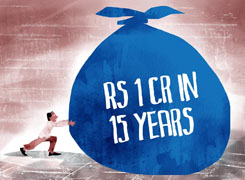
Your target retirement corpus should be in a strong range. For your needs of Rs 75,000 per month and for goals like daughter’s education and marriage, you should aim for a combined retirement readiness corpus in the higher bracket.
A safe range for your family would be a very large number crossing multiple crores. This large range gives you:
Income safety.
Inflation protection.
Peace during market cycles.
Comfort in long life.
Room for daughter’s future.
Strong backup for health.
You are already on the way due to your existing assets. You will reach close to this range with systematic building over the next 3 to 5 years.
» Why You Need This Larger Corpus
You will retire early. That means more years of living from your corpus. Your corpus must not fall early. It must grow even after retirement. It must give monthly income and long-term family protection.
This is only possible when the corpus is strong and well-structured. A weak corpus creates stress. A strong corpus creates freedom.
Also, your daughter’s future cost must be kept aside. This must be parked in a separate fund. This must not touch your retirement money.
A strong corpus makes these two worlds separate and safe.
» Your Existing Assets and Their Strength
You already have good diversification:
Bonds give safety.
Stocks give growth.
Mutual funds give managed growth.
FD gives stability.
PPF gives tax-free long-term savings.
This blend is already a good start. But you need to make the blend more structured for early retirement.
Your Rs 1.3 lakh monthly SIP is also strong. It builds your future fast. You should continue.
Your wife’s rental income is small but steady. This adds strength.
Your combined financial base can reach your retirement target if you refine your allocation now.
» Your Daughter’s Future Fund Need
You need Rs 75 lakh for your daughter’s education and marriage. You should keep this goal separate from your retirement goal.
Your current SIP and future allocations should create a dedicated fund for this goal. A long-term fund can grow well when managed actively.
Do not mix this fund with your retirement needs. Mixing leads to shortage in old age. Always keep this corpus ring-fenced.
» A Strong Asset Mix For Your Retirement Path
A balanced mix is needed. You need growth assets to beat inflation. You also need stable assets for income.
You must avoid index funds because they do not give flexibility. Index funds follow a fixed index. They cannot make active changes in different markets. They cannot move to better stocks when markets change. They force you to stay in weak sectors for long. They also do not help you in down cycles because they cannot protect you by shifting to safer options. This can hurt retirement planning.
Actively managed funds are better because:
They give active asset selection.
They give scope for better returns.
They give flexibility to change sectors.
They give downside management.
They give access to a skilled fund manager.
They support long-term planning more safely.
Direct plans also carry risk. Direct plans do not give guidance. They do not give behavioural support. They do not give market timing help. They do not give portfolio shaping. They leave all the judgement to you. One mistake can cost years of wealth.
Regular plans with guidance from a Certified Financial Planner help you shape decisions. They help you remain disciplined. They help you avoid panic. They help you decide allocation changes at the right time. This saves wealth in long-term.
» How Your Investment Journey Should Grow in the Next 3–5 Years
Continue your SIP.
Increase SIP when your income rises.
Shift part of your stock holding into planned long-term mutual funds to reduce concentration risk.
Build a defined daughter’s education fund.
Keep a part of your REC bond maturity amount for long-term.
Avoid locking too much into fixed deposits for long periods.
Build a safety fund for one year of expenses.
This will create a full structure.
» Your Rental Income Role
Your rental income of Rs 10,000 per month is small but steady. Over time it will rise. This income will support your monthly cash flow after retirement.
You can use this for utilities or health insurance premiums. This gives a cushion.
» Your Emergency Buffer
You should keep at least one year of essential cost in a safe place. This can be in a liquid account or short-term fund. This protects you in shocks.
Since you plan early retirement, a strong buffer is important. It gives peace even in low months.
» A Structured Retirement Approach
A complete retirement plan for you should include:
A clear monthly income plan after retirement.
A corpus that can grow and protect.
A rising income system that matches inflation.
A separate daughter’s future fund.
A health cover plan for your family.
A tax-efficient withdrawal plan.
A market cycle plan to protect you in tough times.
This holistic approach keeps your family strong for decades.
» What You Should Build by Retirement Year
Your aim should be to reach a strong multi-crore range in investments before retirement. You already hold a large amount. You will add more in the next 3 to 5 years through SIP, stock growth, bond maturity, and disciplined saving.
Once you reach your target range, you can start the shifting process:
Move a part to stable assets.
Keep a part in long-term growth assets.
Create a monthly income strategy.
Keep a reserve bucket.
Keep a child future bucket.
Keep a long-term growth bucket.
This structure protects you in all market conditions.
» Final Insights
Your financial journey is already strong. You have a good income. You have saved well. You have multiple asset types. You have a clear timeline. And you have clear goals. This foundation is solid.
In the next 3 to 5 years, your focus should be on growing your combined corpus to a strong multi-crore range, keeping a separate fund for your daughter, reducing risk in unplanned assets, and building a stable long-term structure.
With the present path and a disciplined structure, you can retire peacefully and support your family with confidence for many decades.
Best Regards,
K. Ramalingam, MBA, CFP,
Chief Financial Planner,
www.holisticinvestment.in
https://www.youtube.com/@HolisticInvestment



 Question by DASARATHA on Aug 01, 2020Hindi