Home > Money > Question
Need Expert Advice?Our Gurus Can Help
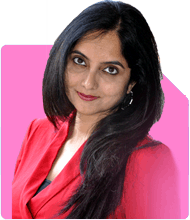
Reetika

Reetika Sharma  |417 Answers  |Ask -

Financial Planner, MF and Insurance Expert - Answered on Nov 07, 2025

Reetika Sharma is a certified financial planner and CEO of F-Secure Solutions.
She advises clients about investments, insurance, tax and estate planning and manages high net-worth individual’s portfolios.
Reetika has an MBA in finance from the Institute of Chartered Financial Analysts of India (ICFAI) and an engineer degree from NIT, Jalandhar.
She also holds certifications from the Financial Planning Standards Board India (FPSB), Association of Mutual Funds in India (AMFI) and Insurance Regulatory and Development Authority of India (IRDAI).... more
Asked by Anonymous - Oct 12, 2025Hindi

Money

Dear Ramalingam sir, I am 42 year old. i am married having one kid age 7 yrs. my income is 2.6 lakhs . I have following investments .i have medical insurance from company and a topup is added. own flat - valued now at 1 crore. 14 year old Home loan taken in jun 2011 pending 1250000 emi 28000 still paying FD - 63 LAKHS PF - 46 LAKHS SAVINGS - 16 LAKHS PPF - 19 LAKHS will extend for 5years continous NPS - 10 LAKHS MF - INVESTING FROM 2022 current value rs 1009000 SIP 81K per month for 11 funds HDFC LARGE/MID/SMALLCAP/HYBRID DEBT/nifty 50 SBI SMALL CAP and contra CANARA ROBECCO SMALL CAP NIPPON MULTI CAP ICICI PRUDENTIAL VALUE DISCOVERY ICICI PRUDENTIAL MULTI ASSET PARAG PARIEKH FLEXI CAP LIC Jeevan anand 30 yrs 5 lakhs sum assured and 16 lakhs bonus at the end of 30 years,still 10 yrs pending .i will continue just to have discipline question 1.i have no term insurance or separate health insurance.do i need to take term and health insurance outside the company 2. i looking for retirement corpus of 7 crores.am i in track? Regards, Rajesh

Ans: Hi Rajesh,

Overall very good investments done at your age. Let us have a more detailed look at your financials:
1. Home Loan - Continue. Do not prepay it. Pay as per your emi schedule.
2. FD - 63 lakhs - bit much. Can have a FD of 25 lakhs as emergency fund. Redirect remaining towards mutual funds into aggressive funds for them to generate much better returns than FD.
Extra money in FD is just being eatenby inflation. Hence moving it into mutual funds is a wise decision.
3. PF and NPS - continue till retirement. Good debt and tax-free instruments for money conservation.
4. PPF - can avoid extending its tenure for extra 5 years. Rather move the maturity proceedings to MFs for your retirement.
5. SIP of 81k - amazing. Continue in the mentioned funds. Funds are good to continue.
6. LIC - avoid buying fresh LIC policy. Their overall return come out to be 4% - even less than FD.
Continue exiting LIC and refrain from buying fresh ones.
7. Yes, you need to have separate term and health insurance. As post your retirement, it will be difficult to get any new policy. Better to buy now when health conditions are comparatively better. And you will get it cheaper than later stages. Do not wait and buy separate term and health insurance.
8. you are on track. 7 crores is very easily achievable. Infact with this discipline and investments, you can achieve more than the double of your aim.
9. Increase SIP whenever possible.

My last advice would be to get help of a professional as your corpus is morethan 10 lakhs and a professional will help with your portfolio periodically.
Hence do consult a professional Certified Financial Planner - a CFP who can guide you with exact funds to invest in keeping in mind your age, requirements, financial goals and risk profile.

Let me know if you need more help.

Best Regards,
Reetika Sharma, Certified Financial Planner
https://www.instagram.com/cfpreetika/
DISCLAIMER: The content of this post by the expert is the personal view of the rediffGURU. Users are advised to pursue the information provided by the rediffGURU only as a source of information to be as a point of reference and to rely on their own judgement when making a decision.
Money

You may like to see similar questions and answers below

Ramalingam

Ramalingam Kalirajan  |10870 Answers  |Ask -

Mutual Funds, Financial Planning Expert - Answered on Jul 15, 2024

Asked by Anonymous - Jul 15, 2024Hindi
Money
Good day Sir, I am 37 years old, I own a 2 bhk house in panvel and car which is debt free. Currently I do not have any ongoing loan. I am a seafarer , I sail for around 7 months on ships and 5 months on land, while on land I do not have any income. My salary package is 65 lakhs/year. My investments are as below. I wish to be invested in LIC for 15 years till the maturity date. LIC FAMILY PLAN - Investment started in Au2024 - with quaterly plan total of 57700/quater 1. LIC JEEVAN LABH 836 SELF 2. LIC JEEVAN LABH 836 WIFE 3.LIC JEEVAN TARUN -834 1ST CHILD 4. LIC JEEVAN TARUN - 834 2ND CHILD Above is for 15 years for self and wife and for children it is 20 years maturity date. Mutual funds - Planning to be invested only for 10 years. 1.HDFC LIFE SAMPOORN NIVESH-HEFC FLEXI CAP FUND , TAKEN FOR SLEF -INVESTING 2.0LAKHS/YEAR FOR 5 YEARS., INVESTMENT STARTED IN JAN 2024, WITH 5 YEARS LOCKIN PERIOD. 2. MAX LIFE NIFTY SMALLCAP QUALITY INDEX FUND. TAKEN FOR WIFE. INVESTED 2.0 LAKHS/ YEAR INVESTED IN JAN 2024 WITH 5 YEARS OF LOCKIN PERIOD. 3.SBI CONTRA FUND REGULAR GROWTH - LUMPSUM , INVESTED 50K IM DEC 2023. SIP's Planning to be invested for 10 to 15 years 1.Kotak small cap fund 2500/ month 2.axis bluecip fund 2500/ month 3.Edelwesis mid cap fund 2500/ month 4.Canara MF 2500/Month 5.ICICI Prudential INDIA opportunities fund 2500/ month 6.ICICI Prudential Blue chip fund 2000/month 7.Tata small cap fund 3000/ month 8 Tata ethical fund regular plan growth 5000/month.. 9.SBI large and midcap regular growth 800/ week 10.SBI small cap fund direct growth 10000/month 11.SBI Automative opportunities fund dire t plan growth 5000/ month. Sharemarket Parga parek 50k INR shares. Crypto- 1 lakhs investment. Request you to reveiw my investment, I am planning to have a corpus of 10 crore till i retire, which i will be planning till the age of 45 to 50 years. I have 2 son, current age are 7 years and 5 years. Also want to build a good corpus for there education. Also in next 2 years i will be planning to build emergency funds around 10 lakhs, and that i wish to park in liquid funds, so i will be able to get some minimum growth. I also have mediclaim of 40k per year for my family. Term plan for 2 cr. As per my retirment planning is the above investment enough to grow 10cr in next 13 years. Thanks and warm regards Ramiz
Ans: Hello Ramiz,

It's great to see your detailed investment strategy. You have made significant strides in planning for your future and your family. Your current investment portfolio is diverse and well-structured. Given your goal of accumulating a corpus of Rs 10 crore by the age of 50, let's review your investments to ensure they align with your objectives.

Current Investment Overview
Life Insurance Policies
You have invested in several LIC plans for yourself, your wife, and your children. While LIC policies provide financial security and maturity benefits, they often offer lower returns compared to other investment avenues.

Mutual Funds
Your mutual fund investments are a mix of equity and hybrid funds, with a focus on long-term growth. This is a good approach as equity mutual funds tend to provide higher returns over the long term.

Systematic Investment Plans (SIPs)
Your SIPs are spread across various fund categories, including small cap, mid cap, and blue chip funds. This diversification helps mitigate risk while aiming for significant returns.

Stock Market and Cryptocurrencies
Investing in the stock market and cryptocurrencies adds another layer of diversification. However, these investments come with higher volatility and risk.

Emergency Fund and Insurance
Planning to build an emergency fund of Rs 10 lakhs in liquid funds is wise. Your mediclaim policy and term plan ensure financial protection for your family.

Review and Recommendations
Life Insurance Policies
LIC policies are secure but may not offer the best returns for wealth creation. Considering the lock-in period and the lower returns, you might want to reassess these investments.

Consider Surrendering Policies: You could surrender some LIC policies and reinvest the proceeds into mutual funds or SIPs with higher growth potential. This can accelerate your corpus building.
Mutual Funds
Your mutual fund investments are generally well-chosen. However, let's focus on maximizing their potential.

Actively Managed Funds Over Index Funds: Actively managed funds have the potential to outperform the market, unlike index funds which mirror market performance. Your mutual funds should remain actively managed to benefit from professional expertise and potential higher returns.

Regular Plans Over Direct Funds: Regular plans offer access to professional advice through Certified Financial Planners (CFP), which can be beneficial for making informed decisions and navigating market complexities.

SIPs
Your SIP investments are well-diversified, which is excellent for balancing risk and return. Here are some additional thoughts:

Continue Diversification: Your SIPs in small cap, mid cap, and blue chip funds ensure a balanced risk profile. Continue this strategy to maintain growth and stability.

Review Performance Regularly: Keep an eye on the performance of your SIPs and make adjustments as needed. This ensures your investments stay aligned with market conditions and your goals.

Stock Market and Cryptocurrencies
While these are high-risk investments, they can yield high returns. Here's how to approach them:

Limit Exposure: Given their volatility, limit your exposure to stocks and cryptocurrencies to a small percentage of your overall portfolio. This will protect your capital while allowing for potential growth.

Stay Informed: Keep abreast of market trends and news related to your stock and crypto investments. This will help you make timely decisions and mitigate risks.

Emergency Fund
Building an emergency fund in liquid funds is a sound strategy. Liquid funds provide easy access to your money and offer some returns.

Regular Contributions: Make regular contributions to your emergency fund until you reach your Rs 10 lakhs goal. This disciplined approach ensures you are prepared for any financial contingencies.
Insurance
Your current insurance coverage seems adequate. The mediclaim policy and term plan provide necessary financial protection.

Review Coverage: Periodically review your insurance coverage to ensure it meets your family’s needs. Adjust the coverage if necessary to keep pace with inflation and changing life circumstances.
Planning for Children's Education
Building a corpus for your children's education is crucial. Here are some strategies:

Invest in Child-specific Plans: Consider child education plans that offer a mix of equity and debt. These plans are designed to provide significant returns over the long term and ensure funds are available when needed.

Regular Investments: Continue regular investments in SIPs and mutual funds. This will help grow the education corpus systematically.

Consider Education Loans: If required, education loans can supplement your savings and ensure your children receive the best education without financial strain.

Achieving the Rs 10 Crore Goal
To reach your goal of Rs 10 crore by the age of 50, focus on the following strategies:

Increase Investment Amounts
Boost SIP Contributions: Gradually increase your SIP contributions as your income grows. This can significantly enhance your corpus over time.
Optimize Portfolio Returns
High-growth Investments: Allocate a portion of your portfolio to high-growth investments like mid-cap and small-cap funds. These have the potential to offer higher returns.
Monitor and Rebalance
Regular Review: Conduct regular reviews of your investment portfolio. Rebalance it periodically to ensure it remains aligned with your goals and risk tolerance.
Tax Planning
Utilize Tax-saving Instruments: Invest in tax-saving instruments like ELSS (Equity Linked Savings Scheme) to reduce your tax liability and increase your effective returns.

Tax-efficient Withdrawals: Plan your withdrawals in a tax-efficient manner to maximize the amount available for your goals.

Final Insights
Your current investment strategy is robust and well-diversified. By making a few adjustments, you can optimize your portfolio to achieve your financial goals. Focus on high-growth investments, regularly review your portfolio, and ensure your insurance coverage is adequate. With disciplined investing and strategic planning, you are well on your way to achieving your Rs 10 crore target and securing your family’s future.

Best Regards,

K. Ramalingam, MBA, CFP

Chief Financial Planner

www.holisticinvestment.in

..Read more

Ramalingam

Ramalingam Kalirajan  |10870 Answers  |Ask -

Mutual Funds, Financial Planning Expert - Answered on Aug 14, 2024

Money
Dear Sir, I aman Army Veteran of 64 years snd wife aged 61. I have a monthly pension of Rs 1,8lakh pm. I have following investments. FDs 1.2 Cr @ 8pc SCSS 30 lakh @7.8pc Gold ETF 6 lakh PPF Rs 22 lakh. Rs12500 pm. Maturing in Mar 28. Equity Rs 1.5 cr. Investment through self study. MF HDFC multy cap Rs 29 lakh. Monthly contribution Rs 10K. MIRAE ASSETS Emerging Blue Chip Rs 23 Lakh. Monthly contribution Rs 12500 pm ICICI Pru bluechip Pru blue chip Rs 33 lakh. Monthly contribution Rs 50K Bandhan Multi Cap Rs 23 lakh. Monthly contribution Rs 15K. Frankin Temp Rs 1.2 lakh. No monthly contribution All MF direct schemes. I have a house to live. Choldren Son 34 married and settled. Daughter 28. Working good package. Responsibilty. Only daughter marriage House Hold expenditure Rs 50K. Covere for medical by ECHS. I have only one goal to leave a corpus of Rs20Cr or more for my children in the next 15 years. Please advise any changes in the investment. Thank you Jasbir Singh
Ans: Dear Mr. Jasbir Singh,

First, I must commend you for your disciplined approach to financial planning and your desire to secure a substantial corpus for your children. At 64 years old, with a stable pension of Rs. 1.8 lakh per month and various well-placed investments, you are in a strong financial position. Your investments are diversified across fixed deposits (FDs), Senior Citizens' Savings Scheme (SCSS), gold ETFs, Public Provident Fund (PPF), equities, and mutual funds.

Your primary goal is to leave a corpus of Rs. 20 crore or more for your children in the next 15 years. With your current financial standing, you have laid a solid foundation to achieve this.

Evaluating Your Existing Portfolio
1. Fixed Deposits (FDs)

You have Rs. 1.2 crore in FDs earning 8% interest. This provides stable, risk-free returns and liquidity, which is essential for your age. However, FDs generally offer lower returns compared to other investment options. Given your long-term horizon, consider the opportunity cost of keeping a large portion of your portfolio in FDs.
2. Senior Citizens’ Savings Scheme (SCSS)

SCSS is a safe investment with a reasonable interest rate of 7.8%, offering quarterly interest payouts. This is a good option for generating regular income, especially given the tax benefits. Keep this investment as it aligns with your risk profile and cash flow needs.
3. Gold ETFs

You have Rs. 6 lakh in gold ETFs, which provide a hedge against inflation and economic uncertainties. This is a good long-term investment, but the returns are generally moderate. Since your portfolio is diversified, maintaining this small allocation to gold is beneficial.
4. Public Provident Fund (PPF)

Your PPF investment of Rs. 22 lakh, with a monthly contribution of Rs. 12,500, will mature in March 2028. PPF is a safe and tax-efficient investment, and you should continue it as part of your retirement planning. Given the current interest rates, PPF offers attractive long-term returns.
5. Equities

You have Rs. 1.5 crore in equities, which you manage through self-study. Equities are vital for long-term growth, and your involvement shows that you are well-versed in market dynamics. However, regular portfolio review and rebalancing are crucial to mitigate risks.
6. Mutual Funds

Your mutual fund portfolio is diversified across different funds, with a significant investment in large-cap and multi-cap funds. The monthly SIP contributions demonstrate a disciplined investment approach.
Suggested Adjustments to Achieve Your Goal
1. Rebalance Your Portfolio

Increase Equity Exposure: Considering your long-term goal of Rs. 20 crore, increasing your equity exposure could enhance your portfolio’s growth potential. You might consider reallocating some funds from FDs to equities or equity mutual funds, as they typically offer higher returns over the long term.

Diversify Equity Investments: While you have a strong base in large-cap and multi-cap funds, consider adding mid-cap and small-cap funds for potentially higher returns, though they come with increased risk.

Monitor and Rebalance Regularly: Review your portfolio at least annually to ensure it remains aligned with your goals. Adjust your asset allocation based on market conditions and your risk tolerance.

2. Optimize Your Tax Efficiency

Maximize Tax Benefits: Continue maximizing tax-saving opportunities through your PPF and SCSS investments. Consider tax-efficient mutual funds under the long-term capital gains tax regime, especially for equity investments held for over a year.

Minimize Tax Liabilities: Given your high pension, you might be in a higher tax bracket. Efficient tax planning, including timing the sale of investments to optimize tax impact, is crucial.

3. Estate Planning and Wealth Transfer

Create a Will: Ensure you have a clear and legally sound will in place to avoid any legal complications for your heirs. Specify how your assets should be distributed among your children.

Trust Planning: Consider setting up a trust if you want to manage the distribution of your wealth after your demise. This can provide more control over how and when your children receive the inheritance.

Nomination and Documentation: Ensure that all your investments have proper nominations. Keep your financial documents and information organized and accessible to your family.

4. Increase SIP Contributions

Gradually Increase SIPs: As your pension and existing investments provide stability, consider gradually increasing your SIP contributions. This will help you take advantage of the power of compounding over the next 15 years.

Focus on Growth-Oriented Funds: Since you are aiming for a Rs. 20 crore corpus, growth-oriented mutual funds with a good track record should be your focus. Regularly review the performance of your current SIPs and adjust if necessary.

5. Review Your Risk Tolerance

Risk Assessment: As you age, your risk tolerance may decrease. Periodically assess your risk tolerance and adjust your equity exposure accordingly. A balanced approach that considers both growth and preservation of capital is essential.

Health Coverage: Although you are covered by ECHS, consider having additional health insurance to cover any unexpected medical expenses not covered under ECHS. This will protect your corpus from being depleted due to medical emergencies.

Final Insights
You are in a commendable financial position with a clear vision for your family's future. By making strategic adjustments to your portfolio, optimizing tax efficiency, and ensuring proper estate planning, you are well on your way to achieving your goal of leaving a substantial corpus for your children.

Keep in mind the importance of regular portfolio reviews and adjustments. The financial landscape can change, and staying informed will help you navigate your investment journey successfully.

Best Regards,

K. Ramalingam, MBA, CFP,

Chief Financial Planner,

www.holisticinvestment.in

..Read more

Ramalingam

Ramalingam Kalirajan  |10870 Answers  |Ask -

Mutual Funds, Financial Planning Expert - Answered on Oct 09, 2024

Asked by Anonymous - Oct 08, 2024Hindi
Money
Hello Sir, I am 38 now and Planning to retire at 55 with corpus of 4 Cr. I have took home loan of 32 lakh in 2021 which has current interest rate of 9.35% Also have Car loan of Rs 9 lakh took 2 yrs before with interest rate of 10% for 7 year. My take home salary is 1 lakh and rental income of Rs. 12k. Investments current value :- Parag Parikh Flexi cap 4.43 lakh(SIP10K) ICICI prudential Nifty next 50 2.94 lakh(SIP 5K) Kotak Equity opportunities 1.5 lakh Franklin ELSS 70k HDFC Mid cap opportunities 38k(SIP5k) Nippon India Small cap - 5k(SIP 5K) Value of shares in share market is around 9 lakh. Sukanya Samruddhi Yojana 4 lakh PPF 1.5 lakh EPF around 2 lakh I have daughter of 9 year oldand Son of 4 year old Need corpus for Education,Marriage and Retirement Also let me know MF selected are ok or I need to switch??
Ans: You are 38 years old and aim to retire at 55 with a corpus of Rs. 4 crore. Your current salary is Rs. 1 lakh per month, and you have an additional rental income of Rs. 12,000. You have ongoing loans – a home loan of Rs. 32 lakh with an interest rate of 9.35% and a car loan of Rs. 9 lakh with a 10% interest rate.

Your investments include mutual funds, equities, Sukanya Samriddhi Yojana (SSY), PPF, and EPF, and you also have two children (a 9-year-old daughter and a 4-year-old son). You are planning for their education, marriage, and your retirement. Let's evaluate your financial situation step-by-step and provide a detailed strategy to meet your goals.

Evaluating Your Current Loans
Home Loan: You took a Rs. 32 lakh home loan at an interest rate of 9.35%. The current interest rate environment makes your EMI relatively high. Home loans can be long-term commitments, and high interest could be draining a significant portion of your income.

Car Loan: You also have a Rs. 9 lakh car loan with a 10% interest rate. Auto loans are generally high-interest liabilities that depreciate as the vehicle loses value. This is a costly loan that can burden your monthly cash flow.

Recommendation:

Consider prepaying the car loan as early as possible since it comes with a high-interest rate and doesn't offer tax benefits. This will free up cash for other investments.

Look into refinancing your home loan. Check if you can reduce the interest rate by transferring the balance to another lender offering a lower rate. Even a slight reduction can save you a lot over time.

Analyzing Your Current Investments
You have built a good mix of investments in mutual funds, equities, and savings schemes. Let’s evaluate them:

Parag Parikh Flexi Cap (SIP of Rs. 10K): Flexi-cap funds offer the flexibility to invest across market capitalizations. This is a good long-term bet as it gives fund managers the freedom to choose based on market conditions.

ICICI Prudential Nifty Next 50 (SIP of Rs. 5K): You are investing in an index fund, but index funds, especially in the Next 50 category, tend to be more volatile. These funds may not provide as much flexibility as actively managed funds in the long term. Actively managed funds usually perform better during uncertain market conditions.

Kotak Equity Opportunities: Equity opportunities funds can be suitable for investors looking for long-term growth. Ensure this fund is regularly monitored, and stay in touch with your Certified Financial Planner (CFP) to review performance periodically.

Franklin ELSS: This is a tax-saving option. Equity Linked Saving Schemes (ELSS) also provide decent returns over the long term, with a lock-in period of three years. This fund category should remain part of your portfolio for tax saving and wealth creation.

HDFC Mid Cap Opportunities (SIP of Rs. 5K): Mid-cap funds have the potential to offer high returns but come with higher volatility. With 17 years to retirement, mid-caps can give you a good risk-reward balance if you have a long-term horizon.

Nippon India Small Cap (SIP of Rs. 5K): Small-cap funds have a higher risk but also potential for high returns. Keep this as a part of your long-term investment portfolio but ensure that the exposure to small-cap funds doesn't exceed 10-15% of your overall portfolio.

Shares: You have Rs. 9 lakh in direct equity investments. Equities are excellent for long-term growth, but you must monitor them regularly and stay updated on company performances. Direct equities can be riskier than mutual funds, so ensure diversification.

Sukanya Samriddhi Yojana (SSY): This is a great option for your daughter’s education and marriage, offering guaranteed returns and tax benefits under Section 80C. SSY should remain a core part of your financial planning for her future.

PPF (Rs. 1.5 lakh): PPF is a safe, tax-saving option that also provides good long-term returns. Continue investing in PPF for guaranteed, risk-free returns.

EPF (Rs. 2 lakh): EPF is another safe, long-term retirement saving option. It provides a steady, assured return and should continue to be a part of your retirement corpus.

Recommendation:

Actively managed funds may be a better option compared to index funds. They give fund managers flexibility to make strategic choices, potentially offering better returns, especially in volatile markets.

Continue your investments in mid-cap and small-cap funds but limit their proportion in your portfolio to avoid excessive risk.

Direct equity investment should be carefully monitored or handled through a CFP to avoid risk concentration.

Planning for Children's Education and Marriage
You have a 9-year-old daughter and a 4-year-old son. Education and marriage are significant future expenses that need careful planning.

Education: With education costs rising, start building a dedicated education fund for each child. You may need to allocate a specific portion of your SIPs or open a separate mutual fund portfolio for this goal. Plan for both higher education and school-related expenses.

Marriage: Marriage costs can be unpredictable. You could create a separate investment for marriage-related expenses in a balanced fund or a combination of fixed-income instruments and equities to ensure safety with some growth potential.

Recommendation:

Start allocating a portion of your income towards a dedicated education fund. This could include child-specific schemes like SSY or child-focused mutual funds.

Consider keeping marriage funds in low-risk, medium-return instruments to ensure they grow steadily without much risk exposure.

Assessing Your Retirement Plan
You aim to retire at 55 with a corpus of Rs. 4 crore. This is achievable with disciplined investing and strategic planning.

Current Investment Strategy: You are already investing in mutual funds, equities, and long-term savings plans like PPF and EPF. However, you need to ensure that your asset allocation is aligned with your retirement goals.

Debt Management: Your current loans should be repaid before retirement to avoid carrying financial liabilities post-retirement. Prepaying your car loan and refinancing your home loan could help you save significant amounts, which can then be redirected to investments.

Recommendation:

Focus on building a balanced portfolio of equity and debt to ensure your portfolio grows while also offering stability. Equity should dominate your portfolio in the early stages, while debt instruments can gradually take over as you approach retirement.

Increase your SIP contributions whenever your income increases. Aim to invest 25-30% of your monthly income towards retirement planning.

Evaluating Your Financial Goals and Future Course
You need to address three major goals: retirement, children's education, and marriage. Each goal requires a dedicated plan to ensure adequate corpus growth.

Recommendation:

For retirement, ensure that at least 60-70% of your portfolio is in growth-oriented instruments like equity mutual funds for now. As you approach retirement, gradually shift to debt funds for stability.

For your children's education, use a mix of equity mutual funds and child-specific investment schemes to ensure the corpus grows in line with education inflation.

For marriage expenses, opt for lower-risk instruments that offer predictable growth, such as balanced funds or a combination of equity and debt.

Final Insights
Loan Repayment: Focus on prepaying your high-interest car loan as soon as possible. This will free up cash flow for investments. Consider refinancing your home loan to reduce the interest burden.

Mutual Fund Strategy: You have a well-diversified portfolio. However, avoid index funds, as actively managed funds can provide better returns over the long term. Continue SIPs in flexi-cap, mid-cap, and small-cap funds but limit small-cap exposure.

Children's Future: Start separate SIPs for your children's education and marriage. SSY is a great option for your daughter’s future, but you may also need equity mutual funds for higher growth.

Retirement Corpus: With consistent investment and discipline, a Rs. 4 crore corpus is achievable. Aim to increase your SIP contributions periodically, keep monitoring your mutual fund performance, and consult with a CFP regularly to review your progress.

Best Regards,

K. Ramalingam, MBA, CFP,

Chief Financial Planner,

www.holisticinvestment.in

https://www.youtube.com/@HolisticInvestment

..Read more

Ramalingam

Ramalingam Kalirajan  |10870 Answers  |Ask -

Mutual Funds, Financial Planning Expert - Answered on Jan 30, 2025

Asked by Anonymous - Jan 30, 2025Hindi
Listen
Money
Hi, I am 41 years old and Married. I have 2 kids one daughter 15 years and son 7 years old. I am drawing annually 24 Lakhs salary. Having 3 houses one self occupied and two give letout with annual 4.2 lakhs rental income. All houses worth together 3 Crores. Housing loans principle outstanding of 85 lakhs with interest rate of 8.6% with monthly EMI of 1.13 lakhs per month for next 9 years. As of today I have SIP worth 90 lakhs with an IRR of 20%, Bank FD 30 lakhs – 7%, PPF 47 lakhs and PF 26 lakhs. I have term insurance of 1 CR and my wife term insurance of 50 Lakhs. For these for next 5 years, I have to pay premium of 1 lakh per annum. Medical insurance from company 5 lakh per annum for my family of 4 members. I am continuing my SIP of 86K per month – flexi cap 24L, small cap 29K, large cap 19K, Mid cap 14K. Any shortage of funds, I am moving from FD to SIP gradually. (SIP started 7 years back - started with 15K and now SIP at 86K) My annual expenses comes to 15 Lakhs including everything. I would like to take retirement at 50 years. Please check my details and suggest for any modifications for better returns. Also, please let me know how I can meet with liquid assets of 20 crores (in addition to my current properties) Thanks!
Ans: You have a strong financial foundation.
Your salary and rental income total Rs. 28.2 lakhs per year.
Your housing loan EMI is Rs. 1.13 lakh per month, which is manageable.
Your investments are well-diversified across mutual funds, FDs, PPF, and PF.
Your SIP portfolio has delivered an excellent IRR of 20%.
You have term insurance for yourself and your wife.
Your annual expenses are Rs. 15 lakhs, which is reasonable.
You have medical insurance of Rs. 5 lakh from your employer.
You gradually move funds from FD to SIP, which is a good strategy.
Your goal is to accumulate Rs. 20 crores in liquid assets within the next 9 years.
Retirement Readiness Assessment
You have 9 years left until your target retirement age of 50.
Your current investments are significant, but reaching Rs. 20 crores requires strategic planning.
Your housing loan is a major commitment, but it will end in 9 years.
Your SIP contributions are already strong and should continue.
Your rental income is a bonus but not reliable for long-term financial security.
Modifications for Better Returns
Increase SIP Gradually
Your SIP of Rs. 86K per month is excellent.
As your salary increases, try to increase SIP by at least 10-15% annually.
Move more funds from FD to SIP, as FD returns are low.
Reallocate Fixed-Income Investments
Your PPF and PF are too conservative.
You can stop fresh PPF contributions and allocate that amount to equity.
Maintain some FD for emergency funds but move excess FD to high-return investments.
Prepay Housing Loan or Invest More?
Your housing loan has an 8.6% interest rate.
Your SIP IRR is 20%, which is higher than your loan rate.
Instead of prepaying, continue investing in equity for wealth creation.
Additional Insurance Coverage
Your company’s medical insurance of Rs. 5 lakh is insufficient.
Consider a separate family floater health insurance of Rs. 15-20 lakh.
Your term insurance coverage is reasonable. No changes are needed.
Achieving Rs. 20 Crores in Liquid Assets
Step 1: Projected Investment Growth
Your SIP portfolio of Rs. 90 lakhs at 20% IRR can grow significantly in 9 years.
If you continue SIPs aggressively, you can accumulate a substantial corpus.
Additional investments from FD and PPF reallocations will further boost growth.
Step 2: Boosting Investment Contributions
As you get salary hikes, increase your monthly SIPs.
Reduce unnecessary expenses to redirect more funds into investments.
Consider lump sum investments when you receive bonuses or windfalls.
Step 3: Maintaining Investment Discipline
Stick to actively managed mutual funds through a Certified Financial Planner.
Stay invested during market fluctuations and avoid emotional decision-making.
Continue tracking and rebalancing your portfolio annually.
Finally
Your financial plan is strong, but small modifications can make a huge difference.
Increasing SIPs, reallocating low-yield investments, and maintaining discipline are key.
You are on track to build Rs. 20 crores in liquid assets if you execute this plan well.
Best Regards,

K. Ramalingam, MBA, CFP,
Chief Financial Planner,
www.holisticinvestment.in
https://www.youtube.com/@HolisticInvestment

..Read more

Ramalingam

Ramalingam Kalirajan  |10870 Answers  |Ask -

Mutual Funds, Financial Planning Expert - Answered on Aug 09, 2025

Asked by Anonymous - Aug 09, 2025Hindi
Money
Hi, I am 45 years old. Working in in a tech company. Want to retire in another 5 years. Below is my current financial details Bank saving account : 21 Lakhs - EPF - 68 Lakhs - LIC Jeevan Anand : 10 Lakhs maturing in 2030 - SBI term insurance : 50 Lakhs coverage till 60 years - Star Health insurance for me and family : 7 Lakhs coverage - Have corporate office health insurance of 10 lakhs, life insurance coverages - LIC Jeevan Utsav pension plan : 10 Lakhs yearly premium for 6 years, will get 50 thousand per month after 12 years, from 2036 onwards, also provides life insurance coverage - Have monthly NPS of 20 thousand, started 6 months back Have the below Assets: - Site worth of 1.2 crores as of today - Flat worth of 75 Lakhs as of today Have below investments - 3.1 Crore Indian market equity trading as of today - 4.5 Crores of company ESOP of foreign company - Given around 15 lakhs to relatives for financial help, which I need to receive back - Have no loans or any other liabilities. - Receive salary of 13.5 Lakhs per month : 3.5 is fixed salary and 10 Lakhs is ESOP equity from the company, I continue to receive this as long as I work for the company. If you look at the high level picture, it looks something like this - Liquidity : 22 Lakhs : 2% of overall portfolio - Investment is : 7.5 Crores : 70% of overall portfolio - Retirement plan investment : 88 Lakhs : 8% of overall portfolio - Assets worth : 1.8 Crores : 17% of overall portfolio - Monthly expenses is around 60 thousand per month. Please review my financial portfolio and suggest me if there are any changes needed so that I can put the in hand money to effective use to generate good amount of wealth as well as to receive the regular guaranteed amount return
Ans: You have done very well in building assets and income.
Your discipline and strong savings habit are impressive.
Your portfolio is large and well diversified across asset classes.
With 5 years left before planned retirement, you are in a strong position.

» current strengths

– You have no liabilities.
– Your monthly expenses are very low compared to your income.
– You have good exposure to equity through direct holdings and ESOP.
– You have property assets for stability.
– You have term insurance and health cover for protection.
– You have started NPS for retirement benefit.

» liquidity position

– You have Rs. 21 lakh in savings account.
– Liquidity is only 2% of portfolio, which is low.
– You may increase short-term liquid assets for emergencies.
– Keep 12 to 18 months of expenses in safe liquid instruments.
– This will prevent forced sale of volatile assets during market falls.

» investment allocation review

– Large allocation to direct equity and ESOP is good for growth.
– However, concentration risk is high due to ESOP size.
– Reduce dependence on single company stock over time.
– Gradually move part of ESOP gains to diversified actively managed funds.
– Actively managed funds with a Certified Financial Planner can give better risk management.
– Direct equity requires constant monitoring and carries company-specific risk.
– Keep direct equity allocation below 50% as you near retirement.

» insurance review

– Your term cover is Rs. 50 lakh, which is low for your profile.
– Consider increasing term cover to match your current asset value and goals.
– You have health cover of Rs. 7 lakh plus corporate cover.
– Corporate cover will stop after retirement, so personal cover must be higher.
– Take a higher individual family floater with at least Rs. 25–50 lakh.
– Continue accidental cover for disability risk.

» retirement corpus building

– Your current investment corpus is strong.
– In 5 years, equity growth plus ESOP value can create large corpus.
– Shift gradually from high-volatility assets to balanced growth assets before retirement.
– Maintain at least 40% in growth assets even post-retirement for inflation protection.
– The rest can be in stable debt instruments for income.

» property holdings

– You have a site worth Rs. 1.2 crore and flat worth Rs. 75 lakh.
– These give asset stability but low liquidity.
– Avoid adding more real estate as it ties up capital.
– Keep them as part of net worth but focus new investments in financial assets.

» LIC and traditional policies

– LIC Jeevan Anand and LIC Jeevan Utsav are low-yield policies.
– These give low returns compared to inflation.
– You can surrender Jeevan Anand and reinvest in actively managed mutual funds.
– This will improve long-term returns and liquidity.
– Continue LIC Jeevan Utsav if surrender charges are high now, but reassess later.

» portfolio diversification strategy

– Keep part of your corpus in high-quality actively managed equity funds.
– Avoid index funds, as they blindly follow market without risk control.
– Actively managed funds can outperform in volatile and falling markets.
– Index funds lack flexibility to avoid weak sectors or companies.
– Also avoid direct plans without guidance.
– Investing through an MFD with CFP qualification gives disciplined advice and ongoing review.
– This ensures you avoid emotional decisions and stick to the right plan.

» regular income planning for retirement

– At retirement, shift part of corpus to safe debt funds, bonds, and deposits.
– This will give stable income for monthly needs.
– Keep some allocation in growth assets to fight inflation.
– Withdraw income systematically, not by redeeming large chunks at once.
– This approach keeps the portfolio sustainable for 30+ years post-retirement.

» use of current surplus income

– You have very high monthly surplus.
– Deploy surplus into a mix of actively managed equity and debt funds.
– Avoid keeping large idle balance in savings account.
– Use surplus to build retirement corpus faster.
– Also invest part in international equity funds for currency diversification.

» ESOP handling

– Your ESOP is a big asset but concentrated in one company.
– Plan gradual sale over the next 5 years to reduce concentration risk.
– Redeploy proceeds into diversified mutual funds and debt instruments.
– Do not wait to sell all at retirement; spread the sale to reduce tax impact and volatility.

» tax efficiency planning

– Plan asset sales and redemptions considering capital gains tax rules.
– Equity long-term gains above Rs. 1.25 lakh are taxed at 12.5%.
– Short-term equity gains are taxed at 20%.
– Debt fund gains are taxed at your slab rate.
– Spread sales across years to reduce tax outgo.
– Use tax-saving opportunities like PPF, NPS, and 80C fully each year.

» risk management before retirement

– As retirement nears, portfolio shocks can hurt more.
– Start rebalancing from year 3 onwards.
– Move some equity gains to safer assets every year.
– Maintain equity allocation but with lower volatility options.
– Avoid large exposure to small-cap or single-stock bets near retirement.

» succession and estate planning

– Make a clear Will to avoid disputes later.
– Nominate in all investments, insurance, and bank accounts.
– Keep joint ownership for easy access to funds by spouse.
– Share asset and document details with spouse.

» liquidity for opportunities and emergencies

– Keep some cash or liquid fund for quick access.
– This can help you take advantage of market dips even after retirement.
– It also covers emergencies without disturbing long-term assets.

» finally

– Your financial position is very strong.
– You can reach your retirement target in 5 years with discipline.
– The focus now should be on reducing concentration risk, improving insurance, and increasing liquidity.
– Surrender low-yield policies and shift to better performing mutual funds.
– Move ESOP and direct equity gains gradually to diversified assets.
– Keep a good mix of growth and stability even after retirement.
– Review your plan every year with a Certified Financial Planner to stay on track.

Best Regards,

K. Ramalingam, MBA, CFP,

Chief Financial Planner,

www.holisticinvestment.in
https://www.youtube.com/@HolisticInvestment

..Read more

Latest Questions
Dr Dipankar

Dr Dipankar Dutta  |1837 Answers  |Ask -

Tech Careers and Skill Development Expert - Answered on Dec 05, 2025

Career
Dear Sir, I did my BTech from a normal engineering college not very famous. The teaching was not great and hence i did not study well. I tried my best to learn coding including all the technologies like html,css,javascript,react js,dba,php because i wanted to be a web developer But nothing seem to enter my head except html and css. I don't understand a language which has more complexities. Is it because of my lack of experience or not devoting enough time. I am not sure. I did many courses online and tried to do diplomas also abroad which i passed somehow. I recently joined android development course because i like apps but the teaching was so fast that i could not memorize anything. There was no time to even take notes down. During the course i did assignments and understood the code because i have to pass but after the course is over i tend to forget everything. I attempted a lot of interviews. Some of them i even got but could not perform well so they let me go. Now due to the AI booming and job markets in a bad shape i am re-thinking whether to keep studying or whether its just time waste. Since 3 years i am doing labour type of jobs which does not yield anything to me for survival and to pay my expenses. I have the quest to learn everything but as soon as i sit in front of the computer i listen to music or read something else. What should i do to stay more focused? What should i do to make myself believe confident. Is there still scope of IT in todays world? Kindly advise.
Ans: Your story does not show failure.
It shows persistence, effort, and desire to improve.

Most people give up.
You didn’t.
That means you will succeed — but with the right method, not the old one.

...Read more

Ravi

Ravi Mittal  |676 Answers  |Ask -

Dating, Relationships Expert - Answered on Dec 04, 2025

Asked by Anonymous - Dec 02, 2025Hindi
Relationship
My married ex still texts me for comfort. Because of him, I am unable to move on. He makes me feel guilty by saying he got married out of family pressure. His dad is a cardiac patient and mom is being treated for cancer. He comforts me by saying he will get separated soon and we will get married because he only loves me. We have been in a relationship for 14 years and despite everything we tried, his parents refused to accept me, so he chose to get married to someone who understands our situation. I don't know when he will separate from his wife. She knows about us too but she comes from a traditional family. She also confirmed there is no physical intimacy between them. I trust him, but is it worth losing my youth for him? Honestly, I am worried and very confused.
Ans: Dear Anonymous,
I understand how difficult it is to let go of a relationship you have built from scratch, but is it really how you want to continue? It really seems to be going nowhere. His parents are already in bad health and he married someone else for their happiness. Does it seem like he will be able to leave her? So many people’s happiness and lives depend on this one decision. I think it’s about time you and your BF have a clear conversation about the same. If he can’t give a proper timeline, please try to understand his situation. But also make sure he understands yours and maybe rethink this equation. It really isn’t healthy. You deserve a love you can have wholly, and not just in pieces, and in the shadows.

Hope this helps

...Read more

DISCLAIMER: The content of this post by the expert is the personal view of the rediffGURU. Investment in securities market are subject to market risks. Read all the related document carefully before investing. The securities quoted are for illustration only and are not recommendatory. Users are advised to pursue the information provided by the rediffGURU only as a source of information and as a point of reference and to rely on their own judgement when making a decision. RediffGURUS is an intermediary as per India's Information Technology Act.

Close  

You haven't logged in yet. To ask a question, Please Log in below
Login

A verification OTP will be sent to this
Mobile Number / Email

Enter OTP
A 6 digit code has been sent to

Resend OTP in120seconds

Dear User, You have not registered yet. Please register by filling the fields below to get expert answers from our Gurus
Sign up

By signing up, you agree to our
Terms & Conditions and Privacy Policy

Already have an account?

Enter OTP
A 6 digit code has been sent to Mobile

Resend OTP in120seconds

x