Home > Money > Question
Need Expert Advice?Our Gurus Can Help

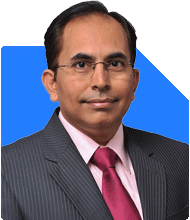
Ramalingam

Ramalingam Kalirajan  |10874 Answers  |Ask -

Mutual Funds, Financial Planning Expert - Answered on Jul 08, 2024

Ramalingam Kalirajan has over 23 years of experience in mutual funds and financial planning.
He has an MBA in finance from the University of Madras and is a certified financial planner.
He is the director and chief financial planner at Holistic Investment, a Chennai-based firm that offers financial planning and wealth management advice.... more

Muzammil Question by Muzammil on May 09, 2024Hindi

Money

Hello sir my name is Muzammil I live in a small city in Karnataka Mysore I have recently purchased a plot of 2400sq ft I'm planning to construct an apartment building with 7 flats and rent it each flat I can rent it for 25k I don't have any debt I have around 40 lakh rupees the whole building construction cost is around 1.6 crore I need to take a loan of 1.2 crore should I go for it I recently sold my business which was going bad I have 2 flats in Bangalore I get rent of 50k I make another 50k doing a little side business Im living in leased house my wife saying we need to take loan and go ahead with construction I'm liable for loan I have a cibil of 820 what should I do I'm not comfortable with the 100k income

Ans: Muzammil! You’ve got a lot on your plate, and I appreciate you reaching out. Managing finances and making significant investment decisions can be challenging. Let’s break this down and see what’s best for you.

Understanding Your Current Financial Situation

You live in Mysore and recently purchased a 2400 sq ft plot. You’re planning to construct a 7-flat apartment building, which you can rent for Rs 25k per flat. You have no debt and Rs 40 lakh in hand. The construction cost is Rs 1.6 crore, so you need a Rs 1.2 crore loan. You sold a struggling business, have two flats in Bangalore earning Rs 50k rent, and make another Rs 50k from a side business. You live in a leased house, and your wife supports taking a loan for the construction. You have a high CIBIL score of 820 but are uncomfortable with a Rs 1 lakh income.

Evaluating Your Financial Position

1. High CIBIL Score

Your CIBIL score of 820 is excellent. It shows you’re responsible with credit and can likely secure a loan with favorable terms.

2. Income and Expenses

Your total monthly income is Rs 1 lakh. You have no debt but plan to take a Rs 1.2 crore loan for construction. This loan will add significant financial pressure.

3. Existing Assets

You own two flats in Bangalore, generating Rs 50k monthly. These are valuable assets and a steady income source.

4. Risk Assessment

Constructing an apartment building is a big investment. It’s essential to consider risks like construction delays, cost overruns, and rental market fluctuations.

Considering the Loan

1. Loan Amount and EMI

A Rs 1.2 crore loan is substantial. With an average interest rate of around 8%, the EMI will be about Rs 1.1 lakh for 20 years. This is more than your current income.

2. Construction Costs

Ensure you have a detailed and realistic estimate of the construction costs. Account for unexpected expenses.

3. Rental Income

Renting out 7 flats at Rs 25k each will generate Rs 1.75 lakh monthly. This income can help cover the EMI and provide some surplus.

Exploring Alternatives

1. Phased Construction

Consider constructing the building in phases. Start with fewer flats and expand as you generate rental income and save more.

2. Using Existing Assets

Sell one of your Bangalore flats if needed. This can reduce the loan amount and financial pressure. This can be a difficult decision but may be necessary for long-term financial health.

3. Building Your Side Business

Focus on expanding your side business. Increasing this income can provide more financial stability and reduce reliance on rental income.

Understanding the Rental Market

1. Market Research

Research the rental market in your area thoroughly. Ensure there’s demand for rental properties at the rates you expect.

2. Rental Agreements

Have clear and enforceable rental agreements. This helps ensure a steady rental income and reduces the risk of defaults.

Seeking Professional Guidance

1. Certified Financial Planner

Consult a Certified Financial Planner (CFP). They can provide a detailed financial plan and investment strategy tailored to your situation.

2. Legal and Tax Advice

Seek legal and tax advice regarding property construction and rental income. This ensures compliance and optimizes your tax liabilities.

Assessing Long-Term Goals

1. Financial Independence

Consider your long-term financial goals. Aim for financial independence and a stable income that covers all your needs comfortably.

2. Diversification

Diversify your investments. Don’t put all your money into real estate. Explore mutual funds, fixed deposits, or other investment options.

Exploring Mutual Funds

1. Importance of Mutual Funds

Mutual funds are an excellent way to grow your money. They pool money from many investors to buy a diversified portfolio of stocks, bonds, or other securities.

Advantages of Mutual Funds

Diversification: Spread your risk across various assets.

Professional Management: Managed by experienced fund managers.

Liquidity: Easy to buy and sell units.

Affordability: Start with a small amount and gradually increase.

Types of Mutual Funds

Equity Funds: Invest in stocks. Higher risk but potentially higher returns.

Debt Funds: Invest in bonds and other fixed-income securities. Lower risk, stable returns.

Hybrid Funds: Combination of equity and debt. Balanced risk and return.

2. Power of Compounding

Investing early in mutual funds harnesses the power of compounding. Compounding means earning returns on your returns. The longer you invest, the more your money grows exponentially.

3. Systematic Investment Plan (SIP)

SIP is a disciplined way to invest in mutual funds. You invest a fixed amount regularly, regardless of market conditions. This helps in averaging out the cost and reduces market timing risk.

Benefits of SIP

Disciplined Savings: Forces you to save regularly.

Rupee Cost Averaging: Buys more units when prices are low and fewer when prices are high.

Convenience: Automated investments from your bank account.

Evaluating Risks and Returns

While mutual funds are beneficial, they come with risks. Understand the risk level of each fund and align it with your risk tolerance.

1. Equity Funds

High Risk, High Return: Suitable for long-term goals.

Market Volatility: Prices can fluctuate significantly.

Long-Term Growth: Historically, equities have outperformed other asset classes over the long term.

2. Debt Funds

Low Risk, Stable Return: Ideal for short to medium-term goals.

Interest Rate Risk: Returns may vary with changes in interest rates.

Capital Preservation: Focus on preserving capital while earning modest returns.

3. Hybrid Funds

Balanced Risk and Return: Good for medium-term goals.

Asset Allocation: Diversifies across equity and debt.

Volatility: Less volatile than pure equity funds but riskier than debt funds.

Final Insights

Constructing an apartment building is a significant financial commitment. With your current income and assets, taking on a Rs 1.2 crore loan is risky. Consider phased construction, selling an existing asset, or expanding your side business to reduce financial pressure.

Invest in mutual funds to diversify your investments and achieve long-term growth. Consult a Certified Financial Planner for personalized advice and create a comprehensive financial plan. Remember, the key to financial success is disciplined saving, prudent investing, and continuous learning.

Best Regards,

K. Ramalingam, MBA, CFP,

Chief Financial Planner,

www.holisticinvestment.in
DISCLAIMER: The content of this post by the expert is the personal view of the rediffGURU. Users are advised to pursue the information provided by the rediffGURU only as a source of information to be as a point of reference and to rely on their own judgement when making a decision.
Money

You may like to see similar questions and answers below

Ramalingam

Ramalingam Kalirajan  |10874 Answers  |Ask -

Mutual Funds, Financial Planning Expert - Answered on Jun 02, 2025

Money
Hi Hemant Bokil Ji, My name is sathish residing in gandhi nagar, my age is 34 currently working as Engineer. My current salary is 2lakhs per month. After deducting PF employer & employee of 19200 and NPS 11200(14% of basic) and tax of 18967. It will be 1.5L. I am doing OT in the company payment for it will be 46,953. So total income which i will get is 1,96,953. I have taken home at Mumbai. Which is under construction of 1cr. Till date i have paid 26L. Loan of 24L. Which is 50% of deman raised. Still i need to pay 50L to builder. I need to pay still 50L to builder. Home loan is approved for 89L.Intrest rate of 7.9%. My intention is i dont want to go for loan. What ever the left over money after expenses i am keeping it in my account and paying to builder when he raises demand letter. Is i am doing the right thing or i need to invest the amount in the market for better returns. Please give the solution for this. Thank you
Ans: You have made a strong start.

At 34, planning such a high-value property is a responsible decision.

You are trying to avoid taking full home loan.

You are using your income balance to pay the builder.

This approach shows clarity and control.

Let us now evaluate the right approach from all angles.

Let us also help you make better financial decisions.

?

Understanding Your Cash Flow

Your total monthly income is Rs. 1,96,953.

This includes OT income of Rs. 46,953.

Your fixed deductions are for PF, NPS, and tax.

This leaves you with a healthy monthly disposable surplus.

You plan to save and pay the builder stage by stage.

You have paid Rs. 26 lakhs so far.

Rs. 24 lakhs is already through loan disbursed.

You still need to pay Rs. 50 lakhs to the builder.

Loan is approved for Rs. 89 lakhs. You wish to avoid more disbursement.

This means you want to self-fund the remaining Rs. 50 lakhs.

That is a very disciplined approach.

But we must analyse the risk and return involved.

?

Evaluate Opportunity Cost vs. Interest Savings

Home loan interest is 7.9% currently.

This is a moderate rate in current market.

If your investments earn more than 7.9%, they beat the loan cost.

Equity mutual funds have potential to deliver higher returns.

But they are volatile and need a longer time to grow.

You will need to withdraw for builder payment within 6-12 months.

Equity does not suit short-term goals.

Debt mutual funds also have market risks.

Bank savings or fixed deposits give 3%–6% currently.

That is lower than 7.9% home loan cost.

Hence, investing now and withdrawing later for builder is not profitable.

Your intention to avoid loan and use income is safer.

You save interest and avoid market volatility.

So, your current method is suitable for short-term funding.

No urgent need to invest the amount.

Keep the funds in a safe, liquid, and low-risk place.

For example, liquid funds or ultra-short-term mutual funds.

These are better than savings account.

They give 5%–6% return and quick withdrawal.

They don’t block the money.

Avoid equity mutual funds for now.

You need money in next few months, not after 5 years.

?

Build Emergency Fund First

Before paying builder, ensure you have emergency money.

At least 6 months of your expenses in liquid form.

Around Rs. 2–3 lakhs kept aside is ideal.

Don’t put this in property or investment.

Keep in liquid fund or sweep-in FD.

You must never use credit card or personal loan in emergency.

?

Future Strategy After Property Completion

After full builder payment, start goal-based investing.

Now you are using most of your surplus for property.

Later you can focus on building wealth.

Divide your investments based on financial goals.

Retirement, child education, travel, corpus for peace of mind.

Choose mutual funds with active fund management.

Index funds lack flexibility during market stress.

Actively managed funds have better downside protection.

Don’t invest directly. Use regular funds through MFD with CFP qualification.

Regular plans offer guidance, monitoring, and support.

Direct funds may miss out on personalised rebalancing.

This becomes risky in volatile markets.

Review your investments every 6 months.

Asset allocation should suit your risk level and age.

?

Avoid Common Investment Mistakes

Don’t invest only in one asset class.

Equity, debt, gold, all must be balanced.

Don’t follow stock tips or social media advice.

Don’t stop SIPs during market correction.

Don’t mix insurance with investment.

Avoid ULIPs and money-back policies.

Surrender old LIC policies if returns are poor.

Shift that money to mutual funds.

Buy pure term insurance separately.

Get health insurance for you and dependents.

Protecting your family is more important than chasing returns.

?

Tax-Saving Suggestions

Your NPS and PF already give tax benefit.

Check if you are using full Rs. 1.5 lakh under 80C.

Consider ELSS mutual fund if there is balance room.

They give tax savings and long-term growth.

Avoid 5-year FDs or ULIP for 80C.

ELSS has only 3-year lock-in.

Use NPS additional Rs. 50,000 under 80CCD(1B) fully.

Maintain home loan documents for future deductions.

Even pre-EMI interest can be claimed in 5 parts later.

Track capital gains from mutual funds properly.

New rule: Long-term capital gains above Rs. 1.25 lakh taxed at 12.5%.

Short-term equity gains taxed at 20%.

Debt fund gains taxed at your income slab.

?

What You Can Do Next

Track builder demand schedule.

Keep your savings liquid.

Avoid locking funds in volatile investments now.

Prepare for EMI post possession.

Keep your CIBIL score healthy.

Maintain minimum 6-month emergency reserve.

After construction, relook at your finances with a CFP.

Plan for long-term wealth creation post home completion.

?

Finally

You are managing your money thoughtfully.

You are avoiding high loan burden. That is wise.

You are not tempted by short-term market returns.

That shows maturity and patience.

At this stage, liquidity is more important than growth.

Once the house is complete, you can explore investments again.

Use regular mutual fund plans with guidance from a Certified Financial Planner.

That will keep your journey stress-free and aligned with your goals.

?

Best Regards,

K. Ramalingam, MBA, CFP,

Chief Financial Planner,

www.holisticinvestment.in
https://www.youtube.com/@HolisticInvestment

..Read more

Ramalingam

Ramalingam Kalirajan  |10874 Answers  |Ask -

Mutual Funds, Financial Planning Expert - Answered on May 22, 2025

Asked by Anonymous - May 18, 2025
Money
I am 39 years old with monthly in-hand salary of 1.55 lacs. I have 20 lacs in PPF 17 lacs in 4 mutual funds investing 33 thousand per month. 12 lacs in EPF. 6 lacs in ssy on name of my daughter she is 8 years now. 3 lacs in NPS. My wife is govt teacher earning 90 thousand per month. she has 20 lacs in in NPS, 20 in PPF. We have purchased a builder floor in Delhi in ~2021 for 45 lacs. in 2024 we purchased an office space in Delhi for 86 lacs in year 2024. I am getting 13 thousand as rent from builder floor and 30000 as rent from office space. I want to sell builder floor and purchase a home to move in it cost me around 1.4 CR for this i might have to take a gome loan of 80 lacs i am worried to rake this bug loan. looking at my financial bg what is your opinion and do you suggest me to take this home loan.
Ans: You have done well in building strong financial pillars. This kind of diversified base offers solid long-term stability.

Now let us evaluate your current situation and future decision about the home purchase and possible home loan from a complete 360-degree angle.

Current Financial Snapshot

You earn Rs. 1.55 lakhs every month in-hand.

Your wife earns Rs. 90,000 every month as a government teacher.

You have Rs. 17 lakhs in mutual funds with Rs. 33,000 SIP monthly.

Rs. 20 lakhs in PPF under your name.

Rs. 12 lakhs in EPF corpus.

Rs. 6 lakhs in Sukanya Samriddhi for your 8-year-old daughter.

Rs. 3 lakhs in NPS.

Wife has Rs. 20 lakhs in NPS and Rs. 20 lakhs in PPF.

You earn Rs. 13,000 rent from builder floor.

Rs. 30,000 rent from office space.

Office space was bought for Rs. 86 lakhs in 2024.

Builder floor was bought for Rs. 45 lakhs in 2021.

You are now planning to sell this builder floor.

Planning to buy a house for Rs. 1.4 crore to live in.

You might need Rs. 80 lakh loan for this new house.

Real Estate Exposure Assessment

You already own an office space.

You also own a builder floor.

Real estate already forms a significant part of your portfolio.

Rental yield from both properties is quite low.

Current builder floor gives just Rs. 13,000 rent per month.

Office gives Rs. 30,000, which is acceptable but still below 5% yield.

Please note, capital appreciation in real estate is not assured.

Unlike mutual funds, real estate lacks liquidity and diversification.

Any property resale also involves high transaction cost and time.

Avoid viewing real estate as an investment option going forward.

Loan Burden Analysis

You are considering an Rs. 80 lakh home loan.

Your net family income is Rs. 2.45 lakhs per month.

Current rental income is Rs. 43,000 in total.

A loan of Rs. 80 lakh over 20 years could mean EMI around Rs. 70,000–75,000 monthly.

This will take 30% of your monthly income directly.

That will reduce cash availability for investment, education and emergencies.

EMI pressure can limit future financial flexibility and stress your budget.

You already have good passive income sources and strong savings.

Investment Portfolio Review

Your mutual fund investments of Rs. 17 lakhs are well managed.

Monthly SIP of Rs. 33,000 is a good sign of discipline.

Avoid investing directly in mutual funds without guidance.

Regular funds through MFD with Certified Financial Planner offer better value.

Direct funds can create confusion and poor exit strategy.

A well-guided regular plan keeps emotions and wrong timing out.

Continue mutual fund SIP and increase annually if possible.

Your PPF, EPF and SSY are secure and tax-efficient debt components.

NPS offers long-term benefit, but only for retirement planning.

Avoid depending on NPS for medium term goals.

Family Goal Planning

Your daughter is 8 years old.

You will need funds for her higher education in next 8–10 years.

House EMI for Rs. 80 lakh will reduce your ability to save for her.

Buying a bigger house now may delay wealth creation for future goals.

Stay focused on education, retirement and medical security first.

Options to Reduce Loan Size

Consider using part of your investments to reduce loan size.

Selling builder floor can give you approx. Rs. 45–55 lakhs.

Use that as down payment to reduce loan to Rs. 60–65 lakhs.

Liquidate only what is not long-term goal linked.

Do not touch PPF, EPF or SSY for home down payment.

If required, pause SIP for 12–18 months, but resume early.

Also consider partially using NPS if allowed after 60 years of age.

Emergency Fund and Contingency Review

Do you have 6–9 months of expenses saved as emergency fund?

With EMI of Rs. 70,000, you must have Rs. 3–5 lakhs as cash or liquid funds.

Keep this amount safe for job loss, health emergencies or family needs.

Emergency fund is the most ignored but crucial safety net.

Cash Flow Insight

Monthly in-hand income is Rs. 2.45 lakhs from both of you.

Rent adds another Rs. 43,000.

This makes Rs. 2.88 lakhs income per month.

Monthly SIP is Rs. 33,000.

Proposed EMI will be around Rs. 70,000.

This leaves enough for lifestyle and other expenses.

Still, it is always better to avoid unnecessary big EMI burden.

Suggestions Before Buying Home

Wait for 6–9 months if possible.

Save more for bigger down payment.

Try to bring loan down to Rs. 60 lakhs or less.

Avoid touching investments made for retirement or daughter.

If selling builder floor gives Rs. 50+ lakhs, go ahead with plan.

Compare ready-to-move house vs. under-construction options.

Do not rush just because property prices are rising.

Mental Peace vs. Financial Logic

Owning a house gives mental satisfaction and stability.

But, it should not disturb other goals.

You are already doing very well financially.

Adding Rs. 80 lakh loan may disturb this healthy balance.

Take a house loan only if it fits into your life, not to match society.

You should feel free, not stuck, because of EMI pressure.

Risk Checkpoints

Are you adequately insured for life and health?

Do you have term insurance covering 15–20 times of your salary?

Are you and your family covered under good health insurance?

These are non-negotiable before taking any big home loan.

Tax Angle Awareness

Home loan interest gives tax benefit under section 24.

Principal repaid is allowed under section 80C.

But benefits should not be the only reason to take loan.

Focus on net wealth creation after EMI and opportunity cost.

Final Insights

You are financially disciplined and have built solid base.

Buying a home is a personal decision.

But taking Rs. 80 lakh loan now is not ideal.

Try to reduce loan by higher down payment.

Prioritise daughter’s education, retirement and financial freedom.

Continue mutual funds SIP and avoid real estate-based investing.

Talk to a Certified Financial Planner for customised step-by-step execution plan.

Focus on long-term compounding with stability and peace of mind.

You are on the right track. Just be careful not to over-leverage.

Smart financial choices today will give more peace tomorrow.

Best Regards,

K. Ramalingam, MBA, CFP,

Chief Financial Planner,

www.holisticinvestment.in
https://www.youtube.com/@HolisticInvestment

..Read more

Ramalingam

Ramalingam Kalirajan  |10874 Answers  |Ask -

Mutual Funds, Financial Planning Expert - Answered on Jun 23, 2025

Money
I have mutual fund holdings of approx 80 lacs,stock holdings of 13.5 lacs,pf of 1.5 lacs,fd worth 29 lacs with monthly interest and monthly income from all sources is approx 1.1 lacs as I am also in mutual fund distribution along with my job as I started this last year. I have no liabilities now and have a joint 2 bhk flat in Andheri east worth 1.3 crores and 1 bhk in badlapur worth 25 lakhs which is on rent. I have a 1 crore term plan with 12 year fix term payment with 6 payments gone and company mediclaim of 15 lacs and personal mediclaim of 3 lacs. I needed a 2nd flat closeby in Andheri but I am afraid to take a loan but still I need suggestions for how much loan can I take.my cibil score is above 750.also,please suggest on my financial assesment.
Ans: You have managed your assets thoughtfully so far. Your growing income sources and debt-free status give you a strong base. Let’s now do a 360-degree financial assessment and also evaluate your loan eligibility for the second flat.

Your Asset Composition – A Quick Snapshot
Mutual fund investments – Rs. 80 lakhs

Direct equity stocks – Rs. 13.5 lakhs

Provident fund – Rs. 1.5 lakhs

Fixed deposits – Rs. 29 lakhs (monthly interest income)

Rental income – from Badlapur property

Job and mutual fund distribution income – around Rs. 1.1 lakhs per month

2BHK in Andheri East – worth Rs. 1.3 crores (joint ownership)

1BHK in Badlapur – worth Rs. 25 lakhs (on rent)

You have no ongoing loans or EMIs. That puts you in a secure place to plan forward.

Income and Cash Flow Stability
Monthly income from job + distribution – Rs. 1.1 lakhs

Rental income – additional, though unspecified, adds to cushion

FD interest – offers another passive flow

You are maintaining three sources of income. That reduces risk. You are not dependent on only one source.

Monthly inflows appear to cover your lifestyle. That is a good sign. However, no mention of current monthly expenses. It would help to track and limit discretionary spends.

Mutual Fund Investment Position
You hold Rs. 80 lakhs in mutual funds. That’s a significant allocation.

But you haven't specified the fund types — equity, hybrid, or debt. Also, no clarity on regular or direct option.

If your investments are in direct funds, consider switching to regular plans through a Certified Financial Planner (CFP) and Mutual Fund Distributor (MFD).

Why? Because regular plans offer personal guidance, timely portfolio reviews, and strategic rebalancing.

Direct plans may appear cheaper. But without expert help, costly mistakes can happen. Wrong fund choices or wrong exit timing can eat away gains.

If your investments are in index funds, be cautious. Index funds copy the market. They don’t beat the market.

They offer no downside protection during market falls. Actively managed funds aim to give better returns than index.

Index funds don’t adapt to market changes. Good fund managers in active funds do that.

A regular portfolio review by a Certified Financial Planner will help. You should optimise risk and returns.

Stock Market Investments
You have Rs. 13.5 lakhs in direct equities. That is about 12% of your total financial assets.

This is fine if your risk appetite is high. But do monitor sector concentration and liquidity of stocks.

Direct equity needs time and discipline. Avoid overlapping stocks already held through mutual funds.

Also, have a clear exit plan. Don’t wait for all-time highs to sell. Book profits periodically.

Fixed Deposits – Income Use and Taxation
Rs. 29 lakhs in FDs gives you monthly income. This is useful for regular cash flow.

But remember:

FD interest is fully taxable

Returns may not beat inflation

Long-term wealth growth is limited

Keep only what you need for liquidity. Shift the rest to mutual funds through STP or lump sum.

This way, you earn better post-tax returns and reduce reinvestment risk.

Insurance and Protection Cover
Term Insurance – Rs. 1 crore cover with 12-year payment term. 6 premiums already paid. That’s a responsible move.

If your dependents are financially independent or assets cover their needs, this cover is enough.

Else, you may increase cover till retirement age using pure term insurance. Avoid return-of-premium type.

Health Insurance –

Company cover – Rs. 15 lakhs

Personal mediclaim – Rs. 3 lakhs

This is sufficient for now. But ensure personal health cover is kept active even if job changes.

Avoid relying only on employer mediclaim. Companies can change policies anytime.

Real Estate Holdings
Joint 2BHK in Andheri East – Worth Rs. 1.3 crores

1BHK in Badlapur – Worth Rs. 25 lakhs and on rent

You have already entered real estate. You are also getting passive rent.

But from an investment viewpoint, adding more property may reduce liquidity. Real estate is not a liquid asset. Selling quickly in emergencies is tough.

Also, real estate has low post-tax rental yield (2–3%). Maintenance and property taxes further reduce net returns.

Hence, avoid over-allocation here. Prioritise financial investments instead.

Should You Buy a Second Flat in Andheri?
You mentioned the desire for a second flat nearby. But fear taking a loan. That’s a valid concern.

Let’s assess how much home loan you can get.

Your CIBIL score is above 750 – this is very good

Your income is approx Rs. 1.1 lakhs per month

You have no existing EMI burden

As per banks, 50%–60% of monthly income can go toward EMI. That means:

You are eligible for a home loan with EMI up to Rs. 55,000–65,000

At 8.5% interest and 15–20 year term, loan amount can be between Rs. 50–60 lakhs

But eligibility is not the same as affordability. You must ask:

Can you comfortably pay EMI for 15 years without compromising other goals?

Will this flat give any rent or tax benefit?

Will your job and distribution income stay consistent?

If your answer is no or doubtful, avoid the loan. Liquidity and freedom are more important than property.

If You Still Want the Flat – Consider These Options
Opt for a smaller flat or cheaper location to reduce loan size

Use part of your FD and mutual fund to pay higher down payment

Take a joint loan with co-owner if eligible – increases loan eligibility

Don’t sell your MF corpus entirely – keep your compounding alive

Also, calculate how much EMI you can pay comfortably. Not maximum. Choose safety, not stress.

Your Tax Planning Approach
Interest from FD is taxable at slab rate. It increases your tax burden.

Rental income also adds to your taxable income.

You may already be crossing Rs. 10 lakh annual income. So you must consider HUF, Section 80C, 80D, and NPS wisely.

Mutual fund redemptions will now follow new rules:

Equity mutual funds – LTCG above Rs. 1.25 lakhs taxed at 12.5%

STCG taxed at 20%

Debt funds – taxed as per income slab (STCG and LTCG same)

Hence, keep your investment period and tax impact in mind before redeeming.

Suggestions for Next Financial Moves
Here is a 360-degree action plan for you:

1. Create a financial goals map

Retirement corpus target

Child education or wedding

Travel or lifestyle upgrades

Emergency buffer

2. Keep an emergency fund

At least 6 months of expenses in liquid funds or sweep FDs

Don’t use this for investing or real estate

3. Review your mutual fund portfolio

Check if funds are performing well vs category

Remove underperformers

Align risk profile and asset allocation

4. Consider shifting excess FD

Gradually move surplus FD to hybrid or equity mutual funds

Use STP to reduce timing risk

5. Consolidate equity holdings

Exit weak or non-core stocks

Keep direct equity under 10% of total assets

6. Protect your family better

Review term cover after 3 years or major life changes

Ensure personal mediclaim is renewed on time

7. Avoid multiple property purchases

It reduces liquidity

It increases maintenance and tax burdens

Keep one primary house and one income property at most

8. Build retirement corpus actively

Use mutual funds with SIPs or lump sum

Use compounding for next 10–15 years

Don’t delay for market timing

9. Track your personal balance sheet yearly

Note all asset values, income, and liabilities

Track net worth growth annually

Helps in better decisions and peace of mind

Finally
You are already on a solid path. Your assets are strong. Income is diversified. You are debt-free and disciplined.

You are building both active and passive income sources. That shows vision and maturity.

Buying a second flat may feel emotionally satisfying. But financially, it reduces flexibility. Stay cautious.

Keep growing your mutual fund investments. Reduce overexposure to real estate. Balance liquidity, returns, and tax.

With this mix, your long-term wealth will grow with less stress.

Best Regards,
K. Ramalingam, MBA, CFP,
Chief Financial Planner,
www.holisticinvestment.in
https://www.youtube.com/@HolisticInvestment

..Read more

Latest Questions
Anu

Anu Krishna  |1746 Answers  |Ask -

Relationships Expert, Mind Coach - Answered on Dec 08, 2025

Ramalingam

Ramalingam Kalirajan  |10874 Answers  |Ask -

Mutual Funds, Financial Planning Expert - Answered on Dec 08, 2025

Asked by Anonymous - Dec 08, 2025Hindi
Money
Hi i am 40M. would request your help to understand what should be the corpus required for retirement as i want to get retired in next 3-5yrs. currently my take home is 2.3L monthly & my wife also works but leaving the job in next 2-3 months. we have a daughter 10yrs, currently i stay on rent and total monthly expense is 1.1L month. once i will retire we will shift in our own parental flat, where hopefully there will be no rent. current Investments 1. 50L in REC bonds getting matured in 2029 2. 42L in stocks 3. 17L in MF 4. 16L FD 5. 15L in PPF 6. 1.3L SIP monthly i do My Wife Investments 1. 30L corpus 2. flat with current value 40L and we get rental of 10K monthly. Please guide what should be the retirement corpus required combined to retire, assuming i need 75L for my daughter post grad and marriage and we would be requiring 75K monthly for our expenses after retiring
Ans: You have explained your income, goals, current assets, and future plans with great clarity. Your early planning spirit is strong. This gives a very good base. You can reach a peaceful retirement with smart steps in the next few years.

» Your Current Position

You are 40 years old. You plan to retire in 3 to 5 years. You earn Rs 2.3 lakh per month. Your wife also works but will stop working soon. You have one daughter aged 10. Your current monthly cost is around Rs 1.1 lakh. This cost will reduce after retirement because you will shift to your parental flat.

Your investment base is already good. You have saved in bonds, stocks, mutual funds, PPF, FD, and SIP. Your wife also has her own savings and rental income from a flat. All these create a good starting point.

This early base helps you plan stronger. It also gives room for more shaping. You are on the right road.

» Your Family Goals

You need Rs 75 lakh for your daughter’s higher education and marriage.

You want Rs 75,000 per month for family living after retirement.

You want to retire in 3 to 5 years.

You will shift to your parental flat after retirement.

You will have rental income of Rs 10,000 from your wife’s flat.

These goals are clear. They give direction. They allow a strong plan.

» Your Present Investments

Your investments include:

Rs 50 lakh in REC bonds maturing in 2029.

Rs 42 lakh in stocks.

Rs 17 lakh in mutual funds.

Rs 16 lakh in fixed deposits.

Rs 15 lakh in PPF.

Rs 1.3 lakh as monthly SIP.

Your wife holds:

Rs 30 lakh corpus.

A flat worth Rs 40 lakh with rent of Rs 10,000 each month.

Your combined net worth is healthy. This gives good power to build your retirement fund in the coming years.

» Understanding Your Expense Need After Retirement

You expect Rs 75,000 per month after retirement. This includes all basic needs. You will not have rent. That reduces cost. This assumption looks fair today.

Your cost will rise with inflation. So you must plan for rising needs. A strong retirement corpus must support rising cost for 40 to 45 years because you are retiring early.

An early retirement needs a large buffer. So you need safety along with growth. Your plan must include growth assets and safety assets.

» How Much Monthly Income You Will Need Later

Rs 75,000 per month is Rs 9 lakh per year. In future years, this cost can rise. If we assume steady rise, your future cost will be much higher.

So the retirement corpus must be designed to:

Give monthly income.

Beat inflation.

Support you for 40 to 45 years.

Protect your family even in market down cycles.

Allow flexibility if your needs change.

A strong retirement fund must support both safety and long-term growth.

» How Much Corpus You Should Target

A safe target is a large and flexible corpus that can support long years without running out of money. For early retirement, the usual thumb rule suggests a very high number. This is because you need income for many decades.

You need a corpus big enough to produce rising income. You also need a cushion for unexpected health costs, lifestyle shocks, and inflation changes.

Your target retirement corpus should be in a strong range. For your needs of Rs 75,000 per month and for goals like daughter’s education and marriage, you should aim for a combined retirement readiness corpus in the higher bracket.

A safe range for your family would be a very large number crossing multiple crores. This large range gives you:

Income safety.

Inflation protection.

Peace during market cycles.

Comfort in long life.

Room for daughter’s future.

Strong backup for health.

You are already on the way due to your existing assets. You will reach close to this range with systematic building over the next 3 to 5 years.

» Why You Need This Larger Corpus

You will retire early. That means more years of living from your corpus. Your corpus must not fall early. It must grow even after retirement. It must give monthly income and long-term family protection.

This is only possible when the corpus is strong and well-structured. A weak corpus creates stress. A strong corpus creates freedom.

Also, your daughter’s future cost must be kept aside. This must be parked in a separate fund. This must not touch your retirement money.

A strong corpus makes these two worlds separate and safe.

» Your Existing Assets and Their Strength

You already have good diversification:

Bonds give safety.

Stocks give growth.

Mutual funds give managed growth.

FD gives stability.

PPF gives tax-free long-term savings.

This blend is already a good start. But you need to make the blend more structured for early retirement.

Your Rs 1.3 lakh monthly SIP is also strong. It builds your future fast. You should continue.

Your wife’s rental income is small but steady. This adds strength.

Your combined financial base can reach your retirement target if you refine your allocation now.

» Your Daughter’s Future Fund Need

You need Rs 75 lakh for your daughter’s education and marriage. You should keep this goal separate from your retirement goal.

Your current SIP and future allocations should create a dedicated fund for this goal. A long-term fund can grow well when managed actively.

Do not mix this fund with your retirement needs. Mixing leads to shortage in old age. Always keep this corpus ring-fenced.

» A Strong Asset Mix For Your Retirement Path

A balanced mix is needed. You need growth assets to beat inflation. You also need stable assets for income.

You must avoid index funds because they do not give flexibility. Index funds follow a fixed index. They cannot make active changes in different markets. They cannot move to better stocks when markets change. They force you to stay in weak sectors for long. They also do not help you in down cycles because they cannot protect you by shifting to safer options. This can hurt retirement planning.

Actively managed funds are better because:

They give active asset selection.

They give scope for better returns.

They give flexibility to change sectors.

They give downside management.

They give access to a skilled fund manager.

They support long-term planning more safely.

Direct plans also carry risk. Direct plans do not give guidance. They do not give behavioural support. They do not give market timing help. They do not give portfolio shaping. They leave all the judgement to you. One mistake can cost years of wealth.

Regular plans with guidance from a Certified Financial Planner help you shape decisions. They help you remain disciplined. They help you avoid panic. They help you decide allocation changes at the right time. This saves wealth in long-term.

» How Your Investment Journey Should Grow in the Next 3–5 Years

Continue your SIP.

Increase SIP when your income rises.

Shift part of your stock holding into planned long-term mutual funds to reduce concentration risk.

Build a defined daughter’s education fund.

Keep a part of your REC bond maturity amount for long-term.

Avoid locking too much into fixed deposits for long periods.

Build a safety fund for one year of expenses.

This will create a full structure.

» Your Rental Income Role

Your rental income of Rs 10,000 per month is small but steady. Over time it will rise. This income will support your monthly cash flow after retirement.

You can use this for utilities or health insurance premiums. This gives a cushion.

» Your Emergency Buffer

You should keep at least one year of essential cost in a safe place. This can be in a liquid account or short-term fund. This protects you in shocks.

Since you plan early retirement, a strong buffer is important. It gives peace even in low months.

» A Structured Retirement Approach

A complete retirement plan for you should include:

A clear monthly income plan after retirement.

A corpus that can grow and protect.

A rising income system that matches inflation.

A separate daughter’s future fund.

A health cover plan for your family.

A tax-efficient withdrawal plan.

A market cycle plan to protect you in tough times.

This holistic approach keeps your family strong for decades.

» What You Should Build by Retirement Year

Your aim should be to reach a strong multi-crore range in investments before retirement. You already hold a large amount. You will add more in the next 3 to 5 years through SIP, stock growth, bond maturity, and disciplined saving.

Once you reach your target range, you can start the shifting process:

Move a part to stable assets.

Keep a part in long-term growth assets.

Create a monthly income strategy.

Keep a reserve bucket.

Keep a child future bucket.

Keep a long-term growth bucket.

This structure protects you in all market conditions.

» Final Insights

Your financial journey is already strong. You have a good income. You have saved well. You have multiple asset types. You have a clear timeline. And you have clear goals. This foundation is solid.

In the next 3 to 5 years, your focus should be on growing your combined corpus to a strong multi-crore range, keeping a separate fund for your daughter, reducing risk in unplanned assets, and building a stable long-term structure.

With the present path and a disciplined structure, you can retire peacefully and support your family with confidence for many decades.

Best Regards,

K. Ramalingam, MBA, CFP,
Chief Financial Planner,
www.holisticinvestment.in

https://www.youtube.com/@HolisticInvestment

...Read more

Samraat

Samraat Jadhav  |2499 Answers  |Ask -

Stock Market Expert - Answered on Dec 08, 2025

Ramalingam

Ramalingam Kalirajan  |10874 Answers  |Ask -

Mutual Funds, Financial Planning Expert - Answered on Dec 08, 2025

Money
Hello my name is saket, I monthly salary is 43k and my saving is zero. My Rent is 15 k and 10 k i send to my parents. How can i save money and investments.
Ans: 1. Your Current Monthly Numbers

Salary: Rs 43,000

Rent: Rs 15,000

Support to parents: Rs 10,000

Left with: Rs 18,000 for food, travel, bills, and savings

You have very little room, but saving is still possible if done smartly.

2. First Step: Build a Small Emergency Buffer

You must build Rs 10,000 to Rs 20,000 emergency money.
This protects you from taking loans for small issues.

How to build it:

Save Rs 3,000 to Rs 5,000 every month in a simple bank savings account

Do this for the next few months

Don’t touch it unless truly needed

3. Create a Mini Budget (Very Simple One)

Try this split from the remaining Rs 18,000:

Daily living (food + transport): Rs 10,000 – 11,000

Personal expenses (phone, internet, basics): Rs 3,000 – 4,000

Savings + investments: Rs 3,000 – 5,000

If this feels difficult, reduce food/transport costs by small adjustments.

4. Where to Invest Once You Have Emergency Money

(For minors: This is general education. For actual investing, get guidance from a trusted adult or family member.)

After you build emergency money, start small monthly investing.

You can begin with:

Rs 1,000 to Rs 2,000 SIP in a simple, diversified equity fund

Increase the SIP whenever salary increases or expenses reduce

Avoid complicated products.
Keep it simple.
Focus on consistency.

5. Easy Practical Ways to Increase Saving

These small moves help a lot:

Avoid food delivery

Use public transport as much as possible

Reduce subscriptions you don’t use

Fix a daily expense limit

Keep a separate bank account only for savings

Even Rs 200 saved daily = Rs 6,000 monthly.

6. Increase Income Slowly

Try small income boosters:

Weekend tutoring

Freelancing

Part-time projects

Selling old gadgets

Learning new skills for future salary growth

Even Rs 3,000 extra income changes your savings life.

7. Build the Habit First

The amount doesn’t matter in the beginning.
The habit matters more.

Even saving Rs 500 every month is better than zero.
Once salary grows, you will already know how to save.

Best Regards,

K. Ramalingam, MBA, CFP,

Chief Financial Planner,

www.holisticinvestment.in

https://www.youtube.com/@HolisticInvestment

...Read more

DISCLAIMER: The content of this post by the expert is the personal view of the rediffGURU. Investment in securities market are subject to market risks. Read all the related document carefully before investing. The securities quoted are for illustration only and are not recommendatory. Users are advised to pursue the information provided by the rediffGURU only as a source of information and as a point of reference and to rely on their own judgement when making a decision. RediffGURUS is an intermediary as per India's Information Technology Act.

Close  

You haven't logged in yet. To ask a question, Please Log in below
Login

A verification OTP will be sent to this
Mobile Number / Email

Enter OTP
A 6 digit code has been sent to

Resend OTP in120seconds

Dear User, You have not registered yet. Please register by filling the fields below to get expert answers from our Gurus
Sign up

By signing up, you agree to our
Terms & Conditions and Privacy Policy

Already have an account?

Enter OTP
A 6 digit code has been sent to Mobile

Resend OTP in120seconds

x