Need Expert Advice?Our Gurus Can Help
Omkeshwar

Omkeshwar Singh  | Answer  |Ask -

Head, Rank MF - Answered on Jul 21, 2022

Mutual Fund Expert... more
Sanketa Question by Sanketa on Jul 21, 2022Hindi
Listen
Money

I have below portfolio and I am investing for retirement and I have two major goals of car and own house in Pune. 

Any suggestions would be appreciated.

  • Aditya Birla SL floating Rate Fund (G)
  • Axis focused 25 Fund Reg (G) 
  • Mirae Asset Large Cap Fund Reg (G)
  • Mirae Asset Tax Saving Fund Reg (G)

Ans: These a good funds, please continue

DISCLAIMER: The content of this post by the expert is the personal view of the rediffGURU. Users are advised to pursue the information provided by the rediffGURU only as a source of information to be as a point of reference and to rely on their own judgement when making a decision.
Money

You may like to see similar questions and answers below

Ramalingam

Ramalingam Kalirajan  |11484 Answers  |Ask -

Mutual Funds, Financial Planning Expert - Answered on May 21, 2024

Asked by Anonymous - May 16, 2024Hindi
Money
Hi.......I am 45 years old. I have house of my own, with no liability. I have a investment horizon of 15 years, with high risk taking capacity. I am looking for a retirement corpus of 3-4 crores. I am making following investments in Mutual Funds:- Please analyse the portfolio and advice accordingly. UTI Nifty 50 Index Fund Direct Growth 12000 Tata Small Cap Fund Direct - Growth 4000 SBI Contra Direct Plan Growth 5000 Nippon India Growth Fund Direct- Growth 6000 Quant Small Cap Fund 4000 Nippon India Small Cap Fund 5000 ICICI Prudential Bluechip Fund Direct-Growth 9000 Mahindra Manulife Multi Cap Fund - Direct Plan - Growth 5000 Parag Parikh Flexi Cap Fund 5000 SBI Large & Midcap Fund Direct Plan-Growth 5000 TOTAL 60000
Ans: It's wonderful to see your proactive approach towards securing your retirement. At 45, with a clear investment horizon of 15 years and a high-risk tolerance, you're well-positioned to build a robust portfolio that can help you achieve your goal of a 3-4 crore retirement corpus. Let's delve into analyzing your current mutual fund portfolio and provide tailored advice to optimize your investments.

Commendable Initiative

Firstly, kudos on recognizing the importance of retirement planning and taking proactive steps towards building your corpus. Your commitment to investing in mutual funds demonstrates a forward-thinking approach to securing your financial future.

Analyzing Your Portfolio

Let's evaluate each component of your mutual fund portfolio to ensure alignment with your long-term financial goals:

UTI Nifty 50 Index Fund Direct Growth (12,000): While index funds offer low expense ratios and broad market exposure, they lack the potential for outperformance compared to actively managed funds. Consider diversifying into actively managed funds for potential alpha generation.

Tata Small Cap Fund Direct - Growth (4,000): Small-cap funds can be volatile but offer high growth potential over the long term. Given your high-risk tolerance and long investment horizon, maintaining exposure to small-cap stocks is prudent.

SBI Contra Direct Plan Growth (5,000): Contra funds invest in out-of-favor sectors or stocks with the potential for a turnaround. While they can offer value opportunities, ensure sufficient diversification to mitigate risks associated with contrarian investing.

Nippon India Growth Fund Direct- Growth (6,000): Growth-oriented funds focus on companies with high growth potential. Given your long-term horizon, growth funds can help maximize returns by capitalizing on compounding over time.

Quant Small Cap Fund (4,000): Small-cap funds offer exposure to high-growth potential companies, albeit with higher volatility. Monitor the fund's performance and consider rebalancing if necessary to maintain optimal risk-return balance.

Nippon India Small Cap Fund (5,000): Similar to the Tata Small Cap Fund, this investment provides exposure to the small-cap segment. Given the risk associated with small caps, ensure diversification across market caps to manage overall portfolio risk.

ICICI Prudential Bluechip Fund Direct-Growth (9,000): Bluechip funds invest in large-cap stocks with strong fundamentals and stable performance. While offering stability, ensure diversification across market segments for optimal risk management.

Mahindra Manulife Multi Cap Fund - Direct Plan - Growth (5,000): Multi-cap funds provide flexibility to invest across market capitalizations based on prevailing market conditions. They offer diversification benefits and adaptability to changing market dynamics.

Parag Parikh Flexi Cap Fund (5,000): Flexi-cap funds have the flexibility to invest across market segments based on the fund manager's discretion. They offer diversification benefits and adaptability to varying market conditions.

SBI Large & Midcap Fund Direct Plan-Growth (5,000): Large & mid-cap funds provide exposure to both large and mid-cap stocks, offering a balanced approach to growth and stability. Monitor the fund's performance relative to its benchmark and peers.

Optimizing Your Portfolio

Diversification: While your portfolio exhibits diversification across market segments, ensure adequate diversification within each category to mitigate concentration risk.

Regular Review: Conduct periodic reviews of your portfolio's performance and rebalance if necessary to maintain alignment with your investment goals and risk tolerance.
Disadvantages of Direct Funds

Direct funds require investors to independently research, select, and manage their investment portfolios, which can be time-consuming and challenging, especially for novice investors. Lack of professional guidance may lead to suboptimal investment decisions.

Benefits of Regular Funds Investing through MFD with CFP Credential

Investing through a Certified Financial Planner (CFP) credentialled Mutual Fund Distributor (MFD) offers several benefits:

Personalized Advice: A CFP-certified MFD provides tailored investment advice based on your financial goals, risk appetite, and investment horizon, ensuring your portfolio aligns with your objectives.

Diverse Fund Selection: MFDs offer access to a wide range of mutual funds across asset classes and fund categories, enabling you to build a well-diversified portfolio suited to your needs.

Final Words

By optimizing your mutual fund portfolio based on the principles of diversification, risk management, and periodic review, you can enhance the probability of achieving your retirement goal of a 3-4 crore corpus. Stay committed to your investment strategy and seek professional guidance when needed to navigate market fluctuations effectively.

Best Regards,

K. Ramalingam, MBA, CFP,

Chief Financial Planner,

www.holisticinvestment.in

..Read more

Ramalingam

Ramalingam Kalirajan  |11484 Answers  |Ask -

Mutual Funds, Financial Planning Expert - Answered on Jun 01, 2024

Asked by Anonymous - Jun 01, 2024Hindi
Money
Hi.......I am 45 years old. I have house of my own, with no liability. I have a investment horizon of 15 years, with high risk taking capacity. I am looking for a retirement corpus of 3-4 crores. I am making following investments in Mutual Funds:- Please analyse the portfolio and advice accordingly. UTI Nifty 50 Index Fund Direct Growth 12000 Tata Small Cap Fund Direct - Growth 4000 SBI Contra Direct Plan Growth 5000 Nippon India Growth Fund Direct- Growth 6000 Quant Small Cap Fund 4000 Nippon India Small Cap Fund 5000 ICICI Prudential Bluechip Fund Direct-Growth 9000 Mahindra Manulife Multi Cap Fund - Direct Plan - Growth 5000 Parag Parikh Flexi Cap Fund 5000 SBI Large & Midcap Fund Direct Plan-Growth 5000 TOTAL 60000
Ans: Investment Portfolio Analysis and Advice

Understanding Your Investment Horizon and Risk Appetite
You are 45 years old with a 15-year investment horizon until retirement.

Your high-risk appetite is suitable for potentially high-return investments.

Aiming for a retirement corpus of Rs 3-4 crores is achievable with strategic planning.

Current Portfolio Overview
Your portfolio consists of a mix of large-cap, mid-cap, small-cap, multi-cap, and flexi-cap funds.

The monthly investment of Rs 60,000 is well-distributed across various funds, providing diversification.

Diversification and Risk Management
Diversification reduces risk by spreading investments across different asset classes.

Your portfolio includes a variety of funds, which is good for managing risk and enhancing returns.

However, having multiple small-cap funds can increase risk due to their volatile nature.

Active vs. Index Funds
You have invested in an index fund. While index funds track market indices, they lack the potential for outperformance.

Index funds simply replicate the market, offering average returns, which may not be enough to meet your high-return expectations.

Actively managed funds have the potential to outperform the market through expert management and stock selection.

Certified Financial Planners often recommend actively managed funds for their flexibility and higher return potential.

Actively managed funds can adapt to market changes, making them suitable for high-risk, high-return strategies.

Direct vs. Regular Funds
Direct funds may have lower expense ratios but lack professional guidance.

Investing through a Mutual Fund Distributor (MFD) with a Certified Financial Planner (CFP) credential can offer valuable advice and portfolio management.

Professional guidance helps navigate market volatility and aligns investments with financial goals.

Regular funds, through an MFD and CFP, provide personalized advice, ensuring your investments remain on track.

Fund Performance and Allocation
Assessing the performance of each fund in your portfolio is crucial.

Evaluate historical returns, fund manager expertise, and consistency in performance.

Consider reallocating investments from underperforming funds to those with a proven track record.

A Certified Financial Planner can assist in analyzing fund performance and making informed decisions.

Sector and Market Capitalization Allocation
Ensure a balanced allocation across different market capitalizations – large-cap, mid-cap, and small-cap.

Large-cap funds offer stability, mid-cap funds provide growth potential, and small-cap funds bring high returns with high risk.

Balance your portfolio to mitigate risk and maximize returns.

Certified Financial Planners can help create a balanced portfolio tailored to your risk appetite and financial goals.

Regular Portfolio Review
Regularly review your portfolio to ensure it aligns with your financial goals.

Market conditions change, and periodic reviews help in making necessary adjustments.

Consult with a Certified Financial Planner for professional insights and adjustments.

Regular reviews with a CFP can optimize your portfolio and ensure it adapts to market changes.

Retirement Planning and Future Projections
Calculate the future value of your current investments considering an average return rate.

Evaluate if the projected corpus meets your retirement goal of Rs 3-4 crores.

Adjust your investment strategy if necessary to stay on track with your goals.

A Certified Financial Planner can help project future values and adjust strategies to meet your retirement goals.

Tax Efficiency and Expense Management
Consider the tax implications of your investments to maximize post-tax returns.

Evaluate the expense ratios of your funds, as high expenses can erode returns over time.

Opt for tax-efficient investment options and monitor fund expenses regularly.

Consulting with a CFP ensures you choose tax-efficient investments and manage expenses effectively.

Conclusion
Your portfolio is well-diversified and aligned with your high-risk appetite.

Focus on the performance of actively managed funds and consider professional guidance.

Regular reviews and adjustments will help you achieve your retirement corpus goal.

Consulting with a Certified Financial Planner ensures personalized advice, helping you stay on track and adapt to changes.

Best Regards,

K. Ramalingam, MBA, CFP,

Chief Financial Planner,

www.holisticinvestment.in

..Read more

Ramalingam

Ramalingam Kalirajan  |11484 Answers  |Ask -

Mutual Funds, Financial Planning Expert - Answered on Aug 12, 2024

Asked by Anonymous - Jul 01, 2024Hindi
Money
I am 50year old .i am doctor by profession.My wife is also doctor and govt.employee.our mo thly income is 4lakh.i have invested in real estate,ulip and guaranteed plans.Now i invested in mutual funds for last 3-4 month in motilal oswal mid cap,nippon large cap,quant small cap,quant infrastructure direct fund ,Sbi contra fund and tata small cap.I can invest 1 lakh per month and even more.PLease guide me in my portfolio and other investment to create fund for retirement of 3-4 lakh per month
Ans: At 50 years old, with a stable income of Rs. 4 lakhs per month, you are in a strong financial position. Both you and your wife being doctors and having government jobs provide a solid financial foundation. You aim to build a retirement corpus that provides Rs. 3-4 lakhs per month. This goal is realistic but requires careful planning and adjustments to your current investment strategy.

Evaluating Your Existing Investments
You have diversified your investments across real estate, ULIPs, guaranteed plans, and mutual funds. However, it’s important to assess how well these align with your retirement goals.

Real Estate Investments
Real estate can be a good long-term investment. However, it often lacks liquidity. In the context of retirement planning, liquidity is crucial. If you need funds quickly, selling real estate might not be easy. Also, the returns from real estate can be inconsistent. While it has growth potential, the market is also subject to downturns.

ULIPs and Guaranteed Plans
ULIPs and guaranteed plans often come with high fees and lower returns. The insurance component in these plans usually dilutes the investment returns. For someone aiming to build a retirement corpus, these might not be the most efficient options. It might be wise to consider surrendering these policies and reinvesting in more growth-oriented instruments like mutual funds.

Current Mutual Fund Investments
You have started investing in mutual funds, which is a positive step. Your portfolio includes mid-cap, large-cap, small-cap, infrastructure, and contra funds. While diversification is good, it’s important to ensure that each investment aligns with your long-term goals.

Assessment of Your Mutual Fund Portfolio
Let’s take a closer look at your current mutual fund investments and evaluate their suitability for your retirement goal.

Mid-Cap Funds
Mid-cap funds have the potential for high growth. They invest in medium-sized companies that are likely to grow over time. However, they also come with higher risk compared to large-cap funds. While it’s good to have mid-cap exposure, it’s important to balance it with more stable investments.

Large-Cap Funds
Large-cap funds invest in well-established companies. These companies have a track record of stability and growth. Large-cap funds are less volatile than mid or small-cap funds. They provide steady returns and are essential in a retirement portfolio.

Small-Cap Funds
Small-cap funds can deliver high returns, but they are also highly volatile. Investing in small-cap funds is risky, especially as you approach retirement. While they can be part of your portfolio, the allocation should be limited.

Infrastructure and Contra Funds
Infrastructure funds invest in companies involved in infrastructure development. They can provide good returns, but they are also subject to sector-specific risks. Contra funds, on the other hand, invest in underperforming sectors with the hope of a turnaround. These funds can be rewarding but require a long-term horizon and carry higher risk.

Direct Funds
Direct funds have lower expense ratios but require active management. If you are not monitoring your investments closely, direct funds might not be ideal. Investing through a Certified Financial Planner (CFP) can help manage this, as they provide professional advice and regular reviews.

Recommendations for Portfolio Adjustment
To create a robust retirement fund, it’s crucial to refine your portfolio. Here’s how you can do that:

Rebalance Your Mutual Fund Portfolio
Increase Allocation to Large-Cap Funds: Large-cap funds provide stability and should form the core of your portfolio. Consider increasing your allocation to these funds for steady growth.

Reduce Exposure to Small-Cap Funds: While small-cap funds offer high growth potential, they also carry high risk. Given your retirement goal, it’s advisable to reduce exposure to small-cap funds and reallocate to more stable options.

Consider Balanced or Hybrid Funds: These funds invest in both equity and debt instruments. They provide a balanced risk-reward ratio and are suitable for investors nearing retirement. They offer stability while still providing growth opportunities.

Limit Sector-Specific Funds: Infrastructure and contra funds are subject to sector-specific risks. It might be wise to limit your exposure to these funds and focus on more diversified funds that spread risk across sectors.

Reevaluate Real Estate and ULIPs
Surrender ULIPs and Guaranteed Plans: ULIPs and guaranteed plans might not provide the returns needed for your retirement goals. Consider surrendering these policies and reinvesting the proceeds in mutual funds. This move can potentially offer better returns and align with your retirement plan.

Consider Selling Real Estate: If your real estate investments are not generating the expected returns or if they are illiquid, you might consider selling some properties. The proceeds can be reinvested in more liquid and growth-oriented instruments like mutual funds.

Increase Monthly Investment
Allocate Rs. 1 Lakh or More Monthly: With a monthly income of Rs. 4 lakhs, you can afford to invest more. Allocating Rs. 1 lakh or more per month towards your retirement fund can significantly enhance your corpus over time. Focus on large-cap and balanced funds for these investments.

Set Up a Systematic Investment Plan (SIP): A SIP allows you to invest regularly in mutual funds. This approach not only helps in averaging out the cost but also instills discipline in investing.

Tax Planning and Retirement
Investing in mutual funds is tax-efficient, but it’s essential to plan for the tax implications. Equity mutual funds are subject to long-term capital gains tax (LTCG). Proper tax planning can help in maximizing your retirement corpus.

Consider Tax-Saving Funds: Investing in tax-saving mutual funds can help reduce your taxable income while growing your retirement corpus.

Plan for Post-Retirement Income: Once you retire, the withdrawal strategy will be crucial. Systematic Withdrawal Plans (SWP) from mutual funds can provide regular income while minimizing tax liabilities.

Final Insights
Building a retirement corpus of Rs. 3-4 lakhs per month is achievable with the right strategy. Your current portfolio is diverse, but it needs adjustments to align with your retirement goals. Focus on increasing your allocation to large-cap and balanced funds, reducing exposure to high-risk small-cap and sector-specific funds, and considering the liquidity and return potential of your real estate and ULIP investments.

By investing Rs. 1 lakh or more per month, regularly reviewing your portfolio, and working with a Certified Financial Planner (CFP), you can create a solid retirement fund that meets your needs. This disciplined approach will ensure that your investments grow steadily, providing the desired retirement income.

Best Regards,

K. Ramalingam, MBA, CFP,

Chief Financial Planner,

www.holisticinvestment.in

..Read more

Ramalingam

Ramalingam Kalirajan  |11484 Answers  |Ask -

Mutual Funds, Financial Planning Expert - Answered on Sep 11, 2025

Asked by Anonymous - Sep 11, 2025Hindi
Money
I am 30F, single. I would need advise on my current portfolio. I hold - Parag parikh flexi cap - 22000 Canara robeco large cap - 5000 Quant small cap - 2000 Motilal oswal mid cap - 7000 Nippon small cap - 3000 SBI contra - 3300 Mirae asset elss - discontinued currently that fund has 5L invested. These are my current sip. I have following goals - Planning to retire by 45-50. Would need steady monthly income. - need to buy a home in next 5 years. - a car (max 10L budget) - Wealth creation - Retirement planning I have no debt as of now. And have some investment in NPS (50000) annually and PPF too. Kindly suggest me investment strategy or plan suitable for me. I can invest upto 80-90k per month. I want to invest in equity only.
Ans: You have done really well. You are only 30 and you are debt free. You are disciplined in SIPs. You are also investing in NPS and PPF. These things show strong financial maturity. That is an excellent base for wealth building.

» Understanding your goals
Your goals are clear and practical. You want to retire early around 45–50. You want steady income post retirement. You want to buy a house in the next 5 years. You want a car of Rs 10 lakh budget. You want long-term wealth creation and retirement planning. These are ambitious but possible. The key is aligning your investments with each timeline.

» Assessing your present portfolio
Your present portfolio is mostly equity. You are holding a mix of flexi cap, large cap, mid cap, small cap, contra and ELSS. You are also continuing with NPS and PPF. The ELSS is a big chunk with Rs 5 lakh invested already. That is good for tax saving and long-term growth. You also have some exposure to contra style which adds diversity. Small cap exposure is there but manageable. Overall allocation is tilted towards long term growth. This is suitable for wealth creation but needs fine tuning for goals.

» Short term goals – buying home in 5 years
A house purchase is a short term goal. Equity is not ideal for 5 years. Markets can be volatile in such horizon. You should earmark this goal separately. Do not mix house money with retirement money. Since you only want equity, you must be prepared for possible volatility. If you still stick with equity, then go with large cap or balanced style funds only for this goal. But ideally, part of this should be in safer options. You must keep flexibility here. Otherwise you risk delaying the house purchase.

» Short term goals – buying a car
Your car goal is Rs 10 lakh. That is medium horizon. Plan to buy it in 4 to 5 years. For such time, equity can still be risky. But since the ticket size is not huge, you can continue SIPs in large cap or diversified funds for this. Keep flexibility to redeem when markets are stable. Do not depend on small cap funds for this goal.

» Long term goals – retirement and wealth
Here your equity focus is correct. You have 15–20 years before retirement. Equity delivers best over such horizon. Flexi cap, mid cap and small cap exposure can be kept. You must structure allocation well. Flexi cap and large cap should be core. Mid and small caps can be satellite allocation. Contra and thematic can be spice only. This balance will bring growth plus stability.

» Asset allocation strategy
You are currently fully into equity. That suits your risk appetite but may create stress in short term goals. Better to create buckets. One bucket for house and car. One bucket for retirement. One bucket for wealth creation. Each bucket should have different allocation. For house and car, restrict equity to lower risk funds. For retirement, allow more mid and small cap allocation. For wealth creation, mix of flexi cap and mid cap will be best.

» Contribution planning with Rs 80–90k monthly
Your monthly capacity is strong. You must direct flows as below:
– About Rs 40k to long-term retirement and wealth funds.
– About Rs 30k to house goal funds.
– About Rs 10k to car goal.
– Balance Rs 10k to ELSS or tax saving if required.
This way each goal is served without confusion.

» Importance of fund selection approach
You must prefer actively managed funds. Index funds look simple but they give average return only. They just copy the index. In India, many active funds have beaten index over long term. Active funds also adapt to market changes. They can shift between sectors and stocks. Index funds cannot do that. They may keep poor stocks also. In long run, active funds deliver better risk adjusted return. For goals like retirement, you need active management.

» Role of direct funds versus regular funds
Some investors use direct funds to save commission. But direct funds demand your active tracking. You must review every year, change funds when required, manage risk. That needs lot of time and expertise. Most investors cannot give that. Regular funds through a Certified Financial Planner are better. You get handholding, proper asset allocation and timely rebalancing. The guidance protects you from emotional mistakes. Over long term, this guidance creates more wealth than the small cost saved in direct funds.

» NPS and PPF role
Your contribution to NPS and PPF is good. NPS gives equity plus debt mix with tax benefits. PPF gives stable long-term tax free growth. These are good secondary pillars for retirement. Do not stop these. But do not depend only on them. Your main wealth building will come from mutual funds.

» Taxation perspective
When you redeem equity mutual funds, new tax rules apply. Long term capital gains above Rs 1.25 lakh are taxed at 12.5%. Short term capital gains are taxed at 20%. Keep this in mind for planning redemptions. Use systematic withdrawal during retirement to manage tax. For short term goals like house and car, you may need lump sum redemption. Plan redemption a year before target to reduce risk.

» Building steady income for retirement
Once you retire at 45–50, your goal is steady income. At that time you should not depend only on growth funds. You can shift part of corpus to hybrid funds or equity income funds. These will give you systematic withdrawal plans. That way you can get monthly income. Always plan phased withdrawal not lump sum. This ensures money lasts longer.

» Review and rebalancing
Investments must be reviewed yearly. Portfolio should be rebalanced. When small caps grow more than expected, reduce and move to large caps. When markets fall, add more if possible. Do not keep portfolio static for long. A Certified Financial Planner will help with disciplined review.

» Psychological readiness
You must prepare for market ups and downs. Short term volatility is normal. But long term growth is rewarding. Keep patience in bad markets. Do not stop SIPs when market falls. That time is best for wealth building.

» Insurance protection
Even though you are single, check for term insurance. If you have dependents later, this will protect them. Also ensure you have good health insurance. This prevents you from redeeming investments for medical needs.

» Emergency fund
Keep 6 to 9 months expenses in liquid funds or savings. This is not for investment, but for safety. This protects your SIPs from being stopped during crisis.

» Finally
You have a very strong start. Your savings capacity is high. Your goals are ambitious but achievable. Keep separate buckets for house, car and retirement. Keep active funds as core. Prefer regular funds through Certified Financial Planner for long term support. Do not mix short term and long term goals. Continue NPS and PPF. Protect yourself with health and life cover. Review yearly and rebalance. Stay patient in market cycles. You will achieve financial freedom much earlier than most.

Best Regards,

K. Ramalingam, MBA, CFP,

Chief Financial Planner,

www.holisticinvestment.in

https://www.youtube.com/@HolisticInvestment

..Read more

Latest Questions
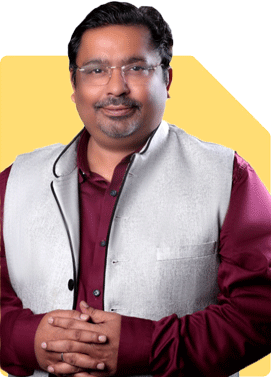
Ramalingam

Ramalingam Kalirajan  |11484 Answers  |Ask -

Mutual Funds, Financial Planning Expert - Answered on Oct 13, 2026

Asked by Anonymous - Oct 10, 2026
Money
I am a 54 year old male working abroad. I have below investments. I have below investments so far: PPF 55 lakhs,EPF 36 lakhs, MF (total cumulative) 5.5 crores ,Employee superannuity+gratuity 14.5 lakhs, NPS 17 lakhs Monthly MF SIP ongoing 2 lakhs Company FD 10 lakhs Gold 16 lakhs. I am well covered in life insurance as well as medical insurance. My question is 1) My wife is getting a one time windfall of Rs .80 Lakhs as part of her share in her ancestral property. a)Pls guide me on how to invest this money b) what are the ways to save on tax eg. rbi relief bonds etc? c) if rbi relief bonds how much is the maximum limit d) beyond that limit where should i remaining balance?
Ans: Thank you for sharing your investment details. You have built a substantial investment portfolio through regular investing. The key now is to invest your wifes Rs.80 lakh windfall in a tax-efficient manner without adding unnecessary risk.

» Assessment of Your Current Portfolio

– Your existing investments are spread across mutual funds, EPF, PPF, NPS, company deposits and gold.

– Your mutual fund corpus is already substantial, with an ongoing SIP of Rs.2 lakh per month.

– Therefore, the entire windfall need not go into equity mutual funds. Your decision should depend on your retirement age, expected expenses, tax residency and the level of risk you are comfortable taking.

– Since you are working abroad, your residential status under Indian tax laws is important. The tax treatment of your investments and interest income can differ based on whether you qualify as a resident, NRI or RNOR.

» 1. How to Invest the Rs.80 Lakh Windfall

First, keep the money in your wifes name if she is the legal recipient of the ancestral property proceeds. Maintain proper documents showing the source of funds.

Consider dividing the money into three broad purposes:

– Safety and liquidity: Keep a suitable amount in bank deposits or other low-risk instruments for emergencies and expenses expected in the next few years.

– Stable income: Consider suitable government-backed or high-quality fixed-income options, after checking eligibility, taxation, lock-in and withdrawal rules.

– Long-term growth: Invest a portion in diversified, actively managed equity mutual funds if the money is not required for at least 7–10 years.

Since your existing mutual fund corpus is already Rs.5.5 crore, avoid putting the entire Rs.80 lakh into equity without reviewing your overall asset allocation. Your present equity exposure may already be sufficient for your retirement goals.

» 2. Can You Save Tax Through RBI Bonds?

It is important to distinguish between tax-saving investments and investments that offer safety or regular interest income.

RBI Floating Rate Savings Bonds are generally considered for investors seeking government-backed interest income. However, they are not a tax-saving instrument.

– Interest earned is taxable according to the applicable income tax rules.

– Investing in these bonds does not automatically provide a deduction under Section 80C.

– The bonds have a seven-year maturity period for ordinary individual investors, with premature encashment permitted only under specified conditions for eligible senior citizens.

– Interest rates are reset periodically, so the income may change over time.

Hence, these bonds can be considered for the safety and income portion of the portfolio, but not as a way to reduce tax on the windfall itself.

» 3. What Is the Maximum Investment Limit in RBI Bonds?

– There is no maximum investment limit in RBI Floating Rate Savings Bonds.

– However, these bonds are available to eligible resident individuals and HUFs. If your wife is an NRI, she would not be eligible to invest in these bonds under the current eligibility rules. Confirm her residential status before proceeding.

– The interest rate for July–December 2026 is 8.05% per annum, payable half-yearly. The rate is reset periodically.

– The maturity period is seven years, and liquidity is limited. Premature encashment is allowed only for eligible senior citizens after the specified lock-in period.

Therefore, these bonds may suit the stable-income portion of your wifes portfolio, provided she is eligible and can accept the lock-in.

» 4. Can You Save Capital Gains Tax on the Ancestral Property?

This is an important point to clarify before investing the money.

– If your wife received the property through inheritance, the inheritance itself is generally not taxable as income.

– However, if the ancestral property was sold and Rs.80 lakh represents her share of the sale proceeds, capital gains tax may arise. The taxable gain is not necessarily the entire amount received.

– Depending on the facts, Section 54EC capital gains bonds may offer tax relief when eligible long-term capital gains arise from the sale of land or a building.

– The maximum investment eligible for this exemption is Rs.50 lakh, subject to the applicable conditions and timelines. The investment must generally be made within six months of the transfer.

– These are different from RBI Floating Rate Savings Bonds. Section 54EC bonds are meant for eligible capital gains exemption, whereas RBI Floating Rate Savings Bonds provide taxable interest income.

If the property has already been sold, please check the sale date immediately. The deadline for claiming an exemption may be important.

» 5. Where Should You Invest the Remaining Amount?

If your wife is eligible for Section 54EC bonds and has sufficient eligible capital gains, up to Rs.50 lakh may be considered for that purpose.

The remaining amount can be allocated based on your financial goals.

– Bank deposits or other suitable fixed-income investments for short-term needs and capital safety.

– High-quality fixed-income instruments for the portion meant to provide stability.

– Diversified, actively managed equity mutual funds for long-term growth, if your overall portfolio review shows that additional equity exposure is appropriate.

Do not invest in a particular product only because it offers a tax benefit. Consider liquidity, taxation, maturity and the purpose of the investment.

» 6. My Final Assessment

Your family already has a strong investment base. At age 54, retirement planning, tax efficiency and asset allocation deserve more attention than simply maximising returns.

Before investing the Rs.80 lakh, please clarify these three points:

– Is the Rs.80 lakh received from an actual sale of ancestral property, or has your wife received the property itself as her share?

– Is your wife an Indian resident or an NRI for income-tax purposes?

– When was the property sold, if a sale has taken place?

These details will help determine whether capital gains tax applies, whether Section 54EC bonds are suitable, and how the remaining money can be invested efficiently.

Best Regards,

K. Ramalingam, MBA, CFP,

AMFI-Registered MFD – ARN 4188

www.holisticinvestment.in

https://www.linkedin.com/in/ramalingamcfp/
...Read more

Ramalingam

Ramalingam Kalirajan  |11484 Answers  |Ask -

Mutual Funds, Financial Planning Expert - Answered on Oct 13, 2026

Money
my father is 75 years old and my mother is 70 years old, she has stent in the heart, can you recommend which is the best health insurance policy for them. thanks
Ans: Thank you for sharing your parents details. Having health insurance at this age is important, especially when your mother has a heart stent.

» Health Insurance for Your Parents

– At 75 and 70 years, getting a new health insurance policy may be difficult. Premiums can also be high, and some insurers may not accept the application.

– Your fathers health condition and your mothers heart history will be considered during underwriting. Since your mother has a heart stent, the insurer may impose waiting periods, exclusions or other conditions.

– Do not choose a policy based on premium alone. Check the coverage, room rent limits, co-payment, disease-wise limits and claim conditions carefully.

» What You Should Check Before Buying

– Look for a senior citizen health insurance policy that accepts applicants of their ages and offers reasonable hospitalisation coverage.

– For your mother, disclose the heart stent procedure and all related medical details honestly. Ask the insurer in writing whether future cardiac treatment will be covered and from when.

– Check the co-payment clause. If the policy has a 20% co-payment, you may have to pay 20% of eligible hospital expenses yourself.

– Check pre-existing disease waiting periods. Existing heart conditions may not be covered immediately.

– Check whether the policy has limits on ICU charges, room rent, specific treatments or the total amount payable for certain illnesses.

» Consider These Alternatives

– If your parents already have health insurance, check whether it can be continued or enhanced. Keeping existing coverage may be more useful than buying a new policy.

– Check whether they have any employer-sponsored, government-sponsored or other eligible health coverage.

– If new insurance is unavailable or too costly, maintain a separate medical emergency fund. This will help meet hospital expenses not covered by insurance.

» My Assessment

At their ages, I would first check existing insurance and its continuation options. Then compare new policies based on actual coverage and exclusions.

For your mother, written confirmation about cardiac coverage is especially important. Do not assume that a policy will cover heart-related treatment simply because the insurer accepts her application.

Please share these three details for a more suitable assessment:

– Do your parents currently have any health insurance? If yes, what is the sum insured?

– Which city do they live in?

– Does your mother have any other medical conditions apart from the heart stent?

With these details, we can narrow down the available options and identify the most practical way to protect your parents from large medical expenses.

Best Regards,

K. Ramalingam, MBA, CFP,

AMFI-Registered MFD – ARN 4188

www.holisticinvestment.in

https://www.linkedin.com/in/ramalingamcfp/

...Read more

Krishna

Krishna Kumar  |429 Answers  |Ask -

Workplace Expert - Answered on Oct 12, 2026

Asked by Anonymous - Oct 12, 2026
Career
In my office, there are times when a colleague gets stuck with some work or makes a mistake, and I try to help them so that the work gets completed on time. Sometimes, I even put my own work aside to help them because I feel that we should support each other as a team. But when I am busy with my own tasks and need some help, the same colleagues are not always available. They may say they are busy or ask me to manage it myself. I don’t want to stop helping others because of this, as I feel it is important to maintain good relationships at work. At the same time, I sometimes feel that people take my helpful nature for granted, and my own work gets delayed because of it. I also worry that if I start refusing to help, my colleagues may think I have become selfish or uncooperative.
Ans: Dear

Very good question.

Few things let's get it clear. Each one is hired for a particular role and deliverables and they are paid for that.

You are hired first to do your work and deliverables assigned to you. Helping colleagues with their work, while letting your work aside is akin to not doing your responsibility.

My suggestion would be first focus on your work, if someone approaches you with a help and assistance for their work, you can provide them with guidance but do not end up doing their work.

If you are in the midst of your work and someone approaches you, you can politely yet firmly tell them that you are in mids if an important work and once done you will call them. DO NOT set aside your work for someone else. Remember you are working in a corporate world and not some social charitable organisation where any one can do everyone's work.

Hope this helps. All the best.

Warm Regards
KK

...Read more

DISCLAIMER: The content of this post by the expert is the personal view of the rediffGURU. Investment in securities market are subject to market risks. Read all the related document carefully before investing. The securities quoted are for illustration only and are not recommendatory. Users are advised to pursue the information provided by the rediffGURU only as a source of information and as a point of reference and to rely on their own judgement when making a decision. RediffGURUS is an intermediary as per India's Information Technology Act.

Close  

You haven't logged in yet. To ask a question, Please Log in below
Login

A verification OTP will be sent to this
Mobile Number / Email

Enter OTP
A 6 digit code has been sent to

Resend OTP in120seconds

Dear User, You have not registered yet. Please register by filling the fields below to get expert answers from our Gurus
Sign up

By signing up, you agree to our
Terms & Conditions and Privacy Policy

Already have an account?

Enter OTP
A 6 digit code has been sent to Mobile

Resend OTP in120seconds

x