Home > Health > Question
Need Expert Advice?Our Gurus Can Help

My Morning Meditation Helps Me Start The Day Calm, But One Incident Makes Me Angry And Ruins My Entire Day. What Can I Do?
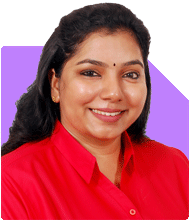
Pushpa

Pushpa R  | Answer  |Ask -

Yoga, Mindfulness Expert - Answered on Nov 27, 2024

Pushpa R is the founder of Radiant Yoga Vibes.
In the last 10 years, she has trained over 400 people in yoga and counselled many others at corporate events.
She holds a master of science degree in yoga for human excellence from Bharathidasan University, Trichy.
Pushpa specialises in meditation, yoga for wellness and mindfulness.... more
Asked by Anonymous - Nov 22, 2024Hindi

Listen
Health

Hi Pushpa, I start my day with morning meditation which brings calm and peace to my mind. But after first instance that angers me, the calm from the morning is lost and the mood for the entire day is disturbed. Although I don't express the anger outside in words or action, but the mind is definitely angered. What can I do so that words or actions don't anger me ? And if they do, how can I bring myself back to my calm state quickly ?

Ans: To remain calm even when faced with anger, it's essential to train the mind regularly, not just in the mornings. Here’s a simple way to handle it:

Mindful Breathing: When you feel anger rising, pause and take deep breaths. Slowly inhale for 4 counts, hold for 4, and exhale for 6 counts. This simple practice can calm your mind in moments.

Witness Your Anger: Instead of reacting, observe the anger. Tell yourself, "This is just a passing emotion. I don't need to hold on to it."

Practice Gratitude: Shift your focus to something positive—like a good moment from your day. Gratitude quickly softens anger.

Carry Peace Throughout the Day: After morning meditation, visualize yourself remaining calm no matter what happens. This mental preparation helps when challenges arise.

Remember, meditation and mindfulness need consistent guidance to become effective. A yoga or meditation coach can teach you techniques tailored to your personality and lifestyle. Self-practice is good, but expert guidance ensures you build resilience faster and avoid frustration.

When anger disrupts your peace, see it as a signal to return to your breath and inner calm—each time, you grow stronger.

R. Pushpa, M.Sc (Yoga)
Online Yoga & Meditation Coach
Radiant YogaVibes
https://www.instagram.com/pushpa_radiantyogavibes/
Asked on - Nov 27, 2024 | Answered on Nov 28, 2024
Listen
Thanks for your prompt response. I will definitely put your guidance to use.
Ans: You're very welcome! I'm glad I could assist you with your queries. If you have any more questions or need further guidance on your yoga or meditation practice, feel free to reach out anytime. Wishing you a healthy and peaceful journey ahead!

R. Pushpa, M.Sc (Yoga)
Online Yoga & Meditation Coach
Radiant YogaVibes
https://www.instagram.com/pushpa_radiantyogavibes/
DISCLAIMER: The answer provided by rediffGURUS is for informational and general awareness purposes only. It is not a substitute for professional medical diagnosis or treatment.
Health

You may like to see similar questions and answers below
Kanchan

Kanchan Rai  |645 Answers  |Ask -

Relationships Expert, Mind Coach - Answered on May 22, 2024

Asked by Anonymous - May 21, 2024Hindi
Listen
Relationship
Hello life coach, I am 44 yrs old, married to a Beautiful and caring woman and have two kids 12 and 10 years old. I am doing extremely well professionally, financially and personally. Kids study in top schools and while elder is a champion student in academics the younger one is very good in sports. I know the life i live is a dream life. High position in company a vibrant work life balance, highly professionally qualified and fit health wise. But Ma'am/sir my problem is i have this extremely high liking and disliking attitude towards people and it makes me biased and my body nearly shivers and voice cracks when i am angry. Normally people who meet me think i am a cool guy, but deep inside i feel myself like a fool when i am emotionally charged both when extremely happy or angry. Please help. I see myself growing even more with the kind of personality and support i have. Please help, please suggest ways to improve and manage my emotions well. I want to improve for my own sake and my loving family including my young kids. Please help Ma'am/sir.
Ans: First, I want to acknowledge your remarkable self-awareness and the wonderful life you’ve built. You’ve achieved a great balance professionally, financially, and personally, and you have a beautiful, supportive family. It’s fantastic that you’re committed to continuing to grow and improve for yourself and your loved ones.

Managing emotions, especially strong ones, is an essential skill that can benefit every aspect of your life. To start, it's important to understand what triggers your intense emotional reactions. Keeping a journal can be incredibly helpful. Write down when you feel extremely happy or angry, and note the events leading up to those emotions. This process will help you recognize patterns and triggers.

Mindfulness and meditation are powerful tools for managing emotions. These practices help you stay present and reduce the intensity of emotional responses. You might find guided meditation apps like Headspace or Calm useful as they can provide structure and consistency. Try dedicating a few minutes each day to these practices, and you’ll likely notice a calming effect on your mind and body.

When it comes to regulating emotions, specific techniques can be very effective. Cognitive reframing, for instance, involves challenging and changing unhelpful thoughts that lead to extreme emotions. Grounding exercises, such as focusing on what you can see, hear, and touch, can bring you back to the present moment and reduce emotional overwhelm. Taking a moment to pause and reflect before reacting can also make a significant difference.

Developing empathy is another crucial step. Try to understand others' perspectives more deeply. This can diminish negative emotions and biases, leading to better communication and stronger relationships. When you feel your emotions rising, practice expressing them calmly and constructively. Use "I" statements to convey your feelings without placing blame, such as "I feel upset when...".

If you find that managing these emotions on your own is challenging, seeking professional help is a wise decision. A therapist or counselor can provide personalized strategies and support. Cognitive-behavioral therapy (CBT), in particular, is effective for managing emotions and developing healthier thinking patterns.

Incorporating regular physical activity into your routine can also help regulate your emotions. Exercise reduces stress and boosts overall well-being. Whether it’s yoga, running, or even a daily walk, physical activity can make a substantial difference.


Practicing gratitude can shift your mindset from negative to positive. Consider keeping a gratitude journal and writing down a few things you’re thankful for each day. This simple practice can have a profound impact on your outlook and emotional health.


Remember, improvement takes time and effort. Start small, gradually incorporating these practices into your daily routine, and celebrate your progress along the way. By working on these areas, you'll not only improve your emotional regulation but also enhance your overall quality of life and strengthen your relationships with your family and colleagues.

You’re on a great path, and your commitment to growth is truly admirable. Keep pushing forward, and you'll continue to thrive both personally and professionally.

..Read more

Latest Questions
Ramalingam

Ramalingam Kalirajan  |10879 Answers  |Ask -

Mutual Funds, Financial Planning Expert - Answered on Dec 11, 2025

Asked by Anonymous - Dec 11, 2025Hindi
Money
Hello Sir, I am 56 yrs old with two sons, both married and settled. They are living on their own and managing their finances. I have around 2.5 Cr. invested in Direct Equity and 50L in Equity Mutual Funds. I have Another 50L savings in Bank and other secured investments. I am living in Delhi NCR in my owned parental house. I have two properties of current market worth of 2 Cr, giving a monthly rental of around 40K. I wish to retire and travel the world now with my wife. My approximate yearly expenditure on house hold and travel will be around 24 L per year. I want to know, if this corpus is enough for me to retire now and continue to live a comfortable life.
Ans: You have built a strong base. You have raised your sons well. They live independently. You and your wife now want a peaceful and enjoyable retired life. You have created wealth with discipline. You have no home loan. You live in your own house. This gives strength to your cash flow. Your savings across equity, mutual funds, and bank deposits show good clarity. I appreciate your careful preparation. You deserve a happy retired life with travel and comfort.

» Your Present Position
Your current financial position looks very steady. You hold direct equity of around Rs 2.5 Cr. You hold equity mutual funds worth Rs 50 lakh. You also have Rs 50 lakh in bank deposits and other secured savings. Your two rental properties add more comfort. You earn around Rs 40,000 per month from rent. You also live in your owned house in Delhi NCR. So you have no rent expense.

Your total net worth crosses Rs 5.5 Cr easily. This gives you a strong base for your retired life. You plan to spend around Rs 24 lakh per year for all expenses, including travel. This is reasonable for your lifestyle. Your savings can support this if planned well. You have built more than the minimum needed for a comfortable retired life.

» Your Key Strengths
You already enjoy many strengths. These strengths hold your plan together.

You have zero housing loan.

You have stable rental income.

You have children living independently.

You have a balanced mix of assets.

You have built wealth with discipline.

You have clear goals for travel and lifestyle.

You have strong liquidity with Rs 50 lakh in bank and secured savings.

These strengths reduce risk. They support a smooth retired life with less stress. They also help you handle inflation and medical costs better.

» Your Cash Flow Needs
Your yearly expense is around Rs 24 lakh. This includes travel, which is your main dream for retired life. A couple at your stage can keep this lifestyle if the cash flow is planned well. You need cash flow clarity for the next 30 years. Retirement at 56 can extend for three decades. So your wealth must support you for a long period.

Your rental income gives you around Rs 4.8 lakh per year. This covers almost 20% of your yearly spending. This reduces pressure on your investments. The rest can come from a planned withdrawal strategy from your financial assets.

You also have Rs 50 lakh in bank deposits. This acts as liquidity buffer. You can use this buffer for short-term and medium-term needs. You also have equity exposure. This can support long-term growth.

» Risk Capacity and Risk Need
Your risk capacity is moderate to high. This is because:

You own your home.

You have rental income.

Your children are financially independent.

You have large accumulated assets.

You have enough liquidity in bank deposits.

Your risk need is also moderate. You need growth because inflation will rise. Travel costs will rise. Medical costs will increase. Your lifestyle will change with age. Your equity portion helps you beat inflation. But your equity exposure must be managed well. You should avoid sudden large withdrawals from equity at the wrong time.

Your stability allows you to keep some portion in equity even during retired life. But you should avoid excessive risk through direct equity. Direct equity carries concentration risk. A balanced mix of high-quality mutual funds is safer in retired life.

» Direct Equity Risk in Retired Life
You hold around Rs 2.5 Cr in direct equity. This brings some concerns. Direct equity needs frequent tracking. It needs research. It carries single-stock risk. One mistake may reduce your capital. In retired life, you need stability, clarity, and lower volatility.

Direct funds inside mutual funds also bring challenges. Direct funds lack personalised support. Regular plans through a Mutual Fund Distributor with a Certified Financial Planner bring guidance and strategy. Regular funds also support better tracking and behaviour management in volatile markets. In retired life, proper handholding improves long-term stability.

Many people think direct funds save cost. But the value of advisory support through a CFP gives higher net gains over long periods. Direct plans also create more confusion in asset allocation for retirees.

» Mutual Funds as a Core Support
Actively managed mutual funds remain a strong pillar. They bring professional management and risk controls. They handle market cycles better than index funds. Index funds follow the market blindly. They do not help in volatile phases. They also offer no risk protection. They cannot manage quality of stocks.

Actively managed funds deliver better selection and risk handling. A retiree benefits from such active strategy. You should avoid index funds for a long retirement plan. You should prefer strong active funds under a disciplined review with a CFP-led MFD support.

» Why Regular Plans Work Better for Retirees
Direct plans give no guidance. Retired investors often face emotional decisions. Some panic during market fall. Some withdraw heavily during market rise. This harms wealth. Regular plan under a CFP-led MFD gives a relationship. It offers disciplined rebalancing. It improves long-term returns. It protects wealth from poor behaviour.

For retirees, the difference is huge. So shifting to regular plans for the mutual fund portion will help long-term stability.

» Your Withdrawal Strategy
A planned withdrawal strategy is key for your case. You should create three layers.

Short-Term Bucket
This comes from your bank deposits. This should hold at least 18 to 24 months of expenses. You already have Rs 50 lakh. This is enough to hold your short-term cash needs. You can use this for household costs and some travel. This avoids panic selling of equity during market downturn.

Medium-Term Bucket
This bucket can stay partly in low-volatility debt funds and partly in hybrid options. This should cover your next 5 to 7 years. This helps smoothen withdrawals. It gives regular cash flow. It reduces market shocks.

Long-Term Bucket
This can stay in high-quality equity mutual funds. This bucket helps beat inflation. This bucket helps fund your travel dreams in later years. This bucket also builds buffer for medical needs.

This three-bucket strategy protects your lifestyle. It also keeps discipline and clarity.

» Handling Property and Rental Income
Your properties give Rs 40,000 monthly rental. This helps your cash flow. You should maintain the property well. You should keep some funds aside for repairs. Do not depend fully on rental growth. Rental yields remain low. But your rental income reduces pressure on your investments. So keep the rental income as a steady support, not a primary source.

You should not plan more real estate purchase. Real estate brings low returns and poor liquidity. You already own enough. Holding more can hurt flexibility in retired life.

» Planning for Medical Costs
Medical costs rise faster than inflation. You and your wife need strong health coverage. You should maintain a reliable health insurance. You should also keep a medical fund from your bank deposits. You may keep around 3 to 4 lakh per year as a buffer for medical needs. Your bank savings support this.

Health coverage reduces stress on your long-term wealth. It also avoids large withdrawals from your growth assets.

» Travel Planning
Travel is your main dream now. You can plan your travel using your short-term and medium-term buckets. You can take funds annually from your liquidity bucket. You can avoid touching long-term equity assets for travel. This approach keeps your wealth stable.

You should plan travel for the next five years with a budget. You should adjust your travel based on markets and health. Do not use entire gains of equity for travel. Keep travel budget fixed. Add small adjustments only when needed.

» Inflation and Lifestyle Stability
Inflation will impact lifestyle. At Rs 24 lakh per year today, the cost may double in 12 to 14 years. Your equity exposure helps you beat this. But you need careful rebalancing. You also need disciplined review with a CFP-led MFD. This will help you manage inflation and maintain comfort.

Your lifestyle is stable because your children live independently. So your cash flow demand stays predictable. This makes your plan sustainable.

» Longevity Risk
Retirement at 56 means you may live till 85 or 90. Your plan should cover long years. Your total net worth of around Rs 5.5 Cr to Rs 6 Cr can support this. But you need a proper drawdown strategy. Avoid high withdrawals in early years. Keep your travel budget steady.

Do not depend on one asset class. A mix of debt and equity gives comfort. Keep your bank deposits as cushion.

» Succession and Estate Planning
Since you have two sons who are settled, you can plan a clear will. Clear distribution avoids conflict. You can also assign nominees across accounts. You can also review your legal papers. This gives peace to you and your family.

» Summary of Your Retirement Readiness
Based on your assets and cash flow, you are ready to retire. You have enough wealth. You have enough liquidity. You have enough income support from rent. You also have good asset mix. With proper planning, your lifestyle is comfortable.

You can retire now. But maintain a disciplined withdrawal strategy. Shift more reliance from direct equity into professionally managed mutual funds under regular plans. Keep your liquidity strong. Review once every year with a CFP.

Your wealth can support your travel dreams for many years. You can enjoy retired life with confidence.

» Finally
Your preparation is strong. Your intentions are clear. Your lifestyle needs are reasonable. Your assets support your dreams. With a balanced plan, steady review, and mindful spending, you can enjoy a comfortable retired life with your wife. You can travel the world without fear of running out of money. You deserve this peace and joy.

Best Regards,
K. Ramalingam, MBA, CFP,
Chief Financial Planner,
www.holisticinvestment.in

https://www.youtube.com/@HolisticInvestment

...Read more

Dr Nagarajan J S K

Dr Nagarajan J S K   |2577 Answers  |Ask -

NEET, Medical, Pharmacy Careers - Answered on Dec 10, 2025

Asked by Anonymous - Dec 10, 2025Hindi
DISCLAIMER: The content of this post by the expert is the personal view of the rediffGURU. Investment in securities market are subject to market risks. Read all the related document carefully before investing. The securities quoted are for illustration only and are not recommendatory. Users are advised to pursue the information provided by the rediffGURU only as a source of information and as a point of reference and to rely on their own judgement when making a decision. RediffGURUS is an intermediary as per India's Information Technology Act.

Close  

You haven't logged in yet. To ask a question, Please Log in below
Login

A verification OTP will be sent to this
Mobile Number / Email

Enter OTP
A 6 digit code has been sent to

Resend OTP in120seconds

Dear User, You have not registered yet. Please register by filling the fields below to get expert answers from our Gurus
Sign up

By signing up, you agree to our
Terms & Conditions and Privacy Policy

Already have an account?

Enter OTP
A 6 digit code has been sent to Mobile

Resend OTP in120seconds

x