विशेषज्ञ की सलाह चाहिए?हमारे गुरु मदद कर सकते हैं

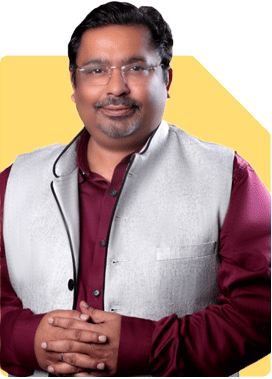
Ramalingam Kalirajan |10881 Answers |Ask -Follow
Mutual Funds, Financial Planning Expert - Answered on Jun 10, 2025
Ramalingam Kalirajan has over 23 years of experience in mutual funds and financial planning.
He has an MBA in finance from the University of Madras and is a certified financial planner.
He is the director and chief financial planner at Holistic Investment, a Chennai-based firm that offers financial planning and wealth management advice.... more
He has an MBA in finance from the University of Madras and is a certified financial planner.
He is the director and chief financial planner at Holistic Investment, a Chennai-based firm that offers financial planning and wealth management advice.... more
Asked by Anonymous - Jun 10, 2025

I have SIPs worth 10,000 across 3 mutual funds. I'm 35, married, and have a 3-year-old child. My monthly income is 2.2 lakh and I have 20 years left on the home loan of 70 lakh. Will starting a new SIP strain my finances or is it a smart way to build wealth parallel so I can repay loan?
Ans: You are 35 years old, married, and have a 3-year-old child.
You are earning Rs. 2.2 lakh per month.
You already have SIPs worth Rs. 10,000 in three mutual funds.
You also have a Rs. 70 lakh home loan with 20 years left.
You are wondering if starting another SIP will create strain.
Or whether investing more will help repay the loan faster.
This is a good thought and shows long-term planning attitude.
Let’s look at this from all angles.
This answer will guide you fully with a 360-degree approach.
Understanding Your Cash Flow Position
Monthly income is Rs. 2.2 lakh
You already have Rs. 10,000 SIP
You are paying EMI for Rs. 70 lakh loan (EMI not mentioned)
Most home loans for Rs. 70 lakh have EMI of Rs. 55,000 to Rs. 65,000
Let us assume you are paying around Rs. 60,000 monthly EMI
That means your fixed commitments are around Rs. 70,000 now
You still have Rs. 1.5 lakh available monthly after fixed payments
This is a good surplus and gives room to build wealth parallelly
Why SIPs Should Be Continued Even with a Home Loan
Home loan is a long-term loan, 20 years remaining
If you only focus on home loan EMI, wealth creation is delayed
SIPs help you build a financial cushion for future goals
Your child is 3 years old now
You will need a big amount for school, college and higher education
SIPs will help you prepare for those expenses systematically
SIPs also create tax-efficient returns over the long term
Compared to FDs or PPF, mutual funds give higher post-tax growth over 15–20 years
Stopping SIP now to repay loan faster is not ideal
Key Financial Priorities to Balance Together
You must continue paying EMI without delay
You must continue your SIPs regularly every month
You must increase SIPs slowly every year as income increases
You must build emergency fund for 6 months of expenses
You must take life and health insurance to protect your family
All these priorities can run parallelly with a good cash flow plan
How to Decide the Right Amount for New SIP
Your current SIP is Rs. 10,000 only
From Rs. 1.5 lakh monthly surplus, you can easily do more
You can start an additional Rs. 10,000–15,000 SIP comfortably now
Even Rs. 20,000 is possible if other expenses are moderate
Start slow and increase it every year by Rs. 5,000
This step-by-step increase helps without financial pressure
Why Paying Off Home Loan Early May Not Be Ideal
Home loan has lowest interest among all loans
You also get tax benefits on interest and principal repayment
Instead of prepaying the loan, grow SIPs for better long-term returns
SIP returns in equity mutual funds are much higher over 15–20 years
You can use the maturity amount to repay a chunk of home loan later
Or use the funds for your child’s education or your retirement
Importance of Starting SIPs in Regular Funds via CFP
Many people invest in direct plans assuming higher returns
But direct funds do not offer regular guidance or rebalancing
Without regular advice, your fund choices may not match your goals
You may exit too early or choose high-risk funds unknowingly
Investing via MFD + Certified Financial Planner gives better tracking
You get guidance on when to change fund or adjust portfolio
Regular plans include advisory cost which adds long-term value
It is like a GPS guiding your entire wealth journey safely
Avoid ULIPs, Insurance-linked Investments or Real Estate
ULIPs have high charges, poor transparency and low flexibility
Investment + insurance products are not ideal for wealth building
Keep insurance and investment separate always
Avoid real estate investment for now due to high entry cost and low liquidity
Mutual funds offer better diversification and liquidity for your goals
What Goals You Should Plan for Through SIPs
Child education (school, college, higher studies)
Child marriage (if you plan to support)
Retirement planning at 55–60 age
Emergency fund (3–6 months’ expenses kept in liquid fund or FD)
Travel, health, or vehicle replacement after few years
SIPs help you create separate wealth for each goal over time
How to Distribute SIPs by Goal and Category
You already have 3 mutual funds. Review their category and overlap
Avoid too many small cap funds together
Keep balanced mix of large cap, multi-cap and flexi-cap funds
Add midcap or smallcap slowly depending on risk appetite
Choose one hybrid or balanced advantage fund for goal 5 years away
Invest via Certified Financial Planner to match goals to fund type
Avoid chasing returns. Focus on goal-linked discipline
Key Mistakes to Avoid Now
Don’t stop SIPs just to pay more EMI
Don’t invest in risky products like crypto, PMS, ULIPs or stock trading
Don’t take personal loans for investment purpose
Don’t put money in direct funds without guidance
Don’t increase lifestyle expenses just because income is high
Don’t delay insurance planning thinking you are young
Small Improvements That Can Make Big Difference
Increase SIP by 10% every year without fail
Keep a separate savings account only for SIPs and goals
Set calendar reminder for SIP review every 6 months
Teach spouse about the investment plan and future goals
Keep one mutual fund goal for your spouse's retirement too
Start child education SIP even with Rs. 2,000–3,000 now
Use STP or lump sum in balanced funds if any bonus is received
Final Insights
You are doing a good job already by investing in SIPs
You are managing family, home loan and savings well
Starting new SIP now is not a burden—it is a wise move
It will help you build parallel wealth and reduce future pressure
Do not focus on early loan closure now
Focus on long-term wealth creation with smart planning
Use a Certified Financial Planner to align goals, funds, and timelines properly
You can build strong financial base for your family and retire peacefully
Start slow, stay steady and invest regularly without fear
In 15–20 years, your discipline will give you full freedom
Best Regards,
K. Ramalingam, MBA, CFP,
Chief Financial Planner,
www.holisticinvestment.in
https://www.youtube.com/@HolisticInvestment
You are earning Rs. 2.2 lakh per month.
You already have SIPs worth Rs. 10,000 in three mutual funds.
You also have a Rs. 70 lakh home loan with 20 years left.
You are wondering if starting another SIP will create strain.
Or whether investing more will help repay the loan faster.
This is a good thought and shows long-term planning attitude.
Let’s look at this from all angles.
This answer will guide you fully with a 360-degree approach.
Understanding Your Cash Flow Position
Monthly income is Rs. 2.2 lakh
You already have Rs. 10,000 SIP
You are paying EMI for Rs. 70 lakh loan (EMI not mentioned)
Most home loans for Rs. 70 lakh have EMI of Rs. 55,000 to Rs. 65,000
Let us assume you are paying around Rs. 60,000 monthly EMI
That means your fixed commitments are around Rs. 70,000 now
You still have Rs. 1.5 lakh available monthly after fixed payments
This is a good surplus and gives room to build wealth parallelly
Why SIPs Should Be Continued Even with a Home Loan
Home loan is a long-term loan, 20 years remaining
If you only focus on home loan EMI, wealth creation is delayed
SIPs help you build a financial cushion for future goals
Your child is 3 years old now
You will need a big amount for school, college and higher education
SIPs will help you prepare for those expenses systematically
SIPs also create tax-efficient returns over the long term
Compared to FDs or PPF, mutual funds give higher post-tax growth over 15–20 years
Stopping SIP now to repay loan faster is not ideal
Key Financial Priorities to Balance Together
You must continue paying EMI without delay
You must continue your SIPs regularly every month
You must increase SIPs slowly every year as income increases
You must build emergency fund for 6 months of expenses
You must take life and health insurance to protect your family
All these priorities can run parallelly with a good cash flow plan
How to Decide the Right Amount for New SIP
Your current SIP is Rs. 10,000 only
From Rs. 1.5 lakh monthly surplus, you can easily do more
You can start an additional Rs. 10,000–15,000 SIP comfortably now
Even Rs. 20,000 is possible if other expenses are moderate
Start slow and increase it every year by Rs. 5,000
This step-by-step increase helps without financial pressure
Why Paying Off Home Loan Early May Not Be Ideal
Home loan has lowest interest among all loans
You also get tax benefits on interest and principal repayment
Instead of prepaying the loan, grow SIPs for better long-term returns
SIP returns in equity mutual funds are much higher over 15–20 years
You can use the maturity amount to repay a chunk of home loan later
Or use the funds for your child’s education or your retirement
Importance of Starting SIPs in Regular Funds via CFP
Many people invest in direct plans assuming higher returns
But direct funds do not offer regular guidance or rebalancing
Without regular advice, your fund choices may not match your goals
You may exit too early or choose high-risk funds unknowingly
Investing via MFD + Certified Financial Planner gives better tracking
You get guidance on when to change fund or adjust portfolio
Regular plans include advisory cost which adds long-term value
It is like a GPS guiding your entire wealth journey safely
Avoid ULIPs, Insurance-linked Investments or Real Estate
ULIPs have high charges, poor transparency and low flexibility
Investment + insurance products are not ideal for wealth building
Keep insurance and investment separate always
Avoid real estate investment for now due to high entry cost and low liquidity
Mutual funds offer better diversification and liquidity for your goals
What Goals You Should Plan for Through SIPs
Child education (school, college, higher studies)
Child marriage (if you plan to support)
Retirement planning at 55–60 age
Emergency fund (3–6 months’ expenses kept in liquid fund or FD)
Travel, health, or vehicle replacement after few years
SIPs help you create separate wealth for each goal over time
How to Distribute SIPs by Goal and Category
You already have 3 mutual funds. Review their category and overlap
Avoid too many small cap funds together
Keep balanced mix of large cap, multi-cap and flexi-cap funds
Add midcap or smallcap slowly depending on risk appetite
Choose one hybrid or balanced advantage fund for goal 5 years away
Invest via Certified Financial Planner to match goals to fund type
Avoid chasing returns. Focus on goal-linked discipline
Key Mistakes to Avoid Now
Don’t stop SIPs just to pay more EMI
Don’t invest in risky products like crypto, PMS, ULIPs or stock trading
Don’t take personal loans for investment purpose
Don’t put money in direct funds without guidance
Don’t increase lifestyle expenses just because income is high
Don’t delay insurance planning thinking you are young
Small Improvements That Can Make Big Difference
Increase SIP by 10% every year without fail
Keep a separate savings account only for SIPs and goals
Set calendar reminder for SIP review every 6 months
Teach spouse about the investment plan and future goals
Keep one mutual fund goal for your spouse's retirement too
Start child education SIP even with Rs. 2,000–3,000 now
Use STP or lump sum in balanced funds if any bonus is received
Final Insights
You are doing a good job already by investing in SIPs
You are managing family, home loan and savings well
Starting new SIP now is not a burden—it is a wise move
It will help you build parallel wealth and reduce future pressure
Do not focus on early loan closure now
Focus on long-term wealth creation with smart planning
Use a Certified Financial Planner to align goals, funds, and timelines properly
You can build strong financial base for your family and retire peacefully
Start slow, stay steady and invest regularly without fear
In 15–20 years, your discipline will give you full freedom
Best Regards,
K. Ramalingam, MBA, CFP,
Chief Financial Planner,
www.holisticinvestment.in
https://www.youtube.com/@HolisticInvestment
DISCLAIMER: The content of this post by the expert is the personal view of the rediffGURU. Users are advised to pursue the information provided by the rediffGURU only as a source of information to be as a point of reference and to rely on their own judgement when making a decision.
MoneyReply


आप नीचे ऐसेही प्रश्न और उत्तर देखना पसंद कर सकते हैं
Omkeshwar Singh | Answer |Ask -Follow
Head, Rank MF - Answered on Nov 04, 2022


Ramalingam Kalirajan |10881 Answers |Ask -Follow
Mutual Funds, Financial Planning Expert - Answered on Apr 30, 2024


Ramalingam Kalirajan |10881 Answers |Ask -Follow
Mutual Funds, Financial Planning Expert - Answered on May 22, 2025

Ramalingam Kalirajan |10881 Answers |Ask -Follow
Mutual Funds, Financial Planning Expert - Answered on May 29, 2025
Ramalingam Kalirajan |10881 Answers |Ask -Follow
Mutual Funds, Financial Planning Expert - Answered on Sep 22, 2025


नवीनतम प्रश्न

Nayagam P P |10854 Answers |Ask -Follow
Career Counsellor - Answered on Dec 14, 2025


Radheshyam Zanwar |6744 Answers |Ask -Follow
MHT-CET, IIT-JEE, NEET-UG Expert - Answered on Dec 14, 2025


Radheshyam Zanwar |6744 Answers |Ask -Follow
MHT-CET, IIT-JEE, NEET-UG Expert - Answered on Dec 14, 2025


Dr Dipankar Dutta |1840 Answers |Ask -Follow
Tech Careers and Skill Development Expert - Answered on Dec 14, 2025


Dr Dipankar Dutta |1840 Answers |Ask -Follow
Tech Careers and Skill Development Expert - Answered on Dec 13, 2025

Dr Dipankar Dutta |1840 Answers |Ask -Follow
Tech Careers and Skill Development Expert - Answered on Dec 13, 2025


Mayank Chandel |2575 Answers |Ask -Follow
IIT-JEE, NEET-UG, SAT, CLAT, CA, CS Exam Expert - Answered on Dec 13, 2025

Radheshyam Zanwar |6744 Answers |Ask -Follow
MHT-CET, IIT-JEE, NEET-UG Expert - Answered on Dec 13, 2025
Mayank Chandel |2575 Answers |Ask -Follow
IIT-JEE, NEET-UG, SAT, CLAT, CA, CS Exam Expert - Answered on Dec 13, 2025


Mayank Chandel |2575 Answers |Ask -Follow
IIT-JEE, NEET-UG, SAT, CLAT, CA, CS Exam Expert - Answered on Dec 13, 2025
Asked by Anonymous - Oct 04, 2025English