Home > Money > Question
विशेषज्ञ की सलाह चाहिए?हमारे गुरु मदद कर सकते हैं

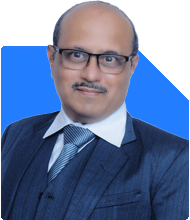
Ramalingam

Ramalingam Kalirajan  |10874 Answers  |Ask -

Mutual Funds, Financial Planning Expert - Answered on May 29, 2025

Ramalingam Kalirajan has over 23 years of experience in mutual funds and financial planning.
He has an MBA in finance from the University of Madras and is a certified financial planner.
He is the director and chief financial planner at Holistic Investment, a Chennai-based firm that offers financial planning and wealth management advice.... more
Asked by Anonymous - May 25, 2025

Money

Hi Sir, I'm 34 unmarried female with partial responsibility for parents (they have pension) but full responsibility for another adult forever who is 36 years old at this time due to certain medical issues. My goal is to be able to buy a house in metro like Pune/Bengaluru where current prices have skyrocketed to 1.2 cr, in the next 2-3 years. My current savings and income is 13 L in FD, 7L in PPF, and 4L in MF. Current salary is 1.5L per month where my expenses are 20k monthly rent, 10-15k in total for other expenses like food/living etc. Monthly MF investment is 35k and 12.5k for ppf and i save as and when possible for FD. At this time slightly worried if I'll be able to purchase a home at all. Also I do not have any other loans, please help.

Ans: You are doing a good job managing your income, savings, and responsibilities.

Your goal to buy a house in a metro is clear.

But we need to go step-by-step to see if it fits into your bigger financial life.

We also need to check the long-term impact of such a decision.

Let’s analyse everything in a simple, structured, and detailed way.

Let’s look at your money from a 360-degree view.

Let us begin.

Income and Expense Control

Monthly salary of Rs. 1.5 lakhs is a strong base.

Your rent is Rs. 20,000 and other expenses are Rs. 15,000 max.

Total expenses are around Rs. 35,000 per month only.

This gives you a very good surplus of Rs. 1.15 lakhs monthly.

That level of saving shows strong discipline and financial maturity.

This is very positive especially as you have responsibilities too.

Current Investments and Asset Mix

Rs. 13 lakhs in fixed deposits is a safety cushion.

Rs. 7 lakhs in PPF is useful for long-term stability.

Rs. 4 lakhs in mutual funds is a good start for wealth creation.

Monthly SIP of Rs. 35,000 is aggressive and well placed.

PPF investment of Rs. 12,500 monthly is also consistent.

You are spreading risk and ensuring short and long term goals.

However, fixed deposits will not beat inflation in the long run.

Understanding the Housing Goal

Your target home budget is Rs. 1.2 crore in a metro.

This is a huge goal considering your current savings.

With 13L FD + 7L PPF + 4L MF = Rs. 24 lakhs total now.

It is hard to buy a home of Rs. 1.2 crore fully from this.

You may need to take a home loan of Rs. 80 lakhs or more.

Loan EMI on this amount will be around Rs. 65,000 to Rs. 70,000 monthly.

This can affect your MF SIP and other savings.

You also need to pay 10% to 20% down payment upfront.

That is around Rs. 24 lakhs minimum, which is what you already have.

But if you pay it all, there will be no emergency fund left.

Home Loan and EMI Risk Assessment

Taking such a large loan will bring financial pressure.

Your current surplus will drop quickly with EMI payments.

You may have to stop or reduce your SIP and PPF.

That will impact your long-term financial independence.

You are also responsible for one adult dependent lifelong.

So you need a strong safety net for medical and lifestyle costs.

A home loan will reduce your flexibility for that.

Your job is in the private sector, which can have income uncertainty.

Why Owning Property May Not Be Best Now

Buying a house looks attractive, but comes with hidden costs.

Stamp duty, registration, maintenance, repairs, interiors, property tax, etc.

These can total up to 10%-12% of home value over time.

Buying locks up your capital and reduces liquidity.

Rent is only Rs. 20,000 now, which is manageable.

You also have freedom to move for job opportunities.

Home ownership can tie you down, especially early in life.

Better to delay this until other goals are secure.

Investment Strategy Review

Mutual funds help you beat inflation and grow wealth.

Continue with your Rs. 35,000 SIP as long as possible.

Don’t reduce SIP to save for property down payment now.

PPF will build your tax-free corpus, so continue with Rs. 12,500 monthly.

Your fixed deposits can be slowly reduced.

Shift them into short duration mutual funds for better returns.

But keep Rs. 3 to 5 lakhs aside as emergency fund always.

Don’t go fully into equity without having a buffer.

Real Estate as Investment? No.

Property as investment has low liquidity.

Difficult to sell quickly if needed.

High cost of buying and selling.

Price appreciation not guaranteed.

Better to build wealth using mutual funds with Certified Financial Planner.

Action Plan for Next 2 to 3 Years

Delay home buying decision for now.

Focus on building Rs. 40-50 lakhs liquid net worth.

Keep SIP + PPF going without stopping.

Shift part of FD to balanced or hybrid mutual funds.

Review SIP portfolio yearly with Certified Financial Planner.

Build emergency fund for 6 months expenses minimum.

Create term insurance of Rs. 1 crore if not yet done.

Take health insurance for yourself and dependent.

Avoid ULIPs or investment insurance products.

Avoid index funds as they don’t beat market always.

Regular mutual funds via Certified Financial Planner give better support.

Avoid direct plans as they give no guidance or help.

When Should You Buy A House Then?

When you have minimum Rs. 35 to 40 lakhs corpus ready.

When EMI is less than 35% of your salary.

When you have 6 to 12 months emergency fund set aside.

When your SIP and PPF can continue without stopping.

When job and income feel stable for long term.

Till then, stay in rent and grow your investments.

You can invest even with property in mind.

Create a “home goal fund” in short to medium mutual funds.

Add lumpsum to this if salary rises or bonuses come.

Review property market every year with your Certified Financial Planner.

If property prices fall or income increases, reassess.

Extra Steps You Can Take

Avoid lifestyle inflation. Keep expenses simple.

Don’t buy car or other EMI-based assets now.

Keep salary hike savings 100% for investments.

Increase SIP every year as income grows.

Protect your dependent with medical cover and estate plan.

Consider creating a Will for your assets.

Keep updating your plan every year or with life changes.

Finally

You are doing very well at this stage of life.

Your savings rate is excellent.

Your investment approach is balanced and smart.

Buying a home now is not right timing.

It may reduce your long-term growth and flexibility.

Delay home purchase for 2 to 3 years minimum.

Use this time to strengthen your investment base.

Let your SIPs and PPF grow your net worth.

Use Certified Financial Planner for regular reviews and guidance.

Stay focused on what matters – stability, growth, peace.

House can wait. Financial freedom cannot.

Best Regards,

K. Ramalingam, MBA, CFP,

Chief Financial Planner,

www.holisticinvestment.in
https://www.youtube.com/@HolisticInvestment
DISCLAIMER: The content of this post by the expert is the personal view of the rediffGURU. Users are advised to pursue the information provided by the rediffGURU only as a source of information to be as a point of reference and to rely on their own judgement when making a decision.
Money

आप नीचे ऐसेही प्रश्न और उत्तर देखना पसंद कर सकते हैं

Ramalingam

Ramalingam Kalirajan  |10874 Answers  |Ask -

Mutual Funds, Financial Planning Expert - Answered on Jun 18, 2024

Asked by Anonymous - Jun 18, 2024English
Money
नमस्ते सर, मैं 36 साल का हूँ और मेरे साथ 3 साल का बेटा और आश्रित पत्नी, भाई और माता-पिता (जून में सेवानिवृत्त होने वाले) हैं। मेरे खाते में 8 लाख, म्यूचुअल फंड (मिराए, निप्पॉन और पराग) में 11 लाख, ईपीएफ में 4 लाख, पीपीएफ में 9 लाख, एलआईसी में 2 लाख, आरडी में 2 लाख और एनपीएस में 1 लाख है। मेरा मासिक क्रेडिट 1.5 लाख है और मेरे ऊपर कोई कर्ज नहीं है, लेकिन मैं 5/6 साल में पुणे में घर खरीदने की योजना बना रहा हूँ और इस साल से 70 हजार का एसआईपी भी करने वाला हूँ। कृपया सुझाव दें कि क्या कोई बेहतर वित्तीय बदलाव हो सकता है और क्या घर खरीदना एक अच्छा वित्तीय निर्णय होगा (क्योंकि मेरे पिता के पास पहले से ही बहुत सारी अचल संपत्ति है)
Ans: अपनी वित्तीय स्थिति और लक्ष्य साझा करने के लिए धन्यवाद। अपने परिवार के लिए एक मजबूत वित्तीय भविष्य सुनिश्चित करने के लिए आपकी प्रतिबद्धता सराहनीय है। आइए आपकी वर्तमान वित्तीय स्थिति का विश्लेषण करें, अपने लक्ष्यों का मूल्यांकन करें और आपके लिए सर्वोत्तम विकल्पों का पता लगाएं।

वर्तमान वित्तीय स्थिति
संपत्ति और निवेश
बचत खाता: 8 लाख रुपये
म्यूचुअल फंड: 11 लाख रुपये (मिराए, निप्पॉन और पराग)
ईपीएफ: 4 लाख रुपये
पीपीएफ: 9 लाख रुपये
एलआईसी: 2 लाख रुपये
आवर्ती जमा (आरडी): 2 लाख रुपये
एनपीएस: 1 लाख रुपये
मासिक आय
मासिक ऋण: 1.5 लाख रुपये
लक्ष्य
पुणे में घर खरीदना: 5-6 साल में घर खरीदने की योजना बनाएं।
एसआईपी शुरू करें: 70,000 रुपये प्रति माह की एसआईपी शुरू करें।
परिवार के लिए सहायता: आश्रित पत्नी, बेटे, भाई और माता-पिता के लिए वित्तीय सुरक्षा सुनिश्चित करें।
वर्तमान स्थिति का विश्लेषण
प्रशंसनीय वित्तीय आदतें
विविध निवेश: आपके पास विभिन्न परिसंपत्ति वर्गों में एक अच्छी तरह से विविध पोर्टफोलियो है।
कोई ऋण नहीं: ऋण-मुक्त होना आपको वित्तीय लचीलापन प्रदान करता है।
उच्च बचत दर: 70,000 रुपये की एसआईपी शुरू करने का आपका इरादा बचत और निवेश के प्रति आपकी दृढ़ प्रतिबद्धता को दर्शाता है।
घर खरीदने के निर्णय का मूल्यांकन
घर खरीदने के लाभ
संपत्ति निर्माण: एक घर एक मूल्यवान संपत्ति हो सकती है और सुरक्षा प्रदान कर सकती है।
स्थिरता: घर का मालिक होना आपके परिवार के लिए स्थिरता प्रदान कर सकता है।
संभावित मूल्यवृद्धि: पुणे में संपत्ति के मूल्य समय के साथ बढ़ सकते हैं, जिससे आपकी संपत्ति में वृद्धि हो सकती है।
घर खरीदने के नुकसान
उच्च प्रारंभिक लागत: डाउन पेमेंट, पंजीकरण और साज-सज्जा काफी हो सकती है।
ऋण चुकौती: गृह ऋण लेने से आपके वित्तीय दायित्व बढ़ जाएंगे।
रियल एस्टेट जोखिम: आपके पिता की महत्वपूर्ण रियल एस्टेट होल्डिंग्स को देखते हुए, अतिरिक्त जोखिम जोखिम बढ़ा सकता है।
वित्तीय नियोजन अनुशंसाएँ
विविध निवेश बढ़ाएँ
म्यूचुअल फंड SIP: 70,000 रुपये प्रति माह की SIP शुरू करना एक बढ़िया निर्णय है। सुनिश्चित करें कि आप जोखिम और रिटर्न को संतुलित करने के लिए इक्विटी और डेट फंड में विविधता लाएं।
सक्रिय रूप से प्रबंधित फंड: इंडेक्स फंड की तुलना में संभावित उच्च रिटर्न के लिए सक्रिय रूप से प्रबंधित फंड पर ध्यान दें। फंड चयन के लिए प्रमाणित वित्तीय योजनाकार (CFP) से परामर्श करें।
नियमित फंड समीक्षा: अपने वित्तीय लक्ष्यों और बाजार की स्थितियों के साथ संरेखित करने के लिए अपने म्यूचुअल फंड पोर्टफोलियो की सालाना समीक्षा करें।
सेवानिवृत्ति बचत बढ़ाएँ
NPS योगदान: NPS में अपना योगदान बढ़ाएँ। यह आपको सेवानिवृत्ति पर एक बड़ा कोष और धारा 80C के तहत कर लाभ प्रदान करेगा।
EPF और PPF: EPF और PPF में अपना योगदान जारी रखें। ये सुरक्षित निवेश हैं जो अच्छे रिटर्न और कर लाभ प्रदान करते हैं।
आपातकालीन निधि
तरलता बनाए रखें: सुनिश्चित करें कि आपके पास एक आपातकालीन निधि है जो कम से कम 6-12 महीने के खर्चों को कवर करती है। आसान पहुँच के लिए इसे बचत खाते या लिक्विड म्यूचुअल फंड में होना चाहिए।
बीमा कवरेज
जीवन बीमा: अपने परिवार के वित्तीय भविष्य की सुरक्षा के लिए पर्याप्त जीवन बीमा कवरेज सुनिश्चित करें। कम प्रीमियम पर उच्च कवरेज के लिए टर्म इंश्योरेंस की सलाह दी जाती है।
स्वास्थ्य बीमा: अपने, अपने परिवार और अपने माता-पिता के लिए व्यापक स्वास्थ्य बीमा करवाएँ। यह चिकित्सा व्यय को कवर करेगा और वित्तीय तनाव को कम करेगा।
ऋण प्रबंधन
गृह ऋण के लिए योजना
ऋण राशि: अपनी बचत और अपेक्षित डाउन पेमेंट के हिसाब से आवश्यक ऋण राशि निर्धारित करें।
ईएमआई वहनीयता: सुनिश्चित करें कि आपकी ईएमआई आपकी मासिक आय के 40% से अधिक न हो। इससे वित्तीय स्थिरता बनी रहेगी और ओवर-लीवरेजिंग से बचा जा सकेगा।
पूर्व भुगतान रणनीति: जब भी संभव हो अपने गृह ऋण पर पूर्व भुगतान करने की योजना बनाएँ। इससे मूलधन कम हो जाता है और ब्याज पर बचत होती है।
कर योजना
कर कटौती का उपयोग करें
धारा 80सी: धारा 80सी के तहत कर कटौती का लाभ उठाने के लिए पीपीएफ, ईपीएफ, एनपीएस और ईएलएसएस में योगदान को अधिकतम करें।
धारा 80डी: अपने, अपने परिवार और अपने माता-पिता के लिए भुगतान किए गए स्वास्थ्य बीमा प्रीमियम के लिए कटौती का लाभ उठाएँ।
होम लोन ब्याज: धारा 24(बी) के तहत होम लोन ब्याज और धारा 80सी के तहत मूलधन चुकौती के लिए कटौती का दावा करें।
बेटे के लिए शिक्षा योजना
बाल शिक्षा योजना: अपने बेटे की शिक्षा के लिए एक समर्पित निवेश योजना शुरू करें। लंबी अवधि के विकास के लिए म्यूचुअल फंड में एसआईपी पर विचार करें।
सुकन्या समृद्धि योजना: अगर आपकी बेटी है, तो उसकी भविष्य की शिक्षा और शादी के खर्चों के लिए सुकन्या समृद्धि योजना पर विचार करें। यह योजना अच्छे रिटर्न और कर लाभ प्रदान करती है।
धन सृजन
रियल एस्टेट से परे विविधता लाएं
अत्यधिक रियल एस्टेट से बचें: अपने पिता की रियल एस्टेट होल्डिंग्स को देखते हुए, संतुलित पोर्टफोलियो बनाए रखने के लिए रियल एस्टेट में और निवेश करने से बचें।
इक्विटी निवेश: एसआईपी के माध्यम से इक्विटी निवेश जारी रखें। इक्विटी में लंबी अवधि में उच्च रिटर्न देने की क्षमता होती है।
सोने का निवेश
गोल्ड ईटीएफ या सॉवरेन गोल्ड बॉन्ड: भौतिक सोने के बजाय, गोल्ड ईटीएफ या सॉवरेन गोल्ड बॉन्ड में निवेश करने पर विचार करें। ये भंडारण और सुरक्षा की परेशानी के बिना सोने के निवेश के लाभ प्रदान करते हैं।
संपत्ति नियोजन
वसीयत और नामांकन: सुनिश्चित करें कि आपके पास अपनी संपत्ति को अपनी इच्छानुसार वितरित करने के लिए वसीयत है। सभी वित्तीय खातों और निवेशों के लिए नामांकन अपडेट करें।
ट्रस्ट: यदि आवश्यक हो, तो अपनी संपत्तियों के सुचारू संक्रमण और प्रबंधन के लिए एक ट्रस्ट स्थापित करने पर विचार करें।
जोखिम प्रबंधन
उच्च जोखिम वाले निवेशों से बचें: ऐसे उच्च जोखिम वाले निवेशों से दूर रहें जो त्वरित रिटर्न का वादा करते हैं। अपनी निवेश योजना पर टिके रहें और दीर्घकालिक विकास पर ध्यान केंद्रित करें।
नियमित निगरानी: अपने निवेश और वित्तीय योजना की नियमित निगरानी करें। अपने लक्ष्यों और बदलती बाजार स्थितियों के साथ तालमेल बनाए रखने के लिए आवश्यकतानुसार समायोजन करें।
शिक्षा और जागरूकता
जानकारी रखें: वित्तीय समाचारों और रुझानों पर अपडेट रहें। अपनी वित्तीय साक्षरता बढ़ाने के लिए सेमिनार और कार्यशालाओं में भाग लें।
पेशेवर मार्गदर्शन: व्यक्तिगत सलाह के लिए और जटिल वित्तीय निर्णयों को नेविगेट करने के लिए प्रमाणित वित्तीय योजनाकार (सीएफपी) से परामर्श करें।
अंतिम अंतर्दृष्टि
अपने वित्तीय लक्ष्यों को अपनी वर्तमान संपत्तियों और भविष्य की आकांक्षाओं के साथ संतुलित करने के लिए एक रणनीतिक दृष्टिकोण की आवश्यकता होती है। 70,000 रुपये प्रति माह का एसआईपी शुरू करने की आपकी योजना धन निर्माण की दिशा में एक मजबूत कदम है। जोखिम और रिटर्न को संतुलित करने के लिए अपने निवेश में विविधता सुनिश्चित करें। अपने पिता की पर्याप्त रियल एस्टेट होल्डिंग्स को देखते हुए, भविष्य के निवेश के लिए इक्विटी और म्यूचुअल फंड पर ध्यान केंद्रित करें। अपने परिवार के वित्तीय भविष्य की सुरक्षा के लिए आपातकालीन निधि और पर्याप्त बीमा कवरेज बनाए रखने को प्राथमिकता दें। अपने घर की खरीदारी की योजना सावधानी से बनाएं, अपने नकदी प्रवाह पर ईएमआई के प्रभाव को ध्यान में रखते हुए। ट्रैक पर बने रहने और अपने लक्ष्यों को प्राप्त करने के लिए नियमित रूप से अपनी वित्तीय योजना की समीक्षा करें और उसे समायोजित करें। प्रमाणित वित्तीय योजनाकार से परामर्श करने से आपको सूचित निर्णय लेने और अपने वित्तीय भविष्य को सुरक्षित करने के लिए आवश्यक व्यक्तिगत मार्गदर्शन मिलेगा।

सादर,

के. रामलिंगम, एमबीए, सीएफपी,

मुख्य वित्तीय योजनाकार,

www.holisticinvestment.in

..Read more

Ramalingam

Ramalingam Kalirajan  |10874 Answers  |Ask -

Mutual Funds, Financial Planning Expert - Answered on May 15, 2025

Asked by Anonymous - May 13, 2025
Money
Hello Sir, I am 40 years old. My income is 1 lakh per month. Currently, I have a personal loan running at the rate of 13.25%. After paying prepayment and EMI, I have Rs 248547 left to pay. Apart from this, I have two more loans of Rs 80000 and Rs 200000 running without interest rate. HDFC Bank will levy penalty on prepayment of these. In my savings, I have Mutual Funds of Rs 12000 per month, PPF of Rs 1000 per month and LIC of Rs 110308 and Term Plan of Rs 20000 per year and Health Insurance Policy of Rs 20000 per year. My family consists of my wife and me. How do I plan to buy a house in future?
Ans: You have already taken a few disciplined steps which deserve appreciation. Your monthly savings in mutual funds, PPF, and insurance plans show commitment. You are also aware of your loan obligations. This clarity is important for long-term wealth creation and goal planning.

Let us now structure a 360-degree financial roadmap to help you plan for a house purchase in the future. This plan will ensure balance between loan repayment, savings, and future commitments.

Understanding Your Current Financial Position
You are 40 years old. Your household consists of you and your wife.

You earn Rs 1 lakh per month. This is your only source of income.

You have three loan liabilities. One is a personal loan of Rs 2.48 lakhs at 13.25% interest.

Other two loans of Rs 80,000 and Rs 2 lakhs carry no interest. But, prepayment penalty exists.

You invest Rs 12,000 monthly in mutual funds.

PPF contribution is Rs 1,000 monthly. This gives safe and long-term tax-free returns.

LIC policy of Rs 1,10,308 exists. Also, you have a term insurance of Rs 20,000 per year.

Health insurance premium of Rs 20,000 annually is also in place.

Step 1: Focus on Clearing High-Interest Debt First
Personal loan has the highest interest at 13.25%. Clear this loan first.

Avoid new investments till this loan is cleared. Your return from mutual funds is not guaranteed.

But your interest on the personal loan is guaranteed loss of 13.25%.

Pause SIPs temporarily, and divert that Rs 12,000 monthly towards personal loan prepayment.

Even pausing for 6-9 months will reduce your loan burden significantly.

This will also improve your credit score. Which will help in getting better home loan offers later.

Do not prepay zero-interest loans right now. Their prepayment penalty adds no value.

First, clear personal loan. Then revisit the other two loans.

Once this is done, restart your SIPs with a better mindset and structure.

Step 2: Review and Optimise Insurance Commitments
Term insurance of Rs 20,000 per year is ideal. Do not discontinue it.

You have health cover for Rs 20,000 annual premium. Please check sum insured.

Minimum Rs 10 lakh floater policy is advisable. Medical costs rise every year.

If your policy is under 5 lakh, consider upgrading it in future.

You hold a LIC policy of Rs 1,10,308. Most likely this is an endowment or traditional policy.

Such policies give poor returns, between 4 to 5% post-tax. Returns are not inflation-beating.

It also locks your money for long periods.

Please assess surrender value from your LIC agent.

If your policy is older than 3 years and surrender value is decent, consider surrendering it.

Reinvest that amount in mutual funds through a Certified Financial Planner (CFP).

Insurance should be only for protection. Never mix investment with insurance.

Step 3: Restructure and Reassess Monthly Investments
After clearing personal loan, reassign the Rs 12,000 SIP amount properly.

You should invest in regular mutual funds with help from a qualified CFP and MFD.

Avoid direct funds. Direct plans lack handholding, market timing, and asset rebalancing support.

A certified planner gives holistic asset allocation advice, goal planning and emotional support.

Also avoid index funds. Index funds follow market blindly. No downside protection during market crash.

Actively managed funds can outperform during volatility. A good fund manager makes a difference.

Structured allocation among flexi-cap, large and mid-cap, and multi-asset is best suited for you.

Debt funds for short term needs. Hybrid or equity for long term goals like house purchase.

All this should be personalised through a planner, not based on online trends.

Step 4: Set a Clear Time Frame for House Purchase
You must decide when you want to buy the house.

If your goal is to buy within 2-3 years, avoid equity-based instruments for this goal.

Use high quality debt mutual funds or recurring deposit to build down payment.

Your EMI eligibility depends on income, credit score, existing loan burden and age.

After personal loan closure, your CIBIL score will improve.

You can save Rs 20,000 to Rs 25,000 monthly post-loan repayment.

Save this into a dedicated goal-based mutual fund or recurring deposit for house purchase.

If the time horizon is 5-7 years, balanced advantage or hybrid mutual funds are suitable.

These offer better returns than FD and lesser risk than pure equity.

Your down payment target should be at least 25% of the house cost.

Do not commit EMI more than 35-40% of your monthly income. Keep it comfortable.

Plan for additional costs like registration, interiors and moving expenses.

Also keep emergency fund ready before taking the house loan.

Step 5: Create Emergency Reserve
You must keep an emergency fund of minimum 4-6 months of expenses.

This fund helps in medical emergency, job loss or delay in loan processing.

Emergency fund can be kept in a liquid mutual fund or high yield savings account.

This reserve should be available before you take a home loan.

Avoid touching your PPF for emergencies. PPF is for long-term retirement planning.

Step 6: Optimise Your PPF Contributions
Rs 1,000 per month in PPF is a good start.

If you get bonus or extra cash in hand, increase this to Rs 5,000 to Rs 10,000 monthly.

PPF gives tax-free returns and is best suited for retirement planning.

This can become your future pension pool when you retire at 60.

Do not use PPF to fund the house. Let it grow silently in background.

Step 7: Build Your Credit Worthiness for Home Loan
Close all high-interest loans as discussed earlier.

Keep all EMIs paid on time without default. This improves your credit score.

Avoid taking new credit cards or loans in short term.

Keep your existing credit usage within 30% of card limit.

When applying for home loan, a clean credit history gets you best rate offers.

With high credit score, your home loan interest rate will be lower.

A lower interest rate reduces EMI burden and total outflow.

Step 8: Estimate Property Budget and EMI Affordability
Do not fix the property budget first. First assess EMI affordability.

With Rs 1 lakh income, EMI should not cross Rs 35,000 to Rs 40,000.

Plan your house cost in a way where down payment is 25% and EMI is within limits.

Take a home loan only when you are mentally and financially ready.

Avoid rushing into real estate out of pressure or comparison.

A house is not an investment. It is a utility and emotional asset.

Invest only after all other goals are aligned properly.

Step 9: Post-Loan Strategy for Wealth Creation
Once the house is purchased, continue mutual fund SIPs.

Have separate portfolios for retirement, emergencies and future goals.

Do not over-leverage your income with too many EMIs.

As income rises, increase SIPs accordingly.

Review portfolio every year with a CFP.

Stay focused on asset allocation. Avoid chasing hot schemes or trends.

Retirement planning should not get delayed due to house buying decision.

Your wife should also be part of the financial planning discussion.

Financial planning is not about products. It is about achieving your life goals.

Final Insights
You have financial awareness. That itself is your biggest strength.

Clearing personal loan is your first and most urgent priority.

Surrendering traditional insurance plan and redirecting to mutual funds can create more wealth.

Regular mutual fund investments through a CFP will give long-term structure to your portfolio.

Buying a house is a big goal. But it should not derail your other life goals.

Make sure you build an emergency fund, protect your health and optimise your taxes.

Stay consistent, plan ahead and follow a disciplined approach.

A 360-degree financial strategy is about balance, not chasing returns.

With proper steps, your home dream can become reality in a few years.

Best Regards,

K. Ramalingam, MBA, CFP

Chief Financial Planner,

www.holisticinvestment.in
https://www.youtube.com/@HolisticInvestment

..Read more

नवीनतम प्रश्न
Mayank

Mayank Chandel  |2569 Answers  |Ask -

IIT-JEE, NEET-UG, SAT, CLAT, CA, CS Exam Expert - Answered on Dec 08, 2025

Mayank

Mayank Chandel  |2569 Answers  |Ask -

IIT-JEE, NEET-UG, SAT, CLAT, CA, CS Exam Expert - Answered on Dec 08, 2025

Asked by Anonymous - Nov 18, 2025English
Career
सर, मैंने महाराष्ट्र बोर्ड (PCMB + अंग्रेजी) से 12वीं पास की है। मेरे रसायन विज्ञान में 48, भौतिकी में 52 और जीव विज्ञान में 46 अंक हैं। मेरे पास Nios बोर्ड की एक मार्कशीट है जिसमें केवल एक विषय जीव विज्ञान है जिसमें मैंने 58 अंक प्राप्त किए हैं। मेरा प्रश्न यह है कि यदि मैं Neet 2026 में अच्छे अंक लाता हूँ तो क्या मैं MBBS (सरकारी कॉलेज) में प्रवेश के लिए पात्र हूँ??? क्या मैं राज्य बोर्ड (PCB) मार्कशीट + Nios (जीव विज्ञान मार्कशीट) को मिलाकर 50% PCB कुल अंक प्राप्त कर सकता हूँ?? मैं सामान्य EWS श्रेणी से हूँ, कृपया मेरे प्रश्न का समाधान करें
Ans: मैं एनआईओएस के माध्यम से सभी 5 विषयों की परीक्षा देने की अनुशंसा करता हूँ।

...Read more

Mayank

Mayank Chandel  |2569 Answers  |Ask -

IIT-JEE, NEET-UG, SAT, CLAT, CA, CS Exam Expert - Answered on Dec 08, 2025

Anu

Anu Krishna  |1746 Answers  |Ask -

Relationships Expert, Mind Coach - Answered on Dec 08, 2025

Relationship
आपके कुछ जवाब पढ़े हैं और मैं हैरान हूँ कि आप कितने पक्षपाती लग रहे हैं। ज़्यादातर बहुओं को आपने बस चुप रहने और "परिवार की शांति" के लिए गाली-गलौज करने की सलाह दी है, जबकि जब कोई पुरुष अपनी पत्नी के उसकी माँ के करीब होने की शिकायत करता है, तो आप कहती हैं, "वाह कैसी औरत है।" आपकी प्रोफ़ाइल देखकर लगता है कि आप अपने ग्राहकों को दृढ़ता, आत्म-सम्मान और निष्पक्षता सिखाएँगी।
Ans: प्रिय शुभा,
मेरे जवाब देखने के लिए शुक्रिया।
कुछ समय पहले एक आदमी ने मुझ पर औरतों के प्रति पक्षपाती होने का आरोप लगाया था और आप मुझ पर एक आदमी के प्रति पक्षपाती होने का आरोप लगा रही हैं; हर किसी को खुश करना संभव नहीं है, है ना?
"अरे कैसी औरत है" के निष्कर्ष पर पहुँचने के लिए आपने जो भी जानकारी जुटाई है और आप कह रही हैं कि मैं लोगों से चुप रहने के लिए कह रही हूँ, उस पर आपको विचार करना होगा।
आपके लिए एक छोटा सा मार्गदर्शक सुझाव: हम वही पढ़ते और समझते हैं जो हम पढ़ना और समझना चाहते हैं। यहाँ कोई लेबल लगाए बिना, मैं कह सकती हूँ कि महिलाओं के अधिकारों के लिए लड़ने वाला हमेशा "सब कुछ महिलाओं के खिलाफ है" के सिद्धांत से शुरुआत करेगा और वहीं से काम करेगा; क्या आप समझ रही हैं? इससे आपको गहराई से सोचने में मदद मिलेगी!
मेरी प्रतिक्रियाएँ हमेशा वस्तुनिष्ठ रही हैं और रहेंगी और लोगों को बेहतर जीवन की ओर ले जाती रहेंगी।

शुभकामनाएँ!
अनु कृष्णा
माइंड कोच|एनएलपी ट्रेनर|लेखक
शामिल हों: www.unfear.io
मुझ तक पहुंचें: फेसबुक: अनुकृष07/ और लिंक्डइन: अनुकृष्णा-जॉयऑफसर्विंग/

...Read more

Ramalingam

Ramalingam Kalirajan  |10874 Answers  |Ask -

Mutual Funds, Financial Planning Expert - Answered on Dec 08, 2025

Asked by Anonymous - Dec 08, 2025English
Money
नमस्कार, मेरी आयु 40 मिलियन है। मैं आपसे अनुरोध करता हूँ कि आप मुझे यह समझने में मदद करें कि सेवानिवृत्ति के लिए कितना धन चाहिए, क्योंकि मैं अगले 3-5 वर्षों में सेवानिवृत्त होना चाहता हूँ। वर्तमान में मेरी मासिक आय 2.3 लाख है और मेरी पत्नी भी नौकरी करती है, लेकिन अगले 2-3 महीनों में नौकरी छोड़ देगी। हमारी 10 साल की एक बेटी है, वर्तमान में मैं किराए के मकान में रहता हूँ और मेरा कुल मासिक खर्च 1.1 लाख है। जब मैं सेवानिवृत्त हो जाऊँगा, तो हम अपने पैतृक फ्लैट में शिफ्ट हो जाएँगे, जहाँ मुझे उम्मीद है कि कोई किराया नहीं होगा। वर्तमान निवेश 1. 2029 में परिपक्व होने वाले आरईसी बॉन्ड में 50 लाख, 2. स्टॉक में 42 लाख, 3. म्यूचुअल फंड में 17 लाख, 4. 16 लाख एफडी, 5. पीपीएफ में 15 लाख, 6. मैं 1.3 लाख मासिक एसआईपी करता हूँ। मेरी पत्नी का निवेश 1. 30 लाख कृपया बताएं कि सेवानिवृत्त होने के लिए कुल कितनी धनराशि की आवश्यकता होगी, यह मानते हुए कि मुझे अपनी बेटी की स्नातकोत्तर शिक्षा और विवाह के लिए 75 लाख की आवश्यकता है और सेवानिवृत्त होने के बाद हमें अपने खर्चों के लिए हर महीने 75 हजार की आवश्यकता होगी।
Ans: आपने अपनी आय, लक्ष्य, वर्तमान संपत्ति और भविष्य की योजनाओं को बहुत स्पष्टता से समझाया है। आपकी शुरुआती योजनाएँ मज़बूत हैं। यह एक बहुत अच्छा आधार प्रदान करता है। आप अगले कुछ वर्षों में समझदारी भरे कदमों से एक शांतिपूर्ण सेवानिवृत्ति प्राप्त कर सकते हैं।

"आपकी वर्तमान स्थिति

आपकी आयु 40 वर्ष है। आप 3 से 5 वर्षों में सेवानिवृत्त होने की योजना बना रहे हैं। आप 2.3 लाख रुपये प्रति माह कमाते हैं। आपकी पत्नी भी नौकरी करती हैं, लेकिन जल्द ही काम करना बंद कर देंगी। आपकी एक बेटी है जिसकी उम्र 10 साल है। आपका वर्तमान मासिक खर्च लगभग 1.1 लाख रुपये है। सेवानिवृत्ति के बाद यह खर्च कम हो जाएगा क्योंकि आप अपने पैतृक फ्लैट में शिफ्ट हो जाएँगे।

आपका निवेश आधार पहले से ही अच्छा है। आपने बॉन्ड, स्टॉक, म्यूचुअल फंड, पीपीएफ, एफडी और एसआईपी में बचत की है। आपकी पत्नी के पास भी अपनी बचत है और फ्लैट से किराये की आय भी है। ये सभी एक अच्छी शुरुआत का आधार बनाते हैं।

यह शुरुआती आधार आपको मज़बूत योजना बनाने में मदद करता है। यह और भी बेहतर योजना बनाने की गुंजाइश भी देता है। आप सही रास्ते पर हैं।

" आपके पारिवारिक लक्ष्य

आपको अपनी बेटी की उच्च शिक्षा और शादी के लिए 75 लाख रुपये चाहिए।

आप सेवानिवृत्ति के बाद परिवार के खर्च के लिए हर महीने 75,000 रुपये चाहते हैं।

आप 3 से 5 साल में सेवानिवृत्त होना चाहते हैं।

आप सेवानिवृत्ति के बाद अपने पैतृक फ्लैट में शिफ्ट हो जाएँगे।

आपको अपनी पत्नी के फ्लैट से 10,000 रुपये किराये की आय होगी।

ये लक्ष्य स्पष्ट हैं। ये दिशा देते हैं। ये एक मज़बूत योजना बनाने में मदद करते हैं।

"आपके वर्तमान निवेश"

आपके निवेश में शामिल हैं:

2029 में परिपक्व होने वाले आरईसी बॉन्ड में 50 लाख रुपये।

शेयरों में 42 लाख रुपये।

म्यूचुअल फंड में 17 लाख रुपये।

सावधि जमा में 16 लाख रुपये।

पीपीएफ में 15 लाख रुपये।

मासिक एसआईपी के रूप में 1.3 लाख रुपये।

आपकी पत्नी के पास:

30 लाख रुपये का कोष।

40 लाख रुपये का एक फ्लैट, जिसका किराया हर महीने 10,000 रुपये है।

आपकी संयुक्त निवल संपत्ति अच्छी है। इससे आपको आने वाले वर्षों में अपनी सेवानिवृत्ति निधि बनाने की अच्छी क्षमता मिलती है।

"सेवानिवृत्ति के बाद अपनी व्यय आवश्यकताओं को समझना"

आप सेवानिवृत्ति के बाद प्रति माह 75,000 रुपये की उम्मीद करते हैं। इसमें सभी बुनियादी ज़रूरतें शामिल हैं। आपको किराया नहीं देना होगा। इससे लागत कम हो जाती है। यह अनुमान आज उचित लगता है।

मुद्रास्फीति के साथ आपकी लागत बढ़ेगी। इसलिए आपको बढ़ती ज़रूरतों के लिए योजना बनानी चाहिए। एक मजबूत सेवानिवृत्ति कोष को 40 से 45 वर्षों तक बढ़ती लागत का समर्थन करना चाहिए क्योंकि आप जल्दी सेवानिवृत्त हो रहे हैं।

जल्दी सेवानिवृत्ति के लिए एक बड़े बफर की आवश्यकता होती है। इसलिए आपको विकास के साथ-साथ सुरक्षा की भी आवश्यकता होती है। आपकी योजना में विकास संपत्तियाँ और सुरक्षा संपत्तियाँ शामिल होनी चाहिए।

"बाद में आपको कितनी मासिक आय की आवश्यकता होगी"

75,000 रुपये प्रति माह 9 लाख रुपये प्रति वर्ष के बराबर है। भविष्य के वर्षों में, यह लागत बढ़ सकती है। यदि हम स्थिर वृद्धि मानते हैं, तो आपकी भविष्य की लागत बहुत अधिक होगी।

इसलिए सेवानिवृत्ति कोष को इस तरह डिज़ाइन किया जाना चाहिए:

मासिक आय प्रदान करे।

मुद्रास्फीति को मात दे।

40 से 45 वर्षों तक आपका साथ दे।

बाजार में गिरावट के दौर में भी आपके परिवार की सुरक्षा करे।

यदि आपकी ज़रूरतें बदलती हैं, तो लचीलापन बनाए रखें।

एक मज़बूत सेवानिवृत्ति कोष को सुरक्षा और दीर्घकालिक विकास, दोनों का समर्थन करना चाहिए।

"आपको कितने कोष का लक्ष्य रखना चाहिए?"

एक सुरक्षित लक्ष्य एक बड़ा और लचीला कोष होता है जो बिना पैसे खत्म हुए लंबे समय तक चल सके। जल्दी सेवानिवृत्ति के लिए, सामान्य नियम एक बहुत बड़ी संख्या का सुझाव देता है। ऐसा इसलिए है क्योंकि आपको कई दशकों तक आय की आवश्यकता होती है।

आपको बढ़ती आय उत्पन्न करने के लिए पर्याप्त बड़ा कोष चाहिए। आपको अप्रत्याशित स्वास्थ्य लागतों, जीवनशैली के झटकों और मुद्रास्फीति में बदलाव के लिए भी सुरक्षा की आवश्यकता होती है।

आपका लक्षित सेवानिवृत्ति कोष एक मज़बूत दायरे में होना चाहिए। 75,000 रुपये प्रति माह की आपकी ज़रूरतों और बेटी की शिक्षा और शादी जैसे लक्ष्यों के लिए, आपको उच्च श्रेणी में एक संयुक्त सेवानिवृत्ति तैयारी कोष का लक्ष्य रखना चाहिए।

आपके परिवार के लिए एक सुरक्षित सीमा कई करोड़ रुपये से ज़्यादा की एक बहुत बड़ी राशि होगी। यह बड़ी सीमा आपको देती है:

आय सुरक्षा।

मुद्रास्फीति से सुरक्षा।

बाजार चक्रों के दौरान शांति।

लंबी उम्र में आराम।

बेटी के भविष्य के लिए जगह।

स्वास्थ्य के लिए मज़बूत सहारा।

आप अपनी मौजूदा संपत्तियों की बदौलत पहले से ही इस राह पर हैं। अगले 3 से 5 सालों में व्यवस्थित निर्माण के साथ आप इस सीमा के करीब पहुँच जाएँगे।

"आपको इस बड़े कोष की आवश्यकता क्यों है?"

आप जल्दी सेवानिवृत्त होंगे। इसका मतलब है कि आपके कोष से आपको ज़्यादा साल जीने का मौका मिलेगा। आपके कोष में जल्दी गिरावट नहीं आनी चाहिए। सेवानिवृत्ति के बाद भी इसे बढ़ना चाहिए। इससे मासिक आय और परिवार को दीर्घकालिक सुरक्षा मिलनी चाहिए।

यह तभी संभव है जब कोष मज़बूत और सुव्यवस्थित हो। कमज़ोर कोष तनाव पैदा करता है। मज़बूत कोष आज़ादी देता है।

साथ ही, आपकी बेटी के भविष्य के खर्च को अलग रखना चाहिए। इसे एक अलग फंड में रखना चाहिए। यह आपके रिटायरमेंट फंड को प्रभावित नहीं करना चाहिए।

एक मज़बूत कोष इन दोनों दुनियाओं को अलग और सुरक्षित बनाता है।

"आपकी मौजूदा संपत्तियाँ और उनकी मज़बूती"

आपके पास पहले से ही अच्छा विविधीकरण है:

बॉन्ड सुरक्षा प्रदान करते हैं।

शेयर विकास प्रदान करते हैं।

म्यूचुअल फंड प्रबंधित विकास प्रदान करते हैं।

एफडी स्थिरता प्रदान करता है।

पीपीएफ कर-मुक्त दीर्घकालिक बचत प्रदान करता है।

यह मिश्रण पहले से ही एक अच्छी शुरुआत है। लेकिन आपको जल्दी सेवानिवृत्ति के लिए इस मिश्रण को और अधिक संरचित बनाने की आवश्यकता है।

आपका 1.3 लाख रुपये का मासिक एसआईपी भी मज़बूत है। यह आपके भविष्य को तेज़ी से आकार देता है। आपको इसे जारी रखना चाहिए।

आपकी पत्नी की किराये की आय कम लेकिन स्थिर है। इससे आपको मज़बूती मिलती है।

यदि आप अभी अपने आवंटन को परिष्कृत करते हैं, तो आपका संयुक्त वित्तीय आधार आपके सेवानिवृत्ति लक्ष्य तक पहुँच सकता है।

"आपकी बेटी के भविष्य के लिए धन की आवश्यकता"

आपको अपनी बेटी की शिक्षा और विवाह के लिए 75 लाख रुपये की आवश्यकता है। आपको इस लक्ष्य को अपने सेवानिवृत्ति लक्ष्य से अलग रखना चाहिए।

आपके वर्तमान एसआईपी और भविष्य के आवंटन से इस लक्ष्य के लिए एक समर्पित फंड तैयार होना चाहिए। सक्रिय रूप से प्रबंधित होने पर एक दीर्घकालिक फंड अच्छी तरह से बढ़ सकता है।

इस फंड को अपनी सेवानिवृत्ति की ज़रूरतों के साथ न मिलाएँ। मिलावट करने से बुढ़ापे में धन की कमी हो सकती है। इस कोष को हमेशा सुरक्षित रखें।

"आपके सेवानिवृत्ति पथ के लिए एक मज़बूत परिसंपत्ति मिश्रण"

एक संतुलित मिश्रण ज़रूरी है। मुद्रास्फीति को मात देने के लिए आपको विकासात्मक परिसंपत्तियों की आवश्यकता है। आय के लिए आपको स्थिर परिसंपत्तियों की भी आवश्यकता है।

आपको इंडेक्स फंड से बचना चाहिए क्योंकि वे लचीलापन नहीं देते हैं। इंडेक्स फंड एक निश्चित इंडेक्स का पालन करते हैं। वे विभिन्न बाजारों में सक्रिय बदलाव नहीं कर सकते। बाजार में बदलाव होने पर वे बेहतर शेयरों में नहीं जा सकते। वे आपको लंबे समय तक कमज़ोर क्षेत्रों में बने रहने के लिए मजबूर करते हैं। वे मंदी के चक्र में भी आपकी मदद नहीं करते क्योंकि वे सुरक्षित विकल्पों में बदलाव करके आपकी रक्षा नहीं कर सकते। इससे सेवानिवृत्ति योजना को नुकसान हो सकता है।

सक्रिय रूप से प्रबंधित फंड बेहतर होते हैं क्योंकि:

वे सक्रिय परिसंपत्ति चयन प्रदान करते हैं।

वे बेहतर रिटर्न की गुंजाइश देते हैं।

वे क्षेत्र बदलने की लचीलापन प्रदान करते हैं।

वे डाउनसाइड प्रबंधन प्रदान करते हैं।

वे एक कुशल फंड मैनेजर तक पहुँच प्रदान करते हैं।

ये दीर्घकालिक योजनाएँ ज़्यादा सुरक्षित रूप से बनाने में मदद करती हैं।

डायरेक्ट प्लान में भी जोखिम होता है। डायरेक्ट प्लान मार्गदर्शन नहीं देते। ये व्यवहारिक सहायता नहीं देते। ये बाज़ार के समय निर्धारण में मदद नहीं करते। ये पोर्टफोलियो को आकार देने में मदद नहीं करते। ये सारा फ़ैसला आप पर छोड़ देते हैं। एक गलती सालों की दौलत गँवा सकती है।

एक प्रमाणित वित्तीय योजनाकार के मार्गदर्शन वाली नियमित योजनाएँ आपको फ़ैसले लेने में मदद करती हैं। ये आपको अनुशासित रहने में मदद करती हैं। ये आपको घबराहट से बचने में मदद करती हैं। ये आपको सही समय पर आवंटन में बदलाव करने में मदद करती हैं। इससे लंबी अवधि में दौलत बचती है।

"अगले 3-5 सालों में आपकी निवेश यात्रा कैसे बढ़नी चाहिए"

अपना SIP जारी रखें।

जब आपकी आय बढ़े तो SIP बढ़ाएँ।

संकेंद्रण जोखिम को कम करने के लिए अपनी कुछ शेयर होल्डिंग्स को नियोजित दीर्घकालिक म्यूचुअल फंड में स्थानांतरित करें।

एक निश्चित बेटी की शिक्षा निधि बनाएँ।

अपने REC बॉन्ड की परिपक्वता राशि का एक हिस्सा लंबी अवधि के लिए रखें।

लंबी अवधि के लिए बहुत ज़्यादा राशि सावधि जमा में रखने से बचें।

एक साल के खर्च के लिए एक सुरक्षा निधि बनाएँ।

इससे एक संपूर्ण संरचना तैयार होगी।

"आपकी किराये की आय की भूमिका"

आपकी 10,000 रुपये प्रति माह की किराये की आय छोटी लेकिन स्थिर है। समय के साथ यह बढ़ेगी। यह आय सेवानिवृत्ति के बाद आपके मासिक नकदी प्रवाह का समर्थन करेगी।

आप इसका उपयोग उपयोगिताओं या स्वास्थ्य बीमा प्रीमियम के लिए कर सकते हैं। यह एक सुरक्षा कवच प्रदान करता है।

"आपका आपातकालीन बफर"

आपको कम से कम एक वर्ष के आवश्यक खर्चों को सुरक्षित स्थान पर रखना चाहिए। यह एक तरल खाते या अल्पकालिक निधि में हो सकता है। यह आपको झटकों से बचाता है।

चूँकि आप जल्दी सेवानिवृत्ति की योजना बना रहे हैं, इसलिए एक मजबूत बफर महत्वपूर्ण है। यह कम खर्च वाले महीनों में भी शांति प्रदान करता है।

"एक संरचित सेवानिवृत्ति दृष्टिकोण"

आपके लिए एक पूर्ण सेवानिवृत्ति योजना में निम्नलिखित शामिल होने चाहिए:

सेवानिवृत्ति के बाद एक स्पष्ट मासिक आय योजना।

एक ऐसा कोष जो बढ़ सके और सुरक्षा प्रदान कर सके।

एक बढ़ती आय प्रणाली जो मुद्रास्फीति के अनुरूप हो।

एक अलग बेटी के भविष्य का कोष।

आपके परिवार के लिए एक स्वास्थ्य कवर योजना।

एक कर-कुशल निकासी योजना।

मुश्किल समय में आपकी सुरक्षा के लिए एक बाज़ार चक्र योजना।

यह समग्र दृष्टिकोण आपके परिवार को दशकों तक मज़बूत बनाए रखता है।

"सेवानिवृत्ति वर्ष तक आपको क्या बनाना चाहिए"

आपका लक्ष्य सेवानिवृत्ति से पहले निवेश में करोड़ों रुपये की मज़बूत सीमा तक पहुँचना होना चाहिए। आपके पास पहले से ही एक बड़ी राशि है। आप अगले 3 से 5 वर्षों में SIP, स्टॉक ग्रोथ, बॉन्ड मैच्योरिटी और अनुशासित बचत के ज़रिए और भी निवेश करेंगे।

एक बार जब आप अपनी लक्ष्य सीमा तक पहुँच जाते हैं, तो आप बदलाव की प्रक्रिया शुरू कर सकते हैं:

एक हिस्सा स्थिर संपत्तियों में लगाएँ।

एक हिस्सा दीर्घकालिक विकास वाली संपत्तियों में रखें।

एक मासिक आय रणनीति बनाएँ।

एक आरक्षित राशि रखें।

एक बच्चे के भविष्य के लिए एक राशि रखें।

एक दीर्घकालिक विकास वाली राशि रखें।

यह संरचना आपको सभी बाज़ार स्थितियों में सुरक्षा प्रदान करती है।

"अंतिम अंतर्दृष्टि"

आपकी वित्तीय यात्रा पहले से ही मज़बूत है। आपकी आय अच्छी है। आपने अच्छी बचत की है। आपके पास कई प्रकार की संपत्तियाँ हैं। आपके पास एक स्पष्ट समय-सीमा है। और आपके लक्ष्य स्पष्ट हैं। यह आधार मज़बूत है।

अगले 3 से 5 वर्षों में, आपका ध्यान अपनी संयुक्त निधि को करोड़ों रुपये तक बढ़ाने, अपनी बेटी के लिए एक अलग फंड रखने, अनियोजित संपत्तियों में जोखिम कम करने और एक स्थिर दीर्घकालिक संरचना बनाने पर होना चाहिए।

वर्तमान मार्ग और एक अनुशासित संरचना के साथ, आप शांतिपूर्वक सेवानिवृत्त हो सकते हैं और कई दशकों तक आत्मविश्वास के साथ अपने परिवार का भरण-पोषण कर सकते हैं।

सादर,

के. रामलिंगम, एमबीए, सीएफपी,
मुख्य वित्तीय योजनाकार,
www.holisticinvestment.in

https://www.youtube.com/@HolisticInvestment

...Read more

Ramalingam

Ramalingam Kalirajan  |10874 Answers  |Ask -

Mutual Funds, Financial Planning Expert - Answered on Dec 08, 2025

Money
नमस्ते, मेरा नाम साकेत है। मेरा मासिक वेतन 43 हज़ार है और मेरी बचत शून्य है। मेरा किराया 15 हज़ार है और 10 हज़ार मैं अपने माता-पिता को भेजता हूँ। मैं पैसे कैसे बचा सकता हूँ और निवेश कैसे कर सकता हूँ?
Ans: 1. आपके वर्तमान मासिक आँकड़े

वेतन: ₹43,000

किराया: ₹15,000

माता-पिता को सहायता: ₹10,000

शेष: भोजन, यात्रा, बिल और बचत के लिए ₹18,000

आपके पास बहुत कम बचत है, लेकिन अगर समझदारी से काम लिया जाए तो बचत करना अभी भी संभव है।

2. पहला कदम: एक छोटा आपातकालीन बफ़र बनाएँ

आपको ₹10,000 से ₹20,000 का आपातकालीन धन इकट्ठा करना होगा।
यह आपको छोटी-मोटी समस्याओं के लिए कर्ज़ लेने से बचाता है।

इसे कैसे बनाएँ:

एक साधारण बैंक बचत खाते में हर महीने 3,000 से 5,000 रुपये जमा करें।

अगले कुछ महीनों तक ऐसा ही करें।

जब तक बहुत ज़रूरत न हो, इसे हाथ न लगाएँ।

3. एक छोटा बजट बनाएँ (बहुत आसान)

शेष 18,000 रुपये से इस तरह बाँटकर देखें:

रोज़मर्रा की ज़िंदगी (खाना और परिवहन): 10,000 - 11,000 रुपये

व्यक्तिगत खर्च (फ़ोन, इंटरनेट, बुनियादी ज़रूरतें): 3,000 - 4,000 रुपये

बचत + निवेश: 3,000 - 5,000 रुपये

अगर यह मुश्किल लगता है, तो छोटे-छोटे बदलावों से खाने/परिवहन का खर्च कम करें।

4. आपातकालीन धन होने पर कहाँ निवेश करें

(नाबालिगों के लिए: यह सामान्य शिक्षा है। वास्तविक निवेश के लिए, किसी विश्वसनीय वयस्क या परिवार के सदस्य से मार्गदर्शन लें।)

आपातकालीन धन जमा करने के बाद, छोटे-छोटे मासिक निवेश शुरू करें।

आप इस तरह से शुरुआत कर सकते हैं:

एक साधारण, विविध इक्विटी फंड में 1,000 से 2,000 रुपये का एसआईपी

जब भी वेतन बढ़े या खर्च कम हो, एसआईपी बढ़ाएँ।

जटिल उत्पादों से बचें।
इसे सरल रखें।
निरंतरता पर ध्यान दें।

5. बचत बढ़ाने के आसान और व्यावहारिक तरीके

ये छोटे-छोटे कदम बहुत मददगार हैं:

खाना पहुँचाने से बचें

जितना हो सके सार्वजनिक परिवहन का इस्तेमाल करें

जिन सब्सक्रिप्शन का आप इस्तेमाल नहीं करते, उन्हें कम करें

दैनिक खर्च की सीमा तय करें

केवल बचत के लिए एक अलग बैंक खाता रखें

रोज़ाना 200 रुपये की बचत = 6,000 रुपये मासिक।

6. आय धीरे-धीरे बढ़ाएँ

आय बढ़ाने के छोटे-छोटे तरीके आज़माएँ:

वीकेंड ट्यूशन

फ्रीलांसिंग

अंशकालिक परियोजनाएँ

पुराने गैजेट बेचना

भविष्य में वेतन वृद्धि के लिए नए कौशल सीखना

3,000 रुपये की अतिरिक्त आय भी आपकी बचत का जीवन बदल देती है।

7. पहले आदत डालें

शुरुआत में रकम मायने नहीं रखती।
आदत ज़्यादा मायने रखती है।

हर महीने 500 रुपये बचाना भी शून्य से बेहतर है।
जैसे-जैसे आपकी तनख्वाह बढ़ेगी, आपको बचत करना पहले से ही पता होगा।

सादर,

के. रामलिंगम, एमबीए, सीएफपी,

मुख्य वित्तीय योजनाकार,

www.holisticinvestment.in

https://www.youtube.com/@HolisticInvestment

...Read more

DISCLAIMER: The content of this post by the expert is the personal view of the rediffGURU. Investment in securities market are subject to market risks. Read all the related document carefully before investing. The securities quoted are for illustration only and are not recommendatory. Users are advised to pursue the information provided by the rediffGURU only as a source of information and as a point of reference and to rely on their own judgement when making a decision. RediffGURUS is an intermediary as per India's Information Technology Act.

Close  

You haven't logged in yet. To ask a question, Please Log in below
Login

A verification OTP will be sent to this
Mobile Number / Email

Enter OTP
A 6 digit code has been sent to

Resend OTP in120seconds

Dear User, You have not registered yet. Please register by filling the fields below to get expert answers from our Gurus
Sign up

By signing up, you agree to our
Terms & Conditions and Privacy Policy

Already have an account?

Enter OTP
A 6 digit code has been sent to Mobile

Resend OTP in120seconds

x