Home > Money > Question
Need Expert Advice?Our Gurus Can Help
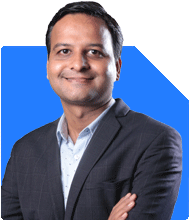
Ulhas

Ulhas Joshi  |280 Answers  |Ask -

Mutual Fund Expert - Answered on Apr 18, 2023

With over 16 years of experience in the mutual fund industry, Ulhas Joshi has helped numerous clients choose the right funds and create wealth.
Prior to joining RankMF as CEO, he was vice president (sales) at IDBI Asset Management Ltd.
Joshi holds an MBA in marketing from Barkatullah University, Bhopal.... more

M Question by M on Apr 15, 2023Hindi
Listen
Money

Hi, I would like to invest Rs. 20L in a MF for SWP. Kindly suggest couple of best funds. Also, what percentage return should I trigger for a safe and sustainable investment? What is the financial implication if SWP return is triggered with immediate effect?

Ans: Hello! Thanks for writing to me. You can consider starting SWP's in:

1-Edelweiss NIFTY 100 Quality 30 Index Fund-Growth
2-Axis ESG Equity Fund-Growth
3-UTI MNC Fund-Growth
4-UTI NIFTY50 Index Fund-Growth

You can invest Rs.5 Lakh in Edelweiss Liquid Fund, Rs.5 Lakh in Axis Liquid Fund and Rs.10 Lakh in UTI Liquid Cash Plan & begin SWP's in the above-mentioned schemes.

The amount you invest in every installment depends on how quickly you wish to invest in the equity fund.
DISCLAIMER: The content of this post by the expert is the personal view of the rediffGURU. Users are advised to pursue the information provided by the rediffGURU only as a source of information to be as a point of reference and to rely on their own judgement when making a decision.
Money

You may like to see similar questions and answers below

Ramalingam

Ramalingam Kalirajan  |10894 Answers  |Ask -

Mutual Funds, Financial Planning Expert - Answered on May 04, 2024

Listen
Money
Sir, I am 72 years old and want to invest Rs 15 lac in M.F, in swp.already invested 22 lac in MF .I am high risk taker . I want swp amount after one year. Please suggest M.F schemes . Thanks
Ans: Given your risk appetite and requirement for SWP after one year, it's crucial to focus on mutual fund schemes that offer potential for high returns while considering the relatively short investment horizon. Here are some suggestions:

Large & Midcap Funds: These funds invest in a mix of large-cap and mid-cap stocks, offering a balance between growth potential and stability. Look for schemes with a track record of consistent performance and experienced fund management.
Sectoral/Thematic Funds: If you have specific sectoral preferences and are willing to take higher risks, you can consider investing in sectoral or thematic funds. These funds focus on specific sectors or themes like technology, healthcare, or infrastructure, offering the potential for higher returns but also higher volatility.
Aggressive Hybrid Funds: Aggressive hybrid funds invest primarily in equities with a smaller allocation to debt instruments. They are suitable for investors seeking growth with relatively lower volatility compared to pure equity funds.
Flexi Cap Funds: These funds have the flexibility to invest across market capitalizations based on market conditions. They offer a dynamic approach to asset allocation and can adapt to changing market trends.
Mid & Small Cap Funds: If you have a higher risk tolerance and a longer investment horizon, mid and small-cap funds can potentially offer higher returns. However, they also come with higher volatility and risk, so careful selection and monitoring are essential.
When selecting mutual fund schemes, focus on factors such as fund performance track record, fund manager's experience and strategy, expense ratio, and risk-adjusted returns. Additionally, consider diversifying your investments across multiple schemes to spread risk.

It's advisable to consult with a certified financial planner or investment advisor who can assess your financial situation, risk tolerance, and investment goals to provide personalized recommendations aligned with your needs and preferences.

..Read more

Ramalingam

Ramalingam Kalirajan  |10894 Answers  |Ask -

Mutual Funds, Financial Planning Expert - Answered on May 01, 2024

Ramalingam

Ramalingam Kalirajan  |10894 Answers  |Ask -

Mutual Funds, Financial Planning Expert - Answered on Oct 15, 2024

Asked by Anonymous - Oct 14, 2024Hindi
Money
I want to invest 15 lakh in SWP MF, so please advice me to where this amount should I invest and how much to take monthly percentage/amount for swp?
Ans: An SWP (Systematic Withdrawal Plan) is a great way to generate a consistent cash flow from your mutual fund investments. You can withdraw a fixed amount at regular intervals, ensuring liquidity while keeping the rest invested. For a lump sum investment of Rs 15 lakh, choosing the right mutual fund is crucial to balancing returns and risk.

Choose Debt or Hybrid Funds
Given that you are planning to withdraw regularly, investing in either debt funds or hybrid funds would be ideal. These funds provide stability and are less volatile than equity-focused funds. They can generate regular returns while ensuring that your capital is not subjected to excessive risk.

Debt Funds: These funds invest in fixed-income instruments like government bonds, corporate bonds, and treasury bills. Debt funds are less risky than equity funds and offer moderate returns. They are ideal for SWP since the primary goal is capital preservation and steady income.

Hybrid Funds: If you are willing to take slightly more risk for better returns, hybrid funds can be a good option. They invest in both equity and debt, balancing the potential for growth with the need for stability. Hybrid funds give you the benefit of moderate equity exposure while safeguarding the principal with debt components.

Regular Funds over Direct Funds
Investing through a trusted Certified Financial Planner (CFP) who offers mutual fund distributor (MFD) services ensures professional management of your funds. Regular funds come with advisory support and personalised portfolio management, which helps in navigating market fluctuations effectively. Direct funds might have lower expense ratios, but they demand significant expertise and time for research, which may not suit every investor. For SWP, professional advice helps maintain a balance between withdrawals and returns, ensuring you don't outlive your investment.

How Much Should You Withdraw Monthly?
When deciding how much to withdraw each month, consider both your financial needs and the fund's expected return. Ideally, you should withdraw around 6% to 8% annually of your initial investment.

For example:

If you withdraw 6%, that’s Rs 90,000 per year or Rs 7,500 per month.

If you withdraw 8%, that’s Rs 1.2 lakh per year or Rs 10,000 per month.

This range ensures that the capital is not depleted quickly and that it has the chance to grow. Withdrawing more than 10% annually may reduce your investment too rapidly, leaving little for future needs.

Taxation Considerations
Tax efficiency is a key factor when using SWP. The taxation rules vary depending on whether you invest in equity or debt funds.

Equity Mutual Funds: If held for more than one year, long-term capital gains (LTCG) above Rs 1.25 lakh are taxed at 12.5%. If held for less than one year, short-term capital gains (STCG) are taxed at 20%.

Debt Mutual Funds: Debt funds are taxed based on your income tax slab for short-term capital gains if held for less than three years. For long-term capital gains, the taxation rate is as per your income tax bracket.

To minimise taxes, it’s better to spread out withdrawals over a longer time horizon, ensuring you don’t breach the LTCG threshold.

Adjusting Withdrawals for Inflation
Inflation can erode your purchasing power over time. A fixed withdrawal amount might not be sufficient in the future. To counter this, you could consider a step-up SWP, where you gradually increase your withdrawal amount every year. For instance, a 5% to 7% annual increase in the withdrawal amount could ensure your lifestyle is maintained despite rising costs.

However, keep in mind that increasing withdrawals could affect the longevity of your investment. Work closely with your CFP to monitor your portfolio and adjust accordingly.

Benefits of Actively Managed Funds
In your case, actively managed mutual funds, especially in the debt and hybrid categories, would be more beneficial than index funds or ETFs. Actively managed funds allow fund managers to make decisions based on changing market conditions, providing you with better returns while reducing risk.

Index funds, on the other hand, simply mirror a market index and don’t have the flexibility to respond to market volatility. For an SWP, where the goal is consistent withdrawals, actively managed funds offer a more personalised strategy to ensure steady income and capital preservation.

Liquidity and Accessibility
Mutual funds offer liquidity, making them a good choice for SWP. You can redeem units any time you need, without having to pay large penalties or face lock-in periods. However, be mindful of exit loads (charges for early withdrawal) associated with some funds, especially in the first year of investment.

Debt funds generally have low or no exit loads after one year, making them ideal for regular withdrawals. Hybrid funds might have slightly higher exit loads, so choose funds with low exit charges to avoid unnecessary costs.

Monitoring and Rebalancing
Even though SWP allows for regular withdrawals, it’s important to review your investment periodically. Your Certified Financial Planner can help you assess your portfolio’s performance and make necessary adjustments to ensure that your withdrawals are sustainable.

If the market conditions change, rebalancing the portfolio might be necessary. This could involve shifting from hybrid funds to more conservative debt funds or vice versa, depending on how your investment is performing.

Final Insights
To summarise, for your Rs 15 lakh lump sum, investing in debt or hybrid mutual funds for SWP is the best option. These funds balance stability and moderate returns, ensuring that you have a regular monthly income while preserving your capital.

Withdraw around 6% to 8% of your total investment annually, and consider increasing withdrawals gradually to keep pace with inflation. Make sure to account for taxation, liquidity, and regular monitoring of your portfolio to ensure long-term sustainability.

Best Regards,

K. Ramalingam, MBA, CFP,

Chief Financial Planner,

www.holisticinvestment.in
https://www.youtube.com/@HolisticInvestment

..Read more

Latest Questions
Nayagam P

Nayagam P P  |10858 Answers  |Ask -

Career Counsellor - Answered on Dec 16, 2025

Asked by Anonymous - Dec 13, 2025Hindi
Career
Hello sir I have literally confused between which university to pick if not good marks in mht cet Like sit Pune or srm college or rvce or Bennett as I am planning to study here bachelors and masters in abroad so is it better to choose a government college which coep and them if I get them my home college which Kolhapur institute of technology what should I choose a good university? If yes than which
Ans: Based on my extensive research of official college websites, NIRF rankings, international recognition metrics, placement data, and masters abroad admission requirements, your choice between COEP Pune, RVCE Bangalore, SRM Chennai, Bennett University Delhi, and Kolhapur Institute of Technology (KIT) fundamentally depends on five critical institutional aspects essential for successful masters admission abroad: global research output and international collaborations, CGPA-based competitiveness (minimum 7.5-8.0 required for top international programs), faculty expertise in emerging technologies, international student exchange partnerships, and proven alumni track records at globally-ranked universities. COEP Pune ranks nationally at NIRF #90 Engineering with India Today #14 Government Category ranking, offering robust infrastructure and 11 academic departments with research centers in AI and renewable energy, though international research collaborations are moderate compared to IITs. RVCE Bangalore demonstrates strong national standing with consistent COMEDK admissions competitiveness, excellent placements averaging Rs.35 LPA with highest at Rs.92 LPA, and established international collaborations through Karnataka PGCET-based MTech programs, providing solid foundations for masters applications. SRM Chennai maintains extensive research partnerships with 100+ companies visiting campus, highest packages reaching Rs.65 LPA, and documented international research linkages through sponsored programs like Newton Bhaba funded projects, significantly strengthening masters abroad candidacy through diverse research exposure. Bennett University Delhi distinctly outperforms others in international institutional alignment, recording highest placements at Rs.137 LPA with average Rs.11.10 LPA, explicit academic collaborations with University of British Columbia Canada, Florida International University USA, University of Nebraska Omaha, University of Essex England, and King's University College Canada—these partnerships directly facilitate seamless masters transitions abroad and represent unparalleled institutional bridges to international graduate programs. KIT Kolhapur records respectable placements at Rs.41 LPA highest with average Rs.6.5 LPA, NAAC A+ accreditation, autonomous institutional status under Shivaji University, and 90%+ placement consistency across technical streams, though international research visibility and foreign university partnerships remain comparatively limited. For international masters admission success, universities globally prioritize bachelors institution reputation, minimum CGPA 7.5-8.0 (Bennett and SRM facilitate this through curriculum rigor), GRE/GATE scores (minimum 90 percentile), English proficiency (TOEFL ≥75 or IELTS ≥6.5), research output documentation, and faculty recommendation quality reflecting institution's research culture—criteria most strongly supported by Bennett's explicit international collaborations, SRM's documented research partnerships, and COEP's autonomous departmental research centers. Bennett simultaneously offers global pathway programs reducing masters abroad costs through articulation agreements and provides curriculum aligned internationally with partner institution standards, representing optimal intermediate bridge structure versus direct masters application. The cost-effectiveness and structured transition support through international partnerships, combined with demonstrated placement success and faculty research visibility, position these institutions distinctly above KIT Kolhapur for masters abroad aspirations. For your specific objective of pursuing masters abroad, prioritize Bennett University Delhi first—its explicit international university partnerships with Canadian, American, and European institutions, highest placement packages (Rs.137 LPA), and structured global pathway programs create seamless masters transitions with reduced costs. Second choice: SRM Chennai, offering extensive research collaborations, documented international linkages, and competitive placements (Rs.65 LPA highest) strengthening masters applications. Third: COEP Pune, delivering strong national standing and autonomous research infrastructure. Avoid RVCE and KIT due to limited international visibility and explicit foreign university partnerships compared to the above three institutions. All the BEST for a Prosperous Future!

Follow RediffGURUS to Know More on 'Careers | Money | Health | Relationships'.

...Read more

Ramalingam

Ramalingam Kalirajan  |10894 Answers  |Ask -

Mutual Funds, Financial Planning Expert - Answered on Dec 16, 2025

Money
I have 450000 on hand, looking into my kids goingto university in 13 years
Ans: I truly appreciate your clear goal and long planning horizon.
Planning children’s education early shows care and responsibility.
Your patience of thirteen years is a strong advantage.
Having Rs. 4,50,000 ready gives a solid starting base.

» Understanding the Education Goal Clearly
University education costs rise faster than general inflation.
Professional courses usually cost much more.
Foreign education costs can rise even faster.
Thirteen years allows equity exposure with control.
Time gives scope to correct mistakes calmly.
Clarity today reduces stress later.

Education is a non-negotiable goal.
Money should be ready when needed.
Returns are important, but certainty matters more.
Risk must reduce as the goal nears.

» Time Horizon and Its Advantage
Thirteen years is a long investment window.
Long horizons help equity recover from volatility.
Short-term market noise becomes less relevant.
Compounding works better with patience.
This time allows phased asset changes.

Early years can take moderate growth risk.
Later years need capital protection.
This shift must be planned in advance.
Discipline matters more than market timing.

» Role of Rs. 4,50,000 Lump Sum
A lump sum gives immediate market participation.
It saves time compared to slow investing.
However, timing risk must be managed carefully.
Markets can be volatile in short periods.
Staggered deployment reduces regret risk.

This amount should not sit idle.
Inflation silently erodes unused money.
Cash gives comfort, but no growth.
Balanced deployment creates confidence.

» Asset Allocation Approach
Education goals need growth with safety.
Pure equity creates unnecessary stress.
Pure debt fails to beat education inflation.
A blended structure works best.

Equity provides long-term growth.
Debt gives stability and predictability.
Gold can add limited diversification.
Each asset has a specific role.

Allocation must change with time.
Static plans often fail near goals.
Dynamic rebalancing improves outcomes.

» Equity Exposure Assessment
Equity suits long-term education goals.
It handles inflation better than fixed returns.
Active management helps during market shifts.
Fund managers can adjust sector exposure.

Active strategies respond to changing economies.
They manage downside better than passive options.
They avoid blind market tracking.
Skill matters during volatile phases.

Equity volatility is emotional, not permanent.
Time reduces its impact significantly.
Regular reviews keep risks under control.

» Why Actively Managed Funds Matter
Education money cannot follow markets blindly.
Index-based investing copies market mistakes.
It cannot avoid overvalued sectors.
It lacks flexibility during crises.

Active funds can reduce exposure early.
They can increase cash when needed.
They can protect capital during downturns.
They aim for better risk-adjusted returns.

Education planning needs judgment, not automation.
Human decisions add value here.

» Debt Allocation and Stability
Debt balances equity volatility.
It provides visibility of future value.
It helps during market corrections.
It offers smoother return paths.

Debt is important as the goal nears.
It protects accumulated wealth.
It reduces last-minute shocks.
It supports planned withdrawals.

Debt returns may look modest.
But stability is its true benefit.
Peace of mind has real value.

» Role of Gold in Education Planning
Gold is not a growth asset.
It works as a hedge during stress.
It protects during global uncertainties.
It diversifies portfolio behaviour.

Gold allocation should remain limited.
Excess gold reduces long-term growth.
Its price movement is unpredictable.
Moderation is essential here.

» Phased Investment Strategy
Deploying lump sum gradually reduces timing risk.
It avoids emotional regret from market falls.
It allows participation across market levels.
This approach suits cautious planners.

Phasing also improves confidence.
Confidence helps stay invested long term.
Consistency beats perfect timing always.

» Ongoing Contributions Alongside Lump Sum
Education planning should not rely only on lump sum.
Regular investments add discipline.
They average market volatility.
They build habit-based wealth.

Future income growth can support step-ups.
Small increases matter over long periods.
Consistency outweighs size in investing.

» Risk Management Perspective
Risk is not market volatility alone.
Risk includes goal failure.
Risk includes panic withdrawals.
Risk includes poor planning.

Diversification reduces risk effectively.
Rebalancing controls excess exposure.
Regular reviews catch issues early.
Emotions need structured guardrails.

» Behavioural Discipline and Emotional Control
Markets test patience frequently.
Education goals demand calm decisions.
Fear and greed harm outcomes.
Plans fail due to emotions mostly.

Pre-decided strategies reduce mistakes.
Written plans improve commitment.
Periodic review gives reassurance.
Staying invested is crucial.

» Importance of Review and Monitoring
Thirteen years bring many changes.
Income levels may change.
Family needs may evolve.
Education preferences may shift.

Annual reviews keep plans relevant.
Asset allocation needs adjustment.
Performance must be evaluated objectively.
Corrections should be timely.

» Tax Efficiency Awareness
Tax impacts net education corpus.
Equity taxation applies during withdrawal.
Long-term gains get favourable rates.
Short-term exits cost more.

Debt taxation follows income slab rules.
Planning withdrawals reduces tax impact.
Staggered exits help manage tax burden.
Tax planning should align with goal timing.

Avoid frequent unnecessary churning.
Taxes quietly reduce returns.
Simplicity supports efficiency.

» Liquidity Planning Near Goal Year
Final three years need special care.
Market risk must reduce steadily.
Liquidity becomes priority over returns.
Funds should be easily accessible.

Avoid last-minute equity exposure.
Sudden crashes hurt planned education.
Gradual shift reduces anxiety.
Preparation avoids forced selling.

» Inflation Impact on Education Costs
Education inflation exceeds normal inflation.
Fees rise faster than salaries.
Accommodation costs also rise.
Foreign education adds currency risk.

Growth assets are essential initially.
Ignoring inflation leads to shortfall.
Planning must consider future realities.
Hope alone is not a strategy.

» Currency Risk Consideration
Overseas education includes currency exposure.
Rupee depreciation increases cost burden.
Diversification helps partially manage this.
Early planning reduces shock later.

This aspect needs periodic reassessment.
Flexibility helps adjust plans.
Preparation gives confidence.

» Emergency Fund and Education Goal
Education funds should not handle emergencies.
Separate emergency money is essential.
This avoids disturbing long-term plans.
Liquidity prevents panic selling.

Emergency planning supports education planning indirectly.
Stability improves decision quality.

» Insurance and Protection Perspective
Parent income supports education plans.
Adequate protection is important.
Unexpected events disrupt goals severely.
Risk cover ensures plan continuity.

Insurance supports planning discipline.
It protects dreams, not investments.
Coverage must match responsibilities.

» Avoiding Common Education Planning Mistakes
Starting too late increases pressure.
Taking excess equity near goal is risky.
Ignoring inflation leads to shortfall.
Reacting emotionally harms returns.

Chasing past performance disappoints.
Over-diversification reduces clarity.
Lack of review causes drift.
Simplicity works best.

» Role of Professional Guidance
Education planning needs structure.
Product selection is only one part.
Behaviour guidance adds real value.
Ongoing review ensures discipline.

A Certified Financial Planner adds perspective.
They align money with life goals.
They manage risks beyond returns.

» 360 Degree Integration
Education planning connects with retirement planning.
Cash flow planning supports investments.
Tax planning improves efficiency.
Risk planning ensures stability.

All areas must align together.
Isolated decisions create future stress.
Integrated thinking brings peace.

» Adapting to Life Changes
Career shifts may happen.
Income gaps may occur.
Expenses may increase unexpectedly.

Plans must remain flexible.
Flexibility prevents panic decisions.
Adjustments should be calm and timely.

» Final Insights
Your early start is a major strength.
Thirteen years provide meaningful flexibility.
Rs. 4,50,000 is a solid foundation.
Structured investing can multiply its value.

Balanced allocation with discipline works best.
Active management suits education goals well.
Regular review keeps risks controlled.
Emotional stability protects outcomes.

Stay patient and consistent.
Education planning rewards long-term commitment.
Clear goals reduce anxiety.
Prepared parents raise confident children.

Best Regards,

K. Ramalingam, MBA, CFP,

Chief Financial Planner,

www.holisticinvestment.in

https://www.youtube.com/@HolisticInvestment

...Read more

DISCLAIMER: The content of this post by the expert is the personal view of the rediffGURU. Investment in securities market are subject to market risks. Read all the related document carefully before investing. The securities quoted are for illustration only and are not recommendatory. Users are advised to pursue the information provided by the rediffGURU only as a source of information and as a point of reference and to rely on their own judgement when making a decision. RediffGURUS is an intermediary as per India's Information Technology Act.

Close  

You haven't logged in yet. To ask a question, Please Log in below
Login

A verification OTP will be sent to this
Mobile Number / Email

Enter OTP
A 6 digit code has been sent to

Resend OTP in120seconds

Dear User, You have not registered yet. Please register by filling the fields below to get expert answers from our Gurus
Sign up

By signing up, you agree to our
Terms & Conditions and Privacy Policy

Already have an account?

Enter OTP
A 6 digit code has been sent to Mobile

Resend OTP in120seconds

x