Home > Money > Question
Need Expert Advice?Our Gurus Can Help

How can Kiran solve his issue with an inactive PF account for pension withdrawal?
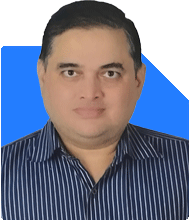
Milind

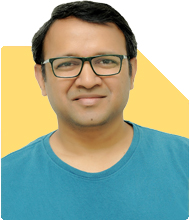
Milind Vadjikar  | Answer  |Ask -

Insurance, Stocks, MF, PF Expert - Answered on Jan 01, 2025

Milind Vadjikar is an independent MF distributor registered with Association of Mutual Funds in India (AMFI) and a retirement financial planning advisor registered with Pension Fund Regulatory and Development Authority (PFRDA).
He has a mechanical engineering degree from Government Engineering College, Sambhajinagar, and an MBA in international business from the Symbiosis Institute of Business Management, Pune.
With over 16 years of experience in stock investments, and over six year experience in investment guidance and support, he believes that balanced asset allocation and goal-focused disciplined investing is the key to achieving investor goals.... more

vishnu Question by vishnu on Dec 10, 2024Hindi
Listen
Money

Hi Sir, My Name is Kiran, I have 2 pf account one was already exist, one active. But old Pf account not showing for pension withdrawal on Members Home (EPFO Website). Please suggest me what to do

Ans: Hello;

You will first need to link your previous pf account with active UAN as per process given on EPFO portal.

Then you may withdraw your entire PF.

Best wishes;
DISCLAIMER: The content of this post by the expert is the personal view of the rediffGURU. Users are advised to pursue the information provided by the rediffGURU only as a source of information to be as a point of reference and to rely on their own judgement when making a decision.
Money

You may like to see similar questions and answers below

Ramalingam

Ramalingam Kalirajan  |10894 Answers  |Ask -

Mutual Funds, Financial Planning Expert - Answered on Apr 23, 2024

Listen
Money
hi, i have worked 5 different companies starting from 01.02.1992 to 31.08.2012 and contributed to PF as per the policy. i have passbook of PF account but only amount of last company is reflecting in the passbook. I have withdrawn EPF balance but EPS part is still not withdrawn from any company. my last company has not updated the records from previous companies, . i am getting 58 years next on 29042024. i have account with EPFO and UAN. How can i get the amount accumulated or get the scheme certificate or start pension at reduced rates...i am working with a company but not registered with PF.
Ans: Given your situation, consolidating and tracking your EPF contributions and benefits can be a bit challenging but certainly manageable. Here’s a step-by-step guide to help you navigate this:

Consolidation of UAN: If you have a UAN (Universal Account Number), ensure that all your previous PF accounts are linked to it. You can do this by logging into the EPFO portal and checking the 'Manage' tab under 'For Employees'. If your previous companies have not linked your UAN to their establishment IDs, you can request them to do so.
Transfer of EPF: Use the EPFO's online transfer portal to transfer the EPF accumulations from your previous accounts to your current PF account. This will consolidate all your PF accumulations into one account, making it easier to manage and track.
EPS (Employee Pension Scheme): Since you have not withdrawn the EPS contributions from any of your previous employers, you can apply for a scheme certificate through your current employer. A scheme certificate provides details of your service and contributions and can be used to avail pension benefits at the age of 58.
Pension at Reduced Rates: If you opt for pension before attaining the age of 58, it would be at a reduced rate. However, if you choose to defer it, your pension amount will increase. You can apply for a reduced pension through your current employer or directly with the EPFO after completing Form 10D.
Contact EPFO: If you face any issues or discrepancies in your PF accounts, reach out to the EPFO regional office or helpdesk. Provide them with the necessary details and documents, including your UAN, PF account numbers, and service details with each employer.
Consult a Financial Advisor: Given the complexities involved in EPF and EPS, consulting a financial advisor or a retirement planner can be beneficial. They can guide you through the process, help you understand the implications of withdrawing or transferring your EPF and EPS accumulations, and assist you in making informed decisions regarding your retirement benefits.
Remember, it's essential to keep track of your EPF and EPS contributions and benefits to ensure you maximize your retirement benefits and make informed decisions. Taking proactive steps now can help you secure a comfortable retirement.

..Read more

Ramalingam

Ramalingam Kalirajan  |10894 Answers  |Ask -

Mutual Funds, Financial Planning Expert - Answered on May 26, 2024

Listen
Money
I have worked in ltd company for 19 years, then resigned & Join another company they created new epf account & i got transferred my old epfo amount to new account but my pension contribution amount is not displaying new created epfo account
Ans: Addressing Pension Contribution Discrepancy in EPF Account
Encountering discrepancies in EPF accounts, especially regarding pension contributions, can be concerning. Let's explore steps to address this issue effectively.

Understanding the Situation
Assessing the Discrepancy

Evaluate the discrepancy in your EPF account, particularly regarding the display of pension contribution from your previous employment.
Gather relevant documentation, including EPF statements, transfer receipts, and communication with EPFO authorities.
Reviewing EPF Regulations

Familiarize yourself with EPF regulations, specifically regarding pension contributions, to understand your rights and entitlements.
Initiating Communication
Contacting EPFO Authorities

Reach out to EPFO authorities promptly to report the discrepancy in your pension contribution display.
Clearly articulate the issue and provide supporting documentation to facilitate resolution.
Following Up Regularly

Maintain regular follow-ups with EPFO authorities to track the progress of your complaint and ensure that it is being addressed.
Resolving the Discrepancy
Requesting Correction

Formally request EPFO authorities to correct the discrepancy and update your EPF account to reflect accurate pension contributions.
Provide any additional information or documentation requested by EPFO to expedite the resolution process.
Seeking Assistance

If informal communication with EPFO does not yield results, consider seeking assistance from a legal expert or Certified Financial Planner (CFP) specializing in EPF matters.
Legal professionals can provide guidance on your rights, potential courses of action, and escalation procedures.
Exploring Alternative Solutions
Alternative Channels

Explore alternative channels for lodging complaints, such as EPF grievance portals or helplines, to escalate the issue if necessary.
Utilize official channels to ensure your complaint is registered and addressed by EPFO authorities.
Patience and Persistence

Exercise patience throughout the resolution process, as addressing EPF discrepancies may take time and persistence.
Remain persistent in following up with EPFO authorities and exploring all available avenues for resolution.
Conclusion
Resolving discrepancies in EPF accounts, particularly regarding pension contributions, requires proactive communication, documentation, and persistence. By initiating contact with EPFO authorities, seeking correction of the discrepancy, and exploring alternative solutions if necessary, you can work towards ensuring accuracy and integrity in your EPF records.

Best Regards,

K. Ramalingam, MBA, CFP,

Chief Financial Planner,

www.holisticinvestment.in

..Read more

Ramalingam

Ramalingam Kalirajan  |10894 Answers  |Ask -

Mutual Funds, Financial Planning Expert - Answered on May 29, 2024

Money
I have worked in India over 15 year and the company that I worked had deducted my PF from my salary and deposited in my PF account. 9 years back I left the job in India and relocated to Dubai. I didn't withdrew my PF and till certain period I was able to see my PF balance. Later I forgot about it and now when I try to login to my account, it doesnt allow me to login as my Aadhaar account was not linked to my PF account. I reached out to my employer and submitted all documents as suggested by my employer to activate my PF account and link my Aadhaar to my PF account . My question is, is it ok to keep my money in PF account until I turn 60/retirement age and withdraw the amount and take benefit of the pension fund. Or should I withdraw the amount now and invest it in FD or MF. I had not withdrawn my PF fund because I was aware that PF allow only 2/3rd of the PF fund to be withdrawn and 1 /3rd remain in the account under pension scheme that we receive as pension after retirement.
Ans: Your situation is quite common among professionals who have relocated abroad. It's great that you are considering your options wisely. Let's explore your options and see what might work best for you.

Understanding Your Provident Fund (PF)
Your Provident Fund (PF) is a long-term savings scheme to provide benefits during retirement. You have a significant amount accumulated from your years of service in India.

Keeping Money in PF Until Retirement
Leaving your money in the PF account until retirement has certain advantages.

Benefits of Keeping Money in PF
Safety and Security: PF is a government-backed scheme, offering high security.

Tax-Free Interest: Interest earned on PF is generally tax-free until withdrawal.

Regular Pension: Upon retirement, you will receive a regular pension from the Employees’ Pension Scheme (EPS).

Potential Drawbacks
Lower Liquidity: Funds are locked in until you reach retirement age, limiting access.

Inflation Impact: The fixed interest rate may not always keep pace with inflation.

Withdrawing PF and Investing Elsewhere
Alternatively, you can withdraw your PF and invest it in other instruments like Fixed Deposits (FD) or Mutual Funds (MF).

Benefits of Withdrawing and Investing
Higher Returns Potential: Mutual funds, especially equity funds, have the potential for higher returns.

Diversification: Investing in different instruments can spread and reduce risk.

Liquidity: Investments in mutual funds and FDs are more liquid, allowing easier access to funds.

Risks to Consider
Market Volatility: Equity mutual funds can be volatile and subject to market risks.

Tax Implications: Withdrawals from PF before 5 years of continuous service are taxable.

Evaluating Fixed Deposits (FD)
Fixed Deposits (FD) are a safe investment option but have their own pros and cons.

Benefits of FDs
Safety: FDs are low-risk and provide guaranteed returns.

Fixed Interest: You know exactly how much interest you will earn over the term.

Drawbacks of FDs
Lower Returns: FDs typically offer lower returns compared to equity mutual funds.

Taxable Interest: Interest earned on FDs is taxable, reducing net returns.

Evaluating Mutual Funds (MF)
Mutual funds can offer better returns, especially if you choose actively managed funds.

Benefits of Mutual Funds
Higher Returns Potential: Over the long term, mutual funds, especially equity funds, can provide substantial returns.

Professional Management: Fund managers handle investments, aiming to maximise returns.

Diversification: Mutual funds spread investments across various assets, reducing risk.

Disadvantages of Index Funds
Average Returns: Index funds mimic market indexes and provide average returns, which may not be optimal.

Lack of Flexibility: They cannot adapt to market changes like actively managed funds can.

Less Protection in Downturns: Index funds cannot avoid poorly performing sectors or stocks.

Choosing Between Direct and Regular Funds
When investing in mutual funds, it’s important to choose between direct funds and regular funds.

Disadvantages of Direct Funds
No Advisory Support: Direct funds lack guidance from a Certified Financial Planner (CFP).

Time-Consuming: Managing and choosing the right funds requires significant time and knowledge.

Higher Risk of Missteps: Without professional advice, the risk of making suboptimal choices increases.

Benefits of Regular Funds
Professional Guidance: Investing through a CFP provides expert advice tailored to your goals.

Regular Monitoring: A CFP regularly reviews your portfolio, making necessary adjustments.

Optimised Portfolio: CFPs ensure your investments align with your risk profile and goals.

Deciding the Best Course of Action
To decide whether to keep your PF or withdraw and invest, consider the following:

Personal Financial Goals
Time Horizon: If you have a long-term horizon, mutual funds might be suitable for higher returns.

Risk Tolerance: Assess your comfort level with market volatility and risks.

Financial Needs
Liquidity Needs: Consider if you need access to funds before retirement.

Tax Considerations: Evaluate the tax implications of withdrawing your PF and the tax benefits of other investments.

Conclusion
Deciding whether to keep your PF until retirement or withdraw and invest in other options depends on your financial goals, risk tolerance, and need for liquidity. Keeping your PF offers security and a regular pension, while withdrawing and investing in FDs or mutual funds could potentially offer higher returns. Consulting with a Certified Financial Planner can provide personalised guidance and help optimise your investment strategy.

Best Regards,

K. Ramalingam, MBA, CFP,

Chief Financial Planner,

www.holisticinvestment.in

..Read more

Ramalingam

Ramalingam Kalirajan  |10894 Answers  |Ask -

Mutual Funds, Financial Planning Expert - Answered on Aug 04, 2025
Asked by Anonymous - Jul 29, 2025Hindi
Money
I have a question on my EPF, I am unable to transfer my old PF money to new company pf account. Everytime I tried it got rejected by field officer and I go to know the information stating previously in old organisation I had applied for pension now that option is not opted by me hence cannot be transfered. I left as is.. because interest was getting accumulated for the old PF account. Now I am worried because the interest did not get credited for this year 2024-25. Please can someone help me about this.
Ans: You’ve acted wisely by tracking your EPF.

Your concern is genuine. Many employees face similar EPF transfer issues due to pension-related mismatches. Let's understand your situation clearly and offer practical, 360-degree solutions.

» EPF transfer rejection due to pension option error

– You had applied for pension withdrawal in your old job.
– That means your EPS account (pension) was settled earlier.
– Now, while transferring, your PF and EPS are both linked.
– Since EPS is already settled, EPFO system is rejecting the request.
– System expects both PF and EPS to be available for transfer.
– But EPS is missing, hence the mismatch causes rejection.

» Leaving old EPF as it is: why it worked till now

– You noticed interest was accumulating till last year.
– EPFO pays interest even on inactive accounts for up to 3 years.
– So, if your old PF became inactive in 2021–22, interest will stop after 2024–25.
– That’s why no interest got credited this year.
– EPFO changed rules: after 3 years of inactivity, interest stops.
– So your old EPF is now considered inoperative.

» Understanding inoperative EPF and its impact

– Inoperative PF earns no interest after 3 years of no contribution.
– This hits long-term compounding badly.
– You will lose value due to inflation.
– Funds remain safe but growth stops.
– You can still withdraw it anytime.
– But it won’t grow anymore.

» How EPS withdrawal earlier blocks transfer now

– EPS (Employee Pension Scheme) and EPF run together.
– When you withdrew EPS from old job, the system marked that account “settled”.
– So, only PF balance remained.
– EPFO transfer system checks for both PF and EPS.
– Since EPS was withdrawn, system thinks account is closed.
– Hence, it doesn’t allow PF transfer alone.
– Manual intervention becomes necessary in this case.

» Next step: what you can do now

– Don’t worry. This is fixable with the right steps.
– You have two main options to act now.

» Option 1: Withdraw the old PF money fully

– Since your old PF account is not earning interest now, you can withdraw.
– Visit https://unifiedportal-mem.epfindia.gov.in/memberinterface/
– Login using UAN and OTP.
– Go to ‘Online Services’ → ‘Claim (Form-31, 19 & 10C)’.
– Choose Form-19 for full PF withdrawal.
– Fill and submit claim.
– Funds will be credited in 5–15 working days.
– Make sure your bank details, Aadhaar, PAN, UAN are linked and verified.
– This is the easiest and cleanest way forward now.

» Option 2: Try manual EPF transfer through grievance portal

– If you still want to transfer funds to new PF account, go for manual route.
– Visit EPF grievance portal: https://epfigms.gov.in/
– Select ‘Register Grievance’.
– Fill your UAN, personal and employment details.
– In subject, mention: “Unable to transfer old PF due to EPS withdrawal”.
– Write clearly: “EPS already settled. Request PF transfer only.”
– Attach relevant documents: previous PF passbook, EPS settlement proof, UAN card, Aadhaar.
– Ask EPFO to allow manual PF-only transfer.
– Follow up with Field Officer at your regional EPFO office.

» Understanding why withdrawal may be better than transfer here

– Your old PF account has stopped earning interest now.
– Keeping idle money in EPFO doesn't make sense.
– You’re missing future growth.
– Transferring also needs manual efforts and delays.
– Withdrawal is faster and cleaner.
– You can reinvest withdrawn money in growth-based instruments.
– You can build wealth more actively from that amount.

» What if you are not able to withdraw also?

– If portal shows error or bank/Aadhaar not updated, do this:
– Go to your employer’s HR for KYC update in EPFO.
– Submit Aadhaar, PAN, and cancelled cheque.
– Once approved by employer, you can withdraw.
– Or update these online in EPFO portal under ‘Manage > KYC’.
– Keep checking status every few days.

» Avoid delay and inaction anymore

– The earlier you act, the better.
– Every month your idle EPF loses earning power.
– Don’t let inflation reduce your corpus value.
– Reinvesting now gives better financial outcomes.

» Reinvest EPF withdrawal smartly for better growth

– If you withdraw EPF, don’t let it sit in savings account.
– You can invest in long-term diversified funds.
– Select regular plans through a Certified Financial Planner or MFD.
– Avoid direct plans.
– Direct funds give no guidance or support.
– Regular funds through an expert help in goal-based, reviewed investing.
– This brings discipline and avoids emotional decisions.

» Why direct mutual funds are not right for most investors

– Direct funds look cheap but lack personalised advice.
– You must track, manage, and rebalance yourself.
– No one guides you if market falls or goals change.
– Without CFP-led support, chances of mistakes are high.
– Many direct fund users exit early or choose wrong schemes.
– Regular plans with expert help lead to better long-term behaviour.
– Costs are higher, but results and peace of mind are better.

» Build long-term wealth using the withdrawn PF amount

– You can split the amount into short-term and long-term goals.
– Use debt mutual funds for next 1–3 year goals.
– Use equity mutual funds for 5+ years goals.
– Avoid index funds.
– Index funds copy market returns only.
– They do not adapt to market conditions.
– They cannot beat inflation in all phases.
– Actively managed funds can outperform with expert decisions.
– Choose experienced fund houses with good track record.

» Keep future PF accounts active always

– In your new job, ensure your EPF is regularly updated.
– Link Aadhaar and PAN with UAN.
– Download passbook every 6 months and track interest.
– Update nominee details.
– Keep mobile number active and linked.
– Regular monitoring prevents similar problems in future.

» Watch out for new EPF rules and interest changes

– EPFO interest rate changes yearly.
– Inactive accounts earn nothing after 3 years.
– Keep PF active by contributing or transferring.
– Long gaps reduce interest benefit.
– Track annual credit in April–July every year.

» Use grievance portal for any future issues

– EPF-related issues are best resolved via: https://epfigms.gov.in/
– Raise ticket with UAN and issue details.
– Attach screenshots or documents if needed.
– EPFO responds within 10–15 days usually.
– Follow up by calling regional office if delay happens.

» Consider PF partial withdrawal only when needed

– You can withdraw PF for home, marriage, or medical needs.
– But full withdrawal should be done only after job change or unemployment.
– Avoid breaking PF for short-term needs.
– It breaks long-term compounding.
– Use emergency funds instead.

» EPS amount once withdrawn cannot be restored

– Since you withdrew EPS earlier, you cannot restore pension benefit now.
– Only PF balance is available now.
– Future employers will build new EPS account.
– At retirement, EPS benefit depends on service years and contribution.
– Keep tracking EPS service years regularly.

» Build a backup for retirement beyond EPF

– EPF alone is not enough for retirement.
– It is low-growth and conservative.
– Use SIPs in equity funds through regular plans.
– Use PPF or debt funds for stability.
– Build a diversified retirement corpus over time.
– Don’t depend only on EPF interest.

» Final Insights

– You’ve done well by monitoring EPF and raising concerns.
– Act quickly now—withdraw or request manual transfer.
– Let the funds work for you again.
– In future, avoid PF inactivity beyond 3 years.
– Reinvest the funds for long-term wealth.
– Take support from a trusted CFP-led platform or MFD.
– Avoid DIY mistakes in mutual funds.
– Build a better, stable future using informed choices.

Best Regards,
K. Ramalingam, MBA, CFP,
Chief Financial Planner,
www.holisticinvestment.in
https://www.youtube.com/@HolisticInvestment

..Read more

Latest Questions
Nayagam P

Nayagam P P  |10858 Answers  |Ask -

Career Counsellor - Answered on Dec 16, 2025

Asked by Anonymous - Dec 13, 2025Hindi
Career
Hello sir I have literally confused between which university to pick if not good marks in mht cet Like sit Pune or srm college or rvce or Bennett as I am planning to study here bachelors and masters in abroad so is it better to choose a government college which coep and them if I get them my home college which Kolhapur institute of technology what should I choose a good university? If yes than which
Ans: Based on my extensive research of official college websites, NIRF rankings, international recognition metrics, placement data, and masters abroad admission requirements, your choice between COEP Pune, RVCE Bangalore, SRM Chennai, Bennett University Delhi, and Kolhapur Institute of Technology (KIT) fundamentally depends on five critical institutional aspects essential for successful masters admission abroad: global research output and international collaborations, CGPA-based competitiveness (minimum 7.5-8.0 required for top international programs), faculty expertise in emerging technologies, international student exchange partnerships, and proven alumni track records at globally-ranked universities. COEP Pune ranks nationally at NIRF #90 Engineering with India Today #14 Government Category ranking, offering robust infrastructure and 11 academic departments with research centers in AI and renewable energy, though international research collaborations are moderate compared to IITs. RVCE Bangalore demonstrates strong national standing with consistent COMEDK admissions competitiveness, excellent placements averaging Rs.35 LPA with highest at Rs.92 LPA, and established international collaborations through Karnataka PGCET-based MTech programs, providing solid foundations for masters applications. SRM Chennai maintains extensive research partnerships with 100+ companies visiting campus, highest packages reaching Rs.65 LPA, and documented international research linkages through sponsored programs like Newton Bhaba funded projects, significantly strengthening masters abroad candidacy through diverse research exposure. Bennett University Delhi distinctly outperforms others in international institutional alignment, recording highest placements at Rs.137 LPA with average Rs.11.10 LPA, explicit academic collaborations with University of British Columbia Canada, Florida International University USA, University of Nebraska Omaha, University of Essex England, and King's University College Canada—these partnerships directly facilitate seamless masters transitions abroad and represent unparalleled institutional bridges to international graduate programs. KIT Kolhapur records respectable placements at Rs.41 LPA highest with average Rs.6.5 LPA, NAAC A+ accreditation, autonomous institutional status under Shivaji University, and 90%+ placement consistency across technical streams, though international research visibility and foreign university partnerships remain comparatively limited. For international masters admission success, universities globally prioritize bachelors institution reputation, minimum CGPA 7.5-8.0 (Bennett and SRM facilitate this through curriculum rigor), GRE/GATE scores (minimum 90 percentile), English proficiency (TOEFL ≥75 or IELTS ≥6.5), research output documentation, and faculty recommendation quality reflecting institution's research culture—criteria most strongly supported by Bennett's explicit international collaborations, SRM's documented research partnerships, and COEP's autonomous departmental research centers. Bennett simultaneously offers global pathway programs reducing masters abroad costs through articulation agreements and provides curriculum aligned internationally with partner institution standards, representing optimal intermediate bridge structure versus direct masters application. The cost-effectiveness and structured transition support through international partnerships, combined with demonstrated placement success and faculty research visibility, position these institutions distinctly above KIT Kolhapur for masters abroad aspirations. For your specific objective of pursuing masters abroad, prioritize Bennett University Delhi first—its explicit international university partnerships with Canadian, American, and European institutions, highest placement packages (Rs.137 LPA), and structured global pathway programs create seamless masters transitions with reduced costs. Second choice: SRM Chennai, offering extensive research collaborations, documented international linkages, and competitive placements (Rs.65 LPA highest) strengthening masters applications. Third: COEP Pune, delivering strong national standing and autonomous research infrastructure. Avoid RVCE and KIT due to limited international visibility and explicit foreign university partnerships compared to the above three institutions. All the BEST for a Prosperous Future!

Follow RediffGURUS to Know More on 'Careers | Money | Health | Relationships'.

...Read more

Ramalingam

Ramalingam Kalirajan  |10894 Answers  |Ask -

Mutual Funds, Financial Planning Expert - Answered on Dec 16, 2025

Money
I have 450000 on hand, looking into my kids goingto university in 13 years
Ans: I truly appreciate your clear goal and long planning horizon.
Planning children’s education early shows care and responsibility.
Your patience of thirteen years is a strong advantage.
Having Rs. 4,50,000 ready gives a solid starting base.

» Understanding the Education Goal Clearly
University education costs rise faster than general inflation.
Professional courses usually cost much more.
Foreign education costs can rise even faster.
Thirteen years allows equity exposure with control.
Time gives scope to correct mistakes calmly.
Clarity today reduces stress later.

Education is a non-negotiable goal.
Money should be ready when needed.
Returns are important, but certainty matters more.
Risk must reduce as the goal nears.

» Time Horizon and Its Advantage
Thirteen years is a long investment window.
Long horizons help equity recover from volatility.
Short-term market noise becomes less relevant.
Compounding works better with patience.
This time allows phased asset changes.

Early years can take moderate growth risk.
Later years need capital protection.
This shift must be planned in advance.
Discipline matters more than market timing.

» Role of Rs. 4,50,000 Lump Sum
A lump sum gives immediate market participation.
It saves time compared to slow investing.
However, timing risk must be managed carefully.
Markets can be volatile in short periods.
Staggered deployment reduces regret risk.

This amount should not sit idle.
Inflation silently erodes unused money.
Cash gives comfort, but no growth.
Balanced deployment creates confidence.

» Asset Allocation Approach
Education goals need growth with safety.
Pure equity creates unnecessary stress.
Pure debt fails to beat education inflation.
A blended structure works best.

Equity provides long-term growth.
Debt gives stability and predictability.
Gold can add limited diversification.
Each asset has a specific role.

Allocation must change with time.
Static plans often fail near goals.
Dynamic rebalancing improves outcomes.

» Equity Exposure Assessment
Equity suits long-term education goals.
It handles inflation better than fixed returns.
Active management helps during market shifts.
Fund managers can adjust sector exposure.

Active strategies respond to changing economies.
They manage downside better than passive options.
They avoid blind market tracking.
Skill matters during volatile phases.

Equity volatility is emotional, not permanent.
Time reduces its impact significantly.
Regular reviews keep risks under control.

» Why Actively Managed Funds Matter
Education money cannot follow markets blindly.
Index-based investing copies market mistakes.
It cannot avoid overvalued sectors.
It lacks flexibility during crises.

Active funds can reduce exposure early.
They can increase cash when needed.
They can protect capital during downturns.
They aim for better risk-adjusted returns.

Education planning needs judgment, not automation.
Human decisions add value here.

» Debt Allocation and Stability
Debt balances equity volatility.
It provides visibility of future value.
It helps during market corrections.
It offers smoother return paths.

Debt is important as the goal nears.
It protects accumulated wealth.
It reduces last-minute shocks.
It supports planned withdrawals.

Debt returns may look modest.
But stability is its true benefit.
Peace of mind has real value.

» Role of Gold in Education Planning
Gold is not a growth asset.
It works as a hedge during stress.
It protects during global uncertainties.
It diversifies portfolio behaviour.

Gold allocation should remain limited.
Excess gold reduces long-term growth.
Its price movement is unpredictable.
Moderation is essential here.

» Phased Investment Strategy
Deploying lump sum gradually reduces timing risk.
It avoids emotional regret from market falls.
It allows participation across market levels.
This approach suits cautious planners.

Phasing also improves confidence.
Confidence helps stay invested long term.
Consistency beats perfect timing always.

» Ongoing Contributions Alongside Lump Sum
Education planning should not rely only on lump sum.
Regular investments add discipline.
They average market volatility.
They build habit-based wealth.

Future income growth can support step-ups.
Small increases matter over long periods.
Consistency outweighs size in investing.

» Risk Management Perspective
Risk is not market volatility alone.
Risk includes goal failure.
Risk includes panic withdrawals.
Risk includes poor planning.

Diversification reduces risk effectively.
Rebalancing controls excess exposure.
Regular reviews catch issues early.
Emotions need structured guardrails.

» Behavioural Discipline and Emotional Control
Markets test patience frequently.
Education goals demand calm decisions.
Fear and greed harm outcomes.
Plans fail due to emotions mostly.

Pre-decided strategies reduce mistakes.
Written plans improve commitment.
Periodic review gives reassurance.
Staying invested is crucial.

» Importance of Review and Monitoring
Thirteen years bring many changes.
Income levels may change.
Family needs may evolve.
Education preferences may shift.

Annual reviews keep plans relevant.
Asset allocation needs adjustment.
Performance must be evaluated objectively.
Corrections should be timely.

» Tax Efficiency Awareness
Tax impacts net education corpus.
Equity taxation applies during withdrawal.
Long-term gains get favourable rates.
Short-term exits cost more.

Debt taxation follows income slab rules.
Planning withdrawals reduces tax impact.
Staggered exits help manage tax burden.
Tax planning should align with goal timing.

Avoid frequent unnecessary churning.
Taxes quietly reduce returns.
Simplicity supports efficiency.

» Liquidity Planning Near Goal Year
Final three years need special care.
Market risk must reduce steadily.
Liquidity becomes priority over returns.
Funds should be easily accessible.

Avoid last-minute equity exposure.
Sudden crashes hurt planned education.
Gradual shift reduces anxiety.
Preparation avoids forced selling.

» Inflation Impact on Education Costs
Education inflation exceeds normal inflation.
Fees rise faster than salaries.
Accommodation costs also rise.
Foreign education adds currency risk.

Growth assets are essential initially.
Ignoring inflation leads to shortfall.
Planning must consider future realities.
Hope alone is not a strategy.

» Currency Risk Consideration
Overseas education includes currency exposure.
Rupee depreciation increases cost burden.
Diversification helps partially manage this.
Early planning reduces shock later.

This aspect needs periodic reassessment.
Flexibility helps adjust plans.
Preparation gives confidence.

» Emergency Fund and Education Goal
Education funds should not handle emergencies.
Separate emergency money is essential.
This avoids disturbing long-term plans.
Liquidity prevents panic selling.

Emergency planning supports education planning indirectly.
Stability improves decision quality.

» Insurance and Protection Perspective
Parent income supports education plans.
Adequate protection is important.
Unexpected events disrupt goals severely.
Risk cover ensures plan continuity.

Insurance supports planning discipline.
It protects dreams, not investments.
Coverage must match responsibilities.

» Avoiding Common Education Planning Mistakes
Starting too late increases pressure.
Taking excess equity near goal is risky.
Ignoring inflation leads to shortfall.
Reacting emotionally harms returns.

Chasing past performance disappoints.
Over-diversification reduces clarity.
Lack of review causes drift.
Simplicity works best.

» Role of Professional Guidance
Education planning needs structure.
Product selection is only one part.
Behaviour guidance adds real value.
Ongoing review ensures discipline.

A Certified Financial Planner adds perspective.
They align money with life goals.
They manage risks beyond returns.

» 360 Degree Integration
Education planning connects with retirement planning.
Cash flow planning supports investments.
Tax planning improves efficiency.
Risk planning ensures stability.

All areas must align together.
Isolated decisions create future stress.
Integrated thinking brings peace.

» Adapting to Life Changes
Career shifts may happen.
Income gaps may occur.
Expenses may increase unexpectedly.

Plans must remain flexible.
Flexibility prevents panic decisions.
Adjustments should be calm and timely.

» Final Insights
Your early start is a major strength.
Thirteen years provide meaningful flexibility.
Rs. 4,50,000 is a solid foundation.
Structured investing can multiply its value.

Balanced allocation with discipline works best.
Active management suits education goals well.
Regular review keeps risks controlled.
Emotional stability protects outcomes.

Stay patient and consistent.
Education planning rewards long-term commitment.
Clear goals reduce anxiety.
Prepared parents raise confident children.

Best Regards,

K. Ramalingam, MBA, CFP,

Chief Financial Planner,

www.holisticinvestment.in

https://www.youtube.com/@HolisticInvestment

...Read more

DISCLAIMER: The content of this post by the expert is the personal view of the rediffGURU. Investment in securities market are subject to market risks. Read all the related document carefully before investing. The securities quoted are for illustration only and are not recommendatory. Users are advised to pursue the information provided by the rediffGURU only as a source of information and as a point of reference and to rely on their own judgement when making a decision. RediffGURUS is an intermediary as per India's Information Technology Act.

Close  

You haven't logged in yet. To ask a question, Please Log in below
Login

A verification OTP will be sent to this
Mobile Number / Email

Enter OTP
A 6 digit code has been sent to

Resend OTP in120seconds

Dear User, You have not registered yet. Please register by filling the fields below to get expert answers from our Gurus
Sign up

By signing up, you agree to our
Terms & Conditions and Privacy Policy

Already have an account?

Enter OTP
A 6 digit code has been sent to Mobile

Resend OTP in120seconds

x