Home > Money > Question
Need Expert Advice?Our Gurus Can Help

Ramalingam

Ramalingam Kalirajan  |10878 Answers  |Ask -

Mutual Funds, Financial Planning Expert - Answered on Aug 28, 2025

Ramalingam Kalirajan has over 23 years of experience in mutual funds and financial planning.
He has an MBA in finance from the University of Madras and is a certified financial planner.
He is the director and chief financial planner at Holistic Investment, a Chennai-based firm that offers financial planning and wealth management advice.... more
Pawan Question by Pawan on Jul 11, 2025Hindi
Money

I am looking for starting investments for my son who is aged 18 years. Pls suggest some good funds to invest for next 5-7 years.

Ans: – It is very thoughtful that you want to invest for your son.
– At age 18, he has long years of opportunities.
– Starting early builds a strong habit of savings and wealth creation.
– A focused 5 to 7 year investment plan can provide stability and growth.

» Importance of time horizon
– You mentioned 5 to 7 years.
– This is not very long but not too short also.
– It allows growth potential from equity exposure.
– At the same time, stability is also important.
– A balanced approach works best in such a time frame.

» Why not index funds
– Many people think index funds are simple and low-cost.
– But index funds only follow the market blindly.
– They cannot adjust to market changes.
– They perform well only when the market index performs.
– Actively managed funds have expert managers.
– They can adjust portfolio in different market conditions.
– Active funds may give better risk-adjusted returns in 5–7 years.

» Why not direct funds
– Direct plans look attractive because of lower expense ratio.
– But they lack professional guidance.
– Wrong fund choice or wrong timing can reduce gains.
– Regular plans through a Certified Financial Planner give better handholding.
– You also get help in reviewing and rebalancing.
– Over time, this guidance can create more wealth than a small saving in expense.

» Role of diversification
– Do not depend only on one type of fund.
– Combine equity, hybrid and debt for stability.
– Equity gives growth.
– Debt gives safety.
– Hybrid gives balance.
– Together, they protect wealth and reduce risk.

» Suggested fund categories
– Large and mid-cap funds for steady growth.
– Flexi cap funds for diversification across market caps.
– Balanced advantage funds for flexibility between debt and equity.
– Short duration debt funds for safety and liquidity.
– This mix helps achieve both growth and protection.

» Risk management
– Equity funds can be volatile in short term.
– That is why you should combine debt and hybrid.
– Review every year and rebalance if needed.
– If a goal is coming close, slowly move to safer options.
– This avoids sudden shocks to your capital.

» Tax awareness
– When you sell equity mutual funds, new tax rules apply.
– Long-term gains above Rs 1.25 lakh are taxed at 12.5%.
– Short-term gains are taxed at 20%.
– For debt funds, both short and long term gains are taxed as per your slab.
– Keep this in mind when planning redemptions.

» Building discipline
– Start SIP instead of lump sum.
– SIP builds discipline.
– It averages the cost of units.
– It also avoids risk of wrong market timing.
– You can add lump sum later if markets correct.

» Linking investment to goals
– Define what the money will be used for.
– If it is for higher studies, stick to safe growth.
– If it is for seed money for career or business, allow more equity.
– Knowing the goal helps in proper fund selection.

» Reviewing progress
– Do not just invest and forget.
– Review portfolio once every year.
– Remove underperformers.
– Add more to consistent performers.
– This discipline helps in reaching the goal.

» Liquidity planning
– In 5 to 7 years, your son may need funds anytime.
– Keep some part in short term debt or liquid funds.
– This ensures easy access without disturbing growth assets.
– Liquidity reduces pressure during emergencies.

» Psychological benefits for your son
– Involve him in this planning.
– He will learn about money management.
– It will build responsibility and awareness.
– This will help him throughout life.

» Insurance check
– Before investing, check that you have term insurance.
– This protects your son’s future even if something unexpected happens.
– Also ensure family health insurance.
– Protection gives peace and stability to investments.

» Handling existing LIC or ULIP policies
– If you hold LIC, ULIP, or other investment-cum-insurance policies, review them.
– Their returns are usually low.
– Surrender and reinvest in mutual funds can give higher growth.
– This step can boost your son’s corpus in 5 to 7 years.

» Importance of staying invested
– Do not panic with short-term volatility.
– Stay invested through ups and downs.
– Patience is key to compounding.
– Only withdraw when goal is near or achieved.

» Building towards future independence
– This investment is not just money.
– It is a foundation for his financial independence.
– It shows him value of disciplined planning.
– It also prepares him for bigger life goals later.

» Finally
– You are taking a wise step for your son’s future.
– A mix of equity, hybrid and debt funds works best.
– Avoid index and direct funds due to their limitations.
– Follow SIP, review yearly, and link to goals.
– Keep insurance and liquidity in place.
– This 360-degree approach secures both growth and safety.

Best Regards,
K. Ramalingam, MBA, CFP,
Chief Financial Planner,
www.holisticinvestment.in

https://www.youtube.com/@HolisticInvestment
DISCLAIMER: The content of this post by the expert is the personal view of the rediffGURU. Users are advised to pursue the information provided by the rediffGURU only as a source of information to be as a point of reference and to rely on their own judgement when making a decision.
Money

You may like to see similar questions and answers below
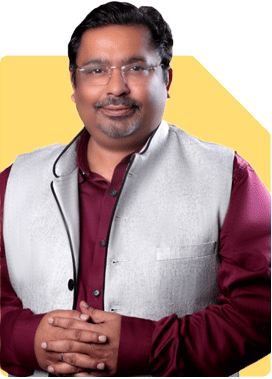
Ramalingam

Ramalingam Kalirajan  |10878 Answers  |Ask -

Mutual Funds, Financial Planning Expert - Answered on Jun 19, 2024

Money
Hi I want to start Mutual fund for my son for Rs 40,000 per month. Heis just 14 years for his studies and mariage. I will be retiring in 2027, November. Kindly suggest wher to invest.
Ans: Investing Rs 40,000 per month for your son's future is a great decision. Your goal is to provide for his education and marriage, which are important milestones. Here’s a comprehensive guide on where to invest, ensuring his future needs are met while you plan for your retirement in November 2027.

Understanding Your Investment Goals
Your primary goals are funding your son's education and marriage. It's essential to prioritize these goals and align your investments accordingly. Education expenses will come sooner, so you need a balanced approach. Marriage expenses are typically further out, so you can afford to take more risks with that portion.

Benefits of Mutual Funds
Mutual funds offer diversification, professional management, and liquidity. They spread risk across various assets, which can help achieve higher returns over the long term. This makes them a suitable choice for your goals.

Types of Mutual Funds to Consider
Equity Funds
Equity funds invest in stocks and aim for capital growth. They are suitable for long-term goals like your son’s marriage, which is likely more than ten years away. These funds can provide high returns but come with higher risks.

Balanced or Hybrid Funds
Balanced funds invest in a mix of equity and debt. They offer a balanced approach to growth and stability. These are suitable for medium-term goals like your son’s education, ensuring steady returns with moderate risk.

Debt Funds
Debt funds invest in fixed income securities and are lower risk. They are suitable for short-term goals or as a part of a balanced portfolio to provide stability. While they offer lower returns compared to equity funds, they help mitigate risk.

Asset Allocation Strategy
Proper asset allocation is crucial. It involves spreading your investment across different asset classes to balance risk and reward.

For Education (Medium-term Goal)
Allocate 60% to Balanced/Hybrid Funds for moderate growth and stability.

Allocate 20% to Equity Funds for higher growth potential.

Allocate 20% to Debt Funds for safety and stability.

For Marriage (Long-term Goal)
Allocate 70% to Equity Funds to maximize growth over the long term.

Allocate 20% to Balanced/Hybrid Funds for some stability.

Allocate 10% to Debt Funds to reduce overall risk.

Regular Monitoring and Rebalancing
Investment performance should be reviewed at least annually. This helps ensure your portfolio remains aligned with your goals. Rebalancing involves adjusting your investments to maintain the desired asset allocation. It’s essential to stay flexible and adjust based on market conditions and personal financial changes.

Risk Management
Understanding and managing risk is crucial in investing. Equity investments can be volatile, but their potential for higher returns makes them suitable for long-term goals. Balancing this with more stable investments like debt funds helps manage overall risk. It’s also important to have an emergency fund to cover unexpected expenses, ensuring you don't need to withdraw from your investments prematurely.

Tax Efficiency
Investing in tax-efficient funds can help you maximize returns. Equity funds held for more than a year qualify for long-term capital gains tax, which is lower than short-term rates. Debt funds held for more than three years also get long-term tax benefits. Consulting a certified financial planner can help you navigate the tax implications effectively.

SIP for Disciplined Investing
Systematic Investment Plans (SIPs) allow you to invest a fixed amount regularly. SIPs instill discipline and reduce the impact of market volatility. Investing Rs 40,000 per month through SIPs ensures regular savings and takes advantage of rupee cost averaging, helping you buy more units when prices are low and fewer when prices are high.

The Role of a Certified Financial Planner
A certified financial planner (CFP) can provide personalized advice, considering your specific financial situation and goals. They can help you choose the right mutual funds, ensure proper asset allocation, and adjust your plan as needed. A CFP can also assist in understanding the fine print and managing risks effectively.

Benefits of Actively Managed Funds Over Index Funds
Actively managed funds aim to outperform the market through expert stock selection and timing. While index funds simply replicate market indices, actively managed funds can potentially offer higher returns through professional management. They can adapt to market changes and capitalize on opportunities, making them more suitable for achieving specific financial goals.

Avoiding Direct Funds
Direct funds might seem appealing due to lower fees, but they require more active involvement and expertise. Investing through a CFP and opting for regular funds ensures professional guidance and management, which can significantly enhance your investment outcomes. The slight increase in cost is often outweighed by the benefits of expert advice and support.

Investing in Children's Education
Education costs are rising, so it’s vital to plan well. Mutual funds can provide the necessary growth to keep up with these costs. Choosing funds with a good track record and aligning them with your time horizon is key. Balanced and hybrid funds can offer a mix of growth and stability, making them ideal for medium-term goals like education.

Investing in Marriage Expenses
Marriage expenses can be significant. Long-term investments in equity funds can help grow your corpus over time. Starting early and staying invested allows you to benefit from compounding returns, making it easier to meet these expenses when the time comes.

Retirement Planning
While your primary focus is on your son's future, don’t neglect your retirement planning. Ensure that your investments also account for your retirement needs. Balanced funds can provide growth and stability, while debt funds can offer safety. A CFP can help integrate your retirement planning with your overall financial goals.

Financial Discipline and Regular Savings
Regular savings and disciplined investing are crucial. Automate your investments through SIPs to ensure consistency. Avoid the temptation to time the market; instead, stay focused on your long-term goals. Regular savings and disciplined investing can lead to substantial wealth accumulation over time.

Insurance Considerations
Ensure you have adequate life and health insurance. This protects your family’s financial future in case of unforeseen events. Avoid investment-cum-insurance policies like ULIPs, which can have high costs and lower returns compared to mutual funds. Pure protection plans, like term insurance, offer higher coverage at a lower cost.

Estate Planning
Estate planning ensures your assets are distributed according to your wishes. Create a will and consider setting up trusts if necessary. This can provide peace of mind and ensure your son’s future is secure even if something happens to you.

Education on Financial Literacy
Educate your son on financial literacy. This can empower him to make informed decisions in the future. Teach him the basics of saving, investing, and managing money wisely. Financial literacy is a valuable skill that will benefit him throughout his life.

Understanding Market Cycles
Markets go through cycles of growth and decline. Understanding these cycles can help manage expectations and reduce anxiety during downturns. Staying invested during market lows can lead to substantial gains when the market recovers. Patience and long-term perspective are essential in investing.

Diversification
Diversification reduces risk by spreading investments across different assets. Avoid putting all your money in one type of investment. By diversifying, you protect your portfolio from significant losses and increase the potential for returns.

Emergency Fund
Maintain an emergency fund equivalent to 6-12 months of expenses. This provides a financial cushion for unexpected expenses or job loss, ensuring you don't need to dip into your investments prematurely.

Keeping Updated with Financial News
Stay informed about financial news and trends. This helps you make informed decisions and adjust your strategy as needed. However, avoid making impulsive decisions based on short-term market movements.

Regular Review and Adjustment
Review your investment plan regularly. Life circumstances and financial markets change, so your plan may need adjustments. A CFP can help ensure your plan remains aligned with your goals and adjusts as needed.

Final Insights
Investing for your son’s future is a wise and thoughtful decision. By choosing the right mutual funds, maintaining proper asset allocation, and staying disciplined, you can achieve your financial goals. Regular monitoring, risk management, and professional guidance are crucial for success. Keep educating yourself and your son about financial matters to make informed decisions.

Best Regards,

K. Ramalingam, MBA, CFP,

Chief Financial Planner,

www.holisticinvestment.in

..Read more

Ramalingam

Ramalingam Kalirajan  |10878 Answers  |Ask -

Mutual Funds, Financial Planning Expert - Answered on Jul 13, 2025

Money
Hello sir My son just turned 18 ..i want to start savings for his future now ... looking for the advice to invest ..mutual funds , sip , equity... which will be better
Ans: Planning for your son’s future is a wise step. Starting early gives more time for wealth to grow. Your son is now 18. He has long-term needs ahead like higher education, marriage, or business setup. A well-thought investment plan will help him stand strong financially.

? Define the Purpose and Timeline First

– Identify the goal clearly.
– Is it education, marriage, or wealth building?
– Also decide the timeline.

If it is education, you may need funds in 3 to 5 years.
If it is marriage or wealth creation, then horizon is 10+ years.
Goal clarity will guide the investment type.

? Avoid Keeping Funds in Savings Account

– Many parents keep money in savings accounts.
– It earns only around 3–4%.
– Inflation eats into this money fast.

That is not good for long-term goals.
You must move this money to high-growth instruments.

? Mutual Funds Offer Good Growth Potential

– Mutual funds are a powerful tool for long-term wealth.
– They allow diversification, professional management, and ease of investing.

You can start SIPs every month.
Even small monthly amounts can grow big over time.

Mutual funds offer various types:
– Equity mutual funds
– Hybrid funds
– Debt funds

For your son’s future, focus more on equity funds.

? Equity Mutual Funds for Long-Term Growth

– Equity mutual funds invest mainly in stocks.
– These are ideal for long-term wealth creation.
– They can beat inflation with higher returns.

If your time horizon is more than 5 years,
then equity funds are your best option.

They may show volatility in short term.
But they reward patient investors over time.

Consider starting SIPs in actively managed equity funds.

Avoid index funds.
They may seem low cost, but have limitations.

? Why to Avoid Index Funds

– Index funds just copy the market index.
– They cannot avoid weak companies in the index.
– They fall with the market, with no flexibility.
– No active fund manager to manage risks.

Actively managed funds have better control.
Fund managers select strong companies and sectors.
They aim to beat market returns, not just match them.

For your son's future, active funds are more suitable.
They offer higher growth potential with better management.

? Hybrid Funds for Moderate Stability

– Hybrid funds invest in both equity and debt.
– These are ideal for medium-risk investors.
– They offer some stability, with equity growth.

If you want to reduce risk slightly,
consider hybrid funds for a portion of the investment.

Still, most of the money should be in pure equity funds
if goal is 10+ years away.

? SIP is Better Than Lump Sum

– SIP means Systematic Investment Plan.
– You invest a fixed amount every month.
– It builds discipline and averages cost over time.

This protects you from market ups and downs.
You don’t have to time the market.

Start SIP in 2 or 3 equity funds.
Avoid investing all in one fund.

Investing monthly builds habit and confidence.
It is best for long-term growth.

? Avoid Direct Mutual Funds Without Expert Support

– Direct plans look cheaper as they save commission.
– But you will get no personal support.
– No help to choose or review funds.
– No alerts when markets change or funds underperform.

Many investors take wrong decisions with direct funds.
Wrong asset mix can reduce returns.

Use regular funds through an MFD with a Certified Financial Planner.
You get expert review, rebalancing, and guidance.
This ensures you stay on track always.

? Review and Rebalance Every Year

– Don’t just start investing and forget it.
– Market cycles change every few years.
– Fund performance also varies.

Do yearly review with your Certified Financial Planner.
Remove underperforming funds.
Shift to better performing categories.

This keeps your portfolio healthy and aligned.

? Don’t Fall for ULIP, LIC, or Endowment Products

– Many parents buy ULIPs or endowment plans.
– They mix insurance and investment.
– Returns are usually poor – around 4% to 5%.
– Lock-in period is long. Exit charges apply.

If you already hold any such plans,
check if they can be surrendered.
Move that money to equity mutual funds.

Buy a term insurance separately for family protection.
Don’t mix investment and insurance again.

? Importance of Term Insurance (if not already)

– Your son depends on you financially.
– You must have term insurance to cover future uncertainties.

Take a large cover for next 10 to 15 years.
It gives peace of mind at a low premium.
This is not an investment – it is protection only.

? Start in Your Name, Transfer Later

– You can start SIPs in your own name now.
– Later, after your son becomes financially stable,
you can transfer ownership or gift the corpus.

This keeps you in control during building phase.
Also helps with goal-based withdrawal later.

? Emergency Fund is Also Needed

– Maintain a fund for emergencies.
– At least 6 months of expenses in bank or liquid funds.
– Don’t invest everything in equity.
– Emergency fund gives safety in crisis.

Avoid touching your son’s education or future money
for unexpected family expenses.

? Investment Discipline is the Key

– Don’t pause SIPs unless absolutely needed.
– Don’t redeem due to market fear.
– Stay invested through cycles.

Time and discipline matter more than the amount.
Start now and continue monthly without gaps.

Increase SIP amount whenever income grows.
This step-up SIP approach builds wealth faster.

? Gold Should Be Less Priority

– Many Indian families prefer gold.
– But gold is not the best long-term investment.

Returns are moderate.
Gold does not produce income or growth.
It is useful only for diversification.

Keep gold at 10% of total investment.
Rest should be in mutual funds.

? Business Setup Support or Education Fund

– If your son wants to study further,
investments can support higher studies.

If he wants to start a business,
this money will be his launchpad.

Plan the fund with purpose.
Build it systematically with SIPs.

Don’t delay. Time will reduce the compounding benefit.

? Tax Rules for Mutual Funds

– Long-term capital gains above Rs. 1.25 lakh
are taxed at 12.5% for equity mutual funds.

– Short-term gains taxed at 20%.

– For debt funds, both gains taxed as per your income slab.

Plan redemptions smartly to reduce tax.
Avoid frequent buying and selling.

? Use SIPs for Tax-Saving Only if Needed

– If you want tax deduction under 80C,
you may consider ELSS mutual funds.

They have 3-year lock-in.
Returns are market linked.

But ELSS is not required if your 80C is already covered
by PPF or term insurance or tuition fees.

? Role of Certified Financial Planner

– You need professional guidance for such long-term goals.
– A Certified Financial Planner gives 360-degree support.

They analyse your goals, risk level, and income.
They suggest suitable funds.
They track your portfolio yearly.

They help you avoid panic moves.
They improve portfolio quality regularly.

Avoid using multiple agents or random online apps.
Work with one planner consistently.

? Finally

– Your son’s future can be secure if you act now.
– Don’t wait or delay decision.
– Start SIPs in equity mutual funds.
– Use actively managed funds, not index funds.
– Avoid direct funds unless you are very experienced.
– Reinvest LIC or ULIP money if already taken.
– Review portfolio every year.
– Build emergency fund too.
– Get proper insurance to protect your family.

This 360-degree approach will give your son a strong future.
You will feel confident and stress-free.

Start small but stay consistent.
Time is the most powerful tool in investing.

Best Regards,
K. Ramalingam, MBA, CFP,
Chief Financial Planner,
www.holisticinvestment.in
https://www.youtube.com/@HolisticInvestment

..Read more

Latest Questions
Dr Nagarajan J S K

Dr Nagarajan J S K   |2577 Answers  |Ask -

NEET, Medical, Pharmacy Careers - Answered on Dec 10, 2025

Asked by Anonymous - Dec 10, 2025Hindi
Ramalingam

Ramalingam Kalirajan  |10878 Answers  |Ask -

Mutual Funds, Financial Planning Expert - Answered on Dec 10, 2025

Asked by Anonymous - Dec 10, 2025Hindi
Money
I am 47 years old. I have started investing in mutual fund (SIP) only since last one year due to some financial obligations. Currently I am investing Rs.33K per month in various SIPS. The details are: Kotak Mahindra Market Growth (Rs. 1500), Aditya BSL Low Duration Growth (Rs. 1400), HDFC Mid-cap Growth (Rs. 12000), Nippon India Large Cap Growth (Rs. 3000), Bandhan small cap (Rs. 5000), Motilal Oswal Flexicap Growth (Rs. 5000), ICICI Pru Flexicap growth (Rs. 5000). I have also started to invest Rs. 1,50,000 per year in PPF since last year. Can I sustain if I retire by the age of 62?
Ans: I can help you with your retirement planning.
You have given a very detailed picture of your investments.
You have also shown strong intent to build wealth at 47.
This itself is a big positive start.

Your Current Efforts

– You started late due to obligations.
– That is understandable.
– You still took charge.
– You now invest Rs.33K every month.
– You also invest Rs.1,50,000 a year in PPF.
– You follow discipline.
– You follow consistency.
– These habits matter the most.
– These habits will help your retirement.
– You deserve appreciation for this foundation.

» Your Current Investment Mix

– You invest in various equity funds.
– You also invest in one low duration debt fund.
– You invest across mid cap, large cap, flexi cap, and small cap.
– This gives you some spread.
– You also invest in PPF.
– PPF gives safety.
– PPF gives steady growth.
– This mix creates balance.

– Please note one point.
– You hold direct plans.
– Direct plans look cheaper outside.
– But they are not always helpful for long-term investors.
– Many investors pick wrong funds.
– Many investors track markets wrongly.
– Many investors redeem at wrong times.
– This affects returns more than the saved expense ratio.
– Regular plans through a MFD with CFP support give guidance.
– Regular plans also help you stay on track.
– Behaviour gap is a major cost in direct funds.
– Thus regular plans with CFP support work better for long-term investors.
– They can correct mistakes.
– They can help with asset mix.
– They can help you stay steady during market drops.
– This gives higher final wealth than direct funds in most cases.

» Your Retirement Age Goal

– You plan to retire at 62.
– You are 47 now.
– You have 15 years left.
– Fifteen years is still a strong time line.
– You can allow compounding to work well.
– Your corpus can grow meaningfully by 62.
– You can also improve your savings rate during this time.

» Assessing If Your Current Plan Supports Retirement

– There are many parts to assess.
– You need to look at your saving rate.
– You need to look at your growth rate.
– You need to look at your future lifestyle cost.
– You need to look at inflation.
– You need to look at post-retirement income need.
– You need to see if your present plan matches this.

– Right now, your total yearly investment is:
– Rs.33K per month in SIP.
– That is Rs.3,96,000 per year.
– Plus Rs.1,50,000 in PPF each year.
– So your total yearly investment is Rs.5,46,000.
– This is a good number.
– This can help your retirement journey.

» Understanding Equity Funds in Your Mix

– You invest in mid cap.
– Mid cap can give good growth.
– Mid cap also carries higher swings.
– You invest in small cap.
– Small cap is the most volatile.
– It can give high returns if held for long.
– But it needs patience.
– You invest in large cap exposure.
– Large cap gives stability.
– You invest in flexi cap.
– Flexi cap funds adjust strategy.
– Flexi cap funds give managers more control.
– Active management is useful in Indian markets.
– Fund managers can shift between market caps.
– They can pick good sectors.
– This improves return potential.
– This is a benefit that index funds do not have.
– Index funds just copy the index.
– Index funds do not avoid weak companies.
– Index funds cannot take smart calls.
– Index funds also rise in cost whenever the index churns.
– Active funds can protect downside.
– Active funds can find better opportunities.
– This is helpful for long-term wealth building.
– So your move towards active funds is fine.

» Understanding PPF in Your Mix

– Your PPF adds stability.
– It gives assured growth.
– It also gives tax benefits.
– It builds a stable part of your retirement base.
– It reduces overall risk in your portfolio.
– It works well over long years.
– You have also chosen a steady long-term asset.
– This is beneficial for retirement.

» Gaps That Need Attention

– Your funds are scattered.
– You hold too many schemes.
– Each additional scheme overlaps with others.
– This reduces impact.
– It also becomes hard to track.
– You can reduce your scheme count.
– A more focused mix can give smoother progress.
– Rebalancing becomes easier.
– You can keep fewer funds but maintain asset spread.
– You can also map each fund to a purpose.

– You also need clarity about your retirement income need.
– Many investors skip this.
– You must know how much money you need per month at 62.
– You must add inflation.
– You must add health needs.
– You must also add lifestyle goals.

» Your Future Lifestyle Cost

– Your cost will rise with inflation.
– Inflation affects food, transport, medical needs.
– Medical inflation is higher than normal inflation.
– Retirement planning must consider this.
– You also need to consider family responsibilities.
– You must consider emergencies.
– You must also consider rising cost of daily life.
– This helps estimate the required retirement corpus.

» Your Future Corpus From Current Savings

– Without giving strict numbers, you can expect growth.
– You invest steadily.
– You invest for 15 years.
– Your equity portion can grow better over long time.
– Your PPF gives predictable growth.
– Your mix can create a decent retirement base.
– But you will need to increase your SIP over time.
– You can raise your SIP by 5% to 10% each year.
– Even small increases help.
– This builds a stronger corpus.
– Your final retirement amount becomes much higher.

» Need for Periodic Review

– Markets change.
– Life situations change.
– Your goals may shift.
– Your income may rise.
– Your responsibilities may change.
– Review every year.
– Adjust as needed.
– A Certified Financial Planner can help.
– This gives clarity.
– This gives structure.
– This gives confidence.
– You can reduce mistakes.
– You can follow proper asset allocation.

» Asset Allocation Approach for Smooth Growth

– You must decide your ideal equity percentage.
– You must decide your ideal debt percentage.
– If you take too much equity, risk increases.
– If you take too little equity, growth reduces.
– You must keep balance.
– It must match your risk comfort.
– It must support your retirement goal.
– Right allocation brings discipline.
– Rebalancing once a year helps.
– Rebalancing controls emotion.
– Rebalancing increases long-term returns.
– Rebalancing keeps your portfolio healthy.

» Importance of Staying Invested During Market Swings

– Markets move up and down.
– Swings are normal.
– Equity grows over long time.
– Equity needs patience.
– People often fear drops.
– They exit at wrong time.
– This hurts long-term wealth.
– You must stay steady.
– You must trust your long-term plan.
– You must follow guidance.
– This improves retirement success.

» Avoiding Common Mistakes

– Many investors pick funds based on recent returns.
– This is risky.
– Fund selection needs deeper view.
– Fund must match your risk.
– Fund must match your time horizon.
– Fund must have consistent process.
– Fund must show reliable pattern.
– Avoid sudden changes.
– Avoid chasing trends.
– Stay with a disciplined plan.
– This ensures better results.

– You must avoid mixing too many categories.
– Focused mix works better.
– Smaller set makes control easy.
– This reduces confusion.

– Do not rely on direct funds for long-term goals.
– Direct funds lack guided support.
– Behavioral mistakes cost more than the lower expense ratio.
– Regular plans help you stay invested.
– They help avoid panic.
– They help during reviews.
– They help create proper asset allocation.
– They help you use the fund in the right way.
– Investment discipline is more important than low cost.
– Regular plans with CFP support deliver this discipline.

» Inflation Protection Through Growth Assets

– Equity protects from inflation.
– PPF adds safety.
– Balanced mix protects your purchasing power.
– Retirement needs this balance.
– Long-term equity portion helps create a healthy corpus.
– This allows you to meet rising living cost.

» How to Strengthen Your Retirement Plan From Now

– Increase SIP every year.
– Even slight hikes help.
– Be consistent.
– Avoid stopping during market drops.
– Do a yearly check-up.
– Reduce scheme count.
– Keep a clear structure.
– Assign each fund a purpose.
– Build an emergency fund.
– This will protect your SIP flow.
– Continue PPF.
– It gives stability.
– It protects your long-term needs.

» Possibility of Sustaining Life After Retirement

– Yes, you can sustain.
– But it depends on three things:
– Your future living cost.
– Your total corpus at retirement.
– Your discipline during retirement.

– If you continue your present saving, your base will grow.
– If you raise your SIP each year, your base will grow faster.
– If you keep a proper asset mix, your base will grow safely.
– If you avoid emotional mistakes, your base will stay strong.
– If you review yearly, your plan will stay on track.

– So sustaining life after retirement is possible.
– You just need stronger structure.
– You also need steady guidance.
– This ensures confidence.

» Retirement Income Planning After Age 62

– Your retirement income must come from a mix.
– Part from equity.
– Part from debt.
– Part from stable instruments.
– Do not depend on one source.
– Plan your withdrawal pattern.
– Take small and stable withdrawals.
– Keep some equity even after retirement.
– This helps your corpus last longer.
– Do not shift everything to debt at retirement.
– That reduces growth too much.
– Balanced approach keeps your money alive.
– This supports your life for long years.

» Health and Emergency Preparedness

– Health costs rise fast.
– You must plan for it.
– Keep health insurance active.
– Keep top-up if needed.
– Keep separate emergency money.
– Do not depend on your investments during emergencies.
– Emergency fund protects your retirement portfolio.
– This keeps compounding intact.
– You can handle shocks with ease.

» Tax Awareness

– Be aware of mutual fund tax rules.
– Equity long-term gains above Rs.1.25 lakh per year are taxed at 12.5%.
– Equity short-term gains are taxed at 20%.
– Debt funds are taxed as per your slab.
– Plan redemptions wisely.
– Do not redeem often.
– Keep long-term horizon.
– This reduces tax impact.
– This helps wealth building.

» Summary of Your Retirement Possibility

– You have a good start.
– You have a workable time frame.
– You have a steady contribution.
– You must refine your portfolio.
– You must increase SIP yearly.
– You must reduce scheme count.
– You must follow asset allocation.
– You must stay disciplined.
– You must get yearly review from a CFP.
– If you follow these, you can reach a healthy retirement base.

» Final Insights

– You are on the right path.
– You have taken the key step by starting.
– You can still create a strong retirement corpus even at 47.
– Fifteen years is enough if you stay consistent.
– Your mix of equity and PPF is good.
– With discipline and structure, your future can stay secure.
– With yearly guidance, you can avoid mistakes.
– With increased SIP, you can boost your corpus.
– You can aim for a peaceful and confident retirement at 62.

Best Regards,
K. Ramalingam, MBA, CFP,
Chief Financial Planner,
www.holisticinvestment.in

https://www.youtube.com/@HolisticInvestment

...Read more

Ramalingam

Ramalingam Kalirajan  |10878 Answers  |Ask -

Mutual Funds, Financial Planning Expert - Answered on Dec 10, 2025

Money
I am 43 yrs old, have sip in Nifty 50 - 3500 Nifty next 50 - 3000 Nippon large cap - 3500 Hdfc midcap - 2500 Parag Flexicap - 3000 Tata small cap - 1300 Gold sip - 500 Hdfc debt fund - 700, lumsum of 10000 in motilal midcap and 20k in quant small cap. accumulated around 2.30 lakhs, started from June, 2024. But overall xirr is very less 3.11. Should I continue the above sips or which sips should be stopped?
Ans: You have started early in 2024, and you already built Rs 2.30 lakhs. This shows discipline. This shows patience. This gives you a good base for your future wealth.

Your XIRR looks low now. This is normal. You started only a few months back. SIPs show low return in the start. Markets move up and down. Early numbers look flat. They look small. They look discouraging. But they improve with time. They improve with longer SIP flow. So please stay calm. The start is always slow. The finish is always strong.

Your effort is strong. Your SIP list is wide. Your savings habit is good. You started at 43 years, but you still have good time to grow your wealth. Every disciplined month builds confidence. Your choices show that you want growth. You want stability. You want balance. This is a good sign.

» Current Portfolio Snapshot
You invest in many groups.

– You invest in Nifty 50.
– You invest in Nifty Next 50.
– You invest in a large cap fund.
– You invest in a midcap fund.
– You invest in a flexicap fund.
– You invest in a small cap fund.
– You invest in gold.
– You invest in a debt fund.
– You put lumpsum in a midcap and small cap fund.

This looks wide. But wide does not mean effective. You hold too many funds in similar areas. That gives duplication. That reduces clarity. That reduces control. You need sharper structure. You need cleaner lines.

» Why Your XIRR Is Low
Your XIRR is only 3.11%. This is normal. Here is why.

– SIP started in June 2024. Very new.
– SIP amount spread across many funds.
– Market volatility in 2024 made early returns look low.
– SIP returns always look weak in early days. They grow with time.

Low short-term return is not a sign of failure. It is not a sign to stop. It is only a sign of market timing. SIP is for long periods. Not for few months.

» Problem of Index Funds in Your Portfolio
You invest in Nifty 50 and Nifty Next 50. Both are index funds. Index funds follow a fixed rule. They copy the index. They do not use research. They do not use fund manager skill. They do not adjust during bad markets. They do not protect much in down cycles. They lock you into index ups and downs.

In India, active fund managers add value. They find better stocks. They exit weak stocks faster. They manage risk better. They use research teams. They use market cycles well. They often beat index returns over long periods.

Index funds look simple. But they lack decision power. They lack flexibility. They lack protection. They give average results. They track the market exactly. They cannot outperform it.

So index funds are not the best choice for your long-term goal. Active funds give more control and more upside over long years.

» Problem of Too Many Funds
You hold too many funds across the same categories. This creates overlap. Two different schemes may hold same stocks. You think you diversify. But you repeat exposure. This weakens your plan.

Too many funds also keep your attention scattered. It reduces discipline. You waste time comparing each fund. You feel lost. You feel uncertain.

Better to keep fewer funds but stronger funds.

» Problem of Direct Funds
If any of your funds are in direct plans, please take note. Direct plans look cheaper because they have lower expense ratio. But they do not give guidance. They do not give personalised strategy. They do not give support during market falls. They do not give behavioural guidance.

Many investors make wrong moves in market dips. They stop SIPs. They redeem at the wrong time. They switch funds too often. They chase returns. This reduces wealth.

Regular plans through a Certified Financial Planner keep you disciplined. They give structure. They give long-term guidance. They reduce errors. They reduce behaviour risk. This helps more than small cost savings.

Regular plans also offer better hand-holding for asset mix, review and goal clarity. This adds real value.

» Fund-by-Fund Assessment
Let me now look at each SIP.

Nifty 50 – This is an index fund. It is passive. It is rigid. Active large-cap funds do better in many years. You may stop this over time.

Nifty Next 50 – Another index fund. Very volatile. Very narrow. You may stop this too.

Nippon large cap – This is active. This is fine. It can stay.

HDFC midcap – This is active. Good long-term category. You can keep this.

Parag flexicap – Flexicap is versatile. Useful for long-term. You can keep this.

Tata small cap – Small caps can grow well. But they need patience. They also need limited allocation. You can keep, but maintain control.

Gold SIP – Small gold SIP is okay for safety.

HDFC debt fund – Debt brings stability. Small SIP is fine.

Lumpsum in midcap and small cap – Keep these invested. They will grow with cycles.

The two index funds are the most unnecessary parts of your plan. These can be stopped. These can be replaced with good active funds already in your system.

» Suggested Structure
You need a cleaner layout.

Keep one large cap active fund.

Keep one midcap active fund.

Keep one flexicap fund.

Keep one small cap fund.

Keep one debt fund.

Keep a small gold part.

This is enough. This gives balance. It gives clarity. It gives growth. It avoids overlap. It avoids confusion.

» SIP Continuation Guidance
Here is the simple view.

Continue your large cap SIP.

Continue your midcap SIP.

Continue your flexicap SIP.

Continue your small cap SIP.

Continue gold SIP.

Continue debt SIP in small proportion.

Stop the Nifty 50 SIP.

Stop the Nifty Next 50 SIP.

Move those two SIP amounts into your existing active funds. This gives you better long-term power.

» Behaviour and Patience
Your returns will not show big numbers for now. You need time. You need patience. You need consistency. SIP is not a race. SIP is a habit. SIP grows slowly. Then it grows big.

Do not judge your plan by the first few months. Judge it after many years. That is where SIP wins. That is where compounding works. That is where discipline shines.

» What Matters More Than Fund Names
The biggest cornerstones are:

Your discipline.

Your patience.

Your time in market.

Your stable SIP flow.

Your emotional stability.

These matter more than any fund selection. You are building them well.

» Asset Mix Guidance
Your mix of equity, debt and gold is good. But you should review this once a year. As you move closer to retirement, increase debt slowly. Reduce small cap slowly. This protects you. This stabilises your progress.

A Certified Financial Planner can help align your asset mix to your goals. This adds real value. This gives stronger structure.

» Taxation View
If you redeem equity funds in future, then keep the current rule in mind. Long-term capital gains above Rs 1.25 lakhs per year are taxed at 12.5%. Short-term gains are taxed at 20%. For debt funds, both gains are taxed as per your income slab.

This will matter only when you redeem. For now, your focus should be growth, not selling.

» Your Long-Term Wealth Path
You have good earnings years ahead. You have strong potential for growth. Your SIP habit is strong. You only need to clean your portfolio. You only need better structure. Then your money will grow well.

You can grow a meaningful corpus if you stay steady. You can even increase SIP when income grows. This gives faster results.

» Emotional Balance
Do not check returns every week. Do not check every month. Check once in six months. Check once in twelve months. SIP is a long game. Treat it like a long game.

Your small XIRR today does not decide your future. Your discipline decides it. You already have it.

» Step-by-Step Action Plan

Step 1: Stop Nifty 50 SIP.

Step 2: Stop Nifty Next 50 SIP.

Step 3: Keep all the remaining SIPs.

Step 4: Shift the stopped SIP amount into your existing large cap and flexicap funds.

Step 5: Continue gold and debt in small amounts.

Step 6: Review once a year with a Certified Financial Planner.

Step 7: Increase SIP amount slowly when income grows.

Step 8: Stay invested for long term.

Step 9: Do not judge returns too early.

Step 10: Keep your patience strong.

» Finally
Your foundation is strong. Your habit is disciplined. Your mix only needs refinement. Your returns will grow with time. Your portfolio will gain strength with consistency. Your path is steady. Your plan will reward you if you follow it with calm and clarity.

Best Regards,

K. Ramalingam, MBA, CFP,
Chief Financial Planner,
www.holisticinvestment.in

https://www.youtube.com/@HolisticInvestment

...Read more

Shalini

Shalini Singh  |180 Answers  |Ask -

Dating Coach - Answered on Dec 10, 2025

Asked by Anonymous - Dec 10, 2025Hindi

Relationship
Hi. I have been in a long distance relationship since 6 months,and i have known my boyfriend since 10 months. He is very understanding, caring,and honest person. He had already told everything about us for his parents and their parents agreed. We both are financially independent. I told my relationship to my parents and they are against it as my boyfriend is from lower caste, different region, not done his degree from a reputed college but a local engineering college, and his status. They are thinking about relatives, and society what will they say, about their pride, status, and all the respect they have earned uptill now will vanish because of my decision. My parents are very protective of me and have given me everything and like me a lot.They are saying its long distance you might have met only 15 times you don't see this person daily to judge his character. If you have known this person for atleast 2/3 years, with u meeting him daily it would be different. But the person i met is honest from the start. They are hurting daily because of my decision. I cant go against them and be happy.
Ans: 1. It is wonderful you have met someone special and in last 10 months you have met him 15 times which averages to meeting him 1.5 times a month. Is it possible to increase this and meet over every second weekend. Can you both travel once.

2. Parents are parents they worry and all parents are protective of their children as are yours. But if they are declining you because of caste etc then please question them asking them to give you an assurance that if they marry you to someone of their choice things will work - In reality there can be no assurance given for any relationship - found by you or introduced by parents as relationships need work by both...both need to grow up, both of you need to be happy individuals for relationship to work + if colleges were the deciding factor then we would not see divorces of those who married in the same caste or are from Stanford, MIT, IIT, IIMs, Inseads of the world.

Here is a suggestion/ recommendation
- meet his family
- get him to meet your parents
- let both set of parents meet

all the best

...Read more

DISCLAIMER: The content of this post by the expert is the personal view of the rediffGURU. Investment in securities market are subject to market risks. Read all the related document carefully before investing. The securities quoted are for illustration only and are not recommendatory. Users are advised to pursue the information provided by the rediffGURU only as a source of information and as a point of reference and to rely on their own judgement when making a decision. RediffGURUS is an intermediary as per India's Information Technology Act.

Close  

You haven't logged in yet. To ask a question, Please Log in below
Login

A verification OTP will be sent to this
Mobile Number / Email

Enter OTP
A 6 digit code has been sent to

Resend OTP in120seconds

Dear User, You have not registered yet. Please register by filling the fields below to get expert answers from our Gurus
Sign up

By signing up, you agree to our
Terms & Conditions and Privacy Policy

Already have an account?

Enter OTP
A 6 digit code has been sent to Mobile

Resend OTP in120seconds

x