Home > Money > Question
Need Expert Advice?Our Gurus Can Help
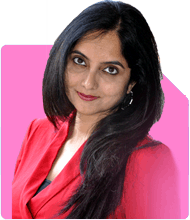
Janak

Janak Patel  |71 Answers  |Ask -

MF, PF Expert - Answered on Jul 10, 2025

Janak Patel is a certified financial planner accredited by the Financial Planning Standards Board, India.
He is the CEO and founder of InfiniumWealth, a firm that specialises in designing goal-specific financial plans tailored to help clients achieve their life goals.
Janak holds an MBA degree in finance from the Welingkar Institute of Management Development and Research, Mumbai, and has over 15 years of experience in the field of personal finance. ... more
Asked by Anonymous - Jul 07, 2025Hindi

Money

Hello Janak Sir.. hope you are doing well..I am 43 year old having 2 daughter 13 and 4 year).Currently I am having 75 lac in MF ,20 lac in FD, around 26 lac in PF and around 5 lakh in other investments.I have 2 houses one is loan free and getting rent for 10000 pm from it.For other flat where I am residing 29 lakh loan is pending and also having 6 lakh loan for car.I am investigating 55000 in MF per month.I am in hand income of 280000.My questions should I start paying loan fast for home loan(7 per) and car loan (9.2 per) by paying on lump sum to become debt free in 4 -5 year or increase SIP in MF?

Ans: Hi,

Your Financials look reasonably good even with some liabilities. Your liabilities stand at about 28% of your assets and 12.5 times your income, which is a healthy ratio by itself.

Your PF amount should not be considered for the purpose you have mentioned and let it remain for retirement. This amount may be earning about 8%, but its completely tax exempt and you should only think to withdraw post retirement.

You have mentioned 5 lakhs in other investments, you will need to evaluate these for liquidity and returns to support the below recommendations. If they are earning better returns than loan rates mentioned then do continue, else you can consider to liquidate and service the loan.

Car Loan -
Your car loan of 6 lakhs is at 9.2%, which I am sure is higher than the returns on your FDs. Returns from FDs are also taxable and clubbed into your income. Even at 7% interest you are effectively getting lower returns (under 5%) post tax. You will be in the highest tax backet based on income. So the car loan should be immediately closed with amounts from the FDs.

Home Loan -
You must be claiming some tax benefits for the home loan in your taxes. You can similarly decide if the benefits is better than the FD returns. Without EMI details, I can only assume and in a lot of cases they are better and hence claiming tax benefits continues. Also with your financial standing you can continue and build wealth now as the returns from Mutual fund investments will out weigh the pre-payment on the loan.
In numbers, lets consider you pay off the home loan amount of 29 lakhs in 5 years, your monthly contribution will be 57K and you would have paid approx. 34.25 lakhs to the bank. If you invest the same 57k monthly in Mutual funds, you would accumulate 47 lakhs in 5 years at 12% returns.

So yes continue with your SIPs and top them up with additional amounts you can and build a good corpus for the future.
Also the remaining FDs amount of 14 lakhs after paying the car loan can be better deployed. Keep about 3 months expenses in FDs and the rest can be moved to a Hybrid Mutual fund (e.g. HDFC balanced advantage fund) to earn better returns.
With 2 daughters, you will be looking to provide them education and better life until they are independent, so every rupee towards that big corpus is going be beneficial in the long run.

Do ensure you have sufficient term life cover and health cover for the family.
You can consult a CFP or a fee based advisor to get a comprehensive financial plan personalized for yourself. It will be worth the effort and money for a secured and bright future for the family.

Thanks & Regards
Janak Patel
Certified Financial Planner.
DISCLAIMER: The content of this post by the expert is the personal view of the rediffGURU. Users are advised to pursue the information provided by the rediffGURU only as a source of information to be as a point of reference and to rely on their own judgement when making a decision.
Money

You may like to see similar questions and answers below

Ramalingam

Ramalingam Kalirajan  |10870 Answers  |Ask -

Mutual Funds, Financial Planning Expert - Answered on May 29, 2025

Asked by Anonymous - May 22, 2025
Money
Hi sir, I am 30 years old, have 1 year old, have health insurance of 20 lacks and term insurance of 1 crore and home EMI of 30,000 per month, tenure left is 202 months, principal 33 lacks remaining, SIP of 21,000 per month - planning to increase it to 30,000 per month, home expenses currently are - 25,000 per month( me, wife, 1 kid), I stay in wagholi - sub urbs of Pune, currently making 1.27 lacks per month, mutual funds portfolio of 6.7 lacks investing since 2019 - my question is - 1. Should I prepayment my home loan faster and better debt free or use the prepayment annual amount in mutual fund lump sum ? 2. I am thinking when my principal amount of home loan reduces to 20 lacks from 33 lacks, then I am thinking of buying a second hand car or 5-6 lacks budget - what do you suggest here ?
Ans: You are just 30 years old. You have already taken steps in the right direction. Your protection planning is strong. Your SIP is consistent. You are also planning for the future. This mindset is very valuable.

Now let us evaluate your financial situation carefully from every angle.

Current Financial Picture – Strong and Promising
You are 30 years old, married, with one-year-old child.

Monthly income is Rs 1.27 lakhs. This gives decent monthly surplus.

SIP of Rs 21,000 already running. Planning to raise it to Rs 30,000 soon.

You have Rs 6.7 lakhs in mutual funds. Investing since 2019. Good commitment.

Health insurance of Rs 20 lakhs is in place. Very good step.

Term insurance of Rs 1 crore is active. Strong protection for family.

Home loan principal of Rs 33 lakhs remaining. EMI is Rs 30,000 per month.

Loan tenure left is 202 months. That is around 17 years.

Household monthly expenses are Rs 25,000. Good control over lifestyle.

Question 1: Prepay Home Loan or Invest in Mutual Fund?
Let us assess this question from multiple directions. This is a very common doubt. Your thinking here is mature.

Loan interest rate is likely between 8% to 9%.

Mutual funds give long-term returns of 12% to 14%. But not fixed.

Home loan interest is fixed cost. Mutual fund return is market-linked.

Loan gives tax benefit under Section 24. But real benefit is limited.

For your income level, net tax saving does not fully justify keeping full loan.

You are young. You have time on your side. You can take little more risk.

However, do not chase higher returns at the cost of mental peace.

If EMI is manageable and savings are growing, continue EMI as usual.

But you can do small annual part prepayment. This reduces interest burden.

Use bonuses or yearly hikes for small prepayments. Not full lump sum.

Avoid large part prepayments unless income becomes uncertain.

At this stage, compounding in mutual funds will benefit you more.

A 30-year-old with long SIPs gains more wealth than early loan closer.

Keep investing lump sum into mutual funds in a staggered way.

Do not invest lump sum all at once. Invest gradually over 3 to 6 months.

Always choose actively managed equity funds. They aim to beat index returns.

Index funds look easy but they can never outperform the market.

Don’t opt for direct funds. They miss expert guidance.

Regular funds through a Certified Financial Planner offer better support.

Suggested Approach for You
Raise SIP from Rs 21,000 to Rs 30,000 per month.

If you get bonus or hike, invest some in SIP top-up. Use some to prepay.

Target one small prepayment per year. Keep it flexible.

This keeps EMI same but cuts down years from the loan.

At same time, you grow your wealth through mutual funds.

This is balanced approach. No emotional stress. No wealth compromise.

Question 2: Buying a Second-Hand Car – Is It Wise?
You plan to buy a used car once loan balance becomes Rs 20 lakhs. Car budget is Rs 5 to 6 lakhs. Let us assess this decision.

This is a personal use decision. Not a financial investment.

If your existing cash flow permits, then it is reasonable.

Do not take car loan. Buy with savings or SIP maturity.

Avoid using mutual fund corpus built for long term.

If planning car in next 2 years, begin a separate short-term fund now.

Save Rs 10,000 monthly in ultra-short or low-duration fund.

By year two, you will have Rs 2.4 lakhs or more. Add bonus to reach Rs 6 lakhs.

Used car means lower depreciation. Better decision than new car.

Don’t break long-term SIPs for buying car. That hurts future goals.

Maintain Rs 2 to 3 lakhs as emergency fund after car purchase.

Planning for Child’s Future – Early Steps Needed
Your child is one year old. You have a good chance to build future corpus now.

Open a separate SIP for child’s education. Start small. Rs 5,000 to Rs 8,000 monthly.

Equity mutual funds can help with long-term compounding.

Start now. You get 15+ years for the goal.

Do not mix this with your retirement or other goals.

Make it a goal-based SIP. Review once a year.

Retirement Planning – Build It Parallelly
You are young now. But retirement planning should start today.

Beyond your home loan EMI and SIP, keep Rs 3,000 to Rs 5,000 monthly for retirement.

Don’t depend only on EPF or PPF.

Equity mutual funds build strong retirement wealth over 25+ years.

Keep this SIP separate. This builds financial freedom faster.

Insurance – You Are On the Right Path
You already have:

Health insurance of Rs 20 lakhs. Continue with it. Upgrade later if required.

Term insurance of Rs 1 crore. That covers basic needs. Reassess every 5 years.

Avoid ULIP or endowment policies. They give poor returns.

If you hold any LIC or investment-linked policy, surrender and move to mutual funds.

Emergency Fund – Protects You from Life Shocks
Keep minimum Rs 2 to 3 lakhs as cash or liquid fund.

Use this only for job loss or medical emergency.

Keep this separate from other savings.

This gives peace of mind when markets or jobs are uncertain.

Asset Allocation – Rebalance Regularly
Your current asset mix is mostly in mutual funds and home equity.

Gradually raise equity exposure with age-appropriate risk.

Avoid heavy FD or gold allocation. They don’t beat inflation.

Once loan is under control and income rises, diversify across equity and hybrid funds.

Review portfolio every year with Certified Financial Planner.

Final Insights
Continue home loan EMI as per schedule. Avoid large prepayments.

Increase SIP now to Rs 30,000. Later increase it yearly.

Invest bonus in combination of SIP top-up and small prepayment.

Don’t touch long-term mutual funds for car. Create separate short-term savings.

Buy car only when savings allow. Don’t go for car loan.

Start SIP for child’s education goal separately. Small amount is fine.

Begin retirement SIP now. Do not delay.

Stay away from direct funds. Regular plans via CFP give guidance and review.

Avoid index funds. They cannot outperform market. Active funds do better.

Keep Rs 3 lakhs in emergency fund. Protects from life surprises.

Review goals every year. Adjust based on salary or family needs.

Best Regards,

K. Ramalingam, MBA, CFP,

Chief Financial Planner,

www.holisticinvestment.in
https://www.youtube.com/@HolisticInvestment

..Read more

Ramalingam

Ramalingam Kalirajan  |10870 Answers  |Ask -

Mutual Funds, Financial Planning Expert - Answered on May 23, 2025

Asked by Anonymous - May 22, 2025
Money
Hi sir, I am 30 years old, have 1 year old, have health insurance of 20 lacks and term insurance of 1 crore and home EMI of 30,000 per month, tenure left is 202 months, principal 33 lacks remaining, SIP of 21,000 per month - planning to increase it to 30,000 per month, home expenses currently are - 25,000 per month( me, wife, 1 kid), I stay in wagholi - sub urbs of Pune, currently making 1.27 lacks per month, mutual funds portfolio of 6.7 lacks investing since 2019 - my question is - 1. Should I prepayment my home loan faster and better debt free or use the prepayment annual amount in mutual fund lump sum ? 2. I am thinking when my principal amount of home loan reduces to 20 lacks from 33 lacks, then I am thinking of buying a second hand car or 5-6 lacks budget - what do you suggest here ?
Ans: You are 30 years old, with a young child, earning Rs. 1.27 lakh monthly, and managing your household well in Wagholi, Pune. You have a SIP habit in place and clear financial priorities. That’s truly a strong base.

Let’s now assess your situation and your two questions in detail.

Cash Flow and Budget Assessment
You are earning Rs. 1.27 lakh each month. That’s a strong start at this age.

Home loan EMI is Rs. 30,000. Household expenses are Rs. 25,000.

SIPs of Rs. 21,000 are happening regularly. You plan to raise it to Rs. 30,000.

After EMI, SIP and expenses, you are left with Rs. 41,000 monthly.

This leftover gives you flexibility to plan and prioritise well.

A strong balance between debt repayment, investments and lifestyle is visible.

Keep tracking actual expenses to avoid lifestyle creep over the years.

Debt Repayment vs Mutual Fund Investment
Let’s now review your first question about prepaying home loan versus lump sum in mutual funds.

Advantages of Home Loan Prepayment
Prepaying cuts interest burden and total outgo.

It helps you become debt free sooner, brings peace of mind.

Every lakh prepaid early saves years of interest.

Reduces EMI pressure in future if income becomes uncertain.

You reduce the tenure instead of EMI. This gives better interest savings.

Advantages of Investing in Mutual Funds Instead
Mutual funds have potential for higher long-term returns.

You build wealth for future needs like child education or retirement.

Money stays accessible if there’s any emergency or job change.

Taxation on equity mutual fund gains is favourable for long-term.

Which is Better for You Now?
You have a 202-month tenure left. That’s nearly 17 years.

Interest on loan is not mentioned, but assuming 8.5%–9%, it’s moderate.

Prepayment in early years gives highest benefit due to higher interest part.

But you are also young and can afford higher risk investments.

You already have SIPs of Rs. 21,000. Planning to raise it to Rs. 30,000.

That’s the right approach. Keep your SIPs going regularly.

With surplus beyond this, you can prepay once a year.

This gives a balanced growth and debt-reduction strategy.

If you do only mutual funds, you may stay in debt longer unnecessarily.

If you do only prepayment, you miss compounding benefits.

A middle path suits you best: Maintain SIPs and prepay once a year.

Set a rule: First Rs. 30,000/month to SIP, surplus to prepay annually.

Your Mutual Fund Strategy Assessment
Your portfolio is Rs. 6.7 lakh. You have started from 2019.

That is a good beginning and shows consistency.

Raising SIP from Rs. 21,000 to Rs. 30,000 is a smart move.

This should be your minimum investment till your child turns 18.

Focus on 2–3 funds only. Too many schemes dilute growth.

Avoid direct plans. You miss personalised guidance.

Regular plans with Certified Financial Planner ensure disciplined review.

A CFP can help you rebalance, track goals, manage risks.

Many investors in direct funds underperform due to wrong fund choices.

Mutual Fund investing is not one-time setup. Needs periodic attention.

Health Insurance and Term Cover Review
You have Rs. 20 lakh health cover. That is decent for now.

But medical inflation is rising. Rs. 20 lakh may feel small in 5 years.

Review top-up policy of Rs. 25 lakh with Rs. 10 lakh deductible.

This gives extended coverage at low premium.

Term cover of Rs. 1 crore is good at your age.

Review again every 5 years or if income doubles.

Car Purchase Assessment
You have a good question about buying a second-hand car when the home loan reduces to Rs. 20 lakh.

Points to Think Before Buying Car
Car is not an asset. It is a depreciating liability.

It gives comfort and convenience but costs monthly fuel, insurance and upkeep.

If your job requires regular travel or you have elders at home, car makes sense.

Budget of Rs. 5–6 lakh for second-hand is sensible.

Avoid loan for car. Buy only if you can pay from savings.

Check that you still maintain Rs. 1.5 lakh–Rs. 2 lakh emergency fund.

Make sure you don’t stop SIPs or reduce them for car EMI.

Right Time to Buy
Wait until loan balance comes to Rs. 20 lakh.

Your SIPs should be already raised to Rs. 30,000/month by then.

Only buy if your MF corpus is at least Rs. 12–15 lakh by then.

Keep the car as a comfort purchase, not a goal.

If you feel strained after buying, then delay purchase.

Your family and peace of mind matter more than owning a car.

Child Future Planning
Your child is 1 year old. Planning early saves a lot.

Focus on 3 goals: Schooling (Rs. 1–1.5 lakh/year), College, and Higher Education Abroad.

All 3 can be funded if your SIPs are sustained for 18 years.

Add one child-focused goal in your mutual fund planning.

Do not mix insurance with investment (like child ULIPs).

Pure mutual funds with step-up SIP will create better wealth.

Consider increasing SIP by 10% each year with income rise.

Emergency Fund and Risk Buffer
You didn’t mention any emergency fund.

Keep at least 4–6 months of expenses in a liquid fund.

That is Rs. 2.5 lakh to Rs. 3 lakh minimum.

This helps during job loss, health event or sudden repair.

Don’t use mutual fund portfolio or SIPs as emergency source.

Emergency corpus should be outside of long-term investments.

Retirement Planning Early Insights
You’re just 30. Great time to plant retirement seeds.

SIPs will help if continued for 25–30 years.

Start a separate SIP bucket for retirement now itself.

Don’t depend only on EPF or NPS if any.

Use mutual funds to build Rs. 3–4 crore by age 55.

That can create passive income of Rs. 1.5 lakh per month.

Early planning gives freedom in later life.

Tax Planning Insights
Your investments are mostly equity mutual funds.

Gains above Rs. 1.25 lakh yearly are taxed at 12.5%.

No tax is paid until units are redeemed.

Debt fund gains are taxed as per your income slab.

Track capital gains from year 2025 as new rules are in force.

Use SIP structure and annual rebalancing to avoid sudden tax shock.

Finally: Your Road Ahead
You have clear income, goals and control over expenses.

Continue SIPs. Raise them smartly every 12 months.

Prepay your loan once every year using surplus funds.

Buy a car only if it doesn’t stop investments.

Build emergency fund now. Increase it as expenses grow.

Start child goal and retirement SIPs in separate buckets.

Review portfolio once a year with a Certified Financial Planner.

Keep insurance and investments separate always.

Avoid investing in property or land as your next step.

Don’t stop SIPs to buy luxury items or vacations.

Keep emotions out of money decisions. Think 5–10 years ahead.

Best Regards,

K. Ramalingam, MBA, CFP,
Chief Financial Planner,
www.holisticinvestment.in
https://www.youtube.com/@HolisticInvestment

..Read more

Ramalingam

Ramalingam Kalirajan  |10870 Answers  |Ask -

Mutual Funds, Financial Planning Expert - Answered on Jun 12, 2025

Asked by Anonymous - Jun 12, 2025
Money
I am 35 now and getting in hand salary of around 275000. I have 3 years son and new born daughter. I have one flat where I am staying which has around 55L loan to be repaid with emi 65k. I am owning one more flat which gives me 20k rent and it has no loan dues. I have MF and Shares worth rupees 22L and ongoing SIP of 40k. I have bought one land of 35L as well for future migration purpose. What should be my next steps to repay loan or increase SIP? I am planning to repay 50K extra each month to home loan and increase SIP to 70k. My home loan is having overdraft facility which gives me feasibility of liquid cash.Will this be fine? I am planning to retire early by 45. Whatever I work beyond that will be extra.
Ans: You are 36 years old and debt-free. You also have Rs. 16–17 lakhs ready. That gives you a strong base. Now, let us look at your decision between plot purchase and mutual funds from a full 360-degree view.

Present Financial Strength
You have no loans. That is a good position.

You are already in a better financial place than most peers.

You have Rs. 16–17 lakhs free. This gives you flexibility.

Being loan-free and liquid at 36 is a powerful place.

Now your next step needs proper thought.

Investment in Plot – Reality Check
A plot looks attractive. But it is not flexible.

Once you buy, you lock your full money into one asset.

A plot does not generate monthly cash flow.

Maintenance, tax and legal issues can arise with plots.

Selling it quickly is tough during emergencies.

Growth in land price is very slow in many cases.

Location may not always favour appreciation.

You may need to spend more to develop it later.

No regular return means wealth is just stuck.

Plot investment is emotional, not financial.

It is not suitable for all financial goals.

If you plan to build a house, that’s different.

But for investment, it is not ideal.

Mutual Funds – A Better Path
Mutual funds offer variety and liquidity.

You can start small or big, as per your plan.

You can invest for short, medium or long term.

You can also pause or withdraw if needed.

They are professionally managed.

They bring diversification across sectors.

You don’t need large capital to start.

You also don’t carry holding cost or legal worries.

Mutual funds offer long-term compounding benefits.

They have transparency and regular reporting.

You stay in control, always.

Understanding Active Funds over Index
You didn’t mention index funds. Still, a quick word.

Index funds just copy the market. Nothing more.

They don’t adjust to risks or themes.

They fall as much as market does.

Actively managed funds try to reduce downside.

Fund managers try to beat market returns.

Active funds give more flexibility in asset selection.

They also follow investment discipline.

For goal-based planning, active funds are better.

Direct Plans vs Regular Plans
You didn’t mention direct mutual funds. Still, let’s clarify.

Direct plans may save cost, but offer no guidance.

When markets fall, they leave you confused.

You may act emotionally and harm your goals.

A Certified Financial Planner adds behavioural support.

A good Mutual Fund Distributor with CFP will guide you.

This is more important than cost saving.

Regular plans include advisory support.

So invest through qualified professionals.

Financial Goal Alignment
Think clearly—what do you want from the money?

Do you have goals like retirement, home, child education?

If yes, mutual funds fit better than land.

Plots don’t match financial goals well.

They can’t be sold in parts to meet needs.

Mutual funds can be used goal-by-goal.

You can create multiple funds for multiple goals.

Emergency Readiness
Plot doesn’t help during emergencies.

It is not liquid and can’t be partly sold.

Mutual funds give access within 1–3 days.

Liquid funds and ultra-short-term funds support emergencies.

Always keep 6–9 months of expenses in these.

Plots have no role in your emergency fund.

Taxation Understanding
Plot sale attracts capital gains tax.

You also need to reinvest sale value to avoid tax.

Mutual fund taxation is clearer and easier.

Long-term equity fund gains above Rs. 1.25 lakh taxed at 12.5%.

Short-term gains from equity taxed at 20%.

Debt funds taxed as per your slab.

Payout and reinvestment are flexible.

Tax filing for funds is also simple.

Growth and Wealth Creation
Mutual funds grow gradually with compounding.

Even small SIPs grow big with time.

You can add more each year as income grows.

You can track and review performance every quarter.

A plot may not grow consistently.

Land markets have ups and downs too.

Many plots stay stagnant for years.

With mutual funds, value creation is more visible.

Psychological Comfort
A plot may feel tangible.

It feels safe because we can touch it.

But this is emotional, not financial.

Mutual funds feel boring but are efficient.

Wealth creation does not need emotional attachment.

Rational decision wins in the long run.

Mistakes to Avoid
Don’t invest in plot without a clear personal use plan.

Don’t put all Rs. 16–17 lakhs into one asset.

Don’t invest just because others are doing it.

Don’t ignore liquidity while chasing growth.

Don’t take emotional decisions with big money.

Don’t delay decision thinking market is high.

Don’t invest directly in mutual funds without guidance.

Better Way to Use Rs. 16–17 Lakhs
Keep Rs. 2–3 lakhs in emergency liquid fund.

Allocate rest in 3–4 mutual fund schemes.

Choose based on goals: 3, 5, 10 years and beyond.

Use goal-based buckets with SIP and lump sum both.

Invest through MFD or Certified Financial Planner.

Review and adjust your portfolio yearly.

Increase SIPs each year as income grows.

Role of a Certified Financial Planner
A CFP will align investments with goals.

They help track your financial life clearly.

They offer behavioural support in tough markets.

They plan for taxes, cash flow and risks.

They help you avoid emotional decisions.

They don’t just sell products—they build strategy.

They keep your financial plan on track.

If You Already Have LIC or ULIP
If you have investment-cum-insurance policies, check returns.

Most give poor returns of 3–5%.

Surrender them if lock-in is over.

Reinvest that amount into mutual funds.

It will help you reach goals faster.

Use term insurance for protection only.

Final Insights
You are 36 and debt-free. This is your strength. Rs. 16–17 lakhs is a big opportunity. A plot may look attractive but has many limits. It locks capital, has no returns, and poor liquidity. Mutual funds are flexible, diversified, and goal-focused. You can start small and build big. You can track progress and change anytime. You can manage risk better with professional help. Avoid direct and index funds. Use regular plans through MFDs with CFP credential. If you have LIC or ULIPs, exit smartly. Mutual funds give you more freedom, growth and control. Take your next step wisely.

Best Regards,
K. Ramalingam, MBA, CFP,
Chief Financial Planner,
www.holisticinvestment.in
https://www.youtube.com/@HolisticInvestment

..Read more

Reetika

Reetika Sharma  |417 Answers  |Ask -

Financial Planner, MF and Insurance Expert - Answered on Oct 09, 2025

Asked by Anonymous - Sep 23, 2025Hindi
Money
I am 35 now and getting in hand salary of around 275000. I have 3 years son and new born daughter. I have one flat where I am staying which has around 55L loan to be repaid with emi 65k. I am owning one more flat which gives me 20k rent and it has no loan dues. I have MF and Shares worth rupees 25L and ongoing SIP of 40k. I have recently started Crypto and gold etf of 10k each which totals my investment to 60k. I have bought one land of 35L as well for future migration purpose. What should be my next steps to repay loan or increase SIP? I am planning to repay 50K extra each month to home loan and increase SIP to 90k. My home loan is having overdraft facility which gives me feasibility of liquid cash.Will this be fine? I am planning to retire early by 45. Whatever I work beyond that will be extra.
Ans: Hi,
First of all congratulations on building a strong foundation. You are doing good by diversifying your capital amongst different assets.
With the current situation, it would be better for you to increase your SIP first. Then prepay loan. Prepaying loan in initial years is beneficial as most of the interest outflow happens in initial few years. If your loan is not that old, can start prepaying that as well.

Along with it, make sure to have an emergency fund, ample health and term insurance as well.

Also plan for your kids higher education. You should start dedicated SIP for each kid for minimum 15k per month solely for higher education.

Share loan details with me for me to calculate if you should focus on prepaying that or not.

Best Regards,
Reetika Sharma, Certified Financial Planner
https://www.instagram.com/cfpreetika/

..Read more

Latest Questions
Ravi

Ravi Mittal  |676 Answers  |Ask -

Dating, Relationships Expert - Answered on Dec 04, 2025

Asked by Anonymous - Dec 02, 2025Hindi
Relationship
My married ex still texts me for comfort. Because of him, I am unable to move on. He makes me feel guilty by saying he got married out of family pressure. His dad is a cardiac patient and mom is being treated for cancer. He comforts me by saying he will get separated soon and we will get married because he only loves me. We have been in a relationship for 14 years and despite everything we tried, his parents refused to accept me, so he chose to get married to someone who understands our situation. I don't know when he will separate from his wife. She knows about us too but she comes from a traditional family. She also confirmed there is no physical intimacy between them. I trust him, but is it worth losing my youth for him? Honestly, I am worried and very confused.
Ans: Dear Anonymous,
I understand how difficult it is to let go of a relationship you have built from scratch, but is it really how you want to continue? It really seems to be going nowhere. His parents are already in bad health and he married someone else for their happiness. Does it seem like he will be able to leave her? So many people’s happiness and lives depend on this one decision. I think it’s about time you and your BF have a clear conversation about the same. If he can’t give a proper timeline, please try to understand his situation. But also make sure he understands yours and maybe rethink this equation. It really isn’t healthy. You deserve a love you can have wholly, and not just in pieces, and in the shadows.

Hope this helps

...Read more

Mayank

Mayank Chandel  |2562 Answers  |Ask -

IIT-JEE, NEET-UG, SAT, CLAT, CA, CS Exam Expert - Answered on Dec 04, 2025

Career
My son will be appearing for JEE Main & JEE Advanced 2026 and will participate in JoSAA Counselling 2026. I request clarification regarding the GEN-EWS certificate date requirement for next year. I have already applied for an EWS certificate for current year 2025, and the application is under process. However, I am unsure whether this certificate will be accepted during JoSAA 2026, or whether candidates will be required to submit a fresh certificate for FY 2026–27 (issued on or after 1 April 2026). My concern is that if JoSAA requires a certificate issued after 1 April 2026, students will have only 1–1.5 months to complete the entire procedure, which is difficult considering normal government processing timelines. Also, during current JEE form filling, students are asked to upload a GEN-EWS certificate issued on or after 1 April 2025, or an application acknowledgement. This has created confusion among parents regarding which year’s certificate will finally be valid at the time of counselling. I request your kind guidance on: Which GEN-EWS certificate will be accepted for JoSAA Counselling 2026 — a certificate for FY 2025–26 (issued after 1 April 2025), or a new certificate for FY 2026–27 (issued after 1 April 2026)?
Ans: Hi
You need not worry about the EWS certificate. Even if you apply for the next year's certificate on 1 Apr 2026, the second session of JEE MAINS will still be held, followed by JEE ADVANCED, which will be held in May. JOSAA starts in June. so you will have 2 months in hand for fresh EWS certificate.

...Read more

DISCLAIMER: The content of this post by the expert is the personal view of the rediffGURU. Investment in securities market are subject to market risks. Read all the related document carefully before investing. The securities quoted are for illustration only and are not recommendatory. Users are advised to pursue the information provided by the rediffGURU only as a source of information and as a point of reference and to rely on their own judgement when making a decision. RediffGURUS is an intermediary as per India's Information Technology Act.

Close  

You haven't logged in yet. To ask a question, Please Log in below
Login

A verification OTP will be sent to this
Mobile Number / Email

Enter OTP
A 6 digit code has been sent to

Resend OTP in120seconds

Dear User, You have not registered yet. Please register by filling the fields below to get expert answers from our Gurus
Sign up

By signing up, you agree to our
Terms & Conditions and Privacy Policy

Already have an account?

Enter OTP
A 6 digit code has been sent to Mobile

Resend OTP in120seconds

x