Home > Money > Question
Need Expert Advice?Our Gurus Can Help

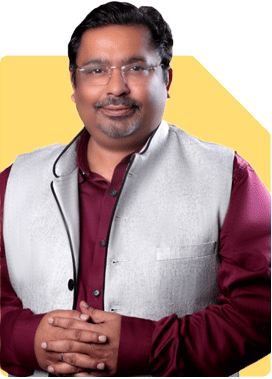
Ramalingam

Ramalingam Kalirajan  |10870 Answers  |Ask -

Mutual Funds, Financial Planning Expert - Answered on Nov 26, 2025

Ramalingam Kalirajan has over 23 years of experience in mutual funds and financial planning.
He has an MBA in finance from the University of Madras and is a certified financial planner.
He is the director and chief financial planner at Holistic Investment, a Chennai-based firm that offers financial planning and wealth management advice.... more

Mel Question by Mel on Nov 25, 2025Hindi
Money

Hello Madam, Hope this mail finds you well ! I have monthly SIP's as follows : Parag P Flexi Cap - 65K, Canara R FlexiCap-35K, Nippon MultiCap-40K, Nippon Pharma-10K, Nifty BeeS ETF-50K, Nifty Gold ETF - 5K, NPS Tier 1- 5K, Kotak Emerging Equity - 17500. Additionally I have STP from Liquid funds into Kotak Emerging Equity - 10K, Axis Small Cap - 27K. Are these MF's, ETF & NPS plan good in terms of investments ? Do I need to change any MF ? How much amount I can expect in the next 10 years if I continue this same investment. What will be the amount if I increase the investment 10% every year ? My current corpus is 1.75 Cr in MF (Equity(80)/Debt (20)), PF - 1.20Cr, NPS-33L, FD-8L, Direct Stocks - 1.33Cr. I have medical insurance of 15L family floater & Term Insurance Plan of 1.5Cr. My current monthly expense is 1.2L. I plan to retire in the next 10 yrs & expenses will be as follows. Monthly expenses currently 1.2L (which I should be able to maintain moving forward considering inflation), I have 2 daughters aged 8 & 13yrs, want as per current estimate 50L each for their higher education and future plans. How much retirement corpus should I target considering the above investment & expenses. Please advise. Thanks in advance.

Ans: You have built a strong base. Your savings discipline is rare. Your asset mix also shows good balance. Your retirement goal is clear. Your questions are valid and important. I will review your plan from every angle.

– You save a high amount every month.
– You have good mix of equity and debt.
– You have covered insurance well.
– You plan ahead for kids and retirement.
– This mindset builds wealth and peace.

» Review of Current Monthly Investments
Your monthly SIP commitment is high and steady. This is a strong advantage for long term wealth.

You invest in flexi cap, multi cap, sector funds, and smart mid and small cap funds. This brings wide equity mix. This mix spreads risk and captures market growth.

Your ETF use shows your interest in passive products. But passive products have drawbacks for Indian investors.

Your NPS amount is also stable. NPS gives long term discipline. It also gives tax benefits.

You also run STPs from liquid funds. This smoothens market timing risk. This is a good step.

» Evaluation of Your Current Scheme Choices
Your overall fund types are right. But you must reduce product clutter in the long run. Many funds create overlap.

Your flexi cap, multi cap, mid cap and small cap mix is good. These are core growth categories. These categories use active fund manager skill. This skill matters in India. Market inefficiency is higher in India. Active funds help more in this market.

Your sector allocation is small. Sector funds carry high risk. Keep exposure small as you are doing.

Your debt use through liquid funds is sensible.

Your ETF use needs attention. Passive products follow an index. Index funds and ETFs copy a basket of stocks. They cannot choose better stocks. They also cannot avoid poor stocks. This limits return. This also increases risk during market falls.

Index funds and ETFs also collect huge money. When markets crash, they fall with the index. They cannot defend. Active funds try to adjust. They try to protect capital better.

ETFs also need demat and market orders. They depend on market liquidity. Low liquidity may widen the gap between NAV and traded price.

Because of these reasons, actively managed funds remain better for long term Indian investors. They give flexibility. They use research. They identify value early. They avoid weak stocks quickly.

» Direct Funds vs Regular Funds
You may hold some direct funds. Direct funds look cheaper on the surface. But they have a hidden disadvantage.

Direct funds give zero guidance. Zero portfolio review. Zero risk alignment. Zero future planning. For a high-value portfolio like yours, this risk is dangerous.

You handle career, family, kids’ future and your retirement. You cannot track every fund, every risk change and every asset shift daily. This can reduce your long term returns.

Regular funds, when invested through a distributor with CFP qualification, give full guidance. They help you stay on track. They adjust your plan. They manage risk. They support your asset mix. They help you avoid wrong decisions during market stress. This service value is bigger than the small cost difference.

A high value portfolio needs professional eyes. A wrong step during a market fall can undo years of work. Regular funds with guidance protect you from this risk.

» Review of Your Risk Spread
Your current mix has flexi cap, multi cap, mid cap and small cap. This shows healthy risk spread.

Your debt portion through liquid and PF is stable. PF gives guaranteed accumulation. It also reduces volatility.
Your NPS allocation also strengthens retirement discipline.

Your direct stocks add some concentration risk. But your total allocation is balanced now.

» Review of Existing Insurance
Your term cover is fine.
Your medical cover is useful.
You can keep a super top-up once income grows.

» Review of Current Assets
MF equity and debt = Rs 1.75 Cr
PF = Rs 1.20 Cr
NPS = Rs 33 L
FD = Rs 8 L
Direct stocks = Rs 1.33 Cr

Your total financial assets are strong. They already give comfort for future goals.
Your expenses are Rs 1.2 L per month now. This is important for future calculations.

» Suitability of Your Present Funds
Your overall allocation category wise is good.
Only two adjustments needed:
– Reduce passive ETF allocation slowly.
– Keep sector exposure small.

Your other funds are fine. They follow broad market. They use active management. They support long term growth.

» Expected Wealth in 10 Years with Same SIP
I will not show formulas. I will give simple insight.

You invest more than Rs 2.5 Lakhs per month. This is a large monthly flow. Over ten years, this flow alone becomes a big amount. Equity will grow it more.

With this pace, your wealth in ten years will be far higher. Your existing Rs 1.75 Cr in MF will also grow. Your PF will grow too. Your stocks may also rise.

You can expect a very sizable long term accumulation if you maintain this pace.

» Expected Wealth if SIP Increases 10% Every Year
A rising SIP builds wealth much faster.
A step-up of 10% per year increases future value deeply.
It helps you fight inflation.
It also aligns with rising income.

If you step up yearly, your ten year wealth will grow significantly more than constant SIP.
The combination of compounding and rising investment creates a powerful effect.

» Kids’ Education Goal
You plan Rs 50 L per daughter.
This is a solid target.
You have ten years and fifteen years left.
Your current investments can cover both goals.
Your long-term SIPs will support these targets.

Keep these goals separate in planning.
Use a stable mix for these goals.
Avoid high sector exposure for kids’ goals.

» Review of Retirement Plan
Your retirement is ten years away.
Your present expense is Rs 1.2 L per month.
After ten years, expenses will rise.
Inflation will increase cost.
Your retirement corpus must cover long years.

You have strong base assets already.
You also add heavy monthly SIP.
Your PF and NPS will aid you later.

You need a large retirement fund because you will live long.
You will need stable income.
Your equity portion will support long life.

» Retirement Corpus Target
You need a large figure for comfortable retirement.
You need to cover living cost, health cost, lifestyle cost.
You also need to keep extra safety buffer.

You already have more than Rs 4 Cr across equity, debt, PF, NPS and stocks.
With ten more years of heavy saving and growth, you will reach a comfortable retirement figure.
You must maintain discipline.
You must keep allocation correct.

Your total future corpus can meet your retirement needs if you continue your plan.
You will have enough to maintain current lifestyle.
Your kids’ goals can also be met.

» Portfolio Streamlining Suggestions
– Keep active funds as core.
– Reduce number of funds slowly.
– Exit passive ETFs slowly.
– Keep sector fund exposure limited.
– Keep mid and small cap allocation moderate.
– Maintain some liquid for safety.
– Keep PF untouched until retirement.
– Continue NPS for long term discipline.

» Asset Allocation Guidance
As you near retirement, shift slowly.
Reduce high volatility categories.
Add stable funds.
Keep equity for growth.
Keep debt for stability.
This balance will support steady income later.

» Behaviour Guidance for Next Ten Years
– Stay invested in all market cycles.
– Do not react to market noise.
– Do not stop SIPs during falls.
– Review allocation yearly.
– Avoid unnecessary fund changes.
– Keep tax impact in mind.
– Keep cash flow stable.

» Tax Notes
New tax rule says equity LTCG after Rs 1.25 L yearly is taxed at 12.5%.
STCG is taxed at 20%.
Debt fund gains are taxed at your slab.
Plan redemptions smartly before retirement.

» Guidance on Future Strategy
– Continue current SIPs.
– Step up yearly as you can.
– Streamline funds with clear purpose.
– Follow active management.
– Avoid direct funds without guidance.
– Review yearly with a Certified Financial Planner.
– Keep strict discipline in investments.
– Maintain strong emergency buffer.

» Mistakes to Avoid
– Avoid direct funds without guidance.
– Avoid high ETF exposure.
– Avoid too many small funds.
– Avoid panic selling.
– Avoid sudden changes without review.

» Your Ten-Year Roadmap
– Continue current SIPs.
– Step up 10% yearly.
– Reduce passive products.
– Keep active products as your core.
– Maintain equity-debt balance.
– Secure kids’ education targets.
– Strengthen retirement assets.
– Keep clear focus.

» What You Can Expect Emotionally
You will see market ups and downs.
You will doubt your plan during falls.
Stay firm.
Your discipline will win long term.
Your family will gain peace and stability.

» Final Insights
Your current plan is strong.
Your discipline is strong.
Your income supports your goal.
Your savings habits support growth.
Only small fixes are needed.
Your retirement target is reachable.
Your kids’ goals are also reachable.
Stay consistent for ten more years.
Your efforts today will create life-long comfort.

Best Regards,
K. Ramalingam, MBA, CFP,
Chief Financial Planner,
www.holisticinvestment.in

https://www.youtube.com/@HolisticInvestment
DISCLAIMER: The content of this post by the expert is the personal view of the rediffGURU. Users are advised to pursue the information provided by the rediffGURU only as a source of information to be as a point of reference and to rely on their own judgement when making a decision.
Money

You may like to see similar questions and answers below

Omkeshwar

Omkeshwar Singh  | Answer  |Ask -

Head, Rank MF - Answered on Sep 09, 2020

Ramalingam

Ramalingam Kalirajan  |10870 Answers  |Ask -

Mutual Funds, Financial Planning Expert - Answered on Sep 06, 2024

Money
Hi Sir, I am 51 year working professional with wife and daughter . I am investing around 70K per month in MF-SIP since last 7-8 years in below MF- 1. Aditya Birla Sun Life multi-cap fund 2. HDFC Flexi fund 3. HDFC top 100 4. Bandhan Flexi Cap 5. Nippon India Growth fund 6. Nippon India small cap 7. SBi Blue Chip I have medical insurance and term plan. My goal are- 1. 1.0Cr. in 5 Years for daughter's higher education. 2. 1.0Cr in 10 Years for daughter's marriage. 3. 3.5 Cr in 8 years for my retirements. I have PPF and Sukanya Samridhi account also. Pls review my investment and guide if this is sufficient to achieve my goals. Thanks
Ans: At 51, you have a structured plan for your family's future, which is commendable. The goals you’ve outlined for your daughter's education, marriage, and your retirement are well-defined, and the fact that you've been consistently investing Rs. 70,000 per month into mutual funds for the past 7-8 years shows that you're disciplined in your approach.

In this comprehensive response, I'll analyze your current portfolio, review your financial goals, and provide detailed insights on how to optimize your investments to ensure you meet these goals without unnecessary risk. My aim is to give you a complete 360-degree financial solution.

Let’s start by addressing each goal and analyzing your current investments in the context of those goals.

Goal 1: Rs. 1 Crore in 5 Years for Your Daughter's Higher Education
Achieving Rs. 1 crore in just 5 years is an ambitious but achievable goal. However, considering the shorter investment horizon, a cautious approach is required. Equity mutual funds, while great for long-term growth, can be volatile over a short to medium-term period, especially when market fluctuations are unpredictable.

Current Investment Strategy: You are invested in a mix of multi-cap, flexi-cap, large-cap, and small-cap funds. While these have performed well over the long term, the risk associated with small-cap and mid-cap funds could be a concern as your daughter’s education approaches. Market corrections could result in lower returns or even potential losses in the short run.

Suggested Approach:

Shift Gradually to Lower Risk Investments: To protect your accumulated wealth, I suggest gradually shifting a portion of your equity investments into safer options like debt mutual funds or hybrid funds. These funds can provide stability and lower volatility while still delivering moderate returns. A good rule of thumb would be to start moving some investments to debt-oriented funds by the third year from now.

Increase Stability Through Hybrid Funds: Consider hybrid funds, which invest in a mix of equity and debt. They offer a blend of growth and security. For example, while large-cap stocks provide moderate growth, the debt portion of the fund ensures stability. This will help you balance risk and reward as the education date nears.

Start with Systematic Transfer Plans (STP): If you want to minimize market timing risk, you can start using STP (Systematic Transfer Plans). STP helps in transferring a fixed amount from an equity mutual fund to a debt fund on a regular basis. This smoothens the volatility and avoids the risk of pulling out your entire investment during a market dip.

Top-Up Your SIP: If you feel that you’re slightly behind in reaching the Rs. 1 crore mark, you can top up your SIPs by an additional 5-10% each year. This will help in offsetting any market underperformance or inflation.

By making these adjustments, you can achieve your Rs. 1 crore goal within 5 years with lower risk, especially as the timeline gets shorter.

Goal 2: Rs. 1 Crore in 10 Years for Your Daughter’s Marriage
Your second goal of Rs. 1 crore in 10 years for your daughter's marriage has a longer investment horizon, which allows you to stay invested in equities for a little longer. Equity funds are known for outperforming other asset classes over a 10-year period, and the market volatility smoothens out over the long term.

Current Investment Strategy: You are invested in large-cap, multi-cap, flexi-cap, and small-cap funds, which offer good growth potential for this 10-year horizon. The flexibility provided by flexi-cap funds (which invest across different market capitalizations) helps to manage volatility, while large-cap funds provide stability.

Suggested Approach:

Stick to Equity Funds for the Next 7 Years: Continue with your equity investments for at least the next 7 years, as equities have the potential to deliver high inflation-beating returns. Large-cap funds provide stability, while multi-cap and flexi-cap funds will offer growth from a mix of mid-cap and small-cap stocks.

Start Transitioning to Debt Funds in Year 7: Around the 7th year, you can start gradually transitioning a portion of your investments into debt funds or hybrid funds. By this time, your portfolio would have benefited from equity market growth, and this shift will protect the wealth you've accumulated from short-term market fluctuations.

Consider Top-Upping SIPs: If you find yourself falling short of the Rs. 1 crore mark, a small increase in SIP contributions each year can help. Even a 5% annual top-up in your SIPs can ensure you meet your goal without compromising on your lifestyle.

Tax Efficiency: Remember, any capital gains from your investments will be subject to taxation. Equity investments held for more than 1 year are taxed at 10% on capital gains exceeding Rs. 1 lakh. Be mindful of this when planning withdrawals.

Goal 3: Rs. 3.5 Crore in 8 Years for Your Retirement
Your retirement goal is to accumulate Rs. 3.5 crore within 8 years. This is a crucial goal as it ensures financial independence in your post-working years. Retirement planning requires a careful balance of wealth accumulation and risk management, particularly as you get closer to your retirement date.

Current Investment Strategy: Your current portfolio mix is aggressive enough to potentially achieve this goal, but as you near retirement, risk management becomes essential. You cannot afford significant losses in the equity market close to your retirement.

Suggested Approach:

Continue with Equity SIPs for the Next 5 Years: Over the next 5 years, continue with your equity SIPs. Equities have historically provided the best inflation-adjusted returns over the long term, which is essential for retirement planning. The large-cap, flexi-cap, and multi-cap funds in your portfolio are well-suited for this purpose.

Start Reducing Risk in Year 5: Around the 5-year mark, you should start transitioning some of your equity investments into lower-risk options. Debt mutual funds, fixed deposits, and other fixed-income securities will help protect the wealth you have accumulated and provide a more stable income stream during your retirement years.

Create a Retirement Income Stream: As you approach retirement, it's important to think about how to generate a steady income from your accumulated wealth. You can consider using systematic withdrawal plans (SWPs) from your mutual fund investments to generate a regular income. This ensures that you get a steady monthly payout while your corpus continues to grow.

Consider Health Care Costs: In retirement, health care costs can increase. Since you have medical insurance, make sure that your coverage is sufficient for potential rising medical expenses. You may want to review your health insurance coverage to ensure that it aligns with your post-retirement needs.

Inflation Protection: Given that inflation can erode the value of your savings, it is crucial that your retirement corpus continues to grow even after retirement. Equities are still a viable option for a portion of your portfolio post-retirement to ensure inflation-adjusted returns.

Reviewing Your Current Portfolio
Let’s look at the mutual funds in which you're currently invested. You mentioned funds such as Aditya Birla Sun Life Multi-Cap Fund, HDFC Flexi Cap Fund, SBI Blue Chip, and Nippon India Small Cap Fund. These funds offer a range of market capitalizations and diversification, which is good for wealth creation. However, it’s also important to evaluate these funds in terms of their performance, fees, and overlap in stock holdings.

Multi-Cap and Flexi-Cap Funds: These funds offer flexibility in investing across large, mid, and small caps. They are a good choice for long-term growth. However, it’s crucial to monitor their performance. Sometimes, funds in these categories may become too focused on one particular segment, defeating the purpose of diversification.

Small-Cap Funds: Small-cap funds can generate significant returns, but they are also highly volatile. Given that you have some short- and medium-term goals (5 and 10 years), you may want to limit your exposure to small-cap funds.

Large-Cap Funds: These provide more stability and are less volatile than small- and mid-cap funds. They should form the core of your portfolio, particularly as you approach your retirement. Large-cap funds are a good fit for wealth preservation while still offering growth.

Diversification and Overlap
While your portfolio is diversified across different market caps, it’s essential to check for overlap in the underlying stock holdings. Overlap occurs when multiple funds hold the same stocks, reducing the diversification benefit. For example, large-cap funds and multi-cap funds may both hold similar stocks, leading to a higher concentration in a few companies.

Action Plan:
Analyze Fund Overlap: Use online tools or consult with a certified financial planner to check the overlap of stocks in your funds. If there’s significant overlap, you may want to adjust your portfolio by reducing exposure to one of the overlapping funds.

Review Fund Performance Regularly: It’s important to review the performance of your mutual funds at least once a year. While long-term investing is the key, underperforming funds should be replaced with better alternatives.

Role of PPF and Sukanya Samriddhi Account
You also have investments in PPF and Sukanya Samriddhi Yojana, which are excellent choices for long-term, risk-free wealth accumulation.

PPF: Public Provident Fund (PPF) is a tax-efficient, risk-free investment with a lock-in period of 15 years. Given its safety and tax benefits, it’s a great addition to your retirement planning. The returns from PPF, though lower than equities, are risk-free and can act as a cushion during market downturns.

Sukanya Samriddhi Yojana: This scheme is an excellent way to save for your daughter’s future, given its attractive interest rates and tax benefits. The yearly Rs. 12,000 contribution is a good start, but if you can increase this contribution, it will help in meeting your daughter’s education and marriage goals more easily.

Insurance Coverage
You currently have insurance policies for yourself, your wife, and your daughter. However, I would suggest revisiting your life insurance coverage. Term insurance is the most cost-effective way to provide financial security for your family in the event of an untimely death.

Review Your Coverage: Ensure that the sum assured is sufficient to cover not just your current expenses, but also your future financial goals. If the coverage seems inadequate, consider increasing it through additional term insurance policies.

Health Insurance: As health care costs are expected to rise, it’s important to have adequate health insurance coverage. Your current medical coverage may not be sufficient in the long run, so consider enhancing it with a super top-up policy to cover higher expenses.

Emergency Fund
You mentioned that you have a small emergency fund. This is important, as it allows you to manage unforeseen expenses without liquidating your long-term investments.

Recommended Fund Size: A good rule of thumb is to keep 6-12 months' worth of living expenses in an emergency fund. Since your monthly expenses are Rs. 11,000, you should aim for at least Rs. 1 lakh in a liquid savings account or a short-term debt mutual fund.
Debt Management
You mentioned a loan of Rs. 8.8 lakh, which is manageable given your income and investment portfolio. However, you should aim to clear this loan as soon as possible. By paying off the loan, you’ll free up more money for investments and reduce your financial stress.

Strategy for Debt Repayment: Focus on repaying this loan in the next 1-2 years, so that it doesn’t interfere with your ability to invest for your financial goals. Once the loan is repaid, the freed-up cash flow can be redirected to your SIPs.
Conclusion
You’ve done an excellent job of building a diversified portfolio, and your disciplined approach to investing is commendable. However, as you get closer to your financial goals, it’s important to shift your strategy from wealth accumulation to wealth preservation. By gradually reducing your equity exposure and moving towards safer investments, you can protect your capital while still generating the returns needed to meet your goals.

Daughter’s Education: Shift to debt funds over the next 3-5 years to reduce risk.
Daughter’s Marriage: Continue with equity for the next 7 years, then transition to safer options.
Retirement: Stick with equities for 5 more years, then reduce risk by shifting to debt and hybrid funds.
Insurance: Ensure adequate life and health insurance coverage.
Emergency Fund: Maintain at least 6-12 months of living expenses in liquid assets.
Loan Repayment: Focus on clearing your loan within the next 1-2 years.
By making these adjustments, you will be well on your way to achieving your financial goals with peace of mind. Remember to review your portfolio regularly and make adjustments as needed.

Best Regards,

K. Ramalingam, MBA, CFP

Chief Financial Planner

www.holisticinvestment.in

..Read more

Ramalingam

Ramalingam Kalirajan  |10870 Answers  |Ask -

Mutual Funds, Financial Planning Expert - Answered on Sep 17, 2025

Money
Hi Sir, I am a 42 years old a private employee and married and have one daughter of 6 years. I have monthly SIP investments of 2,000/- icici prudential large cap , 2000/- nippon india small cap ,2000/-uti mid cap , 1500/- quant flexi cap, 1000/-uti small cap and 500/- hdfc defence fund. total 9000/- per month sip running. And at present my PF accumulation around Rs.10,00,000/- and I have a Bajaj term insurance policy (life coverage Rs.50,00,000). and also have one health insurance of care health . My goal is to generate a corpus of 1 crores in the retirement time and extra some amount for daughter education Kindly suggest me how should I proceed to plan my investments accordingly and also analyses my MF portfolio if needed.(risk factor moderate)
Ans: You have already started disciplined investing, which is very good. Having SIPs, PF, term insurance and health cover at 42 shows strong awareness. Many people delay such steps, but you are already consistent. Let me guide you with a complete 360-degree plan.

» Current financial position
– You invest Rs.9000 per month in SIPs.
– You have PF corpus of around Rs.10 lakh.
– You hold a Bajaj term insurance with Rs.50 lakh cover.
– You also hold a family health insurance policy.
– Your goals include retirement corpus of Rs.1 crore and daughter’s education.

This is a good start, but some adjustments are needed.

» Analysis of your SIP portfolio
– You are investing across six different funds.
– Funds include large cap, mid cap, small cap, flexi cap and defence.
– Exposure to small cap is quite high compared to moderate risk profile.
– Small caps are volatile and can cause stress during market corrections.
– Defence fund is thematic and risky for long term wealth building.
– Having too many funds leads to portfolio overlap and scattered growth.

» Suggested rebalancing of mutual funds
– Keep limited number of funds for better monitoring.
– Large cap and flexi cap give balance and stability.
– Mid cap allocation can be moderate for growth.
– Reduce small cap exposure, as two small cap funds increase volatility.
– Thematic fund like defence can be avoided for retirement planning.
– Redirect that amount into diversified funds instead.
– Active funds with CFP review are better than index funds.
– Index funds lack active management, often underperform in changing markets.
– Actively managed funds give chance of outperformance with professional guidance.

» Direct vs regular mutual funds
– Direct funds seem cheaper, but they lack professional guidance.
– Many investors stop SIPs or exit early due to fear.
– Regular funds through a CFP give discipline and review.
– This support adds more value than small cost savings.
– You avoid mistakes and stay invested longer.

» Target corpus and required discipline
– Your retirement target is Rs.1 crore.
– PF and SIPs together will support this.
– But you may need to increase SIP gradually when income rises.
– Inflation will reduce the real value of Rs.1 crore in 18–20 years.
– So, try to plan for a higher retirement corpus.
– Increasing SIP by even small steps yearly creates large difference.

» Daughter’s education planning
– Education cost in India rises faster than inflation.
– A six-year-old will need funds after 10–12 years.
– This is a medium-term goal compared to retirement.
– Debt and balanced funds can be added for safety of education corpus.
– Only equity may cause timing risk if market falls during withdrawal year.
– So, split education investments into a separate set of funds.

» Insurance protection adequacy
– Rs.50 lakh term insurance may not be sufficient.
– For a family with child, Rs.1–1.5 crore coverage is safer.
– Term cover should replace income till retirement age.
– Premiums are affordable at 42 if applied now.
– Review your term cover and increase as needed.

» Importance of health cover
– You already have a family health policy.
– Review coverage amount and check if it is adequate for future expenses.
– At least Rs.10–15 lakh coverage is safer in today’s healthcare cost.
– Consider super top-up plan for higher coverage at low premium.

» Emergency fund importance
– Keep at least 6–8 months of expenses as emergency fund.
– This should be in liquid form, like savings or liquid fund.
– Do not depend only on PF or SIPs for emergencies.
– Emergency fund gives freedom to continue SIPs even during job breaks.

» Tax efficiency
– Mutual fund tax rules have changed.
– Equity mutual fund LTCG above Rs.1.25 lakh taxed at 12.5%.
– STCG is taxed at 20%.
– Debt mutual funds taxed as per income slab.
– PF continues to give safe and tax-efficient growth.
– So, keep PF contributions consistent along with SIPs.

» Behavioural aspects
– Avoid stopping SIPs during market fall.
– Market volatility is normal and temporary.
– Long-term investors benefit by staying disciplined.
– Rebalancing once in a year with CFP review is helpful.

» Finally
– You are on the right track with SIPs, PF, term cover, and health cover.
– Simplify your SIP portfolio by reducing small cap and thematic exposure.
– Increase SIP amount slowly as income grows.
– Plan separate investments for retirement and education goals.
– Increase term insurance cover to protect your family fully.
– Build emergency fund to cover 6–8 months of expenses.
– Stay with regular funds under CFP guidance for discipline and monitoring.
– By doing these adjustments, you will create wealth with less stress.
– Your retirement corpus and daughter’s education needs will be better secured.

Best Regards,

K. Ramalingam, MBA, CFP,

Chief Financial Planner,

www.holisticinvestment.in

https://www.youtube.com/@HolisticInvestment

..Read more

Ramalingam

Ramalingam Kalirajan  |10870 Answers  |Ask -

Mutual Funds, Financial Planning Expert - Answered on Aug 18, 2025

Asked by Anonymous - Aug 03, 2025Hindi
Money
I am 36 years old. Currently my in-hand salary is 88000. I have an investment of around 15,00,000 in share and mutual fund. 90% of my investment is in mutual fund through SIP. My PPF investment is around 550000 and I am planning to contribute 5000 monthly investment to my PPF account. My EPF balance is 572000. Monthly contribution (Employee contribution) from my salary is 5300. Below are my monthly SIP JM FlexiCap- 4000 Nippon Small Cap - 5000 Parag Parekh FlexiCap - 4500 UTI Nifty50 - 4000 Motilal Oswal Midcap - 4500 Gold ETF -3000 Aditya Birla Tax saver 96 (ELSS) - 2500 Having a FD of 2 lakh for emergency use. Having a term plan of 50 lakh and personal Mediclaim of 10 lakh and also having a Corporate mediclaim. My aim is to reach of 2 cr Corpus by the age of 50 to have financial freedom. Please advise. If any correction is needed in my investment plan then also please guide.
Ans: You have taken a thoughtful approach to your finances.
Your consistency in SIPs and diversified investment efforts are truly appreciable.
Let’s assess your current investment pattern and guide you towards a Rs. 2 crore corpus by age 50.

» Understanding Your Goal and Timeline

– You are 36 now and want to reach Rs. 2 crore by age 50.
– That gives you 14 years to build your financial freedom corpus.
– This is a realistic and achievable goal with structured and strategic investing.
– You are already investing in the right direction. Only some fine-tuning is needed.

» Current Asset Overview

– Mutual Funds + Shares: Rs. 15 lakh
– PPF: Rs. 5.5 lakh (with Rs. 5,000/month ongoing)
– EPF: Rs. 5.72 lakh (Rs. 5,300/month contribution)
– Fixed Deposit: Rs. 2 lakh (emergency use only)
– SIP investments: Around Rs. 27,500/month
– Gold ETF: Rs. 3,000/month (part of SIP total)
– Insurance: Rs. 50 lakh term plan + Rs. 10 lakh health cover + corporate cover

This is a well-balanced base portfolio.
But a few adjustments can make it more future-ready.

» Review of SIP Portfolio

– You have selected diversified schemes across categories. That’s good.
– Let’s look at your SIP categories:

2 Flexi-cap funds (JM, Parag Parikh)

1 Small-cap fund (Nippon)

1 Mid-cap fund (Motilal Oswal)

1 Index fund (UTI Nifty 50)

1 ELSS (Aditya Birla)

1 Gold ETF

Some of these may overlap or dilute performance potential.

» Suggested SIP Corrections

– Avoid index funds like UTI Nifty 50.
– Index funds are passive. They cannot beat the market.
– Actively managed flexi/mid/small-cap funds have the edge in alpha creation.
– Instead of index funds, allocate that Rs. 4,000 to a diversified active fund.

– Your small-cap and mid-cap allocations are fine for long-term growth.
– But small-caps can be volatile. Don't increase beyond Rs. 5,000/month now.

– Two flexi-cap funds are slightly redundant.
– You can merge one and strengthen the one with better long-term performance.

– ELSS is fine if you need tax-saving under old regime.
– Else, no need to continue further ELSS SIPs.

– Gold ETF should be limited to 5-10% of total portfolio.
– Don’t increase monthly investment in gold beyond Rs. 3,000.
– Gold gives stability, not high returns.

» SIP Restructuring Plan (Suggestion Based)

Keep: Parag Parikh Flexicap (Rs. 4,500)

Keep: Nippon Small Cap (Rs. 5,000)

Keep: Motilal Oswal Midcap (Rs. 4,500)

Stop: JM Flexicap (Rs. 4,000)

Stop: UTI Nifty 50 (Rs. 4,000)

Continue ELSS only if using old tax regime (Rs. 2,500)

Keep Gold ETF (Rs. 3,000)

Redirect the freed Rs. 8,000 to a dynamic equity or balanced advantage fund

This will improve diversification and reduce overlap.
Balanced Advantage or Flexicap categories can manage volatility better.

» Regular vs Direct Fund Investing

– Always prefer investing through a Certified Financial Planner using regular funds.
– Direct funds have no personalised guidance, no rebalancing, no strategic review.
– Regular funds with expert help can improve discipline, reduce emotional decisions.
– A planner can also rebalance portfolio based on market cycles and life stages.

– Most investors in direct mode fail to book profit or manage risks.
– Regular route via MFDs with CFP credentials adds strategic value.

» Insurance Cover Adequacy

– You have a term plan of Rs. 50 lakh.
– This is on the lower side for your current age and salary.
– A term cover of Rs. 1 crore minimum is advised.
– This gives peace of mind to your family if any emergency happens.

– Health insurance cover of Rs. 10 lakh is decent.
– Good that you also have corporate mediclaim.
– Ensure your personal policy covers all family members.

» Emergency Fund Positioning

– Your Rs. 2 lakh fixed deposit is helpful for short-term needs.
– Ideally, you should keep 4 to 6 months of expenses as emergency corpus.
– This can be built in ultra short debt funds or arbitrage funds instead of FD.
– These offer better tax-adjusted returns than traditional FDs.

» PPF and EPF Role

– You are contributing Rs. 5,000/month in PPF and Rs. 5,300 in EPF.
– Both these are excellent for stable and tax-efficient compounding.
– But their returns are limited (around 7-7.5%).
– Continue both, but don’t over-invest in them.

– Use them for retirement or safety corpus.
– For wealth creation, your SIPs will drive better growth.

» Asset Allocation Strategy

– Currently, you have about 85% in equity, 10% in fixed income, 5% in gold.
– This is okay for your current age.
– Equity exposure can stay above 75% till age 45.
– After that, gradual shift to hybrid or debt instruments is advised.

– Maintain 5-10% gold.
– Maintain 10-15% fixed income including PPF, EPF, FD.
– Rest should go to equity mutual funds.

» Corpus Growth Estimation

– If you continue Rs. 27,000–30,000/month SIP for 14 years,
– And gradually increase it by 5% each year,
– You can realistically aim for Rs. 2 crore.
– The key is consistency and yearly review.

– If your income increases, boost SIPs further.
– Even an extra Rs. 2,000/month can make a big difference in long run.

» Tax-Saving and Strategy

– If you are under old regime, ELSS + PPF + EPF give Rs. 1.5 lakh deduction.
– If using new regime, ELSS may be skipped.
– Use PPF and EPF more as retirement instruments, not only tax-saving tools.

– Understand mutual fund taxation:
– For equity funds: gains above Rs. 1.25 lakh/year are taxed at 12.5% LTCG
– Short-term gains (less than 1 year) taxed at 20%
– Debt funds taxed as per your income slab, whether long or short term.

– Do annual harvesting of gains for better tax efficiency.
– A Certified Financial Planner can help execute this smartly.

» Avoiding Over-Concentration

– Try to limit schemes to 4–5 quality funds.
– Too many schemes dilute focus and create duplication.
– Stay away from overlapping sector or thematic funds.
– Don’t over-concentrate in small-cap or gold.

– Avoid investing in index funds due to their passive nature.
– Index funds can't manage risks during market fall.
– Active fund managers can shift sectors and protect downside.

» Risk Management and Review

– Review your funds every year.
– Look at consistency, risk-adjusted returns, and fund manager performance.
– Don’t chase top performers.
– Focus on long-term track record and category average.

– Rebalance every 2-3 years to keep your equity-debt-gold ratio in check.
– This ensures discipline and reduces emotional investing.

» Future Actions To Consider

– Increase term insurance to Rs. 1 crore.
– Strengthen emergency fund to 6 months of expenses.
– Align SIPs as suggested for better performance.
– Keep boosting SIPs yearly as income rises.
– Use regular funds through a Certified Financial Planner only.

– Avoid ULIPs, traditional insurance policies or direct stock bets for retirement.
– Mutual funds give better regulated, goal-linked growth.

» Finally

– Your Rs. 2 crore goal by 50 is within reach.
– You already have strong habits in place.
– Just a few adjustments can boost performance and reduce risk.
– Avoid unnecessary complexity.
– Keep asset allocation disciplined.
– Review and adjust every year.

You are on the right path. Stay focused.
Your financial freedom goal is truly achievable with your consistent actions.

Best Regards,
K. Ramalingam, MBA, CFP,
Chief Financial Planner,
www.holisticinvestment.in
https://www.youtube.com/@HolisticInvestment

..Read more

Latest Questions
Ravi

Ravi Mittal  |676 Answers  |Ask -

Dating, Relationships Expert - Answered on Dec 04, 2025

Asked by Anonymous - Dec 02, 2025Hindi
Relationship
My married ex still texts me for comfort. Because of him, I am unable to move on. He makes me feel guilty by saying he got married out of family pressure. His dad is a cardiac patient and mom is being treated for cancer. He comforts me by saying he will get separated soon and we will get married because he only loves me. We have been in a relationship for 14 years and despite everything we tried, his parents refused to accept me, so he chose to get married to someone who understands our situation. I don't know when he will separate from his wife. She knows about us too but she comes from a traditional family. She also confirmed there is no physical intimacy between them. I trust him, but is it worth losing my youth for him? Honestly, I am worried and very confused.
Ans: Dear Anonymous,
I understand how difficult it is to let go of a relationship you have built from scratch, but is it really how you want to continue? It really seems to be going nowhere. His parents are already in bad health and he married someone else for their happiness. Does it seem like he will be able to leave her? So many people’s happiness and lives depend on this one decision. I think it’s about time you and your BF have a clear conversation about the same. If he can’t give a proper timeline, please try to understand his situation. But also make sure he understands yours and maybe rethink this equation. It really isn’t healthy. You deserve a love you can have wholly, and not just in pieces, and in the shadows.

Hope this helps

...Read more

Mayank

Mayank Chandel  |2562 Answers  |Ask -

IIT-JEE, NEET-UG, SAT, CLAT, CA, CS Exam Expert - Answered on Dec 04, 2025

Career
My son will be appearing for JEE Main & JEE Advanced 2026 and will participate in JoSAA Counselling 2026. I request clarification regarding the GEN-EWS certificate date requirement for next year. I have already applied for an EWS certificate for current year 2025, and the application is under process. However, I am unsure whether this certificate will be accepted during JoSAA 2026, or whether candidates will be required to submit a fresh certificate for FY 2026–27 (issued on or after 1 April 2026). My concern is that if JoSAA requires a certificate issued after 1 April 2026, students will have only 1–1.5 months to complete the entire procedure, which is difficult considering normal government processing timelines. Also, during current JEE form filling, students are asked to upload a GEN-EWS certificate issued on or after 1 April 2025, or an application acknowledgement. This has created confusion among parents regarding which year’s certificate will finally be valid at the time of counselling. I request your kind guidance on: Which GEN-EWS certificate will be accepted for JoSAA Counselling 2026 — a certificate for FY 2025–26 (issued after 1 April 2025), or a new certificate for FY 2026–27 (issued after 1 April 2026)?
Ans: Hi
You need not worry about the EWS certificate. Even if you apply for the next year's certificate on 1 Apr 2026, the second session of JEE MAINS will still be held, followed by JEE ADVANCED, which will be held in May. JOSAA starts in June. so you will have 2 months in hand for fresh EWS certificate.

...Read more

DISCLAIMER: The content of this post by the expert is the personal view of the rediffGURU. Investment in securities market are subject to market risks. Read all the related document carefully before investing. The securities quoted are for illustration only and are not recommendatory. Users are advised to pursue the information provided by the rediffGURU only as a source of information and as a point of reference and to rely on their own judgement when making a decision. RediffGURUS is an intermediary as per India's Information Technology Act.

Close  

You haven't logged in yet. To ask a question, Please Log in below
Login

A verification OTP will be sent to this
Mobile Number / Email

Enter OTP
A 6 digit code has been sent to

Resend OTP in120seconds

Dear User, You have not registered yet. Please register by filling the fields below to get expert answers from our Gurus
Sign up

By signing up, you agree to our
Terms & Conditions and Privacy Policy

Already have an account?

Enter OTP
A 6 digit code has been sent to Mobile

Resend OTP in120seconds

x