Home > Money > Question
Need Expert Advice?Our Gurus Can Help
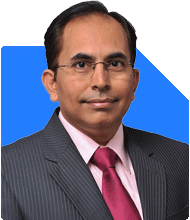
Janak

Janak Patel  |71 Answers  |Ask -

MF, PF Expert - Answered on May 14, 2025

Janak Patel is a certified financial planner accredited by the Financial Planning Standards Board, India.
He is the CEO and founder of InfiniumWealth, a firm that specialises in designing goal-specific financial plans tailored to help clients achieve their life goals.
Janak holds an MBA degree in finance from the Welingkar Institute of Management Development and Research, Mumbai, and has over 15 years of experience in the field of personal finance. ... more
Asked by Anonymous - May 14, 2025

Money

Dear sir, I am 32 years old. I have a home loan of 60 lacks With emi of 50k per month tenure is 25 years, current salary is 1.5 lac ( combined) Mutual funds of 1.4 lacs, lic of ~ 6 lacs but will not broken kept it for retirement, nps of 1.5 lacs. Have much gold but will not be allowed to use. How can I repay my loan in 5-6 years?

Ans: Hi,

To repay loan in 5-6 years time, you will need the outstanding balance of your loan at that time.

Based on calculations of EMI amount of 50K, loan amount of 60 lacs and tenure of 25 years, the outstanding balance amount comes to about 55 lacs (after 5 years).

You currently have LIC and Gold which you cannot use, so lets not consider them.
Your Mutual fund - currently 1.4 lacs will grow to 2.5 lacs (assuming 12% returns).

This means you need to have 52.5 lacs accumulated from other sources.
Lets assume you start investing with a return of 12% for 5 years, you will need to invest 64K to accumulate 52.5 lacs.

I have shown some calculations to give you an idea of what will be required to achieve your goal. But please understand, numbers are numbers and in life everything is not linear and go as we expect. I am not sure if you can even put up with monthly investment of 64K as you are left with 1 lac (after paying EMI) and there are other regular expenses for home and family.

So unless you have other options, which can help towards early payment of loan, I would recommend that you start with the maximum possible investment after your expenses and accumulate as much as possible over the 5-6 years.
There after, you can see if you have reached a respectable amount to reduce your loan burden and take appropriate decision.
I have advised many individuals to continue saving/investing and accumulate a corpus for the future keeping the home loan ongoing. You continue to get some tax benefit on home loan repayment and your interest payment is at a lower rate compared to your investments when you consider over 5 years of investment.

I suggest you connect with a CFP for a closer look at your situation and take guidance on a more realistic timeline to achieve your objectives keeping in mind the risks. A CFP can provide alternatives based on your individual circumstances.

Thanks & Regards
Janak Patel
Certified Financial Planner.
DISCLAIMER: The content of this post by the expert is the personal view of the rediffGURU. Users are advised to pursue the information provided by the rediffGURU only as a source of information to be as a point of reference and to rely on their own judgement when making a decision.
Money

You may like to see similar questions and answers below
Ramalingam

Ramalingam Kalirajan  |10881 Answers  |Ask -

Mutual Funds, Financial Planning Expert - Answered on May 15, 2025

Asked by Anonymous - May 15, 2025
Money
I am 42 years old. Recently bought a home with a loan of 1.14cr where emi is of 98k. I have a OD personal loan of 13L where now the emi is 15k I have credit card outstanding of around 6L where i am just paying the minium due of around 35k My salary is around 1.85k Cas of these emi have stopped my MF and have put the savings of MF in buying the house. I have around 9L in shares and no other savings expect NPS n EPF Pls suggest how to repay and start saving
Ans: You are managing multiple loans along with a home purchase. Though the EMI burden is heavy now, this can be structured and managed well. Let's work on a 360-degree roadmap to reduce debt and restart investments.

Let’s build this plan with clarity, simplicity, and practicality.

1. Assessing Your Current Financial Position

Your monthly income is Rs. 1.85 lakhs.

Your fixed EMI outgo is Rs. 98,000 for the home loan and Rs. 15,000 for the OD loan.

Minimum credit card payment of Rs. 35,000 is being done, but the outstanding is Rs. 6 lakhs.

Total monthly outflow on loans is around Rs. 1.48 lakhs.

This leaves only Rs. 37,000 per month for all other expenses and savings.

Your MF investments are currently paused, and funds used for house purchase.

You still have Rs. 9 lakhs in shares, NPS and EPF as your long-term savings.

This situation is serious, but not unmanageable.

2. High-Priority Action: Stop Credit Card Debt from Growing

Credit card debt is the most expensive debt in India.

Interest charges are around 36% to 42% annually.

Paying only the minimum keeps you in a debt trap.

Make this the top priority: Stop using credit cards now.

Cut all discretionary expenses like dining out, shopping, OTT subscriptions, gifts, travel.

Focus only on needs like food, basic bills, kid’s school, and loan EMIs.

3. Emergency Actions: Deal With Credit Card First

You are paying Rs. 35,000 per month and the loan is not reducing.

Use Rs. 3 to 4 lakhs from your shares portfolio to reduce this outstanding.

Even selling now is better than letting credit card interest eat your money.

Credit card interest eats savings faster than markets can grow.

Prioritise debt freedom before thinking of growing wealth.

4. Consolidate and Restructure Loans

You are paying three EMIs: Home, OD loan, and Credit Card.

Talk to your home loan bank for a top-up loan.

Ask if they can offer you a top-up at the home loan rate.

Use the top-up to pay off OD loan and credit card completely.

This converts high-cost loans into low-cost home loan EMIs.

Your EMI tenure may stretch, but your monthly burden reduces.

It also improves mental peace and cash flow.

5. Break the EMI Trap Cycle With Discipline

Once your credit card is cleared, do not swipe it again.

Make a strict rule: If you can’t pay in full, don’t use it.

Build discipline of spending within what is left after EMIs.

Use debit cards or UPI only for regular payments.

This avoids falling into credit dependency again.

6. Control Expenses Using a Cash Envelope System

This is a simple system for better control.

Withdraw money for weekly needs in cash.

Divide it into envelopes: Groceries, Transport, Utilities, Child Expenses.

Spend only what’s in the envelope.

This helps you live within budget and reduce online impulse spending.

7. Protect What You Already Have

Do not redeem from NPS and EPF. Keep them for retirement.

Do not sell them even if they look attractive now.

Keep at least one lakh aside in savings account for emergencies.

Avoid new liabilities till all loans are under control.

8. Restarting Savings in a Gradual Manner

Once your credit card is cleared and loan EMIs stabilise, resume savings.

Even Rs. 2,000 to Rs. 3,000 per month SIP is a good restart.

Choose actively managed mutual funds through a certified MFD.

Do not go for direct mutual funds now.

Direct funds don’t guide you emotionally or strategically.

Regular funds through MFD with CFP give advice, discipline, and hand-holding.

Direct funds seem cheap, but wrong timing can cause big losses.

Regular route gives human touch and correct asset mix.

9. Why Index Funds Are Not the Right Fit Now

Index funds are passive, they follow the index blindly.

They can’t protect you from market falls.

You need fund managers with experience to reduce risk.

Index funds don’t have downside protection.

Actively managed funds bring strategy, balance, and better alpha.

10. Protect Your Family with Insurance First

Check if you have a term life cover. You are the earning member.

Ideally, you need 15 to 20 times of your annual income.

That means Rs. 2.5 crore to Rs. 3 crore term cover.

Premiums are very low if bought early.

Also, ensure Rs. 10 lakh to Rs. 15 lakh mediclaim cover for family.

One hospital bill can wipe out your hard work.

11. Rebuild Your Investment Strategy Slowly

Start SIPs slowly after 6 months of debt control.

Rebuild portfolio with 3 to 4 diversified equity mutual funds.

Focus more on large and flexi-cap categories.

Don’t go for high-risk small cap or thematic funds now.

Build SIPs till you reach Rs. 15,000 per month over 2 years.

This way you balance loans and long-term wealth creation.

12. Plan for Short-Term and Long-Term Goals Separately

Short term: Clear debts, control expenses, rebuild emergency fund.

Medium term: Resume SIPs, build Rs. 5 lakh liquid fund.

Long term: Retirement, child education, home renovation.

Link each investment to a goal. That builds motivation and focus.

13. Set Financial Discipline for the Next 24 Months

Use a journal or Excel sheet to track monthly cash flow.

List all income, expenses, and balance.

Review it with spouse every month.

Set rules for spending and stick to them.

Celebrate small wins like closing credit cards or saving Rs. 5,000.

14. Don’t Try to Time the Market With Shares

Your Rs. 9 lakh in shares is useful now.

Use it to pay off high-cost debt as discussed earlier.

Once you are free from credit burden, slowly enter back in equity.

But do that only with mutual funds, not direct stocks.

Stocks need time, study, and attention.

MFs are better for busy working people.

15. Align Your Mindset with Financial Peace

This house is an asset. Enjoy living in it without money stress.

Your income is good. Your challenge is high EMI burden.

This is temporary. With action and discipline, it will ease.

You don’t need high returns now. You need stability.

Respect money, and give it direction with a plan.

Finally

This is a phase. You are not alone in this.

Many professionals face this after big purchases.

The important thing is to not freeze or panic.

Your next 6 to 12 months are crucial.

Focus fully on clearing credit cards, restructuring OD, and reducing pressure.

Then resume your investments step-by-step.

Avoid high-risk schemes or shortcuts.

Work with a Certified Financial Planner regularly to stay on track.

Best Regards,

K. Ramalingam, MBA, CFP,

Chief Financial Planner,

www.holisticinvestment.in
https://www.youtube.com/@HolisticInvestment

..Read more

Ramalingam

Ramalingam Kalirajan  |10881 Answers  |Ask -

Mutual Funds, Financial Planning Expert - Answered on Jun 04, 2025

Money
Hello sir I have a housing loan of 12lakhs for period of 20yrs and I have already paid for 14yrs my emi is 12000/- and I am sole earner of my house with family of 6 how can I repay my Loan at the earliest
Ans: You have taken a housing loan of Rs.12 lakhs.

You have already paid EMIs for 14 years.

Only 6 years of EMIs are remaining now.

Your current EMI is Rs.12,000 per month.

You are the sole breadwinner of your family of 6 members.

It is good to see you’ve stayed committed to your EMI.

You are now looking to close the loan early.

Let’s build a full 360-degree solution for you.

We will also protect your family’s financial security.

Your plan must be simple, practical, and stress-free.

Let’s begin step-by-step.

Understand Your Current EMI Status
You have paid EMIs for 14 out of 20 years.

That means most of the loan interest is already paid.

In early years, EMI mostly goes to interest.

Now, most EMI goes towards the loan principal.

So, benefit of prepaying now is lower than before.

Still, closing the loan early gives peace of mind.

You will save some interest.

You will also free Rs.12,000 per month later.

Know Why You Want to Close Early
Some people feel stress about having a loan.

Some want to reduce future commitments.

Some want to save on interest cost.

Some want to avoid loan in retirement.

If any of these reasons are true for you, that’s okay.

But we must also see if you are ready financially.

Your family depends only on your income.

So, closing the loan should not cause a cash shortage.

Think with both your head and heart.

Check Your Current Financial Health
Do you have a good emergency fund now?

Emergency fund means 6 months of your family expenses.

This should be kept in a safe and liquid option.

Do not use this fund to close the loan.

Also check if you have life and health insurance.

In your case, both are very important.

Because 6 people depend on your income.

Without proper insurance, loan closure is not the priority.

So, check these first before loan prepayment.

Protect Family with Insurance First
Take a pure term life insurance policy.

Sum assured should cover your income and loan.

Choose only term insurance.

Avoid any LIC or ULIP plan that mixes investment.

If you already have such policies, consider surrendering.

You can reinvest the amount in mutual funds.

Also, take health insurance for all family members.

One illness can drain savings faster than a loan.

Only after this step, look at closing the loan.

Review Your EMI Comfort Level
Rs.12,000 EMI is not a high burden.

If your income allows, you may continue it.

If it strains your budget, we can look for relief.

But don’t stop EMI without proper plan.

Also, don’t divert essential monthly savings.

Let us now explore different ways to close the loan early.

Method 1: Use Bonus or Lump Sum Income
If you get a bonus or one-time income, use that.

Don’t spend it fully on personal expenses.

Use part of it to reduce your loan balance.

Even a partial payment shortens the loan.

You can prepay once a year if you get yearly bonus.

Some banks allow prepayment without charges.

Just check the terms with your bank.

This is one simple way to repay early.

Method 2: Increase EMI Slightly
If your income allows, raise your EMI amount.

Even Rs.3,000 extra per month helps reduce tenure.

You can contact the bank to increase EMI voluntarily.

Higher EMI means more principal is paid monthly.

Your loan ends sooner, with less interest.

This method is easy and builds discipline.

But do this only if your monthly budget allows.

Do not affect household needs or savings.

Method 3: Start a Monthly Loan Reduction SIP
Open a separate bank account just for loan closure.

Deposit extra Rs.2,000–Rs.5,000 monthly into it.

Use it to make part-payments every 6 months.

This method keeps your EMI same.

But allows extra cash to reduce the principal.

Even small amounts create big impact in long term.

Do not stop this SIP in between.

This is a slow but steady strategy.

Method 4: Liquidate Poor or Idle Investments
Do you hold LIC or ULIP policies?

These give poor returns and high charges.

You can surrender them and use the amount.

Use part of that to repay the loan.

Use the balance to invest in mutual funds.

Also check for any fixed deposits with low return.

You can break them and use funds better.

Don’t use emergency funds or retirement funds here.

Method 5: Avoid Real Estate Investment Again
Some people think of selling one house to repay another.

Or they buy another property and take more loan.

Avoid such steps.

Real estate is not liquid and gives no regular income.

You already have a housing loan.

Focus on becoming debt-free first.

Avoid adding more real estate exposure.

Use funds to repay and invest, not to buy land.

Don’t Ignore Your Long-Term Goals
Loan repayment is a short-term goal.

But retirement and family needs are long-term.

Don’t use all money only to repay loan.

Keep investing for long-term wealth.

Mutual funds are best option for this.

Use regular plans with a Certified Financial Planner.

Avoid direct funds.

Direct funds give no guidance or review.

Regular funds with CFP give full 360-degree help.

Problems with Direct Mutual Funds
Direct mutual funds look cheaper.

But they give no advice or tracking.

You are left alone to choose, monitor, switch.

Many people select wrong funds.

This affects goal achievement badly.

With regular plan and CFP, you get expert support.

You get annual reviews, switching help, rebalancing.

This makes your investment aligned to life changes.

Never choose funds based on online trends or friends’ tips.

Importance of Mutual Fund Planning
Mutual funds create real long-term wealth.

Better than FDs, insurance, gold or real estate.

If you close your loan early, start investing after that.

Even now, invest monthly if you can.

SIPs of Rs.2,000 or Rs.5,000 create strong future wealth.

You can plan retirement, education, or family needs.

Start with few diversified equity and hybrid funds.

Continue it till age 60 or beyond.

Review this yearly with a CFP.

Protect Your Family While Closing Loan
Your biggest responsibility is your family’s safety.

Loan closure should not reduce emergency savings.

Ensure enough money is there for any crisis.

Keep health insurance active always.

Build a solid foundation first.

Then focus on removing loan.

And finally build wealth with mutual funds.

This gives a full-circle financial plan.

Use Guidance from Certified Financial Planner
A CFP sees your situation from all angles.

They suggest the right amount to repay and invest.

They match your goals with fund types.

They track and revise the plan yearly.

This support helps you avoid costly mistakes.

Use a CFP + MFD combo to create a stress-free plan.

Never take investment decisions alone.

Professional guidance creates peace and wealth together.

Finally
You have done well by paying EMIs for 14 years.

You are now close to loan closure.

But don’t rush or take emotional decisions.

First secure your insurance, savings and emergency fund.

Then use bonuses or extra savings to reduce loan.

Increase EMI or create a loan closure SIP.

Don’t ignore mutual fund investments for long-term growth.

Use regular mutual funds via CFP to guide your journey.

A balance between safety and growth brings best results.

You can be debt-free and wealthy with a simple plan.

Start today and stay consistent.

Best Regards,

K. Ramalingam, MBA, CFP,

Chief Financial Planner,

www.holisticinvestment.in
https://www.youtube.com/@HolisticInvestment

..Read more

Latest Questions
Ramalingam

Ramalingam Kalirajan  |10881 Answers  |Ask -

Mutual Funds, Financial Planning Expert - Answered on Dec 12, 2025

Asked by Anonymous - Dec 11, 2025Hindi
Money
Dear sir This is regarding my mother's financials. She is 71 years old and she earns a pension of 31k p.m. She has FD's worth 60 lacs and earns interest income of Rs.25k. I wish to know if we can buy mutual funds worth 10 lacs by diverting funds from FD for better returns. She owns a house and does not have house rent commitment . She is currently investing 10k p.m in SIP . Now the lump sum investment of 5 lacs each is intended to be done in HDFC balanced advantage fund Direct Growth and ICICI Prudential balanced advantage fund . Please advise
Ans: You are caring about your mother’s future.
This shows deep responsibility.
Her financial base also looks strong today.
Her pension gives steady cash.
Her FD interest gives extra safety.
Her home is secure.
Her SIP shows healthy discipline.

» Her Present Financial Position
Your mother is 71.
Her age makes safety a key priority.
But some growth is also needed.

She gets Rs 31000 pension each month.
This covers most basic needs.
Her FD interest adds Rs 25000 per month.
So her total monthly inflow is near Rs 56000.
This is healthy at her age.

She owns her house.
She has no rent stress.
This gives great relief.

She has FD worth Rs 60 lakh.
This gives safe income.
She also runs a SIP of Rs 10000 per month.
This is a good step.
It keeps her connected to long-term growth.

Her total structure looks balanced.
She has safety.
She has income.
She has some growth exposure.
She has low liabilities.

This is a very stable base for her age.

» Understanding Her Risk Level
At age 71, risk must be low.
But risk cannot be zero.
Zero risk pushes money into FD only.
FD return stays low.
FD return sometimes falls after tax.
FD return often stays below inflation.

This reduces future buying power.
Inflation in India stays high.
Medical costs rise fast.
Home repair costs rise.
Daily needs rise.
So some growth is needed.

Balanced exposure gives stability.
Balanced allocation protects both sides.
She should not go too high on equity.
She should not avoid equity fully.
A middle path works best at this age.

Your idea of shifting Rs 10 lakh for growth is fine.
But the type of fund must be chosen well.
The plan must also follow her age.
Her risk must be respected.

» Impact of Growth Options at Her Age
Growth funds move with markets.
Markets move up and down.
These swings can disturb seniors.
But some controlled equity helps fight inflation.

Funds with mix of equity and debt help.
They adjust risk.
They protect capital better.
They manage volatility better.
They offer smoother experience.
They suit senior citizens more.

So a mild growth approach is healthy.
This gives better long-term value.
This gives inflation protection.
This reduces long-term stress.

Still, the fund choice must be careful.
And the plan style must be guided.

» Concerns With Direct Plans
You mentioned direct funds.
Direct funds seem cheap.
But cheap is not always better.

Direct funds give no guidance.
Direct funds give no review support.
Direct funds give no risk matching.
Direct funds need constant study.
Direct funds need skill.
Direct funds need time.

Many investors think direct plans save money.
But small savings can cause big losses.
Wrong choices reduce returns.
Wrong timing reduces gains.
Wrong exit increases tax.

Regular plans bring professional support through MFDs with CFP credentials.
They offer yearly reviews.
They track risk closely.
They guide corrections.
They support crisis moments.
They help in asset mix.
They help keep emotions stable.

This support is very helpful for seniors.
Your mother will not need to study markets.
She will not need to track cycles.
She will not need to worry about volatility.
She can stay calm.

So regular plans may suit her better.
The small extra fee is actually buying professional hand-holding.
This hand-holding protects wealth.
This reduces mistakes.
This brings long-term peace.

» Her Liquidity Need
At age 71, liquidity matters.
She must access money fast during emergencies.
Medical needs can arise.
Health cost can be sudden.
She must be ready.

FD gives quick access.
This is useful.
So FD should not be reduced too much.

Shifting Rs 10 lakh is acceptable.
But shifting more may reduce comfort.
She must always feel safe.
Her emotional comfort is important.

So Rs 10 lakh is the right level.
It keeps major FD corpus safe.
It keeps growth exposure controlled.

This balance supports her peace.

» Her Current SIP
She puts Rs 10000 per month in SIP.
This is positive.
This brings slow steady growth.
This builds long-term value.

She should continue this SIP.
She may reduce it later based on comfort.
But she should not stop it now.
This SIP adds inflation protection.
This SIP builds a small buffer.

A continuous SIP helps smooth markets.
It builds confidence.

» Income Stability for Her
Her pension covers needs.
Her FD interest adds comfort.
Her SIP invests for future needs.
Her home saves rent.

So she has stable income.
Her life standard is maintained.
Her risk level can stay low.

Her monthly cash flow is positive.
Her needs are covered.
So she need not worry about returns too much.
But a little growth is still healthy.

» Should She Shift Rs 10 Lakh From FD?
Yes, she can shift Rs 10 lakh.
This does not hurt her safety.
This does not shake her cash flow.
This supports inflation protection.

But the fund must be right.
The plan must match her age.
The risk must stay low.
The allocation must stay controlled.

A balanced strategy is better.
Smooth returns suit seniors.
Moderate risk suits her age.

Still, the fund must be in regular plan.
Direct plan may cause long-term risk.
Direct plans place the heavy load on the investor.
At her age, this stress is avoidable.
Regular plans give smoother support.

» Why Not Use the Specific Schemes Mentioned
The schemes you named are direct plans.
Direct plans give no support.
Direct plans leave all decisions to you.
Direct plans leave all risk checks on you.

Also, each fund has its own style.
Each adjusts differently.
You must check suitability.
You must review them yearly.
This needs time and skill.

For her age, this is not ideal.
A simple, guided, regular plan works better.

Also, some funds change risk levels fast.
Some increase equity without warning.
Some change style in market shifts.
This can disturb seniors.
She must stay with stable funds.
She must stay with guided models.

This protects her long-term peace.

» The Role of Actively Managed Funds
Actively managed funds suit Indian markets.
India grows fast.
Sectors rise and fall fast.
Many companies grow fast.
Many also fall fast.

Active managers study these shifts.
They adjust quicker.
They avoid weak sectors.
They add strong businesses.
They protect downside.
They enhance upside.

Index funds cannot do this.
Index funds copy indices.
Indices carry weak companies also.
Indices carry overpriced stocks.
Indices do not avoid bad phases.
Indices cannot change weight fast.
So index funds give no defensive shield.

Actively managed funds work harder.
They try to reduce shocks.
They try to smooth volatility.
This suits seniors more.

So an active regular plan through an MFD with CFP credentials is better for her.

» Tax Angle on Mutual Fund Redemption
Capital gain rules matter.
For equity funds, long-term gains above Rs 1.25 lakh have 12.5% tax.
Short-term gains have 20% tax.
Debt fund gains follow your tax slab.

Senior investors must plan exits well.
They must avoid excess tax shock.
They must stagger withdrawals.
They must redeem only when needed.

A guided regular plan helps avoid tax mistakes.
Direct funds offer no such guidance.

» Her Emergency Preparedness
At her age, emergency readiness is key.
She must have quick cash.
She must have easy access.
Her FD base helps this.

She has Rs 60 lakh in FD.
This is strong.
She should keep most of this.
Maybe an emergency bucket of Rs 5 to 10 lakh must stay fully liquid.

This brings peace.
This prevents panic.
This avoids forced redemption.

» Family Support System
You are involved.
This protects her retirement.
You can offer emotional help.
You can offer decision help.
This support makes her financial life safe.

Family support keeps stress low for seniors.
She will feel secure.
She will stay calm during market changes.

» How Her Future Years Can Stay Stable
She needs comfort.
She needs safety.
She needs liquidity.
She needs some growth.
She needs health cover.
She needs emotional peace.

A control-based plan helps:
– Keep most money in FD
– Keep some in balanced mutual funds
– Keep SIP running
– Keep money easily accessible
– Keep risk low
– Keep asset mix simple
– Keep tax impact low
– Keep reviews yearly

This keeps her retirement smooth.

» Built-In Protection for Senior Life
Her plan must also protect future risk.
Medical cost may rise.
Home repairs may occur.
Occasional family support may be needed.

So she must:
– Keep cash bucket
– Keep healthy insurance
– Keep documents updated
– Keep financial papers organised
– Keep digital and physical files safe

This brings long-term safety.

» Withdrawal Strategy
She may not need withdrawals now.
Her income covers expenses.
But she may need money in later years.

She should follow a layered method:

Short-term needs from FD

Medium needs from balanced funds

Long-term needs from SIP corpus

Emergency money from liquid FD

This spreads risk.
This avoids sudden losses.
This protects her capital.

» Assessing the Rs 10 Lakh Transfer
This transfer is fine.
But it must not go to direct plans.
It must go to regular plans.
Guided plans reduce mistakes.
Guided plans suit seniors.

Split into two funds is fine.
But avoid too much complexity.
Simple structure reduces stress.
Easy structure improves clarity.

So two regular plans through an MFD with CFP credentials is ideal.

» Final Insights
Your mother has a strong base.
Her pension is stable.
Her FD pool is healthy.
Her home reduces cost.
Her SIP adds growth.

Adding Rs 10 lakh into balanced mutual funds is a good idea.
But shift to regular plans with expert guidance.
Direct plans are not suitable for seniors.
They bring more risk.
They bring more complexity.
They bring more stress.

Regular plans bring reviews.
Regular plans match risk.
Regular plans reduce mistakes.
Regular plans suit her age.

Her future looks stable with this mix.
Her life can stay comfortable.
She can enjoy her senior years with peace.

Best Regards,
K. Ramalingam, MBA, CFP,
Chief Financial Planner,
www.holisticinvestment.in

https://www.youtube.com/@HolisticInvestment

...Read more

Ramalingam

Ramalingam Kalirajan  |10881 Answers  |Ask -

Mutual Funds, Financial Planning Expert - Answered on Dec 12, 2025

Asked by Anonymous - Dec 12, 2025Hindi
Money
Hi, I am 53 years with a wife and two children. My total savings comprising of MF, Shares, PDF,EPF, NPS & FD are approx. 3Cr. Our current monthly outgoing including SIPs is approximately 100000. Will the above savings amount be sufficient to sustain for the next 20 years?
Ans: You have managed to build Rs 3 Cr by age 53.
This shows steady discipline.
Your savings mix also looks balanced.
Your family seems stable.
Your cost control also looks fair.
This gives a good base for the next stage of life.

» Your Current Position
Your savings stand near Rs 3 Cr.
Your monthly outflow is near Rs 100000.
This includes your SIP amount also.
Your family has four members.
You have two children.
Your wife is with you.
You have a mixed pool across MF, shares, PF, EPF, NPS, and FD.
This mix brings both growth and stability.
This gives you a good base.

Your age is 53.
You have around 7 to 12 working years left.
This period is crucial.
Your decisions now shape the next 20 years.
Your savings rate also matters.
Your cost control also shapes the future.

Today’s numbers show you have a good foundation.
But sustainability depends on many factors.
We must study inflation, spending pattern, growth pattern, tax, risk level, health cost, and cash flow flexibility.

» Understanding the Cash Flow Stress
Your family spends around Rs 100000 today.
This includes SIP.
After retirement, SIP will stop.
But living costs will continue.
Costs increase each year.
Inflation can eat cash fast.
So we must ensure growth in wealth.
Slow growth can stress the corpus.
Fast growth brings more shocks.
So balance is key.

Rs 3 Cr looks large today.
But 20 years is long.
Inflation reduces buying power.
Medical costs also rise.
Family needs also shift.

Your money can last 20 years.
But it needs correct planning.
Blind use of the corpus will not help.
Proper flow matters.
Proper asset selection also matters.
You need steady growth.
You need low shocks.
You need stable income.

» Role of Growth Assets
Many families fear growth assets.
But growth assets are needed today.
Inflation is strong in India.
If money stays in FD only, it suffers.
FD return stays low.
Post-tax return stays even lower.
FD return does not beat inflation.
FD cannot support long-term plans.

Mutual funds bring better growth.
Actively managed funds bring better research.
They allow expert judgement.
They can handle market swings better.
They study sectors and businesses.
They adjust the portfolio.
They aim for more consistent returns.
This helps protect wealth.

Some people choose direct plans.
But direct plans need full time study.
They need skill.
They need discipline.
Most investors do not have the time.
Wrong choices can reduce returns.
Direct plans give no guidance.
Direct plans can reduce long-term peace.

Regular plans through an MFD with CFP credential give better support.
They help with reviews.
They help with corrections.
They help with rebalancing.
They help manage behaviour.
They save time and stress.

You already have MF exposure.
This is good.
You should keep this path.
Active fund management will help long-term stability.

» Role of Safety Assets
You have EPF, PPF, NPS, FD.
These give safety.
They give peace.
But they give lower return.
Too much safety reduces future income.
A mix of both is needed.

Safety assets give steady income.
But they do not grow fast.
They cannot support 20 years alone.
So balance must be kept.

» Assessing the Sustainability for 20 Years
Rs 3 Cr can support 20 years.
But it depends on:

Your retirement age

Your spending pattern

Your ability to reduce costs

Your asset mix

Your growth rate

Your inflation level

Your health cost

Your emergency needs

If your core expenses stay in control, your corpus can last.
If you invest well, your corpus can support you.
If you avoid panic, your wealth will grow.
Your children may also get settled.
Your own needs may reduce.

The key is proper planning.
Without planning, the corpus can shrink fast.
With planning, it will last long.

» Inflation Impact
Inflation is silent.
It eats buying power.
Costs double every few years.
Food rises.
Health rises.
Daily life rises.
School fees rise.
Lifestyle rises.

If your money grows slower than inflation, you lose power.
So growth assets must be part of the plan.
They help beat inflation.
They help protect lifestyle.
They help support long-term needs.

This is why active mutual funds stay useful.
They bring research-driven decisions.
They help fight inflation better.
They stay flexible.
They move with the economy.

» Evaluating Your Retirement Readiness
You stand near retirement zone.
You still have some working life.
You still earn.
You still save.
Your income supports your SIP.
This is good.
This is the right stage to improve planning.

Your SIP amount builds future cash.
Your insurance must be proper.
Your emergency fund must be strong.
Your health cover must be strong.

You have PF and NPS.
These give safety.
They bring stability.
They give steady return.
But they do not give high return.
Growth will come from MF and equity.

Your retirement readiness depends on:

Cash flow plan

Growth plan

Insurance plan

Medical cover plan

Long-term income plan

Withdrawal plan

When all parts align, you will stay secure.

» Withdrawal Strategy for the Future
When you retire, cash flow must stay smooth.
You cannot depend on FD alone.
You cannot depend only on EPF.
You cannot depend on one asset class.
You need a mix.

Your withdrawal should come from:

Some from safety assets

Some from growth assets

Some from periodic rebalancing

This helps you avoid panic selling.
This helps you maintain stability.
This protects your lifestyle.

Tax must also be managed.
Tax on equity MF has new rules.
Long-term gain above Rs 1.25 lakh has 12.5% tax.
Short-term gain has 20% tax.
Debt MF gain follows your tax slab.
These rules shape your withdrawal plan.
You must plan redemptions wisely.

» Health and Family Factors
Health cost is rising in India.
Hospital bills rise fast.
Health shocks drain savings.
So good health cover is needed.
Family needs must be studied.

Your children may still need some support.
Their education or marriage may need funds.
These costs must be planned early.
You should not dip into retirement money.
Clear planning avoids stress.

Your wife also needs future support.
Joint planning is better.
Shared decisions help discipline.

» Need for a Structured Review
A structured review every year is needed.
Your income may change.
Your savings may rise.
Your spending may shift.
Your goals may change.
Your risk level may shift.
Your family needs may change.

Review helps you stay on track.
Review helps catch issues early.
Review helps you correct mistakes.
Review brings peace.

A Certified Financial Planner can guide reviews.
This support builds confidence.
This reduces stress.
This brings clarity.

» How to Strengthen Your Position
You already stand strong.
But you can still improve.
Here are some steps to make your 20 years safer.

Keep your growth-safety mix balanced

Increase your SIP when income allows

Avoid direct plans if guidance needed

Use regular plans for proper support

Avoid real estate due to low returns

Increase your emergency fund

Improve your health cover

Avoid ULIP and mixed plans if you ever have them

Review your EPF and NPS allocation

Track your spending carefully

Plan for yearly rebalancing

Keep enough liquidity for short needs

Keep boredom decisions away

Stay invested even in tough times

Trust long-term compounding

Each step adds stability.
Your family will feel safe.

» Building a Strong Future Income Flow
Income must not come from one basket.
Income should come from:

MF SWP

PF interest

FD ladder

NPS withdrawal in a slow way

Equity redemption in a planned way

This spreads risk.
This spreads tax.
This spreads stress.

Staggered withdrawal helps peace.
Your money grows even while you spend.
Your corpus stays healthy.

» Maintaining Low Stress in Retirement
Retirement should be peaceful.
Money stress should be low.
Good planning ensures this.

Keep clear communication with your family.
Keep your files organised.
Keep your goals updated.
Keep calm during market swings.

Your corpus can support you.
Your strategy will shape your peace.

» Final Insights
Your Rs 3 Cr corpus is a strong base.
Your age gives you time to improve more.
Your monthly spending is manageable.
Your asset mix supports your future.

But planning is needed.
Cash flow must be aligned with inflation.
Growth assets must stay active.
Safety assets must be balanced.
Withdrawal must be planned wisely.
Health cost must be covered.
Risk must be contained.

With proper planning, your wealth can support the next 20 years.
Your family can live with comfort.
Your lifestyle can stay stable.
Your future can stay safe.

Best Regards,
K. Ramalingam, MBA, CFP,
Chief Financial Planner,
www.holisticinvestment.in

https://www.youtube.com/@HolisticInvestment

...Read more

Reetika

Reetika Sharma  |423 Answers  |Ask -

Financial Planner, MF and Insurance Expert - Answered on Dec 12, 2025

Money
Dear Sir, I am 60 yrs and just superannuated. I have no pension and the spread of corpus is as follows; - MF & Shares portfolio value is around 1 Cr. SWP of 40000/month initiated. But SIP of 20000/month is also on for next six months - FDs in bank is around 3. Cr and are in Quarterly pay-out interest - PPF of 20 Lac - RBI Bond of 16 lac half yearly interest pay out - PF 90 Lac not withdrawn so far as I can extend this with 1 yr. - Few SA pension 63000 per year Please do suggest if the above can give me expenses to meet 2.5 Lac/m for next 20 yrs Best regards,
Ans: Hi Deepa,

Overall your total networth is 5 crores (including PF, FD, MF, binds etc.) - we will break it into 4 crores (which can be used to fund your retirement) and 1 crore for emergencies.
If invested correctly, this 4 crores can fund you for 20 years and not more than that. You need to invest 4 crores so that they fetch you around 11-12% XIRR to fund your monthly expenses. Also withdraw your PF, liquidate 2 crores from FD and reinvest entirely.

Take the help of a professional who will design your portfolio keeping in mind your monthly requirements for the next 20 years.

Hence please consult a professional Certified Financial Planner - a CFP who can guide you with exact funds to invest in keeping in mind your age, requirements, financial goals and risk profile. A CFP periodically reviews your portfolio and suggest any amendments to be made, if required.

Let me know if you need more help.

Best Regards,
Reetika Sharma, Certified Financial Planner
https://www.instagram.com/cfpreetika/

...Read more

Reetika

Reetika Sharma  |423 Answers  |Ask -

Financial Planner, MF and Insurance Expert - Answered on Dec 12, 2025

Asked by Anonymous - Nov 08, 2025Hindi
Money
I am doing 2Lkh monthly SIP as following: 1. Parag Parikh flexi - 50K 2. Tata Small cap - 50K 3. Invesco India Small cap - 50K 4. Quant Mid cap - 20K 5. HDFC Index - 10K 6. Tata Nifty Midcap 150 momentum 50 index - 10K 7. Edelweiss US Tech FOF - 10K My wife is running 30K monthly SIP, 6K in each 1. Quant Small cap 2. Quant Flexi cap 3. Kotak Multi cap 4. JioBlackrock Nifty 50 index 5. JioBlackrock Flexi cap My dad also invest 30K in SIP monthly, 6K in each 1. Parag Parikh flexi 2. Axis small cap 3. Kotak flexi cap 4. Edelweiss mid cap 5. Tata nifty midcap 150 momentum 50 I am investing for retirement with 15 year horizon. Whereas my wife is investing for my daughter’s education and marriage - she is targeting to invest for 17 years (and keep invested till our daughter marriage). My father is 70 and has 15 year investment horizon - to pass on as a gift to his grandkids. Please evaluate the investment strategy.
Ans: Hi,

It is a very good habit and strategy to align your investments with your goals. You, your wife and your father are on the right track. However the funds you described are not in alignment with your goals and highly overlapped one.
It is always better to take the help of a professional when it comes to money.
A single mistake can break your portfolio. Please do work with a dedicated professional to correct your strategy.

Do consult a professional Certified Financial Planner - a CFP who can guide you with exact funds to invest in keeping in mind your age, requirements, financial goals and risk profile. A CFP periodically reviews your portfolio and suggest any amendments to be made, if required.

Let me know if you need more help.

Best Regards,
Reetika Sharma, Certified Financial Planner
https://www.instagram.com/cfpreetika/

...Read more

DISCLAIMER: The content of this post by the expert is the personal view of the rediffGURU. Investment in securities market are subject to market risks. Read all the related document carefully before investing. The securities quoted are for illustration only and are not recommendatory. Users are advised to pursue the information provided by the rediffGURU only as a source of information and as a point of reference and to rely on their own judgement when making a decision. RediffGURUS is an intermediary as per India's Information Technology Act.

Close  

You haven't logged in yet. To ask a question, Please Log in below
Login

A verification OTP will be sent to this
Mobile Number / Email

Enter OTP
A 6 digit code has been sent to

Resend OTP in120seconds

Dear User, You have not registered yet. Please register by filling the fields below to get expert answers from our Gurus
Sign up

By signing up, you agree to our
Terms & Conditions and Privacy Policy

Already have an account?

Enter OTP
A 6 digit code has been sent to Mobile

Resend OTP in120seconds

x