Home > Money > Question
Need Expert Advice?Our Gurus Can Help
Reetika

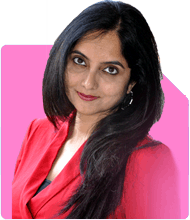
Reetika Sharma  |417 Answers  |Ask -

Financial Planner, MF and Insurance Expert - Answered on Nov 19, 2025

Reetika Sharma is a certified financial planner and CEO of F-Secure Solutions.
She advises clients about investments, insurance, tax and estate planning and manages high net-worth individual’s portfolios.
Reetika has an MBA in finance from the Institute of Chartered Financial Analysts of India (ICFAI) and an engineer degree from NIT, Jalandhar.
She also holds certifications from the Financial Planning Standards Board India (FPSB), Association of Mutual Funds in India (AMFI) and Insurance Regulatory and Development Authority of India (IRDAI).... more
Asked by Anonymous - Nov 07, 2025Hindi

Money

I am 24 years old and currently investing ₹3,000 each in Invesco India Large & Midcap Fund and WhiteOak Midcap Fund through SIP for the past one year. Now, I plan to increase my SIP by ₹5,000 and would like to diversify into two different categories. Considering the current market valuations, I am a bit confused whether to allocate ₹2,500 each in a Multicap and a Value Fund, or ₹2,500 each in a Small Cap and a Value Fund. My investment horizon is 15 years. Could you please advise which combination would be more suitable at this stage? Thanking you in advance.

Ans: Hi,

It is very good for you to start investing such an early age with an incremental SIP. You will definitely create a good corpus for your future. You should go for 2500 each in a Multicap and Value Fund each. This is a good way of diversification.
Or you can start with 2000 in a Multicap and Value and also increase your current SIPs in both funds by 500 each, keeping total monthly contribution the same.

You can let me know if any further help is required.

Best Regards,
Reetika Sharma, Certified Financial Planner
https://www.instagram.com/cfpreetika/
DISCLAIMER: The content of this post by the expert is the personal view of the rediffGURU. Users are advised to pursue the information provided by the rediffGURU only as a source of information to be as a point of reference and to rely on their own judgement when making a decision.
Money

You may like to see similar questions and answers below

Ramalingam

Ramalingam Kalirajan  |10870 Answers  |Ask -

Mutual Funds, Financial Planning Expert - Answered on May 17, 2024

Listen
Money
Hello Financial Experts, I'm 36 years old software Engineer, Investing average of 40K in SIPs for 3 years now and need some guidance or suggestions and below is my current portfolio looks like for a long term goal of 15 years to stand the large corpus. HDFC multicap Direct Growth - 10k Quant Gold Savings fund - 10k Quant small cap fund - 10k Axis small cap fund 10k UTI Nifty 50 index fund - 5k 360 One Focused fund - 5k Based on reports, mostly are equity funds and large cap portion is less compared to small/midcap. Thinking to start one large cap fund or Flexi Cap with 20 K initially, what would be some options? Any help here would be much appreciated!!
Ans: Assessing Your Investment Portfolio
It's fantastic to see your proactive approach towards investing and your dedication to building a robust investment portfolio. Let's delve into your current holdings and explore potential enhancements to align with your long-term financial goals.

Understanding Your Goals
As a Certified Financial Planner, I understand the importance of aligning your investments with your unique financial aspirations. Whether it's planning for retirement, achieving financial independence, or building wealth for your loved ones, your investment strategy should reflect your objectives and risk tolerance.

Evaluating Your Portfolio Composition
Your current portfolio displays a diversified mix of assets, including equity funds and index funds. While this diversification is commendable, there may be opportunities to further optimize your portfolio for better growth potential and risk management.

Exploring Opportunities for Improvement
To enhance your portfolio's performance and align it more closely with your goals, consider the following suggestions:

1. Enhance Equity Exposure
Given your long-term investment horizon, consider increasing your exposure to equity funds. Equities have historically provided superior returns over the long term compared to other asset classes, making them essential for wealth accumulation.

2. Optimize Fund Selection
Review the performance and strategy of your existing funds. Replace underperforming funds with better alternatives that have a proven track record of delivering consistent returns. Look for funds managed by experienced fund managers with a disciplined investment approach.

3. Consider Active Management
While index funds offer low expense ratios and broad market exposure, they lack the potential for outperformance that actively managed funds provide. Actively managed funds offer the opportunity to capitalize on market inefficiencies and generate alpha, thereby enhancing returns over the long term.

Recommendations for Portfolio Enhancement
Based on the above considerations, here are some recommendations for optimizing your investment portfolio:

Increase Equity Allocation: Consider allocating a higher percentage of your portfolio to equity funds to capitalize on long-term growth opportunities.

Focus on Quality Funds: Invest in well-managed funds with a consistent track record of performance and a robust investment process.

Diversify Across Asset Classes: Ensure your portfolio is well-diversified across different asset classes, including equities, debt, and possibly alternative investments, to mitigate risk and enhance returns.

Seeking Professional Guidance
As a Certified Financial Planner, I'm here to provide personalized advice tailored to your specific financial situation and goals. Whether you're looking to optimize your investment portfolio, plan for retirement, or achieve other financial objectives, I'm here to help you navigate the complexities of financial planning and make informed decisions.

Conclusion
In conclusion, by reassessing your investment portfolio, optimizing fund selection, and considering active management, you can enhance your portfolio's growth potential and better align it with your long-term financial goals. Remember, investing is a journey, and regular review and adjustment are key to success.

Best Regards,

K. Ramalingam, MBA, CFP,

Chief Financial Planner,

www.holisticinvestment.in

..Read more

Ramalingam

Ramalingam Kalirajan  |10870 Answers  |Ask -

Mutual Funds, Financial Planning Expert - Answered on Jul 26, 2024

Asked by Anonymous - Jul 12, 2024Hindi
Listen
Money
Hi, I am 27 years old. I am currently investing total 10k/month in SIP Mutual fund Quant Small Cap --> 5k , HDFC Flexi Cap --> 3k , ICICI Technology Fund --> 2k. I want to increase the investment to 30k/month. Can you help me to decide on the categories for diversifying the portfolio? Other means of saving I am doing is EPF,PPF for retirement, Stocks (current value 2L), FD
Ans: Current Portfolio Overview
Mutual Fund Investments
Rs. 5,000 in Small Cap Fund
Rs. 3,000 in Flexi Cap Fund
Rs. 2,000 in Technology Fund
Other Investments
EPF and PPF for retirement
Rs. 2 lakh in stocks
Fixed Deposit
Diversifying Your Portfolio
Large Cap Funds
Large Cap Funds are a safe option. They invest in top companies with stable performance. Allocating Rs. 8,000/month here can provide stability.

Mid Cap Funds
Mid Cap Funds invest in medium-sized companies with growth potential. They balance risk and reward well. Investing Rs. 6,000/month is advisable.

Debt Funds
Debt Funds are less risky. They provide regular income and capital preservation. You can invest Rs. 5,000/month here.

Balanced or Hybrid Funds
Balanced Funds mix equity and debt. They offer moderate risk with balanced returns. A Rs. 4,000/month investment is suitable.

International Funds
International Funds invest in global markets. They offer diversification beyond domestic markets. Consider Rs. 3,000/month here.

Sectoral or Thematic Funds
Sectoral Funds focus on specific industries. They can be rewarding but risky. A small allocation of Rs. 2,000/month can be beneficial.

Advantages of Actively Managed Funds
Professional Management
Actively Managed Funds are handled by experts. They aim to outperform the market.

Flexibility
These funds adjust based on market conditions. This flexibility can help in uncertain times.

Potential for Higher Returns
They have the potential to deliver better returns than index funds.

Final Insights
Diversifying your investments is key. Spread your money across various categories for balance. Avoid heavy reliance on one type of fund. Review and adjust your portfolio periodically.

Best Regards,

K. Ramalingam, MBA, CFP,

Chief Financial Planner,

www.holisticinvestment.in

..Read more

Ramalingam

Ramalingam Kalirajan  |10870 Answers  |Ask -

Mutual Funds, Financial Planning Expert - Answered on Oct 22, 2025

Asked by Anonymous - Oct 22, 2025Hindi
Money
Dear madam, I have SIP in 1.Axis small cap fund 1000 rs 2. Motilal oswal mid cap fund 1000 rs 3. Tata small cap fund 2000 rs. 4. Absl pure value fund 1000 Total investment 5000 per month now its around 2 years in almost each investment sr.no.1 and 3 and total amount invested now is 134000 and value is 145000 as on date.shall increase SIP or shall i diversify with any flexi cap sip. I work in govt organisation i have 15 years of service remaining and have no pention as haven't opted for higher pension of EPF. Kindly guide
Ans: You have done a very good job by starting your SIPs early and continuing them for two years. Many investors delay investing, but you have taken timely action. That discipline will give you a strong financial base for the future. It is also great that you are reviewing your progress and thinking about the next step carefully.

Let’s understand your current portfolio, analyse its position, and see the best way forward from a complete 360-degree perspective.

» Evaluating your present SIP portfolio

You are investing Rs 5,000 per month in four funds — two small-cap, one mid-cap, and one value-oriented fund. This mix focuses heavily on high-growth funds. Such funds can deliver high returns over time but also fluctuate sharply in the short term.

Your total invested amount of Rs 1,34,000 has grown to Rs 1,45,000. This is a fair outcome considering market movements in the last two years. It shows your funds are working fine and your SIP discipline is intact.

However, your portfolio is tilted toward aggressive categories. You need to add stability to balance the overall risk.

» Understanding the role of each fund type

– Small-cap funds invest in small companies with high growth potential but higher risk.
– Mid-cap funds invest in medium-sized companies, balancing risk and reward.
– Value funds invest in undervalued stocks, giving long-term growth when markets recognise their worth.

Your portfolio lacks large-cap or diversified exposure, which can provide steady returns and protect capital when markets are volatile.

» Why adding a flexi-cap fund can help

Adding a flexi-cap fund to your SIP is a smart move. A flexi-cap fund gives the fund manager freedom to invest across large, mid, and small companies depending on market conditions.

When small and mid-cap stocks are expensive or risky, the fund manager can shift more money into large-cap stocks for safety. During growth phases, they can increase mid and small-cap exposure for better returns.

This flexibility ensures smoother performance and reduces the overall volatility in your portfolio.

So, yes, you should add a flexi-cap fund, but don’t stop your existing SIPs. Instead, add this as a stabilising component.

» Deciding whether to increase SIP or diversify

You can do both — increase your total SIP and diversify.

If your income allows, raise your monthly SIP from Rs 5,000 to Rs 7,000 or Rs 8,000. Add Rs 2,000–3,000 into a good actively managed flexi-cap fund. This will balance risk and create a better long-term structure.

Continue your existing SIPs for long-term growth. Don’t stop or switch based on short-term performance. Compounding needs time.

If your salary rises in future, increase SIPs by at least 10% every year. This small habit will make a big difference in your final corpus after 15 years.

» Avoiding index funds for diversification

Some advisors may suggest switching to index funds. But index funds have key disadvantages. They simply follow the market index without any active decision. If the market falls, they also fall fully. There is no protection.

Actively managed funds, guided by skilled fund managers, adjust holdings based on valuation and market trend. They can protect downside better and capture opportunities faster.

For a government employee like you, who seeks long-term stability and consistent growth, actively managed funds are more suitable.

» Focusing on long-term vision

You have 15 years left in service, which is a strong time frame. Over such a long horizon, equity funds — especially a mix of flexi-cap, mid-cap, and small-cap — can build significant wealth.

The key is to stay invested through all market cycles. Don’t stop SIPs during short-term falls. Those times give you more units at cheaper prices, improving long-term returns.

Since you don’t have a pension, these investments will act as your retirement income source. Keep them growing systematically.

» Creating a balanced portfolio structure

You can plan your ideal structure like this:
– 40% in flexi-cap or large-cap funds for stability.
– 30% in mid-cap funds for moderate growth.
– 30% in small-cap and value funds for high growth.

This type of mix gives you both safety and long-term wealth creation. It ensures your portfolio grows smoothly without taking unnecessary risk.

A Certified Financial Planner can help you adjust this ratio based on your comfort and future changes.

» Importance of SIP duration and compounding

The biggest benefit of SIPs comes after 8 to 10 years. Compounding multiplies your returns faster in later years. So, don’t expect big results in the first few years. The early phase builds foundation.

After 15 years, your consistent Rs 8,000 monthly SIP can grow to a substantial corpus, provided you stay invested and avoid frequent changes.

» Managing other savings and safety net

Since you work in a government organisation, your job is stable, which allows steady investing. But still, build a separate emergency fund equal to 6 months of expenses in a liquid fund.

If you don’t have health insurance yet, please buy one soon. It protects your savings from unexpected medical expenses. Also, continue contributing to EPF or NPS for retirement safety.

These form your foundation. Once safety is ensured, all extra savings can go into mutual funds for wealth creation.

» Reviewing and rebalancing annually

Review your portfolio once every year. Check if your funds are performing consistently compared to their category average.

If any fund lags for two years continuously, you can replace it with a stronger one. Otherwise, continue with the same funds. Frequent switching reduces returns.

A Certified Financial Planner can handle this review for you and ensure your portfolio remains balanced and goal-oriented.

» Why investing through a Certified Financial Planner-backed Mutual Fund Distributor is better

Direct plans may seem cheaper, but they come with no monitoring or guidance. You must take all decisions alone.

When you invest through a Certified Financial Planner, you get professional tracking, portfolio review, and timely advice. They can suggest changes based on your risk, goals, and market trends.

The small cost difference is far less than the benefit of correct decisions and peace of mind. It’s like having a doctor for your financial health.

» Building towards financial freedom

Since you don’t have pension, your goal should be to create your own income stream after retirement.

Continue SIPs with discipline. Increase them as your salary grows. Maintain emergency fund and insurance cover. Avoid loans unless necessary.

If you keep investing regularly for 15 years, your mutual funds can become a solid retirement corpus. You can then set up a Systematic Withdrawal Plan (SWP) later to generate monthly income after retirement.

This approach builds both financial freedom and peace of mind.

» Staying emotionally disciplined

Markets may fluctuate. Don’t get worried if you see temporary falls in small or mid-cap funds. Those phases are part of the journey.

Focus on your long-term goals, not short-term returns. Compounding rewards patience. You will see the real growth after several years of consistency.

» Finally

You have started well and are on the right path. Continue your existing SIPs, add one flexi-cap fund for balance, and increase your total SIP amount gradually. Avoid switching to index funds or chasing trends.

Work with a Certified Financial Planner who can help you review, rebalance, and manage your portfolio from a 360-degree view — including insurance, taxation, and retirement planning.

With your steady job, disciplined investing, and long-term focus, you are building a secure financial future even without pension. Keep the same patience and discipline, and your money will take care of you later.

Best Regards,

K. Ramalingam, MBA, CFP,

Chief Financial Planner,

www.holisticinvestment.in

https://www.youtube.com/@HolisticInvestment

..Read more

Latest Questions
Ravi

Ravi Mittal  |676 Answers  |Ask -

Dating, Relationships Expert - Answered on Dec 04, 2025

Asked by Anonymous - Dec 02, 2025Hindi
Relationship
My married ex still texts me for comfort. Because of him, I am unable to move on. He makes me feel guilty by saying he got married out of family pressure. His dad is a cardiac patient and mom is being treated for cancer. He comforts me by saying he will get separated soon and we will get married because he only loves me. We have been in a relationship for 14 years and despite everything we tried, his parents refused to accept me, so he chose to get married to someone who understands our situation. I don't know when he will separate from his wife. She knows about us too but she comes from a traditional family. She also confirmed there is no physical intimacy between them. I trust him, but is it worth losing my youth for him? Honestly, I am worried and very confused.
Ans: Dear Anonymous,
I understand how difficult it is to let go of a relationship you have built from scratch, but is it really how you want to continue? It really seems to be going nowhere. His parents are already in bad health and he married someone else for their happiness. Does it seem like he will be able to leave her? So many people’s happiness and lives depend on this one decision. I think it’s about time you and your BF have a clear conversation about the same. If he can’t give a proper timeline, please try to understand his situation. But also make sure he understands yours and maybe rethink this equation. It really isn’t healthy. You deserve a love you can have wholly, and not just in pieces, and in the shadows.

Hope this helps

...Read more

DISCLAIMER: The content of this post by the expert is the personal view of the rediffGURU. Investment in securities market are subject to market risks. Read all the related document carefully before investing. The securities quoted are for illustration only and are not recommendatory. Users are advised to pursue the information provided by the rediffGURU only as a source of information and as a point of reference and to rely on their own judgement when making a decision. RediffGURUS is an intermediary as per India's Information Technology Act.

Close  

You haven't logged in yet. To ask a question, Please Log in below
Login

A verification OTP will be sent to this
Mobile Number / Email

Enter OTP
A 6 digit code has been sent to

Resend OTP in120seconds

Dear User, You have not registered yet. Please register by filling the fields below to get expert answers from our Gurus
Sign up

By signing up, you agree to our
Terms & Conditions and Privacy Policy

Already have an account?

Enter OTP
A 6 digit code has been sent to Mobile

Resend OTP in120seconds

x