विशेषज्ञ की सलाह चाहिए?हमारे गुरु मदद कर सकते हैं
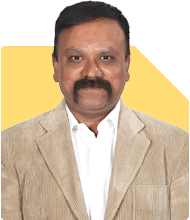
Janak

Janak Patel  |75 Answers  |Ask -

MF, PF Expert - Answered on Jul 31, 2025

Janak Patel is a certified financial planner accredited by the Financial Planning Standards Board, India.
He is the CEO and founder of InfiniumWealth, a firm that specialises in designing goal-specific financial plans tailored to help clients achieve their life goals.
Janak holds an MBA degree in finance from the Welingkar Institute of Management Development and Research, Mumbai, and has over 15 years of experience in the field of personal finance. ... more
Asked by Anonymous - Jul 28, 2025English

Money

मेरी उम्र 45 साल है और मेरी टेक होम सैलरी 1.75 लाख है। मैंने म्यूचुअल फंड में 30 लाख और शेयर बाजार में 50 लाख का निवेश किया है। म्यूचुअल फंड में मेरी मासिक SIP 50,000 है। मैं 1 करोड़ मूल्य की एक प्रॉपर्टी खरीदने की भी योजना बना रहा हूँ। मैं 40% राशि अपने PF खाते से चुकाने की योजना बना रहा हूँ और बाकी राशि से बैंक लोन लेकर मासिक EMI चुकाने की योजना बना रहा हूँ। कृपया सलाह दें कि मैं अपनी वित्तीय योजना कैसे बेहतर बना सकता हूँ।

Ans: नमस्ते,

आप वर्तमान में स्टॉक और म्यूचुअल फंड में निवेश कर रहे हैं और आपका पीएफ भी है। मान लीजिए कि आपका एमएफ निवेश भी इक्विटी पर आधारित है, तो आपने इक्विटी में 80 लाख रुपये निवेश किए हैं।
आपके पीएफ बैलेंस का उल्लेख नहीं किया गया है, लेकिन चूँकि घर खरीदने के लिए निकासी की अधिकतम सीमा 90% है, इसलिए मुझे लगता है कि आपके पीएफ में 50 लाख रुपये या उससे अधिक हैं।
आपका इक्विटी-डेट आवंटन लगभग 60:40 है, जो इक्विटी के पक्ष में है। इस आवंटन में भी, सीधे शेयर बाजार में निवेश, जो 40% है, में सबसे अधिक जोखिम है। एमएफ का प्रबंधन पेशेवरों द्वारा किया जाता है और वे जोखिम भरे होते हैं, लेकिन अपेक्षाकृत कम होते हैं।

1 करोड़ रुपये की संपत्ति के लिए, होम लोन 60 लाख रुपये होगा, जो लगभग 57 हजार रुपये की ईएमआई के बराबर है (ब्याज दर और अवधि पर निर्भर करता है, फिलहाल 15 साल मान लिया गया है)। इसलिए शुरुआत में यह आपकी मासिक बचत क्षमता को प्रभावित कर सकता है।
पीएफ से 40% निकासी के साथ, आपका इक्विटी-डेट अनुपात 90:10 हो जाएगा। इस प्रकार आपका जोखिम जोखिम बढ़ जाता है।
आपका पीएफ बैलेंस काफी कम हो गया है।

तो पहला सवाल जो आपको खुद से पूछना चाहिए, वह यह है कि इस समय मैं कितना जोखिम उठाने को तैयार हूँ?
समय के साथ, जैसे-जैसे आपकी सेवानिवृत्ति की आयु करीब आएगी, क्या यह जोखिम स्तर वैसा ही रहेगा? संभावना है - नहीं। उस समय क्या आप सुरक्षित निवेश विकल्पों के साथ ज़्यादा सुरक्षित महसूस करेंगे? अगर हाँ, तो पीएफ बैलेंस आपके द्वारा 15 वर्षों में जमा की जाने वाली राशि से कहीं ज़्यादा होना चाहिए।

आमतौर पर, आपकी प्रोफ़ाइल (केवल उम्र के आधार पर) के लिए, मैं आपको घर खरीदने की योजना के पूरक के रूप में शेयर बाज़ार में सीधे निवेश करने की सलाह दूँगा। आप निश्चित रूप से लंबी अवधि के निवेश के रूप में अच्छी गुणवत्ता वाली कंपनियों में कुछ शेयर निवेश कर सकते हैं।
अपने म्यूचुअल फंड का भी मूल्यांकन करें कि क्या वे आपको 12% से ज़्यादा का अच्छा रिटर्न दे रहे हैं। अगर आपको कोई ऐसी योजना मिलती है जो कमज़ोर प्रदर्शन कर रही है, तो उससे बाहर निकलना और उस पैसे का इस्तेमाल घर खरीदने में करना समझदारी होगी।

उपरोक्त के अलावा, अगर आप घर खरीदने के 40% हिस्से के लिए अभी भी कम पड़ रहे हैं, तो आप पीएफ निकासी पर विचार कर सकते हैं।
ध्यान दें कि पीएफ का मुख्य उद्देश्य सेवानिवृत्ति के लिए धन जुटाना है। इसलिए सही समय पर निकासी करना और इस पर कोई कर न चुकाने का लाभ उठाना समझदारी है। इसलिए 8% सुनिश्चित रिटर्न के साथ भी, यह काफी आकर्षक है क्योंकि ज़्यादातर अन्य निवेशों में निकासी पर कर लगता है।

दूसरी ओर, इक्विटी में जोखिम जुड़े होते हैं, लेकिन यह उन लोगों को भी लाभ पहुँचाता है जो अपने निवेश के साथ अनुशासित रह सकते हैं। लेकिन इस पर कर लगेगा।

तो - आपको यह सवाल पूछना चाहिए कि कितना जोखिम उठाना चाहिए और सेवानिवृत्ति तक अगले 15 वर्षों तक बिना किसी चिंता के आप किस एसेट एलोकेशन को बनाए रख सकते हैं।

धन्यवाद एवं सादर
जनक पटेल
प्रमाणित वित्तीय योजनाकार।
DISCLAIMER: The content of this post by the expert is the personal view of the rediffGURU. Users are advised to pursue the information provided by the rediffGURU only as a source of information to be as a point of reference and to rely on their own judgement when making a decision.
Money

आप नीचे ऐसेही प्रश्न और उत्तर देखना पसंद कर सकते हैं

Ramalingam

Ramalingam Kalirajan  |11454 Answers  |Ask -

Mutual Funds, Financial Planning Expert - Answered on Jul 07, 2025

Asked by Anonymous - Jun 28, 2025English
Money
मैं 38 साल का हूँ। मुझे हर महीने 2.1 लाख रुपए का वेतन मिलता है। मेरे पास कोई लोन नहीं है। मेरी एक 4 साल की बेटी है। मेरे पास इमरजेंसी फंड के तौर पर FD में 8 लाख रुपए, RD में 22k (हर महीने 3k), PPF में 6 लाख, EPF में 16 लाख, MF में 42 लाख रुपए (56k SIP पर चल रहे हैं)। म्यूचुअल फंड में 42 लाख में से मैंने 82% इक्विटी फंड में, 18% डेट फंड में और 6 लाख NPS में निवेश किया है। मैं अपनी बेटी के लिए सुकन्या समृद्धि खाते में निवेश कर रहा हूँ (हर महीने 10k)। PPF खाते में हर महीने 10k। हर महीने 50k घरेलू सामान पर खर्च होता है। 10k सोने में। RD में 3k और मेरी बेटी की RD में 1.5k। जो भी रकम बचेगी उसे मैं म्यूचुअल फंड में निवेश करूँगा। मेरी योजना अगले 10 सालों में 5 CR बचाने की है और साथ ही नया घर भी खरीदना चाहता हूँ। कृपया एक योजना सुझाएं और अगले कदम भी मुझे बताएं
Ans: आप 38 वर्ष के हैं, आपकी आय अच्छी है, कोई ऋण नहीं है, और आप आगे की योजना बना रहे हैं। यह एक ठोस आधार है। 10 वर्षों में 5 करोड़ रुपये कमाने और बीच में एक घर खरीदने के आपके स्पष्ट लक्ष्य के साथ, आइए हम आपके लिए एक व्यावहारिक और 360-डिग्री योजना बनाएँ।

अपने वर्तमान वित्तीय स्नैपशॉट को समझना
आइए सबसे पहले आपकी आय, व्यय और निवेश का आकलन करें। यह योजना के लिए एक आधार प्रदान करता है।

मासिक आय: 2.1 लाख रुपये

कोई मौजूदा ऋण नहीं

आपातकालीन निधि: FD में 8 लाख रुपये

मासिक RD: 3,000 रुपये (कुल 22,000 रुपये)

EPF कोष: 16 लाख रुपये

PPF कोष: 6 लाख रुपये

मासिक PPF अंशदान: 10,000 रुपये

म्यूचुअल फंड: 10 लाख रुपये 42 लाख (56k SIP चालू)

इक्विटी फंड एक्सपोजर: 82%

डेट फंड एक्सपोजर: 18%

NPS कॉर्पस: 6 लाख रुपये

सुकन्या समृद्धि योगदान: 10,000 रुपये/माह

घरेलू खर्च: 50,000 रुपये/माह

सोने की खरीद: 10,000 रुपये/माह

बेटी की आरडी: 1,500 रुपये/माह

कोई LIC या ULIP का उल्लेख नहीं

इससे आपकी अनुशासित आदतों का स्पष्ट पता चलता है।

प्रमुख वित्तीय लक्ष्यों की पहचान
आइए हम आपकी योजना को दो प्रमुख लक्ष्यों के इर्द-गिर्द बनाते हैं।

1. 10 साल में 5 करोड़ रुपये का कॉर्पस बनाएँ

2. 10 साल के भीतर घर खरीदें

बेटी की शिक्षा और रिटायरमेंट जैसे अन्य लक्ष्यों को भी दीर्घकालिक रूप से संबोधित करने की आवश्यकता है।

मासिक नकदी प्रवाह विश्लेषण
आपकी आय: रु. 2.1 लाख/माह

खर्च और निश्चित बचत:

घरेलू: 50,000 रुपये

सोना: 10,000 रुपये

पीपीएफ: 10,000 रुपये

सुकन्या: 10,000 रुपये

आरडी: 3,000 रुपये

बेटी की आरडी: 1,500 रुपये

म्यूचुअल फंड एसआईपी: 56,000 रुपये

यह कुल 1.40 लाख रुपये है

शेष: 70,000 रुपये (लगभग)

आप इसका अधिकांश हिस्सा म्यूचुअल फंड में निवेश करते हैं। यह एक मजबूत दृष्टिकोण है।

हालांकि, कुछ बदलाव आपके पोर्टफोलियो को और अधिक सटीक और लक्षित बना सकते हैं।

मौजूदा एसेट एलोकेशन का आकलन
आइए हम आपके मौजूदा निवेश और उनके फिटमेंट की समीक्षा करें।

1. म्यूचुअल फंड - रु. 42 लाख, 56k SIP

आपकी उम्र के हिसाब से इक्विटी में 82% निवेश उचित है

आप 7–8 और सालों के लिए इक्विटी में निवेश जारी रख सकते हैं

18% का डेट फंड आवंटन बैलेंस के लिए अच्छा है

56,000 रुपये से ज़्यादा की SIP और अतिरिक्त राशि शक्तिशाली है

म्युचुअल फंड संपत्ति निर्माण के लिए आदर्श हैं.

लेकिन प्रमाणित वित्तीय योजनाकार के ज़रिए नियमित फंड का इस्तेमाल करें.

डायरेक्ट फंड से बचें. वे कोई समीक्षा, कोई सलाह, कोई व्यवहारिक सहायता नहीं देते हैं.

नियमित फंड विशेषज्ञ सहायता तक पहुँच प्रदान करते हैं.

इंडेक्स फंड से बचें.

इंडेक्स फंड सिर्फ़ बाज़ारों की नकल करते हैं.

उनमें लचीलापन नहीं होता, अस्थिर चक्रों के दौरान उनका प्रदर्शन कमज़ोर होता है और वे अप्रबंधित होते हैं.

सक्रिय रूप से प्रबंधित म्यूचुअल फंड बेहतर जोखिम-समायोजित रिटर्न देते हैं.

सही फंड को फ़िल्टर करने के लिए आपको CFP सहायता वाले विशेषज्ञ MFD की ज़रूरत होती है.

2. NPS - रु. 6 लाख

निवेश जारी रखें

सेवानिवृत्ति के लिए सिर्फ़ NPS पर निर्भर न रहें

इसमें लॉक-इन और आंशिक वार्षिकी निकासी की सुविधा है

अपने मुख्य पोर्टफोलियो में NPS को ऐड-ऑन के तौर पर इस्तेमाल करें।

3. PPF - 6 लाख रुपये, 10,000 रुपये/माह

यह एक अच्छा सुरक्षित दीर्घकालिक उत्पाद है

कर-मुक्त और सॉवरेन-समर्थित

आपके इक्विटी एक्सपोजर को संतुलित करने में मदद करता है

वार्षिक योगदान जारी रखें

PPF आपके दीर्घकालिक पैसे को सुरक्षा देता है।

ज़्यादा आवंटन न करें। 1.5 लाख/सालाना काफ़ी है।

4. EPF - 16 लाख रुपये

आपका EPF कोष मज़बूत है

सेवानिवृत्ति तक जारी रखें

कर-मुक्त ब्याज

इसे अपने सेवानिवृत्ति रिज़र्व के तौर पर देखें

5. सुकन्या समृद्धि - 10 लाख रुपये 10,000/माह

आपकी बेटी के लिए बेहतरीन

सुरक्षित, कर-मुक्त और लंबी लॉक-इन अवधि

शिक्षा या विवाह के लिए मददगार

6. सोना - 10,000/माह

डिजिटल फॉर्म में यह स्वीकार्य है

अपने कुल निवेश का 10% से ज़्यादा न करें

सोने से आय नहीं होती

सोना एक अच्छा बचाव है. लेकिन ज़्यादा निवेश से विकास सीमित हो जाएगा.

7. सावधि जमा - 8 लाख रुपये

आपातकालीन कोष के रूप में काम आता है

4-6 महीने के खर्च के इस स्तर को बनाए रखें

FD रिटर्न मुद्रास्फीति को मात देने वाला नहीं है. इसे केवल आपात स्थितियों के लिए ही रखें.

10 साल में 5 करोड़ रुपये तक पहुँचने की रणनीति

10 साल में 5 करोड़ रुपये बनाने के लिए, आपको चाहिए:

मजबूत इक्विटी एक्सपोजर

नियमित SIP ग्रोथ

कोई बड़ी निकासी नहीं

निवेश में सालाना वृद्धि

आप पहले से ही 10 लाख रुपये का निवेश कर रहे हैं. म्यूचुअल फंड में हर महीने 56,000 रुपये निवेश करें।

साथ ही हर महीने अतिरिक्त राशि भी।

SIP जारी रखें और हर साल 10-15% तक बढ़ाएँ।

साथ ही, जब भी आपको बोनस या वेतन वृद्धि मिले, तो निवेश बढ़ाएँ।

10+ साल के लक्ष्यों के लिए म्यूचुअल फंड सबसे अच्छे हैं।

MFD सहायता वाले सक्रिय रूप से प्रबंधित फंड में निवेश करते रहें।

सालाना समीक्षा करें और ज़रूरत पड़ने पर पुनर्संतुलन करें।

बाज़ार में गिरावट के दौरान SIP बंद न करें। यही वह समय है जब आप धन अर्जित करते हैं।

घर खरीदने की योजना
आप 10 साल के भीतर घर खरीदना चाहते हैं।

यह एक बार का बड़ा खर्च है।

इसलिए, अपने निवेश को विभाजित करें।

घर के लिए एक अलग म्यूचुअल फंड लक्ष्य बनाएँ

5-8 साल के क्षितिज के लिए हाइब्रिड या मल्टी-एसेट फंड का उपयोग करें

इस लक्ष्य के लिए अपने SIP का एक हिस्सा आवंटित करें

आप अपने SIP का 25-30% हाउस फंड को आवंटित कर सकते हैं।

इससे आपके 5 करोड़ रुपये के लक्ष्य में बाधा नहीं आएगी।

सिर्फ़ घर के लिए ही नई SIP बकेट शुरू करें।

इसके लिए PPF, EPF या सुकन्या फंड का इस्तेमाल न करें।

रिटायरमेंट प्लानिंग फाउंडेशन
हालाँकि आपका ध्यान 5 करोड़ रुपये और घर पर है, लेकिन रिटायरमेंट के लिए दीर्घकालिक दृष्टिकोण की ज़रूरत है।

आइए सुनिश्चित करें कि आप इसे न चूकें।

EPF, PPF और NPS रिटायरमेंट बेस बनाते हैं

म्यूचुअल फंड रिटायरमेंट वेल्थ में वृद्धि करते हैं

50 की उम्र के बाद, ज़्यादा रूढ़िवादी आवंटन की ओर बढ़ें

आप 50 की उम्र में रिटायरमेंट इनकम प्लान बनाने पर विचार कर सकते हैं।

म्यूचुअल फंड से SWP और चरणबद्ध निकासी का इस्तेमाल करें।

EPF/NPS पर पूरी तरह निर्भर होने से बचें।

आपकी बेटी की वित्तीय योजना
आप पहले से ही सही काम कर रहे हैं।

सुकन्या समृद्धि एकदम सही है

PPF और बेटी की RD अच्छी अतिरिक्त राशि है

आप मैच्योरिटी के बाद RD को म्यूचुअल फंड में बदल सकते हैं।

इक्विटी म्यूचुअल फंड 10-15 साल की अवधि के लिए बेहतर रिटर्न देते हैं।

जब वह 10-12 साल की हो जाए, तो एक समर्पित शिक्षा कोष बनाएँ।

इसके लिए हाइब्रिड फंड या बैलेंस्ड एडवांटेज फंड का इस्तेमाल करें।

उसके फंड को अपने व्यक्तिगत रिटायरमेंट फंड के साथ न मिलाएँ।

पोर्टफोलियो को और बेहतर बनाने के सुझाव
आइए अब हम आपके पोर्टफोलियो को बढ़ाने के लिए कुछ अगले कदम बताते हैं।

1. सालाना स्टेप-अप एसआईपी

हर साल 10-15% की बढ़ोतरी

यहां तक ​​कि रु. 5,000 अतिरिक्त बहुत बड़ा अंतर लाते हैं

2. डायरेक्ट नहीं, रेगुलर प्लान का इस्तेमाल करें

सीएफपी के साथ एमएफडी के माध्यम से रेगुलर म्यूचुअल फंड बेहतर मार्गदर्शन देते हैं

डायरेक्ट प्लान मानवीय स्पर्श या समीक्षा की पेशकश नहीं करते

3. इंडेक्स फंड से बचें

इंडेक्स फंड गिरते बाजारों में सुरक्षा प्रदान नहीं करते

सक्रिय फंड अल्फा का लक्ष्य रखते हैं, जिन्हें विशेषज्ञ प्रबंधकों द्वारा संभाला जाता है

4. वार्षिक समीक्षा और पुनर्संतुलन

हर साल एक बार समीक्षा करें

आवंटन में छोटे-छोटे सुधार करें

इक्विटी बनाम ऋण को पुनर्संतुलित करें

5. बहुत अधिक भौतिक सोने से बचें

डिजिटल गोल्ड या गोल्ड म्यूचुअल फंड को प्राथमिकता दें

10% या उससे कम तक जोखिम सीमित करें

6. अलग-अलग लक्ष्य बकेट बनाएं

घर, सेवानिवृत्ति, शिक्षा लक्ष्यों को न मिलाएं

प्रत्येक के लिए अलग-अलग एसआईपी का उपयोग करें

प्रत्येक लक्ष्य की प्रगति को व्यक्तिगत रूप से ट्रैक करें

7. आपातकालीन निधि को बरकरार रखें

8 लाख रुपये की एफडी अच्छी है

निवेश के लिए इसका उपयोग न करें

अंतिम अंतर्दृष्टि
आज आप एक मजबूत वित्तीय स्थिति में हैं।

आपकी आदतें बहुत अनुशासित हैं।

आप पहले से ही अपने 5 करोड़ रुपये के लक्ष्य की ओर अग्रसर हैं।

कुछ केंद्रित कदम परिणामों को बेहतर बना सकते हैं।

घर और रिटायरमेंट के लिए अलग-अलग SIP रखें

हर साल SIP बढ़ाएँ

साल में एक बार निवेश की समीक्षा करें

सक्रिय रूप से प्रबंधित नियमित फंड से चिपके रहें

सोने या RD पर अत्यधिक निर्भरता से बचें

दीर्घकालिक धन सृजन के लिए निवेशित रहें

इसके अलावा, वसीयत बनाएँ और सभी निवेशों में नामांकन करें।

सुनिश्चित करें कि परिवार के लिए स्वास्थ्य बीमा हो।

सभी लक्ष्यों को ट्रैक करने के लिए प्रमाणित वित्तीय योजनाकार के साथ काम करें।

धैर्य और योजना के साथ, आपके लक्ष्य प्राप्त किए जा सकते हैं।

सादर,
के. रामलिंगम, एमबीए, सीएफपी,
मुख्य वित्तीय योजनाकार,
www.holisticinvestment.in
https://www.youtube.com/@HolisticInvestment

..Read more

Naveenn

Naveenn Kummar  |265 Answers  |Ask -

Financial Planner, MF, Insurance Expert - Answered on Sep 23, 2025

Money
मैं अमित कुमार हूँ, 25 साल का हूँ और पीपीएफ में 5 हज़ार और म्यूचुअल फंड में 10 हज़ार रुपये निवेश करता हूँ। मैं 2050 में रिटायर होना चाहता हूँ और मुझे मासिक खर्च के लिए 2050 में 1 लाख रुपये प्रति माह की ज़रूरत है। म्यूचुअल फंड हैं पराग पारिख फ्लेक्सी कैप फंड 5 हज़ार, एसबीआई स्मॉल कैप फंड 2 हज़ार, मोतीलाल ओसवाल मिडकैप फंड 500, आईसीआईसीआई प्रूडेंशियल ग्रोथ फंड 2500। सर, मुझे बेहतर वित्तीय योजना के लिए सुझाव दें।
Ans: प्रिय महोदय/महोदया,

आपकी वर्तमान आय और व्यय, ऋण दायित्व और मासिक खर्चों की योजना बनाने के लिए बहुत सारी जानकारी आवश्यक है।
संरचित नकदी प्रवाह और लक्ष्य-आधारित आवंटन के लिए किसी पेशेवर योजनाकार से परामर्श लें।

कृपया विस्तृत नकदी प्रवाह योजना, SWP संरचना और जोखिम मूल्यांकन के लिए QPFP/MFD से परामर्श लें।

म्यूचुअल फंड निवेश बाजार जोखिमों के अधीन हैं। निवेश करने से पहले योजना से संबंधित सभी दस्तावेज़ों को ध्यान से पढ़ें।

सादर,
नवीन कुमार, बीई, एमबीए, QPFP
मुख्य वित्तीय योजनाकार | AMFI पंजीकृत MFD
https://members.networkfp.com/member/naveenkumarreddy-vadula-chennai

..Read more

Ramalingam

Ramalingam Kalirajan  |11454 Answers  |Ask -

Mutual Funds, Financial Planning Expert - Answered on Aug 19, 2026

Money
Dear Sir, My age 49 years. My monthly salary Rs. 87 K. Presently i m investing Rs. 30 K per month in SIP. Started investing Rs.5.5 k per month in PPF. Purchased family health insurance of Rs. 10 Cr (unlimited) from star health insurance. We have one child of age 6 years, he is studying in class 1st. My job time balance only 10 years. Presently i m paying 20 k per month for house loan, still 23 lacs house loan amount is balance to pay. i m unable to save money. Please suggest how to plan for future.
Ans: You have already taken some good steps. At age 49, having a SIP of Rs 30,000, starting PPF, maintaining family health insurance and owning a house shows that you are thinking about the future. The main issue I see is not lack of effort. It is that your monthly cash flow is under pressure, especially because of the home loan.

» First priority: improve monthly cash flow

Your salary is around Rs 87,000 per month.
SIP: Rs 30,000
PPF: Rs 5,500
Home-loan EMI: Rs 20,000
So, around Rs 55,500 is already committed every month.
This leaves a limited amount for household expenses, child-related expenses, insurance and unexpected needs.
Therefore, I would not advise increasing your SIP immediately.
Your first goal should be to create breathing space in the monthly budget.

» Do not stop SIP completely

Your Rs 30,000 SIP is a good saving habit. I would try to continue it if possible.
But if the SIP is forcing you to borrow money or use credit cards for regular expenses, then the current level is too high for your cash flow.
A sustainable SIP is better than a high SIP which becomes difficult to continue.
If required, temporarily reducing the SIP is better than taking expensive loans to maintain the SIP.

» The Rs 23 lakh home loan needs attention

This is probably the most important financial decision for you.
You have only around 10 years of working life left as per your current plan.
Therefore, you should not enter retirement with a large home loan unless your retirement income can comfortably support the EMI.
I would review the interest rate, remaining tenure and outstanding principal.
If your income improves, bonuses or other lump-sum amounts can be partly used for prepayment.
But do not use your entire savings to close the loan. Keep an emergency reserve first.
The aim should be to become substantially debt-free before retirement.

» Build an emergency fund first

Before increasing investments, create an emergency reserve.
Ideally, keep a separate amount for several months of essential household expenses.
This money should be easily available and should not depend on the stock market.
It will protect your SIP and PPF from being disturbed when an unexpected expense comes.

» Your child's education is a major future goal

Your child is only 6 years old.
This gives you a good time period for higher education planning.
Do not wait until Class 10 or Class 12 to start thinking about the education corpus.
Your child's education and your retirement are two different goals.
Both need separate planning.
The good news is that you still have many years for the education goal. That gives equity-oriented investments enough time to work, provided the risk is managed properly.

» Retirement needs more attention now

You are 49 and have mentioned that your job period may be only another 10 years.
This means retirement planning is now a high-priority goal.
You cannot depend only on your house for retirement.
You need financial assets which can provide income after employment stops.
Your SIP is therefore important, but we also need to know your existing PF, EPF, NPS, gratuity and other investments before deciding whether Rs 30,000 is enough.

» Your health insurance is a positive step

Having a large family health cover is a good protection decision.
But please check the actual policy conditions carefully.
"Rs 10 crore" or "unlimited" cover should not be looked at only by the headline amount.
Check room-rent limits, waiting periods, exclusions, co-pay, restoration benefits, claim conditions and coverage for existing illnesses.
Also make sure the policy can continue after retirement.

» Do not mix insurance and investment

Health insurance is for protection.
PPF is a long-term savings instrument.
Mutual funds are for investment and wealth creation.
Home loan is a liability.
Each one has a different purpose.
Keeping these objectives separate will make your financial planning much easier.

» How I would prioritise your money

For the next 2-3 years, I would follow this order:

– Maintain essential insurance.

– Build emergency reserve.

– Continue a sustainable SIP.

– Continue PPF if it fits your overall plan.

– Gradually reduce the home-loan burden.

– Build a separate education corpus.

– Increase retirement investments as your loan burden reduces.

This order is more practical for your current income.

» Do not take excessive investment risk

Since you are 49 and have only around 10 years of working life left, I would not advise taking very high-risk investments just to compensate for a lower savings capacity.
Your equity mutual fund portfolio should be diversified across suitable categories.
Actively managed diversified funds can be useful for the long-term growth portion.
But avoid too many funds. Four or five properly selected funds can be enough for most portfolios.
Do not chase the funds which have given the highest returns recently.

» Use salary increases wisely

Your future salary increments can make a big difference.
Whenever your salary increases, do not allow the entire increase to become lifestyle expenses.
A simple approach can be:

– Part of the increment towards home-loan prepayment.

– Part towards increasing SIP.

– Part towards family requirements.

Once the home loan is substantially reduced or closed, the Rs 20,000 EMI can become a powerful additional retirement investment.

» Your PPF can support the retirement plan

Starting Rs 5,500 per month in PPF is fine if it fits your overall asset allocation.
But I would not keep increasing PPF blindly.
We need to see your existing PF/EPF and other fixed-income investments first.
Your retirement portfolio should have a proper mix of stability and growth.

» One important missing piece

You have given your salary, SIP, PPF and home loan details.
But to prepare a proper retirement plan, I would need to know:

– Current PF/EPF balance

– Existing mutual fund value

– Bank deposits

– Any other investments

– Current monthly household expenses

– Home-loan interest rate and remaining tenure

– Expected retirement age

– Whether your spouse is earning

– Current life insurance cover

– Expected gratuity, if any

These details can change the recommendation quite a lot.

» A practical 10-year plan

Years 1-3:

– Build emergency reserve.

– Continue sustainable SIP.

– Continue PPF.

– Start reducing the home loan systematically.

– Start a separate education investment for your child.

Years 4-7:

– Increase SIP whenever salary increases.

– Try to accelerate loan closure.

– Review retirement corpus every year.

– Gradually increase the stability portion of the portfolio.

Years 8-10:

– Aim to enter retirement with little or no home loan.

– Build sufficient liquid retirement reserves.

– Reduce dependence on high-risk investments.

– Plan how retirement income will be generated.

» One thing I would not do

I would not take a personal loan or other high-cost borrowing to continue investing Rs 30,000 every month.
I would also not stop all investments and put every available rupee into the home loan.
You need both debt reduction and retirement investment.
The right balance is important.

» My assessment

Your financial situation is tight, but it is not hopeless at all.
You still have around 10 years to improve the position.
Your child is only 6, so you have a long education-planning period.
Your existing SIP habit is a strong positive.
Your biggest challenge is cash-flow management and the Rs 23 lakh home loan.
If you can control expenses, maintain a reasonable SIP and steadily reduce the loan, your position can improve significantly over the next 10 years.

» Final Insights

I would not ask you to chase higher investment returns right now.
First make your monthly cash flow comfortable.
Keep a proper emergency reserve.
Continue a sustainable SIP.
Continue PPF, but review it along with your PF/EPF and other fixed-income assets.
Give separate attention to your child's education.
Work towards closing the home loan before retirement.
Once the loan reduces, redirect a part of the EMI amount towards retirement SIP.
Most importantly, do not feel that you are late. At 49, you still have a useful 10-year window. With disciplined cash-flow management, the next decade can make a big difference to your financial security.
A complete 360-degree review of your existing PF, investments, insurance, home loan, monthly expenses and retirement requirement will tell us exactly how much you should invest for retirement and your child's education without putting pressure on your monthly life.

Best Regards,

K. Ramalingam, MBA, CFP,

AMFI-Registered MFD – ARN 4188

www.holisticinvestment.in/

https://www.linkedin.com/in/ramalingamcfp/

..Read more

नवीनतम प्रश्न
Nayagam P

Nayagam P P  |12550 Answers  |Ask -

Career Counsellor - Answered on Sep 04, 2026

Ramalingam

Ramalingam Kalirajan  |11454 Answers  |Ask -

Mutual Funds, Financial Planning Expert - Answered on Sep 03, 2026

Money
HI I am 47 years old with Monthly expenses of Rs 40000 , i would like to know how much retirement corpus would i require at age of 60 so that it lasts till age 85 also the opening Retirement corpus at 60 and closing Corpus at 85 should almost be same , as i would like to transfer it yo me daughter, i would like to know should i factor 8% food inflation as that will be major expense factor also factor 6% intrest on investment. Whats is the inflation rate should i assume , in which mutual fund should i invest for Rs 50000 monthly investment. How much money should i park for medical expenses or emergency
Ans: You have started this planning at a good age. With 13 years left, you have useful time to build the corpus.

» Your retirement target

– You are currently 47 years old.

– Your present monthly expense is Rs.40,000.

– You plan to retire at age 60.

– You want the corpus to support you until age 85.

– You also want the corpus to remain almost intact.

– This is a higher target than normal retirement planning.

– Your aim is also to pass the corpus to your daughter.

» Inflation assumption

– I would not use 8% food inflation for the entire retirement budget.

– Food is only one part of your total expenses.

– Medical, housing, travel and other costs behave differently.

– For long-term planning, 6% overall inflation is a reasonable assumption.

– However, medical inflation can be higher than general inflation.

– So, keep a separate medical reserve.

» Your expense at age 60

– Your present Rs.40,000 monthly expense will rise substantially by age 60.

– At 6% inflation, it can become roughly Rs.85,000 monthly.

– This should be your starting retirement expense.

– You should review this estimate again around age 58.

» Retirement corpus required

– You have given an important condition.

– You want the corpus at 85 to remain almost equal.

– Therefore, a normal retirement corpus calculation is not enough.

– Assuming only 6% investment return creates a difficult situation.

– Your withdrawal also rises with inflation.

– If return and inflation are both around 6%, preservation becomes difficult.

– Under those assumptions, I would target around Rs.3.15 crore at age 60.

– This is an approximate planning figure.

– It is not a guaranteed required amount.

– A higher return assumption can reduce the required starting corpus.

– But I would not depend on high returns for retirement planning.

» Why Rs.3.15 crore is a safer target

– Your first retirement-year expense could be around Rs.85,000 monthly.

– Expenses would then rise every year.

– You also want money remaining at age 85.

– Therefore, the corpus must support withdrawals and continue growing.

– Rs.3.15 crore gives you a better starting target.

– Still, market returns will not come evenly every year.

– Hence, actual results can differ materially.

» Your Rs.50,000 monthly investment

– Rs.50,000 monthly is a good starting contribution.

– However, it may not be enough by itself for Rs.3.15 crore.

– You have 13 years before retirement.

– Therefore, annual increases in your investment are very important.

– Try increasing the monthly investment whenever your income rises.

– Even a gradual increase can make a major difference.

– Existing savings, PF, gratuity and other retirement benefits can also help.

» Mutual fund strategy

– Do not put the entire Rs.50,000 into one mutual fund.

– At your age, you still have a long investment period.

– A diversified actively managed equity portfolio can be considered.

– You can use large-cap oriented funds for the core portion.

– A flexi-cap oriented fund can provide wider diversification.

– A limited mid-cap allocation can add growth potential.

– Avoid excessive small-cap exposure for retirement money.

– Your portfolio should gradually become safer after age 55.

» Suggested structure for Rs.50,000 monthly

– Rs.20,000 in a diversified flexi-cap oriented fund.

– Rs.15,000 in a large-cap oriented actively managed fund.

– Rs.10,000 in a mid-cap oriented fund.

– Rs.5,000 in a balanced or equity-oriented hybrid fund.

– This is only a starting structure.

– Your existing investments should be checked before finalising this allocation.

» Why actively managed funds can help

– Active fund managers can change portfolios based on market conditions.

– They can reduce exposure to weaker companies.

– They can also identify changing business opportunities.

– This flexibility can be useful over a 13-year period.

– However, fund selection and monitoring remain important.

– Past performance alone should never decide fund selection.

» Emergency fund

– Keep at least 9 to 12 months of household expenses separately.

– For you, I would initially target around Rs.5 lakh.

– Keep this money in highly liquid and low-risk avenues.

– Do not count your equity mutual funds as emergency money.

– This reserve should not be used for routine investing.

» Medical reserve

– Medical expenses need separate planning.

– Do not depend only on your normal retirement corpus.

– Build a dedicated medical reserve before retirement.

– I would initially target Rs.10-15 lakh as a separate reserve.

– This should be reviewed closer to age 60.

– Your health insurance coverage should also be reviewed regularly.

– Medical inflation can be much higher than normal inflation.

» Protecting the corpus after age 60

– This is perhaps the most important part of your plan.

– Do not keep the entire retirement corpus in equity.

– Keep several years of expenses in safer investments.

– Keep the remaining portion invested for long-term growth.

– This can reduce the need to sell equity during market falls.

– Rebalance the portfolio periodically.

» Your daughter and inheritance goal

– Your objective is very clear.

– You want to enjoy retirement and still leave money behind.

– This requires controlled withdrawals.

– Avoid treating the entire corpus as spending money.

– Maintain a separate inheritance mindset.

– Estate planning should also be completed before retirement.

– Nominees should be updated across investments and accounts.

– A proper Will can make the transfer much easier.

» One important improvement

– Do not wait until age 60 to reach the target.

– Start building the retirement corpus aggressively now.

– Increase your Rs.50,000 SIP every year.

– Any bonus or additional income can partly go towards retirement.

– At around age 55, reassess the entire retirement plan.

– At age 58, prepare the final retirement-income strategy.

» Final Insights

– Your Rs.3.15 crore target at age 60 is a useful planning benchmark.

– This assumes around 6% return and 6% inflation.

– It also considers your wish to retain the corpus at 85.

– I would not use 8% food inflation for all expenses.

– Use 6% general inflation for initial planning.

– Keep medical expenses separately because they can rise faster.

– Rs.50,000 monthly investing is a good beginning.

– Increasing this SIP every year is more important.

– Your investment strategy should become safer near retirement.

– The goal is not just Rs.3.15 crore.

– The real goal is sustainable income plus a meaningful inheritance.

Best Regards,

K. Ramalingam, MBA, CFP,

AMFI-Registered MFD – ARN 4188

www.holisticinvestment.in

https://www.linkedin.com/in/ramalingamcfp/

...Read more

Ramalingam

Ramalingam Kalirajan  |11454 Answers  |Ask -

Mutual Funds, Financial Planning Expert - Answered on Sep 03, 2026

Money
Ant thing we can purchase from market by knowing the rate even for safety pin. You can purchase from anywhere in indie online the noted prices for share. Why the MF units are not possible to buy by seeing the prize or why it should not be online varying price for day. Not showing the price, Asset management can cheat the customer. SEBI is ineffective for controlling this cheating
Ans: Your question is very practical. The difference comes from how shares and mutual funds are structured.

» Why share prices are visible instantly

– A share is traded directly between buyers and sellers on a stock exchange.

– The exchange matches buy and sell orders continuously.

– Therefore, you can see the latest traded price.

– You can place an order at that displayed market price.

– The price can change many times during the day.

» Why mutual funds work differently

– A mutual fund unit is not traded like an ordinary share.

– You buy or redeem units from the mutual fund.

– The fund collects money from many investors.

– It then invests that money in securities.

– The value of all those investments changes during the day.

– The fund calculates its Net Asset Value, called NAV.

– NAV represents the value of one mutual fund unit.

– NAV is normally calculated after the market closes.

– Therefore, there is no continuously traded MF unit price.

» This does not mean the price is hidden

– Mutual fund NAVs are publicly available.

– The NAV is disclosed for every business day.

– Your transaction also receives units based on applicable NAV rules.

– The applicable NAV depends on transaction timing and fund realisation rules.

– Therefore, the NAV is not controlled by an individual agent.

» Why you cannot buy at the displayed NAV

– Suppose today's NAV is Rs.100.

– You cannot simply place an order at Rs.100.

– The final applicable NAV depends on the transaction rules.

– The fund must also receive the required money.

– This prevents investors from knowing the exact NAV beforehand.

– It also ensures fair treatment among all investors.

» Can an AMC cheat by changing NAV?

– An AMC cannot simply choose an arbitrary NAV.

– NAV is based on the value of underlying investments.

– Listed securities generally use market-based prices for valuation.

– Other securities follow prescribed valuation methods.

– Fund accounting and valuation processes are subject to regulatory requirements.

– There are also audits, trustees and regulatory oversight.

– So, the system has several checks.

» Your concern about transparency is still important

– Investors should clearly see the NAV and transaction details.

– They should also receive confirmation of their units.

– You can independently check the NAV against official disclosures.

– Your account statement should show units, NAV and transaction dates.

– Any unexplained difference should be questioned immediately.

» Where investors sometimes get confused

– The NAV seen on an app is not always your transaction NAV.

– The displayed NAV may belong to the previous business day.

– Your purchase may receive the next applicable NAV.

– This depends on transaction timing and applicable rules.

– Bank realisation can also affect the applicable NAV.

– This can make the transaction appear different from your expectation.

» Why a share and MF cannot have identical pricing

– A share represents ownership in one company.

– An MF unit represents a proportionate interest in a portfolio.

– The portfolio may contain hundreds of securities.

– Its value must first be calculated.

– The unit NAV is then determined.

– Hence, MF pricing naturally works differently from stock exchange pricing.

» What would improve your confidence

– Always check the official NAV after the business day.

– Compare it with your transaction statement.

– Check the number of units allotted.

– Check the transaction date and applicable NAV date.

– Keep your account statements safely.

– Raise a written complaint if figures do not match.

– Escalate the matter if the AMC does not resolve it.

» Final Insights

– Your demand for better transparency is quite reasonable.

– However, absence of intraday MF pricing does not itself mean cheating.

– Shares and mutual funds have fundamentally different transaction mechanisms.

– Mutual fund NAV is calculated from the underlying portfolio value.

– The important point is whether the disclosed NAV is correctly calculated.

– If you find a specific mismatch, preserve the transaction evidence.

– Then the issue can be examined much more precisely.

Best Regards,

K. Ramalingam, MBA, CFP,

AMFI-Registered MFD – ARN 4188

www.holisticinvestment.in

https://www.linkedin.com/in/ramalingamcfp/

...Read more

Ramalingam

Ramalingam Kalirajan  |11454 Answers  |Ask -

Mutual Funds, Financial Planning Expert - Answered on Sep 03, 2026

Money
Hi, I am presently working in CPSU and having 2.5 years remaining in my supperannuation. I have a in hand salary of Rs.1.3 Lac per month (after deduction of necessary contribution in PF, VPF and deduction of tentative monthly income tax). In addition to this, I had invested a sum of Rs.1.4 Cr in a HUDA property in Faridabad which is now around 6 Cr. I am alos getting a monthly pension ofRs. 21000/- (without D.A. component) per month from my parent department as I had submitted Technical Resignation from Govt. Service (MoR) and took permanent absorption in CPSU. I am also getting monthly rental income from a flat @Rs.20000/- per month. I have invested Rs. 60000 in mutual funds and Rs.5.5 Lacs in shares. My wife was also a Haryana Govt. Educationist (govt. job) and just superannuated from her job on 31.08.2026. She will be getting a monthly pension of Rs.75000/- per month in addition to her other retirement benefits. She also earns a monthly rental income from our parental house @8000/- per month. We both are covered under medical schemes of Haryana Govt. and me from MoR. My question is I want to purchase or built a house in GGN on around 200 sq. yd. (approx) plot and live there. Kindly guide me about our future on my email which is alredy provided please.
Ans: You have built a very strong financial base. Your retirement income also looks encouraging. The main decision is how much to spend on the Gurugram house.

» Your present financial position

– You have around 2.5 years of employment remaining.

– Your present take-home salary is around Rs.1.30 lakh monthly.

– You receive pension income of around Rs.21,000 monthly.

– You receive rental income of around Rs.20,000 monthly.

– Your wife has recently retired from Haryana Government service.

– Her expected pension is around Rs.75,000 monthly.

– She also receives rental income of around Rs.8,000 monthly.

– Your Faridabad property has appreciated substantially.

– Its present value is around Rs.6 crore.

– You also have mutual funds and shares.

– Your medical coverage through government schemes is another positive.

Overall, your retirement cash flow appears quite comfortable.

» The Gurugram house decision

– Buying or constructing your own house can be reasonable.

– This is different from buying property purely as an investment.

– You want to actually live there after retirement.

– Therefore, emotional and lifestyle factors are also important.

– Gurugram can provide good connectivity and healthcare facilities.

– However, avoid using the entire Rs.6 crore property value for construction.

– Your retirement security should remain the first priority.

» Set a maximum house budget

– Decide the total budget before selecting the plot.

– Include plot cost, construction cost and registration expenses.

– Also include interiors, furniture and other initial expenses.

– Keep a separate amount for future maintenance.

– I would avoid stretching the budget simply for a larger house.

– A comfortable house is enough for retirement years.

– Your retirement corpus should continue growing alongside the house purchase.

» How to fund the house

– Your employment income continues for another 2.5 years.

– Your wife's pension has already started.

– Your own pension also provides continuing cash flow.

– Rental income gives another stable monthly support.

– This reduces pressure on your investment portfolio.

– Ideally, use available surplus income for part of construction.

– Avoid selling the entire Faridabad property only for convenience.

– Also avoid taking a large loan close to retirement.

» What about the Faridabad property?

– This requires a separate strategic decision.

– You have created significant wealth through this property.

– However, it now represents a very large asset concentration.

– After retirement, this concentration deserves careful review.

– You may eventually consider monetising part of this asset.

– Any sale decision must consider capital gains and taxation.

– The money can then support retirement investments.

– Do not sell merely because Gurugram property prices look attractive.

» Retirement income planning

– Your combined monthly pension income should form the core income.

– Rental income provides an additional income stream.

– Your retirement corpus should ideally remain partly invested for growth.

– Keep a separate reserve for several years of regular expenses.

– This avoids selling investments during a market correction.

– Your post-retirement portfolio should become more balanced.

– Equity exposure can continue, but should match your risk capacity.

» Your mutual funds and shares

– Your equity investments currently appear relatively small.

– This is not necessarily a problem.

– Your property exposure is already quite substantial.

– Therefore, future financial investments can improve diversification.

– Consider gradually building a diversified mutual fund portfolio.

– Prefer actively managed funds suitable for your risk profile.

– Avoid investing large amounts suddenly after retirement.

– Review the portfolio at least once every year.

» Medical and emergency planning

– Your government medical coverage is a major support.

– Still, maintain a separate medical emergency reserve.

– Government coverage may have certain rules and limitations.

– Keep adequate liquidity for expenses not covered by the schemes.

– Also review whether your existing medical benefits continue after retirement.

– This should be confirmed before your retirement date.

» Before buying the 200 sq. yard plot

– Check the title and ownership documents carefully.

– Verify the approved land use and building permissions.

– Check road width and access to the property.

– Verify electricity, water and sewerage availability.

– Check local development and construction restrictions.

– Take independent legal verification before paying a major amount.

– For construction, obtain a realistic detailed cost estimate.

» A better retirement structure

– Keep your retirement house budget within a comfortable limit.

– Keep sufficient financial assets outside the property.

– Maintain adequate emergency liquidity.

– Continue some equity exposure for long-term inflation protection.

– Maintain suitable fixed-income investments for near-term requirements.

– Keep your pension and rental income for regular expenses.

– Use investment withdrawals only when genuinely required.

» One important point

– Your property wealth is excellent, but it is not regular income.

– Retirement planning should therefore focus on cash-flow sustainability.

– The new house will also become an illiquid asset.

– Hence, avoid having most of your wealth in properties.

– You already have a strong starting position for retirement.

– The next 2.5 years can be used very effectively.

– This period should focus on strengthening liquidity and retirement investments.

» Final Insights

– Yes, purchasing a Gurugram house can be financially possible for you.

– I would not reject the idea merely because retirement is near.

– But the house should be planned around your retirement finances.

– Do not allow the house to consume your retirement security.

– Your pensions and rental income provide a strong recurring income base.

– Your Faridabad property provides substantial financial flexibility.

– Your next step should be a complete retirement cash-flow plan.

– That plan should decide the maximum safe house budget first.

– Then decide whether to buy the plot or construct the house.

– With proper planning, you can enjoy the new home without financial stress.

Best Regards,

K. Ramalingam, MBA, CFP,

AMFI-Registered MFD – ARN 4188

www.holisticinvestment.in

https://www.linkedin.com/in/ramalingamcfp/

...Read more

Ramalingam

Ramalingam Kalirajan  |11454 Answers  |Ask -

Mutual Funds, Financial Planning Expert - Answered on Sep 03, 2026

Asked by Anonymous - Sep 03, 2026
Money
From the Past 10 Years ,I am Holding the REGULAR MF -Frankline ELSS,ICICI Value Discovery Fund,HDFC Mid cap .Since this fund are perfoming well but my Concernt is my Return is Regulary Eaten away by the Commision by MF Agest since its a Regular.I feel in long term for next 10-15 years , I am Unnecassary Dimising my Return due to Commision. What can i Do Now to save the Commision, what best strategy can i use to Switch the Fund from R to Direct type.
Ans: » Your concern is valid

You have already held these investments for around 10 years.
Long-term discipline is a major strength in your portfolio.
Your concern about regular-plan costs is also reasonable.
However, switching blindly to direct plans may not improve your outcome.

» First, understand the commission

Regular plans include distribution expenses within their expense ratio.
This cost indirectly reduces the returns earned by investors.
The cost continues as long as you remain invested.
Direct plans have lower expenses because distribution costs are absent.
Therefore, direct plans can have a cost advantage over long periods.

» But regular plans provide useful services

A good MFD provides portfolio monitoring and transaction support.
They can help during market corrections and difficult periods.
They can also help maintain proper asset allocation.
Tax-related transaction planning can also be supported.
Behavioural mistakes can be reduced through proper guidance.
These services can be valuable during a 10-15 year journey.
So, the commission should be viewed against services received.

» Direct plan has some disadvantages

You must monitor the portfolio yourself.
You must decide when to rebalance your investments.
You must assess fund performance independently.
You must handle purchase, redemption and switch decisions.
Tax implications also need your attention.
Most importantly, you must avoid emotional decisions during market falls.
Lower cost alone does not guarantee better investor returns.

» Do not switch immediately

Your existing funds have already created substantial long-term capital gains.
Moving from regular to direct is not always a simple switch.
A switch is generally treated as a redemption and fresh purchase.
This can create capital gains tax consequences.
Exit loads may also apply in some situations.
Therefore, first calculate the tax and transaction impact.
Then compare that cost with future expense savings.

» A better strategy for you

Keep the existing investments under review first.
Check the current value and purchase cost of each holding.
Check the unrealised capital gains before making any switch.
Review whether each fund still suits your financial goals.
Avoid changing a good fund merely because it is regular.
Fund quality should come before expense ratio.

» For future investments

You can consider direct plans if you can manage everything yourself.
But do this only after understanding the responsibilities involved.
Alternatively, continue with regular plans through a good MFD.
The right choice depends on the service you actually receive.
Do not select direct plans only because the expense is lower.

» A possible transition approach

Do not convert the entire portfolio in one transaction.
First identify funds where the future cost saving is meaningful.
Check the capital gains and applicable taxation.
Consider future investments separately from existing holdings.
Existing units can be reviewed based on tax efficiency.
New investments can follow your chosen investment structure.
This gives you flexibility without disturbing the entire portfolio.

» Important point about your three funds

Since you have held them for around 10 years, review is essential.
Do not judge them only by their past performance.
Check consistency across different market cycles.
Check portfolio concentration and investment style.
Check whether the funds still fit your goals.
Also review whether you have too much exposure to mid-cap stocks.
Your overall asset allocation matters more than one fund.

» Tax point while switching

Equity mutual fund taxation must be considered before switching.
LTCG above Rs.1.25 lakh is currently taxed at 12.5%.
STCG on equity mutual funds is currently taxed at 20%.
A switch can therefore trigger taxable capital gains.
The tax cost should be compared with future expense savings.
This is especially important after a 10-year holding period.

» My preferred approach

First, prepare a complete portfolio statement.
Include purchase dates, purchase values and present values.
Identify the capital gains in each holding.
Review the portfolio allocation and fund suitability.
Then compare regular and direct versions of suitable funds.
After that, decide which holdings need action.
Avoid making a blanket switch simply to save commission.

» Final Insights

Your concern about long-term costs is financially sensible.
But cost saving should not be the only decision factor.
A good regular-plan relationship can provide meaningful value.
Direct plans can work well for disciplined and knowledgeable investors.
The best choice depends on your ability to manage the portfolio.
With a 10-15 year horizon, proper portfolio review is more important.
A phased approach can reduce unnecessary tax and investment disruption.
Your existing 10-year discipline gives you a strong base for the future.

Best Regards,

K. Ramalingam, MBA, CFP,
AMFI-Registered MFD – ARN 4188

www.holisticinvestment.in

https://www.linkedin.com/in/ramalingamcfp/

...Read more

DISCLAIMER: The content of this post by the expert is the personal view of the rediffGURU. Investment in securities market are subject to market risks. Read all the related document carefully before investing. The securities quoted are for illustration only and are not recommendatory. Users are advised to pursue the information provided by the rediffGURU only as a source of information and as a point of reference and to rely on their own judgement when making a decision. RediffGURUS is an intermediary as per India's Information Technology Act.

Close  

You haven't logged in yet. To ask a question, Please Log in below
Login

A verification OTP will be sent to this
Mobile Number / Email

Enter OTP
A 6 digit code has been sent to

Resend OTP in120seconds

Dear User, You have not registered yet. Please register by filling the fields below to get expert answers from our Gurus
Sign up

By signing up, you agree to our
Terms & Conditions and Privacy Policy

Already have an account?

Enter OTP
A 6 digit code has been sent to Mobile

Resend OTP in120seconds

x