विशेषज्ञ की सलाह चाहिए?हमारे गुरु मदद कर सकते हैं
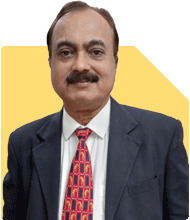
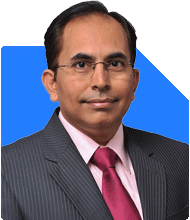
Nayagam P

Nayagam P P  |12231 Answers  |Ask -

Career Counsellor - Answered on Jul 28, 2025

Nayagam is a certified career counsellor and the founder of EduJob360.
He started his career as an HR professional and has over 10 years of experience in tutoring and mentoring students from Classes 8 to 12, helping them choose the right stream, course and college/university.
He also counsels students on how to prepare for entrance exams for getting admission into reputed universities /colleges for their graduate/postgraduate courses.
He has guided both fresh graduates and experienced professionals on how to write a resume, how to prepare for job interviews and how to negotiate their salary when joining a new job.
Nayagam has published an eBook, Professional Resume Writing Without Googling.
He has a postgraduate degree in human resources from Bhartiya Vidya Bhavan, Delhi, a postgraduate diploma in labour law from Madras University, a postgraduate diploma in school counselling from Symbiosis, Pune, and a certification in child psychology from Counsel India.
He has also completed his master’s degree in career counselling from ICCC-Mindler and Counsel, India.
... more
Ansh Question by Ansh on Jul 28, 2025English
Career

प्रिय महोदय, कंप्यूटर इंजीनियरिंग और कंप्यूटर विज्ञान इंजीनियरिंग में क्या अंतर है? कृपया मदद करें?

Ans: अंशु के अनुसार, कंप्यूटर इंजीनियरिंग और कंप्यूटर साइंस इंजीनियरिंग, कंप्यूटिंग, प्रोग्रामिंग और समस्या-समाधान पर एक समान आधारभूत फोकस रखते हैं, फिर भी इनके मूल जोर, पाठ्यक्रम और करियर पथ अलग-अलग हैं। कंप्यूटर साइंस इंजीनियरिंग (CSE) कंप्यूटिंग के सैद्धांतिक, एल्गोरिथम और सॉफ्टवेयर पहलुओं पर केंद्रित है—जिसमें प्रोग्रामिंग, एल्गोरिदम, आर्टिफिशियल इंटेलिजेंस, मशीन लर्निंग, डेटाबेस और कंप्यूटेशन के पीछे गणितीय सिद्धांत शामिल हैं। इसके विपरीत, कंप्यूटर इंजीनियरिंग (CE) CSE को इलेक्ट्रिकल इंजीनियरिंग के साथ जोड़ती है, जो सॉफ्टवेयर के साथ-साथ हार्डवेयर सिस्टम के डिजाइन और विकास पर ध्यान केंद्रित करती है—जिसमें सर्किट डिजाइन, एम्बेडेड सिस्टम, डिजिटल लॉजिक, माइक्रोप्रोसेसर और हार्डवेयर-सॉफ्टवेयर एकीकरण शामिल हैं। कठिनाई के संदर्भ में, CSE को अक्सर गणित और तर्क में मजबूत और प्रोग्रामिंग और अमूर्त सिद्धांत में रुचि रखने वालों के लिए अधिक सुलभ माना जाता है सीएसई स्नातकों के लिए सॉफ्टवेयर भूमिकाओं, आईटी, डेटा विज्ञान, साइबर सुरक्षा और एप्लिकेशन या वेब विकास में संभावनाएं प्रबल हैं, जहाँ शीर्ष संस्थानों में इनकी माँग लगातार उच्च है और प्लेसमेंट दर 90% से अधिक है। वहीं, सीई एक व्यापक क्षेत्र—हार्डवेयर डिज़ाइन, IoT, रोबोटिक्स, एम्बेडेड सिस्टम, दूरसंचार और सिस्टम इंजीनियरिंग—के लिए द्वार खोलता है, जिससे स्नातकों को हार्डवेयर और सॉफ्टवेयर दोनों क्षेत्रों में काम करने का अवसर मिलता है, लेकिन हार्डवेयर-केंद्रित भूमिकाओं में विशिष्ट विशेषज्ञता का सामना करना पड़ता है।

अवसरों के दृष्टिकोण से, दोनों क्षेत्रों की माँग बहुत अधिक है, सीएसई में वर्तमान तकनीकी बाजारों में बेहतर प्लेसमेंट दर और व्यापक भूमिकाएँ देखने को मिल रही हैं, जबकि सीई हार्डवेयर-सॉफ्टवेयर एकीकरण और उभरती प्रौद्योगिकियों में विशेषज्ञता की आवश्यकता वाले उद्योगों में बहुमुखी प्रतिभा प्रदान करता है। सीएसई के लिए नौकरी की माँग आमतौर पर सॉफ्टवेयर उद्योग और तेज़ी से बढ़ते एआई क्षेत्रों में अधिक होती है, जबकि सीई एकीकृत प्रणालियों, हार्डवेयर त्वरक और नई कंप्यूटिंग प्रौद्योगिकियों के निर्माण के लिए आवश्यक है। दोनों के लिए उद्योग की मांग मजबूत बनी हुई है, हालांकि सीएसई बड़ी आईटी, वित्त और उत्पाद कंपनियों में पसंद की जाती है, जबकि सीई इलेक्ट्रॉनिक्स, अर्धचालक, स्वायत्त प्रणालियों और दूरसंचार क्षेत्रों के लिए महत्वपूर्ण है। सीई के लिए 75-88% की तुलना में सीएसई के लिए प्लेसमेंट लगातार अधिकांश प्रतिष्ठित संस्थानों में 85-95% से ऊपर है, सीई स्नातक उन संगठनों में उत्कृष्ट प्रदर्शन करते हैं जहां सिस्टम डिज़ाइन, वीएलएसआई, आईओटी और हार्डवेयर नवाचार को प्राथमिकता दी जाती है। सीएसई का पाठ्यक्रम सॉफ्टवेयर टूल्स, कोडिंग भाषाओं (पायथन, जावा, सी++), डेटा विज्ञान और परियोजना प्रबंधन पर केंद्रित है; सीई हार्डवेयर प्रोग्रामिंग (वेरिलॉग, वीएचडीएल), इलेक्ट्रॉनिक डिजाइन ऑटोमेशन और नेटवर्किंग को शामिल करता है। सीएसई में अनुसंधान का फोकस एल्गोरिदम और सॉफ्टवेयर अनुकूलन की ओर है हालाँकि, कंप्यूटर इंजीनियरिंग के लिए, विशेष रूप से इंजीनियरिंग-केंद्रित परिसरों में, अनुसंधान अवसंरचना अधिक लाभदायक हो सकती है।

सुझाव: यदि आपकी प्राथमिक रुचि सॉफ्टवेयर, प्रोग्रामिंग और व्यापक तकनीकी उद्योग की भूमिकाओं में है, जहाँ प्लेसमेंट की स्थिरता और आगे की विशेषज्ञता (एआई, डेटा साइंस, साइबर सुरक्षा) के लिए लचीलापन हो, तो कंप्यूटर साइंस इंजीनियरिंग चुनें। यदि आपकी रुचि हार्डवेयर और सॉफ्टवेयर दोनों में है, और आप सिस्टम-स्तरीय नवाचार, हार्डवेयर डिज़ाइन और एम्बेडेड तकनीक से जुड़े करियर की तलाश में हैं, तो कंप्यूटर इंजीनियरिंग चुनें, खासकर यदि आप बहु-विषयक इंजीनियरिंग को महत्व देते हैं और कोर और तकनीकी क्षेत्रों में विविध भूमिकाएँ चाहते हैं। दोनों ही भविष्य के लिए उपयुक्त हैं, लेकिन सॉफ्टवेयर की बढ़ती मांग को देखते हुए, सीएसई वर्तमान में भारत और विश्व स्तर पर अधिक सार्वभौमिक अवसर प्रदान करता है, जबकि सीई उन लोगों के लिए विशिष्ट रूप से उपयुक्त है जो अगली पीढ़ी के एकीकृत सिस्टम या हार्डवेयर-सॉफ्टवेयर क्षेत्र में भूमिकाओं को लक्षित करते हैं। एक समृद्ध भविष्य के लिए शुभकामनाएँ!

"करियर | पैसा | स्वास्थ्य | रिश्ते" के बारे में अधिक जानने के लिए RediffGURUS को फ़ॉलो करें।

Career

आप नीचे ऐसेही प्रश्न और उत्तर देखना पसंद कर सकते हैं

Chocko

Chocko Valliappa  |571 Answers  |Ask -

Tech Entrepreneur, Educationist - Answered on Jul 12, 2024

Asked by Anonymous - Jul 12, 2024English
Listen
Career
क्या कंप्यूटर इंजीनियरिंग और कंप्यूटर विज्ञान इंजीनियरिंग में कोई बड़ा अंतर है?
Ans: कंप्यूटर इंजीनियरिंग (CE) और कंप्यूटर साइंस इंजीनियरिंग (CSE) कंप्यूटिंग के व्यापक डोमेन के भीतर संबंधित लेकिन अलग-अलग क्षेत्र हैं। जबकि CE इलेक्ट्रिकल इंजीनियरिंग और कंप्यूटर विज्ञान के सिद्धांतों पर ध्यान केंद्रित करता है, जिसमें हार्डवेयर और सॉफ़्टवेयर एकीकरण पर जोर दिया जाता है। CSE मुख्य रूप से सॉफ़्टवेयर-उन्मुख है, जिसमें कंप्यूटिंग के सैद्धांतिक और व्यावहारिक पहलुओं पर जोर दिया जाता है। अधिक जानकारी और कौशल के लिए दोनों कार्यक्रमों के विस्तृत पाठ्यक्रम देखें जिन्हें आप आत्मसात करेंगे

..Read more

नवीनतम प्रश्न
Ramalingam

Ramalingam Kalirajan  |11218 Answers  |Ask -

Mutual Funds, Financial Planning Expert - Answered on Jun 23, 2026

Asked by Anonymous - May 22, 2026
Money
Namaskar,I am a Sr Citizen aged 62 yrs settled in UP.I have a house in MP and other in Gujarat.Both the houses are valued at approx Rs 2 Cr.I have following queries. 1)In view of distant location of the two houses from my present location Is it good to dispose of these properties 2)What care should I take in selling these 3)In the present Global scene,Pl advice how do I invest the amount (after selling) for steady income.Regards
Ans: » First of All, You Are In A Strong Position

– At age 62, having two debt-free properties worth around Rs.2 Crore and being settled comfortably is a good achievement.
– Many retirees struggle with income generation. You already have substantial assets.
– The key question now is not wealth creation. It is wealth management, convenience and steady income.

» Should You Sell The Properties?

– Since both properties are located far away from your current residence, practical issues become important.
– Property management from a distance can become difficult with age.
– Maintenance, repairs, tenant issues, property taxes and legal matters require regular monitoring.
– If the properties are lying vacant or generating very low rental yield, retaining them may not be financially efficient.

You may consider selling if:

– You do not intend to live in either property in future.
– Your children are not interested in keeping them.
– Rental income is poor compared to property value.
– Managing them has become stressful.

However, avoid selling in a hurry. Take your time and get fair market value.

» Precautions While Selling

– Verify all title documents before listing the property.
– Ensure property taxes and utility dues are fully paid.
– Use a reputed property lawyer for document verification.
– Accept payments only through banking channels.
– Avoid cash transactions.
– Verify buyer credentials carefully.
– Keep copies of all sale documents safely.
– Understand capital gains tax implications before finalising the sale.

A small mistake during property sale can become a big issue later. Legal due diligence is very important.

» How To Invest The Sale Proceeds

At age 62, your primary objectives should be:

– Regular income
– Capital protection
– Liquidity
– Inflation protection
– Peace of mind

Instead of putting the entire amount into one product, create multiple buckets.

» Income Bucket

– Keep a portion in high-quality fixed income instruments.
– Maintain enough liquidity for 3-5 years of expenses.
– This provides stability irrespective of market conditions.

» Growth Bucket

– Even after retirement, some allocation to equity-oriented mutual funds is important.
– Retirement may last 25-30 years.
– Inflation remains a silent risk.
– Without growth assets, purchasing power may reduce over time.

A balanced allocation between growth and stability generally works better than keeping everything in deposits.

» Emergency & Medical Bucket

– Keep a dedicated emergency reserve.
– Maintain adequate health insurance if available.
– Set aside funds for future medical expenses.

This prevents disturbance to your long-term investments.

» Estate Planning

– Prepare or update your Will.
– Ensure nominations are updated across investments and bank accounts.
– Keep family members informed about major assets and documents.

This is often ignored but becomes very important after retirement.

» Finally

– Selling the properties can make sense if distance, maintenance and low rental returns are becoming a burden.
– Do not sell merely because markets are uncertain globally.
– Sell only if it improves your overall financial life and peace of mind.
– After the sale, focus on a mix of income-generating and growth-oriented investments rather than putting all money into one avenue.
– At this stage of life, simplicity, regular income and capital protection should take priority over chasing high returns.

To give a more precise roadmap, please share:

– Current monthly household expenses
– Pension income, if any
– Rental income from these properties, if any
– Existing bank deposits and investments
– Whether you wish to leave a legacy for children or primarily use the corpus for your own retirement

Best Regards,

K. Ramalingam, MBA, CFP,

Chief Financial Planner,

www.holisticinvestment.in

https://www.linkedin.com/in/ramalingamcfp/

...Read more

Ramalingam

Ramalingam Kalirajan  |11218 Answers  |Ask -

Mutual Funds, Financial Planning Expert - Answered on Jun 23, 2026

Money
Hello Sir/Madam, I would like to get financial advise. I am 42 . I am working in IT and earning 1.2 lacs/m. We have one home loans (35k till 2039). Following is my investments 1. EPF - 17 lacs 2. PPF - 11 lacs (Investing 1 lac /yr) planning to continue till 55 yrs 3. HDFC Flexi cap for child (1 yr old) education - 10k/m SIP 4. PPFAS ELSS for retirement - 7k/m SIP 5. Kotak Aggressive Hybrid Fund for Retirement - 7k/m SIP 6. Kotak Mid cap fund - 3k/m SIP 7. Franklin Asian Equity fund - 5k/m sip 8. Axis ELSS - 1.5 lacs (Planning to move out with a SWP) 9. Axis Midcap fund - 80k (not investing further) 10. HDFC Nifty 50 Equal Weightage Fund - 130k (no sip) 11. Axis Max life child plan - 60k/yr for next 10 yrs 12. NPS - 1 lac/yr (employer contribution) 13. Stock and Gold ETF - 9 lacs Current mediclaim for my family 30k/yr with a cover of 15 lacs. My monthly expenditure excluding EMI is around 40k/m I want to build my corpus for my retirement (between 52- 55) and child education. Please advise if my investment on right track or any modification required.
Ans: Its great to see the level of planning you have already done. At 42, you have built investments across EPF, PPF, mutual funds, NPS, stocks, gold and have also started planning for your 1-year-old child's future. That gives you a very good head start.

» Overall Financial Health

– Monthly income of around Rs.1.2 lakh.

– Monthly household expenses of around Rs.40,000 excluding EMI.

– Home loan EMI of Rs.35,000.

– Total monthly savings and investments are quite healthy.

– Family health insurance of Rs.15 lakh.

Overall, your savings habit is strong and you are moving in the right direction.

» Retirement Planning

– Planning to retire between 52 and 55 is an ambitious goal. It is possible only if the retirement corpus is built with discipline and expenses remain under control.

– Continue investing consistently and increase SIPs whenever salary increases.

– Try to direct at least 50% of every increment towards retirement investments instead of increasing lifestyle expenses.

– EPF, PPF and NPS together provide a strong stable foundation for retirement.

» Child Education Planning

– Your child is only one year old, which gives you a long investment horizon.

– The dedicated SIP for child education is a good step.

– Review the target amount every 3 to 5 years because education costs may rise much faster than normal inflation.

– Keep this investment separate from retirement money. Mixing both goals often creates confusion later.

» Mutual Fund Portfolio Review

– You have investments spread across multiple categories and fund houses.

– However, the portfolio is slowly becoming complex.

– Holding too many funds can create overlap and make monitoring difficult.

– A simpler portfolio with a limited number of well-managed actively managed mutual funds can be easier to track and maintain.

– Review the international equity exposure also. It should remain only a supporting allocation and not become a major part of the portfolio.

» About the Equal Weight Fund

– You have invested in an equal weight index-based strategy.

– In general, index-based investments have limitations because they simply follow predefined rules and cannot actively respond to changing market conditions.

– They continue holding companies irrespective of improving or weakening business quality.

– During changing market cycles, this lack of flexibility may affect long-term performance.

– Actively managed mutual funds, on the other hand, are managed by experienced professionals who continuously analyse businesses, reduce exposure to weak sectors and increase allocation to better opportunities.

– This active approach can provide better risk management and the potential for superior long-term wealth creation.

» Axis ELSS Investment

– Since you are already planning to move out gradually, avoid redeeming the entire amount in one shot.

– A phased exit can help reduce market timing risk.

– If the investment has completed the mandatory lock-in period, gradually shifting it into a suitable actively managed mutual fund portfolio aligned with your retirement goal can make the portfolio more focused.

– Also remember that long-term capital gains above Rs.1.25 lakh on equity mutual funds are taxed at 12.5%, while short-term gains are taxed at 20%. Plan withdrawals carefully.

» Child Insurance Plan

– Investment-cum-insurance plans generally provide lower flexibility and lower wealth creation potential compared to separate investments.

– Since you have mentioned a child plan, I would suggest reviewing whether continuing it adds value.

– If surrender charges are reasonable and the policy economics are not favourable, consider surrendering it and reinvesting the future premiums into suitable actively managed mutual funds dedicated for your child's education.

– Keeping insurance and investments separate usually leads to better financial outcomes.

» Health Insurance

– A family cover of Rs.15 lakh is a good starting point.

– But medical inflation is rising every year.

– Consider adding a Super Top-up policy of Rs.25 lakh or more. This can significantly improve your family's protection at a reasonable cost.

» Home Loan Strategy

– There is no urgency to prepay the home loan if your investments continue to generate long-term wealth.

– However, as retirement approaches, aim to become debt-free before leaving your job.

– Entering retirement without an EMI gives much greater financial comfort.

» Emergency Fund

– Keep at least 9 to 12 months of household expenses and EMIs in easily accessible debt instruments.

– This ensures that temporary job changes or market corrections do not disturb your long-term investments.

» Final Insights

– Your financial journey is on a solid path. The discipline is visible in almost every area.

– The next stage is not about investing more products but making the portfolio simpler and more goal-oriented.

– Review the investment-cum-insurance child plan, simplify the mutual fund portfolio, gradually reduce unnecessary overlap, strengthen health cover and continue increasing SIPs every year.

– If you follow this approach consistently, building a comfortable retirement corpus by the age of 52 to 55 and funding your child's higher education can become a practical and achievable goal.

Best Regards,

K. Ramalingam, MBA, CFP,

Chief Financial Planner,

www.holisticinvestment.in

https://www.linkedin.com/in/ramalingamcfp/

...Read more

Ramalingam

Ramalingam Kalirajan  |11218 Answers  |Ask -

Mutual Funds, Financial Planning Expert - Answered on Jun 23, 2026

Money
I have recently purchased a Health Insurance policy from policy Bazaar of Aditya Birla Health Ins. I was having a 12 yrs old/ no - Zero Claims in 12 yrs Health policy from HDFC ergo which expired on 24th March 2026. Now policy bazaar executive told me that aditya birla policy will be ported with additional benefits and will be continuous. Instead they have issued a new policy from 1st April 2026. I made the payment on 28th March and was expecting a start date from where my previous HDFC ergo policy was expiring- since i was confirmed a continuous and portable policy . Instead got a 1st April 2026 start date. Now i was not covered from 24th March to 1st April 2026 . Is it ok to have new policy from 1st April or Aditya Birla/ Policy Bazaar need to issue me new policy with start date of 24th march. I also compliant/ escalated to them that this is not how i was sold the policy and i was better off RENEWING HDFC Ergo (which i can still renew from 24th March ). So my question is - DOES it make any difference if my 12 yrs old Heallth Insurnace policy with Cover of 50 Lakhs has differed start date. The new policy document is ported for sure, the issue is start date.
Ans: » Your Concern Is Valid

– You have done the right thing by escalating the matter.
– A 12-year claim-free health insurance history is a valuable asset.
– When a policy is ported, continuity benefits are very important and any gap in coverage deserves attention.

» The Most Important Question

The key issue is not whether the policy starts on 24th March or 1st April.

The real question is:

– Has the insurer granted you continuity benefits for all the 12 completed years?
– Has the portability request been accepted formally?
– Does the policy schedule mention continuity of waiting periods and previous coverage history?

If continuity benefits are fully recognised, that is the most critical factor.

» The Gap Between 24th March And 1st April

– Ideally, there should not have been a gap in coverage.
– During those few days, if a hospitalisation had occurred, there could have been a dispute regarding claim admissibility.
– Therefore, from a risk management perspective, continuous coverage is always preferable.

This is why your concern is justified.

» Does The New Start Date Affect Your 12-Year History?

In many cases, if portability has been approved correctly:

– Waiting periods already served continue to be recognised.
– Pre-existing disease credits continue.
– Continuity benefits remain available.
– Claim-free history may continue as per portability rules.

If these benefits are clearly mentioned and accepted by the new insurer, your 12-year history may still remain protected despite the later commencement date.

However, the insurer should clarify this in writing.

» What You Should Ask For In Writing

Request a written confirmation from the insurer stating:

– The policy has been issued under portability provisions.
– All waiting periods served under the previous insurer have been credited.
– The 12-year continuity history has been recognised.
– The gap between 24th March and 1st April will not impact portability benefits.
– No fresh waiting period will apply for benefits already earned under the previous policy.

Written confirmation is far more important than verbal assurance from a sales executive.

» Can You Still Renew The Old Policy?

– Since you mentioned that renewal may still be possible, do not cancel that option without carefully checking timelines.
– If the old insurer's grace period is still active, obtain clarity before allowing it to lapse completely.
– Once the grace period expires, options may become limited.

» Documentation To Preserve

Keep copies of:

– Previous 12 years policy records.
– Renewal notices.
– Payment proof.
– Portability application.
– Email conversations.
– Complaint and escalation references.
– New policy schedule.

These documents can be very useful if any future claim dispute arises.

» Final Insights

– The start date difference is not automatically a major problem if portability and continuity benefits have been fully protected.
– The bigger concern is the coverage gap between 24th March and 1st April.
– Your focus should now be on obtaining written confirmation that all 12 years of accumulated benefits, waiting period credits and portability advantages remain intact.
– Until you receive such confirmation, continue pursuing the complaint with both the insurer and the intermediary.

Best Regards,

K. Ramalingam, MBA, CFP,

Chief Financial Planner,

www.holisticinvestment.in

https://www.linkedin.com/in/ramalingamcfp/

...Read more

Ramalingam

Ramalingam Kalirajan  |11218 Answers  |Ask -

Mutual Funds, Financial Planning Expert - Answered on Jun 23, 2026

Money
My wife Vaishali is taking VRS in September 2026 after 30 years of service. She has around 1.80 CR in Shares and Mutual funds. 23 Lakhs in PPF 10 Lakhs in NPS 8 lakhs in RBI bonds and Fds She will be getting around 75 lakhs in retirement benefits. She will be drawing a pension of around 45000/- per month . She has a monthly rental income of 21000/- She has a monthly Running SIP of 43000/- in 6 mutual funds. She has a family floater Mediclaim policy of 5 lakhs with top up of 16 lakhs since last 10 years and is also covered under CGHS scheme as she is a officer in Defence service. Monthly House expenses are borne by me From my pension and other income. I have a corpus of around 3.5 CR in Shares and Mutual funds along with 1.2 Cr in Debt instruments like FDs,MIS,SCSS,NCDs and bonds. My monthly pension is 55000/- and rental income is 29000/- Ongoing SIP of around 35000/- in Equity mutual funds. Will our savings last for around 30 years,as our monthly expenses are around 40000/-
Ans: Your family's financial planning deserves appreciation. You have built multiple income sources, maintained disciplined investments, created retirement assets and ensured adequate medical protection. Most importantly, your regular expenses are significantly lower than your recurring income, which is a very positive sign for a long retirement.

» Your Financial Position is Very Strong

– Your wife has approximately:

Rs.1.80 crore in shares and mutual funds.
Rs.23 lakh in PPF.
Rs.10 lakh in NPS.
Rs.8 lakh in RBI Bonds and Fixed Deposits.
Expected retirement benefits of around Rs.75 lakh.
Monthly pension of around Rs.45,000.
Monthly rental income of around Rs.21,000.

– You have approximately:

Rs.3.5 crore in shares and mutual funds.
Rs.1.2 crore in debt instruments.
Monthly pension of around Rs.55,000.
Monthly rental income of around Rs.29,000.

– Together, you have accumulated financial assets exceeding Rs.8 crore, excluding the value of your residential property and any other physical assets.

» Compare Income with Expenses

– Combined monthly pension is around Rs.1 lakh.

– Combined monthly rental income is around Rs.50,000.

– Total regular monthly income is therefore around Rs.1.5 lakh before considering any investment withdrawals.

– Your monthly household expenses are around Rs.40,000 and are already comfortably covered by your regular income.

– This means your investment portfolio may not need to generate income immediately and can continue to grow for many years.

» Continue SIPs with Periodic Review

– Your combined SIP investments of around Rs.78,000 every month show excellent investment discipline.

– If your cash flow remains comfortable even after VRS, continuing these SIPs can further strengthen your long-term wealth.

– However, review the portfolio once every year to avoid unnecessary overlap and to ensure that the allocation matches your retirement goals and risk profile.

» Maintain the Right Asset Allocation

– A large equity allocation has helped you create wealth.

– As retirement progresses, the objective should gradually shift from aggressive wealth creation to wealth preservation and stable growth.

– Maintain a healthy balance between actively managed mutual funds, quality debt instruments and adequate liquidity.

– Avoid making sudden changes based on short-term market movements.

» Health Protection is Well Planned

– Your wife has a family floater policy with a top-up cover and is also protected under CGHS.

– This combination provides a strong layer of medical security.

– Continue renewing the health insurance policy even if CGHS benefits are available, as multiple layers of protection provide greater financial confidence.

» Inflation Should Not Be Ignored

– Your current expenses of around Rs.40,000 per month are modest compared to your income.

– However, over the next 20 to 30 years, living costs may increase substantially.

– Since a major portion of your wealth is invested in growth-oriented assets, your portfolio has the potential to support increasing expenses over time.

» Plan for Tax-Efficient Withdrawals

– Even if you do not require regular withdrawals today, have a structured withdrawal strategy for the future.

– For equity mutual funds, long-term capital gains above Rs.1.25 lakh are taxed at 12.5%, while short-term capital gains are taxed at 20%.

– Planned withdrawals instead of large lump sum redemptions can improve tax efficiency and preserve wealth.

» Estate Planning is the Next Priority

– Prepare or update Wills for both of you.

– Ensure nominations are correctly registered across all investments and bank accounts.

– Maintain a consolidated list of investments, passwords, important documents and contact details for your family.

– This will make wealth transfer smooth and stress-free.

» Review Lifestyle Goals

– Since your regular income is much higher than your monthly expenses, do not hesitate to allocate funds for travel, hobbies, charity, family celebrations or health and wellness.

– Retirement is not only about preserving wealth but also about enjoying the financial freedom you have worked hard to create.

» Final Insights

– Based on the details shared, your retirement plan appears financially very comfortable.

– Your recurring pension and rental income alone are nearly four times your current monthly expenses.

– You also have a substantial investment corpus, strong debt allocation, adequate health protection and independent income sources.

– Unless there is an extraordinary unforeseen event or a major change in spending habits, your savings have a very high probability of comfortably supporting your lifestyle for the next 30 years and beyond.

– Continue with disciplined portfolio reviews, maintain diversification and avoid unnecessary risk-taking. Your financial foundation is strong enough to provide both security and peace of mind throughout retirement.

Best Regards,

K. Ramalingam, MBA, CFP,

Chief Financial Planner,

www.holisticinvestment.in

https://www.linkedin.com/in/ramalingamcfp/

...Read more

Ramalingam

Ramalingam Kalirajan  |11218 Answers  |Ask -

Mutual Funds, Financial Planning Expert - Answered on Jun 23, 2026

Money
Hi, I am 46 year old, with 2 kids aged 11 year and 5 year. My monthly income is 40 Thousand ( Private sector). Expense are around 25 Thousand , I live with my parent in their house, so no rent no other debt. Investment are 28 lakh in FD , PPF , SSA And NSC in stocks invest in Rs. 12 Lakh . These are long term for kids future. How should I plan if I wish to retire by 60.
Ans: » You Have Built A Strong Foundation

– First of all, you deserve appreciation for what you have already achieved.
– At age 46, having no debt, no rent obligation, and investments of around Rs.40 lakh is a very good position considering a monthly income of Rs.40,000.
– Living within your means and investing consistently has given you a strong base for retirement planning.

» Current Financial Position

– Monthly income: Rs.40,000
– Monthly expenses: Rs.25,000
– Monthly surplus: Around Rs.15,000
– No housing rent
– No loans
– Investments in fixed-income products and stocks
– Two children aged 11 and 5 years

Your biggest strengths are:

– Debt-free life
– Controlled expenses
– Long-term investment mindset
– Family support through owned accommodation

» Focus On Three Separate Goals

Avoid mixing all investments into one pool.

Create separate buckets for:

– Retirement corpus
– Elder child's higher education
– Younger child's higher education

This will help you track progress clearly and avoid using retirement money for children's goals.

» Strengthen Retirement Investments

– You have around 14 years before retirement.
– Continue contributing regularly from your monthly surplus.
– Direct fresh investments towards diversified equity-oriented mutual funds and flexi-cap strategies suitable for long-term wealth creation.
– Since retirement is still 14 years away, growth assets deserve an important role in the portfolio.

Your existing fixed-income investments provide stability, while growth-oriented investments can help build the retirement corpus.

» Protect Your Family

Please ensure:

– Adequate health insurance for yourself and family.
– Sufficient term insurance if family members depend on your income.
– Emergency fund covering at least 6-12 months of expenses.

Many retirement plans fail not because of poor investments but because of unexpected medical or family emergencies.

» Plan For Children's Education Carefully

– The elder child may need funds in about 7 to 10 years.
– The younger child may need funds in about 13 to 16 years.

As these goals approach:

– Gradually move required amounts towards safer investments.
– Avoid keeping education money fully exposed to stock market volatility close to the goal date.

» Retirement Lifestyle Assessment

Think about:

– What monthly income you would require at age 60.
– Medical expenses after retirement.
– Support for children, if any.
– Inflation impact over the next 14 years.

Since you already live in a family-owned house, your retirement requirement may be lower than many others, which is a significant advantage.

» Increase Income If Possible

– The biggest challenge may not be investments but income growth.
– Any increase in salary, side income, consulting work, skill enhancement or part-time work over the next decade can make a major difference.
– Even small increases in savings can significantly strengthen retirement readiness.

» Finally

– Your financial discipline is already working in your favour.
– Being debt-free at 46 is a major advantage.
– Continue building retirement assets while keeping children's goals separate.
– Maintain adequate insurance and emergency reserves.
– Focus on increasing savings whenever income rises.
– With 14 years available and a solid financial base, retiring at 60 appears achievable with disciplined investing and periodic reviews.

Best Regards,

K. Ramalingam, MBA, CFP,

Chief Financial Planner,

www.holisticinvestment.in

https://www.linkedin.com/in/ramalingamcfp/

...Read more

Ramalingam

Ramalingam Kalirajan  |11218 Answers  |Ask -

Mutual Funds, Financial Planning Expert - Answered on Jun 23, 2026

Money
Sir, I am 59 years and working in PSU. I am retiring in the year 2027. My investment in SIP is Rs.12,000/- per month and the present value is Rs.20 lakhs. I have also FDs in Postal worth Rs.10 lakhs. I have also Rs.20 lakhs worth shares. After retirement, I would get Rs.1.6 crores from my Company. I will get only Rs.5,000/- pension after retirement. My Company will take care of medical facilities after retirement also. I have an Independent house worth Rs.1.4 crore and booked a Flat at a gated community worth 2 crores and will give delivery by Dec'27. I have no EMIs and Bank loans. I have Rs.1 crore worth agriculture land in my village. My children are doing jobs and are not dependent on my wealth. Please advise me how to manage the funds and where to invest so that I can get a monthly income of Rs.90,000 to 1 lakh per month. Also advise me whether the above financial status is enough to lead a peaceful retirement life.
Ans: Your financial discipline over the years deserves appreciation. At the age of 59, you have built a diversified asset base, have no loans, your children are financially independent, and your employer will continue to provide medical support. These are very strong pillars for a peaceful retirement.

» Your Financial Position Looks Strong

– SIP investments worth around Rs.20 lakh.

– Postal Fixed Deposits worth around Rs.10 lakh.

– Direct equity investments worth around Rs.20 lakh.

– Retirement corpus expected from your company of around Rs.1.6 crore.

– Independent house worth around Rs.1.4 crore.

– Flat under construction worth around Rs.2 crore.

– Agricultural land worth around Rs.1 crore.

– No EMIs or bank loans.

– Children are self-dependent.

– Employer-sponsored medical benefits after retirement.

This is a well-built financial foundation and provides multiple layers of security.

» Is Rs.90,000 to Rs.1 Lakh Monthly Income Possible?

– Based on the financial information shared, generating a monthly income of Rs.90,000 to Rs.1 lakh appears to be a realistic objective.

– You also have a monthly pension of around Rs.5,000, which adds to your regular cash flow.

– Since your medical expenses are largely taken care of by your employer, a major retirement risk is already addressed.

– The key is not to chase the highest returns but to create a sustainable income plan that can last for 25 to 30 years.

» Manage the Retirement Corpus Carefully

– Do not invest the entire Rs.1.6 crore immediately after retirement.

– Keep the money in a temporary parking option for a few months.

– Prepare a retirement income plan based on your monthly expenses, future goals and tax position.

– Investing gradually over several months helps reduce emotional decisions and market timing risk.

» Build a Retirement Income Portfolio

– Maintain a combination of actively managed mutual funds, fixed income products and emergency reserves.

– The growth portion of the portfolio helps beat inflation.

– The stable portion provides regular cash flow and reduces volatility.

– This balanced approach is generally more effective than putting the entire retirement corpus into one investment category.

» Review Your Existing Investments

– Continue your SIP until retirement if cash flow permits.

– Review your direct share portfolio.

– If the portfolio is highly concentrated in a few stocks or contains weak businesses, gradually diversify the proceeds into professionally managed mutual funds.

– This can reduce company-specific risk and improve long-term stability.

» Review the New Flat Decision

– Since you already own an independent house, evaluate the purpose of the new flat.

– If it is meant for self-use and lifestyle improvement, it can be a personal decision.

– If it is purely for investment, assess whether it may create unnecessary concentration in one asset class and reduce liquidity during retirement.

– Retirement portfolios should provide easy access to funds whenever required.

» Keep an Adequate Emergency Fund

– Maintain at least one year of household expenses in easily accessible instruments.

– This ensures that market fluctuations do not force you to sell long-term investments at an unfavourable time.

» Plan for Inflation

– Today, Rs.1 lakh per month may comfortably meet your needs.

– However, after 10 or 15 years, the same amount may have much lower purchasing power.

– Therefore, your retirement portfolio should include sufficient growth-oriented investments so that your income can increase over time.

» Estate and Family Planning

– Prepare or update your Will.

– Ensure nominations are correctly registered in all investments and bank accounts.

– Keep a consolidated record of all assets, investments and important documents for your family.

– This simple exercise can prevent future legal and administrative difficulties.

» Tax Planning

– Plan withdrawals in a tax-efficient manner instead of redeeming large amounts at one time.

– For equity mutual funds, long-term capital gains above Rs.1.25 lakh are taxed at 12.5%, while short-term capital gains are taxed at 20%.

– A planned withdrawal strategy can help improve post-tax income and preserve wealth.

» Finally

– Based on the information provided, you appear to be in a financially comfortable position to enjoy retirement.

– You have a healthy retirement corpus, debt-free status, employer-supported medical benefits, independent children and multiple assets.

– Your biggest focus should now shift from wealth creation to wealth preservation, regular income generation, tax efficiency and legacy planning.

– With a disciplined retirement income strategy and periodic portfolio reviews by a Certified Financial Planner, achieving a monthly income of Rs.90,000 to Rs.1 lakh while maintaining long-term financial peace appears to be a practical and achievable goal.

Best Regards,

K. Ramalingam, MBA, CFP,

Chief Financial Planner,

www.holisticinvestment.in

https://www.linkedin.com/in/ramalingamcfp/

...Read more

DISCLAIMER: The content of this post by the expert is the personal view of the rediffGURU. Investment in securities market are subject to market risks. Read all the related document carefully before investing. The securities quoted are for illustration only and are not recommendatory. Users are advised to pursue the information provided by the rediffGURU only as a source of information and as a point of reference and to rely on their own judgement when making a decision. RediffGURUS is an intermediary as per India's Information Technology Act.

Close  

You haven't logged in yet. To ask a question, Please Log in below
Login

A verification OTP will be sent to this
Mobile Number / Email

Enter OTP
A 6 digit code has been sent to

Resend OTP in120seconds

Dear User, You have not registered yet. Please register by filling the fields below to get expert answers from our Gurus
Sign up

By signing up, you agree to our
Terms & Conditions and Privacy Policy

Already have an account?

Enter OTP
A 6 digit code has been sent to Mobile

Resend OTP in120seconds

x