विशेषज्ञ की सलाह चाहिए?हमारे गुरु मदद कर सकते हैं

Computer Engineering vs. Computer Science Engineering: Is There a Big Difference?

Chocko

Chocko Valliappa  |571 Answers  |Ask -

Tech Entrepreneur, Educationist - Answered on Jul 12, 2024

Chocko Valliappa is the founder and CEO of Vee Technologies, a global IT services company; HireMee, a talent assessment and talent management start-up; and vice chairman of The Sona Group of education institutions.
A fourth-generation entrepreneur, Valliappa is a member of Confederation of Indian Industry, Nasscom, Entrepreneurs Organization and Young Presidents’ Organization.
He was honoured by the YPO with their Global Social Impact award in 2018.
An alumnus of Christ College, Bangalore, Valliappa holds a degree in textile technology and management from the South India Textile Research Association. His advanced research in the Czech Republic led to the creation of innovative polyester spinning machinery.... more
Asked by Anonymous - Jul 12, 2024English
Listen
Career

क्या कंप्यूटर इंजीनियरिंग और कंप्यूटर विज्ञान इंजीनियरिंग में कोई बड़ा अंतर है?

Ans: कंप्यूटर इंजीनियरिंग (CE) और कंप्यूटर साइंस इंजीनियरिंग (CSE) कंप्यूटिंग के व्यापक डोमेन के भीतर संबंधित लेकिन अलग-अलग क्षेत्र हैं। जबकि CE इलेक्ट्रिकल इंजीनियरिंग और कंप्यूटर विज्ञान के सिद्धांतों पर ध्यान केंद्रित करता है, जिसमें हार्डवेयर और सॉफ़्टवेयर एकीकरण पर जोर दिया जाता है। CSE मुख्य रूप से सॉफ़्टवेयर-उन्मुख है, जिसमें कंप्यूटिंग के सैद्धांतिक और व्यावहारिक पहलुओं पर जोर दिया जाता है। अधिक जानकारी और कौशल के लिए दोनों कार्यक्रमों के विस्तृत पाठ्यक्रम देखें जिन्हें आप आत्मसात करेंगे
Asked on - Jul 12, 2024 | Answered on Jul 13, 2024
Listen
मैंने पाठ्यक्रम की जाँच की, केवल मामूली अंतर हैं सिवाय इसके कि सीएसई में जावा और पायथन के लिए समर्पित विषय/व्याख्यान हैं, कौन सा बेहतर होगा?
Ans: अच्छा हुआ कि आपने मेरे सुझाव को गंभीरता से लिया। मैं प्राथमिकता आप पर छोड़ता हूँ, आपको कार्यक्रम का आनंद लेना है, सीखना है, अच्छा करना है और अपना करियर बनाना है, इसलिए मेरा सुझाव है कि आप ही चुनाव करें। आपको ढेरों शुभकामनाएँ।
Asked on - Jul 13, 2024 | Answered on Aug 24, 2024
Listen
ठीक है धन्यवाद सर
Ans: शुभकामनाएं
Career

आप नीचे ऐसेही प्रश्न और उत्तर देखना पसंद कर सकते हैं

Saurabh

Saurabh Saxena  | Answer  |Ask -

Tech Career Counselling Expert - Answered on Jul 24, 2023

Asked by Anonymous - Jul 11, 2023English
Listen
Career
कैरियर के दायरे और प्लेसमेंट के संदर्भ में सीएसई बनाम सूचना प्रणाली इंजीनियरिंग। क्या दोनों में कोई बड़ा अंतर है?
Ans: कंप्यूटर साइंस इंजीनियरिंग (सीएसई) और सूचना प्रणाली इंजीनियरिंग (आईएसई) दोनों कंप्यूटर विज्ञान और प्रौद्योगिकी के क्षेत्र से संबंधित हैं, लेकिन फोकस और करियर के दायरे के मामले में उनमें कुछ अंतर हैं। आइए इन पहलुओं का पता लगाएं:

फोकस और पाठ्यक्रम:
कंप्यूटर साइंस इंजीनियरिंग (सीएसई): सीएसई मुख्य रूप से कंप्यूटर सॉफ्टवेयर और हार्डवेयर के डिजाइन, विकास और कार्यान्वयन पर केंद्रित है। पाठ्यक्रम में प्रोग्रामिंग भाषाएं, एल्गोरिदम, डेटा संरचनाएं, ऑपरेटिंग सिस्टम, कंप्यूटर आर्किटेक्चर, सॉफ्टवेयर इंजीनियरिंग और बहुत कुछ शामिल हैं।

सूचना प्रणाली इंजीनियरिंग (आईएसई): आईएसई व्यावसायिक प्रक्रियाओं और डेटा प्रबंधन के साथ प्रौद्योगिकी के एकीकरण पर केंद्रित है। पाठ्यक्रम में आम तौर पर डेटाबेस प्रबंधन, सूचना प्रणाली विश्लेषण, उद्यम संसाधन योजना (ईआरपी), बिजनेस इंटेलिजेंस, परियोजना प्रबंधन और संगठनात्मक व्यवहार जैसे विषय शामिल होते हैं।

जब सॉफ्टवेयर और प्रौद्योगिकी क्षेत्रों में प्लेसमेंट के अवसरों की बात आती है तो सीएसई स्नातकों को अक्सर बढ़त हासिल होती है। ये उद्योग अक्सर सॉफ्टवेयर इंजीनियरों, वेब डेवलपर्स, डेटा वैज्ञानिकों और नेटवर्क प्रशासकों जैसी भूमिकाओं के लिए सीएसई स्नातकों की भर्ती करते हैं।

..Read more

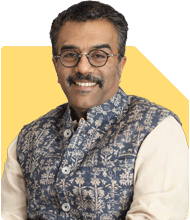
Nayagam P

Nayagam P P  |12231 Answers  |Ask -

Career Counsellor - Answered on Jul 28, 2025

Career
प्रिय महोदय, कंप्यूटर इंजीनियरिंग और कंप्यूटर विज्ञान इंजीनियरिंग में क्या अंतर है? कृपया मदद करें?
Ans: अंशु के अनुसार, कंप्यूटर इंजीनियरिंग और कंप्यूटर साइंस इंजीनियरिंग, कंप्यूटिंग, प्रोग्रामिंग और समस्या-समाधान पर एक समान आधारभूत फोकस रखते हैं, फिर भी इनके मूल जोर, पाठ्यक्रम और करियर पथ अलग-अलग हैं। कंप्यूटर साइंस इंजीनियरिंग (CSE) कंप्यूटिंग के सैद्धांतिक, एल्गोरिथम और सॉफ्टवेयर पहलुओं पर केंद्रित है—जिसमें प्रोग्रामिंग, एल्गोरिदम, आर्टिफिशियल इंटेलिजेंस, मशीन लर्निंग, डेटाबेस और कंप्यूटेशन के पीछे गणितीय सिद्धांत शामिल हैं। इसके विपरीत, कंप्यूटर इंजीनियरिंग (CE) CSE को इलेक्ट्रिकल इंजीनियरिंग के साथ जोड़ती है, जो सॉफ्टवेयर के साथ-साथ हार्डवेयर सिस्टम के डिजाइन और विकास पर ध्यान केंद्रित करती है—जिसमें सर्किट डिजाइन, एम्बेडेड सिस्टम, डिजिटल लॉजिक, माइक्रोप्रोसेसर और हार्डवेयर-सॉफ्टवेयर एकीकरण शामिल हैं। कठिनाई के संदर्भ में, CSE को अक्सर गणित और तर्क में मजबूत और प्रोग्रामिंग और अमूर्त सिद्धांत में रुचि रखने वालों के लिए अधिक सुलभ माना जाता है सीएसई स्नातकों के लिए सॉफ्टवेयर भूमिकाओं, आईटी, डेटा विज्ञान, साइबर सुरक्षा और एप्लिकेशन या वेब विकास में संभावनाएं प्रबल हैं, जहाँ शीर्ष संस्थानों में इनकी माँग लगातार उच्च है और प्लेसमेंट दर 90% से अधिक है। वहीं, सीई एक व्यापक क्षेत्र—हार्डवेयर डिज़ाइन, IoT, रोबोटिक्स, एम्बेडेड सिस्टम, दूरसंचार और सिस्टम इंजीनियरिंग—के लिए द्वार खोलता है, जिससे स्नातकों को हार्डवेयर और सॉफ्टवेयर दोनों क्षेत्रों में काम करने का अवसर मिलता है, लेकिन हार्डवेयर-केंद्रित भूमिकाओं में विशिष्ट विशेषज्ञता का सामना करना पड़ता है।

अवसरों के दृष्टिकोण से, दोनों क्षेत्रों की माँग बहुत अधिक है, सीएसई में वर्तमान तकनीकी बाजारों में बेहतर प्लेसमेंट दर और व्यापक भूमिकाएँ देखने को मिल रही हैं, जबकि सीई हार्डवेयर-सॉफ्टवेयर एकीकरण और उभरती प्रौद्योगिकियों में विशेषज्ञता की आवश्यकता वाले उद्योगों में बहुमुखी प्रतिभा प्रदान करता है। सीएसई के लिए नौकरी की माँग आमतौर पर सॉफ्टवेयर उद्योग और तेज़ी से बढ़ते एआई क्षेत्रों में अधिक होती है, जबकि सीई एकीकृत प्रणालियों, हार्डवेयर त्वरक और नई कंप्यूटिंग प्रौद्योगिकियों के निर्माण के लिए आवश्यक है। दोनों के लिए उद्योग की मांग मजबूत बनी हुई है, हालांकि सीएसई बड़ी आईटी, वित्त और उत्पाद कंपनियों में पसंद की जाती है, जबकि सीई इलेक्ट्रॉनिक्स, अर्धचालक, स्वायत्त प्रणालियों और दूरसंचार क्षेत्रों के लिए महत्वपूर्ण है। सीई के लिए 75-88% की तुलना में सीएसई के लिए प्लेसमेंट लगातार अधिकांश प्रतिष्ठित संस्थानों में 85-95% से ऊपर है, सीई स्नातक उन संगठनों में उत्कृष्ट प्रदर्शन करते हैं जहां सिस्टम डिज़ाइन, वीएलएसआई, आईओटी और हार्डवेयर नवाचार को प्राथमिकता दी जाती है। सीएसई का पाठ्यक्रम सॉफ्टवेयर टूल्स, कोडिंग भाषाओं (पायथन, जावा, सी++), डेटा विज्ञान और परियोजना प्रबंधन पर केंद्रित है; सीई हार्डवेयर प्रोग्रामिंग (वेरिलॉग, वीएचडीएल), इलेक्ट्रॉनिक डिजाइन ऑटोमेशन और नेटवर्किंग को शामिल करता है। सीएसई में अनुसंधान का फोकस एल्गोरिदम और सॉफ्टवेयर अनुकूलन की ओर है हालाँकि, कंप्यूटर इंजीनियरिंग के लिए, विशेष रूप से इंजीनियरिंग-केंद्रित परिसरों में, अनुसंधान अवसंरचना अधिक लाभदायक हो सकती है।

सुझाव: यदि आपकी प्राथमिक रुचि सॉफ्टवेयर, प्रोग्रामिंग और व्यापक तकनीकी उद्योग की भूमिकाओं में है, जहाँ प्लेसमेंट की स्थिरता और आगे की विशेषज्ञता (एआई, डेटा साइंस, साइबर सुरक्षा) के लिए लचीलापन हो, तो कंप्यूटर साइंस इंजीनियरिंग चुनें। यदि आपकी रुचि हार्डवेयर और सॉफ्टवेयर दोनों में है, और आप सिस्टम-स्तरीय नवाचार, हार्डवेयर डिज़ाइन और एम्बेडेड तकनीक से जुड़े करियर की तलाश में हैं, तो कंप्यूटर इंजीनियरिंग चुनें, खासकर यदि आप बहु-विषयक इंजीनियरिंग को महत्व देते हैं और कोर और तकनीकी क्षेत्रों में विविध भूमिकाएँ चाहते हैं। दोनों ही भविष्य के लिए उपयुक्त हैं, लेकिन सॉफ्टवेयर की बढ़ती मांग को देखते हुए, सीएसई वर्तमान में भारत और विश्व स्तर पर अधिक सार्वभौमिक अवसर प्रदान करता है, जबकि सीई उन लोगों के लिए विशिष्ट रूप से उपयुक्त है जो अगली पीढ़ी के एकीकृत सिस्टम या हार्डवेयर-सॉफ्टवेयर क्षेत्र में भूमिकाओं को लक्षित करते हैं। एक समृद्ध भविष्य के लिए शुभकामनाएँ!

"करियर | पैसा | स्वास्थ्य | रिश्ते" के बारे में अधिक जानने के लिए RediffGURUS को फ़ॉलो करें।
..Read more

नवीनतम प्रश्न
Ramalingam

Ramalingam Kalirajan  |11243 Answers  |Ask -

Mutual Funds, Financial Planning Expert - Answered on Jun 23, 2026

Money
i wanted to know I am taking 2 wheeler loan and loan amount is 275000 for 5 years. The bank has offered me 8.5% flat interest rate & 16% reducing rate which one should i prefer taking into consideration of prepayment
Ans: It is good that you are comparing the loan options before signing the agreement. Most borrowers only look at the EMI and miss the actual cost of borrowing.

» Understanding Flat Rate Vs Reducing Rate

– In a flat-rate loan, interest is calculated on the original loan amount throughout the tenure.

– In a reducing-balance loan, interest is charged only on the outstanding balance.

– As your principal reduces every month, the interest amount also reduces.

– Therefore, comparing 8.5% flat with 16% reducing only by looking at the percentage can be misleading.

» If You Plan To Prepay

– The reducing-balance method is generally more favourable.

– Every prepayment directly reduces the outstanding principal.

– Future interest is then calculated on the lower balance.

– This means you get a real benefit from prepayment.

– In a flat-rate structure, the benefit of prepayment is often lower because the interest calculation is based on the original loan amount.

» What You Must Check Before Deciding

– Is there any prepayment penalty?

– Is part-prepayment allowed?

– After prepayment, will EMI reduce or tenure reduce?

– Are there any processing fees or hidden charges?

– What is the total repayment amount under both options?

Sometimes a lower-looking interest rate can result in a higher total cost because of the way the loan is structured.

» My View As A Certified Financial Planner

– If you are reasonably sure that you will prepay the loan within a few years, the reducing-balance option generally deserves preference.

– It rewards early repayment.

– It provides greater flexibility.

– It usually reflects the true outstanding liability more fairly.

» One More Thought

– A two-wheeler is a depreciating asset.

– Therefore, if your cash flow permits, try to close the loan faster than the original tenure.

– Reducing debt early on depreciating assets improves your overall financial health.

» Finally

– Based purely on the information provided and considering your intention to prepay, I would lean towards the reducing-balance option rather than the flat-rate option.

– However, before signing, ask the bank for the total repayment schedule and prepayment rules of both options.

– The best choice is the one with the lower total borrowing cost and greater flexibility for early closure.

Best Regards,

K. Ramalingam, MBA, CFP,

Chief Financial Planner,

www.holisticinvestment.in

https://www.linkedin.com/in/ramalingamcfp/

...Read more

Ramalingam

Ramalingam Kalirajan  |11243 Answers  |Ask -

Mutual Funds, Financial Planning Expert - Answered on Jun 23, 2026

Money
Hello sir , My age is 42 and wife age 38 have 2 kids 1 is 12 and another is 8yrs My wife received gift from her mother rs 10 lacs, she already have 30 k sip in midcap, 2 small cap , large and midcap, flexi cap , equal weight nifty index fund. All are in direct plan. Her current corpus is 12 lacs .And we also have home loan last 12 yrs.now only 6.5 lacs are remaining my emi is 25 k. 1. Can we invest in SIF fund all gift amount? 2. Can we invest in same SIP? 3. Can we prepayment 6.5 lacs home loan and debt free? Or anything advice from you please suggest us?
Ans: It is really good to see that both of you are investing regularly and at the same time thinking about debt reduction. A Rs.10 lakh gift can become a very powerful wealth creation tool if it is used with a clear plan instead of chasing new investment ideas.

» Current Financial Position

Age: 42 and 38 years.
Two children aged 12 and 8 years.
Existing mutual fund corpus: Around Rs.12 lakh.
Monthly SIP: Rs.30,000 across multiple funds.
Home loan outstanding: Rs.6.5 lakh with EMI of Rs.25,000.
Additional gift received: Rs.10 lakh.

Overall, you are building assets and reducing liabilities simultaneously, which is a healthy approach.

» Review Your Existing Portfolio

Your portfolio already has exposure to mid-cap, small-cap, large & mid-cap, flexi-cap and an equal weight index fund.
This provides diversification across different market segments.

However, you are investing through direct plans.

Direct plans require continuous monitoring, periodic portfolio review and timely rebalancing.
Many investors find it difficult to decide when to continue, switch or exit a fund.
Regular funds invested through an MFD with CFP credential provide ongoing support, goal-based planning, portfolio reviews and behavioural guidance during market volatility.
The professional support can add significant value over a long investment journey.

» Should You Invest the Entire Rs.10 Lakh in SIF?

I would suggest avoiding investing the entire amount in a single new investment category.
A new product may look attractive today, but concentration risk should always be avoided.
Diversification across well-managed actively managed mutual funds is generally a better long-term strategy.

Instead of putting the entire gift into one option, align it with your family's goals like retirement and children's education.

» Can You Invest in the Existing SIP Portfolio?

Yes, increasing investments in your existing well-diversified portfolio is a simple and disciplined approach.
Instead of making one large investment at a single market level, consider investing the amount gradually over a period.
This reduces timing risk and helps maintain investment discipline.

» Should You Prepay the Home Loan?

An outstanding home loan of Rs.6.5 lakh is relatively small compared to the Rs.10 lakh gift.
Becoming debt free gives financial peace of mind and improves monthly cash flow.
Closing the loan will also free up the Rs.25,000 EMI, which can then be redirected towards long-term investments.

This creates a disciplined wealth-building cycle.

» A Balanced 360 Degree Approach

You may consider:

Prepay the remaining home loan and become debt free.
Redirect the freed-up EMI towards diversified actively managed mutual funds every month.
Invest the balance amount from the gift gradually into your long-term investment portfolio.
Continue building separate investments for your children's higher education and your retirement.

This approach improves both financial security and long-term wealth creation.

» Protection Review

Ensure both of you have adequate health insurance.
Maintain sufficient pure term insurance based on your family responsibilities.
Keep an emergency fund covering at least 6 months of expenses before making any large investments.

» Finally

You are in a very good financial position with regular SIPs and a nearly closed home loan.
Instead of investing the entire Rs.10 lakh in a single new option, focus on a balanced strategy.
Becoming debt free, increasing investments in diversified actively managed mutual funds and redirecting the Rs.25,000 EMI towards wealth creation can strengthen your financial future.
Also review the use of direct plans, as regular funds through an MFD with CFP credential can provide valuable long-term guidance, portfolio reviews and disciplined decision-making.

Best Regards,

K. Ramalingam, MBA, CFP,

Chief Financial Planner,

www.holisticinvestment.in

https://www.linkedin.com/in/ramalingamcfp/

...Read more

Ramalingam

Ramalingam Kalirajan  |11243 Answers  |Ask -

Mutual Funds, Financial Planning Expert - Answered on Jun 23, 2026

Asked by Anonymous - Jun 09, 2026
Money
Hi, my age is 44, current net salary 1.10 lacs after all deduction.Accomodation provided free by Company. My PF balance 20 Lacs as on date with monthly contribution both emplyer and emplyee as 20K.Mutual Fund corpus 12 lacs with monthly SIP of 15K.I have 1 no 3 storied house in City where month rent of one portion comes as 19K. I am having other 2 flats ,one is loan free where rental income come as 14K per month .The other flat vacant for occassional visit.I am having 1 daughter of 10 years of age whose Sukannya a/c stands as 3 lacs ,monthly contribution started as 12500 just from last month.I am having PPF balance of 12lacs .i am a son of 15 years of age.Wife is a homemaker.Kindly suggest how to move ahead to build 5 crs corpus at the time of retirement on 2041.Offcourse 5 crs is suffecient or not i dont know. I just started NPS with monthly contribution of 12500 per month. I am having 1 Cr term plan ( 50L own and 50 Lacs company) .Medical insurance borne by the company .
Ans: It is really inspiring to see that even at the age of 85, you are thinking carefully about protecting your savings. At this stage, wealth preservation becomes much more important than wealth creation.

» Safety Should Be The First Priority

– Your primary objective should be capital safety.

– Regular income and easy access to money should come next.

– Earning an extra 0.5% or 1% return should not be the deciding factor.

– Peace of mind is the real return at this stage of life.

» Avoid Keeping Rs. 25 Lakh In One Bank

– I would not suggest putting the entire Rs. 25 lakh into one bank.

– Diversification is important even for fixed deposits.

– Spreading the money across two or three strong banks reduces concentration risk.

– It also provides flexibility if you need funds unexpectedly.

– Having relationships with multiple banks can be useful for operational convenience.

» A Practical Way To Structure The Deposits

– Keep a portion in a savings account for day-to-day needs.

– Keep a portion in short-term fixed deposits.

– Keep the balance in medium-term fixed deposits.

– This creates a ladder approach where money becomes available periodically without breaking long-term deposits.

– Such a structure balances liquidity and income.

» Income Requirement Matters

– If you require regular monthly income, choose interest payout options.

– If your current income needs are already met, allowing some deposits to compound may be beneficial.

– The exact structure should depend on your monthly cash flow requirement.

» Medical Emergency Planning

– At age 85, medical expenses can arise without notice.

– Keep a separate emergency reserve that can be accessed immediately.

– Avoid locking all funds into long-tenure deposits.

– Liquidity is a very valuable asset in retirement.

» Documentation And Family Preparedness

– Ensure every bank account and fixed deposit has a nominee.

– Keep all deposit receipts and account details in one file.

– Share the location of important documents with a trusted family member.

– This small step can prevent unnecessary difficulties later.

» What To Avoid

– Avoid complex investment products.

– Avoid products with long lock-in periods.

– Avoid investments where withdrawal rules are difficult to understand.

– Avoid taking additional risk merely to earn slightly higher returns.

» Finally

– Fixed deposits remain a suitable option for a person aged 85 when the objective is safety and simplicity.

– However, avoid concentrating the entire Rs. 25 lakh in one bank.

– Spread the deposits across multiple banks, maintain adequate liquidity, keep a medical emergency reserve and ensure all nominations are properly updated.

– At this stage, a well-organised and easily accessible portfolio is often more valuable than a portfolio chasing maximum returns.

Best Regards,

K. Ramalingam, MBA, CFP,

Chief Financial Planner,

www.holisticinvestment.in

https://www.linkedin.com/in/ramalingamcfp/

...Read more

Ramalingam

Ramalingam Kalirajan  |11243 Answers  |Ask -

Mutual Funds, Financial Planning Expert - Answered on Jun 23, 2026

Money
Sir, I am 85..can invest as FD Rs 25,00,000 in repco bank. Is it safe.. How to invest..
Ans: It is really nice to see that even at the age of 85, you are taking a careful approach towards your savings. At this stage of life, the first priority should be safety of capital, regular income and easy access to money whenever required.

» Is It Safe to Invest Rs.25 Lakh in One Bank?

As a Certified Financial Planner, I would suggest avoiding putting the entire Rs.25 lakh in a single bank.
Even if a bank offers an attractive interest rate, concentration risk should be avoided.
Diversifying your deposits across more than one bank reduces risk and provides better liquidity.

Safety should always come before chasing a slightly higher interest rate.

» How to Invest

Keep a part of the money in a short-term FD for emergency needs.
Invest another part in medium-term FDs to lock in the current interest rate.
Choose monthly or quarterly interest payout if you need regular income for your expenses.
Ensure that all deposits are held either individually or with a suitable nominee so that the family can access them easily if required.

» Maintain Liquidity

Keep some money in your savings account for day-to-day expenses.
Avoid locking the entire amount for a long tenure.
At your age, easy access to funds is more important than earning a slightly higher return.

» Nomination and Documentation

Verify that every bank account and FD has a proper nominee.
Keep a file containing FD receipts, bank details, PAN, Aadhaar and contact details of family members.
Inform your children or trusted family members about these investments.

This simple step can avoid many difficulties later.

» Health and Emergency Planning

Keep a separate emergency fund for medical expenses.
Review whether you have adequate health insurance or sufficient liquid savings for healthcare needs.
Avoid investing in products that have lock-in periods or complicated withdrawal rules.

» Finally

Investing Rs.25 lakh in fixed deposits is a conservative and suitable approach at the age of 85.
However, avoid investing the entire amount in a single bank.
Spread the deposits across multiple banks, maintain adequate liquidity, opt for regular interest payouts if needed and keep all nominations and documents updated.
At this stage, peace of mind and capital protection are much more valuable than trying to earn a little extra return.

Best Regards,

K. Ramalingam, MBA, CFP,

Chief Financial Planner,

www.holisticinvestment.in

https://www.linkedin.com/in/ramalingamcfp/

...Read more

Ramalingam

Ramalingam Kalirajan  |11243 Answers  |Ask -

Mutual Funds, Financial Planning Expert - Answered on Jun 23, 2026

Asked by Anonymous - Jun 05, 2026
Money
Namaskar,I am a Sr Citizen aged 62 yrs settled in UP.I have a house in MP and other in Gujarat.Both the houses are valued at approx Rs 2 Cr.I have following queries. 1)In view of distant location of the two houses from my present location Is it good to dispose of these properties 2)What care should I take in selling these 3)In the present Global scene,Pl advice how do I invest the amount (after selling) for steady income.Regards
Ans: You are asking the right questions at the right age. At 62, the focus should gradually shift from asset accumulation to simplicity, income generation and ease of management. Managing properties located in different states can become increasingly difficult over time.

» Should You Sell The Two Properties?

– The answer depends less on the properties and more on their usefulness to you.

– If the properties are not generating meaningful rental income, are difficult to maintain, require frequent travel or create administrative hassles, then selling deserves serious consideration.

– As we age, convenience becomes a valuable asset.

– If the properties are lying vacant or are underutilised, they may be creating more responsibility than benefit.

– On the other hand, if they are generating good rental income and are being managed efficiently, there may be no urgency to sell.

– Therefore, look at the practicality rather than emotional attachment.

» Points To Check Before Selling

– Verify all ownership documents.

– Ensure there are no legal disputes, encumbrances or title issues.

– Obtain latest property tax receipts.

– Check market value through multiple local sources.

– Avoid distress selling.

– Do not rush because of temporary market news.

– Maintain complete records of purchase cost, improvement expenses and sale proceeds.

– Use banking channels for the entire transaction.

– Consult a qualified tax expert before finalising the sale.

» Capital Gains Planning

– Since these properties are likely held for many years, capital gains tax planning becomes important.

– Proper planning before the sale can help optimise taxes legally.

– Never sign sale agreements before understanding the tax implications.

– A few months of planning can save a significant amount of tax.

» How To Invest The Sale Proceeds

Since your objective is steady income, safety and retirement comfort, the investment strategy should focus on diversification.

– Keep a portion in emergency reserves.

– Allocate a portion to high-quality fixed income investments.

– Allocate a portion to debt-oriented mutual funds.

– Keep a reasonable allocation to actively managed equity-oriented mutual funds for inflation protection.

– Maintain sufficient liquidity for unexpected expenses.

– Avoid concentrating the entire corpus into one product, one institution or one asset class.

» Why Some Equity Exposure Is Still Needed

– Many retirees move 100% into fixed-income assets.

– This looks safe initially but inflation slowly reduces purchasing power.

– At age 62, retirement may last another 25 years or more.

– Therefore, some growth-oriented investments remain important.

– The purpose is not aggressive wealth creation but maintaining purchasing power.

» Income Planning

– Instead of chasing the highest return, focus on creating multiple income streams.

– Rental income, if any.

– Interest income.

– Systematic withdrawals from appropriate investments.

– Emergency reserves for unexpected needs.

– This approach generally provides more stability than depending on a single source.

» Estate Planning

– Since you own multiple properties and financial assets, please ensure:

Nominees are updated.
A Will is prepared.
Asset records are organised.
Family members know where important documents are kept.

– This is often ignored but is a very important part of retirement planning.

» Finally

– If the two properties are becoming difficult to manage because of distance and are not serving a meaningful purpose, selling them can be a sensible decision.

– The objective should not be merely converting property into cash.

– The objective should be converting an illiquid asset into a well-structured retirement income portfolio.

– Focus on safety, liquidity, inflation protection and simplicity.

– A properly diversified retirement portfolio can often provide greater peace of mind than managing distant properties during retirement.

Best Regards,

K. Ramalingam, MBA, CFP,

Chief Financial Planner,

www.holisticinvestment.in

https://www.linkedin.com/in/ramalingamcfp/

...Read more

Ramalingam

Ramalingam Kalirajan  |11243 Answers  |Ask -

Mutual Funds, Financial Planning Expert - Answered on Jun 23, 2026

Money
Hello sir, I hv some old shares which I purchased long time back when the shares were in physical form. Later on the same were shifted to dmat account. Now the problem is; 1. When I sold few of the shares, the a p & l account does not show capital gains based on purchase value or value as on 31 jan 2018 because they dont hv any entry of purchase rate n date in their record. How to calculate the gain so that tax is paid accordingly?
Ans: It is good that you have identified this issue before filing your Income Tax Return. Many investors who purchased shares in physical form face the same problem after moving them to a Demat account. The good news is that it can be sorted out with proper documentation.

» Why This Happens

When old physical shares are converted into Demat form, many brokers receive only the quantity of shares.
The original purchase date and purchase price are often not available in their system.
As a result, the Profit & Loss statement may show incorrect or zero cost of acquisition.

So, you should not depend only on the broker's P&L report for tax calculation.

» Find the Original Cost

Try to collect any of the following documents:

Original share certificates.
Purchase bills or contract notes.
Bank statements showing payment for the shares.
Old dividend warrants or company communications.
Portfolio statements maintained by your previous broker or registrar.

Any available evidence will help establish the purchase cost and holding period.

» Use Grandfathering Benefit if Applicable

If the shares were acquired before 31 January 2018 and sold after that date, the grandfathering provisions may apply.
In such cases, the cost of acquisition may be determined by considering the original purchase price and the market value as on 31 January 2018, as per the applicable tax rules.

This ensures that appreciation before 31 January 2018 is not unfairly taxed.

» If Purchase Records Are Not Available

Contact the company's Registrar and Transfer Agent (RTA) and request historical transaction details if possible.
Check old Income Tax Returns, wealth statements or investment records maintained by you.
If the shares came through corporate actions such as bonus, split or merger, maintain the relevant company announcements and adjust the cost accordingly.

A reasonable and well-supported calculation is always better than assuming the cost as zero.

» Maintain Proper Working Papers

Prepare a separate calculation sheet showing:
Purchase year.
Estimated or documented purchase cost.
Market value as applicable.
Sale value.
Final capital gain.

Keep all supporting documents safely for future reference in case any clarification is sought.

» Tax Planning

If the shares qualify as long-term holdings, long-term capital gains above Rs.1.25 lakh in a financial year are taxed at 12.5%.
If they are short-term holdings, the gains are taxed at 20%.

Correct computation is important because paying excess tax is as undesirable as under-reporting income.

» Finally

Do not rely solely on the broker's P&L statement when it does not contain the original purchase details.
Reconstruct the purchase cost using available records and apply the applicable grandfathering provisions wherever eligible.
Maintain proper documentation and a clear calculation sheet before filing your return. This will help ensure accurate tax payment and avoid future disputes.

Best Regards,

K. Ramalingam, MBA, CFP,

Chief Financial Planner,

www.holisticinvestment.in

https://www.linkedin.com/in/ramalingamcfp/

...Read more

Ramalingam

Ramalingam Kalirajan  |11243 Answers  |Ask -

Mutual Funds, Financial Planning Expert - Answered on Jun 23, 2026

Asked by Anonymous - May 10, 2026
Money
I am single with no financial dependents and a moderate risk appetite investor. I will retire in 8-10 years. My investment portfolio comprises of 91 percent equity and the rest in debt. I want to rebalance my portfolio without redeeming any of my existing equity mutual funds which are: 1. Canara robeco large cap fund. 2. Edelweiss midcap fund. 3. Jm flexicap fund. 4. Invesco india focussed fund. All Direct growth. Since equity allocation has gone up drastically I want to de-risk my portfolio without redeeming any of the above equity mutual funds. Please advise.
Ans: You have done something very sensible. Many investors wait until retirement is very close before reducing risk. You are thinking about de-risking 8-10 years before retirement, which gives you enough time to make gradual adjustments without disturbing your existing portfolio.

» Assessment Of Your Current Portfolio

– Equity allocation of 91% is quite high for someone planning to retire within 8-10 years.

– Since you are single and have no financial dependents, you can afford somewhat higher equity exposure than many retirees.

– However, retirement risk is not about dependents alone.

– The biggest risk is a major market correction occurring just before or immediately after retirement.

– Therefore, reducing equity concentration gradually is a prudent move.

» No Need To Redeem Existing Equity Funds Immediately

– I agree with your approach of not redeeming existing equity mutual funds merely for rebalancing.

– Forced redemption may trigger capital gains tax and interrupt long-term compounding.

– Long-held quality equity funds often deserve time to continue compounding.

– A gradual rebalancing strategy can achieve the same objective with less disruption.

» How To Rebalance Without Redemption

– Stop increasing exposure to equity-heavy categories.

– Direct all fresh investments towards debt-oriented investments.

– Direct future bonuses, incentives and surplus cash towards debt allocation.

– Over time, the debt portion will grow faster than the equity portion.

– This naturally reduces the equity percentage without selling existing holdings.

» Suggested Direction For The Next 8-10 Years

– At this stage, think of moving gradually towards a more balanced allocation.

– The shift should happen slowly over several years and not in one shot.

– Review allocation annually rather than reacting to market movements.

– As retirement approaches, continue increasing the debt allocation progressively.

– This creates a smoother retirement transition.

» Building The Debt Side

You may consider a combination of:

– High-quality short-duration debt funds.

– Banking and PSU debt-oriented categories.

– Money market-oriented funds.

– Fixed deposits for near-term requirements.

– Retirement income-oriented debt allocations.

The objective is stability, liquidity and capital preservation.

» One More Important Observation

– You are holding large-cap, flexi-cap, focused and mid-cap exposure.

– There is already reasonable diversification within equity.

– Therefore, the issue is not necessarily the fund selection.

– The issue is the overall equity percentage.

– Asset allocation matters much more than individual fund selection at this stage.

» About Direct Funds

– Since you mentioned holding direct plans, remember that direct plans require continuous monitoring, portfolio reviews, asset allocation decisions and retirement planning discipline from the investor.

– Many investors focus on lower expense ratios but underestimate the value of periodic portfolio review and behavioural guidance.

– As retirement approaches, having a structured review process becomes increasingly important because allocation decisions often have a bigger impact than fund expenses.

» Finally

– I would not rush to redeem your existing equity mutual funds today.

– Instead, use fresh investments and future surplus money to strengthen the debt side of the portfolio.

– Let the allocation move gradually from the current 91% equity level towards a more balanced retirement-ready structure over the next several years.

– Your portfolio appears to have enough time to de-risk in an orderly manner.

– The goal now is not maximising returns. The goal is protecting the wealth you have already created while still allowing it to grow.

Best Regards,

K. Ramalingam, MBA, CFP,

Chief Financial Planner,

www.holisticinvestment.in

https://www.linkedin.com/in/ramalingamcfp/

...Read more

Ramalingam

Ramalingam Kalirajan  |11243 Answers  |Ask -

Mutual Funds, Financial Planning Expert - Answered on Jun 23, 2026

Asked by Anonymous - May 08, 2026
Money
Sir, How to Build the Emegency Fund ?.Where to Keep Cash, Liquid Fund ,etc??Please suggest percentage ,to protect EF from Inflation, ALso Liquid MF duration is Very SHort Duration .what is the Strategy we must follow to Build A EF, Keep a Safe from Inflation and Readiness to Use?
Ans: Very good question. In fact, many investors build wealth but forget to build an Emergency Fund. Then one medical emergency, job loss, business slowdown or family issue forces them to break long-term investments at the wrong time.

The purpose of an Emergency Fund is not high returns. The purpose is availability, safety and peace of mind.

» How Much Emergency Fund Is Enough?

– Salaried individuals should keep around 6-12 months of essential expenses.

– Self-employed professionals and business owners should keep 12-24 months of essential expenses.

– If there are senior citizens, a single income family or health concerns, keep on the higher side.

– Calculate based on essential expenses, EMIs, insurance premiums and household costs.

» Biggest Mistake Investors Make

– Keeping entire Emergency Fund in a savings account.

– Or investing the entire Emergency Fund in equity mutual funds to beat inflation.

– Both are mistakes.

– Emergency money should not be exposed to market volatility.

– If a market correction comes when you need the money, your emergency fund stops being an emergency fund.

» Ideal Emergency Fund Structure

I prefer a 3-layer approach.

– 10% to 15% in savings account.

– 20% to 30% in sweep FD or short-term FD.

– 55% to 70% in liquid-oriented or ultra-short duration debt mutual funds.

This provides:

– Immediate access.

– Short-term liquidity.

– Better overall return than keeping everything idle in a bank account.

» How To Protect Against Inflation?

– Emergency Fund is not meant to fully beat inflation.

– Its first job is protection.

– Think of it like health insurance.

– Nobody buys health insurance expecting high returns.

– Similarly, Emergency Fund is a protection asset.

– Trying to maximise returns can defeat its purpose.

» How To Increase Emergency Fund Every Year?

– Review the Emergency Fund annually.

– If your expenses increase by 10%, increase the Emergency Fund by a similar amount.

– This simple annual adjustment helps keep pace with inflation.

– No need for frequent changes.

» Should Equity Be Included?

– No.

– Emergency Fund and wealth creation portfolio should remain separate.

– Equity investments are for long-term goals.

– Emergency Fund is for uncertainty.

– Mixing the two creates unnecessary risk.

» When Should You Use It?

Only for genuine emergencies such as:

– Job loss.

– Business slowdown.

– Major medical expenses.

– Urgent family requirements.

– Unexpected home repairs.

– Temporary cash flow disruption.

Not for:

– Vacations.

– Car purchase.

– Festival expenses.

– Stock market opportunities.

– Lifestyle spending.

» A Practical Example

– Suppose your family needs Rs. 1 lakh per month for essential living.

– Then your Emergency Fund should be based on multiple months of those expenses.

– Build it gradually through monthly SIP-like investments into liquid-oriented options until the target is achieved.

– Once achieved, focus on maintaining it rather than aggressively growing it.

» Finally

– The best Emergency Fund is not the one that earns the highest return.

– The best Emergency Fund is the one available on the day you need it.

– Keep a small amount instantly accessible, a moderate amount in deposits and the balance in liquid-oriented debt funds.

– Review it once every year and increase it as your expenses rise.

– A strong Emergency Fund allows your long-term mutual fund investments to remain untouched during difficult times. That itself can add tremendous value to your long-term wealth creation journey.

Best Regards,

K. Ramalingam, MBA, CFP,

Chief Financial Planner,

www.holisticinvestment.in

https://www.linkedin.com/in/ramalingamcfp/

...Read more

Ramalingam

Ramalingam Kalirajan  |11243 Answers  |Ask -

Mutual Funds, Financial Planning Expert - Answered on Jun 23, 2026

Money
If a need to invest 80 lakhs in such manner that i get monthly pay out of rs 70 k, which goverment of private scheme is available
Ans: It is good that you are looking at a regular monthly income instead of only focusing on investment returns. A steady cash flow with capital protection and tax efficiency should be the main priority.

» Is Rs.80 Lakh Enough For Rs.70,000 Monthly Income?

A monthly payout of Rs.70,000 means you need around Rs.8.4 lakh every year.
This works out to a very high withdrawal rate from an Rs.80 lakh corpus.
While some products may offer such payouts for a limited period, sustaining this income for many years without reducing your capital is difficult.

So, the first question should be whether you want:

Regular income while preserving capital, or
Higher income by gradually using your capital also.

» Government Options

Senior citizen-oriented savings products provide stable and predictable income.
Post Office monthly income products can also generate regular cash flow with high safety.
Government-backed deposits offer capital protection but the monthly income may not reach Rs.70,000 from an Rs.80 lakh investment alone.

These options are suitable for investors who prefer stability over high returns.

» Bank Fixed Deposits

Bank fixed deposits can provide monthly interest payouts.
They are simple to understand and offer predictable income.
However, the interest is taxable as per your income tax slab and may not generate Rs.70,000 per month from Rs.80 lakh without using part of the capital.

» Mutual Fund Based Income Strategy

If your investment horizon is long and you can tolerate some market fluctuations, investing in diversified actively managed mutual funds and withdrawing a planned monthly amount can be a better wealth management approach.
The portfolio continues to participate in market growth while providing regular cash flow.
This approach also offers flexibility to increase or reduce withdrawals based on future needs.

If equity mutual funds are redeemed, long-term capital gains above Rs.1.25 lakh in a financial year are taxed at 12.5%, while short-term gains are taxed at 20%.

» Build a 360 Degree Income Plan

Instead of putting the entire Rs.80 lakh in one product, consider dividing it into different buckets:

Keep a portion in safe government-backed products for guaranteed income.
Keep some amount in bank deposits for liquidity.
Invest the remaining amount in diversified actively managed mutual funds for long-term growth and inflation protection.

This creates a balance between safety, income and future wealth.

» Things to Check Before Investing

Your current age.
Whether you need income for 5 years, 10 years or lifelong.
Whether you want the Rs.80 lakh capital to remain intact for your family.
Your tax slab and other income sources.
Inflation, which can reduce the purchasing power of Rs.70,000 over time.

» Finally

There is no government or private investment that can comfortably provide Rs.70,000 every month from an Rs.80 lakh corpus while guaranteeing safety and preserving the entire capital for the long term.
A combination of safe products and diversified actively managed mutual funds is usually a more practical and balanced solution.
If you can share your age, whether you are retired, and whether the income is needed for a fixed period or for life, a more suitable 360-degree strategy can be suggested.

Best Regards,

K. Ramalingam, MBA, CFP,

Chief Financial Planner,

www.holisticinvestment.in

https://www.linkedin.com/in/ramalingamcfp/

...Read more

Ramalingam

Ramalingam Kalirajan  |11243 Answers  |Ask -

Mutual Funds, Financial Planning Expert - Answered on Jun 23, 2026

Asked by Anonymous - Jun 07, 2026
Money
investing in UTI flexi cap fund since August 29 @5000INR/month. Now the accumulated amount is 1213445/- . the yield is only 5. 03%. Please advise if i have to switch fund? .if so, please advise fund
Ans: It is good that you are reviewing your investments instead of blindly continuing them. However, before deciding to switch, it is important to understand why the return appears low.

» First Verify The Return Number

– You mentioned investing Rs. 5,000 per month since August 2019.

– At the same time, you mentioned the accumulated value is around Rs. 12.13 lakh.

– These numbers appear inconsistent because a SIP of Rs. 5,000 per month for that period would generally result in a much lower invested amount.

– Therefore, I suspect either:

The SIP amount may have been increased over time, or
There may have been lump sum investments also, or
The reported return figure may not be the actual SIP return (XIRR).

– Before taking any decision, check the actual XIRR from the mutual fund statement.

» Avoid Judging Based On Recent Performance

– A flexi-cap fund is designed for long-term wealth creation.

– Such funds may underperform for certain periods and outperform during other periods.

– One or two years of lower returns should not automatically trigger a switch.

– The key question is whether the fund has consistently underperformed its category over a reasonably long period.

» Questions To Ask Before Switching

– Has the fund underperformed for 5 years or more?

– Has the fund manager changed significantly?

– Has the investment strategy changed?

– Is the fund taking excessive risk without delivering results?

– Does it still fit your financial goal?

If the answers are largely negative, then a review may be justified.

» Do Not Chase Recent Winners

– Many investors switch from a slow-performing fund to the latest top performer.

– Often, by the time they switch, the cycle changes.

– This leads to buying high and selling low.

– Long-term investing requires patience.

» If A Change Is Needed

– Rather than selecting funds based only on recent returns, look for:

Consistent long-term performance.
Strong risk management.
Experienced fund management team.
Ability to perform across different market cycles.
Reasonable portfolio diversification.

– A well-managed flexi-cap category itself remains a suitable core allocation for many investors.

» Tax Impact Before Switching

– Before redeeming, evaluate capital gains taxation.

– If the gains exceed the exempt threshold, long-term capital gains above Rs. 1.25 lakh will be taxed at 12.5%.

– Therefore, switching should be done only after evaluating both performance and tax implications.

» Finally

– Based on the information provided, I would not recommend switching solely because the displayed return is 5.03%.

– First verify the actual XIRR and review the complete investment history.

– A fund should be judged over a full market cycle and against its category peers, not just by a single return number.

– If you can share:

Your current age,
Investment goal,
Total invested amount,
Current value,
Actual XIRR from the statement,

then a much more accurate assessment can be made on whether to continue, switch or rebalance the investment.

Best Regards,

K. Ramalingam, MBA, CFP,

Chief Financial Planner,

www.holisticinvestment.in

https://www.linkedin.com/in/ramalingamcfp/

...Read more

DISCLAIMER: The content of this post by the expert is the personal view of the rediffGURU. Investment in securities market are subject to market risks. Read all the related document carefully before investing. The securities quoted are for illustration only and are not recommendatory. Users are advised to pursue the information provided by the rediffGURU only as a source of information and as a point of reference and to rely on their own judgement when making a decision. RediffGURUS is an intermediary as per India's Information Technology Act.

Close  

You haven't logged in yet. To ask a question, Please Log in below
Login

A verification OTP will be sent to this
Mobile Number / Email

Enter OTP
A 6 digit code has been sent to

Resend OTP in120seconds

Dear User, You have not registered yet. Please register by filling the fields below to get expert answers from our Gurus
Sign up

By signing up, you agree to our
Terms & Conditions and Privacy Policy

Already have an account?

Enter OTP
A 6 digit code has been sent to Mobile

Resend OTP in120seconds

x