Home > Relationship > Question
Need Expert Advice?Our Gurus Can Help
Dr Ashish

Dr Ashish Sehgal  | Answer  |Ask -

Relationships Expert, Mind Coach - Answered on Feb 27, 2023

Ashish Sehgal has over 20 years of experience as a counsellor. He holds a doctorate in neuro linguistic programming, mental health and social welfare.He is certified in neurolinguistics by both the Society of NLP and the American Board of NLP.... more
Asked by Anonymous - Feb 09, 2023Hindi

Listen
Relationship

Hi ... I got married 16 years back and it was an arranged one. Before marriage, I barely got to know her and within a few weeks of marriage I knew that we are very different people and there is very little we have in common. However, I felt, with time we might develop similar interests but unfortunately we have only drifted apart. We don't get along with each other, she suffers from an inferiority complex and hates everyone on my side of the family. She doesn't get along with her own parents as well. Marriage has been hell but I have been silently enduring it for the sake of our son, who is 15 now. Around 4 years back I fell in love with a colleague and she loves me back. She is married herself and has a young kid. Her husband is a decent chap but I guess they've grown apart. For me, the last 4 years have been the best years of my life. She is everything I have always looked for in a partner and I feel destiny has played an extremely cruel joke on me. She is also bound by her commitment to her family even though she loves me dearly. I don't know what to do.

Ans: Hello, I understand that you've been going through a tough time in your marriage. It's difficult to be in a relationship where you and your partner have grown apart and don't have much in common.

It's important to acknowledge that cheating on your spouse is not a solution to this problem. It can cause pain and damage to everyone involved, including your son and the woman you're having an affair with.

Instead of pursuing a relationship with your colleague, I suggest focusing on repairing your marriage. It's okay to seek help from a couples counselor or therapist who can assist you and your wife in working through your differences and improving communication.

It's also important to address the issues with your wife's self-esteem and her strained relationships with your family and her own parents. These are problems that can be resolved with the assistance of a professional therapist.

Ultimately, whether you decide to stay in your marriage or leave is up to you. However, please consider the impact that a divorce may have on your son and your family as a whole. It's important to approach this situation with care and sensitivity and to make a decision that is in everyone's best interest.

Remember that there is hope for a better future. With effort and time, it is possible to repair a struggling marriage and find happiness with your spouse.

You may like to see similar questions and answers below
Anu

Anu Krishna  |1746 Answers  |Ask -

Relationships Expert, Mind Coach - Answered on Apr 13, 2022

Listen
Relationship
Hi I have been married to my college mate for more than 11 years now with a girl child of 8+ years.Wife and I were good friend for 2 years followed by live in for 4 years before we got married. We got into marriage unprepared financially and mentally.My wife is a great responsible caring person -- way more mature than I am. I am a bit childish and emotional, very talkative and expressive person.When I travelled to another city after 5 years of marriage for higher studies, I got involved with another girl. We were very much alike in terms of personalities. We could talk endlessly and were very compatible in all sense. We even got physical and felt like we’d never had this experience before. The thing is she too was recently married to another person quite like my wife.We tried to get separated from our previous relationships but the girl’s family couldn't bear the family pressure and her husband though good otherwise took this on his ego.I waited for 3 years for her to come out.In the mean time I was almost on the verge of breaking my marriage because whatever connection I had with my wife had almost come down to negligible.That girl too had to be in that forcible relationship with no connection at all and had to adopt a child to survive the dead relationship.I got into a messy situation too -- a marriage with no connection but a lovely child.I have a connection with that girl but without living together.I don’t know if I can start a new life and if I do, how much I will be involved with it. Absolutely messed up emotionally and physically. Although my wife and I are financially stable as both of us are officers.That girl too is a medical practitioner but I have no idea if she will ever be able to come out. Plz tell me what to do.I prayed a lot, read lots of books, tried meditation, counselling, still I am in the middle of nowhere.
Ans:

Dear HK,

Why exactly did you feel the need to get into a relationship with another person?

Did your current relationship lack anything that the other relationship was fulfilling you with?

How exactly did the relationship with your wife deteriorate? Did the two of you make efforts to communicate enough in that long distance relationship?

How do you say your marriage is one without connection? How did you lose that connection?

Now, do you plan on continuing in your marriage or move on? If you have decided to move on, isn’t it time for you to come out to your wife and share what has happened?

These questions are possibly ones that are very difficult to face and answer as they bring out the truth; but they will help you get a better grasp of the situation.

It’s nice to live an alternate reality life for some time and relish the goodness but coming back to your real life that holds the ‘real you’ and your responsibilities isn’t something that can be ignored any longer. So, as much as you feel that you are in the middle of nowhere, I see no mention of what your wife must be feeling right at this very moment.

It would help to put things in perspective and talk this out as adults, (and yes, you do owe her that) so that both of you can come to an amicable decision to live more peacefully.

All the best!

..Read more

Anu

Anu Krishna  |1746 Answers  |Ask -

Relationships Expert, Mind Coach - Answered on Aug 27, 2021

Listen
Relationship
For many years I was in love with my best friend who I thought wasn’t interested in me. I did not pursue her when I should have because I cared for our friendship. After I got married I was never really happy nor could I forget her. I even told my wife about the girl I loved. She was okay about it because we both felt it was one sided. Recently I discovered that she loved me all these years but both of us never had the courage to take it further. When we got together, we realized how much we missed each other all these years. Neither of us are happy in our marriage and this news has really disturbed me. I feel emotionally and physically distanced from my wife and I feel guilty about it because she is not at fault. I have a son and I am not in a position to abandon him or my wife. But I am not able to sleep or stop thinking about starting a perfect life with her. I have a stable career but now I am not able to focus on anything. Anu mam, please guide me how to find a solution for both of us.
Ans: Dear B, Catch -22 situation indeed here.

Let’s draw out the perspectives here.

Both of you are married and when you had the chance, you didn’t tell each other.

Now, you have discovered that ‘missed out’ moment and want to make up for it now when families have grown.

How would you advise a friend, if he came to you with this situation?

Would you ask him to leave his family and move in with his lady love? Would you ask him to forget his familial responsibilities and search for love outside?

Again, it is not for me to give you solutions but to lead you to a place where you can find the solution yourself.

So, now that you friend has moved in with his lady love, will he forget his family?

His son for who he will always be a role model? Also, what will he tell his wife who had no role to play into the storm in her life?

The key is that there are 4 mature adults and I guess it’s time for you and the lady that you love to sit down and discuss what happens if you continue in your marriages or move away.

Discuss with your respective spouses as well, as they need to be party to this so that their thoughts and feelings are taken into consideration.

After all, they came into your lives, to become life partners. Whatever the decision, always bear in mind, if you continue in your marriage, do it with full heart as you need to rebuild it and if you move away, your son and his state of mind must be cared for, so make sure you create a wonderful environment for them and care for their needs always.

Also, ask yourself this: What will I lose if I move away from my marriage? What is it that I truly love in my wife?

Life is filled with temptations and sometimes we want some change, some spark…it’s possible in the existing relationship only if you choose to look at it that way. Ultimately, the decision is yours, but there’s a lot to consider and reconsider.

Go deep into a reflective mode and choose.

..Read more

Anu

Anu Krishna  |1746 Answers  |Ask -

Relationships Expert, Mind Coach - Answered on Mar 03, 2023

Listen
I'M 40 years old man, i have had troubled childhood. I faced abuse from my elder brother who later on developed mental health issues whiich broughg lot of stress to the family. I worked very hard to achieve reasonable professional success but my personal life has been very difficult. I got married with lot of difficulty despite being well placed professionally and decent looks. It was an arranged marriage but things went bad after a year. I caught my wife having an affair with her ex but i fogave her for the sake of myndaugher who was just 1 year old then. She keept on having flings with gym instructor and later on her colleagues which i dont have any proof of. She would humilate me in front of my maid driver and other people. But i wanted ti save my marriage for the sake of my daughter who was only 4-5 years old then. Finally she started asking me for divorce after every trivial fights. Fed up i finally agreed and we separated in 2021 November. During that time i came in contact with my school friend. She proposed to me during our school days but due to stress at home and other issues i said no but i always liked her. When we started talking around December 2021 and we realized we still love each other after 20 years. But problem was though i was divorced she was still married and she is from a different religion. She is trying hard to get separated from her husband but her family being very conservative is not allowing her to do so. I'm stuck with her emotionally. Now my ex-wife has started approaching me for reconciliation. Im totally confused now what should i do? Should i wait for my friend knowing that chances are very slim that her family would leave her. Or should i patch up with my exwife for the sake of my daughter. I dont feel any emotional connection with my exwife now as she was never nice to me. But my parents are telling me to go for patch up. They are nkt aware about my school friend and i doubt they would approve her due to religious beliefs. Pls guide me I'm totally confused. Thanks A confused Homo Sapiens
Ans: Dear Pratik,
At this point in time, choose neither. You need space to clear your head first.
Too many emotional situations to jump into one more...Give yourself time to figure out what is that you want out of life?
Do you want to get into another commitment in a short gap? It could be an attraction on a rebound as well; so take time to figure these things out well before you decide to patch up or wait for your friend.
You deserve this time off, to make sure that you not only heal from the marriage but also put things in perspective.
So no need to bring on a new confusion for the time being till you get strong enough in the mind to decide the next course of your life. Making a choice right now means you will be bringing in more confusions of either of the two women into your life as well. So, PAUSE and take this time...

Best wishes!

..Read more

Anu

Anu Krishna  |1746 Answers  |Ask -

Relationships Expert, Mind Coach - Answered on Aug 08, 2023

Asked by Anonymous - Aug 07, 2023Hindi
Listen
Relationship
Hi. I am 41 year male married since last 15 years. I have a 8 year old daughter. My relationship with my wife isn't great as far as I am concerned. She was busy with her job and raising our daughter and while doing so could not focus much on our relationship. Our physical interaction almost stopped after our child birth and since last 5 years we never had intercourse. I engaged myself in casual relationship with few colleagues of mine and life was going on like that. But in 2021 , I engaged myself with another female colleague of mine and with her , I feel like what I have never ever felt with any other woman. I can't let her go. I long to meet her. I feel sad when she is away. And it's been 3 years. She loves me very much and I love her too. My wife got a wind of it and now she is trying hard to make up for the lost time and efforts. My wife loves me too. I don't want to separate from her because though she wasn't a great partner but she did manage our house and daughter diligently. Moreover, I don't want my daughter suffer too. She deserves both her parents. So, I discussed this with my wife and told her that , I believe we can't be a great couple but we can at least be good parents. Allow me to spend some time with my female colleague and let's continue as we have been doing since last decade. But she is not accepting this. And I can't let my colleague go. I do love her. She also loves me and is not inclined towards settling with me as she is married too and has 2 kids. Kindly suggest what to do.
Ans: Dear Anonymous,
There is some sort of trend of stepping out of marriage when physical needs are not met within the marriage. It's the easiest way out!
Why is it so hard to figure out what is happening when one of the partners in the marriage is not interested in intimacy?
Why doesn't the other partner try to understand, accept and work with the partner who is struggling through something?
And this goes for the husband and wife and partners within a relationship.

It isn't something written in stone that sex 'MUST' be a part of marriage BUT it certainly is a pillar to creating a stronger relationship. So, why assume and go searching for it? Then you will have all reasons to justify why you did it and how your partner is responsible for it.
Now, you are in a soup with two women vying for your time and attention. And with children involved, things only get complicated. Yes, your wife feels that it his her right to be in your life and your question is: where was she all these years? My question is: why did you stop trying all these years to put things together?

My suggestion: As much as you want to be in the other lady's life, she is clear that she does not want to settle with you. You are also clear that you don't want to separate from your wife but you want her to accept the other lady. Doesn't it seem highly impractical to you?

Before you end up hurting someone or yourself, do what's right for everyone and especially the children. They don't deserve a set of parents that is confused. Good people who come into our lives can end up becoming good friends as well.

All the best!

..Read more

Anu

Anu Krishna  |1746 Answers  |Ask -

Relationships Expert, Mind Coach - Answered on Aug 06, 2024

Asked by Anonymous - Jul 31, 2024Hindi
Listen
Relationship
I have been married for 12 years and I have a son. Ever since the birth of our son, my relationship with my wife is slowly deteriorating. We fight a lot and we do not agree in almost all the issues. There is no intimacy - physical or emotional. However, I feel responsible for her. I know she loves me and I also know that she will be destroyed emotionally if I decided to separate. I love a girl who is on the verge of her divorce. With her I really find that I have finally found a soulmate. Until recently she was fine with my situation, but recently she mentioned that she is not ready to continue as we are and she wants me exclusively. I am now torn in two worlds - one where I finally find love and intimacy which I lacked, other where I feel responsible and I will feel guilty if I decide to separate. Can you please advise me?
Ans: Dear Anonymous,
Many couples find a similar challenge of sexual intimacy after having children. It requires the couple to communicate with one another and much before experiencing the childhood phase. The husband and wife are not even aware of how life is going to change with a new-born with waking nights and caring for the child 24*7.
And slowly this change becomes a cause for misunderstanding between the couple and small fights lead to bigger disappointments. Here is where the gap widens...the gap is easily not available for other people to step in which is what has happened in your case.
And then the adventure has become a nightmare with the other lady demanding her pound of flesh. Think wisely...you have a wife and a family and a responsibility that comes along with it. Isn't it possible to work on the issues that you and your wife had? You ran away from the issues only to find solace externally. How is the new relationship going to work? The same issues may crop up somewhere there too...Make a wise choice...Fill that gap with understanding, love and trust!

All the best!
Anu Krishna
Mind Coach|NLP Trainer|Author
Drop in: www.unfear.io
Reach me: Facebook: anukrish07/ AND LinkedIn: anukrishna-joyofserving/

..Read more

Latest Questions
Nitin

Nitin Narkhede  |113 Answers  |Ask -

MF, PF Expert - Answered on Dec 15, 2025

Money
I am 44 age having son 8yrs., having Health Cover plan, I have MF 12lacs+ Investments in direct Equity MF (Large+MID+Small+Digital fund) +Post Investment 7lacs, PPF 7Lacs + PPF 5Lacs, Wife & Me both have total SIP Investments Total of Rs. 20,000 SIP and PPF 5000p.m. planning for 10-11Years, I want, child Edu 30lacs + Retirement Plan 70,000 p.m. + Health cover after 10-11 years till life age 80. Pls. Advice above plan is ok?. and Please don't share my Deatils to anyone or display any where. Thanks in advance.
Ans: You are 44 years old with an 8-year-old son and have already built a strong financial base through mutual funds, direct equity, PPF, post office schemes, and regular SIPs. Your current investments include around ?12 lakh in mutual funds, ?7 lakh in post office savings, ?12 lakh combined in PPF accounts, and ongoing SIPs of ?20,000 per month, along with ?5,000 monthly PPF contributions. You also have health insurance in place, which is a major positive.

Your key goals are funding your child’s education (?30 lakh in 10–11 years), securing retirement income of ?70,000 per month, and ensuring lifelong health coverage up to age 80. With a 10–11 year horizon, your education goal is achievable by allocating about ?15,000–?18,000 per month to equity-oriented mutual funds and gradually shifting to debt funds closer to the goal. For retirement, a corpus of roughly ?1.6–?1.8 crore is required, and your current savings put you on track, though a small increase in SIPs during income growth years will strengthen the plan. Maintain a balanced asset allocation, increase protection via a super top-up health plan later, and stay disciplined to achieve all goals.
Regards, Nitin Narkhede -Founder, Prosperity Lifestyle Hub,
Free webinar https://bit.ly/PLH-Webinar

...Read more

Nitin

Nitin Narkhede  |113 Answers  |Ask -

MF, PF Expert - Answered on Dec 15, 2025

Asked by Anonymous - Dec 15, 2025Hindi
Money
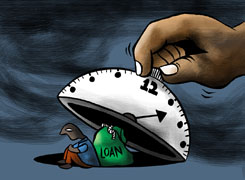
Hi, i am now 29 and i am seriously in debt trap. My salary is only 35k but i am kind of messed up in payday loans which are not offering more than 30 days. So due to which i have to repay by taking loan against a loan. In this way i could see my repayment has become 3X of my monthly salary. Please suggest me what to do. I am feeling embarassed, as my family members doesnt know this. I need help and suggestions on how to overcome this. Even if i apply for debt consolidation, everytime i am getting rejected due to high obligations. Help me to get out frob payday loans..
Ans: Dear Friends,
You are facing a payday-loan debt trap, which is stressful but solvable. The most important step is to stop taking any new loans or rollovers immediately, as they worsen the situation. List all existing loans with amounts, due dates, and penalties to regain control. Contact each lender and request hardship support such as penalty freezes, installment plans, or settlements—many lenders agree when approached honestly. If possible, close all payday loans using one safer option like a salary advance, employer loan, NBFC loan, or limited family support, as a single structured loan is better than multiple high-cost ones. Share your situation with one trusted person to reduce emotional pressure. Follow a strict short-term budget focusing only on essentials and direct any extra income toward loan closure. Avoid absconding, illegal lenders, or using credit cards for cash. With discipline and negotiation, recovery is achievable within 12–18 months. Regards, Nitin Narkhede -Founder, Prosperity Lifestyle Hub,
Free webinar https://bit.ly/PLH-Webinar

...Read more

Ramalingam

Ramalingam Kalirajan  |10893 Answers  |Ask -

Mutual Funds, Financial Planning Expert - Answered on Dec 15, 2025

Asked by Anonymous - Dec 15, 2025Hindi
Money
Good Morning Sir, I am having a Mutual Fund portfolio of 3.7 Crores, Savings account balance in India of 10 lacs, and PPF/Sukanya Samriddhi/NPS of around 30 lacs. My savings account in UAE has about 30 lacs. I have lost my job and am currently trying to get one. We will be in the UAE till July so that my daughter can complete her school year. If I get a job by then, it will be great; but if not, will I be able to retire with these funds? Please assume that the UAE savings account will be depleted by July during relocation. Kindly suggest.
Ans: Your financial discipline over many years deserves appreciation.
You stayed invested with patience.
You built wealth across countries.
This foundation gives you real confidence now.

» Current Life Stage and Context
– You are facing temporary job loss.
– You are still financially independent.
– UAE stay continues till July.
– Relocation costs are already planned.
– This phase needs calm decisions.
– Fear is natural, but clarity matters.

» Family Responsibilities Snapshot
– You have a school-going daughter.
– Education continuity is a priority.
– Stability for the child matters emotionally.
– Your planning already reflects responsibility.
– This strengthens your overall position.

» Asset Position Review
– Mutual fund portfolio is Rs.3.7 Crores.
– Indian savings account holds Rs.10 lacs.
– Long-term savings total about Rs.30 lacs.
– UAE savings will reduce to zero.
– Home ownership lowers future expenses.
– Net worth remains strong even after relocation.

» Liquidity and Cash Comfort
– Indian savings give immediate support.
– Mutual funds provide large liquidity.
– Withdrawals can be staggered wisely.
– Forced selling is avoidable.
– This protects capital during volatility.

» Job Loss Impact Assessment
– Income disruption affects confidence.
– It does not erase financial strength.
– You have time to decide.
– Rushed retirement decisions harm outcomes.
– Temporary gaps need flexible planning.

» Can You Retire If Job Does Not Come
– Retirement is possible with discipline.
– It requires expense control.
– It needs structured withdrawals.
– Lifestyle choices become important.
– Emotional readiness is equally critical.

» Early Retirement Reality Check
– Retirement at mid-forties is early.
– Corpus must last many decades.
– Inflation will work continuously.
– Growth assets cannot be abandoned.
– Balance is more important than returns.

» Role of Mutual Funds Going Forward
– Mutual funds remain core growth assets.
– Equity exposure should stay meaningful.
– Allocation should become more balanced.
– Risk control becomes more important now.
– Portfolio reviews must be regular.

» Why Actively Managed Funds Suit You
– Active funds respond to market stress.
– Fund managers adjust sector exposure.
– Valuation discipline is applied.
– Index funds fall fully with markets.
– Passive exposure increases drawdown risk.
– Active management supports smoother retirement.

» Managing Equity Volatility During Retirement
– Sudden market falls can hurt withdrawals.
– Selling equity during crashes damages corpus.
– Withdrawal planning must protect equity.
– Buffer assets reduce stress.
– This approach improves sustainability.

» Importance of Stable Assets
– Stable assets support monthly expenses.
– They reduce emotional reactions.
– They protect during market corrections.
– They fund short-term needs.
– This gives peace of mind.

» Role of Government-Backed Savings
– PPF and similar provide safety.
– Returns are predictable.
– Liquidity rules must be respected.
– These should not fund early expenses.
– They act as long-term protection.

» Expense Planning After Returning to India
– Living in owned home lowers costs.
– India expenses are lower than UAE.
– Lifestyle inflation must be avoided.
– Spending discipline extends corpus life.
– Regular tracking becomes essential.

» Education Planning for Your Daughter
– Education costs will rise steadily.
– This goal cannot face market risk alone.
– Dedicated allocation is required.
– Avoid mixing education money with retirement.
– Separate mental buckets improve clarity.

» Tax Considerations During Withdrawals
– Equity mutual fund withdrawals attract capital gains tax.
– Long-term gains above Rs.1.25 lakh are taxed.
– Short-term gains attract higher tax.
– Withdrawal sequencing reduces tax burden.
– Proper planning avoids unnecessary taxes.

» Health and Protection Planning
– Health insurance must be adequate.
– Employer cover may stop.
– Medical inflation is severe.
– Health costs can derail plans.
– Protection safeguards your corpus.

» Psychological Readiness for Retirement
– Retirement is not only financial.
– Loss of routine can disturb balance.
– Purpose keeps mind active.
– Part-time work can help.
– Engagement supports mental health.

» Semi-Retirement as a Practical Option
– Consulting reduces withdrawal pressure.
– Flexible work gives confidence.
– Income extends corpus life.
– Market volatility becomes easier to handle.
– This option offers balance.

» Time Advantage You Still Have
– You still have working years.
– One job changes everything positively.
– Corpus continues to compound.
– Do not rush permanent decisions.
– Allow time for clarity.

» Mistakes to Avoid Now
– Avoid panic selling.
– Avoid drastic asset changes.
– Avoid chasing guaranteed returns.
– Avoid emotional decisions.
– Stability protects wealth.

» Role of a Certified Financial Planner
– Helps structure withdrawals.
– Aligns assets with goals.
– Manages risk during uncertainty.
– Protects child education goals.
– Provides clarity and confidence.

» Final Insights
– Your financial base is strong.
– Retirement is possible with discipline.
– Job income adds comfort, not necessity.
– Balanced asset allocation is essential.
– Active fund management suits this stage.
– Emotional calm will protect decisions.
– Structured planning ensures long-term peace.

Best Regards,

K. Ramalingam, MBA, CFP,

Chief Financial Planner,

www.holisticinvestment.in

https://www.youtube.com/@HolisticInvestment

...Read more

Ramalingam

Ramalingam Kalirajan  |10893 Answers  |Ask -

Mutual Funds, Financial Planning Expert - Answered on Dec 15, 2025

Asked by Anonymous - Dec 15, 2025Hindi
Money
Good Morning Sir, I am having a Mutual Fund portfolio of 3.7 Crores, Savings account balance in India of 10 lacs, and PPF/Sukanya Samriddhi/NPS of around 30 lacs. My savings account in UAE has about 30 lacs. I have lost my job and am currently trying to get one. We will be in the UAE till July so that my daughter can complete her school year. If I get a job by then, it will be great; but if not, will I be able to retire with these funds? Please assume that the UAE savings account will be depleted by July during relocation. I have my own apartment in Delhi and present age is 46 with daughter age is 13 Kindly suggest.
Ans: Your discipline over years deserves appreciation.
You built wealth across phases.
You avoided lifestyle inflation.
You planned even while abroad.
This gives you strength now.
Job loss does not erase past discipline.

» Current Life Situation Assessment
– You are 46 years old.
– Your daughter is 13 years old.
– You are temporarily without income.
– UAE stay continues till July.
– Relocation costs are already considered.
– Emotional stress is natural now.

» Asset Snapshot and Financial Base
– Mutual fund portfolio is Rs.3.7 Crores.
– Indian savings account holds Rs.10 lacs.
– Long-term government-backed savings are Rs.30 lacs.
– UAE savings of Rs.30 lacs will deplete.
– You own a Delhi apartment.
– No mention of liabilities exists.

» Net Worth Strength Perspective
– Financial assets remain very strong.
– Market-linked assets dominate wealth.
– Liquidity exists even after relocation.
– Home ownership reduces living pressure.
– This is a solid base.
– Many retirees have far less.

» Employment Gap Impact Review
– Job loss impacts cash flow.
– It does not destroy wealth.
– Time gap creates anxiety.
– Planning reduces fear.
– Your corpus buys time.
– Decisions must remain calm.

» Key Question You Are Asking
– Can I retire if job fails.
– Can corpus last lifelong.
– Can child education be protected.
– Can lifestyle be sustained.
– Can risk be managed.
– These are valid concerns.

» Retirement Age and Horizon View
– Retirement at 46 is early.
– Life expectancy is long.
– Corpus must last decades.
– Inflation will work continuously.
– Growth assets remain essential.
– Protection planning becomes critical.

» Expense Reality After India Return
– Living in owned home helps.
– Rent expense becomes zero.
– India costs are lower than UAE.
– School expenses will continue.
– Lifestyle moderation may be required.
– Flexibility improves sustainability.

» Child Education Responsibility
– Daughter is 13 now.
– Higher education remains ahead.
– Education costs will rise.
– This cannot be compromised.
– Planning must ring-fence this goal.
– Separate allocation is necessary.

» Current Liquidity Comfort
– Indian savings give short-term support.
– Mutual funds give long-term strength.
– PPF and similar give safety.
– Liquidity is adequate now.
– Emergency comfort exists.
– Panic actions are avoidable.

» Can You Retire Immediately
– Technically possible with discipline.
– Practically requires lifestyle alignment.
– Emotionally may feel uncomfortable.
– Job income adds safety.
– Partial work may help.
– Full stop is not mandatory.

» Semi-Retirement as a Middle Path
– Consulting work can reduce pressure.
– Part-time roles give confidence.
– Income reduces withdrawal stress.
– Corpus continues compounding.
– Psychological comfort improves.
– This is often ideal.

» Withdrawal Risk Awareness
– Early retirement faces sequence risk.
– Market downturns can hurt withdrawals.
– Timing matters greatly.
– Structured withdrawal planning is critical.
– Random redemptions harm corpus.
– Discipline protects longevity.

» Mutual Fund Portfolio Role
– Mutual funds remain growth engine.
– They must be managed actively.
– Asset allocation matters more now.
– Aggression should slowly reduce.
– Quality focus becomes key.
– Overlapping exposure must be reviewed.

» Why Active Management Matters Now
– Active funds adjust during downturns.
– Valuations are monitored.
– Risk is controlled dynamically.
– Index exposure falls fully.
– Drawdowns can be harsh.
– Active oversight suits retirees better.

» Debt Allocation Importance
– Debt provides stability.
– Debt funds withdrawals calmly.
– Debt avoids forced equity selling.
– It smoothens cash flow.
– Peace of mind improves.
– Balance is essential now.

» Role of Government-Backed Savings
– PPF and similar give safety.
– They provide predictability.
– Liquidity rules must be respected.
– They support capital protection.
– Keep them untouched longer.
– They act as anchor.

» Managing Market Volatility Emotionally
– Job loss increases fear.
– Markets amplify emotions.
– Avoid reacting to headlines.
– Follow pre-set plan.
– Review annually only.
– Emotional discipline is wealth.

» Tax Awareness During Withdrawals
– Equity withdrawals attract capital gains tax.
– Long-term gains above Rs.1.25 lakh are taxed.
– Short-term gains attract higher tax.
– Withdrawal sequencing matters.
– Tax efficiency improves longevity.
– Planning avoids surprises.

» What You Should Avoid Now
– Avoid panic selling.
– Avoid liquidating entire equity.
– Avoid chasing guaranteed returns.
– Avoid lending informally.
– Avoid untested products.
– Simplicity protects capital.

» Health and Insurance Angle
– Health cover must be strong.
– Job-linked cover may end.
– Family protection is critical.
– Medical inflation is high.
– Review coverage immediately.
– This safeguards corpus.

» Lifestyle Adjustment Reality
– Retirement needs conscious spending.
– Wants must be filtered.
– Needs must be secured.
– Child education stays priority.
– Travel plans may adjust.
– Control gives confidence.

» Psychological Side of Early Retirement
– Identity loss may occur.
– Work gives structure.
– Social engagement matters.
– Purpose prevents anxiety.
– Financial independence is not idleness.
– Mental planning is vital.

» Time as Your Biggest Asset
– You still have years.
– Corpus can still grow.
– One good job changes picture.
– Do not rush decisions.
– Allow six to twelve months.
– Calm thinking improves outcomes.

» Role of a Certified Financial Planner
– Helps structure withdrawals.
– Aligns assets with life stages.
– Prevents emotional mistakes.
– Reviews asset allocation.
– Protects child goals.
– Adds clarity in uncertainty.

» Final Insights
– Your financial base is strong.
– Immediate retirement is possible with discipline.
– Job income adds safety and comfort.
– Semi-retirement is a balanced option.
– Child education must be ring-fenced.
– Active fund management suits your stage.
– Liquidity and debt bring stability.
– Patience and structure will protect your future.

Best Regards,

K. Ramalingam, MBA, CFP,

Chief Financial Planner,

www.holisticinvestment.in

https://www.youtube.com/@HolisticInvestment

...Read more

Ramalingam

Ramalingam Kalirajan  |10893 Answers  |Ask -

Mutual Funds, Financial Planning Expert - Answered on Dec 15, 2025

Money
45 years of age, self employed. I am selling my flat and after paying all taxes/capital gains should have roughly about 70 lakhs to invest. I already have 65 lakhs in MF, 95 lakhs portfolio in equity and also have couple more real estate properties where i fetch about 1 lakh.per month rental income. My monthly earning currently is irratic and annually around 10-12lakhs. No EMI , LOANS ETC. outgoing are SIP OF 60000, anything surplus I invest in equity. Child is 8 years and his education, future education, current fees all are made up for as mentioned and my wife together do SIP OF 110000 towards the same. My question is my wife and my investments are all exposed to MF AND equity. NO FD, NO OTHER diversified investments. So this income from sale of flat, do we invest in markets again or any other options are available. We have no liabilities , hence can take medium to agressive risks .
Ans: Your discipline and clarity deserve appreciation.
You have built assets patiently.
You avoided unnecessary debt wisely.
Your questions show maturity and foresight.
This is a strong financial position already.
Now refinement matters more than expansion.

» Your Current Financial Strength
– You are 45 years old.
– You are self-employed with flexibility.
– Annual income is irregular but healthy.
– No loans or EMIs exist.
– Rental income provides stability.
– This is a strong base.

» Asset Overview and Balance
– Mutual fund exposure is significant.
– Direct equity exposure is also large.
– Real estate exposure already exists.
– Child education planning is well handled.
– SIP discipline is excellent.
– Overall net worth is strong.

» Liquidity and Cash Flow Position
– Rental income gives steady monthly cash.
– Business income is uneven.
– SIP commitments are comfortably met.
– Surplus is invested regularly.
– Liquidity buffer needs assessment.
– Emergency comfort matters for self-employed.

» Risk Capacity Versus Risk Comfort
– Risk capacity is clearly high.
– Risk comfort also seems high.
– However concentration risk exists.
– Markets dominate portfolio exposure.
– Volatility impact must be evaluated.
– Diversification is the real concern.

» Understanding Concentration Risk
– Equity and mutual funds move together.
– Market downturns affect both sharply.
– Psychological stress can increase.
– Liquidity may dry temporarily.
– Long-term returns remain good.
– But timing risk exists.

» Your Core Question Clarified
– You are not asking about returns.
– You are asking about balance.
– You want intelligent diversification.
– You want risk-managed growth.
– You want capital protection layers.
– This is correct thinking.

» Should the Rs.70 Lakhs Enter Markets Fully
– Putting all again into markets increases concentration.
– It magnifies timing risk.
– Even strong investors need balance.
– Markets may not always cooperate.
– Partial allocation is sensible.
– Phased deployment is wiser.

» Importance of Staggered Investment
– Lump sum market entry carries timing risk.
– Volatility can impact short-term value.
– Phased investing smoothens entry.
– Emotion management improves.
– Decision quality stays high.
– Discipline matters even for experienced investors.

» Role of Debt-Oriented Instruments
– Debt provides stability to portfolio.
– Debt reduces overall volatility.
– Debt supports rebalancing later.
– Debt gives liquidity comfort.
– Returns are predictable.
– Peace of mind improves decision making.

» Why Some Debt Exposure Is Necessary
– You are self-employed.
– Income is irregular.
– Markets can fall anytime.
– Debt cushions lifestyle needs.
– Avoid forced equity selling.
– This protects long-term wealth.

» Debt Mutual Funds Perspective
– Debt funds offer flexibility.
– They are more tax-efficient than fixed deposits.
– Liquidity is better.
– Suitable for medium-term goals.
– Risk varies by fund quality.
– Selection must be conservative.

» Avoiding Fixed Deposits Blindly
– Fixed deposits lock money.
– Tax efficiency is poor.
– Returns barely beat inflation.
– Liquidity may have penalties.
– Better alternatives exist.
– Structure matters more than familiarity.

» Hybrid and Balanced Allocation Thought
– Hybrid funds mix growth and stability.
– Volatility remains controlled.
– Suitable for capital protection.
– Good parking for part capital.
– Helps rebalancing automatically.
– Useful during uncertain markets.

» Why Actively Managed Funds Suit You
– Active managers adjust with cycles.
– Valuations matter to them.
– Sector rotation is managed.
– Downside protection improves.
– Concentration risk reduces.
– Passive exposure lacks this flexibility.

» Disadvantages of Index Exposure
– Index follows markets blindly.
– No valuation control exists.
– Drawdowns are full impact.
– Recovery takes patience.
– Emotional stress increases.
– Active management adds value here.

» Existing Equity Portfolio Review Thought
– Equity exposure is already high.
– Additional equity should be selective.
– Avoid duplication across holdings.
– Style diversification matters.
– Avoid over-aggression now.
– Capital preservation gains importance.

» Asset Allocation Direction Suggested
– Equity should still remain majority.
– Debt should act as stabiliser.
– Allocation must be intentional.
– Not reactive to market moods.
– Review annually.
– Adjust gradually with age.

» Emergency and Opportunity Fund
– Self-employed professionals need buffers.
– At least one year expenses covered.
– This avoids panic during downturns.
– Opportunity buying also becomes possible.
– Confidence improves decision making.
– Liquidity brings power.

» Role of Alternative Strategies
– Avoid unregulated products.
– Avoid opaque structures.
– Simplicity works best.
– Transparency builds trust.
– Liquidity should not be compromised.
– Focus on controllable risks.

» Tax Efficiency Awareness
– Capital gains planning matters.
– Phased investing helps tax management.
– Debt funds taxed per slab.
– Equity taxed on withdrawal.
– Withdrawal planning matters later.
– Structure supports efficiency.

» Retirement Planning Angle
– Retirement is still distant.
– But preparation must start.
– Equity will power long-term growth.
– Debt will stabilise income later.
– Balanced build-up helps future SWP.
– This foresight is valuable.

» Child Goal Already Secured
– Education planning is strong.
– SIP discipline is excellent.
– No need to disturb this.
– Avoid overlapping investments.
– Keep child goal separate.
– This reduces confusion later.

» Behavioural Discipline Strength
– You already invest consistently.
– You avoid panic actions.
– You reinvest surplus logically.
– This is rare.
– Maintain this strength.
– Do not complicate unnecessarily.

» What Not to Do With Rs.70 Lakhs
– Do not rush entire amount.
– Do not chase trending assets.
– Do not over-diversify blindly.
– Do not keep idle long-term.
– Do not ignore risk layering.
– Avoid emotional decisions.

» Suggested Deployment Philosophy
– Divide money by purpose.
– Some for stability.
– Some for growth.
– Some for liquidity.
– Invest gradually.
– Review annually.

» Role of a Certified Financial Planner
– Helps structure allocation.
– Prevents overexposure mistakes.
– Aligns with life goals.
– Manages behavioural risks.
– Reviews objectively.
– Adds long-term value.

» Final Insights
– Your financial base is strong.
– Concentration risk is the key concern.
– Full market reinvestment needs caution.
– Partial debt allocation improves balance.
– Phased investing reduces timing risk.
– Active management suits your profile.
– Liquidity buffer is essential.
– Structured diversification will protect and grow wealth.

Best Regards,

K. Ramalingam, MBA, CFP,

Chief Financial Planner,

www.holisticinvestment.in

https://www.youtube.com/@HolisticInvestment

...Read more

Ramalingam

Ramalingam Kalirajan  |10893 Answers  |Ask -

Mutual Funds, Financial Planning Expert - Answered on Dec 15, 2025

Money
I am 54 years old, my monthly salary is 40 K, my liability 6 lakhs loan liability and personal from 2 lakhs in ICICI bank, and 5000 two wheeler loan from hdfc and another loan of Rs, 35000 from LIC Policy pledged. I invested Rs. 58000 in stocks and Rs. 15000 in mutual funds and I have owned a residential house in kochi, Kerala No Other Savings. Pls. advise to how can I some savings at the age of 60
Ans: You have shown courage by asking this question honestly.
Many people avoid facing numbers at this age.
You are taking responsibility now.
That itself is a strong positive step.
There is still time to improve outcomes.
With discipline, progress is possible.

» Current Age and Time Availability
– You are 54 years old now.
– Retirement planning window is around six years.
– Time is limited but not over.
– Focus must shift to stability and control.
– Aggressive risks should reduce gradually.
– Consistency matters more than return chasing.

» Income Position Assessment
– Monthly salary is Rs.40,000.
– Income appears fixed and predictable.
– Salary growth may be limited now.
– Planning should assume stable income only.
– Avoid depending on uncertain future hikes.
– Savings must come from discipline.

» Expense Awareness and Reality
– Expenses were not detailed fully.
– Loans indicate cash flow pressure.
– Lifestyle spending must be reviewed honestly.
– Small savings matter at this stage.
– Leakages need strict control.
– Tracking expenses becomes critical now.

» Loan and Liability Overview
– Total loan burden is significant.
– Personal loan of Rs.6 lakh exists.
– Additional Rs.2 lakh personal loan exists.
– Two-wheeler loan EMI of Rs.5,000 runs.
– LIC policy loan of Rs.35,000 exists.
– Multiple loans increase stress.

» Interest Cost Impact
– Personal loans carry high interest.
– Two-wheeler loan also costs more.
– LIC policy loan reduces policy benefits.
– High interest erodes future savings.
– Loan control must be first priority.
– Returns cannot beat high interest easily.

» Asset Position Overview
– Residential house in Kochi is owned.
– House gives living security.
– No rental income assumed currently.
– House should not be sold for retirement.
– Emotional and practical value is high.
– Treat it as safety asset.

» Investment Snapshot
– Equity stock investment is Rs.58,000.
– Mutual fund investment is Rs.15,000.
– Total financial investments are very low.
– This limits compounding benefits.
– However, starting now still helps.
– Even small steps matter.

» Liquidity and Emergency Status
– No clear emergency fund exists.
– Loans indicate past emergencies.
– Lack of emergency fund causes borrowing.
– This cycle must stop.
– Emergency fund is foundation.
– Without it, savings break repeatedly.

» Priority Reset Required
– Retirement savings come after stability.
– First priority is cash flow control.
– Second priority is loan reduction.
– Third priority is emergency fund.
– Fourth priority is retirement investing.
– Order matters greatly now.

» Debt Reduction Strategy Importance
– Reducing loans gives guaranteed returns.
– Emotional relief also improves discipline.
– Fewer EMIs free monthly cash.
– Cash can redirect to savings.
– Retirement planning needs free cash flow.
– Debt blocks future progress.

» Which Loan to Target First
– Focus on highest interest loan first.
– Personal loans usually cost the most.
– Two-wheeler loan can follow.
– LIC policy loan should close early.
– Policy value should recover.
– Avoid new borrowing strictly.

» LIC Policy Review
– LIC policy is pledged currently.
– This reduces maturity value.
– Many LIC policies give low returns.
– Insurance and investment are mixed here.
– Such policies hurt retirement efficiency.
– Review purpose of this policy carefully.

» Action on LIC Policy
– If LIC is investment-oriented, reconsider.
– Surrender may free funds.
– Loan can be cleared using surrender value.
– Remaining amount can rebuild savings.
– Policy continuation must justify benefits.
– Emotional attachment should be avoided.

» Emergency Fund Creation
– Emergency fund should cover basic expenses.
– Target at least six months needs.
– Start with small monthly amount.
– Keep it separate from investments.
– This prevents future borrowing.
– Stability improves mental peace.

» Retirement Goal Reality Check
– Retirement age is close.
– Corpus building time is short.
– Expectations must stay realistic.
– Focus on supplementary income creation.
– Avoid risky return promises.
– Capital protection becomes important.

» Role of Equity at This Stage
– Equity still has a role.
– But exposure must be limited.
– Volatility can hurt near retirement.
– Balanced approach is needed.
– Equity for growth.
– Debt for stability.

» Mutual Fund Strategy Thought Process
– Mutual funds offer flexibility.
– SIP helps discipline monthly savings.
– Actively managed funds suit this phase.
– Fund managers adjust risk dynamically.
– This protects downside better.
– Index funds lack such control.

» Why Index Funds Are Risky Now
– Index funds fall fully with markets.
– No protection during market crashes.
– Near retirement, recovery time is less.
– Emotional panic risk increases.
– Active funds manage risk better.
– Stability matters more than matching index.

» Direct Funds Versus Regular Funds
– Direct funds need strong self-discipline.
– Wrong fund choice can hurt badly.
– No guidance during market stress.
– Regular funds offer support.
– Certified Financial Planner guidance helps.
– Behaviour management is crucial now.

» Monthly Savings Possibility
– Even Rs.3,000 matters now.
– Start small but stay consistent.
– Increase amount after loan closure.
– Automate savings immediately after salary.
– Avoid waiting for surplus.
– Surplus never comes automatically.

» Expense Rationalisation Steps
– Review subscriptions and discretionary spends.
– Reduce non-essential expenses.
– Delay lifestyle upgrades.
– Focus on needs over wants.
– Every saved rupee counts.
– Discipline builds confidence.

» Asset Allocation Approach
– Majority should be stable assets.
– Smaller portion in growth assets.
– Avoid concentration risk.
– Do not chase trending stocks.
– Consistency beats speculation.
– Preservation becomes key now.

» Stock Investment Review
– Existing stocks need careful review.
– Avoid frequent trading.
– High risk stocks should reduce gradually.
– Capital protection matters now.
– Reinvest proceeds wisely.
– Emotional decisions must stop.

» Retirement Income Planning Thought
– Retirement income must be predictable.
– Monthly cash flow is required.
– Capital should last longer.
– Avoid lump sum withdrawals.
– Planning must support longevity.
– Health costs may rise later.

» Health Insurance Importance
– Medical expenses rise with age.
– Adequate health insurance is essential.
– This protects retirement savings.
– Avoid policy gaps.
– Review coverage annually.
– Health shocks destroy savings fast.

» Tax Efficiency Consideration
– Tax should be considered carefully.
– Mutual funds offer tax efficiency.
– Gains taxed only on withdrawal.
– Equity gains have specific rules.
– Debt gains taxed as per slab.
– Planning reduces unnecessary tax.

» Behavioural Discipline Required
– Market volatility will test patience.
– Avoid panic selling.
– Avoid greed-driven buying.
– Stick to chosen path.
– Annual review is sufficient.
– Emotional control is critical.

» Role of Side Income
– Explore small side income options.
– Skill-based work can help.
– Even small extra income helps.
– Direct it fully into savings.
– Do not increase lifestyle.
– Purpose is retirement security.

» Family Communication
– Family should know limitations.
– Set realistic expectations together.
– Avoid financial surprises later.
– Transparency reduces stress.
– Shared responsibility helps discipline.
– Support improves success chances.

» Common Mistakes to Avoid
– Chasing high return promises.
– Ignoring debt problem.
– Using retirement money for emergencies.
– Frequent portfolio changes.
– Delaying action further.
– Comparing with others.

» Psychological Aspect
– Guilt about late start is normal.
– Do not dwell on past.
– Focus on controllable actions now.
– Small wins build confidence.
– Progress matters more than perfection.
– Hope must stay alive.

» What Success Looks Like Now
– Reduced debt burden.
– Emergency fund in place.
– Regular monthly savings habit.
– Controlled risk exposure.
– Predictable retirement income support.
– Peace of mind.

» Final Insights
– You are late but not helpless.
– Debt reduction is first priority.
– Emergency fund is essential.
– LIC policy needs careful review.
– Mutual funds can support retirement.
– Active management suits your stage.
– Discipline matters more than amount.
– With steady effort, improvement is possible.

Best Regards,

K. Ramalingam, MBA, CFP,

Chief Financial Planner,

www.holisticinvestment.in

https://www.youtube.com/@HolisticInvestment

...Read more

Ramalingam

Ramalingam Kalirajan  |10893 Answers  |Ask -

Mutual Funds, Financial Planning Expert - Answered on Dec 15, 2025

Money
can anyone suggest some good mutual funds to invest ?
Ans: It is good you are asking this question.
Many people invest blindly without understanding.
Your intent shows responsibility and awareness.
This is the right starting point.
Mutual funds work best with clarity.
I appreciate your willingness to learn.

» Understanding the Real Question
– You are not asking for returns alone.
– You are asking for safety and growth.
– You want confidence in decisions.
– You want fewer mistakes.
– This mindset is very important.
– Mutual funds need goal-based thinking.

» Why “Good Mutual Funds” Is a Relative Term
– There is no single best fund.
– Suitability matters more than popularity.
– Age changes risk tolerance.
– Income stability matters.
– Time horizon matters greatly.
– Emotional comfort also matters.

» Role of a Certified Financial Planner
– A Certified Financial Planner matches funds to goals.
– Random suggestions often fail.
– Personal context decides suitability.
– Fund selection is not guessing.
– It is a structured process.
– Guidance prevents costly mistakes.

» First Step Before Choosing Any Fund
– Identify your goal clearly.
– Short term goals differ from long term.
– Retirement goals need stability.
– Wealth creation needs patience.
– Emergency money should stay separate.
– Mixing goals creates confusion.

» Importance of Time Horizon
– Less than three years needs safety.
– Three to seven years needs balance.
– More than seven years allows growth focus.
– Time absorbs market volatility.
– Longer time reduces risk.
– Short time increases uncertainty.

» Understanding Risk Properly
– Risk is not loss alone.
– Risk is emotional panic also.
– Wrong fund causes sleepless nights.
– Panic selling destroys wealth.
– Right fund keeps you calm.
– Calm investors earn better returns.

» Why Actively Managed Funds Matter
– Markets change constantly.
– Companies rise and fall.
– Active managers track these changes.
– They reduce exposure during stress.
– They increase quality holdings.
– This flexibility protects capital.

» Disadvantages of Index Funds
– Index funds blindly follow markets.
– No downside protection exists.
– Full fall happens during crashes.
– Recovery takes time.
– Near goals, this hurts badly.
– Active funds manage risk better.

» Importance of Asset Allocation
– Do not put everything in equity.
– Debt provides stability.
– Equity provides growth.
– Balance reduces volatility.
– Allocation should change with age.
– This improves long-term success.

» Equity Mutual Fund Categories Explained
– Large-focused funds invest in stable companies.
– Mid-focused funds aim higher growth.
– Smaller companies bring higher volatility.
– Flexi-style funds adjust across sizes.
– Balanced style funds mix debt and equity.
– Each serves a different purpose.

» When to Use Large-Focused Equity Funds
– Suitable for conservative investors.
– Suitable for beginners.
– Suitable near retirement.
– Volatility remains lower.
– Growth is steady.
– Confidence remains higher.

» When to Use Mid-Focused Equity Funds
– Suitable for longer horizons.
– Suitable for moderate risk takers.
– Returns can be higher.
– Falls can be sharp sometimes.
– Requires patience.
– SIP helps manage volatility.

» When to Use Smaller Company Focused Funds
– Only for long horizons.
– Only for high risk tolerance.
– Not suitable near goals.
– Volatility is very high.
– Returns fluctuate widely.
– Allocation should be limited.

» Role of Flexi-Style Equity Funds
– Managers move across market sizes.
– They respond to valuations.
– They reduce concentration risk.
– Suitable for uncertain markets.
– Good core holding.
– Useful across life stages.

» Balanced Style Funds Explained
– Mix of equity and debt exists.
– Volatility is lower.
– Returns are smoother.
– Suitable for conservative investors.
– Suitable near retirement.
– Provides income stability.

» Debt Mutual Fund Understanding
– Debt funds invest in fixed income instruments.
– Returns are more stable.
– Risk depends on credit quality.
– Short duration suits safety needs.
– Long duration suits interest rate cycles.
– Selection must be careful.

» Why Debt Funds Matter
– They reduce overall portfolio risk.
– They provide predictable returns.
– They help during market crashes.
– They support regular withdrawals.
– They improve sleep quality.
– They bring balance.

» Tax Aspect Awareness
– Equity gains have holding period rules.
– Long term equity gains have lower tax.
– Short term gains attract higher tax.
– Debt gains taxed as per slab.
– Holding period planning reduces tax.
– Withdrawal planning matters.

» SIP Versus Lump Sum
– SIP builds discipline.
– SIP reduces timing risk.
– Lump sum suits surplus money.
– Market timing is difficult.
– SIP suits salaried investors.
– Consistency matters more than timing.

» Why Regular Funds Are Better for Most
– Regular funds provide guidance.
– Behaviour management is included.
– Review support is available.
– Panic decisions are reduced.
– CFP guidance adds value.
– Cost difference is justified often.

» Disadvantages of Direct Funds
– No handholding during volatility.
– Wrong allocation mistakes occur.
– Investors panic during falls.
– Discipline breaks easily.
– Mistakes cost more than savings.
– Support matters more than cost.

» Portfolio Construction Principles
– Limit number of funds.
– Avoid duplication.
– Diversify across styles.
– Align funds with goals.
– Review annually only.
– Avoid frequent changes.

» How Many Funds Are Enough
– Too many funds confuse tracking.
– Four to six funds are enough.
– Each fund must have a role.
– Overlapping funds reduce efficiency.
– Simplicity improves discipline.
– Control improves results.

» Common Mistakes Investors Make
– Chasing recent performance.
– Following social media tips.
– Switching frequently.
– Investing without goals.
– Ignoring asset allocation.
– Stopping SIP during downturns.

» Behaviour Is More Important Than Funds
– Good behaviour beats good products.
– Staying invested matters most.
– Panic destroys compounding.
– Patience builds wealth.
– Discipline creates results.
– Confidence grows over time.

» Role of Review and Rebalancing
– Portfolio needs periodic review.
– Life changes need adjustments.
– Risk increases with market rise.
– Rebalancing restores balance.
– Annual review is enough.
– Over-monitoring creates stress.

» Age-Based Allocation Thought
– Younger investors can take higher equity.
– Middle age needs balanced approach.
– Near retirement needs stability.
– Allocation must reduce risk gradually.
– This protects capital.
– Longevity risk increases later.

» Emotional Side of Investing
– Fear and greed influence decisions.
– Market news creates panic.
– Discipline reduces emotional damage.
– Guidance provides reassurance.
– Staying calm is crucial.
– Long-term view wins.

» Importance of Emergency Fund
– Emergency fund protects investments.
– It avoids forced selling.
– Keep it separate from mutual funds.
– Liquidity matters here.
– Peace of mind improves discipline.
– This is foundation step.

» Goal-Based Investing Is Key
– Each goal needs its own strategy.
– Education goals differ from retirement.
– Short goals need safety.
– Long goals allow growth.
– Mixing goals causes confusion.
– Structure brings clarity.

» Final Insights
– Good mutual funds depend on your goals.
– Actively managed funds suit most investors.
– Asset allocation matters more than fund names.
– Discipline beats market timing.
– Guidance reduces costly mistakes.
– Start with clarity and patience.
– Stay consistent and review annually.
– This approach builds long-term wealth.

Best Regards,

K. Ramalingam, MBA, CFP,

Chief Financial Planner,

www.holisticinvestment.in

https://www.youtube.com/@HolisticInvestment

...Read more

Ramalingam

Ramalingam Kalirajan  |10893 Answers  |Ask -

Mutual Funds, Financial Planning Expert - Answered on Dec 15, 2025

Asked by Anonymous - Dec 15, 2025Hindi
Money
My friend age is 39 salary is 70000 loan 100000 with 1200 EMI had 5.5 lakh pf and yearly lic policies of 45000 had own house worth 40 lakhs and one land worth 15 lakhs nearly son age is 4 how to invest for education
Ans: Your friend has taken a responsible step by thinking early.
Planning for a child’s education shows care and foresight.
Starting now gives strong advantage.
Time is the biggest strength here.
This deserves appreciation and encouragement.

» Family and Life Stage Assessment
– Your friend is 39 years old.
– Child is only 4 years old.
– Education goal is 14 to 18 years away.
– This gives long investment runway.
– Long horizon allows growth focus.
– Early planning reduces pressure later.

» Income and Stability Review
– Monthly salary is Rs.70,000.
– Income seems stable currently.
– EMI burden is very low.
– Loan amount is manageable.
– Cash flow pressure appears limited.
– This supports long-term investing.

» Existing Asset Overview
– Provident fund value is Rs.5.5 lakh.
– Own house provides residential security.
– Land holding adds balance sheet strength.
– Physical assets already exist.
– Education funding should stay financial.
– Avoid mixing goals with properties.

» Current Liability Position
– Loan amount is only Rs.1 lakh.
– EMI is Rs.1,200 monthly.
– Debt stress is minimal.
– No urgent prepayment pressure exists.
– Liquidity remains comfortable.
– This supports regular investments.

» Child Education Cost Reality
– Education costs rise faster than inflation.
– Higher education costs are unpredictable.
– Foreign education increases costs sharply.
– Professional courses cost much more.
– Planning should assume higher expenses.
– Conservative assumptions protect future.

» Time Horizon Advantage
– Child has 14 plus years.
– Long horizon favours equity exposure.
– Short-term volatility becomes irrelevant.
– Compounding works best over time.
– Discipline matters more than timing.
– Starting early reduces monthly burden.

» Goal Segregation Importance
– Education goal must stay separate.
– Retirement goals should not mix.
– House and land should remain untouched.
– Education money needs liquidity later.
– Clear buckets avoid confusion.
– This brings clarity and focus.

» Provident Fund Role Clarification
– PF is meant for retirement.
– Avoid using PF for education.
– PF offers safety, not flexibility.
– Withdrawal later affects retirement comfort.
– Let PF compound peacefully.
– Education should have its own plan.

» LIC Policy Assessment
– LIC policies are long-term commitments.
– Many LIC policies give low returns.
– Education goal needs higher growth.
– Insurance and investment should not mix.
– Review policy purpose carefully.
– Education planning needs efficiency.

» Action on LIC Policies
– If LIC is investment oriented, review seriously.
– Such policies often underperform inflation.
– Education goal needs stronger growth engine.
– Consider surrender after policy review.
– Redirect money into mutual funds.
– This improves goal probability.

» Risk Capacity Versus Risk Appetite
– Income stability supports equity exposure.
– Child’s age supports growth focus.
– Emotional comfort still matters.
– Portfolio should avoid extreme swings.
– Balance reduces regret during downturns.
– Discipline ensures long-term success.

» Asset Allocation Thought Process
– Education goal allows higher equity allocation.
– Small debt portion adds stability.
– Allocation should change near goal.
– Gradual de-risking protects corpus.
– No sudden changes later.
– Planning must be dynamic.

» Why Mutual Funds Fit Education Goals
– Mutual funds offer growth potential.
– They allow disciplined monthly investing.
– SIP suits salary earners well.
– Flexibility exists for top-ups.
– Liquidity is available when needed.
– Transparency improves understanding.

» Importance of Active Management
– Active funds manage downside risks.
– Fund managers respond to market changes.
– Education corpus cannot afford blind tracking.
– Index investing lacks downside control.
– Active approach suits long-term goals.
– Flexibility is critical here.

» Why Index Funds Are Not Ideal
– Index funds follow markets mechanically.
– They fall fully during market crashes.
– No protection during extreme volatility.
– Education timeline cannot wait always.
– Active funds adjust allocations actively.
– This reduces emotional stress.

» Monthly Investment Discipline
– SIP builds habit and discipline.
– Small amounts grow meaningfully over time.
– Step-up SIP improves future corpus.
– Salary growth supports step-up.
– Consistency matters more than amount.
– Missed months reduce compounding.

» Emergency Fund Before Education Investing
– Emergency fund should exist first.
– At least six months expenses recommended.
– This avoids breaking education investments.
– Emergencies are unpredictable.
– Financial shocks derail long-term plans.
– Stability supports discipline.

» Insurance Protection Check
– Adequate term insurance is critical.
– Child’s education depends on income.
– Insurance protects goal continuity.
– Medical insurance protects savings.
– Without protection, plans collapse.
– Risk management comes first.

» Tax Efficiency Perspective
– Education investing should consider tax.
– Mutual funds offer tax-efficient growth.
– Tax applies only on realised gains.
– Equity gains have specific rules.
– Planning improves post-tax outcomes.
– Tax should not drive decisions alone.

» Behavioural Aspects of Education Planning
– Market corrections will happen.
– Panic reactions harm long-term goals.
– Education planning needs patience.
– Annual review is enough.
– Avoid daily portfolio tracking.
– Trust the process.

» Role of Land and House
– House provides living security.
– Land is illiquid for education needs.
– Avoid selling assets for education.
– Forced sales reduce value.
– Education funds must be liquid.
– Separate assets reduce stress.

» Periodic Review and Rebalancing
– Review education plan yearly.
– Increase investments with income growth.
– Reduce risk near goal.
– Shift gradually to safer assets.
– Avoid last-minute surprises.
– Discipline ensures success.

» Child Education Milestones Planning
– School education costs come first.
– Graduation costs come later.
– Post-graduation may need larger funds.
– Plan for multiple stages.
– Avoid lump-sum burden later.
– Stagger planning reduces stress.

» Emotional Satisfaction Aspect
– Education planning gives confidence.
– Parents sleep better with clarity.
– Child benefits from better choices.
– Financial clarity improves family harmony.
– Less stress improves health.
– Planning improves overall life quality.

» Role of Certified Financial Planner
– Personalised planning improves outcomes.
– Risk comfort differs per family.
– Cash flow analysis matters.
– Goal prioritisation avoids conflicts.
– Periodic guidance improves discipline.
– Holistic approach protects all goals.

» Common Mistakes to Avoid
– Starting too late.
– Relying only on LIC policies.
– Using PF for education.
– Chasing high returns blindly.
– Ignoring inflation impact.
– Avoiding reviews.

» Long-Term Discipline Reminder
– Education planning is a marathon.
– Short-term noise should be ignored.
– Time corrects many mistakes.
– Discipline beats intelligence here.
– Patience builds strong corpus.
– Calmness protects decisions.

» Final Insights
– Your friend has strong starting position.
– Early planning gives big advantage.
– Child’s age supports growth focus.
– Mutual funds suit education goals well.
– LIC policies need careful review.
– Insurance protection is essential.
– Discipline and reviews ensure success.
– With proper structure, education goals are achievable.

Best Regards,

K. Ramalingam, MBA, CFP,

Chief Financial Planner,

www.holisticinvestment.in

https://www.youtube.com/@HolisticInvestment

...Read more

DISCLAIMER: The content of this post by the expert is the personal view of the rediffGURU. Investment in securities market are subject to market risks. Read all the related document carefully before investing. The securities quoted are for illustration only and are not recommendatory. Users are advised to pursue the information provided by the rediffGURU only as a source of information and as a point of reference and to rely on their own judgement when making a decision. RediffGURUS is an intermediary as per India's Information Technology Act.

Close  

You haven't logged in yet. To ask a question, Please Log in below
Login

A verification OTP will be sent to this
Mobile Number / Email

Enter OTP
A 6 digit code has been sent to

Resend OTP in120seconds

Dear User, You have not registered yet. Please register by filling the fields below to get expert answers from our Gurus
Sign up

By signing up, you agree to our
Terms & Conditions and Privacy Policy

Already have an account?

Enter OTP
A 6 digit code has been sent to Mobile

Resend OTP in120seconds

x