Home > Money > Question
Need Expert Advice?Our Gurus Can Help

34-Year-Old Earning 85k - How to Plan for Retirement by 50?

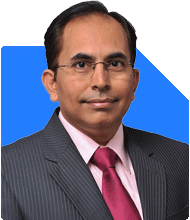
Ramalingam

Ramalingam Kalirajan  |10902 Answers  |Ask -

Mutual Funds, Financial Planning Expert - Answered on Jul 30, 2024

Ramalingam Kalirajan has over 23 years of experience in mutual funds and financial planning.
He has an MBA in finance from the University of Madras and is a certified financial planner.
He is the director and chief financial planner at Holistic Investment, a Chennai-based firm that offers financial planning and wealth management advice.... more
pari Question by pari on Jul 10, 2024Hindi
Listen
Money

I will be turning 34 this month.I am drawing 85K in hand per month. Out of this 24k goes to home loan.I have invested in the following intruments-NPS (50k/year),APY(632 monthly),Mutual Fund 12500 per month (4L current value),equity(3L current value),one Ulip policy (4.27L current value) and have 25L in FD. I am expecting to close my home loan by 2028 (adding additional 8K on top of emi every month). My total savings sums up around 45L which including two LIC policies(40k per year and will mature on 2034). Please suggest how should I plant my retirement at 50.My monthly expenses around around 25K.

Ans: Current Financial Situation
Monthly Income: Rs 85,000
Home Loan EMI: Rs 24,000
Monthly Expenses: Rs 25,000
Existing Investments
NPS: Rs 50,000 per year
APY: Rs 632 monthly
Mutual Funds: Rs 12,500 per month (Current Value: Rs 4 lakh)
Equity Investments: Rs 3 lakh
ULIP Policy: Current Value: Rs 4.27 lakh
Fixed Deposits (FDs): Rs 25 lakh
LIC Policies: Rs 40,000 per year (Matures in 2034)
Home Loan Repayment Plan
Current EMI: Rs 24,000 per month
Additional Payment: Rs 8,000 per month
Loan Closure: Expected by 2028
Investment Strategy
Increase SIP Contributions
Mutual Funds: Increase your SIP from Rs 12,500 to Rs 15,000 per month.
Diversify: Invest in a mix of large-cap, mid-cap, and hybrid funds.
Actively Managed Funds: They can provide higher returns compared to index funds.
Equity Investments
Review Portfolio: Regularly check your equity investments.
Rebalance as Needed: Ensure alignment with your risk profile and goals.
Fixed Deposits
Reinvest Maturing FDs: Consider investing maturing FDs in higher-yielding debt funds.
Diversify: Include some portion in debt mutual funds for better returns.
Insurance and Safety Nets
Life Insurance
LIC Policies: Evaluate their performance.
Term Insurance: Consider enhancing coverage if required.
Health Insurance
Adequate Coverage: Ensure you have comprehensive family health insurance.
Retirement Corpus Goal
Calculate Corpus Needed
Target Corpus: Aim for Rs 5 crore by age 50.
Monthly Savings: Save and invest systematically to reach this goal.
Increase Retirement Contributions
NPS: Continue your contributions. It provides tax benefits and long-term growth.
PPF: Consider starting a PPF account for tax-free, stable returns.
Surrender and Reinvest ULIP
Evaluate ULIP
Current Performance: Assess the returns from your ULIP policy.
Consider Surrender: If returns are low, surrender and reinvest in mutual funds.
Regular vs Direct Funds
Disadvantages of Direct Funds
Lack of Guidance: They require time and expertise to manage.
Benefits of Regular Funds
Professional Management: Managed by Certified Financial Planners.
Better Tracking: Easier to monitor and adjust as needed.
Final Insights
Regular Reviews: Periodically review and adjust your investment portfolio.
Stay Disciplined: Maintain a disciplined approach to savings and investments.
Diversify: Ensure a mix of equity, debt, and other investments.
Emergency Fund: Keep a sufficient emergency fund for unforeseen expenses.
Best Regards,

K. Ramalingam, MBA, CFP,

Chief Financial Planner,

www.holisticinvestment.in
DISCLAIMER: The content of this post by the expert is the personal view of the rediffGURU. Users are advised to pursue the information provided by the rediffGURU only as a source of information to be as a point of reference and to rely on their own judgement when making a decision.
Money

You may like to see similar questions and answers below

Ramalingam

Ramalingam Kalirajan  |10902 Answers  |Ask -

Mutual Funds, Financial Planning Expert - Answered on Jul 03, 2025

Money
Hi, I'm 35 now and have monthly take home salary of 1.4 Lac per month. Have 30 Lac in MF, 12 Lac in NPS, 16 Lac in EPF, 16 Lac in PPF and SIP of 60,000 per month with 30,000 going in Home EMI. How much should I invest more or do to plan for retirement by 50 years age. I need 5 Crore in today's term for retirement.
Ans: Current Snapshot of Finances

Age: 35 years

Monthly income: Rs. 1.4 lakhs

Monthly SIP: Rs. 60,000

Home EMI: Rs. 30,000

Mutual funds: Rs. 30 lakhs

NPS: Rs. 12 lakhs

EPF: Rs. 16 lakhs

PPF: Rs. 16 lakhs

Your total retirement-oriented corpus is around Rs. 74 lakhs. Your retirement goal is Rs. 5 crores in today's value, and the target age is 50. That gives you 15 more years.

This goal is ambitious, but achievable. However, it requires strategic and disciplined planning from all angles.

Household Cash Flow Analysis

Net income: Rs. 1.4 lakhs per month

SIPs: Rs. 60,000

EMI: Rs. 30,000

Likely balance: Rs. 50,000

Your savings rate is healthy. You’re already saving more than 40%. That’s a good indicator of financial strength.

The Rs. 30,000 EMI supports an appreciating asset but doesn't directly help retirement. Keep the EMI-to-income ratio below 25%. You’re well within that. Use the remaining surplus in a structured way to accelerate retirement corpus growth.

Review of Mutual Fund Portfolio

Corpus: Rs. 30 lakhs

SIP: Rs. 60,000 per month

This is your primary growth engine. Mutual funds are ideal for wealth building. But selection of right funds is key.

Avoid index funds.

Index funds lack downside protection

They follow market blindly, even in crisis

Actively managed funds adapt better during market corrections

Professional fund managers adjust to economic cycles

If you’ve invested in direct mutual funds:

You don’t get professional tracking

You miss timely fund switching or rebalancing

You don’t get behavioural coaching during market panic

Regular funds through an MFD with CFP guidance help you avoid emotional investing

They provide long-term strategic insights

You must ensure that your mutual fund investments are under expert guidance, with timely reviews and realignment.

Role of EPF and PPF in Retirement

You have Rs. 16 lakhs each in EPF and PPF. These are safe but slow-growing.

EPF grows moderately with yearly adjustments

PPF has a 15-year lock-in

Both work well for capital safety

But these won’t beat long-term inflation

Use them only for debt allocation, not for core wealth creation

Don’t over-rely on these. They are stability assets, not growth assets.

Also, consider continuing PPF contributions only till it aligns with asset allocation goals.

NPS as Retirement Support

Rs. 12 lakhs in NPS is a decent start. But NPS has lock-in till 60.

It cannot be your core vehicle for early retirement at 50.

Only 60% withdrawal allowed at maturity

Rest 40% must be used in annuity (not suggested)

You’ll get retirement money from NPS only after age 60

Thus, increase SIPs in mutual funds to build corpus before 50

You can continue NPS for tax benefits, but don’t expect it to support retirement at 50.

Gap to Target Corpus

You want Rs. 5 crores in today’s value by age 50.

You already have:

Rs. 30 lakhs in mutual funds

Rs. 12 lakhs in NPS

Rs. 16 lakhs each in EPF and PPF

SIP of Rs. 60,000 monthly

Based on your current setup, you are roughly halfway there. To bridge the rest:

Enhance SIP to Rs. 75,000 over the next 12 months

Use balance surplus of Rs. 20,000–25,000 for this purpose

Increase SIPs with every salary hike

This will help meet your corpus requirement without relying on unsafe instruments.

Asset Allocation Strategy

At 35, you can take high equity exposure. Suggest the following:

Equity: 70%

Debt (PPF/EPF/NPS): 25%

Gold/others: 5%

Within equity, don’t depend only on large cap. Use mix of:

Large cap

Mid cap

Flexi cap

Hybrid aggressive

Avoid index funds as they lack adaptability. Use actively managed funds with strategic rebalancing.

Review the portfolio every 6 months with your Certified Financial Planner.

Emergency Fund Setup

Ensure 6 months of expenses as emergency reserve.

That is Rs. 3 lakhs

Keep in a sweep-in FD or liquid fund

Don’t use equity for emergency purposes

This avoids disturbing long-term investments during crisis

If you don’t have this yet, build it over the next 3–4 months.

Insurance Planning

Use term life insurance

Coverage should be 10 to 15 times your annual income

Avoid ULIPs or traditional plans

They offer poor returns and low transparency

If you have any investment-linked policies, consider surrender

Reinvest the proceeds into mutual funds

Use a separate health insurance policy, not just employer coverage. Add accident cover and critical illness cover as needed.

Tax Planning with New MF Rules

Understand new MF tax changes.

Equity LTCG above Rs. 1.25 lakh taxed at 12.5%

STCG taxed at 20%

Debt fund gains taxed as per slab

Keep holding for over 3 years to reduce tax impact.

Avoid unnecessary redemptions. Use goal-based withdrawals only. Plan redemptions in phases post-50.

Corpus Accessibility and Withdrawal Planning

Since NPS is locked till 60:

Your retirement corpus at 50 should be mainly from mutual funds

EPF can be partially withdrawn

PPF will mature after 15 years

Ensure equity mutual funds give you liquid support from age 50

Plan your SIPs to be spread across growth funds and balanced funds. Use hybrid funds near age 48 to shift to stability.

Don’t stop SIPs even if market falls. Continue till 50.

Lifestyle Control and Inflation Protection

Maintain expenses under control

Avoid lifestyle inflation

If income grows, increase SIPs, not lifestyle spending

Your Rs. 50,000 surplus is useful only if deployed well

Use part of surplus for long-term wealth, not short-term luxuries.

Avoid Real Estate as Retirement Tool

Don’t add real estate as a core investment.

It has low liquidity

High entry and exit costs

Poor rental yields

Complex legal issues

Mutual funds provide better transparency, liquidity, and monitoring tools.

Behavioural Coaching and Monitoring

Work closely with a Certified Financial Planner. Benefits include:

Correct fund selection

Regular portfolio review

Rebalancing at right intervals

Preventing panic actions in market falls

Tax-efficient withdrawal plans

Use regular funds through MFD with CFP support.

Estate Planning and Documentation

Create a Will

Update nominations across all investments

Make joint holdings in mutual funds and bank accounts

Inform family about account access

Keep one folder with all financial documents

Estate planning gives peace of mind and ensures proper wealth transfer.

Finally

You are financially disciplined and structured already. But the Rs. 5 crore retirement corpus at age 50 needs a little extra push.

Action points ahead:

Increase SIPs by Rs. 15,000 gradually

Don’t add new EMIs or loans

Avoid traditional or linked insurance plans

Stay away from index and direct mutual funds

Avoid real estate as a retirement vehicle

Continue using actively managed mutual funds with expert handholding

Keep asset allocation disciplined

Plan tax-efficiently and stay invested through ups and downs

Review every 6 months with a Certified Financial Planner

Keep insurance, emergency fund and estate plans updated

Your financial future is in your hands. You just need to stay on track and stay consistent.

Best Regards,
K. Ramalingam, MBA, CFP,
Chief Financial Planner,
www.holisticinvestment.in
https://www.youtube.com/@HolisticInvestment

..Read more

Ramalingam

Ramalingam Kalirajan  |10902 Answers  |Ask -

Mutual Funds, Financial Planning Expert - Answered on Jul 09, 2025

Asked by Anonymous - Jun 26, 2025Hindi
Money
I am 35 years old. I have private job with salery 1 lack in hand. With 2 children & wife, My self invest 10 k in MF, 5k in Ppf, 10k in Sukanya yojana per month & app 35 k yearly in LIC. App 50 k yearly in NPS from last year. Requesting you to please suggest myself my retirement plan. How much need to invest to retire in 50.
Ans: You are 35 years old now.
You want to retire at 50.
That gives you 15 years to build wealth.
You have two children and a spouse.
You are investing across many products.

We will now guide you step-by-step.
This will help create a practical retirement plan.
We will also explain how to optimise your savings.

Let’s now go deeper with a 360-degree approach.

Your Current Financial Picture
Let’s assess where you stand today:

Age: 35 years

Monthly in-hand salary: Rs. 1 lakh

Family: Spouse + 2 children

Monthly MF SIP: Rs. 10,000

Monthly PPF: Rs. 5,000

Monthly Sukanya Samriddhi Yojana: Rs. 10,000

Yearly LIC: Rs. 35,000

Yearly NPS: Rs. 50,000

You have total investments of about Rs. 25,000 per month.
But this is spread across many directions.
Some are not retirement-focused.
Some are inefficient.

How to Prioritise Your Financial Goals
You have 2 major goals now:

Retirement at 50

Children's education and marriage

You are trying to handle both together.
That is good, but needs focus.

Retirement needs inflation-beating investments

Children’s goals need medium-term planning

Insurance-based investments are not suitable

Some money is getting locked in low-return products

You must now restructure your strategy.

Step 1: Assess the Retirement Corpus Required
You want to retire at age 50.
So, you need money for 30+ years after that.
Your family size is 4.
Expenses will rise with inflation.

Assume:

Current monthly household expense: Rs. 40,000 to Rs. 45,000

At retirement (age 50), expense may become Rs. 85,000 to Rs. 95,000

You need at least Rs. 4 crore to Rs. 5 crore as retirement corpus

This will cover:

Household expenses

Health care

Lifestyle cost

Travel and emergencies

No income pressure post-retirement

So, your target is minimum Rs. 4.5 crore.
This is achievable if planned properly.

Step 2: Where You Are Now
You are already saving.
But product selection needs correction.

Let’s examine each one:

Mutual Funds (Rs. 10,000/month SIP)
Right direction.

Good for wealth creation.

Continue SIP in actively managed equity mutual funds

Use flexi cap, multicap, and mid cap

Avoid index funds

Index funds do not outperform

They copy bad companies also

Don’t use direct funds

Direct plans have no advice, no tracking

Use regular plans through MFD and CFP

This is your core engine for retirement.

PPF (Rs. 5,000/month)
Safe and tax-free

Locked for 15 years

Good for stability

Keep contributing till limit of Rs. 1.5 lakh annually

But don’t expect very high growth

Use for stability, not for main retirement goal.

Sukanya Samriddhi (Rs. 10,000/month)
This is for your daughters

Keep it separate from retirement planning

Don’t stop it now

It is one of the best schemes for girl children

Tax-free returns and safe

Let this continue for child goal.

LIC Policies (Rs. 35,000/year)
This is a weak link

These give low returns (4% to 5.5%)

It is neither good insurance nor investment

If these are endowment or money-back or ULIP, stop them

Take term insurance instead

Surrender LIC plans after maturity or lock-in

Reinvest surrender value in SIPs

LIC plans cannot build Rs. 4 crore to Rs. 5 crore wealth.

NPS (Rs. 50,000/year)
Useful for retirement

Good tax benefit under Section 80CCD(1B)

Gives regular pension after 60

But retirement age is 60, not 50

For early retirement, NPS is not helpful

Keep contributing till limit

But do not depend only on NPS

You need a separate corpus for age 50 to 60.

Step 3: Create the Right Investment Plan
To retire at 50, you must follow structured planning.
Let us design a practical plan.

Monthly Investment Target
You are saving Rs. 25,000 per month now.
That is 25% of your salary.
To reach Rs. 4 crore+ by 50, you must invest:

Rs. 40,000 per month minimum

Increase SIP by 10% each year

Use 3 to 4 diversified equity mutual funds

Don’t chase high return schemes

Stick to quality funds through MFD

Start with current Rs. 10,000 SIP
Increase to Rs. 20,000 in 6 months
Then Rs. 30,000 after LIC policies are stopped

This step-up approach works best.

Step 4: Asset Allocation Strategy
Use this investment mix:

70% equity mutual funds

20% PPF + NPS

10% liquid or ultra-short debt fund

Rebalance once every year.
Avoid putting too much in gold or FDs.

Gold and FDs don’t create long-term wealth.
Use them only for emergency parking.

Step 5: Emergency Fund and Term Insurance
You have not mentioned emergency fund.
This is a must.

Keep 6 months of expenses in liquid fund

That is around Rs. 2.5 lakh to Rs. 3 lakh

Build this slowly over next 12 months

This gives peace of mind and financial safety

Also, check your life insurance:

Take Rs. 1 crore to Rs. 1.5 crore term plan

Premium will be Rs. 10,000 to Rs. 12,000 yearly

Do not combine investment and insurance

Take standalone term insurance

Health insurance is also necessary.
Check if your employer policy covers family.
If not, take family floater for Rs. 10 lakhs.

Step 6: Avoid These Mistakes
Don’t invest in real estate for retirement

Don’t over-rely on LIC or ULIP

Don’t keep long money in savings account

Don’t take frequent personal loans

Don’t use SIP in ELSS only for 80C

Don’t use direct funds if no time to manage

Your retirement depends on discipline.
Small mistakes cost big at the end.

Step 7: Tax Implications You Must Know
From April 2025, mutual fund tax rules have changed.

LTCG above Rs. 1.25 lakh taxed at 12.5%

STCG taxed at 20%

For debt mutual funds, gains taxed as per your slab

So hold funds long-term.
Avoid short-term exits.
Plan redemption every year with guidance.

Final Insights
You are 35 and already saving.
That is the most important first step.
Your plan now needs structure and clarity.

Shift LIC plans to mutual funds
Increase SIP every year
Track performance with MFD and CFP help
Don’t depend only on PPF and NPS
They are not enough for early retirement

You have 15 years.
That is enough time to build Rs. 4.5 crore if planned well.
Take every rupee seriously now.
Be consistent.
Avoid shortcuts.
Keep reviewing every 6 months.

This is how financial independence is created.

Best Regards,
K. Ramalingam, MBA, CFP,
Chief Financial Planner,
www.holisticinvestment.in
https://www.youtube.com/@HolisticInvestment

..Read more

Ramalingam

Ramalingam Kalirajan  |10902 Answers  |Ask -

Mutual Funds, Financial Planning Expert - Answered on Jul 10, 2025

Money
Hi, I am 37 year old, with 2 kids aged 8 year and 5 year. My monthly income is 4 lakh( Private sector). Expense are around 1 lakh, I live with my parent in their house, so no rent .I have a car loan of 9 lakh and no other debt. Investment are 2 lakh in stocks, 3 lakh in PF, 1 lakh in NPS. Two major investment are in property land,one is 20 Lakh and other is in 25 lakh in wife name. These are long term for kids future. How should I plan if I wish to retire by 50. As my salary nearly double in last year,so I haven't saved too much for future.
Ans: Understanding Your Current Financial Position
– You are 37 years old with Rs. 4 lakh monthly income.
– Expenses are Rs. 1 lakh monthly.
– You live in a family-owned home, so no rent burden.
– You have a car loan of Rs. 9 lakh.
– Investments include Rs. 2 lakh in stocks, Rs. 3 lakh in PF, and Rs. 1 lakh in NPS.
– You hold two land properties worth Rs. 20 lakh and Rs. 25 lakh (wife’s name).
– You wish to retire at 50, giving you 13 years to build wealth.
– Salary growth has been sharp recently, but savings haven't yet caught up.

Appreciating Your Positive Habits
– Living without rent is a strong enabler for wealth building.
– Your expense level is well-controlled at 25% of your income.
– You have stayed away from personal loans or credit card debt.
– The presence of EPF and NPS shows a foundation of discipline.

Areas That Need Immediate Attention
– Your liquid investments are low compared to income.
– Stock exposure is small and not diversified.
– PF and NPS are long-term but not enough for early retirement.
– Land is illiquid and won’t help in short or medium term.
– No mention of term insurance or medical cover yet.
– Car loan adds unnecessary monthly commitment.

Step 1: Establish Emergency Fund
– First, set up an emergency fund of Rs. 6 to 8 lakh.
– This is equal to six months of expenses plus EMIs.
– Use liquid mutual funds or sweep-in fixed deposits.
– Do not depend on stocks or real estate during an emergency.

Step 2: Protect Your Family First
– Buy a pure term insurance plan with Rs. 2 crore sum assured.
– Ensure the term covers you till age 60 or more.
– Keep annual premium below 1% of your income.
– Do not mix insurance with investment like ULIPs or endowment plans.
– For health cover, take a floater policy for you, wife, and kids.
– Also take individual policy for parents if not already done.

Step 3: Rework and Accelerate Investments
– Your surplus is Rs. 3 lakh monthly. That is powerful.
– Start SIPs in a mix of actively managed mutual funds.
– Use regular plans through an MFD who is also a Certified Financial Planner.
– Direct funds lack personalised guidance and after-sales support.
– Regular plans give you lifetime handholding, goal tracking, and rebalancing.
– Don’t get lured by 1% lower expense ratio of direct plans.
– Missteps in direct plans often cost more in losses.

Step 4: Strategic Mutual Fund Allocation
– Use large-cap, flexi-cap, mid-cap, and aggressive hybrid funds.
– Allocate higher weight to hybrid and flexi-cap in early years.
– Slowly increase mid and small-cap allocation over 5 years.
– Avoid index funds.
– Index funds fall fully during market crashes.
– No fund manager adjusts for market downturns.
– Actively managed funds give downside protection and long-term alpha.

Step 5: Reduce and Close Debt Quickly
– Car loan is a luxury debt, not asset-building.
– Aim to prepay it in the next 12 to 18 months.
– Redirect EMI outflow into SIPs after loan closure.
– Avoid taking any new loans for depreciating assets.
– For future car needs, save via SIP, not loans.

Step 6: Goal-Based Planning for Children
– Children’s higher education is 10 to 13 years away.
– Set clear target for each child’s education (Rs. 25 lakh or more).
– Invest separately for each child using dedicated mutual fund SIPs.
– Use hybrid or balanced advantage funds in initial years.
– Move to conservative hybrid or short-term debt funds from age 15.
– Real estate cannot be used easily to pay college fees.
– Don’t rely on selling land for time-bound goals.

Step 7: Plan for Early Retirement at 50
– You have 13 active income years. Use them smartly.
– Create two buckets: one for retirement corpus and one for pre-retirement goals.
– Allocate minimum Rs. 1.5 to 2 lakh monthly for retirement.
– Increase SIPs every year with salary hike by at least 10%.
– Use only equity mutual funds and aggressive hybrid funds for this.
– From age 47, slowly move some money to conservative hybrid funds.
– After 50, use SWP (Systematic Withdrawal Plan) to draw monthly income.

Step 8: Consider Retirement Lifestyle
– Target monthly income of Rs. 1.5 lakh in retirement (inflation adjusted).
– You need a retirement corpus of approx. Rs. 4 to 5 crore.
– This corpus must last 35+ years post retirement.
– Relying only on PF and NPS will not suffice.
– They will cover less than 20% of your future needs.
– Hence, focus on mutual funds for wealth creation.

Step 9: Use Real Estate Only for Legacy or Passive Use
– You hold two land parcels, one in your wife’s name.
– They are not liquid and can’t help in education or retirement.
– Do not plan short-term goals based on selling land.
– Keep them as long-term legacy assets.
– Ensure proper legal documentation and nomination is in place.
– If you plan to sell one, do it early and invest proceeds into mutual funds.

Step 10: Avoid These Common Mistakes
– Don’t invest in insurance-linked plans.
– Don’t go for annuities as retirement products.
– Don’t put money into low-return FDs for long term.
– Don’t delay investment waiting for right market timing.
– Don’t mix emotional decisions with financial goals.
– Avoid buying more real estate for investment purpose.
– Don’t invest in products you don’t understand fully.

Step 11: Review Your Plan Every Year
– Review SIPs, insurance, and debt every 12 months.
– Adjust asset allocation based on age and goals.
– Rebalance mutual funds as advised by your MFD/CFP.
– Use family discussions to align financial goals.
– Keep nominations updated for all investments.
– Don’t skip annual health and term insurance renewal.

Step 12: Secure Wife's Financial Participation
– Wife’s name is on one land, but no mention of income or investments.
– Ensure she has her own term and health cover.
– Begin SIPs in her name also if she has no income.
– It brings tax efficiency and asset diversification.
– Include her in all financial planning discussions.
– Educate her on mutual funds, banking, and insurance basics.

Step 13: Tax Efficiency and Smart Withdrawals
– Equity mutual funds: LTCG above Rs. 1.25 lakh taxed at 12.5%.
– STCG is taxed at 20%.
– Debt mutual funds: gains taxed as per income tax slab.
– Keep track of holding periods while redeeming.
– Use SWP from mutual funds to get tax-efficient income post-retirement.
– Avoid high tax payout by premature redemptions.

Step 14: Create a Clear Written Financial Plan
– List down all goals with target dates.
– Include retirement, education, travel, health, and contingency.
– Discuss this with a Certified Financial Planner (CFP).
– CFP will create a personalised plan based on risk profile.
– Choose an MFD with CFP qualification for investments.
– They bring clarity, long-term tracking, and professional advice.

Final Insights
– You are in a powerful position to shape your financial future.
– Your income, savings capacity, and family setup are ideal for building wealth.
– But you must act now and act wisely.
– Focus on liquidity, protection, and structured investments.
– Move beyond land and stocks alone.
– Keep long-term vision and stick to disciplined investing.
– Don’t hesitate to take expert help from a Certified Financial Planner.
– Start now, stay consistent, and you can retire early with peace.

Best Regards,
K. Ramalingam, MBA, CFP
Chief Financial Planner
www.holisticinvestment.in
https://www.youtube.com/@HolisticInvestment

..Read more

Latest Questions
Anu

Anu Krishna  |1749 Answers  |Ask -

Relationships Expert, Mind Coach - Answered on Dec 17, 2025

Relationship
one of my friend who is married from past 14 years having 2 kids (elder son 12 and daughter 8)...he was out of home deputed to site on project work by company for more than 4 months. During this period he did not visit the home but regularly available on call and in touch with his w... when he returned to home his wife was behavior was not normal as like earlier ... later he found out that his wife got involve with her college friend during this period ..... and they had physical 01 time during this period... now my best friend he is very caring and not able to forget this betrayed act by his wife... after all this he is not able to concentrate and focus on his work.. he love his wife so much and want to forgive her but how to handle this situation in decent way... he is not willing to divorce or parting his ways... request you to suggest some way out to get out of situation and lead a normal life as like earlier
Ans: Dear Navya,
He loves her
He wants to forgive her
BUT
He is not able to forget what his wife has done
Sadly, both these work in opposite directions...
If he is willing to rebuild his marriage, he does not need to forget what his wife has done BUT he can work on how to process what she has done. This is difficult to do...but he will need to understand what happened, the reasons for it, if the wife is still interested in the marriage and if both are willing to work together towards the future. If this seems a bit difficult to work out by themselves, I suggest that they see an expert who can guide them aptly.

All the best!
Anu Krishna
Mind Coach|NLP Trainer|Author
Drop in: www.unfear.io
Reach me: Facebook: anukrish07/ AND LinkedIn: anukrishna-joyofserving/

...Read more

Anu

Anu Krishna  |1749 Answers  |Ask -

Relationships Expert, Mind Coach - Answered on Dec 17, 2025

Asked by Anonymous - Sep 26, 2025Hindi
Relationship
hello mam, My son 19 year old from last 4 year his behavior change not listing not having food properly whole day watching mobile after 10th i put him diploma in electrical engineer he completed his 1 year but from 2nd year he stop going to college we both are working parent so nobody is there at home to force to go for college his teacher every day calling me to send him to college but he is not listing i ask him did teacher scold you or any student is troubling you he said no one is troubling me i don't want to study i want to do voice dubbing i want to give my voice for cartoon and for dubb movies in july 2025 he told me in 2028 i will leave both of you i have my dream i leave the home i ask him what is your dream he said 1st 2 dream i cant tell you but 3rd dream is to go to japan for tour i thought he is joking. In August 2025 he started going for voice dubbing classes in 1st week of August 2025 he told me my planning is change next month only i will leave both of you again i thought is just pulling my leg but on 15 September its regular Monday we both parent went for job and he called me around 12 pm and said daddy left the home not a single rupees he had with him and he left the home in full of rain he keep walking and talking to me i ask him where you are going but he said that's secrete i took his mom in conference and try convince him but he not listing with 1 hour talking with him on phone i ask him tell me the landmark where you are he told me one landmark while talking him i left office to reach the landmark he told i forcibly sit him in car and take back home with his mother after reaching home with his mother we are trying to convince don't do like this its your home we have only one child that is you but he said no today is the i want to go let me go don't fail my planning whole standing at home he said want to go without having water or food just crying and saying i want leave the home in evening at 7pm i told him give me three month i will send to japan for tour after hearing this he little bit convince but said repair my mobile which was shutdown due rain water get inside arrange visa and passport within three month and give new laptop for playing game but after three i will leave both of you and left the home in december 2025 he told me he will the home. he is very superstitious at home not having bath use same cloth he said if change cloth and have bath all my power will go after that incidence leaving home he become more superstitious each and every moment he whispering himself after asking why you doing this saying this is my power i will get what i want if i scold him he said i will leave home right now please help me what to do he not having bath not changing cloth not having afternoon food not cutting his nails from last 15 days i am very much in stress due to his behavior and stress about his future also he is not behaving like a normal child whole day and night watching mobile. Please help
Ans: Dear Anonymous,
Please take him to a professional who can evaluate him. There are a lot of gaps in what you haev shared and a professional will be able to ask the right questions and be of better guidance to your son and your family.

All the best!
Anu Krishna
Mind Coach|NLP Trainer|Author
Drop in: www.unfear.io
Reach me: Facebook: anukrish07/ AND LinkedIn: anukrishna-joyofserving/

...Read more

Ramalingam

Ramalingam Kalirajan  |10902 Answers  |Ask -

Mutual Funds, Financial Planning Expert - Answered on Dec 17, 2025

Money
Hi Vivek, I am 43 year old. I am currently working in private organization. Having an Investment of 8.0 Lac in NPS, 27 Lac in PF, 4 Lac in PPF and 2.5 Lac in FD. My child is in 11th Science. I have my own house and no any loan. I need to Invest around 80.0 Lac for Child Education, Marriage and Retirement.
Ans: Your discipline and clarity deserve appreciation.
You have built strong foundations early.
Many people reach forty without such assets.
You already reduced major future stress.
That itself gives you an advantage.

» Current Financial Snapshot
– You are 43 years old.
– You work in a private organisation.
– You own your house fully.
– You have no loans.
– This gives financial stability.

– Retirement focused savings already exist.
– Long term instruments form your base.
– Your money is spread across safety products.
– Liquidity is limited but acceptable.
– Growth exposure needs attention.

» Existing Investment Review
– Retirement related savings are meaningful.
– Mandatory savings have helped discipline.
– These instruments protect capital well.
– However growth potential is limited.
– Inflation risk exists over long periods.

– These assets suit long term security.
– They suit retirement stability well.
– They are not designed for high growth.
– Child goals need higher growth.
– Marriage expenses need liquidity planning.

» Child Education Time Horizon
– Your child is in 11th Science.
– Higher education expenses are near.
– Time available is limited.
– Risk capacity is lower here.
– Planning must be conservative.

– Education costs grow faster than inflation.
– Professional courses cost significantly more.
– Overseas options cost even higher.
– Partial funding support is important.
– Loans should be minimised.

» Child Marriage Planning Window
– Marriage expenses are medium term.
– You still have some time.
– Cultural expectations increase costs.
– Planning early reduces stress.
– This goal needs balance.

– Too much risk can hurt plans.
– Too little growth causes shortfall.
– Phased investing works best.
– Gradual shift towards safety helps.
– Liquidity must be ensured.

» Retirement Planning Horizon
– Retirement is long term.
– You have nearly two decades.
– This allows growth oriented approach.
– Inflation is biggest risk here.
– Passive savings alone will not suffice.

– Retirement expenses last many years.
– Healthcare costs rise sharply later.
– Regular income post retirement matters.
– Corpus must be inflation protected.
– Growth assets become essential.

» Understanding Rs 80 Lac Requirement
– Rs 80 Lac is a combined target.
– All goals have different timelines.
– One strategy will not suit all.
– Segmentation is essential.
– This avoids misallocation.

– Education needs immediate planning.
– Marriage needs medium planning.
– Retirement needs long term planning.
– Each goal must be ring-fenced.
– Mixing goals creates confusion.

» Asset Allocation Importance
– Asset allocation drives outcomes.
– Not product selection alone.
– Time horizon decides allocation.
– Risk appetite decides allocation.
– Discipline maintains allocation.

– Safety instruments protect capital.
– Growth instruments fight inflation.
– Balance avoids emotional mistakes.
– Rebalancing keeps strategy aligned.
– This is a continuous process.

» Role Of Equity Exposure
– Equity creates long term wealth.
– Equity is volatile short term.
– Time reduces equity risk.
– Retirement horizon suits equity.
– Education horizon needs limited equity.

– Selective equity exposure is essential.
– Quality matters more than quantity.
– Active management adds value.
– Market cycles require judgment.
– Discipline ensures success.

» Why Not Depend Only On Safe Instruments
– Safe instruments give predictable returns.
– They struggle to beat inflation.
– Purchasing power erodes slowly.
– Long term goals suffer silently.
– Growth becomes insufficient.

– Your current assets are safety heavy.
– Growth allocation needs improvement.
– This change should be gradual.
– Sudden shifts create stress.
– Planned transition works better.

» Education Goal Strategy
– Use conservative growth approach.
– Capital protection is priority.
– Avoid aggressive exposure now.
– Phased investing works best.
– Gradual de-risking is necessary.

– Education funding should be ready.
– Avoid dependency on future income.
– Avoid last minute borrowing.
– Keep funds accessible.
– Liquidity is key.

» Marriage Goal Strategy
– Marriage expenses are emotional.
– Costs are difficult to predict.
– Planning gives confidence.
– Balanced approach is ideal.
– Growth plus safety mix works.

– Start allocating gradually.
– Increase safety closer to event.
– Avoid locking money long term.
– Keep flexibility.
– Avoid speculation.

» Retirement Goal Strategy
– Retirement planning needs growth focus.
– Inflation is the silent enemy.
– Long horizon allows equity.
– Volatility should be accepted.
– Discipline ensures compounding.

– Retirement corpus must grow faster.
– Contributions should increase with income.
– Lifestyle expectations must be realistic.
– Healthcare buffer is essential.
– Regular review is necessary.

» Role Of Active Funds
– Markets do not move uniformly.
– Sectors rotate frequently.
– Index funds stay static.
– They reflect index weaknesses.
– Active funds adapt better.

– Active managers adjust allocations.
– They reduce exposure in weak sectors.
– They increase exposure in growth areas.
– This helps during volatility.
– Especially for long term goals.

» Why Avoid Index Based Approach
– Index funds mirror market direction.
– They cannot protect downside.
– They remain exposed during corrections.
– Investors feel helpless.
– Returns stay average.

– Active strategies aim to outperform.
– They manage risk dynamically.
– They suit Indian market inefficiencies.
– Skilled management adds value.
– This matters over decades.

» Regular Investing Route Benefits
– Regular route offers guidance.
– Behaviour management is critical.
– Panic decisions destroy returns.
– Professional handholding matters.
– Especially during volatile phases.

– Certified Financial Planner helps discipline.
– Goal tracking becomes structured.
– Portfolio review becomes systematic.
– Emotional bias reduces.
– Long term success improves.

» Liquidity Planning
– Emergency funds are essential.
– You currently have limited liquidity.
– One year expenses should be accessible.
– This avoids distress selling.
– It protects long term investments.

– Emergency planning gives peace.
– Unexpected events do not derail plans.
– This should be built gradually.
– Avoid using retirement savings.
– Keep it separate.

» Insurance As Risk Management
– Insurance protects your plan.
– It is not an investment.
– Adequate life cover is essential.
– Health cover avoids financial shock.
– Premiums are necessary expenses.

– Delaying insurance increases risk.
– Medical inflation is severe.
– Employer cover is insufficient.
– Family protection is priority.
– This secures your goals.

» Tax Efficiency Perspective
– Tax planning should support goals.
– Avoid tax driven decisions alone.
– Post tax returns matter.
– Simplicity reduces mistakes.
– Compliance avoids future stress.

– Long term equity taxation is favourable.
– Short term churn increases tax.
– Stability helps efficiency.
– Avoid frequent switching.
– Stay disciplined.

» Monitoring And Review Process
– Plans are not static.
– Life changes require adjustment.
– Income growth allows higher contribution.
– Goals may change.
– Reviews keep relevance.

– Annual review is sufficient.
– Avoid daily market tracking.
– Focus on progress.
– Ignore noise.
– Stick to strategy.

» Behavioural Discipline
– Emotions affect investment outcomes.
– Fear causes premature exit.
– Greed causes overexposure.
– Discipline balances both.
– Guidance helps immensely.

– Long term wealth needs patience.
– Short term market moves mislead.
– Consistency beats timing.
– Process beats prediction.
– Stay calm.

» Aligning Goals With Reality
– Rs 80 Lac goal is achievable.
– Planning must be realistic.
– Income growth will support it.
– Lifestyle control helps savings.
– Early planning reduces pressure.

– You already started well.
– Course correction is timely.
– Delay would increase burden.
– Action now simplifies future.
– Confidence improves.

» Family Communication
– Discuss goals with family.
– Shared understanding reduces conflict.
– Expectations become realistic.
– Decisions gain support.
– Stress reduces significantly.

– Financial planning is family planning.
– Transparency builds trust.
– It improves discipline.
– Everyone works towards goals.
– Harmony improves.

» Risk Capacity Versus Risk Appetite
– Risk capacity is strong for retirement.
– Risk appetite may vary emotionally.
– Planning must respect both.
– Overexposure creates anxiety.
– Underexposure creates regret.

– Balance is the answer.
– Gradual allocation changes work best.
– Avoid extreme decisions.
– Stay flexible.
– Stay focused.

» Final Insights
– You have built a strong base.
– Assets are safe but growth limited.
– Goals need segmented planning.
– Education needs conservative strategy.
– Marriage needs balanced approach.
– Retirement needs growth focus.
– Active management adds value.
– Regular guidance supports discipline.
– Insurance protects the plan.
– Liquidity avoids stress.
– Review keeps alignment.
– Patience creates results.

Best Regards,

K. Ramalingam, MBA, CFP,

Chief Financial Planner,

www.holisticinvestment.in

https://www.youtube.com/@HolisticInvestment

...Read more

DISCLAIMER: The content of this post by the expert is the personal view of the rediffGURU. Investment in securities market are subject to market risks. Read all the related document carefully before investing. The securities quoted are for illustration only and are not recommendatory. Users are advised to pursue the information provided by the rediffGURU only as a source of information and as a point of reference and to rely on their own judgement when making a decision. RediffGURUS is an intermediary as per India's Information Technology Act.

Close  

You haven't logged in yet. To ask a question, Please Log in below
Login

A verification OTP will be sent to this
Mobile Number / Email

Enter OTP
A 6 digit code has been sent to

Resend OTP in120seconds

Dear User, You have not registered yet. Please register by filling the fields below to get expert answers from our Gurus
Sign up

By signing up, you agree to our
Terms & Conditions and Privacy Policy

Already have an account?

Enter OTP
A 6 digit code has been sent to Mobile

Resend OTP in120seconds

x