Home > Money > Question
Need Expert Advice?Our Gurus Can Help
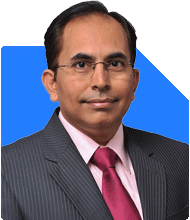
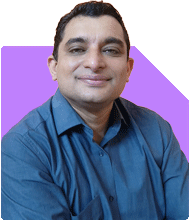
Janak

Janak Patel  |72 Answers  |Ask -

MF, PF Expert - Answered on Dec 17, 2025

Janak Patel is a certified financial planner accredited by the Financial Planning Standards Board, India.
He is the CEO and founder of InfiniumWealth, a firm that specialises in designing goal-specific financial plans tailored to help clients achieve their life goals.
Janak holds an MBA degree in finance from the Welingkar Institute of Management Development and Research, Mumbai, and has over 15 years of experience in the field of personal finance. ... more

Bhavin Question by Bhavin on Dec 17, 2025Hindi

Money

Hi Janak, I am 43 year old. I am currently working in private organization. Having an Investment of 8.0 Lac in NPS, 27 Lac in PF, 4 Lac in PPF and 2.5 Lac in FD. My child is in 11th Science. I have my own house and no any loan. I need to Invest around 80.0 Lac for Child Education, Marriage and Retirement.

Ans: Hi Bhavin,

Currently most of your investments are in Fixed Income/Debt category, which will just meet the inflation.

I suggest you invest a major % of your investment amount towards Equity Mutual Funds. They have a potential for growth over a long period, 5 years and more.

It can help accumulate a good corpus over the next 10-15 years before your retirement.

Child Education is the requirement which is in the next 1-4 years, so for that you can use your existing investments or take a education loan.

For other goals of Marriage and retirement, you have time and Equity Mutual funds can help accumulate corpus for it.
Invest in a Flexicap, multicap and balance advantage schemes for the next 10-15 years. You can consider PPFAS Flexicap,

Thanks & Regards
Janak Patel
Certified Financial Planner.
DISCLAIMER: The content of this post by the expert is the personal view of the rediffGURU. Users are advised to pursue the information provided by the rediffGURU only as a source of information to be as a point of reference and to rely on their own judgement when making a decision.
Money

You may like to see similar questions and answers below

Ramalingam

Ramalingam Kalirajan  |10901 Answers  |Ask -

Mutual Funds, Financial Planning Expert - Answered on May 13, 2024

Listen
Money
Hi I am 43years, I want 35 lakhs after 5years for daughters marriage, and 7years i need 20lakhs for children education, and after 12years i need 1cr plus 1lakh per month as pension.. So how to start investment and in which funds
Ans: To achieve your financial goals, a systematic and diversified investment approach is essential. Let's outline a strategy to meet each milestone effectively.

Investing for Daughter's Marriage (5 years):
Opt for low to moderate risk investment options due to the short time horizon.
Consider debt mutual funds, fixed deposits, or short-term debt instruments for stability and capital preservation.
Saving for Children's Education (7 years):
Balance risk and return with a mix of equity and debt investments.
Invest in diversified equity mutual funds for potential growth and debt funds for stability.
Utilize Sukanya Samriddhi Yojana or education-specific investment plans for tax benefits and focused savings.
Planning for Retirement (12 years):
Emphasize long-term growth potential with a predominantly equity-based portfolio.
Allocate investments across large-cap, mid-cap, and diversified equity funds for diversification and risk management.
Explore options like National Pension System (NPS) or Voluntary Provident Fund (VPF) for additional retirement savings.
Selecting Suitable Funds:
Research and choose mutual funds with consistent track records, experienced fund managers, and adherence to investment objectives.
Consult with a Certified Financial Planner for personalized advice and portfolio optimization.
Regularly review and rebalance your portfolio to align with changing goals and market conditions.
Getting Started:
Begin investing systematically and regularly to benefit from rupee-cost averaging and compounding.
Set up SIPs (Systematic Investment Plans) in selected mutual funds to automate your investments and maintain discipline.
Monitor your portfolio's performance and make adjustments as needed to stay on track towards your financial goals.
As you embark on this investment journey, remember to stay patient, disciplined, and focused on your long-term objectives. With prudent planning and consistent efforts, you can build a secure financial future for yourself and your family.

Best Regards,

K. Ramalingam, MBA, CFP,

Chief Financial Planner,

www.holisticinvestment.in

..Read more

Ramalingam

Ramalingam Kalirajan  |10901 Answers  |Ask -

Mutual Funds, Financial Planning Expert - Answered on May 14, 2024

Asked by Anonymous - May 02, 2024Hindi
Listen
Money
I intend to retire in next 5 years. I have a son who is in class 9th. I have a share portfolio of 2 crores, PF+Gratuity is about 1 crore. I am 42 years old. I dont own a house currently but shall be having one in next 5 years, fully paid. I want a crore for my child education, otherwise my expenses are little, say 30k a month.
Ans: Considering your retirement goal in the next 5 years and your son's education fund target of 1 crore, here's a tailored plan to achieve your objectives:

Retirement Planning:
1. Evaluate Share Portfolio:
Review your share portfolio to ensure it aligns with your retirement timeline and risk tolerance. Consider diversifying into less volatile assets to safeguard your retirement corpus.

2. Optimize PF & Gratuity:
Maximize contributions to your PF and gratuity funds to bolster your retirement savings. Explore investment options that offer growth potential while prioritizing capital preservation as retirement approaches.

3. Plan for Housing:
Prepare a financial strategy to acquire a house in the next 5 years. Allocate funds towards a down payment and consider mortgage options that fit your financial situation. Owning a house can provide long-term stability in retirement.

Child Education Fund:
1. Set Targeted Savings Goal:
With a clear objective of accumulating 1 crore for your son's education, calculate the required monthly contributions to achieve this goal within the next few years.

2. Invest Strategically:
Utilize a combination of investment avenues such as mutual funds, fixed deposits, and education-oriented savings schemes to accumulate the desired corpus. Consider the risk profile and investment horizon to select appropriate instruments.

Expense Management:
1. Budgeting:
Review your monthly expenses and identify areas where you can reduce discretionary spending. Redirect these savings towards your retirement and education funds to accelerate wealth accumulation.

2. Emergency Fund:
Maintain a sufficient emergency fund equivalent to 6-12 months' worth of expenses to cover unforeseen financial emergencies, ensuring your retirement and education goals remain unaffected.

Conclusion:
By implementing these strategies, you can work towards achieving your retirement and education goals effectively. Regularly monitor your progress, and adjust your financial plan as needed to stay on track towards financial security and fulfilling your aspirations.

Best Regards,

K. Ramalingam, MBA, CFP,
Chief Financial Planner,
www.holisticinvestment.in

..Read more

Ramalingam

Ramalingam Kalirajan  |10901 Answers  |Ask -

Mutual Funds, Financial Planning Expert - Answered on Oct 14, 2024

Money
Hello, I'm a 46 year old , unable to work anymore, I have no loans, own house,wife is the earning member. My investments are : Running investments: Pension Plan with fund value of 42 lakhs(current fund value) till 2037, Equity Mutual fund with fund value of 12 lakhs( Current fund value). Yearly investment emi of 1.20 lakh Monthly expenditure of 25 k Monthly rental income of 8k NO PPF Bank Balance of 26 lakh. Want to invest 10 -15 lakh to earn a sizeable corpus ( say 1 cr) in next 18 years for my child when he will become an adult, in addition to a 50 k monthly income in next 2-3 years Can you kindly guide me as to what investments I should be doing to achieve this target
Ans: You have provided valuable details about your financial situation. Let’s analyse your current standing and future goals.

Age: 46 years old
Running Investments:
Pension Plan with a current fund value of Rs 42 lakhs (maturing in 2037).
Equity Mutual Fund with a current fund value of Rs 12 lakhs.
Income & Expenditure:
Monthly rental income of Rs 8,000.
Monthly expenditure of Rs 25,000.
Yearly EMI of Rs 1.2 lakh for ongoing investments.
Savings: Bank balance of Rs 26 lakhs.
Investment Goals:
You want to invest Rs 10-15 lakh to build a corpus of Rs 1 crore in 18 years for your child.
You also need a monthly income of Rs 50,000 in the next 2-3 years.
Given these goals, let’s discuss how you can achieve them.

Income Generation for Monthly Needs (Rs 50,000)
To achieve a monthly income of Rs 50,000 in the next 2-3 years, we need to explore investment options that can generate consistent returns.

Rental Income: You already have Rs 8,000 coming in monthly. This helps reduce your income requirement.

Systematic Withdrawal Plan (SWP):

A Systematic Withdrawal Plan from your mutual funds could be useful.
You can park part of your Rs 26 lakh bank balance into a debt-oriented hybrid mutual fund.
These funds provide stability with moderate returns.
You can withdraw monthly amounts through SWP to meet your requirement.
Based on the fund's performance, you can plan to withdraw around Rs 42,000 per month to reach your target of Rs 50,000 (including Rs 8,000 from rent).
This option allows you to use your capital effectively while keeping it invested for moderate growth.

Fixed Income Options:

You may also consider some amount in fixed deposits or high-interest-bearing savings instruments.
However, they are taxed as per your income tax slab, so this may reduce post-tax returns.
Combining these with SWP ensures liquidity and some level of fixed returns.
This way, your immediate income needs can be met, keeping your capital intact.

Investment Plan for Building Rs 1 Crore for Child's Future
You aim to build Rs 1 crore in 18 years for your child. The best way to achieve this is through equity-based investments, as they tend to offer the highest long-term growth.

Equity Mutual Funds:

For long-term goals like 18 years, equity mutual funds are the most suitable.
Your existing equity mutual funds of Rs 12 lakh can continue to grow.
You can also invest Rs 10-15 lakh from your bank balance into diversified equity funds.
Actively managed equity mutual funds generally perform better over a long period compared to passive index funds, which often lack flexibility in changing market conditions.
It’s crucial to focus on mid-cap and small-cap funds as they have higher growth potential over an 18-year period.
Regular vs Direct Funds:

You might have heard about direct mutual funds, which have lower fees.
However, direct plans require deep market understanding and regular monitoring.
Investing through a Certified Financial Planner (CFP) who works with an MFD can help you manage your portfolio professionally, ensuring that your investments are regularly rebalanced to match market changes.
Regular plans, managed by CFPs, provide professional guidance, making them a better choice for individuals who do not want the stress of tracking every detail.
SIP for Consistent Growth:

You can start a SIP (Systematic Investment Plan) of Rs 50,000 monthly.
This amount will steadily build wealth over 18 years.
By investing Rs 50,000 a month in a mix of large-cap, mid-cap, and small-cap funds, you stand a good chance of achieving your target of Rs 1 crore.
A professional MFD working with a CFP can help you select funds based on your risk profile and growth expectations.
Review of Existing Pension Plan
Your pension plan with a current fund value of Rs 42 lakhs is a significant part of your retirement portfolio.

Performance Review:
It is crucial to review the performance of this pension plan periodically.
Ensure that it continues to give reasonable returns, as you have 13 more years until it matures.
Often, these plans have high charges and lower returns compared to equity mutual funds. You should evaluate if it makes sense to continue with this investment or switch to something more productive.
If the returns are lower than expected, you may want to consider redirecting future premiums into better-performing mutual funds.
Tax Implications on Your Investments
Understanding tax liabilities is essential for maximising your returns.

Capital Gains Tax on Mutual Funds:

For equity mutual funds, LTCG (Long-Term Capital Gains) above Rs 1.25 lakh is taxed at 12.5%.
Short-Term Capital Gains (STCG) on equity mutual funds are taxed at 20%.
For debt mutual funds, LTCG and STCG are taxed according to your income tax slab.
You should consult with your CFP to ensure that your withdrawals and investments are done in the most tax-efficient manner.
Tax on Rental Income:

The Rs 8,000 monthly rental income is also taxable.
Ensure you factor this into your annual tax planning.
By optimising tax strategies, you can maximise your returns while keeping your liabilities low.

Contingency and Emergency Fund
While investing for long-term goals, don’t overlook short-term financial safety.

Emergency Fund:
Out of your Rs 26 lakh bank balance, set aside at least Rs 4-5 lakh as an emergency fund.
This will help you manage any unforeseen expenses without disturbing your investments.
Keep this amount in a liquid or short-term debt fund for easy access.
Health Insurance:
Since your wife is the sole earning member now, ensure that you have adequate health insurance coverage.
This will help safeguard your family’s finances in case of medical emergencies.
Revisit Your Financial Plan Regularly
It is essential to track your financial journey.

Review Performance:

Regularly review the performance of your mutual funds and pension plans.
Make adjustments based on market conditions and your changing life circumstances.
Stay on Track with Goals:

Ensure that you are consistently investing towards your Rs 1 crore goal.
Keep in touch with your CFP to monitor if you’re on track, and take corrective actions if required.
By actively managing your investments and reviewing your goals, you can ensure financial security for your family.

Finally
Your situation is unique, and your goals are achievable with a disciplined approach.

By combining equity mutual funds, SWPs, and systematic SIPs, you can grow your wealth and generate regular income. Balancing risk and return is essential to meet your child’s future needs and your immediate income requirements.

Keep your financial plan flexible, review it often, and stay committed to your goals.

Best Regards,
K. Ramalingam, MBA, CFP,
Chief Financial Planner,
www.holisticinvestment.in
https://www.youtube.com/@HolisticInvestment

..Read more

Ramalingam

Ramalingam Kalirajan  |10901 Answers  |Ask -

Mutual Funds, Financial Planning Expert - Answered on Nov 26, 2024

Asked by Anonymous - Nov 13, 2024Hindi
Listen
Money
Hello I am 36 years old female having a 2 year old toddler. I am not able to resume any work due to family responsibilities.however I have inherited almost a corpus of 80 lacs from parents which I need to invest for monthly income of 1 lac approx while saving the capital.my husband is working and earns 40 k per month after household expenses and basic term and health insurance we aren't left with any corpus for future expense like child education retirement corpus etc.kindly guide.
Ans: Your financial discipline is admirable, especially with consistent SIPs and LIC contributions. However, balancing between mandatory expenses and savings is critical. Let us explore ways to optimise your income for greater savings and a secure future.

Understanding Cash Flow Issues

You have a structured budget with Rs. 75,000 as your EMI, Rs. 30,000 in SIPs, Rs. 10,000 in LIC, and Rs. 15,000 for home expenses. This leaves you with Rs. 30,000. However, the lack of liquid cash at month-end signals an imbalance.

Three factors need attention:

High EMI compared to income
Lack of emergency savings
Minimal liquidity for unforeseen expenses
Let us address each systematically.

Reassessing the Home Loan EMI

Rs. 75,000 EMI forms nearly 47% of your income. Ideally, this should be below 30%.
Contact your lender to extend the loan tenure. This will reduce EMI and ease your cash flow.
Check for refinancing options with lower interest rates. Even a small reduction in interest rates will lower the EMI significantly.
Optimising SIP Contributions

Rs. 30,000 in SIPs is commendable. It reflects your commitment to long-term wealth creation.
However, assess the funds’ performance regularly.
Consider temporarily reducing SIP contributions to Rs. 20,000 until your cash flow improves. Once your financial situation stabilises, increase the amount gradually.
Evaluating the LIC Policy

Check if your LIC policy is purely insurance or investment-cum-insurance.
If it is an investment-cum-insurance policy, evaluate its returns and coverage.
Consider surrendering low-return policies and reinvesting the surrender value into mutual funds through a certified financial planner (CFP).
Building an Emergency Fund

An emergency fund should cover at least six months of expenses.
Allocate Rs. 5,000 monthly towards building this fund.
Use a high-yield savings account or liquid mutual fund for easy access.
Streamlining Monthly Expenses

Home expenses of Rs. 15,000 seem reasonable.
Review discretionary expenses such as dining out or subscriptions.
Implement cost-saving measures, such as cooking at home or choosing economical alternatives.
Boosting Monthly Savings

Automate your savings to ensure consistency.
After revising your SIPs and reducing EMI, direct surplus income to a recurring deposit.
A recurring deposit will instil discipline and grow liquidity.
Strategising for Your Daughter’s Future

At 14, her higher education costs are imminent. Start a dedicated fund for this purpose.
Invest in a balanced mutual fund with a horizon of four to five years.
Reassess the fund's allocation annually as the education expense nears.
Retirement Planning

Your current focus is understandably on immediate needs.
Once cash flow improves, allocate Rs. 5,000 monthly for retirement in a retirement-focused mutual fund.
Begin this once your emergency fund is in place.
Avoiding Common Financial Pitfalls

Do not borrow for non-essential expenses.
Avoid policies or investments with high charges and low returns.
Stay insured with adequate health and term insurance coverage.
Regular Review and Adjustment

Revisit your financial plan every six months.
Seek advice from a certified financial planner to optimise investments and tax savings.
Adjust your strategy as your income grows or expenses change.
Finally

Your current efforts show dedication to financial stability. By rebalancing EMI, SIPs, and building liquidity, you will improve cash flow significantly. Stay consistent with disciplined savings, and your future financial goals will be secure.

Best Regards,
K. Ramalingam, MBA, CFP,
Chief Financial Planner,
www.holisticinvestment.in
https://www.youtube.com/@HolisticInvestment

..Read more

Latest Questions
Ramalingam

Ramalingam Kalirajan  |10901 Answers  |Ask -

Mutual Funds, Financial Planning Expert - Answered on Dec 17, 2025

Money
Hi Vivek, I am 43 year old. I am currently working in private organization. Having an Investment of 8.0 Lac in NPS, 27 Lac in PF, 4 Lac in PPF and 2.5 Lac in FD. My child is in 11th Science. I have my own house and no any loan. I need to Invest around 80.0 Lac for Child Education, Marriage and Retirement.
Ans: Your discipline and clarity deserve appreciation.
You have built strong foundations early.
Many people reach forty without such assets.
You already reduced major future stress.
That itself gives you an advantage.

» Current Financial Snapshot
– You are 43 years old.
– You work in a private organisation.
– You own your house fully.
– You have no loans.
– This gives financial stability.

– Retirement focused savings already exist.
– Long term instruments form your base.
– Your money is spread across safety products.
– Liquidity is limited but acceptable.
– Growth exposure needs attention.

» Existing Investment Review
– Retirement related savings are meaningful.
– Mandatory savings have helped discipline.
– These instruments protect capital well.
– However growth potential is limited.
– Inflation risk exists over long periods.

– These assets suit long term security.
– They suit retirement stability well.
– They are not designed for high growth.
– Child goals need higher growth.
– Marriage expenses need liquidity planning.

» Child Education Time Horizon
– Your child is in 11th Science.
– Higher education expenses are near.
– Time available is limited.
– Risk capacity is lower here.
– Planning must be conservative.

– Education costs grow faster than inflation.
– Professional courses cost significantly more.
– Overseas options cost even higher.
– Partial funding support is important.
– Loans should be minimised.

» Child Marriage Planning Window
– Marriage expenses are medium term.
– You still have some time.
– Cultural expectations increase costs.
– Planning early reduces stress.
– This goal needs balance.

– Too much risk can hurt plans.
– Too little growth causes shortfall.
– Phased investing works best.
– Gradual shift towards safety helps.
– Liquidity must be ensured.

» Retirement Planning Horizon
– Retirement is long term.
– You have nearly two decades.
– This allows growth oriented approach.
– Inflation is biggest risk here.
– Passive savings alone will not suffice.

– Retirement expenses last many years.
– Healthcare costs rise sharply later.
– Regular income post retirement matters.
– Corpus must be inflation protected.
– Growth assets become essential.

» Understanding Rs 80 Lac Requirement
– Rs 80 Lac is a combined target.
– All goals have different timelines.
– One strategy will not suit all.
– Segmentation is essential.
– This avoids misallocation.

– Education needs immediate planning.
– Marriage needs medium planning.
– Retirement needs long term planning.
– Each goal must be ring-fenced.
– Mixing goals creates confusion.

» Asset Allocation Importance
– Asset allocation drives outcomes.
– Not product selection alone.
– Time horizon decides allocation.
– Risk appetite decides allocation.
– Discipline maintains allocation.

– Safety instruments protect capital.
– Growth instruments fight inflation.
– Balance avoids emotional mistakes.
– Rebalancing keeps strategy aligned.
– This is a continuous process.

» Role Of Equity Exposure
– Equity creates long term wealth.
– Equity is volatile short term.
– Time reduces equity risk.
– Retirement horizon suits equity.
– Education horizon needs limited equity.

– Selective equity exposure is essential.
– Quality matters more than quantity.
– Active management adds value.
– Market cycles require judgment.
– Discipline ensures success.

» Why Not Depend Only On Safe Instruments
– Safe instruments give predictable returns.
– They struggle to beat inflation.
– Purchasing power erodes slowly.
– Long term goals suffer silently.
– Growth becomes insufficient.

– Your current assets are safety heavy.
– Growth allocation needs improvement.
– This change should be gradual.
– Sudden shifts create stress.
– Planned transition works better.

» Education Goal Strategy
– Use conservative growth approach.
– Capital protection is priority.
– Avoid aggressive exposure now.
– Phased investing works best.
– Gradual de-risking is necessary.

– Education funding should be ready.
– Avoid dependency on future income.
– Avoid last minute borrowing.
– Keep funds accessible.
– Liquidity is key.

» Marriage Goal Strategy
– Marriage expenses are emotional.
– Costs are difficult to predict.
– Planning gives confidence.
– Balanced approach is ideal.
– Growth plus safety mix works.

– Start allocating gradually.
– Increase safety closer to event.
– Avoid locking money long term.
– Keep flexibility.
– Avoid speculation.

» Retirement Goal Strategy
– Retirement planning needs growth focus.
– Inflation is the silent enemy.
– Long horizon allows equity.
– Volatility should be accepted.
– Discipline ensures compounding.

– Retirement corpus must grow faster.
– Contributions should increase with income.
– Lifestyle expectations must be realistic.
– Healthcare buffer is essential.
– Regular review is necessary.

» Role Of Active Funds
– Markets do not move uniformly.
– Sectors rotate frequently.
– Index funds stay static.
– They reflect index weaknesses.
– Active funds adapt better.

– Active managers adjust allocations.
– They reduce exposure in weak sectors.
– They increase exposure in growth areas.
– This helps during volatility.
– Especially for long term goals.

» Why Avoid Index Based Approach
– Index funds mirror market direction.
– They cannot protect downside.
– They remain exposed during corrections.
– Investors feel helpless.
– Returns stay average.

– Active strategies aim to outperform.
– They manage risk dynamically.
– They suit Indian market inefficiencies.
– Skilled management adds value.
– This matters over decades.

» Regular Investing Route Benefits
– Regular route offers guidance.
– Behaviour management is critical.
– Panic decisions destroy returns.
– Professional handholding matters.
– Especially during volatile phases.

– Certified Financial Planner helps discipline.
– Goal tracking becomes structured.
– Portfolio review becomes systematic.
– Emotional bias reduces.
– Long term success improves.

» Liquidity Planning
– Emergency funds are essential.
– You currently have limited liquidity.
– One year expenses should be accessible.
– This avoids distress selling.
– It protects long term investments.

– Emergency planning gives peace.
– Unexpected events do not derail plans.
– This should be built gradually.
– Avoid using retirement savings.
– Keep it separate.

» Insurance As Risk Management
– Insurance protects your plan.
– It is not an investment.
– Adequate life cover is essential.
– Health cover avoids financial shock.
– Premiums are necessary expenses.

– Delaying insurance increases risk.
– Medical inflation is severe.
– Employer cover is insufficient.
– Family protection is priority.
– This secures your goals.

» Tax Efficiency Perspective
– Tax planning should support goals.
– Avoid tax driven decisions alone.
– Post tax returns matter.
– Simplicity reduces mistakes.
– Compliance avoids future stress.

– Long term equity taxation is favourable.
– Short term churn increases tax.
– Stability helps efficiency.
– Avoid frequent switching.
– Stay disciplined.

» Monitoring And Review Process
– Plans are not static.
– Life changes require adjustment.
– Income growth allows higher contribution.
– Goals may change.
– Reviews keep relevance.

– Annual review is sufficient.
– Avoid daily market tracking.
– Focus on progress.
– Ignore noise.
– Stick to strategy.

» Behavioural Discipline
– Emotions affect investment outcomes.
– Fear causes premature exit.
– Greed causes overexposure.
– Discipline balances both.
– Guidance helps immensely.

– Long term wealth needs patience.
– Short term market moves mislead.
– Consistency beats timing.
– Process beats prediction.
– Stay calm.

» Aligning Goals With Reality
– Rs 80 Lac goal is achievable.
– Planning must be realistic.
– Income growth will support it.
– Lifestyle control helps savings.
– Early planning reduces pressure.

– You already started well.
– Course correction is timely.
– Delay would increase burden.
– Action now simplifies future.
– Confidence improves.

» Family Communication
– Discuss goals with family.
– Shared understanding reduces conflict.
– Expectations become realistic.
– Decisions gain support.
– Stress reduces significantly.

– Financial planning is family planning.
– Transparency builds trust.
– It improves discipline.
– Everyone works towards goals.
– Harmony improves.

» Risk Capacity Versus Risk Appetite
– Risk capacity is strong for retirement.
– Risk appetite may vary emotionally.
– Planning must respect both.
– Overexposure creates anxiety.
– Underexposure creates regret.

– Balance is the answer.
– Gradual allocation changes work best.
– Avoid extreme decisions.
– Stay flexible.
– Stay focused.

» Final Insights
– You have built a strong base.
– Assets are safe but growth limited.
– Goals need segmented planning.
– Education needs conservative strategy.
– Marriage needs balanced approach.
– Retirement needs growth focus.
– Active management adds value.
– Regular guidance supports discipline.
– Insurance protects the plan.
– Liquidity avoids stress.
– Review keeps alignment.
– Patience creates results.

Best Regards,

K. Ramalingam, MBA, CFP,

Chief Financial Planner,

www.holisticinvestment.in

https://www.youtube.com/@HolisticInvestment

...Read more

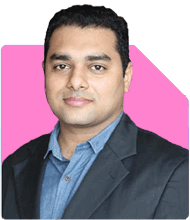
Reetika

Reetika Sharma  |429 Answers  |Ask -

Financial Planner, MF and Insurance Expert - Answered on Dec 17, 2025

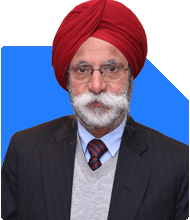
Purshotam

Purshotam Lal  |68 Answers  |Ask -

Financial Planner, MF and Insurance Expert - Answered on Dec 17, 2025

Asked by Anonymous - Dec 16, 2025Hindi
Money
Hellow Purshotam Sir, I am 48 year having privet Job. I have started investment from 2017, current value of investment is 82L and having monthly 50K SIP as below. My goal to have 2.5Cr corpus at the age of 58. Please advice... 1. Nippon India small cap -Growth Rs 5,000 2. Sundaram Mid Cap fund Regular plan-Growth Rs 5,000 3. ICICI Prudential Small Cap- Growth Rs 10,000 4. ICICI Prudential Large Cap fund-Growth Rs 5,000 5. ICICI Prudential Balanced Adv. fund-Growth Rs 5,000 6. DSP Small Cap fund Regular Growth Rs 5,000 7. Nippn India Pharma Fund- Growth Rs 5,000 8. SBI focused Fund Regular plan- Growth Rs 5,000 9. SBI Dynamic Asset Allocation Active FoF-Regular-Growth Rs 5,000
Ans: Good Morning dear. Your portfolio is invested in high growth stocks but with a much higher risk. But since it is invested for around 8 years now and still 10 years more you look forward to continue investments, it is fairly a long and desirable period to keep monies in Equity mutual funds. Funds selection is good and you are likely to build a corpus of Rs 2.5 Crore at your Age 58. Only suggestion to you is that you may switch your entire portfolio in 3 parts using bucket strategies before 2 years of your Age 58. One part you should switch to conservative hybrid MF for drawing annuities or SWP (Systematic Withdrawals @ 5 or 6% pa for first 5 years), Second and 3rd part of your corpus you should allocate to Aggressive hybrid mutual funds and Growth Mutual Funds for 8 Years and more respectively. Also at your age 61, 66, 71 likewise switch part of your corpus from Equity MF schemes to conservative hybrid MF schemes for further annuities. Good luck and all the best. If you need guidance please contact a good and certified financial planner or certified financial advisor.

Purshotam, CFP®, MBA, CAIIB, FIII
Certified Financial Planner
Insurance advisor
www.finphoenixinvest.com

...Read more

Ramalingam

Ramalingam Kalirajan  |10901 Answers  |Ask -

Mutual Funds, Financial Planning Expert - Answered on Dec 17, 2025
Money
Hi, I am 32 years old, married, and have a 4-year-old daughter. My monthly take-home salary is 55,000 rupees, and my wife's salary is 31,000 rupees, making our total income 86,000 rupees. I am currently in a lot of debt. Our total EMIs amount to 99,910 rupees (total loans with an average interest rate of 12.5%), and even with my father covering most of the monthly expenses, I still spend about 10,000 rupees. This leaves me with a shortage of approximately 25,000 rupees (debt) every month. My total debt across various banks is 36,50,000 rupees, and I also have a gold loan of 14 lakhs. I cannot change the EMI or loan tenure for another year. I also have a 2 lakh rupee loan from private lenders at an 18% interest rate. My total debt is over 52 lakhs. Now, with gold and silver prices rising, I'm worried that I won't be able to buy them again. I have an opportunity to get a 2 lakh rupee loan at a 12% interest rate, and I'm thinking of using that money to buy gold and silver and then pledge them at the bank again. Half of my current gold loan is from a similar situation – I took a loan from private lenders, bought gold, and then took a gold loan from the bank to repay the private loan. Given my current situation and my family's circumstances, should I buy more gold or focus on repaying my debts? What should I do? The monthly interest on my loans is approximately 50,000 rupees, meaning 50,000 rupees of my salary goes towards interest every month. What should I do in this situation? I also have an SBI Jan Nivesh SIP of 2000 rupees per month for the last four months. I have no savings left. I am thinking of taking out term insurance and health insurance, but I am hesitating because I don't have the money. I am looking for some suggestions to get out of these debts.
Ans: Your honesty and clarity deserve appreciation.
You have explained everything openly.
That itself shows responsibility and courage.
Your concern for family security is clear.
This situation is stressful but not hopeless.

» Current Financial Snapshot
– You are 32 years old.
– Married with a young daughter.
– Family income is Rs 86,000 monthly.
– Total EMIs exceed total income.
– Monthly deficit exists every month.

» Debt Position Reality
– Total loans exceed Rs 52 lakhs.
– Multiple banks and lenders involved.
– Average interest is very high.
– Private lender interest is dangerous.
– Gold loan exposure is large.

» Cash Flow Mismatch
– Monthly EMIs are around Rs 1 lakh.
– Monthly income is only Rs 86,000.
– Father supports household expenses.
– Still a monthly shortage exists.
– This gap is unsustainable long term.

» Interest Drain Assessment
– Around Rs 50,000 goes as interest monthly.
– Interest gives zero future benefit.
– Half your income is lost to interest.
– This is the core problem.
– Capital is not reducing meaningfully.

» Gold Purchase Thought Analysis
– Fear of rising gold prices is natural.
– Emotional thinking is influencing decisions.
– Buying gold using loans is risky.
– Pledging gold increases debt cycle.
– This strategy already created stress earlier.

» Gold Loan Trap Explanation
– Buying gold using borrowed money is leverage.
– Leverage increases risk in personal finance.
– Gold does not generate income.
– Loan interest keeps accumulating.
– Emotional comfort hides financial damage.

» Clear Answer on Gold Buying
– Do not buy more gold now.
– Do not take fresh loans for gold.
– This will worsen debt burden.
– Price rise fear should be ignored.
– Survival is more important than assets.

» Priority Reset Required
– Debt freedom comes before investments.
– Cash flow stability comes before wealth.
– Insurance comes before gold.
– Family safety comes before emotions.
– Discipline is needed now.

» Private Lender Loan Danger
– 18 percent interest is destructive.
– This loan must be closed first.
– It gives no flexibility.
– It increases stress constantly.
– It affects mental health also.

» Strategy for Private Loan
– Use any possible support to close it.
– Ask family help if possible.
– Sell unused items if required.
– Temporary embarrassment is better than long stress.
– Closing this gives immediate relief.

» Gold Loan Strategy
– Do not increase gold loan amount.
– Avoid rollover behaviour.
– Use bonuses or gifts to reduce principal.
– Do not top up gold loans.
– Reduce dependency gradually.

» Bank Loan Lock Period Reality
– You cannot restructure for one year.
– This period must be survived carefully.
– No new liabilities should be added.
– Expenses must stay minimal.
– Emotional spending must stop.

» Expense Control Measures
– Track every rupee monthly.
– Avoid eating outside.
– Avoid subscriptions and upgrades.
– Delay lifestyle expenses fully.
– Treat this as recovery phase.

» Role of Father’s Support
– Parental support is a blessing.
– Use this support wisely.
– Do not misuse the relief.
– Focus on debt reduction.
– This support is temporary.

» SIP Investment Assessment
– SIP of Rs 2,000 is symbolic.
– It gives psychological comfort only.
– It does not change financial position.
– Debt interest is much higher.
– Pause SIP temporarily if needed.

» Investment Versus Debt Reality
– Paying debt gives guaranteed returns.
– Interest saved equals investment gain.
– No mutual fund can beat 18 percent interest.
– Debt repayment is priority investment now.
– Wealth creation starts after stability.

» Insurance Hesitation Reality
– Term insurance is not optional.
– Health insurance is essential.
– One medical emergency will destroy finances.
– Insurance prevents future debt.
– Low premium options exist.

» Insurance Action Plan
– Take basic term insurance immediately.
– Take basic family health insurance.
– Choose lowest premium coverage.
– Avoid investment linked policies.
– Protection matters more than returns.

» Child Responsibility Perspective
– Your daughter depends fully on you.
– Her education needs future planning.
– But first ensure family survival.
– Debt stress affects parenting quality.
– Stability helps emotional health.

» Psychological Pressure Management
– Fear is driving wrong decisions.
– Gold fear is emotional.
– Loan fear is real.
– Focus on controllable actions.
– Ignore market noise completely.

» What Not To Do Now
– Do not take new loans.
– Do not buy gold or silver.
– Do not lend money to anyone.
– Do not chase investments.
– Do not hide problems.

» What To Do Immediately
– List all loans clearly.
– Mark highest interest loans.
– Target private lender loan first.
– Reduce any discretionary spending.
– Communicate with family honestly.

» One Year Survival Plan
– Focus on EMI discipline.
– Avoid defaults at all costs.
– Build small emergency buffer slowly.
– Accept temporary discomfort.
– One year will change options.

» After One Year Options
– Approach banks for restructuring.
– Request tenure extension.
– Reduce EMI burden.
– Consolidate loans if possible.
– Negotiate interest rates.

» Long Term Recovery Vision
– Debt free life is possible.
– Income will increase with experience.
– Expenses will stabilise.
– This phase will pass.
– Discipline will shape your future.

» Emotional Bond With Gold
– Gold feels like safety.
– But debt is unsafe.
– True security is cash flow.
– True wealth is peace.
– True protection is insurance.

» Family Communication Importance
– Discuss openly with your wife.
– Take joint decisions.
– Avoid blame or guilt.
– Team effort reduces stress.
– You are partners.

» Self Worth Reminder
– Debt does not define character.
– Mistakes happen in life.
– Learning matters more.
– You are responsible and aware.
– That is strength.

» Final Insights
– Do not buy gold now.
– Do not take new loans.
– Focus fully on debt reduction.
– Close private lender loan first.
– Take basic term and health insurance.
– Pause investments if required.
– Control expenses strictly.
– Survive one year patiently.
– Stability will return gradually.
– Your situation is difficult but solvable.

Best Regards,

K. Ramalingam, MBA, CFP,

Chief Financial Planner,

www.holisticinvestment.in

https://www.youtube.com/@HolisticInvestment

...Read more

DISCLAIMER: The content of this post by the expert is the personal view of the rediffGURU. Investment in securities market are subject to market risks. Read all the related document carefully before investing. The securities quoted are for illustration only and are not recommendatory. Users are advised to pursue the information provided by the rediffGURU only as a source of information and as a point of reference and to rely on their own judgement when making a decision. RediffGURUS is an intermediary as per India's Information Technology Act.

Close  

You haven't logged in yet. To ask a question, Please Log in below
Login

A verification OTP will be sent to this
Mobile Number / Email

Enter OTP
A 6 digit code has been sent to

Resend OTP in120seconds

Dear User, You have not registered yet. Please register by filling the fields below to get expert answers from our Gurus
Sign up

By signing up, you agree to our
Terms & Conditions and Privacy Policy

Already have an account?

Enter OTP
A 6 digit code has been sent to Mobile

Resend OTP in120seconds

x