Home > Money > Question
Need Expert Advice?Our Gurus Can Help
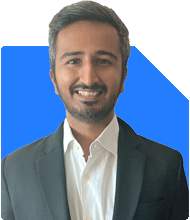
Samraat

Samraat Jadhav  |2498 Answers  |Ask -

Stock Market Expert - Answered on May 08, 2024

Samraat Jadhav is the founder of Prosperity Wealth Adviser.
He is a SEBI-registered investment and research analyst and has over 18 years of experience in managing high-end portfolios.
A management graduate from XLRI-Jamshedpur, Jadhav specialises in portfolio management, investment banking, financial planning, derivatives, equities and capital markets.... more
Gandhi Question by Gandhi on May 08, 2024Hindi
Listen
Money

Suggest some minimum 4 years investment good returns fund sir

Ans: any good Largecap fund
DISCLAIMER: The content of this post by the expert is the personal view of the rediffGURU. Users are advised to pursue the information provided by the rediffGURU only as a source of information to be as a point of reference and to rely on their own judgement when making a decision.
Money

You may like to see similar questions and answers below

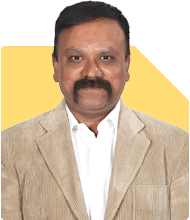
Ramalingam

Ramalingam Kalirajan  |10872 Answers  |Ask -

Mutual Funds, Financial Planning Expert - Answered on Aug 04, 2025

Money
If I want to invest 4 lakhs in 2 years which mutual Funds is best
Ans: It is good that you are planning to invest Rs. 4 lakhs for 2 years.
Short-term goals need focused and safe strategy.
You are already thinking ahead. That deserves appreciation.

Because your investment period is 2 years, it needs low-risk or very low-risk options.
You cannot invest this in high-risk mutual funds like equity or sectoral ones.
Let’s now understand how you can invest this in mutual funds.

» Understand the risk in 2-year investing

– Two years is a short investment horizon.
– Equity mutual funds need at least 5–7 years for meaningful growth.
– Short-term investing in equity funds increases loss chances.
– If markets fall during exit, you may get lower returns or even capital loss.

– For 2-year goals, safety of capital is the priority.
– Moderate or low returns with high safety is better than chasing high gains.
– Debt mutual funds or hybrid funds are better choices in this case.

» Why equity funds are not suitable here

– You may have heard of index funds or equity funds giving 10–14% returns.
– But this is true only if invested for long term.
– In 2 years, market volatility can wipe out short-term returns.
– Exit load, taxation, and market timing issues also affect returns.

– Many assume index funds are “always safe”. That is wrong.
– Index funds don’t protect capital in downtrend.
– Index funds follow the market – they don’t avoid poor-performing stocks.
– In volatile markets, active funds can outperform passive index funds.

– Actively managed funds try to reduce downside risk.
– Fund managers take decisions to adjust holdings in bad times.
– This active monitoring helps in risk-controlled returns.
– Hence, actively managed mutual funds are better even for medium term.

» Suitable categories of mutual funds for 2 years

Low Duration Debt Funds –
These are best for 1 to 3 years.
They invest in short-term bonds and government securities.
They offer better return than savings accounts or FDs.
But have very low volatility compared to equity funds.

Banking and PSU Debt Funds –
These focus on debt issued by banks and PSUs.
These are highly rated and secure.
They offer stable returns and low risk.

Corporate Bond Funds –
These invest in AA+ or AAA-rated corporate papers.
Slightly higher return potential than banking/PSU debt funds.
Still carry low to moderate risk.

Short-Term Debt Funds –
These are ideal for 2 to 3-year holding period.
Return potential is 6% to 7% annually.
Risk is moderate but lower than equity.
Better than FDs if you choose high-quality ones.

Conservative Hybrid Funds –
These invest mostly in debt and a small portion in equity.
Suitable for 2-year horizon if you want slightly better returns.
Carry slightly more risk than pure debt funds.
But offer better returns if equity market remains stable.

» Avoid these fund types for 2-year investing

Equity Funds –
Not suitable at all. Risk is high.
Market may be down when you want to exit.
Not ideal for fixed goal like education, EMI, or travel in 2 years.

Index Funds –
Don’t offer protection from market fall.
Have no active monitoring by fund managers.
Simply copy market moves. Not good in downtrends.

Small-cap, mid-cap, sectoral funds –
These are very high-risk.
Suitable only for 8–10 years.
Avoid totally for short-term plans.

ELSS Funds –
These have lock-in of 3 years.
You can’t withdraw in 2 years.
Not meant for short-term.

» How to invest Rs. 4 lakhs in mutual funds

– You can invest lump sum if goal is exactly 2 years away.
– Or you can spread investment in monthly SIP of Rs. 16,500 for 24 months.
– Both options are fine depending on comfort.
– If you want to reduce volatility, divide into 2 funds.

Example:
Rs. 2 lakhs in Short Duration Debt Fund
Rs. 2 lakhs in Conservative Hybrid Fund

– Or use staggered investment –
Rs. 50,000 every quarter in 4 instalments into the same fund.
This avoids timing risk.
Also gives you average cost benefit.

» Taxation of mutual funds for 2-year investment

For debt mutual funds:
Gains are taxed as per income tax slab (STCG and LTCG same now).
There is no indexation benefit now.
If you are in 30% slab, return after tax will be lower.

For conservative hybrid funds:
If equity portion is less than 35%, it is taxed like debt fund.
So same tax rules apply as above.

– New rule: STCG and LTCG no longer matter for debt funds.
– All gains are added to income and taxed accordingly.
– Hence, use low turnover funds to minimise taxable gains.

» Regular funds are better than direct funds

– Many feel direct mutual funds give better return due to low expense ratio.
– But for short-term, fund selection matters more than small cost difference.
– Regular funds come with access to guidance from MFD or CFP.
– This helps you avoid wrong fund choices.

– Regular plan investor gets updates, switch advice, portfolio review.
– In direct plan, you are on your own.
– One poor fund can wipe out entire tax savings.
– For short-term plans, mistakes are costly.

– Also, exit timing is important.
– A good Certified Financial Planner can help you decide when to exit.
– Hence, regular plans are better for balanced and timely guidance.

» Strategy to keep money safe and earn more than FDs

Keep Rs. 4 lakhs diversified across 2 funds.

Choose from: Low Duration Fund, Banking & PSU Fund, Conservative Hybrid Fund.

Review after 1 year. If market is volatile, shift from hybrid to debt.

Avoid equity or index exposure. Not worth the risk.

Choose funds with good track record and consistent returns.

Avoid funds with high churn or risky bond holdings.

Keep goal clear. Don’t try to increase return by taking high risk.

Protect capital first. Target 6% to 7% return.

Reinvest after 2 years if goal is delayed.

Use SWP (Systematic Withdrawal Plan) for phased withdrawal if needed.

» Final Insights

– Short-term investing is about caution, not aggression.
– Mutual funds offer safe short-term options beyond fixed deposits.
– Equity, index, or small-cap funds are not for 2-year periods.
– Debt funds or conservative hybrid funds balance risk and return.
– Avoid direct funds and go through Certified Financial Planner-backed regular plan.

– Track your investment every 6 months.
– Reassess funds based on market changes.
– Stay disciplined with goal timeline.
– Don’t shift to high-risk options seeing market rally.

– With careful planning, your Rs. 4 lakhs can grow with safety and stability.
– Choose good funds. Review them yearly. Keep exit strategy ready.

Best Regards,
K. Ramalingam, MBA, CFP,
Chief Financial Planner,
www.holisticinvestment.in
https://www.youtube.com/@HolisticInvestment

..Read more

Latest Questions
Ramalingam

Ramalingam Kalirajan  |10872 Answers  |Ask -

Mutual Funds, Financial Planning Expert - Answered on Dec 06, 2025

Asked by Anonymous - Dec 06, 2025Hindi
Money
Dear Sir/Ma'am, I need some guidance and advice for continuing my mutual fund investments. I am a 36 year old male, married, no kids yet and no debts/liabilities as such. I have couple of savings in PPF, NPS, Emergency funds and long term investing in direct stocks. I recently started below mentioned SIPs for long term to grow wealth. Request you to review the same and let me know if I should continue with the SIPs or need to rationalize. Kindly also advice on how to invest a lumpsum amount of around 6lacs. invesco small cap 2000 motilal oswal midcap 2700 parag parikh flexicap 3000 HDFC flexicap 3100 ICICI prudential largecap 3100 HDFC large and midcap 3100 HDFC gold etf FOF 2000 ICICI Pru equity and debt fund 3000 HDFC balanced advantage fund 3000 nippon india silver etf FOF 2000
Ans: You already built a solid foundation. Many investors delay planning. But you started early at 36. That gives you a strong advantage. You have no liabilities. You have long term thinking. You also have diversified savings like PPF, NPS, Emergency funds and direct stocks. That shows clarity and discipline. This approach builds wealth with less stress over time.

You also started systematic investments in equity funds. That is a positive step. Your selection covers multiple categories like large cap, mid cap, small cap, flexi cap, hybrid and precious metals. So the intent is right. You are trying to create a broad portfolio. That gives balance.

» Your Portfolio Composition Understanding
Your current SIP list includes:

Small cap

Mid cap

Flexi cap

Large cap

Large and mid cap

Hybrid category

Gold and Silver FoF

Equity and Debt allocation fund

Dynamic hybrid fund

This shows you are trying to cover many segments. But too many categories can create overlap. When there is overlap, you get confusion during review. It also makes portfolio discipline difficult. You may think you are diversified. But the holdings inside may repeat. That reduces efficiency.

Your portfolio now looks like:

Equity dominant

Hybrid for stability

Metals for hedge

So the broad direction is fine. But simplifying helps in long-term habit building.

» Fund Category Duplication
You hold:

Two flexi cap funds

One large and mid cap fund

One pure large cap fund

One mid cap fund

One small cap fund

Flexi cap funds already invest across large, mid, small. Then large and mid also overlaps. So the large cap exposure gets repeated. That may not add extra benefit. But it increases monitoring complexity.

So I suggest rationalising. Keep one fund per category in core. Keep satellite space for only high conviction.

» Core and Satellite Strategy
A structured portfolio follows core and satellite method.

Core portfolio should be:

Simple

Long term

Stable

Satellite portfolio can be:

High growth

Concentrated

Based on your thinking level, you can structure like this:

Core funds:

One large cap

One flexi cap

One hybrid equity and debt fund

One balanced advantage type fund

Satellite funds:

One mid cap

One small cap

One metal allocation if needed

This division gives clarity. You can continue SIPs with review every year. No need to stop and restart often. That reduces behavioural mistakes.

» Your Current SIP List Review with Suggested Streamlining

You can consider continuing:

One flexi cap

One large cap

One mid cap

One small cap

One balanced advantage

One equity and debt hybrid

You may reconsider keeping both flexi caps and both gold silver funds. One of each category is enough. Because too many funds do not increase returns. It complicates tracking.

Precious metal funds should not be more than 5 to 7 percent in your portfolio. This is because metals are hedge assets. They do not create compounding like equity. They act as protection during cycles. So keep them small.

» How to Use the Rs 6 Lakh Lump Sum
You asked about lump sum investing. This is important. Lump sum should not go fully into equity at one time. Markets move in cycles. So use a staggered method. You can invest the lump sum through STP (Systematic Transfer Plan). You can keep the amount in a liquid fund and set STP toward your chosen growth funds over 6 to 12 months.

This reduces timing risk. It also creates discipline. So your Rs 6 lakh can be deployed gradually. You may use 50% towards core equity funds and 30% toward satellite growth category. The remaining 20% can go into hybrid category. This gives balance and comfort.

» Regular Funds Over Direct Funds
One important point many investors miss. Direct funds look cheaper. But they demand deep knowledge, discipline, and behaviour control. Most investors lose more through emotional selling and wrong timing than they save on expense ratio.

With regular funds through a Mutual Fund Distributor with Certified Financial Planner qualification, you get guidance, structure and correction. The advisory discipline protects you during market extremes. That is more valuable than a small saving in expense ratio.

A personalised planner also tracks portfolio drift, rebalancing need and category shifts. So regular fund investing gives long-term benefit and behaviour coaching.

» Actively Managed Funds over Index or ETF
Some investors choose index funds or ETF thinking they are simple and cheap. But they ignore drawbacks.

Index funds or ETF will not avoid weak companies in the index. They will invest whether the company grows or struggles. There is no fund manager decision making. So when markets are at peak, index funds continue aggressive exposure. In downturns also they fall fully. There is no cushion.

Actively managed funds work with research teams. They can avoid bad sectors. They can shift allocation based on market and economy. Over long term, this gives better alpha and stability. So continuing with actively managed funds creates better wealth compounding.

» SIP Continuation Strategy
Once the rationalisation is done, continue SIPs every month without interruption. Pause and restart behaviour damages compounding power. SIP works best when you go through all market cycles. You benefit more during corrections because cost averaging works.

So continue SIP amount. You can also review SIP increase every year based on income. Increasing SIP by 10 to 15 percent every year helps you reach large corpus faster.

» Asset Allocation Based Approach
One key point in wealth creation is having the right asset mix. Equity gives growth. Hybrid gives balance. Metals give hedge. Debt gives safety. Your asset allocation should stay aligned to your risk profile and time horizon.

Since you are young and have long term horizon, higher equity allocation is fine. But as time moves, rebalancing is important. Rebalancing protects gains and restores allocation.

So review your asset allocation every year or during major life events like child birth, home buying or retirement planning.

» Behaviour Management
Many portfolios fail not due to bad funds. They fail due to bad decisions. Selling during correction. Stopping SIP when market falls. Chasing past return performance. These mistakes reduce wealth.

Your discipline so far is good. Continue to stay patient during volatility. Equity rewards patience and time.

» Financial Goals Clarity
Since you have no children now, you can decide your long-term goals. Typical goals may include:

Retirement

Future child education

Dream lifestyle purchase

Health care reserves

When goals are clear, investment purpose becomes stronger. So you can map each fund category to goal horizon. Short-term goals should not use equity. Long-term goals should use equity with hybrid support.

» Role of Review and Monitoring
Review once in a year is enough. Frequent review can create anxiety. Annual review helps check:

Fund performance

Expense drift

Category relevance

Allocation balance

Then adjust only if needed. This progress helps you stay confident and aligned.

» Taxation Awareness
Equity mutual funds taxation rules are:

Short term (below one year holding) taxable at 20 percent

Long term (above one year holding) gains above Rs 1.25 lakh taxable at 12.5 percent

Debt mutual funds are taxed as per your income slab.

So always hold equity funds for long term. That reduces tax impact and gives better growth.

» SIP Increase Plan
You can create a simple plan to increase SIP over time. For example:

Increase SIP at every salary increment

Increase SIP during bonus time

Use rewards or extra income for investing

This habit accelerates wealth. So by the time you reach 45 to 50 years, your investments could reach a strong level.

» Insurance and Protection
Before investing large, ensure you have term insurance and health insurance. If not already done, it is important. Insurance protects wealth. Without insurance, even a small medical event can impact investment plan. So review this part also. Since you are married, cover both.

» Wealth Behaviour Mindset
You are already disciplined. Just keep these simple principles:

Invest without stopping

Review once a year

Avoid funds overlap

Follow asset allocation

Avoid reacting to media noise

This helps you reach long term milestones.

» Finally
You are on the right track. Only fine tuning and simplification is needed. Your discipline is visible. Your portfolio will grow well with structure, patience and periodic review. Use the Rs 6 lakh with STP approach. And continue SIP with rationalised categories.

With time and consistency, wealth creation becomes effortless and peaceful. You just need to stay committed and avoid overthinking during market movements.

Best Regards,
K. Ramalingam, MBA, CFP,

Chief Financial Planner,

www.holisticinvestment.in

https://www.youtube.com/@HolisticInvestment

...Read more

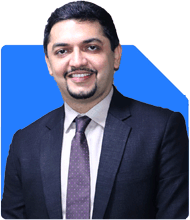
Dr Dipankar

Dr Dipankar Dutta  |1837 Answers  |Ask -

Tech Careers and Skill Development Expert - Answered on Dec 05, 2025

Career
Dear Sir, I did my BTech from a normal engineering college not very famous. The teaching was not great and hence i did not study well. I tried my best to learn coding including all the technologies like html,css,javascript,react js,dba,php because i wanted to be a web developer But nothing seem to enter my head except html and css. I don't understand a language which has more complexities. Is it because of my lack of experience or not devoting enough time. I am not sure. I did many courses online and tried to do diplomas also abroad which i passed somehow. I recently joined android development course because i like apps but the teaching was so fast that i could not memorize anything. There was no time to even take notes down. During the course i did assignments and understood the code because i have to pass but after the course is over i tend to forget everything. I attempted a lot of interviews. Some of them i even got but could not perform well so they let me go. Now due to the AI booming and job markets in a bad shape i am re-thinking whether to keep studying or whether its just time waste. Since 3 years i am doing labour type of jobs which does not yield anything to me for survival and to pay my expenses. I have the quest to learn everything but as soon as i sit in front of the computer i listen to music or read something else. What should i do to stay more focused? What should i do to make myself believe confident. Is there still scope of IT in todays world? Kindly advise.
Ans: Your story does not show failure.
It shows persistence, effort, and desire to improve.

Most people give up.
You didn’t.
That means you will succeed — but with the right method, not the old one.

...Read more

DISCLAIMER: The content of this post by the expert is the personal view of the rediffGURU. Investment in securities market are subject to market risks. Read all the related document carefully before investing. The securities quoted are for illustration only and are not recommendatory. Users are advised to pursue the information provided by the rediffGURU only as a source of information and as a point of reference and to rely on their own judgement when making a decision. RediffGURUS is an intermediary as per India's Information Technology Act.

Close  

You haven't logged in yet. To ask a question, Please Log in below
Login

A verification OTP will be sent to this
Mobile Number / Email

Enter OTP
A 6 digit code has been sent to

Resend OTP in120seconds

Dear User, You have not registered yet. Please register by filling the fields below to get expert answers from our Gurus
Sign up

By signing up, you agree to our
Terms & Conditions and Privacy Policy

Already have an account?

Enter OTP
A 6 digit code has been sent to Mobile

Resend OTP in120seconds

x