Home > Money > Question
Need Expert Advice?Our Gurus Can Help

Janak

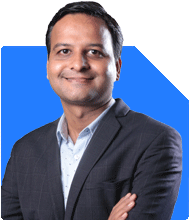
Janak Patel  |71 Answers  |Ask -

MF, PF Expert - Answered on Oct 06, 2025

Janak Patel is a certified financial planner accredited by the Financial Planning Standards Board, India.
He is the CEO and founder of InfiniumWealth, a firm that specialises in designing goal-specific financial plans tailored to help clients achieve their life goals.
Janak holds an MBA degree in finance from the Welingkar Institute of Management Development and Research, Mumbai, and has over 15 years of experience in the field of personal finance. ... more
Asked by Anonymous - Oct 05, 2025Hindi

Money

How much corpus (lumsum) needed to get Rs 60,000 per month in SWP without loosing capital?

Ans: Hi,

Depending on where you invest, the corpus will be different. It depends also on returns if fixed or not, whether its market linked.

Example if your investment returns 7.20% returns, then you need 1 crore corpus, also this investment has no risk at all - fixed returns each year.

So you need to provide more information on risk and return that you are expecting and also duration as even fixed returns are not same forever.

Thanks & Regards
Janak Patel
Certified Financial Planner.
DISCLAIMER: The content of this post by the expert is the personal view of the rediffGURU. Users are advised to pursue the information provided by the rediffGURU only as a source of information to be as a point of reference and to rely on their own judgement when making a decision.
Money

You may like to see similar questions and answers below

Ramalingam

Ramalingam Kalirajan  |10870 Answers  |Ask -

Mutual Funds, Financial Planning Expert - Answered on May 07, 2024

Asked by Anonymous - May 07, 2024Hindi
Listen
Money
I am 27, doing small cap SIP of Rs. 9000, Midcap SIP of Rs. 4000 and large cap SIP of Rs. 7000 per month, in how many years and how much corpus should I have so that I can earn 50,000 pm from SWP for rest.
Ans: o determine the corpus needed to generate 50,000 rupees per month through a Systematic Withdrawal Plan (SWP), we need to consider several factors, including the expected rate of return, inflation, and the withdrawal rate.

1. Expected Rate of Return: When investing in mutual funds, it's crucial to consider the potential rate of return on your investments. While historical data suggests that equity mutual funds have delivered average annual returns ranging from 10% to 15% over the long term, it's essential to acknowledge that past performance is not indicative of future results. Your expected rate of return may vary based on factors such as market conditions, fund performance, and asset allocation.
2. Inflation Rate: Inflation plays a significant role in eroding the purchasing power of money over time. Considering the average inflation rate in India, which has been around 5% to 6% per year over the past decade, is crucial when planning for future expenses. By accounting for inflation, you can ensure that your investment returns outpace the rising cost of living and maintain your standard of living over time.
3. Withdrawal Rate: The withdrawal rate represents the percentage of your investment corpus that you plan to withdraw annually to meet your income needs. In your case, aiming for a monthly income of 50,000 rupees through SWP translates to an annual withdrawal of 6,00,000 rupees. It's essential to carefully consider your withdrawal rate to ensure that your investment corpus can sustain your desired income level over the long term without depleting your savings prematurely.
Considering these factors, it's advisable to work with a Certified Financial Planner (CFP) or financial advisor to create a comprehensive financial plan tailored to your specific goals, risk tolerance, and investment horizon. A professional can help you determine an appropriate asset allocation strategy, select suitable mutual funds, and regularly monitor your portfolio to ensure that you stay on track towards achieving your financial objectives.
Additionally, maintaining a diversified portfolio across asset classes and regularly reviewing your investment strategy can help mitigate risk and enhance the likelihood of achieving your target income through SWP in the future. Remember that investing is a journey, and it's essential to stay informed, disciplined, and patient throughout the process.

..Read more

Ramalingam

Ramalingam Kalirajan  |10870 Answers  |Ask -

Mutual Funds, Financial Planning Expert - Answered on Jul 02, 2024

Asked by Anonymous - Jun 23, 2024Hindi
Money
How much money tobe invested in SWP to get 1 lakh per month
Ans: Investing in a Systematic Withdrawal Plan (SWP) to generate a monthly income of Rs. 1 lakh is a common query among individuals planning their retirement. Let’s delve into the nuances of how to achieve this with a clear, comprehensive strategy.

Understanding Your Financial Goals
First, kudos to you for thinking ahead about your financial future. Planning for a steady monthly income through an SWP is a smart move.

What is an SWP?
An SWP allows you to withdraw a fixed amount from your mutual fund investment at regular intervals. It provides a steady income while keeping your principal investment intact.

Evaluating Your Current Financial Position
Before we proceed, it’s essential to assess your current financial situation. You might already have a diversified portfolio, including equities, mutual funds, PPF, NPS, and gold. Understanding this will help tailor the SWP strategy to suit your needs.

How Much Should You Invest?
To generate Rs. 1 lakh per month, you need a substantial investment. Assuming an annual return of around 8% from your mutual funds, the required corpus can be calculated. Though we won’t use formulas here, the idea is to ensure that the returns from your investment can cover the monthly withdrawals without depleting the principal too quickly.

Diversifying Your Mutual Fund Investments
1. Equity Mutual Funds

Equity mutual funds offer high growth potential. They invest in stocks and are suitable for long-term goals. Given their volatility, it’s advisable to have a balanced approach as you near retirement.

2. Debt Mutual Funds

Debt funds invest in fixed income instruments like bonds and government securities. They are less volatile than equity funds and provide stable returns. Including debt funds in your portfolio can reduce risk.

3. Hybrid Mutual Funds

Hybrid funds invest in a mix of equities and debt. They balance risk and return, making them ideal for a conservative approach towards achieving steady withdrawals.

Advantages of Mutual Funds
Professional Management

Mutual funds are managed by professional fund managers who make informed investment decisions.

Diversification

Mutual funds spread investments across various securities, reducing risk.

Liquidity

Mutual funds offer high liquidity, allowing easy entry and exit from the investment.

Tax Efficiency

Certain mutual funds offer tax benefits under Section 80C, which can help in tax planning.

Power of Compounding

Reinvesting returns can significantly grow your wealth over time.

Disadvantages of Real Estate as an Investment
While real estate has its benefits, it also comes with several disadvantages. Real estate is illiquid, meaning it cannot be quickly converted to cash without a substantial loss in value. Entry and exit from real estate investments are not easy and involve significant costs. Furthermore, real estate transactions often involve a mix of white and black money, making it challenging to manage completely white transactions. Additionally, real estate investments do not allow partial withdrawals, which limits flexibility.

Setting Up Your SWP
Step 1: Determine Your Corpus

To generate Rs. 1 lakh per month, calculate the total corpus needed. Assuming an 8% annual return, the corpus should be substantial to ensure sustainability.

Step 2: Choose the Right Mutual Funds

Select a mix of equity, debt, and hybrid funds to balance risk and returns. Consult a Certified Financial Planner to tailor the selection based on your risk tolerance and financial goals.

Step 3: Initiate the SWP

Once your portfolio is set, initiate the SWP to start receiving your monthly income. Ensure the withdrawal amount is sustainable with the returns generated.

Risk Management
1. Diversification

Diversify across different mutual funds to spread risk. Avoid putting all your eggs in one basket.

2. Regular Review

Periodically review your portfolio to ensure it aligns with your financial goals. Adjust the investments as needed based on performance and market conditions.

3. Professional Guidance

Seek advice from a Certified Financial Planner to navigate the complexities of mutual fund investments and SWPs.

The Role of Compounding
The power of compounding can significantly enhance your returns. By reinvesting the returns from your mutual funds, you earn returns on both the initial investment and the accumulated returns. This exponential growth can help in sustaining your SWP withdrawals over a long period.

Final Insights
Investing in a Systematic Withdrawal Plan to generate Rs. 1 lakh per month requires careful planning and execution. Here’s a summary of the key steps you should take:

Evaluate Your Current Financial Position: Understand your existing investments and financial goals.
Diversify Your Investments: Spread your investments across equity, debt, and hybrid mutual funds.
Set Up an SWP: Calculate the required corpus and initiate the SWP for a steady monthly income.
Manage Risk: Diversify, regularly review, and seek professional guidance to manage risks effectively.
Leverage Compounding: Reinvest returns to benefit from the power of compounding.
By following these steps and regularly reviewing your financial plan with a Certified Financial Planner, you can achieve your goal of generating a steady monthly income through an SWP. Your disciplined approach and proactive decision-making will help you build a strong financial foundation for a comfortable retirement.

Best Regards,

K. Ramalingam, MBA, CFP,

Chief Financial Planner,

www.holisticinvestment.in

..Read more

Ramalingam

Ramalingam Kalirajan  |10870 Answers  |Ask -

Mutual Funds, Financial Planning Expert - Answered on Jul 23, 2024

Listen
Money
Hello Sir If I wish to have monthly income of Rs 30000 through Swp what should be the corpus I need to have and which fund will be better?
Ans: A Systematic Withdrawal Plan (SWP) allows you to withdraw a fixed amount at regular intervals from your investments. This is a good option for generating a steady income.

Assessing Your Needs
To generate Rs 30,000 monthly, we need to determine the corpus required. This depends on the rate of return of the investment and the duration of withdrawals.

Estimating the Corpus
Rate of Return: Assuming an annual return of 8% from mutual funds.

Withdrawal Duration: Let's assume you need this income for the next 20 years.

Corpus Calculation: You will need approximately Rs 45-50 lakhs. This is a rough estimate. A Certified Financial Planner can provide precise calculations.

Choosing the Right Fund
Actively Managed Funds: These funds are managed by professional fund managers. They aim to outperform the market, providing potentially higher returns.

Benefits of Actively Managed Funds:

Professional Management: Fund managers make informed decisions.
Flexibility: They can adjust portfolios based on market conditions.
Higher Returns: Potential to outperform index funds.
Why Avoid Index Funds
No Active Management: Index funds simply track a market index. They do not aim to outperform the market.

Lower Flexibility: They cannot adjust portfolios based on market conditions.

Potentially Lower Returns: Actively managed funds have the potential to provide higher returns.

Disadvantages of Direct Funds
No Guidance: Investing in direct funds means you do not have access to professional advice.

Complexity: Managing investments without expert guidance can be challenging.

Regular Funds Advantage: Investing through a Certified Financial Planner ensures you get professional advice, helping you make informed decisions.

Recommendations
Diversified Equity Funds: These funds invest in a mix of sectors, reducing risk while aiming for high returns.

Hybrid Funds: These invest in both equity and debt, providing a balance of risk and return.

Final Insights
Build a Sufficient Corpus: Aim for a corpus of around Rs 45-50 lakhs for a Rs 30,000 monthly SWP.

Opt for Actively Managed Funds: These can provide potentially higher returns and are managed by professionals.

Seek Professional Guidance: Investing through a Certified Financial Planner can help you make informed decisions and optimize your returns.

Best Regards,

K. Ramalingam, MBA, CFP,

Chief Financial Planner,

www.holisticinvestment.in

..Read more

Ramalingam

Ramalingam Kalirajan  |10870 Answers  |Ask -

Mutual Funds, Financial Planning Expert - Answered on Aug 21, 2024

Money
Hi If I want to have a monthly income of 35k as SWP how much should I have in mf corpus?
Ans: To achieve a monthly income of Rs 35,000 through a Systematic Withdrawal Plan (SWP), you need to carefully plan your mutual fund investment. SWP allows you to withdraw a fixed amount from your mutual fund investment at regular intervals. It provides a stable income while keeping your principal invested.

Factors Affecting SWP
Several factors influence the amount of corpus required for an SWP. These factors include:

Withdrawal Rate: The percentage of your corpus you withdraw each month. A lower withdrawal rate preserves your corpus for a longer time.

Expected Rate of Return: The return you expect from your mutual fund investment. Higher returns may allow for a smaller initial corpus.

Investment Tenure: The longer you plan to withdraw, the larger the corpus you'll need. Planning for a long-term SWP is crucial.

Estimating the Required Corpus
To calculate the required corpus, you need to consider the expected rate of return and the withdrawal rate. Let's break it down:

Expected Rate of Return: Typically, equity mutual funds can offer an average return of 10-12% over the long term. However, it's essential to remain conservative in your estimates to account for market volatility.

Withdrawal Rate: For a sustainable withdrawal plan, a withdrawal rate of 4-5% per year is often recommended. This rate helps preserve the principal while providing regular income.

Monthly Income: You want to generate Rs 35,000 per month.

Given these factors, a conservative approach would be to estimate a corpus based on a 4-5% annual withdrawal rate.

Example Estimation
If you wish to withdraw Rs 35,000 per month (Rs 4,20,000 per year) and maintain a sustainable withdrawal rate, you may need a corpus in the range of Rs 84 lakhs to Rs 1.05 crores. This estimation assumes a 5% annual withdrawal rate.

However, it's important to note that this is a rough estimate. The actual corpus required can vary based on market conditions, inflation, and your specific needs.

Benefits of Actively Managed Funds Over Index Funds
When investing in mutual funds, actively managed funds often outperform index funds in the long run. Here's why:

Expert Management: Actively managed funds are handled by experienced fund managers who actively pick stocks to outperform the market.

Flexibility: Fund managers can adapt to market changes and make strategic decisions, which may lead to better returns.

Potential for Higher Returns: Unlike index funds that mirror the market, actively managed funds aim to beat the market, offering the potential for higher returns.

Disadvantages of Index Funds
Index funds, while simple and low-cost, have their drawbacks:

No Outperformance: Index funds only match the market's performance, offering no chance of beating it.

Lack of Flexibility: Index funds follow a fixed portfolio of stocks, regardless of market conditions, which might not always be beneficial.

Limited Downside Protection: During market downturns, index funds can suffer as they are tied to the overall market performance.

Importance of Regular Funds Through a Certified Financial Planner
Investing through regular mutual funds with the guidance of a Certified Financial Planner (CFP) can be highly beneficial:

Personalized Advice: A CFP provides tailored investment strategies based on your financial goals and risk appetite.

Continuous Monitoring: Regular funds through a CFP come with ongoing monitoring and adjustments to your portfolio, ensuring alignment with your goals.

Expertise and Experience: A CFP brings expertise and experience to your investment planning, helping you navigate market complexities.

Risks and Considerations
While SWP provides a regular income, it comes with certain risks:

Market Volatility: Your returns may vary due to market fluctuations, affecting the longevity of your corpus.

Inflation: Inflation erodes the purchasing power of your withdrawals over time. It's crucial to account for inflation in your planning.

Longevity of Corpus: If the withdrawal rate is too high, you risk depleting your corpus faster than expected. A balanced approach is necessary.

Reinvesting for Growth
To ensure your SWP lasts longer, consider reinvesting any excess returns. For example:

Dividend Reinvestment: Choose funds that offer dividend reinvestment options to grow your corpus.

Periodic Reviews: Regularly review your SWP plan and make adjustments based on market conditions and your financial needs.

Diversification of Investments
Diversification is key to maintaining a stable SWP:

Balanced Funds: Invest in a mix of equity and debt funds to balance risk and return.

Multi-Cap Funds: These funds invest across market capitalizations, providing exposure to various sectors and reducing risk.

Debt Funds: Include debt funds in your portfolio for stability and regular income, especially during market downturns.

The Role of Insurance
While planning your SWP, don't overlook the importance of insurance:

Life Insurance: Ensure you have adequate life insurance to protect your family’s financial future.

Health Insurance: Secure comprehensive health insurance to cover medical expenses and prevent dipping into your SWP corpus.

Finally
Achieving a stable monthly income through SWP requires careful planning and a well-structured mutual fund portfolio. By considering factors like withdrawal rate, expected returns, and market conditions, you can estimate the corpus needed to meet your income goals.

Actively managed funds, guided by a Certified Financial Planner, offer the potential for better returns and tailored advice, ensuring your SWP plan aligns with your financial objectives. Remember, a balanced approach with diversification and regular reviews is key to a successful SWP strategy.

Best Regards,

K. Ramalingam, MBA, CFP

Chief Financial Planner

www.holisticinvestment.in

..Read more

Latest Questions
Ravi

Ravi Mittal  |676 Answers  |Ask -

Dating, Relationships Expert - Answered on Dec 04, 2025

Asked by Anonymous - Dec 02, 2025Hindi
Relationship
My married ex still texts me for comfort. Because of him, I am unable to move on. He makes me feel guilty by saying he got married out of family pressure. His dad is a cardiac patient and mom is being treated for cancer. He comforts me by saying he will get separated soon and we will get married because he only loves me. We have been in a relationship for 14 years and despite everything we tried, his parents refused to accept me, so he chose to get married to someone who understands our situation. I don't know when he will separate from his wife. She knows about us too but she comes from a traditional family. She also confirmed there is no physical intimacy between them. I trust him, but is it worth losing my youth for him? Honestly, I am worried and very confused.
Ans: Dear Anonymous,
I understand how difficult it is to let go of a relationship you have built from scratch, but is it really how you want to continue? It really seems to be going nowhere. His parents are already in bad health and he married someone else for their happiness. Does it seem like he will be able to leave her? So many people’s happiness and lives depend on this one decision. I think it’s about time you and your BF have a clear conversation about the same. If he can’t give a proper timeline, please try to understand his situation. But also make sure he understands yours and maybe rethink this equation. It really isn’t healthy. You deserve a love you can have wholly, and not just in pieces, and in the shadows.

Hope this helps

...Read more

Mayank

Mayank Chandel  |2562 Answers  |Ask -

IIT-JEE, NEET-UG, SAT, CLAT, CA, CS Exam Expert - Answered on Dec 04, 2025

Career
My son will be appearing for JEE Main & JEE Advanced 2026 and will participate in JoSAA Counselling 2026. I request clarification regarding the GEN-EWS certificate date requirement for next year. I have already applied for an EWS certificate for current year 2025, and the application is under process. However, I am unsure whether this certificate will be accepted during JoSAA 2026, or whether candidates will be required to submit a fresh certificate for FY 2026–27 (issued on or after 1 April 2026). My concern is that if JoSAA requires a certificate issued after 1 April 2026, students will have only 1–1.5 months to complete the entire procedure, which is difficult considering normal government processing timelines. Also, during current JEE form filling, students are asked to upload a GEN-EWS certificate issued on or after 1 April 2025, or an application acknowledgement. This has created confusion among parents regarding which year’s certificate will finally be valid at the time of counselling. I request your kind guidance on: Which GEN-EWS certificate will be accepted for JoSAA Counselling 2026 — a certificate for FY 2025–26 (issued after 1 April 2025), or a new certificate for FY 2026–27 (issued after 1 April 2026)?
Ans: Hi
You need not worry about the EWS certificate. Even if you apply for the next year's certificate on 1 Apr 2026, the second session of JEE MAINS will still be held, followed by JEE ADVANCED, which will be held in May. JOSAA starts in June. so you will have 2 months in hand for fresh EWS certificate.

...Read more

DISCLAIMER: The content of this post by the expert is the personal view of the rediffGURU. Investment in securities market are subject to market risks. Read all the related document carefully before investing. The securities quoted are for illustration only and are not recommendatory. Users are advised to pursue the information provided by the rediffGURU only as a source of information and as a point of reference and to rely on their own judgement when making a decision. RediffGURUS is an intermediary as per India's Information Technology Act.

Close  

You haven't logged in yet. To ask a question, Please Log in below
Login

A verification OTP will be sent to this
Mobile Number / Email

Enter OTP
A 6 digit code has been sent to

Resend OTP in120seconds

Dear User, You have not registered yet. Please register by filling the fields below to get expert answers from our Gurus
Sign up

By signing up, you agree to our
Terms & Conditions and Privacy Policy

Already have an account?

Enter OTP
A 6 digit code has been sent to Mobile

Resend OTP in120seconds

x