Home > Money > Question
Need Expert Advice?Our Gurus Can Help
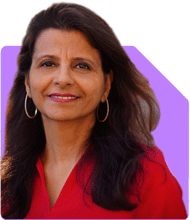
Reetika

Reetika Sharma  |518 Answers  |Ask -

Financial Planner, MF and Insurance Expert - Answered on Nov 10, 2025

Reetika Sharma is a certified financial planner and CEO of F-Secure Solutions.
She advises clients about investments, insurance, tax and estate planning and manages high net-worth individual’s portfolios.
Reetika has an MBA in finance from the Institute of Chartered Financial Analysts of India (ICFAI) and an engineer degree from NIT, Jalandhar.
She also holds certifications from the Financial Planning Standards Board India (FPSB), Association of Mutual Funds in India (AMFI) and Insurance Regulatory and Development Authority of India (IRDAI).... more
Asked by Anonymous - Nov 02, 2025Hindi

Money

Hello, My age is 48 and I am a CA by qualification. I do have total work experience of 22 years and accumulated corpus around Rs.5 Crores (all financial assets such as FD's, Eq Shares, MFs, PPF, EPF, NPS etc. I do not have any loan and have only 2 dependents (Wife and Son aged 16 years). Live in my own house and there is another house which would be in my name (in future) as per the will from my parents. Due to lot of work stress, I am exploring whether I can retire at this age and want to check if I have sufficient corpus to for the remaining years. The monthly living expenses are around Rs.50000. Please advise.

Ans: Hi,

You have invested and created good wealth for you at your age. Retiring now would mean a lot of things for you. Let us have a look:
- Total accumulated wealth - 5 crores in different assets. A clear breakup of amount in each instrument would be great for me to determine the exact money flow if you retire now.
- Retiring now would also mean that you have taken care of your other major goals such as your son's education, marriage, your travel or any other major financial issue. If no, make an estimae of each goal and share with me. Will help.
- You should have sufficient emergency fund and ample term and health insurance for you and family before you retire.

Other than above points, if your expenses are 50k per month, you can easily retire and fund your retirement from 5 crores (inflation adjusted). Just make sure to take care of other financial goals.

As your corpus is big, you should work with a professional to get exact insight on your current savings.
Hence please connect with a professional Certified Financial Planner - a CFP who can guide you with exact retirment plan in alignment with your financial goals and suggest you exact means of investment wrt your requirements, financial goals and risk profile.

Let me know if you need more help.

Best Regards,
Reetika Sharma, Certified Financial Planner
https://www.instagram.com/cfpreetika/
DISCLAIMER: The content of this post by the expert is the personal view of the rediffGURU. Users are advised to pursue the information provided by the rediffGURU only as a source of information to be as a point of reference and to rely on their own judgement when making a decision.
Money

You may like to see similar questions and answers below

Ramalingam

Ramalingam Kalirajan  |11000 Answers  |Ask -

Mutual Funds, Financial Planning Expert - Answered on Jun 06, 2024

Asked by Anonymous - Jun 01, 2024Hindi
Money
Hi, I am a 44 year old IT professional, married with no kids, and I'm planning to retire from active work by 46 (with an option to pick up some freelance engagements). Few basic information are as below: 1. 3 houses paid for, worth approx INR 5.5 Cr 2. Cumulative FD worth INR 2 Cr, split between myself & spouse 3. NPS worth INR 13 lakhs 4. MF portfolio worth approx INR 40 lakhs 5. Medical insurance with a cumulative coverage of INR 1.5 Cr, for self & spouse. 6. Parents are not financially dependent on me. 7. Current monthly expenses are around INR 1.5 lakh. 8. Annual holiday pegged at INR 20 lakhs 9. No rental yield from the houses, as they're self occupied I will continue to save/invest approx INR 6.5 lakh per month till my retirement date, which is tentatively set for mid 2026. My questions are as below: 1. Assuming I have a net savings/investment of INR 4 Cr, along with the 3 houses, will it lead to a sufficient retirement corpus. 2. If I need to continue living a similar lifestyle, how much will I need as a corpus. Thanks in advance.
Ans: Retirement planning is crucial, especially when you're aiming to retire early and maintain a comfortable lifestyle. Let's delve into a comprehensive analysis of your financial situation and create a strategy to ensure a secure and enjoyable retirement.

Understanding Your Current Financial Situation
Assets and Investments

Three Houses: Worth approximately Rs. 5.5 crore. These are self-occupied and provide no rental income.
Fixed Deposits: Totaling Rs. 2 crore, split between you and your spouse.
National Pension System (NPS): Worth Rs. 13 lakh.
Mutual Fund Portfolio: Valued at around Rs. 40 lakh.
Medical Insurance: Coverage of Rs. 1.5 crore for you and your spouse.
Current Expenses

Monthly Expenses: Rs. 1.5 lakh.
Annual Holiday Expenses: Rs. 20 lakh.
Savings and Investments Until Retirement

You will save and invest Rs. 6.5 lakh per month until mid-2026.
Evaluating Your Retirement Corpus Requirements
Estimation of Required Corpus

To estimate your retirement corpus, we need to consider your current expenses, inflation, and your expected lifespan. Let's break this down step by step.

Monthly Expenses: Rs. 1.5 lakh.
Annual Expenses: Rs. 1.5 lakh x 12 = Rs. 18 lakh.
Annual Holiday Expenses: Rs. 20 lakh.
Total Annual Expenses: Rs. 18 lakh + Rs. 20 lakh = Rs. 38 lakh.
Accounting for Inflation
Inflation reduces the purchasing power of money over time. Assuming an average inflation rate of 6% per annum, we need to estimate your future expenses.

Calculating Future Expenses
You are currently 44 and plan to retire at 46. Let's assume you live till 85, giving us a retirement period of 39 years.

Future Value of Annual Expenses: Rs. 38 lakh will increase due to inflation.

So, your annual expenses at the start of retirement will be approximately Rs. 42.7 lakh.

Total Corpus Required
To maintain a similar lifestyle throughout your retirement, we need to calculate the corpus required to support these expenses, adjusted for inflation over 39 years.

Considering Withdrawal Rate
A common rule of thumb is the 4% withdrawal rate, which suggests you can withdraw 4% of your retirement corpus annually without depleting it prematurely.

Corpus Required for First Year Expenses:

you need approximately Rs. 10.67 crore at the start of your retirement.

Analyzing the Gap
Required Corpus: Rs. 10.67 crore.

Projected Corpus by Retirement: Rs. 4.48 crore.

Gap: Rs. 10.67 crore - Rs. 4.48 crore ≈ Rs. 6.19 crore.

Strategies to Bridge the Gap
Optimizing Investments

Reallocate Assets: Shift some FD and mutual funds into higher growth options like equity mutual funds. This can potentially provide higher returns.

Increase Savings Rate: If possible, increase your monthly savings rate.

Extend Retirement Date: Consider extending your retirement by a few years to accumulate a larger corpus.

Detailed Investment Strategies

Equity Mutual Funds
Investing in equity mutual funds offers growth potential. These funds can provide returns that beat inflation over the long term. Focus on large-cap and diversified equity funds to manage risk.

Hybrid Mutual Funds
Hybrid funds offer a balanced approach, combining equity and debt. They provide growth with reduced volatility. These can be a good addition to your portfolio for stability and growth.

Debt Mutual Funds
Debt funds are less volatile and provide stable returns. They are suitable for preserving capital and generating regular income. Include a mix of short-term and medium-term debt funds.

National Pension System (NPS)
Continue contributing to NPS. It offers tax benefits and market-linked returns. At retirement, use a portion for annuities and withdraw the rest.

Realign Fixed Deposits
Consider moving a portion of your fixed deposits to mutual funds or other growth-oriented investments. FDs offer safety but lower returns compared to mutual funds.

Medical Insurance Coverage
Your medical insurance coverage of Rs. 1.5 crore is sufficient. Ensure it continues post-retirement. Consider adding top-up plans if needed.

Regular Review and Rebalancing
Regularly review your investment portfolio. Rebalance it to maintain the desired asset allocation. Adjust based on market conditions and your financial goals.

Risk Management
Emergency Fund

Maintain an emergency fund equivalent to 6-12 months of expenses. This ensures liquidity for unforeseen expenses.

Diversification

Diversify your investments across asset classes to reduce risk. Avoid putting all your money in one type of investment.

Monitoring Expenses
Track Expenses

Keep track of your expenses. Adjust your budget if needed to ensure you stay within your retirement income.

Manage Lifestyle Inflation

Be cautious of lifestyle inflation. As your income grows, avoid unnecessary expenses that can erode your savings.

Tax Planning
Tax-Efficient Withdrawals

Plan your withdrawals to minimize tax liability. Use systematic withdrawal plans (SWP) from mutual funds for regular income.

Utilize Tax Benefits

Take advantage of tax-saving investments under Section 80C, 80D, and other applicable sections. This reduces your taxable income.

Freelance Engagements
Consider freelance work post-retirement. It can provide additional income and keep you engaged. This can reduce the pressure on your retirement corpus.

Conclusion
Retirement planning requires careful analysis and strategy. With your current savings and planned investments, you're on the right track. By optimizing your investments, increasing savings, and managing expenses, you can build a sufficient retirement corpus.

Ensure regular review and rebalancing of your portfolio. Work with a Certified Financial Planner (CFP) to tailor your strategy and achieve your retirement goals.

Best Regards,

K. Ramalingam, MBA, CFP,

Chief Financial Planner,

www.holisticinvestment.in

..Read more

Ramalingam

Ramalingam Kalirajan  |11000 Answers  |Ask -

Mutual Funds, Financial Planning Expert - Answered on Aug 08, 2024

Asked by Anonymous - Jul 31, 2024Hindi
Money
Hi sir, I have net salary of 2.5L per month and am 48 year old with 2 children aged 16 and 14. I have a EPF corpus of 60 lakhs , NPS 20 lakhs, 10L in stocks,MF portfolio of 15L,invest 50k monthly in MF SIPs. I own a house(loan free), have other outstanding loans of 8 lakhs. I have family floater medical insurance with 30L coverage and life cover for 1.5Cr. I wish to retire by age of 50 - pls advise how much corpus do I need at hand to retire.consider my monthly expense as 60-70k
Ans: Current Financial Situation

Your current financial position is strong. You have a good salary and a solid investment portfolio. Owning a loan-free house adds security. Your EPF, NPS, and SIP investments are well-planned. The life and health insurance coverage is also comprehensive. However, retiring at 50 requires careful planning, especially considering your children’s future needs.

Assessing Your Retirement Needs

To determine your required retirement corpus, several factors must be considered:

Monthly Expenses Post-Retirement: Currently, your expenses are Rs. 60k-70k monthly. This will likely increase with inflation. At an estimated 6% inflation rate, your monthly expenses might double in 12 years.

Retirement Age: You plan to retire in two years at 50. This is an early retirement, so your corpus needs to last longer, possibly 35-40 years.

Children’s Education: Your children are 16 and 14. Higher education costs can be significant in the next few years. Allocating funds for their education is crucial.

Lifestyle Post-Retirement: Consider how your lifestyle might change. Will you travel more? Will healthcare needs increase? These factors affect your corpus requirement.

Estimating the Retirement Corpus

Based on your current expenses and future needs, your retirement corpus should be substantial. Here’s a simplified approach to calculating it:

Inflation-Adjusted Expenses: Your current expenses of Rs. 60k-70k monthly could rise to around Rs. 1.2 lakh monthly by the time you retire. Over a 35-40 year retirement period, this requires a significant corpus.

Healthcare Costs: As you age, healthcare costs will likely increase. While your insurance covers a significant amount, out-of-pocket expenses can still be high.

Children’s Future: Your children’s higher education and potential marriage costs must be factored in. This could be an additional Rs. 50-60 lakhs or more.

Lifestyle and Emergencies: Maintaining your current lifestyle and being prepared for emergencies is essential. This could add another Rs. 50 lakhs to your corpus requirement.

Considering these factors, a retirement corpus of approximately Rs. 10-12 crores might be necessary. This should be enough to cover your monthly expenses, healthcare, and any unforeseen costs. This estimate ensures a comfortable and secure retirement, even if you live longer than expected.

Optimizing Your Investments

To reach this corpus in two years, maximizing your investments is critical:

Increase SIP Contributions: Currently, you invest Rs. 50k monthly in SIPs. Increasing this amount, if possible, will help grow your corpus faster.

Focus on Growth-Oriented Funds: With a two-year horizon, investing in funds with higher growth potential can be beneficial. While these are riskier, they offer better returns.

Review Your Portfolio: Regularly review your mutual fund portfolio. Ensure it’s aligned with your retirement goals and risk tolerance.

Debt Reduction: Paying off the remaining Rs. 8 lakh loan should be a priority. Reducing debt will lower your financial burden in retirement.

NPS and EPF Utilization: Your EPF and NPS together amount to Rs. 80 lakhs. These are crucial components of your retirement corpus. However, they may not be enough alone, so continue to build on them.

Healthcare and Insurance Planning

Adequate Coverage: Your current health coverage of Rs. 30 lakhs is good. But, it might not be enough in later years due to rising medical costs. Consider enhancing your coverage or adding a super top-up plan.

Life Insurance: Your Rs. 1.5 crore life cover is substantial. Ensure it’s sufficient to cover your family’s needs if something happens to you before or after retirement.

Retirement Lifestyle and Goals

Post-Retirement Activities: Think about how you want to spend your retirement. If you plan to pursue hobbies or travel, these will need additional funds.

Part-Time Work: If full retirement seems challenging, consider part-time work or consulting. This can supplement your income and keep you engaged.

Final Insights

Retiring at 50 is ambitious, but achievable with careful planning. You should aim for a retirement corpus of Rs. 10-12 crores to cover all your future needs. Maximizing your investments, reducing debt, and planning for healthcare are key steps. Regular reviews with a Certified Financial Planner will help ensure your financial plan stays on track.

Best Regards,

K. Ramalingam, MBA, CFP,

Chief Financial Planner,

www.holisticinvestment.in

..Read more

Ramalingam

Ramalingam Kalirajan  |11000 Answers  |Ask -

Mutual Funds, Financial Planning Expert - Answered on Nov 15, 2024

Asked by Anonymous - Nov 15, 2024Hindi
Listen
Money
Sir, Im 54 yrs, present monthly take home pay in hand of Rs.2.5Lacs after all I.Tax etc. deductions. Car EMI till Dec 2026 to be paid will be Rs.5000 per month. Have Health Insurance cover for 25 lacs, Term Insurance for Rs.2Crores but no Life Insurance cover. Monthly SIP is Rs.1Lac. Had made a lump-sum investment of Rs.55Lacs in Mutual Fund which is now valued around Rs.75Lacs. I'm not able to save anything beyond this due to family responsibilities and have to start repaying my son's education loan of Rs.20Lacs which would commence after 2.5 years (as he is studying now). Can you please let me know how much of corpus I might have at the time of my retirement if I continue to work till the age of 58years? Regards
Ans: Based on the information you’ve shared, let us assess your situation and provide insights into your potential retirement corpus.

Current Financial Position
Take-home salary: Rs. 2.5 Lacs per month
Car EMI: Rs. 5,000 per month (ending Dec 2026)
Health insurance: Rs. 25 Lacs
Term insurance: Rs. 2 Crores
Monthly SIP: Rs. 1 Lac
Lump-sum investment in mutual funds: Rs. 75 Lacs (current value)
Education loan repayment: Rs. 20 Lacs starting after 2.5 years
Retirement age: 58 years (4 years from now)
Assumptions for Projection
Your SIP of Rs. 1 Lac per month continues until retirement.
Your lump-sum mutual fund investment grows at an assumed annual rate of 10%.
Monthly SIP investments grow at an assumed annual rate of 10%.
Education loan repayment starts in 2.5 years. Let’s consider this doesn’t disrupt your SIPs.
Estimated Retirement Corpus
1. Growth of Existing Lump-Sum Investment
Current value: Rs. 75 Lacs
Growth for 4 years at 10%: Approximately Rs. 1.1 Crores
2. Future Value of Monthly SIPs
SIP: Rs. 1 Lac per month
Duration: 48 months (4 years)
Growth at 10%: Approximately Rs. 63 Lacs
Total Corpus at Retirement
Lump-sum mutual fund value: Rs. 1.1 Crores
SIP investments: Rs. 63 Lacs
Total corpus: Rs. 1.73 Crores
Recommendations
Education Loan Repayment: The repayment may require adjustments in your budget. Consider partial withdrawals or rebalancing investments if necessary to avoid disrupting your SIPs.
Increasing Savings: Once your car loan ends in 2026, channel the Rs. 5,000 EMI into SIPs to further enhance your corpus.
Financial Review: Regularly review your investments and retirement goals with a Certified Financial Planner to ensure alignment with market conditions.
Final Insights
If your investments grow at an average rate of 10%, you may have a retirement corpus of approximately Rs. 1.73 Crores by age 58. Focus on maintaining your SIP contributions and ensuring liquidity to manage upcoming education loan repayments effectively.

Best Regards,
K. Ramalingam, MBA, CFP,

Chief Financial Planner,

www.holisticinvestment.in
https://www.youtube.com/@HolisticInvestment

..Read more

Ramalingam

Ramalingam Kalirajan  |11000 Answers  |Ask -

Mutual Funds, Financial Planning Expert - Answered on Jul 01, 2025

Asked by Anonymous - Jul 01, 2025Hindi
Money
Sir, I am 47 years old, with 2 kids, one 17 year old and one 14 year old. I earn approximately around 2.4 lacs a month and my expenses are approximately 1 lac per month. I need to plan for both my kids higher education and my retirement. I have no liabilities. I have life cover of 2.25 crores. Have health cover of 50 lacs each for myself, wife and both kids. Am presently investing 1 lac per month in mutual funds via SIP. Have 60 lacs in savings account, 10 lacs in PPF and 1.9 crores in mutual funds. Kindly advise if i can retire in the next 8 years and how much corpus would i require for my returement.
Ans: Current Financial Overview
Age?47, with two children aged?17?and?14

Monthly income: Rs?2.4?lakhs

Monthly expenses: Rs?1?lakh

No liabilities (debt free)

Life cover: Rs?2.25?crores

Health cover: Rs?50?lakhs each for family

Mutual fund SIP: Rs?1?lakh/month

Liquid savings: Rs?60?lakhs

PPF corpus: Rs?10?lakhs

Mutual fund corpus: Rs?1.9?crores

You already have strong protection and wealth base. Your next steps must focus on goal mapping and asset efficiency.

Future Financial Needs
Children’s Higher Education
Elder child likely starts college in ~1 year

Younger child in ~4 years

Education costs are rising fast

Allocate specific funds for education

Retirement Planning
Retirement age target: 55 years

You have 8 years till then

Post-retirement life expectancy: 25–30 years

Planning horizon: ~35 years total

Corpus Requirement Estimate
Current expense: Rs?1?lakh/month

Assume inflation at 6–7%

At retirement, monthly need may double

Annual requirement may become Rs?25–30?lakhs

For 25–30 years, corpus required: Rs?7.5–9?crores

Asset Allocation and Optimisation
Emergency & Liquidity Buffer
You have Rs?60?lakhs in savings

Keep Rs?10–15?lakhs as emergency/liquidity

Shift the rest to better interest/debt options

Sweep-in FD or liquid hybrid mutual fund

Equity and Hybrid Mutual Funds
Rs?1.9?crores already in mutual funds

Continue with well-diversified active funds

Maintain equity to hybrid/debt ratio

Over time, shift to hybrid as retirement nears

PPF and Debt-Oriented Instruments
Current PPF holding: Rs?10?lakhs

Continue PPF till maturity

Supplement with debt funds to balance risk

Monthly Investment Plan (Rs?1?lakh SIP)
Equity funds: Rs?60,000

Aggressive hybrid: Rs?20,000

Debt or multi-asset funds: Rs?10,000

Education goal funds: Rs?10,000

Increase SIP as income grows. Invest through regular plans via Certified Financial Planner and MFD credential.
Avoid direct funds to get expert monitoring and portfolio alignment.

Why Not Index or Direct Funds
Index funds give only average market returns

Their portfolios include overvalued stocks without protection

Direct plans demand full investor oversight

You need active management and goal-based discipline

Regular funds provide expert guidance and rebalancing

Children’s Education Funding
Create two separate goal-based SIPs

Elder: Rs?30,000/month for 1–2 years

Younger: Rs?20,000/month for next 4 years

Use hybrid or moderate-risk funds

Shift to debt 2 years before college fund needed

Retirement Corpus Strategy
Continue monthly funds for 8 years

Target aggressive equity now, slowly shift to hybrid

In next 3–4 years, review and trim equity share

From age 50 onwards, increase hybrid/debt wind-down

Use systematic withdrawal post-retirement

Insurance Check-Up
Life cover: Rs?2.25 crores is adequate

Health cover: Rs?50 lakhs per family is robust

No need for annuities or endowment plans

Ensure policies are current and claim-ready

Tax Planning & Redeployment
Use Section?80C: PPF, ELSS, EPF, term insurance

NPS can give extra deduction under 80CCD(1B)

Equity gains above Rs?1.25?lakhs taxed at 12.5%

Debt gains taxed as per slab

Use systematic withdrawal to manage taxation post-retirement

Portfolio Monitoring & Rebalancing
Review fund performance annually

Shift to higher-yielding active funds if needed

Rebalance asset allocation as retirement nears

Adjust education and retirement goal targets periodically

Consult your Certified Financial Planner for reviews

Implementation Roadmap
Year 1 (Now to Age 48)
Transfer surplus savings to debt funds

Top-up education goal SIPs

Maintain emergency buffer

Continue Rs?1?lakh monthly SIP

Begin annual portfolio review

Year 2–4 (Age 48–50)
Reduce pure equity proportion gradually

Start shifting some funds to hybrid

Monitor education outcomes and fund allocation

Grow retirement corpus with increased SIP

Year 5–8 (Age 50–55)
Shift equity to hybrid/debt gradually

Prepare withdrawal strategy

Consolidate savings and investments

Ensure corpus adequacy near Rs?8 crores

Plan for SWP at retirement

Risks and Contingency Planning
Inflation risk: Mitigated by equity and hybrid allocation

Market risk: Lowered by active funds and yearly rebalancing

Health risks: Covered by insurance

Education cost spike: Managed by dedicated funds

Income interruption: Covered by buffer

Finally
You have excellent financial discipline and protection already.
Your current Rs?1.9?crores in mutual funds and monthly SIP of Rs?1?lakh is a strong base.
With active fund portfolio and education fund structure, retiring in 8 years is achievable.
Target corpus: Rs?7.5–9?crores by age 55.
Stay consistent, monitor annually, and align with your Certified Financial Planner.

Best Regards,
K. Ramalingam, MBA, CFP,
Chief Financial Planner,
www.holisticinvestment.in
https://www.youtube.com/@HolisticInvestment

..Read more

Ramalingam

Ramalingam Kalirajan  |11000 Answers  |Ask -

Mutual Funds, Financial Planning Expert - Answered on Jul 30, 2025

Asked by Anonymous - Jul 17, 2025Hindi
Money
Hello sir, I am 46 year old IT employee, having two kids (14 yrs old girl and 5 yrs old boy), earning 2.5 lakh take home salary per month. Currently I have around 29 lakh in stocks, 19 lakh in MF, 50 lakh in FD, 5 lakh in NPS, around 40 lakh in PF and will get 30 lakh from LIC on maturity in 2035. I live in my own apartment and have my own car (both are fully paid and loan free). I have around 7 lakh in SSY account of my daughter. My current expenses is around 1 lakh per month for daily routine, 30k per month in MF SIP, 30k per month in PF, 1.5 lakh per year in NPS, 40k per year in LIC, around 50K per month in education OD my kids. I have 50 lakh group term insurance and 8 lakh group health insurance cover from my employer. I am planning to increase 10% topup in SIP every year till I retire. Please suggest if I can retire at 55 yrs of age with some decent corpus assuming life expectancy of 80 yrs. regards
Ans: You have built a solid base over the years.
Your financial discipline truly stands out.
It reflects clarity and thoughtful planning.

At 46, with 9 years to retirement, your goal is realistic.
But early retirement at 55 needs careful and balanced execution.
Let us review your current position and give a complete 360° strategy.

? Understand Your Retirement Goal Clearly

– You plan to retire at 55.
– That gives 9 more earning years.
– You need to live from 55 till 80.
– That’s 25 retirement years without salary.

– So your investments must create enough income.
– It should handle inflation and emergencies too.
– You need to cover regular lifestyle and healthcare also.

– A structured retirement corpus is required.
– Current planning looks promising.
– But some parts need refinement and tightening.

? Evaluate Your Current Investment Position

– Rs.29 lakh is in stocks.
– Rs.19 lakh is in mutual funds.
– Rs.50 lakh is in FDs.
– Rs.5 lakh is in NPS.
– Rs.40 lakh in PF.
– Rs.30 lakh expected from LIC in 2035.

– Total corpus today is strong.
– Around Rs.1.73 crore is already parked.
– Plus, SIPs and PF contributions are ongoing.
– SSY and LIC maturity are future inflows.

– Still, active cash flow planning is needed.
– Growth and liquidity must be balanced well.

? Asset Allocation Requires Rebalancing

– Rs.50 lakh in FD is too much.
– FD returns are low and taxable.
– It won’t beat inflation in long run.

– You are still 9 years from retirement.
– Equity exposure should be higher.

– Your equity+mutual fund holding is around Rs.48 lakh.
– That is less than 50% of your net assets.

– Increase allocation to mutual funds slowly.
– Shift from FDs to equity hybrid or large-cap mutual funds.
– Do it in a phased way, not all at once.

– FDs can be kept for short-term needs only.
– Don’t make it main retirement tool.

? SIPs Are On Right Track – Add More Growth

– Rs.30k SIP per month is a good start.
– You plan to increase it by 10% yearly.
– That is very healthy and effective.

– Ensure you invest in actively managed mutual funds.
– Avoid index funds and ETFs.
– Index funds just follow market.
– They do not protect in downturns.

– Actively managed funds try to beat the index.
– Good fund managers make tactical shifts.
– This boosts long-term returns.

– Don’t choose direct plans.
– Direct plans lack guidance and rebalancing support.

– Regular plans via MFD with CFP give better monitoring.
– They offer behavioural coaching and re-alignment.

? LIC Policy Should Be Reassessed

– You will receive Rs.30 lakh in 2035.
– Check if this is a traditional endowment plan.
– If yes, then return is usually very low.

– These plans offer poor wealth creation.
– They are better replaced by mutual funds.

– Since maturity is near and payout is confirmed,
you may hold it till maturity.
– But don’t buy new LIC or ULIP plans.
– Keep investment and insurance separate.

? Children’s Education Needs Separate Planning

– Rs.50k monthly in kids' education loan is a key expense.
– This must be closed before retirement.

– You have SSY for your daughter.
– That is a good move for secured growth.

– However, plan higher education for both kids separately.
– Don’t mix this with retirement funds.

– Start parallel SIPs for children’s education.
– Use balanced and hybrid equity mutual funds.

– Track each child’s goal separately.
– You should not withdraw from retirement corpus for education.

? NPS Allocation Can Be Reviewed

– You invest Rs.1.5 lakh yearly in NPS.
– This gives tax benefit under Section 80CCD.
– However, NPS has restrictions at withdrawal.

– Partial amount is taxable on maturity.
– It also forces partial annuity purchase.

– You can continue investing for tax benefit.
– But don’t rely fully on NPS for retirement needs.
– Keep main focus on mutual funds and PF.

? Term and Medical Insurance Need Strengthening

– You have Rs.50 lakh group term cover.
– Also Rs.8 lakh group health insurance.
– These are offered by employer.

– But both are linked to your job.
– They stop once you retire or change jobs.

– You need independent term insurance till age 65–70.
– Consider Rs.1 crore term plan for your family’s safety.

– Also take separate family health insurance.
– Choose Rs.10–15 lakh base plan.
– Add top-up if needed.

– Health costs rise rapidly after 50.
– Don’t depend on group cover only.

? Emergency Fund Must Be Isolated

– Your expenses are Rs.1 lakh monthly.
– Build emergency fund of Rs.6–12 lakh.

– Use liquid or ultra-short debt mutual funds.
– Don’t park in savings account or FD.

– This gives better post-tax returns.
– Also gives liquidity when needed.

– Emergency fund is safety cushion.
– It should be kept separate from investments.

? PF Corpus Needs Goal Mapping

– Rs.40 lakh in PF is a strong base.
– You are also adding Rs.30k monthly.

– PF is a good tool for retirement.
– Safe and tax-free growth.

– Keep this corpus for post-retirement fixed income.
– Don’t use for short-term needs or loans.

– PF returns may drop in future.
– So, don’t depend only on PF.
– Supplement with equity mutual funds.

? Goal-Based Planning is Essential

– Retirement, children’s education, travel – all need planning.
– Create separate goals with timelines.

– Map every SIP to one goal.
– This keeps purpose and tracking clear.

– Don’t dip into long-term funds for short goals.
– That breaks compounding and weakens growth.

– Keep retirement fund untouched till 55.
– Rebalance it closer to retirement.

? Tax Efficiency in Future Withdrawals

– New mutual fund tax rules are important.
– Equity LTCG above Rs.1.25 lakh taxed at 12.5%.
– STCG is taxed at 20%.

– For debt funds, gains taxed as per income slab.

– Plan redemptions smartly after retirement.
– Spread them over years to lower tax impact.

– Take help from Certified Financial Planner for withdrawal strategy.
– Tax efficiency improves retirement sustainability.

? Real Estate and Gold Are Not Required

– You already have your house.
– There is no need for more real estate.

– Property gives low rental yield.
– It has poor liquidity and high tax on sale.

– Real estate is not ideal for early retirement.

– Gold is emotional and non-productive asset.
– It doesn’t create real long-term wealth.

– Limit gold to jewellery or small festive saving.
– Don’t count it in retirement planning.

? Finally

– You are in a strong financial position.
– Your income and savings discipline is inspiring.
– Rs.1.73 crore current investment gives a good start.
– But shift more from FD to mutual funds.
– Keep equity allocation higher till age 55.

– Increase SIP yearly and don’t skip any month.
– Don’t invest in index or direct plans.
– Use actively managed funds via CFP-MFD.
– Build separate SIPs for kids' education.
– Strengthen term and health insurance soon.
– Don’t rely only on employer cover.

– Keep emergency fund ready.
– Track progress every year.
– Rebalance funds at least once a year.
– You can retire at 55 with good preparation.
– Stay consistent, review, and adjust with time.
– Your goal is achievable with current momentum.

Best Regards,
K. Ramalingam, MBA, CFP,
Chief Financial Planner,
www.holisticinvestment.in
https://www.youtube.com/@HolisticInvestment

..Read more

Latest Questions
Komal

Komal Jethmalani  |454 Answers  |Ask -

Dietician, Diabetes Expert - Answered on Feb 01, 2026

Asked by Anonymous - Jan 16, 2026Hindi
Health
Why does Indian thali make you sleepy? Whenever I eat a typical Indian lunch with rice, two rotis, sabzi, dal, and something heavy like paneer gravy or aloo, I start feeling extremely sleepy within 20 to 30 minutes. My head feels heavy, my concentration drops, and all I want is a quick 10-minute nap. This post-lunch sleepiness happens almost every working day. But when I try eating a very light lunch like just fruits or a salad I don’t feel drowsy. Instead, I feel hungry again by 3 pm and end up snacking on biscuits, tea, or other unhealthy foods. So it feels like a no-win situation: heavy lunch makes me sleepy, while light lunch makes me hungry. Is this kind of sleepiness after lunch normal, or is it a sign that something is wrong with how I’m combining foods? Does eating too much rice, oily sabzi, paneer gravies, or sugary items directly affect energy levels and cause the afternoon energy crash? Why does an Indian thali often lead to a post-lunch slump, especially
Ans: A standard thali is high in carbohydrates, fat, volume and low in fiber. The reasons for post-meal drowsiness is as blood sugar rises, your body releases insulin, blood sugar drops again and you feel sleepy, foggy, and low?energy. High fat slows digestion, so your body diverts blood flow to the digestive system which makes you feel sleepy. Rice and roti are both starches and increase the load. Sugary items worsen the blood sugar spikes and make you feel more sleepy. A lighter but balanced meal (not just fruits/salad) will help you stay alert and avoid mid?afternoon cravings.

...Read more

Komal

Komal Jethmalani  |454 Answers  |Ask -

Dietician, Diabetes Expert - Answered on Feb 01, 2026

Asked by Anonymous - Jan 16, 2026Hindi
Health
In our housing society, whenever the ladies sit together for evening chit-chat, the topic of ghee always turns into a big debate. Some of them say ghee is very healthy, especially homemade ghee. They claim it helps digestion, keeps the skin glowing, and is even good for children and older people. One aunty even says, 'Beta, one teaspoon of ghee every day is like medicine.' But then there are others who immediately argue the opposite. They say ghee is nothing but fat, and that eating it daily will increase cholesterol, weight, and worsen heart problems. One of my neighbours keeps telling everyone, 'Avoid ghee completely if you want to lose weight,” while someone else says, 'Arre, without ghee, food has no strength.' Last week, my friend added ghee to her roti and another lady told her she was inviting weight gain. But on the same day, another friend told me that her nutritionist sister advised her to include ghee daily. Is ghee really healthy, or is it something we should eat in very small amounts?
Ans: Ghee is healthy in some ways, but only in moderation. It is rich in fat?soluble vitamins (A, D, E, K) and some studies associate with potential anti?inflammatory benefits. However, ghee is still pure fat, and most of that fat is saturated fat. 1–2 teaspoons of ghee per day can fit comfortably into a balanced diet. It’s a traditional fat with some benefits, but like all saturated fats, it’s best enjoyed in small, intentional amounts. Use it for flavor, not as the main cooking fat.

...Read more

DISCLAIMER: The content of this post by the expert is the personal view of the rediffGURU. Investment in securities market are subject to market risks. Read all the related document carefully before investing. The securities quoted are for illustration only and are not recommendatory. Users are advised to pursue the information provided by the rediffGURU only as a source of information and as a point of reference and to rely on their own judgement when making a decision. RediffGURUS is an intermediary as per India's Information Technology Act.

Close  

You haven't logged in yet. To ask a question, Please Log in below
Login

A verification OTP will be sent to this
Mobile Number / Email

Enter OTP
A 6 digit code has been sent to

Resend OTP in120seconds

Dear User, You have not registered yet. Please register by filling the fields below to get expert answers from our Gurus
Sign up

By signing up, you agree to our
Terms & Conditions and Privacy Policy

Already have an account?

Enter OTP
A 6 digit code has been sent to Mobile

Resend OTP in120seconds

x