Home > Money > Question
Need Expert Advice?Our Gurus Can Help
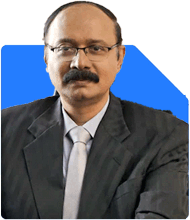
Anil

Anil Rego  | Answer  |Ask -

Financial Planner - Answered on Oct 09, 2024

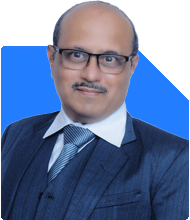
Anil Rego is the founder of Right Horizons, a financial and wealth management firm. He has 20 years of experience in the field of personal finance.
He’s an expert in income tax and wealth management.
He has completed his CFA/MBA from the ICFAI Business School.... more
Asked by Anonymous - Oct 09, 2024Hindi

Listen
Money

Hello Sir, I am a 41 year old and I have been investing in MF through SIPs for the last 4 years. My current Portfolio valuation is around 18 lacs with a monthly SIPs of Rs 20,000. My goal is to continue investing for another 5 -7 years and accumulate Rs 60 lac plus for my retirement. I have a surplus cash of 6 lacs which I plan to invest Lump sum in MF. Please would you suggest 4 funds with horizon of 5-7 years with moderate risk and which will help to achieve my goals.

Ans: Hello,
As you're planning for your retirement goal and desire moderate risk, we suggest investing in hybrid funds and considering the longer time frame you may include equity funds also for part your portfolio. Equity funds can be invested through Systematic Transfer Mode. Here are the recommendations:
HDFC Balanced Advantage Fund - Rs.2,00,000
ICICI Prudential Equity & Debt Fund - Rs.2,00,000
Nippon India Multi Cap Fund - Rs.1,00,000
ICICI Prudential Large & Mid Cap Fund - Rs.1,00,000
DISCLAIMER: The content of this post by the expert is the personal view of the rediffGURU. Users are advised to pursue the information provided by the rediffGURU only as a source of information to be as a point of reference and to rely on their own judgement when making a decision.
Money

You may like to see similar questions and answers below
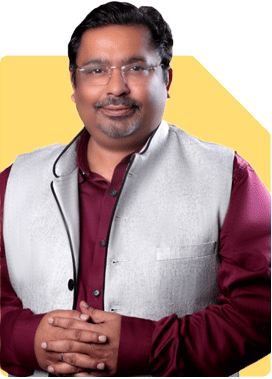
Ramalingam

Ramalingam Kalirajan  |10870 Answers  |Ask -

Mutual Funds, Financial Planning Expert - Answered on May 18, 2024

Asked by Anonymous - Apr 16, 2024Hindi
Listen
Money
I want to invest 3 lakh monthly in MFs for very long term. Me and my wife has currently 65 lacs in stocks, 15 lacs in mfs. 1 cr in FD(which I also want to redirect to mfs over a period of 18-24 months) and 20lac in bank account. We also have 35 lacs in ppf and another 30 lacs in pf. We have a Daughter and no other assets or liabilities. We are 32 now and wish to retire in 5 yrs. Our current yearly expenditure is 6 lakh. Pls suggest few mutual funds. Our current sips are following - 25k each in quant small, mid and momentum fund. 75k in parag Parikh flexi cap. We can invest approx 3 lakh per month including current sips
Ans: Building Your Retirement Corpus: A Strategic Approach
Wow! You've built a solid financial foundation with a good mix of investments. Let's discuss how to strategically invest your ?3 lakh monthly SIP for a comfortable retirement in 5 years.

Current Situation:

Strong Corpus: You have a significant corpus across stocks, MFs, FDs, PPF, and PF. This provides a good base for retirement planning.

Early Retirement: Retiring at 32 with a 5-year timeframe requires careful planning to ensure your investments generate sufficient income.

Existing Investments: Your current SIPs in Quant Small, Mid, Momentum Funds, and Parag Parekh Flexi Cap are good starting points.

Investment Strategy:

Equity for Long-Term Growth: Since retirement is far off (considering your young age), a significant portion can go into equity MFs for potential long-term growth. Actively managed equity funds involve experienced fund managers who try to pick stocks to outperform the market. Actively managed funds come with higher fees compared to passively managed funds.

Debt MFs for Stability: Include debt MFs to provide stability and regular income, especially closer to retirement.

Diversification is Key: Spread your investments across different asset classes (equity, debt) and market capitalizations (Large, Mid, Small) to manage risk.

Gradual FD Transfer: Consider a planned transfer of your FD to MFs over 18-24 months. This allows you to benefit from potentially higher equity returns while managing risk through diversification.

Here's a Sample SIP Allocation (you can adjust based on risk tolerance):

?1.5 lakh: Large-cap or Multi-cap Actively Managed Equity Funds for stable growth.

?0.75 lakh: Mid-cap Actively Managed Equity Funds for potential higher growth.

?0.5 lakh: Small-cap Actively Managed Equity Funds for even higher growth potential (comes with higher risk).

?0.25 lakh: Debt Funds (short/medium/long-term) for stability and income generation.

Seeking Professional Guidance:

Personalized Plan: A Certified Financial Planner (CFP) can create a personalized SIP plan considering your risk tolerance, retirement goals, existing investments, and future income needs.
Remember:

Regular Review: Review your portfolio (at least annually) to ensure it aligns with your evolving goals and risk tolerance.

Market Fluctuations: Equity markets are volatile. Stay invested for the long term to ride out market ups and downs.

You're on the right track! A CFP can help you fine-tune your SIP strategy and ensure a smooth transition to a comfortable retirement.

Best Regards,

K. Ramalingam, MBA, CFP,

Chief Financial Planner,

www.holisticinvestment.in

..Read more

Ramalingam

Ramalingam Kalirajan  |10870 Answers  |Ask -

Mutual Funds, Financial Planning Expert - Answered on Aug 21, 2024

Money
Hello sir, I am 48 yrs old, salaried, just stared to invest in MF. I selected the following funds for monthly SIP of rs 10000 each... 1. Nippon India large cap fund direct growth 2. Motilal Oswal midcap fund direct growth 3. Quant large & Mid cap fund direct growth Please advice all these choices are ok? Also pl advice two more funds to invest sip of rs 10000 each and likely to invest lumpsum of 2 lakhs every 6 months....expecting carpus of 3cr during my retirement age of 60yrs old. Advance thanks
Ans: You are 48 years old and have started investing in mutual funds. You plan to invest Rs 10,000 per month in three selected funds. Additionally, you are looking to invest Rs 10,000 per month in two more funds and a lump sum of Rs 2 lakhs every six months. Your goal is to accumulate a corpus of Rs 3 crore by the time you retire at age 60.

This is a critical time in your financial journey, and it's essential to make informed decisions. Your choices will significantly impact your retirement corpus.

Evaluating Your Current Fund Selections
Nippon India Large Cap Fund (Direct Growth): Large-cap funds offer stability and are generally less volatile. However, direct plans require you to manage the investments yourself. This might be challenging without regular market insights. It’s advisable to invest in regular plans through a Certified Financial Planner (CFP) who can provide ongoing guidance and support.

Motilal Oswal Midcap Fund (Direct Growth): Midcap funds can offer higher growth but come with increased risk. Again, managing direct funds on your own can be complex. A CFP can help you navigate market changes and ensure your investments align with your goals.

Quant Large & Mid Cap Fund (Direct Growth): This fund provides a balance between stability and growth. However, the same concerns apply here regarding the direct plan. A CFP can help you maximize returns while managing risk.

Disadvantages of Direct Funds
Direct funds have lower expense ratios, but they lack the professional advice and management that comes with regular funds. This can lead to missed opportunities or increased risks, especially if you lack the time or expertise to monitor your investments closely.

Investing through a CFP in regular funds ensures that your investments are regularly reviewed and rebalanced. This approach aligns your portfolio with your financial goals and risk tolerance.

Recommendations for Additional Funds
To complement your existing investments and achieve your retirement goal, consider the following:

Diversification: It's crucial to diversify your portfolio across different asset classes and fund categories. This strategy helps in managing risk and improving potential returns.

Balanced or Hybrid Funds: Consider adding a balanced or hybrid fund to your portfolio. These funds invest in both equity and debt instruments, offering a mix of growth and stability. They can be an excellent addition, especially as you approach retirement.

Flexi-Cap Funds: Flexi-cap funds invest across large, mid, and small-cap stocks. This flexibility allows the fund manager to shift investments based on market conditions, potentially enhancing returns while managing risk.

Regular Plans with CFP Guidance: As mentioned earlier, it's advisable to invest in regular plans with the guidance of a CFP. This will ensure that your investments are well-managed and aligned with your retirement goal.

Investing Lump Sum Every Six Months
Lump sum investments can be a great way to boost your corpus. However, investing the entire amount at once can expose you to market volatility. Here’s how to approach it:

Systematic Transfer Plan (STP): Instead of investing the lump sum directly into equity funds, consider using a Systematic Transfer Plan (STP). Start by investing the lump sum in a debt fund, and then gradually transfer it to your equity funds. This strategy helps in averaging the purchase cost and reduces the impact of market volatility.

Diversification Across Funds: Spread your lump sum investments across different funds rather than concentrating it in one. This approach reduces risk and increases the potential for growth.

Achieving Your Rs 3 Crore Retirement Goal
Your goal of accumulating Rs 3 crore by the time you turn 60 is achievable with disciplined investing and proper planning. Here’s how to ensure you stay on track:

Consistent SIPs: Continue with your SIPs diligently. The power of compounding will significantly enhance your corpus over time.

Regular Reviews: Schedule regular reviews of your portfolio with your CFP. This will help in making necessary adjustments based on market conditions and your evolving financial goals.

Adjusting Contributions: As your income grows, consider increasing your SIP amounts. Even a small increase can have a significant impact over the long term.

Focus on Long-Term Growth: Avoid the temptation to withdraw from your investments for short-term needs. Keep your focus on the long-term goal of building a substantial retirement corpus.

Final Insights
You have made a good start by choosing to invest in mutual funds. However, moving forward, it’s crucial to seek guidance from a Certified Financial Planner. This will ensure that your investments are aligned with your goals and are managed effectively.

By diversifying your portfolio, utilizing STPs for lump sum investments, and regularly reviewing your investments, you can achieve your goal of Rs 3 crore by the time you retire. Your commitment to consistent investing will pay off, securing a comfortable retirement for you.

Best Regards,

K. Ramalingam, MBA, CFP,

Chief Financial Planner,

www.holisticinvestment.in

..Read more

Ramalingam

Ramalingam Kalirajan  |10870 Answers  |Ask -

Mutual Funds, Financial Planning Expert - Answered on Jul 09, 2025

Asked by Anonymous - Jun 27, 2025Hindi
Money
Hello Sir, I am 34 years old male earning 58k per month and started sip in mf a year back. Currently investing 8k/month in different mf's. 2.5k in parag parikh flexi cap, 1.5k in nippon india small cap, 2k in canara robecco bluechip, 2k in motilal oswal midcap. Also did 20k lumpsum in hdfc balanced ad. fund and 10k in sbi multi asset fund. I would like to increase the amount and can invest 10-12k more apart from monthly 8k. Pls suggest if the above funds are good to continue or need changes. Also suggest some other funds where i should park my 10-12k. I am a moderate risk taker as i am the only bread earner and looking for 15-20 years of long term investment. Thank you very much.
Ans: You have started your investment journey quite well. Investing Rs. 8,000 per month in mutual funds and also allocating Rs. 30,000 as lumpsum shows discipline. You are 34 years old, earning Rs. 58,000 per month, and ready to invest Rs. 10,000–12,000 more. You are also the only breadwinner, so protecting your investments is very important. Let us analyse your portfolio, risk level, and provide a complete 360-degree plan.

Understanding Your Current Portfolio
Flexi-Cap Fund (Rs. 2,500/month)
Offers flexibility to invest across large, mid, and small-cap stocks.

Small-Cap Fund (Rs. 1,500/month)
High return potential but very volatile.

Bluechip Fund (Rs. 2,000/month)
Invests in large companies, more stable.

Mid-Cap Fund (Rs. 2,000/month)
Good growth but carries moderate-to-high risk.

Balanced Advantage Fund (Rs. 20,000 lumpsum)
Mix of equity and debt, useful during volatile periods.

Multi-Asset Fund (Rs. 10,000 lumpsum)
Diversifies across equity, debt, and gold.

Your current mix is already well diversified across categories. That is a good step.

Positive Aspects in Your Portfolio
You are investing in different types of mutual funds.

Exposure is well spread across equity and hybrid.

You are already using SIP mode which encourages discipline.

Your goal horizon is long-term (15–20 years), which is ideal for wealth creation.

You have correctly identified your risk level as moderate.

All these show thoughtful planning. Well done so far.

Areas That Need Some Adjustments
Small-cap and mid-cap funds have higher risks. You should limit their share.

Flexi-cap and bluechip funds may have overlap in large-cap exposure.

Lumpsum in hybrid funds is good, but avoid more lumpsum in equity going forward.

No exposure yet to international equity or gold in SIP form.

SIP amount is only 13–14% of your income. You can go up to 25–30% comfortably.

A few smart tweaks can improve long-term results.

Why Actively Managed Funds Are Better Than Index Funds
Index funds only copy the market. They cannot beat it.

They do not avoid underperforming stocks. No stock selection happens.

Index funds do not adjust to market cycles. They stay passive even in crashes.

Actively managed funds aim to beat benchmarks. They try to reduce downside too.

For a moderate-risk investor like you, this matters a lot.

Good fund managers handle risk better and seek extra returns.

So, staying with actively managed funds is the correct choice for you.

How to Use the Additional Rs. 10,000–12,000 per Month
Now you want to invest more monthly. Here's a structured plan to distribute it well.

1. Core Portfolio (60–65% of total SIPs)
Add Rs. 3,000 more to your flexi-cap fund.

Add Rs. 2,000 more to your bluechip fund.

This strengthens your stable equity base.

2. Supporting Equity (20–25% of total SIPs)
Continue Rs. 1,500 in small-cap fund. Do not increase it.

Continue Rs. 2,000 in mid-cap fund. Do not increase it.

Add a new multi-cap fund with Rs. 1,000 per month.

3. Hybrid/Debt (10–15% of total SIPs)
Add Rs. 2,000 in a short-duration debt or conservative hybrid fund.

4. Diversification Add-ons (5–10% of total SIPs)
Add Rs. 1,000–2,000 in gold fund via SIP.

Add Rs. 2,000 in an international equity feeder fund.

This will use your full extra budget of Rs. 10,000–12,000.

Suggested Monthly SIP Structure (New + Existing)
Flexi-cap fund: Rs. 5,500

Bluechip fund: Rs. 4,000

Mid-cap fund: Rs. 2,000

Small-cap fund: Rs. 1,500

Multi-cap fund: Rs. 1,000

Debt/Hybrid fund: Rs. 2,000

Gold fund: Rs. 1,500

Global equity fund: Rs. 2,000

Total: Around Rs. 19,500 per month
You can adjust slightly depending on comfort.

Why Multi-Cap Fund?
Invests across large, mid, and small cap in fixed proportion.

Offers better diversification than flexi-cap.

Works well in a long-term portfolio.

It complements your existing funds.

Why Gold SIP?
Gold does not move in same direction as stock market.

It provides safety during uncertain periods.

Also works as a hedge against inflation.

But keep it below 10% of total investments.

Why Global Equity?
Provides exposure to large international companies.

Adds variety across geographies and currencies.

Helps reduce home-country concentration.

This is optional but good for long-term growth.

Monitoring and Review Strategy
Review performance of funds every 6 months.

Rebalance only if allocation goes off by 5–10%.

Avoid frequent switching based on short-term returns.

Reallocate if your income or goals change.

Take help from Certified Financial Planner once a year.

This keeps your plan aligned with your financial goals.

Important Do's and Don'ts
Do's:

Increase SIP amount yearly as income grows.

Reinvest dividends or capital gains for compounding.

Keep emergency fund for 6 months expenses.

Stick to SIPs during market corrections.

Don'ts:

Do not invest in index funds; they don’t manage risk actively.

Do not switch to direct funds. You lose MFD and CFP guidance.

Do not stop SIPs in panic.

Do not chase last year’s best fund.

Follow a steady, emotion-free approach.

Tax Efficiency and Withdrawal Strategy
Long-term capital gains above Rs. 1.25 lakh taxed at 12.5%.

Short-term gains in equity taxed at 20%.

Debt mutual funds gains taxed as per your slab.

Withdraw using SWP only after 10–12 years.

Avoid full withdrawals at once to reduce tax burden.

Plan withdrawals slowly to optimise tax.

Building Discipline with SIPs
SIPs remove emotion from investing.

Rupee cost averaging lowers average purchase price.

Even Rs. 500 increase yearly adds big difference over time.

Top up your SIPs every year with income growth.

You are building strong habits. That’s the key to long-term wealth.

Insurance Coverage Check
Ensure you have Rs. 50 lakh or more term insurance.

Check if medical insurance covers family sufficiently.

Review policies yearly.

If you hold any endowment or ULIP plans, consider surrendering.

Switch those to mutual funds for better growth.

Emergency Fund Planning
Keep Rs. 1 lakh–1.5 lakh in liquid fund or sweep FD.

Do not mix this with your SIP investments.

Use only during job loss or major medical emergency.

It protects your investments from sudden breakage.

Finally
You are already on the right path.
Your fund choices show maturity and balanced approach.
By adding Rs. 10,000–12,000 more in a structured way, you boost your portfolio strength.
Diversifying into hybrid, gold, and global equity increases safety without losing growth.
Staying consistent for 15–20 years will multiply your wealth.
Discipline and review will keep everything in control.
With regular investment and correct allocation, your financial freedom will come much faster.
You are doing very well. Stay focused and keep reviewing with a Certified Financial Planner.

Best Regards,
K. Ramalingam, MBA, CFP,
Chief Financial Planner,
www.holisticinvestment.in
https://www.youtube.com/@HolisticInvestment

..Read more

Latest Questions
Ravi

Ravi Mittal  |676 Answers  |Ask -

Dating, Relationships Expert - Answered on Dec 04, 2025

Asked by Anonymous - Dec 02, 2025Hindi
Relationship
My married ex still texts me for comfort. Because of him, I am unable to move on. He makes me feel guilty by saying he got married out of family pressure. His dad is a cardiac patient and mom is being treated for cancer. He comforts me by saying he will get separated soon and we will get married because he only loves me. We have been in a relationship for 14 years and despite everything we tried, his parents refused to accept me, so he chose to get married to someone who understands our situation. I don't know when he will separate from his wife. She knows about us too but she comes from a traditional family. She also confirmed there is no physical intimacy between them. I trust him, but is it worth losing my youth for him? Honestly, I am worried and very confused.
Ans: Dear Anonymous,
I understand how difficult it is to let go of a relationship you have built from scratch, but is it really how you want to continue? It really seems to be going nowhere. His parents are already in bad health and he married someone else for their happiness. Does it seem like he will be able to leave her? So many people’s happiness and lives depend on this one decision. I think it’s about time you and your BF have a clear conversation about the same. If he can’t give a proper timeline, please try to understand his situation. But also make sure he understands yours and maybe rethink this equation. It really isn’t healthy. You deserve a love you can have wholly, and not just in pieces, and in the shadows.

Hope this helps

...Read more

DISCLAIMER: The content of this post by the expert is the personal view of the rediffGURU. Investment in securities market are subject to market risks. Read all the related document carefully before investing. The securities quoted are for illustration only and are not recommendatory. Users are advised to pursue the information provided by the rediffGURU only as a source of information and as a point of reference and to rely on their own judgement when making a decision. RediffGURUS is an intermediary as per India's Information Technology Act.

Close  

You haven't logged in yet. To ask a question, Please Log in below
Login

A verification OTP will be sent to this
Mobile Number / Email

Enter OTP
A 6 digit code has been sent to

Resend OTP in120seconds

Dear User, You have not registered yet. Please register by filling the fields below to get expert answers from our Gurus
Sign up

By signing up, you agree to our
Terms & Conditions and Privacy Policy

Already have an account?

Enter OTP
A 6 digit code has been sent to Mobile

Resend OTP in120seconds

x