Need Expert Advice?Our Gurus Can Help

Samraat Jadhav |2498 Answers |Ask -Follow
Stock Market Expert - Answered on Jan 05, 2024
Samraat Jadhav is the founder of Prosperity Wealth Adviser.
He is a SEBI-registered investment and research analyst and has over 18 years of experience in managing high-end portfolios.
A management graduate from XLRI-Jamshedpur, Jadhav specialises in portfolio management, investment banking, financial planning, derivatives, equities and capital markets.... more
He is a SEBI-registered investment and research analyst and has over 18 years of experience in managing high-end portfolios.
A management graduate from XLRI-Jamshedpur, Jadhav specialises in portfolio management, investment banking, financial planning, derivatives, equities and capital markets.... more
 Question by Girish on Jan 05, 2024Hindi
Hi. I am 68 yrs old and running my own business. Need sourse of regular income.Where should I invest around Rs 15 L.Not having any investment in stocks at present.
Ans: Respected Sir,
I would suggest you to Invest in a DEBT Scheme and then attach a STP for regular income, but calculate how much you will earn from the fund and what is a good amount for STP.
I would suggest you to Invest in a DEBT Scheme and then attach a STP for regular income, but calculate how much you will earn from the fund and what is a good amount for STP.
DISCLAIMER: The content of this post by the expert is the personal view of the rediffGURU. Users are advised to pursue the information provided by the rediffGURU only as a source of information to be as a point of reference and to rely on their own judgement when making a decision.
MoneyReply


You may like to see similar questions and answers below
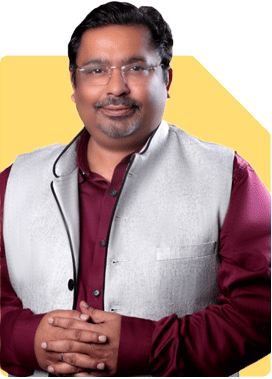
Omkeshwar Singh | Answer |Ask -Follow
Head, Rank MF - Answered on Jul 21, 2022



Ramalingam Kalirajan |10872 Answers |Ask -Follow
Mutual Funds, Financial Planning Expert - Answered on May 08, 2024

Ramalingam Kalirajan |10872 Answers |Ask -Follow
Mutual Funds, Financial Planning Expert - Answered on Jul 27, 2024



Vivek Lala |323 Answers |Ask -Follow
Tax, MF Expert - Answered on Jun 24, 2024

Ramalingam Kalirajan |10872 Answers |Ask -Follow
Mutual Funds, Financial Planning Expert - Answered on Jul 29, 2025
Latest Questions

Radheshyam Zanwar |6735 Answers |Ask -Follow
MHT-CET, IIT-JEE, NEET-UG Expert - Answered on Dec 06, 2025


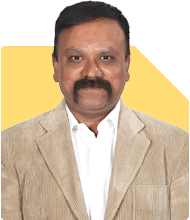
Dr Nagarajan J S K |2576 Answers |Ask -Follow
NEET, Medical, Pharmacy Careers - Answered on Dec 06, 2025


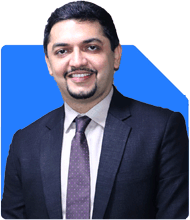
Mihir Tanna |1090 Answers |Ask -Follow
Tax Expert - Answered on Dec 06, 2025
Asked by Anonymous - Dec 04, 2025Hindi

Ramalingam Kalirajan |10872 Answers |Ask -Follow
Mutual Funds, Financial Planning Expert - Answered on Dec 06, 2025

Radheshyam Zanwar |6735 Answers |Ask -Follow
MHT-CET, IIT-JEE, NEET-UG Expert - Answered on Dec 06, 2025

Radheshyam Zanwar |6735 Answers |Ask -Follow
MHT-CET, IIT-JEE, NEET-UG Expert - Answered on Dec 06, 2025

Radheshyam Zanwar |6735 Answers |Ask -Follow
MHT-CET, IIT-JEE, NEET-UG Expert - Answered on Dec 06, 2025



Dr Dipankar Dutta |1837 Answers |Ask -Follow
Tech Careers and Skill Development Expert - Answered on Dec 05, 2025



Dr Shyam Jamalabad |108 Answers |Ask -Follow
Dentist - Answered on Dec 05, 2025


Dr Shyam Jamalabad |108 Answers |Ask -Follow
Dentist - Answered on Dec 05, 2025