Home > Money > Question
Need Expert Advice?Our Gurus Can Help

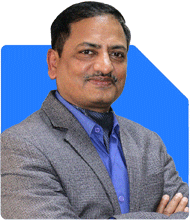
Ramalingam

Ramalingam Kalirajan  |10870 Answers  |Ask -

Mutual Funds, Financial Planning Expert - Answered on Apr 30, 2024

Ramalingam Kalirajan has over 23 years of experience in mutual funds and financial planning.
He has an MBA in finance from the University of Madras and is a certified financial planner.
He is the director and chief financial planner at Holistic Investment, a Chennai-based firm that offers financial planning and wealth management advice.... more

Nitin Question by Nitin on Dec 12, 2023Hindi
Listen
Money

I am 42 years of age now and I want to accumulate a corpus of 1 crore rs in next 10 years for my retirement? I also have fund requirements for my kids education, their weddings and other expenses coming up in next 5-10 years. I can invest Rs.20000 per month as we speak.

Ans: Planning for retirement and future expenses for your children is a wise decision. Let's create a strategy to achieve your financial goals:

Retirement Corpus:
With a monthly investment of Rs. 20,000 and a 10-year horizon, aim for a diversified investment approach. Consider a mix of equity mutual funds, debt funds, and other investment options based on your risk tolerance.
Regularly review and adjust your investment portfolio to ensure it remains aligned with your retirement goal.
Children's Education and Wedding Expenses:
For short-to-medium-term goals like education and wedding expenses, consider investing in a combination of equity and debt funds, balanced funds, or targeted investment options like children's education funds.
As these expenses are nearer term (within 5-10 years), prioritize capital preservation while aiming for modest growth.
Emergency Fund:
Ensure you have an emergency fund equivalent to 6-12 months of expenses. This will provide a safety net in case of unexpected financial needs.
Regular Review:
Regularly review your financial plan, adjusting your investment allocations and contributions as needed to stay on track with your goals.
Professional Guidance:
Consider consulting with a Certified Financial Planner who can help you create a comprehensive financial plan tailored to your specific goals and circumstances. They can provide personalized advice and guidance to help you achieve your financial objectives efficiently.
Remember, consistency and discipline in your investment approach, along with periodic reassessment of your goals and financial situation, will be key to achieving financial success. With prudent planning and diligent execution, you can work towards building a secure future for yourself and your family.
DISCLAIMER: The content of this post by the expert is the personal view of the rediffGURU. Users are advised to pursue the information provided by the rediffGURU only as a source of information to be as a point of reference and to rely on their own judgement when making a decision.
Money

You may like to see similar questions and answers below
Sanjeev

Sanjeev Govila  | Answer  |Ask -

Financial Planner - Answered on Aug 06, 2023

Moneywize

Moneywize   | Answer  |Ask -

Financial Planner - Answered on Dec 29, 2023

Asked by Anonymous - Dec 28, 2023Hindi
Listen
Money
I am 22-year-old and am just into my first job. My monthly take home and expenses are Rs 40,000 and Rs 16,000 respectively. I manage to save Rs 25,000 after taking care of miscellaneous expenses. How can I best invest these savings to generate a corpus of Rs 10 crore by the time I turn 55 years. Please help me achieve my financial dream.
Ans: I am glad that at 22 you are already thinking of having a retirement corpus of Rs 10 crore. Starting early, in fact, gives you a first-movers’ advantage as your investments will have more time to compound.
While a period of 33 years, to be honest, is not enough to generate a corpus of Rs 10 crore with just Rs 20,000 savings per month, you'll need to create a solid investment strategy. Here's a potential plan you might consider:
1. Start Early (which you are already doing): Time is your biggest advantage due to the power of compounding. The earlier you start investing, the more time your money has to grow.
2. Investment Vehicles:
a. Equity Mutual Funds: Consider investing a sizeable portion of your savings in equity mutual funds. These tend to offer higher returns over the long term. Choose a mix of large-cap, mid-cap, and small-cap funds for diversification. Instead of investing in mutual funds by yourself, take professional advice from your financial advisor.
b. Public Provident Fund (PPF): PPF is a long-term, tax-saving investment with a lock-in period. It offers a fixed, tax-free interest rate and is a safe option for long-term wealth creation. Most conservative Indians prefer PPF to diversify their portfolio. For the salaried, a part of their basic salary mandatorily goes into the employees’ provident fund, helping them create a financial cushion for their golden years that offers safety as well as return.
c. Stocks: If you have the inclination and knowledge, consider investing in individual stocks. But if equities give higher returns investing in them also entails higher risk. Do not venture into direct equity investing just because your neighbor does it. You need to have sound and solid understanding of how equity markets behave under different economic situations. I would rather suggest focus on investing in mutual funds then in equities.
3. Systematic Investment Plan (SIP): Consider investing a fixed amount every month through SIPs in mutual funds. This strategy helps in rupee-cost averaging and reduces the risk associated with market volatility. It also inculcates financial discipline in an investor.
4. Asset Allocation: Maintain a balanced portfolio by diversifying across different asset classes like equity, debt, precious metals like gold and silver and other investment avenues including real estate. This helps spread risk.
5. Regular Review and Rebalance: Periodically review your investments to ensure they keep pace with your financial goals. Rebalance your portfolio if needed to maintain the desired asset allocation.
6. Financial Discipline: Stick to your investment plan and avoid unnecessary withdrawals or impulse decisions, especially during market ups and downs.
7. Consult a Financial Advisor: Consider seeking guidance from a certified financial planner or advisor who can help tailor a plan suited to your goals, age profile, family dynamics and risk appetite.
Remember, while aiming for a significant corpus, it's also essential to maintain an emergency fund for unexpected expenses and have adequate insurance coverage to protect yourself and your dependents.
Lastly, the goal of accumulating Rs 10 crore by 55 is ambitious.
Please reassess this target periodically based on increase in your income, expenses, and economic conditions to ensure it remains achievable and realistic.

..Read more

Ramalingam

Ramalingam Kalirajan  |10870 Answers  |Ask -

Mutual Funds, Financial Planning Expert - Answered on Apr 23, 2024

Listen
Money
I am Sandip Kumar Sahu, 27-year-old. My monthly in-hand salary is 57,000 after deduction of 7500 in PPF. I have a SIP of 10,000 per month and have a portfolio of 1 lakh and every month I buy some stock and have a portfolio of 1 lakh. I manage to save 10-15k after all this investment. How can I best invest these savings to generate a corpus of Rs 10 crore by the time I turn 55 years. Please help me achieve my financial dream.
Ans: Sandip, you're already on a good path with your savings and investments at this young age. Your aspiration of achieving a 10 crore corpus by 55 is ambitious and achievable with disciplined planning.

Firstly, ensure you have an emergency fund set aside, typically 3-6 months of living expenses. Once that's in place, focus on building a diversified investment portfolio.

Given your age and risk appetite, consider allocating a significant portion (around 70-80%) to equity investments for higher growth potential. Equity mutual funds or index funds can be good choices for systematic and disciplined investing.

For the remaining 20-30%, consider debt instruments like fixed deposits or debt mutual funds for stability and to balance out the risk.

Regularly review your portfolio, adjust your investments based on market conditions and your financial goals. Remember, the key is consistency and patience. Compound interest will play a significant role in growing your wealth over time.

Lastly, consider consulting a financial advisor to tailor a plan specific to your needs and aspirations. Here's to your financial success!

..Read more

Ramalingam

Ramalingam Kalirajan  |10870 Answers  |Ask -

Mutual Funds, Financial Planning Expert - Answered on May 27, 2024

Asked by Anonymous - May 26, 2024Hindi
Money
Hi, we are a couple with monthly income of 7.5L per month (after tax & PF, NPS savings). Have around 50L in FDs, 1Cr in PF, 22L in NPS and 20L in stocks/Mutual Funds. Our expenses are around 2L pm and have a Home loan of 50L. We own 2 flats & land having value of around 11.5 Cr. Need to create a corpus of 10 Cr within next 10 year to retire. Can invest around 3L every month & can increase it by 8~10% every year. Our age is 45 & 42 years. Please advise how we can we achieve this.
Ans: Evaluating Your Financial Situation
You and your spouse have a combined monthly income of Rs 7.5 lakhs after tax and savings in PF and NPS. You have an existing portfolio consisting of:

Fixed Deposits (FDs): Rs 50 lakhs
Provident Fund (PF): Rs 1 crore
National Pension System (NPS): Rs 22 lakhs
Stocks/Mutual Funds: Rs 20 lakhs
Home loan outstanding: Rs 50 lakhs
Real estate assets (2 flats and land): Rs 11.5 crores
Your monthly expenses are around Rs 2 lakhs, and you aim to create a corpus of Rs 10 crores within the next 10 years. You can invest Rs 3 lakhs per month, increasing this by 8-10% annually. Let's explore a strategy to achieve this goal.

Setting a Retirement Corpus Target
To reach your goal of Rs 10 crores in 10 years, a systematic and disciplined investment approach is necessary. Considering your high monthly savings potential, diversification and growth-oriented investments will be key.

Monthly Investment Strategy
Start with Equity Mutual Funds
Equity Mutual Funds: Allocate a significant portion to equity mutual funds. These funds typically offer higher returns compared to other asset classes over the long term.

Balanced Advantage Funds: Consider these for a balance between equity and debt, reducing risk while still offering growth.

Debt Instruments for Stability
Debt Mutual Funds: These provide stability and lower risk compared to equity funds, suitable for part of your portfolio.

Public Provident Fund (PPF): PPF offers tax benefits and assured returns, providing a stable component to your portfolio.

Increasing SIP Contributions
Given your ability to increase investments by 8-10% annually, start with an SIP of Rs 3 lakhs per month. Increase your SIPs annually to keep pace with your income growth and inflation.

Portfolio Diversification
Diversify Across Asset Classes
Large Cap Funds: These funds are less volatile and provide stable returns over the long term.

Mid Cap and Small Cap Funds: Allocate a portion to these funds for higher growth potential, though they carry more risk.

Sector-Specific Funds: Consider investing in specific sectors like technology or healthcare, which have high growth potential.

Review and Adjust Regularly
Monitor Performance
Regular Reviews: Review your portfolio every six months to ensure it aligns with your goals.

Rebalance Portfolio: Adjust your investments based on performance and market conditions to stay on track.

Avoid Index Funds
Disadvantages of Index Funds
Limited Returns: Index funds only match market returns and do not aim to outperform.

Lack of Flexibility: They cannot react quickly to market changes, potentially missing out on higher returns.

Actively Managed Funds Advantage
Professional Management: These funds benefit from the expertise of fund managers who make informed decisions.

Higher Returns: Actively managed funds aim to outperform the market, providing better growth potential.

Direct Funds vs Regular Funds
Disadvantages of Direct Funds
Lack of Guidance: Direct funds do not offer professional guidance, which can be crucial for optimal investment decisions.

Time-Consuming: Managing direct investments can be time-consuming and complex without expert help.

Benefits of Regular Funds via MFD with CFP Credential
Expert Advice: Regular funds provide access to certified financial planners who can offer tailored advice.

Comprehensive Planning: Investing through a CFP ensures a holistic approach to financial planning.

Better Performance: Professional management often results in better performance compared to self-managed direct funds.

Education Planning for Children
Education Savings Plans
Dedicated Education Funds: Invest in plans specifically designed for education to build a sufficient corpus for your children’s higher education.

Sukanya Samriddhi Yojana: If you have daughters, this scheme offers attractive interest rates and tax benefits.

Balancing Current and Future Needs
Emergency Fund: Maintain an emergency fund equal to 6-12 months of expenses for unforeseen events.

Debt Management: Continue servicing your home loan, ensuring it doesn’t burden your future finances.

Achieving Your Corpus Goal
Target Corpus Calculation
Assuming an average annual return of 12%, your monthly investments need to grow consistently. Start with Rs 3 lakhs per month and increase it by 8-10% yearly. This disciplined approach will help you reach your goal of Rs 10 crores.

Importance of Professional Guidance
Certified Financial Planner: Regular consultations with a CFP will ensure you stay on track and make necessary adjustments.

Tailored Advice: A CFP can provide tailored advice based on your specific financial situation and goals.

Final Thoughts
Your current financial health is strong, and your disciplined savings approach will help you achieve your retirement goal. Regular investments, portfolio diversification, and professional guidance are key to your success.

Staying on Course
Regular Reviews: Stay informed about your investments and review them periodically.

Flexibility: Be ready to adjust your strategy based on market conditions and personal circumstances.

Discipline: Maintain a disciplined approach to savings and investments.

Best Regards,

K. Ramalingam, MBA, CFP,

Chief Financial Planner,

www.holisticinvestment.in

..Read more

Ramalingam

Ramalingam Kalirajan  |10870 Answers  |Ask -

Mutual Funds, Financial Planning Expert - Answered on Jul 27, 2024

Asked by Anonymous - Jun 21, 2024Hindi
Listen
Money
Hello Sir I am Ayan Paul from West Bengal. I am 37 years old. I want to corpus of 1 crore in next 10 years. I didn't start any mutual fund. I want to invest 3 lakhs i lumpsum and 10 thousand monthly sip. Please suggest me some funds and tell me is that enough to reach my goal ?
Ans: Assessing Your Investment Plan

Lumpsum Investment: You plan to invest Rs 3 lakhs as a lumpsum.

Monthly SIP: You also want to invest Rs 10,000 monthly.

This combination of a lumpsum and SIP is a good strategy.

Expected Returns

Equity Funds: Typically, equity funds can give an average return of 12-15% annually.

Diversification: To reduce risk, diversify into different types of funds.

Advantages of Actively Managed Funds

Professional Management: Managed by experienced professionals.

Better Adaptability: Adjust investments based on market conditions.

Higher Returns Potential: Skilled managers aim to outperform the market.

Disadvantages of Index Funds

Limited Flexibility: Can't adapt quickly to market changes.

Market Fluctuations: More exposed to volatility.

Potential Lower Returns: May underperform actively managed funds.

Why Regular Funds Over Direct Funds

Expert Advice: Certified Financial Planners (CFPs) provide tailored advice.

Holistic Planning: Consider your overall financial situation.

Ongoing Support: Regular adjustments to your investment strategy.

Better Resources: Access to extensive research and tools.

Calculating the Corpus

Let's assess if your plan can reach your goal. With Rs 3 lakhs lumpsum and Rs 10,000 monthly SIP, you can potentially reach Rs 1 crore in 10 years.

Investment Strategy

Start with Lumpsum: Invest Rs 3 lakhs in a diversified equity fund.

Monthly SIP: Invest Rs 10,000 in a mix of equity and hybrid funds.

Review Regularly: Monitor your investments and adjust as needed.

Stay Invested: Long-term investments tend to yield better returns.

Important Considerations

Risk Tolerance: Equity investments carry risk. Be prepared for market fluctuations.

Time Horizon: Staying invested for the full 10 years is crucial.

Professional Advice: Consult a Certified Financial Planner for personalized guidance.

Final Insights

Ayan, your plan to invest Rs 3 lakhs as a lumpsum and Rs 10,000 monthly SIP is a strong start. With disciplined investing and proper fund selection, you can potentially reach your Rs 1 crore goal in 10 years. Diversify your investments, stay invested for the long term, and consult a Certified Financial Planner for tailored advice.

Best Regards,

K. Ramalingam, MBA, CFP

Chief Financial Planner

www.holisticinvestment.in

..Read more

Latest Questions
Dr Dipankar

Dr Dipankar Dutta  |1837 Answers  |Ask -

Tech Careers and Skill Development Expert - Answered on Dec 05, 2025

Career
Dear Sir, I did my BTech from a normal engineering college not very famous. The teaching was not great and hence i did not study well. I tried my best to learn coding including all the technologies like html,css,javascript,react js,dba,php because i wanted to be a web developer But nothing seem to enter my head except html and css. I don't understand a language which has more complexities. Is it because of my lack of experience or not devoting enough time. I am not sure. I did many courses online and tried to do diplomas also abroad which i passed somehow. I recently joined android development course because i like apps but the teaching was so fast that i could not memorize anything. There was no time to even take notes down. During the course i did assignments and understood the code because i have to pass but after the course is over i tend to forget everything. I attempted a lot of interviews. Some of them i even got but could not perform well so they let me go. Now due to the AI booming and job markets in a bad shape i am re-thinking whether to keep studying or whether its just time waste. Since 3 years i am doing labour type of jobs which does not yield anything to me for survival and to pay my expenses. I have the quest to learn everything but as soon as i sit in front of the computer i listen to music or read something else. What should i do to stay more focused? What should i do to make myself believe confident. Is there still scope of IT in todays world? Kindly advise.
Ans: Your story does not show failure.
It shows persistence, effort, and desire to improve.

Most people give up.
You didn’t.
That means you will succeed — but with the right method, not the old one.

...Read more

Ravi

Ravi Mittal  |676 Answers  |Ask -

Dating, Relationships Expert - Answered on Dec 04, 2025

Asked by Anonymous - Dec 02, 2025Hindi
Relationship
My married ex still texts me for comfort. Because of him, I am unable to move on. He makes me feel guilty by saying he got married out of family pressure. His dad is a cardiac patient and mom is being treated for cancer. He comforts me by saying he will get separated soon and we will get married because he only loves me. We have been in a relationship for 14 years and despite everything we tried, his parents refused to accept me, so he chose to get married to someone who understands our situation. I don't know when he will separate from his wife. She knows about us too but she comes from a traditional family. She also confirmed there is no physical intimacy between them. I trust him, but is it worth losing my youth for him? Honestly, I am worried and very confused.
Ans: Dear Anonymous,
I understand how difficult it is to let go of a relationship you have built from scratch, but is it really how you want to continue? It really seems to be going nowhere. His parents are already in bad health and he married someone else for their happiness. Does it seem like he will be able to leave her? So many people’s happiness and lives depend on this one decision. I think it’s about time you and your BF have a clear conversation about the same. If he can’t give a proper timeline, please try to understand his situation. But also make sure he understands yours and maybe rethink this equation. It really isn’t healthy. You deserve a love you can have wholly, and not just in pieces, and in the shadows.

Hope this helps

...Read more

DISCLAIMER: The content of this post by the expert is the personal view of the rediffGURU. Investment in securities market are subject to market risks. Read all the related document carefully before investing. The securities quoted are for illustration only and are not recommendatory. Users are advised to pursue the information provided by the rediffGURU only as a source of information and as a point of reference and to rely on their own judgement when making a decision. RediffGURUS is an intermediary as per India's Information Technology Act.

Close  

You haven't logged in yet. To ask a question, Please Log in below
Login

A verification OTP will be sent to this
Mobile Number / Email

Enter OTP
A 6 digit code has been sent to

Resend OTP in120seconds

Dear User, You have not registered yet. Please register by filling the fields below to get expert answers from our Gurus
Sign up

By signing up, you agree to our
Terms & Conditions and Privacy Policy

Already have an account?

Enter OTP
A 6 digit code has been sent to Mobile

Resend OTP in120seconds

x