Home > Career > Question
Need Expert Advice?Our Gurus Can Help
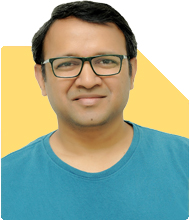
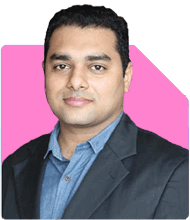
Patrick

Patrick Dsouza  |1428 Answers  |Ask -

CAT, XAT, CMAT, CET Expert - Answered on Feb 21, 2024

Patrick Dsouza is the founder of Patrick100.
Along with his wife, Rochelle, he trains students for competitive management entrance exams such as the Common Admission Test, the Xavier Aptitude Test, Common Management Admission Test and the Common Entrance Test.
They also train students for group discussions and interviews.
Patrick has scored in the 100 percentile six times in CAT. He achieved the first rank in XAT twice, in CET thrice and once in the Narsee Monjee Management Aptitude Test.
Apart from coaching students for MBA exams, Patrick and Rochelle have trained aspirants from the IIMs, the Jamnalal Bajaj Institute of Management Studies and the S P Jain Institute of Management Studies and Research for campus placements.
Patrick has been a panellist on the group discussion and panel interview rounds for some of the top management colleges in Mumbai.
He has graduated in mechanical engineering from the Motilal Nehru National Institute of Technology, Allahabad. He has completed his masters in management from the Jamnalal Bajaj Institute of Management Studies, Mumbai.... more
Asked by Anonymous - Feb 21, 2024Hindi
Listen
Career

My son is in FYJC commerce at Narsee Monjee College of Commerce and Economics Mumbai. He wants to become a CA and is currently undergoing coaching for the same. He scores over 95% in Mathematics so one of his professors has suggested he consider pursuing an MBA or a master's in finance from an international university to improve his career prospects. Seeking your advice on careers in finance. I'd like to know your suggestions and recommendations.

Ans: Can look at option of pursuing CFA as he is looking for career in Finance. Can start preparing for CAT when he reaches 2nd year if he plans to pursue MBA.
Career

You may like to see similar questions and answers below

Sushil

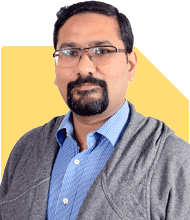
Sushil Sukhwani  | Answer  |Ask -

Study Abroad Expert - Answered on Mar 09, 2024

Listen
Career
hello Sir, my son is age is 24 and he his commerce graduate , he want to pursue for further study for MS in finance either in USA/ UK or small country like Netherland / ireland or near by he has already completed ILTS EXAM, can you please guide good university and looking to job prospective whether there is any scope in finance . please guide SIR .,
Ans: Hello Shivaji. Thank you for contacting us. I am happy to hear that your son wants to pursue an MS in finance abroad.
To answer your question first, certainly, pursuing an MS in Finance can be a great choice for your son, as it opens up various opportunities in the finance industry globally. Here are some recommendations for universities in the USA, UK, Netherlands, Ireland, and nearby countries that offer strong finance programmes, along with insights into job prospects:

1. USA: The USA has a robust finance industry, especially in cities like New York, Chicago, and San Francisco. Graduates from top universities often find opportunities in investment banking, asset management, corporate finance, and consulting.

2. UK : London is a global financial hub, providing ample opportunities in investment banking, asset management, fintech, and corporate finance. Graduates often find roles in financial institutions and consulting firms.

3. Netherlands: The Netherlands has a thriving financial sector, particularly in Amsterdam. Graduates may find opportunities in banking, insurance, asset management, and financial technology companies.

4. Ireland: Dublin has a growing financial services industry, with opportunities in banking, fund management, fintech, and corporate finance.
Regardless of the country or university your son chooses, it's essential for him to network actively, gain relevant internships or work experience, and stay updated with industry trends to enhance his job prospects in the competitive field of finance. Additionally, obtaining professional certifications such as CFA (Chartered Financial Analyst) or FRM (Financial Risk Manager) can further boost his credentials and career prospects.

For further assistance you can get in touch with us.

..Read more

Career

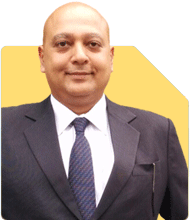
Career Coach  | Answer  |Ask -

Workplace Expert - Answered on Apr 11, 2024

Asked by Anonymous - Apr 10, 2024Hindi
Listen
Career
Sir, I am a 22-year-old graduate with a degree in mechanical engineering from Pune. I am considering shifting to finance. Please guide me on the career scope after doing an MBA in finance from a top business school.
Ans: Certainly! Shifting gears from mechanical engineering to finance is like swapping a wrench for a calculator – a bold move that can steer your career towards exciting new avenues. With your solid foundation in engineering and a penchant for numbers, pursuing an MBA in finance from a top business school can open up a treasure trove of opportunities in the financial realm. Here's a glimpse of the promising career scope awaiting you:

1. Investment Banking: Dive into the fast-paced world of investment banking, where you'll be crunching numbers, structuring deals, and rubbing elbows with movers and shakers in the corporate world. Think of it as your chance to become the financial equivalent of a Formula 1 pit crew, orchestrating high-stakes transactions with precision and finesse.

2. Corporate Finance: Picture yourself as the financial maestro behind the scenes of a thriving corporation. With roles like financial analyst, treasurer, or CFO at your disposal, you'll be instrumental in steering the financial ship towards success, all while sporting your signature engineering mindset for problem-solving.

3. Asset Management: Join the ranks of financial wizards managing portfolios and maximizing returns for clients. Whether it's navigating the choppy waters of stock markets or fine-tuning investment strategies, your analytical prowess will shine as you navigate the highs and lows of the financial landscape.

4. Financial Consulting: Become a financial guru sought after by companies in need of strategic advice. Armed with your MBA in finance, you'll be the go-to expert for unraveling complex financial puzzles, devising growth strategies, and sprinkling a dash of innovation into the mix.

5. Private Equity and Venture Capital: Embark on a thrilling journey into the world of private equity or venture capital, where you'll be on the lookout for the next big thing. Channel your inner entrepreneur as you scout promising startups, fuel growth initiatives, and unleash your creative genius in shaping the future of business.

6. Risk Management: With your engineering knack for identifying and mitigating risks, a career in risk management beckons. Whether it's safeguarding financial institutions from market fluctuations or protecting assets from unforeseen perils, you'll be the unsung hero keeping the financial world spinning smoothly.

7. Financial Technology (FinTech): Ride the wave of innovation in the FinTech industry, where finance meets technology in a harmonious dance of digits and bytes. As a FinTech aficionado, you'll be at the forefront of revolutionizing banking, investing, and payments, all while embracing the thrill of cutting-edge technology.

Remember, the journey from mechanical engineering to finance may seem like a leap of faith, but with your determination and thirst for knowledge, you're more than equipped to conquer new horizons. So buckle up, embrace the adventure, and let your career soar to dizzying heights!

Wishing you all the best on your exhilarating journey into the world of finance!

..Read more

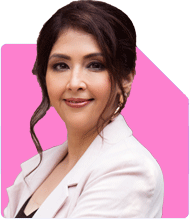
Nayagam P

Nayagam P P  |10853 Answers  |Ask -

Career Counsellor - Answered on Jul 23, 2025

Career
My son aims Finance specialisation for future mid level positions in Banking ( govt & private) both). utilising his 6 yrs experience in AI & DS. Whether MBA finance aligns with my son's Future aim or else his sailing will not be as smooth as he thinks. He will have to establish First with his positions to gain sufficient experience in private sector as his finance domain will be new. Pls elaborate on what kind of road bumps he will encounter?? Overall will he establish himself successfully with finance.He is not brilliant in his methodology.pls keep this in your mind. Banks
Ans: The decision between Finance and Operations & Data Science specialization for your son's MBA represents a critical crossroads between traditional financial expertise and emerging technology-driven business management. Current market analysis reveals that while both paths offer substantial career opportunities, Finance specialization requires significant foundational work to transition from an AI & Data Science background, whereas Operations & Data Science leverages existing expertise while opening broader career horizons.

Finance specialization offers established career paths in banking, investment management, and corporate finance with competitive compensation ranging from ?10-20 lakhs per annum for MBA graduates. However, the transition from AI & Data Science to traditional finance presents considerable challenges including the need to establish credibility, develop domain-specific knowledge, and navigate regulatory complexities. Banking sector entry barriers have increased significantly, with major banks now preferring candidates with prior finance experience or exceptional academic credentials.

Operations & Data Science specialization aligns naturally with your son's six-year AI & Data Science experience, enabling immediate value creation while addressing the growing demand for data-driven business leaders. This specialization commands salary ranges of ?7-8 lakhs per annum initially, with substantial growth potential as organizations increasingly prioritize analytics-driven operations. The convergence of AI and business operations creates unique opportunities for professionals who can bridge technical expertise with strategic management.

Finance Specialization: Opportunities and Challenges - Career Prospects in Banking Sector
MBA Finance graduates encounter diverse opportunities across government and private banking sectors. Government banking positions, including those with RBI, Ministry of Finance, and public sector banks, offer stability and structured career progression. Private sector roles encompass investment banking, corporate finance, wealth management, and risk management, typically offering higher compensation but demanding greater performance metrics.

The banking industry has undergone significant transformation, with 90% of finance jobs in India emerging from this sector in recent years. However, entry barriers have intensified substantially. Investment banks now focus recruitment on candidates with either prior finance experience or exceptional academic backgrounds from premier institutions. The post-2008 financial crisis landscape has led banks to narrow their MBA recruitment primarily to investment banking divisions, reducing opportunities in other areas like sales and trading.

Transition Challenges from AI & Data Science Background: Your son's transition from AI & Data Science to Finance faces several substantive roadblocks. Finance domain expertise requires understanding of financial regulations, accounting principles, valuation methodologies, and market dynamics that differ significantly from technical AI applications. The learning curve involves mastering financial modeling, risk assessment frameworks, and regulatory compliance standards.

Mid-level finance professionals frequently encounter barriers including limited access to mentors (33%), absence of clear leadership pathways (33%), insufficient commercial experience (19%), and over-specialization (14%). For career changers, these challenges intensify as they must simultaneously develop domain knowledge while demonstrating business acumen to skeptical employers.

The AI revolution in finance creates additional complexity. Financial institutions increasingly deploy AI for pricing, risk management, and pattern recognition, potentially automating tasks traditionally performed by finance professionals. While this creates opportunities for professionals with AI expertise, it requires understanding both domains deeply rather than superficial knowledge of either.

Salary and Growth Potential: MBA Finance graduates typically earn between ?10-20 lakhs per annum, with roles like Financial Managers averaging ?14 lakhs annually and IT Project Managers earning approximately ?12.5 lakhs. Top-tier institutions report higher averages, with NMIMS Mumbai MBA graduates achieving average packages of ?25.13 lakhs.

However, compensation varies significantly based on institution ranking, prior experience, and role complexity. Investment banking offers higher compensation but demands extensive hours and high-pressure performance. Corporate finance roles provide better work-life balance but potentially lower initial compensation.

Market Demand and Industry Evolution: The finance industry operates on a global scale, providing diverse cultural experiences and international exposure. However, traditional finance roles face disruption from AI technologies. Banks implement machine learning algorithms for structured product pricing and risk management, as these systems outperform traditional approaches.

Financial institutions report that 75% of banks with assets exceeding $100 billion deploy AI strategies, compared to 46% of smaller institutions. This technological adoption creates demand for professionals who understand both finance principles and AI applications, potentially favoring candidates with your son's technical background.

Operations & Data Science Specialization: Strategic Advantages - Alignment with Existing Expertise
Operations & Data Science specialization leverages your son's six-year AI & Data Science experience, enabling immediate value creation rather than starting from foundational learning. This alignment allows for advanced application of existing technical skills within business contexts, creating competitive advantages that finance specialization would not provide.

The specialization encompasses supply chain management, quality assurance, lead merchandising, and data-driven decision making. These areas directly utilize AI and machine learning expertise for process optimization, predictive analytics, and operational efficiency improvements. Your son's experience with TCS in AI & Data Science provides relevant industry context for these applications.

Modern businesses increasingly recognize that successful operations management requires data analytics expertise. Companies seek professionals who can interpret operational data, identify inefficiencies, and implement technology-driven solutions. This demand creates substantial opportunities for professionals combining operational knowledge with advanced analytics capabilities.

Career Opportunities and Growth Trajectory: Operations & Data Science professionals access diverse career paths including Data Strategy Directors, Chief Analytics Officers, Business Intelligence Analysts, and Operations Managers with analytics responsibilities. These roles bridge technical expertise with business strategy, commanding premium compensation due to skill scarcity.

The integration of AI in business operations creates hybrid roles that didn't exist previously. Organizations need leaders who understand both operational processes and data science methodologies, positioning professionals with combined expertise for accelerated career advancement. These positions often report directly to C-suite executives, providing visibility and influence within organizations.

Career progression typically involves advancing from individual contributor roles to team leadership, then strategic positions overseeing enterprise-wide analytics initiatives. The path offers both technical depth and business breadth, enabling transitions to various industries including healthcare, manufacturing, retail, and technology.

Compensation and Market Demand: Initial compensation for Operations & Data Science professionals averages ?7-8 lakhs per annum, with experienced professionals earning significantly higher amounts. The field's rapid growth creates upward pressure on salaries as organizations compete for qualified talent.

Data Science roles command premium pricing due to skill shortages. According to industry reports, Data Science will create approximately 11.5 million job openings globally by 2028. This expansion includes traditional data science positions and hybrid roles combining business operations with analytics expertise.

The convergence of operations management and data analytics creates unique value propositions. Organizations recognize that operational efficiency depends on data-driven insights, making professionals with combined expertise particularly valuable. This recognition translates to competitive compensation and accelerated promotion opportunities.

Technology Integration and Future Readiness: Operations & Data Science specialization positions professionals at the forefront of business transformation. AI integration in operations management addresses challenges like supply chain optimization, quality control, predictive maintenance, and customer service enhancement. These applications directly utilize your son's existing expertise while expanding business application knowledge.

The field's evolution toward autonomous systems and agentic AI requires professionals who understand both technological capabilities and operational implementations. Your son's AI background provides foundational knowledge for advanced applications that many business professionals lack.

Comparative Analysis: Key Success Factors - Risk Assessment and Mitigation
Finance specialization presents higher transition risks due to domain unfamiliarity, entry barriers, and credential requirements. Success depends on developing comprehensive finance knowledge, establishing industry credibility, and navigating competitive recruitment processes. The path requires significant time investment with uncertain outcomes, particularly given banking sector preferences for candidates with finance backgrounds.

Operations & Data Science specialization offers lower transition risks by building on existing expertise. Success depends on applying technical knowledge to business contexts, developing leadership skills, and understanding operational frameworks. The learning curve focuses on business application rather than fundamental skill development, reducing implementation risks.

Long-term Career Sustainability: Finance specialization faces disruption from AI automation of traditional finance functions. While senior roles remain secure, entry and mid-level positions increasingly incorporate AI tools, potentially reducing opportunities for new entrants without technology expertise. Your son's AI background could provide advantages, but requires significant finance domain knowledge to be effective.

Operations & Data Science specialization aligns with technology trends and organizational digital transformation initiatives. The field's growth trajectory suggests sustained demand for professionals combining operational expertise with analytics capabilities. Career sustainability benefits from technology evolution rather than being threatened by it.

Professional Development Requirements: Finance specialization requires extensive professional development including financial certifications (CFA, FRM), regulatory knowledge, and industry networking. The investment timeline extends 2-3 years before achieving competency levels competitive with finance-background candidates. Additional challenges include establishing credibility within finance communities and demonstrating value beyond technical expertise.

Operations & Data Science specialization builds on existing knowledge, requiring business acumen development, leadership training, and operational framework understanding. Professional development focuses on application rather than foundational learning, enabling faster competency achievement and value demonstration.

Strategic Roadblocks and Mitigation Strategies - Finance Specialization Challenges: Banking sector entry presents multiple barriers for career changers. Traditional financial institutions maintain conservative hiring practices, preferring candidates with established finance credentials. Your son would encounter skepticism regarding commitment to finance careers and questions about motivation for domain transition.

The regulatory complexity of banking operations requires extensive compliance knowledge that takes years to develop. Financial institutions operate within heavily regulated environments where mistakes carry significant consequences. New entrants must demonstrate understanding of regulatory frameworks, risk management principles, and institutional procedures.

Networking within finance communities poses additional challenges. Established professionals often maintain exclusive networks that prove difficult for outsiders to penetrate. Career advancement depends heavily on relationship building, mentorship access, and insider knowledge that takes time to develop.

Operations & Data Science Advantages: Operations & Data Science specialization avoids many traditional career change obstacles by building on existing expertise. Your son's AI & Data Science experience provides immediate credibility within technology-forward organizations seeking operational improvement through analytics applications.

The field's rapid evolution creates opportunities for professionals with advanced technical skills to assume leadership positions quickly. Organizations need guidance on AI implementation in operations, positioning experienced practitioners for consulting and strategic roles that bypass traditional advancement timelines.

Modern businesses prioritize digital transformation initiatives, creating demand for professionals who understand both operational processes and enabling technologies. This alignment provides career acceleration opportunities that traditional specializations cannot match.

Institution-Specific Considerations - NMIMS Performance Metrics: NMIMS Mumbai demonstrates strong placement performance with MBA graduates achieving average packages of ?25.13 lakhs and highest packages reaching ?67.7 lakhs. The institution maintains relationships with 190 companies, including Fortune 500 organizations, providing diverse recruitment opportunities.

Finance specialization at NMIMS attracts recruiters from banking, investment management, and corporate finance sectors. However, placement success depends on individual performance, prior experience, and market conditions during graduation year. The institution's reputation provides advantages but does not guarantee specific career outcomes.

Operations specialization benefits from growing industry demand for analytics-capable professionals. NMIMS placement reports indicate strong performance across operational roles, with recruiters seeking graduates who combine business knowledge with technical expertise.

Industry Partnership Benefits: NMIMS maintains partnerships with leading organizations across multiple sectors, providing internship opportunities, guest lectures, and recruitment access. These relationships benefit both specializations but may offer different advantages depending on industry focus and recruiter preferences.

Finance partnerships typically involve traditional banking institutions, investment firms, and corporate finance departments. These relationships provide networking opportunities but require candidates to demonstrate finance expertise and career commitment.

Operations partnerships increasingly emphasize technology integration and data-driven decision making. Organizations seek professionals who can implement AI solutions within operational frameworks, favoring candidates with technical backgrounds like your son's experience.

Recommendation:
After comprehensive analysis of career prospects, transition challenges, market dynamics, and your son's specific background, Operations & Data Science specialization emerges as the superior choice. This direction leverages his six-year AI & Data Science expertise, aligns with market demands for technology-enabled business leaders, and provides accelerated career advancement opportunities while minimizing transition risks. The banking finance aspiration, while admirable, requires extensive foundational development that could be better invested in building upon existing strengths to achieve leadership positions within the rapidly expanding intersection of operations management and data analytics.

..Read more

Latest Questions
Kanchan

Kanchan Rai  |646 Answers  |Ask -

Relationships Expert, Mind Coach - Answered on Dec 12, 2025

Asked by Anonymous - Dec 07, 2025Hindi
Relationship
Dear Madam, I was a bright student during my school days and my plan was to become a civil servant but that did not succeed even after several attempts. With the advise of my brother i went ahead and pursued Masters at a normal university in Sydney. I did internship and continued staying with my job though it wasn't my field of study. After that what came as a shock was my brother's divorce. We don't know what is the actual issue till date but I tried a lot to fix the gap by talking to his ex-wife but they were very orthodox. I couldn't see my brother suffer because he had planned and arranged so much for her. I had no choice then so i try to harm his ex-wife by spoiling her reputation thinking she will come back for him. In the mean time i got married to a girl who was her relative too thinking my wife can help us in some case but she turned out to be completely in the opposite direction. She was probably convinced by my brother's ex-wife or their relatives that she is not coming back. Even then my brother tried to go meet his ex-wife through many channels. My wife did not help him at all in any aspect. Finally the divorced happened and everything ended. Now we have sought several proposals but nothing seem to be a good fit for him. Most of the girls whom we met on matrimonial sites are fake profiles with something hidden or falsely represented. I would say my brother escaped all this. But we are worried about his life now as he is already in his 40's and he seem to be struggling for a good job and finance. He is very picky probably but doesn't talk much to all of us. Sometimes he even says the game is over so no point looking at a second marriage. My wife and he fought once when he visited us because she didn't want him in our house and she created a fight putting me in the front. After that he stopped coming to our house or see us or talk to us. Things even gets worse sometimes when her brother comes and visits us and stays at our house which my parents don't like. My parents argue that your brother was not allowed to stay for few months then how come her brother is allowed for several months. What kind of partiality is that? I feel i could not do anything for him despite the fact that he is my only brother. He is good at heart and looked after me when i went abroad financially and even came to meet me few times. I tried to send him money, gifts but he is still the same. He communicates with our parents but not with me nor my wife anymore. Kindly give us a good advise.
Ans: Your brother’s distance is not a rejection of you. It is his way of protecting himself. He went through a difficult marriage, an emotional collapse, and then watched people around him — including you — react out of desperation to fix things for him. Even though your intentions came from love, he may have associated those actions with more pain and pressure. When a person has been wounded, silence feels safer than conversation. His withdrawal simply means he is tired, not that he dislikes you.
You also need to understand that the guilt you are carrying is heavier than it needs to be. You tried to intervene in his marriage because you wanted to protect him, not because you wanted to cause harm. Looking back now, with more maturity and clarity, you see the mistakes, but at that time, you were acting out of fear and love. This is why it’s important to forgive yourself instead of punishing yourself over and over.
The conflict between your wife and your brother only added another layer of stress, because it forced you into choosing sides. Your wife reacted emotionally, your brother pulled away, your parents questioned the imbalance — and in the middle of all this, you lost your sense of peace. But their disagreements are not failures on your part. They are the natural result of people operating from insecurity, fear, and past hurt.
What needs to happen now is a shift in your role. You cannot continue trying to solve everything for everyone. You cannot carry your brother’s marriage, your wife’s fears, and your parents’ judgments all at once. It’s time to step out of the role of rescuer and step into the role of a grounded, calm brother who offers presence, not solutions.
Rebuilding your bond with your brother will not come from pushing proposals, sending gifts, or trying to fix his life. It will come from offering him emotional safety. A simple message, expressing that you are sorry for any hurt, that you care for him, and that you are available whenever he feels ready, will speak louder than any effort to arrange his future. Once you send such a message, the healthiest thing you can do is give him space. Sometimes relationships repair themselves in silence, when pressure is removed.
And for yourself, healing begins when you stop believing that every problem in the family rests on your shoulders. You have given more than enough over the years. Now you deserve emotional rest. You deserve peace. You deserve to feel like a brother, not a crisis manager.
Your brother may take time, but distance does not erase love. When he feels safe, he will come closer again. Your responsibility is not to force that moment, but to make sure you are emotionally steady and ready when it happens.

...Read more

Ramalingam

Ramalingam Kalirajan  |10881 Answers  |Ask -

Mutual Funds, Financial Planning Expert - Answered on Dec 12, 2025

Asked by Anonymous - Dec 11, 2025Hindi
Money
Dear sir This is regarding my mother's financials. She is 71 years old and she earns a pension of 31k p.m. She has FD's worth 60 lacs and earns interest income of Rs.25k. I wish to know if we can buy mutual funds worth 10 lacs by diverting funds from FD for better returns. She owns a house and does not have house rent commitment . She is currently investing 10k p.m in SIP . Now the lump sum investment of 5 lacs each is intended to be done in HDFC balanced advantage fund Direct Growth and ICICI Prudential balanced advantage fund . Please advise
Ans: You are caring about your mother’s future.
This shows deep responsibility.
Her financial base also looks strong today.
Her pension gives steady cash.
Her FD interest gives extra safety.
Her home is secure.
Her SIP shows healthy discipline.

» Her Present Financial Position
Your mother is 71.
Her age makes safety a key priority.
But some growth is also needed.

She gets Rs 31000 pension each month.
This covers most basic needs.
Her FD interest adds Rs 25000 per month.
So her total monthly inflow is near Rs 56000.
This is healthy at her age.

She owns her house.
She has no rent stress.
This gives great relief.

She has FD worth Rs 60 lakh.
This gives safe income.
She also runs a SIP of Rs 10000 per month.
This is a good step.
It keeps her connected to long-term growth.

Her total structure looks balanced.
She has safety.
She has income.
She has some growth exposure.
She has low liabilities.

This is a very stable base for her age.

» Understanding Her Risk Level
At age 71, risk must be low.
But risk cannot be zero.
Zero risk pushes money into FD only.
FD return stays low.
FD return sometimes falls after tax.
FD return often stays below inflation.

This reduces future buying power.
Inflation in India stays high.
Medical costs rise fast.
Home repair costs rise.
Daily needs rise.
So some growth is needed.

Balanced exposure gives stability.
Balanced allocation protects both sides.
She should not go too high on equity.
She should not avoid equity fully.
A middle path works best at this age.

Your idea of shifting Rs 10 lakh for growth is fine.
But the type of fund must be chosen well.
The plan must also follow her age.
Her risk must be respected.

» Impact of Growth Options at Her Age
Growth funds move with markets.
Markets move up and down.
These swings can disturb seniors.
But some controlled equity helps fight inflation.

Funds with mix of equity and debt help.
They adjust risk.
They protect capital better.
They manage volatility better.
They offer smoother experience.
They suit senior citizens more.

So a mild growth approach is healthy.
This gives better long-term value.
This gives inflation protection.
This reduces long-term stress.

Still, the fund choice must be careful.
And the plan style must be guided.

» Concerns With Direct Plans
You mentioned direct funds.
Direct funds seem cheap.
But cheap is not always better.

Direct funds give no guidance.
Direct funds give no review support.
Direct funds give no risk matching.
Direct funds need constant study.
Direct funds need skill.
Direct funds need time.

Many investors think direct plans save money.
But small savings can cause big losses.
Wrong choices reduce returns.
Wrong timing reduces gains.
Wrong exit increases tax.

Regular plans bring professional support through MFDs with CFP credentials.
They offer yearly reviews.
They track risk closely.
They guide corrections.
They support crisis moments.
They help in asset mix.
They help keep emotions stable.

This support is very helpful for seniors.
Your mother will not need to study markets.
She will not need to track cycles.
She will not need to worry about volatility.
She can stay calm.

So regular plans may suit her better.
The small extra fee is actually buying professional hand-holding.
This hand-holding protects wealth.
This reduces mistakes.
This brings long-term peace.

» Her Liquidity Need
At age 71, liquidity matters.
She must access money fast during emergencies.
Medical needs can arise.
Health cost can be sudden.
She must be ready.

FD gives quick access.
This is useful.
So FD should not be reduced too much.

Shifting Rs 10 lakh is acceptable.
But shifting more may reduce comfort.
She must always feel safe.
Her emotional comfort is important.

So Rs 10 lakh is the right level.
It keeps major FD corpus safe.
It keeps growth exposure controlled.

This balance supports her peace.

» Her Current SIP
She puts Rs 10000 per month in SIP.
This is positive.
This brings slow steady growth.
This builds long-term value.

She should continue this SIP.
She may reduce it later based on comfort.
But she should not stop it now.
This SIP adds inflation protection.
This SIP builds a small buffer.

A continuous SIP helps smooth markets.
It builds confidence.

» Income Stability for Her
Her pension covers needs.
Her FD interest adds comfort.
Her SIP invests for future needs.
Her home saves rent.

So she has stable income.
Her life standard is maintained.
Her risk level can stay low.

Her monthly cash flow is positive.
Her needs are covered.
So she need not worry about returns too much.
But a little growth is still healthy.

» Should She Shift Rs 10 Lakh From FD?
Yes, she can shift Rs 10 lakh.
This does not hurt her safety.
This does not shake her cash flow.
This supports inflation protection.

But the fund must be right.
The plan must match her age.
The risk must stay low.
The allocation must stay controlled.

A balanced strategy is better.
Smooth returns suit seniors.
Moderate risk suits her age.

Still, the fund must be in regular plan.
Direct plan may cause long-term risk.
Direct plans place the heavy load on the investor.
At her age, this stress is avoidable.
Regular plans give smoother support.

» Why Not Use the Specific Schemes Mentioned
The schemes you named are direct plans.
Direct plans give no support.
Direct plans leave all decisions to you.
Direct plans leave all risk checks on you.

Also, each fund has its own style.
Each adjusts differently.
You must check suitability.
You must review them yearly.
This needs time and skill.

For her age, this is not ideal.
A simple, guided, regular plan works better.

Also, some funds change risk levels fast.
Some increase equity without warning.
Some change style in market shifts.
This can disturb seniors.
She must stay with stable funds.
She must stay with guided models.

This protects her long-term peace.

» The Role of Actively Managed Funds
Actively managed funds suit Indian markets.
India grows fast.
Sectors rise and fall fast.
Many companies grow fast.
Many also fall fast.

Active managers study these shifts.
They adjust quicker.
They avoid weak sectors.
They add strong businesses.
They protect downside.
They enhance upside.

Index funds cannot do this.
Index funds copy indices.
Indices carry weak companies also.
Indices carry overpriced stocks.
Indices do not avoid bad phases.
Indices cannot change weight fast.
So index funds give no defensive shield.

Actively managed funds work harder.
They try to reduce shocks.
They try to smooth volatility.
This suits seniors more.

So an active regular plan through an MFD with CFP credentials is better for her.

» Tax Angle on Mutual Fund Redemption
Capital gain rules matter.
For equity funds, long-term gains above Rs 1.25 lakh have 12.5% tax.
Short-term gains have 20% tax.
Debt fund gains follow your tax slab.

Senior investors must plan exits well.
They must avoid excess tax shock.
They must stagger withdrawals.
They must redeem only when needed.

A guided regular plan helps avoid tax mistakes.
Direct funds offer no such guidance.

» Her Emergency Preparedness
At her age, emergency readiness is key.
She must have quick cash.
She must have easy access.
Her FD base helps this.

She has Rs 60 lakh in FD.
This is strong.
She should keep most of this.
Maybe an emergency bucket of Rs 5 to 10 lakh must stay fully liquid.

This brings peace.
This prevents panic.
This avoids forced redemption.

» Family Support System
You are involved.
This protects her retirement.
You can offer emotional help.
You can offer decision help.
This support makes her financial life safe.

Family support keeps stress low for seniors.
She will feel secure.
She will stay calm during market changes.

» How Her Future Years Can Stay Stable
She needs comfort.
She needs safety.
She needs liquidity.
She needs some growth.
She needs health cover.
She needs emotional peace.

A control-based plan helps:
– Keep most money in FD
– Keep some in balanced mutual funds
– Keep SIP running
– Keep money easily accessible
– Keep risk low
– Keep asset mix simple
– Keep tax impact low
– Keep reviews yearly

This keeps her retirement smooth.

» Built-In Protection for Senior Life
Her plan must also protect future risk.
Medical cost may rise.
Home repairs may occur.
Occasional family support may be needed.

So she must:
– Keep cash bucket
– Keep healthy insurance
– Keep documents updated
– Keep financial papers organised
– Keep digital and physical files safe

This brings long-term safety.

» Withdrawal Strategy
She may not need withdrawals now.
Her income covers expenses.
But she may need money in later years.

She should follow a layered method:

Short-term needs from FD

Medium needs from balanced funds

Long-term needs from SIP corpus

Emergency money from liquid FD

This spreads risk.
This avoids sudden losses.
This protects her capital.

» Assessing the Rs 10 Lakh Transfer
This transfer is fine.
But it must not go to direct plans.
It must go to regular plans.
Guided plans reduce mistakes.
Guided plans suit seniors.

Split into two funds is fine.
But avoid too much complexity.
Simple structure reduces stress.
Easy structure improves clarity.

So two regular plans through an MFD with CFP credentials is ideal.

» Final Insights
Your mother has a strong base.
Her pension is stable.
Her FD pool is healthy.
Her home reduces cost.
Her SIP adds growth.

Adding Rs 10 lakh into balanced mutual funds is a good idea.
But shift to regular plans with expert guidance.
Direct plans are not suitable for seniors.
They bring more risk.
They bring more complexity.
They bring more stress.

Regular plans bring reviews.
Regular plans match risk.
Regular plans reduce mistakes.
Regular plans suit her age.

Her future looks stable with this mix.
Her life can stay comfortable.
She can enjoy her senior years with peace.

Best Regards,
K. Ramalingam, MBA, CFP,
Chief Financial Planner,
www.holisticinvestment.in

https://www.youtube.com/@HolisticInvestment

...Read more

Ramalingam

Ramalingam Kalirajan  |10881 Answers  |Ask -

Mutual Funds, Financial Planning Expert - Answered on Dec 12, 2025

Asked by Anonymous - Dec 12, 2025Hindi
Money
Hi, I am 53 years with a wife and two children. My total savings comprising of MF, Shares, PDF,EPF, NPS & FD are approx. 3Cr. Our current monthly outgoing including SIPs is approximately 100000. Will the above savings amount be sufficient to sustain for the next 20 years?
Ans: You have managed to build Rs 3 Cr by age 53.
This shows steady discipline.
Your savings mix also looks balanced.
Your family seems stable.
Your cost control also looks fair.
This gives a good base for the next stage of life.

» Your Current Position
Your savings stand near Rs 3 Cr.
Your monthly outflow is near Rs 100000.
This includes your SIP amount also.
Your family has four members.
You have two children.
Your wife is with you.
You have a mixed pool across MF, shares, PF, EPF, NPS, and FD.
This mix brings both growth and stability.
This gives you a good base.

Your age is 53.
You have around 7 to 12 working years left.
This period is crucial.
Your decisions now shape the next 20 years.
Your savings rate also matters.
Your cost control also shapes the future.

Today’s numbers show you have a good foundation.
But sustainability depends on many factors.
We must study inflation, spending pattern, growth pattern, tax, risk level, health cost, and cash flow flexibility.

» Understanding the Cash Flow Stress
Your family spends around Rs 100000 today.
This includes SIP.
After retirement, SIP will stop.
But living costs will continue.
Costs increase each year.
Inflation can eat cash fast.
So we must ensure growth in wealth.
Slow growth can stress the corpus.
Fast growth brings more shocks.
So balance is key.

Rs 3 Cr looks large today.
But 20 years is long.
Inflation reduces buying power.
Medical costs also rise.
Family needs also shift.

Your money can last 20 years.
But it needs correct planning.
Blind use of the corpus will not help.
Proper flow matters.
Proper asset selection also matters.
You need steady growth.
You need low shocks.
You need stable income.

» Role of Growth Assets
Many families fear growth assets.
But growth assets are needed today.
Inflation is strong in India.
If money stays in FD only, it suffers.
FD return stays low.
Post-tax return stays even lower.
FD return does not beat inflation.
FD cannot support long-term plans.

Mutual funds bring better growth.
Actively managed funds bring better research.
They allow expert judgement.
They can handle market swings better.
They study sectors and businesses.
They adjust the portfolio.
They aim for more consistent returns.
This helps protect wealth.

Some people choose direct plans.
But direct plans need full time study.
They need skill.
They need discipline.
Most investors do not have the time.
Wrong choices can reduce returns.
Direct plans give no guidance.
Direct plans can reduce long-term peace.

Regular plans through an MFD with CFP credential give better support.
They help with reviews.
They help with corrections.
They help with rebalancing.
They help manage behaviour.
They save time and stress.

You already have MF exposure.
This is good.
You should keep this path.
Active fund management will help long-term stability.

» Role of Safety Assets
You have EPF, PPF, NPS, FD.
These give safety.
They give peace.
But they give lower return.
Too much safety reduces future income.
A mix of both is needed.

Safety assets give steady income.
But they do not grow fast.
They cannot support 20 years alone.
So balance must be kept.

» Assessing the Sustainability for 20 Years
Rs 3 Cr can support 20 years.
But it depends on:

Your retirement age

Your spending pattern

Your ability to reduce costs

Your asset mix

Your growth rate

Your inflation level

Your health cost

Your emergency needs

If your core expenses stay in control, your corpus can last.
If you invest well, your corpus can support you.
If you avoid panic, your wealth will grow.
Your children may also get settled.
Your own needs may reduce.

The key is proper planning.
Without planning, the corpus can shrink fast.
With planning, it will last long.

» Inflation Impact
Inflation is silent.
It eats buying power.
Costs double every few years.
Food rises.
Health rises.
Daily life rises.
School fees rise.
Lifestyle rises.

If your money grows slower than inflation, you lose power.
So growth assets must be part of the plan.
They help beat inflation.
They help protect lifestyle.
They help support long-term needs.

This is why active mutual funds stay useful.
They bring research-driven decisions.
They help fight inflation better.
They stay flexible.
They move with the economy.

» Evaluating Your Retirement Readiness
You stand near retirement zone.
You still have some working life.
You still earn.
You still save.
Your income supports your SIP.
This is good.
This is the right stage to improve planning.

Your SIP amount builds future cash.
Your insurance must be proper.
Your emergency fund must be strong.
Your health cover must be strong.

You have PF and NPS.
These give safety.
They bring stability.
They give steady return.
But they do not give high return.
Growth will come from MF and equity.

Your retirement readiness depends on:

Cash flow plan

Growth plan

Insurance plan

Medical cover plan

Long-term income plan

Withdrawal plan

When all parts align, you will stay secure.

» Withdrawal Strategy for the Future
When you retire, cash flow must stay smooth.
You cannot depend on FD alone.
You cannot depend only on EPF.
You cannot depend on one asset class.
You need a mix.

Your withdrawal should come from:

Some from safety assets

Some from growth assets

Some from periodic rebalancing

This helps you avoid panic selling.
This helps you maintain stability.
This protects your lifestyle.

Tax must also be managed.
Tax on equity MF has new rules.
Long-term gain above Rs 1.25 lakh has 12.5% tax.
Short-term gain has 20% tax.
Debt MF gain follows your tax slab.
These rules shape your withdrawal plan.
You must plan redemptions wisely.

» Health and Family Factors
Health cost is rising in India.
Hospital bills rise fast.
Health shocks drain savings.
So good health cover is needed.
Family needs must be studied.

Your children may still need some support.
Their education or marriage may need funds.
These costs must be planned early.
You should not dip into retirement money.
Clear planning avoids stress.

Your wife also needs future support.
Joint planning is better.
Shared decisions help discipline.

» Need for a Structured Review
A structured review every year is needed.
Your income may change.
Your savings may rise.
Your spending may shift.
Your goals may change.
Your risk level may shift.
Your family needs may change.

Review helps you stay on track.
Review helps catch issues early.
Review helps you correct mistakes.
Review brings peace.

A Certified Financial Planner can guide reviews.
This support builds confidence.
This reduces stress.
This brings clarity.

» How to Strengthen Your Position
You already stand strong.
But you can still improve.
Here are some steps to make your 20 years safer.

Keep your growth-safety mix balanced

Increase your SIP when income allows

Avoid direct plans if guidance needed

Use regular plans for proper support

Avoid real estate due to low returns

Increase your emergency fund

Improve your health cover

Avoid ULIP and mixed plans if you ever have them

Review your EPF and NPS allocation

Track your spending carefully

Plan for yearly rebalancing

Keep enough liquidity for short needs

Keep boredom decisions away

Stay invested even in tough times

Trust long-term compounding

Each step adds stability.
Your family will feel safe.

» Building a Strong Future Income Flow
Income must not come from one basket.
Income should come from:

MF SWP

PF interest

FD ladder

NPS withdrawal in a slow way

Equity redemption in a planned way

This spreads risk.
This spreads tax.
This spreads stress.

Staggered withdrawal helps peace.
Your money grows even while you spend.
Your corpus stays healthy.

» Maintaining Low Stress in Retirement
Retirement should be peaceful.
Money stress should be low.
Good planning ensures this.

Keep clear communication with your family.
Keep your files organised.
Keep your goals updated.
Keep calm during market swings.

Your corpus can support you.
Your strategy will shape your peace.

» Final Insights
Your Rs 3 Cr corpus is a strong base.
Your age gives you time to improve more.
Your monthly spending is manageable.
Your asset mix supports your future.

But planning is needed.
Cash flow must be aligned with inflation.
Growth assets must stay active.
Safety assets must be balanced.
Withdrawal must be planned wisely.
Health cost must be covered.
Risk must be contained.

With proper planning, your wealth can support the next 20 years.
Your family can live with comfort.
Your lifestyle can stay stable.
Your future can stay safe.

Best Regards,
K. Ramalingam, MBA, CFP,
Chief Financial Planner,
www.holisticinvestment.in

https://www.youtube.com/@HolisticInvestment

...Read more

Reetika

Reetika Sharma  |423 Answers  |Ask -

Financial Planner, MF and Insurance Expert - Answered on Dec 12, 2025

Money
Dear Sir, I am 60 yrs and just superannuated. I have no pension and the spread of corpus is as follows; - MF & Shares portfolio value is around 1 Cr. SWP of 40000/month initiated. But SIP of 20000/month is also on for next six months - FDs in bank is around 3. Cr and are in Quarterly pay-out interest - PPF of 20 Lac - RBI Bond of 16 lac half yearly interest pay out - PF 90 Lac not withdrawn so far as I can extend this with 1 yr. - Few SA pension 63000 per year Please do suggest if the above can give me expenses to meet 2.5 Lac/m for next 20 yrs Best regards,
Ans: Hi Deepa,

Overall your total networth is 5 crores (including PF, FD, MF, binds etc.) - we will break it into 4 crores (which can be used to fund your retirement) and 1 crore for emergencies.
If invested correctly, this 4 crores can fund you for 20 years and not more than that. You need to invest 4 crores so that they fetch you around 11-12% XIRR to fund your monthly expenses. Also withdraw your PF, liquidate 2 crores from FD and reinvest entirely.

Take the help of a professional who will design your portfolio keeping in mind your monthly requirements for the next 20 years.

Hence please consult a professional Certified Financial Planner - a CFP who can guide you with exact funds to invest in keeping in mind your age, requirements, financial goals and risk profile. A CFP periodically reviews your portfolio and suggest any amendments to be made, if required.

Let me know if you need more help.

Best Regards,
Reetika Sharma, Certified Financial Planner
https://www.instagram.com/cfpreetika/

...Read more

Reetika

Reetika Sharma  |423 Answers  |Ask -

Financial Planner, MF and Insurance Expert - Answered on Dec 12, 2025

Asked by Anonymous - Nov 08, 2025Hindi
Money
I am doing 2Lkh monthly SIP as following: 1. Parag Parikh flexi - 50K 2. Tata Small cap - 50K 3. Invesco India Small cap - 50K 4. Quant Mid cap - 20K 5. HDFC Index - 10K 6. Tata Nifty Midcap 150 momentum 50 index - 10K 7. Edelweiss US Tech FOF - 10K My wife is running 30K monthly SIP, 6K in each 1. Quant Small cap 2. Quant Flexi cap 3. Kotak Multi cap 4. JioBlackrock Nifty 50 index 5. JioBlackrock Flexi cap My dad also invest 30K in SIP monthly, 6K in each 1. Parag Parikh flexi 2. Axis small cap 3. Kotak flexi cap 4. Edelweiss mid cap 5. Tata nifty midcap 150 momentum 50 I am investing for retirement with 15 year horizon. Whereas my wife is investing for my daughter’s education and marriage - she is targeting to invest for 17 years (and keep invested till our daughter marriage). My father is 70 and has 15 year investment horizon - to pass on as a gift to his grandkids. Please evaluate the investment strategy.
Ans: Hi,

It is a very good habit and strategy to align your investments with your goals. You, your wife and your father are on the right track. However the funds you described are not in alignment with your goals and highly overlapped one.
It is always better to take the help of a professional when it comes to money.
A single mistake can break your portfolio. Please do work with a dedicated professional to correct your strategy.

Do consult a professional Certified Financial Planner - a CFP who can guide you with exact funds to invest in keeping in mind your age, requirements, financial goals and risk profile. A CFP periodically reviews your portfolio and suggest any amendments to be made, if required.

Let me know if you need more help.

Best Regards,
Reetika Sharma, Certified Financial Planner
https://www.instagram.com/cfpreetika/

...Read more

DISCLAIMER: The content of this post by the expert is the personal view of the rediffGURU. Investment in securities market are subject to market risks. Read all the related document carefully before investing. The securities quoted are for illustration only and are not recommendatory. Users are advised to pursue the information provided by the rediffGURU only as a source of information and as a point of reference and to rely on their own judgement when making a decision. RediffGURUS is an intermediary as per India's Information Technology Act.

Close  

You haven't logged in yet. To ask a question, Please Log in below
Login

A verification OTP will be sent to this
Mobile Number / Email

Enter OTP
A 6 digit code has been sent to

Resend OTP in120seconds

Dear User, You have not registered yet. Please register by filling the fields below to get expert answers from our Gurus
Sign up

By signing up, you agree to our
Terms & Conditions and Privacy Policy

Already have an account?

Enter OTP
A 6 digit code has been sent to Mobile

Resend OTP in120seconds

x