Home > Money > Question
Need Expert Advice?Our Gurus Can Help
Reetika

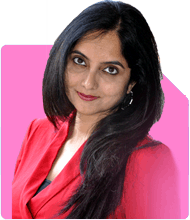
Reetika Sharma  |417 Answers  |Ask -

Financial Planner, MF and Insurance Expert - Answered on Nov 19, 2025

Reetika Sharma is a certified financial planner and CEO of F-Secure Solutions.
She advises clients about investments, insurance, tax and estate planning and manages high net-worth individual’s portfolios.
Reetika has an MBA in finance from the Institute of Chartered Financial Analysts of India (ICFAI) and an engineer degree from NIT, Jalandhar.
She also holds certifications from the Financial Planning Standards Board India (FPSB), Association of Mutual Funds in India (AMFI) and Insurance Regulatory and Development Authority of India (IRDAI).... more
Asked by Anonymous - Oct 03, 2025Hindi
Money

Dear Sir, I am seeking a professional review of my current investment portfolio and financial planning strategy. I have been investing through a mutual fund advisor as well as independently, with the aim of achieving two key long-term financial goals: Corpus of ₹1.5 Crores over the next 8 years for my son’s higher education and other related commitments. Corpus of ₹8–10 Crores for retirement and other life goals over the long term. Current Investment Summary: Monthly SIPs through Advisor (All Regular Plans): ₹35,000 (Increasing to ₹40,000 from Oct 2025) Direct SIP (Self-invested via Groww App): ₹2,000 per month (Started from Mar 2025) Current Portfolio Value: ₹3.8 Lakhs Mutual Funds Selected by Advisor: Fund Name Monthly SIP Trust MF Small Cap Fund ₹4,000 Mirae Asset Small Cap Fund ₹5,000 Bajaj Finserv Flexi Cap Fund ₹4,000 Helios Large & Mid Cap Fund ₹4,000 HSBC Multicap Fund ₹3,000 Union Active Momentum Fund ₹5,000 Mirae Asset Nifty MidSmallcap 400 Momentum Quality Fund ₹4,000 DSP Healthcare Fund ₹2,000 Franklin India Technology Fund ₹2,000 WhiteOak Capital Banking & Financial Services Fund ₹2,000 Sundaram Multi Factor Fund ₹5,000 (starting from Oct 2025) Direct SIP (Self-selected): Mirae Asset Flexi Cap Fund – Direct Plan: ₹2,000/month (since Mar 2025) Other Investments: Started accumulating digital silver monthly via Incred App, considering long-term demand and potential returns. Questions and Clarifications: Portfolio Composition: Is the current fund selection well-diversified and appropriate for my long-term goals? Is there any overlap or excess sectoral exposure (e.g., technology, healthcare, banking)? Market Volatility Concerns: My advisor often suggests that market corrections are beneficial for long-term SIPs, as they allow me to accumulate more units at lower NAVs. While I understand the concept of rupee cost averaging and compounding, I would appreciate a second professional opinion on whether this strategy is sound in the context of my financial goals and timelines. Digital Silver Investment: What is your view on investing in digital silver through apps like Incred? Is it advisable for long-term wealth creation or should it be limited to tactical allocation? Regular vs Direct Funds: Currently, all advisor-linked investments are in regular plans. Should I consider switching to direct funds over time for better cost efficiency, especially since my investment horizon is long? Any Suggested Changes: Do you recommend any consolidation, fund switches, or changes in SIP amount allocation to better align with my goals? I would be grateful for your expert insights and recommendations. Thank you for your time and assistance.

Ans: Hi,

I appreciate your dedication towards investment and your goals. Your clarity in aspects wrt to future amount required, compounding is well appreciated. Let us go through some details one-by-one:

1. You are confused if you should go for Direct funds instead of regular ones. Well, direct funds are very much over-rated by influencers due to their less expense ratio. But direct funds provide lower return when compared to regular ones because of the discipline required, consistency and advisor guidance at each step; an advisor also checks your portfolio regularly.
2. Your current SIP through advisor in regular funds - you are investing a very good amount in SIPs, that too incremental SIP. However, the funds you mentioned are not recommended. There is very high overlapping and these funds are not good performers. It is better for you to change your advisor and go for a qualified professional such as a CFP.
3. Direct portfolio - Fund selection is not good here as well. Kindly stop this SIP and focus on investing with advisor's help.
4. Current SIP of 40k is way less to meet your 2 major goal for son's education and your retirement. You need to increase your investment to more than double to easily meet your requirements. If this is tough, increase it to your maximum savng potential now and each year.
5. Buying silver is good idea on a monthly basis. Using Incred app is not recommended. You can either go for mutual funds for these or ETFs. Recently SEBI also made it clear that such platforms are unsafe. You can check this in detail on my Insta channel.

Hence, you should work with a certified professional to guide you in a correct way with the right funds.
Consult a professional Certified Financial Planner - a CFP who can guide you with exact funds to invest in keeping in mind your age, requirements, financial goals and risk profile. A CFP periodically reviews your portfolio and suggest any amendments to be made, if required.

Let me know if you need more help.

Best Regards,
Reetika Sharma, Certified Financial Planner
https://www.instagram.com/cfpreetika/
DISCLAIMER: The content of this post by the expert is the personal view of the rediffGURU. Users are advised to pursue the information provided by the rediffGURU only as a source of information to be as a point of reference and to rely on their own judgement when making a decision.
Money

You may like to see similar questions and answers below

Ramalingam

Ramalingam Kalirajan  |10870 Answers  |Ask -

Mutual Funds, Financial Planning Expert - Answered on Jul 31, 2024

Asked by Anonymous - Jul 31, 2024Hindi
Listen
Money
Age 39 monthly income 2,00,000 Asset : Real Estate (1 flat ~ 1.2 Cr current value & 2 plots around 1 Cr) Mutual Funds - total value 15 lakhs Already Kept Emergency fund - 12 months multiplied by monthly expense Have avoided any sorts of loans Have Kept Term Insurance and Private Health Insurance As well. Am targeting a corpus of 5 Cr by age 50. My Current SIP spend is 35k per month under below plans ICICI Prudential Nifty Next 50 Index Fund - Direct Plan - Growth Kotak Small Cap Fund - Direct Plan - Growth (Erstwhile Kotak Mid-Cap) Navi Nifty 50 Index Fund - Direct Plan - Growth PGIM India Midcap Opportunities Fund - Direct Plan - Growth Tata Digital India Fund Direct Plan Growth quant Active Fund - Direct Plan quant ELSS Tax Saver Fund - Direct Plan quant Mid Cap Fund - Direct Plan Few 1 time lump sum mutual funds (unfortunately regular plan due to my relative who acted like an agent) Mirrae asset great consumer fund Tata Midcap Growth fund Mirrae Asset large and midcap fund Need help in this portfolio review if anything needs to be tweaked or any other suggestions to help reach my goal
Ans: Portfolio Overview
You have an impressive portfolio. Your assets include real estate and mutual funds. Your emergency fund is well-managed. No loans and adequate insurance add to your financial stability. You're targeting a corpus of Rs 5 crores by age 50. Let's evaluate your current investments and provide suggestions to reach your goal.

Current SIP Investments
ICICI Prudential Nifty Next 50 Index Fund - Direct Plan - Growth
Kotak Small Cap Fund - Direct Plan - Growth
Navi Nifty 50 Index Fund - Direct Plan - Growth
PGIM India Midcap Opportunities Fund - Direct Plan - Growth
Tata Digital India Fund - Direct Plan - Growth
quant Active Fund - Direct Plan
quant ELSS Tax Saver Fund - Direct Plan
quant Mid Cap Fund - Direct Plan
Current Lump Sum Investments
Mirae Asset Great Consumer Fund
Tata Midcap Growth Fund
Mirae Asset Large and Midcap Fund
Review of Index Funds
Index funds like ICICI Prudential Nifty Next 50 and Navi Nifty 50 Index Fund track market indices. They lack flexibility. Active funds can outperform by selecting better-performing stocks.

Benefits of Actively Managed Funds
Active funds, managed by experts, can adapt to market changes. They have the potential to outperform indices. Funds like Kotak Small Cap and PGIM India Midcap Opportunities are examples of well-managed active funds.

Regular Funds Over Direct Funds
Regular funds come with the benefit of professional advice. Investing through a Certified Financial Planner (CFP) can help in making informed decisions. CFPs can guide on fund selection and portfolio balancing.

Portfolio Tweaks and Suggestions
Replace Index Funds: Shift from index funds to actively managed funds for better returns. Consider funds with a consistent performance record.

Diversify Across Asset Classes: Ensure your portfolio has a good mix of equity, debt, and gold. This helps in risk management.

Review Small Cap Exposure: Small cap funds are high-risk, high-return. Ensure they align with your risk tolerance.

Increase SIP Amount: If possible, increase your SIP amount gradually. This will help in compounding your investments.

Monitor Fund Performance: Regularly review the performance of your funds. Exit underperforming funds and switch to better options.

Additional Considerations
Rebalance Your Portfolio: Periodically rebalance your portfolio to maintain the desired asset allocation.

Tax Planning: Utilize ELSS funds for tax-saving under Section 80C.

Emergency Fund: Ensure your emergency fund remains adequate as your expenses increase over time.

Final Insights
Your portfolio is robust, with a good mix of assets. Shifting from index funds to actively managed funds can enhance returns. Regularly review and rebalance your portfolio to stay on track. Increasing your SIP amount and diversifying across asset classes will also help in achieving your Rs 5 crore target by age 50.

Best Regards,

K. Ramalingam, MBA, CFP

Chief Financial Planner

www.holisticinvestment.in

..Read more

Ulhas

Ulhas Joshi  |280 Answers  |Ask -

Mutual Fund Expert - Answered on Aug 13, 2024

Listen
Money
My name is Ravi Verma, and I'm a 37-year-old investor. I have been investing in the following mutual funds for the past year, with a monthly investment amount ranging between 60k-90k. I plan to continue these investments for the next 9 years, aiming to reach a goal of 1 crore+. Could you please review my portfolio and advise if any changes are required or if it's good to continue as is? Current SIPs (?8k-10k per month each): HSBC Small Cap Fund - Direct Plan - Growth Aditya Birla Sun Life PSU Equity Fund - Direct Plan - Growth HDFC Small Cap Fund - Direct Plan - Growth Quant Small Cap Fund - Direct Plan - Growth HDFC Balanced Advantage Fund - Direct Plan - Growth SBI Contra Fund - Direct Plan - Growth Nippon India Growth Fund - Direct Plan - Growth Quant ELSS Tax Saver Fund - Direct Plan - Growth HDFC Retirement Savings Fund - Equity - Direct Plan - Growth Equity - Index Fund: Tata Nifty Midcap 150 Momentum 50 Index Fund - Direct Plan - IDCW Groww Nifty Smallcap 250 Index Fund - Direct Plan - Growth Quant Multi Asset Fund - Direct Plan - Growth I don't have much knowledge in mutual funds; I chose these based on their past returns. I'm concerned about whether I'm on the right track or if any adjustments are necessary. Thank you for your guidance. Best regards, Ravi Verma
Ans: Hello Ravi & thanks for writing to me.

I see too many funds in your portfolio, which I believe can dilute your returns.

Given your age & objective, you may want to reconsider your investments in the Balanced Advantage Funds & Multi Asset Funds & instead start allocating to a multi cap fund.

I also notice investments in a PSU Equity Fund. While the PSU funds have given good returns recently, as thematic funds, you must not have a large chunk of your portfolio in them. Investing in thematic funds can generate alpha but thematic funds can also underperform.

If you can provide a percentage breakup of the investments, I may make other recommendations.

..Read more

Ramalingam

Ramalingam Kalirajan  |10870 Answers  |Ask -

Mutual Funds, Financial Planning Expert - Answered on Oct 24, 2024

Asked by Anonymous - Oct 16, 2024Hindi
Money
Hi, I’m 36 years old, currently doing a SIP of ?40,000 monthly. With the portfolio managed by my advisor (mentioned below), I have a corpus of ?26 lakhs. My goal is to accumulate ?10 crores by the age of 55. I don't want to increase my SIP amount but might have some funds available for lump sum investments occasionally. Could you please help me plan my strategy to achieve this goal? Portfolio (by advisor) Lump Sum: 1. ABSL Multi-asset Allocation Fund 2. ABSL Multi-cap Fund 3. Bajaj Finserv Multi-asset Allocation Fund 4. Edelweiss Greater China Equity Offshore Fund SIP: 5. ABSL Equity Advantage Fund (Large and Mid Cap) 6. HSBC Large and Mid Cap Fund 7. Motilal Oswal Mid Cap Fund 8. White Oak Capital Flexi Cap Fund 9. Edelweiss Small Cap Fund 10. ICICI Pru India Opportunities Fund (Thematic Equity) 11. ICICI Pru Thematic Advantage Fund (FOF) 12. ABSL GenNext Fund (Thematic Consumption) I’ve started learning more about mutual funds so that I can manage my investments independently. Based on my current understanding, I would like to make the changes within the same sectors (incase I am not changing the portfolio). Could you please provide suggestions or feedback on these proposed changes? Proposed Changes LS: ABSL Multi-asset Allocation Fund (Replace with Nifty 50 Index Fund) LS: Bajaj Finserv Multi-asset Allocation Fund (Considering switching to Quant Multi Asset Allocation Fund or ICICI Multi Asset Allocation Fund) LS: Edelweiss Greater China Equity Offshore Fund (Unsure about what to do here. Could you advise?) SIP: ABSL Equity Advantage Fund (Replace with Bandhan Core Equity Fund) SIP: White Oak Capital Flexi Cap Fund (Replace with JM Flexi Cap or Edelweiss Flexi Cap Fund) SIP: ICICI Pru India Opportunities Fund (Unsure about this one as well. Any suggestions?) SIP: ABSL GenNext Fund (Replace with SBI Consumption Opportunities Fund) Your feedback would be highly appreciated!
Ans: Achieving Rs 10 Crores by Age 55: Comprehensive Portfolio Assessment
You’ve made a commendable start by building a corpus of Rs 26 lakhs and contributing Rs 40,000 monthly through SIP. With the goal of reaching Rs 10 crores by the age of 55, it’s important to refine your investment strategy to maximize the potential of your portfolio.

Let’s discuss your current portfolio, proposed changes, and the adjustments necessary to streamline and enhance your investment plan.

Portfolio Overview and Insights
Your current portfolio is diversified across different categories of mutual funds, both through lump sum investments and SIPs. Here's what you have:

Lump Sum Investments:

Multi-Asset Funds
Offshore Fund (China-specific exposure)
SIP Investments:

Large and Mid Cap Funds
Flexi Cap Funds
Mid Cap and Small Cap Funds
Thematic and Sector Funds
Your portfolio provides exposure to a broad range of sectors, asset classes, and geographies. This is important for diversification but also comes with certain risks, particularly in areas like sectoral funds and concentrated offshore investments.

Key Observations and Risks
Before moving on to your proposed changes, it’s important to address several key issues with your current portfolio:

Too Many Funds and Portfolio Overlap:

Your portfolio currently consists of many mutual funds spread across multiple categories. While diversification is critical, having too many funds can lead to portfolio overlap. This means that several of your funds could be investing in the same stocks or sectors, which reduces the benefits of diversification.

For example:

Large and Mid Cap Funds: You hold more than one large and mid-cap fund. While this provides stability, it also increases the chances that these funds are investing in similar stocks.
Thematic and Sectoral Funds: Your portfolio contains several thematic and sectoral funds. These funds have a focused approach, investing heavily in specific sectors or themes. However, this can lead to excessive exposure to a single sector, making your portfolio more vulnerable to sector-specific downturns.
The main issue with having too many funds is that it dilutes the performance of the portfolio. You are likely to face diminishing returns because of the overlap, and it makes tracking the performance of individual funds more difficult.

High Exposure to Thematic and Sectoral Funds:

Thematic and sectoral funds can offer higher returns, but they are also more volatile. These funds depend on the performance of specific sectors or industries, which can be cyclical in nature. When the sector performs well, your returns will be impressive. However, if the sector faces challenges, the performance of these funds will be affected significantly.

For example:

Consumption Theme: A thematic fund focusing on consumption might perform well during periods of high consumer spending, but it could underperform during economic slowdowns.
Thematic Equity: This is a high-risk category, and having multiple thematic funds in your portfolio can lead to an imbalance. You should carefully assess the weight of such funds in your overall portfolio.
Key Risk: The concentrated nature of thematic funds increases the volatility of your portfolio. While these funds can offer great returns in favorable market conditions, they are more vulnerable during market downturns. Hence, they should not make up a large portion of your long-term portfolio.

Offshore Investments and Global Risks:

Having exposure to international markets is often a good way to diversify beyond the Indian market. However, the Edelweiss Greater China Equity Offshore Fund focuses heavily on a single country. This introduces a significant level of risk, as you are exposed to the volatility of the Chinese economy.

Key Risk: China's economy has faced several challenges in recent years, including regulatory crackdowns, political tensions, and economic slowdowns. Investing in a single country, particularly one that has seen a lot of unpredictability, increases the risk in your portfolio. It might be wise to reconsider such concentrated international exposure.

Asset Allocation Strategy:

Your current portfolio consists of a mix of equity and multi-asset allocation funds. While multi-asset funds are designed to reduce risk by investing across asset classes, they can also dilute returns, especially in a long-term wealth-building strategy like yours.

Key Risk: Multi-asset funds often include bonds and other lower-risk instruments. While this provides stability, it might limit the overall growth potential of your portfolio, especially if you are looking to accumulate Rs 10 crores by age 55. Equity, particularly in large, mid, and small-cap stocks, should form the core of your long-term wealth-building strategy.

Proposed Changes: Risks and Considerations
Now, let’s take a closer look at the proposed changes and the risks involved in maintaining or adjusting your investments.

Lump Sum Investment in Multi-Asset Funds:

You are considering switching from multi-asset funds to other investments. Multi-asset funds, while providing stability, often come at the cost of lower returns. These funds typically have a portion of their investments in debt instruments, which may not grow as quickly as equity investments in the long run.

Key Risk: By focusing more on equity over multi-asset funds, you can potentially achieve higher returns, but you will also be exposed to higher volatility. It’s important to strike the right balance between growth and risk, depending on your risk tolerance.

ABSL Multi-Asset Allocation Fund (Consider Switching):

If you decide to move away from this fund, remember that multi-asset funds generally aim to reduce risk by balancing equity with debt and other assets. However, the returns might not match up to pure equity funds, which could be a drawback in your case, where high growth is the primary goal.

Key Risk: The multi-asset fund may offer stability, but moving away from it means increasing your exposure to market volatility. You should be comfortable with the increased risk in exchange for the potential of higher returns.

Edelweiss Greater China Equity Offshore Fund:

This fund focuses on China’s equity market, which, as mentioned earlier, is facing several macroeconomic and political challenges. Having too much exposure to a single country increases the risk of volatility in your portfolio.

Key Risk: While international exposure is a good diversification tool, single-country offshore funds can add significant risk, especially in uncertain global markets. You should assess whether this aligns with your long-term goals and risk tolerance.

ABSL Equity Advantage Fund (Large and Mid Cap):

Large and mid-cap funds provide a mix of stability and growth. These funds invest in both established large companies and growing mid-sized companies. While these funds tend to perform well in stable markets, they might underperform when mid and small-cap stocks surge.

Key Risk: Although large and mid-cap funds offer a balance between growth and stability, they may not fully capitalize on periods of high growth in mid and small-cap stocks. On the other hand, they tend to offer more protection during volatile market periods. Ensure that your portfolio has the right allocation of mid and small-cap stocks to maximize growth.

Thematic and Sectoral Funds (GenNext Fund and Thematic Equity Fund):

The thematic funds in your portfolio are focusing on specific sectors. These funds have the potential for significant returns during favorable periods for the sector but carry increased risk when the sector underperforms.

Key Risk: By holding multiple thematic and sector funds, your portfolio could be overexposed to certain sectors, increasing volatility. While thematic funds can deliver high returns, they should be used sparingly within a broader, diversified portfolio.

Streamlining the Portfolio: Focus on Simplicity and Efficiency
One of the key recommendations for you would be to streamline your portfolio. While diversification is necessary, having too many funds can lead to unnecessary complexity and difficulty in managing your investments.

Portfolio Overlap: With multiple funds in the same categories (large and mid-cap, thematic, multi-asset), you run the risk of duplication in your holdings. This means that multiple funds could be investing in the same stocks, which reduces the benefits of diversification.

Simplification: A well-structured portfolio doesn’t need to have too many funds. You can achieve proper diversification by selecting a few well-managed funds that cover different market segments without significant overlap.

By consolidating your investments into a more focused portfolio, you will be able to track and manage your investments more effectively. This approach will also reduce redundancy and improve the overall performance of your portfolio.

Final Insights
Focus on Equity for Long-Term Growth: Since your goal is wealth accumulation, equity should be the core of your portfolio. Too much exposure to multi-asset or debt instruments could limit growth potential.

Reduce Thematic Exposure: While thematic funds can deliver high returns, they carry higher risk due to their concentrated nature. Consider reducing the number of thematic funds in favor of broader equity funds.

Streamline and Simplify: Reduce the number of funds in your portfolio to avoid overlap. A more streamlined portfolio will be easier to manage and track, leading to better overall results.

Be Cautious with Offshore Exposure: International diversification is important, but be mindful of overconcentration in a single market, especially one as volatile as China’s.

By making these adjustments and focusing on a more streamlined, equity-centric portfolio, you can enhance your chances of achieving your Rs 10 crore goal by age 55.

Best Regards,

K. Ramalingam, MBA, CFP,
Chief Financial Planner,
www.holisticinvestment.in
https://www.youtube.com/@HolisticInvestment

..Read more

Latest Questions
Ravi

Ravi Mittal  |676 Answers  |Ask -

Dating, Relationships Expert - Answered on Dec 04, 2025

Asked by Anonymous - Dec 02, 2025Hindi
Relationship
My married ex still texts me for comfort. Because of him, I am unable to move on. He makes me feel guilty by saying he got married out of family pressure. His dad is a cardiac patient and mom is being treated for cancer. He comforts me by saying he will get separated soon and we will get married because he only loves me. We have been in a relationship for 14 years and despite everything we tried, his parents refused to accept me, so he chose to get married to someone who understands our situation. I don't know when he will separate from his wife. She knows about us too but she comes from a traditional family. She also confirmed there is no physical intimacy between them. I trust him, but is it worth losing my youth for him? Honestly, I am worried and very confused.
Ans: Dear Anonymous,
I understand how difficult it is to let go of a relationship you have built from scratch, but is it really how you want to continue? It really seems to be going nowhere. His parents are already in bad health and he married someone else for their happiness. Does it seem like he will be able to leave her? So many people’s happiness and lives depend on this one decision. I think it’s about time you and your BF have a clear conversation about the same. If he can’t give a proper timeline, please try to understand his situation. But also make sure he understands yours and maybe rethink this equation. It really isn’t healthy. You deserve a love you can have wholly, and not just in pieces, and in the shadows.

Hope this helps

...Read more

Mayank

Mayank Chandel  |2562 Answers  |Ask -

IIT-JEE, NEET-UG, SAT, CLAT, CA, CS Exam Expert - Answered on Dec 04, 2025

Career
My son will be appearing for JEE Main & JEE Advanced 2026 and will participate in JoSAA Counselling 2026. I request clarification regarding the GEN-EWS certificate date requirement for next year. I have already applied for an EWS certificate for current year 2025, and the application is under process. However, I am unsure whether this certificate will be accepted during JoSAA 2026, or whether candidates will be required to submit a fresh certificate for FY 2026–27 (issued on or after 1 April 2026). My concern is that if JoSAA requires a certificate issued after 1 April 2026, students will have only 1–1.5 months to complete the entire procedure, which is difficult considering normal government processing timelines. Also, during current JEE form filling, students are asked to upload a GEN-EWS certificate issued on or after 1 April 2025, or an application acknowledgement. This has created confusion among parents regarding which year’s certificate will finally be valid at the time of counselling. I request your kind guidance on: Which GEN-EWS certificate will be accepted for JoSAA Counselling 2026 — a certificate for FY 2025–26 (issued after 1 April 2025), or a new certificate for FY 2026–27 (issued after 1 April 2026)?
Ans: Hi
You need not worry about the EWS certificate. Even if you apply for the next year's certificate on 1 Apr 2026, the second session of JEE MAINS will still be held, followed by JEE ADVANCED, which will be held in May. JOSAA starts in June. so you will have 2 months in hand for fresh EWS certificate.

...Read more

DISCLAIMER: The content of this post by the expert is the personal view of the rediffGURU. Investment in securities market are subject to market risks. Read all the related document carefully before investing. The securities quoted are for illustration only and are not recommendatory. Users are advised to pursue the information provided by the rediffGURU only as a source of information and as a point of reference and to rely on their own judgement when making a decision. RediffGURUS is an intermediary as per India's Information Technology Act.

Close  

You haven't logged in yet. To ask a question, Please Log in below
Login

A verification OTP will be sent to this
Mobile Number / Email

Enter OTP
A 6 digit code has been sent to

Resend OTP in120seconds

Dear User, You have not registered yet. Please register by filling the fields below to get expert answers from our Gurus
Sign up

By signing up, you agree to our
Terms & Conditions and Privacy Policy

Already have an account?

Enter OTP
A 6 digit code has been sent to Mobile

Resend OTP in120seconds

x