Home > Money > Question
Need Expert Advice?Our Gurus Can Help

My father is selling 6 flats - How to avoid capital gains tax?
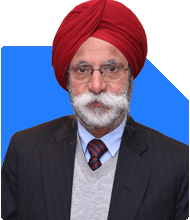
T S Khurana

T S Khurana   |536 Answers  |Ask -

Tax Expert - Answered on Mar 17, 2025

A certified management accountant since 1993, T S Khurana is a fellow member of The Institute of Cost Accountants of India. His areas of expertise are income tax, specifically litigation cases, and GST.

Since the last 21 years, he has also been providing expert advice on financial matters, including investments and diversification of funds, and wealth building in the long term to his clients.
He believes that investment in real estate is the safest way for better returns and wealth generation over a period of time.

A former chairman of the Chandigarh Chapter of Institute of Cost Accountants of India, T S Khurana has also served as member of its technical committee.... more

Raj Question by Raj on Mar 13, 2025Hindi
Listen
Money

Sir mere father ke pass total 6 residential flats the... Now he is stating selling all flats 1 flat sell karke jo capital gain bana tha uska maine 54ec bonds le liye.... Baat khatam 2nd flat unhone March 24 mai sell kiya tha jiska maine capital gain account open karke usme 25 lac( after indexation) dal diye... 3rd flat just Feb 25 mai sell kiya hai.. Us par capital gain amount jo aa raha hai vo 14 lac aa raha hai(after indexation) Rest 3 flats ki Registry april 25 mai hogi.. Jo unhone 1985 mai 2 lac ka liya tha.... In sabke beech unhone ek plot buy kiya tha july 24 mai @ 1.5 cr ka So mai aisa kya karun jo unka Tax nil ho jaye as well as capital gain mai jo 25 lac hain vo bhi free ho jayen

Ans: 01. I suppose the plot purchased in July-2024 for Rs.1.5 (Cr). This amount should have been paid officially, through banking channels & is confirmed on Registered Deed executed during purchase of plot.
02. Now this Plot needs to be constructed with in a period of three years, from the date of Sale of all Flats. Date of purchase should be considered from the date of Flat sold first of all.
03. Don,t forget to take completion certificate from the authorities, with in specified time limit.
04. This shall make you eligible to claim exemption i/s 54.
Most welcome for any further clarifications. Thanks.
DISCLAIMER: The content of this post by the expert is the personal view of the rediffGURU. Users are advised to pursue the information provided by the rediffGURU only as a source of information to be as a point of reference and to rely on their own judgement when making a decision.
Money

You may like to see similar questions and answers below
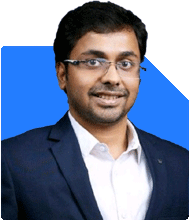
Ramalingam

Ramalingam Kalirajan  |10879 Answers  |Ask -

Mutual Funds, Financial Planning Expert - Answered on Jun 06, 2024

Asked by Anonymous - Jun 01, 2024Hindi
Money
Sir maine ek residential flat 3690000 amount dekar 2018 me purchase Kiya tha jiske liye maine home loan 3000000 rupay liya tha.Ab maine ye flat 41lakh me may 2024 me sale kar diya h or 1550000/-rupay home loan de Diya h , ab mere pas home loan dekar 2550000/- amount bacha h , kya mai is amount 2550000/- se ek dusra flat Lena chahta hoon 2500000/-me , to ab kitna capital gain hoga ya nhi hoga .
Ans: Understanding Your Capital Gains Tax on Property Sale
Congratulations on the sale of your residential flat! Selling property involves understanding the financial implications, particularly regarding capital gains tax. Let's break down the process and implications step by step to ensure you have a clear understanding of your situation.

Calculating Capital Gains
Firstly, it's important to calculate the capital gains from the sale of your flat. You purchased the flat in 2018 for Rs 36,90,000 and sold it in May 2024 for Rs 41,00,000. The initial step involves determining the indexed cost of acquisition to account for inflation.

Indexed Cost of Acquisition Calculation

To calculate the indexed cost of acquisition, we use the Cost Inflation Index (CII) figures provided by the Income Tax Department. Assuming the CII for 2018-19 is 280 and for 2024-25 is 348:

Indexed Cost of Acquisition

Indexed Cost of Acquisition=45,88,500

Determining Long-Term Capital Gains (LTCG)
Next, we calculate the long-term capital gains (LTCG):

LTCG=Sale Price−Indexed Cost of Acquisition

LTCG=41,00,000−45,88,500


LTCG=−4,88,500

In this case, there is no long-term capital gain but rather a capital loss of Rs 4,88,500, meaning you would not be liable for capital gains tax. This loss can be carried forward to offset capital gains in future years.

Using Sale Proceeds to Purchase Another Flat
You mentioned that you plan to use the remaining sale proceeds of Rs 25,50,000 to purchase another flat for Rs 25,00,000. This decision has several financial and tax implications:

Reinvestment in Property

Reinvesting the proceeds from the sale of a property into another property can be beneficial. According to Section 54 of the Income Tax Act, if you reinvest the gains from the sale of a residential property into another residential property within two years, you can claim an exemption from capital gains tax. However, since you incurred a capital loss in this transaction, the focus shifts to optimizing the use of your sale proceeds.

Financial Analysis and Assessment
Let's evaluate your financial position comprehensively:

Loan Repayment and Net Proceeds

You repaid Rs 15,50,000 of your home loan from the sale proceeds, leaving you with Rs 25,50,000. Using this amount to purchase a new flat for Rs 25,00,000 is a prudent decision as it ensures you have minimal out-of-pocket expenses.

Capital Loss Utilization

Given the capital loss of Rs 4,88,500, you can carry this forward for up to eight assessment years. This carried-forward loss can offset future capital gains, reducing your tax liability in those years. It's crucial to keep detailed records of this loss for future reference.

Empathetic and Professional Guidance
Your decision to reinvest in another property shows foresight and prudence. It's commendable that you're considering the financial and tax implications carefully. By analyzing your situation, we can see that you're on a sound financial path.

Recommendations for Future Planning
Diversifying Investments

While real estate can be a stable investment, diversifying your portfolio is advisable. Consider other investment options like mutual funds, which offer potential for growth and liquidity. Actively managed funds, in particular, provide professional management and have the potential to outperform index funds.

Certified Financial Planner Consultation

Consulting with a Certified Financial Planner (CFP) can help you develop a comprehensive financial plan. A CFP can provide tailored advice on investment strategies, tax planning, and long-term financial goals. They can help you navigate complex financial decisions and optimize your portfolio for better returns.

Emergency Fund and Savings

Ensure you maintain an emergency fund to cover unexpected expenses. A well-maintained emergency fund should cover 6-12 months of your living expenses. Additionally, allocate a portion of your income towards savings and investments to build wealth over time.

Insurance Coverage

Evaluate your insurance needs, including health, life, and property insurance. Adequate insurance coverage protects you and your family from financial uncertainties. If you hold LIC, ULIP, or investment-cum-insurance policies, consider consulting with a CFP to reassess their efficacy and explore better investment options.

Conclusion
Your decision to reinvest the proceeds from your property sale into another flat is a sound one. By understanding the capital gains tax implications and utilizing the capital loss effectively, you have optimized your financial position. Diversifying your investments and consulting with a Certified Financial Planner will further enhance your financial stability and growth.

Best Regards,

K. Ramalingam, MBA, CFP,

Chief Financial Planner,

www.holisticinvestment.in

..Read more

Latest Questions
Ramalingam

Ramalingam Kalirajan  |10879 Answers  |Ask -

Mutual Funds, Financial Planning Expert - Answered on Dec 11, 2025

Asked by Anonymous - Dec 11, 2025Hindi
Money
Hello Sir, I am 56 yrs old with two sons, both married and settled. They are living on their own and managing their finances. I have around 2.5 Cr. invested in Direct Equity and 50L in Equity Mutual Funds. I have Another 50L savings in Bank and other secured investments. I am living in Delhi NCR in my owned parental house. I have two properties of current market worth of 2 Cr, giving a monthly rental of around 40K. I wish to retire and travel the world now with my wife. My approximate yearly expenditure on house hold and travel will be around 24 L per year. I want to know, if this corpus is enough for me to retire now and continue to live a comfortable life.
Ans: You have built a strong base. You have raised your sons well. They live independently. You and your wife now want a peaceful and enjoyable retired life. You have created wealth with discipline. You have no home loan. You live in your own house. This gives strength to your cash flow. Your savings across equity, mutual funds, and bank deposits show good clarity. I appreciate your careful preparation. You deserve a happy retired life with travel and comfort.

» Your Present Position
Your current financial position looks very steady. You hold direct equity of around Rs 2.5 Cr. You hold equity mutual funds worth Rs 50 lakh. You also have Rs 50 lakh in bank deposits and other secured savings. Your two rental properties add more comfort. You earn around Rs 40,000 per month from rent. You also live in your owned house in Delhi NCR. So you have no rent expense.

Your total net worth crosses Rs 5.5 Cr easily. This gives you a strong base for your retired life. You plan to spend around Rs 24 lakh per year for all expenses, including travel. This is reasonable for your lifestyle. Your savings can support this if planned well. You have built more than the minimum needed for a comfortable retired life.

» Your Key Strengths
You already enjoy many strengths. These strengths hold your plan together.

You have zero housing loan.

You have stable rental income.

You have children living independently.

You have a balanced mix of assets.

You have built wealth with discipline.

You have clear goals for travel and lifestyle.

You have strong liquidity with Rs 50 lakh in bank and secured savings.

These strengths reduce risk. They support a smooth retired life with less stress. They also help you handle inflation and medical costs better.

» Your Cash Flow Needs
Your yearly expense is around Rs 24 lakh. This includes travel, which is your main dream for retired life. A couple at your stage can keep this lifestyle if the cash flow is planned well. You need cash flow clarity for the next 30 years. Retirement at 56 can extend for three decades. So your wealth must support you for a long period.

Your rental income gives you around Rs 4.8 lakh per year. This covers almost 20% of your yearly spending. This reduces pressure on your investments. The rest can come from a planned withdrawal strategy from your financial assets.

You also have Rs 50 lakh in bank deposits. This acts as liquidity buffer. You can use this buffer for short-term and medium-term needs. You also have equity exposure. This can support long-term growth.

» Risk Capacity and Risk Need
Your risk capacity is moderate to high. This is because:

You own your home.

You have rental income.

Your children are financially independent.

You have large accumulated assets.

You have enough liquidity in bank deposits.

Your risk need is also moderate. You need growth because inflation will rise. Travel costs will rise. Medical costs will increase. Your lifestyle will change with age. Your equity portion helps you beat inflation. But your equity exposure must be managed well. You should avoid sudden large withdrawals from equity at the wrong time.

Your stability allows you to keep some portion in equity even during retired life. But you should avoid excessive risk through direct equity. Direct equity carries concentration risk. A balanced mix of high-quality mutual funds is safer in retired life.

» Direct Equity Risk in Retired Life
You hold around Rs 2.5 Cr in direct equity. This brings some concerns. Direct equity needs frequent tracking. It needs research. It carries single-stock risk. One mistake may reduce your capital. In retired life, you need stability, clarity, and lower volatility.

Direct funds inside mutual funds also bring challenges. Direct funds lack personalised support. Regular plans through a Mutual Fund Distributor with a Certified Financial Planner bring guidance and strategy. Regular funds also support better tracking and behaviour management in volatile markets. In retired life, proper handholding improves long-term stability.

Many people think direct funds save cost. But the value of advisory support through a CFP gives higher net gains over long periods. Direct plans also create more confusion in asset allocation for retirees.

» Mutual Funds as a Core Support
Actively managed mutual funds remain a strong pillar. They bring professional management and risk controls. They handle market cycles better than index funds. Index funds follow the market blindly. They do not help in volatile phases. They also offer no risk protection. They cannot manage quality of stocks.

Actively managed funds deliver better selection and risk handling. A retiree benefits from such active strategy. You should avoid index funds for a long retirement plan. You should prefer strong active funds under a disciplined review with a CFP-led MFD support.

» Why Regular Plans Work Better for Retirees
Direct plans give no guidance. Retired investors often face emotional decisions. Some panic during market fall. Some withdraw heavily during market rise. This harms wealth. Regular plan under a CFP-led MFD gives a relationship. It offers disciplined rebalancing. It improves long-term returns. It protects wealth from poor behaviour.

For retirees, the difference is huge. So shifting to regular plans for the mutual fund portion will help long-term stability.

» Your Withdrawal Strategy
A planned withdrawal strategy is key for your case. You should create three layers.

Short-Term Bucket
This comes from your bank deposits. This should hold at least 18 to 24 months of expenses. You already have Rs 50 lakh. This is enough to hold your short-term cash needs. You can use this for household costs and some travel. This avoids panic selling of equity during market downturn.

Medium-Term Bucket
This bucket can stay partly in low-volatility debt funds and partly in hybrid options. This should cover your next 5 to 7 years. This helps smoothen withdrawals. It gives regular cash flow. It reduces market shocks.

Long-Term Bucket
This can stay in high-quality equity mutual funds. This bucket helps beat inflation. This bucket helps fund your travel dreams in later years. This bucket also builds buffer for medical needs.

This three-bucket strategy protects your lifestyle. It also keeps discipline and clarity.

» Handling Property and Rental Income
Your properties give Rs 40,000 monthly rental. This helps your cash flow. You should maintain the property well. You should keep some funds aside for repairs. Do not depend fully on rental growth. Rental yields remain low. But your rental income reduces pressure on your investments. So keep the rental income as a steady support, not a primary source.

You should not plan more real estate purchase. Real estate brings low returns and poor liquidity. You already own enough. Holding more can hurt flexibility in retired life.

» Planning for Medical Costs
Medical costs rise faster than inflation. You and your wife need strong health coverage. You should maintain a reliable health insurance. You should also keep a medical fund from your bank deposits. You may keep around 3 to 4 lakh per year as a buffer for medical needs. Your bank savings support this.

Health coverage reduces stress on your long-term wealth. It also avoids large withdrawals from your growth assets.

» Travel Planning
Travel is your main dream now. You can plan your travel using your short-term and medium-term buckets. You can take funds annually from your liquidity bucket. You can avoid touching long-term equity assets for travel. This approach keeps your wealth stable.

You should plan travel for the next five years with a budget. You should adjust your travel based on markets and health. Do not use entire gains of equity for travel. Keep travel budget fixed. Add small adjustments only when needed.

» Inflation and Lifestyle Stability
Inflation will impact lifestyle. At Rs 24 lakh per year today, the cost may double in 12 to 14 years. Your equity exposure helps you beat this. But you need careful rebalancing. You also need disciplined review with a CFP-led MFD. This will help you manage inflation and maintain comfort.

Your lifestyle is stable because your children live independently. So your cash flow demand stays predictable. This makes your plan sustainable.

» Longevity Risk
Retirement at 56 means you may live till 85 or 90. Your plan should cover long years. Your total net worth of around Rs 5.5 Cr to Rs 6 Cr can support this. But you need a proper drawdown strategy. Avoid high withdrawals in early years. Keep your travel budget steady.

Do not depend on one asset class. A mix of debt and equity gives comfort. Keep your bank deposits as cushion.

» Succession and Estate Planning
Since you have two sons who are settled, you can plan a clear will. Clear distribution avoids conflict. You can also assign nominees across accounts. You can also review your legal papers. This gives peace to you and your family.

» Summary of Your Retirement Readiness
Based on your assets and cash flow, you are ready to retire. You have enough wealth. You have enough liquidity. You have enough income support from rent. You also have good asset mix. With proper planning, your lifestyle is comfortable.

You can retire now. But maintain a disciplined withdrawal strategy. Shift more reliance from direct equity into professionally managed mutual funds under regular plans. Keep your liquidity strong. Review once every year with a CFP.

Your wealth can support your travel dreams for many years. You can enjoy retired life with confidence.

» Finally
Your preparation is strong. Your intentions are clear. Your lifestyle needs are reasonable. Your assets support your dreams. With a balanced plan, steady review, and mindful spending, you can enjoy a comfortable retired life with your wife. You can travel the world without fear of running out of money. You deserve this peace and joy.

Best Regards,
K. Ramalingam, MBA, CFP,
Chief Financial Planner,
www.holisticinvestment.in

https://www.youtube.com/@HolisticInvestment

...Read more

Dr Nagarajan J S K

Dr Nagarajan J S K   |2577 Answers  |Ask -

NEET, Medical, Pharmacy Careers - Answered on Dec 10, 2025

Asked by Anonymous - Dec 10, 2025Hindi
DISCLAIMER: The content of this post by the expert is the personal view of the rediffGURU. Investment in securities market are subject to market risks. Read all the related document carefully before investing. The securities quoted are for illustration only and are not recommendatory. Users are advised to pursue the information provided by the rediffGURU only as a source of information and as a point of reference and to rely on their own judgement when making a decision. RediffGURUS is an intermediary as per India's Information Technology Act.

Close  

You haven't logged in yet. To ask a question, Please Log in below
Login

A verification OTP will be sent to this
Mobile Number / Email

Enter OTP
A 6 digit code has been sent to

Resend OTP in120seconds

Dear User, You have not registered yet. Please register by filling the fields below to get expert answers from our Gurus
Sign up

By signing up, you agree to our
Terms & Conditions and Privacy Policy

Already have an account?

Enter OTP
A 6 digit code has been sent to Mobile

Resend OTP in120seconds

x