Home > Money > Question
Need Expert Advice?Our Gurus Can Help
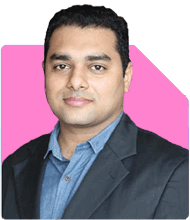
Nitin

Nitin Narkhede  | Answer  |Ask -

MF, PF Expert - Answered on Jul 13, 2025

Nitin Narkhede, founder of the Prosperity Lifestyle Hub, is a certified financial advisor with eight years of experience in helping clients design and implement comprehensive financial life plans.
As a mentor, Nitin has trained over 1,000 individuals, many of whom have seen remarkable financial transformations.
Nitin holds various certifications including the Association Of Mutual Funds in India (AMFI), the Insurance Regulatory and Development Authority and accreditations from several insurance and mutual fund aggregators.
He is a mechanical engineer from the J T Mahajan College, Jalgaon, with 34 years of experience of working with MNCs like Skoda Auto India, Volkswagen India and ThyssenKrupp Electrical Steel India.... more
Shivendra Question by Shivendra on Jul 13, 2025Hindi

Money

I m 45 yrs old retired Army person getting pension 33k per month and doing my new job in state government getting salary 87k my retirement is on 2041 wants pension 1.5L per month after retirement Investment details are 30L FD, 29L IN EQUITY, 20L in NPS.Doing SIP 24500 PM, 12k RD per month in post office, 5K permonth in ssy for girl child, 2k per month in PPF, 3K per month in gold etf and 2k pm in silver etf. Please clarify my investment is sufficient to get 1.5L pm pension after 15 yrs.

Ans: Dear Shivendra,
Considering your above information, aiming for ?1.5L monthly post-retirement income from 2041, you'll require a corpus of ?3.5–4 crore. With continued contributions and expected returns, your current plan aligns with this goal. Consider shifting some FD funds to higher-yield options gradually and increasing equity investments as income grows. Monitor and rebalance yearly. You're well-placed to achieve financial independence with sustained effort.

Regards, Nitin Narkhede -Founder, Prosperity Lifestyle Hub,
Free webinar https://bit.ly/PLH-Webinar
DISCLAIMER: The content of this post by the expert is the personal view of the rediffGURU. Users are advised to pursue the information provided by the rediffGURU only as a source of information to be as a point of reference and to rely on their own judgement when making a decision.
Money

You may like to see similar questions and answers below

Ramalingam

Ramalingam Kalirajan  |10870 Answers  |Ask -

Mutual Funds, Financial Planning Expert - Answered on May 07, 2024

Asked by Anonymous - Apr 22, 2024Hindi
Listen
Money
Hi Sir, Im 36 have 4.5 year old daughter and wife (home maker) i'm earning 1.40 lac monthly have a expanses of 70k including rent, daughter fee (UKG) and car loan. My investment: LIC - 70000 yearly 2037 maturity Lic 90000 yearly (2057 maturity) Max life insurance 3.6lac yearly Daughter SSY- 1.5 lac yearly (since 4 year) SIP - 30000 (monthly) axis bluechip 5k, axis mid cap 5k, axis small cap 5k, icici large 5k, icici prudential mid cap 5k, icici small cap 3k, tata small cap 2k. I want to retire in next 15 years. Please help me if my investment is correct or i need to revisit my investment especially SIP. Or any other suggestions you can provide
Ans: You're demonstrating excellent foresight by planning for your future and your family's financial security. Here's an assessment of your current investments and some suggestions:
1. Retirement Planning:
• Your goal to retire in the next 15 years is ambitious and requires careful financial planning to ensure you achieve your desired lifestyle post-retirement.
• Consider factors such as your desired retirement age, anticipated expenses, inflation, healthcare costs, and potential sources of retirement income.
2. Investment Analysis:
• Your current investment portfolio consists of a mix of life insurance policies, Sukanya Samriddhi Yojana (SSY) for your daughter, and SIPs in various mutual funds.
• Life insurance policies provide financial protection but may have limited investment growth potential compared to other investment options.
3. SIP Review:
• Review your SIP portfolio to ensure alignment with your long-term financial goals, risk tolerance, and investment horizon.
• Consider diversifying across different asset classes and fund categories to spread risk and optimize returns.
• Evaluate the performance of individual funds regularly and make adjustments as needed.
4. Asset Allocation:
• Assess your overall asset allocation to ensure a balanced mix of equity, debt, and other investment instruments based on your risk profile and investment objectives.
• Consider increasing exposure to equity for long-term wealth accumulation, but maintain a diversified portfolio to mitigate risk.
5. Emergency Fund:
• Ensure you have an adequate emergency fund to cover unforeseen expenses and mitigate financial risks. Aim to maintain 6-12 months' worth of living expenses in a liquid savings account or short-term investments.
6. Professional Advice:
• Consider consulting with a Certified Financial Planner to conduct a comprehensive financial review and retirement planning assessment.
• They can provide personalized recommendations tailored to your specific circumstances, goals, and risk tolerance.
7. Regular Monitoring and Adjustment:
• Periodically review your investment portfolio and retirement plan to track progress towards your goals.
• Make adjustments as needed based on changes in income, expenses, market conditions, and personal circumstances.
In summary, while your current investments show prudent planning, it's essential to periodically reassess your financial strategy to ensure it remains aligned with your evolving goals and circumstances. By staying proactive and seeking professional guidance, you can optimize your investments and work towards achieving a comfortable retirement for yourself and your family.

..Read more

Ramalingam

Ramalingam Kalirajan  |10870 Answers  |Ask -

Mutual Funds, Financial Planning Expert - Answered on May 20, 2024

Listen
Money
Hello Sir, My age is 43, married and having two daughters (age 14 & 6) and have monthly net salary of Rs. 55k and I am saving around 20k per month (various SIPs-10K, NPS 5K & Stocks-5K) My other investments are as follows; • EPF – as of now 4 Lakhs • Post office MIS – 9 Lakhs • Post office NSC – 15 Lakhs • Sukanya Samriddhi Yojana – 1 Lakh • Fixed Deposits – 6 Lakhs • PPF – 10 Lakhs • Gold Bond – 3.5 Lakhs • Existing Stock + Mutual fund portfolio – 12 Lakhs • Home Loan outstanding – 7.6 Lakhs Please let me know whether my current investment is enough for peaceful retirement of do I need to invest more. Kunal
Ans: Assessing Your Retirement Readiness
Current Financial Status
Congratulations on taking proactive steps towards securing your financial future. Your current investments reflect a disciplined approach towards wealth accumulation.

Evaluating Retirement Goals
To determine if your current investments are sufficient for a peaceful retirement, we must assess your retirement goals, expected expenses, and desired lifestyle.

Analyzing Retirement Corpus
Considering your age, family size, and current investments, we'll estimate the corpus required to sustain your lifestyle post-retirement.

Estimating Retirement Expenses
We'll evaluate your projected retirement expenses, including living costs, healthcare, children's education, and any other financial obligations.

Identifying Retirement Income Sources
Besides your existing investments, we'll explore other potential income sources during retirement, such as pension, rental income, or part-time work.

Conducting Retirement Gap Analysis
After assessing your retirement corpus requirements and income sources, we'll identify any shortfall or surplus in meeting your retirement goals.

Recommendations for Retirement Planning
Increase Monthly Savings: Given your current savings rate, consider boosting your monthly contributions to SIPs, NPS, and stocks to bridge the retirement gap.

Diversify Investment Portfolio: Explore diversification opportunities by investing in a mix of equity, debt, and balanced funds to optimize returns and manage risk.

Review Asset Allocation: Rebalance your portfolio periodically to maintain an appropriate asset allocation aligned with your risk tolerance and retirement timeline.

Consider Retirement-oriented Funds: Evaluate the option of investing in retirement-oriented mutual funds or pension plans to enhance retirement savings.

Pay off Home Loan: Aim to clear your home loan outstanding to reduce financial liabilities and free up cash flow for retirement savings.

Monitor and Adjust: Regularly monitor your investments' performance and make necessary adjustments to stay on track towards your retirement goals.

Conclusion
While your current investments demonstrate prudent financial planning, it's essential to reassess your retirement strategy periodically. By implementing the recommended measures and staying committed to your financial goals, you can enhance the likelihood of enjoying a peaceful and financially secure retirement.

Best Regards,

K. Ramalingam, MBA, CFP,

Chief Financial Planner,

www.holisticinvestment.in

..Read more

Ramalingam

Ramalingam Kalirajan  |10870 Answers  |Ask -

Mutual Funds, Financial Planning Expert - Answered on Jun 07, 2024

Asked by Anonymous - Jun 03, 2024Hindi
Money
Hello Sir My age is 31 My in hand salary is 1.5 lakh per month. Below are investment I am doing 30k for Rd 5k for nps 16500 for mutual fund 20k house emi Rest if going as fd 80k I want to retire by 45 And I want corpus around 2cr Please is current investment is okay or should I modify it?
Ans: Thank you for sharing the details of your financial situation and goals. It’s commendable that you have a clear vision for your retirement and are actively investing towards it. Let's review your current investments and create a robust plan to achieve your goal of retiring by 45 with a corpus of Rs 2 crores.

Current Financial Situation Analysis

At 31 years old, you have a monthly in-hand salary of Rs 1.5 lakhs. Your current investments are as follows:

Recurring Deposit (RD): Rs 30,000 per month
National Pension System (NPS): Rs 5,000 per month
Mutual Funds: Rs 16,500 per month
House EMI: Rs 20,000 per month
Fixed Deposits (FD): Rs 80,000 per month
Your goal is to retire by 45 with a corpus of Rs 2 crores. Let's evaluate and optimize your current investment strategy.

Evaluating Current Investments

Recurring Deposit (RD)

Recurring Deposits offer guaranteed returns but have lower interest rates compared to other investment options. While they are safe, they may not help you achieve your retirement corpus due to their lower growth potential.

National Pension System (NPS)

NPS is a good retirement savings option offering tax benefits and a mix of equity and debt exposure. However, NPS has restrictions on withdrawals before retirement and mandatory annuitization at maturity.

Mutual Funds

Investing Rs 16,500 per month in mutual funds is a good strategy. Mutual funds offer diversification and potential for higher returns. Evaluating the types of mutual funds you’re investing in (equity, debt, hybrid) will help ensure proper asset allocation.

House EMI

Your house EMI of Rs 20,000 per month is a fixed commitment. While this is not an investment, it's part of your financial planning and impacts your cash flow.

Fixed Deposits (FD)

Allocating Rs 80,000 per month to fixed deposits is significant. FDs offer safety but low returns. They may not be the best option for long-term wealth creation due to their low interest rates compared to inflation.

Setting Up a Robust Financial Plan

1. Setting Clear Financial Goals

Retirement Corpus

Your goal is to accumulate Rs 2 crores by the age of 45. This requires a strategic approach to investing with a focus on growth while managing risks.

Emergency Fund

Maintain an emergency fund to cover at least 6 months of expenses. This ensures financial stability during unexpected situations.

2. Optimizing Your Investment Portfolio

Recurring Deposit Adjustment

Consider reducing your monthly RD contributions. Redirect these funds to higher-return investments like mutual funds. While RDs are safe, their low returns may not help you reach your retirement goal efficiently.

Increasing Mutual Fund Investments

Increasing your mutual fund investments will enhance your portfolio’s growth potential. Investing in equity mutual funds can provide higher returns over the long term. Diversify your mutual fund investments across different categories (large cap, mid cap, small cap, and hybrid funds).

Evaluating NPS Contributions

NPS is a good option for retirement savings due to its tax benefits and mix of equity and debt. Continue your NPS contributions but consider increasing them if possible. The equity exposure in NPS can help in achieving higher returns.

Reducing Fixed Deposit Allocations

Fixed deposits are safe but offer lower returns. Reduce your FD contributions and redirect these funds to mutual funds or other high-return investment options. This will enhance your portfolio’s growth potential.

Investment Allocation Strategy

Here’s a suggested investment allocation based on your monthly budget:

Equity Mutual Funds: Rs 50,000 (Higher growth potential but higher risk)
Debt Mutual Funds: Rs 10,000 (Stability and lower risk)
NPS: Rs 10,000 (Retirement savings with tax benefits)
Emergency Fund: Rs 10,000 (Until you reach the target amount)
3. Calculating Required Monthly Savings

To achieve your goal of Rs 2 crores in 14 years, let’s calculate the required monthly savings assuming an average annual return of 12% from your investments.

You need to invest approximately Rs 58,772 per month to achieve your goal of Rs 2 crores in 14 years with an annual return of 12%.

4. Strategic Asset Allocation

To achieve a balanced portfolio, diversify your investments across different asset classes:

Equity Mutual Funds

Allocate a significant portion to equity mutual funds for higher growth. Diversify across large cap, mid cap, and small cap funds. Actively managed funds offer potential for higher returns compared to index funds.

Debt Mutual Funds

Invest in debt mutual funds for stability and lower risk. These funds provide regular income and preserve capital.

National Pension System (NPS)

Continue and potentially increase your NPS contributions. NPS offers a balanced mix of equity and debt, which is beneficial for long-term retirement planning.

Emergency Fund

Maintain a separate emergency fund to cover unforeseen expenses. Aim for 6-12 months of expenses in a liquid, easily accessible account.

5. Regular Review and Rebalancing

Financial planning is an ongoing process. Regularly review your portfolio’s performance and make necessary adjustments. Market conditions and personal goals may change, requiring rebalancing of your investments.

Professional Guidance

Consulting with a Certified Financial Planner (CFP) will provide you with personalized advice and professional management of your investments. A CFP can help in selecting the right funds, monitoring performance, and making strategic adjustments.

Empathy and Understanding

It's understandable that managing finances can be challenging, especially with long-term goals. Your dedication to securing your financial future is commendable. Taking proactive steps and seeking professional advice will help you achieve your goals efficiently.

Final Insights

Your commitment to achieving a retirement corpus of Rs 2 crores by 45 is ambitious yet achievable. By optimizing your current investments, increasing mutual fund allocations, and maintaining regular contributions, you can reach your goal.

Remember, financial planning is a dynamic process that requires regular monitoring and adjustments. Stay focused, consult with a Certified Financial Planner, and keep your long-term goals in mind. With a strategic approach and disciplined investing, you’ll achieve financial freedom and security.

Best Regards,

K. Ramalingam, MBA, CFP

Chief Financial Planner

www.holisticinvestment.in

..Read more

Ramalingam

Ramalingam Kalirajan  |10870 Answers  |Ask -

Mutual Funds, Financial Planning Expert - Answered on Jul 16, 2024

Asked by Anonymous - Jul 09, 2024Hindi
Money
I am 44 years old. I have 34 lac in MF, 4 Lac in NPS, 1.06 Cr in PPF, 50 Lac in PF, 1 Lac in stock and 22 Lac in post office Fixed deposit.Monthly income 1.2 Lac. I am investing 26500 Monthly in MF SIP and 15000 towards post office RD, also in VPF 21000 and PPF yearly 450000 (In 3 account). My monthly expense is 60000 and planing to retire at 50. I have school going child studing in class 7. Is my investment is sufficient for retirement planning.
Ans: Your current financial situation shows a strong foundation, and your disciplined approach to saving and investing is commendable. Let’s dive deeper into your investments and see if they align with your retirement goals at age 50, while ensuring your child's education and other expenses are covered.

Evaluating Your Current Financial Status
You have a diversified portfolio, which is excellent for mitigating risks and optimizing returns. Here’s a summary:

Mutual Funds (MF): Rs 34 lakhs
National Pension System (NPS): Rs 4 lakhs
Public Provident Fund (PPF): Rs 1.06 crores
Provident Fund (PF): Rs 50 lakhs
Stocks: Rs 1 lakh
Post Office Fixed Deposit (FD): Rs 22 lakhs
Monthly Income: Rs 1.2 lakhs
Monthly Investments: Rs 26,500 in MF SIPs, Rs 15,000 in post office RD, Rs 21,000 in VPF, and Rs 4,50,000 annually in PPF
Monthly Expenses: Rs 60,000
Financial Goals and Challenges
Retirement at Age 50: Ensuring a comfortable lifestyle post-retirement.
Child’s Education: Saving for higher education expenses.
Emergency Fund: Maintaining liquidity for unforeseen circumstances.
Health Insurance: Securing health coverage to avoid high medical costs.
Assessing Retirement Corpus
Calculating Required Corpus
To retire comfortably at 50, you need to ensure that your investments can sustain your lifestyle. With your current expenses at Rs 60,000 per month, let’s consider inflation and increased medical costs as you age.

Inflation Impact
Inflation will erode the value of your savings over time. Assuming an average inflation rate of 6%, your current monthly expenses of Rs 60,000 could significantly increase by the time you retire. Planning for a higher monthly expense post-retirement, say Rs 1 lakh, will be prudent.

Estimating Corpus
For a retirement period of 30 years (assuming a lifespan of 80 years), a rough estimate suggests you might need a corpus that can generate Rs 1 lakh per month. Considering inflation and a conservative withdrawal rate, a corpus of around Rs 6-7 crores would be required.

Strengthening Your Investment Portfolio
Mutual Funds
Your current SIP of Rs 26,500 in mutual funds is a strong commitment.

Actively Managed Funds: Actively managed funds can outperform index funds, especially in emerging markets like India. They offer potential for higher returns due to professional fund management.

National Pension System (NPS)
NPS provides a good mix of equity and debt, which is beneficial for long-term growth.

Continue Contributions: Consider increasing your contributions to NPS if possible. NPS also provides additional tax benefits under Section 80CCD(1B).

Public Provident Fund (PPF)
PPF is a safe and reliable investment.

Regular Contributions: Your substantial investment in PPF is good, considering its tax-free interest. Continue maxing out your contributions annually.

Provident Fund (PF) and Voluntary Provident Fund (VPF)
Your PF and VPF contributions ensure steady and safe growth.

Maximize Contributions: Continue maximizing VPF contributions, as they offer higher interest rates and tax benefits.

Stocks
While your current investment in stocks is minimal, direct equity investments can offer significant returns.

Consider Equity Mutual Funds: If you’re not comfortable picking individual stocks, consider equity mutual funds for diversified exposure.

Fixed Deposits and Recurring Deposits
Your investments in post office FDs and RDs provide safety but offer lower returns.

Shift to Higher Returns: Gradually shift a portion of these funds to higher-return investments like debt mutual funds or balanced funds for better growth potential.

Planning for Child’s Education
Education Corpus
Your child is in class 7, and you have about 5-6 years before college expenses start. Higher education costs can be substantial, so planning early is crucial.

Education Funds: Consider dedicated education funds or balanced funds, which provide a mix of safety and growth.

Systematic Investment Plan (SIP): Continue or increase SIPs in diversified mutual funds earmarked for education.

Health Insurance
Health insurance is crucial to protect your savings from medical emergencies.

Family Floater Plan: Ensure you have a comprehensive family floater plan that covers all members adequately.

Critical Illness Cover: Consider adding a critical illness cover to safeguard against severe health issues.

Emergency Fund
An emergency fund acts as a financial buffer for unforeseen expenses.

3-6 Months Expenses: Ensure you have 3-6 months’ worth of expenses set aside in a liquid fund or savings account for easy access.

Tax Planning
Effective tax planning helps maximize your savings.

Section 80C
Maximize 80C Benefits: Your investments in PPF, PF, and life insurance already provide tax benefits under Section 80C. Ensure you’re maximizing these benefits.

Section 80CCD
NPS Contributions: Contributions to NPS provide additional tax benefits under Section 80CCD(1B).

Diversification and Rebalancing
A diversified portfolio minimizes risks and maximizes returns.

Asset Allocation
Diversify Across Asset Classes: Allocate your investments across equities, debt, and fixed income instruments. Consider a mix of 60% equity and 40% debt for balanced growth.

Regular Rebalancing
Periodic Review: Review your portfolio periodically and rebalance to maintain your desired asset allocation. This ensures your portfolio remains aligned with your financial goals.

Professional Guidance
Consulting a Certified Financial Planner (CFP) can provide personalized advice and help you stay on track.

CFP Benefits
Expert Guidance: A CFP provides expert advice on investment strategies, tax planning, and retirement planning.

Regular Reviews: Regular reviews with a CFP can help you adjust your strategy as needed.

Final Insights
Your disciplined approach to saving and investing has put you on a solid financial footing. With your current investments and income, you’re well-positioned to achieve your retirement goals.

However, ensuring your corpus grows sufficiently to sustain your post-retirement life is crucial. By optimizing your investment strategy, managing risks, and planning for inflation, you can build a secure future.

Consider increasing your contributions to equity mutual funds and NPS for better growth. Ensure you have adequate health insurance and maintain a robust emergency fund.

With careful planning and regular reviews, you can achieve your goal of retiring at 50 comfortably and ensure your child's education expenses are covered. Keep up the good work and stay committed to your financial goals.

Best Regards,

K. Ramalingam, MBA, CFP,

Chief Financial Planner,

www.holisticinvestment.in

..Read more

Ramalingam

Ramalingam Kalirajan  |10870 Answers  |Ask -

Mutual Funds, Financial Planning Expert - Answered on Jun 18, 2025

Money
Hi Sir, I am 45 years old. Salaried 1.6 Lakhs per month. I have two kids -Son is 15 years old and daughter is 11 years old. I would like to retire at the age of 55 and allocate 1 crores for children education and marriage. I have own house and would like to have 3 crores as retirement corpus at the age of 55. My current investments are - 40L in mutual fund , 9 Lakhs in stocks and 15 Lakhs in PF. Monthly contributing 15K in PF and having SIP of 60K per month in mutual funds. Pls advise whether the current investments are sufficient to acheive my goal. Thanks.
Ans: At 45, your commitment towards early retirement, children’s future, and disciplined saving is deeply appreciated.

Let’s evaluate your goals, current resources, and what changes you may need. This answer will help you take corrective steps and prepare a practical, structured plan.

Understanding Your Financial Vision
You wish to:

Retire at 55 with Rs 3 crores retirement corpus

Allocate Rs 1 crore for children's education and marriage

You are already:

Saving Rs 60K monthly in mutual funds (SIPs)

Contributing Rs 15K monthly into PF

Have Rs 64 lakhs accumulated already (MF + PF + Stocks)

Living in a self-owned house (no rent expenses in retirement)

These are solid and encouraging building blocks. However, the key question is — are these numbers enough?

Retirement Corpus Requirement Evaluation
Let’s begin with retirement.

You are targeting Rs 3 crores at 55

This needs to support at least 25-30 years of retired life

Your monthly income today is Rs 1.6 lakhs

Retirement expenses (without kids' education or EMIs) may be around Rs 70K to Rs 90K/month

Inflation will make these numbers higher by the time you retire

So, Rs 3 crores is a reasonable and safe retirement goal.

But let’s now assess if you are on track.

Reviewing Existing Investments and Monthly Contributions
You already have:

Rs 40 lakhs in mutual funds

Rs 15 lakhs in PF

Rs 9 lakhs in stocks

You are also:

Contributing Rs 60K/month into mutual funds

Contributing Rs 15K/month into PF

That’s Rs 75K/month of disciplined investing. Very strong effort.

Still, we must assess future growth of each instrument, taking inflation and realistic return assumptions.

Suitability of Investment Mix
Mutual Funds – Rs 40L corpus, Rs 60K SIP monthly

You’re doing well with equity mutual fund SIPs

Make sure these are active mutual funds and not index funds

Index funds lack downside protection and underperform in sideways markets

Actively managed funds provide flexibility in dynamic Indian markets

Focus on diversified equity mutual funds

You must have a mix of large cap, flexi cap, mid cap, and select sector/thematic

Avoid sectoral overexposure, stay away from new NFOs without track record

Stocks – Rs 9L

Direct stocks are high-risk and need continuous monitoring

Don’t treat this as core retirement corpus

Use stock portfolio for opportunity-based returns only

No need to increase stock exposure at this stage

PF – Rs 15L corpus, Rs 15K contribution/month

Good for stability and conservative fixed income

PF will provide a safe retirement cushion

But do not rely on PF alone for retirement corpus creation

Rate of return is fixed and may not beat long-term inflation fully

Children’s Education and Marriage Fund: Rs 1 Crore Target
Your son is 15 and daughter is 11.

So you will need:

Partial fund in next 2-3 years (son’s education)

Major amount by next 10-12 years (daughter’s education and marriage)

This means you need to create a parallel corpus of Rs 1 crore without disturbing your retirement savings.

Plan of Action:

Allocate a separate mutual fund folio for this goal

Do not mix it with your retirement investments

Choose balanced advantage, flexi-cap, and large-mid funds for this purpose

Withdraw from equity gradually once goal is near (start moving to short-term debt funds 3 years before need)

You may already be on track here if you dedicate part of the Rs 60K SIPs

But if all your SIPs are targeted for retirement only, you must either:

Increase your SIPs by Rs 15K–20K/month

OR

Allocate part of your stock portfolio and annual bonuses for kids’ goal

Evaluating SIP Sufficiency Towards Retirement
Rs 60K/month SIP in equity mutual funds for 10 years will build solid corpus only if:

Funds are actively managed by competent AMC

SIPs increase 10% every year (step-up SIPs)

You don’t stop SIPs even during market crashes

You rebalance regularly through a Certified Financial Planner

If you stay consistent, you are likely to reach Rs 3 crore, but without much surplus.

So, there is limited cushion in your current plan. You’re on track, but only marginally.

Required Adjustments for Better Safety
Increase Monthly Investment Gradually

From Rs 75K/month, try to increase SIPs by 10-15% yearly

Use salary hikes, annual bonus, or incentives to fund extra SIPs

Keep PF as it is; no need to increase PF contribution beyond current limit

Separate Goals and Tracking

Create two sets of SIPs: one for retirement, one for kids’ education

Avoid mixing funds or redeeming prematurely from retirement corpus

Avoid Index and Direct Funds

Direct funds lack advisory, tax planning, rebalancing, and behaviour control

You may miss correction opportunities or exit too late during volatility

Better to invest via regular plans with a trusted MFD or CFP

They offer active support, periodic alerts, tax strategy, and customised advice

Many investors earn less not because of bad funds, but due to bad timing and behaviour

Certified Financial Planner brings discipline and strategy in market fluctuations

Insurance and Risk Protection
You didn’t mention any insurance.

At 45 with family responsibilities, review:

Term insurance: Ensure Rs 1 crore+ coverage till age 60

Health insurance: Have Rs 10–20 lakh family floater + top-up

Critical illness cover: Optional but useful after 50

Without insurance, even the best investment plan can collapse under sudden medical or death risk.

Emergency Fund
You didn’t mention cash reserves.

Keep:

At least 6 months' expenses in liquid or ultra-short duration debt fund

Don’t keep this in equity or PF

You may use part of your PF loan provision only if very urgent

Investment Behaviour and Tax Awareness
Stay invested during downturns

Market cycles are natural

Many investors lose by stopping SIPs in bear markets

Those who stay invested enjoy strong recovery

Tax planning

Equity mutual funds LTCG: Only above Rs 1.25 lakh taxed at 12.5%

STCG in equity: Taxed at 20%

Debt funds: Taxed as per slab

Plan redemption accordingly with a Certified Financial Planner

Avoid real estate as an investment

Your house is an asset to live in, not a liquid financial tool

Real estate requires high maintenance, has low liquidity, and tax issues

Better to keep your future investments in mutual funds instead

Retirement Withdrawal Strategy
When you retire at 55:

Don’t withdraw entire mutual fund corpus

Keep equity portion invested and withdraw via SWP

Use bucket strategy:

First 3 years expenses in ultra short and liquid funds

Next 5 years in balanced or hybrid

Long-term part in equity

This protects you from selling during market crash

A Certified Financial Planner can set this up and track annually

Keep Reviewing Progress Every Year
Your current SIP discipline is very strong. But review:

Fund performance every 12 months

Goal progress every year

Increase SIPs gradually

Exit underperforming funds only under expert guidance

Avoid chasing star ratings or social media hype.

Key Action Points
Separate children’s corpus from retirement corpus

Increase SIPs by Rs 15K/month if possible

Avoid index and direct funds; shift to regular plans via MFD with CFP support

Keep investing during all market cycles

Maintain term and health insurance coverage

Create an emergency reserve now itself

Use a Certified Financial Planner for tracking and behaviour control

Do not withdraw from mutual funds prematurely

Review and rebalance annually

Finally
You are very close to being on track.

But only with continued discipline, increased SIPs, and expert guidance can you safely reach all goals.

You are doing far better than most. But don’t take comfort and stay static.

Make small changes now. They will give huge benefits later.

Retirement at 55 is fully possible — but only with strong control on investment behaviour and cash flow discipline. With a Certified Financial Planner by your side, you can fine-tune this further.

Best Regards,
K. Ramalingam, MBA, CFP,
Chief Financial Planner,
www.holisticinvestment.in
https://www.youtube.com/@HolisticInvestment

..Read more

Latest Questions
Ravi

Ravi Mittal  |676 Answers  |Ask -

Dating, Relationships Expert - Answered on Dec 04, 2025

Asked by Anonymous - Dec 02, 2025Hindi
Relationship
My married ex still texts me for comfort. Because of him, I am unable to move on. He makes me feel guilty by saying he got married out of family pressure. His dad is a cardiac patient and mom is being treated for cancer. He comforts me by saying he will get separated soon and we will get married because he only loves me. We have been in a relationship for 14 years and despite everything we tried, his parents refused to accept me, so he chose to get married to someone who understands our situation. I don't know when he will separate from his wife. She knows about us too but she comes from a traditional family. She also confirmed there is no physical intimacy between them. I trust him, but is it worth losing my youth for him? Honestly, I am worried and very confused.
Ans: Dear Anonymous,
I understand how difficult it is to let go of a relationship you have built from scratch, but is it really how you want to continue? It really seems to be going nowhere. His parents are already in bad health and he married someone else for their happiness. Does it seem like he will be able to leave her? So many people’s happiness and lives depend on this one decision. I think it’s about time you and your BF have a clear conversation about the same. If he can’t give a proper timeline, please try to understand his situation. But also make sure he understands yours and maybe rethink this equation. It really isn’t healthy. You deserve a love you can have wholly, and not just in pieces, and in the shadows.

Hope this helps

...Read more

Mayank

Mayank Chandel  |2562 Answers  |Ask -

IIT-JEE, NEET-UG, SAT, CLAT, CA, CS Exam Expert - Answered on Dec 04, 2025

Career
My son will be appearing for JEE Main & JEE Advanced 2026 and will participate in JoSAA Counselling 2026. I request clarification regarding the GEN-EWS certificate date requirement for next year. I have already applied for an EWS certificate for current year 2025, and the application is under process. However, I am unsure whether this certificate will be accepted during JoSAA 2026, or whether candidates will be required to submit a fresh certificate for FY 2026–27 (issued on or after 1 April 2026). My concern is that if JoSAA requires a certificate issued after 1 April 2026, students will have only 1–1.5 months to complete the entire procedure, which is difficult considering normal government processing timelines. Also, during current JEE form filling, students are asked to upload a GEN-EWS certificate issued on or after 1 April 2025, or an application acknowledgement. This has created confusion among parents regarding which year’s certificate will finally be valid at the time of counselling. I request your kind guidance on: Which GEN-EWS certificate will be accepted for JoSAA Counselling 2026 — a certificate for FY 2025–26 (issued after 1 April 2025), or a new certificate for FY 2026–27 (issued after 1 April 2026)?
Ans: Hi
You need not worry about the EWS certificate. Even if you apply for the next year's certificate on 1 Apr 2026, the second session of JEE MAINS will still be held, followed by JEE ADVANCED, which will be held in May. JOSAA starts in June. so you will have 2 months in hand for fresh EWS certificate.

...Read more

DISCLAIMER: The content of this post by the expert is the personal view of the rediffGURU. Investment in securities market are subject to market risks. Read all the related document carefully before investing. The securities quoted are for illustration only and are not recommendatory. Users are advised to pursue the information provided by the rediffGURU only as a source of information and as a point of reference and to rely on their own judgement when making a decision. RediffGURUS is an intermediary as per India's Information Technology Act.

Close  

You haven't logged in yet. To ask a question, Please Log in below
Login

A verification OTP will be sent to this
Mobile Number / Email

Enter OTP
A 6 digit code has been sent to

Resend OTP in120seconds

Dear User, You have not registered yet. Please register by filling the fields below to get expert answers from our Gurus
Sign up

By signing up, you agree to our
Terms & Conditions and Privacy Policy

Already have an account?

Enter OTP
A 6 digit code has been sent to Mobile

Resend OTP in120seconds

x