Need Expert Advice?Our Gurus Can Help
Confused parent: Best SIPs for a 3-Year-Old Son (4,000 - 5,000 Monthly for 12 - 15 years)

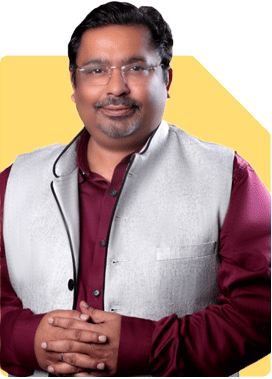
Ramalingam Kalirajan |10881 Answers |Ask -Follow
Mutual Funds, Financial Planning Expert - Answered on Jul 25, 2024
Ramalingam Kalirajan has over 23 years of experience in mutual funds and financial planning.
He has an MBA in finance from the University of Madras and is a certified financial planner.
He is the director and chief financial planner at Holistic Investment, a Chennai-based firm that offers financial planning and wealth management advice.... more
He has an MBA in finance from the University of Madras and is a certified financial planner.
He is the director and chief financial planner at Holistic Investment, a Chennai-based firm that offers financial planning and wealth management advice.... more
 Question by Aman on Jul 16, 2024Hindi
I am looking for SIP for around 4000-5000 monthly for 12-15 years for my 3years old Son. Please recommend suitable best options.
Ans: Objective: You want to invest Rs 4000-5000 monthly through SIP.
Time Horizon: You are looking at a 12-15 year investment period for your son.
Why SIP is Beneficial
Rupee Cost Averaging: SIP helps in averaging out the cost of investment by buying units at different market levels.
Disciplined Investment: SIP promotes regular saving and disciplined investment habits.
Actively Managed Funds
Better Returns: Actively managed funds can outperform the market due to expert fund management.
Professional Management: Fund managers make informed decisions to maximize returns.
Diversification Strategy
Balanced Allocation: Allocate investments across large-cap, mid-cap, and small-cap funds.
Risk Management: Diversification reduces risk by spreading investments across various sectors.
Benefits of Regular Funds
Expert Guidance: Investing through a Mutual Fund Distributor with CFP credential provides valuable guidance.
Monitoring: Regular funds are actively monitored and adjusted to market conditions.
Suitable Fund Types
Equity Funds:
Long-Term Growth: Equity funds are ideal for long-term wealth creation.
Balanced Funds:
Stability: These funds provide a mix of equity and debt, offering stability and growth.
Mid-Cap and Small-Cap Funds:
High Returns: Mid-cap and small-cap funds can provide higher returns but come with higher risk.
Actionable Steps
1. Choose the Right Funds
Research: Look for funds with a good track record over the last 5-10 years.
Performance: Check past performance and fund manager's expertise.
2. Start SIP
Set Up: Set up an SIP for Rs 4000-5000 monthly.
Consistency: Ensure regular contributions without interruption.
3. Review Periodically
Monitor Performance: Review your investments at least once a year.
Rebalance: Adjust your portfolio based on performance and market conditions.
Disadvantages of Index Funds
Limited Flexibility: Index funds follow a passive strategy, limiting flexibility.
Market Downturns: They can mirror market downturns without the possibility of active intervention.
Disadvantages of Direct Funds
Lack of Guidance: Direct funds lack professional guidance.
Time-Consuming: Managing investments without expert help can be time-consuming.
Final Insights
Start Early: Starting early helps in compounding your investments over time.
Stay Informed: Keep yourself updated on market trends and fund performance.
Consult a CFP: Consulting a Certified Financial Planner can provide personalized advice and ensure your investments align with your financial goals.
Best Regards,
K. Ramalingam, MBA, CFP
Chief Financial Planner,
www.holisticinvestment.in
Time Horizon: You are looking at a 12-15 year investment period for your son.
Why SIP is Beneficial
Rupee Cost Averaging: SIP helps in averaging out the cost of investment by buying units at different market levels.
Disciplined Investment: SIP promotes regular saving and disciplined investment habits.
Actively Managed Funds
Better Returns: Actively managed funds can outperform the market due to expert fund management.
Professional Management: Fund managers make informed decisions to maximize returns.
Diversification Strategy
Balanced Allocation: Allocate investments across large-cap, mid-cap, and small-cap funds.
Risk Management: Diversification reduces risk by spreading investments across various sectors.
Benefits of Regular Funds
Expert Guidance: Investing through a Mutual Fund Distributor with CFP credential provides valuable guidance.
Monitoring: Regular funds are actively monitored and adjusted to market conditions.
Suitable Fund Types
Equity Funds:
Long-Term Growth: Equity funds are ideal for long-term wealth creation.
Balanced Funds:
Stability: These funds provide a mix of equity and debt, offering stability and growth.
Mid-Cap and Small-Cap Funds:
High Returns: Mid-cap and small-cap funds can provide higher returns but come with higher risk.
Actionable Steps
1. Choose the Right Funds
Research: Look for funds with a good track record over the last 5-10 years.
Performance: Check past performance and fund manager's expertise.
2. Start SIP
Set Up: Set up an SIP for Rs 4000-5000 monthly.
Consistency: Ensure regular contributions without interruption.
3. Review Periodically
Monitor Performance: Review your investments at least once a year.
Rebalance: Adjust your portfolio based on performance and market conditions.
Disadvantages of Index Funds
Limited Flexibility: Index funds follow a passive strategy, limiting flexibility.
Market Downturns: They can mirror market downturns without the possibility of active intervention.
Disadvantages of Direct Funds
Lack of Guidance: Direct funds lack professional guidance.
Time-Consuming: Managing investments without expert help can be time-consuming.
Final Insights
Start Early: Starting early helps in compounding your investments over time.
Stay Informed: Keep yourself updated on market trends and fund performance.
Consult a CFP: Consulting a Certified Financial Planner can provide personalized advice and ensure your investments align with your financial goals.
Best Regards,
K. Ramalingam, MBA, CFP
Chief Financial Planner,
www.holisticinvestment.in
DISCLAIMER: The content of this post by the expert is the personal view of the rediffGURU. Users are advised to pursue the information provided by the rediffGURU only as a source of information to be as a point of reference and to rely on their own judgement when making a decision.
MoneyReply


You may like to see similar questions and answers below
Omkeshwar Singh | Answer |Ask -Follow
Head, Rank MF - Answered on Jun 10, 2022



Kirtan A Shah | Answer |Ask -Follow
MF Expert, Financial Planner - Answered on Aug 30, 2023
Asked by Anonymous - Aug 29, 2023Hindi

Ramalingam Kalirajan |10881 Answers |Ask -Follow
Mutual Funds, Financial Planning Expert - Answered on May 09, 2024


Latest Questions

Nayagam P P |10854 Answers |Ask -Follow
Career Counsellor - Answered on Dec 14, 2025


Radheshyam Zanwar |6744 Answers |Ask -Follow
MHT-CET, IIT-JEE, NEET-UG Expert - Answered on Dec 14, 2025


Radheshyam Zanwar |6744 Answers |Ask -Follow
MHT-CET, IIT-JEE, NEET-UG Expert - Answered on Dec 14, 2025


Dr Dipankar Dutta |1840 Answers |Ask -Follow
Tech Careers and Skill Development Expert - Answered on Dec 14, 2025


Dr Dipankar Dutta |1840 Answers |Ask -Follow
Tech Careers and Skill Development Expert - Answered on Dec 13, 2025

Dr Dipankar Dutta |1840 Answers |Ask -Follow
Tech Careers and Skill Development Expert - Answered on Dec 13, 2025


Mayank Chandel |2575 Answers |Ask -Follow
IIT-JEE, NEET-UG, SAT, CLAT, CA, CS Exam Expert - Answered on Dec 13, 2025

Radheshyam Zanwar |6744 Answers |Ask -Follow
MHT-CET, IIT-JEE, NEET-UG Expert - Answered on Dec 13, 2025
Mayank Chandel |2575 Answers |Ask -Follow
IIT-JEE, NEET-UG, SAT, CLAT, CA, CS Exam Expert - Answered on Dec 13, 2025


Mayank Chandel |2575 Answers |Ask -Follow
IIT-JEE, NEET-UG, SAT, CLAT, CA, CS Exam Expert - Answered on Dec 13, 2025
Asked by Anonymous - Oct 04, 2025Hindi