Home > Money > Question
Need Expert Advice?Our Gurus Can Help
Reetika

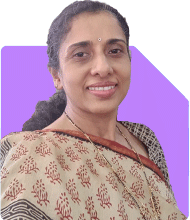
Reetika Sharma  |518 Answers  |Ask -

Financial Planner, MF and Insurance Expert - Answered on Nov 24, 2025

Reetika Sharma is a certified financial planner and CEO of F-Secure Solutions.
She advises clients about investments, insurance, tax and estate planning and manages high net-worth individual’s portfolios.
Reetika has an MBA in finance from the Institute of Chartered Financial Analysts of India (ICFAI) and an engineer degree from NIT, Jalandhar.
She also holds certifications from the Financial Planning Standards Board India (FPSB), Association of Mutual Funds in India (AMFI) and Insurance Regulatory and Development Authority of India (IRDAI).... more

Manoj Question by Manoj on Nov 04, 2025Hindi
Money

Any large cap fund to start SIP for Rs 3000....

Ans: Hi Manoj,

Can go for Axis of ICICI Pru large cap fund.

Let me know if you need more help.

Best Regards,
Reetika Sharma, Certified Financial Planner
https://www.instagram.com/cfpreetika/
DISCLAIMER: The content of this post by the expert is the personal view of the rediffGURU. Users are advised to pursue the information provided by the rediffGURU only as a source of information to be as a point of reference and to rely on their own judgement when making a decision.
Money

You may like to see similar questions and answers below

Ramalingam

Ramalingam Kalirajan  |11004 Answers  |Ask -

Mutual Funds, Financial Planning Expert - Answered on May 18, 2024

Asked by Anonymous - May 11, 2024Hindi
Listen
Money
I want to start sip of rs 20000 per month, please advise which fund i choose
Ans: Selecting the Right SIP for Your Investment: A Comprehensive Guide

Understanding SIPs:

Systematic Investment Plans (SIPs) offer a disciplined approach to investing in mutual funds. By investing a fixed amount at regular intervals, investors can benefit from rupee cost averaging and the power of compounding.

Assessing Your Investment Goals:

Before selecting a SIP, it's crucial to identify your investment objectives, risk tolerance, and investment horizon. Are you investing for short-term goals like buying a car or a house, or is it for long-term wealth accumulation, such as retirement planning?

Matching Funds to Objectives:

Based on your goals, you can choose from a variety of mutual fund categories, including equity funds, debt funds, or hybrid funds. Each category offers different risk-return profiles, catering to diverse investor preferences.

Investment Horizon and Risk Profile:

For a SIP of Rs 20,000 per month, your investment horizon and risk profile play pivotal roles in fund selection. Equity funds are suitable for long-term wealth creation, but they come with higher volatility. Debt funds, on the other hand, provide stability but lower returns.

Recommendation:

Considering your investment horizon and the potential for wealth accumulation, investing in diversified equity funds through a SIP seems appropriate. These funds invest in a mix of large-cap, mid-cap, and small-cap stocks, spreading risk across different market segments.

Benefits of Active Management:

Opting for actively managed funds allows skilled fund managers to capitalize on market opportunities and navigate volatility effectively. Their expertise in stock selection and portfolio management can potentially enhance returns over the long term.

Disadvantages of Index Funds:

Index funds, while cost-effective, may not always outperform actively managed funds. They are restricted to tracking specific indices, potentially missing out on opportunities for alpha generation through active stock selection.

Consultation with a Certified Financial Planner:

Seeking advice from a Certified Financial Planner (CFP) can further streamline your investment decision. A CFP evaluates your financial situation, risk appetite, and goals to recommend suitable funds aligned with your objectives.

Conclusion:

In summary, for a SIP of Rs 20,000 per month, investing in diversified equity funds through active management offers the potential for long-term wealth creation. However, it's essential to consult with a CFP to ensure alignment with your financial goals and risk tolerance.

Best Regards,

K. Ramalingam, MBA, CFP,

Chief Financial Planner,

www.holisticinvestment.in

..Read more

Ramalingam

Ramalingam Kalirajan  |11004 Answers  |Ask -

Mutual Funds, Financial Planning Expert - Answered on May 20, 2024

Asked by Anonymous - May 11, 2024Hindi
Listen
Money
I wish to invest 30K per month via SIP IN MUTUAL Funds Can you kindly suggest some funds. My horizon is apund 5-8 yrs
Ans: Thank you for entrusting me with the responsibility of guiding your investment journey. Investing through a systematic investment plan (SIP) in mutual funds is an excellent way to achieve your financial goals. Let's explore suitable funds for your investment horizon of 5-8 years.

Understanding Your Investment Horizon
With a horizon of 5-8 years, you have the advantage of pursuing a balanced investment strategy that combines growth potential with risk mitigation. This timeframe allows for exposure to equity-oriented funds while maintaining a prudent approach to risk management.

Assessing Fund Categories
Given your investment horizon, a blend of equity and debt funds is advisable to strike the right balance between growth and stability. Equity funds offer the potential for higher returns over the long term, while debt funds provide stability and income generation.

Selecting Equity Funds
When selecting equity funds, consider diversified equity mutual funds that invest across various sectors and market capitalizations. These funds offer exposure to a wide range of stocks, reducing concentration risk and enhancing diversification. Additionally, thematic or sectoral funds may be considered for tactical allocation but should be approached with caution due to their higher risk profile.

Evaluating Debt Funds
Incorporating debt funds into your portfolio can help mitigate volatility and provide stability during market downturns. Opt for high-quality debt funds with a focus on safety and liquidity. Short to medium-term debt funds, such as liquid funds or short-term bond funds, can be suitable for your investment horizon.

Emphasizing Consistency and Performance
When evaluating mutual funds, prioritize consistency and long-term performance over short-term fluctuations. Look for funds with a track record of delivering competitive returns relative to their benchmark indices and peers. Additionally, consider factors such as fund manager expertise, investment philosophy, and risk management practices.

Monitoring and Reviewing Your Portfolio
Regular monitoring and review of your mutual fund portfolio are essential to ensure alignment with your financial goals and risk tolerance. As your circumstances evolve, adjustments may be necessary to optimize your portfolio's performance and mitigate potential risks.

Conclusion
In conclusion, investing through SIPs in mutual funds offers a disciplined and systematic approach to wealth creation over the long term. By diversifying across equity and debt funds and focusing on consistency and performance, you can build a resilient portfolio that is well-positioned to achieve your financial objectives.

Best Regards,

K. Ramalingam, MBA, CFP,

Chief Financial Planner,

www.holisticinvestment.in

..Read more

Ramalingam

Ramalingam Kalirajan  |11004 Answers  |Ask -

Mutual Funds, Financial Planning Expert - Answered on Aug 29, 2024
Asked by Anonymous - Aug 26, 2024Hindi
Money
i am 25 years old and want to invest and start SIP of rs.25000 for 10 year at least.I have other source of income too so i am able use these Rs. 25000 a months a without much worry. i am willing to take a risk in small cap too. Could u please suggest me best Mutual funds.
Ans: You’re 25 years old and have a stable income that allows you to invest Rs 25,000 monthly without much concern. You plan to invest this amount for at least 10 years, and you’re open to taking risks, including in small-cap funds. This is a strong foundation for building wealth over time. Let’s discuss how to maximize your investments and align them with your risk appetite and financial goals.

Understanding Your Risk Appetite
At 25, you have a long investment horizon. This allows you to take on more risk, particularly in small-cap funds. However, balancing your portfolio with a mix of fund categories will help mitigate risks while optimizing returns.

Benefits of Small-Cap Funds
High Growth Potential: Small-cap funds can deliver significant returns due to their potential for growth. They invest in companies with smaller market capitalizations, which can grow rapidly.

Volatility: These funds are volatile. While they offer high returns, they can also experience sharp declines. Therefore, your ability to withstand market fluctuations is crucial.

Importance of Diversification
While you’re willing to take risks, diversifying your investments across different types of funds is essential. This strategy helps spread risk and can improve your chances of achieving your financial goals.

Diversified Equity Funds
Balanced Exposure: Diversified equity funds invest in large, mid, and small-cap companies. This blend allows for steady growth while providing exposure to the higher returns of smaller companies.

Risk Management: These funds can cushion the impact of market downturns on your portfolio, balancing the high volatility of small-cap funds.

Flexi-Cap Funds
Flexibility: Flexi-cap funds give fund managers the freedom to invest across all market capitalizations. This allows them to adjust the portfolio based on market conditions, maximizing returns while managing risk.

Potential for Growth: These funds can offer strong returns by shifting investments between large, mid, and small-cap stocks, depending on where the best opportunities lie.

Active vs. Index Funds
You should avoid index funds and opt for actively managed funds. Active funds have the potential to outperform their benchmarks, especially in a dynamic market like India’s.

Disadvantages of Index Funds
Limited Upside: Index funds simply track a market index. They do not aim to beat the market, which limits your potential returns.

Lack of Downside Protection: In a market downturn, index funds fall as much as the market does. Actively managed funds, on the other hand, can protect against losses by rebalancing their portfolios.

Role of a Certified Financial Planner (CFP)
Investing through a Mutual Fund Distributor (MFD) with a CFP credential can be beneficial. They offer personalized advice, helping you select the right funds based on your goals and risk tolerance.

Disadvantages of Direct Funds
Lack of Guidance: Direct funds save you money on expense ratios, but they require you to make all investment decisions on your own. Without expert guidance, you may miss out on opportunities or make poor investment choices.

Long-Term Impact: Investing through an MFD with CFP credentials ensures your portfolio is aligned with your long-term goals. They provide ongoing support, helping you stay on track and adjust your investments as needed.

Strategic Allocation of Your SIPs
Now, let’s consider how to allocate your Rs 25,000 monthly SIP across different types of funds. This approach will maximize your returns while managing risk effectively.

Small-Cap Funds
High Allocation: Given your risk tolerance and long-term horizon, you could allocate a significant portion of your SIPs to small-cap funds. These funds can offer substantial returns, particularly if you remain invested through market cycles.
Diversified Equity Funds
Moderate Allocation: Allocate a portion of your SIPs to diversified equity funds. These funds will balance your portfolio, providing steady growth while exposing you to the potential of mid and small-cap stocks.
Flexi-Cap Funds
Flexibility: Consider investing in flexi-cap funds, which allow fund managers to adapt to market conditions. This flexibility can enhance your portfolio’s performance, especially during volatile periods.
Long-Term Wealth Creation
Your decision to invest Rs 25,000 monthly for 10 years demonstrates a commitment to long-term wealth creation. The power of compounding will play a significant role in helping you achieve your financial goals.

Power of Compounding
Growth Over Time: The longer you stay invested, the more your investments will benefit from compounding. By reinvesting your returns, you’ll earn returns on your returns, accelerating your wealth creation.

Discipline: Regular SIPs ensure that you remain disciplined in your investing, regardless of market conditions. This approach smooths out the impact of market volatility and helps you accumulate wealth consistently.

Monitoring and Adjusting Your Portfolio
Regular monitoring of your portfolio is essential to ensure it remains aligned with your financial goals. Adjustments may be needed based on market conditions, changes in your risk tolerance, or life events.

Annual Reviews
Portfolio Rebalancing: Conduct an annual review of your investments. Rebalance your portfolio if needed, ensuring it remains diversified and aligned with your long-term objectives.

Risk Management: As you approach the end of your investment horizon, gradually shift your portfolio towards lower-risk assets. This strategy will help preserve your capital while still generating returns.

Final Insights
You’re off to a strong start by committing to a Rs 25,000 SIP for 10 years. By diversifying your investments, focusing on actively managed funds, and working with a CFP, you can maximize your returns while managing risk effectively. Remember to monitor your portfolio regularly and make adjustments as needed. This disciplined approach will help you achieve your long-term financial goals and build substantial wealth over time.

Best Regards,

K. Ramalingam, MBA, CFP,

Chief Financial Planner,

www.holisticinvestment.in

..Read more

Ramalingam

Ramalingam Kalirajan  |11004 Answers  |Ask -

Mutual Funds, Financial Planning Expert - Answered on Dec 02, 2024

Asked by Anonymous - Dec 01, 2024Hindi
Listen
Money
I’m 42 years old and want to invest and start SIP of Rs 30000 for next 10 to 15 years.please suggest me best mutual funds.
Ans: Your decision to start a SIP of Rs. 30,000 for 10–15 years is commendable. A disciplined approach like this can build significant wealth over time. Let us explore a structured plan for mutual fund investments.

Benefits of Investing Through SIP
1. Systematic Wealth Accumulation
SIP enables regular and disciplined investments.

It avoids the need to time the market.

2. Rupee Cost Averaging
It averages out the purchase cost during market volatility.

This leads to better returns over the long term.

3. Power of Compounding
Regular investments for 10–15 years magnify compounding benefits.

Compounding multiplies wealth, especially with consistent contributions.

Diversifying Across Mutual Fund Categories
1. Equity Mutual Funds
Suitable for long-term wealth creation.

Ideal for your 10–15 years horizon.

Actively managed equity funds offer better performance than index funds.

2. Hybrid Mutual Funds
Balance between equity and debt components.

Provides stability in volatile markets.

Suitable for moderate-risk investors seeking steady returns.

3. Small-Cap and Mid-Cap Funds
Potential for high growth over the long term.

Best suited for investors with high-risk tolerance.

Avoid overexposure to reduce portfolio risks.

4. Large-Cap Funds
Invest in well-established companies with stable performance.

Lower risk compared to mid- or small-cap funds.

Ideal for consistent growth and reduced portfolio volatility.

Avoiding Index and Direct Funds
1. Disadvantages of Index Funds
Lack of flexibility as they mimic the market index.

Cannot adapt to sudden market changes.

Actively managed funds aim to outperform the market.

2. Disadvantages of Direct Funds
No personalised guidance for portfolio review and rebalancing.

Regular funds through an MFD with a CFP ensure professional advice.

Assistance in aligning your investments with changing goals and markets.

Recommended Investment Allocation
1. High-Growth Allocation
Invest 50% in equity mutual funds with diversified exposure.

Focus on large-cap and multi-cap funds for long-term stability.

2. Moderate-Risk Allocation
Allocate 30% to hybrid mutual funds for balance and stability.

These funds manage risk better during volatile phases.

3. Selective High-Risk Allocation
Allocate 20% to mid- and small-cap funds for aggressive growth.

Review performance regularly and rebalance when needed.

Tax Implications for Mutual Fund Investments
1. Equity Mutual Funds
Long-Term Capital Gains (LTCG) above Rs 1.25 lakh taxed at 12.5%.

Short-Term Capital Gains (STCG) taxed at 20%.

2. Hybrid and Debt Mutual Funds
LTCG and STCG taxed as per your income tax slab.

Choose debt funds only if aligned with specific short-term goals.

Strategies to Maximise SIP Benefits
1. Regular Portfolio Review
Review fund performance every 6–12 months.

Align portfolio with market conditions and personal goals.

2. Increase SIP Gradually
Use the step-up SIP method to increase investment over time.

This enhances returns as income grows.

3. Reinvest Returns
Reinvest dividends and returns for compounding benefits.

Avoid withdrawing prematurely to achieve goals.

Managing Your Risk and Expectations
1. Diversify Investments
Avoid putting all funds into one category or type.

Balance between growth, stability, and risk management.

2. Stay Patient
SIP works best when given time to grow.

Avoid reacting to short-term market fluctuations.

Finally
Your goal of investing Rs. 30,000 in SIP is achievable with the right strategy. Focus on equity and hybrid funds for optimal returns. Work with a Certified Financial Planner to ensure your investments stay aligned with your goals. Review periodically and stay disciplined for the best outcomes.

Best Regards,

K. Ramalingam, MBA, CFP,

Chief Financial Planner,

www.holisticinvestment.in

https://www.youtube.com/@HolisticInvestment

..Read more

Latest Questions
Naveenn

Naveenn Kummar  |243 Answers  |Ask -

Financial Planner, MF, Insurance Expert - Answered on Feb 01, 2026

Asked by Anonymous - Feb 01, 2026Hindi
Money
Dear Sir, My Son was born with Beta thalassemia major, at the age of 3yrs he under went BMT at Mazumdar Shaw NH Hospital Bangalore in 2013 which was successful, now he is 16.4yrs again he has been diagnosed once again with Beta thalassemia after a gap of 13yrs, his Doctor say it rare case of failure & once again he need to under go BMT, plz advise what we need to do , can we legally make a claim with hospital for failure of BMT. previously we paid more than 10lac now they are demanding 20 to 25lac, which difficult to arrange such huge amount.
Ans: First of all, I understand how overwhelming and frightening this situation feels. A second bone marrow transplant is not only a medical decision, it becomes an emotional and financial storm for the entire family.

Please take a deep breath. Right now, the most important thing is to move step by step, with clarity and support, instead of panic.

Let me guide you in the most sensible and practical way forward.

1. Do not agree immediately for a second BMT without full confirmation

Before taking such a high risk and costly step, it is extremely important to confirm whether this is truly relapse or graft failure.

Please ask the doctor urgently for these key tests:

Chimerism Test (this is the most important)
This will show whether the donor marrow is still functioning.

Hemoglobin electrophoresis or HPLC

Genetic confirmation of recurrence

Bone marrow evaluation

Full transplant summary from 2013

Sometimes what looks like “thalassemia again” may actually be mixed chimerism, which can sometimes be managed without a full second transplant.

Do not decide until this is clearly confirmed.

2. Take a second expert opinion within 7 to 10 days

A second transplant is a major step. A second opinion can completely change the treatment plan.

Some of the best transplant centers in India are:

CMC Vellore
Tata Memorial Hospital, Mumbai
Apollo Chennai
PGI Chandigarh
AIIMS Delhi

Ask your current hospital for all reports and records in one complete file and consult quickly.

3. Negotiate strongly with the hospital for financial support

Please remember this clearly:

Hospitals can reduce costs significantly under charity, CSR support, and welfare schemes.

You should immediately request:

Concessional package
CSR or charity quota support
Installment payment option
Government or NGO assistance

Go directly to the Patient Welfare Office or Medical Superintendent and say clearly:

“We cannot afford 25 lakhs. Please place us under financial assistance support.”

Many families get 30 to 50 percent reduction when they push firmly.

Ask for a written revised estimate.

4. Insurance roadmap that actually works

Do not just ask “Will it cover?”

Do this exact process:

Check your policy wording for:

Bone Marrow Transplant
Stem Cell Transplant
Day care procedures

Apply for pre authorization before admission

If rejected, file escalation immediately

Group insurance through employer usually has higher chance of approval

Even though thalassemia is genetic, continuous insurance often still covers hospitalization and transplant procedures.


5. Government funding options that work in real cases

Please apply immediately. Do not delay even one week.

Practical sources include:

Ayushman Bharat (PMJAY)
Karnataka CM Relief Fund
PM National Relief Fund (PMNRF)
Health Minister Discretionary Grant

Many transplant cases receive support through these funds.

Hospital social workers usually help with forms.

Start applications this week.

6. NGOs that genuinely help thalassemia patients

These organizations are active and supportive:

Sankalp India Foundation
Cure2Children Foundation
Thalassemia Patients Advocacy Group

They help with funding, donor support, and correct guidance.

Write to all three with reports and hospital estimate.

7. Crowdfunding is the fastest support route today

Many families are able to raise 10 to 20 lakhs within 2 to 4 weeks through:

Milaap
Ketto
ImpactGuru

You will need:

Doctor’s letter
Hospital estimate
Patient photo
ID proof

Hospitals also cooperate in documentation.

8. Legal action is not the priority right now

I will be honest with you.

A transplant functioning for 13 years is usually not treated as negligence easily.

Legal cases take years and will not solve today’s urgent need.

First focus on:

Correct diagnosis
Second opinion
Financial assistance
Insurance
Relief funds
NGO support

Legal route can be explored later only if clear malpractice evidence emerges.

9. Ask the doctor these 6 direct questions tomorrow

Please write these down:

Is this graft rejection or true recurrence?
What is the current chimerism percentage?
Are there non transplant options before a second BMT?
What is the success rate in his specific case?
Will the same donor work or is a new donor needed?
What is the minimum possible cost after concession?

Do not leave without clear answers.

10. Immediate checklist for today

Collect these documents urgently:

2013 discharge summary
Current reports and diagnosis
Doctor recommendation letter
Hospital cost estimate
Insurance card and policy copy
Income certificate (needed for relief funds)

These will be required everywhere.

Final words

Please remember, you are not helpless.
There are medical options, financial support routes, and real organizations that can help you.

Just do not take any rushed decision.

Take one step at a time:

Confirm diagnosis
Second opinion
Negotiate assistance
Apply for funds
Reach NGOs
Start crowdfunding if needed

Naveenn Kummar
Chief Financial Planner | AMFI Registered MFD
https://members.networkfp.com/member/naveenkumarreddy-vadula-chennai

...Read more

Ramalingam

Ramalingam Kalirajan  |11004 Answers  |Ask -

Mutual Funds, Financial Planning Expert - Answered on Feb 01, 2026

Asked by Anonymous - Jan 31, 2026Hindi
Money
I am fifty two year old. I have two home. One is two bed room one hall and one kitchen flat and it's resale value is fourteen lakh. The other is a kothi, which is near to fourty lakh price in resale. I don't want to sale any one. Only i can rented out my flat in just five thousand rupees per month. I have three members in my family and they are covered by twenty five lakh rupees of mediclaim for each person. I have a PF. In my provident fund nine lakh rupees present and it's pension fund have only one lakh fifty thousand rupees. The provident fund is running since November two thousand thirteen.i have four D-mat account. Each have the value is 2 two lakh rupees now. One of them is totally free, as the value of that dmat tripled, so i sale some parts of the all shares and without any investment that dmat value is niw two lakh. My only daughter is in class eight. I have some LIC policy of sum assured near to twenty six lakh rupees and monthly premium pay for this is six thousand. I have one lakh fixed deposit, as a emergency fund and i have also one lakh rupees of monthly income scheme in indian post office. My monthly expenditure today is near to twenty thousand rupees. I don't stay in any one of my house, because i work outside,so i am living in a monthly rented room. The rent is now seventeen thousand rupees per month. My sallary is now one lakh rupees per month and i will retire from my work place at the age of fifty eight.Now please tell me whether i am in a right way in the path for planing the retirement? My and my wife have life expectency is ninety years. Now i also invest monthly fifty thousand rupees in ETF. Please tell me that does i do right things or wrong?
Ans: I appreciate the honesty and effort you have taken to put all details clearly. At age 52, with steady income, assets, and disciplined savings, you are not late. You are actually in a position where course correction can still create a strong and peaceful retirement life. Your intent is right. Now it needs direction.

» Where You Stand Today – Big Picture
– You have two self-owned properties and you are clear that you do not want to sell them. That emotional clarity is important.
– You have stable salary income till age 58 and a reasonable monthly expense level.
– You have health cover in place, which is a big relief for retirement planning.
– You are investing regularly and thinking long term till age 90, which shows maturity.

» Cash Flow Reality Check
– Monthly salary is Rs 1 lakh.
– Monthly expenses including rent are on the higher side because you are not living in your own house.
– Rental income from your flat is very low compared to its value, which limits support during retirement.
– Post retirement, salary will stop, but rent and living costs will continue.

» Retirement Corpus Readiness
– Provident Fund balance is moderate and will grow till retirement, but by itself it will not support a 32-year retired life.
– Pension fund amount is very small and cannot be relied upon for monthly needs.
– Fixed deposit and post office monthly income scheme amounts are too low for emergencies and long retirement needs.
– Demat holdings show good market exposure, but they are scattered across multiple accounts, making tracking and discipline difficult.

» ETF Investment – Important Concern
– ETFs simply follow the market without judgement. They go up when markets rise and fall fully when markets fall.
– At age 52, protecting downside is as important as growth. ETFs do not offer this protection.
– ETFs cannot shift strategy based on valuations, interest rates, or economic cycles.
– Actively managed mutual funds are better suited now as they can control risk, manage volatility, and rebalance based on conditions.
– Continuing heavy ETF investing at this stage increases retirement risk.

» LIC Policies – Review Is Necessary
– You are holding investment-cum-insurance policies with monthly premium of Rs 6,000.
– Life cover of around Rs 26 lakh is not meaningful considering your income, liabilities, and dependents.
– These policies grow slowly and lock your money for long periods.
– This is one area where surrender and redirection should be evaluated carefully.
– Redirecting future premiums into growth-oriented mutual funds can improve retirement readiness.

» Daughter’s Education Planning
– Your daughter is in Class 8, which means major education expenses are coming soon.
– This goal should be kept separate from retirement money.
– Education planning needs growth with time-bound discipline, not random investments.

» Emergency and Stability Planning
– Emergency fund of Rs 1 lakh is not sufficient considering job risk, rent, and medical needs.
– This should ideally cover several months of expenses.
– Health insurance is well structured, which is a strong positive.

» 360-Degree Corrections Needed
– Consolidate demat holdings to simplify monitoring and reduce emotional decisions.
– Gradually reduce ETF exposure and move towards actively managed funds aligned to goals.
– Review LIC policies and consider surrender where financially sensible.
– Increase emergency fund to avoid touching retirement money.
– Align investments separately for retirement, daughter’s education, and near-term needs.
– Rental income strategy should be realistic and aligned with retirement cash flow needs.

» Final Insights
– You are not on a wrong path, but the path is unorganised.
– Assets are there, income is there, discipline is there, but structure is missing.
– Heavy ETF exposure and slow-moving insurance products are the biggest risks today.
– With six working years left, smart reallocation and simplification can still build a stable retirement till age 90.
– With guided planning by a Certified Financial Planner, your existing resources can be turned into a confident retirement plan.

Best Regards,

K. Ramalingam, MBA, CFP,

Chief Financial Planner,

www.holisticinvestment.in

https://www.youtube.com/@HolisticInvestment

...Read more

Ramalingam

Ramalingam Kalirajan  |11004 Answers  |Ask -

Mutual Funds, Financial Planning Expert - Answered on Feb 01, 2026

Money
I have diabetes also and is there any return of premium policy in term life insurance,so Sir please suggest me..
Ans: I appreciate you for being open about your health condition and for thinking carefully about family protection. Planning insurance with diabetes needs clarity, not fear. With the right structure, you can still build strong protection and long-term comfort.

» Diabetes and Term Life Insurance – Ground Reality
– Diabetes does not mean insurance rejection in all cases.
– Insurers mainly look at: age, duration of diabetes, sugar control, medication, and presence of complications.
– Well-controlled diabetes with regular follow-ups improves acceptance chances.
– Premiums may be higher, but cover is still possible in many cases.

» Return of Premium Term Insurance – How It Works
– In return of premium plans, you pay higher premium compared to pure term plans.
– If you survive the policy term, total premiums paid are returned.
– If death occurs during the term, nominee receives the full sum assured, not double.
– The returned amount does not generate real growth and does not beat inflation over long periods.

» Suitability Check – Is Return of Premium Right for You
– These plans give emotional comfort of “money back,” but not real wealth creation.
– Premiums are much higher, which reduces flexibility in other important goals.
– The return is simply your own money coming back after many years, without meaningful growth.
– From a planning view, insurance should protect risk, not act as an investment.

» Better Way to Think About Protection
– Life insurance should focus on high cover at reasonable cost.
– Savings and wealth creation should be handled separately through growth-oriented options.
– This separation gives clarity, flexibility, and better long-term results.
– Even with diabetes, choosing the right structure helps balance protection and affordability.

» If You Are Emotionally Keen on Premium Return
– If the idea of “no loss if I survive” is very important for your peace of mind, return of premium plans can be considered cautiously.
– Cover amount should still be meaningful, not compromised due to higher premium.
– This choice should be made after checking long-term cash flow comfort.

» 360-Degree Protection Planning
– Ensure adequate life cover based on responsibilities and dependents.
– Review existing insurance policies to avoid overlap or under-coverage.
– Keep health insurance strong, especially with diabetes.
– Align investments separately for retirement and family goals instead of depending on insurance maturity.

» Final Insights
– Diabetes is a factor, not a full stop, in life insurance planning.
– Return of premium plans give emotional relief but not financial growth.
– Clear separation between insurance and investment gives better long-term stability.
– With structured guidance from a Certified Financial Planner, you can design protection that works for your health condition and future goals.

Best Regards,

K. Ramalingam, MBA, CFP,

Chief Financial Planner,

www.holisticinvestment.in

https://www.youtube.com/@HolisticInvestment

...Read more

Ramalingam

Ramalingam Kalirajan  |11004 Answers  |Ask -

Mutual Funds, Financial Planning Expert - Answered on Feb 01, 2026

Asked by Anonymous - Jan 30, 2026Hindi
Money
Hello Sir, I have Jeevan Saral Policy (Plan 165) since Oct 2008. Sum Assured Rs 750000/-. Premium 36030/- per annum, Policy term 35 yrs i.e. maturity in Oct 2043 having Double accident benefit. Can you Pls tell me how will I get after maturity? Is it worth continuing it or not? Pls guide me ?
Ans: I appreciate you for sharing full policy details and for your long-term commitment since 2008. Staying invested for so many years shows discipline and responsibility towards family protection. It is good that you are reviewing this now instead of blindly continuing.

» Understanding What You Will Receive at Maturity
– This is an insurance-cum-investment policy, not a pure investment product.
– At maturity, you will receive:

Sum Assured

Loyalty addition, if declared by the insurer
– The maturity amount is not guaranteed upfront. Loyalty additions depend on the insurer’s performance and are declared closer to maturity.
– Double accident benefit applies only in case of accidental death, not for maturity value.

» Return Expectation – Reality Check
– Over long policy terms, such plans generally generate low returns compared to long-term market-linked options.
– Premiums are locked for decades, reducing flexibility.
– Inflation impact is high over 35 years, which reduces the real value of maturity proceeds.
– The policy is safe, but safety comes at the cost of growth.

» Insurance and Investment – Mixed Role Issue
– This policy combines insurance and savings, which reduces efficiency on both sides.
– Life cover of Rs 7.5 lakh is inadequate for long-term family protection today.
– At the same time, the investment part grows slowly and does not match long-term goals like retirement or children’s education.

» Should You Continue or Exit
– Since this is an investment-cum-insurance policy, it is important to reassess its relevance today.
– If your main objective is wealth creation, continuing may not be optimal.
– If surrender value is reasonable and future premiums are still large, surrendering and redirecting money to better growth-oriented options can make sense.
– The decision should be based on: years already paid, current surrender value, and future cash flow comfort.

» What to Do After Surrender – Direction, Not Guesswork
– After surrender, the focus should be on separating insurance and investment clearly.
– Adequate pure life insurance cover should be ensured separately.
– Long-term investments should be aligned to goals, time horizon, and risk capacity.
– Actively managed mutual funds provide flexibility, professional decision-making, and better inflation-adjusted growth over long periods compared to traditional insurance products.

» 360-Degree View on Your Financial Plan
– Review existing insurance coverage across life and health.
– Align investments with specific goals instead of policy maturity dates.
– Maintain liquidity for emergencies.
– Periodic review with a Certified Financial Planner helps avoid emotional decisions and keeps the plan on track.

» Final Insights
– Your intention to secure the future is absolutely right and deserves appreciation.
– The policy offers safety, but growth is limited and may not meet long-term needs.
– Mixing insurance and investment has worked against optimal wealth creation.
– A structured shift towards goal-based investing, after careful surrender evaluation, can significantly improve your financial outcome over time.

Best Regards,

K. Ramalingam, MBA, CFP,

Chief Financial Planner,

www.holisticinvestment.in

https://www.youtube.com/@HolisticInvestment

...Read more

Ramalingam

Ramalingam Kalirajan  |11004 Answers  |Ask -

Mutual Funds, Financial Planning Expert - Answered on Feb 01, 2026

Money
Hi I have invested in mutual fund SIP Parag parikh flexi cap 3k HDFC flexi cap 2500 Hdfc balance advantage 2k Navi nifty 50 index fund 2500 Edweiss gold and silver ETF FOF 2k Is all the fund good to keep for long term or should I change to another fund. Thank you
Ans: I truly appreciate that you are investing regularly through SIPs and have spread your money across equity, hybrid and gold-related options. This shows discipline and a long-term mindset, which is the most important part of wealth creation. With some fine-tuning, this portfolio can become stronger and more aligned to long-term goals.

» Overall Portfolio Assessment
– Your portfolio has a mix of growth-oriented equity, a balanced component, and a hedge through gold and silver.
– Monthly SIP amount is well distributed, which reduces timing risk.
– However, there is overlap in equity style and also some exposure to options that may not add real long-term value.

» Flexi-cap Equity Exposure
– Flexi-cap funds are suitable for long-term goals as they can move between large, mid and small companies based on market conditions.
– Holding more than one flexi-cap fund can sometimes lead to duplication of stocks, which reduces the benefit of diversification.
– Instead of quantity, quality and role clarity matters. One well-managed active flexi-cap fund is usually sufficient when reviewed periodically.

» Balanced / Dynamic Allocation Exposure
– A balanced or dynamic asset allocation fund helps reduce volatility and is useful for investors who want smoother returns.
– This is a sensible inclusion, especially if you are investing for multiple goals and want some stability along with growth.
– Allocation should be intentional, not accidental. Its role should be clear – risk control, not return chasing.

» Index Fund Exposure – Important Caution
– Index funds simply copy the market and have no ability to protect your portfolio during market excesses or downturns.
– When markets are expensive, index funds still stay fully invested without judgement.
– In long-term investing, especially in India, actively managed funds have the flexibility to avoid overvalued stocks, manage risks, and adapt to changing conditions.
– For investors seeking meaningful wealth creation and downside control, active management plays a crucial role that index funds cannot provide.

» Gold and Silver ETF FoF Exposure
– Gold can act as a hedge, but returns over the long term are limited compared to equity.
– Silver is highly volatile and largely driven by global cycles, making it less predictable for retail investors.
– ETF FoF structures add an extra layer of cost and tracking issues without giving proportional benefit.
– Precious metals should be held in moderation and only as a support asset, not as a growth driver.

» Cost, Monitoring and Behavioural Discipline
– Too many funds increase monitoring burden and can lead to emotional decisions.
– Simplicity improves discipline, especially during market corrections.
– Investing through a Mutual Fund Distributor who is also a Certified Financial Planner helps in regular reviews, behavioural guidance, and timely rebalancing. This support is often missing in self-managed approaches.

» 360-Degree Alignment with Goals
– The right portfolio is not about popular funds, but about matching investments with goals like children’s education, retirement, and financial security.
– Time horizon, risk capacity, and cash flow stability should decide fund selection and allocation.
– Periodic review and rebalancing is more important than frequent switching.

» Final Insights
– Your intention and consistency are excellent and deserve appreciation.
– Some consolidation is advisable to avoid overlap and unnecessary exposure.
– Reducing passive and ETF-based allocations and strengthening active equity exposure can improve long-term outcomes.
– A goal-aligned, simplified, actively managed portfolio reviewed by a Certified Financial Planner can give you clarity, confidence, and peace of mind over the years.

Best Regards,

K. Ramalingam, MBA, CFP,
Chief Financial Planner,
www.holisticinvestment.in

https://www.youtube.com/@HolisticInvestment

...Read more

Komal

Komal Jethmalani  |454 Answers  |Ask -

Dietician, Diabetes Expert - Answered on Feb 01, 2026

Asked by Anonymous - Jan 16, 2026Hindi
Health
Why does Indian thali make you sleepy? Whenever I eat a typical Indian lunch with rice, two rotis, sabzi, dal, and something heavy like paneer gravy or aloo, I start feeling extremely sleepy within 20 to 30 minutes. My head feels heavy, my concentration drops, and all I want is a quick 10-minute nap. This post-lunch sleepiness happens almost every working day. But when I try eating a very light lunch like just fruits or a salad I don’t feel drowsy. Instead, I feel hungry again by 3 pm and end up snacking on biscuits, tea, or other unhealthy foods. So it feels like a no-win situation: heavy lunch makes me sleepy, while light lunch makes me hungry. Is this kind of sleepiness after lunch normal, or is it a sign that something is wrong with how I’m combining foods? Does eating too much rice, oily sabzi, paneer gravies, or sugary items directly affect energy levels and cause the afternoon energy crash? Why does an Indian thali often lead to a post-lunch slump, especially
Ans: A standard thali is high in carbohydrates, fat, volume and low in fiber. The reasons for post-meal drowsiness is as blood sugar rises, your body releases insulin, blood sugar drops again and you feel sleepy, foggy, and low?energy. High fat slows digestion, so your body diverts blood flow to the digestive system which makes you feel sleepy. Rice and roti are both starches and increase the load. Sugary items worsen the blood sugar spikes and make you feel more sleepy. A lighter but balanced meal (not just fruits/salad) will help you stay alert and avoid mid?afternoon cravings.

...Read more

Komal

Komal Jethmalani  |454 Answers  |Ask -

Dietician, Diabetes Expert - Answered on Feb 01, 2026

Asked by Anonymous - Jan 16, 2026Hindi
Health
In our housing society, whenever the ladies sit together for evening chit-chat, the topic of ghee always turns into a big debate. Some of them say ghee is very healthy, especially homemade ghee. They claim it helps digestion, keeps the skin glowing, and is even good for children and older people. One aunty even says, 'Beta, one teaspoon of ghee every day is like medicine.' But then there are others who immediately argue the opposite. They say ghee is nothing but fat, and that eating it daily will increase cholesterol, weight, and worsen heart problems. One of my neighbours keeps telling everyone, 'Avoid ghee completely if you want to lose weight,” while someone else says, 'Arre, without ghee, food has no strength.' Last week, my friend added ghee to her roti and another lady told her she was inviting weight gain. But on the same day, another friend told me that her nutritionist sister advised her to include ghee daily. Is ghee really healthy, or is it something we should eat in very small amounts?
Ans: Ghee is healthy in some ways, but only in moderation. It is rich in fat?soluble vitamins (A, D, E, K) and some studies associate with potential anti?inflammatory benefits. However, ghee is still pure fat, and most of that fat is saturated fat. 1–2 teaspoons of ghee per day can fit comfortably into a balanced diet. It’s a traditional fat with some benefits, but like all saturated fats, it’s best enjoyed in small, intentional amounts. Use it for flavor, not as the main cooking fat.

...Read more

DISCLAIMER: The content of this post by the expert is the personal view of the rediffGURU. Investment in securities market are subject to market risks. Read all the related document carefully before investing. The securities quoted are for illustration only and are not recommendatory. Users are advised to pursue the information provided by the rediffGURU only as a source of information and as a point of reference and to rely on their own judgement when making a decision. RediffGURUS is an intermediary as per India's Information Technology Act.

Close  

You haven't logged in yet. To ask a question, Please Log in below
Login

A verification OTP will be sent to this
Mobile Number / Email

Enter OTP
A 6 digit code has been sent to

Resend OTP in120seconds

Dear User, You have not registered yet. Please register by filling the fields below to get expert answers from our Gurus
Sign up

By signing up, you agree to our
Terms & Conditions and Privacy Policy

Already have an account?

Enter OTP
A 6 digit code has been sent to Mobile

Resend OTP in120seconds

x