Home > Money > Question
Need Expert Advice?Our Gurus Can Help
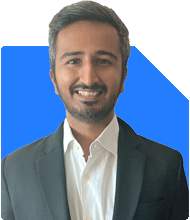
Vivek

Vivek Lala  |323 Answers  |Ask -

Tax, MF Expert - Answered on Sep 23, 2023

Vivek Lala has been working as a tax planner since 2018. His expertise lies in making personalised tax budgets and tax forecasts for individuals. As a tax advisor, he takes pride in simplifying tax complications for his clients using simple, easy-to-understand language.
Lala cleared his chartered accountancy exam in 2018 and completed his articleship with Chaturvedi and Shah. ... more

S Question by S on Jun 25, 2023Hindi
Listen
Money

I have invested in the following funds and require your advice on holding or Switching ----1) SBI Focused Equity fund Regular growth - 645 units @ Rs.227 purchased on 4th aug 2022,----2) SBI Blue Chip Fund Regular Growth - 822 units @ Rs.60.84 purchased on 4.8.22, ----3) SBI Multicap Fund Regular Plan Growth - 34953 units @ Rs.10.59 on 4.8.22,----4) HDFC Tax Saver Direct Plan Growth Option - One time Investment of Rs.40000/-on 9.3.20,----5) HDFC Developed World Indexes FundOf Fund - One time investment of RS.50000/- ON 21.10.21, ----6)HDFC Equity Savings Fund Direct Plan Growth--One time investment of Rs.70000/- on 21.10.21,----7) HDFC Nifty Next50Index Fund direct growth - One time investment of Rs.50000/- on 3.11.21

Ans: Hello, the selection of funds should have a goal attached to it. This investment style seems to be cluttered and not very definitive in terms of the goals it has. Do speak to an advisor / distributor in person for the same.
DISCLAIMER: The content of this post by the expert is the personal view of the rediffGURU. Users are advised to pursue the information provided by the rediffGURU only as a source of information to be as a point of reference and to rely on their own judgement when making a decision.
Money

You may like to see similar questions and answers below

Ramalingam

Ramalingam Kalirajan  | Answer  |Ask -

Mutual Funds, Financial Planning Expert - Answered on May 17, 2024

Listen
Money
Sir good morning. I am 27 years old. I have been investing Rs 10000/- each in SBI Mid cap fund, Small cap Fund and Rs 10000 in ABSL Flexi cap fund and Rs 5000/- in HDFC Midcap funds. I may please be guided whether to continue or to switch to other funds. Thank you sir.
Ans: At 27, you're making proactive investment decisions, which is commendable. Let's review your current investment strategy and explore potential adjustments:

Assessing Your Current Portfolio
SBI Mid Cap Fund and Small Cap Fund: Mid-cap and small-cap funds offer growth potential but come with higher volatility. Consider your risk tolerance and investment horizon when evaluating these funds.

ABSL Flexi Cap Fund: Flexi-cap funds provide flexibility to invest across market capitalizations based on market conditions. They offer diversification and potential for growth.

HDFC Midcap Fund: Similar to SBI Mid Cap and Small Cap funds, HDFC Midcap Fund focuses on mid-cap stocks. Assess whether the overlap in mid-cap exposure across funds aligns with your diversification goals.

Considerations for Continuation or Switch
Performance: Evaluate the performance of your current funds relative to their benchmarks and peers. Consistent underperformance may warrant a review.

Fund Manager Track Record: Assess the track record and expertise of the fund managers managing your investments. Consistency in performance and adherence to investment objectives are key considerations.

Fund Objectives and Strategy: Ensure that the investment objectives and strategies of your funds align with your financial goals and risk profile.

Potential Actions
Review Fund Performance: Conduct a detailed analysis of the performance of each fund in your portfolio over different time periods.

Consult with a Financial Advisor: Consider consulting with a Certified Financial Planner (CFP) to review your investment strategy and explore alternative fund options based on your goals and risk tolerance.

Consider Diversification: Evaluate the need for diversification across asset classes and investment styles to mitigate risk and enhance long-term returns.

Conclusion
While your current investment strategy demonstrates a focus on growth-oriented funds, it's essential to periodically review your portfolio and make adjustments as needed. Assess the performance, objectives, and risk profile of your funds, and consider consulting with a financial advisor for personalized guidance.

Best Regards,

K. Ramalingam, MBA, CFP,
Chief Financial Planner,
www.holisticinvestment.in

..Read more

Ramalingam

Ramalingam Kalirajan  | Answer  |Ask -

Mutual Funds, Financial Planning Expert - Answered on May 21, 2024

Listen
Money
Good morning sir. I am investing in SBI midcap, small cap and health care opportunities fund at the rate of Rs 10000 per month respectively and Rs 5000/- each in ICICI equity funds. Kindly suggest whether to contiue or to switch to other
Ans: It's great to see your proactive approach towards investing. Let's assess your current mutual fund investments and explore whether any adjustments are needed.

Reviewing Current Investments
Diversification Strategy
Your investment strategy reflects a diversified approach by investing in midcap, small cap, healthcare, and equity funds.

Performance Analysis
Evaluate the performance of your current funds against relevant benchmarks to gauge their effectiveness in meeting your financial goals.

Considerations for Continuation or Switching
Fund Performance
Assess the historical performance of each fund to determine if they consistently outperform their benchmarks.

Risk Appetite
Consider your risk tolerance and ensure your investment choices align with your risk appetite and financial goals.

Potential Action Steps
Consultation with a Certified Financial Planner
Seek guidance from a Certified Financial Planner (CFP) to review your investment portfolio comprehensively and ensure it aligns with your financial objectives.

Periodic Portfolio Review
Regularly review your investment portfolio to stay informed about market trends and make necessary adjustments based on changing economic conditions.

Final Recommendation
Stay Informed
Stay updated on market developments and seek professional advice when considering changes to your investment strategy.

By regularly reviewing your mutual fund portfolio and consulting with a Certified Financial Planner, you can make informed decisions to optimize your investments and work towards your financial goals.

Best Regards,

K. Ramalingam, MBA, CFP,

Chief Financial Planner,

www.holisticinvestment.in

..Read more

Ramalingam

Ramalingam Kalirajan  | Answer  |Ask -

Mutual Funds, Financial Planning Expert - Answered on Jan 02, 2025

Listen
Money
I have been investing 3k each into the following funds "Tata Dividend Yield Fund Direct Plan - Growth (1 year),Tata Equity P/E Fund Direct Plan - Growth(4.5 years),Axis NIFTY Next 50 Index Fund Direct Growth(1 year),Canara Robeco Emerging Equities - Direct Growth(3 years),Mirae Asset Midcap Fund - Direct Plan(3 years),Nippon India Small Cap Fund(1 year). Should I continue with all these funds or do I need to switch any of these funds? If I need to switch, which funds needs to be switched and what will be your suggested funds to invest in for long term?
Ans: Your existing investments show a good diversification strategy. They span equity, mid-cap, small-cap, and thematic funds.

Let us assess these funds to identify gaps, overlaps, or potential for improvement.

Strengths of Your Portfolio
1. Diversification Across Market Segments

Investments include mid-cap, small-cap, and equity-diversified funds.
This reduces risk and ensures participation in broader market growth.
2. Focus on Emerging Opportunities

Investments in thematic funds add potential for long-term growth.
These align well with higher growth expectations over time.
3. Consistent Investment Approach

Regular SIPs promote disciplined investing.
This is crucial for building wealth over time.
Key Concerns Identified
1. High Overlap Between Funds

Multiple funds in similar categories lead to redundant investments.
This might dilute returns due to overlapping holdings.
2. Index Fund in the Portfolio

Index funds lack flexibility in volatile markets.
Actively managed funds can generate higher alpha through fund manager expertise.
3. Limited Exposure to Defensive Strategies

A defensive allocation like balanced or hybrid funds could enhance stability.
This is important to balance high-growth segments.
4. Uneven Time Frames Across Investments

Some funds have been held for shorter durations.
This may not allow the compounding benefits to materialise.
Recommendations for Portfolio Restructuring
1. Retain Well-Performing Funds

Funds with consistent performance should be continued.
Retain funds offering strong growth potential aligned with your goals.
2. Replace Redundant or Subpar Funds

Switch funds with overlapping objectives to avoid redundancy.
Consider diversified equity and mid-cap funds with proven performance records.
3. Exit Index Fund

Redeem your investment in the index fund.
Invest in actively managed funds for better long-term returns.
4. Add Hybrid or Balanced Funds

Introduce balanced advantage funds to stabilise your portfolio.
These funds provide a mix of equity growth and debt stability.
5. Focus on Regular Fund Investments Through CFP

Shift from direct funds to regular funds with CFP-guided investments.
This ensures expert monitoring and tailored portfolio adjustments.
Suggested Strategies for Long-Term Investments
1. Long-Term Wealth Creation Through Equity

Equity-oriented funds are ideal for higher returns over 7+ years.
Prioritise funds with a mix of large-cap and multi-cap exposure.
2. Stability Through Debt Allocation

Include debt-oriented funds for consistent returns in volatile times.
Aim for stability in case of market downturns.
3. Tactical Allocation for Emerging Opportunities

Allocate a smaller percentage to thematic or sectoral funds.
Limit exposure to manage risks effectively.
4. Periodic Portfolio Review

Assess your portfolio every 6 months to a year.
Adjust allocations based on market trends and fund performance.
Tax Considerations for Your Investments
LTCG above Rs 1.25 lakh on equity funds attracts 12.5% tax.
STCG is taxed at 20% for equity funds.
Tax-efficient planning ensures optimal returns from your investments.
Final Insights
Your portfolio is well-diversified but can be optimised for efficiency. Reducing redundancies, exiting index funds, and introducing hybrid strategies will add value. Work with a Certified Financial Planner for customised guidance and portfolio monitoring.

Best Regards,

K. Ramalingam, MBA, CFP,

Chief Financial Planner,

www.holisticinvestment.in
https://www.youtube.com/@HolisticInvestment

..Read more

Ramalingam

Ramalingam Kalirajan  | Answer  |Ask -

Mutual Funds, Financial Planning Expert - Answered on Jan 02, 2026

Asked by Anonymous - Dec 31, 2025Hindi
Money
Hi Sir, I am 36 yrs old and sole earner for my family. I have invesed to the below fund. Please let me know if I need ot keep or switch to toher fund Company Name Invested Value Current Value ADITYA BIRLA SUN LIFE LARGE & MIDCAP FUND - GROWTH-REGULAR PLAN 108000.85 212244.39 ADITYA BIRLA SUN LIFE VALUE FUND- GROWTH 39999.97 86404.09 AXIS FOCUSED FUND REGULAR GROWTH 139999.39 220592.71 AXIS LARGE CAP FUND - REGULAR GROWTH 116999.43 210470.46 BANDHAN ELSS TAX SAVER FUND-GROWTH-(REGULAR PLAN) - ELSS 93999.7 245175.69 DSP LARGE & MID CAP FUND - REGULAR PLAN - GROWTH 112000.7 312263.14 DSP NATURAL RESOURCES AND NEW ENERGY FUND - REGULAR PLAN - GROWTH 20001.01 36110.83 HDFC HYBRID EQUITY FUND - REGULAR PLAN - GROWTH 103999.71 218909.41 INVESCO INDIA CONTRA FUND - REGULAR PLAN - GROWTH 10000 28126.93 MIRAE ASSET LARGE & MIDCAP FUND - REGULAR PLAN - GROWTH OPTION 174999.32 413582.62 NIPPON INDIA SMALL CAP FUND - GROWTH PLAN - GROWTH 44000.72 136380.4 SBI CONTRA FUND - REGULAR PLAN - GROWTH 20001 40208.04 SBI FLEXICAP FUND - REGULAR PLAN - GROWTH 12396.91 12350.91 SBI TECHNOLOGY OPPORTUNITIES FUND REGULAR GROWTH 168000.36 484539.65 SBI TECHNOLOGY OPPORTUNITIES FUND REGULAR IDCW 9743.98 15586.51
Ans: You have invested with discipline and patience.
Your consistency as a sole earner shows responsibility.
Your portfolio growth reflects long-term commitment.
This effort deserves appreciation and respect.

» Your Age and Family Responsibility Context
– You are thirty-six years old.
– You are the only earning member.
– Family security depends on your income.
– Job continuity cannot be assumed forever.
– Risk must be managed carefully.
– Growth and safety both matter now.

» Overall Portfolio Health Snapshot
– Your portfolio value has grown well.
– Many funds have delivered strong appreciation.
– You stayed invested through market cycles.
– This behaviour builds long-term wealth.
– The concern is structure, not performance.

» Number of Funds and Portfolio Complexity
– You hold many equity mutual funds.
– Several funds have similar investment styles.
– Overlap reduces real diversification.
– Too many funds increase confusion.
– Monitoring becomes emotionally tiring.
– Simpler portfolios work better long-term.

» Large and Mid Capital Exposure Review
– You hold multiple large and mid oriented funds.
– These funds invest in similar companies.
– Returns move together during cycles.
– Additional funds do not reduce risk much.
– One or two are sufficient.
– Consolidation will improve clarity.

» Large Capital Allocation Assessment
– Large cap exposure adds stability.
– It protects capital during corrections.
– Returns may look slower during bull markets.
– This category suits sole earners well.
– One strong large cap allocation is enough.

» Focused Fund Risk Understanding
– Focused funds hold limited stocks.
– Stock-specific risk is higher here.
– Returns depend on manager calls.
– Volatility can surprise investors.
– Exposure should remain limited.
– Do not make this a core holding.

» Value and Contra Style Exposure
– Value and contra strategies add balance.
– They perform well during market corrections.
– They lag during fast rallies.
– Holding one such style is healthy.
– Multiple similar styles are unnecessary.
– Simplicity improves conviction.

» ELSS Fund Role Clarification
– ELSS funds serve tax-saving purpose.
– Lock-in enforces discipline.
– Equity risk remains similar.
– One ELSS fund is sufficient.
– Additional ELSS funds add overlap.
– Use ELSS mainly for tax planning.

» Hybrid Equity Fund Importance
– Hybrid equity funds reduce volatility.
– They combine equity and debt exposure.
– They give smoother return experience.
– This suits sole earners.
– Your hybrid allocation is currently small.
– Increasing stability helps peace of mind.

» Small Cap Exposure Evaluation
– Small caps offer high growth potential.
– Volatility is extremely high.
– Drawdowns can be sharp.
– Emotional discipline is tested here.
– Exposure should be controlled.
– Avoid over-allocation as sole earner.

» Thematic and Sector Fund Concentration
– Technology sector exposure is high.
– Sector cycles can reverse suddenly.
– Past performance may not repeat.
– Sector funds need timing skills.
– SIP does not eliminate sector risk.
– Concentration increases portfolio volatility.

» Natural Resources and Energy Theme Review
– Commodity-linked themes depend on global cycles.
– Returns are uneven over long periods.
– Long underperformance phases are common.
– Allocation should remain very small.
– Avoid adding more money here.

» IDCW Option Holding Concern
– IDCW options distribute periodic income.
– These payouts are taxable.
– Compounding benefit reduces over time.
– Growth option suits wealth creation better.
– IDCW is not ideal at your age.

» Portfolio Overlap and Duplication Risk
– Many funds hold similar top companies.
– Overlap hides true risk exposure.
– Diversification looks higher than reality.
– Consolidation improves efficiency.
– Fewer funds increase confidence.

» Should You Keep All Existing Funds
– You need not exit everything immediately.
– Sudden exits trigger tax impact.
– Market timing risk increases.
– Gradual restructuring is safer.
– Retain core performing funds.

» Should You Switch to Other Funds
– Switching should have clear purpose.
– Switching for recent performance is risky.
– Focus on structure, not names.
– Reduce excess categories gradually.
– Add balance where required.

» Suggested Portfolio Direction Philosophy
– Core equity should be diversified.
– Stability should increase gradually.
– High-risk segments should reduce.
– Portfolio must suit sole earner role.
– Emotional comfort is important.

» Suggested Core Portfolio Structure
– Maintain limited diversified equity funds.
– Keep one large cap oriented exposure.
– Keep one flexi style exposure.
– Keep one value or contra style.
– Maintain controlled small-cap exposure.
– Add meaningful hybrid allocation.

» Why Actively Managed Funds Suit You
– Indian markets are inefficient.
– Stock selection adds value.
– Fund managers respond to market risks.
– They can hold cash when needed.
– Downside control improves experience.
– This suits family responsibility stage.

» Why Index Funds Are Avoided
– Index funds track markets blindly.
– They fall fully during corrections.
– No downside protection exists.
– No valuation-based decisions happen.
– Active funds manage risk better.
– Sole earners need this flexibility.

» Regular Funds and CFP Guidance Value
– Regular funds provide advisory support.
– Behaviour management avoids panic selling.
– Reviews help timely rebalancing.
– Direct funds lack guidance.
– Cost difference buys discipline.
– CFP involvement improves outcomes.

» Tax Impact Awareness While Rebalancing
– Equity fund exits attract capital gains tax.
– Long-term gains above Rs.1.25 lakh are taxed.
– The tax rate is twelve point five percent.
– Short-term gains face higher tax.
– Plan exits gradually.
– Avoid unnecessary churn.

» Emergency Fund Priority for Sole Earner
– Emergency fund is non-negotiable.
– Cover at least twelve months expenses.
– Keep it in safe instruments.
– This protects investments during crises.
– It ensures family stability.

» Insurance Protection Review
– Term insurance coverage must be adequate.
– Coverage should match dependents’ needs.
– Health insurance is essential.
– Medical inflation is high.
– Avoid mixing insurance and investments.

» SIP Strategy Going Forward
– Continue SIPs in selected funds.
– Stop adding to overlapping funds.
– Increase SIP with income growth.
– Time works strongly in your favour.

» Behavioural Discipline and Emotional Control
– Market noise creates fear.
– Frequent checking increases anxiety.
– Long-term focus builds confidence.
– Structure reduces emotional mistakes.
– Discipline protects wealth.

» Goal-Based Investing Importance
– Separate goals by time horizon.
– Short-term goals need safety.
– Long-term goals need equity.
– Mixing goals causes stress.
– Clarity improves discipline.

» Family Security and Peace of Mind
– Your role supports entire family.
– Stability matters more than aggressive returns.
– Balanced growth brings peace.
– Avoid unnecessary risk-taking.
– Sleep quality matters.

» Finally
– Your portfolio has grown well.
– Structure needs refinement, not overhaul.
– Gradual consolidation is the right path.
– Reduce excess thematic exposure.
– Increase stability slowly.
– Stay disciplined and patient.
– Regular reviews will protect progress.

Best Regards,

K. Ramalingam, MBA, CFP,

Chief Financial Planner,

www.holisticinvestment.in

https://www.youtube.com/@HolisticInvestment

..Read more

Latest Questions
Nayagam P

Nayagam P P  |10874 Answers  |Ask -

Career Counsellor - Answered on Jan 12, 2026

Career
Hi, My daughter is in Class 10, she wants to Pursue for engineering, in our city ( Alwar, Rajasthan ) ,there is Coaching Classes of akash, allen, Vidyapeth ....should she take admission on thise or should i move to metropolitan city like Delhi, Pune Banagalore for getting More competitive envoirnment, she do not want to live alone. Pls guide as facaulty in Alwar or any Metropolitan city i am not aware much.
Ans: Abhishek Sir, The Fundamental Truth: Student Traits Trump Institutional Branding - Research consistently demonstrates that engineering entrance examination success—particularly JEE Main and Advanced—depends predominantly on student personality attributes rather than coaching institute reputation. A comprehensive study on personality types in engineering education found that students with traits including introversion, thinking preference, and judging orientation outperform their counterparts regardless of coaching environment. Multiple success stories document students from small Tier-2 cities like Alwar achieving top ranks through self-discipline, strategic planning, and resilience-driven preparation. The evidence is striking: 30% of IIT selections annually come from Tier-2 and Tier-3 cities, proving that location and coaching brand name are secondary factors.


Research shows that 95% of your success depends on factors YOU control—study hours, problem practice, concept clarity—while only 5% depends on coaching brand or location. This paradigm shift fundamentally changes the relocation decision. Remaining in Alwar with local coaching, combined with hybrid online learning resources, provides superior outcomes compared to metropolitan relocation for most students.


Ten Essential Criteria for Selecting the Right Coaching Institute
1. Faculty Expertise and Teaching Experience: Prioritize instructors with proven track records teaching JEE aspirants, not mere academic credentials. Experienced faculty simplify complex concepts through effective pedagogical methods and time-tested problem-solving strategies.

2. Success Rate and Track Record: Examine the past 5-8 years of consistent student performance, not just the current year's results. Institutions with sustained top-ranker production indicate proven teaching methodologies.

3. Study Material Quality: Evaluate comprehensive problem banks, previous years' question papers, and shortcut techniques. Superior study materials save preparation time substantially.

4. Batch Size and Individual Attention: Smaller class sizes enable personalized doubt-solving sessions and mentorship programs, identifying and addressing weaknesses effectively.

5. Mock Tests and Performance Analysis: Regular mock exams simulate actual exam conditions, develop time management skills, and provide performance data for strategy refinement.

6. Infrastructure and Facilities: Modern classrooms with digital boards, online lecture recordings, libraries, and comfortable study spaces create conducive learning environments.

7. Location and Accessibility: Proximity to home reduces travel fatigue, enabling more study hours. Local coaching eliminates the stress of independent hostel living.

8. Fee Structure and Financial Sustainability: Affordable coaching within family budget prevents financial stress that impairs academic concentration.

9. Online and Hybrid Learning Options: Access to supplementary online content from reputable platforms (Physics Wallah, Unacademy, etc.) bridges content gaps and provides flexible learning.

10. Feedback Mechanisms and Student Reviews: Current and alumni testimonials reveal realistic experiences regarding teaching quality, support systems, and actual student outcomes.

Why Alwar-Based Local Coaching with Hybrid Online Learning Outperforms Metropolitan Relocation
Smart Preparation Strategies as Primary Success Determinants:

Research emphasizes that smart preparation strategies—concept clarity, consistent practice, systematic error analysis, and strategic time management—drive JEE success far more than coaching institute location. Students from villages near Hoshangabad and remote areas achieved AIR under 4,000 through YouTube learning and self-discipline, validating that knowledge accessibility has democratized. Local coaching in Alwar provides daily discipline, scheduled classes, and peer accountability, while hybrid online resources supplement with best-in-class teaching.

Psychological and Personality Factors—The Ultimate Differentiators:

Engineering entrance success depends critically on student personality traits: attitude (positive mindset toward obstacles), aptitude (problem-solving ability), learning orientation (growth mindset), intrinsic motivation (self-driven study), self-commitment (consistency despite setbacks), resilience (bouncing back from failures), and patience (long-term perspective). These traits are developed at home under family support, not in metropolitan coaching centers. Research on personality types reveals that introverted, thinking-oriented, and judging-preference students outperform peers in engineering exams, suggesting that individual personality alignment with preparation strategies matters more than external environment.

Recommended Strategy for Your Daughter - Hybrid Preparation Model: Enroll in reputable local coaching in Alwar (providing structure, accountability, and doubt-solving) while supplementing with online platforms offering superior content quality. This combines cost-effectiveness, family emotional support, and world-class learning resources.

Focus Development: Prioritize developing personality traits through consistent self-discipline, maintaining error logs, analyzing mock test performance systematically, and building resilience through visualization and affirmations.

Why Not Metropolitan Relocation: Your daughter loses critical family emotional support, incurs substantial financial stress (affecting focus), and gains no competitive advantage since the JEE question paper is identical nationwide. Living independently at 16-17 years old, without demonstrated resilience, often compounds stress rather than enhancing preparation.

Success Validation: Students from Alwar and similar Tier-2 cities successfully crack JEE through local coaching combined with online resources, proving that strategic local preparation beats metropolitan relocation for most students. Invest in your daughter's personality trait development—discipline, resilience, intrinsic motivation, and patience—rather than relocating for coaching brand names. The evidence overwhelmingly supports that student-driven factors determine JEE success far more than coaching institute selection. All the BEST for Your Daughter's Prosperous Future!

Follow RediffGURUS to Know More on 'Careers | Money | Health | Relationships'.

...Read more

Nayagam P

Nayagam P P  |10874 Answers  |Ask -

Career Counsellor - Answered on Jan 12, 2026

Career
Hi, Want to ask what should be salary increment while moving to Metropolitan city compared to B class city
Ans: Abhishek Sir, Confused about salary expectations when relocating to a metro city? This comprehensive guide analyzes salary increments across India's major metropolitan cities—Mumbai, Bangalore, Delhi, Pune, Hyderabad, Chennai, and Kolkata—comparing living costs and real income advantages against B-class cities with data-backed recommendations. 1. MUMBAI - Recommended Salary Increment: 25-35% - Moving to Mumbai from a B-class city requires a salary increase of at least 25-35% due to significantly higher living costs. Mumbai ranks as India's most expensive city with a cost of living index of 26.5, reflecting housing costs of Rs.35,000-65,000 monthly for 1BHK apartments—substantially higher than B-class cities. Average living expenses for families range from Rs.82,000-1,00,000 monthly, with restaurant meals costing Rs.2,000+ and consumer goods priced 26% higher than alternative metros. However, Mumbai attracts highest talent concentration with unmatched career growth opportunities in finance, media, and corporate sectors. The city's 10.2% projected salary increment for 2026 indicates continued high compensation growth. While real income after expenses might be comparable to Tier-2 cities, Mumbai offers superior professional networking, world-class healthcare, and premium educational institutions. Consider a minimum 30% hike for comfortable living with savings capability.


2. BANGALORE - Recommended Salary Increment: 20-30% - Bangalore requires a moderate 20-30% salary increment compared to B-class cities, as it's more affordable than Mumbai yet costlier than emerging Tier-2 hubs. Monthly living expenses range from Rs.30,000-45,000 for bachelors, with 1BHK accommodation at Rs.15,000-30,000—significantly less than Mumbai's Rs.35,000-65,000. The city ranks 22.1 on the global cost-of-living index, barely higher than Delhi and Hyderabad. However, Bangalore commands salary premiums due to India's dominant IT/tech ecosystem with companies like Infosys, TCS, and startups offering competitive packages. Entry-level salaries average Rs.4-9 LPA, while mid-level professionals earn Rs.7-22 LPA. The 2026 projected increment of 10.1% reflects sustained growth. Housing costs are approximately 50% lower than Mumbai, and overall living expenses are 20% cheaper. A software engineer earns 25-40% more in Bangalore compared to Tier-2 cities like Indore, justifying the salary hike.

3. DELHI-NCR - Recommended Salary Increment: 20-28% - Delhi-NCR justifies a 20-28% salary increase due to moderate-to-high cost of living relative to B-class cities. Monthly expenses range from Rs.35,000-50,000 for bachelors and Rs.70,000-90,000 for families, with 1BHK rent starting from Rs.15,000 and increasing substantially in central areas. Delhi ranks 21.5 on the cost-of-living index—lower than Mumbai but comparable to Bangalore. The average salary in Delhi is Rs.41,600 monthly, which is lower than Bangalore or Mumbai but offset by better public transportation and relatively affordable food options. Delhi-NCR offers unique advantages through government policy influence (FAME-II initiatives, Delhi EV policy) driving sector-specific high salaries up to Rs.22-42 LPA for senior roles. The NCR region experiences 10.1% projected salary growth in 2026. While housing is more affordable than Mumbai, overall cost-of-living premiums are moderate, making a 20-25% increment sufficient for professional comfort and reasonable savings accumulation.

4. PUNE - Recommended Salary Increment: 15-25% - Pune warrants a modest 15-25% salary increment compared to B-class cities, representing the most cost-effective metropolitan alternative. Monthly living costs range from Rs.25,000-45,000, with 1BHK rent at Rs.18,000-30,000—significantly lower than Mumbai, Bangalore, or Delhi. Pune's cost-of-living index places it below major metros, offering exceptional value. Average salaries are Rs.50,000 monthly, with entry-level tech roles at ?3-8 LPA and mid-level professionals earning Rs.9-20 LPA. The automotive and IT sectors drive competitive compensation packages, with 2026 projections showing 10.4% salary growth—higher than Bangalore. Housing costs are 20-30% cheaper than Bangalore, and overall living expenses rank among India's most affordable major metros. Professionals often achieve better "real income" (disposable savings) in Pune despite lower nominal salaries compared to Bangalore or Mumbai. The city offers balanced career growth through diverse manufacturing and tech hubs while maintaining affordability. Pune represents optimal salary-to-living-cost ratio among metros.


5. HYDERABAD - Recommended Salary Increment: 18-28% - Hyderabad requires an 18-28% salary increase from B-class cities, offering excellent value-for-money living with metro-level opportunities. Monthly expenses range from Rs.30,000-45,000, comparable to Bangalore, with 1BHK accommodation at Rs.12,000-25,000—among India's most affordable metro options. Hyderabad's cost-of-living index stands at 21.6, marginally below Bangalore and Delhi. Average salaries reach ?50,000 monthly, with IT sector offering entry-level packages of Rs.3-7 LPA and mid-level positions at Rs.10-17 LPA. The pharmaceutical and IT industries provide stable, growing opportunities with 2026 salary projections at 10.2%. Hyderabad excels in the high-salary-to-cost-ratio category—professionals earning Rs.12-22 LPA face significantly lower housing costs than metros, resulting in superior real income and savings potential. The emerging EV and semiconductor sectors create specialized career growth paths. Infrastructure improvements and metro connectivity continue reducing transport costs. Professionals transitioning from Tier-2 cities consistently report better quality-of-life outcomes in Hyderabad despite moderate nominal salary increases.


6. CHENNAI - Recommended Salary Increment: 15-25% - Chennai justifies a 15-25% salary increment from B-class cities, balancing reasonable living costs with stable career opportunities. Monthly expenses range from Rs.25,000-40,000 for bachelors and Rs.45,000-70,000 for families—making it one of India's more affordable metros. Housing costs are comparable to Pune, with 1BHK rent at Rs.15,000-28,000. Average salaries reach Rs.40,000+ monthly, with manufacturing, automotive, and IT sectors offering entry-level packages at Rs.3-8 LPA and mid-level positions at Rs.7-18 LPA. The city's manufacturing heritage (Detroit of India) and growing IT services sector provide stable income. Top MBA packages reach Rs.14 LPA with 3-5 years post-MBA salaries at Rs.15-18 LPA. Cost-adjusted living remains favorable—housing is 30-40% cheaper than Mumbai and comparable to Hyderabad. Chennai offers superior work-life balance through shorter commutes and less pollution than major metros. The city attracts professionals prioritizing quality-of-life over maximum salary, making 20% increment sufficient for comfortable living with substantial savings.


7. KOLKATA - Recommended Salary Increment: 10-20% - Kolkata requires only a 10-20% salary increase from B-class cities, ranking among India's most affordable major metros. Monthly living expenses range from Rs.22,000-38,000 for bachelors and Rs.45,000-70,000 for families—significantly lower than all other metros. Housing costs are remarkably affordable at Rs.15,000-25,000 for 1BHK apartments. The average salary in Kolkata is Rs.27,200 monthly—the lowest among metros but reflecting regional salary structures. However, real income (disposable savings) often exceeds metros like Bangalore due to substantially lower cost of living. Kolkata offers rich cultural heritage, excellent educational institutions, and growing IT services sector. While salary growth is modest at comparable rates to other metros, professionals save more money monthly due to drastically reduced living expenses. The city suits individuals prioritizing savings accumulation and quality-of-life over maximum career advancement. Minimum 15% increment is recommended for reasonable comfort, though 10% may suffice for cost-conscious professionals. Kolkata represents the best value proposition for real income generation among India's metropolitan centers.

8. COMPARISON: Real Income Analysis -
Important Finding: Nominal Salary vs. Real Income Paradox - Research reveals that moving to a metropolitan city doesn't always guarantee superior real income (disposable savings). For example, an engineer earning Rs.18 LPA in Bangalore reduces salary to Rs.14 LPA when moving to Jaipur (22% cut), but real cost of living reduces by 40%, resulting in improved actual savings despite lower nominal salary. This paradox affects metropolitan relocation decisions significantly. Mumbai and Bangalore command 25-40% salary premiums over Tier-2 cities; however, housing costs are 50%+ higher, canceling much of the salary advantage. Pune, Hyderabad, and Chennai offer superior salary-to-cost ratios, where 18-25% salary increments provide better living standards than 30-35% increases in Mumbai. KPMG research shows that very few employers offer city compensatory allowances anymore—salary ranges are standardized across cities for identical roles. Professionals should calculate real income (salary minus living expenses) rather than focusing solely on nominal increases when deciding metropolitan relocations from B-class cities.


Key Recommendations for Metropolitan Relocation from B-Class Cities: Calculate Real Income: Compare actual disposable savings, not just salary figures.

Research City-Specific Costs: Housing typically accounts for 40-50% of living expenses - Industry Focus: Tech hubs (Bangalore, Pune) offer highest growth; finance prefers Mumbai.

Quality-of-Life Priority: Hyderabad and Chennai provide better value for work-life balance.

Career Stage Matters: Entry-level benefits most from metros; senior professionals gain less.

Hybrid Work Advantage: Negotiate metro-level salaries while living in Tier-2 cities.

Long-Term Planning: Factor HRA differences (27% metro vs. 20% Tier-2 under 8th Pay Commission).

The optimal salary increment ranges from 15-35% depending on metropolitan destination, with Pune and Hyderabad offering superior real income despite lower nominal increases compared to Mumbai and Bangalore. All the BEST for a Prosperous Future!

Follow RediffGURUS to Know More on 'Careers | Money | Health | Relationships'.

...Read more

Ravi

Ravi Mittal  |693 Answers  |Ask -

Dating, Relationships Expert - Answered on Jan 12, 2026

Ravi

Ravi Mittal  |693 Answers  |Ask -

Dating, Relationships Expert - Answered on Jan 12, 2026

Relationship
Dear Sir, I am 45YO working in GCC and She is 45YO working in India govt banking sector. We met through matrimonial site in 2009. We liked each other and decided to get marry. But due to some arrogent way of talking of her and her mother with my mother, which I didn't like at all. So before gettting finalising and engagement, I decided to go away from her without hurting and it took 5 month in Feb 2010. Actually I AM AGAINST HURTING ANYBODY'D'S HEART. So I made a situaton like that she rejected me. While meeting we both decided, even though, if we are not getting married with other we will be as friends in future. So I got married in 2011 and She got married in 2012. After our marriage we got busy in our married life and we were not able to contact with other for several years. But in second half of 2019 we again came into to contact over phone WA. Once she demanded make-up box and some chocolates from GCC, so I provided through courier. Then her demand increased with mobile recharge, Sani-pads, U/garment, sometime cakes on birthdays for her and for her 2 daughters, for late father's, own mother even though her mother stays in different city, gifts through Amezon, Flipkaut, Zamato, Swiggu etc etc.. One day she told she want to marry me, because there were physical quarrel with the husband and MIL, So she want to get divorse due to dosmetic violence between them. I avoided this topic as I am happy with my married life. Then 1 day she had some gmeil problem she was not receving email so she shared password. So I cleared all the promotions and unuseful stuff from her gmeil account. But I was shocked when I saw that she had saved all communication of having extramarital affair chats of WA with her office 2 different colleagues and, 1 Garage mechanic and College friend all were vulgar chats and different-different years. Especially all vulgar words and arrangement and planning made by her to meet in different room location. There I came to know why her husband is so physical quarrel with her. She had mentioned about husband activity of beating to her. And so both of them want to get divorse. But this all thing I kept it confidential with me from her. Let she admit some day. But I am still waiting. Now after 2021 all this has stopped because I convinced her and made her feel what she was doing after meeting her. She admitted her mistake and she promised that she will not go in wrong path. She also said it happened unknowingly she went with the flow. But She pleaded me and wants my Love and want to marry me privately and for her happiness, she in under divorce process. She proposed me for marriage in 2021 till now I have avoided with some excuses. Coming to the main topic, since 2021 to 2025, whenever I visit India, we meet each other, as I too have soft-corner for her and Love her as we were first Love of each other in 2009. Everytime when I inform her that I am coming to India, her dreams flies in sky and tells me come soon, I want to marry with You. And every time she ask something or the other gift as mentioned above. How should I get rid of this burden of over-expenses. Due to this it is difficult to manage my monthly expenses, means "The snake has to be killed and the stick should remain intact". Everytime I tells her this month not possible next month for sure, but again after 2-3 days she comes with new demand. And I am sure, if I broke this relationship she will again go to wrong path as she is getting divorce. Pls give some tips how to reply her to stop these expenses from me.
Ans: Dear Anonymous,
I just want to tell you one thing: since you are married happily, it would be best if you limit your interactions with this woman. She is consistently showing interest in marrying you, asking for an inappropriate amount of gifts and has demands from you like one has from their partner. Everything seems a little off. And also, it is not your responsibility to keep her from going in the wrong direction. She is a grown adult and should be able to handle it herself. The best decision is to distance yourself from her. If you can’t, you might want to still set some boundaries like telling her that you cannot continue speaking to her if she keeps telling you that she wants to marry you. I am sure your wife also doesn’t appreciate it. Let her know that you are in a happy marriage and you are not comfortable with her behavior. Also, you have every right to say no to all her demands. I understand that you two have a friendship, but there should be boundaries even in that.

Hope this helps

...Read more

Reetika

Reetika Sharma  |484 Answers  |Ask -

Financial Planner, MF and Insurance Expert - Answered on Jan 12, 2026

Asked by Anonymous - Jan 09, 2026Hindi
Money
Hi Sir- I am 40 years old married I have two kids 10 yrs and 7 yrs. My monthly salary is 1,60,000/- I have 45 lacs home loan EMI of Rs.71,000/- for next 7 years(closing December 2032). I will get rents around 30,000/-, I have taken term insurance for 2 CR. I have not taken outside health insurance, Only company health insurance is there. I need to pay school fees around 2 lakhs for both the kids per annum. My current PF balance is 10 Lakhs, Still no car purchased. I have invested in house plot(land) now its current market value is around 50 lakhs. Monthly expense is around 25 K,no rent,I need to take care of my parents. I have taken 4 lic policies(me,wife & kids),paying around 1 lakh,each policy 5 lakh maturity benefit.I have not planned my carrier financial requirements for next 20 years requirement,like PPF,MF,Sukanya samriddhi yojana, for my daughter, corpus amount.Now I am thinking of my kids education,health,marriage.Since I am working private sector not sure when what will happen.Atleast now I need to plan it correctly.Can you please share the best plan what can I do.
Ans: Hi,

You have done good so far, but the overall financials and investments are quite disorganized. Let us have a detailed look:
- You should have a dedicated emergency fund in FD; atleast 3 to 6 months of expenses
- Term cover taken seems good but also need a personal health insurance of minimum 10 lakhs to cover your family. It will come handy when you change job and at present your premium will be less as compared to if you purchase one in future.
- You have a flat with EMI 71k for next 7 years i.e. 44% of your income goes into this. This is a very bad purchase. One should not have any EMI exceeding 30% of salary. Either reduce your emi somehow or consider selling this as rent of 30k per month only gives you 1-2% rental yiled annually. Investing in other instruments guarantees a minimum 12% annual return.
- Land worth 50 lakhs - good but this is not liquid. Can hold it though for long term.
- 4 LIC policies - not at all required. LIC policies gives an annual return of 4-5% and are highly commissioned products which is not recommended to anyone. A simple FD would have been better than this. If you can, consider stopping these policies at a certain loss and redirect these investments to equity mutual funds for long term.

As you mentioned, you haven't planned for anything, you need some aggressive and well planned investments for
- kids education
- parents health
- your retirement
- kids marriage
- and any other major money goal you might have

71k from your current EMI and another 29k from your salary - total 1 lakhs should be invested per month into equity and hybrid mutual funds as per goals. 1 lakh for next 20 years (assuming 14% cagr and 10% step up) will give you 22 crores after 20 years.
And any further increase in investments will increase the corpus amount.

Hence, you need to work with a dedicated professional to start your investments in alignment with your current situation.
You should consult a professional Certified Financial Planner - a CFP who can guide you with exact funds to invest in keeping in mind your age, requirements, financial goals and risk profile. A CFP periodically reviews your portfolio and suggest any amendments to be made, if required.

Let me know if you need more help.

Best Regards,
Reetika Sharma, Certified Financial Planner
https://www.instagram.com/cfpreetika/

...Read more

Nayagam P

Nayagam P P  |10874 Answers  |Ask -

Career Counsellor - Answered on Jan 11, 2026

Career
Hello, I am currently in Class 12 and preparing for JEE. I have not yet completed even 50% of the syllabus properly, but I aim to score around '110' marks in april attempt. Could you suggest an effective strategy to achieve this? I know the target is relatively low, but I have category reservation, so it should be sufficient.
Ans: Yash, Here are 15 Steps/Tips/Techniques/Strategies for your APRIL JEE Session: Step 1: Prioritize High-Weightage Chapters Using 80/20 Rule - Identify topics that appear repeatedly in past papers and contribute maximum marks with minimum effort. In Physics, focus on Modern Physics, Current Electricity, and Optics first. Chemistry demands Chemical Bonding, Coordination Compounds, and Electrochemistry. Mathematics requires Calculus and Coordinate Geometry mastery. These chapters alone cover 60-70% marks, requiring strategic study rather than comprehensive coverage of entire syllabus.

Step 2: Create Focused Subject-Wise High-ROI Chapter Lists -
Develop a short, manageable "core list" by categorizing chapters into four buckets: low-input-high-weightage (prioritize first), high-input-high-weightage (attempt only if basics exist), low-input-low-weightage (quick bonus coverage), high-input-low-weightage (skip entirely). This marks-per-hour game ensures every study session converts into guaranteed marks rather than spreading effort thinly across 100 chapters.

Step 3: Master Formula Notebooks for Quick Daily Revision -
Dedicate 30-45 minutes daily to maintaining organized formula sheets per subject. Physics: compile all formulas in unit-wise order with numerical tricks. Chemistry: organize key reactions, reagents, and NCERT-based exceptions. Mathematics: create method sheets for circles, derivatives, integration with standard approaches. These notebooks become invaluable during final 30 days when revision replaces learning.

Step 4: Implement Daily Balanced Subject Rotation Schedule -
Study physics in morning (formulas + numericals), chemistry in afternoon (reactions + concepts), and mathematics in evening (practice + shortcuts) to prevent mental fatigue and maintain subject continuity. This balanced rotation keeps all three subjects equally developed rather than neglecting weak areas. Night time allocates 1-2 hours reviewing weak topics and analyzing errors.

Step 5: Follow NCERT-First Approach Exclusively for Chemistry -
Since chemistry is NCERT-dominant, read NCERT chapters line-by-line and mark exceptions or variations. Many JEE questions are directly lifted from NCERT examples, tables, and definitions. Organic chemistry requires understanding reaction mechanisms and named reactions. Inorganic chemistry demands memorizing periodic trends and coordination compound basics. This focused NCERT approach guarantees 25-30 marks with minimal time investment.

Step 6: Practice 20-30 Previous Years Questions Daily Per Subject -
Solve minimum 20 topic-wise previous year questions (2019-2025) daily for each subject instead of attempting entire mock tests. This targeted PYQ approach reveals recurring question patterns, examiner preferences, and question difficulty. Timed PYQ practice (15-20 minutes per question for math, 5-10 minutes for physics/chemistry) develops exam-relevant speed without overwhelming effort.

Step 7: Dedicate Weekly Revision Hours for Already-Completed Chapters -
Allocate specific days weekly for revising previously studied chapters using formula notebooks and quick notes. Monday = revise week-1 chapters, Tuesday = week-2 chapters, and so on. This prevents knowledge gaps and reinforces retention through spaced repetition without requiring fresh learning or lengthy study sessions.

Step 8: Conduct Weekly Mock Tests with Detailed 3-Step Analysis -
Take one full-length mock test weekly (increasing to 2-3 per week as exam approaches). Immediately analyze: Step 1 - identify wrong questions and their topics; Step 2 - understand why you answered incorrectly; Step 3 - practice 5-10 similar questions from PYQs. This systematic analysis prevents repeating same mistakes, unlike taking tests without review.


Step 9: Build Subject-Wise Weak-Area Remediation Tracker -
Maintain a simple spreadsheet tracking weak topics (especially in your already-studied 50% syllabus). Monthly (or bi-weekly), allocate 2-3 extra hours practicing only these weak chapters using PYQs and formula-based approaches. Strengthening weak areas early improves accuracy without requiring complete re-learning of strong topics.

Step 10: Develop Exam-Day First-30-Minutes Question Scanning Strategy -
Practice spending first 5 minutes reading entire question paper without solving, marking easy, medium, and difficult questions. This pre-examination scan builds a mental roadmap for attempt sequence. Target easy questions first (securing quick confidence and marks), medium questions next, and difficult questions last only if time permits. This two-round strategy ensures maximum marks via accuracy over volume.

Step 11: Use "One-Shot" Learning for Remaining 50% Syllabus Chapters -
For chapters not yet studied, dedicate 3-5 days per chapter combining concept understanding (2-3 days) + basic numerical practice. Avoid lengthy derivations or complex applications; focus only on formula-based questions likely in JEE. This intensive-but-brief coverage helps you attempt 5-6 extra questions from new chapters rather than leaving them completely untouched.


Step 12: Maintain Daily Error Log with Root-Cause Analysis -
After solving each practice set or mock test, document wrong answers categorized by reason: conceptual misunderstanding, calculation error, misreading question, time management, or silly mistakes. Reviewing this log (15 minutes daily) identifies your specific weakness pattern, enabling targeted remediation rather than generic revision.


Step 13: Allocate Minimum 8 Weeks Before April Exam for Exclusive Revision -
Reserve final 60-70 days (approximately 8-10 weeks before April session) exclusively for revision, PYQ practice, and mock tests without learning new chapters. Early completion (by mid-February) of priority chapters ensures adequate revision time—the single most crucial factor for accuracy improvement from 40-60% conversion to 70-85% conversion rates.

Step 14: Practice Timed Subject-Wise Question Sets for Speed Development -
Solve 10-15 questions from single topics under 20-minute time limits weekly (mathematics), or 5-10 questions in 15-minute limits (physics/chemistry). Progressive timed practice develops exam-relevant speed without causing pressure anxiety. Gradually reduce time allocation by 10-15% monthly to approach actual exam pace naturally.


Step 15: Maintain Positive Mindset and Consistency Over Perfection Mindset -
Study 6-8 hours daily with genuine focus rather than exhausting 12+ hours with low-concentration study. Take short 5-10 minute breaks every 1-2 hours. Avoid comparing your progress with other students, especially those completing entire syllabus. Consistency in daily effort, weekly mock analysis, and monthly weak-area remediation guarantees 110+ marks far more reliably than sporadic intense cramming sessions.

Your 110-mark target with category reservation is absolutely achievable through strategic focus on high-weightage chapters (60-70 marks), quick learnable new topics (20-30 marks), and error-free execution of already-studied 50% syllabus (20-30 marks). The research emphasizes that smart selection and deep mastery of 30-40 chapters beats shallow coverage of all 100 chapters for competitive exam success.

Key Validation: Multiple reliable educational portals confirm that students with incomplete syllabus routinely score 140-170 marks through strategic focus on high-ROI topics, proving your 110-mark goal is conservative and highly realistic.

Consistency over intensity remains the universal recommendation—study 6-8 hours daily with absolute focus, practice 20-30 previous year questions daily per subject, analyze every mock test thoroughly, and maintain weak-area tracking sheets for monthly review cycles. Additionally, if your schedule allows, supplement your preparation with EduJob360 YouTube videos featuring practical strategies for JEE Main and Advanced exam performance. All the BEST for a Prosperous Future!

Follow RediffGURUS to Know More on 'Careers | Money | Health | Relationships'.

...Read more

DISCLAIMER: The content of this post by the expert is the personal view of the rediffGURU. Investment in securities market are subject to market risks. Read all the related document carefully before investing. The securities quoted are for illustration only and are not recommendatory. Users are advised to pursue the information provided by the rediffGURU only as a source of information and as a point of reference and to rely on their own judgement when making a decision. RediffGURUS is an intermediary as per India's Information Technology Act.

Close  

You haven't logged in yet. To ask a question, Please Log in below
Login

A verification OTP will be sent to this
Mobile Number / Email

Enter OTP
A 6 digit code has been sent to

Resend OTP in120seconds

Dear User, You have not registered yet. Please register by filling the fields below to get expert answers from our Gurus
Sign up

By signing up, you agree to our
Terms & Conditions and Privacy Policy

Already have an account?

Enter OTP
A 6 digit code has been sent to Mobile

Resend OTP in120seconds

x