Home > Money > Question
Need Expert Advice?Our Gurus Can Help
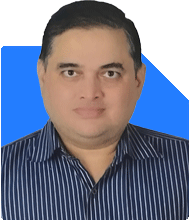
Purshotam

Purshotam Lal  | Answer  |Ask -

Financial Planner, MF and Insurance Expert - Answered on Oct 11, 2025

Purshotam Lal has over 38 years of experience in investment banking, mutual funds, insurance and wealth management.
He is an Association of Mutual Funds in India (AMFI)-registered mutual fund distributor, an Insurance Regulatory and Development Authority of India (IRDAI)-certified insurance advisor and founder of Finphoenix Services LLP.
He holds an MBA in finance from the Faculty of Management Studies (FMS), Delhi University and a chartered financial analyst (CFA) degree. He also holds certified associate of the Indian Institute of Bankers (CAIIB), fellow of the Insurance Institute of India (FIII) and National Institute of Securities Markets (NISM) certifications.... more
Asked by Anonymous - Sep 25, 2025Hindi
Money

Hello! I’m 40 years old, my monthly take home is 1Lac. With no debt or liability. My current investments are, 12L in FD, 40L in MF, 4L in PPF, 6L in LIC, 2L in equity. I’m looking at a good retirement plan and a corpus of 3 crores until I retire

Ans: If you retire at Age 58, you are on the right track and can achieve a corpus of Rs 3 Crore with current Investments. For other exigencies and more life goals you can regularly invest in MF or other assets as per your risk appetite.
DISCLAIMER: The content of this post by the expert is the personal view of the rediffGURU. Users are advised to pursue the information provided by the rediffGURU only as a source of information to be as a point of reference and to rely on their own judgement when making a decision.
Money

You may like to see similar questions and answers below

Ramalingam

Ramalingam Kalirajan  |10870 Answers  |Ask -

Mutual Funds, Financial Planning Expert - Answered on Jul 13, 2024

Asked by Anonymous - Jul 13, 2024Hindi
Money
Hello sir, i am 39 yrs old software engineer in banglore, getting salary 80k in hand pm. Have 3yrs old son and a wife(pragnant) Took home loan of 44lacs and current Home loan emi is 40k. Iam investing 10k /month in gold and 9k /month in mutual fund from march-24. A) axis midcap-2000/month B) hdfc defence-1000/ month C) nippon india innovation-2k /month D)nippon india small cap-1k /month E) axis smallcap- 1k /month F) hsbc consumption fund-1k /month Sir, please guide me to creat a very good corpus for the retirement and my childs education. I’m willing to work till 60. Thanks!
Ans: Your financial journey shows dedication and foresight. You are managing a home loan, investing regularly, and planning for your family's future. Balancing these responsibilities while aiming for long-term goals like retirement and your children’s education requires a strategic approach.

Current Investments and Income
You have a monthly salary of Rs. 80,000, with a significant portion going towards your home loan EMI of Rs. 40,000. Your investment strategy includes Rs. 10,000 in gold and Rs. 9,000 in mutual funds monthly. Here’s a brief breakdown:

Gold: Rs. 10,000/month
Mutual Funds: Rs. 9,000/month (split across six different funds)
This shows a disciplined approach, but let’s explore how you can optimize and diversify further for better returns and risk management.

Evaluating Your Investment Portfolio
Mutual Funds
Your mutual fund investments are spread across different categories, which is good for diversification. However, the allocation can be optimized for better returns and risk balance.

Midcap and Small Cap Funds: These are high-risk, high-reward funds. With Axis Midcap and two small-cap funds, you have a significant portion in volatile investments. Consider balancing with more stable options.

Thematic and Sectoral Funds: HDFC Defence and HSBC Consumption are thematic funds, which are also high-risk. Limiting exposure here could be beneficial.

Innovation Fund: This is a good choice for potential high returns, but again, it adds to your high-risk portfolio.

Balancing high-risk investments with more stable options like large-cap or multi-cap funds can help mitigate risks and ensure steady growth.

Recommendations for a Balanced Portfolio
To create a robust corpus for retirement and your children’s education, consider the following strategies:

Diversification
Large Cap Funds: These funds invest in well-established companies with stable returns. Allocate a portion here to balance risk.

Multi-Cap Funds: These invest across large, mid, and small-cap stocks, offering a balanced risk-return profile.

Debt Funds: Include these for stability and regular income. They are less volatile and provide safety against market fluctuations.

Systematic Investment Plan (SIP)
Continue with SIPs, as they instill discipline and take advantage of rupee cost averaging. Consider increasing SIP amounts gradually as your income grows.

Child’s Education Fund
Dedicated Child Plans: Look for mutual funds specifically designed for children’s education. They offer a mix of equity and debt tailored to education needs.

Public Provident Fund (PPF): This is a safe, long-term investment option with tax benefits. Consider opening a PPF account for your child.

Retirement Planning
Start planning for retirement now to build a substantial corpus. Here are some steps:

Retirement-Specific Mutual Funds: Consider funds designed for retirement, offering a mix of growth and stability.

National Pension System (NPS): This is a government-sponsored scheme with tax benefits and decent returns. It’s a good addition to your retirement portfolio.

Increase Retirement Contributions: As your income increases, allocate more towards retirement funds. Aim for at least 20-30% of your income.

Emergency Fund
An emergency fund is crucial. It should cover at least 6-12 months of living expenses. This provides financial security in case of unexpected events.

Insurance
Adequate insurance coverage is essential, especially with a growing family.

Term Insurance: Ensure you have a term plan with sufficient coverage to secure your family’s future.

Health Insurance: With a pregnant wife and young child, comprehensive health insurance is a must. It covers medical emergencies and reduces financial strain.

Tax Planning
Efficient tax planning can save you money, which can be redirected towards investments.

Tax-Saving Investments: Invest in options like ELSS, PPF, and NPS to avail tax deductions under Section 80C.

HRA and Home Loan Benefits: Utilize deductions for HRA and home loan interest payments.

Reviewing and Rebalancing
Regularly review your portfolio and financial plan. Market conditions change, and your investment strategy should adapt accordingly.

Annual Review: Conduct a detailed review of your investments and financial goals annually.

Rebalancing: Adjust your portfolio to maintain the desired asset allocation. This ensures your investments stay aligned with your goals and risk tolerance.


You have demonstrated commendable financial discipline and planning. Balancing a home loan, investments, and family responsibilities is not easy. Your proactive approach towards securing your family’s future and planning for retirement is truly admirable.

We understand that managing finances with a young family and a pregnant wife can be challenging. Your commitment to providing for your family’s needs while planning for long-term goals reflects your dedication and love for them. It’s important to strike a balance between enjoying the present and securing the future.

Final Insights
Creating a solid financial plan involves assessing your current situation, setting clear goals, and systematically working towards them. With your disciplined approach and willingness to learn, you are well on your way to building a secure financial future for yourself and your family. Continue to stay informed, seek professional advice when needed, and adapt your strategy as life changes.

Best Regards,

K. Ramalingam, MBA, CFP,

Chief Financial Planner,

www.holisticinvestment.in

..Read more

Ramalingam

Ramalingam Kalirajan  |10870 Answers  |Ask -

Mutual Funds, Financial Planning Expert - Answered on Aug 28, 2024

Asked by Anonymous - Aug 18, 2024Hindi
Money
I am 44 with monthly income of 1.9 L per month. My current portfolio is Mutual Fund - 5 L { SIP - Rs 15000 per Month } Equity - 3 L PF - 12 L FD - 6 L NPS / PPF - 2 L Sukanya - 2 L Old Insurance policies & Ulip - Around 5 L Medical Insurance covered for family Home Loan pending - 38 L { EMI of 53000 per month } I am planning to retire by 55 and looking for a corpus of 4 Cr. Please suggest how do i proceed?
Ans: You are 44 years old with a stable income of Rs. 1.9 lakh per month. Your portfolio consists of:

Mutual Funds: Rs. 5 lakh, with a SIP of Rs. 15,000 per month.

Equity: Rs. 3 lakh in direct equity.

Provident Fund: Rs. 12 lakh, offering steady, risk-free growth.

Fixed Deposit: Rs. 6 lakh, providing secure, low-risk returns.

NPS/PPF: Rs. 2 lakh in these long-term retirement-focused instruments.

Sukanya Samriddhi Yojana: Rs. 2 lakh, a good plan for your daughter’s future.

Old Insurance Policies & ULIPs: Around Rs. 5 lakh, combining insurance and investment.

Medical Insurance: Adequate coverage for your family.

Home Loan: Rs. 38 lakh pending, with an EMI of Rs. 53,000 per month.

You aim to retire by age 55, with a target retirement corpus of Rs. 4 crore. This is an ambitious yet achievable goal with disciplined planning.

Evaluating Your Current Portfolio
Your portfolio is diversified across various asset classes. Here’s a brief assessment:

Mutual Funds: You have Rs. 5 lakh invested, with a SIP of Rs. 15,000 per month. This is a solid start, but you’ll need to increase your SIP over time to reach your goal.

Equity: Rs. 3 lakh in direct equity offers growth potential. However, direct equity requires active management and carries higher risk. Consider whether you have the time and expertise to manage this actively.

Provident Fund (PF): Rs. 12 lakh in PF provides a safe and steady return. It’s a good foundation for your retirement planning, but it alone won’t suffice to reach your Rs. 4 crore target.

Fixed Deposit (FD): Rs. 6 lakh in FD is low-risk but offers limited growth. This is useful for emergencies or short-term needs, but it won’t help much in wealth accumulation.

NPS/PPF: Rs. 2 lakh here is beneficial for long-term tax-efficient growth. Continue contributing to these, as they will form part of your retirement corpus.

Sukanya Samriddhi Yojana: Rs. 2 lakh is a smart investment for your daughter’s education and marriage expenses. This is a long-term, tax-free investment, which is beneficial.

Old Insurance Policies & ULIPs: Rs. 5 lakh here may not be optimally allocated. ULIPs often have high costs and suboptimal returns compared to mutual funds. These should be reviewed and possibly restructured.

Medical Insurance: You’ve ensured coverage for your family, which is essential. This helps safeguard your financial planning from unexpected medical expenses.

Home Loan: Rs. 38 lakh pending with an EMI of Rs. 53,000 per month is a significant commitment. This is manageable given your income but impacts your monthly cash flow. Paying this off before retirement would ease financial pressure.

Steps to Reach Your Rs. 4 Crore Retirement Corpus
To achieve a retirement corpus of Rs. 4 crore by age 55, a structured approach is necessary. Let’s break it down:

1. Increase Your SIP Contributions
Current Situation: You invest Rs. 15,000 per month in SIPs. While this is good, it’s not enough to reach your Rs. 4 crore goal.

Recommended Action: Gradually increase your SIP contributions. Aim to increase by at least 10-15% every year. As your income grows, channel a portion of the increments into your SIPs. This helps in capitalizing on the power of compounding.

Focus on Actively Managed Funds: Actively managed funds are preferable over index funds due to their potential for higher returns. Work with an MFD with CFP credentials to choose the best funds.

2. Review and Restructure Old Insurance Policies & ULIPs
Current Situation: You have Rs. 5 lakh in old insurance policies and ULIPs. These may not be the most efficient investments for wealth creation.

Recommended Action: Review these policies with your Certified Financial Planner. If they are underperforming or carrying high costs, consider surrendering them and reallocating the funds to mutual funds. This will give you better returns in the long run.

Shift Focus to Term Insurance: If you don’t have term insurance, consider getting it. Term insurance offers high coverage at a low cost, ensuring your family’s financial security without mixing insurance and investment.

3. Maximize Contributions to PPF and NPS
Current Situation: You have Rs. 2 lakh in PPF and NPS combined. These are long-term, tax-efficient investment vehicles.

Recommended Action: Maximize your contributions to PPF each year. It’s a risk-free, tax-free option with a decent return. NPS is also beneficial, especially for its tax advantages. Consider increasing your NPS contributions, especially if your employer offers matching contributions.

Diversify Within NPS: Choose an asset allocation within NPS that aligns with your risk tolerance. A mix of equity and debt within NPS can provide balanced growth and safety.

4. Pay Down Your Home Loan Strategically
Current Situation: You have Rs. 38 lakh left on your home loan, with a hefty EMI of Rs. 53,000 per month.

Recommended Action: Paying off your home loan before retirement should be a priority. You don’t want a large liability hanging over your head post-retirement. Consider making additional payments towards the principal whenever possible. This will reduce the loan tenure and the interest paid over time.

Balance Between Investment and Loan Repayment: While it’s important to pay down your loan, don’t compromise on your investments. Find a balance where you can continue to grow your wealth while reducing debt.

5. Emergency Fund and FD Utilization
Current Situation: You have Rs. 6 lakh in FD, which is good for emergencies.

Recommended Action: Keep at least 6-12 months’ worth of expenses in your FD as an emergency fund. If you have excess funds beyond this, consider moving them to higher-yield investments, such as mutual funds or PPF, which offer better growth prospects.

Liquidity Needs: Ensure your emergency fund is easily accessible. Don’t tie up all your savings in long-term investments without having liquid reserves.

6. Direct Equity and Risk Management
Current Situation: You have Rs. 3 lakh in direct equity. This carries higher risk and requires active management.

Recommended Action: Evaluate your equity portfolio with your Certified Financial Planner. Ensure your stock picks align with your risk tolerance and retirement goals. If managing direct equity is overwhelming, consider shifting some of these funds to mutual funds, where professional managers can handle your investments.

Diversification: Avoid over-concentration in any one sector or stock. Diversify your holdings to reduce risk.

7. Consider Additional Retirement Vehicles
Current Situation: Your retirement savings are spread across various instruments.

Recommended Action: Explore additional retirement vehicles such as Voluntary Provident Fund (VPF) or Senior Citizens Savings Scheme (SCSS) when you approach 55. These provide secure, government-backed options for retirement savings.

Don’t Rely Solely on One Source: Ensure your retirement corpus is spread across multiple sources to reduce risk and provide flexibility.

8. Regular Portfolio Review and Rebalancing
Current Situation: Your portfolio needs to be regularly monitored to stay aligned with your goals.

Recommended Action: Schedule regular reviews with your Certified Financial Planner. Adjust your portfolio based on market conditions and your evolving financial situation. As you approach retirement, gradually shift from high-risk to lower-risk investments to preserve your capital.

Stay Disciplined: Avoid making emotional decisions based on short-term market fluctuations. Stick to your long-term plan, and make adjustments only when necessary.

9. Estate Planning and Will Creation
Current Situation: While your focus is on retirement, it’s also essential to think about estate planning.

Recommended Action: Create a will to ensure your assets are distributed according to your wishes. This will prevent legal complications for your family later. Consider discussing with your Certified Financial Planner the need for a trust if your estate is substantial.

Nomination Updates: Ensure all your investments, insurance policies, and retirement accounts have updated nominations. This simplifies the process for your beneficiaries.

Finally
Your goal of a Rs. 4 crore retirement corpus by age 55 is achievable. It requires a disciplined approach, increasing your SIP contributions, optimizing your existing portfolio, and paying down debt. Work closely with your Certified Financial Planner to ensure your investments align with your goals. Regular reviews and adjustments will keep you on track towards a secure and comfortable retirement.

Best Regards,

K. Ramalingam, MBA, CFP,

Chief Financial Planner,

www.holisticinvestment.in

..Read more

Ramalingam

Ramalingam Kalirajan  |10870 Answers  |Ask -

Mutual Funds, Financial Planning Expert - Answered on Jun 18, 2025

Asked by Anonymous - Jun 18, 2025
Money
Hi, I am 57+ years old with 2 yrs left for retirement from pvt firm. My take home salary is 2.15L after tax, corporate insurance and VPF deduction. I have accumulated 2cr in PF, 40 L in PPF, 20 L in FD, 40 L in retiral benefits when due. SIP of monthly10k in Equity MF started recently valued at only 5L. Own house, 40k loan monthly emi ending just before retirement. Self and family sufficiently insured . Monthly expense 1.8L . Eligible for 1L pension post retirement. I need to ensure a total retirement corpus of 5 cr by next 2 yrs. Fall in Single income bracket. Pls advise.
Ans: You have already taken some key steps in the right direction. Let me guide you towards achieving your Rs 5 crore corpus goal with a structured, 360-degree plan. This advice comes with your short 2-year time frame, income flow, and existing assets in mind.

Current Financial Snapshot – Assessment

You are already on a stable base:

Age: 57+ years, 2 years from retirement.

Monthly net salary: Rs 2.15 lakh.

Existing savings:

PF: Rs 2 crore.

PPF: Rs 40 lakh.

FD: Rs 20 lakh.

Retiral benefits (due at retirement): Rs 40 lakh.

MF SIP (started recently): Rs 5 lakh value, Rs 10,000/month.

EMI of Rs 40,000 ending just before retirement.

Own house – no rent burden.

Monthly expense: Rs 1.8 lakh.

Post-retirement pension: Rs 1 lakh/month.

Well-insured family and self.

This gives a very good head-start. You are already financially disciplined. Your lifestyle is well-planned. You are consistent in saving. But the target of Rs 5 crore in 2 years is slightly tight. So, every rupee now must work harder.

Goal Feasibility – Analysis of Rs 5 Crore Target

Let’s review if this goal is realistic:

Current accumulated wealth: Rs 3.05 crore (PF + PPF + FD + MF).

Retiral benefits in 2 years: Rs 40 lakh more.

Total likely corpus in 2 years without new investments: Rs 3.45 crore.

Gap to Rs 5 crore: Rs 1.55 crore.

Your income surplus is approx. Rs 35,000 per month (Rs 2.15 lakh income – Rs 1.8 lakh expense – Rs 40,000 EMI). EMI will stop in 2 years. That will free more cashflow, but not now. With just Rs 35,000/month savings, achieving Rs 1.55 crore extra in 2 years needs very high returns. That is not advisable near retirement.

Hence, you need:

Clear cost management.

Smarter savings redirection.

Enhanced allocation in high potential assets.

Realistic goal adjustment if needed.

Action Plan – Smart Steps for Next 2 Years

Let us now break down what to do.

1. Re-align Your Monthly Budget
Current surplus is Rs 35,000/month.

Cut monthly lifestyle spend from Rs 1.8 lakh to Rs 1.5 lakh.

Free up Rs 65,000+ per month for investments.

This increase is key to reach your Rs 5 crore goal.

2. Increase Equity Exposure Strategically
You started SIP in equity MF. Good beginning.

Rs 10,000/month is very low for your goal.

Increase it to Rs 50,000/month if possible.

Invest in well-managed diversified mutual funds.

Use regular plans through a Certified Financial Planner.

Avoid direct plans. They offer no guidance or risk management.

Regular plans allow you access to a certified MFD + CFP support.

This handholding is vital at your stage.

Disadvantage of Direct Plans:

No portfolio review.

No exit strategy support.

No emotional handholding in market volatility.

You might choose wrong funds.

Saving 0.5%-1% fee is not worth big risk at this stage.

Instead, pay a small trail fee and get full guidance. That is safer and more profitable in the long run.

3. Lumpsum Allocation from FD + PPF
PPF and PF are debt-heavy.

FD returns are taxable and low.

You need growth assets now.

Action:

Move Rs 10 lakh from FD into 2 lumpsum tranches of Rs 5 lakh each.

Use them in equity mutual funds via Systematic Transfer Plan (STP).

STP gives gradual market exposure.

This protects you from sudden market crashes.

PPF: Continue till maturity. Don’t break. It's safe and tax-free.

FD: Don’t increase allocation. Use only as emergency buffer.

4. Retiral Benefits to Be Invested Wisely
Rs 40 lakh expected on retirement.

Don’t keep it in savings account or FD.

Split into 2 parts:

Rs 15 lakh into hybrid or balanced mutual funds.

Rs 25 lakh in short duration debt mutual funds for 2–4 year needs.

Use mutual funds, not bank products.

Bank products give lower return and are taxable. Mutual funds give better growth and flexibility.

5. Monthly SIP Discipline and Staggering
Increase SIP gradually each quarter if possible.

Target Rs 75,000–80,000/month within 12 months.

Use diversified equity mutual funds across large, mid and flexi-cap categories.

Avoid sector funds or thematic funds. Too risky.

Avoid index funds:

No active management.

Cannot avoid loss in falling markets.

Underperforms in sideways or volatile markets.

Lack flexibility and safety in retirement stage.

Advantage of actively managed funds:

Can shift to cash or debt when needed.

Expertly curated by experienced fund managers.

Less risk in volatile times.

This is important for your risk profile.

Post Retirement Strategy – Manage Withdrawal and Income Smartly

After retirement:

Monthly pension: Rs 1 lakh.

Your current monthly need: Rs 1.8 lakh.

Monthly gap: Rs 80,000.

So, your corpus should generate Rs 80,000/month = Rs 9.6 lakh/year.

Step-by-step plan:

Use debt and hybrid funds to generate fixed withdrawals.

Use equity fund growth for long-term needs.

Keep 1 year of expenses in ultra short-term fund.

Replenish it every 12 months from equity/debt growth.

Don’t withdraw from equity funds in loss phase.

Use buffer funds instead. This avoids selling in down markets.

Tax Impact Planning – Avoid Surprises

Equity mutual fund long term capital gain (LTCG) over Rs 1.25 lakh is taxed at 12.5%.

Short term gains (STCG) taxed at 20%.

Debt mutual funds taxed as per your slab.

Plan redemptions carefully with your CFP.

Spread out withdrawals to reduce tax burden.

Avoid fixed deposits for income. They are taxed at your slab rate.

Emergency and Contingency Plan

Keep Rs 10 lakh in liquid fund or ultra-short duration debt fund.

This is for health emergency or family needs.

Don’t touch your retirement corpus for this.

Emotional and Family Considerations

Talk to spouse and family about spending reduction for next 2 years.

Avoid lifestyle upgrades.

No unnecessary gifting or lending.

Involve family in investment discussions.

This helps them manage better later.

What Not to Do Now

Don’t invest in real estate. It lacks liquidity.

Don’t buy new insurance policies.

Don’t invest in NPS or ULIPs now.

Don’t go for annuities. Poor returns and no growth.

Don’t keep big cash in bank FDs.

Finally – Key Insights and Recommendations

Rs 5 crore goal is possible with smart moves.

Cut spending. Increase savings.

Use equity mutual funds more.

Avoid FDs and other low-yield products.

Work closely with a Certified Financial Planner.

Avoid emotional investing decisions.

Keep health insurance active always.

Build a withdrawal strategy from day one after retirement.

Revisit and re-balance portfolio every 6 months.

Protect capital. Grow smartly. Spend wisely.

Your financial discipline is already strong. With better strategy, the final stretch will be successful.

Best Regards,
K. Ramalingam, MBA, CFP,
Chief Financial Planner,
www.holisticinvestment.in
https://www.youtube.com/@HolisticInvestment

..Read more

Latest Questions
Ravi

Ravi Mittal  |676 Answers  |Ask -

Dating, Relationships Expert - Answered on Dec 04, 2025

Asked by Anonymous - Dec 02, 2025Hindi
Relationship
My married ex still texts me for comfort. Because of him, I am unable to move on. He makes me feel guilty by saying he got married out of family pressure. His dad is a cardiac patient and mom is being treated for cancer. He comforts me by saying he will get separated soon and we will get married because he only loves me. We have been in a relationship for 14 years and despite everything we tried, his parents refused to accept me, so he chose to get married to someone who understands our situation. I don't know when he will separate from his wife. She knows about us too but she comes from a traditional family. She also confirmed there is no physical intimacy between them. I trust him, but is it worth losing my youth for him? Honestly, I am worried and very confused.

Ans: Dear Anonymous,
I understand how difficult it is to let go of a relationship you have built from scratch, but is it really how you want to continue? It really seems to be going nowhere. His parents are already in bad health and he married someone else for their happiness. Does it seem like he will be able to leave her? So many people’s happiness and lives depend on this one decision. I think it’s about time you and your BF have a clear conversation about the same. If he can’t give a proper timeline, please try to understand his situation. But also make sure he understands yours and maybe rethink this equation. It really isn’t healthy. You deserve a love you can have wholly, and not just in pieces, and in the shadows.

Hope this helps

...Read more

Mayank

Mayank Chandel  |2562 Answers  |Ask -

IIT-JEE, NEET-UG, SAT, CLAT, CA, CS Exam Expert - Answered on Dec 04, 2025

Career
My son will be appearing for JEE Main & JEE Advanced 2026 and will participate in JoSAA Counselling 2026. I request clarification regarding the GEN-EWS certificate date requirement for next year. I have already applied for an EWS certificate for current year 2025, and the application is under process. However, I am unsure whether this certificate will be accepted during JoSAA 2026, or whether candidates will be required to submit a fresh certificate for FY 2026–27 (issued on or after 1 April 2026). My concern is that if JoSAA requires a certificate issued after 1 April 2026, students will have only 1–1.5 months to complete the entire procedure, which is difficult considering normal government processing timelines. Also, during current JEE form filling, students are asked to upload a GEN-EWS certificate issued on or after 1 April 2025, or an application acknowledgement. This has created confusion among parents regarding which year’s certificate will finally be valid at the time of counselling. I request your kind guidance on: Which GEN-EWS certificate will be accepted for JoSAA Counselling 2026 — a certificate for FY 2025–26 (issued after 1 April 2025), or a new certificate for FY 2026–27 (issued after 1 April 2026)?
Ans: Hi
You need not worry about the EWS certificate. Even if you apply for the next year's certificate on 1 Apr 2026, the second session of JEE MAINS will still be held, followed by JEE ADVANCED, which will be held in May. JOSAA starts in June. so you will have 2 months in hand for fresh EWS certificate.

...Read more

DISCLAIMER: The content of this post by the expert is the personal view of the rediffGURU. Investment in securities market are subject to market risks. Read all the related document carefully before investing. The securities quoted are for illustration only and are not recommendatory. Users are advised to pursue the information provided by the rediffGURU only as a source of information and as a point of reference and to rely on their own judgement when making a decision. RediffGURUS is an intermediary as per India's Information Technology Act.

Close  

You haven't logged in yet. To ask a question, Please Log in below
Login

A verification OTP will be sent to this
Mobile Number / Email

Enter OTP
A 6 digit code has been sent to

Resend OTP in120seconds

Dear User, You have not registered yet. Please register by filling the fields below to get expert answers from our Gurus
Sign up

By signing up, you agree to our
Terms & Conditions and Privacy Policy

Already have an account?

Enter OTP
A 6 digit code has been sent to Mobile

Resend OTP in120seconds

x