Need Expert Advice?Our Gurus Can Help

Ramalingam Kalirajan |10872 Answers |Ask -Follow
Mutual Funds, Financial Planning Expert - Answered on Jul 01, 2025
Ramalingam Kalirajan has over 23 years of experience in mutual funds and financial planning.
He has an MBA in finance from the University of Madras and is a certified financial planner.
He is the director and chief financial planner at Holistic Investment, a Chennai-based firm that offers financial planning and wealth management advice.... more
He has an MBA in finance from the University of Madras and is a certified financial planner.
He is the director and chief financial planner at Holistic Investment, a Chennai-based firm that offers financial planning and wealth management advice.... more
 Question by Ravi on Jun 30, 2025Hindi
Hello, I am looking for a lumpsum investment option for an amount of about 60lacs. I am looking for long term investment option of about 15 years. I am aged 45 now and willing to use these returns towards my retirement. My risk profile is High Risk to start off with a view to review it in a few years. Thanks
Ans: You are 45 years old. You want to invest Rs.60 lakh as lump sum. You are aiming to use the investment for retirement, around 15 years from now. You have high risk capacity today and want to review it later. This is a great start. Long-term vision and readiness to take risk at this stage is a big plus.
Now, let’s look at your investment journey step-by-step. We will cover strategy, risks, returns, reviews, tax impact, diversification and more.
Clear Understanding of Your Investment Objective
Your investment amount is Rs.60 lakh, as lump sum
Investment horizon is 15 years, long term
Purpose is retirement corpus
Your risk appetite is currently high
You may reduce risk later as you grow older
Your plan is solid. You are aligning your investments with retirement. That is the most important financial goal for anyone. You are also willing to take risk early. This improves growth potential in initial years.
But this investment needs proper structure. You need goal-based allocation. You also need periodic review. You must track progress every year.
Key Challenges You Must Prepare For
Even a good plan may face challenges:
Market fluctuations in early years
Change in risk appetite after few years
Taxation rules changing in future
Healthcare costs rising in retirement
Longevity risk after retirement
Inflation impact on retirement spending
These are real challenges. You must plan with a buffer. That is why you need a 360-degree investment strategy.
Why Real Estate Is Not Suitable for This Goal
Some may suggest buying property with Rs.60 lakh. But it is not wise.
Real estate is not liquid
Selling takes time
Legal problems may arise
Rental returns are low
Maintenance cost is high
Price appreciation is uncertain
You need funds ready when you retire. Real estate may not give that easily. You also can’t do small withdrawals from real estate. Mutual funds offer that flexibility.
Avoid Index Funds for Your Retirement Corpus
Index funds are passive funds. They only copy the market index. They don’t beat market returns. No fund manager adjusts the portfolio. That is not useful for a retirement goal. You need active strategy.
Why actively managed funds are better:
Fund manager selects good companies
Portfolio is reviewed often
Changes are made when needed
Can beat market in long term
Better downside protection in crash
Certified Financial Planner can select high-quality active funds for you. They also monitor performance. With proper guidance, you don’t have to worry about wrong fund selection.
Direct Mutual Funds – Not Advisable for This Goal
Direct funds look attractive due to lower cost. But they come with many risks.
You may select wrong fund
No expert guidance
No one to track for you
You may panic and exit at wrong time
Rebalancing is missed
Portfolio may not match your risk profile
You are investing Rs.60 lakh. Mistake in fund selection can cost lakhs. Regular plans offer access to a Certified Financial Planner. They ensure the funds are right for you. They review portfolio every year. They align funds with your goal. This adds more value than saved cost.
Best Way to Invest This Rs.60 Lakh Lumpsum
Since your goal is 15 years away, equity should be major portion now. But do not invest full amount in equity at once. Invest slowly. Use STP (Systematic Transfer Plan). This reduces entry risk.
Here is how to approach it:
Park Rs.60 lakh in ultra short-term mutual fund
Start STP to equity mutual funds
Transfer over 12 to 18 months
Use large-cap and flexi-cap funds mainly
Add mid-cap funds in small portion
Don’t use small-cap funds directly now
Add hybrid fund after 5 years
Slowly reduce equity when goal is near
This plan gives balance. You benefit from growth early. You protect your capital later.
Tax Rules You Must Keep in Mind
There are new rules for mutual fund taxation. It will apply when you withdraw.
For equity mutual funds:
If gains above Rs.1.25 lakh in a year – taxed at 12.5% as LTCG
If holding less than 1 year – taxed at 20% as STCG
For debt mutual funds:
Gains taxed as per your income slab
No indexation now
So, stay invested in equity funds for more than one year. Withdraw in a phased way after retirement. That reduces tax. Certified Financial Planner will help plan your withdrawal.
How to Review This Investment Over 15 Years
Don’t just invest and forget. You must track and review. At least once every year.
Check these during review:
Is the return matching your goal?
Is your risk profile still same?
Are all funds performing well?
Do you need to shift to safer funds now?
Is equity allocation still right for your age?
After age 50, reduce equity gradually. Add more to balanced or hybrid funds. This protects your capital.
Also, start planning retirement income strategy. How will you withdraw after 60? Which fund will you touch first? Plan this at least 3–5 years before retirement.
Investment Allocation Strategy to Begin With
Here is a basic model to start:
Rs.50 lakh – parked in ultra-short-term fund
Use STP to equity mutual funds over 15–18 months
Rs.10 lakh – stay in hybrid conservative fund for safety
After 5 years, shift 20% from equity to balanced fund
After 10 years, shift more from equity to hybrid fund
Last 3 years, move 30% to debt funds
This way you keep reducing risk. You also protect your capital as retirement comes near.
Insurance, Emergency Fund and Other Essentials
Before investing, check if these are in place:
Emergency fund of 6 months’ expenses
Health insurance for you and family
Term insurance if you have dependents
No pending high-interest loans
Only after this is settled, invest the full Rs.60 lakh. If you already hold any endowment plans or ULIPs, consider surrender. Their returns are poor. Redeem and invest in mutual funds. Don’t lock your money in low return insurance policies.
Post-Retirement Planning Tips for Your Investment
At age 60, your goal is to generate income. Use the corpus carefully.
Don’t withdraw all at once
Use SWP (Systematic Withdrawal Plan)
Take monthly income from hybrid or debt funds
Keep equity for growth post-retirement
Review withdrawal amount every year
Don’t overspend in early retirement years
A Certified Financial Planner will help create a retirement income ladder. This gives regular cash flow. Also, you protect against inflation.
Emotional Discipline is Very Important
Market will fall sometimes. You may feel like exiting. Don’t act on emotion.
Stay invested for full term
Don’t react to short term news
Don’t chase high return funds blindly
Don’t check portfolio too often
Trust your plan
Review only once or twice a year
Investing is like farming. You don’t keep digging to check seeds. You sow and wait. Do the same with your retirement fund.
Use a Certified Financial Planner
Investing Rs.60 lakh needs expert handling. A Certified Financial Planner gives 360-degree support.
Defines goal clearly
Helps with STP strategy
Chooses right funds as per your risk
Helps in yearly review
Helps reduce tax while withdrawing
Plans retirement income
Protects your goal from market panic
With CFP guidance, your money is safe. Your emotions are managed. Your goal is protected.
Finally
You are doing the right thing by thinking early about retirement. You are investing a large amount. You are ready to take risk. That is a strong combination.
Now use that strength with planning. Don’t invest in direct or index funds. Don’t lock in real estate. Avoid traditional policies. Use mutual funds via Certified Financial Planner.
Invest step-by-step. Review regularly. Reduce risk slowly. Plan your retirement income strategy well. You will retire peacefully. Your future self will thank you for this decision.
Best Regards,
K. Ramalingam, MBA, CFP,
Chief Financial Planner,
www.holisticinvestment.in
https://www.youtube.com/@HolisticInvestment
Now, let’s look at your investment journey step-by-step. We will cover strategy, risks, returns, reviews, tax impact, diversification and more.
Clear Understanding of Your Investment Objective
Your investment amount is Rs.60 lakh, as lump sum
Investment horizon is 15 years, long term
Purpose is retirement corpus
Your risk appetite is currently high
You may reduce risk later as you grow older
Your plan is solid. You are aligning your investments with retirement. That is the most important financial goal for anyone. You are also willing to take risk early. This improves growth potential in initial years.
But this investment needs proper structure. You need goal-based allocation. You also need periodic review. You must track progress every year.
Key Challenges You Must Prepare For
Even a good plan may face challenges:
Market fluctuations in early years
Change in risk appetite after few years
Taxation rules changing in future
Healthcare costs rising in retirement
Longevity risk after retirement
Inflation impact on retirement spending
These are real challenges. You must plan with a buffer. That is why you need a 360-degree investment strategy.
Why Real Estate Is Not Suitable for This Goal
Some may suggest buying property with Rs.60 lakh. But it is not wise.
Real estate is not liquid
Selling takes time
Legal problems may arise
Rental returns are low
Maintenance cost is high
Price appreciation is uncertain
You need funds ready when you retire. Real estate may not give that easily. You also can’t do small withdrawals from real estate. Mutual funds offer that flexibility.
Avoid Index Funds for Your Retirement Corpus
Index funds are passive funds. They only copy the market index. They don’t beat market returns. No fund manager adjusts the portfolio. That is not useful for a retirement goal. You need active strategy.
Why actively managed funds are better:
Fund manager selects good companies
Portfolio is reviewed often
Changes are made when needed
Can beat market in long term
Better downside protection in crash
Certified Financial Planner can select high-quality active funds for you. They also monitor performance. With proper guidance, you don’t have to worry about wrong fund selection.
Direct Mutual Funds – Not Advisable for This Goal
Direct funds look attractive due to lower cost. But they come with many risks.
You may select wrong fund
No expert guidance
No one to track for you
You may panic and exit at wrong time
Rebalancing is missed
Portfolio may not match your risk profile
You are investing Rs.60 lakh. Mistake in fund selection can cost lakhs. Regular plans offer access to a Certified Financial Planner. They ensure the funds are right for you. They review portfolio every year. They align funds with your goal. This adds more value than saved cost.
Best Way to Invest This Rs.60 Lakh Lumpsum
Since your goal is 15 years away, equity should be major portion now. But do not invest full amount in equity at once. Invest slowly. Use STP (Systematic Transfer Plan). This reduces entry risk.
Here is how to approach it:
Park Rs.60 lakh in ultra short-term mutual fund
Start STP to equity mutual funds
Transfer over 12 to 18 months
Use large-cap and flexi-cap funds mainly
Add mid-cap funds in small portion
Don’t use small-cap funds directly now
Add hybrid fund after 5 years
Slowly reduce equity when goal is near
This plan gives balance. You benefit from growth early. You protect your capital later.
Tax Rules You Must Keep in Mind
There are new rules for mutual fund taxation. It will apply when you withdraw.
For equity mutual funds:
If gains above Rs.1.25 lakh in a year – taxed at 12.5% as LTCG
If holding less than 1 year – taxed at 20% as STCG
For debt mutual funds:
Gains taxed as per your income slab
No indexation now
So, stay invested in equity funds for more than one year. Withdraw in a phased way after retirement. That reduces tax. Certified Financial Planner will help plan your withdrawal.
How to Review This Investment Over 15 Years
Don’t just invest and forget. You must track and review. At least once every year.
Check these during review:
Is the return matching your goal?
Is your risk profile still same?
Are all funds performing well?
Do you need to shift to safer funds now?
Is equity allocation still right for your age?
After age 50, reduce equity gradually. Add more to balanced or hybrid funds. This protects your capital.
Also, start planning retirement income strategy. How will you withdraw after 60? Which fund will you touch first? Plan this at least 3–5 years before retirement.
Investment Allocation Strategy to Begin With
Here is a basic model to start:
Rs.50 lakh – parked in ultra-short-term fund
Use STP to equity mutual funds over 15–18 months
Rs.10 lakh – stay in hybrid conservative fund for safety
After 5 years, shift 20% from equity to balanced fund
After 10 years, shift more from equity to hybrid fund
Last 3 years, move 30% to debt funds
This way you keep reducing risk. You also protect your capital as retirement comes near.
Insurance, Emergency Fund and Other Essentials
Before investing, check if these are in place:
Emergency fund of 6 months’ expenses
Health insurance for you and family
Term insurance if you have dependents
No pending high-interest loans
Only after this is settled, invest the full Rs.60 lakh. If you already hold any endowment plans or ULIPs, consider surrender. Their returns are poor. Redeem and invest in mutual funds. Don’t lock your money in low return insurance policies.
Post-Retirement Planning Tips for Your Investment
At age 60, your goal is to generate income. Use the corpus carefully.
Don’t withdraw all at once
Use SWP (Systematic Withdrawal Plan)
Take monthly income from hybrid or debt funds
Keep equity for growth post-retirement
Review withdrawal amount every year
Don’t overspend in early retirement years
A Certified Financial Planner will help create a retirement income ladder. This gives regular cash flow. Also, you protect against inflation.
Emotional Discipline is Very Important
Market will fall sometimes. You may feel like exiting. Don’t act on emotion.
Stay invested for full term
Don’t react to short term news
Don’t chase high return funds blindly
Don’t check portfolio too often
Trust your plan
Review only once or twice a year
Investing is like farming. You don’t keep digging to check seeds. You sow and wait. Do the same with your retirement fund.
Use a Certified Financial Planner
Investing Rs.60 lakh needs expert handling. A Certified Financial Planner gives 360-degree support.
Defines goal clearly
Helps with STP strategy
Chooses right funds as per your risk
Helps in yearly review
Helps reduce tax while withdrawing
Plans retirement income
Protects your goal from market panic
With CFP guidance, your money is safe. Your emotions are managed. Your goal is protected.
Finally
You are doing the right thing by thinking early about retirement. You are investing a large amount. You are ready to take risk. That is a strong combination.
Now use that strength with planning. Don’t invest in direct or index funds. Don’t lock in real estate. Avoid traditional policies. Use mutual funds via Certified Financial Planner.
Invest step-by-step. Review regularly. Reduce risk slowly. Plan your retirement income strategy well. You will retire peacefully. Your future self will thank you for this decision.
Best Regards,
K. Ramalingam, MBA, CFP,
Chief Financial Planner,
www.holisticinvestment.in
https://www.youtube.com/@HolisticInvestment
Asked on - Jul 02, 2025 | Answered on Jul 02, 2025
Hello Mr Ramalingam, thanks for your detailed advice and strategy. I will try to implement a few right away which is to do with surrending ULIP. Can you perhaps cater this advice for a NRI who has no commitments like mortgage emi, car loans, medical related commitments and etc. Thanks
Ans: As an NRI with no EMIs, loans, or medical burdens, your investment plan becomes even more focused and flexible. The core strategy remains the same — park the Rs.60 lakh in an ultra short-term fund and use STP into equity mutual funds over 12–18 months, primarily into actively managed diversified equity funds.
Since you’re abroad:
Prefer feeder funds or NRI-friendly domestic MF platforms.
Make sure KYC and FATCA formalities are updated.
Use SWP post-retirement, but plan repatriation rules carefully.
Keep using a Certified Financial Planner in India for year-on-year monitoring and tax clarity.
Best Regards,
K. Ramalingam, MBA, CFP,
Chief Financial Planner,
www.holisticinvestment.in
https://www.youtube.com/@HolisticInvestment
Since you’re abroad:
Prefer feeder funds or NRI-friendly domestic MF platforms.
Make sure KYC and FATCA formalities are updated.
Use SWP post-retirement, but plan repatriation rules carefully.
Keep using a Certified Financial Planner in India for year-on-year monitoring and tax clarity.
Best Regards,
K. Ramalingam, MBA, CFP,
Chief Financial Planner,
www.holisticinvestment.in
https://www.youtube.com/@HolisticInvestment
DISCLAIMER: The content of this post by the expert is the personal view of the rediffGURU. Users are advised to pursue the information provided by the rediffGURU only as a source of information to be as a point of reference and to rely on their own judgement when making a decision.
MoneyReply


You may like to see similar questions and answers below
Ramalingam Kalirajan |10872 Answers |Ask -Follow
Mutual Funds, Financial Planning Expert - Answered on May 02, 2024


Ramalingam Kalirajan |10872 Answers |Ask -Follow
Mutual Funds, Financial Planning Expert - Answered on Apr 22, 2024

Ramalingam Kalirajan |10872 Answers |Ask -Follow
Mutual Funds, Financial Planning Expert - Answered on Apr 22, 2024

Ramalingam Kalirajan |10872 Answers |Ask -Follow
Mutual Funds, Financial Planning Expert - Answered on Aug 08, 2024
Milind Vadjikar | Answer |Ask -Follow
Insurance, Stocks, MF, PF Expert - Answered on May 13, 2025
Latest Questions

Radheshyam Zanwar |6735 Answers |Ask -Follow
MHT-CET, IIT-JEE, NEET-UG Expert - Answered on Dec 06, 2025


Dr Nagarajan J S K |2576 Answers |Ask -Follow
NEET, Medical, Pharmacy Careers - Answered on Dec 06, 2025


Mihir Tanna |1090 Answers |Ask -Follow
Tax Expert - Answered on Dec 06, 2025
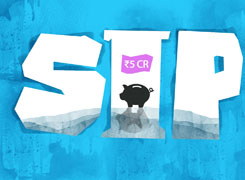
Asked by Anonymous - Dec 04, 2025Hindi

Ramalingam Kalirajan |10872 Answers |Ask -Follow
Mutual Funds, Financial Planning Expert - Answered on Dec 06, 2025
Radheshyam Zanwar |6735 Answers |Ask -Follow
MHT-CET, IIT-JEE, NEET-UG Expert - Answered on Dec 06, 2025

Radheshyam Zanwar |6735 Answers |Ask -Follow
MHT-CET, IIT-JEE, NEET-UG Expert - Answered on Dec 06, 2025

Radheshyam Zanwar |6735 Answers |Ask -Follow
MHT-CET, IIT-JEE, NEET-UG Expert - Answered on Dec 06, 2025



Dr Dipankar Dutta |1837 Answers |Ask -Follow
Tech Careers and Skill Development Expert - Answered on Dec 05, 2025



Dr Shyam Jamalabad |108 Answers |Ask -Follow
Dentist - Answered on Dec 05, 2025


Dr Shyam Jamalabad |108 Answers |Ask -Follow
Dentist - Answered on Dec 05, 2025