Home > Money > Question
Need Expert Advice?Our Gurus Can Help

Ramalingam

Ramalingam Kalirajan  |10881 Answers  |Ask -

Mutual Funds, Financial Planning Expert - Answered on May 12, 2024

Ramalingam Kalirajan has over 23 years of experience in mutual funds and financial planning.
He has an MBA in finance from the University of Madras and is a certified financial planner.
He is the director and chief financial planner at Holistic Investment, a Chennai-based firm that offers financial planning and wealth management advice.... more
Asked by Anonymous - Apr 20, 2024Hindi

Listen
Money

Hello Sir, I am 36 yrs old IT professional, earned good amount of money from my jobs at different companies but I have lost everything in the stock market while doing options trading. I have stopped the stock market options trading now, please guide how can I start saving and investing to get good returns for my kids education. Currently no savings and no investments.

Ans: I'm truly sorry to hear about your difficult experience with the stock market. It's not easy, but you've taken a positive step by seeking guidance on how to rebuild your financial future.

Firstly, I want to commend you for recognizing the need for change and halting your options trading. It takes courage to reassess and pivot, especially after setbacks.

Now, let's focus on rebuilding. Since you're starting from scratch, it's crucial to prioritize savings. Begin by setting up an emergency fund to cover unexpected expenses. Aim for at least six months' worth of living expenses.

Once your emergency fund is established, it's time to think about investing for your kids' education. Given your past experience, cautious investing is key. Consider diversified mutual funds managed by professionals. These funds spread your investment across various assets, reducing risk.

Regular funds, managed through a Certified Financial Planner, offer personalized guidance and oversight, helping you navigate the complexities of the market.

While index funds may seem appealing for their low fees, they lack the active management that can help mitigate risks and seize opportunities in volatile markets.

Remember, investing is a long-term commitment. Stay patient and disciplined, and avoid the temptation of get-rich-quick schemes.

You've already demonstrated resilience by seeking advice. With careful planning and prudent investing, you can rebuild your financial stability and secure your children's future education.

Best Regards,

K. Ramalingam, MBA, CFP,

Chief Financial Planner,

www.holisticinvestment.in
DISCLAIMER: The content of this post by the expert is the personal view of the rediffGURU. Users are advised to pursue the information provided by the rediffGURU only as a source of information to be as a point of reference and to rely on their own judgement when making a decision.
Money

You may like to see similar questions and answers below

Ramalingam

Ramalingam Kalirajan  |10881 Answers  |Ask -

Mutual Funds, Financial Planning Expert - Answered on Apr 13, 2024

Asked by Anonymous - Apr 13, 2024Hindi
Listen
Money
Hi, I am 34 years old and I work as a IT consultant and my wife is a homemaker and we have a 6 months old son. My salary is 26 Lakhs and currently I have about 15 Lakhs of savings and 15 Lakhs of funds parked in Shares. I dont have a house and a car. Please suggest on how to invest for home and car in about next 5-7 years and investment for child future education and marriage.
Ans: Congratulations on your new son! It sounds like you're in a good financial position to plan for your future goals. Here are some thoughts on how to invest for your home, car, and child's future:

Emergency Fund:

Before diving into investments for bigger goals, ensure you have a solid emergency fund. Aim for 3-6 months of your living expenses to cover unexpected costs. You can park this in a high-interest savings account or liquid funds for easy access.
Home and Car:

Timeline: With a 5-7 year timeframe, you can consider a mix of investments for your down payment on a house and car.
Down Payment: Typically, a 20% down payment is recommended for a house loan to avoid private mortgage insurance (PMI).
Investment Options:
Debt Funds: Invest a portion in low-risk debt funds that offer moderate returns with lower volatility than stocks.
Balanced Mutual Funds: Consider balanced mutual funds that invest in a mix of stocks and bonds, offering a balance between growth and stability.
Systematic Investment Plan (SIP) in Equity Mutual Funds: A small monthly SIP in diversified equity mutual funds can potentially offer higher returns over the long term, but be aware of market fluctuations.
Child's Education and Marriage:

Investment Horizon: You have a long investment horizon for your child's future. This allows you to consider growth-oriented investments.
Investment Options:
Equity Mutual Funds: A regular SIP in equity mutual funds allows you to benefit from compounding returns over the long term.
Child Plans: Explore child-specific investment plans offered by insurance companies. These plans provide insurance coverage along with a maturity benefit for your child's education or marriage. These may not offer the highest returns but can provide tax benefits and life insurance coverage.
Government Schemes: Sukanya Samriddhi Account (SSA) for a girl child offers good interest rates and tax benefits.
Here are some additional tips:

Do your research: Before investing in any financial product, research different options and understand the risks involved.
Seek professional financial advice: Consider consulting a registered financial advisor who can create a personalized plan based on your specific needs and risk tolerance.
Review Regularly: Review your investments periodically and adjust your asset allocation as your goals and risk tolerance change.
Remember: This is a general guideline, and the best investment strategy will depend on your specific circumstances. Be sure to factor in your risk tolerance, financial goals, and investment time horizon when making any investment decisions.

..Read more

Ramalingam

Ramalingam Kalirajan  |10881 Answers  |Ask -

Mutual Funds, Financial Planning Expert - Answered on Apr 15, 2024

Asked by Anonymous - Apr 15, 2024Hindi
Listen
Money
Hi sir M 34 years old and my income is just 22k help me how to plan and save for my kids and education one is 7yrs old and one is 5yrs old and m leaving in rented house till now no investment nothing pls guide me as m going down day by day and not able to concentrate on anything and help me planning financially as i want to educate my kids well and how to invest for more income and any scholarship also let me know
Ans: I understand your concerns about financial planning, especially with the responsibility of your children's education on your shoulders. Here's a simplified plan to help you get started:

Emergency Fund: Start by building an emergency fund. Aim to save at least 3-6 months' worth of expenses. This fund will provide a safety net in case of unexpected expenses or job loss.

Budgeting: Create a monthly budget to track your income and expenses. This will help you identify areas where you can cut back on expenses and save more.

Children's Education: For your children's education, consider investing in a Sukanya Samriddhi Yojana (SSY) or Public Provident Fund (PPF). These are government-backed schemes with tax benefits that can help you save for their future education.

Investments: With a monthly income of 22k, it's crucial to start small but consistent investments. Look for Systematic Investment Plans (SIPs) in mutual funds that align with your risk tolerance and investment goals. Even a small amount invested regularly can grow significantly over time.

Scholarships: Research and apply for scholarships for your children. Many organizations and educational institutions offer scholarships based on merit or financial need.

Rental House: While renting provides flexibility, consider your long-term housing needs. If possible, start saving for a down payment on a house. Owning a home can provide stability and serve as an investment for the future.

Additional Income: Explore ways to increase your income, such as taking up a part-time job or freelancing. Every extra rupee can make a difference in your savings and investments.

Remember, financial planning is a journey, not a destination. Start small, stay consistent, and review your plan regularly to make necessary adjustments. Seek advice from a financial advisor if needed to tailor a plan that suits your specific situation and goals.

..Read more

Ramalingam

Ramalingam Kalirajan  |10881 Answers  |Ask -

Mutual Funds, Financial Planning Expert - Answered on Jul 29, 2025

Money
Hello sir, I am 39, private employee and earning a salary of 60k per month. Wife has started job recently and her salary is 15k. We have 2 kids aged 9 and 2. We wish to start saving for their education and my retirement. Our expenses are around 50k and can save 15-20k collectively. We both have epf and medical insurance from my company. What should be my plan for good investments? Thank you.
Ans: Your initiative is truly inspiring. Starting early for children’s education and your retirement is wise. You are in the right direction. Your savings habit is strong. Your clarity of purpose is excellent. Now you need a simple but disciplined plan.

Let us assess your financial situation carefully and build your investment strategy step-by-step.

? Understand your present financial strength

– Your combined income is Rs. 75,000 per month.
– Household expenses are Rs. 50,000 per month.
– You are able to save Rs. 15,000 to Rs. 20,000 monthly.
– That is nearly 25% of your income. This is excellent.
– You are salaried with EPF benefits.
– You already have health cover. That’s a solid start.

? Create a small emergency reserve

– First, build an emergency fund.
– Keep at least 4 to 5 months of expenses aside.
– That means about Rs. 2.5 to 3 lakh as reserve.
– Use liquid mutual funds to park this money.
– This fund is only for emergencies.
– Do not mix it with your investments.
– This will give you peace and flexibility.

? Plan your investment goals with clarity

– You have three key goals:

Elder child’s higher education in 9 to 10 years

Younger child’s higher education in 15 to 16 years

Your retirement in 21 years
– All goals are long-term. That works in your favour.
– You have time to grow wealth using equity mutual funds.

? Prioritise child’s education as your first goal

– Education cost is rising faster than general inflation.
– Higher education may cost Rs. 25-40 lakh per child in future.
– So you must start separate SIPs for each child now.
– You can invest Rs. 6,000 for the elder child’s goal.
– You can invest Rs. 4,000 for the younger child’s goal.
– Choose actively managed equity funds. Avoid index funds.
– Index funds cannot beat market.
– Actively managed funds have scope for better returns.
– Skilled fund managers select stocks after deep research.

? For retirement, start now with slow pace

– Start with Rs. 5,000 to Rs. 6,000 per month SIP for retirement.
– Increase it every year with your salary growth.
– EPF will provide one part of your retirement.
– But EPF returns may not be enough alone.
– Equity mutual funds will boost long-term returns.
– This will help fight inflation and build a strong retirement corpus.

? Use SIP route only for wealth creation

– SIP helps build wealth slowly and safely.
– It gives discipline and reduces risk.
– Start SIPs in regular plans only.
– Do not invest in direct plans.
– Direct plans look cheaper but lack expert support.
– You may select wrong funds or exit at wrong time.
– Invest through a CFP-certified MFD.
– They guide, review, and help with tax planning.

? Asset allocation must be done wisely

– You are 39, so equity can be your main asset.
– Allocate 80% of your SIPs into equity funds.
– Balance 20% in debt or hybrid funds.
– Equity helps in growth.
– Debt gives stability and safety.
– This mix will manage risk and return well.

? Choose diversified mutual funds

– Use 2 or 3 categories only. Avoid too many funds.
– Flexi-cap funds for core investment.
– Large & mid-cap funds for balance.
– Add hybrid or balanced advantage fund for stability.
– Do not invest in sectoral funds or thematic funds.
– They are risky and volatile.

? Increase SIPs as your income grows

– Your wife’s income is likely to grow over time.
– You may also get salary hikes.
– Increase SIPs by 10% every year.
– This will keep you ahead of inflation.
– You don’t need to invest a lot at once.
– Start small but increase steadily.

? Avoid investment-cum-insurance products

– Stay away from LIC policies or ULIPs.
– They give low returns with long lock-ins.
– If you already have such plans, consider surrendering.
– Reinvest the money in mutual fund SIPs.
– Keep insurance and investment separate.

? Retirement plan must include your wife

– Your wife must also start a retirement SIP.
– Her EPF will also contribute to future security.
– You both can build a common retirement corpus.
– Maintain a simple and consistent joint investment plan.

? Don’t rely on real estate as investment

– Real estate is illiquid and needs huge capital.
– Maintenance and legal issues are a concern.
– Mutual funds give better flexibility and liquidity.
– So avoid real estate as a wealth-building tool.

? Tax planning through mutual funds

– Long-term gains up to Rs. 1.25 lakh are tax-free.
– Above that, LTCG from equity funds taxed at 12.5%.
– Short-term gains taxed at 20%.
– Debt fund gains are taxed as per your tax slab.
– With proper planning, tax can be reduced.
– Your CFP-certified MFD can guide you yearly.

? Use children’s names in some SIPs

– You can start SIPs in child’s name for education.
– This creates psychological commitment.
– Joint holding can be done with parent.
– Nominee must be added to all investments.
– It ensures smooth transfer of money in future.

? Review your plan every year

– Once a year, meet your MFD.
– Review your fund performance.
– Make changes only if needed.
– Don’t change funds too often.
– Stick to your plan even in market volatility.

? Teach your children about savings

– Involve kids in small financial decisions.
– Let them see how investments grow.
– This creates financial discipline early.
– It also builds a money-wise mindset.

? Protect your goals with term insurance

– Take a pure term insurance policy.
– It protects your family if anything happens.
– Keep the sum assured at least 15 times your salary.
– Avoid investment-linked life insurance plans.
– Term insurance is simple and low-cost.

? Health cover must be reviewed

– Company health cover is good.
– But take a separate family floater plan.
– Choose Rs. 10-15 lakh cover.
– This helps in case of job loss or retirement.
– Add top-up health insurance as family grows.

? Never stop SIPs due to market fear

– Markets will go up and down.
– Your SIP will average out the cost.
– Don’t stop SIPs when market falls.
– That is when you buy more units.
– This will help in long-term wealth building.

? Keep retirement plan flexible

– You may get extra income sources later.
– You may get bonuses or incentives.
– Use part of that for lump sum investments.
– This will reduce pressure on monthly savings.

? Don’t take loan for education or retirement

– Many people use education loan later.
– But it creates debt burden on kids.
– Retirement loans are not possible.
– So plan properly through SIPs now.

? Make your investments joint and nomination ready

– Add your wife as joint holder in some SIPs.
– Add nominee details in all folios.
– This makes succession easy.
– You can also make a simple Will later.

? Final Insights

– You have taken the right step at the right time.
– You are financially aware and responsible.
– Start your SIPs today. Do not delay.
– Keep your savings consistent.
– Review your goals once a year.
– Get help from a Certified Financial Planner.
– Avoid direct plans and index funds.
– Avoid LIC or ULIPs if you hold any.
– Don’t stop SIPs in between.
– You are building a secure future for your family.
– Your dream is achievable with right discipline.

Best Regards,
K. Ramalingam, MBA, CFP,
Chief Financial Planner,
www.holisticinvestment.in
https://www.youtube.com/@HolisticInvestment

..Read more

Ramalingam

Ramalingam Kalirajan  |10881 Answers  |Ask -

Mutual Funds, Financial Planning Expert - Answered on Sep 29, 2025
Asked by Anonymous - Sep 29, 2025Hindi
Money
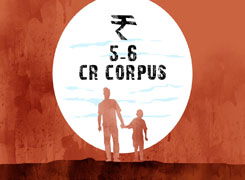
Respected Sir, I am 36 years old and a father of 2 sons I am currently saving about 50000 to 60000 per month. I have a few FDs of about 700000 and about 700000 in the bank as savings. Mutual fund investments span to about 10000 per month. Can you guide me on financial planning to achieve a good capital by the time my children grow up. Currently they are 6years and 2years old. What and in which way can i invest. Please note that 50000 is my net savings. after all deductions
Ans: Your savings discipline is highly appreciable. At age 36, with two young children, you are at the right stage to create solid long-term wealth. Your current monthly saving of Rs. 50,000 to Rs. 60,000 gives you a strong foundation. Let's build a 360-degree roadmap for you.

» Understand the Core Financial Objectives
– Build wealth for both sons’ higher education and marriage.
– Ensure family protection with adequate insurance.
– Maintain financial independence after retirement.
– Keep some emergency corpus intact.

» Assessing Your Current Financial Strength
– Rs. 7 lakh in FDs is a good conservative holding.
– Rs. 7 lakh in savings account is excessive.
– Rs. 10,000 SIP monthly is a strong start.
– Rs. 50,000+ surplus monthly is a good growth lever.

» Emergency Fund Reassessment
– Maintain only Rs. 3 lakh in savings bank for liquidity.
– Keep Rs. 5 lakh in a short-term liquid fund.
– Avoid large idle funds in savings bank.
– This ensures better returns and liquidity balance.

» Insurance – Life and Health Protection First
– Buy a pure term insurance plan of Rs. 1.5 crore.
– Keep the policy term till your retirement age.
– Ensure spouse also has at least Rs. 50 lakh coverage.
– Have a family floater health insurance of Rs. 10 lakh.
– Do not rely only on employer-provided health cover.
– Include Rs. 5 lakh personal accidental insurance too.

» Children’s Education & Marriage Planning
– Your elder son has 12 years before higher studies.
– Your younger son has 16 years before the same need.
– Allocate goals separately for each child.
– Prioritise education before marriage corpus.
– Target inflation-adjusted corpus at education start.

» Ideal Investment Allocation from Rs. 50,000–60,000
– Rs. 30,000 to mutual funds for long-term wealth.
– Rs. 10,000 to short-term debt or hybrid funds.
– Rs. 5,000 to gold savings (SGBs, not jewellery).
– Rs. 5,000 to children’s specific education SIPs.
– Keep Rs. 5,000 flexible for ad-hoc use or step-up.

» Review and Upgrade Mutual Fund Strategy
– Rs. 10,000 SIP now should be increased to Rs. 30,000.
– Continue only well-rated diversified equity funds.
– Focus on multi-cap, mid-cap, flexi-cap, and small-cap.
– Avoid index funds due to lack of downside protection.
– Index funds follow market blindly. No active management.
– They do not avoid risky sectors or take advantage of cycles.
– Actively managed funds offer expertise, flexibility, and insights.
– Good fund managers actively switch based on valuation.
– Their performance can beat benchmarks in volatile markets.

» How to Invest in Mutual Funds – Regular vs Direct
– Prefer regular mutual funds via Certified Financial Planner.
– Avoid direct plans unless you have high fund knowledge.
– Direct funds lack advisory, reviews, and rebalancing help.
– Mistakes in direct investing may cost more than saved commission.
– A qualified CFP-backed MFD adds strategic advice and discipline.
– They track market trends and re-align funds when needed.
– Regular plans ensure guided wealth creation and goal alignment.

» Child-Specific Mutual Fund Planning
– Start two goal-specific SIPs – one per child.
– Align elder child’s SIP to a 12-year horizon.
– Align younger child’s SIP to a 16-year horizon.
– Use combination of flexi-cap, mid-cap, and multi-cap funds.
– These categories provide better long-term growth for goals.
– Increase SIP amount every year by 10-15%.

» FD Reallocation Strategy
– Move Rs. 4 lakh from FD to debt mutual funds.
– Use dynamic bond or short-duration funds.
– These provide higher tax-adjusted returns over FDs.
– Keep Rs. 3 lakh in FD for very short-term needs.
– FDs are not suitable for long-term goal planning.
– They offer low post-tax returns and poor inflation protection.

» Avoid Investment-Linked Insurance Products
– If you hold LIC, ULIPs or investment insurance plans, review now.
– They mix insurance and investment poorly.
– Returns are low and insurance is inadequate.
– Surrender or make them paid-up. Reinvest into mutual funds.
– Pure term insurance plus mutual funds work better.
– Do not buy endowment, money-back, or guaranteed plans.

» Retirement Planning Should Start Now
– Don’t wait till children’s goals are done.
– Allocate minimum Rs. 5,000–7,000 monthly towards retirement.
– Choose diversified equity mutual funds for this goal.
– Add to this SIP each year with salary hikes.
– Retirement corpus needs time, not just money.

» Tax Planning within Your Investment
– Use ELSS mutual funds for 80C savings.
– They offer 3-year lock-in and better growth potential.
– Avoid tax-saving FDs and insurance plans under 80C.
– ELSS combines tax saving and wealth creation.

» Reviewing Portfolio Annually
– Track fund performance once a year.
– Replace underperformers if lagging for 2+ years.
– Consult CFP-backed mutual fund distributor for rebalancing.
– Avoid emotional decisions during market volatility.
– Stay invested based on goal timelines.

» Child-Specific Bank Schemes – Use Caution
– Avoid child plans with insurance firms.
– Returns are low and charges are high.
– SSY can be used only for girl child.
– For boys, mutual funds give more flexibility and growth.
– PPF can be used as a conservative long-term option.
– But it should not be the only tool.

» Teaching Children About Money
– As they grow, involve them in money conversations.
– Start with pocket money discipline.
– Encourage saving and delayed gratification.
– Help them build financial awareness from school age.

» Smart Use of Bonus or Windfalls
– Allocate 60% of any bonus to mutual funds.
– Use 20% to prepay any small loan or debt.
– Use 10% to improve lifestyle or gifting.
– Use 10% to add to your emergency buffer.

» Building a Flexible and Evolving Plan
– Increase SIPs every year without fail.
– Adjust allocation if income increases.
– Keep separate SIPs for each goal.
– Review each goal annually with updated needs.
– Use goal tracker tools or spreadsheet to monitor.

» Final Insights
– Your current savings potential is powerful.
– Disciplined SIPs will build wealth in 10–15 years.
– Insurance and asset allocation need fine-tuning now.
– Avoid mixing insurance with investments.
– Move idle money into more productive investments.
– Work with a CFP-backed distributor for guidance.
– Regular mutual funds bring strategic advantage.
– Stay focused on each child’s goal timeline.
– A plan reviewed yearly always stays on track.

Best Regards,
K. Ramalingam, MBA, CFP,
Chief Financial Planner,
www.holisticinvestment.in

https://www.youtube.com/@HolisticInvestment

..Read more

Latest Questions
Kanchan

Kanchan Rai  |646 Answers  |Ask -

Relationships Expert, Mind Coach - Answered on Dec 12, 2025

Asked by Anonymous - Dec 07, 2025Hindi
Relationship
Dear Madam, I was a bright student during my school days and my plan was to become a civil servant but that did not succeed even after several attempts. With the advise of my brother i went ahead and pursued Masters at a normal university in Sydney. I did internship and continued staying with my job though it wasn't my field of study. After that what came as a shock was my brother's divorce. We don't know what is the actual issue till date but I tried a lot to fix the gap by talking to his ex-wife but they were very orthodox. I couldn't see my brother suffer because he had planned and arranged so much for her. I had no choice then so i try to harm his ex-wife by spoiling her reputation thinking she will come back for him. In the mean time i got married to a girl who was her relative too thinking my wife can help us in some case but she turned out to be completely in the opposite direction. She was probably convinced by my brother's ex-wife or their relatives that she is not coming back. Even then my brother tried to go meet his ex-wife through many channels. My wife did not help him at all in any aspect. Finally the divorced happened and everything ended. Now we have sought several proposals but nothing seem to be a good fit for him. Most of the girls whom we met on matrimonial sites are fake profiles with something hidden or falsely represented. I would say my brother escaped all this. But we are worried about his life now as he is already in his 40's and he seem to be struggling for a good job and finance. He is very picky probably but doesn't talk much to all of us. Sometimes he even says the game is over so no point looking at a second marriage. My wife and he fought once when he visited us because she didn't want him in our house and she created a fight putting me in the front. After that he stopped coming to our house or see us or talk to us. Things even gets worse sometimes when her brother comes and visits us and stays at our house which my parents don't like. My parents argue that your brother was not allowed to stay for few months then how come her brother is allowed for several months. What kind of partiality is that? I feel i could not do anything for him despite the fact that he is my only brother. He is good at heart and looked after me when i went abroad financially and even came to meet me few times. I tried to send him money, gifts but he is still the same. He communicates with our parents but not with me nor my wife anymore. Kindly give us a good advise.
Ans: Your brother’s distance is not a rejection of you. It is his way of protecting himself. He went through a difficult marriage, an emotional collapse, and then watched people around him — including you — react out of desperation to fix things for him. Even though your intentions came from love, he may have associated those actions with more pain and pressure. When a person has been wounded, silence feels safer than conversation. His withdrawal simply means he is tired, not that he dislikes you.
You also need to understand that the guilt you are carrying is heavier than it needs to be. You tried to intervene in his marriage because you wanted to protect him, not because you wanted to cause harm. Looking back now, with more maturity and clarity, you see the mistakes, but at that time, you were acting out of fear and love. This is why it’s important to forgive yourself instead of punishing yourself over and over.
The conflict between your wife and your brother only added another layer of stress, because it forced you into choosing sides. Your wife reacted emotionally, your brother pulled away, your parents questioned the imbalance — and in the middle of all this, you lost your sense of peace. But their disagreements are not failures on your part. They are the natural result of people operating from insecurity, fear, and past hurt.
What needs to happen now is a shift in your role. You cannot continue trying to solve everything for everyone. You cannot carry your brother’s marriage, your wife’s fears, and your parents’ judgments all at once. It’s time to step out of the role of rescuer and step into the role of a grounded, calm brother who offers presence, not solutions.
Rebuilding your bond with your brother will not come from pushing proposals, sending gifts, or trying to fix his life. It will come from offering him emotional safety. A simple message, expressing that you are sorry for any hurt, that you care for him, and that you are available whenever he feels ready, will speak louder than any effort to arrange his future. Once you send such a message, the healthiest thing you can do is give him space. Sometimes relationships repair themselves in silence, when pressure is removed.
And for yourself, healing begins when you stop believing that every problem in the family rests on your shoulders. You have given more than enough over the years. Now you deserve emotional rest. You deserve peace. You deserve to feel like a brother, not a crisis manager.
Your brother may take time, but distance does not erase love. When he feels safe, he will come closer again. Your responsibility is not to force that moment, but to make sure you are emotionally steady and ready when it happens.

...Read more

Ramalingam

Ramalingam Kalirajan  |10881 Answers  |Ask -

Mutual Funds, Financial Planning Expert - Answered on Dec 12, 2025

Asked by Anonymous - Dec 11, 2025Hindi
Money
Dear sir This is regarding my mother's financials. She is 71 years old and she earns a pension of 31k p.m. She has FD's worth 60 lacs and earns interest income of Rs.25k. I wish to know if we can buy mutual funds worth 10 lacs by diverting funds from FD for better returns. She owns a house and does not have house rent commitment . She is currently investing 10k p.m in SIP . Now the lump sum investment of 5 lacs each is intended to be done in HDFC balanced advantage fund Direct Growth and ICICI Prudential balanced advantage fund . Please advise
Ans: You are caring about your mother’s future.
This shows deep responsibility.
Her financial base also looks strong today.
Her pension gives steady cash.
Her FD interest gives extra safety.
Her home is secure.
Her SIP shows healthy discipline.

» Her Present Financial Position
Your mother is 71.
Her age makes safety a key priority.
But some growth is also needed.

She gets Rs 31000 pension each month.
This covers most basic needs.
Her FD interest adds Rs 25000 per month.
So her total monthly inflow is near Rs 56000.
This is healthy at her age.

She owns her house.
She has no rent stress.
This gives great relief.

She has FD worth Rs 60 lakh.
This gives safe income.
She also runs a SIP of Rs 10000 per month.
This is a good step.
It keeps her connected to long-term growth.

Her total structure looks balanced.
She has safety.
She has income.
She has some growth exposure.
She has low liabilities.

This is a very stable base for her age.

» Understanding Her Risk Level
At age 71, risk must be low.
But risk cannot be zero.
Zero risk pushes money into FD only.
FD return stays low.
FD return sometimes falls after tax.
FD return often stays below inflation.

This reduces future buying power.
Inflation in India stays high.
Medical costs rise fast.
Home repair costs rise.
Daily needs rise.
So some growth is needed.

Balanced exposure gives stability.
Balanced allocation protects both sides.
She should not go too high on equity.
She should not avoid equity fully.
A middle path works best at this age.

Your idea of shifting Rs 10 lakh for growth is fine.
But the type of fund must be chosen well.
The plan must also follow her age.
Her risk must be respected.

» Impact of Growth Options at Her Age
Growth funds move with markets.
Markets move up and down.
These swings can disturb seniors.
But some controlled equity helps fight inflation.

Funds with mix of equity and debt help.
They adjust risk.
They protect capital better.
They manage volatility better.
They offer smoother experience.
They suit senior citizens more.

So a mild growth approach is healthy.
This gives better long-term value.
This gives inflation protection.
This reduces long-term stress.

Still, the fund choice must be careful.
And the plan style must be guided.

» Concerns With Direct Plans
You mentioned direct funds.
Direct funds seem cheap.
But cheap is not always better.

Direct funds give no guidance.
Direct funds give no review support.
Direct funds give no risk matching.
Direct funds need constant study.
Direct funds need skill.
Direct funds need time.

Many investors think direct plans save money.
But small savings can cause big losses.
Wrong choices reduce returns.
Wrong timing reduces gains.
Wrong exit increases tax.

Regular plans bring professional support through MFDs with CFP credentials.
They offer yearly reviews.
They track risk closely.
They guide corrections.
They support crisis moments.
They help in asset mix.
They help keep emotions stable.

This support is very helpful for seniors.
Your mother will not need to study markets.
She will not need to track cycles.
She will not need to worry about volatility.
She can stay calm.

So regular plans may suit her better.
The small extra fee is actually buying professional hand-holding.
This hand-holding protects wealth.
This reduces mistakes.
This brings long-term peace.

» Her Liquidity Need
At age 71, liquidity matters.
She must access money fast during emergencies.
Medical needs can arise.
Health cost can be sudden.
She must be ready.

FD gives quick access.
This is useful.
So FD should not be reduced too much.

Shifting Rs 10 lakh is acceptable.
But shifting more may reduce comfort.
She must always feel safe.
Her emotional comfort is important.

So Rs 10 lakh is the right level.
It keeps major FD corpus safe.
It keeps growth exposure controlled.

This balance supports her peace.

» Her Current SIP
She puts Rs 10000 per month in SIP.
This is positive.
This brings slow steady growth.
This builds long-term value.

She should continue this SIP.
She may reduce it later based on comfort.
But she should not stop it now.
This SIP adds inflation protection.
This SIP builds a small buffer.

A continuous SIP helps smooth markets.
It builds confidence.

» Income Stability for Her
Her pension covers needs.
Her FD interest adds comfort.
Her SIP invests for future needs.
Her home saves rent.

So she has stable income.
Her life standard is maintained.
Her risk level can stay low.

Her monthly cash flow is positive.
Her needs are covered.
So she need not worry about returns too much.
But a little growth is still healthy.

» Should She Shift Rs 10 Lakh From FD?
Yes, she can shift Rs 10 lakh.
This does not hurt her safety.
This does not shake her cash flow.
This supports inflation protection.

But the fund must be right.
The plan must match her age.
The risk must stay low.
The allocation must stay controlled.

A balanced strategy is better.
Smooth returns suit seniors.
Moderate risk suits her age.

Still, the fund must be in regular plan.
Direct plan may cause long-term risk.
Direct plans place the heavy load on the investor.
At her age, this stress is avoidable.
Regular plans give smoother support.

» Why Not Use the Specific Schemes Mentioned
The schemes you named are direct plans.
Direct plans give no support.
Direct plans leave all decisions to you.
Direct plans leave all risk checks on you.

Also, each fund has its own style.
Each adjusts differently.
You must check suitability.
You must review them yearly.
This needs time and skill.

For her age, this is not ideal.
A simple, guided, regular plan works better.

Also, some funds change risk levels fast.
Some increase equity without warning.
Some change style in market shifts.
This can disturb seniors.
She must stay with stable funds.
She must stay with guided models.

This protects her long-term peace.

» The Role of Actively Managed Funds
Actively managed funds suit Indian markets.
India grows fast.
Sectors rise and fall fast.
Many companies grow fast.
Many also fall fast.

Active managers study these shifts.
They adjust quicker.
They avoid weak sectors.
They add strong businesses.
They protect downside.
They enhance upside.

Index funds cannot do this.
Index funds copy indices.
Indices carry weak companies also.
Indices carry overpriced stocks.
Indices do not avoid bad phases.
Indices cannot change weight fast.
So index funds give no defensive shield.

Actively managed funds work harder.
They try to reduce shocks.
They try to smooth volatility.
This suits seniors more.

So an active regular plan through an MFD with CFP credentials is better for her.

» Tax Angle on Mutual Fund Redemption
Capital gain rules matter.
For equity funds, long-term gains above Rs 1.25 lakh have 12.5% tax.
Short-term gains have 20% tax.
Debt fund gains follow your tax slab.

Senior investors must plan exits well.
They must avoid excess tax shock.
They must stagger withdrawals.
They must redeem only when needed.

A guided regular plan helps avoid tax mistakes.
Direct funds offer no such guidance.

» Her Emergency Preparedness
At her age, emergency readiness is key.
She must have quick cash.
She must have easy access.
Her FD base helps this.

She has Rs 60 lakh in FD.
This is strong.
She should keep most of this.
Maybe an emergency bucket of Rs 5 to 10 lakh must stay fully liquid.

This brings peace.
This prevents panic.
This avoids forced redemption.

» Family Support System
You are involved.
This protects her retirement.
You can offer emotional help.
You can offer decision help.
This support makes her financial life safe.

Family support keeps stress low for seniors.
She will feel secure.
She will stay calm during market changes.

» How Her Future Years Can Stay Stable
She needs comfort.
She needs safety.
She needs liquidity.
She needs some growth.
She needs health cover.
She needs emotional peace.

A control-based plan helps:
– Keep most money in FD
– Keep some in balanced mutual funds
– Keep SIP running
– Keep money easily accessible
– Keep risk low
– Keep asset mix simple
– Keep tax impact low
– Keep reviews yearly

This keeps her retirement smooth.

» Built-In Protection for Senior Life
Her plan must also protect future risk.
Medical cost may rise.
Home repairs may occur.
Occasional family support may be needed.

So she must:
– Keep cash bucket
– Keep healthy insurance
– Keep documents updated
– Keep financial papers organised
– Keep digital and physical files safe

This brings long-term safety.

» Withdrawal Strategy
She may not need withdrawals now.
Her income covers expenses.
But she may need money in later years.

She should follow a layered method:

Short-term needs from FD

Medium needs from balanced funds

Long-term needs from SIP corpus

Emergency money from liquid FD

This spreads risk.
This avoids sudden losses.
This protects her capital.

» Assessing the Rs 10 Lakh Transfer
This transfer is fine.
But it must not go to direct plans.
It must go to regular plans.
Guided plans reduce mistakes.
Guided plans suit seniors.

Split into two funds is fine.
But avoid too much complexity.
Simple structure reduces stress.
Easy structure improves clarity.

So two regular plans through an MFD with CFP credentials is ideal.

» Final Insights
Your mother has a strong base.
Her pension is stable.
Her FD pool is healthy.
Her home reduces cost.
Her SIP adds growth.

Adding Rs 10 lakh into balanced mutual funds is a good idea.
But shift to regular plans with expert guidance.
Direct plans are not suitable for seniors.
They bring more risk.
They bring more complexity.
They bring more stress.

Regular plans bring reviews.
Regular plans match risk.
Regular plans reduce mistakes.
Regular plans suit her age.

Her future looks stable with this mix.
Her life can stay comfortable.
She can enjoy her senior years with peace.

Best Regards,
K. Ramalingam, MBA, CFP,
Chief Financial Planner,
www.holisticinvestment.in

https://www.youtube.com/@HolisticInvestment

...Read more

Ramalingam

Ramalingam Kalirajan  |10881 Answers  |Ask -

Mutual Funds, Financial Planning Expert - Answered on Dec 12, 2025

Asked by Anonymous - Dec 12, 2025Hindi
Money
Hi, I am 53 years with a wife and two children. My total savings comprising of MF, Shares, PDF,EPF, NPS & FD are approx. 3Cr. Our current monthly outgoing including SIPs is approximately 100000. Will the above savings amount be sufficient to sustain for the next 20 years?
Ans: You have managed to build Rs 3 Cr by age 53.
This shows steady discipline.
Your savings mix also looks balanced.
Your family seems stable.
Your cost control also looks fair.
This gives a good base for the next stage of life.

» Your Current Position
Your savings stand near Rs 3 Cr.
Your monthly outflow is near Rs 100000.
This includes your SIP amount also.
Your family has four members.
You have two children.
Your wife is with you.
You have a mixed pool across MF, shares, PF, EPF, NPS, and FD.
This mix brings both growth and stability.
This gives you a good base.

Your age is 53.
You have around 7 to 12 working years left.
This period is crucial.
Your decisions now shape the next 20 years.
Your savings rate also matters.
Your cost control also shapes the future.

Today’s numbers show you have a good foundation.
But sustainability depends on many factors.
We must study inflation, spending pattern, growth pattern, tax, risk level, health cost, and cash flow flexibility.

» Understanding the Cash Flow Stress
Your family spends around Rs 100000 today.
This includes SIP.
After retirement, SIP will stop.
But living costs will continue.
Costs increase each year.
Inflation can eat cash fast.
So we must ensure growth in wealth.
Slow growth can stress the corpus.
Fast growth brings more shocks.
So balance is key.

Rs 3 Cr looks large today.
But 20 years is long.
Inflation reduces buying power.
Medical costs also rise.
Family needs also shift.

Your money can last 20 years.
But it needs correct planning.
Blind use of the corpus will not help.
Proper flow matters.
Proper asset selection also matters.
You need steady growth.
You need low shocks.
You need stable income.

» Role of Growth Assets
Many families fear growth assets.
But growth assets are needed today.
Inflation is strong in India.
If money stays in FD only, it suffers.
FD return stays low.
Post-tax return stays even lower.
FD return does not beat inflation.
FD cannot support long-term plans.

Mutual funds bring better growth.
Actively managed funds bring better research.
They allow expert judgement.
They can handle market swings better.
They study sectors and businesses.
They adjust the portfolio.
They aim for more consistent returns.
This helps protect wealth.

Some people choose direct plans.
But direct plans need full time study.
They need skill.
They need discipline.
Most investors do not have the time.
Wrong choices can reduce returns.
Direct plans give no guidance.
Direct plans can reduce long-term peace.

Regular plans through an MFD with CFP credential give better support.
They help with reviews.
They help with corrections.
They help with rebalancing.
They help manage behaviour.
They save time and stress.

You already have MF exposure.
This is good.
You should keep this path.
Active fund management will help long-term stability.

» Role of Safety Assets
You have EPF, PPF, NPS, FD.
These give safety.
They give peace.
But they give lower return.
Too much safety reduces future income.
A mix of both is needed.

Safety assets give steady income.
But they do not grow fast.
They cannot support 20 years alone.
So balance must be kept.

» Assessing the Sustainability for 20 Years
Rs 3 Cr can support 20 years.
But it depends on:

Your retirement age

Your spending pattern

Your ability to reduce costs

Your asset mix

Your growth rate

Your inflation level

Your health cost

Your emergency needs

If your core expenses stay in control, your corpus can last.
If you invest well, your corpus can support you.
If you avoid panic, your wealth will grow.
Your children may also get settled.
Your own needs may reduce.

The key is proper planning.
Without planning, the corpus can shrink fast.
With planning, it will last long.

» Inflation Impact
Inflation is silent.
It eats buying power.
Costs double every few years.
Food rises.
Health rises.
Daily life rises.
School fees rise.
Lifestyle rises.

If your money grows slower than inflation, you lose power.
So growth assets must be part of the plan.
They help beat inflation.
They help protect lifestyle.
They help support long-term needs.

This is why active mutual funds stay useful.
They bring research-driven decisions.
They help fight inflation better.
They stay flexible.
They move with the economy.

» Evaluating Your Retirement Readiness
You stand near retirement zone.
You still have some working life.
You still earn.
You still save.
Your income supports your SIP.
This is good.
This is the right stage to improve planning.

Your SIP amount builds future cash.
Your insurance must be proper.
Your emergency fund must be strong.
Your health cover must be strong.

You have PF and NPS.
These give safety.
They bring stability.
They give steady return.
But they do not give high return.
Growth will come from MF and equity.

Your retirement readiness depends on:

Cash flow plan

Growth plan

Insurance plan

Medical cover plan

Long-term income plan

Withdrawal plan

When all parts align, you will stay secure.

» Withdrawal Strategy for the Future
When you retire, cash flow must stay smooth.
You cannot depend on FD alone.
You cannot depend only on EPF.
You cannot depend on one asset class.
You need a mix.

Your withdrawal should come from:

Some from safety assets

Some from growth assets

Some from periodic rebalancing

This helps you avoid panic selling.
This helps you maintain stability.
This protects your lifestyle.

Tax must also be managed.
Tax on equity MF has new rules.
Long-term gain above Rs 1.25 lakh has 12.5% tax.
Short-term gain has 20% tax.
Debt MF gain follows your tax slab.
These rules shape your withdrawal plan.
You must plan redemptions wisely.

» Health and Family Factors
Health cost is rising in India.
Hospital bills rise fast.
Health shocks drain savings.
So good health cover is needed.
Family needs must be studied.

Your children may still need some support.
Their education or marriage may need funds.
These costs must be planned early.
You should not dip into retirement money.
Clear planning avoids stress.

Your wife also needs future support.
Joint planning is better.
Shared decisions help discipline.

» Need for a Structured Review
A structured review every year is needed.
Your income may change.
Your savings may rise.
Your spending may shift.
Your goals may change.
Your risk level may shift.
Your family needs may change.

Review helps you stay on track.
Review helps catch issues early.
Review helps you correct mistakes.
Review brings peace.

A Certified Financial Planner can guide reviews.
This support builds confidence.
This reduces stress.
This brings clarity.

» How to Strengthen Your Position
You already stand strong.
But you can still improve.
Here are some steps to make your 20 years safer.

Keep your growth-safety mix balanced

Increase your SIP when income allows

Avoid direct plans if guidance needed

Use regular plans for proper support

Avoid real estate due to low returns

Increase your emergency fund

Improve your health cover

Avoid ULIP and mixed plans if you ever have them

Review your EPF and NPS allocation

Track your spending carefully

Plan for yearly rebalancing

Keep enough liquidity for short needs

Keep boredom decisions away

Stay invested even in tough times

Trust long-term compounding

Each step adds stability.
Your family will feel safe.

» Building a Strong Future Income Flow
Income must not come from one basket.
Income should come from:

MF SWP

PF interest

FD ladder

NPS withdrawal in a slow way

Equity redemption in a planned way

This spreads risk.
This spreads tax.
This spreads stress.

Staggered withdrawal helps peace.
Your money grows even while you spend.
Your corpus stays healthy.

» Maintaining Low Stress in Retirement
Retirement should be peaceful.
Money stress should be low.
Good planning ensures this.

Keep clear communication with your family.
Keep your files organised.
Keep your goals updated.
Keep calm during market swings.

Your corpus can support you.
Your strategy will shape your peace.

» Final Insights
Your Rs 3 Cr corpus is a strong base.
Your age gives you time to improve more.
Your monthly spending is manageable.
Your asset mix supports your future.

But planning is needed.
Cash flow must be aligned with inflation.
Growth assets must stay active.
Safety assets must be balanced.
Withdrawal must be planned wisely.
Health cost must be covered.
Risk must be contained.

With proper planning, your wealth can support the next 20 years.
Your family can live with comfort.
Your lifestyle can stay stable.
Your future can stay safe.

Best Regards,
K. Ramalingam, MBA, CFP,
Chief Financial Planner,
www.holisticinvestment.in

https://www.youtube.com/@HolisticInvestment

...Read more

Reetika

Reetika Sharma  |423 Answers  |Ask -

Financial Planner, MF and Insurance Expert - Answered on Dec 12, 2025

Money
Dear Sir, I am 60 yrs and just superannuated. I have no pension and the spread of corpus is as follows; - MF & Shares portfolio value is around 1 Cr. SWP of 40000/month initiated. But SIP of 20000/month is also on for next six months - FDs in bank is around 3. Cr and are in Quarterly pay-out interest - PPF of 20 Lac - RBI Bond of 16 lac half yearly interest pay out - PF 90 Lac not withdrawn so far as I can extend this with 1 yr. - Few SA pension 63000 per year Please do suggest if the above can give me expenses to meet 2.5 Lac/m for next 20 yrs Best regards,
Ans: Hi Deepa,

Overall your total networth is 5 crores (including PF, FD, MF, binds etc.) - we will break it into 4 crores (which can be used to fund your retirement) and 1 crore for emergencies.
If invested correctly, this 4 crores can fund you for 20 years and not more than that. You need to invest 4 crores so that they fetch you around 11-12% XIRR to fund your monthly expenses. Also withdraw your PF, liquidate 2 crores from FD and reinvest entirely.

Take the help of a professional who will design your portfolio keeping in mind your monthly requirements for the next 20 years.

Hence please consult a professional Certified Financial Planner - a CFP who can guide you with exact funds to invest in keeping in mind your age, requirements, financial goals and risk profile. A CFP periodically reviews your portfolio and suggest any amendments to be made, if required.

Let me know if you need more help.

Best Regards,
Reetika Sharma, Certified Financial Planner
https://www.instagram.com/cfpreetika/

...Read more

DISCLAIMER: The content of this post by the expert is the personal view of the rediffGURU. Investment in securities market are subject to market risks. Read all the related document carefully before investing. The securities quoted are for illustration only and are not recommendatory. Users are advised to pursue the information provided by the rediffGURU only as a source of information and as a point of reference and to rely on their own judgement when making a decision. RediffGURUS is an intermediary as per India's Information Technology Act.

Close  

You haven't logged in yet. To ask a question, Please Log in below
Login

A verification OTP will be sent to this
Mobile Number / Email

Enter OTP
A 6 digit code has been sent to

Resend OTP in120seconds

Dear User, You have not registered yet. Please register by filling the fields below to get expert answers from our Gurus
Sign up

By signing up, you agree to our
Terms & Conditions and Privacy Policy

Already have an account?

Enter OTP
A 6 digit code has been sent to Mobile

Resend OTP in120seconds

x