Home > Money > Question
Need Expert Advice?Our Gurus Can Help
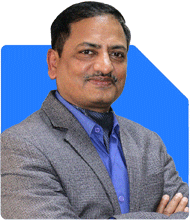
Naveenn

Naveenn Kummar  |243 Answers  |Ask -

Financial Planner, MF, Insurance Expert - Answered on Sep 11, 2025

Naveenn Kummar has over 16 years of experience in banking and financial services.
He is an Association of Mutual Funds in India (AMFI)-registered mutual fund distributor, an Insurance Regulatory and Development Authority of India (IRDAI)-licensed insurance advisor and a qualified personal finance professional (QPFP) certified by Network FP.
An engineering graduate with an MBA in management, he leads Alenova Financial Services under Vadula Consultancy Services, offering solutions in mutual funds, insurance, retirement planning and wealth management.... more

Ishika Question by Ishika on Sep 03, 2025Hindi

Money

I am having following mutual funds: 1. Quant small cap - ? 5000 2. Mirae Asset Mutual Fund -? 5000 3. Mirae Asset Large Cap Fund - Direct Plan IDCW - ? 5000 4. NIPPON INDIA SMALL CAP FUND - DIRECT GROWTH -? 2000 5. CANARA ROBECCO ? 2000 6. HDFC Flexi cap ? 5000 7. DSP Banking & Financial Services Fund - Direct - Growth ? 5000 Please advise whether I should continue with these funds. just starting investing

Ans: I would also strongly suggest working with a QPFP / MFD to create a detailed retirement cash flow plan and fund monitoring strategy.

Best regards,
Naveenn Kummar, BE, MBA, QPFP
Chief Financial Planner | AMFI Registered MFD
https://members.networkfp.com/member/naveenkumarreddy-vadula-chennai
DISCLAIMER: The content of this post by the expert is the personal view of the rediffGURU. Users are advised to pursue the information provided by the rediffGURU only as a source of information to be as a point of reference and to rely on their own judgement when making a decision.
Money

You may like to see similar questions and answers below
Sanjeev

Sanjeev Govila  | Answer  |Ask -

Financial Planner - Answered on Jun 15, 2023

Listen
Money
Hello Sir, I am 38 years working professional. Below are my Mutual Funds list. 1. Axis Bluechip fund Direct Plan growth - 2000 / month 2. PGM mid cap opportunity Direct Plan growth - 2000 / month 3. SBI small cap fund Regular growth - 1000 / month 4. Axis nifty 50 Direct Plan growth - 2000 / month 5. ICICI next nifty 50 Direct Plan growth - 2000 / month 6. ICICI nasdaq index direct plan growth - 2000 / month 7. ICICI technology fund Regular plan growth - 1000 / month Kindly give your input on this. Shall I continue with this for long term or not?
Ans: According to the data you have given, it appears that you have a Rs. 12,000/- monthly systematic investment plan (SIP) distributed across seven different mutual funds. Generally speaking, if your entire investing amount is Rs. 10 lakhs, you should invest in 6-7 mutual funds. Over-diversification can result from having too many mutual funds in your portfolio.

Regarding the recommendation on the mutual funds in your portfolio, all of them are considered to be fundamentally strong with a good track record. Investments in pure equity funds are recommended for the long term, ideally for a period of 5-7 years.

On the other hand, certain categories such as Small Cap, Mid Cap, and Sectoral funds are recommended only if you have an investment horizon of more than 7 years.

It's worth noting that two of the funds in your portfolio, namely Axis Nifty 50 Direct Plan Growth and ICICI Nasdaq Index Direct Plan Growth, are recently launched funds. As a result, they do not have sufficient track record to accurately assess their risk and reward potential.
We hope that you have made your investments based on your short-term and long-term goals, taking into consideration your risk profile.

Disclaimer:
• I have just no idea about your age, future financial goals, your risk profile, other investments and whether you would have the nerves to not get unduly perturbed if stock markets go temporarily down.
• Hence, please note that I am answering your question in absolute isolation to other parameters which should definitely be considered when answering a question of this type.
• I recommend you to also consult a good financial advisor who would look at your complete profile in totality before you act on this advice given by me.

..Read more

Ramalingam

Ramalingam Kalirajan  |11014 Answers  |Ask -

Mutual Funds, Financial Planning Expert - Answered on Jun 06, 2024

Asked by Anonymous - Jun 06, 2024Hindi
Money
I am having following mutual funds: 1. Quant active - ? 6000 2. PGIM flexi cap -?5000 3.Quant small cap - ?9000 4. Moti lal oswal midcap -?5000 5. Invesco large and mid cap ?4000 6.HDFC large and mid cap ? 5000 Please advise whether I should continue with these funds. Investing since 1/2018
Ans: Evaluating your mutual fund portfolio is essential to ensure it aligns with your financial goals and risk tolerance. Given your current investments and the duration since 2018, let's assess whether you should continue with these funds.

Portfolio Overview
Your mutual fund portfolio consists of:

Quant Active Fund: Rs 6,000
PGIM Flexi Cap Fund: Rs 5,000
Quant Small Cap Fund: Rs 9,000
Motilal Oswal Midcap Fund: Rs 5,000
Invesco Large and Mid Cap Fund: Rs 4,000
HDFC Large and Mid Cap Fund: Rs 5,000
Diversification Analysis
Flexi Cap Funds
Flexi cap funds, like PGIM Flexi Cap Fund, invest across large, mid, and small-cap stocks. They provide flexibility and balance risk with potential high returns. These funds adapt to market conditions, making them a stable choice for your portfolio.

Large and Mid Cap Funds
Invesco and HDFC Large and Mid Cap Funds focus on large and mid-cap stocks. These funds offer a mix of stability and growth potential. Large-cap stocks provide stability, while mid-caps offer growth opportunities.

Mid Cap Fund
The Motilal Oswal Midcap Fund targets mid-sized companies. Mid caps can offer significant growth but are riskier than large caps. This fund adds growth potential to your portfolio.

Small Cap Funds
Quant Small Cap Fund focuses on small-sized companies. Small caps can provide high returns but come with high volatility. Your allocation of Rs 9,000 here indicates a higher risk tolerance for potentially higher rewards.

Active Fund
Quant Active Fund invests actively in various stocks based on the fund manager's strategy. Active funds aim to outperform the market, providing opportunities for higher returns but also involve higher management costs.

Assessing Portfolio Performance
Historical Performance
Evaluate the historical performance of each fund. Compare their returns with benchmark indices and peer funds. Consistently performing funds are more likely to continue delivering good returns. However, past performance is not a guarantee of future results.

Fund Manager Expertise
The experience and track record of fund managers are crucial. Funds managed by experienced managers with a proven track record are more likely to perform well. Check the consistency and strategy of your fund managers.

Expense Ratios
Expense ratios impact your returns. Lower expense ratios mean higher returns for investors. Compare the expense ratios of your funds with industry standards. High expense ratios can erode your returns over time.

Risk Assessment
Market Risk
Equity investments are subject to market risk. Your portfolio has a mix of large, mid, and small-cap funds, which diversifies this risk. However, your high allocation in small caps increases exposure to market volatility.

Sector and Stock Concentration
Check if any funds have high exposure to specific sectors or stocks. Diversification across sectors reduces risk. Ensure no single sector or stock dominates your portfolio.

Liquidity Risk
Certain funds, especially small cap and mid cap funds, can have liquidity issues. Ensure a part of your portfolio remains in highly liquid funds to manage unforeseen needs.

Alignment with Financial Goals
Investment Horizon
You have been investing since 2018, indicating a medium-term horizon. Equities are suitable for long-term investments due to their potential for higher returns. Ensure your investment horizon aligns with your financial goals, such as retirement or children's education.

Risk Tolerance
Your portfolio indicates a higher risk tolerance, especially with significant allocation in small and mid-cap funds. Assess if this risk level matches your financial goals and comfort. If you prefer stability, consider increasing allocation in large-cap funds.

Strategic Adjustments
Rebalancing
Rebalance your portfolio periodically to maintain desired asset allocation. Over time, some funds may outperform, skewing your allocation. Rebalancing ensures your portfolio remains aligned with your risk tolerance and goals.

Adding New Funds
Consider adding new funds to enhance diversification. Explore funds in other categories like balanced funds, international funds, or sector-specific funds. This can capture opportunities in different market segments and reduce risk.

Reviewing Fund Performance
Regularly review the performance of your funds. If a fund consistently underperforms, consider replacing it with a better-performing fund. Stay updated with market trends and adjust your strategy accordingly.

Tax Efficiency
Tax Benefits
Equity investments enjoy favorable tax treatment. Long-term capital gains (LTCG) from equity funds are taxed at a lower rate compared to other asset classes. Consider the tax implications of your investments.

Tax-saving Instruments
If you are investing in tax-saving mutual funds (ELSS), you get additional tax benefits under Section 80C. This reduces your taxable income and enhances post-tax returns. Consider these options if they align with your goals.

Seeking Professional Advice
Certified Financial Planner
A Certified Financial Planner (CFP) can provide personalized advice based on your financial situation, goals, and risk tolerance. Professional guidance ensures your investment strategy remains robust and aligned with your objectives.

Summary of Recommendations
Continue with diversified funds: Your portfolio has a good mix of flexi cap, large, mid, and small-cap funds, providing balanced risk and growth potential.
Rebalance periodically: Adjust your portfolio to maintain desired asset allocation and manage risk.
Add new funds: Enhance diversification with balanced, international, or sector-specific funds.
Review performance: Regularly monitor your funds and replace underperforming ones.
Consult a CFP: Get personalized advice for tailored investment strategies.
By maintaining a strategic approach, rebalancing your portfolio, and seeking professional advice when needed, you can achieve your financial goals and secure a prosperous future.

Best Regards,

K. Ramalingam, MBA, CFP,

Chief Financial Planner,

www.holisticinvestment.in

..Read more

Ramalingam

Ramalingam Kalirajan  |11014 Answers  |Ask -

Mutual Funds, Financial Planning Expert - Answered on Jul 19, 2024

Listen
Money
I have the following mutual funds: 1. Quant Small cap 5000 Rs SIP 2. Canara Robecco small cap 5000 Rs SIP 3. ICICI Pruential Commodity fund 2500 Rs SIP 4. UTI BSE housing index fund 3500 Rs SIP Please suggest me whether to continue it?
Ans: Evaluating Your Current Mutual Fund Investments
Overview of Your Investments
Quant Small Cap: Rs 5000 SIP
Canara Robecco Small Cap: Rs 5000 SIP
ICICI Prudential Commodity Fund: Rs 2500 SIP
UTI BSE Housing Index Fund: Rs 3500 SIP
Small Cap Funds
Quant Small Cap and Canara Robecco Small Cap: Both are small-cap funds. They can offer high returns but come with higher risks.
Suggestion: Diversify into other categories to balance risk.
Sector-Specific Funds
ICICI Prudential Commodity Fund: Commodity funds can be volatile and are influenced by commodity prices.
UTI BSE Housing Index Fund: Sector funds like housing can be cyclical and risky.
Suggestion: Consider reducing allocation in sector-specific funds to mitigate risk.
Diversification
Current Mix: Heavily invested in small-cap and sector-specific funds.
Ideal Mix: Include large-cap, mid-cap, and multi-cap funds for balanced risk and return.
Long-Term Goals
Risk Appetite: High-risk funds should align with your risk tolerance and investment horizon.
Suggestion: If your goal is long-term growth, maintaining a diversified portfolio is essential.
Actively Managed Funds vs. Sector Funds
Sector Funds: High risk due to dependency on specific sectors.
Actively Managed Funds: Can provide balanced exposure and manage risks effectively.
Suggestion: Prefer actively managed funds for a balanced portfolio.
Professional Guidance
Certified Financial Planner: Regular reviews with a certified planner can help align your portfolio with financial goals.
Adjustments: Timely adjustments based on market conditions and personal goals are crucial.
Recommendations
Reduce Sector Exposure: Reduce or eliminate high-risk sector funds.
Diversify: Add large-cap, mid-cap, and multi-cap funds to your portfolio.
Review Regularly: Regularly review your portfolio with a certified financial planner.
Final Insights
Balancing your portfolio with diversified funds can help manage risks better. Align your investments with your risk appetite and long-term goals. Regular reviews and adjustments are crucial for a healthy financial strategy.

Best Regards,

K. Ramalingam, MBA, CFP,

Chief Financial Planner,

www.holisticinvestment.in

..Read more

Ramalingam

Ramalingam Kalirajan  |11014 Answers  |Ask -

Mutual Funds, Financial Planning Expert - Answered on Sep 08, 2025

Money
I am having following mutual funds: 1. Quant small cap - ? 5000 2. Mirae Asset Mutual Fund -? 5000 3. Mirae Asset Large Cap Fund - Direct Plan IDCW - ? 5000 4. NIPPON INDIA SMALL CAP FUND - DIRECT GROWTH -? 2000 5. CANARA ROBECCO ? 2000 6. HDFC Flexi cap ? 5000 7. DSP Banking & Financial Services Fund - Direct - Growth ? 5000 Please advise whether I should continue with these funds. Investing since 7/2025
Ans: You’ve taken a solid step forward with SIPs. Let’s now restructure and refine your mutual fund choices for long-term results.

You began SIPs in July 2025. Your fund list shows intent to grow wealth smartly. That’s excellent. Now let’s do a deep 360-degree analysis.

» Current Mutual Fund SIP Holdings Review

You have invested in:

– Quant Small Cap – Rs. 5,000
– Mirae Asset Mutual Fund – Rs. 5,000
– Mirae Large Cap Fund – Rs. 5,000
– Nippon Small Cap Fund – Rs. 2,000
– Canara Robeco Fund – Rs. 2,000
– HDFC Flexi Cap – Rs. 5,000
– DSP Banking and Financial Services – Rs. 5,000

Total monthly SIP = Rs. 29,000

You have diversity in cap levels and even sector allocation.

But there is some unnecessary duplication. And there is potential for overexposure to volatility.

» Diversification and Overlap Assessment

– You are investing in two small-cap funds.
– One sector-specific fund increases risk.
– Mirae Asset appears twice, likely causing internal overlap.
– HDFC flexi cap already offers built-in diversification.

Too many funds may dilute returns. Overlap means more quantity, not more quality.

» Evaluating Core Fund Strengths

– HDFC Flexi Cap has consistent long-term history and adaptive fund strategy.
– Mirae Large Cap is known for stable growth from top-quality Indian companies.
– Flexi-cap funds manage volatility better over 7+ years.

These funds can stay as the core of your portfolio.

» Red Flags to Act Upon

– Sector funds like DSP banking are highly cyclical and risky.
– Small cap duplication increases volatility, not necessarily returns.
– Canara Robeco investment is unclear – no category mentioned.
– Mirae Asset Mutual Fund is too generic – needs clarity if not large-cap.

Remove funds with unclear or overlapping strategy.

» Recommended Restructured SIP Portfolio

– Continue HDFC Flexi Cap – Rs. 10,000
– Continue Mirae Large Cap – Rs. 8,000
– Add one hybrid/aggressive balanced fund – Rs. 6,000
– Add one mid-cap fund (actively managed) – Rs. 5,000

New monthly SIP = Rs. 29,000

This mix offers growth + balance + reduced overlap.

» Avoid Index Funds Like NIFTY Bees

Index funds have many hidden drawbacks:

– No expert fund manager handles corrections or opportunities.
– They follow the market blindly.
– No protection in downside phases.
– Underperform well-managed active funds over long terms.
– Poor in volatile markets where active funds can switch faster.

Your goals need active participation, not passive tracking.

» Risks of Direct Plans Without CFP Support

If you are using direct plans:

– No personalised review support is available.
– No handholding during market corrections.
– No financial goal mapping and rebalancing.
– You may act emotionally during volatility.
– You’ll miss out on SIP step-up strategy planning.

Use regular plans via Certified Financial Planner and MFD. Stay guided and updated.

» Why Sector Funds Don’t Suit Most Investors

Banking sector or any theme-based fund:

– Is risky and cyclical.
– Can underperform in economic downturns.
– Requires high monitoring.
– Not suitable for SIP investors aiming for long-term goals.
– Best avoided unless goal-specific and well-researched.

Replace sector fund with hybrid fund for more stability.

» Consistency Is Key, Not Constant Switching

– Keep your SIPs running without interruptions.
– Avoid changing funds based on short-term news.
– Annual review is enough to make changes.
– Use step-up SIPs every year to fight inflation.
– Don’t judge SIPs within 2–3 years. Stay patient.

Wealth is built by time in the market, not timing the market.

» Important Tax Rules to Note

If you redeem mutual funds:

– Equity funds:

LTCG above Rs. 1.25 lakh = 12.5% tax

STCG = 20% tax

– Debt funds:

All gains taxed as per your income slab

Hold equity funds for more than 5 years for good results. Plan redemption carefully.

» Future SIP Strategy – Keep it Lean and Focused

– Review portfolio once a year only.
– Keep 3–4 solid funds across flexi, large, hybrid, and mid.
– Don't exceed 4 funds unless goal-specific.
– Increase SIP by 10% yearly.
– Avoid any lump-sum temptation in volatile markets.

Lean portfolio = better tracking and higher compounding.

» What to Do Now Step-by-Step

– Continue SIP in HDFC Flexi Cap and Mirae Large Cap.
– Exit one or both small-cap funds. Retain only if risk appetite is high.
– Exit DSP Banking Sector Fund. Replace with hybrid fund.
– Exit duplicate Mirae Asset MF (if not large-cap).
– Exit Canara Robeco if category is unclear.
– Reallocate entire Rs. 29,000 in 3 or 4 strong active funds.

That’s how to clean, strengthen and focus your SIPs.

» Avoid Common Investor Mistakes

– Don’t check NAV or value daily or weekly.
– Don’t react to news and stop SIPs suddenly.
– Don’t buy funds because others are.
– Don’t mix too many styles together.
– Don’t ignore annual review and rebalancing.

Discipline wins over emotions. Plan. Stick. Review.

» Finally

You have built a good investing base. Just reduce clutter and overlap. Focus on long-term compounding through a few good active funds. Stay away from index funds and direct funds. Keep using a Certified Financial Planner to manage rebalancing and goal alignment. Your future self will thank you for today’s patience and planning.

Best Regards,
K. Ramalingam, MBA, CFP,
Chief Financial Planner,
www.holisticinvestment.in

https://www.youtube.com/@HolisticInvestment

..Read more

Latest Questions
Ramalingam

Ramalingam Kalirajan  |11014 Answers  |Ask -

Mutual Funds, Financial Planning Expert - Answered on Feb 04, 2026

Money
I am investing in UTI flexi cap fund since2021 @3000INR/month. Now the accumulated amount is 2,09,000/- . the yield is only 6%. Please advise if i have to switch fund? .if so, please advise fund
Ans: Appreciate you for continuing your SIP with discipline since 2021. Staying invested for more than three years itself shows commitment and patience, which are very important for long-term wealth creation.

» Understanding the Current Return Experience
– A 6% return over this period can feel disappointing, especially when expectations from equity are higher
– Equity-oriented funds do not move in a straight line; different market phases impact returns differently
– The last few years included sharp rallies, corrections, and sector rotations, which affected diversified strategies unevenly
– Short- to medium-term returns alone should not be the only reason for an immediate decision

» Time Horizon vs Fund Behaviour
– Such funds are designed to perform well over a full market cycle, usually 7 years or more
– Performance between 3 to 4 years can remain muted even if the long-term potential is intact
– Your SIP amount is modest, which means consistency and time will play a bigger role than switching frequently

» Should You Switch Based Only on 6% Return
– Switching only because of recent low returns may lock in underperformance
– It is important to check whether the fund still follows its stated strategy and risk control
– If the fund has become inconsistent, or your overall portfolio lacks balance, then a change can be considered
– Any switch should be part of a broader portfolio improvement, not an isolated action

» Portfolio-Level Assessment Is More Important
– One fund should not be judged in isolation
– A 360-degree view should include:

Overall equity exposure

Allocation between growth-oriented and stability-oriented strategies

Your age, income stability, and future goals
– If your portfolio is dependent on only one equity style, returns may appear slow during certain phases

» What to Do Going Forward
– Instead of fully stopping, you may:

Continue the existing SIP for long-term compounding

Gradually add another actively managed equity strategy with a different approach
– Actively managed funds offer flexibility to shift sectors and reduce downside risk, which is not possible in index-based options
– Active management helps manage volatility better during uncertain markets

» Tax and Cost Awareness
– Any switch in equity funds may trigger capital gains tax
– If held for more than one year, gains above Rs 1.25 lakh are taxed at 12.5%
– Short-term exits attract 20% tax, which can reduce effective returns
– Hence, switching should be value-driven, not emotion-driven

» Finally
– Your investment journey is still on track, and this phase does not define long-term success
– With the right diversification, patience, and periodic review, equity investing rewards discipline
– A structured review with a Certified Financial Planner can help align your SIPs with goals and market realities
– Focus on process, not just recent performance

Best Regards,

K. Ramalingam, MBA, CFP,

Chief Financial Planner,

www.holisticinvestment.in

https://www.youtube.com/@HolisticInvestment

...Read more

Ramalingam

Ramalingam Kalirajan  |11014 Answers  |Ask -

Mutual Funds, Financial Planning Expert - Answered on Feb 04, 2026

Asked by Anonymous - Feb 04, 2026Hindi
Money
Dear Sir, I am a medico currently working overseas. My present income is relatively high, but I expect my earnings to reduce over the next 1–2 years due to career transitions and further examinations. Also, I may be starting a family of my own in the near future. I have recently started investing and would like your opinion on whether my overall strategy is sound and how I should prepare for lower-income years ahead. Current situation (approximate): Monthly investment capacity: ₹3 lakh (at present) Expected future investment capacity: ₹1-1.25 lakh per month Existing expenditure: No debts at present, ~approx 1 lakh per month to support parents, 1.5 L per year in their insurance, 50-55k per month on rent, food, and miscellaneous Emergency fund: being built separately, started SBI life during my postgrad years and invested 7.5 L over 5 years, and expected to mature by 2028. Current investment approach: Equity-oriented mutual funds via SIP and lump sum Allocation across flexi-cap, multi-cap, large & mid-cap, mid-cap, small-cap funds Small allocation to liquid funds for short-term needs Investment horizon: long term (10+ years) Fund Allocation % Share Parag Parikh Flexi Cap ₹75,000 25% Kotak Multicap Fund ₹60,000 20% Kotak Large & Mid Cap ₹60,000 20% Axis Midcap ₹45,000 15% Axis Small Cap ₹30,000 10% ICICI Liquid Fund ₹30,000 10% My primary goals are: Long-term wealth creation Financial stability during periods of reduced income Maintaining flexibility for career-related expenses and exams I would be grateful for your views on: Whether this equity-heavy approach is appropriate given future income uncertainty How I should gradually adjust asset allocation as income reduces Any mistakes you commonly see investors like me make at this stage Thank you for your time and guidance.
Ans: Appreciate the clarity with which you have shared your income pattern, responsibilities, and future plans. Starting early, investing seriously, and thinking ahead about income reduction already puts you in a strong position.

» Overall View of Your Current Strategy
– Your present high savings rate is a big advantage and should be used wisely
– Long-term orientation of more than 10 years suits equity-oriented investing
– Supporting parents, planning exams, and future family needs show mature financial thinking
– Your strategy is growth-focused, but it needs better protection for the income transition phase

» Suitability of an Equity-Heavy Approach
– High equity exposure is suitable when income is strong and stable
– Future income uncertainty means volatility tolerance may reduce emotionally, even if risk capacity is high
– Equity-heavy portfolios can show sharp short-term falls, which may be stressful during exam or career pressure periods
– The approach is directionally right, but timing and balance need fine-tuning

» Managing the Next 1–2 Years of Income Reduction
– Use the current high-income phase to build strong safety layers
– Increase allocation to low-volatility and short-term holding options meant only for stability
– Create a clear separation between:

Long-term wealth money (do not touch)

Career transition and exam-related money (capital protection focus)
– As income reduces, SIP amounts can be lowered without stopping investments fully

» Asset Allocation Adjustments Over Time
– Gradually reduce exposure to higher volatility segments as income visibility reduces
– Maintain core equity exposure for long-term goals, but avoid over-dependence on aggressive segments
– Avoid frequent switching based on short-term market movement
– Asset allocation discipline matters more than chasing higher returns

» Liquidity and Flexibility Planning
– Ensure emergency and opportunity money is fully ready before income reduces
– Liquid and low-risk options should cover at least all non-negotiable expenses
– This gives confidence to stay invested in equity during market corrections
– Flexibility reduces the risk of forced withdrawals at the wrong time

» Insurance and Protection Review
– Review the existing investment-cum-insurance policy started during postgraduation
– Such policies are usually low on returns and high on cost
– If surrender conditions are reasonable, consider exiting and redirecting money into more efficient options
– Keep pure insurance and investments separate for better clarity and control

» Common Mistakes Seen at This Stage
– Investing aggressively without enough liquidity buffer
– Reducing investments fully instead of adjusting amounts during income dips
– Overexposure to similar equity styles leading to hidden concentration risk
– Ignoring future life changes like marriage, children, and relocation costs

» Tax and Exit Awareness
– Equity fund exits within one year attract 20% tax on gains
– Long-term equity gains above Rs 1.25 lakh are taxed at 12.5%
– This makes planned withdrawals and phased rebalancing more efficient than sudden exits

» Finally
– Your financial foundation is strong and well thought out
– With better balance between growth and stability, you can manage income changes smoothly
– Focus on structure, liquidity, and discipline rather than only return numbers
– A periodic review with a Certified Financial Planner will help you stay aligned as life evolves

Best Regards,

K. Ramalingam, MBA, CFP,

Chief Financial Planner,

www.holisticinvestment.in

https://www.youtube.com/@HolisticInvestment

...Read more

Ramalingam

Ramalingam Kalirajan  |11014 Answers  |Ask -

Mutual Funds, Financial Planning Expert - Answered on Feb 04, 2026

Asked by Anonymous - Feb 03, 2026Hindi
Money
Hi Sir, I'm 38 years old. Currently doing an SIP of 55000 in these funds in 2 separate portfolios (mine and wife's). My risk profile is moderate to high. I'm targeting to keep investing for next 9 years. Currently my mutual fund portfolio corpus is 24 lac. Target corpus is 1.75 Cr to 2 Cr in 2035. Is this achievable? Do I need any step-ups yearly? Portfolio 1: parag parikh flexicap - 12000 hdfc mid cap - 5500 mirae asset large & mid cap - 8000 sbi gold fund - 5000 sbi multi asset fund - 5500 Portfolio 2: invesco midcap - 5500 ICICI multi asset allocation - 2000 hdfc flexicap - 4500 icici pru nasdaq 100 - 6000 axis silver FOF - 1000 Please review and suggest any changes needed.
Ans: You have done very well to start early, invest regularly, and build a sizeable corpus of around Rs.24 lakh by age 38. Investing as a couple, keeping a long-term view, and accepting moderate-to-high risk clearly show discipline and maturity. This itself puts you ahead of many investors.

» Target Feasibility and Time Horizon
– A 9-year horizon is reasonably good for equity-oriented investing, especially when SIP amount is strong and discipline is visible.
– With a monthly SIP of around Rs.55,000 and an existing corpus already in place, the target range of Rs.1.75 Cr to Rs.2 Cr by 2035 is achievable, but it will not happen by default.
– Market returns will not be even every year. Some years will test patience. Staying invested matters more than timing.
– To improve certainty and reduce pressure in later years, annual step-up is strongly advisable.

» Need for SIP Step-Up
– Without increasing SIP, the gap between effort and target may widen, especially if markets give average returns.
– A yearly step-up of even 8% to 10% can make a big difference over 9 years.
– Step-up should ideally match salary growth, bonuses, or business income rise.
– This keeps lifestyle stable while wealth grows silently in the background.

» Portfolio Structure Assessment
– Overall, your asset mix shows good balance across growth-oriented equity, stability-oriented allocation, and some global exposure.
– Splitting investments between spouses is sensible for long-term planning and tax efficiency.
– Exposure to mid-sized companies adds growth, but it also adds volatility. Your risk profile supports this, but allocation must be controlled.
– Flexibility-oriented funds give stability during market cycles and help reduce sharp drawdowns.
– Multi-asset exposure helps in volatile phases, but too many similar allocations can reduce clarity.

» Observations on Equity Allocation
– There is overlap in categories across both portfolios, especially in flexi and mid-cap styles.
– Too many funds in similar categories do not always improve returns; they often dilute conviction.
– A slightly more streamlined structure can improve monitoring and discipline.
– Growth funds should remain the core, but risk concentration must be watched as the goal year approaches.

» Gold, Silver, and Overseas Exposure
– Limited allocation to precious metals is fine as a stabiliser, not as a return driver.
– Keeping this allocation capped avoids drag on long-term growth.
– Overseas equity exposure adds diversification and currency hedge, but it should not dominate the portfolio.
– Periodic review is important as regulations and valuations change.

» What Changes Can Be Considered
– Reduce duplication across similar equity styles between both portfolios.
– Keep one clear growth-oriented core and one stability-oriented support structure.
– Gradually increase allocation to relatively stable equity styles after age 42–43 to protect accumulated corpus.
– Ensure each fund has a clear role; if the role is unclear, the fund may not be needed.

» Risk Management and Goal Alignment
– As the corpus grows, protecting gains becomes as important as chasing returns.
– Around the last 3 years, volatility management should take priority over aggressive growth.
– Periodic rebalancing is essential, especially after sharp market rallies.
– Emergency fund, health cover, and term protection should be adequate so investments are never disturbed mid-way.

» Tax Awareness While Investing
– Equity mutual fund gains held long term are taxed only beyond the exempt threshold, which supports long-term discipline.
– Short-term exits are costly from a tax point of view and should be avoided unless absolutely necessary.
– Asset allocation discipline reduces unnecessary churn and tax leakage.

» Finally
– Your goal is realistic, your discipline is strong, and your starting point is solid.
– Annual SIP step-up is not optional; it is the key enabler for reaching the upper end of your target.
– Simplification, role clarity of funds, and periodic review will improve outcomes without increasing stress.
– Staying invested with patience will matter more than reacting to short-term market noise.

Best Regards,

K. Ramalingam, MBA, CFP,

Chief Financial Planner,

www.holisticinvestment.in

https://www.youtube.com/@HolisticInvestment

...Read more

DISCLAIMER: The content of this post by the expert is the personal view of the rediffGURU. Investment in securities market are subject to market risks. Read all the related document carefully before investing. The securities quoted are for illustration only and are not recommendatory. Users are advised to pursue the information provided by the rediffGURU only as a source of information and as a point of reference and to rely on their own judgement when making a decision. RediffGURUS is an intermediary as per India's Information Technology Act.

Close  

You haven't logged in yet. To ask a question, Please Log in below
Login

A verification OTP will be sent to this
Mobile Number / Email

Enter OTP
A 6 digit code has been sent to

Resend OTP in120seconds

Dear User, You have not registered yet. Please register by filling the fields below to get expert answers from our Gurus
Sign up

By signing up, you agree to our
Terms & Conditions and Privacy Policy

Already have an account?

Enter OTP
A 6 digit code has been sent to Mobile

Resend OTP in120seconds

x