Home > Money > Question
Need Expert Advice?Our Gurus Can Help
Reetika

Reetika Sharma  |367 Answers  |Ask -

Financial Planner, MF and Insurance Expert - Answered on Oct 08, 2025

Reetika Sharma is a certified financial planner and CEO of F-Secure Solutions.
She advises clients about investments, insurance, tax and estate planning and manages high net-worth individual’s portfolios.
Reetika has an MBA in finance from the Institute of Chartered Financial Analysts of India (ICFAI) and an engineer degree from NIT, Jalandhar.
She also holds certifications from the Financial Planning Standards Board India (FPSB), Association of Mutual Funds in India (AMFI) and Insurance Regulatory and Development Authority of India (IRDAI).... more
Asked by Anonymous - Sep 26, 2025Hindi

Money

Dear financial guru. I am 46 now have a small buisness which I started with 2lac loan soon after my graduation , have 2 sons age 17 and 13 my wife is 40 year she is housewife. From the first day i started savings 1. Now have a corpus of 1cr in FD in bank with monthly intrest withdrawl of 60000 per month on 7% approx This is my retirement corpus 2. Have 1 flat of around 75 lac value which i have given on rent fetching me 20000 per month rent monthly. 3 . Have a investment in 2 plots with current value of around 4 cr and 80 lac 5 living in my ancestral home so I assume it with zero value of selling. 4. PPF ac having saving of around 25 lac matured I have extended it to another 5 years 5. Lic policy of around total 30 lac maturing in around 5 years. 6. Soviener gold bond of todays value for around 12 lac 6. Buisness income around 60000-90000 per month now as now my buissnesd is down due to recession. 7. No loans to repay . No monthly emi to pay. 8. I have taken family health insurance of 25 lac which I will increase to 50 lac in wen I am 50 years. So my current income is Fd intrest 60000 Rent 20000 Buisness income 60000-90000 Total 140000 -180000 Current monthly expenses including school fees 110000 Monthly saving after expense 50000 approx Now my aim 1. Need for my sons education , as my eldor son is 17years good in studies from next year I will be needing around1 lac to 1.50 lac monthly for 4 years as he will be doing btech from good collage maybe in india or abroad. 2 . Plans are approx same for younger son cuurently in 7th will be needing same amount after 4 years for further 5 years for his studies. So need 1-2 lac monthly from next year for around 8-10 years for studies of my both son. After that I will retire and need approx same amount for my entire life. Don’t like invest in share and mutual funds always want safe investment like fd. Pls guide me , I am thinking of selling one plot of 80 lac to manage funds for both sons education exp which I need for 8 -10 years. Second plot I plan to sell wen it’s value come to around 5-6 cr in another 3-4 years from now and will buy another commercial property which will fetching me rental of around 2.5 lac monthly if I rent it to a bank .or will put entire amount in fd with monthly pay out of around 7-8%. Pls guide me if am on right track because have limited knowledge .

Ans: Hi,

You have done so good by building huge assets with your business that you started. It is a genuine worry around kid's education as its cost is rising a lot.
Taking your queries one by one.

1. Your foremost worry of not investing in stocks and mutual funds is very genuine. These come out to be risky. But for people who do not want to take any risk, there are funds as good as FD such as Balanced Funds or Hybrid Funds. As even a FD has risk - if a bank fails, your entire money would be gone in a blink of an eye and you will get only 5 lakhs by government.
So investing in mutual funds is a better option as these funds invest in a pool of stocks. Even if 1 stock fail, your 99% of the money is safe. So you can consider investing in these. Can consult an advisor for the same or reach out to me.

2. Selling one plot for kid's education - good decision. It will cover all cost for both kids and remaining amount (if any) will be for your future.

3. You can shift 70% of FD amount in hybrid mutual funds & start SWP. It comes with comparative tax benefits and better return.

4. PPF is good for you to hold for another 5 years. Continue it.

5. Choosing hybrid funds over FD will gurantee more return and security than any bank's FD.

Rest all is good. You can connect with a professional Certified Financial Planner - a CFP who can guide you with exact funds to invest in keeping in mind your age, requirements, financial goals and risk profile.

Best Regards,
Reetika Sharma, Certified Financial Planner
https://www.instagram.com/cfpreetika/
DISCLAIMER: The content of this post by the expert is the personal view of the rediffGURU. Users are advised to pursue the information provided by the rediffGURU only as a source of information to be as a point of reference and to rely on their own judgement when making a decision.
Money

You may like to see similar questions and answers below

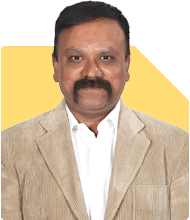
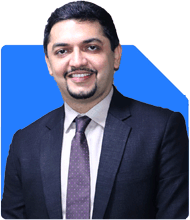
Ramalingam

Ramalingam Kalirajan  |10850 Answers  |Ask -

Mutual Funds, Financial Planning Expert - Answered on May 06, 2024

Asked by Anonymous - Apr 11, 2024Hindi
Listen
Money
Hello Sir, I lost my job in layoff . I am 46 year old . I had a home loan of 1.18 cr with EMI of 1.07L per month . I have 2 kids, Daughter is in 12th and Son is in 9th . I am selling my other 2 flats so that i can repay the loan and left money i will put in FD. I have to plan my children education 60 L and Retirement planning ( Next Month onwards i require 1 L ). After paying home loan I left with 70 L which i will put in FD . I have 70 L in EPF, 30 L in PPF maturity in 2026, 19 L FD, 3.3 L NSC ( Maturity at 2032/ 6.6L), 14 L Mutual Fund. My wife earns 50 K per month . Monthy expenses are 75K . My goals of havinng 1 L from next month and kids education can be achieved with these investment .
Ans: I'm sorry to hear about your job loss, but it's commendable that you're taking proactive steps to manage your finances during this challenging time. Let's create a plan to address your immediate needs and long-term goals:

• Home Loan Repayment: Selling your other two flats to repay the home loan is a prudent decision, as it will relieve you of the burden of the EMI and reduce financial stress.

• Emergency Fund: It's essential to maintain an emergency fund to cover unexpected expenses and loss of income. Since you'll have 70 lakhs from the sale of your flats, consider keeping a portion of this amount aside as your emergency fund, ideally in a liquid and accessible form like a savings account or short-term FD.

• Children's Education: With 60 lakhs earmarked for your children's education, you can explore investment options that offer growth potential over the medium to long term. Consider a combination of equity mutual funds, balanced funds, and fixed-income instruments to achieve your education goals. Since your daughter is in 12th grade, you may need to prioritize her education expenses in the near term.

• Retirement Planning: Your goal of having 1 lakh per month from next month onwards for retirement can be achieved by structuring your existing investments wisely. With 70 lakhs in EPF, 30 lakhs in PPF (maturing in 2026), and other fixed deposits and mutual funds, you have a solid foundation. You can explore options like Senior Citizen Savings Scheme (SCSS), Post Office Monthly Income Scheme (POMIS), and systematic withdrawal plans (SWPs) from mutual funds to generate a regular income stream in retirement.

• Income Replacement: Since you'll no longer have a regular income from employment, it's crucial to plan for income replacement. Your wife's income of 50,000 per month will provide some support, but you may need to supplement it with income generated from your investments.

• Expense Management: Given your monthly expenses of 75,000, it's essential to budget carefully and prioritize your spending. Look for areas where you can cut costs without compromising on essentials.

• Professional Advice: Consider consulting with a Certified Financial Planner who can help you develop a comprehensive financial plan tailored to your specific circumstances and goals. They can provide valuable guidance on investment strategies, tax planning, and retirement planning.

In conclusion, while losing your job is undoubtedly challenging, with careful planning and prudent financial management, you can navigate this period of transition successfully. By leveraging your existing assets and making strategic investment decisions, you can work towards achieving your children's education goals and securing a comfortable retirement for yourself. Stay focused, stay positive, and remember that you're not alone in this journey.

..Read more

Ramalingam

Ramalingam Kalirajan  |10850 Answers  |Ask -

Mutual Funds, Financial Planning Expert - Answered on Jun 02, 2025

Asked by Anonymous - May 26, 2025Hindi
Money
Sir, good morning... my age is 44yrs and my wife age is 43yrs. We both work, our consolidated net per month income is 3.40lacs (includes rental income of 15k). Have a PL of 6lacs outstanding for 24 months with emi 26k. And home loan of 28lacs outstanding for 4yrs with emi 50k and a car loan 10lacs for 2 yrs with emi 40k. And have a savings like PF-35 lacs, NPS-3.5lacs, MF's-3lac, gold worht - 15lacs, term insurance for 1.5cr, insurance policy maturity in 7yrs with amount 25lacs. And fixed assets worth 2crs. And Sukanya Samrudhi Scheme of 8.5lacs. I have two children (girl -7th grade, 12 yrs and boy-4 yrs) I need to plan for retirwment fund of 2 crs in next 10yrs. Secure my both child education. Secure my girl child marriage which is estimated for 50lacs. And planning to built a house which is planned yo worth (3cr) in next 5 years, which includes a rental income of 60k additional to current 15k(mentioned above)
Ans: Your dedication and focus towards your family’s secure future is truly commendable. Let’s create a clear and actionable plan to help you meet your goals smoothly.

Current Financial Position
Age: You are 44 years old; your wife is 43 years.

Monthly Net Income: Rs. 3.40 lakhs (includes Rs. 15,000 in rental income).

Loans:

Personal Loan: Rs. 6 lakhs; EMI Rs. 26,000; 24 months left.

Home Loan: Rs. 28 lakhs; EMI Rs. 50,000; 4 years left.

Car Loan: Rs. 10 lakhs; EMI Rs. 40,000; 2 years left.

Assets & Investments:

Provident Fund: Rs. 35 lakhs.

NPS: Rs. 3.5 lakhs.

Mutual Funds: Rs. 3 lakhs.

Gold: Rs. 15 lakhs.

Term Insurance: Rs. 1.5 crores.

Insurance policy maturity in 7 years: Rs. 25 lakhs.

Fixed Assets: Rs. 2 crores.

Sukanya Samriddhi Scheme: Rs. 8.5 lakhs.

Family:

Daughter: 12 years old, in 7th grade.

Son: 4 years old.

Your Key Financial Goals
Retirement corpus of Rs. 2 crores in the next 10 years.

Secure both children’s education.

Daughter’s marriage: Rs. 50 lakhs.

Build a house worth Rs. 3 crores in 5 years for an additional rental income of Rs. 60,000.

Loan Management
Prioritize closing your personal and car loans first. These have higher interest rates than your home loan.

Your car loan has 2 years left and personal loan 2 years as well. If you get any surplus income, direct it towards these.

After these are cleared, you can focus on prepaying your home loan faster if needed.

Reducing your EMI burden will improve your monthly cash flow significantly.

Retirement Planning
You aim to build a retirement corpus of Rs. 2 crores in 10 years. This is a solid and achievable target if you stay disciplined.

You already have Rs. 35 lakhs in PF and Rs. 3.5 lakhs in NPS. These are good foundations.

Continue your regular contributions to PF and NPS.

Start systematic investments in mutual funds to supplement these. Invest every month without fail.

Equity mutual funds have the potential to give better returns over the long term than traditional fixed deposits.

Avoid index funds. They only track the index, and may not adapt to market changes. Actively managed mutual funds, with expert fund managers, can outperform and adjust to market conditions.

Choose funds managed by reputed fund managers with a consistent record.

Avoid direct mutual funds. Regular mutual funds offer expert advice, help you stay disciplined, and provide guidance. A Certified Financial Planner can help you select and monitor these funds for the best results.

Mutual funds can be selected based on your risk profile and financial goals.

Children’s Education & Marriage Planning
Education costs can be substantial. Start investing separately for both children’s education.

Use child-focused mutual funds or balanced funds to plan for this. They balance risk and returns well.

For your daughter’s marriage, you have around 10-15 years. You already have Rs. 8.5 lakhs in Sukanya Samriddhi Scheme. Keep investing in it regularly for safety and decent returns.

For the additional Rs. 50 lakhs needed for her marriage, you can create a separate mutual fund portfolio in your wife’s name. This will keep it separate from your retirement funds.

Monitor and review these funds every year to ensure you stay on track.

House Construction Plan
You plan to build a house worth Rs. 3 crores in 5 years.

Since this will also bring in Rs. 60,000 monthly rent, it can be a useful asset. But building a house of this size can impact your other financial goals.

Ensure you do not compromise your retirement or children’s education plans for this. It is important to balance these big goals.

Consider saving a good portion of your monthly surplus for the house construction.

Avoid taking large loans again for the house as you already have a home loan.

If required, stagger the house construction or phase it based on the funds available.

Insurance & Protection
You already have a term insurance cover of Rs. 1.5 crores. This is good. Make sure it is sufficient for your family’s needs if something happens to you.

Your wife should also have a term insurance plan. This will ensure both of you are covered.

Avoid investment-linked insurance plans like ULIPs or endowment plans. They mix insurance and investment but give poor returns.

Surrender any existing ULIP or endowment policies you have. Reinvest the surrender value in mutual funds. This will grow better and give you liquidity.

Managing the Insurance Policy Maturing in 7 Years
You have an insurance policy maturing in 7 years with Rs. 25 lakhs.

Once it matures, reinvest the proceeds in mutual funds for long-term growth.

Avoid buying new insurance-cum-investment products. Keep insurance and investment separate for better results.

Regular Monitoring & Review
Your financial situation and goals may change with time.

Review your investments every year. Check if your goals are on track.

Adjust your investment amount or fund choices as required.

A Certified Financial Planner can help you review and rebalance your portfolio when needed.

Tax Planning
Be aware of taxes when you sell your mutual fund investments.

For equity mutual funds, long-term capital gains above Rs. 1.25 lakhs are taxed at 12.5%. Short-term capital gains are taxed at 20%.

For debt mutual funds, both long-term and short-term gains are taxed as per your income tax slab.

Plan your redemptions smartly to minimise tax.

Use tax-saving investment options like ELSS funds or PPF to reduce tax liability.

Building a Financial Buffer
Keep an emergency fund of at least 6 months of expenses.

This will help you manage sudden expenses or income changes.

Your rental income of Rs. 15,000 is a good start. When you build the new house and get the extra Rs. 60,000 rent, direct some of it to your emergency fund.

Securing Your Family’s Future
For your wife, ensure her insurance coverage and investments are also properly managed.

Teach your children the basics of money management as they grow. This will help them in the future.

Finally
You are on the right track with your savings and planning. Clearing your high-interest loans first will free up more of your monthly income.

Focus on disciplined investments in mutual funds and keep insurance separate. A Certified Financial Planner can guide you at every step to help you stay on course.

Stay consistent, review regularly, and you will achieve your goals smoothly.

Best Regards,

K. Ramalingam, MBA, CFP,

Chief Financial Planner,

www.holisticinvestment.in
https://www.youtube.com/@HolisticInvestment

..Read more

Ramalingam

Ramalingam Kalirajan  |10850 Answers  |Ask -

Mutual Funds, Financial Planning Expert - Answered on Sep 11, 2025

Money
Dear financial guru. I am 46 now have a small buisness which I started with 2lac loan soon after my graduation , have 2 sons age 17 and 13 my wife is 40 year she is housewife. From the first day i started savings 1. Now have a corpus of 1cr in FD in bank with monthly intrest withdrawl of 60000 per month on 7% approx This is my retirement corpus 2. Have 1 flat of around 75 lac value which i have given on rent fetching me 20000 per month rent monthly. 3 . Have a investment in 2 plots with current value of around 4 cr and 80 lac 5 living in my ancestral home so I assume it with zero value of selling. 4. PPF ac having saving of around 25 lac matured I have extended it to another 5 years 5. Lic policy of around total 30 lac maturing in around 5 years. 6. Soviener gold bond of todays value for around 12 lac 6. Buisness income around 60000-90000 per month now as now my buissnesd is down due to recession. 7. No loans to repay . No monthly emi to pay. 8. I have taken family health insurance of 25 lac which I will increase to 50 lac in wen I am 50 years. So my current income is Fd intrest 60000 Rent 20000 Buisness income 60000-90000 Total 140000 -180000 Current monthly expenses including school fees 110000 Monthly saving after expense 50000 approx Now my aim 1. Need for my sons education , as my eldor son is 17years good in studies from next year I will be needing around1 lac to 1.50 lac monthly for 4 years as he will be doing btech from good collage maybe in india or abroad. 2 . Plans are approx same for younger son cuurently in 7th will be needing same amount after 4 years for further 5 years for his studies. So need 1-2 lac monthly from next year for around 8-10 years for studies of my both son. After that I will retire and need approx same amount for my entire life. Don’t like invest in share and mutual funds always want safe investment like fd. Pls guide me , I am thinking of selling one plot of 80 lac to manage funds for both sons education exp which I need for 8 -10 years. Second plot I plan to sell wen it’s value come to around 5-6 cr in another 3-4 years from now and will buy another commercial property which will fetching me rental of around 2.5 lac monthly if I rent it to a bank .or will put entire amount in fd with monthly pay out of around 7-8%. Pls guide me if am on right track because have limited knowledge . Thx
Ans: You have done very well. Starting with a small loan and building assets of crores is not easy. You have cared for your family, built savings, and kept your lifestyle under control. You have also kept insurance in place, which is very wise. Your focus now is children’s education and retirement. Both are achievable with a proper plan.

» Current Financial Snapshot
– Age: 46, wife 40, two sons aged 17 and 13.
– Assets: Rs. 1 crore in FD, one flat worth Rs. 75 lakh, two plots worth Rs. 4 crore and Rs. 80 lakh, Rs. 25 lakh in PPF, LIC of Rs. 30 lakh, Sovereign Gold Bonds Rs. 12 lakh.
– Income: Rs. 60,000 monthly from FD, Rs. 20,000 monthly rent, Rs. 60,000 to 90,000 business income.
– Expenses: Rs. 1.1 lakh monthly including school fees.
– Surplus: Around Rs. 50,000 monthly.
– Insurance: Family health cover Rs. 25 lakh (planned to increase to Rs. 50 lakh), LIC policies, no loans.

This shows a very strong and stable financial base.

» Children’s Education Goal
Your elder son needs Rs. 1 to 1.5 lakh monthly for 4 years from next year. Younger son will need the same after 4 years for 5 years. That means for around 9 years, you will need heavy cash flow for education. You want to sell the Rs. 80 lakh plot to manage this. This is a reasonable idea. Education is a priority. Funding it from a separate lump sum makes sense.

» Use of Rs. 80 Lakh Plot Sale
If you sell this plot, you can park the amount safely. Do not keep all in FD with monthly payout. Instead, stagger the money. Keep the first 2 to 3 years expenses in FD for liquidity. Keep the balance in safe debt options with gradual redemption. This way you earn better growth than normal FD. You will have predictable flow for both children’s studies. Selling this plot for education is a practical decision.

» Retirement Corpus Planning
Your retirement expenses will be around Rs. 1 to 1.5 lakh per month after children settle. You already have Rs. 1 crore in FD, Rs. 25 lakh in PPF, Rs. 12 lakh in gold, and rental income of Rs. 20,000. LIC maturity of Rs. 30 lakh will also add. In addition, you have a Rs. 4 crore plot. When you sell this in future, you expect Rs. 5 to 6 crore. This can give either large FD interest or rental from commercial property. That is the main driver for your retirement.

» FD and Interest Dependency
You like FD as your safe choice. FD gives fixed return and regular income. But it has two issues. First, interest is fully taxable. Second, it may not beat inflation over 20 to 30 years. You may feel comfortable today, but value of money reduces over time. With Rs. 1.5 lakh monthly need, you must ensure FD corpus is very large to support rising costs. Keep this in mind.

» Role of Gold and PPF
Gold is a hedge. You already have Rs. 12 lakh in Sovereign Gold Bonds. That is fine. Do not increase more. PPF of Rs. 25 lakh is safe and tax free. It adds to your retirement pool. Continue extension till 15 years if possible. It is a stable support.

» LIC Policies
Your LIC maturity of Rs. 30 lakh is not very large compared to your total wealth. LIC policies give safety but lower growth. After maturity, do not reinvest again in LIC. Shift the maturity proceeds to better instruments like FD or safe debt for income flow.

» Business Income Consideration
Your business is giving Rs. 60,000 to 90,000 monthly now. But you already sense pressure from recession. Do not depend on this as permanent. You must plan retirement income without including business income. If business gives profit, it will be extra cushion.

» Real Estate Considerations
You plan to sell the Rs. 4 crore plot later when it touches Rs. 5 to 6 crore. You also plan to buy a commercial property for rental of Rs. 2.5 lakh monthly. You must be cautious here. Real estate deals involve risks like tenant issues, delay in renting, maintenance, and liquidity. FD with 6 to 7% interest is safe but taxable. Rental income is also taxable and not always guaranteed. You should not depend only on this. Diversify your wealth so that you have multiple income sources, not just rent or FD.

» Health Insurance
You have Rs. 25 lakh cover, planning to increase to Rs. 50 lakh at 50 years. That is very important. Healthcare costs rise very fast. This step will protect your retirement corpus.

» Estate Planning
You live in ancestral home. You must write a Will clearly mentioning asset distribution. Mention how property and money should be divided between wife and sons. Do nomination in bank FDs, PPF, LIC, and bonds. This avoids future legal issues.

» Safe vs Growth Balance
You dislike equity and mutual funds. You want safety. But understand one point. FD interest may look enough today, but after 15 to 20 years, inflation will eat into your money. Rs. 1 lakh today may need Rs. 2 to 3 lakh then. FD will not grow to match this. Equity can beat inflation, but you are not comfortable. In such case, at least keep small exposure to growth-oriented safe funds managed by professionals. Otherwise, your wealth may look big but will reduce in value later.

» How to Manage Education and Retirement Together
– Sell Rs. 80 lakh plot. Park money in FD and safe debt for children’s fees.
– Keep Rs. 1 crore FD as retirement corpus. Do not touch it for education.
– LIC maturity of Rs. 30 lakh after 5 years can add to retirement fund.
– Continue PPF extension and treat it as retirement income booster.
– Sovereign Gold Bonds of Rs. 12 lakh can be kept till maturity for safety and small income.
– When sons complete studies, you will still have Rs. 4 crore plot to sell. That will be the main funding for higher retirement lifestyle.

» Risks to Watch
– Depending only on FD and real estate can reduce long-term growth.
– Tax on FD interest will reduce real income.
– Rental income may not always be steady.
– Inflation risk is real. Expenses may double in 10 to 12 years.
– Health costs may eat corpus if insurance is not high enough.

» Better Balance Suggestions
– Do not put all proceeds from Rs. 4 crore plot into commercial property. Diversify. Keep some in FD for sure. But also look at professional management funds through CFP. Active funds give better inflation protection. Avoid index funds as they only copy markets without risk control. Avoid direct funds as they need constant monitoring. Regular funds through CFP give discipline and review.
– Keep your emergency fund separate, at least Rs. 10 to 15 lakh in liquid form.
– Increase health cover to Rs. 50 lakh soon, not later.

» Finally
You have done great work till now. Your savings habit and asset creation are solid. Your plan to sell Rs. 80 lakh plot for children’s education is correct. For retirement, do not depend only on FD and rental. They are safe, but inflation and tax will hit. Use diversification for part of wealth. Keep core in FD if you like safety, but let a share grow in actively managed funds with CFP guidance. Write a Will and update nominations. Keep health cover high. With this balanced approach, you can educate both sons fully, retire peacefully, and live with dignity without fear of running out of money.

Best Regards,

K. Ramalingam, MBA, CFP,

Chief Financial Planner,

www.holisticinvestment.in

https://www.youtube.com/@HolisticInvestment

..Read more

Ramalingam

Ramalingam Kalirajan  |10850 Answers  |Ask -

Mutual Funds, Financial Planning Expert - Answered on Sep 11, 2025

Money
Dear financial guru. I am 46 now have a small buisness which I started with 2lac loan soon after my graduation , have 2 sons age 17 and 13 my wife is 40 year she is housewife. From the first day i started savings 1. Now have a corpus of 1cr in FD in bank with monthly intrest withdrawl of 60000 per month on 7% approx This is my retirement corpus 2. Have 1 flat of around 75 lac value which i have given on rent fetching me 20000 per month rent monthly. 3 . Have a investment in 2 plots with current value of around 4 cr and 80 lac 5 living in my ancestral home so I assume it with zero value of selling. 4. PPF ac having saving of around 25 lac matured I have extended it to another 5 years 5. Lic policy of around total 30 lac maturing in around 5 years. 6. Soviener gold bond of todays value for around 12 lac 6. Buisness income around 60000-90000 per month now as now my buissnesd is down due to recession. 7. No loans to repay . No monthly emi to pay. 8. I have taken family health insurance of 25 lac which I will increase to 50 lac in wen I am 50 years. So my current income is Fd intrest 60000 Rent 20000 Buisness income 60000-90000 Total 140000 -180000 Current monthly expenses including school fees 110000 Monthly saving after expense 50000 approx Now my aim 1. Need for my sons education , as my eldor son is 17years good in studies from next year I will be needing around1 lac to 1.50 lac monthly for 4 years as he will be doing btech from good collage maybe in india or abroad. 2 . Plans are approx same for younger son cuurently in 7th will be needing same amount after 4 years for further 5 years for his studies. So need 1-2 lac monthly from next year for around 8-10 years for studies of my both son. After that I will retire and need approx same amount for my entire life. Don’t like invest in share and mutual funds always want safe investment like fd. Pls guide me , I am thinking of selling one plot of 80 lac to manage funds for both sons education exp which I need for 8 -10 years. Second plot I plan to sell wen it’s value come to around 5-6 cr in another 3-4 years from now and will buy another commercial property which will fetching me rental of around 2.5 lac monthly if I rent it to a bank .or will put entire amount in fd with monthly pay out of around 7-8%. Pls guide me if am on right track because have limited knowledge . Thx
Ans: It shows your serious planning mindset.
You have already built a good corpus through disciplined saving.
Let me provide a detailed 360-degree perspective on your financial plan.

» Current financial overview
– Age: 46 years.
– Family: Wife (40 years), two sons (17 and 13 years).
– No loans or EMIs.
– Fixed Deposit corpus: Rs 1 crore, generating approx Rs 60,000 per month interest.
– Rental income from flat: Rs 20,000 per month.
– Business income: Rs 60,000 to Rs 90,000 per month (currently down due to recession).
– PPF: Rs 25 lakh, extended for another 5 years.
– LIC policy: Rs 30 lakh maturing in 5 years.
– Sovereign Gold Bond (SGB): Rs 12 lakh.
– Land plots: One valued at Rs 80 lakh, another at Rs 4 crore.
– Monthly expenses including school fees: Rs 1.1 lakh.
– Savings: Approx Rs 50,000 per month.

» Educational expense planning for your sons
– Eldest son (17 years):

Starting next year, you need Rs 1–1.5 lakh per month for 4 years.

This includes college tuition, accommodation, and other expenses.

– Younger son (13 years):

In 4 years, similar needs for the next 5–6 years.

Estimated monthly need: Rs 1–2 lakh during that time.

– Total Education need:

For 8–10 years, approx Rs 1–2 lakh per month.

Could amount to Rs 1 crore or more in total.

» Using your current assets to meet this need
– Selling the 80 lakh plot seems reasonable.

Will give immediate funds for the next 8–10 years.

Helps avoid disruption in your sons' education.

– Keep the larger 4 crore plot.

You plan to sell it after 3–4 years when value reaches 5–6 crore.

Then invest in commercial property.

Rental expected: Rs 2.5 lakh per month.

» Thoughts on the commercial property plan
– Renting to a bank is a stable option.

Gives steady rental income and long-term security.
– Alternatively, keeping the amount in Fixed Deposit is safe.

Current FD interest ~7–8%.

Good for predictable cash flow.
– My suggestion:

If long-term goal is passive income, commercial property is good.

Ensure proper due diligence before buying commercial property.

Check rental agreement terms and bank reputation.

» Your risk preference is low, preferring FDs
– It is fine to prefer safety.
– But over-relying on FD can reduce real returns.
– Inflation erodes FD’s real value.
– Diversification is important for stability and growth.

» Better safe investment alternatives
– Government-backed bonds or Sovereign Gold Bonds are good.

Provides safety and small capital appreciation.

Interest or bond value grows over time.

– PPF is safe and tax-efficient.

Continue holding and investing further.

– Avoid ULIPs and LIC policies due to high costs.

These often deliver lower returns.

– Actively managed debt mutual funds are better.

Provides better returns than FDs.

Liquidity and safety balanced well.

» Why avoid index funds and direct mutual funds?
– Index funds lack professional decision making.

They blindly track index performance.

Do not adjust during market downtrends.

– Direct funds are not well monitored.

CFP credentialed regular mutual funds give better expert support.

Regular plans have better advisory and rebalancing support.

» Retirement planning
– Current monthly expenses: Rs 1.1 lakh.
– Post-retirement, you may need similar or more due to inflation.
– Business income may reduce.
– FD interest + rental + pension may not suffice.
– Aim for Rs 2–3 lakh per month post-retirement.

– Focus on building a corpus of Rs 5–7 crore.

Fixed income from commercial property and FDs may cover future expenses.

» Emergency fund
– Maintain at least Rs 15–20 lakh as liquid emergency corpus.

In bank FDs or liquid mutual funds.

To avoid disrupting investments during urgent needs.

» Health and term insurance
– Increase family floater health cover to Rs 50 lakh as planned.
– Term life insurance is crucial, especially as your children depend on you.

At least Rs 1–2 crore cover is recommended.

Provides safety against unexpected risks.

» Cash flow management
– Current income: FD interest + rent + business = Rs 1.4–1.8 lakh.
– Monthly expenses: Rs 1.1 lakh.
– Savings capacity: Around Rs 50,000 per month.
– Use savings for top-up investments in safe bonds or debt funds.

Enhances corpus without adding risk.

» Systematic plan for next 10 years
– Year 1–3:

Sell 80 lakh plot.

Use funds for sons’ education and emergency buffer.

– Year 3–5:

Focus on growing PPF and SGB investments.

Consider actively managed debt mutual funds.

– Year 5–7:

Monitor the 4 crore plot value.

Sell when it reaches 5–6 crore.

– Year 7–10:

Purchase commercial property if rent and agreement terms are good.

Alternatively, place in high-interest debt instruments.

– Start planning to reduce dependency on business income.

Reinvest business profits into low-risk instruments.

» Final Insights
– You are on the right track by saving systematically.
– Selling the 80 lakh plot is wise for education needs.
– Avoid over-relying on FD only.
– Add safe debt mutual funds for better returns.
– Commercial property is a good plan for long-term passive income.
– Term insurance and higher health cover are essential.
– Rebalance your portfolio yearly.
– Plan to have Rs 5–7 crore corpus at retirement.

Your future looks promising with correct discipline and small corrections.
Stay consistent in your saving and investments.
Do not delay starting the term insurance.
Review investments every 6 months.

Best Regards,
K. Ramalingam, MBA, CFP,
Chief Financial Planner,
www.holisticinvestment.in

https://www.youtube.com/@HolisticInvestment

..Read more

Latest Questions
Ramalingam

Ramalingam Kalirajan  |10850 Answers  |Ask -

Mutual Funds, Financial Planning Expert - Answered on Nov 19, 2025

Asked by Anonymous - Nov 19, 2025Hindi
Money
Sir, Im 55 years and working in the Ed-Tech sector (Private Sector with no benefits) as a Sales Consultant with a monthly consolidated take home of 1.5 Lakh per month. I have a Car loan EMI of Rs.8000/- which will end after 18 months and my son's Education loan EMI @ Rs.36000/- for next 15 years. I have a small FD of 3 Lakhs, no Life Insurance (Annuity plan) no PF, no PPF or Gratuity. I have 1Crore invested in MF and running an SIP of 1Lakh additionally. I have my own home without any Loan and Health Insurance coverage for 30Lakhs and Term Insurance of 2Crore for which I have to shell out Rs.40000/- per month. Can you please suggest what I should do to retire at the age of 60 years and at least maintain a simple living life without any fancies and trying to remain debt-free. Regards
Ans: You have shown strong commitment at age 55.
Your income is stable.
Your MF investment is strong.
Your SIP is high.
Your home is loan-free.
Your health cover is good.
Your clarity about simple life is also good.
This gives a strong base for a proper retirement plan.

Your goal is to retire at 60.
You want a simple and debt-free life.
You want stability in your last working years.
You want to avoid stress.
You want to protect your future.
I will give a full 360-degree view for your situation.

I will keep every sentence short.
I will avoid scheme names.
I will think like a Certified Financial Planner.
I will use plain Indian English.
I will keep paragraphs short.
I will keep the full answer long and detailed as requested.

Your home being loan-free helps a lot.
Your MF corpus of Rs 1 crore at 55 is solid.
Your SIP of Rs 1 lakh shows strong saving ability.
Your health cover of Rs 30 lakh gives safety.
Your term cover of Rs 2 crore supports your family.
Your steady job income supports planned saving.
These points give a strong base for retirement.

» Review of your current money position
Your income is Rs 1.5 lakh per month.
Your EMI load is Rs 44000 per month.
Your EMIs take about one third of your income.
This is manageable but tight.
The car loan will end in 18 months.
But the education loan will continue for 15 years.
This is the biggest continuous load.
It must be handled with discipline.

You have a small FD of Rs 3 lakh.
This is small for emergency needs.
You must improve this quickly.
This gives peace of mind.
A small buffer can reduce stress.

Your term insurance premium of Rs 40000 per month is very high.
This amount is too large for your income.
This needs urgent review.
You may not need this much cover now.
Your son is grown and studying.
Your home is loan-free.
Your assets have grown.
You can reduce your cover now.
Reducing cover will cut your monthly cost.
This will give breathing space.

» Review of your age and retirement goal
You are 55 now.
You want to retire at 60.
So you have only five years left.
Five years is a short time.
You must secure your base now.
Your plan must look at all angles.
Your plan must support 25–30 years after age 60.
Your plan must be safe and stable.

You must protect your savings now.
You must avoid risky behaviour.
You must maintain cash flow for five years.
You must build emergency money.
You must plan for rising expenses.
All these points need a step-by-step plan.

» Review of your mutual funds
You have Rs 1 crore in mutual funds.
This is a strong retirement base.
You also invest Rs 1 lakh each month as SIP.
This is a very high SIP for your age.
It must match your cash flow capacity.
If you feel pressure, you can adjust the SIP.
But do not stop fully.
You can shift some amount to debt funds also.
Debt brings stability before retirement.
It reduces risk in the final years.

Your fund mix is not shared.
But you must avoid too many funds.
You must avoid direct funds due to complexity.
Direct funds need more tracking.
Direct funds need your time.
Direct funds need more decisions.
This can lead to mistakes at 55.
Regular funds give guidance from an MFD with CFP credential.
They give discipline.
They reduce behavioural mistakes.
They create steady progress.

You also must avoid index funds.
Index funds fall with the full market.
They have no active risk control.
They have no stock selection flexibility.
They cannot protect you in bad years.
As retirement nears, this risk is high.
Active funds give safer stock choices.
Active funds reduce extreme falls.
Active funds shift weight when needed.
This suits people above 50 better.

» Your insurance review
Your term cover is Rs 2 crore.
Your premium is Rs 40000 per month.
This is Rs 4.8 lakh per year.
This is too much at your age.
You may not need such a big cover now.
Your son is studying.
Your home has no loan.
Your investments are strong.
Your liability is only the education loan.
Your term cover can be reduced.
Reducing cover gives more cash flow.
This extra cash can go to retirement saving.

Please do not buy annuity plans.
They reduce flexibility.
They give low returns.
They lock money forever.
They do not match your goals.
So avoid annuity products.

» Your health cover
You have Rs 30 lakh health insurance.
This is good for your age.
Keep this cover active.
Medical costs rise fast.
This cover supports your future.
This keeps your retirement safe.
Review your policy once a year.
Check exclusions.
Check claim rules.
This avoids last-minute issues.

» Emergency fund planning
Your FD of Rs 3 lakh is small.
You need more emergency money.
This emergency money must cover at least six months.
Your current needs are higher.
So build at least Rs 10 lakh as emergency fund.
Keep it in simple places.
You can use FD.
You can use liquid fund.
This helps during job shifts.
This helps during health issues.
This gives peace.

You do not get PF or gratuity.
You work in private sector.
Your income is not guaranteed.
So emergency fund becomes very important.

» Review of your debt situation
You have two EMIs.
Car EMI is Rs 8000.
This will end soon.
This is not a big worry.

Education loan EMI is Rs 36000.
This will run for 15 years.
This is a long commitment.
This EMI will continue even after your retirement.
This is risky.
Your retirement money will get stressed.
Try to reduce this loan faster if possible.
Make small extra payments when possible.
Even small payments reduce long-term load.
This will protect your retirement.

» Cash-flow planning for the next five years
You have five years before retirement.
Your income is Rs 1.5 lakh.
Your EMIs total Rs 44000.
Your term cover eats Rs 40000.
So your fixed outflow is Rs 84000.
Your SIP is Rs 1 lakh.
So your total outflow is Rs 1.84 lakh.
This is more than your income.

You cannot run this for long.
You will feel pressure.
You need a balance.
You can adjust your term cover.
You can adjust your SIP.
This frees cash.
This avoids EMI stress.
This gives room for savings.

» Ideal investment structure before age 60
Your goal is to secure your corpus.
You need both growth and safety.
You cannot take high risk now.
You must slowly shift to a balanced mix.
A mix of equity and debt helps.
Debt must increase as you near retirement.
Equity must reduce but not vanish.
Small equity exposure supports long-term growth.
Debt gives stability.

You do not need details of percentage here.
But you must begin the shift over five years.
Do it slowly.
Do it yearly.
Do not do sudden moves.
A CFP can fine-tune this mix for you.

» Retirement income planning
You want simple life.
You want debt-free life.
This is possible with right structure.
You need a monthly income plan at 60.
You can use SWP from mutual funds.
Use a mix of debt and equity.
Debt gives regular flow.
Equity gives slow growth.
This keeps your money alive for long.
You must avoid annuity plans.
They give low returns.
They lock your money.
SWP gives more flexibility.

When selling equity funds, be aware of tax.
Short-term gains tax is 20%.
Long-term gains above Rs 1.25 lakh taxed at 12.5%.
Debt fund gains taxed as per your slab.
This helps you plan SWP tax properly.

» Your son’s education loan and future
Your son benefits from lower interest due to education loan structure.
But the EMI burden is on you now.
Encourage him to take over EMI once he starts earning.
This reduces your load.
This supports your retirement peace.
It also builds his discipline.

» Your lifestyle planning
Simple lifestyle needs planning.
List your fixed expenses.
List your medical needs.
List your basic needs.
Keep future inflation in mind.
Your investments must support these needs.
Your cash must stay safe.
Your equity must grow slow and steady.
Your debt must fund your monthly flow.

» Reduce mistakes in the last lap
Do not chase high-risk funds now.
Do not chase hot stocks.
Do not chase untested ideas.
Do not chase direct funds.
Do not chase index funds.
These can damage retirement money.
Stick to steady active funds.
Stick to a planned mix.
Stick to yearly review with a CFP.

» Build a protection system
Keep health insurance active.
Keep term insurance at right size.
Reduce premium by adjusting cover.
Keep emergency fund ready.
Keep nomination updated.
Make a will.
Secure your papers.
Keep family aware of everything.
This protects your future.

» Your roadmap for next five years
– Build emergency fund.
– Reduce term insurance burden.
– Reduce EMI stress slowly.
– Maintain SIP but adjust amount if needed.
– Increase debt allocation year by year.
– Keep equity at controlled level.
– Review once a year.
– Keep long-term focus.
– Avoid emotional decisions.
– Prepare for SWP by age 60.

This roadmap creates strong retirement support.
This roadmap improves your peace.
This roadmap protects your future.

» Finally
Your base is strong.
Your discipline is impressive.
You only need proper alignment now.
You can retire at 60 with comfort.
You can live simple and peaceful life.
You can stay debt-free with good planning.
You only need to adjust insurance, EMI load, SIP, and asset mix.
Your steps today will protect your next 30 years.

If needed, a Certified Financial Planner can refine numbers, cash flow, and asset mix.
But your direction is already right.
You now need structure.

Best Regards,
K. Ramalingam, MBA, CFP,
Chief Financial Planner,
www.holisticinvestment.in

https://www.youtube.com/@HolisticInvestment

...Read more

Ramalingam

Ramalingam Kalirajan  |10850 Answers  |Ask -

Mutual Funds, Financial Planning Expert - Answered on Nov 19, 2025

Asked by Anonymous - Nov 19, 2025Hindi
Money
Sir, I m 66 yrs having following funds. Large cap..2 Midcap.. 2 Multicap..1 ELSS..3. all matured Flexi cap..1 Value fund. 1 Advise me, if I need to change in this.
Ans: You have taken effort to build a broad mix.
That itself shows good discipline at age 66.
You also show good awareness about fund categories.
I appreciate this clarity.
You want to know if any change is needed.
I will now look at your mix from a full 360-degree view.
I will keep every line simple.
I will keep all points short.
I will guide you as a Certified Financial Planner.
I will avoid scheme names as you requested.
Your fund list is as follows:
– Large cap: 2
– Midcap: 2
– Multicap: 1
– ELSS: 3
– Flexicap: 1
– Value fund: 1
You have a total of 10 funds.
This is a higher count for your stage of life.
You may not need so many funds now.
Your goal now is safety, steady growth, and simple tracking.
Below is a detailed assessment.


You have built a good mix of categories.
You have covered different styles.
This shows good long-term thinking.
At 66, you also need more stability.
Your plan must focus on capital safety.
Your plan must also focus on low stress.
So a simpler structure will help you more.
You already have the right base for that.

» Review of your current mix
Your mix is wide but a bit scattered.
Large caps are stable.
Midcaps can grow but can also swing.
Multicap and flexicap give dynamic allocation.
Value funds give slow but steady style.
ELSS funds are no longer needed for tax saving after 60.
So three ELSS funds create extra overlap.
The biggest issue is overlap.
These categories may hold many similar stocks.
This makes your portfolio look bigger than it is.
More funds do not mean more safety.
More funds can create more confusion.
Fewer funds can give smoother tracking.

» Review of category purpose
Each category has a different idea.
– Large cap funds give safer growth.
– Midcap funds give higher swings.
– Multicap funds spread across all sizes.
– Flexicap funds change weight based on market view.
– Value funds invest only when price looks cheap.
– ELSS funds are mainly for tax saving.
At age 66, you no longer need tax-based investing.
So ELSS becomes less useful.
Midcap funds can still work.
But they must be in limited number.
Flexicap, multicap and value can act as core holdings.
But having all of them may create duplication.

» Portfolio simplicity for your age
At 66, simple structure gives more clarity.
It reduces risk of mistakes.
It helps easy decision-making.
You need only a few funds now.
But each fund must be high quality.
Each fund must suit your risk level.
Simple plans reduce mental load.
Simple plans reduce tax impact.
Simple plans also keep rebalancing easy.

» Do you need change
Yes, some change can help you.
But you do not need a full reshuffle.
You only need trimming.
You must remove extra funds.
You must keep a core-and-support style.
You also need a stable asset mix.
Equity alone is not enough at this stage.
You need some debt allocation.
Debt allocation gives peace and steady cash flow.
This is part of 360-degree planning.

» Suggested structure for your funds
I will give a structure idea without naming any scheme.
This structure is easier and more balanced.
– Keep one large cap fund.
– Keep one midcap fund.
– Keep one flexicap or multicap fund.
– Keep one value fund only if needed.
– Exit from all ELSS funds after lock-in.
This reduces your funds from ten to three or four.
This keeps your portfolio strong and simple.
This reduces overlap.
This brings better control.

» Why reduce ELSS
ELSS is good only for tax saving.
You may not need Section 80C now.
There is no benefit in keeping three ELSS funds.
They also behave like multi-cap funds.
They bring the same type of exposure.
So they add no extra value.
You can exit after lock-in.
You can shift to a more stable category.
This brings more safety at your age.

» Why limit midcap
Midcaps swing a lot.
This may affect your peace.
Keep only one midcap fund now.
This lowers volatility.
This protects your retirement corpus.
Growth will still continue.
But with calmer movement.

» Why keep large cap
Large caps offer steady movement.
They protect the downside better.
They match your life stage now.
One large cap fund is enough.

» Role of flexicap or multicap
These funds offer wide choices.
They allow fund manager to adjust sizes.
This gives good flexibility.
This fits long-term goals well.
You may keep only one of these types.
You do not need both.

» Role of value fund
Value fund can be kept.
But it is not mandatory.
It depends on your comfort.
Value funds move slowly.
They are less aggressive.
They can act as a stabiliser.
But you should avoid too many layers.
Keep the count low.

» Active funds are better than index funds
You have not chosen index funds.
That is good for your stage.
Index funds lack protection in down markets.
They fall exactly as the market falls.
They do not have a manager to reduce risk.
They also have no flexibility to shift stocks.
At 66, you need selective exposure.
Active funds give smart stock selection.
Active funds lower risk in bad cycles.
This is safer for retirees.
Your active style is therefore better.

» Direct funds vs regular funds
You did not talk about direct funds.
If you ever think of direct funds, be careful.
Direct funds need your time.
They need your full tracking.
You must rebalance alone.
This can be stressful at your age.
It can cause wrong timing decisions.
Regular funds through an MFD with CFP credential give better discipline.
You get guidance, reviews and handholding.
This prevents behavioural mistakes.
This protects your retirement money.
So regular plans are safer for long-term peace.

» Asset mix check
Income stage needs balanced mix.
You can keep 30% to 40% in equity.
You can keep the rest in debt.
Debt gives stability.
Debt gives cash flow.
Debt reduces worry in market falls.
Debt also helps SWP planning.
You must not depend fully on equity now.
I am not giving exact formula.
I am giving only principles.
You can fine-tune with a CFP.

» Why this mix matters
You need two things now.
You need growth for next 20 years.
You also need safety for monthly needs.
Your mix should support both.
So equity cannot be fully removed.
But equity must be controlled.
A balanced mix gives the right balance.

» 360-degree view for your money
You should also look at other areas.
You need health cover in place.
You need emergency money.
You need nominee details updated.
You need a will.
You need to review tax impact.
You need to check expense needs.
These complete the 360-degree view.
Your fund changes must match these points.

» Rebalancing approach
You should review once a year.
You should not change every few months.
Reviewing once a year keeps discipline.
This avoids emotional mistakes.
This keeps long-term growth steady.
This makes your retirement smooth.

» MF tax rules for awareness
When you sell equity funds, you must know tax.
Short-term gains are taxed at 20%.
Long-term gains have tax above Rs 1.25 lakh at 12.5%.
Debt fund gains follow tax slabs.
This is needed for planning redemptions.
You need to sell slowly.
You must avoid sudden withdrawals.

» What you can do next
– Reduce total fund count.
– Exit ELSS after lock-in.
– Keep only one midcap.
– Keep one large cap.
– Keep one flexicap or multicap.
– Keep value fund only if you like that style.
– Maintain debt exposure.
– Review once a year.
This will keep your plan strong.
This will make your life easier.
This will protect your money better.
This gives peaceful retirement.

» Finally
Your base is already good.
You only need trimming.
A simpler structure will help you now.
It will protect your retirement years.
It will give steady returns with less stress.
Your money will work better for you.
Your life will stay peaceful.
If needed, a Certified Financial Planner can fine-tune your risk level, SWP needs, and debt mix.
You already have the right attitude.
Your next step is only about organising the structure.
Best Regards,
K. Ramalingam, MBA, CFP,
Chief Financial Planner,
www.holisticinvestment.in
https://www.youtube.com/@HolisticInvestment

...Read more

Reetika

Reetika Sharma  |367 Answers  |Ask -

Financial Planner, MF and Insurance Expert - Answered on Nov 19, 2025

Money
Dear Sir I hope you are doing well. I am seeking your independent opinion on a proposed switch of my existing Bajaj Allianz Goal Assure funds into the Nifty 500 Multicap Momentum Quality 50 Index Fund. My insurance advisor has recommended moving my entire current corpus (~₹10.3 lakh) into this fund gradually at ₹2 lakh per year. For your reference, here are the details of my current portfolio and SIP plans: Current Portfolio (as of latest statement): Fund Name Current Value (₹) Bond Fund 83,226.67 Equity Growth Fund - 2 1,88,982.12 Accelerator Mid Cap Fund - 2 36,080.50 Pure Stock Fund II 6,45,281.48 Small Cap Fund 51,194.39 Midcap Index Fund 29,979.86 Total Portfolio Value: ₹10,34,745.02 Current SIP Allocation (₹10,000/month): Accelerator Mid Cap Fund II: 2,700 Equity Growth Fund - 2: 3,000 Pure Stock Fund II: 2,300 Small Cap Fund: 2,000 Given my long-term investment goal (2035), I would like your expert advice on the following: The impact on portfolio diversification and risk if I move my entire corpus gradually into the Nifty 500 Momentum Fund. How this switch could affect the return of charges feature in my Goal Assure plan. Whether you would recommend a full switch as suggested, or a partial allocation, and why. Expected volatility and downside risk, especially considering the last 1-year market performance. Any hidden conditions or costs associated with this switch. I would greatly appreciate your independent and detailed guidance to help me make an informed decision. Thank you for your time and expertise.
Ans: Hi Rudolf,

Your current holding funds are not that great keeping in mind your time horizon and funds performance. If you keep investing in these funds, much return cannot be expected. Hence switch is necessary into good performing funds which can easily give you a return of 14-15% on an yearly basis.

The entire shift will definitely come with additional cost and taxes for you to pay but it will be better to shift now and move to better performing funds than keep invested in funds like these.

Funds like Assure Funds comes with very high hidden costs and commissions and there are much much better funds out there for loong term investment. One should never consider investing in funds like these.

However, it would be wise not to consult an Insurance Advisor for your investments. An insurance advisor is completely different from Investment Advisors. You should seek the help of a good professional who can help in choosing funds for your long term portfolio. A Certified Financial Planner (CFP) can help you with this regard.

Hence do consult a professional Certified Financial Planner - a CFP who can guide you with exact funds to invest in keeping in mind your age, requirements, financial goals and risk profile. A CFP periodically reviews your portfolio and suggest any amendments to be made, if required.

Let me know if you need more help.

Best Regards,
Reetika Sharma, Certified Financial Planner
https://www.instagram.com/cfpreetika/

...Read more

Reetika

Reetika Sharma  |367 Answers  |Ask -

Financial Planner, MF and Insurance Expert - Answered on Nov 19, 2025

Money
Dear Sir I hope you are doing well. I am seeking your independent opinion on a proposed switch of my existing Bajaj Allianz Goal Assure funds into the Nifty 500 Multicap Momentum Quality 50 Index Fund. My insurance advisor has recommended moving my entire current corpus (~₹10.3 lakh) into this fund gradually at ₹2 lakh per year. For your reference, here are the details of my current portfolio and SIP plans: Current Portfolio (as of latest statement): Fund Name Current Value (₹) Bond Fund 83,226.67 Equity Growth Fund - 2 1,88,982.12 Accelerator Mid Cap Fund - 2 36,080.50 Pure Stock Fund II 6,45,281.48 Small Cap Fund 51,194.39 Midcap Index Fund 29,979.86 Total Portfolio Value: ₹10,34,745.02 Current SIP Allocation (₹10,000/month): Accelerator Mid Cap Fund II: 2,700 Equity Growth Fund - 2: 3,000 Pure Stock Fund II: 2,300 Small Cap Fund: 2,000 Given my long-term investment goal (2035), I would like your expert advice on the following: The impact on portfolio diversification and risk if I move my entire corpus gradually into the Nifty 500 Momentum Fund. How this switch could affect the return of charges feature in my Goal Assure plan. Whether you would recommend a full switch as suggested, or a partial allocation, and why. Expected volatility and downside risk, especially considering the last 1-year market performance. Any hidden conditions or costs associated with this switch. I would greatly appreciate your independent and detailed guidance to help me make an informed decision. Thank you for your time and expertise.
Ans: Hi Rudolf,

Your current holding funds are not that great keeping in mind your time horizon and funds performance. If you keep investing in these funds, much return cannot be expected. Hence switch is necessary into good performing funds which can easily give you a return of 14-15% on an yearly basis.

The entire shift will definitely come with additional cost and taxes for you to pay but it will be better to shift now and move to better performing funds than keep invested in funds like these.

Funds like Assure Funds comes with very high hidden costs and commissions and there are much much better funds out there for loong term investment. One should never consider investing in funds like these.

However, it would be wise not to consult an Insurance Advisor for your investments. An insurance advisor is completely different from Investment Advisors. You should seek the help of a good professional who can help in choosing funds for your long term portfolio. A Certified Financial Planner (CFP) can help you with this regard.

Hence do consult a professional Certified Financial Planner - a CFP who can guide you with exact funds to invest in keeping in mind your age, requirements, financial goals and risk profile. A CFP periodically reviews your portfolio and suggest any amendments to be made, if required.

Let me know if you need more help.

Best Regards,
Reetika Sharma, Certified Financial Planner
https://www.instagram.com/cfpreetika/

...Read more

Reetika

Reetika Sharma  |367 Answers  |Ask -

Financial Planner, MF and Insurance Expert - Answered on Nov 19, 2025

Money
Dear Sir I hope you are doing well. I am seeking your independent opinion on a proposed switch of my existing Bajaj Allianz Goal Assure funds into the Nifty 500 Multicap Momentum Quality 50 Index Fund. My insurance advisor has recommended moving my entire current corpus (~₹10.3 lakh) into this fund gradually at ₹2 lakh per year. For your reference, here are the details of my current portfolio and SIP plans: Current Portfolio (as of latest statement): Fund Name Current Value (₹) Bond Fund 83,226.67 Equity Growth Fund - 2 1,88,982.12 Accelerator Mid Cap Fund - 2 36,080.50 Pure Stock Fund II 6,45,281.48 Small Cap Fund 51,194.39 Midcap Index Fund 29,979.86 Total Portfolio Value: ₹10,34,745.02 Current SIP Allocation (₹10,000/month): Accelerator Mid Cap Fund II: 2,700 Equity Growth Fund - 2: 3,000 Pure Stock Fund II: 2,300 Small Cap Fund: 2,000 Given my long-term investment goal (2035), I would like your expert advice on the following: The impact on portfolio diversification and risk if I move my entire corpus gradually into the Nifty 500 Momentum Fund. How this switch could affect the return of charges feature in my Goal Assure plan. Whether you would recommend a full switch as suggested, or a partial allocation, and why. Expected volatility and downside risk, especially considering the last 1-year market performance. Any hidden conditions or costs associated with this switch. I would greatly appreciate your independent and detailed guidance to help me make an informed decision. Thank you for your time and expertise
Ans: Hi Rudolf,

Your current holding funds are not that great keeping in mind your time horizon and funds performance. If you keep investing in these funds, much return cannot be expected. Hence switch is necessary into good performing funds which can easily give you a return of 14-15% on an yearly basis.

The entire shift will definitely come with additional cost and taxes for you to pay but it will be better to shift now and move to better performing funds than keep invested in funds like these.

Funds like Assure Funds comes with very high hidden costs and commissions and there are much much better funds out there for loong term investment. One should never consider investing in funds like these.

However, it would be wise not to consult an Insurance Advisor for your investments. An insurance advisor is completely different from Investment Advisors. You should seek the help of a good professional who can help in choosing funds for your long term portfolio. A Certified Financial Planner (CFP) can help you with this regard.

Hence do consult a professional Certified Financial Planner - a CFP who can guide you with exact funds to invest in keeping in mind your age, requirements, financial goals and risk profile. A CFP periodically reviews your portfolio and suggest any amendments to be made, if required.

Let me know if you need more help.

Best Regards,
Reetika Sharma, Certified Financial Planner
https://www.instagram.com/cfpreetika/

...Read more

Anu

Anu Krishna  |1735 Answers  |Ask -

Relationships Expert, Mind Coach - Answered on Nov 18, 2025

Asked by Anonymous - Nov 11, 2025Hindi
Relationship
Dear madam I have this suitaution in my life. Plz do guide me with this. So i have 2 married sisters and a brother with who i dont get along well. We used to be close back then. Later on my father passed away and then i got busy searching work. After getting work i got carried away with my newly found friendship with a boy i started spending much on him rather then my family. But still then i never neglected my family every kind of help i tried to give them. In the meanwhile i used to take care of my bedridden grandmother who used to stay in another state. Then my second sister started feeding everyone's mind against me saying i dont help them with money and i spend most on my grandmother and cousin. Though my sister were earning well still they waited me to spend on them which i stopped by then as they were earning. And there used to be a real good fight with my sisters and me regarding money issue and als my marriage thing and i gave them bitter words and also curses which i regret to this day thinking how could i do hated thing to my family .In next few years my sister got married but my second sister never invited me for her marriage and did all her wedding plans in my absence and i als never attended her wedding. I attended my 3rd sister wedding. After that my second sister plotted a plan against me by taking everyone on her side and kept me out of all the family functions. I just ignored them and decided to never to get bothered by any of this. Now the problem my 3rd sister is pregnant and they have planned a babyshower and like they are just telling me to attend it. To be honest they just told me a day before the function. How to handle this. Should i attend? And how to deal with such kind of people they seem to take advantage of my helpless. Please guide me on how to become a strong girl while taking desicion.
Ans: Dear Anonymous,
Learn the skill of staying away from all this drama. If you felt secure with who you are, you wouldn't think much whether you got invited or not. Do remember, people will be on your side sometimes and not on your side at other times. This goes for friends are family; so learn to be comfortable with that...
What you did for your grandmother is a choice that you made; why expect anything in return?
Life lived with least expectations is certainly a happier life...counting what people did or didn't do will take away your peace!
Real strength is not in fighting it out but knowing when to walk away from constant drama.

All the best!
Anu Krishna
Mind Coach|NLP Trainer|Author
Drop in: www.unfear.io
Reach me: Facebook: anukrish07/ AND LinkedIn: anukrishna-joyofserving/

...Read more

DISCLAIMER: The content of this post by the expert is the personal view of the rediffGURU. Investment in securities market are subject to market risks. Read all the related document carefully before investing. The securities quoted are for illustration only and are not recommendatory. Users are advised to pursue the information provided by the rediffGURU only as a source of information and as a point of reference and to rely on their own judgement when making a decision. RediffGURUS is an intermediary as per India's Information Technology Act.

Close  

You haven't logged in yet. To ask a question, Please Log in below
Login

A verification OTP will be sent to this
Mobile Number / Email

Enter OTP
A 6 digit code has been sent to

Resend OTP in120seconds

Dear User, You have not registered yet. Please register by filling the fields below to get expert answers from our Gurus
Sign up

By signing up, you agree to our
Terms & Conditions and Privacy Policy

Already have an account?

Enter OTP
A 6 digit code has been sent to Mobile

Resend OTP in120seconds

x